

LIANA+ provides an all-in-one framework for cell–cell communication inference
Open accessThe DOI matches its Crossref record; 119 of the 120 references it cites were found in a registry or an index.
Abstract
The growing availability of single-cell and spatially resolved transcriptomics has led to the development of many approaches to infer cell–cell communication, each capturing only a partial view of the complex landscape of intercellular signalling. Here we present LIANA+, a scalable framework built around a rich knowledge base to decode coordinated inter- and intracellular signalling events from single- and multi-condition datasets in both single-cell and spatially resolved data. By extending and unifying established methodologies, LIANA+ provides a comprehensive set of synergistic components to study cell–cell communication via diverse molecular mediators, including those measured in multi-omics data. LIANA+ is accessible at https://github.com/saezlab/liana-py with extensive vignettes ( https://liana-py.readthedocs.io/ ) and provides an all-in-one solution to intercellular communication inference.
Overview
The claims and statistics of this paper haven’t been checked yet.
Free: it reads the open-access text and checks the first 5 claims that cite a source we can check. Create a free account to check every claim.
Integrity signals
Registry
Cites
Statistics
Figures
Verification
Claims the paper makes
The claims and statistics of this paper haven’t been checked yet.
Free: it reads the open-access text and checks the first 5 claims that cite a source we can check. Create a free account to check every claim.
Self-check
Percentages, sums and reported differences re-computed from the paper’s own numbers.
The self-check needs the paper’s full text.
Citations
Cites
Moderated estimation of fold change and dispersion for RNA-seq data with DESeq2
Love, M. I., Huber, W., & Anders, S. (2014) · Genome Biology · doi:10.1186/s13059-014-0550-8 · Cited by 95,106 · cited 5×
“Then we estimated TF activities using the Wald statistics from PyDeSeq2 with univariate linear regression 81 and CollecTRI 80 .”
InfluentialScikit-learn: Machine Learning in Python
Pedregosa, F., Varoquaux, G., Gramfort, A., Michel, V., Thirion, B., Grisel, O., Blondel, M., Müller, A., Nothman, J., Louppe, G., et al. (2012) · arXiv · doi:10.48550/arxiv.1201.0490 · Cited by 71,016 · cited 1×
“By default, models are based on random forests 84 and can capture complex non-linear relationships.”
Cytoscape: A software Environment for integrated models of biomolecular interaction networks
Shannon, P., Markiel, A., Ozier, O., Baliga, N. S., Wang, J. T., Ramage, D., Amin, N., Schwikowski, B., & Ideker, T. (2003) · Genome Research · doi:10.1101/gr.1239303 · Cited by 51,888 · cited 1×
“Then the acyclic subnetworks obtained by each iteration were concatenated, such that edges from any solution were kept, and the network union was visualized with CytoScape 91 .”
SciPy 1.0: fundamental algorithms for scientific computing in Python
Virtanen, P., Gommers, R., Oliphant, T. E., Haberland, M., Reddy, T., Cournapeau, D., Burovski, E., Peterson, P., Weckesser, W., Bright, J., et al. (2020) · Nature Methods · doi:10.1038/s41592-019-0686-2 · Cited by 38,430 · cited 1×
“For linear models, which were used throughout this manuscript, we calculate the ordinary least squares t -statistics of the estimated parameters under the zero value null hypothesis 83 .”
SciPy 1.0: fundamental algorithms for scientific computing in Python
Virtanen, P., Gommers, R., Oliphant, T. E., Haberland, M., Reddy, T., Cournapeau, D., Burovski, E., Peterson, P., Weckesser, W., Bright, J., et al. (2019) · Apollo - University of Cambridge Repository · doi:10.17863/cam.64134 · Cited by 10,460
Inference and analysis of cell-cell communication using CellChat
Jin, S., Guerrero-Juarez, C. F., Zhang, L., Chang, I., Ramos, R., Kuan, C.-H., Myung, P., Plikus, M. V., & Nie, Q. (2021) · Nature Communications · doi:10.1038/s41467-021-21246-9 · Cited by 8,409 · cited 5×
“Most curation efforts have focused on annotating ligand– receptor interactions 19,21 , and additional prior knowledge efforts are needed in particular for the inference of CCC beyond protein-mediated events.”
InfluentialCellular and molecular mechanisms of fibrosis
Wynn, T. (2008) · The Journal of Pathology · doi:10.1002/path.2277 · Cited by 4,495 · cited 1×
“Moreover, we noted that interactions in both the ischaemia-associated factor 4 and the fibrosis-associated factor 5 were enriched in transforming growth factor (TGF)-β signalling—a well-known driver of fibrosis 52 .”
Efremova, M., Vento-Tormo, M., Teichmann, S. A., & Vento-Tormo, R. (2020) · Nature Protocols · doi:10.1038/s41596-020-0292-x · Cited by 3,449 · cited 2×
“Most curation efforts have focused on annotating ligand– receptor interactions 19,21 , and additional prior knowledge efforts are needed in particular for the inference of CCC beyond protein-mediated events.”
D 1 and D 2 Dopamine Receptor-regulated Gene Expression of Striatonigral and Striatopallidal Neurons
Gerfen, C. R., Engber, T. M., Mahan, L. C., Susel, Z., Chase, T. N., Monsma, F. J., & Sibley, D. R. (1990) · Science · doi:10.1126/science.2147780 · Cited by 2,967 · cited 1×
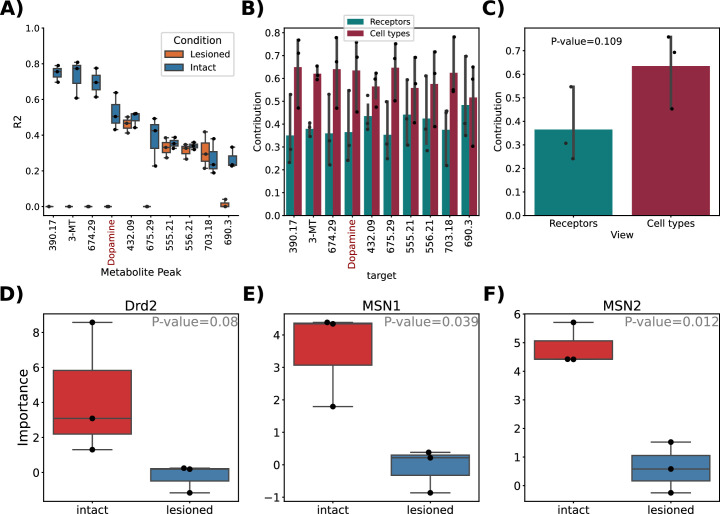
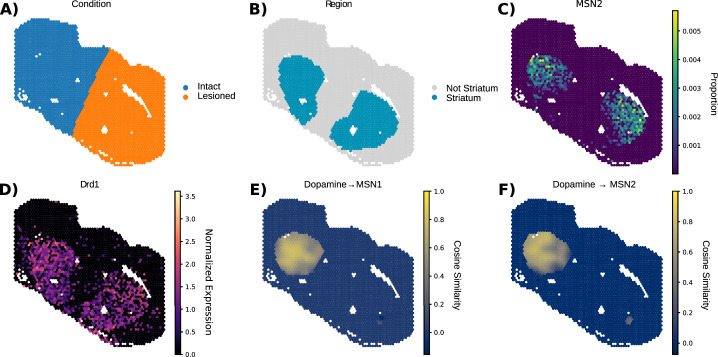
“Our analysis additionally hinted at an anticipated asymmetry following uni-hemispheric lesion 38 : while the interaction between D2R and dopamine was present in the intact hemisphere (Fig.”
Molecular Architecture of the Mouse Nervous System
Zeisel, A., Hochgerner, H., Lönnerberg, P., Johnsson, A., Memic, F., van der Zwan, J., Häring, M., Braun, E., Borm, L. E., La Manno, G., et al. (2018) · Cell · doi:10.1016/j.cell.2018.06.021 · Cited by 2,552
NicheNet: Modeling intercellular communication by linking ligands to target genes
Browaeys, R., Saelens, W., & Saeys, Y. (2020) · Nature Methods · doi:10.1038/s41592-019-0667-5 · Cited by 2,192 · cited 2×
“In some resources, the interactions are associated with pathways 19 or transcriptional regulators 24,25 , leading to multiple heterogeneous databases and potential inconsistencies caused solely by the choice of resource 3 .”
A single-cell and spatially resolved atlas of human breast cancers
Wu, S. Z., Al-Eryani, G., Roden, D. L., Junankar, S., Harvey, K., Andersson, A., Thennavan, A., Wang, C., Torpy, J. R., Bartonicek, N., et al. (2021) · Nature Genetics · doi:10.1038/s41588-021-00911-1 · Cited by 1,775
Cell2location maps fine-grained cell types in spatial transcriptomics
Kleshchevnikov, V., Shmatko, A., Dann, E., Aivazidis, A., King, H. W., Li, T., Elmentaite, R., Lomakin, A., Kedlian, V., Gayoso, A., et al. (2022) · Nature Biotechnology · doi:10.1038/s41587-021-01139-4 · Cited by 1,279 · cited 3×
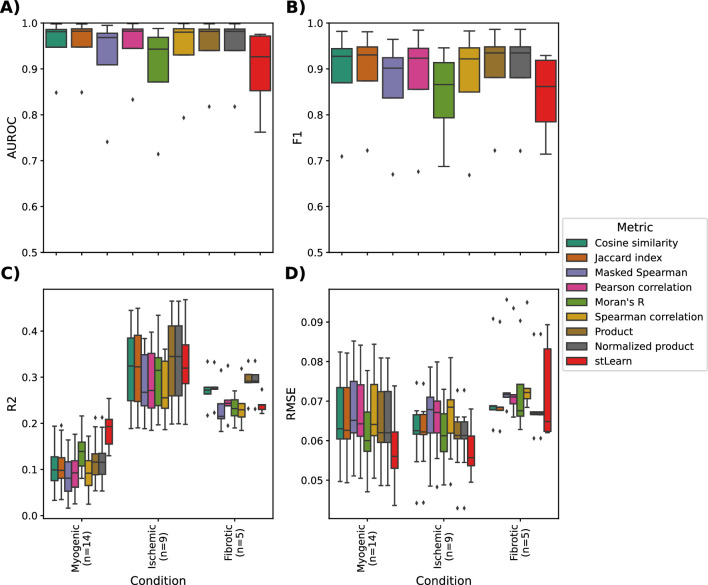
“In particular, we checked how well the local scores LIANA+ predict cell-type proportions per spot, inferred using cell2location 42 as done in Kuppe et al. 27 .”
InfluentialFinding a "Kneedle" in a Haystack: Detecting Knee Points in System Behavior
Satopaa, V., Albrecht, J., Irwin, D., & Raghavan, B. (2011) · 2011 31st International Conference on Distributed Computing Systems Workshops · doi:10.1109/icdcsw.2011.20 · Cited by 1,274 · cited 1×
“To estimate k , we additionally provide a heuristic elbow selection procedure, in which the optimal component number ( k ) is chosen from a sequential range of components using elbow selection as implemented in the kneedle package 85 .”
TGFβ–SMAD signal transduction: molecular specificity and functional flexibility
Schmierer, B., & Hill, C. S. (2007) · Nature Reviews Molecular Cell Biology · doi:10.1038/nrm2297 · Cited by 1,271 · cited 2×
“Specifically, these regulatory proteins were predicted to upregulate SMAD1/3 TFs, key members of canonical TGF-β superfamily signalling 56 .”
Deciphering cell–cell interactions and communication from gene expression
Armingol, E., Officer, A., Harismendy, O., & Lewis, N. E. (2021) · Nature Reviews Genetics · doi:10.1038/s41576-020-00292-x · Cited by 1,267 · cited 4×
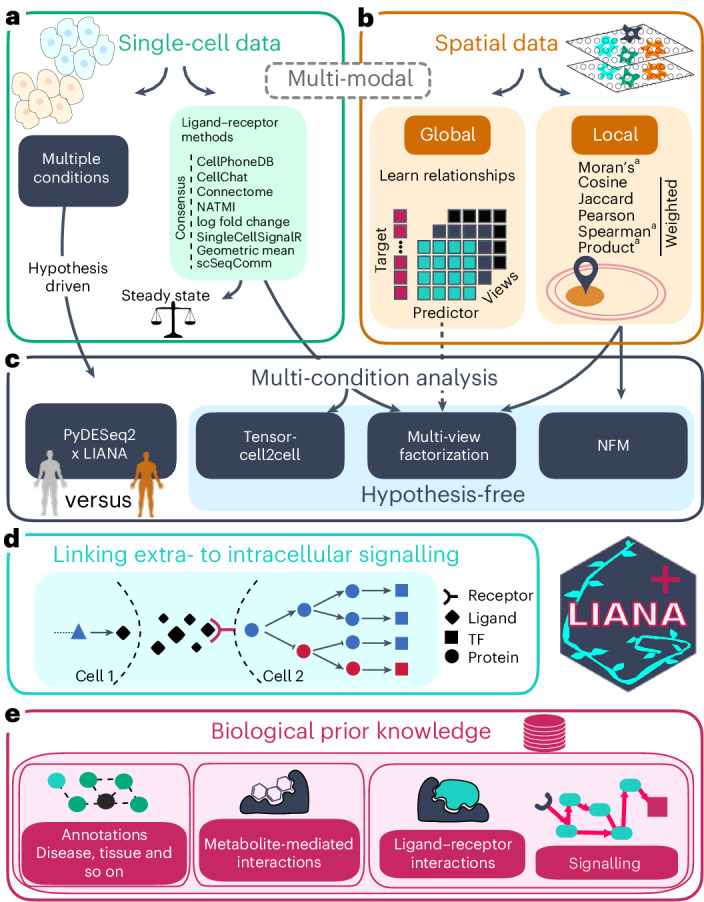
“Taken together, LIANA+ synthe-sises heterogeneous methods and resources 1,2 , providing an all-in-one framework to study intercellular communication (Fig.”
InfluentialMethods and applications for single-cell and spatial multi-omics
Vandereyken, K., Sifrim, A., Thienpont, B., & Voet, T. (2023) · Nature Reviews Genetics · doi:10.1038/s41576-023-00580-2 · Cited by 1,244 · cited 4×
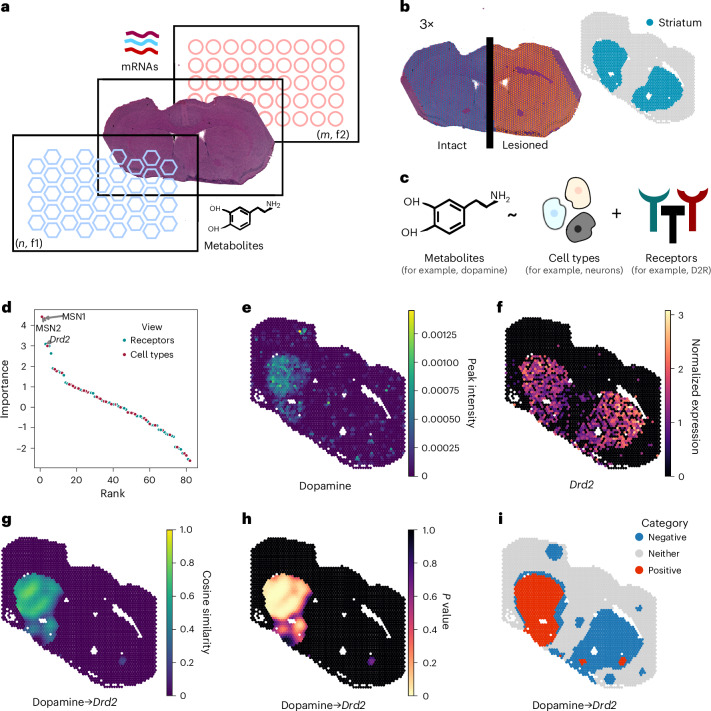
“Our analysis revealed dopamine-mediated interactions in specific brain subregions, highlighting how LIANA+ addresses challenges to integrate different data modalities, a scenario we anticipate to grow with the increasing combined use of complementary spatial technologies 15,39 .”
InfluentialHabermann, A. C., Gutierrez, A. J., Bui, L. T., Yahn, S. L., Winters, N. I., Calvi, C. L., Peter, L., Chung, M.-I., Taylor, C. J., Jetter, C., et al. (2020) · Science Advances · doi:10.1126/sciadv.aba1972 · Cited by 1,129
Benchmark and integration of resources for the estimation of human transcription factor activities
Garcia-Alonso, L., Holland, C. H., Ibrahim, M. M., Turei, D., & Saez-Rodriguez, J. (2019) · Genome Research · doi:10.1101/gr.240663.118 · Cited by 1,122
Perturbation-response genes reveal signaling footprints in cancer gene expression
(2017) · doi:10.1038/s41467-017-02391-6 · Cited by 1,108 · cited 3×
“Pathway activities of ligand–receptor interaction loadings were calculated using linear regression 81 and sets of ligand–receptor pathways, annotated using the PROGENy pathway resource 50 with all genes.”
Multiplexed droplet single-cell RNA-sequencing using natural genetic variation
Kang, H. M., Subramaniam, M., Targ, S., Nguyen, M., Maliskova, L., McCarthy, E., Wan, E., Wong, S., Byrnes, L., Lanata, C. M., et al. (2018) · Nature Biotechnology · doi:10.1038/nbt.4042 · Cited by 1,101 · cited 1×
“We used a pre-processed dataset of 29 single-nucleotide samples from the same publication 89 .”
decoupleR: ensemble of computational methods to infer biological activities from omics data
(2022) · doi:10.1093/bioadv/vbac016 · Cited by 1,098 · cited 6×
“Then we estimated TF activities using the Wald statistics from PyDeSeq2 with univariate linear regression 81 and CollecTRI 80 .”
InfluentialSelf-citationMOFA+: a statistical framework for comprehensive integration of multi-modal single-cell data
Argelaguet, R., Arnol, D., Bredikhin, D., Deloro, Y., Velten, B., Marioni, J. C., & Stegle, O. (2020) · Genome Biology · doi:10.1186/s13059-020-02015-1 · Cited by 1,091 · cited 7×
“1a and Supplementary Table 3) with higher-order factorizations 20,43 for the scalable inference of cross-conditional CCC from dissociated single-cell data (Fig.”
InfluentialBest practices for single-cell analysis across modalities
Heumos, L., Schaar, A. C., Lance, C., Litinetskaya, A., Drost, F., Zappia, L., Lücken, M. D., Strobl, D. C., Henao, J., Curion, F., et al. (2023) · Nature Reviews Genetics · doi:10.1038/s41576-023-00586-w · Cited by 1,051 · cited 1×
“To complement the aforementioned unsupervised analyses, LIANA+ uses state-of-the-art 45,46 differential expression analysis 47,48 to enable the targeted (hypothesis-driven) exploration of CCC across conditions (Methods).”
Self-citationThe technological landscape and applications of single-cell multi-omics
Baysoy, A., Bai, Z., Satija, R., & Fan, R. (2023) · Nature Reviews Molecular Cell Biology · doi:10.1038/s41580-023-00615-w · Cited by 1,037 · cited 4×
“Our analysis revealed dopamine-mediated interactions in specific brain subregions, highlighting how LIANA+ addresses challenges to integrate different data modalities, a scenario we anticipate to grow with the increasing combined use of complementary spatial technologies 15,39 .”
InfluentialInflammatory Mediators and the Failing Heart: Past, Present, and the Foreseeable Future
Mann, D. L. (2002) · Circulation Research · doi:10.1161/01.res.0000043825.01705.1b · Cited by 988 · cited 1×
“We saw that interactions from ischaemia-associated factors 1 and 2 were enriched in hypoxic, epidermal growth factor receptor (EGFR), mitogen-activated protein kinase (MAPK) and JAK-STAT pathways, reflecting anticipated inflammatory patterns in ischaemic regions 51 .”
Deep learning and alignment of spatially resolved single-cell transcriptomes with Tangram
Biancalani, T., Scalia, G., Buffoni, L., Avasthi, R., Lu, Z., Sanger, A., Tokcan, N., Vanderburg, C. R., Segerstolpe, Å., Zhang, M., et al. (2021) · Nature Methods · doi:10.1038/s41592-021-01264-7 · Cited by 931 · cited 2×
“In this case study, we identified dopamine-mediated Technical Report https://doi.org/10.1038/s41556-024-01469-w using spatially adjacent receptor expression and cell-type proportions, deconvoluted using Tangram 35 with a murine brain single-cell atlas 36 as a reference.”
InfluentialSingle-cell genomics identifies cell type–specific molecular changes in autism
Velmeshev, D., Schirmer, L., Jung, D., Haeussler, M., Perez, Y., Mayer, S., Bhaduri, A., Goyal, N., Rowitch, D. H., & Kriegstein, A. R. (2019) · Science · doi:10.1126/science.aav8130 · Cited by 927
Giotto: a toolbox for integrative analysis and visualization of spatial expression data
Dries, R., Zhu, Q., Dong, R., Eng, C.-H. L., Li, H., Liu, K., Fu, Y., Zhao, T., Sarkar, A., Bao, F., et al. (2021) · Genome Biology · doi:10.1186/s13059-021-02286-2 · Cited by 917 · cited 1×
“These have previously been used to identify co-expression patterns between genes across spatial 31–33 and pseudotime 32 contexts, and have been recently applied to ligand–receptor interactions 8,9,34 .”
Janesick, A., Shelansky, R., Gottscho, A. D., Wagner, F., Williams, S. R., Rouault, M., Beliakoff, G., Morrison, C. A., Oliveira, M. F., Sicherman, J. T., et al. (2023) · Nature Communications · doi:10.1038/s41467-023-43458-x · Cited by 909 · cited 1×
“A particular challenge of emerging spatial technologies is that, on a single tissue section, they can combine different technologies 15 , and hence the observations from each technology may correspond to distinct spatial locations that need to be aligned 26,29 .”
Effect of the intratumoral microbiota on spatial and cellular heterogeneity in cancer
Galeano Niño, J. L., Wu, H., LaCourse, K. D., Kempchinsky, A. G., Baryiames, A., Barber, B., Futran, N., Houlton, J., Sather, C., Sicinska, E., et al. (2022) · Nature · doi:10.1038/s41586-022-05435-0 · Cited by 887 · cited 1×
“We further envision LIANA+ to be a versatile tool for the study of CCC driven by diverse mediators, beyond protein-mediated and metabolite-mediated interactions, expanding the range of CCC events that could be studied, such as host–microbiome interactions 73–75 .”
Spatial multi-omic map of human myocardial infarction
(2020) · doi:10.1101/2020.12.08.411686 · Cited by 772
Spatial multi-omic map of human myocardial infarction
Kuppe, C., Ramirez Flores, R. O., Li, Z., Hayat, S., Levinson, R. T., Liao, X., Hannani, M. T., Tanevski, J., Wünnemann, F., Nagai, J. S., et al. (2022) · Nature · doi:10.1038/s41586-022-05060-x · Cited by 772
Self-citationPham, D., Tan, X., Balderson, B., Xu, J., Grice, L. F., Yoon, S., Willis, E. F., Tran, M., Lam, P. Y., Raghubar, A., et al. (2023) · Nature Communications · doi:10.1038/s41467-023-43120-6 · Cited by 730 · cited 14×
“4 and Supplementary Note 5).”
InfluentialDimitrov, D., Türei, D., Garrido-Rodriguez, M., Burmedi, P. L., Nagai, J. S., Boys, C., Ramirez Flores, R. O., Kim, H., Szalai, B., Costa, I. G., et al. (2022) · Nature Communications · doi:10.1038/s41467-022-30755-0 · Cited by 664 · cited 7×
“First, while each of its methods can flexibly infer interactions between any set of variables, they typically use prior knowledge, which is limited, often exhibiting biases and a trade-off between coverage and quality 3,24,67 .”
InfluentialSelf-citationMapping the temporal and spatial dynamics of the human endometrium in vivo and in vitro
Garcia-Alonso, L., Handfield, L.-F., Roberts, K., Nikolakopoulou, K., Fernando, R. C., Gardner, L., Woodhams, B., Arutyunyan, A., Polanski, K., Hoo, R., et al. (2021) · Nature Genetics · doi:10.1038/s41588-021-00972-2 · Cited by 662 · cited 1×
“strategies include methods that (1) consider each interaction independently 8,16,17 , (2) make use of dimensionality reduction to perform pairwise comparisons between conditions 18,19 or (3) model all variables, samples and cell types simultaneously 20 .”
Inference and analysis of cell-cell communication using CellChatPreprint
Jin, S., Guerrero‐Juarez, C. F., Zhang, L., et al. (2020) · bioRxiv (Cold Spring Harbor Laboratory) · doi:10.1101/2020.07.21.214387 · Cited by 604
GeoDa: An Introduction to Spatial Data Analysis
Anselin, L., Syabri, I., & Kho, Y. (2010) · Handbook of Applied Spatial Analysis · doi:10.1007/978-3-642-03647-7_5 · Cited by 584
anndata: Access and store annotated data matrices
Virshup, I., Rybakov, S., Theis, F. J., Angerer, P., & Wolf, F. A. (2024) · Journal of Open Source Software · doi:10.21105/joss.04371 · Cited by 485
Screening cell–cell communication in spatial transcriptomics via collective optimal transport
(2023) · doi:10.1038/s41592-022-01728-4 · Cited by 484 · cited 14×
“4 and Supplementary Note 5).”
InfluentialSingle-cell roadmap of human gonadal development
Garcia-Alonso, L., Lorenzi, V., Mazzeo, C. I., Alves-Lopes, J. P., Roberts, K., Sancho-Serra, C., Engelbert, J., Marečková, M., Gruhn, W. H., Botting, R. A., et al. (2022) · Nature · doi:10.1038/s41586-022-04918-4 · Cited by 465 · cited 1×
“CCC methods typically rely on pre-existing knowledge 2,3 , with extensive efforts dedicated to curating and extending protein-mediated 19,21,22 and, to a lesser extent, metabolite-mediated knowledge 11,13,14,23 .”
PyDESeq2: A Python Package for Bulk RNA-Seq Differential Expression Analysis
Muzellec, B., Teleńczuk, M., Cabeli, V., & Andreux, M. (2023) · Bioinformatics · doi:10.1093/bioinformatics/btad547 · Cited by 446 · cited 6×
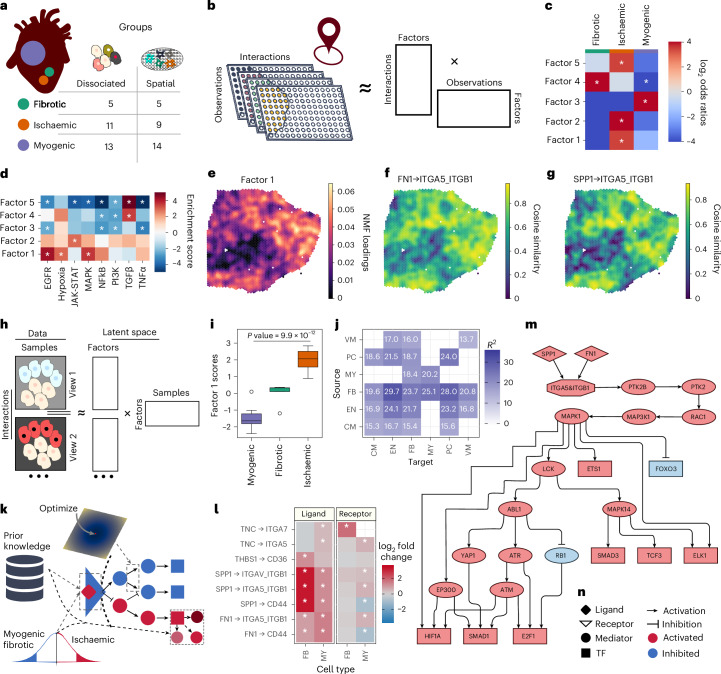
“Asterisks signify genes with FDR <0.05, and the colour bar corresponds to log2FC 47,48 . m , Sign-coherent signalling network originating from FN1 and SPP1 and propagating down to TFs deregulated in MY in ischaemia. n , Corresponding legend for the network in m .”
InfluentialRobinson, J. L., Kocabaş, P., Wang, H., Cholley, P.-E., Cook, D., Nilsson, A., Anton, M., Ferreira, R., Domenzain, I., Billa, V., et al. (2020) · Science Signaling · doi:10.1126/scisignal.aaz1482 · Cited by 442
The emerging landscape of spatial profiling technologies
Moffitt, J. R., Lundberg, E., & Heyn, H. (2022) · Nature Reviews Genetics · doi:10.1038/s41576-022-00515-3 · Cited by 419 · cited 1×
“However, it remains limited by a common coverage–resolution trade-off in most spatial technologies 39,40 : they either quantify a limited fraction of molecules or they capture multiple cells within spots, relying on deconvolution to quantify cell-type frequencies within them 39,40 .”
High-plex protein and whole transcriptome co-mapping at cellular resolution with spatial CITE-seq
Liu, Y., DiStasio, M., Su, G., Asashima, H., Enninful, A., Qin, X., Deng, Y., Nam, J., Gao, F., Bordignon, P., et al. (2023) · Nature Biotechnology · doi:10.1038/s41587-023-01676-0 · Cited by 418
Müller-Dott, S., Tsirvouli, E., Vazquez, M., Ramirez Flores, R. O., Badia-i-Mompel, P., Fallegger, R., Türei, D., Lægreid, A., & Saez-Rodriguez, J. (2023) · Nucleic Acids Research · doi:10.1093/nar/gkad841 · Cited by 380 · cited 2×
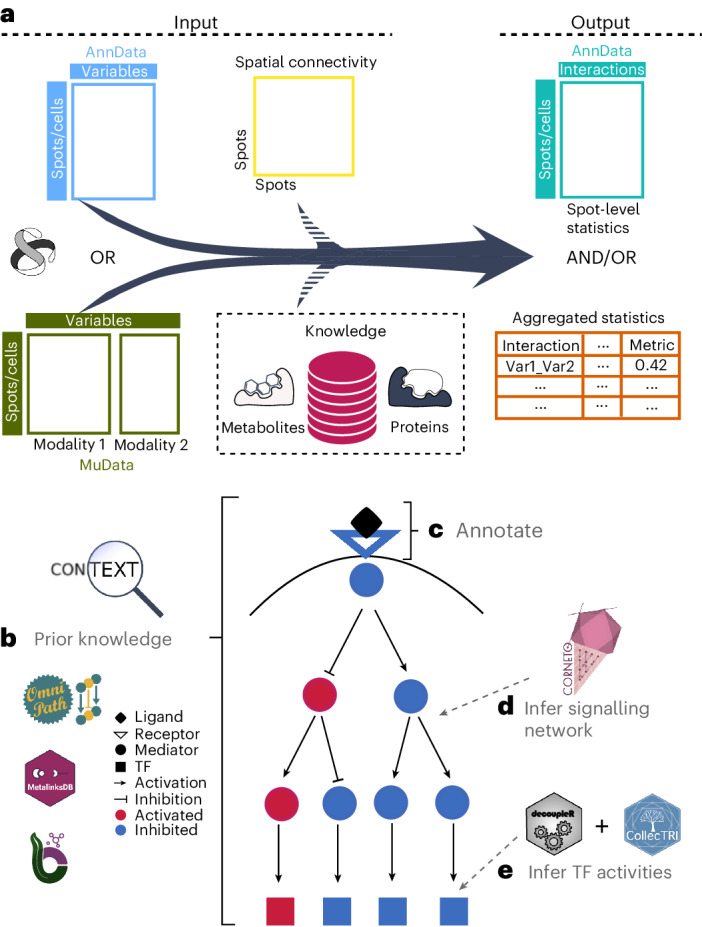
“…it uses this prior knowledge to infer putative causal (sign-coherent) signalling networks 49,79 , emanating from ligand–receptor interactions down to active TFs. e , The TF activities can be estimated by making use of generalistic regulon prior knowledge 80 and standard enrichment analyses 81 .”
Self-citationIntegrated intra‐ and intercellular signaling knowledge for multicellular omics analysis
Türei, D., Valdeolivas, A., Gul, L., Palacio‐Escat, N., Klein, M., Ivanova, O., Ölbei, M., Gábor, A., Theis, F., Módos, D., et al. (2021) · Molecular Systems Biology · doi:10.15252/msb.20209923 · Cited by 369 · cited 9×
“For the inference of ligand–receptor interactions throughout this work, we used LIANA’s consensus resource—a resource combining the curated ligand–receptor resources in OmniPath 22 .”
InfluentialA practical solution to pseudoreplication bias in single-cell studies
Zimmerman, K. D., Espeland, M. A., & Langefeld, C. D. (2021) · Nature Communications · doi:10.1038/s41467-021-21038-1 · Cited by 356 · cited 1×
“To complement the aforementioned unsupervised analyses, LIANA+ uses state-of-the-art 45,46 differential expression analysis 47,48 to enable the targeted (hypothesis-driven) exploration of CCC across conditions (Methods).”
The scverse project provides a computational ecosystem for single-cell omics data analysis
Virshup, I., Bredikhin, D., Heumos, L., Palla, G., Sturm, G., Gayoso, A., Kats, I., Koutrouli, M., Community, S., Angerer, P., et al. (2023) · Nature Biotechnology · doi:10.1038/s41587-023-01733-8 · Cited by 341 · cited 2×
“LIANA+ uses standardized scverse 28 input and output formats (Fig.”
Hoeft, K., Schaefer, G. J. L., Kim, H., Schumacher, D., Bleckwehl, T., Long, Q., Klinkhammer, B. M., Peisker, F., Koch, L., Nagai, J., et al. (2023) · Cell Reports · doi:10.1016/j.celrep.2023.112131 · Cited by 326 · cited 6×
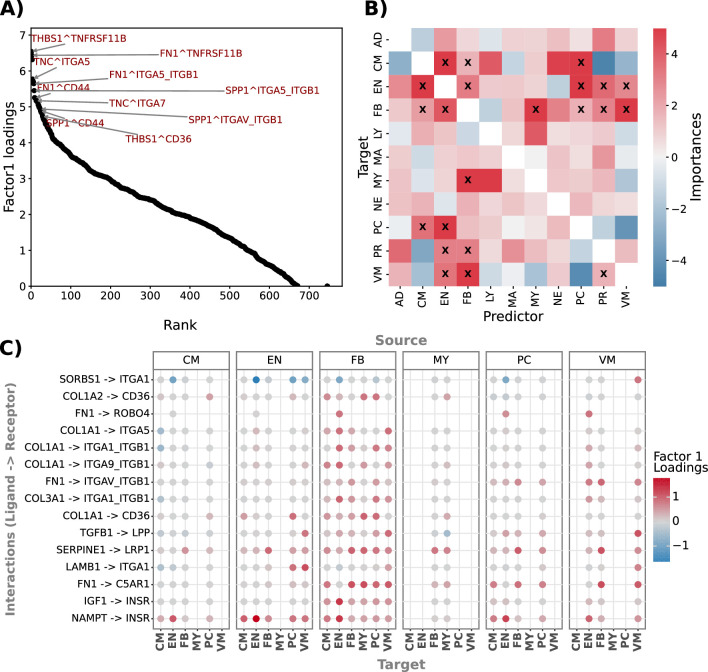
“Among the top 30 interactions were several integrins ( ITGB1 , ITGAV , ITGA5 and ITGA7 ) interacting with pro-fibrotic ( FN1 and SPP1 ) gene markers 27,53 and matrix glycoproteins ( TNC and THBS1 ) (Extended Data Fig.”
InfluentialExplainable multiview framework for dissecting spatial relationships from highly multiplexed data
(2022) · doi:10.1186/s13059-022-02663-5 · Cited by 297 · cited 6×
“Expanding on previous work 4 , LIANA+ uses a multi-view modelling approach to learn spatial relationships across distinct types of features, spatial contexts and technologies (represented as views; Fig.”
InfluentialSelf-citationPredicting cell-to-cell communication networks using NATMI
Hou, R., Denisenko, E., Ong, H. T., Ramilowski, J. A., & Forrest, A. R. R. (2020) · Nature Communications · doi:10.1038/s41467-020-18873-z · Cited by 285
Zhang, Y., Liu, T., Hu, X., Wang, M., Wang, J., Zou, B., Tan, P., Cui, T., Dou, Y., Ning, L., et al. (2021) · Nucleic Acids Research · doi:10.1093/nar/gkab638 · Cited by 252
Pathogenic variants damage cell composition and single cell transcription in cardiomyopathies
Reichart, D., Lindberg, E. L., Maatz, H., Miranda, A. M. A., Viveiros, A., Shvetsov, N., Gärtner, A., Nadelmann, E. R., Lee, M., Kanemaru, K., et al. (2022) · Science · doi:10.1126/science.abo1984 · Cited by 240 · cited 1×
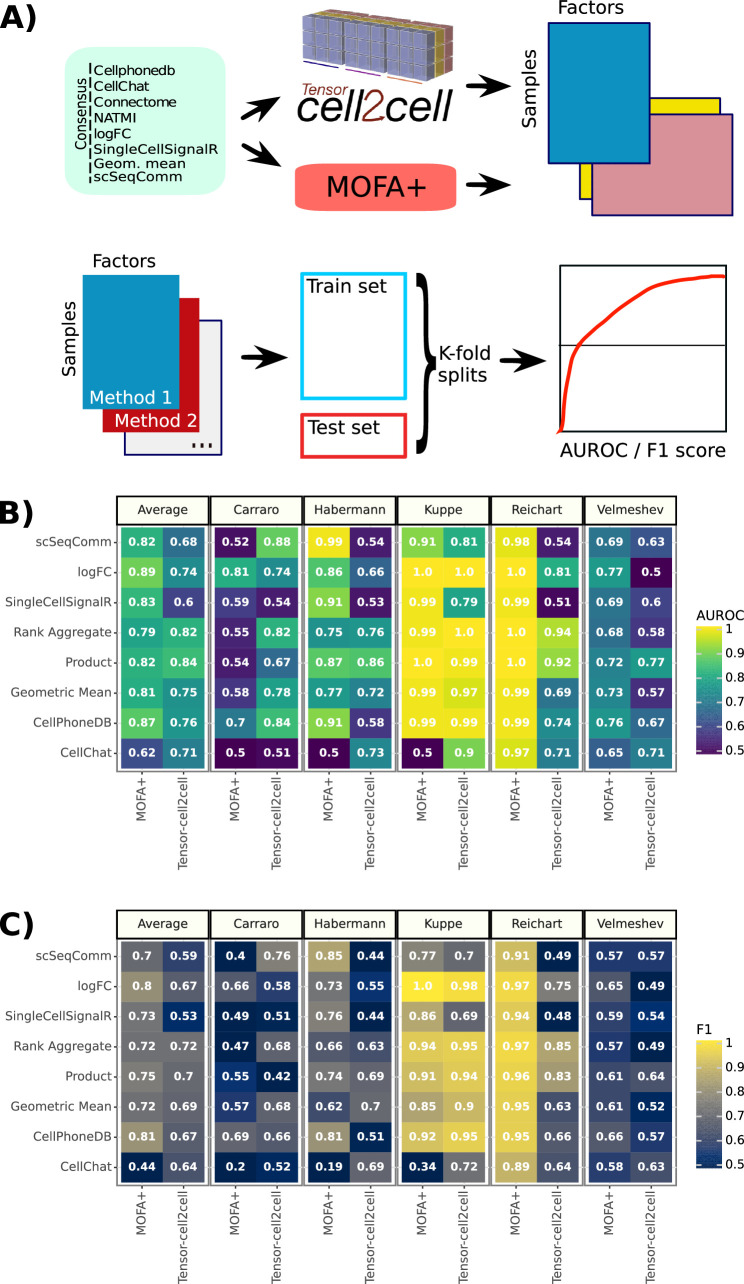
“For all datasets, we decomposed the CCC events into 10 factors, except Reichart et al. 88 , which was decomposed into 20 factors due to its larger sample size.”
A Local Indicator of Multivariate Spatial Association: Extending Geary's c
Anselin, L. (2019) · Geographical Analysis · doi:10.1111/gean.12164 · Cited by 238 · cited 1×
“…commonly used similarity metrics (cosine similarity, Pearson and Spearman correlation and Jaccard index), (2) a masked version of Spearman correlation 32 , (3) simple spatially weighted products and (4) a bivariate extension 8,33,37 of the univariate spatial clustering measure—Moran’s I (Methods).”
anndata: Annotated dataPreprint
Virshup, I., Rybakov, S., Theis, F. J., Angerer, P., & Wolf, F. (2021) · bioRxiv · doi:10.1101/2021.12.16.473007 · Cited by 236 · cited 3×
“…per cell type are generated, we transform those into a data frame of interaction statistics by joining them to a ligand–receptor resource, while additionally calculating average feature expression and expression proportions per cell type on the basis of a user-provided AnnData object 78 .”
Slide-tags enables single-nucleus barcoding for multimodal spatial genomics
Russell, A. J. C., Weir, J. A., Nadaf, N. M., Shabet, M., Kumar, V., Kambhampati, S., Raichur, R., Marrero, G. J., Liu, S., Balderrama, K. S., et al. (2024) · Nature · doi:10.1038/s41586-023-06837-4 · Cited by 225 · cited 2×
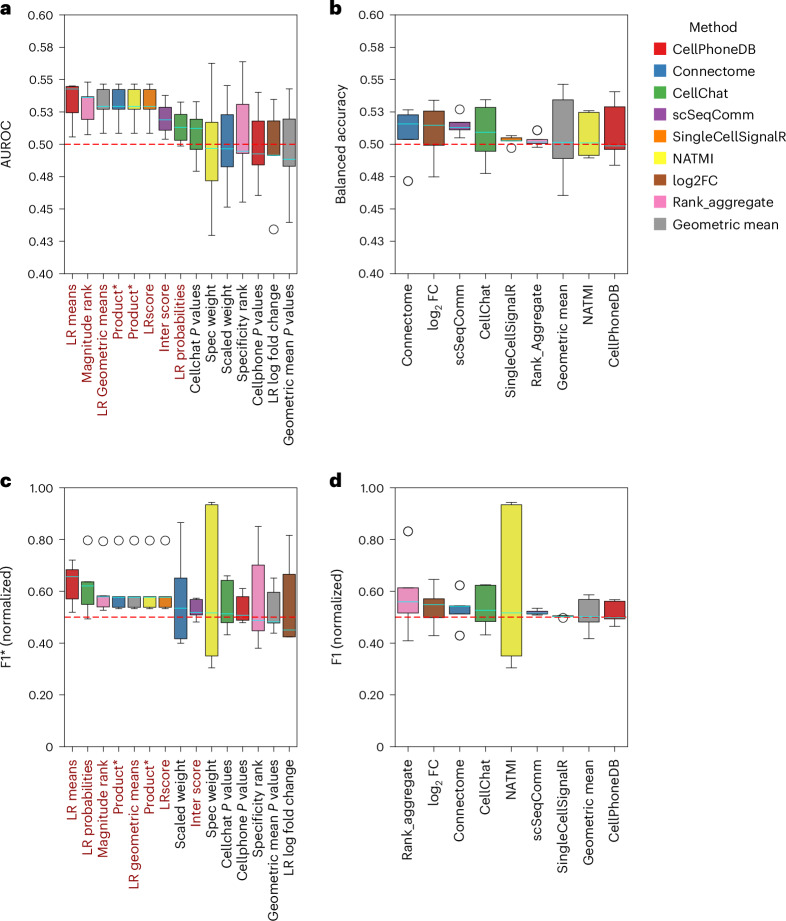
“Leveraging Slide-tags, a recent technology capable of measuring full transcriptome single-nucleus data while also preserving spatial information 41 , we evaluated spatially uniformed CCC methods using cell type and gene expression co-localization as an indirect ground truth 3 —assuming that…”
MUON: multimodal omics analysis framework
Bredikhin, D., Kats, I., & Stegle, O. (2022) · Genome Biology · doi:10.1186/s13059-021-02577-8 · Cited by 216 · cited 4×
“In LIANA+, multi-view objects are represented as subclasses of MuData 77 , modified to ensure the correct format of the views and corresponding spatial connectivities.”
InfluentialShao, X., Li, C., Yang, H., Lu, X., Liao, J., Qian, J., Wang, K., Cheng, J., Yang, P., Chen, H., et al. (2022) · Nature Communications · doi:10.1038/s41467-022-32111-8 · Cited by 202 · cited 2×
“…public cross-conditional atlases (Supplementary Table 4), we show that, regardless of the ligand–receptor method, both Tensor-cell2cell and multi-view factorization capture intercellular programmes that separate samples according to different conditions (Supplementary Note 6 and Extended Data Fig.”
InfluentialThe diversification of methods for studying cell–cell interactions and communication
Armingol, E., Baghdassarian, H. M., & Lewis, N. E. (2024) · Nature Reviews Genetics · doi:10.1038/s41576-023-00685-8 · Cited by 201 · cited 1×
“Taken together, LIANA+ synthe-sises heterogeneous methods and resources 1,2 , providing an all-in-one framework to study intercellular communication (Fig.”
Modeling intercellular communication in tissues using spatial graphs of cells
Fischer, D. S., Schaar, A. C., & Theis, F. J. (2023) · Nature Biotechnology · doi:10.1038/s41587-022-01467-z · Cited by 196
Spatial multimodal analysis of transcriptomes and metabolomes in tissues
Vicari, M., Mirzazadeh, R., Nilsson, A., Shariatgorji, R., Bjärterot, P., Larsson, L., Lee, H., Nilsson, M., Foyer, J., Ekvall, M., et al. (2024) · Nature Biotechnology · doi:10.1038/s41587-023-01937-y · Cited by 191 · cited 10×
“We also pinpointed the specific regions where these interactions take place, recapitulating and extending perturbed dopamine-signalling hypotheses 26 and illustrating how LIANA+ enables CCC analyses from spatial multi-omics data.”
InfluentialIdentifying temporal and spatial patterns of variation from multimodal data using MEFISTO
Velten, B., Braunger, J. M., Argelaguet, R., Arnol, D., Wirbel, J., Bredikhin, D., Zeller, G., & Stegle, O. (2022) · Nature Methods · doi:10.1038/s41592-021-01343-9 · Cited by 186 · cited 1×
“Finally, the flexibility of LIANA+ enables other CCC methods, factorizations 61–63 or network approaches 64–66 to be incorporated.”
Spatial metatranscriptomics resolves host–bacteria–fungi interactomes
Saarenpää, S., Shalev, O., Ashkenazy, H., Carlos, V., Lundberg, D. S., Weigel, D., & Giacomello, S. (2023) · Nature Biotechnology · doi:10.1038/s41587-023-01979-2 · Cited by 181 · cited 1×
“Yet emerging multi-omics technologies enable the quantification of diverse molecules 15,26,58 .”
Carraro, G., Langerman, J., Sabri, S., Lorenzana, Z., Purkayastha, A., Zhang, G., Konda, B., Aros, C. J., Calvert, B. A., Szymaniak, A., et al. (2021) · Nature Medicine · doi:10.1038/s41591-021-01332-7 · Cited by 173 · cited 1×
“In the Carraro et al. dataset 87 , we kept samples with more than 700 cells.”
Liu, Z., Sun, D., & Wang, C. (2022) · Genome Biology · doi:10.1186/s13059-022-02783-y · Cited by 159 · cited 1×
“Ours and other evaluations remain limited by the lack of ground truth 3 , using instead orthogonal modalities, such as spatial data 3,69 or downstream signalling 3 .”
Liu, A., Trairatphisan, P., Gjerga, E., Didangelos, A., Barratt, J., & Saez-Rodriguez, J. (2019) · npj Systems Biology and Applications · doi:10.1038/s41540-019-0118-z · Cited by 151 · cited 2×
“…pathways, disease or location ( c ). d , Similarly, it uses this prior knowledge to infer putative causal (sign-coherent) signalling networks 49,79 , emanating from ligand–receptor interactions down to active TFs. e , The TF activities can be estimated by making use of generalistic regulon…”
Li, Z., Wang, T., Liu, P., & Huang, Y. (2023) · Nature Communications · doi:10.1038/s41467-023-39608-w · Cited by 150 · cited 16×
“4 and Supplementary Note 5).”
InfluentialCausal integration of multi‐omics data with prior knowledge to generate mechanistic hypotheses
Dugourd, A., Kuppe, C., Sciacovelli, M., Gjerga, E., Gabor, A., Emdal, K. B., Vieira, V., Bekker‐Jensen, D. B., Kranz, J., Bindels, E. M. J., et al. (2021) · Molecular Systems Biology · doi:10.15252/msb.20209730 · Cited by 149 · cited 2×
“We applied this method to link deregulated protein-mediated CCC and TFs, but it should be applicable to any set of molecules, including metabolite-mediated signalling networks 60 .”
Self-citationCytoTalk: De novo construction of signal transduction networks using single-cell transcriptomic data
Hu, Y., Peng, T., Gao, L., & Tan, K. (2021) · Science Advances · doi:10.1126/sciadv.abf1356 · Cited by 136 · cited 1×
“Finally, the flexibility of LIANA+ enables other CCC methods, factorizations 61–63 or network approaches 64–66 to be incorporated.”
Spatial host–microbiome sequencing reveals niches in the mouse gut
Lötstedt, B., Stražar, M., Xavier, R., Regev, A., & Vickovic, S. (2024) · Nature Biotechnology · doi:10.1038/s41587-023-01988-1 · Cited by 134 · cited 1×
“We further envision LIANA+ to be a versatile tool for the study of CCC driven by diverse mediators, beyond protein-mediated and metabolite-mediated interactions, expanding the range of CCC events that could be studied, such as host–microbiome interactions 73–75 .”
Browaeys, R., Gilis, J., Sang-Aram, C., De Bleser, P., Hoste, L., Tavernier, S., Lambrechts, D., Seurinck, R., & Saeys, Y. (2023) · bioRxiv (Cold Spring Harbor Laboratory) · doi:10.1101/2023.06.13.544751 · Cited by 133 · cited 3×
“Briefly, LIANA+ combines ligand–receptor prior knowledge with differential statistics, calculated at the pseudobulk level, to identify interactions deregulated across cell-type pairs 16 (Methods).”
Droplet-based forward genetic screening of astrocyte–microglia cross-talk
Wheeler, M. A., Clark, I. C., Lee, H.-G., Li, Z., Linnerbauer, M., Rone, J. M., Blain, M., Akl, C. F., Piester, G., Giovannoni, F., et al. (2023) · Science · doi:10.1126/science.abq4822 · Cited by 120
Context-aware deconvolution of cell–cell communication with Tensor-cell2cell
Armingol, E., Baghdassarian, H. M., Martino, C., Perez-Lopez, A., Aamodt, C., Knight, R., & Lewis, N. E. (2022) · Nature Communications · doi:10.1038/s41467-022-31369-2 · Cited by 111 · cited 15×
“1a and Supplementary Table 3) with higher-order factorizations 20,43 for the scalable inference of cross-conditional CCC from dissociated single-cell data (Fig.”
InfluentialNonnegative spatial factorization applied to spatial genomics
Townes, F. W., & Engelhardt, B. E. (2023) · Nature Methods · doi:10.1038/s41592-022-01687-w · Cited by 108
Cellinker: a platform of ligand–receptor interactions for intercellular communication analysis
Zhang, Y., Liu, T., Wang, J., Zou, B., Li, L., Yao, L., Chen, K., Lin, N., Wu, B., Zhao, X., et al. (2021) · Bioinformatics · doi:10.1093/bioinformatics/btab036 · Cited by 105 · cited 1×
“CCC methods typically rely on pre-existing knowledge 2,3 , with extensive efforts dedicated to curating and extending protein-mediated 19,21,22 and, to a lesser extent, metabolite-mediated knowledge 11,13,14,23 .”
CiteFuse enables multi-modal analysis of CITE-seq data
Kim, H. J., Lin, Y., Geddes, T. A., Yang, J. Y. H., & Yang, P. (2020) · Bioinformatics · doi:10.1093/bioinformatics/btaa282 · Cited by 103
Monitoring of cell-cell communication and contact history in mammals
Zhang, S., Zhao, H., Liu, Z., Liu, K., Zhu, H., Pu, W., He, L., Wang, R. A., & Zhou, B. (2022) · Science · doi:10.1126/science.abo5503 · Cited by 96 · cited 1×
“As emerging technologies 70–72 that capture bona fide CCC events become measurable at scale and widely available, LIANA+ will facilitate such benchmarks and comparisons.”
Democratizing knowledge representation with BioCypher
Lobentanzer, S., Aloy, P., Baumbach, J., Bohár, B., Carey, V. J., Charoentong, P., Danhauser, K., Doğan, T., Dréo, J., Dunham, I., et al. (2023) · Nature Biotechnology · doi:10.1038/s41587-023-01848-y · Cited by 94 · cited 4×
“…input of LIANA+ when working with unimodal single-cell or spatial data. b , c , LIANA+ makes use of existing prior knowledge frameworks ( b ) 22,59,68 to annotate interactions according to, for example, pathways, disease or location ( c ). d , Similarly, it uses this prior knowledge to infer…”
InfluentialSelf-citationTenascin-C in cardiac disease: a sophisticated controller of inflammation, repair, and fibrosis
Imanaka-Yoshida, K., Tawara, I., & Yoshida, T. (2020) · American Journal of Physiology-Cell Physiology · doi:10.1152/ajpcell.00353.2020 · Cited by 91 · cited 1×
“These interactions of integrin complexes with TNC are in agreement with the high expression levels of TNC found in other studies that also focus on the early stages of myocardial infarction 54 .”
Investigating higher-order interactions in single-cell data with scHOT
Ghazanfar, S., Lin, Y., Su, X., Lin, D. M., Patrick, E., Han, Z.-G., Marioni, J. C., & Yang, J. Y. H. (2020) · Nature Methods · doi:10.1038/s41592-020-0885-x · Cited by 84 · cited 3×
“…multi-omics data. a For spatially weighted Spearman correlation, along with the standard metric, we implemented its masked version from scHOT 32 ; for Moran’s R we adapted both the global and local versions from SpatialDM 8 and for the spatially weighted product, we also included a…”
MEBOCOST maps metabolite-mediated intercellular communications using single-cell RNA-seq
Zheng, R., Zhang, Y., Tsuji, T., Gao, X., Shamsi, F., Wagner, A., Yosef, N., Cui, K., Chen, H., Kiebish, M. A., et al. (2025) · Nucleic Acids Research · doi:10.1093/nar/gkaf569 · Cited by 79
Perturbation-response genes reveal signaling footprints in cancer gene expressionPreprint
Schubert, M., Klinger, B., Klünemann, M., et al. (2016) · bioRxiv (Cold Spring Harbor Laboratory) · doi:10.1101/065672 · Cited by 75
Inferring neuron-neuron communications from single-cell transcriptomics through NeuronChat
Zhao, W., Johnston, K. G., Ren, H., Xu, X., & Nie, Q. (2023) · Nature Communications · doi:10.1038/s41467-023-36800-w · Cited by 74 · cited 1×
“CCC methods typically rely on pre-existing knowledge 2,3 , with extensive efforts dedicated to curating and extending protein-mediated 19,21,22 and, to a lesser extent, metabolite-mediated knowledge 11,13,14,23 .”
Integrating knowledge and omics to decipher mechanisms via large‐scale models of signaling networks
Garrido‐Rodriguez, M., Zirngibl, K., Ivanova, O., Lobentanzer, S., & Saez‐Rodriguez, J. (2022) · Molecular Systems Biology · doi:10.15252/msb.202211036 · Cited by 70
Self-citationBaruzzo, G., Cesaro, G., & Camillo, B. D. (2022) · Bioinformatics · doi:10.1093/bioinformatics/btac036 · Cited by 67
CrossTalkeR: analysis and visualization of ligand–receptorne tworks
Nagai, J. S., Leimkühler, N. B., Schaub, M. T., Schneider, R. K., & Costa, I. G. (2021) · Bioinformatics · doi:10.1093/bioinformatics/btab370 · Cited by 58 · cited 2×
“Standard dimensionality reduction approaches, such as non-negative matrix factorization (NMF) or principal component analysis, have been previously used to investigate cross-talk between cell types 18,19,42 .”
Associating growth factor secretions and transcriptomes of single cells in nanovials using SEC-seq
Udani, S., Langerman, J., Koo, D., Baghdasarian, S., Cheng, B., Kang, S., Soemardy, C., de Rutte, J. M., Plath, K., & Carlo, D. D. (2023) · Nature Nanotechnology · doi:10.1038/s41565-023-01560-7 · Cited by 54 · cited 1×
“As emerging technologies 70–72 that capture bona fide CCC events become measurable at scale and widely available, LIANA+ will facilitate such benchmarks and comparisons.”
Giotto, a toolbox for integrative analysis and visualization of spatial expression data
Dries, R., Zhu, Q., Dong, R., Linus Eng, C.-H., Li, H., Liu, K., Fu, Y., Zhao, T., Sarkar, A., Bao, F., et al. (2019) · bioRxiv (Cold Spring Harbor Laboratory) · doi:10.1101/701680 · Cited by 51
Multicellular factor analysis of single-cell data for a tissue-centric understanding of disease
Ramirez Flores, R. O., Lanzer, J. D., Dimitrov, D., Velten, B., & Saez-Rodriguez, J. (2023) · eLife · doi:10.7554/elife.93161 · Cited by 44 · cited 1×
“…proposed in Tensor-cell-2cell 20 and building on our recent application of multi-view factor analysis 43 to dissociated cross-condition atlases 86 , we use the ligand– receptor inference methods from LIANA+ to infer interactions across each sample independently and then transform this into a…”
Self-citationIntegrated intra- and intercellular signaling knowledge for multicellular omics analysisPreprint
Türei, D., Valdeolivas, A., Gul, L., et al. (2020) · bioRxiv (Cold Spring Harbor Laboratory) · doi:10.1101/2020.08.03.221242 · Cited by 36
Müller‐Dott, S., Tsirvouli, E., Vázquez, M., et al. (2023) · bioRxiv (Cold Spring Harbor Laboratory) · doi:10.1101/2023.03.30.534849 · Cited by 36
Spatially resolved multiomics on the neuronal effects induced by spaceflight in mice
Masarapu, Y., Cekanaviciute, E., Andrusivová, Ž., Westholm, J. O., Björklund, Å. K., Fallegger, R., Badia-i-Mompel, P., Boyko, V., Vasisht, S., Saravia-Butler, A., et al. (2024) · Nature Communications · doi:10.1038/s41467-024-48916-8 · Cited by 35 · cited 1×
“For example, relationships between ligands and pathways 4 or cell types and pathways 27,30 .”
Self-citationJakobsson, J. E. T., Spjuth, O., & Lagerström, M. C. (2021) · Bioinformatics · doi:10.1093/bioinformatics/btab245 · Cited by 34 · cited 1×
“Finally, the flexibility of LIANA+ enables other CCC methods, factorizations 61–63 or network approaches 64–66 to be incorporated.”
MEBOCOST: Metabolite-mediated Cell Communication Modeling by Single Cell TranscriptomePreprint
Zheng, R., Zhang, Y., Tsuji, T., et al. (2022) · bioRxiv (Cold Spring Harbor Laboratory) · doi:10.1101/2022.05.30.494067 · Cited by 34
MetalinksDB: a flexible and contextualizable resource of metabolite-protein interactions
Farr, E., Dimitrov, D., Schmidt, C., Türei, D., Lobentanzer, S., Dugourd, A. J. F., & Sáez-Rodríguez, J. (2024) · Briefings in Bioinformatics · doi:10.1093/bib/bbae347 · Cited by 32 · cited 4×
“…input of LIANA+ when working with unimodal single-cell or spatial data. b , c , LIANA+ makes use of existing prior knowledge frameworks ( b ) 22,59,68 to annotate interactions according to, for example, pathways, disease or location ( c ). d , Similarly, it uses this prior knowledge to infer…”
InfluentialSelf-citationIdentifying temporal and spatial patterns of variation from multi-modal data using MEFISTOPreprint
Velten, B., Braunger, J. M., Arnol, D., et al. (2020) · bioRxiv (Cold Spring Harbor Laboratory) · doi:10.1101/2020.11.03.366674 · Cited by 27
Screening cell-cell communication in spatial transcriptomics via collective optimal transportPreprint
Cang, Z., Zhao, Y., Almet, A. A., et al. (2022) · bioRxiv (Cold Spring Harbor Laboratory) · doi:10.1101/2022.08.24.505185 · Cited by 27
Role of FoxO3a as a negative regulator of the cardiac myofibroblast conversion induced by TGF-β1
Vivar, R., Humeres, C., Anfossi, R., Bolivar, S., Catalán, M., Hill, J., Lavandero, S., & Diaz-Araya, G. (2020) · Biochimica et Biophysica Acta (BBA) - Molecular Cell Research · doi:10.1016/j.bbamcr.2020.118695 · Cited by 26 · cited 2×
“We also noted the downregulation of FOXO3, which is potentially mediated by SMAD3-dependent TGF-β1 signalling in cardiac myofibroblasts 57 .”
Combining LIANA and Tensor-cell2cell to decipher cell-cell communication across multiple samples
Baghdassarian, H., Dimitrov, D., Armingol, E., Sáez-Rodríguez, J., & Lewis, N. E. (2024) · Cell Reports Methods · doi:10.1016/j.crmeth.2024.100758 · Cited by 26 · cited 1×
“Along with Tensor-cell2cell 20,44 , which uses tensor-based factorization to decompose CCC across samples 20 ,”
Self-citationWang, W., Ren, X., Chen, X., Hong, Q., & Cai, G. (2024) · JCI Insight · doi:10.1172/jci.insight.169885 · Cited by 25 · cited 5×
“Moreover, THBS1 and ITGB1 have recently been implicated in a self-amplifying, immune-cell recruitment loop, including FN1+ THBS1 -expressing macrophages 55 .”
InfluentialContext-aware deconvolution of cell-cell communication with Tensor-cell2cellPreprint
Armingol, E., Baghdassarian, H., Martino, C., et al. (2021) · bioRxiv (Cold Spring Harbor Laboratory) · doi:10.1101/2021.09.20.461129 · Cited by 24
Shao, X., Li, C., Yang, H., et al. (2022) · bioRxiv (Cold Spring Harbor Laboratory) · doi:10.1101/2022.04.12.488047 · Cited by 20
Liu, A., Trairatphisan, P., Gjerga, E., Didangelos, A., Barratt, J., & Sáez-Rodríguez, J. (2019) · bioRxiv (Cold Spring Harbor Laboratory) · doi:10.1101/541888 · Cited by 19
Causal integration of multi-omics data with prior knowledge to generate mechanistic hypothesesPreprint
Dugourd, A. J. F., Kuppe, C., Sciacovelli, M., et al. (2020) · bioRxiv (Cold Spring Harbor Laboratory) · doi:10.1101/2020.04.23.057893 · Cited by 14
Self-citationCharting spatial ligand-target activity using Renoir
Rao, N., Kumar, T., Kazemi, D., Hou, S., Khakpoor, A., Eapen, M. M., Pai, R., Qiao, L., Mishra, A., Ginhoux, F., et al. (2026) · Nature Communications · doi:10.1038/s41467-026-72388-7 · Cited by 13 · cited 1×
“These have previously been used to identify co-expression patterns between genes across spatial 31–33 and pseudotime 32 contexts, and have been recently applied to ligand–receptor interactions 8,9,34 .”
Investigating higher order interactions in single cell data with scHOTPreprint
Ghazanfar, S., Lin, Y., Su, X., et al. (2019) · bioRxiv (Cold Spring Harbor Laboratory) · doi:10.1101/841593 · Cited by 12
Armingol, E., Larsen, R. O., Gale, L., Cequeira, M., Baghdassarian, H., & Lewis, N. E. (2026) · Bioinformatics · doi:10.1093/bioinformatics/btaf667 · Cited by 12
Chrysalis: decoding tissue compartments in spatial transcriptomics with archetypal analysis
Túrós, D., Vasiljević, J., Hahn, K., Rottenberg, S., & Valdeolivas, A. (2024) · Communications Biology · doi:10.1038/s42003-024-07165-7 · Cited by 9 · cited 1×
“Finally, the flexibility of LIANA+ enables other CCC methods, factorizations 61–63 or network approaches 64–66 to be incorporated.”
Armingol, E., Larsen, R. O., Gale, L., Cequeira, M., Baghdassarian, H., & Lewis, N. E. (2022) · bioRxiv (Cold Spring Harbor Laboratory) · doi:10.1101/2022.11.02.514917 · Cited by 8
Wang, L., Liu, C., Gao, Y., Zhang, X. H.-F., & Liu, Z. (2023) · Bioinformatics · doi:10.1093/bioinformatics/btad431 · Cited by 7 · cited 2×
“These have previously been used to identify co-expression patterns between genes across spatial 31–33 and pseudotime 32 contexts, and have been recently applied to ligand–receptor interactions 8,9,34 .”
A single-cell and spatially resolved atlas of human breast cancers | spatial transcriptomics data
Wu, S. Z., & Swarbrick, A. (2021) · Zenodo (CERN European Organization for Nuclear Research) · doi:10.5281/zenodo.4739739 · Cited by 6
A single-cell and spatially resolved atlas of human breast cancers | spatial transcriptomics data
Wu, S. Z., & Swarbrick, A. (2021) · Zenodo (CERN European Organization for Nuclear Research) · doi:10.5281/zenodo.4739738 · Cited by 6
Processed Data 1 : Spatial multi-omic map of human myocardial infarction
Kuppe, C., Flores, R. O. R., Li, Z., Hayat, S., Levinson, R. T., Liao, X., Hannani, M. T., Tanevski, J., Wünnemann, F., Nagai, J. S., et al. (2022) · Zenodo (CERN European Organization for Nuclear Research) · doi:10.5281/zenodo.6578046 · Cited by 3
Self-citationSpatially resolved multiomics on the neuronal effects induced by spaceflightPreprint
Masarapu, Y., Cekanaviciute, E., Andrusivová, Ž., et al. (2023) · Research Square · doi:10.21203/rs.3.rs-2865086/v1 · Cited by 2
Chrysalis: decoding tissue compartments in spatial transcriptomics with archetypal analysisPreprint
Túrós, D., Vasiljević, J., Hahn, K., et al. (2023) · bioRxiv (Cold Spring Harbor Laboratory) · doi:10.1101/2023.08.17.553606 · Cited by 2
MetalinksDB: a flexible and contextualizable resource of metabolite-protein interactionsPreprint
Farr, E., Dimitrov, D., Türei, D., et al. (2023) · bioRxiv (Cold Spring Harbor Laboratory) · doi:10.1101/2023.12.30.573715 · Cited by 1
Self-citationProcessed Data 1 : Spatial multi-omic map of human myocardial infarction
Kuppe, C., Flores, R. O. R., Li, Z., et al. (2022) · Zenodo (CERN European Organization for Nuclear Research) · doi:10.5281/zenodo.6578047 · Cited by 1
LIANA+_Integrating_MultiOmics_Data v1Preprint
Dimitrov, D., Schäfer, P. S. L., Farr, E., Rodriguez-Mier, P., Lobentanzer, S., Badia-i-Mompel, P., Dugourd, A., Tanevski, J., Flores, R. O. R., & Sáez-Rodríguez, J. (2024) · doi:10.17504/protocols.io.eq2lyw6orvx9/v1 · Cited by 1
Self-citationCharting spatial ligand-target activity using Renoir
Rao, N., Kumar, T., Pai, R., Mishra, A., Ginhoux, F., Chan, J., Sharma, A., & Zafar, H. (2023) · doi:10.1101/2023.04.14.536833
Research works printed but not linked: 1
- Saarenpää, S. et al. Spatial metatranscriptomics resolves host–bacteria–fungi interactomes. Nat. Biotechnol.10.1038/s41587-023-01979-2 (2023). PMC11392817 37985875 · DOI
Cited by
High-definition spatial transcriptomic profiling of immune cell populations in colorectal cancer
Oliveira, M. F. D., Romero, J. P., Chung, M., Williams, S. R., Gottscho, A. D., Gupta, A., Pilipauskas, S. E., Mohabbat, S., Raman, N., Sukovich, D. J., et al. (2025) · Nature Genetics · doi:10.1038/s41588-025-02193-3 · Cited by 321
Single-cell integration reveals metaplasia in inflammatory gut diseases
Oliver, A. J., Huang, N., Bartolomé-Casado, R., Li, R., Koplev, S., Nilsen, H. R., Moy, M. R., Çakır, B., Polański, K., Gudiño, V., et al. (2024) · Nature · doi:10.1038/s41586-024-07571-1 · Cited by 144
Self-citationCell type mapping reveals tissue niches and interactions in subcortical multiple sclerosis lesions
Lerma-Martin, C., Badia-i-Mompel, P., Ramirez Flores, R. O., Sekol, P., Schäfer, P. S. L., Riedl, C. J., Hofmann, A., Thäwel, T., Wünnemann, F., Ibarra-Arellano, M. A., et al. (2024) · Nature Neuroscience · doi:10.1038/s41593-024-01796-z · Cited by 76
Self-citationMEBOCOST maps metabolite-mediated intercellular communications using single-cell RNA-seq
Zheng, R., Zhang, Y., Tsuji, T., Gao, X., Shamsi, F., Wagner, A., Yosef, N., Cui, K., Chen, H., Kiebish, M. A., et al. (2025) · Nucleic Acids Research · doi:10.1093/nar/gkaf569 · Cited by 79
New horizons at the interface of artificial intelligence and translational cancer research
Yates, J., & Allen, E. M. V. (2025) · Cancer Cell · doi:10.1016/j.ccell.2025.03.018 · Cited by 63
Metadata
- Authors
- Dimitrov, D., Schäfer, P. S. L., Farr, E., Rodriguez-Mier, P., Lobentanzer, S., Badia-i-Mompel, P., Dugourd, A., Tanevski, J., Ramirez Flores, R. O., & Saez-Rodriguez, J.
- Affiliations
- Heidelberg University (DE)
- ORCID
- Venue
- Nature Cell Biology
- Published
- 2024-09
- Volume
- 26
- Issue
- 9
- Pages
- 1613-1622
- ISSN
- 1465-7392 (ISSN-L)
- 1476-4679
- PMC
- PMC11392821
- OpenAlex
- W4402135155
- Cited by
- 263
- References
- 94
- Citations by year
- 2026: 161 · 2025: 91 · 2024: 10
- FWCI
- 35.29
- Type
- journal article
- Language
- en
- Open access
- hybrid
- doi.org
- Licence
- cc-by
- creativecommons.org/licenses/by/4.0 (tdm)
- creativecommons.org/licenses/by/4.0 (vor, 1 d)
- Locations
- Nature Cell Biology (publishedVersion, cc-by)
- PubMed Central (publishedVersion, cc-by)
- PubMed (publishedVersion)
- Funders
- Pfizer
- European Commission (HORIZON2020, 860329, 965193, 951773)
- Deutsche Forschungsgemeinschaft (SFB1550, SPP 2395, CRC/SFB 1550)
- Topics
- Life Sciences › Biochemistry, Genetics and Molecular Biology › Molecular Biology › Single-cell and spatial transcriptomics
- Life Sciences › Biochemistry, Genetics and Molecular Biology › Molecular Biology › Gene Regulatory Network Analysis
- Life Sciences › Biochemistry, Genetics and Molecular Biology › Molecular Biology › Bioinformatics and Genomic Networks
- Keywords
- intercellular communication, lianas, single-cell transcriptomics, spatial transcriptomics, multi-omics integration, knowledge base
- MeSH terms
- Animals, Cell Communication, Humans, Software, Signal Transduction, Computational Biology, Gene Expression Profiling, Single-Cell Analysis, Transcriptome
About these checks
Registry, retraction, Cites and statistics results are computed, not judged, with one exception: a printed reference that no index lists is read once by a model before it counts as a citation error. Claims are extracted by a model and kept only when their quote appears verbatim in the text; each cited source is then checked, with a model’s help, for whether it says what the claim relies on. Those verdicts can be wrong — read the claim’s quote and the cited source before relying on one.
Statistics and arithmetic are recomputed, not judged.
Confidence bands are shown only for fields calibrated on our annotated test set. None is calibrated yet, so no band is shown.
What counts as a claim ›How we measure confidence ›How we check this ›
Are you an author, or do you see a problem with this page? Request a review
Data sources
Bibliographic data: Semantic Scholar, OpenAlex, Crossref.
Contains information from the Semantic Scholar Academic Graph Datasets, made available under the ODC Attribution License (ODC-BY 1.0).
Semantic Scholar’s data is described in: Kinney, R., et al. (2023). The Semantic Scholar Open Data Platform. arXiv:2301.10140.
