

Plasmodium falciparum resistant to artemisinin and diagnostics have emerged in Ethiopia
Open accessThe DOI matches its Crossref record; 51 of the 55 references it cites were found in a registry or an index; none of the 18 sources its claims cite is checked for support yet.
Abstract
Diagnosis and treatment of Plasmodium falciparum infections are required for effective malaria control and are pre-requisites for malaria elimination efforts; hence we need to monitor emergence, evolution and spread of drug- and diagnostics-resistant parasites. We deep sequenced key drug-resistance mutations and 1,832 SNPs in the parasite genomes of 609 malaria cases collected during a diagnostic-resistance surveillance study in Ethiopia. We found that 8.0% (95% CI 7.0–9.0) of malaria cases were caused by P. falciparum carrying the candidate artemisinin partial-resistance kelch13 (K13) 622I mutation, which was less common in diagnostic-resistant parasites mediated by histidine-rich proteins 2 and 3 (pfhrp2/3) deletions than in wild-type parasites (P = 0.03). Identity-by-descent analyses showed that K13 622I parasites were significantly more related to each other than to wild type (P < 0.001), consistent with recent expansion and spread of this mutation. Pfhrp2/3-deleted parasites were also highly related, with evidence of clonal transmissions at the district level. Of concern, 8.2% of K13 622I parasites also carried the pfhrp2/3 deletions. Close monitoring of the spread of combined drug- and diagnostic-resistant parasites is needed.
Overview
CoChat Summary
TL;DR
Targeted deep sequencing of 609 Ethiopian *Plasmodium falciparum* samples found that 8.0% carried the candidate artemisinin partial-resistance K13 622I mutation, with evidence of recent clonal expansion. A small subset of K13 622I parasites also carried pfhrp2/3 deletions, raising concern for combined drug- and diagnostic-resistant malaria.
Key findings
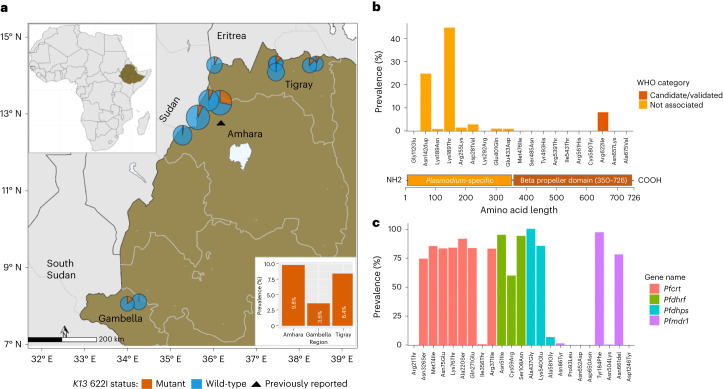
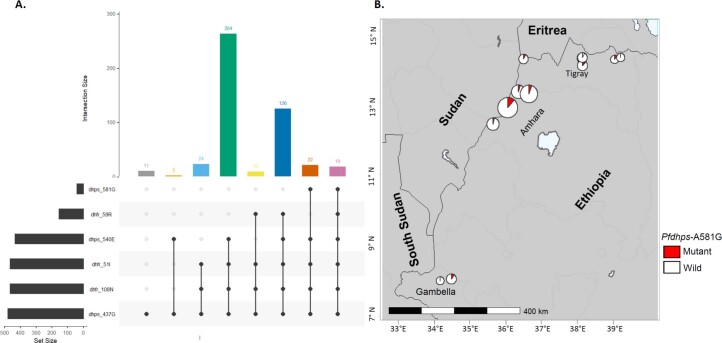
- K13 622I was present in 8.0% (95% CI 7.0–9.0) of malaria cases and was confirmed in all 3 surveyed regions and all 12 districts; regional prevalence was highest in Amhara (9.8%, 95% CI 8.2–11.4), followed by Tigray (8.4%, 95% CI 6.2–10.5) and Gambella (3.6%, 95% CI 2.1–4.8).
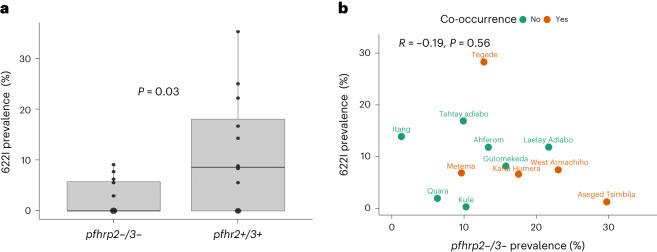
- K13 622I was less common among pfhrp2/3 double-deleted parasites (5/110, 4.5%) than non-deleted parasites (26/223, 11.6%), though not significantly so (Fisher’s exact P = 0.07); district-level mean prevalence was higher among non-deleted parasites (P = 0.03), and permutation analysis showed a −8.7% mean difference (P = 0.02). The abstract reports that 8.2% of K13 622I parasites also carried pfhrp2/3 deletions.
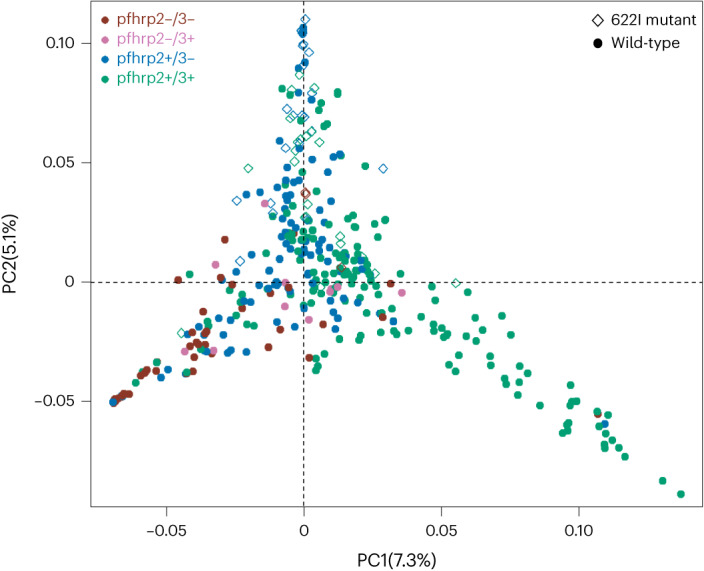
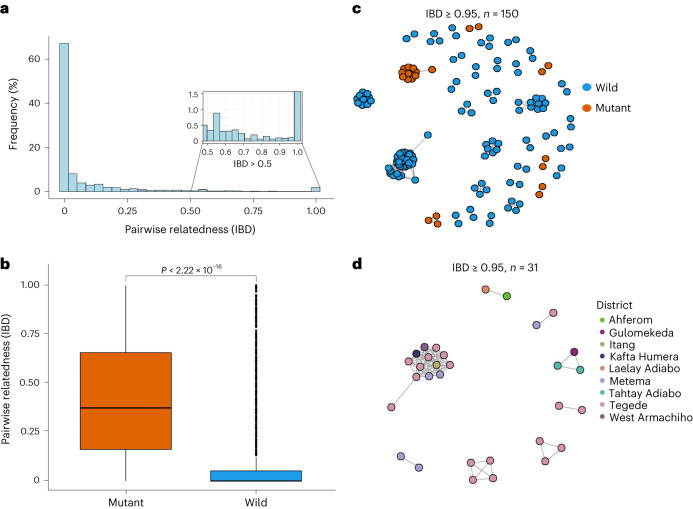
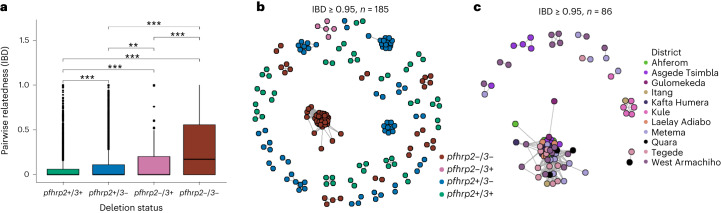
- Identity-by-descent analysis showed K13 622I parasites were significantly more related to each other than wild-type parasites (mean pairwise IBD 0.43 vs 0.08; Mann–Whitney P < 0.001), consistent with recent expansion and clonal spread. Overall, 10.6% of pairs (4,758/44,883) were highly related (IBD ≥ 0.25), and pfhrp2/3 double-deleted parasites showed 43.7% of comparisons at IBD ≥ 0.25 versus 4.3% for non-deleted parasites.
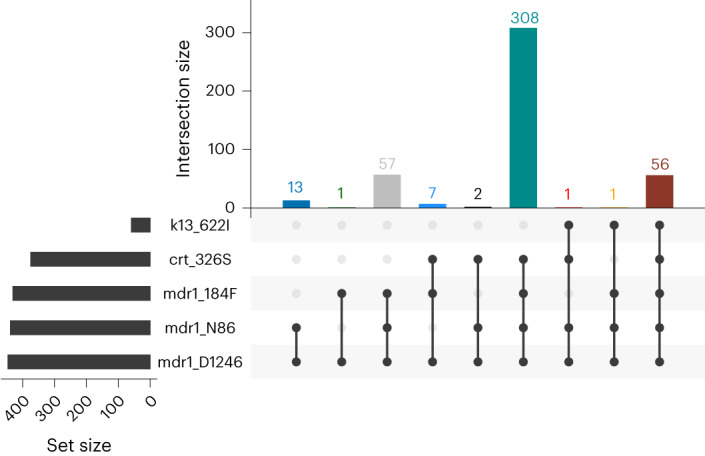
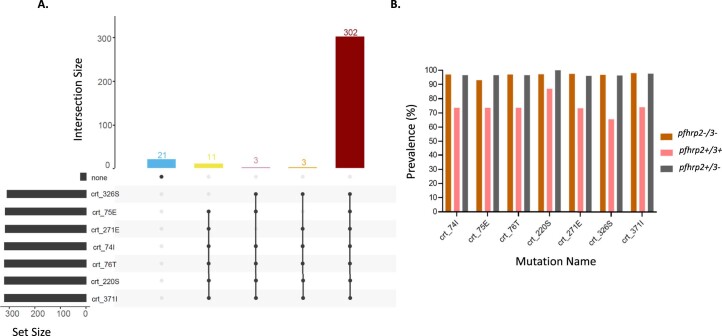
- Most samples carried the pfmdr1 NFD haplotype (83%), including 98% (60/61) of K13 622I mutant parasites; pfcrt-N326S was carried by 98% of K13 622I and 81% of wild-type parasites (Fisher’s exact P < 0.001).
Methods
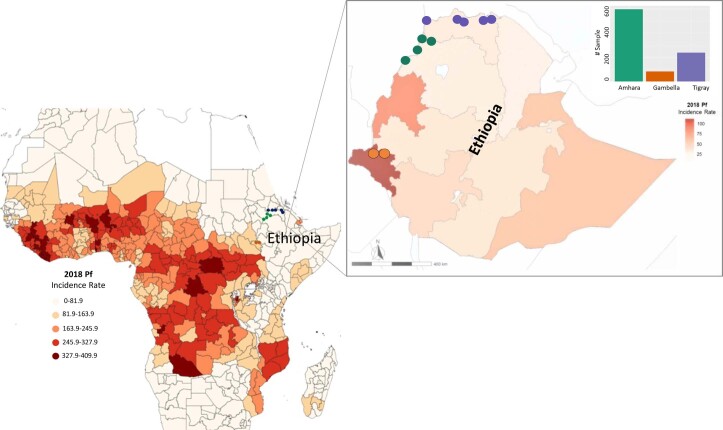
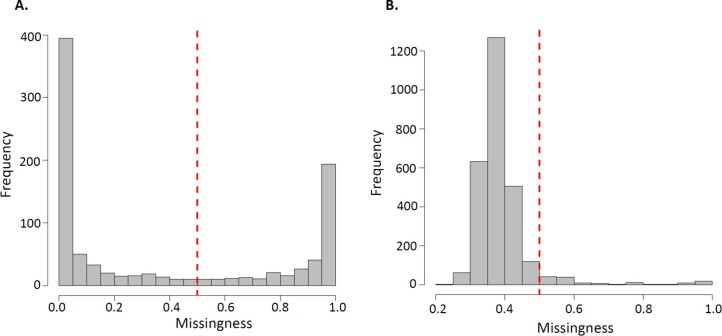
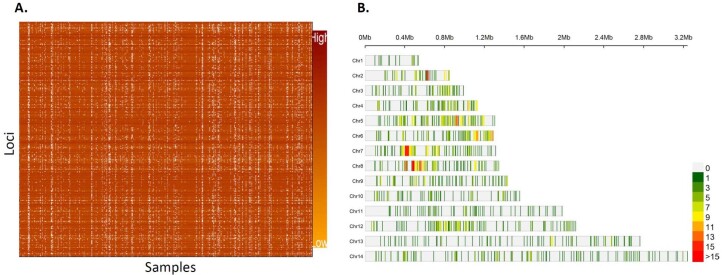
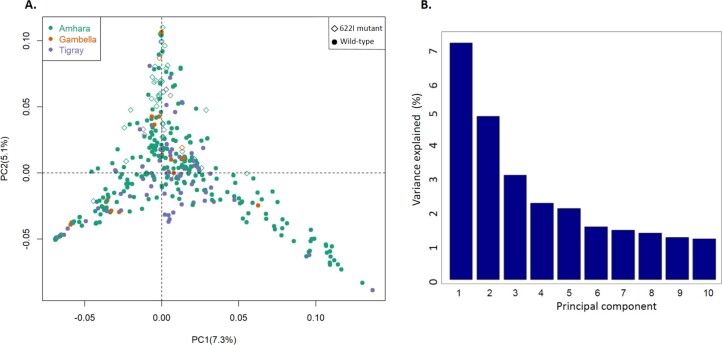
- The study used molecular inversion probe (MIP) sequencing on 920 dried blood spot samples from three Ethiopian regions (Amhara = 598, Gambella = 83, Tigray = 239) previously assessed for pfhrp2/3 deletions; after filtering, 609 samples and 1,395 genome-wide SNPs were used for relatedness analysis.
- Two MIP panels were used: a drug-resistance panel (814 probes) targeting antimalarial-resistance mutations/genes and a genome-wide SNP panel (1,832 probes) for parasite connectivity and relatedness; sequencing was performed on Illumina NextSeq 550, with variant calling via MIPtools and freebayes.
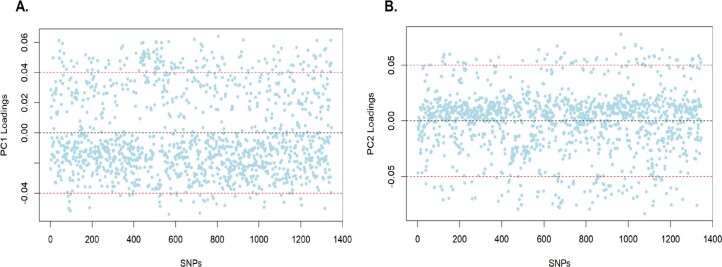
- Analyses included weighted prevalence estimates adjusted for RDT-concordant/discordant sampling, complexity-of-infection estimation, PCA and Fst for population structure, and identity-by-descent/network analysis for parasite relatedness.
Limitations
- Stated in the paper: travel histories and samples from neighbouring countries were not included, so importation of resistant strains is not addressed in detail; the parent study was designed to evaluate RDT failure and may introduce selection bias, including undersampling of low-parasitaemia/submicroscopic infections or oversampling of monogenomic infections; and the three studied regions have relatively higher transmission and do not represent all of Ethiopia, limiting extrapolation.
- Also stated in the paper: the within-host fitness comparison was limited because polygenomic infections were rare (n = 16).
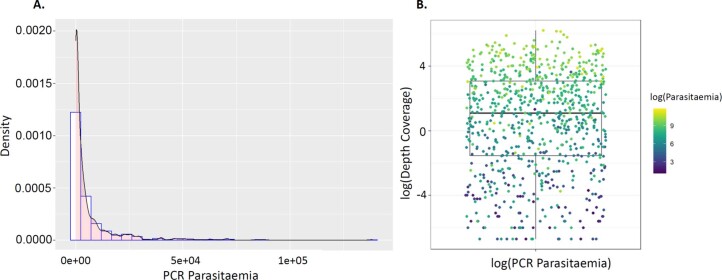
- Evident from the text: MIP sequencing coverage was parasite-density-dependent, and the cross-sectional surveillance design cannot directly establish the origins or causal drivers of the observed mutation expansions.
Model-written summary. Check it against the paper before relying on it.
Integrity signals
Registry
Cites
Statistics
Figures
Verification
Claims the paper makes
0 Valid · 0 Not valid · 11 Not checked · 79 Own results and interpretations
A result the paper reports from its own data — it cites no other source for it, so there is none to check. The quote shows it is in the paper.
In the paper
“Identity-by-descent analyses showed that K13 622I parasites were significantly more related to each other than to wild type (P < 0.001)”
- Also stated in: § Genetic relatedness of K13 622I and pfhrp2/3-deleted parasites · plain
“Comparing K13 622I mutant and wild-type parasites, we find significantly higher mean pairwise IBD sharing within K13 622I mutant populations (0.43 vs 0.08, respectively; Mann–Whitney P < 0.001)”
§ Plasmodium falciparum resistant to artemisinin and diagnostics have emerged in Ethiopia > Abstract
plainstates an associationn = 609- Asserted: passes — The authors put it forward as true.
- Checkable: passes — It can be checked against evidence.
- Load-bearing: passes — The paper’s conclusions depend on it.
- Based: passes — The paper gives a reason why it holds.
- Also stated in: § Genetic relatedness of K13 622I and pfhrp2/3-deleted parasites · plain
A result the paper reports from its own data — it cites no other source for it, so there is none to check. The quote shows it is in the paper.
In the paper
“which was less common in diagnostic-resistant parasites mediated by histidine-rich proteins 2 and 3 (pfhrp2/3) deletions than in wild-type parasites (P = 0.03).”
- Also stated in: § Co-occurrence of drug-resistance and pfhrp2/3 deletions · plain
“higher mean prevalence of the 622I mutation is observed among pfhrp2/3 non-deleted parasites at the district level (unpaired Student’s t-test, two-tailed, P = 0.03)”
§ Plasmodium falciparum resistant to artemisinin and diagnostics have emerged in Ethiopia > Abstract
plainstates an association- Asserted: passes — The authors put it forward as true.
- Checkable: passes — It can be checked against evidence.
- Load-bearing: passes — The paper’s conclusions depend on it.
- Based: passes — The paper gives a reason why it holds.
- Also stated in: § Co-occurrence of drug-resistance and pfhrp2/3 deletions · plain
A result the paper reports from its own data — it cites no other source for it, so there is none to check. The quote shows it is in the paper.
In the paper
“Our results confirmed parasites with 622I in all 3 regions surveyed as well as all 12 districts (Fig. 1a).”
§ Plasmodium falciparum resistant to artemisinin and diagnostics have emerged in Ethiopia > Results > K13 622I mutation is prevalent in Ethiopia
plain- Asserted: passes — The authors put it forward as true.
- Checkable: passes — It can be checked against evidence.
- Load-bearing: passes — The paper’s conclusions depend on it.
- Based: passes — The paper gives a reason why it holds.
A result the paper reports from its own data — it cites no other source for it, so there is none to check. The quote shows it is in the paper.
In the paper
“Pfhrp2/3-deleted parasites were also highly related”
- Also stated in: § Genetic relatedness of K13 622I and pfhrp2/3-deleted parasites · plain
“Pfhrp2/3-deleted parasites also have higher relatedness than wild-type parasites, with significantly different pairwise IBD sharing (Kruskal–Wallis test P < 0.001) when comparing pfhrp2/3 double-, single and non-deleted parasites”
§ Plasmodium falciparum resistant to artemisinin and diagnostics have emerged in Ethiopia > Abstract
plainstates an associationn = 609- Asserted: passes — The authors put it forward as true.
- Checkable: passes — It can be checked against evidence.
- Load-bearing: passes — The paper’s conclusions depend on it.
- Based: passes — The paper gives a reason why it holds.
- Also stated in: § Genetic relatedness of K13 622I and pfhrp2/3-deleted parasites · plain
A result the paper reports from its own data — it cites no other source for it, so there is none to check. The quote shows it is in the paper.
In the paper
“We found that 8.0% (95% CI 7.0–9.0) of malaria cases were caused by P. falciparum carrying the candidate artemisinin partial-resistance kelch13 (K13) 622I mutation”
- Also stated in: § K13 622I mutation is prevalent in Ethiopia · plain
“Analysis of the drug-resistance markers revealed a high prevalence (8.0%, 95% CI 7.0–9.0) of samples expected to carry the WHO candidate artemisinin partial-resistance mutation 622I within the propeller domain of K13.”
§ Plasmodium falciparum resistant to artemisinin and diagnostics have emerged in Ethiopia > Abstract
plainn = 609- Asserted: passes — The authors put it forward as true.
- Checkable: passes — It can be checked against evidence.
- Load-bearing: passes — The paper’s conclusions depend on it.
- Based: passes — The paper gives a reason why it holds.
- Also stated in: § K13 622I mutation is prevalent in Ethiopia · plain
47 more claims
Create a free account to see all 90 claims and to verify the 18 references still open.
- It may state two separate claims as one. 27
- Probably not a substantial claim. 14
Claims other papers make about this one
Each is checked against this paper’s own text: does it say what the citing paper says it does?
The source backs part of the claim, not all of it — or backs it for a different population, condition or comparison.
In the citing paper
“The widespread PfMDR1 NFSND haplotype (93.0%), consistent with reports from Ethiopia35,36,53 and across Africa54,55, further complicates resistance dynamics.”
From Genomic surveillance reveals co-occurrence of Plasmodium falciparum drug resistance variants across diverse transmission settings in Ethiopia (2026) · cites this paper as [35]
Experimental — accuracy not yet measuredThe source backs part of the claim, not all of it — or backs it for a different population, condition or comparison.
In the citing paper
“The expansion of validated Pfk13 variants adds to growing evidence of ART-R in East Africa8,13,35,36.”
From Genomic surveillance reveals co-occurrence of Plasmodium falciparum drug resistance variants across diverse transmission settings in Ethiopia (2026) · cites this paper as [35]
Experimental — accuracy not yet measuredThe check wasn’t confident either way, so it gives no verdict — never disputed.
In the citing paper
“The very low prevalence of 86Y (2.0%) probably reflects fitness costs under AL pressure, consistent with its continued decline since AL introduction in 200435,36 and in line with regional observations35,36.”
From Genomic surveillance reveals co-occurrence of Plasmodium falciparum drug resistance variants across diverse transmission settings in Ethiopia (2026) · cites this paper as [35]
Experimental — accuracy not yet measuredIn the citing paper
“Another emerging challenge is the rise of Plasmodium falciparum strains with deletions in the hrp2 and hrp3 genes, which has led to the replacement of standard rapid diagnostic tests (RDTs) with alternative versions5,7.”
From Rising prevalence of Plasmodium falciparum Artemisinin partial resistance mutations in Ethiopia (2025) · cites this paper as [5]
In the citing paper
“The emergence of ART-R WHO-validated markers has been confirmed in Ethiopia5, Eritrea24, Rwanda21, Uganda25, Tanzania6, and the Democratic Republic of the Congo (DRC)26.”
From Rising prevalence of Plasmodium falciparum Artemisinin partial resistance mutations in Ethiopia (2025) · cites this paper as [5]
9 more claims about this paper
Create a free account to see every claim other papers make about this one.
Self-check
Percentages, sums and reported differences re-computed from the paper’s own numbers.
Each contradiction between two passages listed here was confirmed by an independent check.
Rated minor: it would not touch a result — a value no result rests on, a p-value that stays on the same side of the significance level, or a conflict that is clerical, resolved elsewhere in the paper, or outside its own findings.
In the paper
“wild-type pfhrp2/3 non-deleted parasites (26/223, 11.2%)”
§ Plasmodium falciparum resistant to artemisinin and diagnostics have emerged in Ethiopia > Results > Co-occurrence of drug-resistance and pfhrp2/3 deletions
Reported 11.2 · recomputed 11.659193
Rated minor: it would not touch a result — a value no result rests on, a p-value that stays on the same side of the significance level, or a conflict that is clerical, resolved elsewhere in the paper, or outside its own findings.
In the paper
§ Plasmodium falciparum resistant to artemisinin and diagnostics have emerged in Ethiopia > Results > Complexity of infections estimation
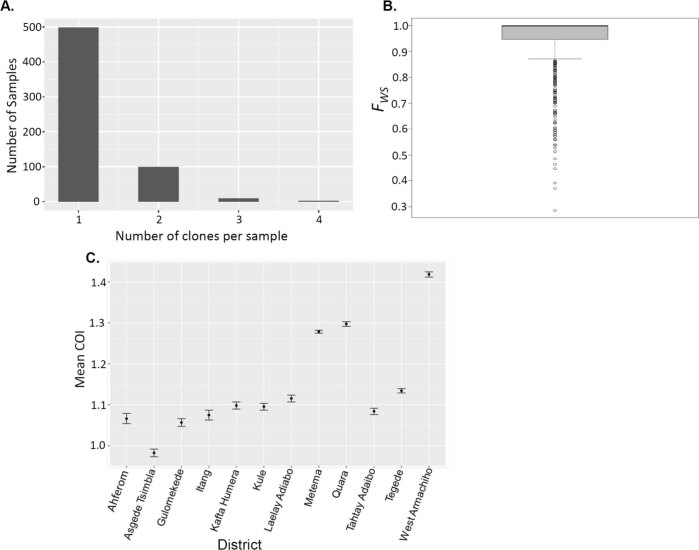
“Samples had been collected from rural areas in 11 districts”
§ Plasmodium falciparum resistant to artemisinin and diagnostics have emerged in Ethiopia > Results > K13 622I mutation is prevalent in Ethiopia
“Our results confirmed parasites with 622I in all 3 regions surveyed as well as all 12 districts”
Rated minor: it would not touch a result — a value no result rests on, a p-value that stays on the same side of the significance level, or a conflict that is clerical, resolved elsewhere in the paper, or outside its own findings.
In the paper
§ Plasmodium falciparum resistant to artemisinin and diagnostics have emerged in Ethiopia > Results > Co-occurrence of drug-resistance and pfhrp2/3 deletions
“pfhrp2/3 double-deleted parasites (5/110, 4.5%)”
§ Plasmodium falciparum resistant to artemisinin and diagnostics have emerged in Ethiopia > Results > Co-occurrence of drug-resistance and pfhrp2/3 deletions
“Comparison of mean K13 622I mutation prevalence (P = 0.03, unpaired Student’s t-test, two-tailed) between pfhrp2/3 double (n = 119) and pfhrp2/3 non-deleted (n = 223) parasite populations by district across three regions in Ethiopia.”
Citations
Cites
Fast and accurate short read alignment with Burrows-Wheeler transform
Li, H., & Durbin, R. (2009) · Bioinformatics · doi:10.1093/bioinformatics/btp324 · Cited by 58,607
Fast and accurate long-read alignment with Burrows-Wheeler transform.
Li, H., & Durbin, R. (2010) · Bioinformatics · doi:10.1093/bioinformatics/btp698 · Cited by 12,063
Haplotype-based variant detection from short-read sequencing
Garrison, E., & Marth, G. (2012) · arXiv · doi:10.48550/arxiv.1207.3907 · Cited by 3,700
UpSetR: an R package for the visualization of intersecting sets and their properties
Conway, J. R., Lex, A., & Gehlenborg, N. (2017) · Bioinformatics · doi:10.1093/bioinformatics/btx364 · Cited by 3,586
A high-performance computing toolset for relatedness and principal component analysis of SNP data
Zheng, X., Levine, D., Shen, J., Gogarten, S. M., Laurie, C., & Weir, B. S. (2012) · Bioinformatics · doi:10.1093/bioinformatics/bts606 · Cited by 2,524
Spread of Artemisinin Resistance in Plasmodium falciparum Malaria
Ashley, E. A., Dhorda, M., Fairhurst, R. M., Amaratunga, C., Lim, P., Suon, S., Sreng, S., Anderson, J. M., Mao, S., Sam, B., et al. (2014) · New England Journal of Medicine · doi:10.1056/nejmoa1314981 · Cited by 2,205 · cited 2×
“While combined fitness costs may also have a role in the low prevalence of parasites with both mutations 16,37 , in the absence of inter-strain competition in low transmission settings, there may be few barriers to the spread of 622I, pfhrp2/3-deleted parasites.”
Backgroundvcfr: a package to manipulate and visualize variant call format data in R
Knaus, B. J., & Grünwald, N. J. (2017) · Molecular Ecology Resources · doi:10.1111/1755-0998.12549 · Cited by 1,075
PopGenome: An Efficient Swiss Army Knife for Population Genomic Analyses in R
Pfeifer, B., Wittelsbürger, U., Ramos-Onsins, S. E., & Lercher, M. J. (2014) · Molecular Biology and Evolution · doi:10.1093/molbev/msu136 · Cited by 939 · cited 1×
“We calculated pairwise genetic differentiation ( F ST ) as a measure of genetic divergence between populations using the PopGenome R package (v.2.7.5) 51 .”
MethodInfluentialEmergence of artemisinin-resistant malaria on the western border of Thailand: a longitudinal study
Phyo, A. P., Nkhoma, S., Stepniewska, K., Ashley, E. A., Nair, S., McGready, R., ler Moo, C., Al-Saai, S., Dondorp, A. M., Lwin, K. M., et al. (2012) · The Lancet · doi:10.1016/s0140-6736(12)60484-x · Cited by 924
Evidence of Artemisinin-Resistant Malaria in Africa
Balikagala, B., Fukuda, N., Ikeda, M., Katuro, O. T., Tachibana, S.-I., Yamauchi, M., Opio, W., Emoto, S., Anywar, D. A., Kimura, E., et al. (2021) · New England Journal of Medicine · doi:10.1056/nejmoa2101746 · Cited by 866 · cited 12×
“Improved understanding of how these mutations emerge, interact and spread is critical to the success of future malaria control and elimination efforts across Africa.”
BackgroundInfluentialUwimana, A., Legrand, E., Stokes, B. H., Ndikumana, J.-L. M., Warsame, M., Umulisa, N., Ngamije, D., Munyaneza, T., Mazarati, J.-B., Munguti, K., et al. (2020) · Nature Medicine · doi:10.1038/s41591-020-1005-2 · Cited by 831
Wellems, T. E., & Plowe, C. V. (2001) · The Journal of Infectious Diseases · doi:10.1086/322858 · Cited by 807
Anderson, T. J. C., Haubold, B., Williams, J. T., Estrada-Franco§, J. G., Richardson, L., Mollinedo, R., Bockarie, M., Mokili, J., Mharakurwa, S., French, N., et al. (2000) · Molecular Biology and Evolution · doi:10.1093/oxfordjournals.molbev.a026247 · Cited by 779
Genetic architecture of artemisinin-resistant Plasmodium falciparum
Miotto, O., Amato, R., Ashley, E. A., MacInnis, B., Almagro-Garcia, J., Amaratunga, C., Lim, P., Mead, D., Oyola, S. O., Dhorda, M., et al. (2015) · Nature Genetics · doi:10.1038/ng.3189 · Cited by 609
Malaria resurgence: a systematic review and assessment of its causes
Cohen, J. M., Smith, D. L., Cotter, C., Ward, A., Yamey, G., Sabot, O. J., & Moonen, B. (2012) · Malaria Journal · doi:10.1186/1475-2875-11-122 · Cited by 514 · cited 1×
“The associated increased rate of inbreeding in such settings 34 is known to favour the spread of drug-resistant strains 35,36 .”
BackgroundImwong, M., Suwannasin, K., Kunasol, C., Sutawong, K., Mayxay, M., Rekol, H., Smithuis, F. M., Hlaing, T. M., Tun, K. M., van der Pluijm, R. W., et al. (2017) · The Lancet Infectious Diseases · doi:10.1016/s1473-3099(17)30048-8 · Cited by 484
Veiga, M. I., Dhingra, S. K., Henrich, P. P., Straimer, J., Gnädig, N., Uhlemann, A.-C., Martin, R. E., Lehane, A. M., & Fidock, D. A. (2016) · Nature Communications · doi:10.1038/ncomms11553 · Cited by 335
Malaria epidemiology and interventions in Ethiopia from 2001 to 2016
Taffese, H. S., Hemming-Schroeder, E., Koepfli, C., Tesfaye, G., Lee, M.-C., Kazura, J., Yan, G.-Y., & Zhou, G.-F. (2018) · Infectious Diseases of Poverty · doi:10.1186/s40249-018-0487-3 · Cited by 268 · cited 1×
“More than 5 million episodes of malaria occur each year, and transmission is highly heterogeneous and seasonal 22 .”
BackgroundPrevalence and risk factors of malaria in Ethiopia
Ayele, D. G., Zewotir, T. T., & Mwambi, H. G. (2012) · Malaria Journal · doi:10.1186/1475-2875-11-195 · Cited by 250
Berhane, A., Anderson, K., Mihreteab, S., Gresty, K., Rogier, E., Mohamed, S., Hagos, F., Embaye, G., Chinorumba, A., Zehaie, A., et al. (2018) · Emerging Infectious Diseases · doi:10.3201/eid2403.171723 · Cited by 214
Self-citationPlasmodium falciparum is evolving to escape malaria rapid diagnostic tests in Ethiopia
Feleke, S. M., Reichert, E. N., Mohammed, H., Brhane, B. G., Mekete, K., Mamo, H., Petros, B., Solomon, H., Abate, E., Hennelly, C., et al. (2021) · Nature Microbiology · doi:10.1038/s41564-021-00962-4 · Cited by 189
Self-citationHRP2: Transforming Malaria Diagnosis, but with Caveats
Poti, K. E., Sullivan, D. J., Dondorp, A. M., & Woodrow, C. J. (2020) · Trends in Parasitology · doi:10.1016/j.pt.2019.12.004 · Cited by 188 · cited 1×
“We also examined co-occurrence of pfhrp2/3 deletions and other drug-resistance mutations, particularly pfcrt mutations, as most pfhrp2/3 deletion reports so far have emerged in areas where P. vivax and P. falciparum are sympatric and chloroquine is used to treat vivax malaria 32 .”
BackgroundElucidating Mechanisms of Drug-Resistant Plasmodium falciparum
Ross, L. S., & Fidock, D. A. (2019) · Cell Host & Microbe · doi:10.1016/j.chom.2019.06.001 · Cited by 159
Ndwiga, L., Kimenyi, K. M., Wamae, K., Osoti, V., Akinyi, M. Y., Omedo, I., Ishengoma, D. S., Duah-Quashie, N. O., Andagalu, B., Ghansah, A., et al. (2021) · International Journal for Parasitology Drugs and Drug Resistance · doi:10.1016/j.ijpddr.2021.06.001 · Cited by 156
Malmberg, M., Ferreira, P. E., Tärning, J., Ursing, J., Ngasala, B., Björkman, A., Mårtensson, A., & Gil, J. P. (2012) · The Journal of Infectious Diseases · doi:10.1093/infdis/jis747 · Cited by 154
Dhorda, M., Amaratunga, C., & Dondorp, A. M. (2021) · Current Opinion in Infectious Diseases · doi:10.1097/qco.0000000000000766 · Cited by 152
Chang, H., Worby, C. J., Yeka, A., Nankabirwa, J. I., Kamya, M. R., Staedke, S. G., Dorsey, G., Murphy, M., Neafsey, D. E., Jeffreys, A. E., et al. (2017) · PLoS Computational Biology · doi:10.1371/journal.pcbi.1005348 · Cited by 150 · cited 1×
“To estimate the COI, we used THE REAL McCOIL R package categorical method 48 .”
MethodAntimalarial drug resistance in Africa: key lessons for the future
Takala‐Harrison, S., & Laufer, M. K. (2015) · Annals of the New York Academy of Sciences · doi:10.1111/nyas.12766 · Cited by 140
The origins and spread of antimalarial drug resistance: Lessons for policy makers
Anderson, T., & Roper, C. (2005) · Acta Tropica · doi:10.1016/j.actatropica.2005.04.010 · Cited by 132
Aydemir, O., Janko, M., Hathaway, N. J., Verity, R., Mwandagalirwa, M. K., Tshefu, A. K., Tessema, S. K., Marsh, P. W., Tran, A., Reimonn, T., et al. (2018) · The Journal of Infectious Diseases · doi:10.1093/infdis/jiy223 · Cited by 129
Self-citationmalariaAtlas: an R interface to global malariometric data hosted by the Malaria Atlas Project
Pfeffer, D. A., Lucas, T. C. D., May, D., Harris, J., Rozier, J., Twohig, K. A., Dalrymple, U., Guerra, C. A., Moyes, C. L., Thorn, M., et al. (2018) · Malaria Journal · doi:10.1186/s12936-018-2500-5 · Cited by 127
The impact of antimalarial resistance on the genetic structure of Plasmodium falciparum in the DRC
Verity, R., Aydemir, Ö., Brazeau, N. F., Watson, O. J., Hathaway, N. J., Mwandagalirwa, M. K., Marsh, P. W., Thwai, K. L., Fulton, T. M., Denton, M., et al. (2020) · Nature Communications · doi:10.1038/s41467-020-15779-8 · Cited by 117
Self-citationOkell, L. C., Reiter, L. M., Ebbe, L. S., Baraka, V., Bisanzio, D., Watson, O. J., Bennett, A., Verity, R., Gething, P., Roper, C., et al. (2018) · BMJ Global Health · doi:10.1136/bmjgh-2018-000999 · Cited by 110
Lo, E., Hemming‐Schroeder, E., Yewhalaw, D., Nguyen, J. H. G., Kebede, E., Zemene, E., Getachew, S., Tushune, K., Zhong, D., Zhou, G., et al. (2017) · PLoS neglected tropical diseases · doi:10.1371/journal.pntd.0005806 · Cited by 95
Self-citationA Unique Plasmodium falciparum K13 Gene Mutation in Northwest Ethiopia
Bayih, A. G., Getnet, G., Alemu, A., Getie, S., Mohon, A. N., & Pillai, D. R. (2016) · The American Society of Tropical Medicine and Hygiene · doi:10.4269/ajtmh.15-0477 · Cited by 87
Close kinship within multiple-genotype malaria parasite infections
Nkhoma, S. C., Nair, S., Cheeseman, I. H., Rohr-Allegrini, C., Singlam, S., Nosten, F., & Anderson, T. J. C. (2012) · Proceedings of the Royal Society B: Biological Sciences · doi:10.1098/rspb.2012.0113 · Cited by 87 · cited 1×
“Moreover, our finding of parasites with high IBD and low overall COI in this study indicates low ongoing transmission across the three regions and that most recombination is between highly related or clonal strains 40,41 .”
BackgroundMoser, K. A., Madebe, R. A., Aydemir, Ö., Chiduo, M. G., Mandara, C. I., Rumisha, S. F., Chaky, F., Denton, M., Marsh, P. W., Verity, R., et al. (2020) · Molecular Ecology · doi:10.1111/mec.15706 · Cited by 72
Self-citationMarwa, K. J., Kapesa, A., Baraka, V., Konje, E. T., Kidenya, B. R., Mukonzo, J., Kamugisha, E., & Swedberg, G. (2022) · PLoS ONE · doi:10.1371/journal.pone.0264339 · Cited by 68
Prosser, C., Gresty, K. J., Ellis, J., Meyer, W., Anderson, K. A., Lee, R. P., & Cheng, Q. (2021) · Emerging infectious diseases · doi:10.3201/eid2702.191410 · Cited by 60
Rogier, E., McCaffery, J. N., Nace, D., Svigel, S. S., Assefa, A., Hwang, J., Kariuki, S., Samuels, A. M., Westercamp, N., Ratsimbasoa, A., et al. (2022) · Emerging Infectious Diseases · doi:10.3201/eid2803.211499 · Cited by 47
Self-citationMeasurably recombining malaria parasites
Camponovo, F., Buckee, C. O., & Taylor, A. R. (2023) · Trends in Parasitology · doi:10.1016/j.pt.2022.11.002 · Cited by 45
Wasakul, V., Disratthakit, A., Mayxay, M., Chindavongsa, K., Sengsavath, V., Thuy-Nhien, N., Pearson, R. D., Phalivong, S., Xayvanghang, S., Maude, R. J., et al. (2023) · The Lancet Infectious Diseases · doi:10.1016/s1473-3099(22)00697-1 · Cited by 42 · cited 1×
“The associated increased rate of inbreeding in such settings 34 is known to favour the spread of drug-resistant strains 35,36 .”
BackgroundEhrlich, H. Y., Bei, A. K., Weinberger, D. M., Warren, J. L., & Parikh, S. (2020) · Proceedings of the National Academy of Sciences · doi:10.1073/pnas.2100685118 · Cited by 37
Roberts, L. (2016) · Science · doi:10.1126/science.352.6284.398 · Cited by 31
Feasibility of Malaria Elimination in Ethiopia
Bugssa, G., & Tedla, K. (2020) · Ethiopian Journal of Health Sciences · doi:10.4314/ejhs.v30i4.16 · Cited by 29 · cited 2×
“The goal for malaria elimination in Ethiopia is 2030, and prompt diagnosis and treat-ment with efficacious drugs is a cornerstone of the malaria elimination programme 23 .”
BackgroundAbamecha, A., Yilma, D., Adissu, W., Yewhalaw, D., & Abdissa, A. (2021) · Malaria Journal · doi:10.1186/s12936-021-03745-8 · Cited by 27
moimix: an R package for assessing clonality in high-througput sequencing data
Lee, S., & Bahlo, M. (2016) · Zenodo (CERN European Organization for Nuclear Research) · doi:10.5281/zenodo.58257 · Cited by 26
Halsey, E. S., Venkatesan, M., Plucinski, M. M., Talundzic, E., Lucchi, N. W., Zhou, Z., Mandara, C. I., Moonga, H., Hamainza, B., Beavogui, A. H., et al. (2017) · Emerging Infectious Diseases · doi:10.3201/eid2313.170366 · Cited by 23
Self-citationExpansion of the Plasmodium falciparum Kelch13 R622I Mutation in Northwest Ethiopia
Abere, A., Castañeda-Mogollón, D., Getie, S., Tesfa, H., Mohon, A. N., Balasingam, N., Bayih, A. G., Ashraf, S., & Pillai, D. R. (2025) · Open Forum Infectious Diseases · doi:10.1093/ofid/ofaf279 · Cited by 22 · cited 2×
“AL remains highly efficacious 25 but detection of the candidate artemisinin resistance K13 622I mutation in northern Ethiopia 26,27 and high prevalence of residual submicroscopic parasitemia after ACT treatment have raised concern 12,25 .”
BackgroundExpansion of the Plasmodium falciparum Kelch 13 R622I mutation in Northwest Ethiopia
Alemayehu, A. A., Castaneda-Mogollon, D., Tesfa, H., Getie, S., Mohon, A. N., Balasingam, N., Bayih, A. G., & Pillai, D. (2021) · doi:10.21203/rs.3.rs-171038/v1 · Cited by 14
Tadele, G., Jaiteh, F. K., Oboh, M. A., Oriero, E. C., Dugassa, S., Amambua‐Ngwa, A., & Golassa, L. (2022) · Antimicrobial Agents and Chemotherapy · doi:10.1128/aac.00002-22 · Cited by 13
(2006) · Medical Entomology and Zoology
Cited by
Increasing Prevalence of Artemisinin-Resistant HRP2-Negative Malaria in Eritrea
Mihreteab, S., Platon, L., Berhane, A., Stokes, B. H., Warsame, M., Campagne, P., Criscuolo, A., Ma, L., Petiot, N., Doderer-Lang, C., et al. (2023) · New England Journal of Medicine · doi:10.1056/nejmoa2210956 · Cited by 204
The emergence of artemisinin partial resistance in Africa: how do we respond?
Rosenthal, P. J., Asua, V., Bailey, J. A., Conrad, M. D., Ishengoma, D. S., Kamya, M. R., Rasmussen, C., Tadesse, F. G., Uwimana, A., & Fidock, D. A. (2024) · The Lancet Infectious Diseases · doi:10.1016/s1473-3099(24)00141-5 · Cited by 180
Self-citationEmiru, T., Getachew, D., Murphy, M., Sedda, L., Ejigu, L. A., Bulto, M. G., Byrne, I., Demisse, M., Abdo, M., Chali, W., et al. (2023) · Nature Medicine · doi:10.1038/s41591-023-02641-9 · Cited by 162
“In addition to the invasive An. stephensi and widespread high prevalence of insecticide resistance, the Horn of Africa region is disproportionately affected by other emerging biological threats for malaria control, including the emergence of Plasmodium falciparum parasites with drug resistance (Uganda 20 , Rwanda 21 a…”
BackgroundInfluentialRosenthal, P. J., Asua, V., & Conrad, M. D. (2024) · Nature Reviews Microbiology · doi:10.1038/s41579-024-01008-2 · Cited by 162
“Of concern, samples from this region also commonly harbour deletions of genes encoding the diagnostic antigens histidine-rich proteins 2 and 3, which result in parasites that exhibit ART-R that cannot be detected by the most commonly used rapid diagnostic tests 100,113,114 .”
White, N. J., & Chotivanich, K. (2024) · Clinical Microbiology Reviews · doi:10.1128/cmr.00109-24 · Cited by 119
Metadata
- Authors
- Fola, A. A., Feleke, S. M., Mohammed, H., Brhane, B. G., Hennelly, C. M., Assefa, A., Crudal, R. M., Reichert, E., Juliano, J. J., Cunningham, J., Mamo, H., Solomon, H., Tasew, G., Petros, B., Parr, J. B., & Bailey, J. A.
- Affiliations
- Brown University (US)
- Ethiopian Public Health Institute (ET)
- University of North Carolina at Chapel Hill (US)
- Harvard University (US)
- World Health Organization (CH)
- Addis Ababa University (ET)
- Federal Ministry of Health (ET)
- Corresponding author
- Bailey, Jeffrey A.
- ORCID
- Venue
- Nature Microbiology
- Published
- 2023-08-28
- Volume
- 8
- Issue
- 10
- Pages
- 1911-1919
- ISSN
- 2058-5276 (ISSN-L)
- PMC
- PMC10522486
- OpenAlex
- W4386225325
- Cited by
- 213
- References
- 55
- Citations by year
- 2026: 72 · 2025: 69 · 2024: 57 · 2023: 14
- FWCI
- 38.85
- Type
- journal article
- Language
- en
- Open access
- hybrid
- doi.org
- Licence
- cc-by
- creativecommons.org/licenses/by/4.0 (tdm)
- creativecommons.org/licenses/by/4.0 (vor)
- Locations
- Nature Microbiology (publishedVersion, cc-by)
- medRxiv (submittedVersion, cc-by-nc-nd)
- PubMed Central (publishedVersion, cc-by)
- PubMed (publishedVersion)
- Greater South Information System
- Funders
- Bill and Melinda Gates Foundation (OPP1209843)
- Global Fund to Fight AIDS, Tuberculosis and Malaria (EPHI 5405)
- World Health Organization
- National Institutes of Health
- National Institute of Allergy and Infectious Diseases (R01AI132547, R01AI177791, K24AI134990)
- Topics
- Health Sciences › Medicine › Public Health, Environmental and Occupational Health › Malaria Research and Control
- Life Sciences › Immunology and Microbiology › Parasitology › Bird parasitology and diseases
- Life Sciences › Immunology and Microbiology › Parasitology › Vector-borne infectious diseases
- Keywords
- Plasmodium falciparum, artemisinin resistance, antimicrobial resistance surveillance, identity by descent, clonal transmission, parasite genomics, Ethiopia, malaria elimination
- MeSH terms
- Antimalarials, Ethiopia, Humans, Plasmodium falciparum, Protozoan Proteins, Malaria, Falciparum, Artemisinins
About these checks
Registry, retraction, Cites and statistics results are computed, not judged, with one exception: a printed reference that no index lists is read once by a model before it counts as a citation error. Claims are extracted by a model and kept only when their quote appears verbatim in the text; each cited source is then checked, with a model’s help, for whether it says what the claim relies on. Those verdicts can be wrong — read the claim’s quote and the cited source before relying on one.
A language model drew the claims from the paper on 2026-11-21, under version 3 of the claim definition (model deepseek-v4.1-flash, prompt extract-v3).
A second model labelled each claim on 2026-11-21 (model jev-1.13-20260917, definition revision gold-guideline-v0.2).
Statistics and arithmetic are recomputed, not judged.
Confidence bands are shown only for fields calibrated on our annotated test set. None is calibrated yet, so no band is shown.
What counts as a claim ›How we measure confidence ›How we check this ›
Are you an author, or do you see a problem with this page? Request a review
Data sources
Bibliographic data: Semantic Scholar, OpenAlex, Crossref.
Contains information from the Semantic Scholar Academic Graph Datasets, made available under the ODC Attribution License (ODC-BY 1.0).
Semantic Scholar’s data is described in: Kinney, R., et al. (2023). The Semantic Scholar Open Data Platform. arXiv:2301.10140.
