

Pan-cancer whole-genome analyses of metastatic solid tumours
Open accessThe DOI matches its Crossref record; 73 of the 74 references it cites were found in a registry or an index.
Abstract
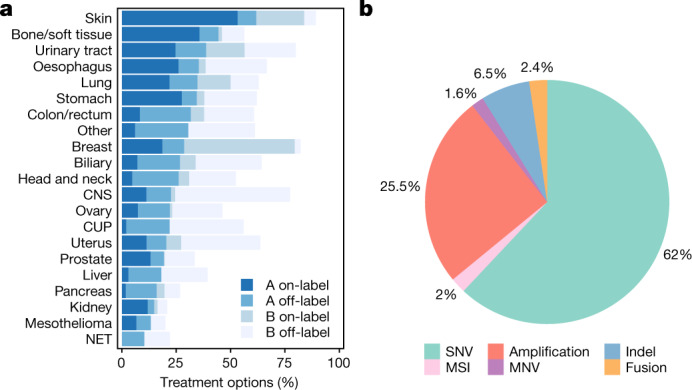
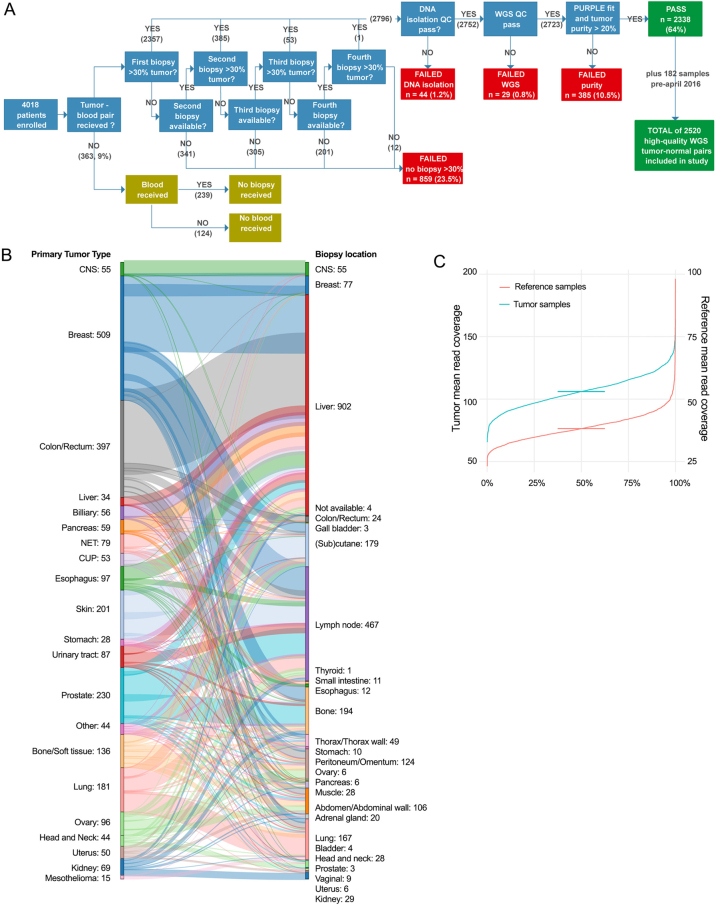
Metastatic cancer is a major cause of death and is associated with poor treatment efficacy. A better understanding of the characteristics of late-stage cancer is required to help adapt personalized treatments, reduce overtreatment and improve outcomes. Here we describe the largest, to our knowledge, pan-cancer study of metastatic solid tumour genomes, including whole-genome sequencing data for 2,520 pairs of tumour and normal tissue, analysed at median depths of 106× and 38×, respectively, and surveying more than 70 million somatic variants. The characteristic mutations of metastatic lesions varied widely, with mutations that reflect those of the primary tumour types, and with high rates of whole-genome duplication events (56%). Individual metastatic lesions were relatively homogeneous, with the vast majority (96%) of driver mutations being clonal and up to 80% of tumour-suppressor genes being inactivated bi-allelically by different mutational mechanisms. Although metastatic tumour genomes showed similar mutational landscape and driver genes to primary tumours, we find characteristics that could contribute to responsiveness to therapy or resistance in individual patients. We implement an approach for the review of clinically relevant associations and their potential for actionability. For 62% of patients, we identify genetic variants that may be used to stratify patients towards therapies that either have been approved or are in clinical trials. This demonstrates the importance of comprehensive genomic tumour profiling for precision medicine in cancer.
Overview
The claims and statistics of this paper haven’t been checked yet.
Free: it reads the open-access text and checks the first 5 claims that cite a source we can check. Create a free account to check every claim.
Integrity signals
Registry
Cites
Statistics
Figures
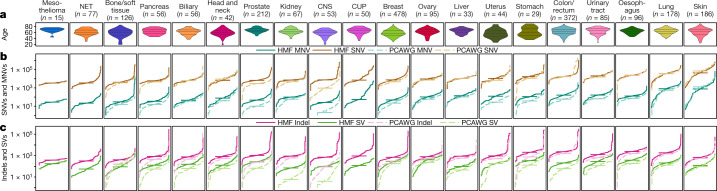
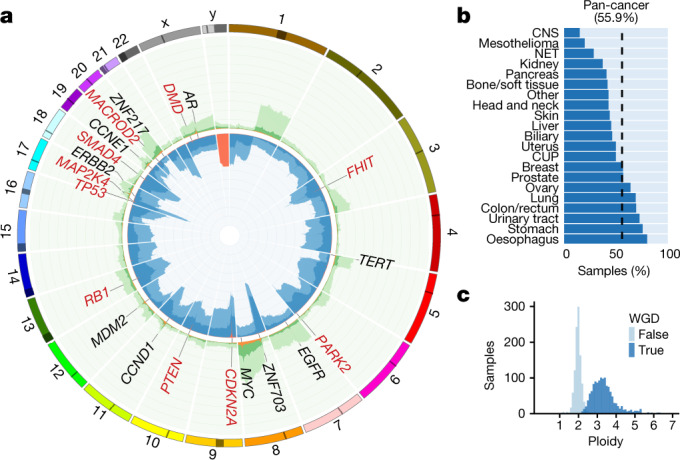
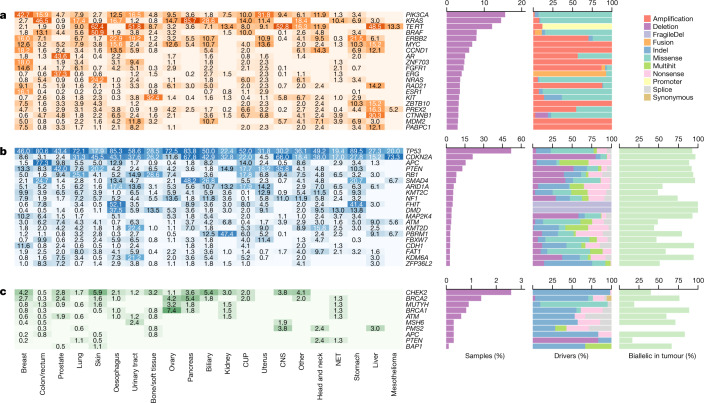
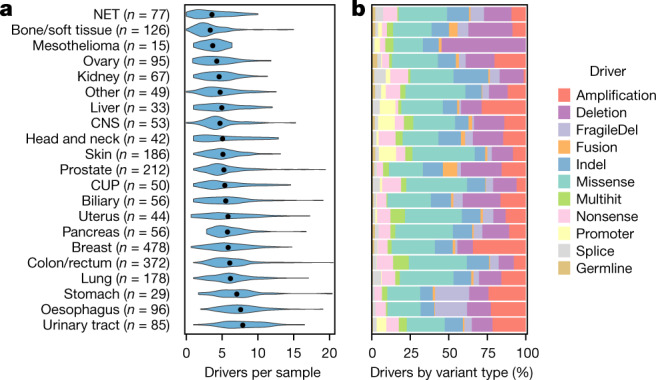
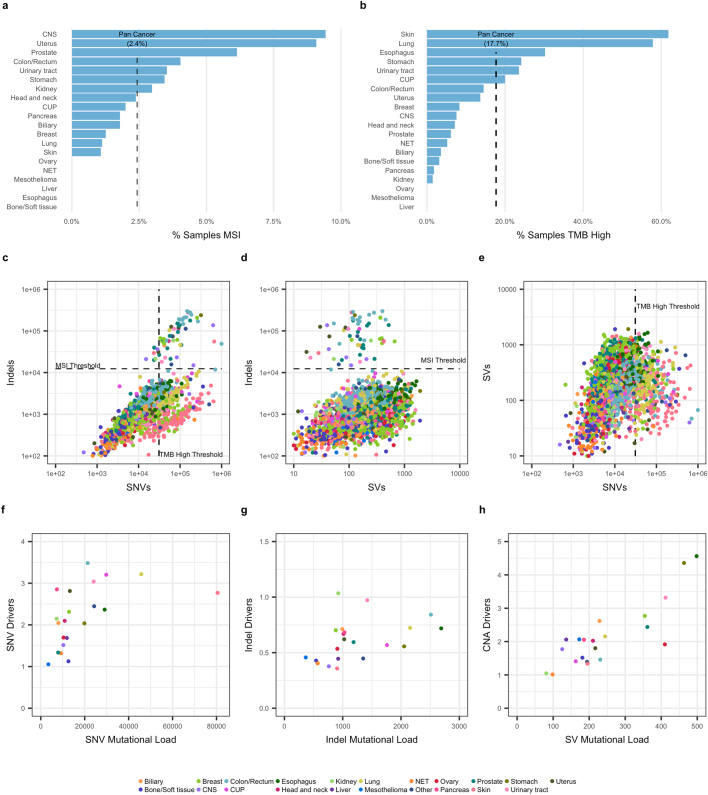
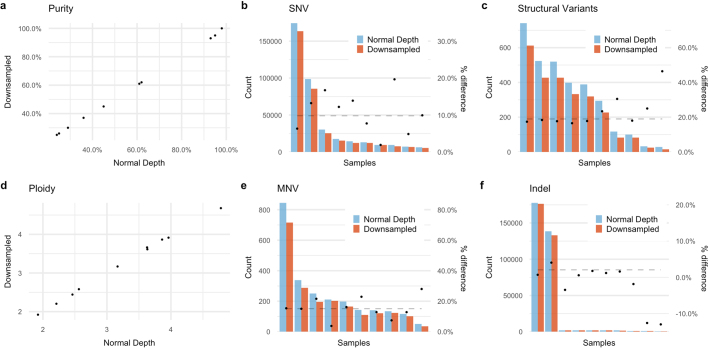
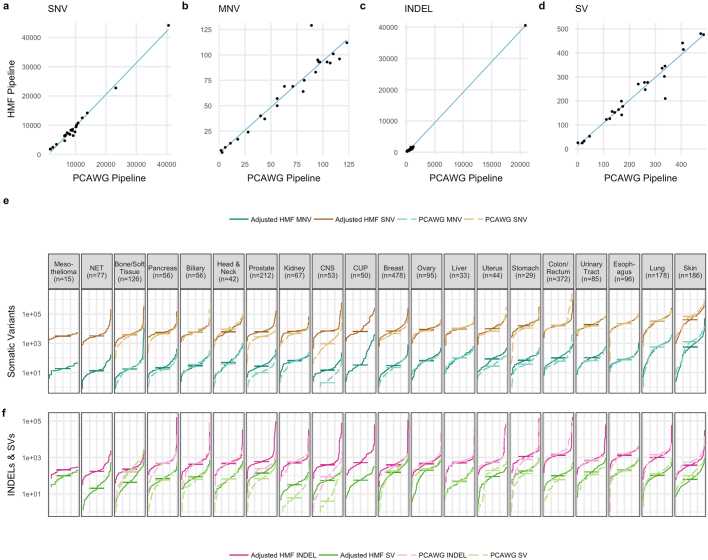
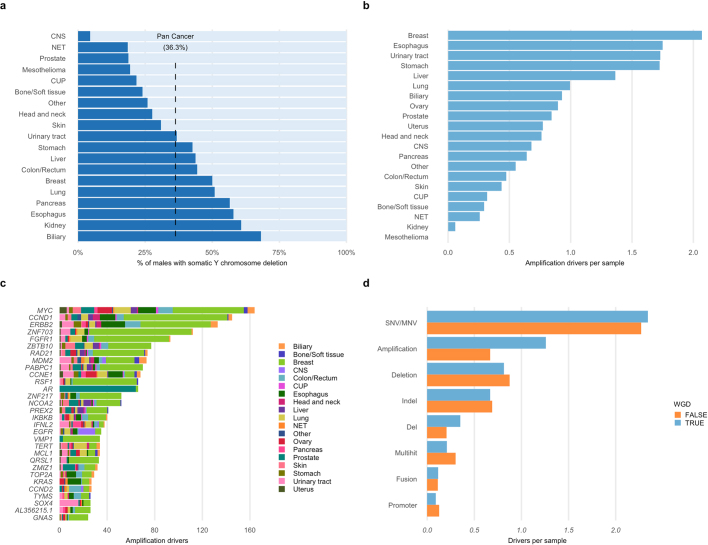
Verification
Claims the paper makes
The claims and statistics of this paper haven’t been checked yet.
Free: it reads the open-access text and checks the first 5 claims that cite a source we can check. Create a free account to check every claim.
Claims other papers make about this one
Each is checked against this paper’s own text: does it say what the citing paper says it does?
The cited source says what the claim attributes to it.
In the citing paper
“Indeed, using the variants obtained from the native pipeline of the HMF dataset (HMF pipeline13) for HRD prediction resulted in overall higher HRD probabilities compared to using the variants downloaded from ICGC, especially for BRCA1-deficient samples.”
From Pan-cancer landscape of homologous recombination deficiency. (2020) · cites this paper as [13]
Self-check
Percentages, sums and reported differences re-computed from the paper’s own numbers.
The self-check needs the paper’s full text.
Citations
Cites
Fast and accurate short read alignment with Burrows-Wheeler transform
Li, H., & Durbin, R. (2009) · Bioinformatics · doi:10.1093/bioinformatics/btp324 · Cited by 58,607
The Genome Analysis Toolkit: A MapReduce framework for analyzing next-generation DNA sequencing data
McKenna, A., Hanna, M., Banks, E., Sivachenko, A., Cibulskis, K., Kernytsky, A., Garimella, K., Altshuler, D., Gabriel, S., Daly, M., et al. (2010) · Genome Research · doi:10.1101/gr.107524.110 · Cited by 27,895
Signatures of mutational processes in human cancer
Initiative, A. P. C. G., Alexandrov, L. B., ICGC Breast Cancer Consortium, ICGC MMML-Seq Consortium, PedBrain, I., Nik-Zainal, S., Wedge, D. C., Aparicio, S. A. J. R., Behjati, S., Biankin, A. V., et al. (2013) · Nature · doi:10.1038/nature12477 · Cited by 9,660
The cancer genome atlas pan-cancer analysis project
The Cancer Genome Atlas Research Network, Weinstein, J. N., Collisson, E. A., Mills, G. B., Shaw, K. R. M., Ozenberger, B. A., Ellrott, K., Shmulevich, I., Sander, C., & Stuart, J. M. (2013) · Nature Genetics · doi:10.1038/ng.2764 · Cited by 9,092
Mutation and cancer: statistical study of retinoblastoma
Knudson, A. G. (1971) · Proceedings of the National Academy of Sciences · doi:10.1073/pnas.68.4.820 · Cited by 7,612
Van der Auwera, G. A., Carneiro, M. O., Hartl, C., Poplin, R., del Angel, G., Levy‐Moonshine, A., Jordan, T., Shakir, K., Roazen, D., Thibault, J., et al. (2013) · Current Protocols in Bioinformatics · doi:10.1002/0471250953.bi1110s43 · Cited by 6,687
The Somatic Genomic Landscape of Glioblastoma
Brennan, C. W., Verhaak, R. G. W., McKenna, A., Campos, B., Noushmehr, H., Salama, S. R., Zheng, S., Chakravarty, D., Sanborn, J. Z., Berman, S. H., et al. (2013) · Cell · doi:10.1016/j.cell.2013.09.034 · Cited by 5,016
Comprehensive genomic characterization of squamous cell lung cancers
The Cancer Genome Atlas Research Network (2012) · Nature · doi:10.1038/nature11404 · Cited by 3,994
Mermel, C. H., Schumacher, S. E., Hill, B., Meyerson, M. L., Beroukhim, R., & Getz, G. (2011) · Genome Biology · doi:10.1186/gb-2011-12-4-r41 · Cited by 3,550
Zehir, A., Benayed, R., Shah, R. H., Syed, A., Middha, S., Kim, H. R., Srinivasan, P., Gao, J., Chakravarty, D., Devlin, S. M., et al. (2017) · Nature Medicine · doi:10.1038/nm.4333 · Cited by 3,380
Cited by
Items 301–400 of 1,000
Clinical Value of Molecular Targets and FDA-Approved Genome-Targeted Cancer Therapies
Tibau, A., Hwang, T. J., Moltó, C., Avorn, J., & Kesselheim, A. S. (2024) · JAMA Oncology · doi:10.1001/jamaoncol.2024.0194 · Cited by 28
Brain metastasis models: What should we aim to achieve better treatments?
Masmudi‐Martín, M., Zhu, L., Sánchez‐Navarro, M., Priego, N., Casanova-Acebes, M., Ruiz‐Rodado, V., Giralt, E., & Valiente, M. (2020) · Advanced Drug Delivery Reviews · doi:10.1016/j.addr.2020.12.002 · Cited by 27
Pan-Cancer Analysis of FURIN as a Potential Prognostic and Immunological Biomarker
Zhou, B., & Gao, S. (2021) · Frontiers in Molecular Biosciences · doi:10.3389/fmolb.2021.648402 · Cited by 31
Simons, M., Groot, C. A. U., Retèl, V. P., Mankor, J. M., Ramaekers, B. L. T., Joore, M. A., & van Harten, W. H. (2022) · Value in Health · doi:10.1016/j.jval.2022.07.006 · Cited by 28
“Currently, the use of whole-genome sequencing (WGS) is being investigated for this purpose,(17) because it can detect all known and potentially new molecular targets simultaneously.(18,19) Nevertheless, WGS is not yet widely implemented in clinical practice, given that it is expensive and there is limited evidence of…”
BackgroundHomologous Recombination Deficiency Scar: Mutations and Beyond—Implications for Precision Oncology
van der Wiel, A. M.-M. A., Schuitmaker, L., Cong, Y., Theys, J., van Hoeck, A., Vens, C., Lambin, P., Yaromina, A., & Dubois, L. J. (2022) · Cancers · doi:10.3390/cancers14174157 · Cited by 29
“CHORD was developed using WGS data of 3584 patients from a pan-cancer metastatic cohort comprised of 20 different cancer types including amongst others pancreas, head and neck, prostate, breast, ovary, colon, and lung cancer [6,70].”
MethodImplications of Polyploidy and Ploidy Alterations in Hepatocytes in Liver Injuries and Cancers
Matsumoto, T. (2022) · International Journal of Molecular Sciences · doi:10.3390/ijms23169409 · Cited by 29
“Whole-genome doublings are more frequently observed in metastatic cancers than in primary tumors in some types of cancers, suggesting the role of polyploidization in metastasis [83].”
BackgroundMYC is a clinically significant driver of mTOR inhibitor resistance in breast cancer
Bhin, J., Yemelyanenko, J., Chao, X., Klarenbeek, S., Opdam, M., Malka, Y., Hoekman, L., Kruger, D. T., Bleijerveld, O. B., Brambillasca, C. S., et al. (2023) · The Journal of Experimental Medicine · doi:10.1084/jem.20211743 · Cited by 34
“Copy number values larger than two times the sample ploidy were defined as amplification according to the earlier HMF WGS study (Priestley et al., 2019).”
VIRUSBreakend: Viral Integration Recognition Using Single Breakends
Cameron, D., Jacobs, N., Roepman, P., Priestley, P., Cuppen, E. P. J. G., & Papenfuss, A. T. (2021) · Bioinformatics · doi:10.1093/bioinformatics/btab343 · Cited by 29
Self-citationComprehensive single-cell genome analysis at nucleotide resolution using the PTA Analysis Toolbox
Middelkamp, S., Manders, F., Peci, F., van Roosmalen, M. J., González, D. M., Bertrums, E. J. M., van der Werf, I. M., Derks, L. L. M., Groenen, N. M., Verheul, M., et al. (2023) · Cell Genomics · doi:10.1016/j.xgen.2023.100389 · Cited by 30
The Evolutionary Forest of Pancreatic Cancer
Mullen, K. M., Hong, J., Attiyeh, M. A., Hayashi, A., Sakamoto, H., Kohutek, Z. A., McIntyre, C. A., Zhang, H., Makohon-Moore, A. P., Zucker, A., et al. (2024) · Cancer Discovery · doi:10.1158/2159-8290.cd-23-1541 · Cited by 29
Pan‐cancer analysis shapes the understanding of cancer biology and medicine
Cen, X., Lan, Y., Zou, J., Chen, R., Hu, C., Tong, Y., Zhang, C., Chen, J., Wang, Y., Zhou, R., et al. (2025) · 癌症:英文版 · doi:10.1002/cac2.70008 · Cited by 34
“Priestley et al. [22] carried out pan-cancer whole-genome analysis of metastatic solid tumors, deepening the understanding of cancer metastasis mechanisms.”
Predicting resistance to chemotherapy using chromosomal instability signatures
Thompson, J. S., Madrid, L., Hernando, B., Sauer, C. M., Vias, M., Escobar-Rey, M., Leung, W., Garcia-Lopez, D., Huckstep, J., Sekowska, M., et al. (2025) · Nature Genetics · doi:10.1038/s41588-025-02233-y · Cited by 34
“The following packages were used: AnnotationDbi 1.56 Sample sizes for TCGA and HMF cohorts were checked against power calculations following the approach in 'Methods - Power Analysis'.”
InfluentialDNA-PK, Nuclear mTOR, and the Androgen Pathway in Prostate Cancer
Giguère, V. (2020) · Trends in cancer · doi:10.1016/j.trecan.2020.01.015 · Cited by 28
Zhang, X., Lai, H., Zhang, F., Wang, Y., Zhang, L., Yang, N., Wang, C., Liang, Z., Zeng, J., & Yang, J. (2021) · Frontiers in Medicine · doi:10.3389/fmed.2021.635035 · Cited by 33
“The results of pan-cancer analysis show that some cancers originating from different organs have molecular similarities, whereas some cancers originating from the same tissue may have very different genomic profiles (13, 14).”
BackgroundMoura, A. C., Assad, D. X., dos Santos, J. A., de Toledo, I. P., Barra, G. B., CASTILHO, R. M., SQUARIZE, C. H., & Guerra, E. N. S. (2021) · Critical Reviews in Oncology/Hematology · doi:10.1016/j.critrevonc.2021.103284 · Cited by 31
Unraveling the genomic landscape of colorectal cancer through mutational signatures
Díaz‐Gay, M., & Alexandrov, L. B. (2021) · Advances in cancer research · doi:10.1016/bs.acr.2021.03.003 · Cited by 30
Immunogenomics in personalized cancer treatments
Kiyotani, K., Toyoshima, Y., & Nakamura, Y. (2021) · Journal of Human Genetics · doi:10.1038/s10038-021-00950-w · Cited by 26
Gou, X., Anurag, M., Lei, J. T., Kim, B., Singh, P., Şeker, S., Fandino, D. M., Han, A., Rehman, S., Hu, J., et al. (2021) · Cancer Research · doi:10.1158/0008-5472.can-21-1256 · Cited by 27
“The validation statistics of the independent Priestley and colleagues (27) set showed an accuracy of 90.”
MethodPrecision Medicine in Soft Tissue Sarcoma Treatment
Nakano, K., & Takahashi, S. (2020) · Cancers · doi:10.3390/cancers12010221 · Cited by 25
“With the ongoing progress in genome sequence analysis technology, the whole genomes of malignant diseases including STS have been revealed [99,100], and it is now possible to use genomic analyses in practical medicine [3].”
BackgroundThe evolution of precision oncology: The ongoing impact of the Drug Rediscovery Protocol (DRUP)
Mohammad, S. F. H., Timmer, H. J. L., Zeverijn, L. J., Geurts, B. S., Spiekman, I. A. C., Verkerk, K., Verbeek, F. A. J., Verheul, H. M. W., Voest, E. E., & Gelderblom, H. A. J. (2024) · Acta Oncologica · doi:10.2340/1651-226x.2024.34885 · Cited by 23
Self-citationCancer epigenetic therapy: recent advances, challenges, and emerging opportunities
Vatapalli, R. J., Rossi, A. P., Chan, H. M., & Zhang, J. (2024) · Epigenomics · doi:10.1080/17501911.2024.2430169 · Cited by 31
Origins of chromosome instability unveiled by coupled imaging and genomics
Cosenza, M. R., Gaiatto, A., Erarslan-Uysal, B., Andrades, Á., Sautter, N. L., Simunovic, M., Jendrusch, M., Zumalave, S., Rausch, T., Halavatyi, A. A., et al. (2025) · Nature · doi:10.1038/s41586-025-09632-5 · Cited by 30
Ferreira, J. A., Relvas‐Santos, M., Peixoto, A., Silva, A. M. N., & Santos, L. L. (2021) · Genomics Proteomics & Bioinformatics · doi:10.1016/j.gpb.2021.03.005 · Cited by 24
“More strikingly, comparative genomics has shown that, in some cases, metastases present a rather limited array of mutations in comparison to primary lesions [32].”
BackgroundTomlins, S. A., Hovelson, D. H., Harms, P. W., Drewery, S., Falkner, J. A., Fischer, A. K., Hipp, J., Kwiatkowski, K., de la Vega, L. L., Mitchell, K., et al. (2021) · Journal of Molecular Diagnostics · doi:10.1016/j.jmoldx.2021.08.005 · Cited by 24
Mas-Ponte, D., McCullough, M., & Supek, F. (2022) · Clinical Science · doi:10.1042/cs20210682 · Cited by 26
de Beijer, M. T. A., Bezstarosti, K., Luijten, R. J., Doff, W. A. S., Boor, P. P. C., Pieterman, R. F. A., Bouzid, R., Biesta, P. J., IJzermans, J. N. M., Doukas, M., et al. (2022) · JHEP Reports · doi:10.1016/j.jhepr.2022.100576 · Cited by 28
Adler, N., Bahcheli, A. T., Cheng, K., Al‐Zahrani, K. N., Slobodyanyuk, M., Pellegrina, D. V. D. S., Schramek, D., & Reimand, J. (2023) · Science Advances · doi:10.1126/sciadv.adh3083 · Cited by 34
Mutational signatures and processes in hepatobiliary cancers
Zhuravleva, E., O’Rourke, C. J., & Andersen, J. B. (2022) · Nature Reviews Gastroenterology & Hepatology · doi:10.1038/s41575-022-00587-w · Cited by 26
Ni, J., Kabraji, S. K., Xie, S., Wang, Y., Pan, P., He, X., Liu, Z., Leone, J. P., Long, H. W., Brown, M. A., et al. (2022) · Nature Communications · doi:10.1038/s41467-022-29081-2 · Cited by 26
Integrated DNA and RNA sequencing reveals early drivers involved in metastasis of gastric cancer
Zhang, J., Liu, F., Yang, Y., Yu, N., Weng, X., Yang, Y., Gong, Z., Huang, S., Gan, L., Sun, S., et al. (2022) · Cell Death and Disease · doi:10.1038/s41419-022-04838-1 · Cited by 25
Morphologic and Genomic Heterogeneity in the Evolution and Progression of Breast Cancer
Kutasovic, J. R., Reed, A. E. M., Sokolova, A., Lakhani, S. R., & Simpson, P. T. (2020) · Cancers · doi:10.3390/cancers12040848 · Cited by 27
Tumor mutational landscape is a record of the pre-malignant statePreprint
Kübler, K., Karlić, R., Haradhvala, N. J., Ha, K., Kim, J., Kuzman, M., Jiao, W., Gakkhar, S., Mouw, K. W., Braunstein, L. Z., et al. (2019) · bioRxiv (Cold Spring Harbor Laboratory) · doi:10.1101/517565 · Cited by 21
Self-citationSamsom, K. G., Levy, S., van Veenendaal, L. M., Roepman, P., Kodach, L. L., Steeghs, N., Valk, G. D., Dercksen, M. W., Kuhlmann, K. F. D., Verbeek, W. H. M., et al. (2020) · Histopathology · doi:10.1111/his.14252 · Cited by 22
“Collection and WGS of samples at the Hartwig Medical Foundation (HMF) were performed according to the standard procedures as described in detail previously.(8) All procedures at the HMF are automated as much as possible, and the Illumina HiSeqX and NovaSeq6000 platforms are used for sequencing.”
BackgroundMethodSelf-citationUnseld, M., Belic, J., Pierer, K., Zhou, Q. X., Moser, T., Bauer, R., Piringer, G., Gerger, A., Siebenhüner, A. R., Speicher, M. R., et al. (2020) · International Journal of Cancer · doi:10.1002/ijc.33303 · Cited by 23
“Further studies, such as validations of our findings in recently available large-scale data of comprehensive genomic characterization of advanced tumors, are needed.(38) Taken together, despite the small sample size of our prospective study, our data demonstrate that the assessment and monitoring of ctDNA levels by in…”
ResultCancer Genomic Rearrangements and Copy Number Alterations from Errors in Cell Division
Zhang, C., & Pellman, D. S. (2022) · Annual Review of Cancer Biology · doi:10.1146/annurev-cancerbio-070620-094029 · Cited by 21
Poh, J., Ngeow, K. C., Pek, M., Tan, K.-H., Lim, J. S., Chen, H., Ong, C. K., Lim, J. Q., Lim, S. T., Lim, C. M., et al. (2022) · PLoS ONE · doi:10.1371/journal.pone.0267389 · Cited by 23
“In line with known prevalence of significantly mutated genes in cancer [41,42], TP53, KRAS, PIK3CA, APC, SMAD4, and PTEN were among the most frequently altered genes across”
BackgroundLiao, H., Zhang, J., Zheng, T., Liu, X., Zhong, J., Shao, B., Dong, X., Wang, X., Du, P., King, B. L., et al. (2022) · Journal of Translational Medicine · doi:10.1186/s12967-022-03421-8 · Cited by 25
Whole genome analysis reveals the genomic complexity in metastatic cutaneous squamous cell carcinoma
Thind, A. S., Ashford, B., Strbenac, D., Mitchell, J., Lee, J., Mueller, S. A., Minaei, E., Perry, J. R., Ch’ng, S., Iyer, N. G., et al. (2022) · Frontiers in Oncology · doi:10.3389/fonc.2022.919118 · Cited by 25
“Figure 4B also shows a Circos plot obtained from the PURPLE pipeline for CSCC_0004 as a representative example that summarizes various information at the sample level.”
MethodInfluentialColorectal cancer liver metastasis: genomic evolution and crosstalk with the liver microenvironment
Liu, Q.-L., Zhou, H., Zhou, Z., & Chen, H. (2023) · Cancer and Metastasis Reviews · doi:10.1007/s10555-023-10107-0 · Cited by 26
Targeting homologous recombination deficiency in uterine leiomyosarcoma
Dall, G., Vandenberg, C. J., Nesic, K., Ratnayake, G., Zhu, W., Vissers, J. H. A., Bedő, J., Penington, J. S., Wakefield, M. J., Kee, D., et al. (2023) · Journal of Experimental & Clinical Cancer Research · doi:10.1186/s13046-023-02687-0 · Cited by 24
“Copy number variants were called using PURPLE [37].”
MethodInfluentialTumour mutations in long noncoding RNAs enhance cell fitness
Esposito, R., Lanzós, A., Uroda, T., Ramnarayanan, S., Büchi, I., Polidori, T., Guillen-Ramirez, H., Mihaljevic, A., Merlin, B. M., Mela, L., et al. (2023) · Nature Communications · doi:10.1038/s41467-023-39160-7 · Cited by 29
“S3b – d) 41 .”
Effects of psoriasis and psoralen exposure on the somatic mutation landscape of the skin
Ólafsson, S., Rodríguez, E., Lawson, A. R. J., Abascal, F., Huber, A. R., Suembuel, M., Jones, P. H., Gerdes, S., Martincorena, I., Weidinger, S., et al. (2023) · Nature Genetics · doi:10.1038/s41588-023-01545-1 · Cited by 25
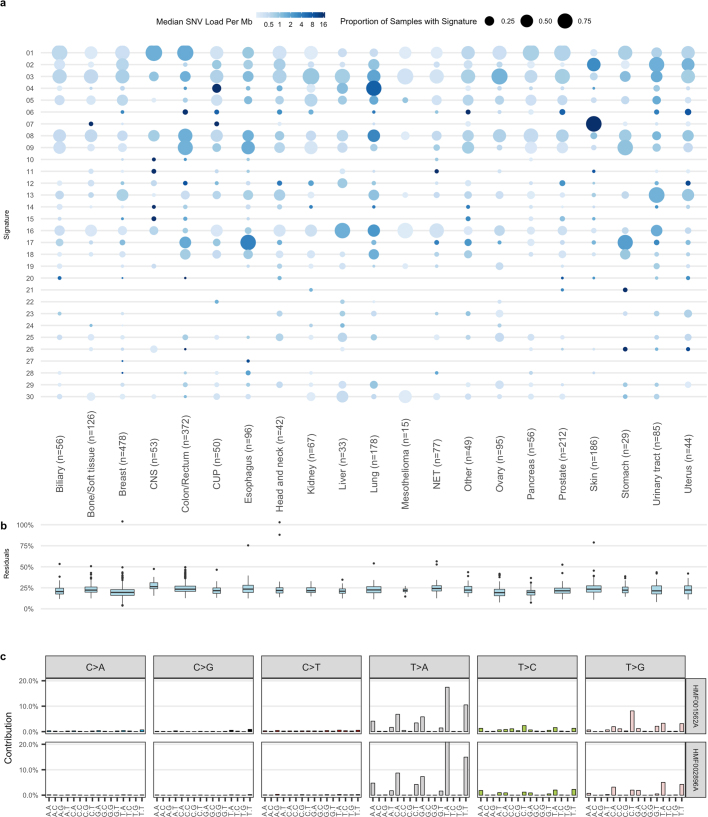
“However, one patient with basal cell carcinoma (BCC) in the Hartwig Medical Foundation (HMF) cohort 41 , HMF003357A, did show clear evidence of the signature (Fig.”
BackgroundOptimized whole-genome sequencing workflow for tumor diagnostics in routine pathology practice
Samsom, K. G., Bosch, L. J. W., Schipper, L. J., Schout, D., Roepman, P., Boelens, M. C., Lalezari, F., Klompenhouwer, E. G., de Langen, A. J., Buffart, T. E., et al. (2023) · Nature Protocols · doi:10.1038/s41596-023-00933-5 · Cited by 24
Self-citationHorgan, D., Ciliberto, G., Conte, P., Curigliano, G., Seijo, L. M., Montuenga, L. M., Paz-Ares, L., Garassino, M., Frederique, P.-L., Galli, F., et al. (2021) · Cancers · doi:10.3390/cancers13030583 · Cited by 21
“Across the entire range of cancer—“pan-cancer” as well as tumour agnostics—there is potential in the integration of molecular information, identifying actionable mutations with broad molecular profiling, matching the right targeted therapy to the detected actionable mutation, and evaluating treatment outcome [5,12].”
BackgroundNørøxe, D. S., Yde, C. W., Østrup, O., Michaelsen, S. R., Schmidt, A. Y., Kinalis, S., Torp, M. H., Skjøth‐Rasmussen, J., Brennum, J., Hamerlik, P., et al. (2020) · Molecular Oncology · doi:10.1002/1878-0261.12790 · Cited by 24
The History of Chromosomal Instability in Genome-Doubled Tumors
Baker, T. M., Lai, S., Lynch, A. R., Lesluyes, T., Yan, H., Ogilvie, H. A., Verfaillie, A., Dentro, S. C., Bowes, A. L., Pillay, N., et al. (2024) · Cancer Discovery · doi:10.1158/2159-8290.cd-23-1249 · Cited by 30
“After filtering for minimum sample quality and WGD status, we applied GRITIC to a cohort of 1,751 primary tumors from the Pan-Cancer Analysis of Whole Genomes (PCAWG) dataset (21) and 4,340 metastases from the Hartwig Medical Foundation dataset (22).”
LIN28B-mediated PI3K/AKT pathway activation promotes metastasis in colorectal cancer models
Shin, A. E., Sugiura, K., Kariuki, S. W., Cohen, D. A., Flashner, S. P., Klein–Szanto, A. J., Nishiwaki, N., De, D., Vasan, N., Gabre, J. T., et al. (2025) · Journal of Clinical Investigation · doi:10.1172/jci186035 · Cited by 25
A deep learning framework for in silico screening of anticancer drugs at the single-cell level
Zhang, P., Wang, X., Cen, X., Zhang, Q., Fu, Y., Mei, Y., Wang, X., Wang, R., Wang, J., Ouyang, H., et al. (2024) · National Science Review · doi:10.1093/nsr/nwae451 · Cited by 25
Seo, E. S., Park, S., Cho, E. Y., Lee, J. E., Jung, H. H., Hyeon, J., An, S., Kim, S. W., Shin, J., Ahn, J. S., et al. (2025) · Cell Reports Medicine · doi:10.1016/j.xcrm.2025.102164 · Cited by 38
A clinical guide to TP53 mutations in myeloid neoplasms
Urrutia, S., Wong, T. N., & Link, D. C. (2025) · Blood · doi:10.1182/blood.2025029691 · Cited by 27
Whole genome sequencing in oncology: using scenario drafting to explore future developments
van de Ven, M., Simons, M., Koffijberg, H., Joore, M. A., IJzerman, M. J., Retèl, V. P., & van Harten, W. H. (2021) · BMC Cancer · doi:10.1186/s12885-021-08214-8 · Cited by 23
“However, the genetic information obtained by WGS facilitates research towards a better understanding of cancer and the discovery of new biomarkers [4], thus providing value for future patients.”
Backgroundvan den Bosch, T., Derks, S., & Miedema, D. M. (2022) · Cancers · doi:10.3390/cancers14204986 · Cited by 22
“Similarly, loss of heterozygosity (LOH) after an oncogenic hit in a tumor suppressor gene is a common mechanism that eliminates the remaining wild-type allele of a tumor suppressor [88,104].”
BackgroundAnalysis of super-enhancer using machine learning and its application to medical biology
Hamamoto, R., Takasawa, K., Shinkai, N., Machino, H., Kouno, N., Asada, K., Komatsu, M., & Kaneko, S. (2023) · Briefings in Bioinformatics · doi:10.1093/bib/bbad107 · Cited by 28
Menzel, M., Endris, V., Schwab, C., Kluck, K., Neumann, O., Beck, S., Ball, M., Schaaf, C. P., Fröhling, S., Lichtner, P., et al. (2023) · Translational Oncology · doi:10.1016/j.tranon.2023.101706 · Cited by 21
Copy number losses of oncogenes and gains of tumor suppressor genes generate common driver mutations
Besedina, E. G., & Supek, F. (2024) · Nature Communications · doi:10.1038/s41467-024-50552-1 · Cited by 24
“…in Multiple Cancers (MC3) Project 61 , WGS somatic SNVs from the TCGA consortium 62 , WGS somatic SNVs from Hartwig Medical Foundation (HMF) project 63 , WGS somatic SNVs from Pan-Cancer Analysis Of Whole Genomes (PCAWG) dataset 64 , WGS somatic SNVs from Personal Oncogenomics project (POG570)…”
Frydendahl, A., Nors, J., Rasmussen, M. H., Henriksen, T. V., Nesic, M., Reinert, T., Afterman, D., Lauterman, T., Kuzman, M., Gonzalez, S., et al. (2024) · European Journal of Cancer · doi:10.1016/j.ejca.2024.114314 · Cited by 27
Loss of G-Protein Pathway Suppressor 2 Promotes Tumor Growth Through Activation of AKT Signaling
Chan, S., Smith, E., Gao, Y., Kwan, J., Blum, B. C., Tilston-Lünel, A., Turcinovic, I., Varelas, X., Cardamone, M. D., Monti, S., et al. (2021) · Frontiers in Cell and Developmental Biology · doi:10.3389/fcell.2020.608044 · Cited by 25
Polyploidy in Cancer: Causal Mechanisms, Cancer-Specific Consequences, and Emerging Treatments
Conway, P. J., Dao, J., Kovalskyy, D., Mahadevan, D., & Dray, E. V. (2024) · Molecular Cancer Therapeutics · doi:10.1158/1535-7163.mct-23-0578 · Cited by 25
Intratumor heterogeneity of HPV integration in HPV-associated head and neck cancer
Sasa, N., Kishikawa, T., Mori, M., Ito, R., Mizoro, Y., Suzuki, M., Eguchi, H., Tanaka, H., Fukusumi, T., Suzuki, M., et al. (2025) · Nature Communications · doi:10.1038/s41467-025-56150-z · Cited by 26
A redefined InDel taxonomy provides insights into mutational signatures
Koh, C. C., Nanda, A. S., Rinaldi, G., Boushaki, S., Degasperi, A., Badja, C., Pregnall, A. M., Zhao, S. J., Chmelova, L., Black, D., et al. (2025) · Nature Genetics · doi:10.1038/s41588-025-02152-y · Cited by 26
“…tools, including MSIseq 43 , MMRDetect 46 and TMB—an approved bio-marker for immunotherapies 20,21,47–49 Next, to survey the prevalence of PRRd across alternative cancer cohorts, we applied PRRDetect on seven cancer types commonly enriched with hypermutator samples from ICGC 33 and Hartwig 34 (Fig.”
InfluentialImmune Infiltration of MMP14 in Pan Cancer and Its Prognostic Effect on Tumors
Li, M., Li, S., Zhou, L., Yang, L., Wu, X. Q., Tang, B., Xie, S., Fang, L., Zheng, S., & Hong, T. (2021) · Frontiers in Oncology · doi:10.3389/fonc.2021.717606 · Cited by 25
Mendelaar, P. A. J., Robbrecht, D. G. J., Rijnders, M., de Wit, R., de Weerd, V., Deger, T., Westgeest, H. M., Aarts, M. J. B., Voortman, J., Martens, J. W. M., et al. (2022) · Molecular Oncology · doi:10.1002/1878-0261.13196 · Cited by 21
Self-citationPLUS: Predicting cancer metastasis potential based on positive and unlabeled learning
Zhou, J., Lu, X., Chang, W., Wan, C., Lu, X., Zhang, C., & Cao, S. (2022) · PLoS Computational Biology · doi:10.1371/journal.pcbi.1009956 · Cited by 25
“In fact, researchers have been harnessing the power of big data by integrating the omics data of multiple cancer types to find biomarkers that underlie a common pathway of oncogenesis and particularly the EMT process [41,42].”
BackgroundHomopolymer switches mediate adaptive mutability in mismatch repair-deficient colorectal cancer
Kayhanian, H., Cross, W. C. H., van der Horst, S. E. M., Barmpoutis, P., Lakatos, E., Caravagna, G., Zapata, L., van Hoeck, A., Middelkamp, S., Litchfield, K., et al. (2024) · Nature Genetics · doi:10.1038/s41588-024-01777-9 · Cited by 22
“Details of the full pipeline are described in previous work 42 and in the Hartwig pipeline GitHub page.”
Genetic landscape of external auditory canal squamous cell carcinoma
Sato, K., Komune, N., Hongo, T., Koike, K., Niida, A., Uchi, R., Noda, T., Kogo, R., Matsumoto, N., Yamamoto, H., et al. (2020) · Cancer Science · doi:10.1111/cas.14515 · Cited by 21
Spatially-resolved transcriptomics analyses of invasive fronts in solid tumorsPreprint
Wu, L. L., Yan, J., Bai, Y., Chen, F., Xu, J., Zou, X., Huang, A., Hou, L., Zhong, Y., Jing, Z., et al. (2021) · bioRxiv (Cold Spring Harbor Laboratory) · doi:10.1101/2021.10.21.465135 · Cited by 24
Lansbergen, M. F., Dings, M. P. G., Manoukian, P., Sarasqueta, A. F., Waasdorp, C., Hooijer, G. K. J., Verheij, J., Köster, J., Zwijnenburg, D. A., Wilmink, J. W., et al. (2024) · Translational research · doi:10.1016/j.trsl.2024.08.002 · Cited by 23
Evolutionary paths towards metastasis
Naxerova, K. (2025) · Nature reviews. Cancer · doi:10.1038/s41568-025-00814-x · Cited by 27
“For example, Chen et al. 94 present the example of a patient (C01) whose colorectal primary tumour and liver metastases were resected near-synchronously, and who later relapsed with additional lung and thoracic lymph node metastases.”
Andersson, N., Chattopadhyay, S., Valind, A., Karlsson, J., & Gisselsson, D. (2021) · Communications Biology · doi:10.1038/s42003-021-02637-6 · Cited by 17
“Since many cancers are aneuploid to some degree 24 , this is a serious shortcoming, especially for cancer types where aneuploidy is a common feature such as high-grade adult carcinomas, high-grade brain tumors, and many childhood cancers 8,25,26 .”
BackgroundGenetic Clonality as the Hallmark Driving Evolution of Non-Small Cell Lung Cancer
Nicoś, M., & Krawczyk, P. A. (2022) · Cancers · doi:10.3390/cancers14071813 · Cited by 24
Zhu, S., Wang, J., Zellmer, L., Xu, N., Liu, M., Hu, Y., Ma, H., Deng, F., Yang, W., & Liao, D. J. (2022) · Journal of Cancer · doi:10.7150/jca.72628 · Cited by 25
Machine learning in metastatic cancer research: Potentials, possibilities, and prospects
Petinrin, O. O., Saeed, F., Toseef, M., Liu, Z., Basurra, S. S., Muyide, I. O., Li, X., Lin, Q., & Wong, K. (2023) · Computational and Structural Biotechnology Journal · doi:10.1016/j.csbj.2023.03.046 · Cited by 27
“[154], it is the largest metastatic whole-genome cancer resource.”
BackgroundLipid metabolism in metastasis and therapy
Martín‐Pérez, M., Urdiroz-Urricelqui, U., Bigas, C., & Benitah, S. A. (2021) · Current Opinion in Systems Biology · doi:10.1016/j.coisb.2021.100401 · Cited by 19
Precancerous liver diseases do not cause increased mutagenesis in liver stem cells
Nguyen, L., Jager, M., Lieshout, R., de Ruiter, P. E., Locati, M. D., Besselink, N. J. M., der Roest, B. R. V., Janssen, R., Boymans, S., de Jonge, J., et al. (2021) · Communications Biology · doi:10.1038/s42003-021-02839-y · Cited by 21
Self-citationGmeiner, W. H. (2021) · OncoTargets and Therapy · doi:10.2147/ott.s242224 · Cited by 18
“mary tumors and metastatic lesions with regard to key driver oncogenic mutations.(73) Divergence, when it occurs, is gen-”
BackgroundRijnders, M., Nakauma‐González, J. A., Robbrecht, D. G. J., Gil-Jimenez, A., Balcioglu, H. E., Oostvogels, A. A. M., Aarts, M. J. B., Boormans, J. L., Hamberg, P., van der Heijden, M. S., et al. (2024) · Nature Communications · doi:10.1038/s41467-024-45714-0 · Cited by 22
“49), were performed using tools developed by the Hartwig Medical Foundation (https://github.com/hartwigmedical/hmftools) 29 .”
Self-citationCell Proliferation and Cytotoxicity Assays, The Fundamentals for Drug Discovery
Niu, J., Li, M., & Wang, Y. (2024) · International Journal of Drug Discovery and Pharmacology · doi:10.53941/ijddp.2024.100013 · Cited by 25
Afenteva, D., Yu, R., Rajavuori, A., Salvadores, M., Launonen, I.-M. P., Lavikka, K., Zhang, K., Pirttikoski, A., Marchi, G., Jamalzadeh, S., et al. (2025) · Cell Reports Medicine · doi:10.1016/j.xcrm.2025.102316 · Cited by 22
Fazio, M., van Rooijen, E., Dang, M., van de Hoek, G., Ablain, J., Mito, J. K., Yang, S. P., Thomas, A., Jonathan, M., Fabo, T., et al. (2021) · eLife · doi:10.7554/elife.64370 · Cited by 22
“melanoma patients, showed a surprisingly high degree of similarity in mutational landscape and driver genes between metastatic tumors and their respective primaries, as well as across multiple metastatic lesions within the same patient (Priestley et al., 2019).”
BackgroundHigh Concordance of Genomic Profiles between Primary and Metastatic Colorectal Cancer
Lee, S. E., Park, H. Y., Hwang, D., & Han, H. S. (2021) · International Journal of Molecular Sciences · doi:10.3390/ijms22115561 · Cited by 19
“We identified that the frequency of recurrent mutations of APC, KRAS, PIK3CA, FBXW7, and SMAD4 were consistent with previous reports on metastatic CRCs [3,12,13].”
ResultKong, W., Yang, T., Wen, X., Mu, Z., Zhao, C., Han, S., Tian, J., Zhang, X., Zhou, T., Zhang, Y., et al. (2021) · Frontiers in Oncology · doi:10.3389/fonc.2021.737547 · Cited by 18
“2% of RCC patients based on NCCN guidelines and OncoKB database, which is consistent with results in kidney cancer from a pan-cancer study (40).”
ResultBieńkowski, M., Tomasik, B., Braun, M., & Jassem, J. (2022) · Cancer Treatment Reviews · doi:10.1016/j.ctrv.2022.102359 · Cited by 20
Duan, S., Sawyer, T. W., Sontz, R. A., Wieland, B. A., Diaz, A. F., & Merchant, J. L. (2022) · Cellular and Molecular Gastroenterology and Hepatology · doi:10.1016/j.jcmgh.2022.06.009 · Cited by 18
“Progress in understanding GEP-NET pathogenesis is impeded by a lack of comprehensive in vivo models, in part due to tissue heterogeneity from which the neoplasms arise, and the paucity of driver mutations identified that precede malignancy ([47]).”
Backgroundde Jong, A. C., Danyi, A., van Riet, J., de Wit, R., Sjöström, M., Feng, F. Y.-C., de Ridder, J., & Lolkema, M. P. (2023) · Nature Communications · doi:10.1038/s41467-023-37647-x · Cited by 20
Self-citationInsights into the metastatic cascade through research autopsies
Hessey, S., Fessas, P., Zaccaria, S., Jamal‐Hanjani, M., & Swanton, C. (2023) · Trends in cancer · doi:10.1016/j.trecan.2023.03.002 · Cited by 22
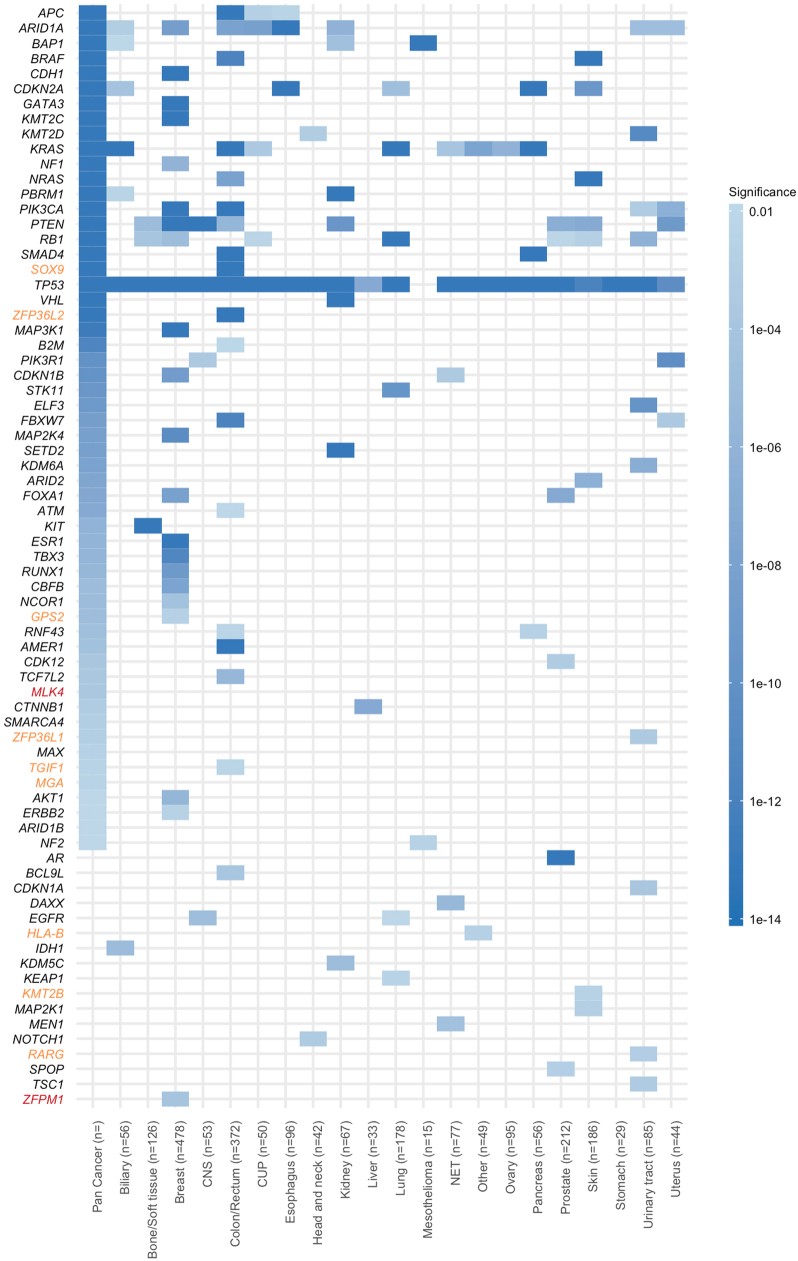
“kinase involved in the regulation of JNK, P38, and ERK signalling pathways, and ZFPM1, encoding a zinc-finger transcription factor protein, to be enriched in pan-cancer and breast cancer metastases, respectively [79].”
BackgroundUnravelling the genetic architecture of human complex traits through whole genome sequencing
Bocher, O., Willer, C. J., & Zeggini, E. (2023) · Nature Communications · doi:10.1038/s41467-023-39259-x · Cited by 20
Leveraging translational insights toward precision medicine approaches for brain metastases
Kim, A. E., Nieblas‐Bedolla, E., de Sauvage, M. A., & Brastianos, P. K. (2023) · Nature Cancer · doi:10.1038/s43018-023-00585-0 · Cited by 20
Metastatic organotropism: a brief overview
Carrolo, M., Miranda, J. A. I., Vilhais, G., Quintela, A., Sousa, M. F. E., Costa, D. A., & Pinto, F. R. (2024) · Frontiers in Oncology · doi:10.3389/fonc.2024.1358786 · Cited by 22
“Large-scale sequencing studies have tried to identify genomic alterations associated with metastases by comparing the genomic sequences of cohorts of metastases versus cohorts of primary tumors, including multiple cancer types (46 – 48) or cancer type-speci fi c studies (49, 50).”
BackgroundEwing, A., Meynert, A. M., Silk, R., Aitken, S., Bendixsen, D. P., Churchman, M., Brown, S. L., Hamdan, A., Mattocks, J., Grimes, G. R., et al. (2025) · Nature Communications · doi:10.1038/s41467-025-60655-y · Cited by 21
“We observed notable enrichments of all SV classes on chromosomes 8, 11, 12, 19 and 20 (Methods; Supplementary Fig.”
InfluentialBaker, S. C., Mason, A. S., & Southgate, J. (2020) · European Urology · doi:10.1016/j.eururo.2020.03.049 · Cited by 19
“C > A dominated signatures have been detected de novo in BLCA, of which “Bladder_F” was most similar to SBS-BaP- NHU and is closely related to the smoking signatures of other tissues [4,7] (Supplementary Fig.”
BackgroundResultInfluential68Ga-PSMA–Guided Bone Biopsies for Molecular Diagnostics in Patients with Metastatic Prostate Cancer
de Jong, A. C., Smits, M., van Riet, J., Fütterer, J. J., Brabander, T., Hamberg, P., van Oort, I. M., de Wit, R., Lolkema, M. P., Mehra, N., et al. (2020) · Journal of Nuclear Medicine · doi:10.2967/jnumed.119.241109 · Cited by 19
“5% for 3,655 biopsies within the CPCT-02 study, which included mainly nonskeletal biopsies (21).”
BackgroundMethodInfluentialSelf-citationInnovative applications and research advances of bacterial biosensors in medicine
Liu, M., Yang, W., Zhu, W., & Yu, D. (2025) · Frontiers in Microbiology · doi:10.3389/fmicb.2025.1507491 · Cited by 27
“It controls cell growth normally, but when it is mutated, it causes uncontrolled cell proliferation and dysregulation (Priestley et al., 2019; Vogelstein et al., 1988).”
Pancreatic cancer pathology viewed in the light of evolution
Noë, M., Hong, S., Wood, L. D., Thompson, E. D., Roberts, N. J., Goggins, M., Klein, A. P., Eshleman, J. R., Kern, S. E., & Hruban, R. H. (2021) · Cancer and Metastasis Reviews · doi:10.1007/s10555-020-09953-z · Cited by 17
Genomic features of renal cell carcinoma developed during end-stage renal disease and dialysis
Johnson, T. A., Maekawa, S., Fujita, M., An, J., Ju, Y.-S., Maejima, K., Kanazashi, Y., Jikuya, R., Okawa, Y., Sasagawa, S., et al. (2022) · Human Molecular Genetics · doi:10.1093/hmg/ddac180 · Cited by 17
Long-term organoid culture of a small intestinal neuroendocrine tumor
D’Agosto, S. L., Fiorini, E., Pezzini, F., Delfino, P., Simbolo, M., Vicentini, C., Andreani, S., Capelli, P., Rusev, B. C., Lawlor, R. T., et al. (2023) · Frontiers in Endocrinology · doi:10.3389/fendo.2023.999792 · Cited by 18
Prevalence, causes and impact of TP53-loss phenocopying events in human tumors
Fito-Lopez, B., Salvadores, M., Álvarez‐Álvarez, M. M., & Supek, F. (2023) · BMC Biology · doi:10.1186/s12915-023-01595-1 · Cited by 22
“Consistently, TP53mutant tumors have higher frequencies of segmental copy number alterations (CNA), whole-genome duplication, and overall mutation rates [5, 6].”
BackgroundSkeletal muscle omics signatures in cancer cachexia: perspectives and opportunities
Gilmore, L. A., Parry, T. L., Thomas, G. A., & Khamoui, A. V. (2023) · JNCI Monographs · doi:10.1093/jncimonographs/lgad006 · Cited by 19
Salvadores, M., & Supek, F. (2024) · Nature Cancer · doi:10.1038/s43018-023-00707-8 · Cited by 17
“Second, we obtained somatic SNVs for 4,823 WGS from the HMF study 61 (https://www.hartwigmedicalfounda-tion.nl/en/).”
InfluentialThe Mutographs biorepository: A unique genomic resource to study cancer around the world
Perdomo, S. P., Abedi‐Ardekani, B., de Carvalho, A. C., Ferreiro-Iglesias, A., Gaborieau, V., Cattiaux, T., Renard, H., Chopard, P., Carreira, C., Spanu, A., et al. (2024) · Cell Genomics · doi:10.1016/j.xgen.2024.100500 · Cited by 27
Tan, K., Slevin, M. K., Leibowitz, M. L., Garrity-Janger, M., Shan, J., Li, H., & Meyerson, M. M. (2024) · Cell Genomics · doi:10.1016/j.xgen.2024.100588 · Cited by 20
Metadata
- Authors
- Priestley, P., Baber, J., Lolkema, M. P., Steeghs, N., de Bruijn, E., Shale, C., Duyvesteyn, K., Haidari, S., van Hoeck, A., Onstenk, W., Roepman, P., Voda, M., Bloemendal, H. J., Tjan-Heijnen, V. C. G., van Herpen, C. M. L., Labots, M., Witteveen, P. O., Smit, E. F., Sleijfer, S., Voest, E. E., & Cuppen, E.
- Affiliations
- Hartwig Medical Foundation (NL)
- Center for Personalized Cancer Treatment (NL)
- The Netherlands Cancer Institute (NL)
- Radboud University Medical Center (NL)
- University Medical Center Utrecht (NL)
- Corresponding author
- Cuppen, Edwin
- ORCID
- Venue
- Nature
- Published
- 2019-10-23
- Volume
- 575
- Issue
- 7781
- Pages
- 210-216
- ISSN
- 0028-0836 (ISSN-L)
- 1476-4687
- PMC
- PMC6872491
- OpenAlex
- W2981548686
- Semantic Scholar
- 61973da18e9bbaaae94682c760f73b5a02ecffb5
- Cited by
- 1,106
- References
- 70
- Citations by year
- 2026: 101 · 2025: 155 · 2024: 166 · 2023: 188 · 2022: 179 · 2021: 189 · 2020: 114 · 2019: 10
- FWCI
- 40.43
- Type
- journal article
- Language
- en
- Open access
- hybrid
- doi.org
- Licence
- cc-by
- creativecommons.org/licenses/by/4.0 (tdm)
- creativecommons.org/licenses/by/4.0 (vor)
- Locations
- Nature (publishedVersion, cc-by)
- Europe PMC (PubMed Central) (publishedVersion, cc-by)
- PubMed Central (publishedVersion, cc-by)
- PubMed (publishedVersion)
- Research Publications (Maastricht University) (publishedVersion, cc-by)
- Amsterdam UMC (VU Amsterdam) - Institutional Repository (publishedVersion, other-oa)
- EUR Research Repository (Erasmus University Rotterdam) (publishedVersion, other-oa)
- Pure Amsterdam UMC (submittedVersion, cc-by)
- EUR Research Repository (Erasmus University Rotterdam) (submittedVersion, other-oa)
- RePub (Erasmus University Rotterdam) (submittedVersion, other-oa)
- RePEc: Research Papers in Economics (submittedVersion)
- Utrecht University Repository (Utrecht University) (submittedVersion, other-oa)
- Radboud Repository (Radboud University) (submittedVersion)
- Radboud Repository (Radboud University) (submittedVersion, other-oa)
- Research Publications (Maastricht University) (submittedVersion, other-oa)
- Data Archiving and Networked Services (DANS) (submittedVersion, other-oa)
- Funders
- KWF Kankerbestrijding (HMF2017-8225)
- Topics
- Life Sciences › Biochemistry, Genetics and Molecular Biology › Cancer Research › Cancer Genomics and Diagnostics
- Life Sciences › Biochemistry, Genetics and Molecular Biology › Molecular Biology › Chromatin Remodeling and Cancer
- Life Sciences › Biochemistry, Genetics and Molecular Biology › Genetics › Genomics and Rare Diseases
- Keywords
- metastatic solid tumors, pan-cancer genomics, somatic mutations, mutational landscape, driver mutations, clonal evolution, tumor suppressor, whole-genome duplication, mutational mechanisms, drug target identification, precision oncology
- MeSH terms
- Whole Genome Sequencing, Clone Cells, Female, Humans, Male, Mutation, Neoplasm Metastasis, Neoplasms, Information Dissemination, INDEL Mutation, DNA Copy Number Variations, Precision Medicine
About these checks
Registry, retraction, Cites and statistics results are computed, not judged, with one exception: a printed reference that no index lists is read once by a model before it counts as a citation error. Claims are extracted by a model and kept only when their quote appears verbatim in the text; each cited source is then checked, with a model’s help, for whether it says what the claim relies on. Those verdicts can be wrong — read the claim’s quote and the cited source before relying on one.
Statistics and arithmetic are recomputed, not judged.
Confidence bands are shown only for fields calibrated on our annotated test set. None is calibrated yet, so no band is shown.
What counts as a claim ›How we measure confidence ›How we check this ›
Are you an author, or do you see a problem with this page? Request a review
Data sources
Bibliographic data: Semantic Scholar, OpenAlex, Crossref.
Contains information from the Semantic Scholar Academic Graph Datasets, made available under the ODC Attribution License (ODC-BY 1.0).
Semantic Scholar’s data is described in: Kinney, R., et al. (2023). The Semantic Scholar Open Data Platform. arXiv:2301.10140.
