

Pan-cancer whole-genome analyses of metastatic solid tumours
Open accessThe DOI matches its Crossref record; 73 of the 74 references it cites were found in a registry or an index.
Abstract
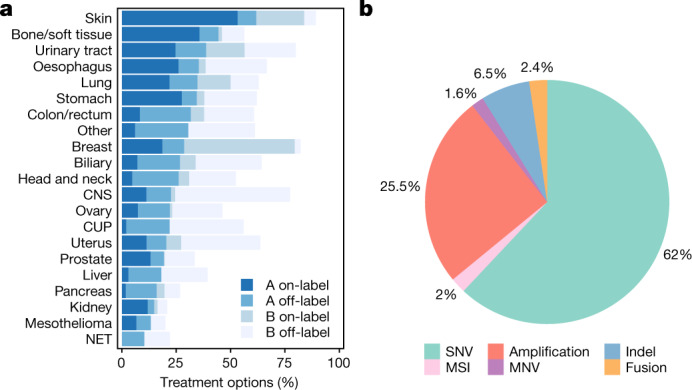
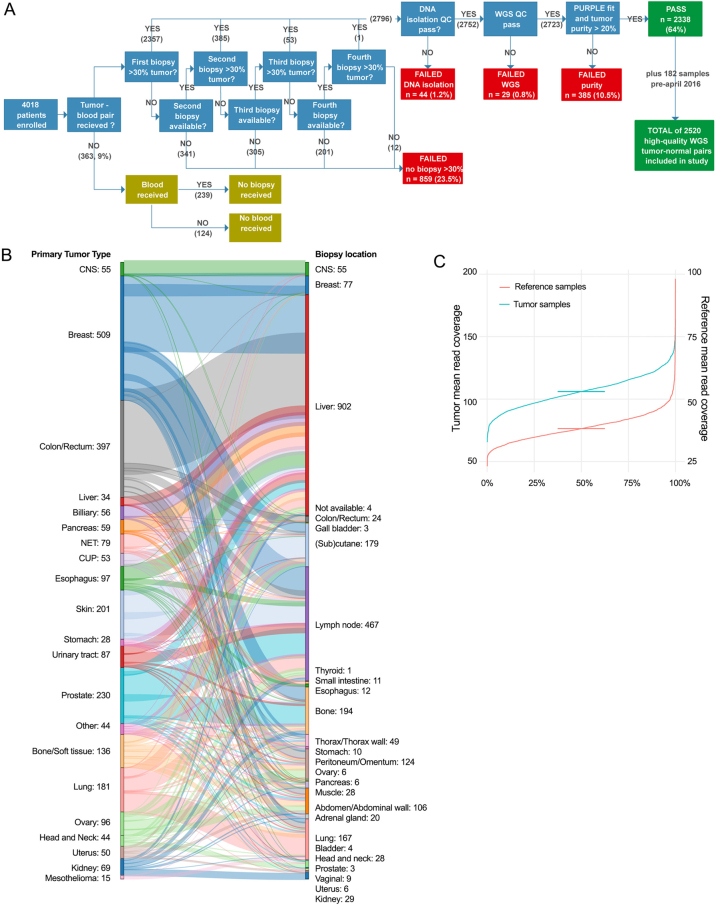
Metastatic cancer is a major cause of death and is associated with poor treatment efficacy. A better understanding of the characteristics of late-stage cancer is required to help adapt personalized treatments, reduce overtreatment and improve outcomes. Here we describe the largest, to our knowledge, pan-cancer study of metastatic solid tumour genomes, including whole-genome sequencing data for 2,520 pairs of tumour and normal tissue, analysed at median depths of 106× and 38×, respectively, and surveying more than 70 million somatic variants. The characteristic mutations of metastatic lesions varied widely, with mutations that reflect those of the primary tumour types, and with high rates of whole-genome duplication events (56%). Individual metastatic lesions were relatively homogeneous, with the vast majority (96%) of driver mutations being clonal and up to 80% of tumour-suppressor genes being inactivated bi-allelically by different mutational mechanisms. Although metastatic tumour genomes showed similar mutational landscape and driver genes to primary tumours, we find characteristics that could contribute to responsiveness to therapy or resistance in individual patients. We implement an approach for the review of clinically relevant associations and their potential for actionability. For 62% of patients, we identify genetic variants that may be used to stratify patients towards therapies that either have been approved or are in clinical trials. This demonstrates the importance of comprehensive genomic tumour profiling for precision medicine in cancer.
Overview
The claims and statistics of this paper haven’t been checked yet.
Free: it reads the open-access text and checks the first 5 claims that cite a source we can check. Create a free account to check every claim.
Integrity signals
Registry
Cites
Statistics
Figures
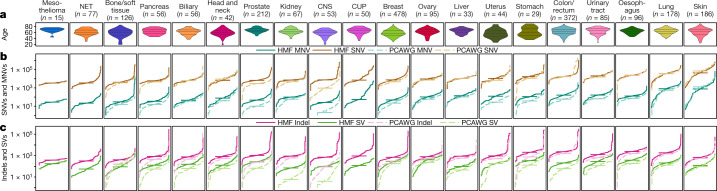
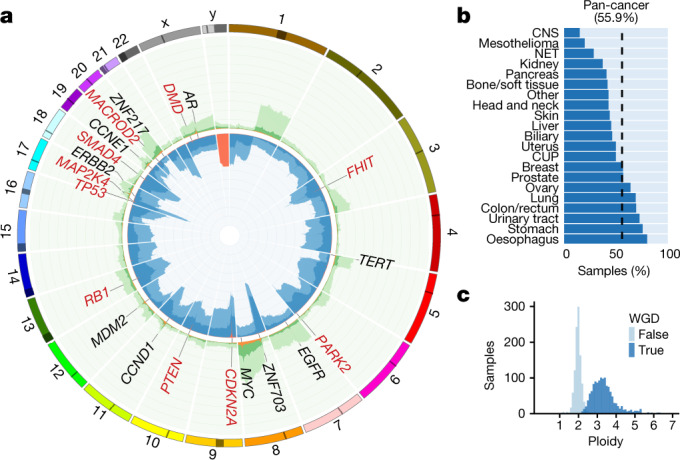
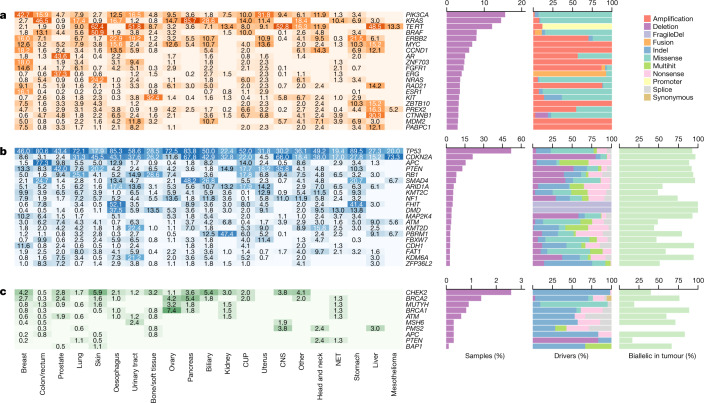
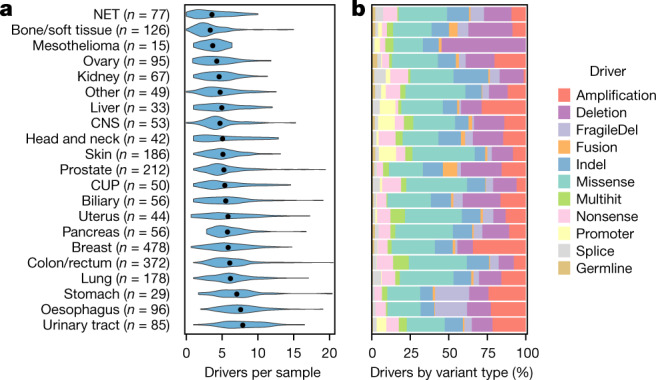
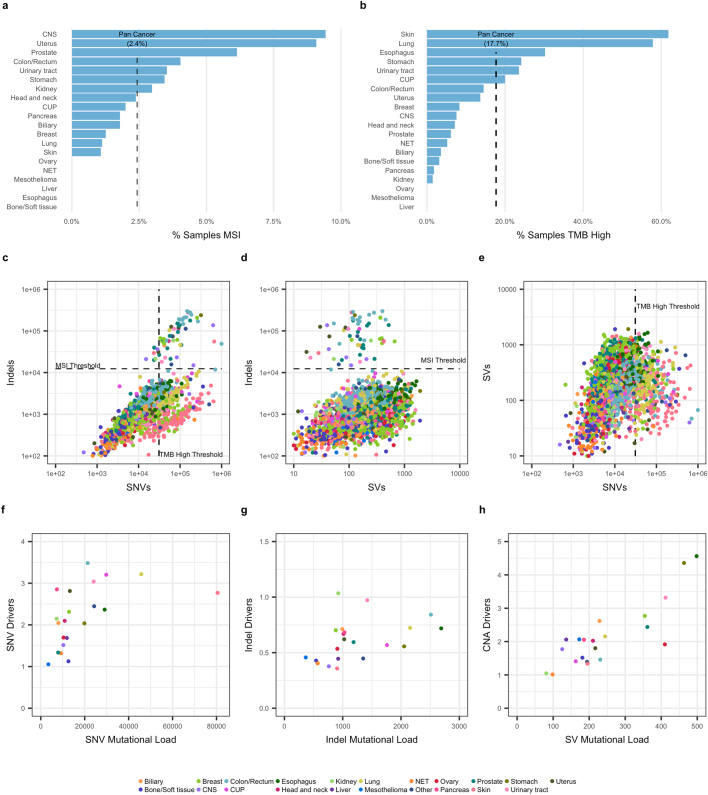
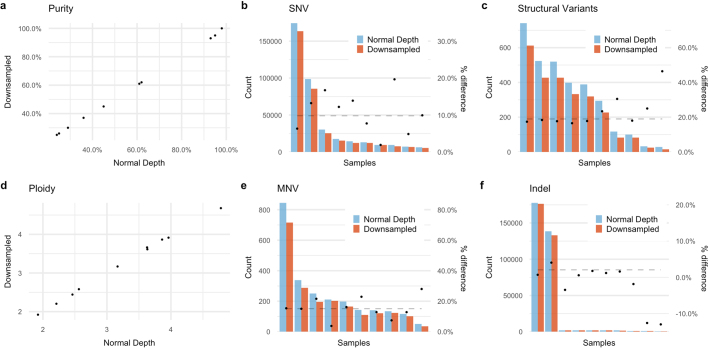
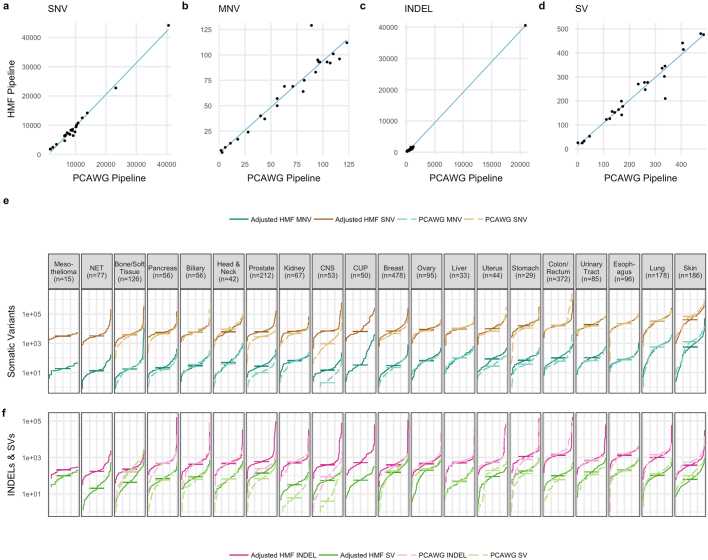
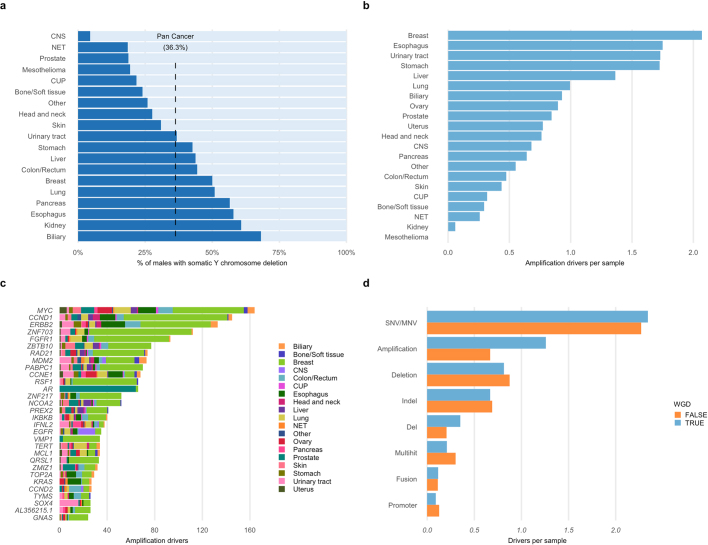
Verification
Claims the paper makes
The claims and statistics of this paper haven’t been checked yet.
Free: it reads the open-access text and checks the first 5 claims that cite a source we can check. Create a free account to check every claim.
Claims other papers make about this one
Each is checked against this paper’s own text: does it say what the citing paper says it does?
The cited source says what the claim attributes to it.
In the citing paper
“Indeed, using the variants obtained from the native pipeline of the HMF dataset (HMF pipeline13) for HRD prediction resulted in overall higher HRD probabilities compared to using the variants downloaded from ICGC, especially for BRCA1-deficient samples.”
From Pan-cancer landscape of homologous recombination deficiency. (2020) · cites this paper as [13]
Self-check
Percentages, sums and reported differences re-computed from the paper’s own numbers.
The self-check needs the paper’s full text.
Citations
Cites
Fast and accurate short read alignment with Burrows-Wheeler transform
Li, H., & Durbin, R. (2009) · Bioinformatics · doi:10.1093/bioinformatics/btp324 · Cited by 58,607
The Genome Analysis Toolkit: A MapReduce framework for analyzing next-generation DNA sequencing data
McKenna, A., Hanna, M., Banks, E., Sivachenko, A., Cibulskis, K., Kernytsky, A., Garimella, K., Altshuler, D., Gabriel, S., Daly, M., et al. (2010) · Genome Research · doi:10.1101/gr.107524.110 · Cited by 27,895
Signatures of mutational processes in human cancer
Initiative, A. P. C. G., Alexandrov, L. B., ICGC Breast Cancer Consortium, ICGC MMML-Seq Consortium, PedBrain, I., Nik-Zainal, S., Wedge, D. C., Aparicio, S. A. J. R., Behjati, S., Biankin, A. V., et al. (2013) · Nature · doi:10.1038/nature12477 · Cited by 9,660
The cancer genome atlas pan-cancer analysis project
The Cancer Genome Atlas Research Network, Weinstein, J. N., Collisson, E. A., Mills, G. B., Shaw, K. R. M., Ozenberger, B. A., Ellrott, K., Shmulevich, I., Sander, C., & Stuart, J. M. (2013) · Nature Genetics · doi:10.1038/ng.2764 · Cited by 9,092
Mutation and cancer: statistical study of retinoblastoma
Knudson, A. G. (1971) · Proceedings of the National Academy of Sciences · doi:10.1073/pnas.68.4.820 · Cited by 7,612
Van der Auwera, G. A., Carneiro, M. O., Hartl, C., Poplin, R., del Angel, G., Levy‐Moonshine, A., Jordan, T., Shakir, K., Roazen, D., Thibault, J., et al. (2013) · Current Protocols in Bioinformatics · doi:10.1002/0471250953.bi1110s43 · Cited by 6,687
The Somatic Genomic Landscape of Glioblastoma
Brennan, C. W., Verhaak, R. G. W., McKenna, A., Campos, B., Noushmehr, H., Salama, S. R., Zheng, S., Chakravarty, D., Sanborn, J. Z., Berman, S. H., et al. (2013) · Cell · doi:10.1016/j.cell.2013.09.034 · Cited by 5,016
Comprehensive genomic characterization of squamous cell lung cancers
The Cancer Genome Atlas Research Network (2012) · Nature · doi:10.1038/nature11404 · Cited by 3,994
Mermel, C. H., Schumacher, S. E., Hill, B., Meyerson, M. L., Beroukhim, R., & Getz, G. (2011) · Genome Biology · doi:10.1186/gb-2011-12-4-r41 · Cited by 3,550
Zehir, A., Benayed, R., Shah, R. H., Syed, A., Middha, S., Kim, H. R., Srinivasan, P., Gao, J., Chakravarty, D., Devlin, S. M., et al. (2017) · Nature Medicine · doi:10.1038/nm.4333 · Cited by 3,380
Cited by
Items 501–600 of 1,000
Early technology assessment of using whole genome sequencing in personalized oncology
Simons, M., van de Ven, M., Coupé, V. M. H., Joore, M. A., IJzerman, M. J., Koffijberg, H., Frederix, G., Groot, C. U., Cuppen, E. P. J. G., van Harten, W. H., et al. (2021) · Expert Review of Pharmacoeconomics & Outcomes Research · doi:10.1080/14737167.2021.1917386 · Cited by 11
“all relevant genetic aberrations in both coding and noncoding regions of the tumors’ genome, thereby allowing immediate selection for optimal therapy [5,6].”
BackgroundMethodSelf-citationCai, C., Bi, D., Bick, G., Wei, Q., Liu, H., Lu, L., Zhang, X., & Qin, H. (2021) · FEBS Letters · doi:10.1002/1873-3468.14219 · Cited by 11
Bos, M. K., Smid, M., Sleijfer, S., & Martens, J. W. M. (2022) · JCO Precision Oncology · doi:10.1200/po.21.00190 · Cited by 11
“We determined whether identified APOBEC-derived mutations in mBC(3) were either clonal or subclonal by using WGS data as described before.(11)”
MethodSelf-citationComputational validation of clonal and subclonal copy number alterations from bulk tumour sequencingPreprint
Antonello, A., Bergamin, R., Calonaci, N., Househam, J., Milite, S., Williams, M. J., Anselmi, F., d’Onofrio, A., Sundaram, V., Sosinsky, A., et al. (2021) · bioRxiv (Cold Spring Harbor Laboratory) · doi:10.1101/2021.02.13.429885 · Cited by 11
Xie, D., Tang, W., Jiang, T., Duan, H., Mo, S., Zhang, H., Zhai, X., Tian, Q., Li, Z., Liang, Y., et al. (2025) · Cell Reports · doi:10.1016/j.celrep.2025.116449 · Cited by 11
Susceptibility of domestic and companion animals to SARS-CoV-2: a comprehensive review
Pourbagher‐Shahri, A. M., Mohammadi, G., Ghazavi, H., & Forouzanfar, F. (2023) · Tropical Animal Health and Production · doi:10.1007/s11250-023-03470-1 · Cited by 10
Pacelli, C., Rossi, A., Milella, M., Colombo, T., & Pera, L. L. (2023) · International Journal of Molecular Sciences · doi:10.3390/ijms241914862 · Cited by 10
“…of proteins (KRAS, NRAS, and HRAS, the most frequently mutated oncogenes in cancer [13]), the MYC proto-oncogene (MYC, a commonly amplified gene [14,15]), and tumor protein 53 (TP53, the most frequently altered tumor suppressor gene in human cancer [16]), present significant challenges to…”
BackgroundGeurts, B. S., Zeverijn, L. J., Henegouwen, J. M. V. B., van der Wijngaart, H., Hoes, L. R., de Wit, G. F., Spiekman, I. A. C., Battaglia, T., van Beek, D. M., Roepman, P., et al. (2024) · The Journal of Pathology · doi:10.1002/path.6279 · Cited by 13
“SBS mutational signatures associated with dMMR/MSI were determined using the mutationalPatterns package [26,28,29].”
MethodSelf-citationDeciphering cancer genomes with GenomeSpy: a grammar-based visualization toolkit
Lavikka, K., Oikkonen, J., Li, Y., Muranen, T., Micoli, G., Marchi, G., Lahtinen, A., Huhtinen, K., Lehtonen, R., Hietanen, S., et al. (2024) · GigaScience · doi:10.1093/gigascience/giae040 · Cited by 13
Tsanov, K. M., Barriga, F. M., Ho, Y.-J., Alonso‐Curbelo, D., Livshits, G., Tian, S., Koche, R. P., Baslan, T., Simon, J. M., Wuest, A. N., et al. (2025) · Nature Cancer · doi:10.1038/s43018-025-01047-5 · Cited by 18
A distributed whole genome sequencing benchmark study
Corbett, R. D., Eveleigh, R., Whitney, J., Barai, N., Bourgey, M., Chuah, E., Johnson, J., Moore, R. A., Moradin, N., Mungall, K. L., et al. (2020) · Frontiers in Genetics · doi:10.3389/fgene.2020.612515 · Cited by 10
“…date, such data have been used to increase understanding of the underlying genetic architecture in disease (Yuen et al., 2017; Bailey et al., 2018; Priestley et al., 2019; Pleasance et al., 2020; Trost et al., 2020) and are increasingly being used in clinical genetics settings (Stavropoulos et…”
MethodWhole-Genome Duplications in Evolution, Ontogeny, and Pathology: Complexity and Emergency Reserves
Anatskaya, O. V., & Vinogradov, A. E. (2021) · Molecular Biology · doi:10.1134/s0026893321050022 · Cited by 11
“The polyploid cell content varied from 15% in nervous tissue tumors to 85% in esophageal tumors [33].”
BackgroundSmid, M., Schmidt, M. K., der Smissen, W. J. C. P., Ruigrok-Ritstier, K., Schreurs, M. A. C., Cornelissen, S., Garcia, A. M., Broeks, A., Timmermans, A. M., Trapman-Jansen, A., et al. (2023) · Breast Cancer Research · doi:10.1186/s13058-023-01653-0 · Cited by 12
“Inclusion criteria for CPCT were described previously [28].”
BackgroundZheng, W., Pu, M., Li, X., Du, Z., Jin, S., Li, X., Zhou, J., & Zhang, Y. (2023) · Scientific Reports · doi:10.1038/s41598-023-35842-w · Cited by 12
“Whole-Genome Sequencing (WGS) analysis of the metastatic solid tumors in pan-cancers has revealed certain specific patterns of mutational signatures in metastatic tumors 15 .”
BackgroundLeroy, K., Audigier-Valette, C., Alexandre, J., Boussemart, L., Chiésa, J., Deldycke, C., Gomez‐Roca, C., Hollebecque, A., Lehmann‐Che, J., Lemoine, A., et al. (2023) · PLoS ONE · doi:10.1371/journal.pone.0291495 · Cited by 10
Targeted Treatment Options of Recurrent Radioactive Iodine Refractory Hürthle Cell Cancer
Aydemirli, M. D., Corver, W. E., Beuk, R., Roepman, P., Solleveld‐Westerink, N., van Wezel, T., Kapiteijn, E., & Morreau, H. M. (2019) · Cancers · doi:10.3390/cancers11081185 · Cited by 11
Self-citationTargeting Metastatic Colorectal Cancer with Immune Oncological Therapies
Galbraith, N. J., Wood, C. S., & Steele, C. W. (2021) · Cancers · doi:10.3390/cancers13143566 · Cited by 12
“In patients that have a mismatch-repair deficient tumour, there is a high tumour mutational burden (TMB) (more than 12 mutations per 106 DNA bases) which offers a high number of neoantigens which are recognised as foreign by the local patrolling immune cells [19,21].”
Backgroundvan Wilpe, S., Simnica, D., Slootbeek, P. H. J., van Ee, T., Naga, S. P., Gorris, M. A. J., van der Woude, L. L., Sultan, S., Koornstra, R. H. T., van Oort, I. M., et al. (2022) · OncoImmunology · doi:10.1080/2162402x.2022.2094133 · Cited by 12
Niu, Y., Yang, W., Qian, H., & Sun, Y. (2022) · Cancer Cell International · doi:10.1186/s12935-022-02766-w · Cited by 13
Koster, R., Schipper, L. J., Giesbertz, N. A. A., van Beek, D. M., Mendeville, M., Samsom, K. G., Rosenberg, E. H., Hogervorst, F. B. L., Roepman, P., Boelens, M. C., et al. (2023) · Genetics in Medicine · doi:10.1016/j.gim.2023.101032 · Cited by 10
Self-citationUBE2C : A pan‐cancer diagnostic and prognostic biomarker revealed through bioinformatics analysis
Jalali, P., Samii, A., Rezaee, M., Shahmoradi, A., Pashizeh, F., & Salehi, Z. (2024) · Cancer Reports · doi:10.1002/cnr2.2032 · Cited by 16
“11,12 15 Recently, the prognostic significance, and immunological functions of ubiquitin-conjugating enzyme 2C (UBE2C) has been studied across various tumor types.”
BackgroundCancer phylogenetic inference using copy number alterations detected from DNA sequencing data
Lu, B. (2024) · Cancer Pathogenesis and Therapy · doi:10.1016/j.cpt.2024.04.003 · Cited by 10
“15,17,52 CNA generation may involve complex mutational events, such as chromo-thripsis, breakage-fusion-bridges, and template insertions.”
Majumder, B., Nataraj, N. B., Maitreyi, L., & Datta, S. (2024) · Frontiers in Immunology · doi:10.3389/fimmu.2024.1414376 · Cited by 11
“Indeed, whole-genome analyses of metastatic colorectal cancers from a pan-cancer Hartwig database of 2256 MMRp samples con fi rmed that only 1.6% of these samples clonally showed B2M and concurrent loss of heterogenicity (LOH), limiting their prognostication impact (43).”
BackgroundInfluentialDecoding the Genomic and Functional Landscape of Emerging Subtypes in Ovarian Cancer
Micoli, G., Lavikka, K., Li, Y., Pirttikoski, A., Afenteva, D., Senkowski, W., Marchi, G., Vähärautio, A., Muranen, T., Joutsiniemi, T., et al. (2025) · Cancer Discovery · doi:10.1158/2159-8290.cd-25-0652 · Cited by 13
Cancer type-specific variation in patterns of driver alterations across 50,000 tumors
Bandlamudi, C., Muldoon, D. M., de Bruijn, I., Zhang, M., Gormally, M. V., Harrold, E. C., Nandakumar, S., Smith, S. A., Jeng, M. Y., Woods, S., et al. (2026) · Cancer Cell · doi:10.1016/j.ccell.2026.03.003 · Cited by 20
Prospective evaluation of genomics-guided off-label treatment
Verkerk, K., Spiekman, A. C., Mohammad, S. F. H., Verbeek, F. A. J., Timmer, H. J. L., van Maren, M. A., Zeverijn, L. J., Geurts, B. S., van der Noort, V., Roepman, P., et al. (2026) · Nature · doi:10.1038/s41586-026-10405-x · Cited by 11
Self-citationStabilization of hESCs in two distinct substates along the continuum of pluripotency
Dekel, C., Morey, R. E., Hanna, J. H., Laurent, L. C., Ben‐Yosef, D., & Amir, H. (2022) · iScience · doi:10.1016/j.isci.2022.105469 · Cited by 10
Butter, R., Halfwerk, H., Radonic, T., Lissenberg-Witte, B. I., & Thunnissen, E. (2023) · Lung Cancer · doi:10.1016/j.lungcan.2023.02.007 · Cited by 12
Cheung, A. H. K., Wong, K. Y., Liu, X., Ji, F., Hui, C. H., Zhang, Y., Kwan, J. S. H., Chen, B., Dong, Y., Lung, R. W. M., et al. (2023) · Oncogenesis · doi:10.1038/s41389-023-00478-y · Cited by 9
Midgut neuroendocrine tumor patients have a depleted gut microbiome with a discriminative signature
Mulders, M. C. F., Audhoe, A., van Koetsveld, P. M., Feelders, R. A., Hofland, L. J., de Herder, W. W., Kraaij, R., & Hofland, J. (2023) · European Journal of Cancer · doi:10.1016/j.ejca.2023.113472 · Cited by 11
Chang, E., & An, J. (2024) · BMB Reports · doi:10.5483/bmbrep.2023-0244 · Cited by 10
“In a parallel study, the PURPLE algorithm was used to successfully detect WGD events in 56% of the cases from 2,520 pairs of metastatic solid tumors and normal tissue (38, 39).”
BackgroundMethodInfluentialNavigating the path to distant metastasis
Graham, T. A., & Shibata, D. K. (2020) · Nature Genetics · doi:10.1038/s41588-020-0660-z · Cited by 13
Smits, M., Ekici, K., Naga, S. P., van Oort, I. M., Sedelaar, J. P. M., Schalken, J. A., Nagarajah, J., Scheenen, T. W. J., Gerritsen, W. R., Fütterer, J. J., et al. (2020) · Cancers · doi:10.3390/cancers12123756 · Cited by 10
“[35], biopsy cores analyzed within the CPCT-02 trial were first examined by an experienced pathologist for estimation of tumor cellularity on a 6 μm hematoxylin and eosin (H&E) stained section.”
MethodConsequences of mitotic failure – The penalties and the rewards
Štorchová, Z. (2021) · Seminars in Cell and Developmental Biology · doi:10.1016/j.semcdb.2021.03.007 · Cited by 9
Rijnders, M., Balcioglu, H. E., Robbrecht, D. G. J., Oostvogels, A. A. M., Wijers, R., Aarts, M. J. B., Hamberg, P., van Leenders, G. J. L. H., Nakauma-González, J. A., Voortman, J., et al. (2022) · Clinical Cancer Research · doi:10.1158/1078-0432.ccr-20-3319 · Cited by 9
“At baseline, an additional biopsy from the same lesion was snap frozen for RNA sequencing (RNA-seq) according to a standardized procedure (29).”
MethodSelf-citationGupta, P., Jindal, A., Ahuja, G., Jayadeva, & Sengupta, D. (2022) · Journal of Biological Chemistry · doi:10.1016/j.jbc.2022.102177 · Cited by 14
“We considered somatic SNVs from the Met study for a matching cancer alteration pool, a recently published pan-cancer study of solid metastatic tumors (23).”
MethodInfluentialThe genomic landscape of advanced cancer
Rheinbay, E. (2020) · Nature Cancer · doi:10.1038/s43018-020-0057-z · Cited by 8
Cameron, D., Baber, J., Shale, C., Valle-Inclán, J. E., Besselink, N. J. M., van Hoeck, A., Janssen, R., Cuppen, E. P. J. G., Priestley, P., & Papenfuss, A. T. (2020) · bioRxiv (Cold Spring Harbor Laboratory) · doi:10.1101/2020.07.09.196527 · Cited by 12
“This is especially important in cancer and precision medicine where structural variation can be a key driver mutation 1,2 .”
BackgroundSelf-citationA-to-G/C/T and C-to-T/G/A dual-function base editor for creating multi-nucleotide variants
Ma, B., Wu, H., Gou, S., Lian, M., Xia, C., Yang, K., Jin, L., Liu, J., Wu, Y., Shu, Y.-H., et al. (2024) · Journal of genetics and genomics/Journal of Genetics and Genomics · doi:10.1016/j.jgg.2024.10.001 · Cited by 10
In silico generation of synthetic cancer genomes using generative AI
Díaz‐Navarro, A., Zhang, X., Jiao, W., Wang, B., & Stein, L. D. (2025) · Cell Genomics · doi:10.1016/j.xgen.2025.100969 · Cited by 13
Nukaga, S., Shiraishi, K., Hamabe, K., Mochizuki, A., Hamaguchi, Y., Ogawa, E., Le, N. T., Shimada, Y., Ono, H., Nishinakamura, H., et al. (2025) · Nature Communications · doi:10.1038/s41467-025-64821-0 · Cited by 9
Mechanisms of whole-genome doubling in cancer evolution
McKenney, C. D., & Regot, S. (2025) · Trends in cancer · doi:10.1016/j.trecan.2025.10.001 · Cited by 9
van Renterghem, A. W. J., Parra-Martinez, M., Witsen, M., Verkerk, K., Steur, M., Zeverijn, L. J., Dijkstra, K. K., Akkari, L., & Voest, E. E. (2026) · Cell Reports Medicine · doi:10.1016/j.xcrm.2025.102579 · Cited by 11
“To compare the TME of metastatic MMR-d and MMR-p cancers, we analyzed patients with MMR-p ( n = 388) and MMR-d ( n = 46) mCRC in the Hartwig Medical Foundation database 28 and observed lower expression of TRDV1 in the non-responsive MMR-p population (Figure 2B).”
Self-citationA tumour-derived organoid biobank maps cancer gene dependencies
Herranz‐Ors, C., Bhosle, S. G., Beck, A. E., Gilbert, J. G. R., Picco, G., Valle-Inclán, J. E., Muyas, F., Valentini, S., Andres, A. E., Ansari, R., et al. (2026) · Nature · doi:10.1038/s41586-026-10830-y · Cited by 18
“11) 72 .”
InfluentialFan, X., Luo, G., & Huang, Y. S. (2021) · BMC Bioinformatics · doi:10.1186/s12859-020-03924-5 · Cited by 8
A Need for More Molecular Profiling in Brain Metastases
Shen, E., Swearingen, A. E. D. V., Price, M. J., Bulsara, K. R., Verhaak, R. G. W., Baëta, C. D., Painter, B., Reitman, Z. J., Salama, A. K. S., Clarke, J. M., et al. (2022) · Frontiers in Oncology · doi:10.3389/fonc.2021.785064 · Cited by 11
Decoding the complexity of metastasis
Wu, Y. C., Zhang, T., Zhang, X., & Gao, Q. (2022) · Cancer Biology and Medicine · doi:10.20892/j.issn.2095-3941.2022.0031 · Cited by 7
Molecular Profiles of Advanced Urological Cancers in the PERMED-01 Precision Medicine Clinical Trial
Billon, E., Gravis, G., Guillé, A., Carbuccia, N., Adélaïde, J., Garnier, S., Finetti, P., Denicolaï, E., Sfumato, P., Brunelle, S., et al. (2022) · Cancers · doi:10.3390/cancers14092275 · Cited by 9
“The size of gene panel to be tested using NGS remains controversial (tNGS versus WES and/or WGS) and clinical trials are testing this issue (NCT03163732).”
BackgroundFVC as an adaptive and accurate method for filtering variants from popular NGS analysis pipelines
Ren, Y., Kong, Y., Zhou, X., Genchev, G. Z., Zhou, C., Zhao, H., & Lu, H. J. (2022) · Communications Biology · doi:10.1038/s42003-022-03397-7 · Cited by 9
“The fi ltering improvements achieved by FVC were also observed when applied to the variants identi fi ed by Mutect2, Varscan2, and DeepVariant (Supplementary Tables 4 – 6).”
MethodVanni, I., Pastorino, L., Tanda, E. T., Andreotti, V., Dalmasso, B., Solari, N., Mascherini, M., Cabiddu, F., Guadagno, A., Coco, S., et al. (2023) · International Journal of Molecular Sciences · doi:10.3390/ijms24054302 · Cited by 23
“Since the discovery of the first actionable mutation (BRAF V600), several other putative drivers of melanomagenesis and/or melanoma progression have been identified, and others are currently being assessed, prompting pharmacogenomics studies on potentially actionable targets [15].”
Pinto, J. C. C., Fernández‐Velasco, A. A., Corte-Torres, M. D., Santos‐Juanes, J., Blanco-Agudín, N., Batista, K. M. P., Merayo‐Lloves, J., Quirós, L. M., & Fernández‐Vega, I. (2023) · International Journal of Molecular Sciences · doi:10.3390/ijms24076506 · Cited by 8
Degradation of MYC by the mutant p53 reactivator drug, COTI-2 in breast cancer cells
Tang, M., Crown, J. P., & Duffy, M. J. (2023) · Investigational New Drugs · doi:10.1007/s10637-023-01368-1 · Cited by 9
Epigenetic markers and therapeutic targets for metastasis
Kravitz, C. J., Yan, Q., & Nguyen, D. X. (2023) · Cancer and Metastasis Reviews · doi:10.1007/s10555-023-10109-y · Cited by 11
Systems Biology: Functional Strategies of Living Organisms
Konieczny, L., Roterman-Konieczna, I., & Spólnik, P. (2023) · Springer eBooks · doi:10.1007/978-3-031-31557-2 · Cited by 13
Pan-cancer analysis of whole-genome doubling and its association with patient prognosis
Kikutake, C., & Suyama, M. (2023) · BMC Cancer · doi:10.1186/s12885-023-11132-6 · Cited by 11
“The samples derived from 23 cancer types were classified into the following 19 cancer types [11]: Biliary (BTCA), Bladder (BLCA), Blood (CLLE, DLBC, and MALY), Bone/Soft tissue (BOCA and SARC), Breast (BRCA), CNS (GBM, LGG, and PBCA), Colon/Rectum (COAD and READ), Esophagus (ESAD), Head and neck (HNSC, ORCA, and THCA)…”
BackgroundOsei-Hwedieh, D. O., Sedlacek, A. L., Hernandez, L. M., Agyekum-Yamoah, A., Iyer, S. G., Weiss, K. R., & Binder, R. J. (2023) · JCI Insight · doi:10.1172/jci.insight.170324 · Cited by 10
“In addition, mutational load by itself is not a predictor of tumor antigenicity (22).”
BackgroundHazelaar, D. M., van Riet, J., Hoogstrate, Y., & van de Werken, H. J. G. (2022) · GigaScience · doi:10.1093/gigascience/giad081 · Cited by 8
Integrative whole-genome and transcriptome analysis of HER2-amplified metastatic breast cancer
Verschoor, N., Smid, M., Jager, A., Sleijfer, S., Wilting, S. M., & Martens, J. W. M. (2023) · Breast Cancer Research · doi:10.1186/s13058-023-01743-z · Cited by 9
“Processing of raw sequencing data of matched tumor and normal, and identification of somatic events (nucleotide and structural variants) was performed as described before [12].”
BackgroundMethodInfluentialSelf-citationZhang, M., Wang, S., He, M., Zhang, Z., Wu, J., Sun, H., Zhang, H., & Yang, H. (2024) · Journal of Cancer · doi:10.7150/jca.96396 · Cited by 11
“Pan-cancer research can provide a deeper understanding of the common characteristics and mechanisms of cancer, regardless of the specific type of cancer being studied, such studies can help identify disease mechanisms, biomarkers and therapies [8].”
BackgroundYates, M. E., Waltermire, H., Mori, K., Li, Z., Li, Y., Guzolik, H., Wang, X., Liu, T., Atkinson, J. M., Hooda, J., et al. (2024) · Endocrinology · doi:10.1210/endocr/bqae111 · Cited by 11
“An ESR1 exon 6 ESR1-LPP fusion was also identified in Priestley and colleagues’ (25) whole-genome sequencing study analyzing metastatic solid tumors.”
BackgroundThe Immunogenic Potential of Recurrent Cancer Drug Resistance Mutations: An In Silico Study
Punta, M., Jennings, V. A., Melcher, A. A., & Lise, S. (2020) · Frontiers in Immunology · doi:10.3389/fimmu.2020.524968 · Cited by 8
“Even so, we decided to investigate this important aspect more directly, by gaining access to the Hartwig Medical Foundation database (HMFD) (44).”
BackgroundMethodInfluentialFazio, M., van Rooijen, E., Mito, J. K., Modhurima, R., Weiskopf, E., Yang, S. P., & Zon, L. I. (2020) · Pigment Cell & Melanoma Research · doi:10.1111/pcmr.12937 · Cited by 8
The bivariate NRIP1/ZEB2 RNA marker permits non-invasive presymptomatic screening of pre-eclampsia
Manders, V., Visser, A., Keijser, R., Min, N., Poutsma, A., Mulders, J., van den Berkmortel, T., Hortensius, M., Jongejan, A., Pajkrt, E., et al. (2020) · Scientific Reports · doi:10.1038/s41598-020-79008-4 · Cited by 8
Parkhitko, A. A., Singh, A., Hsieh, S. L., Hu, Y., Binari, R. C., Lord, C. J., Hannenhalli, S. S., Ryan, C. J., & Perrimon, N. (2021) · PLoS Genetics · doi:10.1371/journal.pgen.1009354 · Cited by 8
“Tumor progression, metastasis, and acquired drug resistance are more often characterized by the accumulation of mutations in multiple oncogenic signaling pathways, as opposed to mutations in one gene, suggesting that they are polygenic, rather than monogenic, phenotypes [1,43,44].”
BackgroundTipping Cancer Cells Over the Edge: The Context-Dependent Cost of High Ploidy
Andor, N., Altrock, P. M., Jain, N., & Gomes, A. P. (2021) · Cancer Research · doi:10.1158/0008-5472.can-21-2794 · Cited by 7
Henegouwen, J. M. V. B., van der Wijngaart, H., Zeverijn, L. J., Hoes, L. R., Meertens, M., Huitema, A. D. R., Devriese, L. A., Labots, M., Verheul, H. M. W., Voest, E. E., et al. (2022) · Cancer Chemotherapy and Pharmacology · doi:10.1007/s00280-022-04437-z · Cited by 8
Self-citationSatgunaseelan, L., Strbenac, D., Willet, C. E., Chew, T., Sadsad, R., Wykes, J., Low, T.-H. H., Cooper, W. A., Lee, C. S., Palme, C. E., et al. (2022) · Genes Chromosomes and Cancer · doi:10.1002/gcc.23076 · Cited by 7
“The purity and ploidy of each tumor sample's genome were inferred using the AMBER-COBALT-PURPLE pipeline stipulated in HMF Tools.(43,44) A summary file was created by PURPLE (PURity and Ploidy Estimator, version 2.”
MethodInfluentialA molecular phenotypic map of malignant pleural mesothelioma
Genova, A. D., Mangiante, L., Sexton‐Oates, A., Voegele, C., Fernandez‐Cuesta, L., Alcala, N., & Foll, M. (2022) · GigaScience · doi:10.1093/gigascience/giac128 · Cited by 12
“0 [30] that implements the PURPLE [31, 32] (RRID:SCR_022999) software for matched and tumor-only WGS samples.”
Cooperation among Tumor Cell Subpopulations Leads to Intratumor Heterogeneity
Li, X., & Thirumalai, D. (2020) · Biophysical Reviews and Letters · doi:10.1142/s1793048020300042 · Cited by 8
“[32] Priestley P, Baber J, Lolkema MP, Steeghs N, de Bruijn E, Shale C, et al.”
BackgroundWei, Q., Jin, C., Wang, Y., Guo, S., Guo, X., Liu, X., An, J., Xing, J., & Li, B. (2022) · Briefings in Bioinformatics · doi:10.1093/bib/bbac200 · Cited by 7
Zeverijn, L. J., Geurts, B. S., Battaglia, T., Henegouwen, J. M. V. B., de Wit, G. F., Hoes, L. R., van der Wijngaart, H., van der Noort, V., Roepman, P., de Leng, W. W. J., et al. (2024) · Clinical Cancer Research · doi:10.1158/1078-0432.ccr-24-0480 · Cited by 11
Self-citationAnalysis of IDH1 and IDH2 mutations as causes of the hypermethylator phenotype in colorectal cancer
Ward, J. C., Morgan, M., Wood, J., Woolley, C. E., de Menezes, A. A. N., Finch, A., Sherwood, K., Huang, Q., Henry, C. S., Fernandez-Tajes, J. J., et al. (2025) · The Journal of Pathology · doi:10.1002/path.6446 · Cited by 6
“A further 372 CRCs were available from the Hartwig Medical Foundation [14].”
Imaging hypoxia for head and neck cancer: current status, challenges, and prospects
Huang, W., Li, N., Zhu, S. T., Zhang, Y., Song, X., Zhang, B., Yan, H., Tian, J., Wang, K., & Zhang, S. (2025) · Theranostics · doi:10.7150/thno.112781 · Cited by 11
“Given the genomic consistency between primary tumors and metastases [102], hypoxia may be an attractive target for detecting early metastases.”
A compendium of next-generation patient-derived models for diverse cancers
ElHarouni, D., Al‐Jazrawe, M., Choi, S., Dede, M., Hinoue, T., Misek, S. A., Noh, H., Zanella, L., Tseng, Y.-Y., Francies, H. E., et al. (2026) · Nature · doi:10.1038/s41586-026-10806-y · Cited by 17
“For each tumour–normal or model–normal sample pair, we generated a B-allele frequency of heterozygous SNP sites using AMBER (v.3.5) 88 , and we determined read depth ratios using COBALT (v.1.11) 88 .”
InfluentialIf Virchow and Ehrlich Had Dreamt Together: What the Future Holds for KRAS-Mutant Lung Cancer
Köhler, J., & Janne, P. A. (2021) · International Journal of Molecular Sciences · doi:10.3390/ijms22063025 · Cited by 7
Exposure to nonanoic acid alters small intestinal neuroendocrine tumor phenotype
Almobarak, B., Amlani, V., Inge, L., Hofving, T., Muth, A., Nilsson, O., Johansson, M., Arvidsson, Y., & Elias, E. (2023) · BMC Cancer · doi:10.1186/s12885-023-10722-8 · Cited by 8
WGS/WES-RNAseq compared to targeted NGS in oncology: is there something to unlock?
Aldea, M. D., Vasseur, D., Italiano, A., & Nikolaev, S. I. (2023) · Annals of Oncology · doi:10.1016/j.annonc.2023.09.3118 · Cited by 9
Robine, N., & VARMUS, H. E. (2021) · Trends in cancer · doi:10.1016/j.trecan.2021.11.005 · Cited by 10
“Furthermore, despite some recent exceptions [7,8], most of the DNA sequencing has been limited to the protein-coding domains (exomes) of the genome or to panels of selected genes, ignoring vast regions of the genome.”
BackgroundAlignment of Fellowship Training with Practice Patterns for Molecular Pathologists
Velu, P., Cushman‐Vokoun, A. M., Ewalt, M. D., Feilotter, H. E., Gastier, J. M., Goswami, R. S., Laudadio, J., Olsen, R. J., Johnson, R., Schlinsog, A., et al. (2022) · Journal of Molecular Diagnostics · doi:10.1016/j.jmoldx.2022.04.011 · Cited by 7
TMBur: a distributable tumor mutation burden approach for whole genome sequencing
Titmuss, E., Corbett, R., Davidson, S., Abbasi, S., Williamson, L., Pleasance, E., Shlien, A., Renouf, D. J., Jones, S. J. M., Laskin, J. J., et al. (2022) · BMC Medical Genomics · doi:10.1186/s12920-022-01348-z · Cited by 6
“Tumor types with the highest genomic SNV TMB reported by TMBur were consistent with previous reports [26, 30], with some cutaneous melanomas, colo-rectal and lung cancers exhibiting the highest counts (Fig.”
ResultGenomic Profiling Identifies Putative Pathogenic Alterations in NSCLC Brain Metastases
Nicoś, M., Harbers, L., Patrucco, E., Kramer‐Drauberg, M., Zhang, X., Voena, C., Kowalczyk, A., Bożyk, A., Pęksa, R., Jarosz, B., et al. (2022) · JTO Clinical and Research Reports · doi:10.1016/j.jtocrr.2022.100435 · Cited by 8
Zhu, X., Zhao, W., Zhou, Z. M., & Gu, X. (2023) · Journal of Molecular Evolution · doi:10.1007/s00239-023-10117-0 · Cited by 7
“Polyploid genomes are present in 30 to 56% of advanced cancers (Zack et al. 2013; Bielski et al. 2018; Priestley et al. 2019).”
Backgroundde Joode, K., van de Geer, W. S., van Leenders, G. J. L. H., Hamberg, P., Westgeest, H. M., Beeker, A., Oosting, S. F., van Rooijen, J. M., Beerepoot, L. V., Labots, M., et al. (2023) · Scientific Reports · doi:10.1038/s41598-023-37764-z · Cited by 7
“Details regarding inclusion criteria, the study protocol, sampling, and sequencing which has been applied to all subjects included in the CPCT-02 study, have been previously described 26 .”
InfluentialSelf-citationSequence dependencies and mutation rates of localized mutational processes in cancer
Poulsgaard, G. A., Sørensen, S. G., Juul, R. I., Nielsen, M. M., & Pedersen, J. S. (2023) · Genome Medicine · doi:10.1186/s13073-023-01217-z · Cited by 14
“Recent large whole-genome sequencing (WGS) data-sets have powered landmark discoveries of mutational processes [6, 11, 41, 42].”
BackgroundCombatting the rising costs of cancer drugs; interventions from a university hospital’s perspective
Dane, A., van Leeuwen, R., Hoedemakers, M. J., van der Kuy, P. H. M., & Sleijfer, S. (2023) · Frontiers in Pharmacology · doi:10.3389/fphar.2023.1264951 · Cited by 8
“To find such biomarkers, the Centre for Personalized Cancer Treatment and the Hartwig Medical Foundation have initiated a nation-wide clinical study in which tumour biopsies were taken from metastases in patients with solid tumours, prior to starting a new line of treatment 5 (Priestley et al., 2019).”
BackgroundSelf-citationAbdelmogod, A., Papadopoulos, L., Riordan, S. M., Wong, M., Weltman, M., Lim, R., McEvoy, C. R. E., FELLOWES, A. P., Fox, S. B., Bedő, J., et al. (2023) · Cancers · doi:10.3390/cancers15174378 · Cited by 7
“Small, copy number and structural variants were called using a consensus of at least two of Mutect2 [55], Strelka2 [56] and Vardict [57] and annotated using the Personalised Cancer Genome Reporter (PCGR) [58], PURPLE [59], and MANTA [60] and BreakPointInspector [59], respectively.”
MethodZhang, J., Qi, C., Li, H., Ding, C., Wang, L., Wu, H., Dai, W., & Wang, C. (2023) · Medicine · doi:10.1097/md.0000000000036656 · Cited by 7
“[43,44] Generally, TP53-mutated tumors exhibit an aggressive phenotype and are characterized by poor differentiation, increased invasiveness, and high metastatic potential.”
BackgroundSurviving the Storm: The Role of Poly‐ and Depolyploidization in Tissues and Tumors
Zhao, Y., He, S., Zhao, M., & Huang, Q. (2024) · Advanced Science · doi:10.1002/advs.202306318 · Cited by 10
Barozzi, I., Slaven, N., Canale, E., Lopes, R., Barbosa, I. A. M., Bleu, M., Ivanoiu, D., Pacini, C., Mensa’, E., Chambers, A., et al. (2024) · Cancer Discovery · doi:10.1158/2159-8290.cd-23-1157 · Cited by 9
“58) confirmed an overall larger number of genetic alterations at the UNC93B1 and FOXA1 loci, than would be expected by chance (Fig.”
A mutational signature that can be made by a bacterium arises in human colon cancer
Yang, Y., & Jobin, C. (2020) · Nature · doi:10.1038/d41586-020-00818-7 · Cited by 7
FAM65A as a novel prognostic biomarker in human tumors reveal by a pan-cancer analysis
Liang, W., Mo, C., Wei, J., Chen, W., Gong, W., Shi, J., Hou, X., Li, C., Deng, Y., & Ou, M. (2021) · Discover Oncology · doi:10.1007/s12672-021-00456-z · Cited by 8
New insights into the discovery of drugs for triple-negative breast cancer metastasis
Altei, W. F., Pachane, B. C., Souza, C. D. P., Marques, M. M. C., & Selistre-de-Araújo, H. S. (2022) · Expert Opinion on Drug Discovery · doi:10.1080/17460441.2022.2039619 · Cited by 6
“For instance, matched tumor samples from primary and secondary sites have mutations in common, including genes PIK3CA (phosphatidylinositol-4,5-bisphosphate 3-kinase catalytic subunit alpha) and TP53 [84], but metastatic TNBC cells present exclusive mutations in proteins such as the zinc finger transcription factor ZF…”
BackgroundInfluentialRausch, T., Snajder, R., Léger, A., Simovic-Lorenz, M., Stegle, O., Birney, E., Bonder, M. J., Ernst, A., & Korbel, J. O. (2022) · bioRxiv (Cold Spring Harbor Laboratory) · doi:10.1101/2022.02.20.480758 · Cited by 7
Louie, L., Wise, J., Berl, A., Shir‐az, O., Kravtsov, V., Yakhini, Z., Shalom, A., Golberg, A., & Vitkin, E. I. (2024) · Skin Research and Technology · doi:10.1111/srt.13706 · Cited by 7
Vis, D. J., Palit, S. A. L., Corradi, M., Cuppen, E. P. J. G., Mehra, N., Lolkema, M. P., Wessels, L. F. A., van der Heijden, M. S., Zwart, W. T., & Bergman, A. M. (2025) · Genome Medicine · doi:10.1186/s13073-025-01445-5 · Cited by 11
“3C) and found that most high-TML samples [30, 31] had more than 50% of the missense mutations explained by the MMR signature (Fig.”
InfluentialSelf-citationRausch, T., Schäfer, H., Bein, J., Mölder, F., Beeck, L. K., Koelsch, B. U., Borchert, S., Beneš, V., Halbsguth, T. V., Brunnberg, U., et al. (2025) · Leukemia · doi:10.1038/s41375-025-02679-3 · Cited by 6
“The Vecta fl uor Duet Double labeling kit (Vector, Newark, CA, USA) was used for detection.”
Litchfield, C., Nienhold, R., WICKI, A. N., Schmid, M., Aguilera‐Garcia, D., Koelzer, V. H., Aebersold, R. H., Ak, M., Alquaddoomi, F., Albert, S. I., et al. (2025) · Journal of Molecular Diagnostics · doi:10.1016/j.jmoldx.2025.04.011 · Cited by 5
A 3D genome compendium of breast cancer progression
van den Brand, T., Collier, M. D., Flach, K. D., Gregoricchio, S., Mayayo‐Peralta, I., Dauyey, Z., Schuurman, K. G., Teunissen, H., Zwart, W. T., & de Wit, E. (2025) · iScience · doi:10.1016/j.isci.2025.113268 · Cited by 9
“In agreement with prior work, 43 CNVs appear to be mild in primary tumors 44 and tend to become more abundant in metastatic 45,46 and pleural effusion biopsies.”
Miyazawa, S., Ono, H., Yamashita, H., Asano, D., Ishikawa, Y., Watanabe, S., Ueda, H., Aoyama, S., Ishibashi, N., Akahoshi, K., et al. (2025) · PLoS ONE · doi:10.1371/journal.pone.0325727 · Cited by 6
Microbial Metabolic Pathways Guide Response to Immune Checkpoint Blockade Therapy
Mimpen, I. L., Battaglia, T., Parra-Martinez, M., Toner-Bartelds, C., Zeverijn, L. J., Geurts, B. S., Verkerk, K., Hoes, L. R., van Renterghem, A. W. J., Noë, M., et al. (2025) · Cancer Discovery · doi:10.1158/2159-8290.cd-24-1669 · Cited by 11
Self-citation
Metadata
- Authors
- Priestley, P., Baber, J., Lolkema, M. P., Steeghs, N., de Bruijn, E., Shale, C., Duyvesteyn, K., Haidari, S., van Hoeck, A., Onstenk, W., Roepman, P., Voda, M., Bloemendal, H. J., Tjan-Heijnen, V. C. G., van Herpen, C. M. L., Labots, M., Witteveen, P. O., Smit, E. F., Sleijfer, S., Voest, E. E., & Cuppen, E.
- Affiliations
- Hartwig Medical Foundation (NL)
- Center for Personalized Cancer Treatment (NL)
- The Netherlands Cancer Institute (NL)
- Radboud University Medical Center (NL)
- University Medical Center Utrecht (NL)
- Corresponding author
- Cuppen, Edwin
- ORCID
- Venue
- Nature
- Published
- 2019-10-23
- Volume
- 575
- Issue
- 7781
- Pages
- 210-216
- ISSN
- 0028-0836 (ISSN-L)
- 1476-4687
- PMC
- PMC6872491
- OpenAlex
- W2981548686
- Semantic Scholar
- 61973da18e9bbaaae94682c760f73b5a02ecffb5
- Cited by
- 1,106
- References
- 70
- Citations by year
- 2026: 101 · 2025: 155 · 2024: 166 · 2023: 188 · 2022: 179 · 2021: 189 · 2020: 114 · 2019: 10
- FWCI
- 40.43
- Type
- journal article
- Language
- en
- Open access
- hybrid
- doi.org
- Licence
- cc-by
- creativecommons.org/licenses/by/4.0 (tdm)
- creativecommons.org/licenses/by/4.0 (vor)
- Locations
- Nature (publishedVersion, cc-by)
- Europe PMC (PubMed Central) (publishedVersion, cc-by)
- PubMed Central (publishedVersion, cc-by)
- PubMed (publishedVersion)
- Research Publications (Maastricht University) (publishedVersion, cc-by)
- Amsterdam UMC (VU Amsterdam) - Institutional Repository (publishedVersion, other-oa)
- EUR Research Repository (Erasmus University Rotterdam) (publishedVersion, other-oa)
- Pure Amsterdam UMC (submittedVersion, cc-by)
- EUR Research Repository (Erasmus University Rotterdam) (submittedVersion, other-oa)
- RePub (Erasmus University Rotterdam) (submittedVersion, other-oa)
- RePEc: Research Papers in Economics (submittedVersion)
- Utrecht University Repository (Utrecht University) (submittedVersion, other-oa)
- Radboud Repository (Radboud University) (submittedVersion)
- Radboud Repository (Radboud University) (submittedVersion, other-oa)
- Research Publications (Maastricht University) (submittedVersion, other-oa)
- Data Archiving and Networked Services (DANS) (submittedVersion, other-oa)
- Funders
- KWF Kankerbestrijding (HMF2017-8225)
- Topics
- Life Sciences › Biochemistry, Genetics and Molecular Biology › Cancer Research › Cancer Genomics and Diagnostics
- Life Sciences › Biochemistry, Genetics and Molecular Biology › Molecular Biology › Chromatin Remodeling and Cancer
- Life Sciences › Biochemistry, Genetics and Molecular Biology › Genetics › Genomics and Rare Diseases
- Keywords
- metastatic solid tumors, pan-cancer genomics, somatic mutations, mutational landscape, driver mutations, clonal evolution, tumor suppressor, whole-genome duplication, mutational mechanisms, drug target identification, precision oncology
- MeSH terms
- Whole Genome Sequencing, Clone Cells, Female, Humans, Male, Mutation, Neoplasm Metastasis, Neoplasms, Information Dissemination, INDEL Mutation, DNA Copy Number Variations, Precision Medicine
About these checks
Registry, retraction, Cites and statistics results are computed, not judged, with one exception: a printed reference that no index lists is read once by a model before it counts as a citation error. Claims are extracted by a model and kept only when their quote appears verbatim in the text; each cited source is then checked, with a model’s help, for whether it says what the claim relies on. Those verdicts can be wrong — read the claim’s quote and the cited source before relying on one.
Statistics and arithmetic are recomputed, not judged.
Confidence bands are shown only for fields calibrated on our annotated test set. None is calibrated yet, so no band is shown.
What counts as a claim ›How we measure confidence ›How we check this ›
Are you an author, or do you see a problem with this page? Request a review
Data sources
Bibliographic data: Semantic Scholar, OpenAlex, Crossref.
Contains information from the Semantic Scholar Academic Graph Datasets, made available under the ODC Attribution License (ODC-BY 1.0).
Semantic Scholar’s data is described in: Kinney, R., et al. (2023). The Semantic Scholar Open Data Platform. arXiv:2301.10140.
