

Pan-cancer whole-genome analyses of metastatic solid tumours
Open accessThe DOI matches its Crossref record; 73 of the 74 references it cites were found in a registry or an index.
Abstract
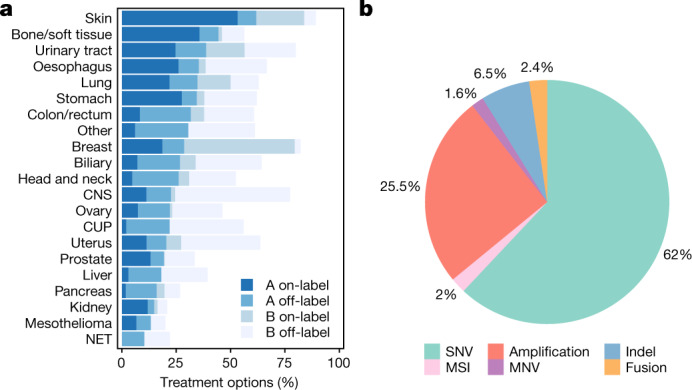
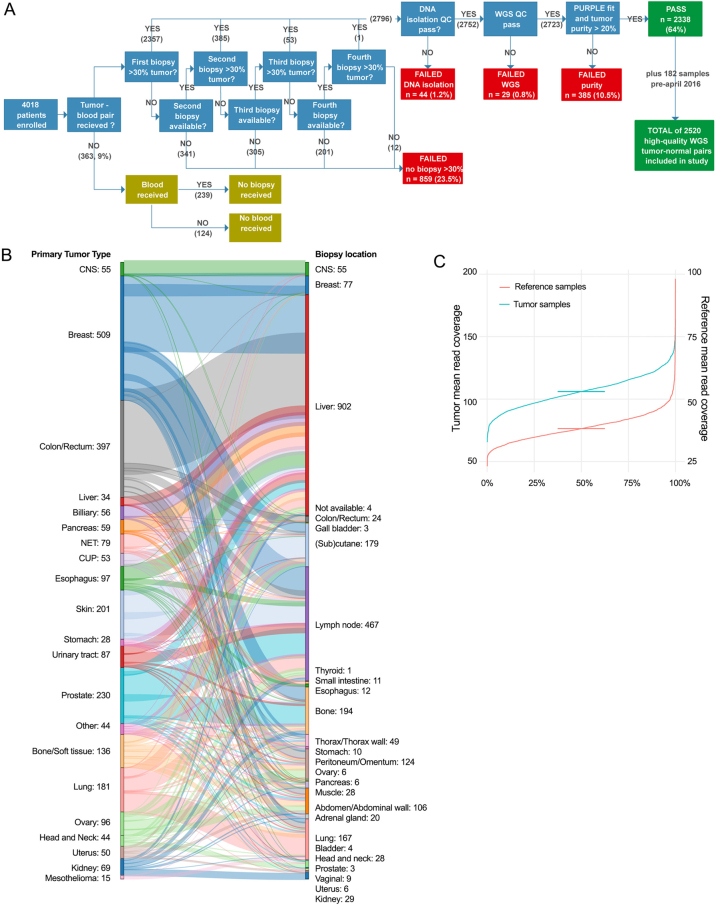
Metastatic cancer is a major cause of death and is associated with poor treatment efficacy. A better understanding of the characteristics of late-stage cancer is required to help adapt personalized treatments, reduce overtreatment and improve outcomes. Here we describe the largest, to our knowledge, pan-cancer study of metastatic solid tumour genomes, including whole-genome sequencing data for 2,520 pairs of tumour and normal tissue, analysed at median depths of 106× and 38×, respectively, and surveying more than 70 million somatic variants. The characteristic mutations of metastatic lesions varied widely, with mutations that reflect those of the primary tumour types, and with high rates of whole-genome duplication events (56%). Individual metastatic lesions were relatively homogeneous, with the vast majority (96%) of driver mutations being clonal and up to 80% of tumour-suppressor genes being inactivated bi-allelically by different mutational mechanisms. Although metastatic tumour genomes showed similar mutational landscape and driver genes to primary tumours, we find characteristics that could contribute to responsiveness to therapy or resistance in individual patients. We implement an approach for the review of clinically relevant associations and their potential for actionability. For 62% of patients, we identify genetic variants that may be used to stratify patients towards therapies that either have been approved or are in clinical trials. This demonstrates the importance of comprehensive genomic tumour profiling for precision medicine in cancer.
Overview
The claims and statistics of this paper haven’t been checked yet.
Free: it reads the open-access text and checks the first 5 claims that cite a source we can check. Create a free account to check every claim.
Integrity signals
Registry
Cites
Statistics
Figures
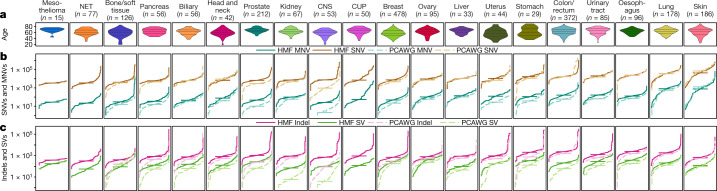
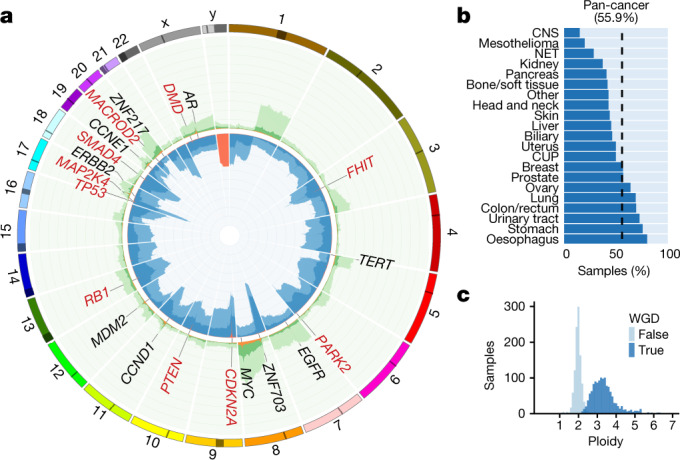
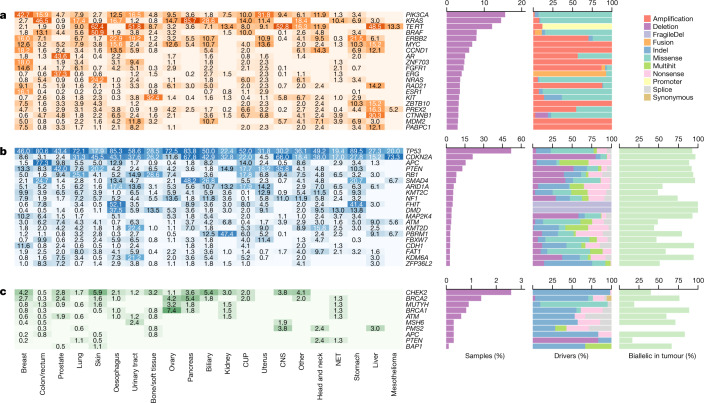
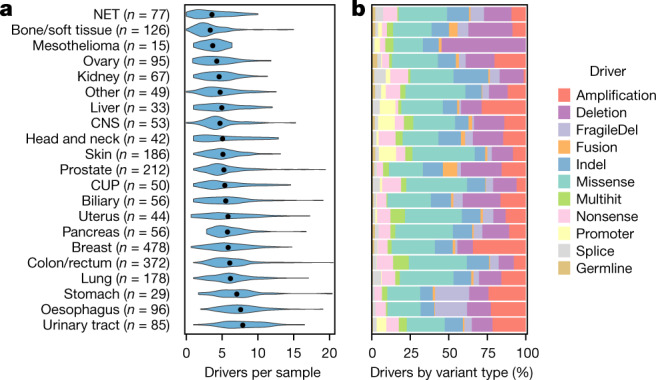
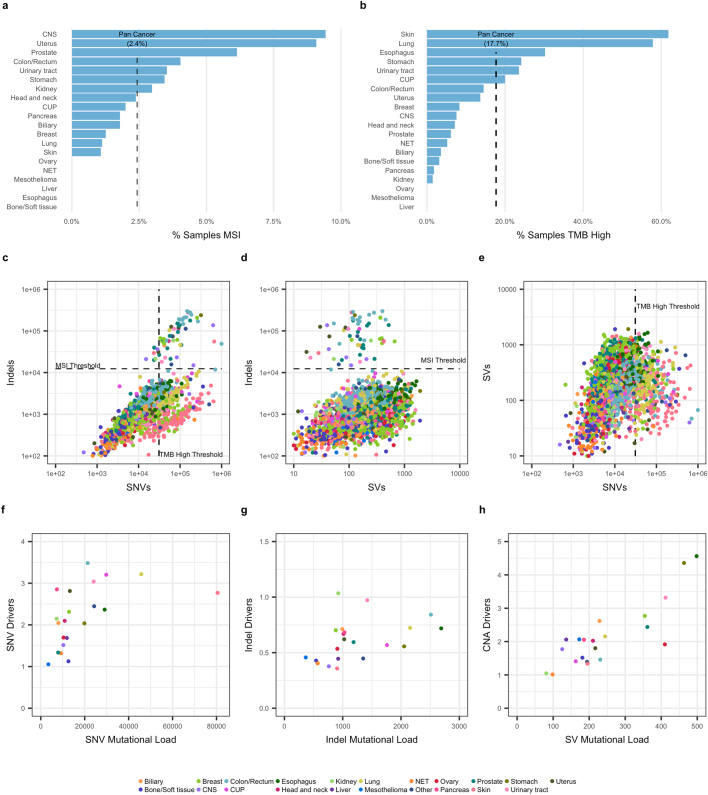
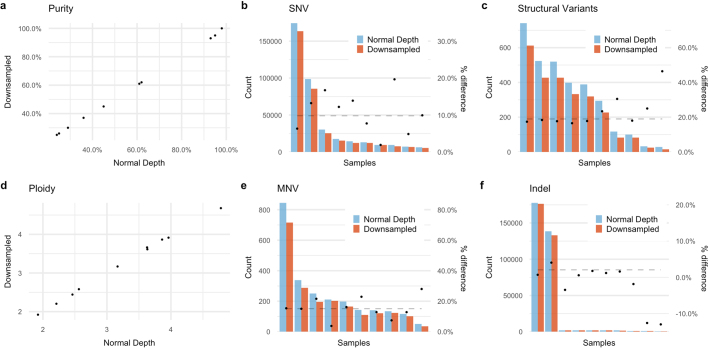
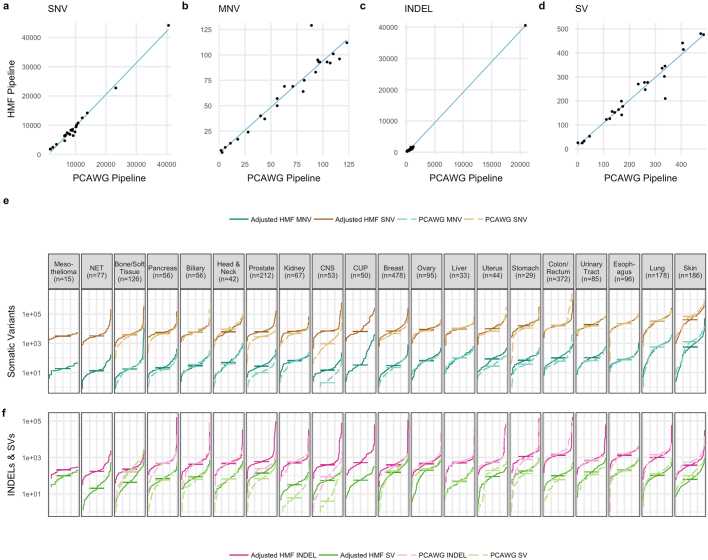
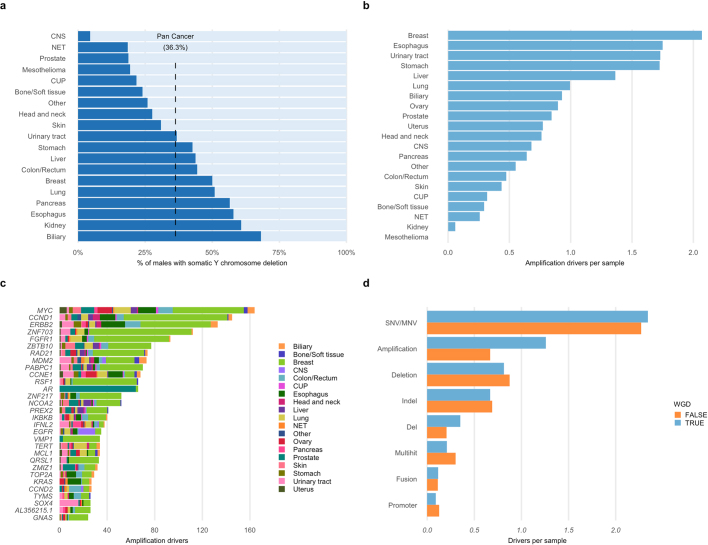
Verification
Claims the paper makes
The claims and statistics of this paper haven’t been checked yet.
Free: it reads the open-access text and checks the first 5 claims that cite a source we can check. Create a free account to check every claim.
Claims other papers make about this one
Each is checked against this paper’s own text: does it say what the citing paper says it does?
The cited source says what the claim attributes to it.
In the citing paper
“Indeed, using the variants obtained from the native pipeline of the HMF dataset (HMF pipeline13) for HRD prediction resulted in overall higher HRD probabilities compared to using the variants downloaded from ICGC, especially for BRCA1-deficient samples.”
From Pan-cancer landscape of homologous recombination deficiency. (2020) · cites this paper as [13]
Self-check
Percentages, sums and reported differences re-computed from the paper’s own numbers.
The self-check needs the paper’s full text.
Citations
Cites
Fast and accurate short read alignment with Burrows-Wheeler transform
Li, H., & Durbin, R. (2009) · Bioinformatics · doi:10.1093/bioinformatics/btp324 · Cited by 58,607
The Genome Analysis Toolkit: A MapReduce framework for analyzing next-generation DNA sequencing data
McKenna, A., Hanna, M., Banks, E., Sivachenko, A., Cibulskis, K., Kernytsky, A., Garimella, K., Altshuler, D., Gabriel, S., Daly, M., et al. (2010) · Genome Research · doi:10.1101/gr.107524.110 · Cited by 27,895
Signatures of mutational processes in human cancer
Initiative, A. P. C. G., Alexandrov, L. B., ICGC Breast Cancer Consortium, ICGC MMML-Seq Consortium, PedBrain, I., Nik-Zainal, S., Wedge, D. C., Aparicio, S. A. J. R., Behjati, S., Biankin, A. V., et al. (2013) · Nature · doi:10.1038/nature12477 · Cited by 9,660
The cancer genome atlas pan-cancer analysis project
The Cancer Genome Atlas Research Network, Weinstein, J. N., Collisson, E. A., Mills, G. B., Shaw, K. R. M., Ozenberger, B. A., Ellrott, K., Shmulevich, I., Sander, C., & Stuart, J. M. (2013) · Nature Genetics · doi:10.1038/ng.2764 · Cited by 9,092
Mutation and cancer: statistical study of retinoblastoma
Knudson, A. G. (1971) · Proceedings of the National Academy of Sciences · doi:10.1073/pnas.68.4.820 · Cited by 7,612
Van der Auwera, G. A., Carneiro, M. O., Hartl, C., Poplin, R., del Angel, G., Levy‐Moonshine, A., Jordan, T., Shakir, K., Roazen, D., Thibault, J., et al. (2013) · Current Protocols in Bioinformatics · doi:10.1002/0471250953.bi1110s43 · Cited by 6,687
The Somatic Genomic Landscape of Glioblastoma
Brennan, C. W., Verhaak, R. G. W., McKenna, A., Campos, B., Noushmehr, H., Salama, S. R., Zheng, S., Chakravarty, D., Sanborn, J. Z., Berman, S. H., et al. (2013) · Cell · doi:10.1016/j.cell.2013.09.034 · Cited by 5,016
Comprehensive genomic characterization of squamous cell lung cancers
The Cancer Genome Atlas Research Network (2012) · Nature · doi:10.1038/nature11404 · Cited by 3,994
Mermel, C. H., Schumacher, S. E., Hill, B., Meyerson, M. L., Beroukhim, R., & Getz, G. (2011) · Genome Biology · doi:10.1186/gb-2011-12-4-r41 · Cited by 3,550
Zehir, A., Benayed, R., Shah, R. H., Syed, A., Middha, S., Kim, H. R., Srinivasan, P., Gao, J., Chakravarty, D., Devlin, S. M., et al. (2017) · Nature Medicine · doi:10.1038/nm.4333 · Cited by 3,380
Cited by
Items 701–800 of 1,000
Baba, Y., Kosaka, T., Kobayashi, H., Nakamura, K., Mikami, S., Nishihara, H., Nakanishi, M., & Oya, M. (2022) · BMC Medical Genomics · doi:10.1186/s12920-022-01178-z · Cited by 4
“5 on 50% of at least 11 autosomes as the number of duplicated autosomes [5].”
BackgroundLymphatic Drainage System and Lymphatic Metastasis of Cancer Cells in the Mouse Esophagus
Li, Y., Cheng, Q., Xiong, Z., Paiboonrungruang, C., Adekoya, T. O., Li, Y., & Chen, X. L. (2022) · Digestive Diseases and Sciences · doi:10.1007/s10620-022-07586-6 · Cited by 4
“(2) Recent whole-genome analyses of metastatic solid tumors have discovered millions of somatic variants [30].”
BackgroundZhou, Z., Zheng, Y., Mo, S., Li, S., Zheng, X., Wei, R., Fan, T. T., Chen, T., Xiao, C., Li, C., et al. (2022) · International Journal of Biological Sciences · doi:10.7150/ijbs.71385 · Cited by 4
“Molecular similarities appeared in cancers originating from different organs according to the results of pan-cancer analysis, compared to those, which had different genomic profiles, originating from the same tissue [7, 8].”
ResultPan-Cancer Analysis on the Oncogenic Role of Programmed Cell Death 10
Sun, N., Li, C., Teng, Y., Deng, Y., & Shi, L. (2022) · Journal of Oncology · doi:10.1155/2022/1242658 · Cited by 4
“[30] proposed that pan-cancer methylation analysis could reveal a negative correlation between tumor immunogenicity and methylation abnormalities, highlighting the significance of methylation abnormalities for tumors to evade immune surveillance and aiding in the development of methylation biomarkers.”
Backgroundvan de Geer, W. S., Mathijssen, R. H. J., van Riet, J., Steeghs, N., Labots, M., van Herpen, C., Devriese, L. A., Tjan‐Heijnen, V. C. G., Voest, E. E., Sleijfer, S., et al. (2023) · Biomedicine & Pharmacotherapy · doi:10.1016/j.biopha.2022.114210 · Cited by 5
Self-citationMulders, M. C. F., de Lussanet, Q. G., van Velthuysen, M. F., Roes, E. M., Hofland, J., & de Herder, W. W. (2023) · Endocrine Related Cancer · doi:10.1530/erc-23-0035 · Cited by 4
A genetic portrait of metastatic seeds in lung adenocarcinoma
Wu, Q., & Hu, G. (2023) · Cancer Cell · doi:10.1016/j.ccell.2023.04.004 · Cited by 4
Geurts, B. S., Zeverijn, L. J., Leek, L. V. M., Henegouwen, J. M. V. B., Hoes, L. R., van der Wijngaart, H., van der Noort, V., van de Haar, J., van Ommen‐Nijhof, A., Kok, M., et al. (2024) · Clinical Cancer Research · doi:10.1158/1078-0432.ccr-24-0011 · Cited by 4
Self-citationLi, X., Wang, Y., Li, X., Kong, L., Díez, J. J., Wang, H., & Zhang, D. (2024) · Gland Surgery · doi:10.21037/gs-24-157 · Cited by 6
“Pan-cancer gene analysis is conducted to identify the similarities and differences among various types of cancer cells (1,2).”
Smid, M., Wilting, S. M., & Martens, J. W. M. (2022) · International Journal of Molecular Sciences · doi:10.3390/ijms23095080 · Cited by 5
“Acknowledgments: This publication uses data made available through the Hartwig Medical Foundation and the Center for Personalized Cancer Treatment (CPCT), The Netherlands.”
MethodInfluentialHsu, Y.-C., Huang, S., Chang, L., Chen, Y.-M., Chang, Y.-H., Lin, J.-W., Lin, C.-C., Chen, C., Chen, H., Chiu, H., et al. (2022) · PubMed Central · Cited by 7
Lu, X., Li, R., Wang, X.-S., Guo, Q., Ling, W., & Zhou, X. (2021) · Cancer Biotherapy and Radiopharmaceuticals · doi:10.1089/cbr.2021.0215 · Cited by 5
Extensive phylogenies of human development reveal variable embryonic patternsPreprint
Coorens, T. H. H., Moore, L., Robinson, P. S., Sanghvi, R., Christopher, J., Hewinson, J., Cagan, A., Oliver, T. R. W., Neville, M. D. C., Hooks, Y. E., et al. (2020) · bioRxiv (Cold Spring Harbor Laboratory) · doi:10.1101/2020.11.25.397828 · Cited by 4
Engineered bacteria detect tumor DNAPreprint
Cooper, R. M., Wright, J. A., Ng, J. Q., Goyne, J. M., Suzuki, N., Lee, Y. K., Ichinose, M., Radford, G., Ryan, F. J., Kumar, S., et al. (2021) · bioRxiv (Cold Spring Harbor Laboratory) · doi:10.1101/2021.09.10.459858 · Cited by 4
Haplotype-aware single-cell multiomics uncovers functional effects of somatic structural variationPreprint
Jeong, H., Grimes, K., Bruch, P., Rausch, T., Hasenfeld, P., Sabarinathan, R., Porubskỳ, D., Herbst, S., Erarslan-Uysal, B., Jann, J., et al. (2021) · bioRxiv · doi:10.1101/2021.11.11.468039 · Cited by 2
“A novel single cell multiomic framework to functionally characterise somatic SVs. Functional characterization of somatic SVs is of critical importance for the interpretation of cancer genomes because SVs outnumber somatic point mutations as drivers 1,2 .”
BackgroundBiomarker testing in cancer management- can one size fit all?
Sholl, L. M., & Halmos, B. (2022) · British Journal of Cancer · doi:10.1038/s41416-022-01967-4 · Cited by 5
“WGS has yielded pivotal insights regarding intra-tumor heterogeneity and molecular changes yielding metastasizing cancers [8, 9] and comprehensive approaches including WGS have also been shown to define a broad range of actionable alterations in an efficient manner for pediatric malignancies, such as in the context of…”
BackgroundYurchenko, A., Rajabi, F., Braz-Petta, T., Fassihi, H., Lehmann, A., Nishigori, C., Padioleau, I., Gunbin, K., Panunzi, L., Morice-Picard, F., et al. (2022) · bioRxiv · doi:10.1101/2022.10.14.512263 · Cited by 4
KLIPP - a precision CRISPR approach to target structural variant junctions in cancerPreprint
Yang, H., Hulbatte, R. S., Kelleher, A. J., Gratsch, N., Wang, Y., Palmbos, P. L., & Ljungman, M. E. (2023) · bioRxiv (Cold Spring Harbor Laboratory) · doi:10.1101/2023.05.10.540176 · Cited by 7
“Recent whole genome sequencing (WGS) studies of metastatic cancers found that they harbor a median of ~200 chromosomal structural alterations per cell across tumor types (6, 7).”
BackgroundPellegrini, S., Estrella, O. D., Muiños, F., Lopez-Bigas, N., & Gonzalez-Perez, A. (2025) · doi:10.1101/2025.01.11.632354 · Cited by 4
Integration of Next-Generation Sequencing in the Surgical Management of Colorectal Liver Metastasis
Pham, H., & Dixon, E. (2023) · Annals of Surgical Oncology · doi:10.1245/s10434-023-13750-7 · Cited by 3
Surface Matrix‐Mediated Cation Exchange of Perovskite Quantum Dots for Efficient Solar Cells
Wang, G., Sun, Y., Mei, X., Zhang, M., Qiu, J., Sun, Z., & Zhang, X. (2024) · Angewandte Chemie · doi:10.1002/ange.202416747 · Cited by 3
Spiekman, I. A. C., Mehra, N., Zeverijn, L. J., Geurts, B. S., Verkerk, K., Mohammad, S. F. H., van der Noort, V., Roepman, P., de Leng, W. W. J., Jansen, A. M. L., et al. (2025) · International Journal of Cancer · doi:10.1002/ijc.70191 · Cited by 4
“25,26 Briefly, DNA was isolated according to the supplier's protocol (QIAGEN) using the QIAsymphony DSP DNA Midi and DSP DNA Mini kits for blood and tissue, respectively.”
Self-citationChromatin remodeling complexes: architects influencing breast cancer progression
Giovani, O., Eckersley, G. S., Jones, H. R., & Nagarajan, S. (2025) · Frontiers in Cell and Developmental Biology · doi:10.3389/fcell.2025.1690350 · Cited by 3
“The majority of ARID1A mutations are heterozygous deletions, but they show biallelic inactivation of the gene due to epigenetic mechanisms, potentially leading to complete protein loss in IHC analyses in patients (Priestley et al., 2019).”
Harutyunyan, K., Нерсесова, Л. С., Ayvazyan, V., Avagyan, E. M., Melkumyan, M., Sargsyan, M. L., Tatikyan, S., Karalyan, Z., Avagyan, H. R., Harutyunyan, A., et al. (2025) · Scientific Reports · doi:10.1038/s41598-025-23237-y · Cited by 6
Polyploid giant cancer cells (PGCC): short-term return to multicellularity
Vinogradov, A. E., & Anatskaya, O. V. (2025) · Biological Research · doi:10.1186/s40659-025-00650-1 · Cited by 4
“The common (ordinary) polyploid cells, which arise because of disruption of mitosis or cytokinesis or via cell fusion, constitute up to 56% in metastatic solid tumors [24].”
Extracellular vesicles in tumor microenvironment modulation and clinical diagnosis
Liu, H., Niu, D., Yu, T., Wang, Y.-H., Ran, K.-L., Liu, Y.-H., Yin, D.-C., & Zhang, C. (2025) · Pathology - Research and Practice · doi:10.1016/j.prp.2025.156339 · Cited by 5
Advances in Colorectal Cancer Cell Biology and Clonal Evolution
Toghey, S., Harvey-Jones, E. J., Towler, J. D., Hafkamp, C. J. H., & Chong, I. Y.-S. (2026) · International Journal of Molecular Sciences · doi:10.3390/ijms27020953 · Cited by 5
An interpretable molecular framework for predicting cancer driver missense mutations
Yang, Y., Sun, W., Liu, Y., Zhang, J., & Li, M. (2026) · Proceedings of the National Academy of Sciences · doi:10.1073/pnas.2524289123 · Cited by 3
“In contrast, only highly recurrent cross - cancer mutations—those arising independently across diverse cancer types—show molecular profiles closely resembling established drivers, supporting the notion that pan - cancer recurrence reflects stronger positive selection (39 , 86 , 87).”
Emerging paradigms in the study of brain metastases
Chafe, S. C., Mobilio, D., Zhai, K., Kieliszek, A., Venugopal, C., & Singh, S. K. (2026) · Science Signaling · doi:10.1126/scisignal.adj9726 · Cited by 3
Altbürger, C., Menzel, M., Beck, S., Lorenz, K., Brygider, M.-L., Ploeger, C., Kahles, A., Ball, M., Kirchner, M., Schnecko, F., et al. (2026) · British Journal of Cancer · doi:10.1038/s41416-026-03422-0 · Cited by 3
“The formulas used for modelling the costs in the in fl ation/de fl ation scenarios and in the alternative coverage scenario are listed in Supplementary Table 2.”
Prevalence and characteristics of NTRK fusions in 25,946 patients with non-small cell lung cancer
Radonic, T., Rahmani-Khajouei, S., Dafni, U. G., Stenzinger, A., Haberecker, M., Madsen, L. B., Monkhorst, K., Kowalski, J., Hernández‐Losa, J., Kerr, K. M., et al. (2026) · Lung Cancer · doi:10.1016/j.lungcan.2026.109514 · Cited by 4
Zhang, Y., Sekar, K., Phua, C. Z. J., Yap, C. K., Shuen, T. W. H., Kaya, N. A., Liu, M. J., Lu, B., Tan, C. Y. L., Chong, S. L., et al. (2026) · Gut · doi:10.1136/gutjnl-2026-338227 · Cited by 3
Prior therapy defines mutation profiles in childhood cancer at relapse
Layeghifard, M., Díaz‐Gay, M., Bergstrom, E. N., Mahendralingam, M. J., Light, N., Blay, S., Nash, J. O., Anderson, N. D., Au, J. N., Davidson, S., et al. (2026) · Nature · doi:10.1038/s41586-026-10803-1 · Cited by 5
Autenshlyus, А. I., Arkhipov, S. A., Mikhaylova, E. S., Arkhipova, V. V., & Анатольевич, В. Н. (2024) · Siberian Journal of Oncology · doi:10.21294/1814-4861-2023-22-6-92-102 · Cited by 3
Horimoto, Y., Hlaing, M. T., Saeki, H., Denda‐Nagai, K., Ishii-Schrade, K. B., Fujihira, H., Abe, M., Noji, M., Shichino, S., Saito, M., et al. (2024) · Clinical & Experimental Metastasis · doi:10.1007/s10585-023-10253-3 · Cited by 3
Sng, C. C. T., Kallor, A. A., Simpson, B. S. S., Bedran, G., Alfaro, J. A., & Litchfield, K. (2024) · Frontiers in Immunology · doi:10.3389/fimmu.2024.1347542 · Cited by 3
“PrimeCUTR accepts somatic mutation VCF data annotated by Ensembl Variant Effects Predictor (VEP) (39) or the Hartwig Medical Foundation variant calling pipeline (25) (Figure 1A).”
MethodInfluentialGong, B., Lababidi, S., Kusko, R. L., Bouri, K., Prezek, S., Thovarai, V., Prasanna, A., Maier, E. J., Golkaram, M., Sun, X., et al. (2024) · Scientific Reports · doi:10.1038/s41598-024-58573-y · Cited by 6
Vlaming, M., Ausems, M. G. E. M., Schijven, G., van Oort, I. M., Kets, C. M., Komdeur, F. L., van der Kolk, L. E., Oldenburg, R. A., Sijmons, R. H., Kiemeney, L. A. L. M., et al. (2024) · Familial Cancer · doi:10.1007/s10689-024-00377-0 · Cited by 3
Xia, Y., Li, D., Chen, T., Pan, S., Huang, H., Zhang, W., Liang, Y., Fu, Y., Peng, Z., Zhang, H., et al. (2024) · BMC Genomics · doi:10.1186/s12864-024-10843-9 · Cited by 5
Benchmarking 13 tools for mutational signature attribution, including a new and improved algorithm
Jiang, N., Wu, Y., & Rozen, S. (2024) · Briefings in Bioinformatics · doi:10.1093/bib/bbaf042 · Cited by 3
“3a in reference [23], in which high proportions of tumors of almost all cancer types have SBS3, an implausible result in light of the actual prevalences of homologous recombination deficiency across cancer types.”
The viral landscape in metastatic solid cancers
Mjelle, R., de Castro, Í. M. S., & Aass, K. R. (2025) · Heliyon · doi:10.1016/j.heliyon.2025.e42548 · Cited by 4
“In this study we analyze the presence of virus within the metastatic tissue and matched blood samples of the Hartwig Medical Foundation (HMF)-cohort, the largest pan-cancer study on metastatic cancer [9].”
InfluentialWang, H. (2025) · IntechOpen eBooks · doi:10.5772/intechopen.1008919 · Cited by 6
Mapping cancer gene dynamics through state-specific interactions
Real, A. M., Ollé-Monràs, L., & Park, S. (2025) · Cell Reports · doi:10.1016/j.celrep.2025.115872 · Cited by 3
Healthcare policy by other means: Cancer clinical research as “oncopolicy”
Cambrosio, A., Campbell, J., Keating, P., Polk, J. B., Aguilar‐Mahecha, A., & Basik, M. (2021) · Social Science & Medicine · doi:10.1016/j.socscimed.2021.114576 · Cited by 3
Wojtaszewska, M. L., Stępień, R., Woźna, A., Piernik, M., Sztromwasser, P., Dabrowski, M., Gniot, M., Szymański, S., Socha, M. W., Kasprzak, P., et al. (2021) · Molecular Diagnosis & Therapy · doi:10.1007/s40291-021-00571-1 · Cited by 3
NECTIN1 is a melanoma metastasis suppressor gene
Barcelo, J., & Sanz‐Moreno, V. (2022) · Nature Genetics · doi:10.1038/s41588-022-01229-2 · Cited by 4
Kong, G., Boehm, E., Prall, O. W. J., Murray, W. K., Tothill, R. W., & Michael, M. (2023) · Current Oncology Reports · doi:10.1007/s11912-023-01381-w · Cited by 3
Duty to recontact in genomic cancer care: A tool helping to assess the professional’s responsibility
Ploem, M. C., Giesbertz, N. A. A., Bredenoord, A. L., Retèl, V. P., & van Harten, W. H. (2023) · European Journal of Cancer · doi:10.1016/j.ejca.2023.03.004 · Cited by 3
Rao, S. R., Protheroe, A. S., Cerundolo, L., Maldonado‐Pérez, D., Browning, L., Lamb, A. D. G., Bryant, R. J., Mills, I. G., Woodcock, D. J., Hamdy, F. C., et al. (2023) · International Journal of Molecular Sciences · doi:10.3390/ijms241612722 · Cited by 4
“It has been reported that less than 25% of prostate adenocarcinomas exhibit WGD n a pan-cancer an lysis of whole genome (PCAWG) data [15], nd this can be as high as 50% in metastatic s mples [16].”
BackgroundChen, C., Liu, H., Li, Y., Xu, Q., & Liu, J. (2024) · BMC Cancer · doi:10.1186/s12885-024-11840-7 · Cited by 3
“PTPRT was found to be frequently mutated in multiple cancer types, especially in cutaneous melanoma, gastric adenocarcinoma, endometrial cancer, and lung cancer [5, 6].”
BackgroundGenetic association and functional validation of ZFP36L2 in non-syndromic orofacial cleft subtypes
Sun, J., Li, M., Sun, H., Lin, Z., Shi, B., & Jia, Z. (2024) · Journal of Human Genetics · doi:10.1038/s10038-024-01222-z · Cited by 3
“Through these actions, ZFP36L2 signi fi cantly impacts a wide array of biological processes, including immune responses, in fl ammation, and cell proliferation [24 – 28].”
Kirsch‐Volders, M., Mišík, M., & de Gerlache, J. (2024) · Mutation Research/Genetic Toxicology and Environmental Mutagenesis · doi:10.1016/j.mrgentox.2024.503764 · Cited by 3
van Opijnen, M. P., Vos, F. D., Cuppen, E. P. J. G., Geurts, M., Maas, S. L. N., & Broekman, M. L. D. (2024) · Medical Oncology · doi:10.1007/s12032-024-02501-7 · Cited by 4
“At the same time, WGS analyses showed that glioblastomas harbor potentially actionable alterations in the majority of the cases [19, 20].”
BackgroundSelf-citationBenchmarking Ploidy Estimation Methods for Bulk and Single‐Cell Whole Genome Sequencing
Song, Y., Mei, Z., Zheng, Q., Yuan, Q., Yu, L., Gao, J., Zhou, L., Wu, S., & Wu, W. (2025) · Advanced Science · doi:10.1002/advs.202507839 · Cited by 4
Cartney, A. M. M., Mahmoud, M., Jochum, M. D., Agustinho, D. P., Zorman, B., Khleifat, A. A., Dabbaghie, F., Kesharwani, R. K., Smolka, M., Dawood, M., et al. (2021) · F1000Research · doi:10.12688/f1000research.51477.1 · Cited by 5
Immunogenicity of a public neoantigen derived from mutated PIK3CAPreprint
Chandran, S. S., Ma, J., Klatt, M. G., Dündar, F., Bandlamudi, C., Razavi, P., Wen, H. Y., Weigelt, B., Zumbo, P., Fu, S. N., et al. (2021) · bioRxiv (Cold Spring Harbor Laboratory) · doi:10.1101/2021.04.08.439061 · Cited by 3
Large tandem duplications in cancer result from transcription and DNA replication collisionsPreprint
Yang, Y., Badura, M. L., O’Leary, P. C., Delavan, H. M., Robinson, T. M., Egusa, E. A., Zhong, X., Swinderman, J. T., Li, H., Zhang, M., et al. (2023) · medRxiv · doi:10.1101/2023.05.17.23290140 · Cited by 3
Louie, L., Wise, J., Berl, A., Shir‐az, O., Kravtsov, V., Yakhini, Z., Shalom, A., Golberg, A., & Vitkin, E. I. (2024) · medRxiv · doi:10.1101/2024.02.01.24301914 · Cited by 3
Metastatic site influences driver gene function in pancreatic cancerPreprint
Tsanov, K. M., Barriga, F. M., Ho, Y.-J., Alonso‐Curbelo, D., Livshits, G., Koche, R. P., Baslan, T., Simon, J. M., Tian, S., Wuest, A. N., et al. (2024) · bioRxiv (Cold Spring Harbor Laboratory) · doi:10.1101/2024.03.17.585402 · Cited by 3
Geographic and age-related variations in mutational processes in colorectal cancerPreprint
Díaz‐Gay, M., dos Santos, W., Moody, S., Kazachkova, M., Abbasi, A., Steele, C. D., Vangara, R., Senkin, S., Wang, J., Fitzgerald, S. F., et al. (2025) · medRxiv · doi:10.1101/2025.02.13.25322219 · Cited by 3
Zhang, L., Chinnam, M., Balk, B., Zhang, X., Wang, Y., Shaurova, T., Alam, S., Pokharel, S., Singh, P., Jacobi, J. J., et al. (2025) · bioRxiv (Cold Spring Harbor Laboratory) · doi:10.1101/2025.08.04.668485 · Cited by 3
Tracking ongoing chromosomal instability using single-cell whole-genome sequencingPreprint
Hernando, B., Chaves-Urbano, B., Escobar-Rey, M., Torres, M., Cádiz, A., Fernández-Sanromán, Á., Barrambana, S., Lechuga, C. G., Guerra, C. E., Barbacid, M., et al. (2025) · bioRxiv (Cold Spring Harbor Laboratory) · doi:10.1101/2025.11.26.690781 · Cited by 3
“We used three different datasets to annotate triple-negative status(37–39, We also analysed 119 metastatic triple-negative breast cancer samples from the Hartwig Medical Foundation (HMF) dataset(40).”
VDX-111 targets proliferative pathways in canine cancer cell lines
Farrell, K. B., Das, S., Nordeen, S. K., Lambert, J. R., & Thamm, D. H. (2024) · PLoS ONE · doi:10.1371/journal.pone.0303470 · Cited by 2
Zwimpfer, T. A., Ewald, H., Bilir, E., Jayawardana, M., Appenzeller‐Herzog, C., Bizzarri, N., Razumova, Z., Kacperczyk-Bartnik, J. P., Heinzelmann-Schwarz, V. A., Friedlander, M. L., et al. (2024) · Cochrane Database of Systematic Reviews · doi:10.1002/14651858.cd015896 · Cited by 3
Lineage-Specific Transcription Factors in Carcinogenesis
David, C. J., & Vanharanta, S. (2024) · Annual Review of Cancer Biology · doi:10.1146/annurev-cancerbio-060524-105603 · Cited by 3
Genomics guiding personalized first-line immunotherapy response in lung and bladder tumors
Iglesias, J. B., Gallardo‐Gómez, M., Oitabén, A., Lázaro-Quintela, M., León‐Mateos, L., Alves, J. M., Pino-González, M., Juaneda‐Magdalena, L., García-Benito, C., Abdulkader, I., et al. (2025) · Journal of Translational Medicine · doi:10.1186/s12967-025-06323-7 · Cited by 3
“We also determined Loss of Heterozygosity (LOH) events affecting HLA haplotypes (HLA LOH ) for NSCLC patients when the copy number estimated by PURPLE [40] (see Methods Sect.”
Hu, D., Zhao, J., Wu, M., Zhou, Y., Lyu, B., Xu, C., Huang, C., Su, Z., Zhang, H., Guo, J., et al. (2025) · Cancer Letters · doi:10.1016/j.canlet.2025.217807 · Cited by 3
Intratumoral heterogeneity of cancer driver genomic alterations in myxoid liposarcomas
Schmid, A., Eisenhardt, A. E., Bogner, B., Runkel, A., Lausch, U., Pauli, T., Antolini, L. N., Boneberg, A., Kiefer, J., Bronsert, P., et al. (2025) · Cancer · doi:10.1002/cncr.35937 · Cited by 2
“23 Previously, we demonstrated in two patients with MLS that genetic heterogeneity was present in primary tumors.”
Ferrer-Torres, P., Galván‐Femenía, I., & Supek, F. (2025) · Genome Medicine · doi:10.1186/s13073-025-01497-7 · Cited by 6
“For prostate, TN-breast, and pancreatic cancer, WGS samples from Hartwig (metastatic tumor samples) were used ( n = 165, n = 78, and n = 384, respectively) [39].”
InfluentialRoss, C. R., Szczepanek, K., Sanford, J. D., Needle, G. A., Qiu, T., Pearce, L. V., Lee, M. P., & Hunter, K. W. (2025) · Communications Biology · doi:10.1038/s42003-025-08624-5 · Cited by 2
“Unlike human tumors 23 , no evidence whole genome duplication was observed in the mouse samples.”
van der Wel, T. J. W. T., Ernst, S. M., Jebbink, M., van den Broek, D. A., Badrising, S. K., Steinbusch, L. C., Ruiter, G., Theelen, W. S. M. E., van Veggel, B. A. M. H., Smit, J. N., et al. (2025) · Lung Cancer · doi:10.1016/j.lungcan.2025.108783 · Cited by 3
Self-citationVerkerk, K., Mohammad, S. F. H., Zeverijn, L. J., Geurts, B. S., Spiekman, I. A. C., Verbeek, F. A. J., Timmer, H. J. L., van Maren, M. A., van der Noort, V., Parra-Martinez, M., et al. (2025) · Clinical Cancer Research · doi:10.1158/1078-0432.ccr-25-2260 · Cited by 2
Self-citationChemotherapy-free cancer treatment – not for everyone yet
Donzé, C., Eloy, J. A., & André, N. (2025) · Trends in cancer · doi:10.1016/j.trecan.2025.11.008 · Cited by 6
C-Terminal Truncation and Fusion Partner Determine Oncogenicity of FGFR3
Yemelyanenko, J., Bhin, J., van der Burg, E., Drenth, A. P., Lee, J., Lutz, C., Dörner, L., Wientjens, E., Klarenbeek, S., Song, J., et al. (2025) · Cancer Research · doi:10.1158/0008-5472.can-24-2648 · Cited by 2
Characterization of ESR1 alterations in patients with breast and gynecologic cancers
Basu, G. D., Innis, P., Deem, A. K., Starodynov, A., Udhane, S. S., Szelinger, S., Wang, M., Lobello, J. R., Baehner, F. L., Jean–Paul De La, O., et al. (2026) · Breast Cancer Research · doi:10.1186/s13058-025-02217-0 · Cited by 3
“Two of the gene partners, ARNT2 [67] and PLEKHG1 [68], have been reported previously.”
Watterson, A., Picco, G., Veninga, V., Samarakoon, Y., Cattaneo, C. M., Vieira, S. F., Karakoç, E., Bhosle, S. G., Battaglia, T., Consonni, S., et al. (2026) · Cell Reports Medicine · doi:10.1016/j.xcrm.2025.102565 · Cited by 2
Self-citationBridging clinical gaps in personalized cancer neoantigen vaccines
Khaddour, K., & Ott, P. A. (2026) · Cancer Cell · doi:10.1016/j.ccell.2026.04.002 · Cited by 6
Statescope: an integrative deconvolution framework for discovering cell states in tumors
Janssen, J., Steketee, M., Bose, A., van Asten, S. D., Eijk, P. P., Dijk, F., Sarasqueta, A. F., van Maldegem, F., Noske, D. P., Bahce, I., et al. (2026) · Nature Communications · doi:10.1038/s41467-026-74997-8 · Cited by 5
“3a – c) as a reference, we appliedStatescopeandretrievedthe53cellstatesfortwoindependent advanced-stage NSCLC cohorts: the Hartwig Medical Foundation cohort that covers RNA and DNA data of tumor samples from real-world patients treated with diverse therapies 42 (HMF cohort; n = 119 of which n = 67 had available OS sta…”
InfluentialTang, N., Li, Z., Han, X., Zhao, C., Guo, J., & Wang, H. (2022) · Frontiers in Oncology · doi:10.3389/fonc.2022.891938 · Cited by 2
Understanding Head and Neck Cancer Evolution to Guide Therapeutic Approaches
O’Leary, B. (2023) · Springer eBooks · doi:10.1007/978-3-031-23175-9_6 · Cited by 3
A systematic analysis of immune escape signals in the primary and metastatic tumor genome
den Eynden, J. V. (2023) · Nature Genetics · doi:10.1038/s41588-023-01374-2 · Cited by 2
Kalyanasundaram, S., Lefol, Y., Gundersen, S., Rognes, T., Alsøe, L., Nilsen, H. L., Hovig, E. J., Sandve, G. K., & Domańska, D. (2023) · PLoS ONE · doi:10.1371/journal.pone.0286330 · Cited by 2
“As this technology grows in availability, large repositories of data are being generated, some private and other public, such as the Hartwig medical foundation database [1], ENCODE [2], IHEC [3], and TCGA [4].”
BackgroundMethodJaeger, B. A. S., Krawczyk, N., Japp, A. S., Honisch, E., Köhrer, K., Scheuring, S., Petzsch, P., Neubauer, H. J., Volkmer, A. K., Esposito, I., et al. (2023) · Geburtshilfe und Frauenheilkunde · doi:10.1055/a-2150-9440 · Cited by 2
“The molecular genetic profile of a tumor, a metastatic lesion or even germline status of a patient can give a valuable information in this context [2].”
Bridgers, J., Alexander, K., & Karsan, A. (2023) · Journal of Molecular Diagnostics · doi:10.1016/j.jmoldx.2023.11.006 · Cited by 2
Padam, K. S. R., Chakrabarty, S., Hunter, K. D., & Radhakrishnan, R. A. (2023) · Archives of Oral Biology · doi:10.1016/j.archoralbio.2023.105872 · Cited by 2
Lake, K. E., Colonnetta, M. M., Smith, C., Martinez-Algarin, K., Saunders, K., Mohta, S., Pena, J., McArthur, H. L., Reddy, S. M., Torres, E. T. R., et al. (2024) · Frontiers in Cell and Developmental Biology · doi:10.3389/fcell.2024.1358583 · Cited by 2
Martín, R., Gaitán, N., Jarlier, F., Feuerbach, L., de Soyres, H., Arbonés, M., Gutman, T., Puiggròs, M., Ferriz, A., Gonzalez, A., et al. (2024) · Cell Genomics · doi:10.1016/j.xgen.2024.100639 · Cited by 4
“Large data integration efforts in cancer research 1,4,21,41,42 have already highlighted significant heterogeneity in performance, quality, and scope of short-read-based genome analysis across different centers.”
Nokchan, N., Suthapot, P., Choochuen, P., Khongcharoen, N., Hongeng, S., Anurathapan, U., Surachat, K., Sangkhathat, S., & Thai Pediatric Cancer Atlas Tpca Consortium (2024) · Journal of Personalized Medicine · doi:10.3390/jpm14090950 · Cited by 4
Core variables for real-world clinicogenomic data collection in precision oncology
Dienstmann, R., Hackshaw, A. K., Blay, J., & Tourneau, C. L. (2025) · ESMO Real World Data and Digital Oncology · doi:10.1016/j.esmorw.2025.100117 · Cited by 2
“1 Genomic pro fi ling has provided information on the genomic landscape of various cancer types 2 ; however, despite research into identifying potential genomic markers for various cancer types, there still remain evidence gaps for underrepresented populations in clinical trials and for ways to…”
Cell‐free DNA aneuploidy score as a dynamic early response marker in prostate cancer
Isebia, K. T., de Jong, A. C., van Dessel, L. F., de Weerd, V., Beaufort, C. M., Helmijr, J., Nakauma‐González, J. A., van Riet, J., Hamberg, P., Vis, D. J., et al. (2025) · Molecular Oncology · doi:10.1002/1878-0261.13797 · Cited by 2
“Image-guided core needle biopsies of metastatic tumor lesions were obtained before the start of a new line of systemic treatment, as described previously by Priestley et al. [20].”
Self-citationMutations in tumor signaling, metastases, and synthetic lethality establish distinct patterns
Yavuz, B. R., Sahin, U., Jang, H., Nussinov, R., & Tunçbağ, N. (2025) · PLoS Computational Biology · doi:10.1371/journal.pcbi.1013351 · Cited by 3
“Analysis of 393 metastatic breast tumors from the Hartwig Medical Foundation (HMF) dataset [89] reveals that 22 tumors harboring both PIK3CA and ESR1 mutations.”
Tracing metastatic spread in pediatric solid tumors using copy number and targeted deep sequencing
Andersson, N., Ferro, M., Jansson, C., Chattopadhyay, S., Karlsson, J., & Gisselsson, D. (2025) · The Journal of Pathology · doi:10.1002/path.6472 · Cited by 4
“Q) [55,56].”
WNT7B drives a program for pancreatic cancer subtype switching and progression
Sprangers, J., Bugter, J. M., Xanthakis, D., Boekhout, M., Kok, R. N. U., Geurts, V., Clevers, H. C., Brosens, L. A. A., Dijk, F., Colman, M. J. R., et al. (2026) · iScience · doi:10.1016/j.isci.2026.115050 · Cited by 3
Metastasis and organotropism: A look through the lens of large-scale clinical sequencing data
Coulton, A., & Turajlic, S. (2022) · Cancer Cell · doi:10.1016/j.ccell.2022.01.011 · Cited by 2
PIK3CA hotspot mutation generates a shared neoantigen targetable by TCR gene therapy
(2022) · Nature Medicine · doi:10.1038/s41591-022-01806-2 · Cited by 2
Jo, S.-Y., Lee, J. D., Won, J., Park, J., Kweon, T., Jo, S., Sohn, J., Kim, S.-I., Kim, S., & Park, H. S. (2024) · iScience · doi:10.1016/j.isci.2024.110469 · Cited by 3
Robust Somatic Copy Number Estimation using Coarse-to-fine Segmentation
Culibrk, L., Grewal, J., Pleasance, E., Williamson, L., Mungall, K., Laskin, J. J., Marra, M. A., & Jones, S. J. M. (2024) · Current Bioinformatics · doi:10.2174/0115748936312589240910071837 · Cited by 3
Independent somatic evolution underlies clustered neuroendocrine tumors in the human small intestine
Elias, E., Ardalan, A., Lindberg, M., Reinsbach, S. E., Muth, A., Nilsson, O., Arvidsson, Y., & Larsson, E. (2021) · RePEc: Research Papers in Economics · Cited by 2
Dong, X., & Fu, R. (2021) · 癌症:英文版 · doi:10.1002/cac2.12232 · Cited by 1
“By analyzing themetastatic cancer genomes, some studies found that individual metastasis is dominated by a single clone with characteristic clone-driven mutations, therefore, the heterogeneity is much lower than that of the primary tumor [11].”
BackgroundA case study of a long-term glioblastoma survivor with unmethylated MGMT and hypermutated genotype
Jue, T. R., Olafson, L. R., Siddell, A. H., Rapkins, R. W., Ng, B., Yin, J. X. M., Lu, V. M., Chung, S. A., Whittaker, S. P., Davies, M., et al. (2019) · Molecular Case Studies · doi:10.1101/mcs.a003251 · Cited by 3
Metadata
- Authors
- Priestley, P., Baber, J., Lolkema, M. P., Steeghs, N., de Bruijn, E., Shale, C., Duyvesteyn, K., Haidari, S., van Hoeck, A., Onstenk, W., Roepman, P., Voda, M., Bloemendal, H. J., Tjan-Heijnen, V. C. G., van Herpen, C. M. L., Labots, M., Witteveen, P. O., Smit, E. F., Sleijfer, S., Voest, E. E., & Cuppen, E.
- Affiliations
- Hartwig Medical Foundation (NL)
- Center for Personalized Cancer Treatment (NL)
- The Netherlands Cancer Institute (NL)
- Radboud University Medical Center (NL)
- University Medical Center Utrecht (NL)
- Corresponding author
- Cuppen, Edwin
- ORCID
- Venue
- Nature
- Published
- 2019-10-23
- Volume
- 575
- Issue
- 7781
- Pages
- 210-216
- ISSN
- 0028-0836 (ISSN-L)
- 1476-4687
- PMC
- PMC6872491
- OpenAlex
- W2981548686
- Semantic Scholar
- 61973da18e9bbaaae94682c760f73b5a02ecffb5
- Cited by
- 1,106
- References
- 70
- Citations by year
- 2026: 101 · 2025: 155 · 2024: 166 · 2023: 188 · 2022: 179 · 2021: 189 · 2020: 114 · 2019: 10
- FWCI
- 40.43
- Type
- journal article
- Language
- en
- Open access
- hybrid
- doi.org
- Licence
- cc-by
- creativecommons.org/licenses/by/4.0 (tdm)
- creativecommons.org/licenses/by/4.0 (vor)
- Locations
- Nature (publishedVersion, cc-by)
- Europe PMC (PubMed Central) (publishedVersion, cc-by)
- PubMed Central (publishedVersion, cc-by)
- PubMed (publishedVersion)
- Research Publications (Maastricht University) (publishedVersion, cc-by)
- Amsterdam UMC (VU Amsterdam) - Institutional Repository (publishedVersion, other-oa)
- EUR Research Repository (Erasmus University Rotterdam) (publishedVersion, other-oa)
- Pure Amsterdam UMC (submittedVersion, cc-by)
- EUR Research Repository (Erasmus University Rotterdam) (submittedVersion, other-oa)
- RePub (Erasmus University Rotterdam) (submittedVersion, other-oa)
- RePEc: Research Papers in Economics (submittedVersion)
- Utrecht University Repository (Utrecht University) (submittedVersion, other-oa)
- Radboud Repository (Radboud University) (submittedVersion)
- Radboud Repository (Radboud University) (submittedVersion, other-oa)
- Research Publications (Maastricht University) (submittedVersion, other-oa)
- Data Archiving and Networked Services (DANS) (submittedVersion, other-oa)
- Funders
- KWF Kankerbestrijding (HMF2017-8225)
- Topics
- Life Sciences › Biochemistry, Genetics and Molecular Biology › Cancer Research › Cancer Genomics and Diagnostics
- Life Sciences › Biochemistry, Genetics and Molecular Biology › Molecular Biology › Chromatin Remodeling and Cancer
- Life Sciences › Biochemistry, Genetics and Molecular Biology › Genetics › Genomics and Rare Diseases
- Keywords
- metastatic solid tumors, pan-cancer genomics, somatic mutations, mutational landscape, driver mutations, clonal evolution, tumor suppressor, whole-genome duplication, mutational mechanisms, drug target identification, precision oncology
- MeSH terms
- Whole Genome Sequencing, Clone Cells, Female, Humans, Male, Mutation, Neoplasm Metastasis, Neoplasms, Information Dissemination, INDEL Mutation, DNA Copy Number Variations, Precision Medicine
About these checks
Registry, retraction, Cites and statistics results are computed, not judged, with one exception: a printed reference that no index lists is read once by a model before it counts as a citation error. Claims are extracted by a model and kept only when their quote appears verbatim in the text; each cited source is then checked, with a model’s help, for whether it says what the claim relies on. Those verdicts can be wrong — read the claim’s quote and the cited source before relying on one.
Statistics and arithmetic are recomputed, not judged.
Confidence bands are shown only for fields calibrated on our annotated test set. None is calibrated yet, so no band is shown.
What counts as a claim ›How we measure confidence ›How we check this ›
Are you an author, or do you see a problem with this page? Request a review
Data sources
Bibliographic data: Semantic Scholar, OpenAlex, Crossref.
Contains information from the Semantic Scholar Academic Graph Datasets, made available under the ODC Attribution License (ODC-BY 1.0).
Semantic Scholar’s data is described in: Kinney, R., et al. (2023). The Semantic Scholar Open Data Platform. arXiv:2301.10140.
