

The mouse cortico–basal ganglia–thalamic network
Open accessThe DOI matches its Crossref record; 132 of the 133 references it cites were found in a registry or an index.
Abstract
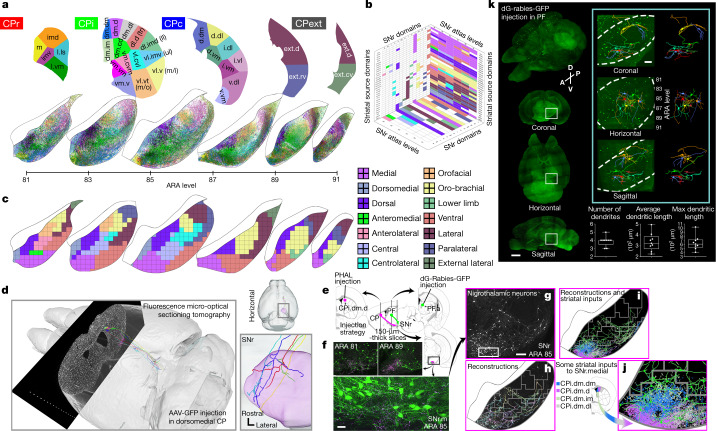
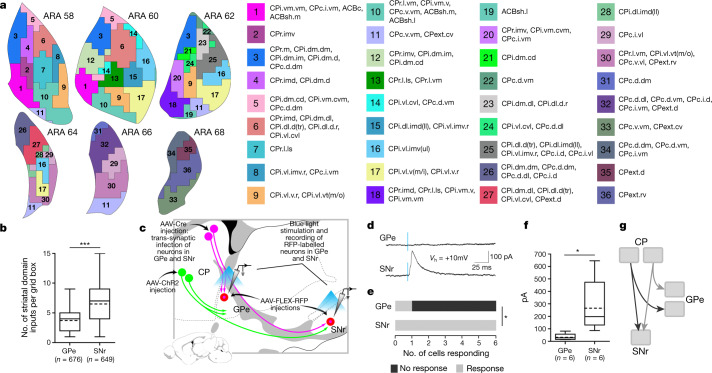
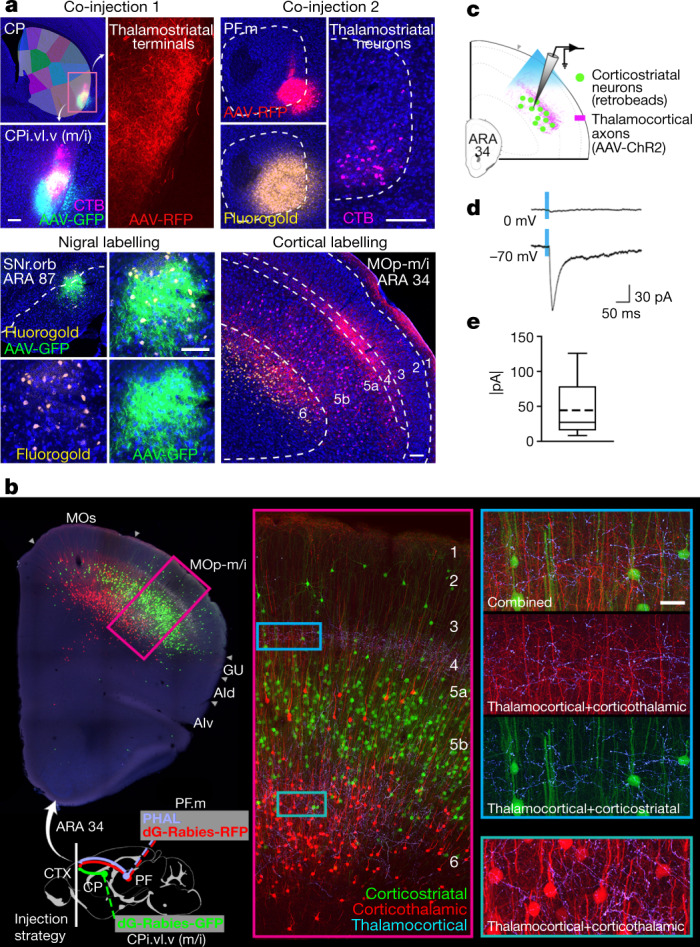
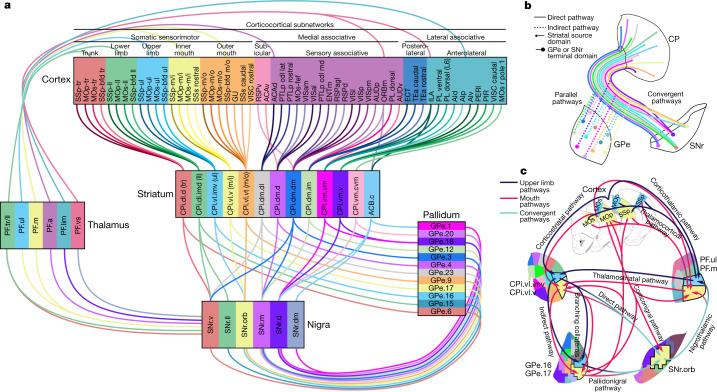
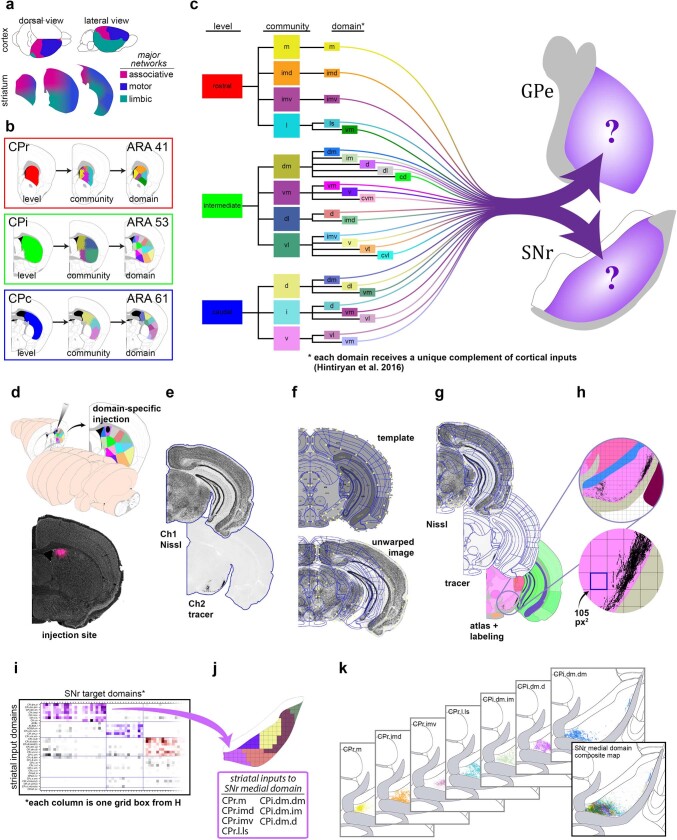
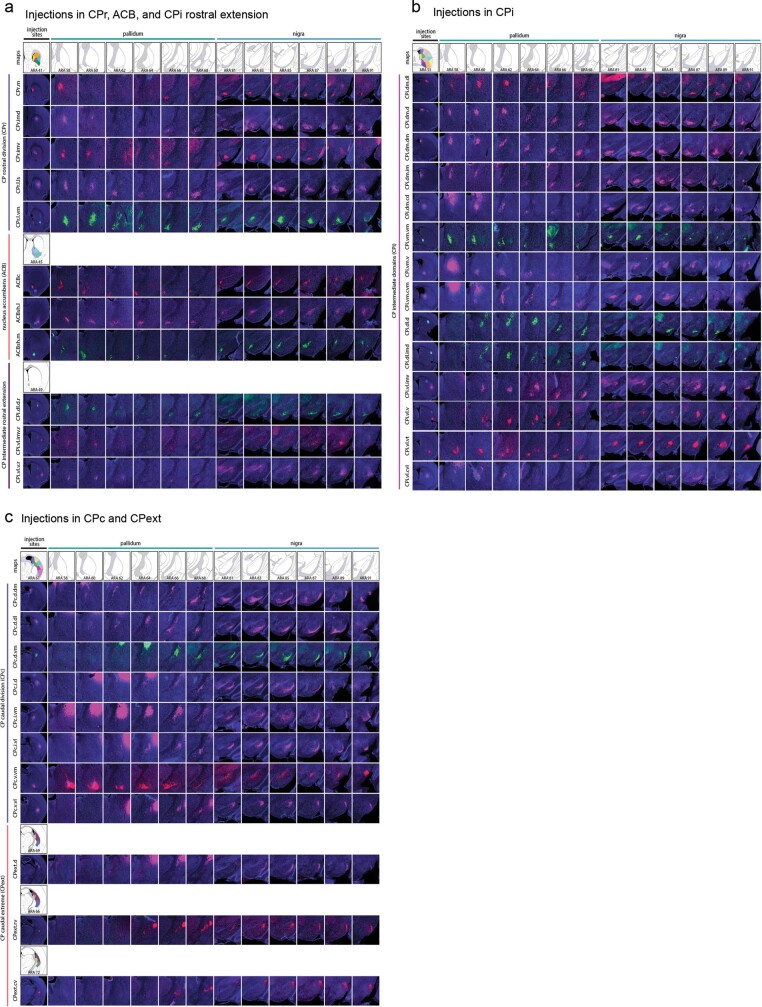
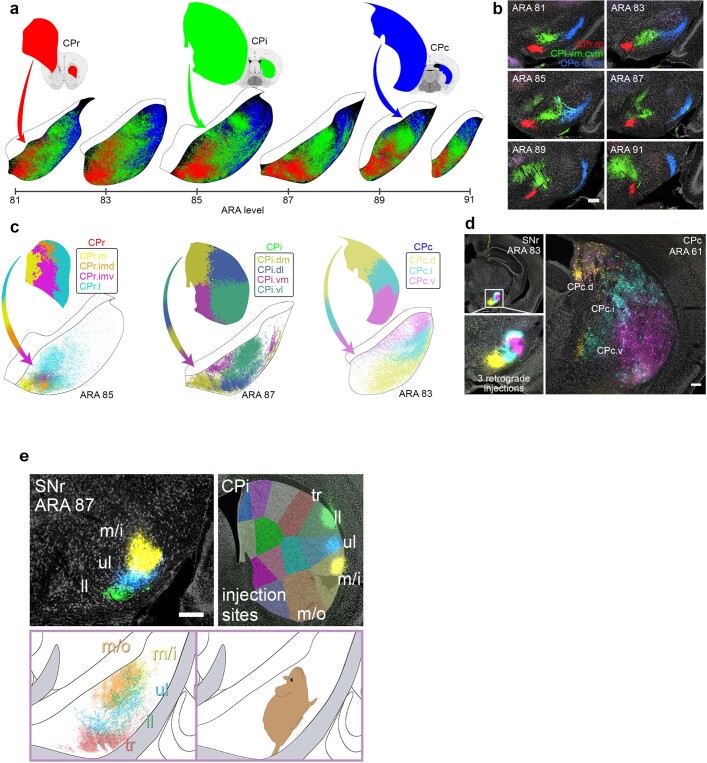
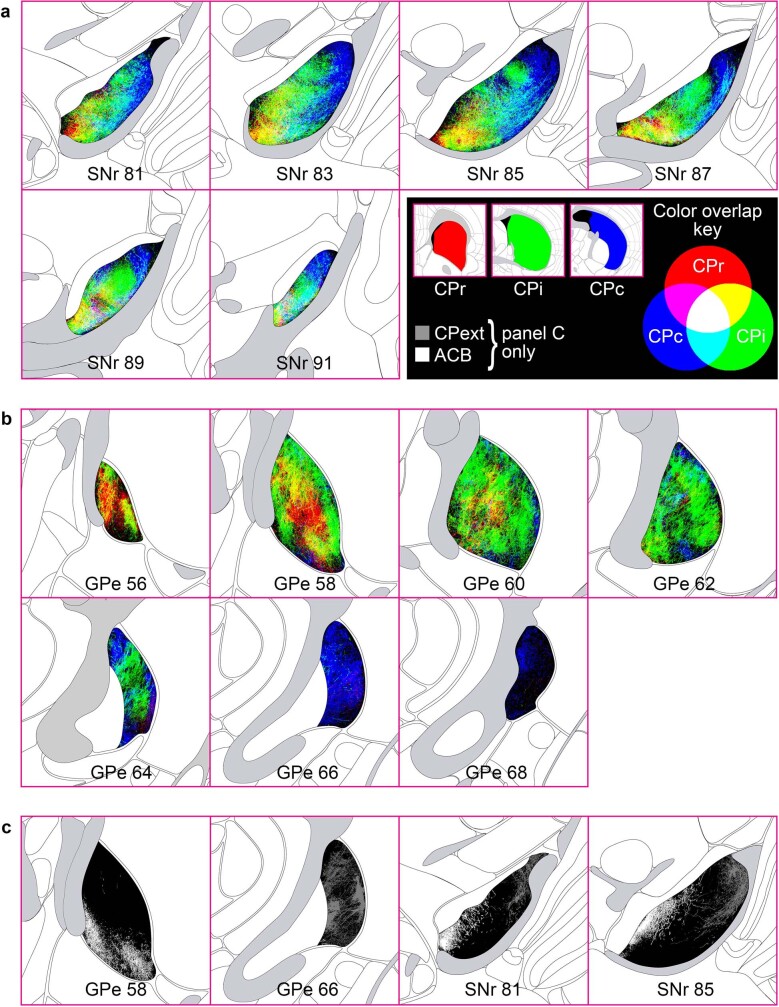
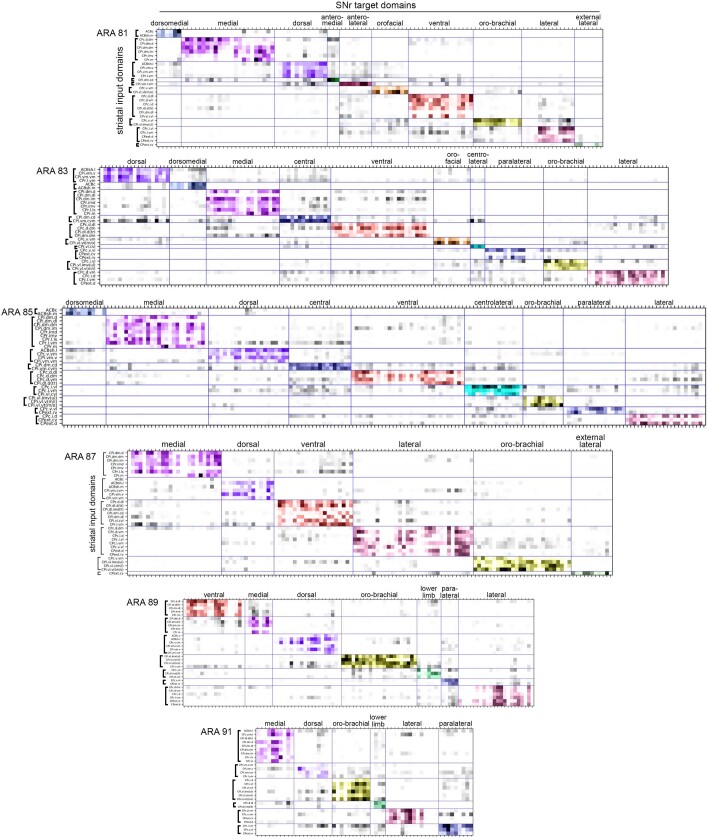
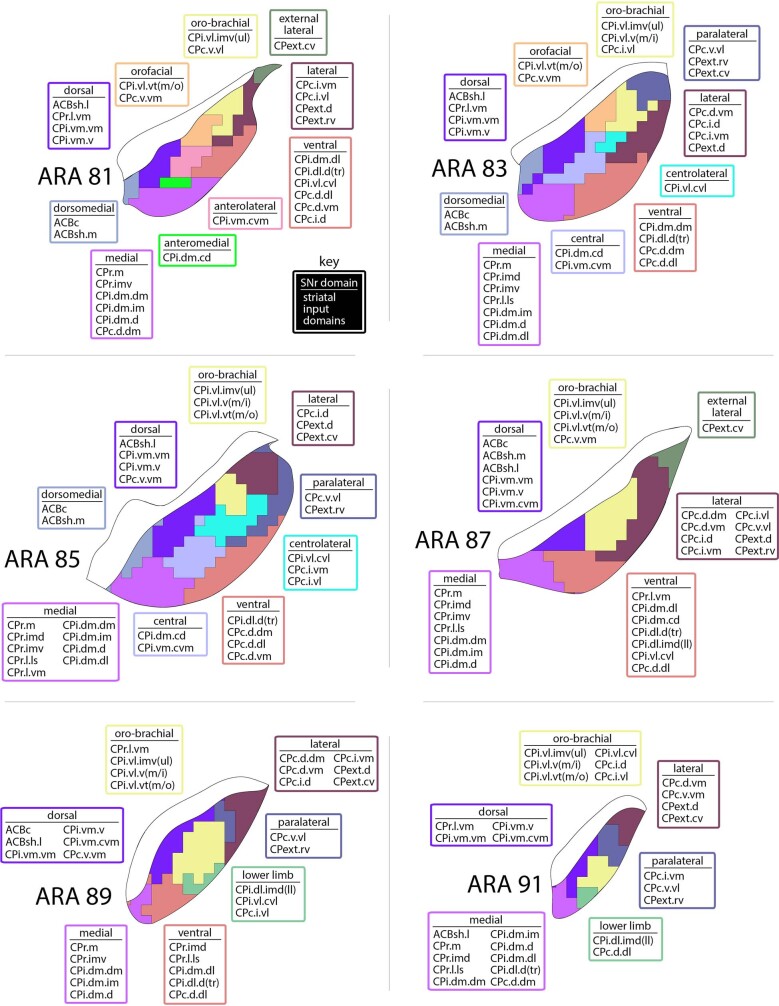
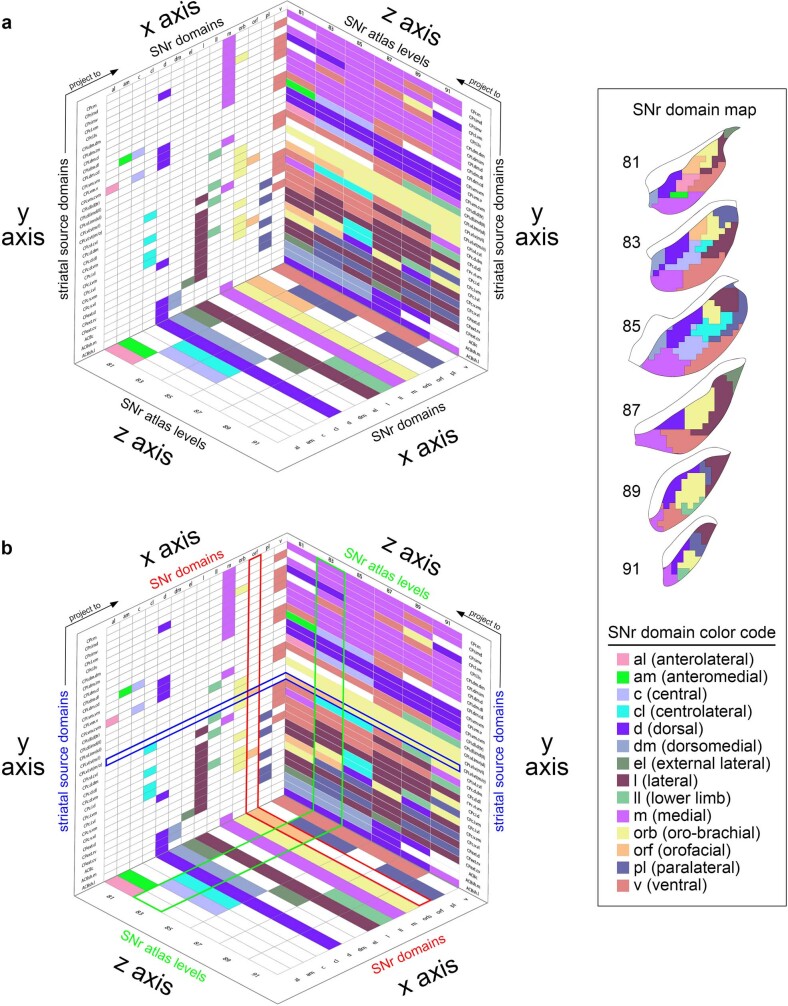
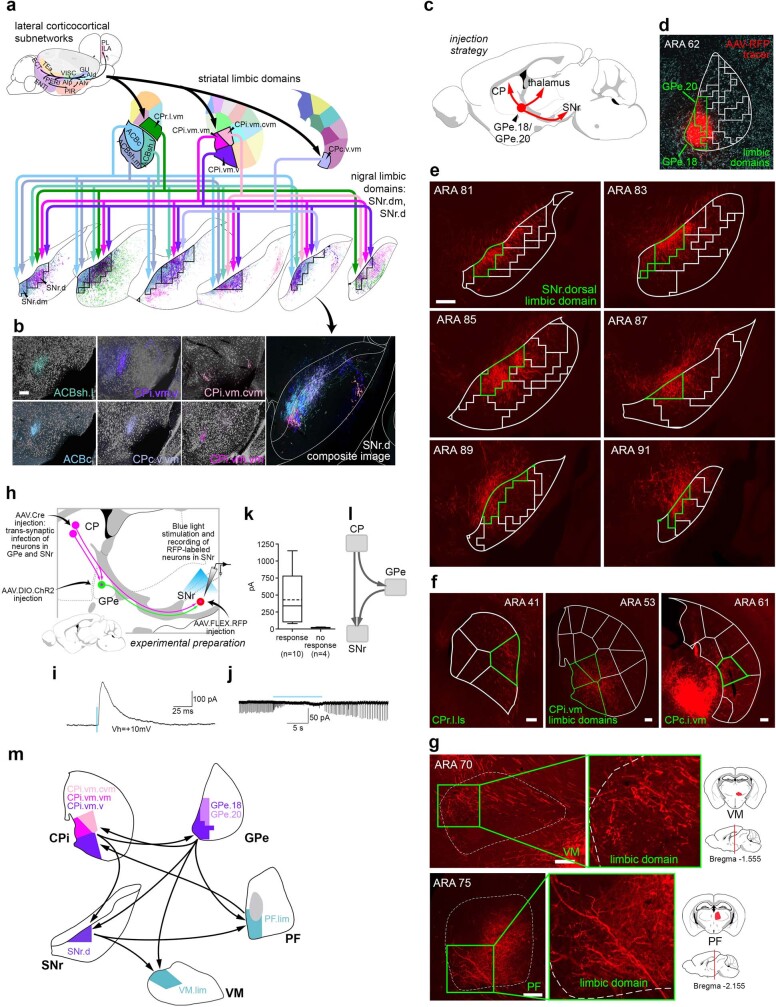
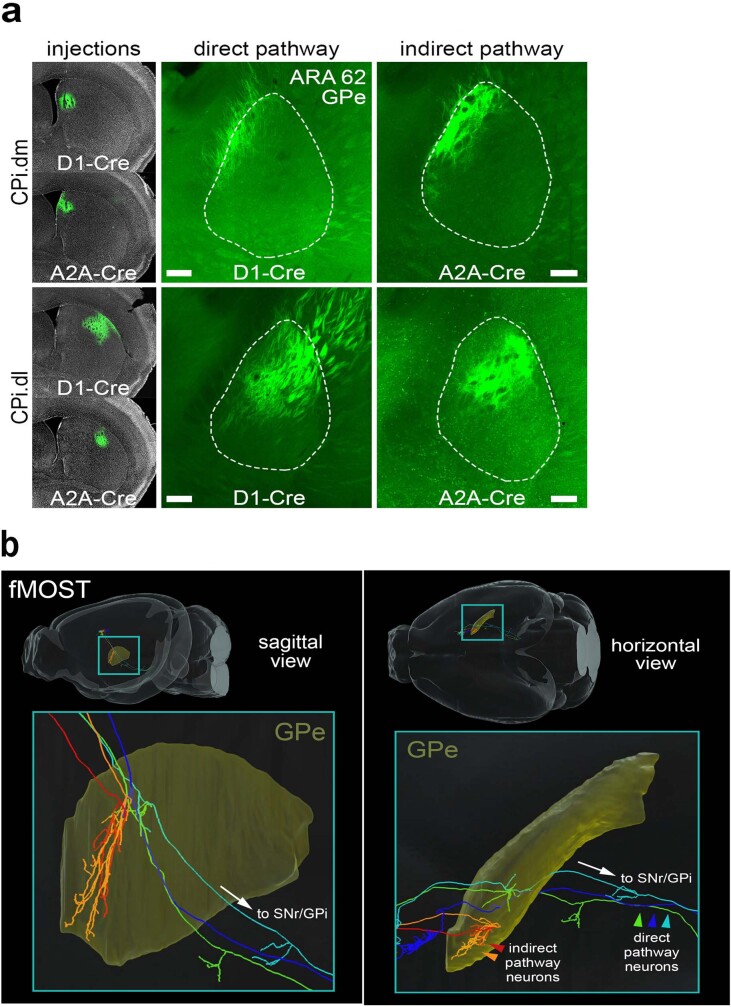
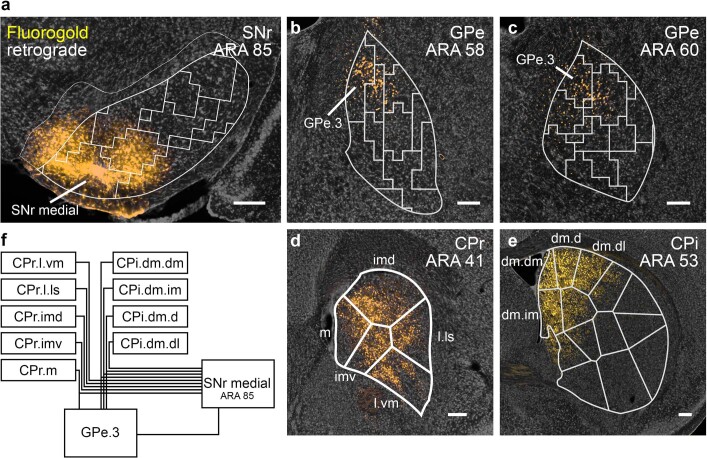
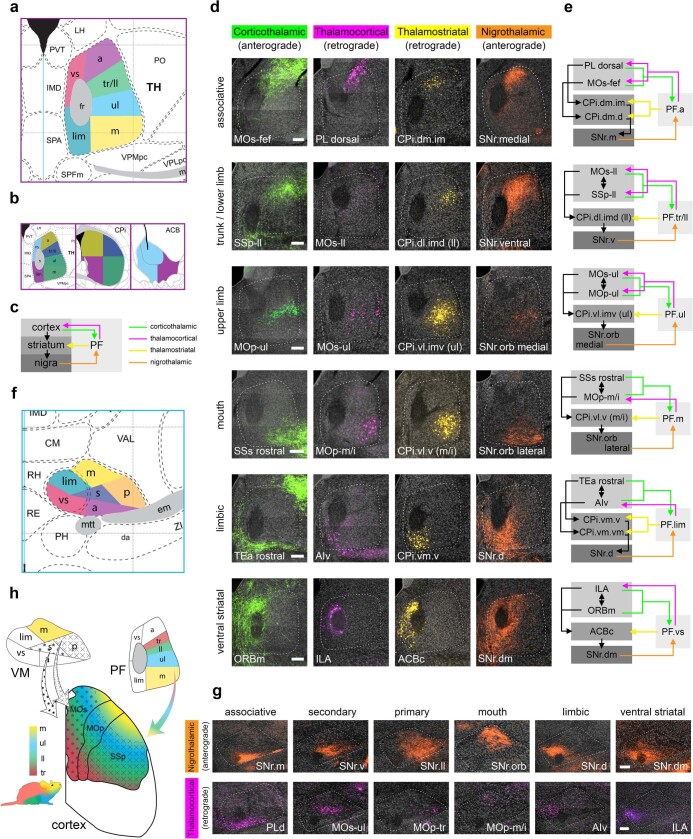
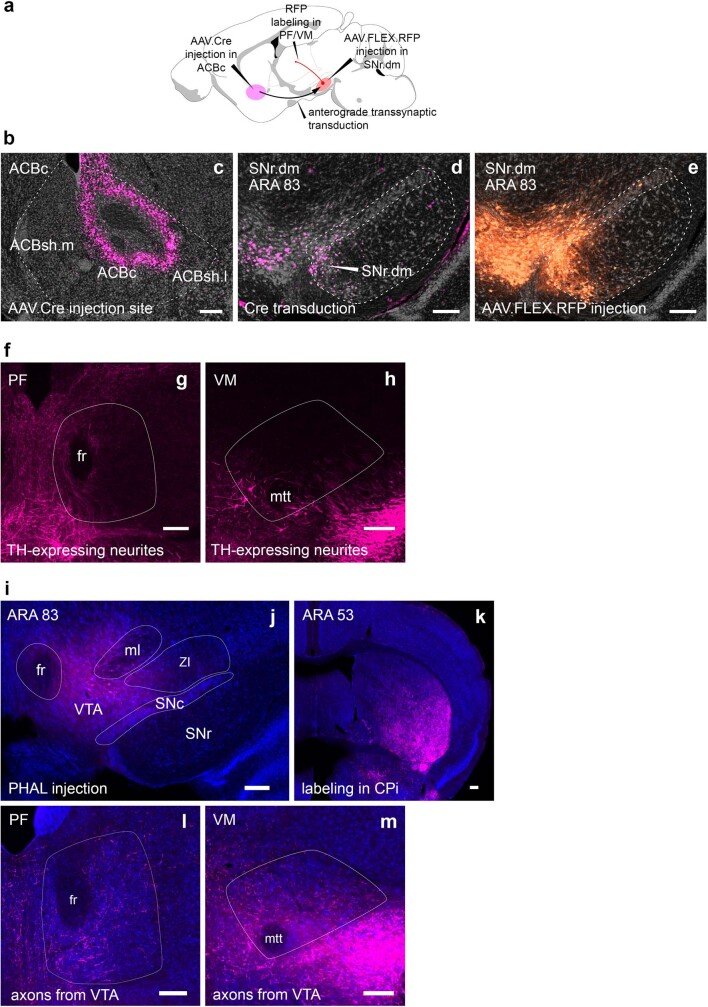
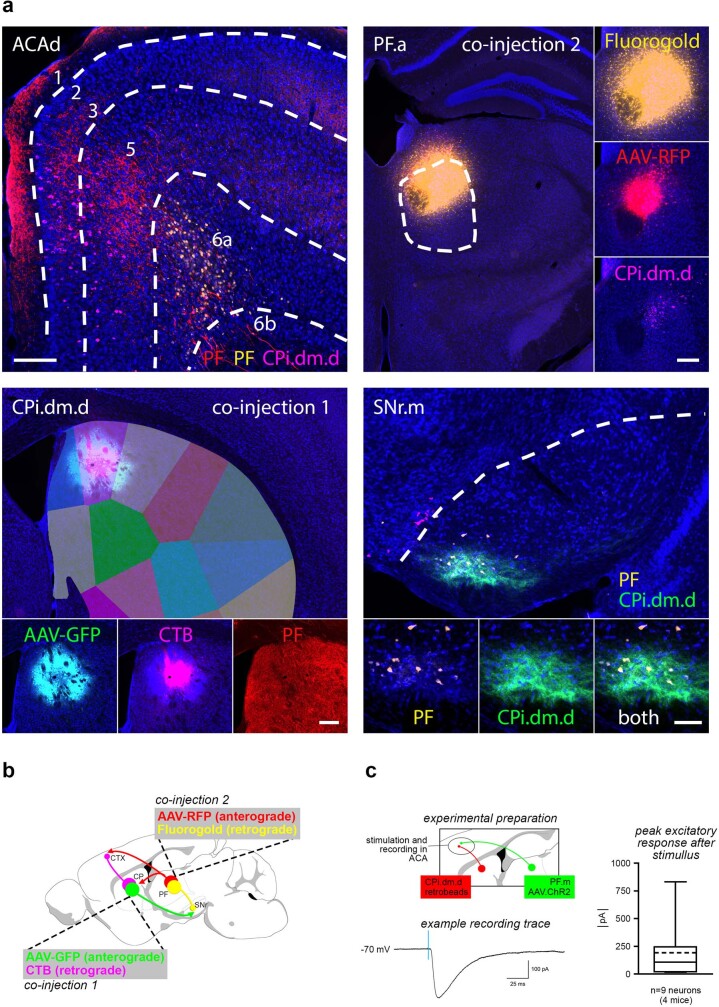
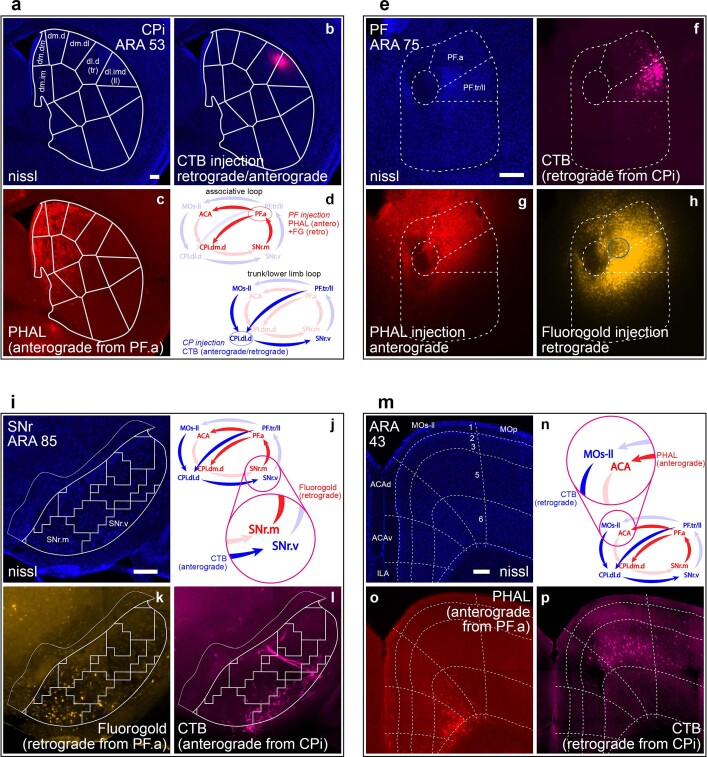
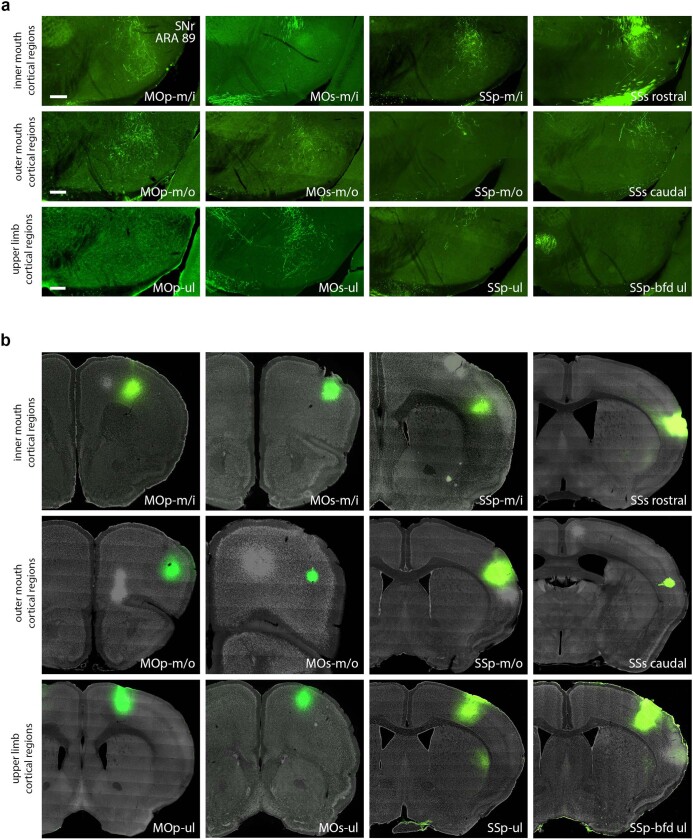
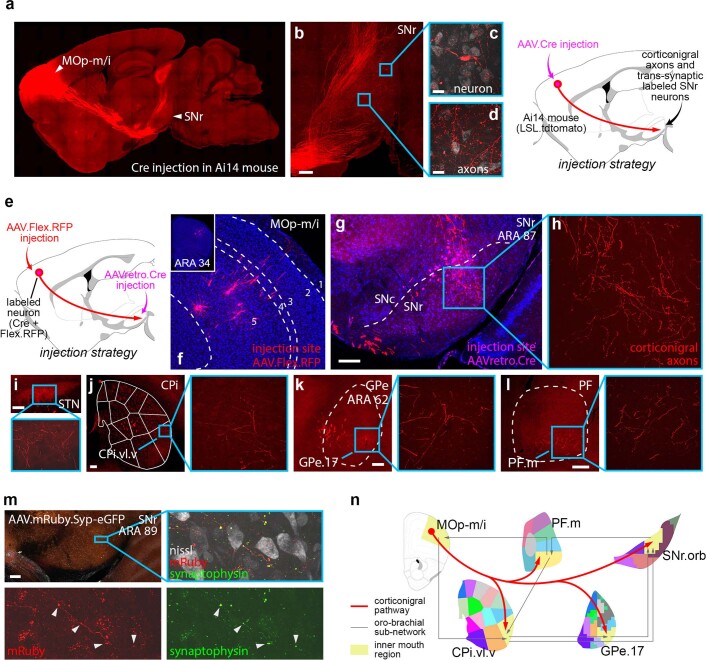
The cortico–basal ganglia–thalamo–cortical loop is one of the fundamental network motifs in the brain. Revealing its structural and functional organization is critical to understanding cognition, sensorimotor behaviour, and the natural history of many neurological and neuropsychiatric disorders. Classically, this network is conceptualized to contain three information channels: motor, limbic and associative 1–4 . Yet this three-channel view cannot explain the myriad functions of the basal ganglia. We previously subdivided the dorsal striatum into 29 functional domains on the basis of the topography of inputs from the entire cortex 5 . Here we map the multi-synaptic output pathways of these striatal domains through the globus pallidus external part (GPe), substantia nigra reticular part (SNr), thalamic nuclei and cortex. Accordingly, we identify 14 SNr and 36 GPe domains and a direct cortico-SNr projection. The striatonigral direct pathway displays a greater convergence of striatal inputs than the more parallel striatopallidal indirect pathway, although direct and indirect pathways originating from the same striatal domain ultimately converge onto the same postsynaptic SNr neurons. Following the SNr outputs, we delineate six domains in the parafascicular and ventromedial thalamic nuclei. Subsequently, we identify six parallel cortico–basal ganglia–thalamic subnetworks that sequentially transduce specific subsets of cortical information through every elemental node of the cortico–basal ganglia–thalamic loop. Thalamic domains relay this output back to the originating corticostriatal neurons of each subnetwork in a bona fide closed loop.
Overview
The claims and statistics of this paper haven’t been checked yet.
Free: it reads the open-access text and checks the first 5 claims that cite a source we can check. Create a free account to check every claim.
Integrity signals
Registry
Cites
Statistics
Figures
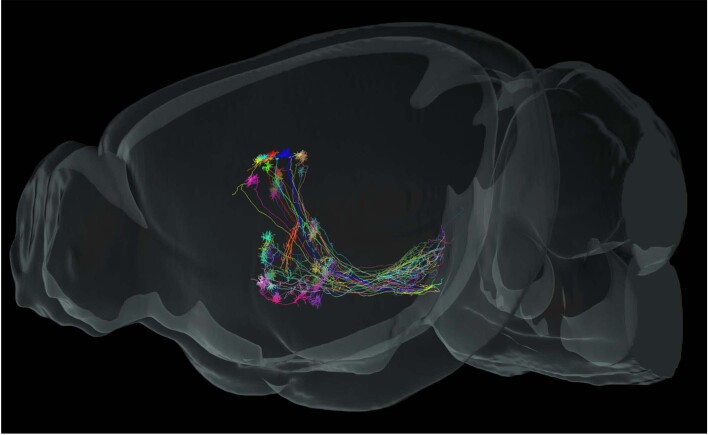
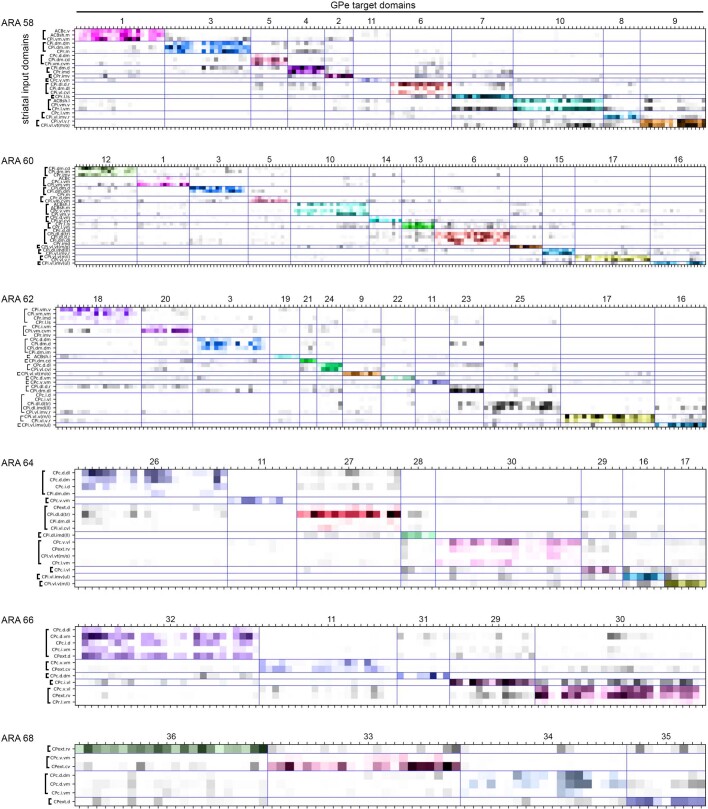
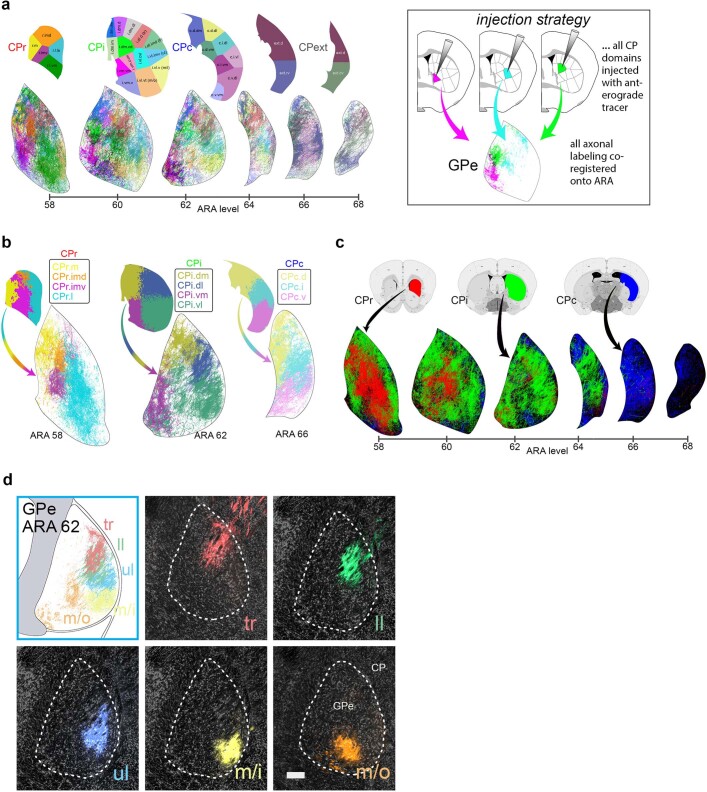
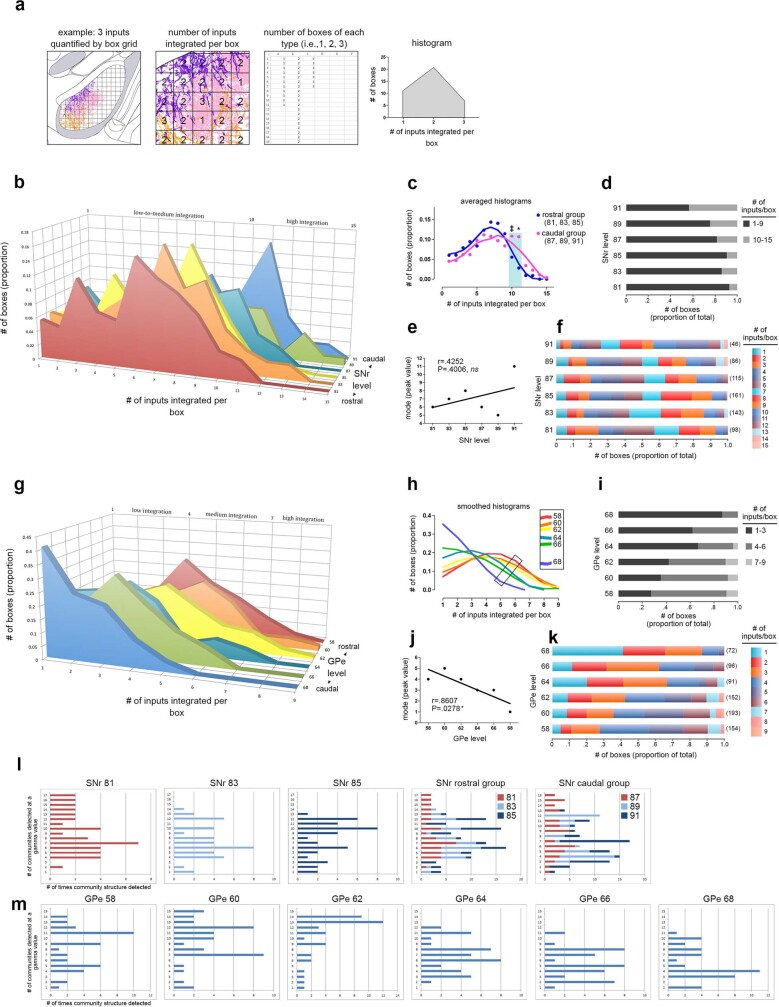
Verification
Claims the paper makes
The claims and statistics of this paper haven’t been checked yet.
Free: it reads the open-access text and checks the first 5 claims that cite a source we can check. Create a free account to check every claim.
Claims other papers make about this one
Each is checked against this paper’s own text: does it say what the citing paper says it does?
The cited source says what the claim attributes to it.
In the citing paper
“The brain is rich in partially segregated, directed cycles, such as those originating in cortical areas, sequentially reaching stations in the basal ganglia and thalamus, and cycling back to cortex [48, 49].”
From Integrated information theory (IIT) 4.0: Formulating the properties of phenomenal existence in physical terms (2023) · cites this paper as [49]
The cited source says what the claim attributes to it.
In the citing paper
“However, recent histological analyses revealed distinct projections to striatal regions from each cortical region59,60 suggesting that these histologically separated pathways have distinct functions.”
From Dissociable roles of prefrontal plasticity in decision-making strategy and execution of habitual behavior (2026) · cites this paper as [59]
In the citing paper
“Previous studies have shown that these subregions project to different brainstem areas, such as the inferior colliculus and medial superior colliculus40,41.”
From Dopamine dynamics as a regulatory mechanism for shifting between defensive and reward-seeking behaviors (2026) · cites this paper as [40]
Self-check
Percentages, sums and reported differences re-computed from the paper’s own numbers.
The self-check needs the paper’s full text.
Citations
Cites
Fast unfolding of communities in large networks
Blondel, V. D., Guillaume, J.-L., Lambiotte, R., & Lefebvre, E. (2008) · Journal of Statistical Mechanics: Theory and Experiment · doi:10.1088/1742-5468/2008/10/p10008 · Cited by 21,424
Parallel organization of functionally segregated circuits linking basal ganglia and cortex
Alexander, G. E., DeLong, M. R., & Strick, P. L. (1986) · Annual Review of Neuroscience · doi:10.1146/annurev.ne.09.030186.002041 · Cited by 8,527
The functional anatomy of basal ganglia disorders
Albin, R. L., Young, A. B., & Penney, J. B. (1989) · Trends in Neurosciences · doi:10.1016/0166-2236(89)90074-x · Cited by 5,353
Neurobiology of addiction: a neurocircuitry analysis
Koob, G. F., & Volkow, N. D. (2016) · The Lancet Psychiatry · doi:10.1016/s2215-0366(16)00104-8 · Cited by 3,698
Frequency Dependence of Signal Power and Spatial Reach of the Local Field Potential
Leski, S., Lindén, H., Tetzlaff, T., Pettersen, K. H., & Einevoll, G. T. (2013) · PubMed · doi:10.18154/rwth-conv-084442 · Cited by 3,639
Nestler, E. J., Barrot, M., DiLeone, R. J., Eisch, A. J., Gold, S. J., & Monteggia, L. M. (2002) · Neuron · doi:10.1016/s0896-6273(02)00653-0 · Cited by 3,217
Alexander, G. E., Crutcher, M. D., & DeLong, M. R. (1990) · PubMed · Cited by 2,731
A mesoscale connectome of the mouse brain
Oh, S. W., Harris, J. A., Ng, L., Winslow, B., Cain, N., Mihalas, S., Wang, Q., Lau, C., Kuan, L., Henry, A. M., et al. (2014) · Nature · doi:10.1038/nature13186 · Cited by 2,612 · cited 1×
“The basal ganglia is a collection of interconnected cerebral nuclei that receive major projections from all parts of the cortex (Oh et al. 2014, Hintiryan, Foster et al. 2016; Hunnicutt et al. 2016), making it the chief subcortical array for processing cortical information.”
BackgroundThe role of the basal ganglia in habit formation
Yin, H. H., & Knowlton, B. J. (2006) · Nature Reviews Neuroscience · doi:10.1038/nrn1919 · Cited by 2,402
Neurodegenerative Diseases Target Large-Scale Human Brain Networks
Seeley, W. W., Crawford, R. K., Zhou, J., Miller, B. L., & Greicius, M. D. (2009) · Neuron · doi:10.1016/j.neuron.2009.03.024 · Cited by 2,350
Cited by
Items 201–300 of 347
Olivares, E., Wilson, C. J., & Goldberg, J. A. (2024) · eNeuro · doi:10.1523/eneuro.0187-24.2024 · Cited by 3
The external pallidum: think locally, act globallyPreprint
Courtney, C. D., Pamukcu, A., & Chan, C. S. (2021) · arXiv (Cornell University) · doi:10.48550/arxiv.2104.10795 · Cited by 3
PointTree: Automatic and accurate reconstruction of long-range axonal projections of single-neuronPreprint
Cai, L., Fan, T., Qu, X., Zhang, Y., Gou, X., Ding, Q., Feng, W., Cao, T., Lv, X., Liu, X., et al. (2024) · eLife · doi:10.7554/elife.102840.1 · Cited by 3
Striatal pathways oppositely shift cortical activity along the decision axisPreprint
Cho, J. R., Bolkan, S. S., Brown, L. S., Skuza, M., El-Jayyousi, Y., Midler, B., Fetcho, R. N., Zimmerman, C. A., Pan-Vazquez, A., Schottdorf, M., et al. (2025) · bioRxiv (Cold Spring Harbor Laboratory) · doi:10.1101/2025.07.29.667406 · Cited by 3
Tsuruga, R., Tajika, Y., Minami, M., & Tsutsui-Kimura, I. (2026) · Communications Biology · doi:10.1038/s42003-026-10485-5 · Cited by 2
“Previous studies have shown that these subregions project to differentbrainstem areas,suchastheinferiorcolliculusandmedialsuperior colliculus 40,41 .”
Nordli, S. A., & Todd, P. M. (2022) · Frontiers in Psychology · doi:10.3389/fpsyg.2022.841972 · Cited by 2
Popova, M., Hilgetag, C. C., & Hütt, M. ‐. (2024) · Physical review. E · doi:10.1103/physreve.110.054406 · Cited by 2
Stimulus selection enhances value-modulated somatosensory processing in the superior colliculus
Chu, Y. W., Chinta, S., Keri, H. V. S., Beri, S., & Pluta, S. R. (2025) · PLoS Biology · doi:10.1371/journal.pbio.3003057 · Cited by 2
Setogawa, S., Okauchi, T., Hu, D., Wada, Y., Hikishima, K., Onoe, H., Nishizawa, K., Sakayori, N., Miyawaki, H., Kitanishi, T., et al. (2025) · eLife · doi:10.7554/elife.97326.4 · Cited by 2
Abnormal neurodevelopment predisposes to cortical hyperexcitability in Huntington's disease
Cepeda, C., Barry, J., & Holley, S. M. (2025) · Journal of Huntington s Disease · doi:10.1177/18796397251366891 · Cited by 2
Self-citationGhosh, S., Lin, H., Chu, S., Ngu, H., Zang, N., Raman, R., Stark, K. L., Foreman, O., Hashemifar, S. S., Easton, A. E., et al. (2026) · Discover Neuroscience · doi:10.1186/s13064-026-00286-1 · Cited by 2
Pourfridoni, M., Hakemi, Z., Mashayekhi‐Sardoo, H., & Baghcheghi, Y. (2026) · Health Science Reports · doi:10.1002/hsr2.72024 · Cited by 2
The evolutionary and organizational bases of active affordance
Luu, P., Tucker, D. M., & Friston, K. J. (2026) · Cerebral Cortex · doi:10.1093/cercor/bhag057 · Cited by 2
Prediction error correlates in the striosome-dopamine circuit emerge from information gain
Beck, D. W., & Friedman, A. (2026) · Nature Communications · doi:10.1038/s41467-026-73994-1 · Cited by 2
Architecture of the serotonergic projectome in the mouse brain
Song, J. H., Friedmann, D., Wu, Y., Moses, A., Baruni, J., Yuan, Y., Rana, I., Zhao, K., Sten, T. H., Wang, Q., et al. (2026) · Cell · doi:10.1016/j.cell.2026.08.022 · Cited by 2
Frühholz, S., & Bobin, M. (2023) · International Journal of Psychophysiology · doi:10.1016/j.ijpsycho.2023.05.229 · Cited by 2
Sexual Dimorphism of Dopaminergic Neurons and Microglia in The Basal Ganglia of Adult Mice
Ali, A. A. H., Hassan, S. A., & Abdel‐Kareem, M. A. (2024) · Egyptian Academic Journal of Biological Sciences. D, Histology and Histochemistry · doi:10.21608/eajbsd.2024.334000 · Cited by 2
Functional segregation and dynamic integration of the corticotectal descending signal in rat
Sugino, H., Tanno, S., Yoshida, T., Isomura, Y., & Hira, R. (2024) · Neuroscience Research · doi:10.1016/j.neures.2024.09.002 · Cited by 2
Smith, J. B., Hong, S. S., Murphy, D. J., Dangcil, E., Nacipucha, J., Tucker, A., Carayannopoulos, N. L., Beshy, M. A., Chandrasekar, S., Peci, E., et al. (2025) · eNeuro · doi:10.1523/eneuro.0246-24.2025 · Cited by 2
Network dynamics in rodent models of Parkinson’s disease
Petersson, P., & Walters, J. R. (2025) · Handbook of behavioral neuroscience · doi:10.1016/b978-0-443-21992-4.00016-6 · Cited by 2
Broschard, M. B., Kim, J., Halverson, H. E., Farley, S. J., & Freeman, J. H. (2026) · Communications Biology · doi:10.1038/s42003-026-10894-6 · Cited by 2
(2023) · Frontiers research topics · doi:10.3389/978-2-8325-3343-7 · Cited by 2
Combinatorial quantification of distinct neural projections from retrograde tracing
Venkadesh, S., Santarelli, A., Boesen, T., Dong, H., & Ascoli, G. A. (2023) · Nature Communications · doi:10.1038/s41467-023-43124-2 · Cited by 2
Self-citationLin, C., Ridder, M. C., Zhong, J., Albornoz, E. A., Sedlak, P. L., Xu, L., Woodruff, T. M., Chen, F., & Sah, P. (2024) · bioRxiv (Cold Spring Harbor Laboratory) · doi:10.1101/2024.03.06.583786 · Cited by 2
Direct imaging of neural activity reveals neural circuits via spatiotemporal activation mappingPreprint
Keum, J.-Y., Toi, P. T., Park, S., Chun, H., & Park, J. (2024) · bioRxiv (Cold Spring Harbor Laboratory) · doi:10.1101/2024.07.31.606112 · Cited by 2
Aristieta, A., Parker, J. E., Cundiff, M. D., Fuchs, T., Lim, B. K., Rubin, J. E., & Gittis, A. H. (2024) · bioRxiv (Cold Spring Harbor Laboratory) · doi:10.1101/2024.12.09.627637 · Cited by 2
Self-citationMixed Selectivity of Subthalamic Nucleus Neurons in Encoding Motor and Reward BehaviorsPreprint
Wu, B.-S., Min, M., & Wu, Y. (2025) · bioRxiv (Cold Spring Harbor Laboratory) · doi:10.1101/2025.02.12.637797 · Cited by 2
Hou, L., Timuçin, D., Sato, O., Torres, S. G., Svedberg, D. A., & Assad, J. A. (2025) · eLife · doi:10.1101/2025.02.18.638935 · Cited by 2
Striatal ensembles specify and control ongoing actions at fine motor resolutionPreprint
Rodrigues-Vaz, I., Athalye, V. R., Rodrigues, H. F. M., Peterka, D. S., & Costa, R. M. (2025) · bioRxiv (Cold Spring Harbor Laboratory) · doi:10.64898/2025.12.03.692128 · Cited by 2
Neuman, S. S., Metzger, J. M., Bondarenko, V., Wang, Y., Felton, J., Levine, J. E., Saha, K., Gong, S., & Emborg, M. E. (2023) · Frontiers in Bioengineering and Biotechnology · doi:10.3389/fbioe.2023.1237613 · Cited by 1
Basal ganglia: an amplifier for preparatory activity in motor control
Çağdaş, S., & Şengör, N. S. (2025) · Biological Cybernetics · doi:10.1007/s00422-025-01016-2 · Cited by 1
Smith, J. B., Hong, S. S., Murphy, D. J., Chandrasekar, S., Dangcil, E., Nacipucha, J., Tucker, A., Carayannopoulos, N. L., Carayannopoulos, S., Peci, E., et al. (2025) · Frontiers in Systems Neuroscience · doi:10.3389/fnsys.2025.1642595 · Cited by 1
Dynamic Respiration–Neural Coupling in Substantia Nigra across Sleep and Anesthesia
Dehdar, K., Neuberg, E., & Gu, B.-M. (2025) · Journal of Neuroscience · doi:10.1523/jneurosci.1154-25.2025 · Cited by 1
Complementary cortical and striatal encoding of locomotor preparation and performance
Singla, D., Yang, L., Weakley, A. S., Davidoff, D., Kao, J. C., & Masmanidis, S. C. (2025) · iScience · doi:10.1016/j.isci.2025.114138 · Cited by 1
Yang, T., Zheng, P., Fang, X., Song, J., & Hu, B. (2026) · Biological Cybernetics · doi:10.1007/s00422-026-01036-6 · Cited by 1
Nanivadekar, S., Salas-Allende, I., Nuber, S., Turner, R. S., & Gittis, A. H. (2026) · Journal of Neuroscience · doi:10.1523/jneurosci.1630-25.2026 · Cited by 1
Liu, C., Xue, Y., Han, C., Wei, L., Zikereya, T., Chen, W., & Shi, K. (2026) · NeuroImage · doi:10.1016/j.neuroimage.2026.121916 · Cited by 1
The midbrain reticular formation in contextual control of perceptual decisions
Shaker, J. R., Schroeter, J., Birman, D., & Steinmetz, N. A. (2026) · Neuron · doi:10.1016/j.neuron.2026.04.003 · Cited by 1
Cognitive functions of the GPe
O'Berry, K., & Gittis, A. H. (2026) · Trends in Neurosciences · doi:10.1016/j.tins.2026.05.005 · Cited by 1
Opponent ventrolateral striatal circuits regulate behavioral flexibility and rigidity
Gonzales, B. J., Shalom, I., Lipton, D. M., Turm, H., Noble, J., Festuccia, M., Groysman, M., & Citri, A. (2026) · Current Biology · doi:10.1016/j.cub.2026.08.068 · Cited by 1
Projection-defined modules reveal mouse motor cortex architecture
Falasconi, A., Kanodia, H., Lusk, N. A., Yao, S., Costa, R. M., Zeng, H., & Arber, S. (2026) · Cell · doi:10.1016/j.cell.2026.08.046 · Cited by 1
Pu, X., Ren, J., Xie, T., Zou, K., Xu, J., Li, Y., Liu, D., & Yao, H. (2026) · Neuroscience Bulletin · doi:10.1007/s12264-026-01739-7 · Cited by 1
Flexible energy landscape analysis of functional connectivity through region bundling
Allen, J. D., Varanasi, S., Hong, E. L., & Choa, F. (2022) · Signal processing, sensor fusion, and target recognition. Conference · doi:10.1117/12.2619126 · Cited by 1
Why Does Tardive Dyskinesia Have Oro-facial Predominance? A Network Analysis
Szalisznyó, K., & Silverstein, D. N. (2023) · Brain Topography · doi:10.1007/s10548-022-00931-y · Cited by 1
A neural basis for learning sequential memory in brain loop structures
Sihn, D., & Kim, S.-P. (2024) · Frontiers in Computational Neuroscience · doi:10.3389/fncom.2024.1421458 · Cited by 1
Negishi, K., Navarro, V. I., Pishgar, M. S., Ricciardi, F., Montes, L. P., Arzate, L. S., Ruiz, J. M. G., Sotelo, D., Toccoli, A. R., Wang, H., et al. (2026) · The Journal of Comparative Neurology · doi:10.1002/cne.70209 · Cited by 1
Expression profiling of the learning striatumPreprint
Lousada, E. L. R. D. S., Kliesmete, Z., Janjic, A., Richter, D., Wange, L., Briem, E., Hellmann, I., Burguière, E., Enard, W., & Schreiweis, C. (2023) · bioRxiv (Cold Spring Harbor Laboratory) · doi:10.1101/2023.01.03.522560 · Cited by 1
Pallidal prototypic neuron and astrocyte activities regulate flexible reward-seeking behaviorsPreprint
Kang, S., Yang, M. A., Bennett, A., Kang, S., Lee, S. W., & Choi, D. (2025) · bioRxiv (Cold Spring Harbor Laboratory) · doi:10.1101/2025.02.10.637554 · Cited by 1
Modular striatal dynamics and reciprocal inhibition orchestrate skilled action sequencingPreprint
Bakhurin, K. I., Lu, B., Zheng, H., Park, J., & Yin, H. H. (2025) · bioRxiv (Cold Spring Harbor Laboratory) · doi:10.1101/2025.06.27.662029 · Cited by 1
A stuttering-associated Gnptab variant alters fine-motor kinematicsPreprint
Bishop, D. M., Wang, S., & SheikhBahaei, S. (2025) · bioRxiv (Cold Spring Harbor Laboratory) · doi:10.64898/2025.12.08.693031 · Cited by 1
Nylén, J. F. (2023) · Open Archive (Karolinska Institutet) · Cited by 1
The basal ganglia transform visual identity into behavioral relevancePreprint
Fabre, J. M., Carandini, M., Peters, A. J., & Harris, K. D. (2026) · bioRxiv (Cold Spring Harbor Laboratory) · doi:10.64898/2026.04.07.716881 · Cited by 1
Tanno, S., Morishima, M., Fujita, K., Kato, S., Kobayashi, K., Kawaguchi, Y., Isomura, Y., & Hira, R. (2026) · bioRxiv (Cold Spring Harbor Laboratory) · doi:10.64898/2026.10.02.755501 · Cited by 1
Asaoka, N., Pagano, D., & Hayashi, Y. (2026) · Nature Communications · doi:10.1038/s41467-026-75706-1
“However, recent histological analyses revealed distinct projections to striatal regions from each cortical region 59,60 suggesting that these histologically separated pathways have distinct functions.”
吉野, 孝. (1974) · 缶詰時報
The Difference between Monolingual and Bilingual Stutterers: A Systematic Review
Qi, Z. (2023) · International Journal of Psychological Studies · doi:10.5539/ijps.v15n2p41
Striatal calcium transients detected by fiber photometry propagate to axonsPreprint
Lipton, D. M., Tamimi, M., Shalom, I., Sheinfeld, T., Gonzales, B. J., Groysman, M., & Citri, A. (2023) · bioRxiv (Cold Spring Harbor Laboratory) · doi:10.1101/2023.10.09.560813
Markicevic, M., Sturman, O., Bohacek, J., Rudin, M., Zerbi, V., Fulcher, B., & Wenderoth, N. (2023) · eLife · doi:10.7554/elife.78620.sa2
Author response: Competing neural representations of choice shape evidence accumulation in humans
Bond, K. M., Rasero, J., Madan, R., Bahuguna, J., Rubin, J. E., & Verstynen, T. (2023) · eLife · doi:10.7554/elife.85223.sa2
Dopamine lesions alter the striatal encoding of single-limb gaitPreprint
Yang, L., Singla, D., Wu, A. K., Cross, K. A., & Masmanidis, S. C. (2023) · eLife · doi:10.7554/elife.92821.1
Cerebellar stimulation prevents levodopa-induced dyskinesia in mice and normalizes brain activity
Coutant, B. (2021) · theses.fr (ABES) · doi:10.70675/e585de9cz509az4d22zb74dza633cd2057e3
Role of type-1 cannabinoid receptor in basal ganglia physiology
Mariani, Y. (2023) · theses.fr (ABES) · doi:10.70675/925620b3zc1edz48eazb221zbdfd960242e8
Le rôle des interneurones à parvalbumine striataux dans la prise de décision perceptuelle
Lavielle, O. (2022) · theses.fr (ABES) · doi:10.70675/a42a0e59z676bz4f79z9905z5839ce85f0ce
Setogawa, S., Okauchi, T., Hu, D., Wada, Y., Hikishima, K., Onoe, H., Nishizawa, K., Sakayori, N., Miyawaki, H., Kitanishi, T., et al. (2024) · eLife · doi:10.7554/elife.97326
Setogawa, S., Okauchi, T., Hu, D., Wada, Y., Hikishima, K., Onoe, H., Nishizawa, K., Sakayori, N., Miyawaki, H., Kitanishi, T., et al. (2024) · eLife · doi:10.7554/elife.97326.1
Evaluating post‐thrombectomy effective connectivity changes in anterior circulation stroke
Xu, J., Chen, W., Niu, G., Meng, Y., Qiu, K., Li, T., Wang, L., Zhang, L., Lv, Y., & Ding, Z. (2024) · Annals of Clinical and Translational Neurology · doi:10.1002/acn3.52221
Self-citationWang, Y., Li, Y., Zhang, X., Zheng, R., Wang, Q., Liu, Z., & Li, D. (2025) · Research Square · doi:10.21203/rs.3.rs-5990552/v1
Functional Neural Connectivity of the Mouse Brain using Photoacoustic Ultrasound ImagingPreprint
Clark, I. H., Heinmiller, A., Zhu, W., Zhu, X.-H., Strell, P., Roushdy, Z., Vernekar, M., Johnson, S. T., Natera-Rodriguez, D. E., Sun, K. Y., et al. (2025) · bioRxiv (Cold Spring Harbor Laboratory) · doi:10.1101/2025.03.31.645325
Setogawa, S., Okauchi, T., Hu, D., Wada, Y., Hikishima, K., Onoe, H., Nishizawa, K., Sakayori, N., Miyawaki, H., Kitanishi, T., et al. (2025) · eLife · doi:10.7554/elife.97326.2
Setogawa, S., Okauchi, T., Hu, D., Wada, Y., Hikishima, K., Onoe, H., Nishizawa, K., Sakayori, N., Miyawaki, H., Kitanishi, T., et al. (2025) · eLife · doi:10.7554/elife.97326.3
Kadono, F., Wang, J., Kobayashi, K., Karube, F., & Fujiyama, F. (2025) · Neuroscience Research · doi:10.1016/j.neures.2025.104930
PointTree: Automatic and accurate reconstruction of long-range axonal projections of single-neuronPreprint
Cai, L., Fan, T., Qu, X., Zhang, Y., Gou, X., Ding, Q., Feng, W., Cao, T., Lv, X., Liu, X., et al. (2025) · eLife · doi:10.7554/elife.102840.2
Dopamine signaling roles in the extrastriatal basal ganglia
Baufreton, J. (2025) · Handbook of behavioral neuroscience · doi:10.1016/b978-0-443-29867-7.00018-9
Dopamine and the temporal control of behavior
Paton, J. (2025) · Handbook of behavioral neuroscience · doi:10.1016/b978-0-443-29867-7.00016-5
Striatal visual responses increase prior to visuomotor learning
Marica, A.-M., Gorman, P. J., & Peters, A. J. (2026) · Current Biology · doi:10.1016/j.cub.2026.05.033
Morphological Changes in Direct Pathway Striatal Neurons in a Rat Model of Tardive Dyskinesia
Hikichi, H., Nishijima, H., Mori, F., Kinoshita, I., Suzuki, C., Wakabayashi, K., & Tomiyama, M. (2025) · Movement Disorders · doi:10.1002/mds.70068
Ozaki, T., Morisugi, Y., Kamino, M., Takahashi, H., Iwata, M., Nakamura, K., Maki, H., & Shirane, M. (2025) · bioRxiv (Cold Spring Harbor Laboratory) · doi:10.1101/2025.10.21.683627
Vidas-Guscic, N., Vasilkovska, T., Pluym, S., van Rijswijk, J., Audekerke, J. V., Tang, H., Muñoz-Sanjuán, I., Pustina, D., Cachope, R., der Linden, A. V., et al. (2026) · Biomarker Research · doi:10.1186/s40364-026-00971-7
Modifications of basal ganglia neuromodulatory systems
Raghanti, M. A., Smith, H. N., Armelli, K., Jones, D. N., Maycon, H., Edler, M. K., Hof, P. R., & Sherwood, C. C. (2025) · Elsevier eBooks · doi:10.1016/b978-0-443-27380-3.00032-4
Reward-driven adaptation of movements requires strong recurrent basal ganglia–cortical loops
Leblois, A., Boraud, T., & Hansel, D. (2025) · Proceedings of the National Academy of Sciences · doi:10.1073/pnas.2515994122
δ2-Protocadherins organize parallel indirect basal ganglia circuits
Hoshina, N., Boeckers, J. M., Johnson‐Venkatesh, E., Hoshina, M., Matsumoto, K., Das, A., Rally, V. R., Sant, J., Terauchi, A., Kinoshita, S., et al. (2026) · Science Advances · doi:10.1126/sciadv.aec8746
Investigating Whole Brain Activation Patterns During Complex Movement Sequences
Freeman, C. (2025) · Carolina Digital Repository (University of North Carolina at Chapel Hill) · doi:10.17615/r4ec-0728
The human subthalamic nucleus inhibits neural representations of attentional engagement
Soh, C. (2023) · Iowa Research Online (The University of Iowa) · doi:10.25820/etd.006853
Microcircuitry and afferent connectivity of the deep layers of the medial entorhinal cortex
Rannap, M. (2025) · heiDOK (Heidelberg University) · doi:10.11588/heidok.00036115
Attachaipanich, S., & アタチャイパニヒ, ス. (2023) · Institutional Repositories DataBase (IRDB) · doi:10.18910/93029
The Role of Striatal Lateral Inhibition in Action Selection and Levodopa-Induced Dyskinesia
Twedell, E. L. (2025) · eScholarship (California Digital Library)
Wärnberg, E. (2023) · Open Archive (Karolinska Institutet)
The striatum encodes action-specific forces of the forelimb.
Rodrigues-Vaz, I. (2023) · Portuguese National Funding Agency for Science, Research and Technology (RCAAP Project by FCT)
Context dependent expectation signals in behavior and brain
Espejo, M. A. T. (2024) · Portuguese National Funding Agency for Science, Research and Technology (RCAAP Project by FCT)
Mapping function to pathways in the external globus pallidus
Rollik, L. B. (2024) · UCL Discovery (University College London)
Etude du rôle du gène Maged1 dans les comportements compulsifs
Arcos-Ortiz, A. (2024) · Dépôt institutionnel de l'Université libre de Bruxelles (Université Libre de Bruxelles)
Reduron, L. R. (2023) · Corpus Université Laval (Université Laval)
Identifying Neural Connectivity using Bernoulli Autoregressive Partially Linear Additive ModelsPreprint
Pinkney, C., Gibberd, A. J., & Euán, C. (2025) · arXiv (Cornell University) · doi:10.12751/nncn.bc2025.038
Substantia nigral activity in self-timed movements
Hou, L. (2023) · Digital Access to Scholarship at Harvard (DASH) (Harvard University)
Metadata
- Authors
- Foster, N. N., Barry, J., Korobkova, L., Garcia, L., Gao, L., Becerra, M., Sherafat, Y., Peng, B., Li, X., Choi, J.-H., Gou, L., Zingg, B., Azam, S., Lo, D., Khanjani, N., Zhang, B., Stanis, J., Bowman, I., Cotter, K., Cao, C., Yamashita, S., Tugangui, A., Li, A., Jiang, T., Jia, X., Feng, Z., Aquino, S., Mun, H.-S., Zhu, M., Santarelli, A., Benavidez, N. L., Song, M., Dan, G., Fayzullina, M., Ustrell, S., Boesen, T., Johnson, D. L., Xu, H., Bienkowski, M. S., Yang, X. W., Gong, H., Levine, M. S., Wickersham, I., Luo, Q., Hahn, J. D., Lim, B. K., Zhang, L. I., Cepeda, C., Hintiryan, H., & Dong, H.-W.
- Affiliations
- University of Southern California (US)
- University of California, Los Angeles (US)
- Wuhan National Laboratory for Optoelectronics (CN)
- University of California San Diego (US)
- Chinese Academy of Sciences (CN)
- Jiangsu Industry Technology Research Institute (CN)
- McGovern Institute for Brain Research (US)
- Hainan University (CN)
- Corresponding author
- Foster, Nicholas N.
- Dong, Hong-Wei
- ORCID
- Foster, Nicholas N.
- Korobkova, Laura
- Gao, Lei
- Sherafat, Yasmine
- Peng, Bo
- Li, Xiangning
- Choi, Jun-Hyeok
- Zingg, Brian
- Azam, Sana
- Lo, Darrick
- Zhang, Bin
- Bowman, Ian
- Cotter, Kaelan
- Li, Anan
- Jiang, Tao
- Jia, Xueyan
- Feng, Zhao
- Zhu, Muye
- Santarelli, Anthony
- Benavidez, Nora L.
- Song, Monica
- Fayzullina, Marina
- Johnson, David L.
- Bienkowski, Michael S.
- Yang, X. William
- Gong, Hui
- Levine, Michael S.
- Wickersham, Ian
- Luo, Qingming
- Hahn, Joel D.
- Lim, Byung Kook
- Zhang, Li I.
- Cepeda, Carlos
- Hintiryan, Houri
- Dong, Hong-Wei
- Venue
- Nature
- Published
- 2021-10-06
- Volume
- 598
- Issue
- 7879
- Pages
- 188-194
- ISSN
- 0028-0836 (ISSN-L)
- 1476-4687
- PMC
- PMC8494639
- OpenAlex
- W3203909927
- Semantic Scholar
- 19aebec4a8fc6d162bf50bd39fd55bd6289e8dc5
- Cited by
- 307
- References
- 133
- Citations by year
- 2026: 51 · 2025: 86 · 2024: 54 · 2023: 61 · 2022: 40 · 2021: 14
- FWCI
- 20.19
- Type
- journal article
- Language
- en
- Open access
- hybrid
- doi.org
- Licence
- cc-by
- creativecommons.org/licenses/by/4.0 (tdm)
- creativecommons.org/licenses/by/4.0 (vor)
- Locations
- Nature (publishedVersion, cc-by)
- bioRxiv (Cold Spring Harbor Laboratory) (acceptedVersion, cc-by-nc-nd)
- PubMed Central (publishedVersion, cc-by)
- PubMed (publishedVersion)
- RePEc: Research Papers in Economics (submittedVersion)
- eScholarship (California Digital Library) (submittedVersion, cc-by)
- Funders
- National Institutes of Health
- National Institute of Mental Health (U01MH116990, U19MH114821, U01MH117079, U19MH114831, R01MH094360, U01MH114829, RF1MH114112)
- National Institute on Deafness and Other Communication Disorders (R01DC008983)
- National Institute of Biomedical Imaging and Bioengineering (P41EB015922)
- Eunice Kennedy Shriver National Institute of Child Health and Human Development (P50HD103557, U54HD087101, P30HD004612)
- Topics
- Health Sciences › Medicine › Clinical Neurology › Deep Brain Stimulation and Movement Disorders
- Life Sciences › Neuroscience › Cellular and Molecular Neuroscience › Neuroscience and Neuropharmacology Research
- Life Sciences › Neuroscience › Cognitive Neuroscience › Memory and Neural Mechanisms
- Keywords
- basal ganglia, dorsal striatum, parafascicular thalamic nucleus, ventromedial thalamic nucleus, mouse brain
- MeSH terms
- Animals, Basal Ganglia, Cerebral Cortex, Male, Mice, Inbred C57BL, Neural Pathways, Neurons, Thalamus, Mice
About these checks
Registry, retraction, Cites and statistics results are computed, not judged, with one exception: a printed reference that no index lists is read once by a model before it counts as a citation error. Claims are extracted by a model and kept only when their quote appears verbatim in the text; each cited source is then checked, with a model’s help, for whether it says what the claim relies on. Those verdicts can be wrong — read the claim’s quote and the cited source before relying on one.
Statistics and arithmetic are recomputed, not judged.
Confidence bands are shown only for fields calibrated on our annotated test set. None is calibrated yet, so no band is shown.
What counts as a claim ›How we measure confidence ›How we check this ›
Are you an author, or do you see a problem with this page? Request a review
Data sources
Bibliographic data: Semantic Scholar, OpenAlex, Crossref.
Contains information from the Semantic Scholar Academic Graph Datasets, made available under the ODC Attribution License (ODC-BY 1.0).
Semantic Scholar’s data is described in: Kinney, R., et al. (2023). The Semantic Scholar Open Data Platform. arXiv:2301.10140.
