

The mouse cortico–basal ganglia–thalamic network
Open accessThe DOI matches its Crossref record; 132 of the 133 references it cites were found in a registry or an index.
Abstract
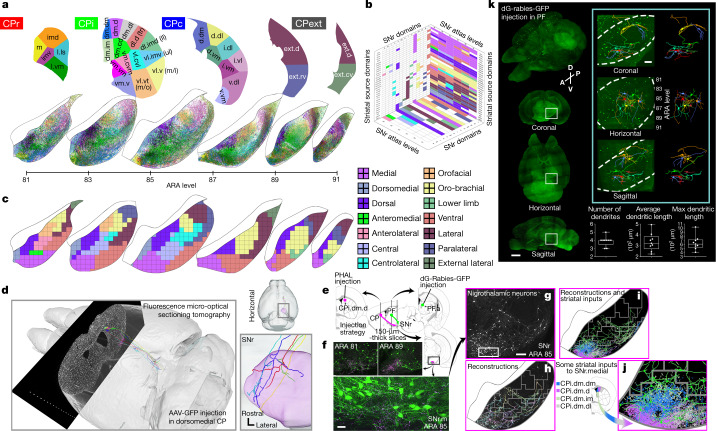
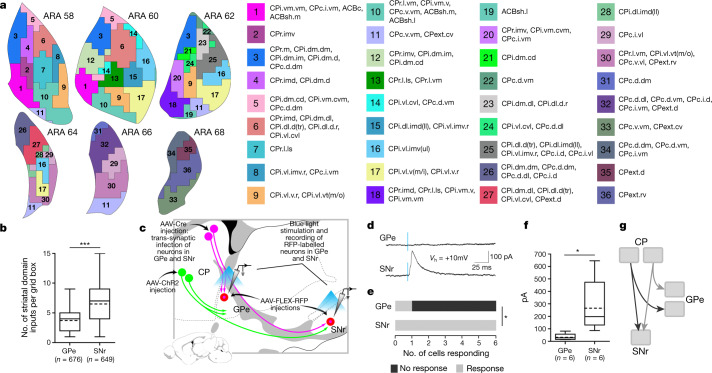
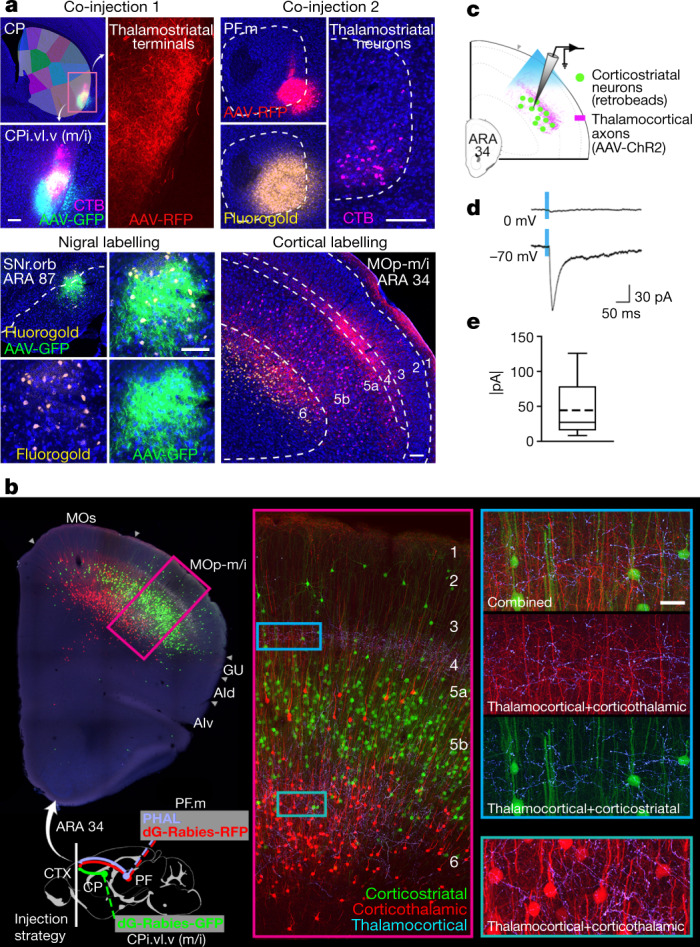
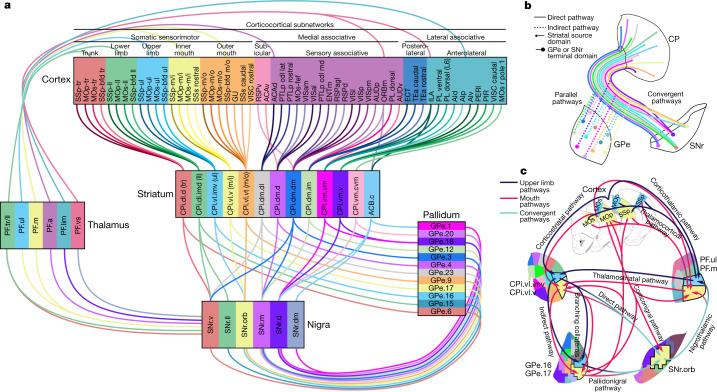
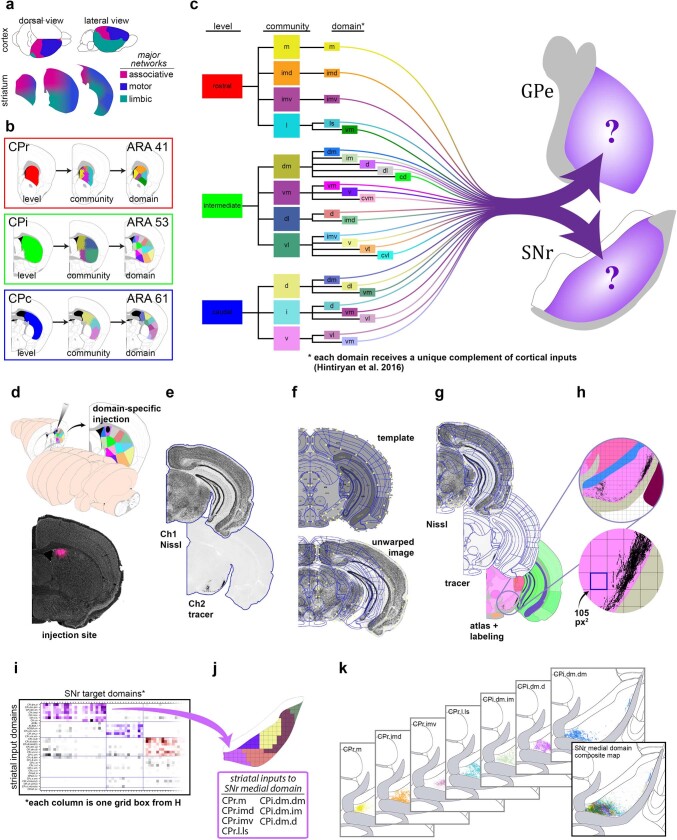
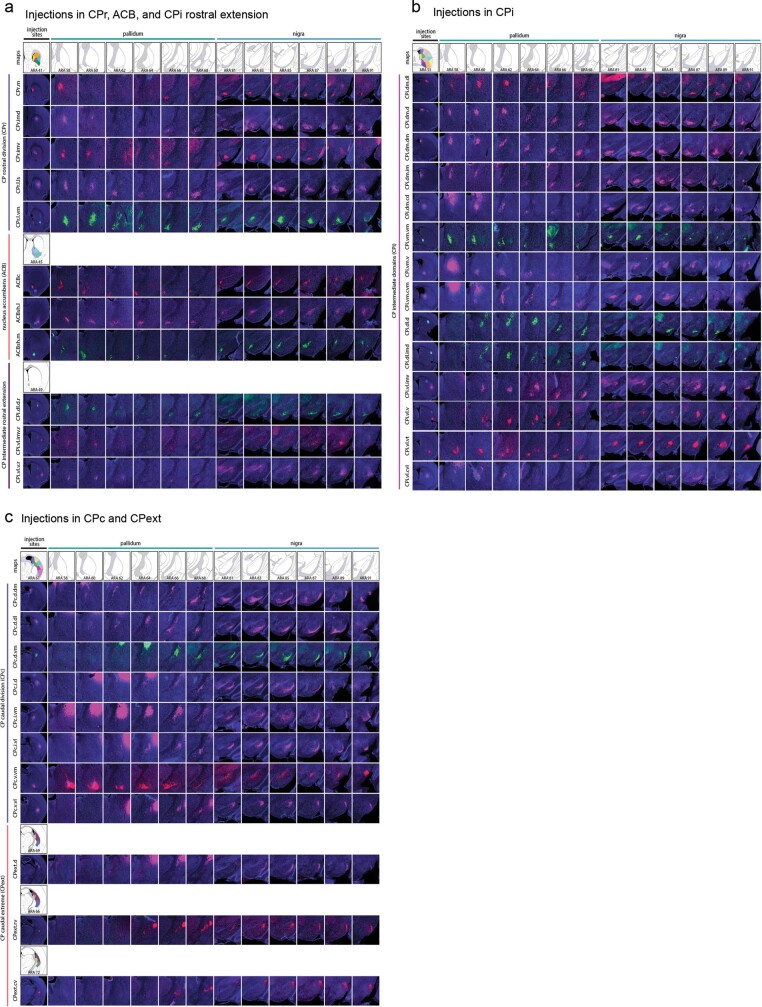
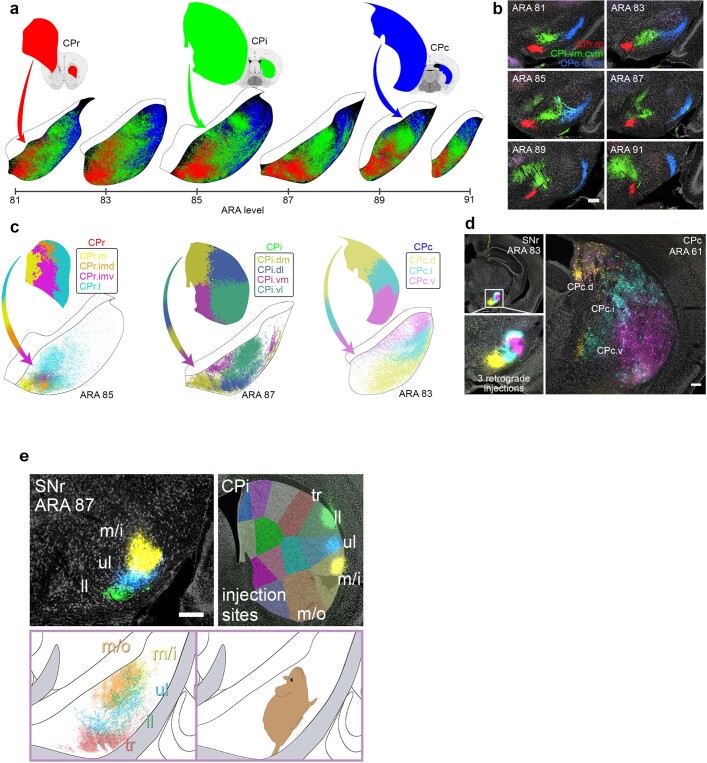
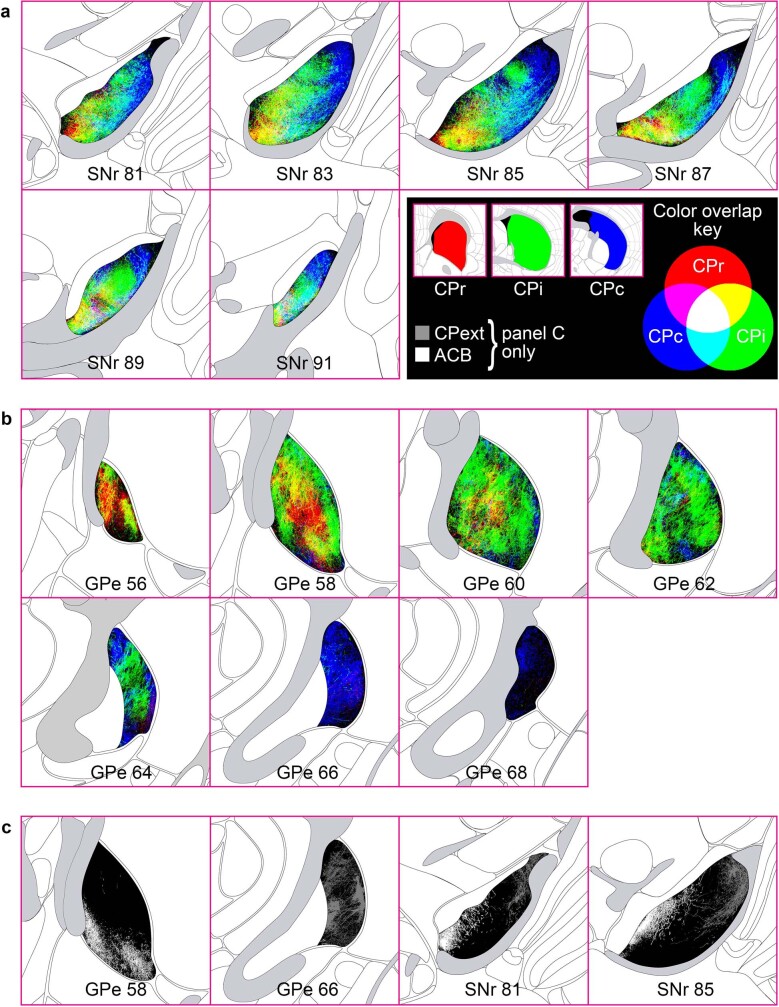
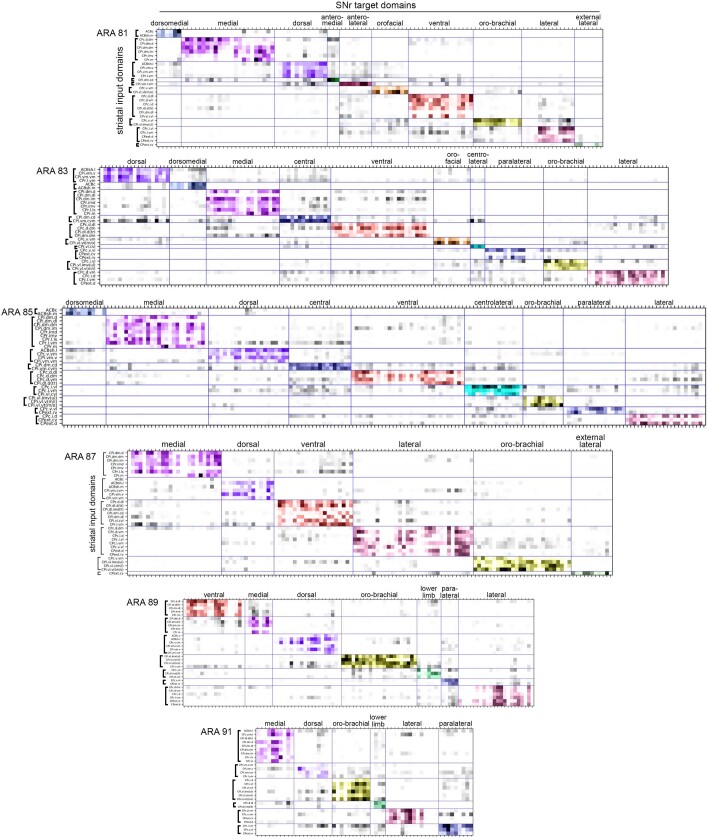
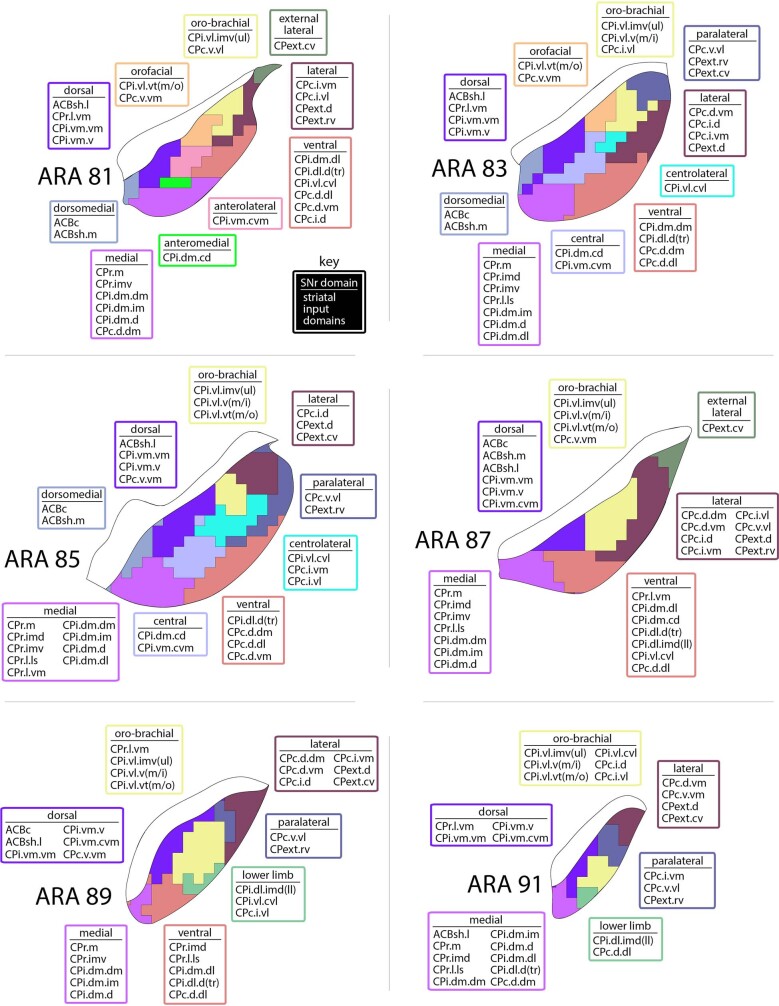
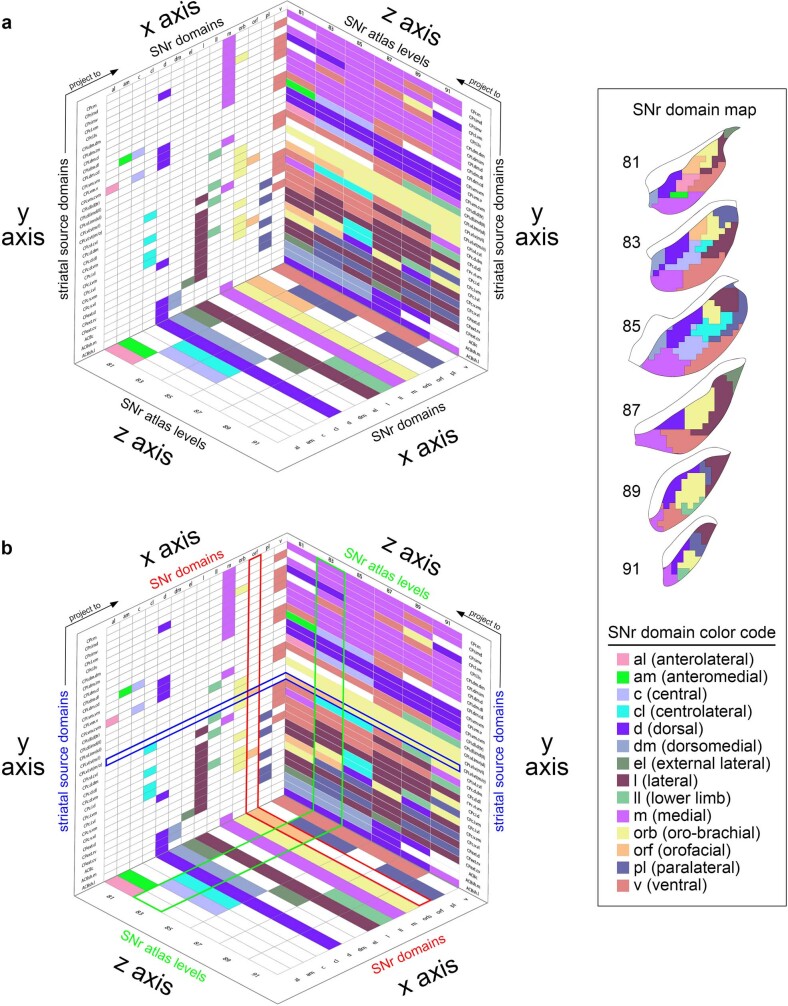
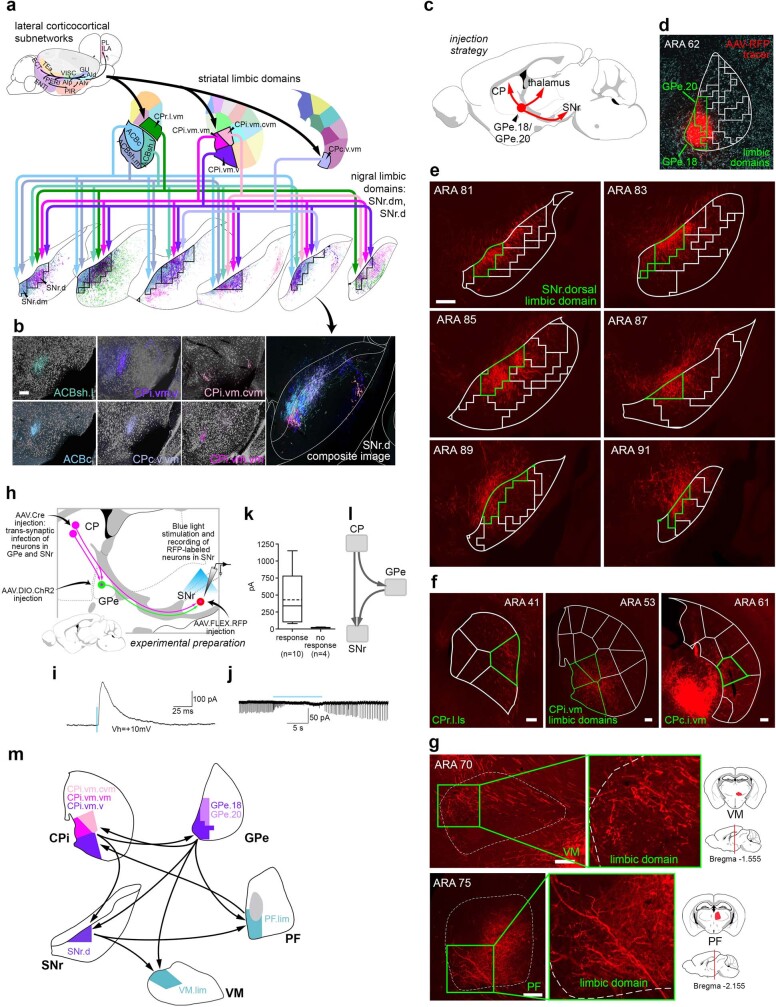
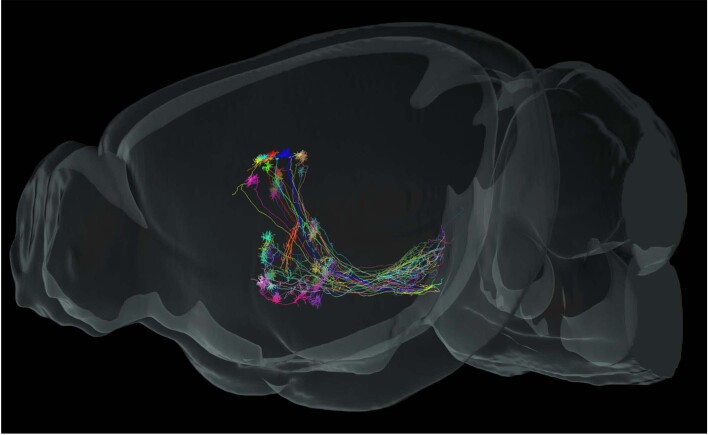
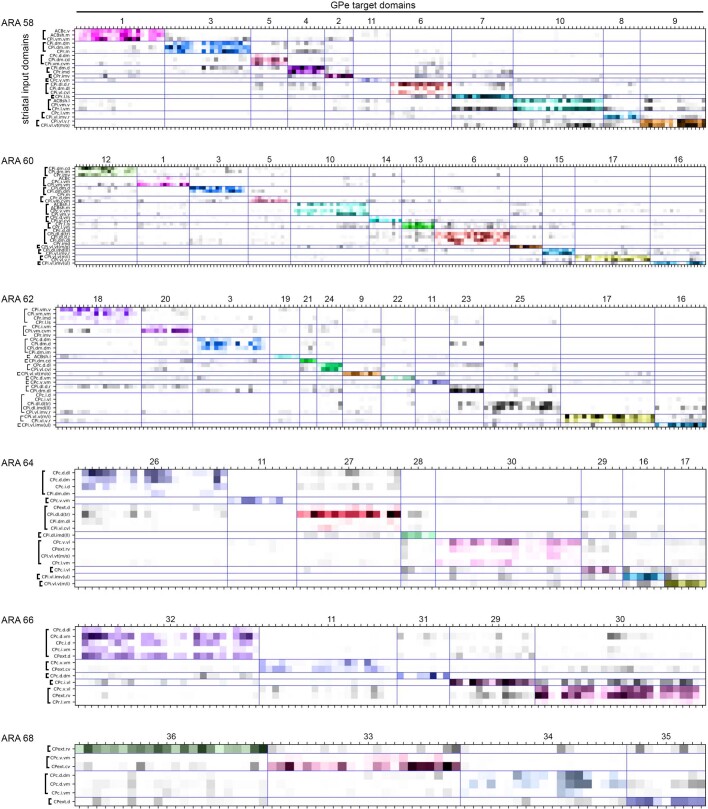
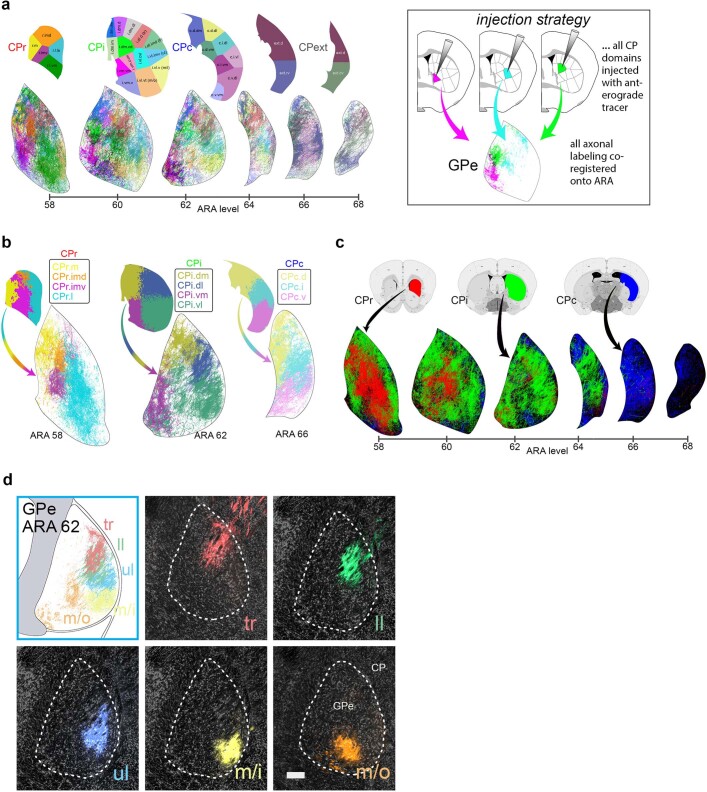
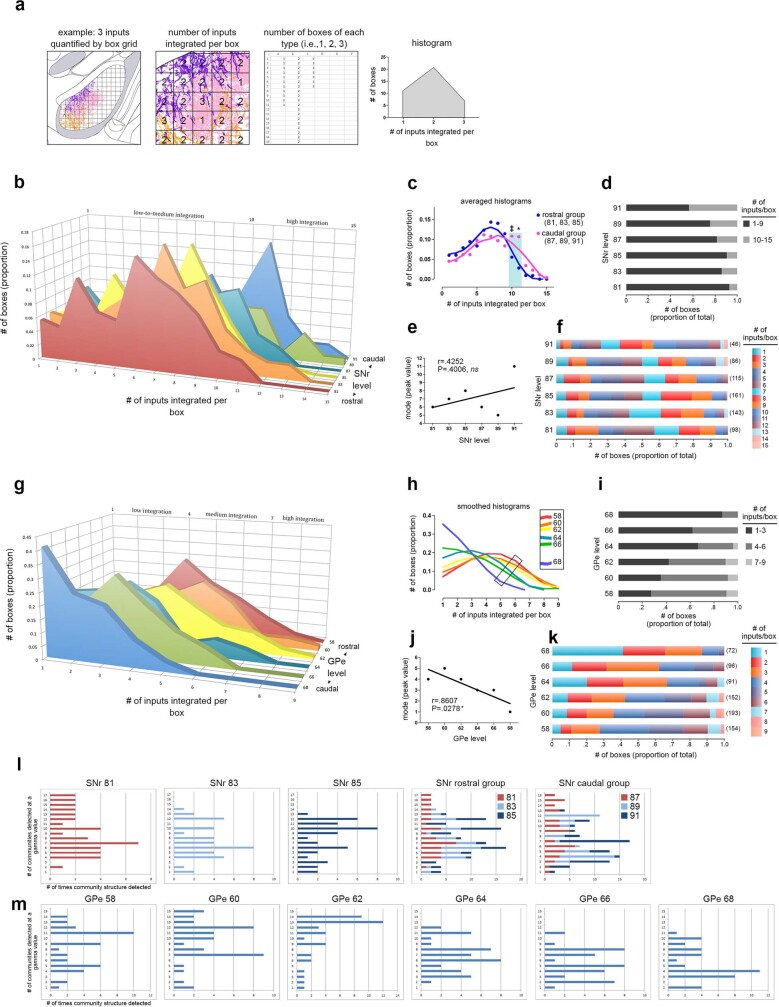
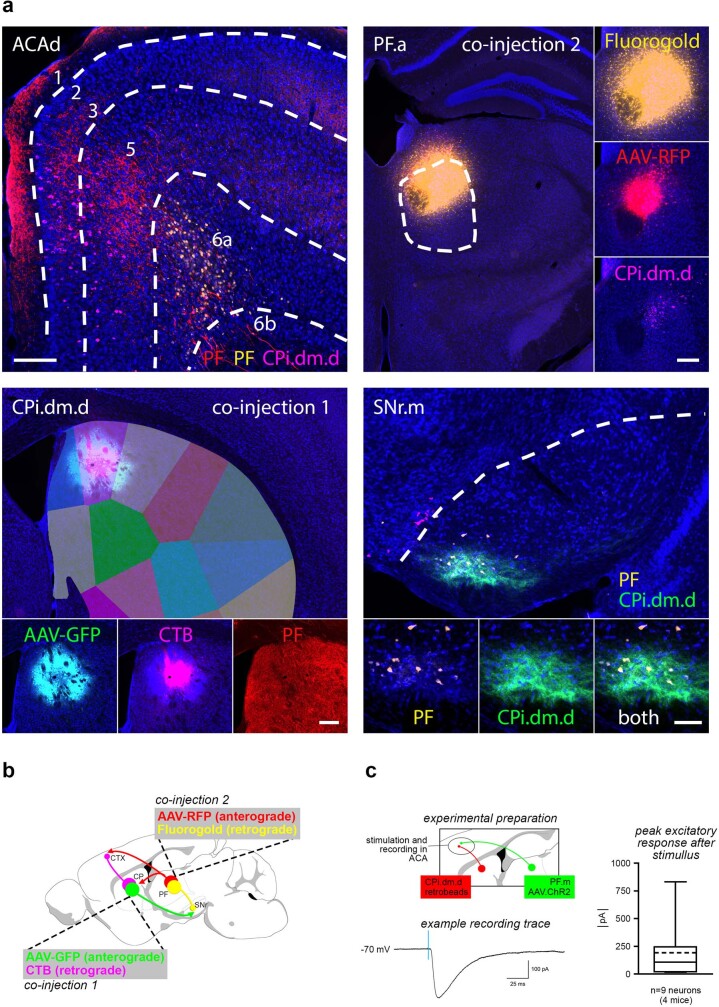
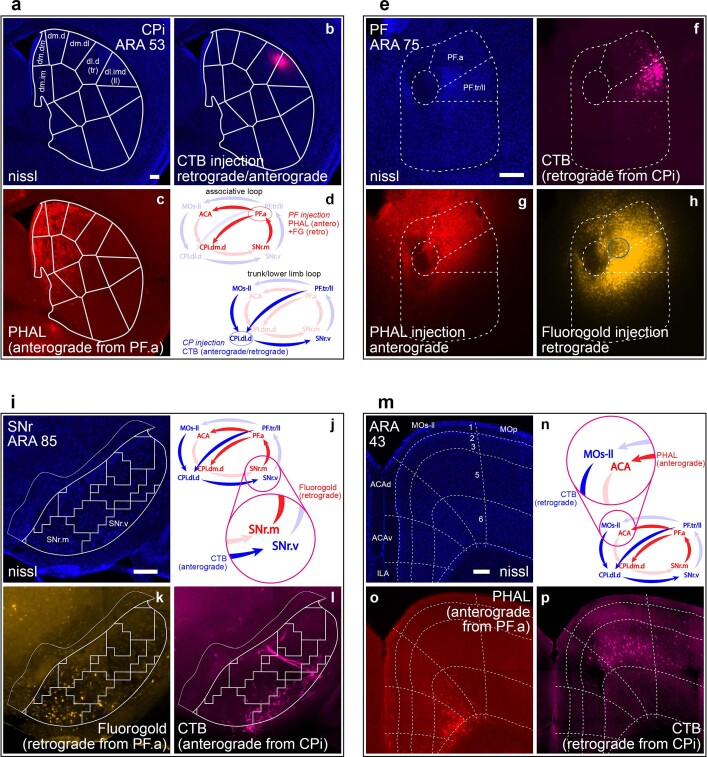
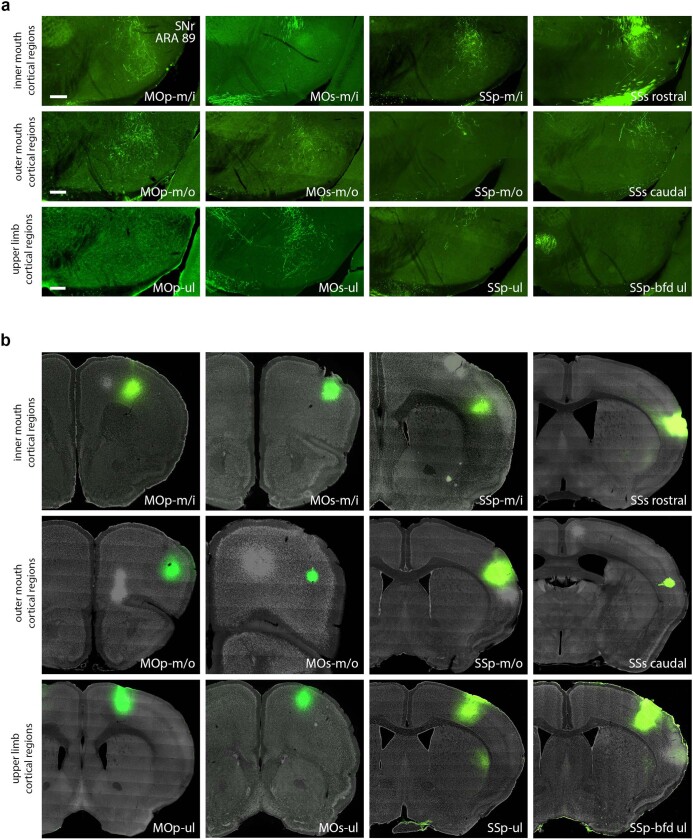
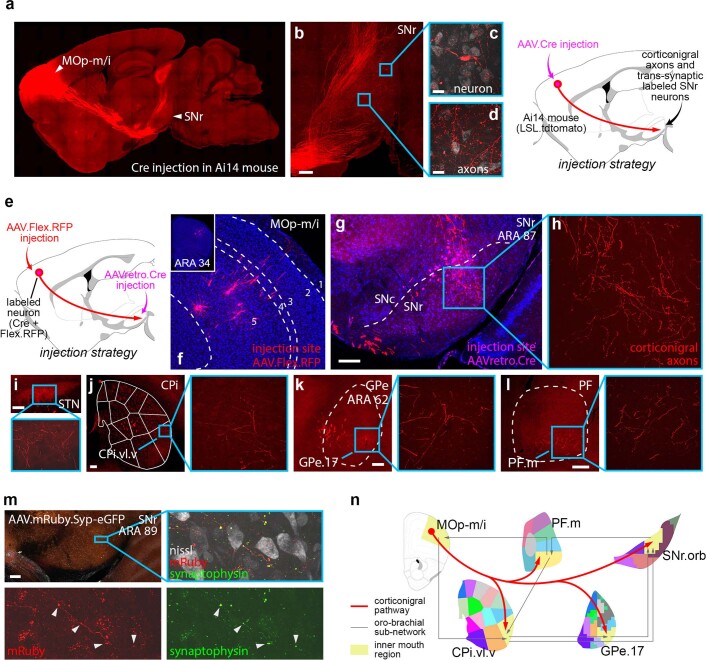
The cortico–basal ganglia–thalamo–cortical loop is one of the fundamental network motifs in the brain. Revealing its structural and functional organization is critical to understanding cognition, sensorimotor behaviour, and the natural history of many neurological and neuropsychiatric disorders. Classically, this network is conceptualized to contain three information channels: motor, limbic and associative 1–4 . Yet this three-channel view cannot explain the myriad functions of the basal ganglia. We previously subdivided the dorsal striatum into 29 functional domains on the basis of the topography of inputs from the entire cortex 5 . Here we map the multi-synaptic output pathways of these striatal domains through the globus pallidus external part (GPe), substantia nigra reticular part (SNr), thalamic nuclei and cortex. Accordingly, we identify 14 SNr and 36 GPe domains and a direct cortico-SNr projection. The striatonigral direct pathway displays a greater convergence of striatal inputs than the more parallel striatopallidal indirect pathway, although direct and indirect pathways originating from the same striatal domain ultimately converge onto the same postsynaptic SNr neurons. Following the SNr outputs, we delineate six domains in the parafascicular and ventromedial thalamic nuclei. Subsequently, we identify six parallel cortico–basal ganglia–thalamic subnetworks that sequentially transduce specific subsets of cortical information through every elemental node of the cortico–basal ganglia–thalamic loop. Thalamic domains relay this output back to the originating corticostriatal neurons of each subnetwork in a bona fide closed loop.
Overview
The claims and statistics of this paper haven’t been checked yet.
Free: it reads the open-access text and checks the first 5 claims that cite a source we can check. Create a free account to check every claim.
Integrity signals
Registry
Cites
Statistics
Figures
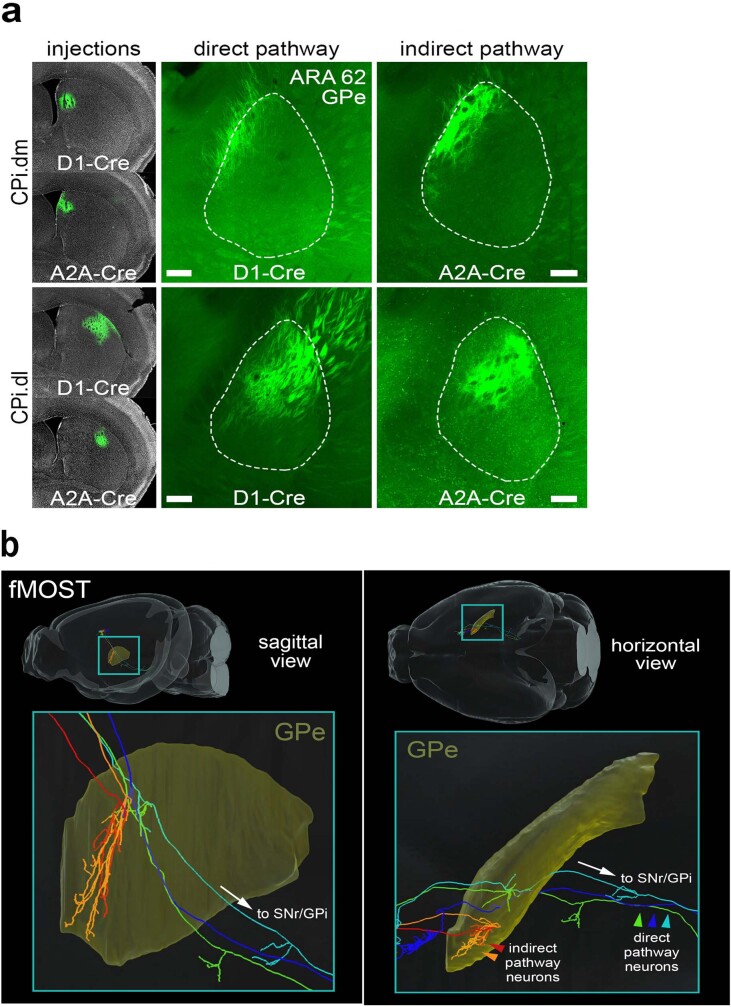
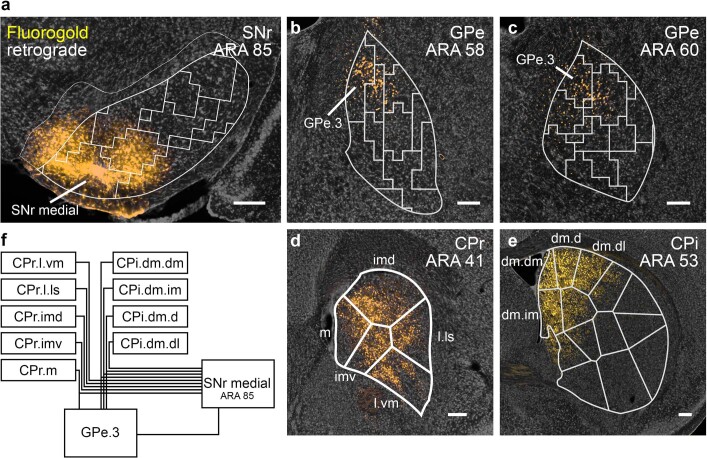
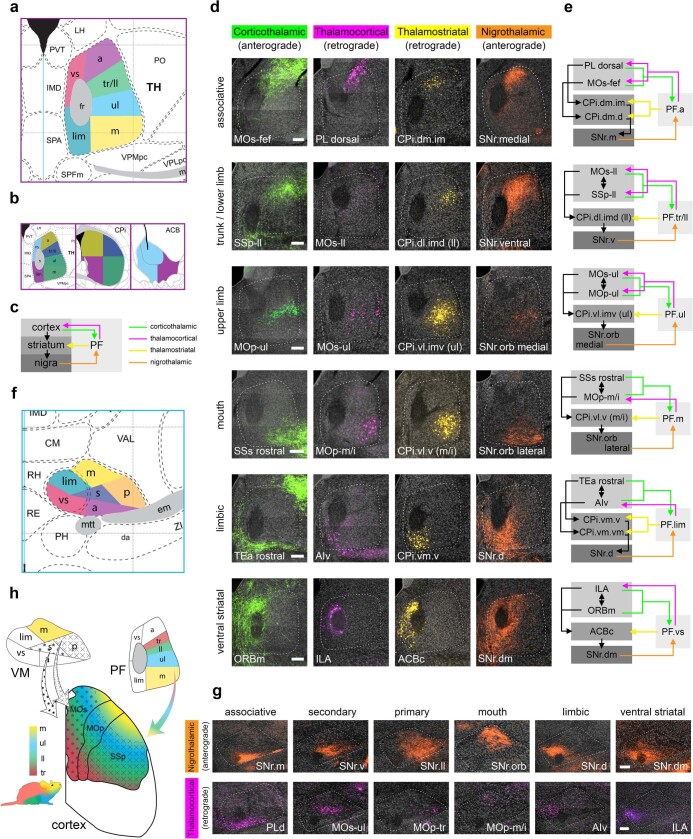
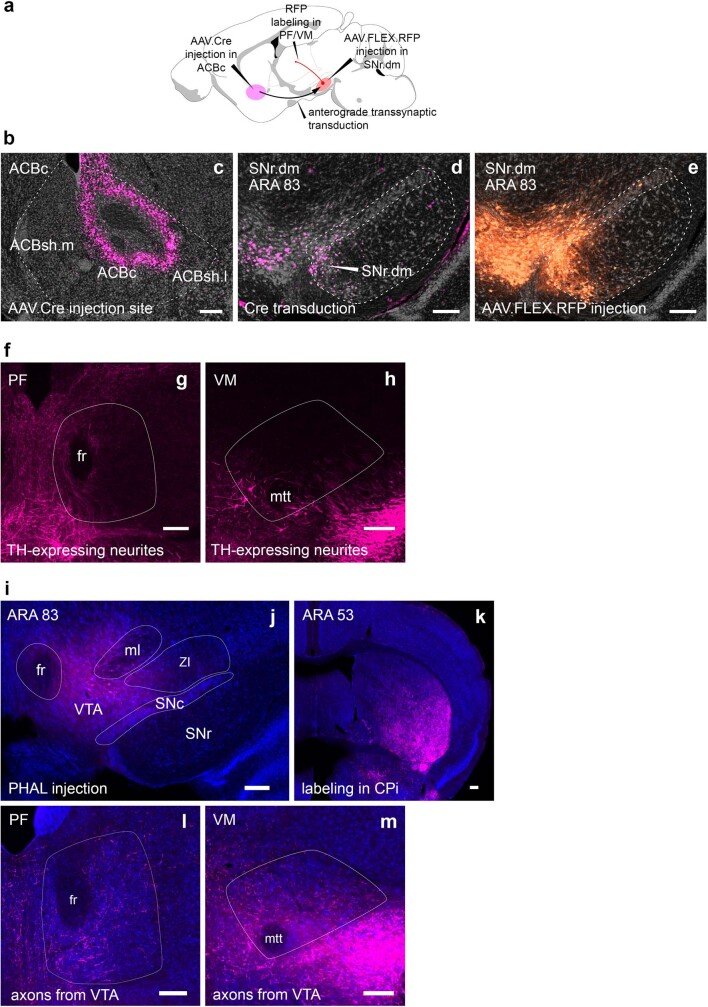
Verification
Claims the paper makes
The claims and statistics of this paper haven’t been checked yet.
Free: it reads the open-access text and checks the first 5 claims that cite a source we can check. Create a free account to check every claim.
Claims other papers make about this one
Each is checked against this paper’s own text: does it say what the citing paper says it does?
The cited source says what the claim attributes to it.
In the citing paper
“The brain is rich in partially segregated, directed cycles, such as those originating in cortical areas, sequentially reaching stations in the basal ganglia and thalamus, and cycling back to cortex [48, 49].”
From Integrated information theory (IIT) 4.0: Formulating the properties of phenomenal existence in physical terms (2023) · cites this paper as [49]
The cited source says what the claim attributes to it.
In the citing paper
“However, recent histological analyses revealed distinct projections to striatal regions from each cortical region59,60 suggesting that these histologically separated pathways have distinct functions.”
From Dissociable roles of prefrontal plasticity in decision-making strategy and execution of habitual behavior (2026) · cites this paper as [59]
In the citing paper
“Previous studies have shown that these subregions project to different brainstem areas, such as the inferior colliculus and medial superior colliculus40,41.”
From Dopamine dynamics as a regulatory mechanism for shifting between defensive and reward-seeking behaviors (2026) · cites this paper as [40]
Self-check
Percentages, sums and reported differences re-computed from the paper’s own numbers.
The self-check needs the paper’s full text.
Citations
Cites
Fast unfolding of communities in large networks
Blondel, V. D., Guillaume, J.-L., Lambiotte, R., & Lefebvre, E. (2008) · Journal of Statistical Mechanics: Theory and Experiment · doi:10.1088/1742-5468/2008/10/p10008 · Cited by 21,424
Parallel organization of functionally segregated circuits linking basal ganglia and cortex
Alexander, G. E., DeLong, M. R., & Strick, P. L. (1986) · Annual Review of Neuroscience · doi:10.1146/annurev.ne.09.030186.002041 · Cited by 8,527
The functional anatomy of basal ganglia disorders
Albin, R. L., Young, A. B., & Penney, J. B. (1989) · Trends in Neurosciences · doi:10.1016/0166-2236(89)90074-x · Cited by 5,353
Neurobiology of addiction: a neurocircuitry analysis
Koob, G. F., & Volkow, N. D. (2016) · The Lancet Psychiatry · doi:10.1016/s2215-0366(16)00104-8 · Cited by 3,698
Frequency Dependence of Signal Power and Spatial Reach of the Local Field Potential
Leski, S., Lindén, H., Tetzlaff, T., Pettersen, K. H., & Einevoll, G. T. (2013) · PubMed · doi:10.18154/rwth-conv-084442 · Cited by 3,639
Nestler, E. J., Barrot, M., DiLeone, R. J., Eisch, A. J., Gold, S. J., & Monteggia, L. M. (2002) · Neuron · doi:10.1016/s0896-6273(02)00653-0 · Cited by 3,217
Alexander, G. E., Crutcher, M. D., & DeLong, M. R. (1990) · PubMed · Cited by 2,731
A mesoscale connectome of the mouse brain
Oh, S. W., Harris, J. A., Ng, L., Winslow, B., Cain, N., Mihalas, S., Wang, Q., Lau, C., Kuan, L., Henry, A. M., et al. (2014) · Nature · doi:10.1038/nature13186 · Cited by 2,612 · cited 1×
“The basal ganglia is a collection of interconnected cerebral nuclei that receive major projections from all parts of the cortex (Oh et al. 2014, Hintiryan, Foster et al. 2016; Hunnicutt et al. 2016), making it the chief subcortical array for processing cortical information.”
BackgroundThe role of the basal ganglia in habit formation
Yin, H. H., & Knowlton, B. J. (2006) · Nature Reviews Neuroscience · doi:10.1038/nrn1919 · Cited by 2,402
Neurodegenerative Diseases Target Large-Scale Human Brain Networks
Seeley, W. W., Crawford, R. K., Zhou, J., Miller, B. L., & Greicius, M. D. (2009) · Neuron · doi:10.1016/j.neuron.2009.03.024 · Cited by 2,350
Cited by
Items 301–347 of 347
Li, Y.-Y. N., Li, F., Zhang, M., & Li, Y.-Q. (2025) · Journal of Integrative Neuroscience · doi:10.31083/jin47187
Fan, W. (n.d.) · PolyU Institutional Research Archive (Hong Kong Polytechnic University)
Dopaminergic regulation of basal ganglia synaptic transmission
Molinari, M. (2026) · doi:10.69622/30801566
Nguyen, C. L. (2024) · TSpace (University of Toronto)
Serranilla, M. (2023) · TSpace (University of Toronto)
Neurons embedded in loop‐like motifs act as central hubs for brain‐wide integration
Londei, F., Arena, G., Ferrucci, L., Siano, F., Marcos, E., Ceccarelli, F., & Genovesio, A. (2026) · The Journal of Physiology · doi:10.1113/jp289827
Basal ganglia output dynamically controls skilled forelimb kinematics in real timePreprint
Ruan, S., & Yin, H. H. (2026) · bioRxiv (Cold Spring Harbor Laboratory) · doi:10.64898/2026.03.09.710687
Luo, D., Shen, D., Ran, J., Luo, H., Zhang, J., Tang, Q., Lai, M., Xu, J., & Li, J. (2026) · Translational Psychiatry · doi:10.1038/s41398-026-03958-y
Thalamo-insular pathway regulates tic generation via motor-limbic crosstalkPreprint
Kuno, H., Tsuji, N., Kobayashi, K., Takumi, T., & Tachibana, Y. (2025) · bioRxiv (Cold Spring Harbor Laboratory) · doi:10.1101/2025.08.24.672034
Spatio-temporal contribution of Dopamine in the execution of Goal-directed movement in rats
Gauthier, S. (2022) · theses.fr (ABES) · doi:10.70675/2e9049f3z7a59z4660z8820z667ebc97130e
Network dynamic of basal ganglia circuits in normal and parkinsonian conditions
Guilhemsang, L. (2022) · theses.fr (ABES) · doi:10.70675/5aef585bz9e13z4c2azb362z88cbd3805666
Lousada, E. L. R. D. S. (2023) · theses.fr (ABES) · doi:10.70675/23797e5dz9c89z49a2zafdaz58cbefdf74fa
Horizontally tiled network of cortico-basal ganglia-like modules performs reinforcement learning
Hirokane, K., Takehara, R., Kita, T., Onoi, S., Matsushita, S., & Kitsukawa, T. (2026) · Scientific Reports · doi:10.1038/s41598-026-45153-5
Understanding Neuronal Synchronisation in High-Dimensions
Pinkney, C. (2026) · Lancaster EPrints (Lancaster University) · doi:10.17635/lancaster/thesis/3202
Cai, L., Zhang, Y., Ding, Q., Wang, X., Sun, P., Zeng, S., & Quan, T. (2026) · Brain Informatics · doi:10.1186/s40708-026-00298-x · Cited by 1
Intralaminar thalamus relays basal ganglia output to the insular cortex to drive tic generation
Kuno, H., Tsuji, N., Kobayashi, K., Takumi, T., & Tachibana, Y. (2026) · Cell Reports · doi:10.1016/j.celrep.2026.117272
Xu, H. X., Nanda, S., Sun, J., Rudd, M., Gou, L., Marks, H. L., Williams, C. K., Magaki, S., Vinters, H. V., Hintiryan, H., et al. (2026) · Acta Neuropathologica Communications · doi:10.1186/s40478-026-02317-8
Self-citationCommunication in the Depressed Brain
Sunzeri, F. (2026) · Springer eBooks · doi:10.1007/978-3-032-14465-2_7
Zhang, Z., Ding, Y., Vu, M.-A. T., Mroz, L., Tong, Y., & Howe, M. W. (2026) · bioRxiv (Cold Spring Harbor Laboratory) · doi:10.64898/2026.06.04.730000
Parallel Opposing GABAergic Pallidothalamic PathwaysPreprint
Chang, I. Y. M., & Paz, J. T. (2026) · bioRxiv (Cold Spring Harbor Laboratory) · doi:10.64898/2026.06.08.730902
The parafascicular thalamus steers attention to facilitate learningPreprint
Kuper, L. C., Rohlf, L. M., Wolff, A. R., & Saunders, B. T. (2026) · bioRxiv (Cold Spring Harbor Laboratory) · doi:10.64898/2026.06.18.733204
Li, B., Jiang, C., Liu, Y., Yang, Z., Yao, A., Zhang, X., Liu, Y., Xie, H., Hollunder, B., Strange, B. A., et al. (2026) · medRxiv · doi:10.64898/2026.06.17.26355856
Peng, Y., Ye, J.-R., Wang, H., Wang, S., Wang, W., Yan, X., Chu, S., Zheng, R., Zhang, Z., & Chen, N. (2026) · Journal of Advanced Research · doi:10.1016/j.jare.2026.06.026
Complementary δ2-protocadherin expression delineates parallel basal ganglia circuits in primates
Hoshina, N., Hoshina, M., Yamamoto, T., & Takada, M. (2026) · iScience · doi:10.1016/j.isci.2026.116598
Mysliveček, J., Bačová, Z., Janisova, K., & Bakoš, J. (2026) · Reviews in the Neurosciences · doi:10.1515/revneuro-2026-0039
Wang, J., Tu, X.-Y., Liang, J.-X., Sun, J., Xu, W., Wang, Y., Yi, X., Wu, Y., Li, X.-N., Liu, Y.-X., et al. (2026) · bioRxiv (Cold Spring Harbor Laboratory) · doi:10.64898/2026.07.22.740223
Self-citationBrain-Wide Connectivity of GLP1R Neurons in the Thalamic Reticular Nucleus
Zhang, X., Zhu, S., Lan, J., Duan, S., Han, Y., & Shi, P. (2026) · Journal of Integrative Neuroscience · doi:10.31083/jin52117
Mapping basal ganglia circuitry in altered states of consciousness: from pathology to pharmacology
Szocs, D., Luppi, A. I., Coppola, P., Ram, A., Williams, G. B., Allanson, J., Pickard, J. D., Owen, A. M., Naçi, L., Menon, D. K., et al. (2026) · Brain · doi:10.1093/brain/awag272
Carter, C. A., Weaver, M. T., Pudipeddi, S. S., Llorach, P., Walsh, J. J., & Christoffel, D. J. (2026) · Neuropsychopharmacology · doi:10.1038/s41386-026-02530-y
Striatal Dopamine Binding during Punishment Learning
Lin, B. (2026) · UNSWorks (UNSW Sydney) · doi:10.26190/unsworks/32658
Dorsomedial striatal neurons encode visual features
Perez-Becerra, J., Velazquez-Contreras, R., Téllez, L. A., & Carrillo‐Reid, L. (2026) · Cell Reports · doi:10.1016/j.celrep.2026.117958
Depolarization block in substantia nigra pars reticulata neurons drives dystonia in a mouse modelPreprint
Barnhill, O., romo, K., & Nelson, A. (2026) · bioRxiv (Cold Spring Harbor Laboratory) · doi:10.64898/2026.09.15.751818
Pallidal Modulation of Thalamic Activity in Motor Function
Chang, I. Y. M. (2026) · eScholarship (California Digital Library)
Nicollin, E., Deffains, M., Mallet, N. P., & Leblois, A. (2026) · bioRxiv (Cold Spring Harbor Laboratory) · doi:10.64898/2026.09.24.753820
Ying, Y.-C., Dong, Y.-Y., Chen, G.-Y., Wang, X., Qian, F. A. N., Wu, X.-C., & Yue-lai, C. (2026) · Frontiers in Aging Neuroscience · doi:10.3389/fnagi.2026.1968826
Huang, C., Chen, W.-S., Lai, J.-R., Cho, C.-H., Sung, Y.-T., Chang, C.-T., & Lin, C.-W. (2026) · Frontiers in Computational Neuroscience · doi:10.3389/fncom.2026.1950516
Hyperexcitable primary somatosensory cortex in the MitoPark mouse model of Parkinson’s diseasePreprint
Zhang, R., 祁若荣, & Emanuel, A. J. (2026) · bioRxiv (Cold Spring Harbor Laboratory) · doi:10.64898/2026.09.29.755142
Bertero, A., Apicella, G., & Apicella, A. J. (2026) · Progress in Neurobiology · doi:10.1016/j.pneurobio.2026.102958
Moreno-Ramos, O. A., Raj, D. D. A., Vigotsky, A. D., Schonfeld, E., Phelan, E., Singh, A., Jenkins, J. C., Kim, L., Gaertner, Z. A., Bolduc, C., et al. (2026) · bioRxiv (Cold Spring Harbor Laboratory) · doi:10.64898/2026.10.21.760539
The cortico-basal ganglia–thalamic network: a connectomic framework
Dong, H., Foster, N. N., & Hintiryan, H. (2026) · Nature reviews. Neuroscience · doi:10.1038/s41583-026-01093-7
Self-citationSpatial organization of heterogeneities in the striatum
Tataryn, M., Komi, S., Morita, K., Berg, R. W., & Kumar, A. (2026) · Neuroscience & Biobehavioral Reviews · doi:10.1016/j.neubiorev.2026.107069
Alonso-Martínez, C., Rubio-Teves, M., Porrero, C., & Clascá, F. (2023) · doi:10.3389/fnana.2023.1242839.s001
Ogata, K., Kadono, F., Hirai, Y., Inoue, K.-I., Takada, M., Karube, F., & Fujiyama, F. (2022) · doi:10.3389/fnana.2022.809446.s001
Supporting information 1 of Ventral pallidal regulation of motivated behaviors and reinforcement
Soares-Cunha, C., & Heinsbroek, J. A. (2023) · doi:10.3389/fncir.2023.1086053.s001
Metadata
- Authors
- Foster, N. N., Barry, J., Korobkova, L., Garcia, L., Gao, L., Becerra, M., Sherafat, Y., Peng, B., Li, X., Choi, J.-H., Gou, L., Zingg, B., Azam, S., Lo, D., Khanjani, N., Zhang, B., Stanis, J., Bowman, I., Cotter, K., Cao, C., Yamashita, S., Tugangui, A., Li, A., Jiang, T., Jia, X., Feng, Z., Aquino, S., Mun, H.-S., Zhu, M., Santarelli, A., Benavidez, N. L., Song, M., Dan, G., Fayzullina, M., Ustrell, S., Boesen, T., Johnson, D. L., Xu, H., Bienkowski, M. S., Yang, X. W., Gong, H., Levine, M. S., Wickersham, I., Luo, Q., Hahn, J. D., Lim, B. K., Zhang, L. I., Cepeda, C., Hintiryan, H., & Dong, H.-W.
- Affiliations
- University of Southern California (US)
- University of California, Los Angeles (US)
- Wuhan National Laboratory for Optoelectronics (CN)
- University of California San Diego (US)
- Chinese Academy of Sciences (CN)
- Jiangsu Industry Technology Research Institute (CN)
- McGovern Institute for Brain Research (US)
- Hainan University (CN)
- Corresponding author
- Foster, Nicholas N.
- Dong, Hong-Wei
- ORCID
- Foster, Nicholas N.
- Korobkova, Laura
- Gao, Lei
- Sherafat, Yasmine
- Peng, Bo
- Li, Xiangning
- Choi, Jun-Hyeok
- Zingg, Brian
- Azam, Sana
- Lo, Darrick
- Zhang, Bin
- Bowman, Ian
- Cotter, Kaelan
- Li, Anan
- Jiang, Tao
- Jia, Xueyan
- Feng, Zhao
- Zhu, Muye
- Santarelli, Anthony
- Benavidez, Nora L.
- Song, Monica
- Fayzullina, Marina
- Johnson, David L.
- Bienkowski, Michael S.
- Yang, X. William
- Gong, Hui
- Levine, Michael S.
- Wickersham, Ian
- Luo, Qingming
- Hahn, Joel D.
- Lim, Byung Kook
- Zhang, Li I.
- Cepeda, Carlos
- Hintiryan, Houri
- Dong, Hong-Wei
- Venue
- Nature
- Published
- 2021-10-06
- Volume
- 598
- Issue
- 7879
- Pages
- 188-194
- ISSN
- 0028-0836 (ISSN-L)
- 1476-4687
- PMC
- PMC8494639
- OpenAlex
- W3203909927
- Semantic Scholar
- 19aebec4a8fc6d162bf50bd39fd55bd6289e8dc5
- Cited by
- 307
- References
- 133
- Citations by year
- 2026: 51 · 2025: 86 · 2024: 54 · 2023: 61 · 2022: 40 · 2021: 14
- FWCI
- 20.19
- Type
- journal article
- Language
- en
- Open access
- hybrid
- doi.org
- Licence
- cc-by
- creativecommons.org/licenses/by/4.0 (tdm)
- creativecommons.org/licenses/by/4.0 (vor)
- Locations
- Nature (publishedVersion, cc-by)
- bioRxiv (Cold Spring Harbor Laboratory) (acceptedVersion, cc-by-nc-nd)
- PubMed Central (publishedVersion, cc-by)
- PubMed (publishedVersion)
- RePEc: Research Papers in Economics (submittedVersion)
- eScholarship (California Digital Library) (submittedVersion, cc-by)
- Funders
- National Institutes of Health
- National Institute of Mental Health (U01MH116990, U19MH114821, U01MH117079, U19MH114831, R01MH094360, U01MH114829, RF1MH114112)
- National Institute on Deafness and Other Communication Disorders (R01DC008983)
- National Institute of Biomedical Imaging and Bioengineering (P41EB015922)
- Eunice Kennedy Shriver National Institute of Child Health and Human Development (P50HD103557, U54HD087101, P30HD004612)
- Topics
- Health Sciences › Medicine › Clinical Neurology › Deep Brain Stimulation and Movement Disorders
- Life Sciences › Neuroscience › Cellular and Molecular Neuroscience › Neuroscience and Neuropharmacology Research
- Life Sciences › Neuroscience › Cognitive Neuroscience › Memory and Neural Mechanisms
- Keywords
- basal ganglia, dorsal striatum, parafascicular thalamic nucleus, ventromedial thalamic nucleus, mouse brain
- MeSH terms
- Animals, Basal Ganglia, Cerebral Cortex, Male, Mice, Inbred C57BL, Neural Pathways, Neurons, Thalamus, Mice
About these checks
Registry, retraction, Cites and statistics results are computed, not judged, with one exception: a printed reference that no index lists is read once by a model before it counts as a citation error. Claims are extracted by a model and kept only when their quote appears verbatim in the text; each cited source is then checked, with a model’s help, for whether it says what the claim relies on. Those verdicts can be wrong — read the claim’s quote and the cited source before relying on one.
Statistics and arithmetic are recomputed, not judged.
Confidence bands are shown only for fields calibrated on our annotated test set. None is calibrated yet, so no band is shown.
What counts as a claim ›How we measure confidence ›How we check this ›
Are you an author, or do you see a problem with this page? Request a review
Data sources
Bibliographic data: Semantic Scholar, OpenAlex, Crossref.
Contains information from the Semantic Scholar Academic Graph Datasets, made available under the ODC Attribution License (ODC-BY 1.0).
Semantic Scholar’s data is described in: Kinney, R., et al. (2023). The Semantic Scholar Open Data Platform. arXiv:2301.10140.
