

The mouse cortico–basal ganglia–thalamic network
Open accessThe DOI matches its Crossref record; 132 of the 133 references it cites were found in a registry or an index.
Abstract
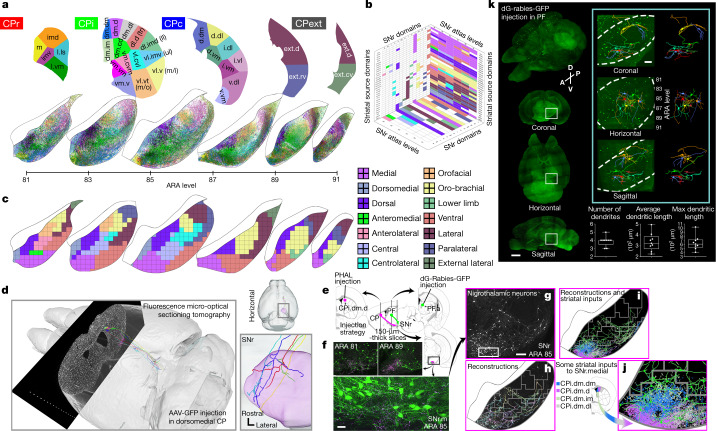
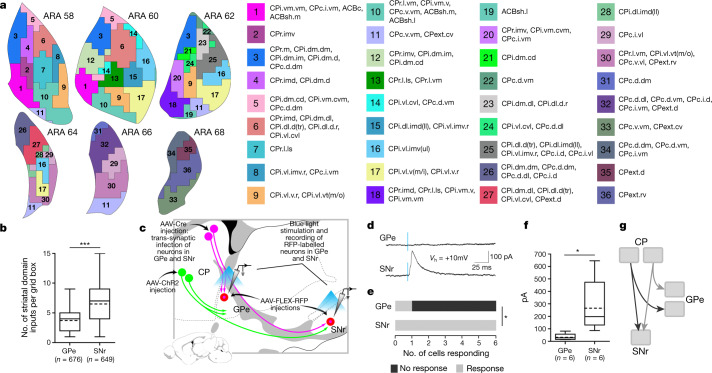
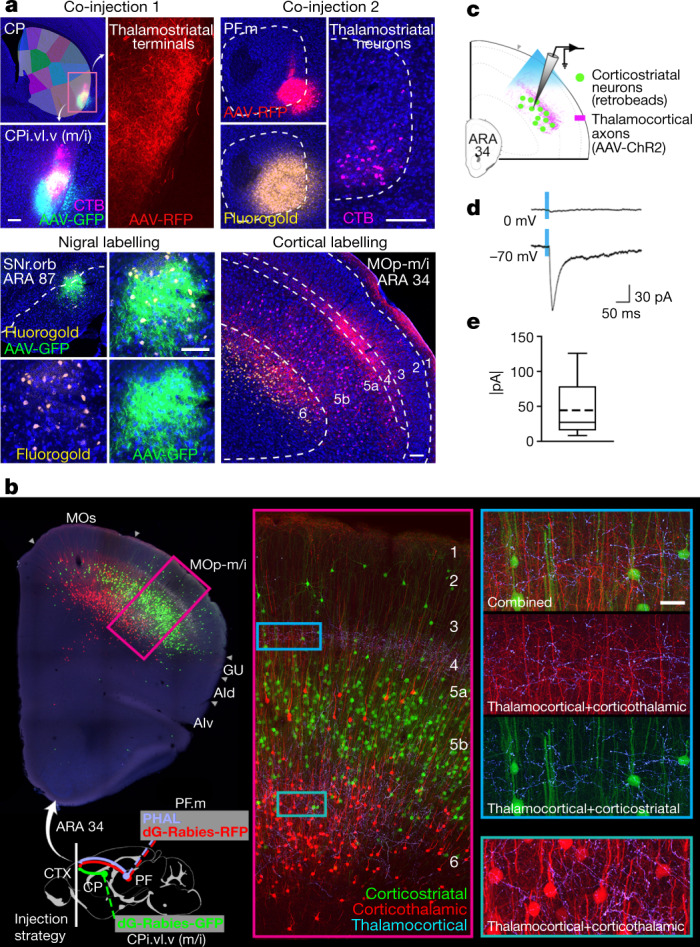
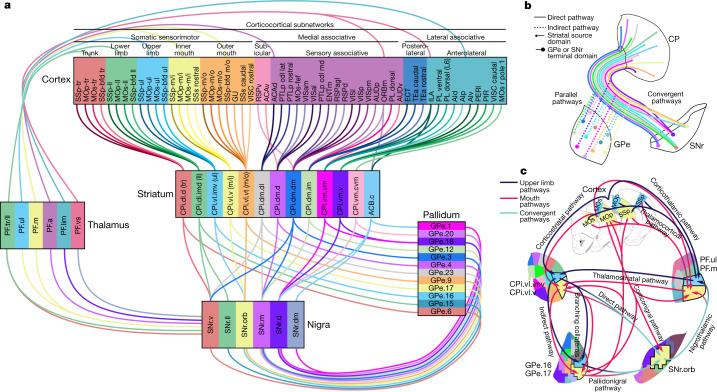
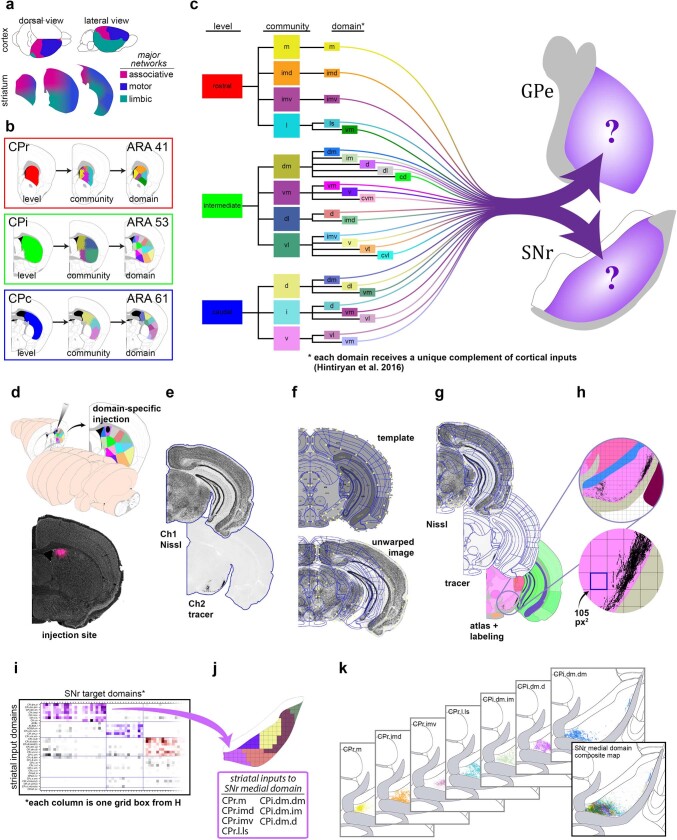
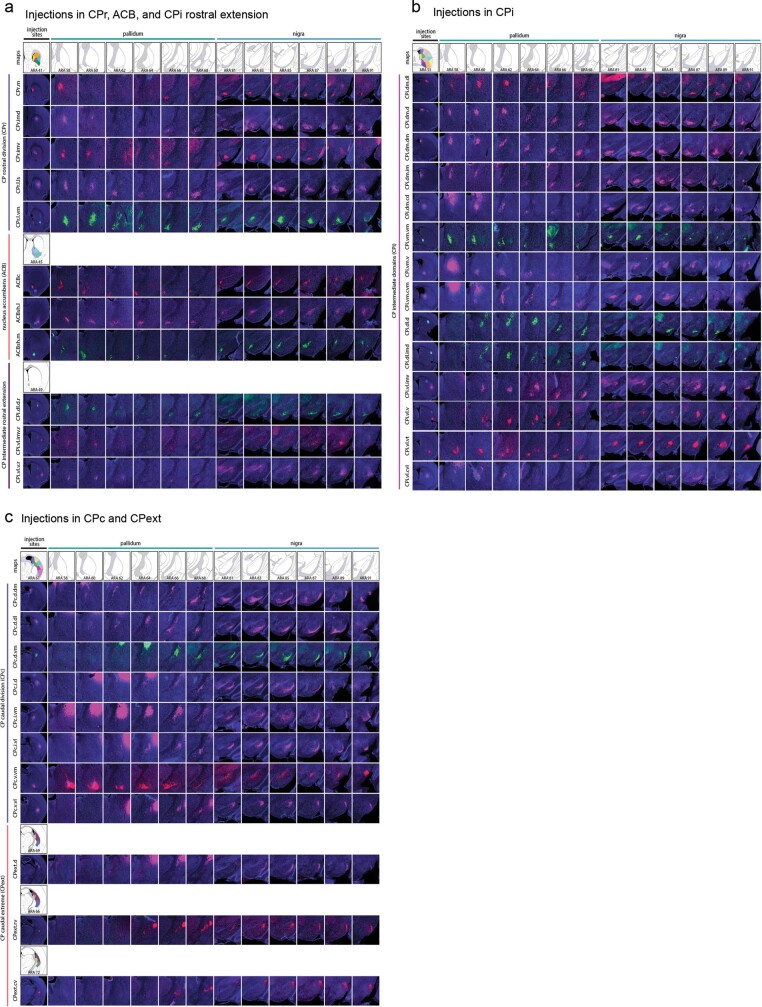
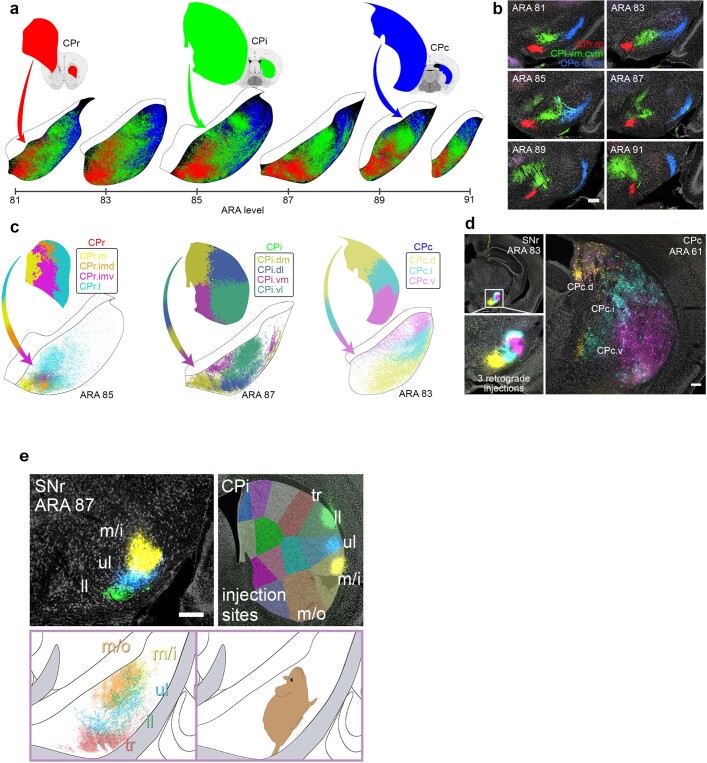
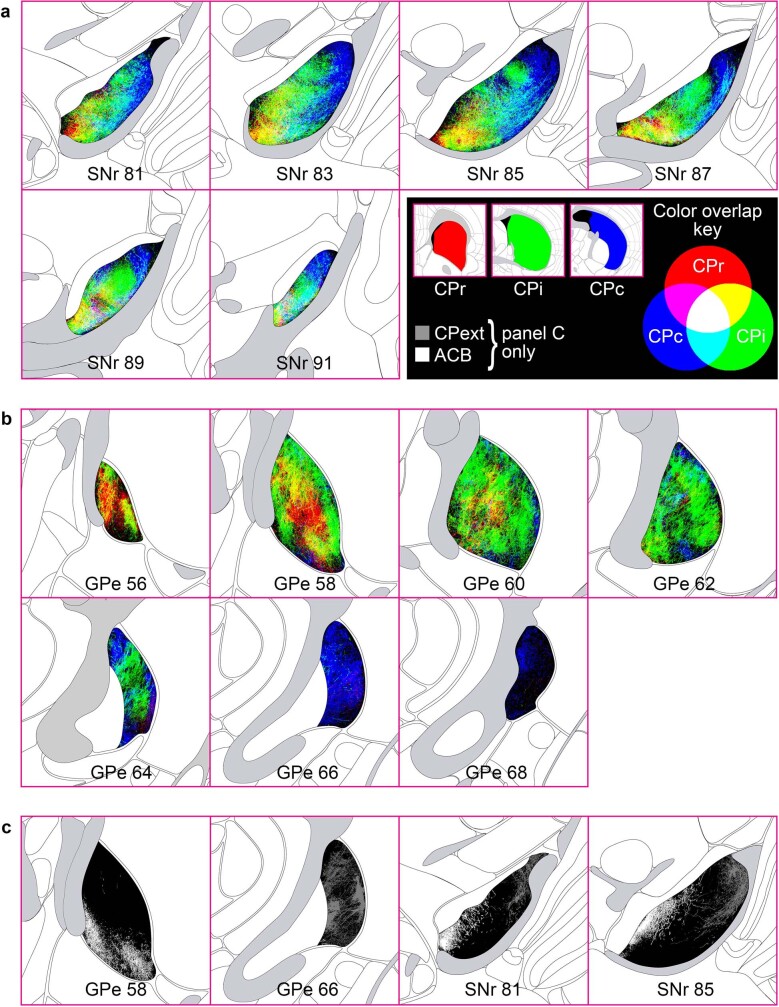
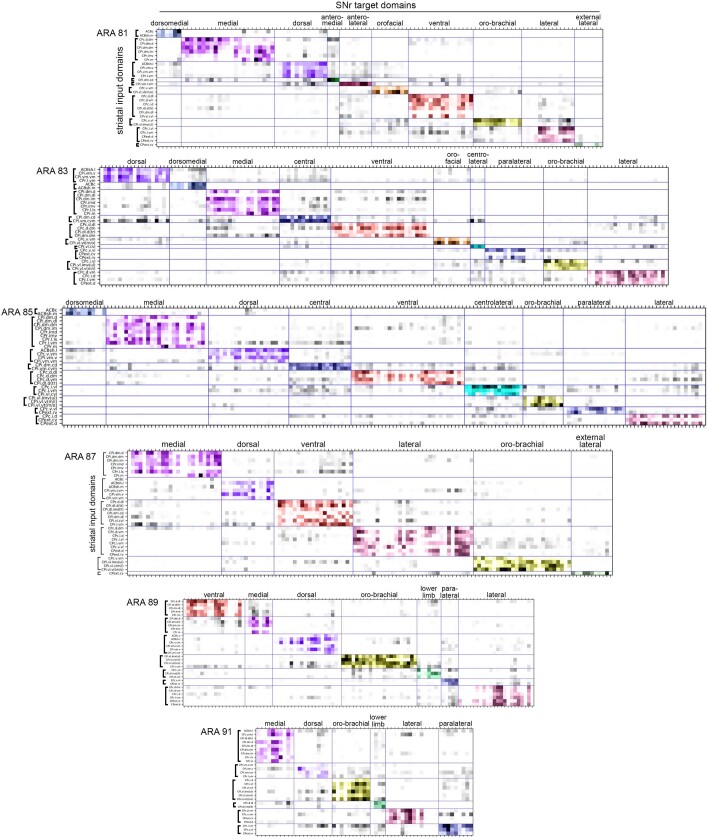
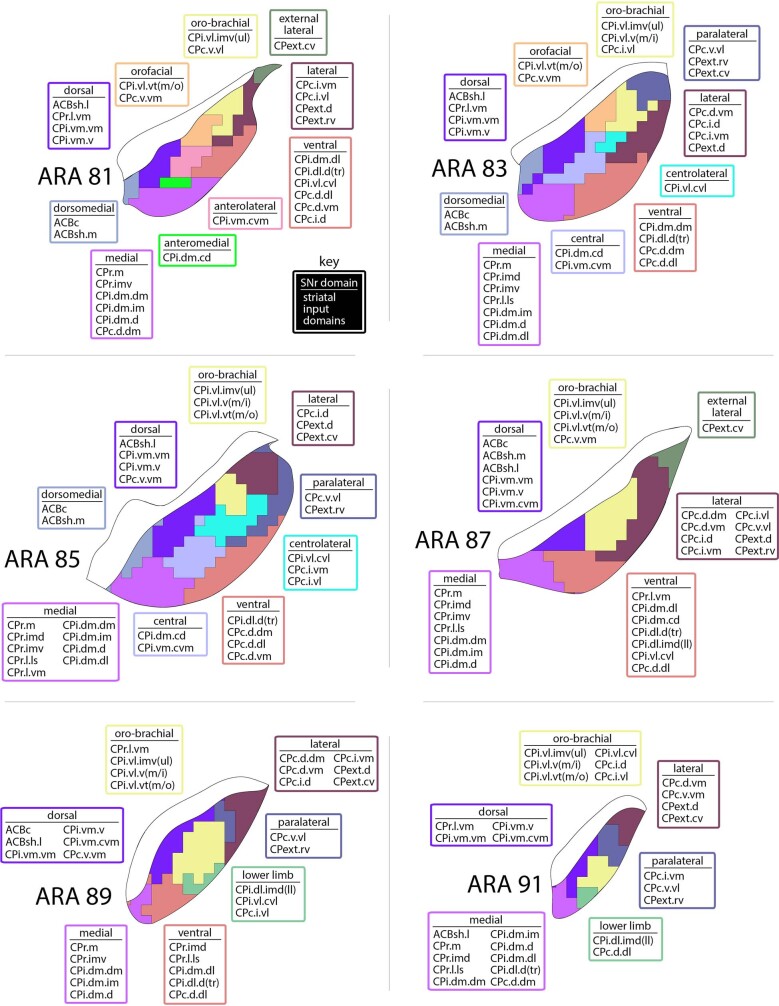
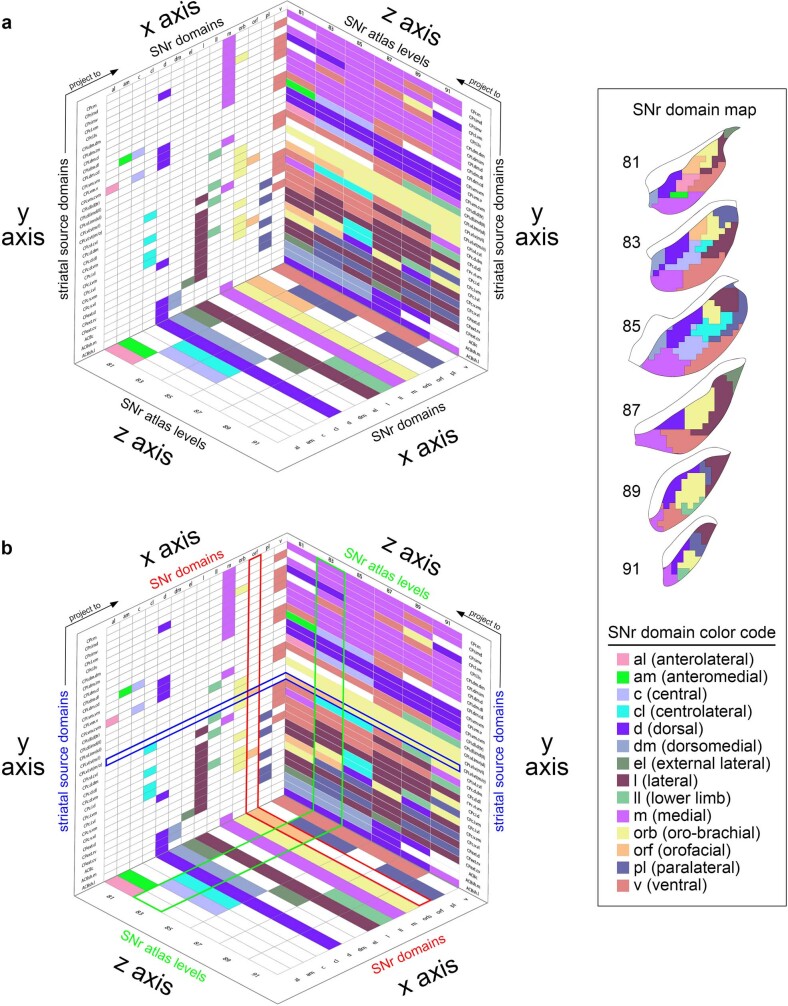
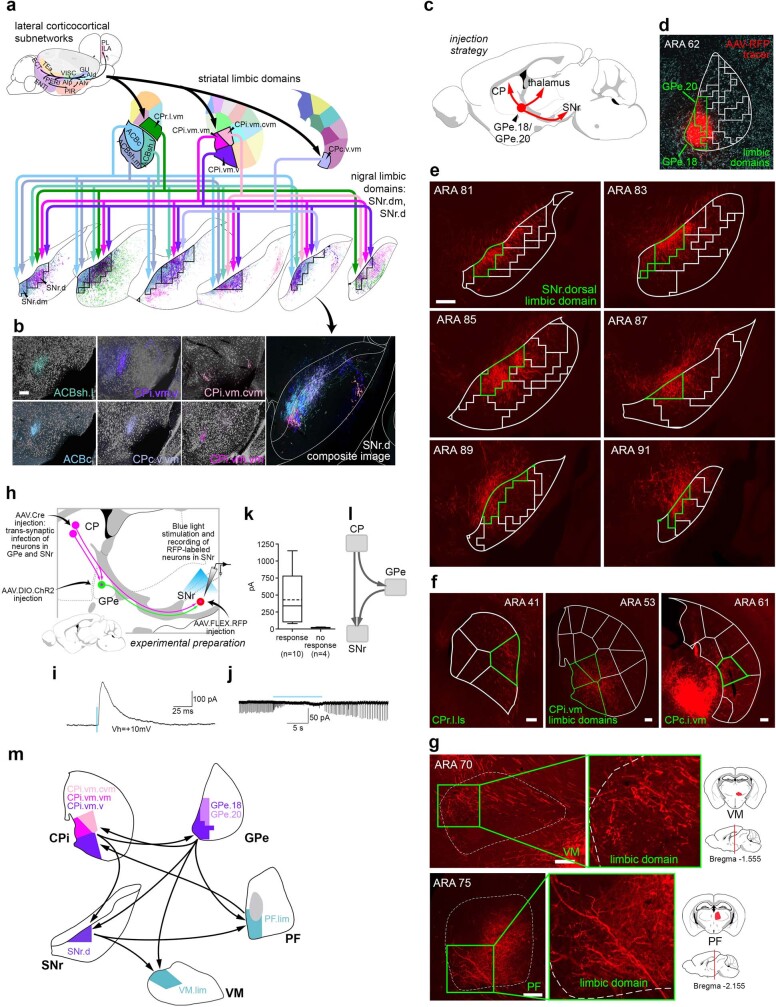
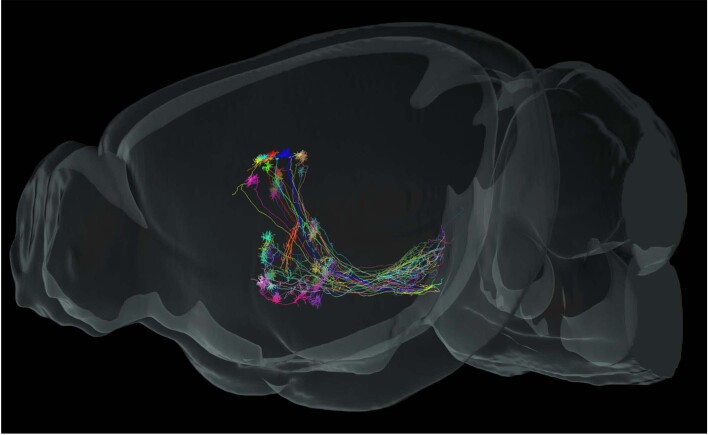
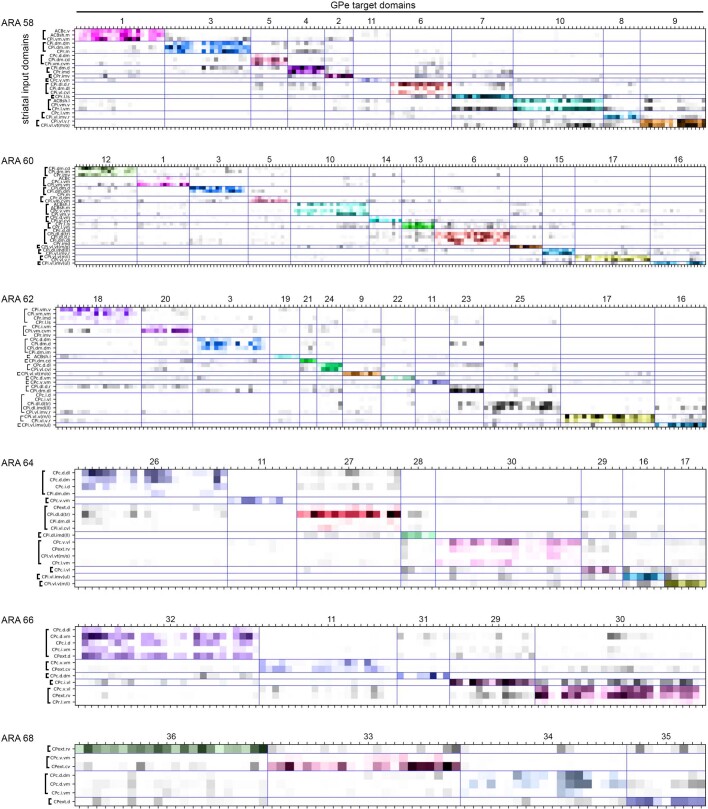
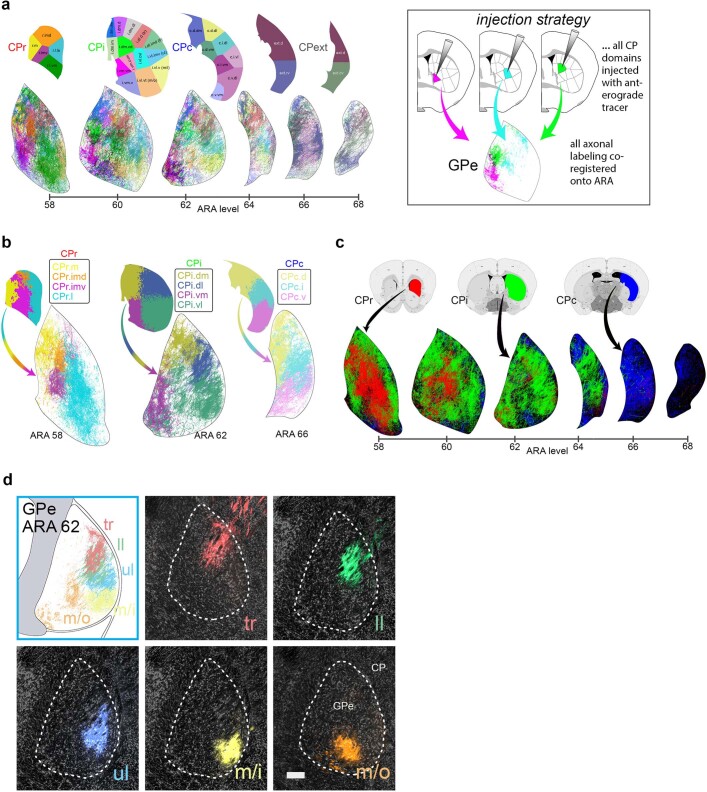
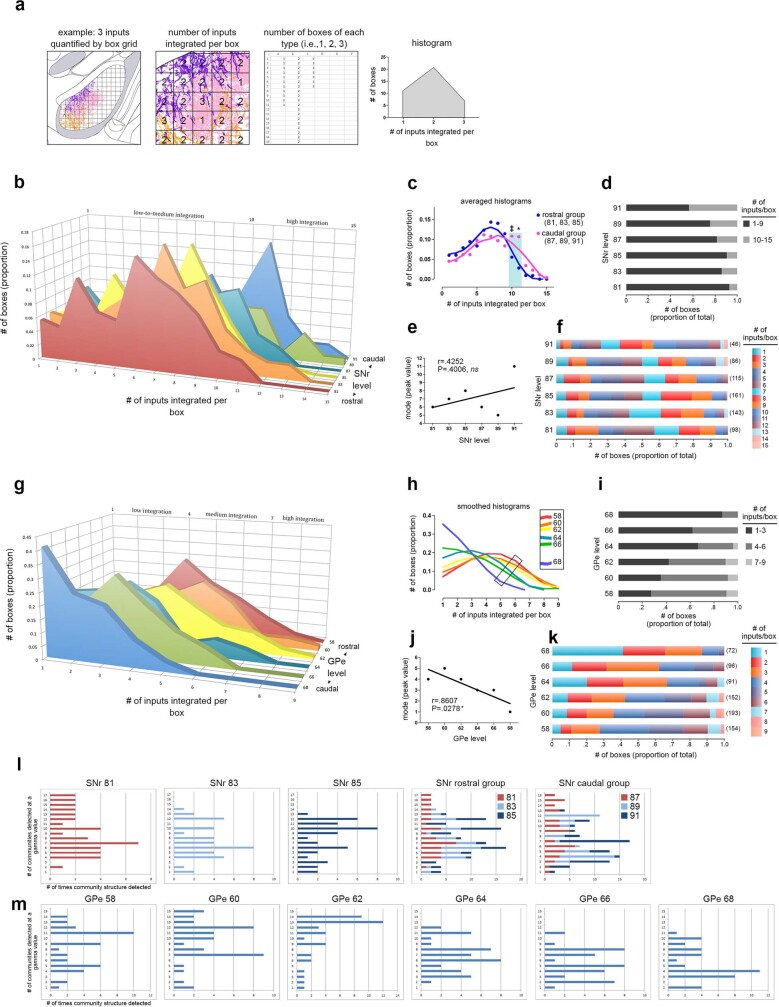
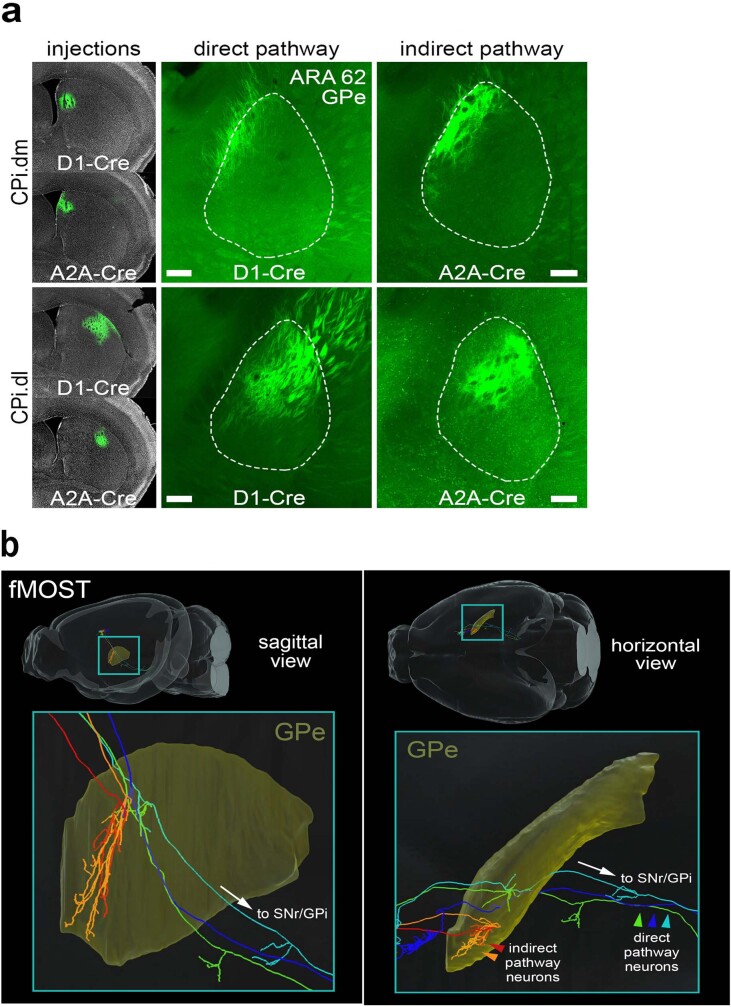
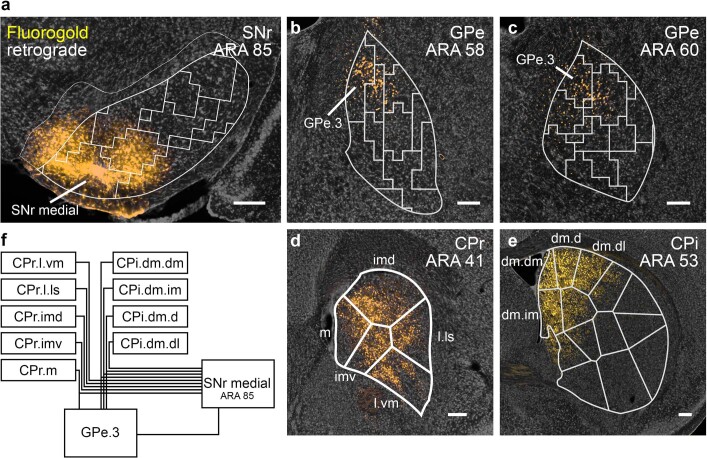
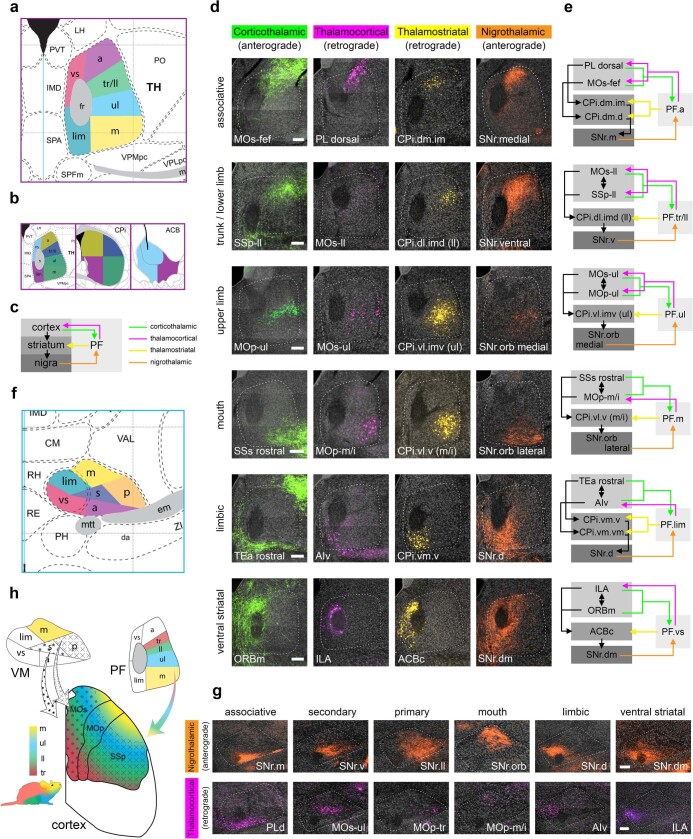
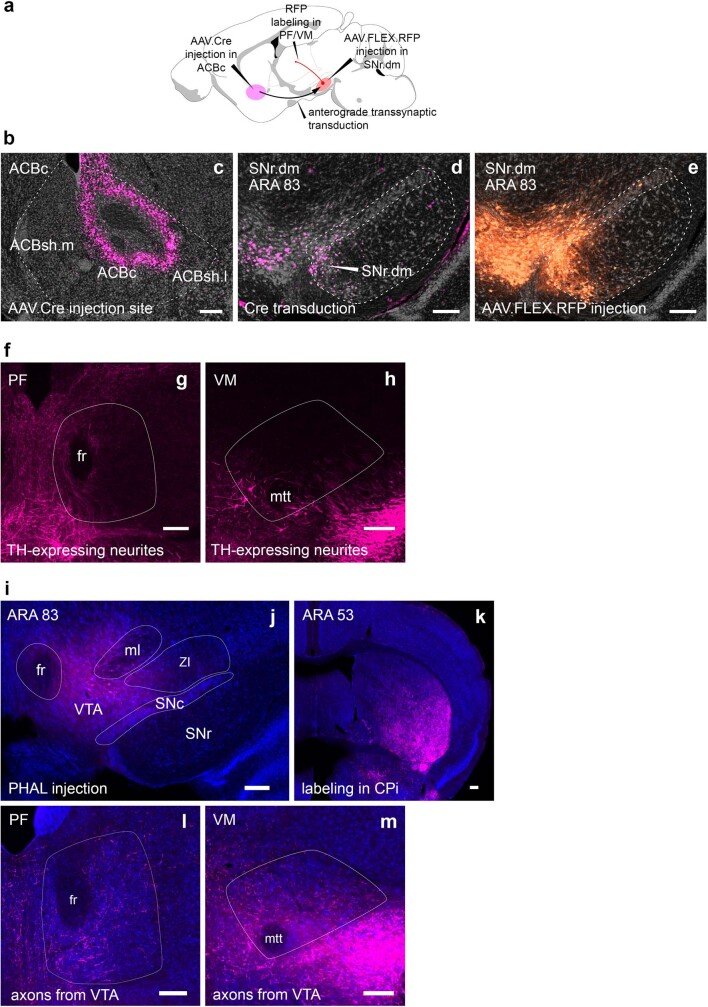
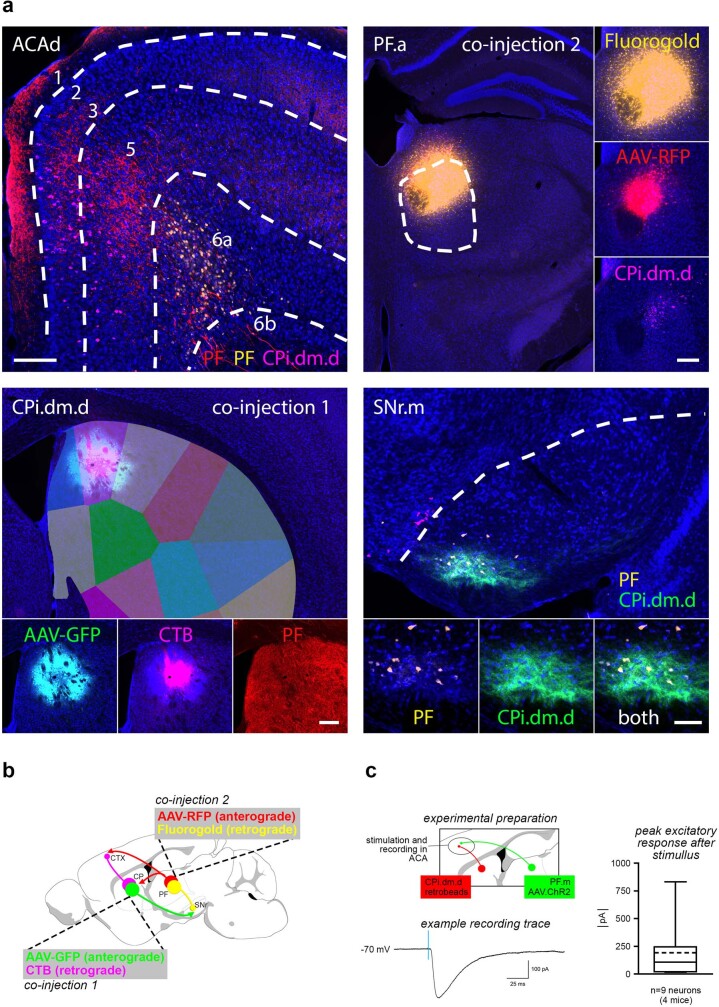
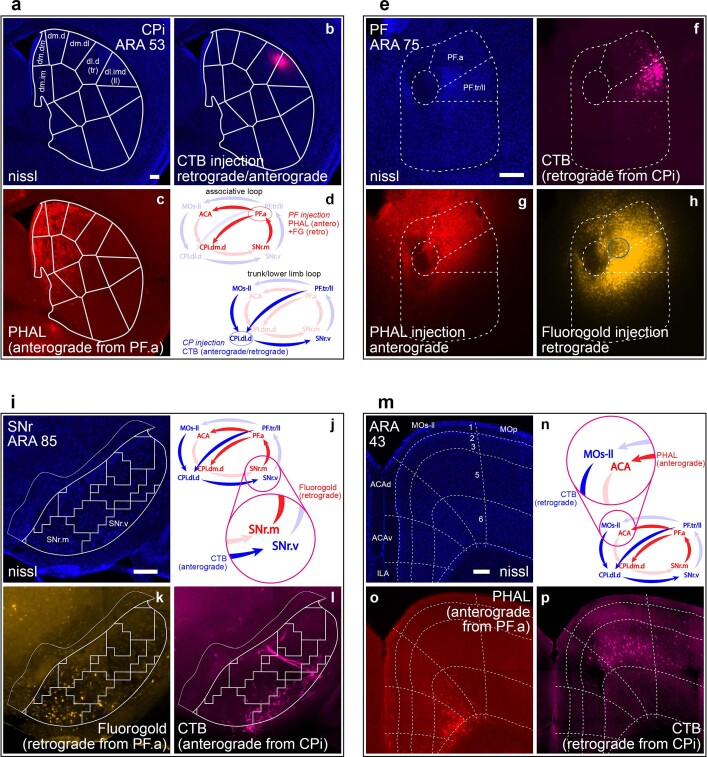
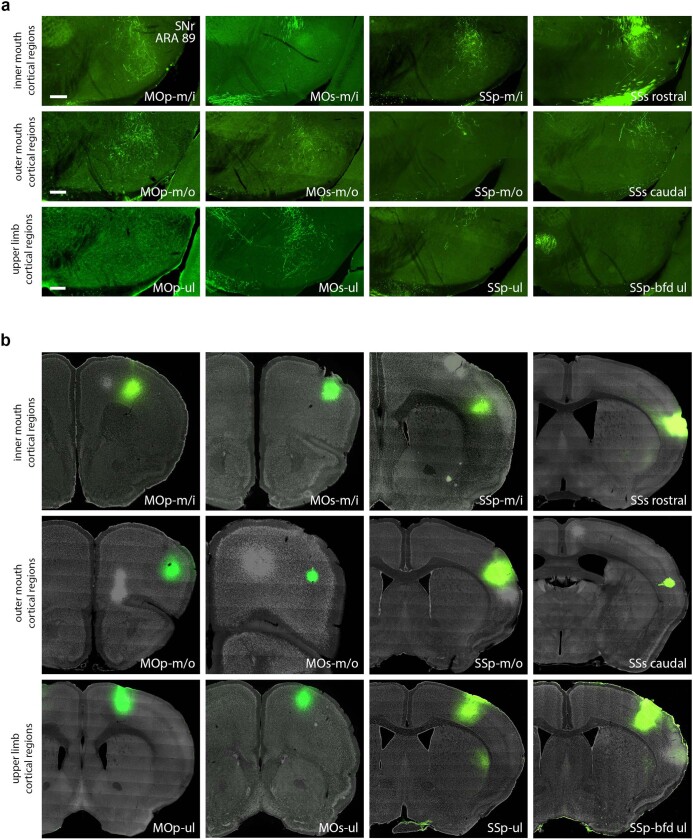
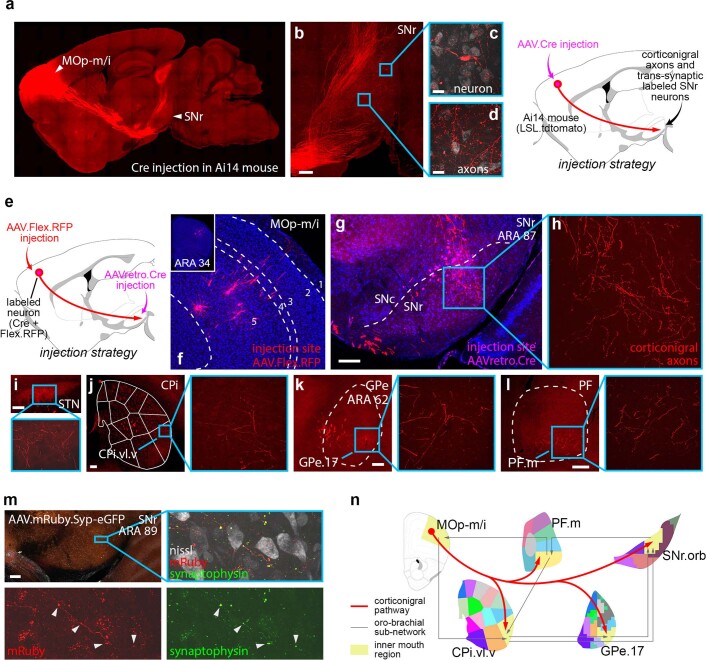
The cortico–basal ganglia–thalamo–cortical loop is one of the fundamental network motifs in the brain. Revealing its structural and functional organization is critical to understanding cognition, sensorimotor behaviour, and the natural history of many neurological and neuropsychiatric disorders. Classically, this network is conceptualized to contain three information channels: motor, limbic and associative 1–4 . Yet this three-channel view cannot explain the myriad functions of the basal ganglia. We previously subdivided the dorsal striatum into 29 functional domains on the basis of the topography of inputs from the entire cortex 5 . Here we map the multi-synaptic output pathways of these striatal domains through the globus pallidus external part (GPe), substantia nigra reticular part (SNr), thalamic nuclei and cortex. Accordingly, we identify 14 SNr and 36 GPe domains and a direct cortico-SNr projection. The striatonigral direct pathway displays a greater convergence of striatal inputs than the more parallel striatopallidal indirect pathway, although direct and indirect pathways originating from the same striatal domain ultimately converge onto the same postsynaptic SNr neurons. Following the SNr outputs, we delineate six domains in the parafascicular and ventromedial thalamic nuclei. Subsequently, we identify six parallel cortico–basal ganglia–thalamic subnetworks that sequentially transduce specific subsets of cortical information through every elemental node of the cortico–basal ganglia–thalamic loop. Thalamic domains relay this output back to the originating corticostriatal neurons of each subnetwork in a bona fide closed loop.
Overview
The claims and statistics of this paper haven’t been checked yet.
Free: it reads the open-access text and checks the first 5 claims that cite a source we can check. Create a free account to check every claim.
Integrity signals
Registry
Cites
Statistics
Figures
Verification
Claims the paper makes
The claims and statistics of this paper haven’t been checked yet.
Free: it reads the open-access text and checks the first 5 claims that cite a source we can check. Create a free account to check every claim.
Claims other papers make about this one
Each is checked against this paper’s own text: does it say what the citing paper says it does?
The cited source says what the claim attributes to it.
In the citing paper
“The brain is rich in partially segregated, directed cycles, such as those originating in cortical areas, sequentially reaching stations in the basal ganglia and thalamus, and cycling back to cortex [48, 49].”
From Integrated information theory (IIT) 4.0: Formulating the properties of phenomenal existence in physical terms (2023) · cites this paper as [49]
The cited source says what the claim attributes to it.
In the citing paper
“However, recent histological analyses revealed distinct projections to striatal regions from each cortical region59,60 suggesting that these histologically separated pathways have distinct functions.”
From Dissociable roles of prefrontal plasticity in decision-making strategy and execution of habitual behavior (2026) · cites this paper as [59]
In the citing paper
“Previous studies have shown that these subregions project to different brainstem areas, such as the inferior colliculus and medial superior colliculus40,41.”
From Dopamine dynamics as a regulatory mechanism for shifting between defensive and reward-seeking behaviors (2026) · cites this paper as [40]
Self-check
Percentages, sums and reported differences re-computed from the paper’s own numbers.
The self-check needs the paper’s full text.
Citations
Cites
Fast unfolding of communities in large networks
Blondel, V. D., Guillaume, J.-L., Lambiotte, R., & Lefebvre, E. (2008) · Journal of Statistical Mechanics: Theory and Experiment · doi:10.1088/1742-5468/2008/10/p10008 · Cited by 21,424
Parallel organization of functionally segregated circuits linking basal ganglia and cortex
Alexander, G. E., DeLong, M. R., & Strick, P. L. (1986) · Annual Review of Neuroscience · doi:10.1146/annurev.ne.09.030186.002041 · Cited by 8,527
The functional anatomy of basal ganglia disorders
Albin, R. L., Young, A. B., & Penney, J. B. (1989) · Trends in Neurosciences · doi:10.1016/0166-2236(89)90074-x · Cited by 5,353
Neurobiology of addiction: a neurocircuitry analysis
Koob, G. F., & Volkow, N. D. (2016) · The Lancet Psychiatry · doi:10.1016/s2215-0366(16)00104-8 · Cited by 3,698
Frequency Dependence of Signal Power and Spatial Reach of the Local Field Potential
Leski, S., Lindén, H., Tetzlaff, T., Pettersen, K. H., & Einevoll, G. T. (2013) · PubMed · doi:10.18154/rwth-conv-084442 · Cited by 3,639
Nestler, E. J., Barrot, M., DiLeone, R. J., Eisch, A. J., Gold, S. J., & Monteggia, L. M. (2002) · Neuron · doi:10.1016/s0896-6273(02)00653-0 · Cited by 3,217
Alexander, G. E., Crutcher, M. D., & DeLong, M. R. (1990) · PubMed · Cited by 2,731
A mesoscale connectome of the mouse brain
Oh, S. W., Harris, J. A., Ng, L., Winslow, B., Cain, N., Mihalas, S., Wang, Q., Lau, C., Kuan, L., Henry, A. M., et al. (2014) · Nature · doi:10.1038/nature13186 · Cited by 2,612 · cited 1×
“The basal ganglia is a collection of interconnected cerebral nuclei that receive major projections from all parts of the cortex (Oh et al. 2014, Hintiryan, Foster et al. 2016; Hunnicutt et al. 2016), making it the chief subcortical array for processing cortical information.”
BackgroundThe role of the basal ganglia in habit formation
Yin, H. H., & Knowlton, B. J. (2006) · Nature Reviews Neuroscience · doi:10.1038/nrn1919 · Cited by 2,402
Neurodegenerative Diseases Target Large-Scale Human Brain Networks
Seeley, W. W., Crawford, R. K., Zhou, J., Miller, B. L., & Greicius, M. D. (2009) · Neuron · doi:10.1016/j.neuron.2009.03.024 · Cited by 2,350
Functional anatomy of the basal ganglia. I. The cortico-basal ganglia-thalamo-cortical loop
Parent, A., & Hazrati, L.-N. (1995) · Brain Research Reviews · doi:10.1016/0165-0173(94)00007-c · Cited by 2,161
Balleine, B. W., & O'Doherty, J. P. (2010) · Neuropsychopharmacology · doi:10.1038/npp.2009.131 · Cited by 1,775
The connectomics of brain disorders
Fornito, A., Zalesky, A., & Breakspear, M. (2015) · Nature Reviews Neuroscience · doi:10.1038/nrn3901 · Cited by 1,734
The primate basal ganglia: Parallel and integrative networks
Haber, S. N. (2003) · Journal of Chemical Neuroanatomy · doi:10.1016/j.jchemneu.2003.10.003 · Cited by 1,479
Wiedenmann, B., & Franke, W. W. (1985) · Cell · doi:10.1016/s0092-8674(85)80082-9 · Cited by 1,428
Functional significance of the cortico-subthalamo-pallidal “hyperdirect” pathway
Nambu, A., Tokuno, H., & Takada, M. (2002) · Neuroscience Research · doi:10.1016/s0168-0102(02)00027-5 · Cited by 1,371
G. Vonsattel, J. P., & DiFiglia, M. (1998) · Journal of Neuropathology and Experimental Neurology · doi:10.1097/00005072-199805000-00001 · Cited by 1,306
Concurrent activation of striatal direct and indirect pathways during action initiation
Cui, G., Jun, S. B., Jin, X., Pham, M. D., Vogel, S. S., Lovinger, D. M., & Costa, R. M. (2013) · Nature · doi:10.1038/nature11846 · Cited by 1,301
Apathy and the Functional Anatomy of the Prefrontal Cortex–Basal Ganglia Circuits
Levy, R., & Dubois, B. (2006) · Cerebral Cortex · doi:10.1093/cercor/bhj043 · Cited by 1,285
Yin, H. H., Knowlton, B. J., & Balleine, B. W. (2004) · European Journal of Neuroscience · doi:10.1111/j.1460-9568.2004.03095.x · Cited by 1,226
Drug addiction: updating actions to habits to compulsions ten years on
Everitt, B. J., & Robbins, T. W. (2016) · Annual Review of Psychology · doi:10.1146/annurev-psych-122414-033457 · Cited by 1,225
Goal-directed and habitual control in the basal ganglia: implications for Parkinson's disease
Redgrave, P., Rodriguez, M., Smith, Y., Rodriguez-Oroz, M. C., Lehericy, S., Bergman, H., Agid, Y., DeLong, M. R., & Obeso, J. A. (2010) · Nature reviews. Neuroscience · doi:10.1038/nrn2915 · Cited by 1,134
The role of the dorsomedial striatum in instrumental conditioning
Yin, H. H., Ostlund, S. B., Knowlton, B. J., & Balleine, B. W. (2005) · European Journal of Neuroscience · doi:10.1111/j.1460-9568.2005.04218.x · Cited by 1,099
Channelrhodopsin-2-assisted circuit mapping of long-range callosal projections
Petreanu, L., Huber, D., Sobczyk, A., & Svoboda, K. (2007) · Nature Neuroscience · doi:10.1038/nn1891 · Cited by 930 · cited 1×
“Finally, a host of neurodegenerative diseases show within-network patterns of degeneration in specific functional and anatomical subnetworks across disease progression (Seeley et al. 2009; Pievani et al. 2011; Fornito et al. 2015).”
BackgroundToward a neurobiology of obsessive-compulsive disorder
Graybiel, A. M., & Rauch, S. L. (2000) · Neuron · doi:10.1016/s0896-6273(00)00113-6 · Cited by 864 · cited 2×
“Aberrant basal ganglia functions are implicated in movement disorders (Gittis & Kreitzer, 2012), neuropsychiatric disorders (Graybiel & Rauch, 2000; Levy & Dubois, 2006; Gunaydin & Kreitzer, 2016; Haroon et al. 2016; Vaghi et al. 2017), and drug addiction (Koob & Volkow, 2016; Everitt & Robbins,…”
BackgroundCerebral hemisphere regulation of motivated behavior
Swanson, L. W. (2000) · Brain Research · doi:10.1016/s0006-8993(00)02905-x · Cited by 846
Gerfen, C. R. (1984) · Nature · doi:10.1038/311461a0 · Cited by 837
Neural Networks of the Mouse Neocortex
Zingg, B., Hintiryan, H., Gou, L., Song, M. Y., Bay, M., Bienkowski, M. S., Foster, N. N., Yamashita, S., Bowman, I., Toga, A. W., et al. (2014) · Cell · doi:10.1016/j.cell.2014.02.023 · Cited by 797
Self-citationConsensus clustering in complex networks
Lancichinetti, A., & Fortunato, S. (2012) · Scientific Reports · doi:10.1038/srep00336 · Cited by 795
A specific role for posterior dorsolateral striatum in human habit learning
Tricomi, E., Balleine, B. W., & O’Doherty, J. P. (2009) · European Journal of Neuroscience · doi:10.1111/j.1460-9568.2009.06796.x · Cited by 769
Zingg, B., Chou, X.-L., Zhang, Z.-G., Mesik, L., Liang, F., Tao, H. W., & Zhang, L. I. (2017) · Neuron · doi:10.1016/j.neuron.2016.11.045 · Cited by 752
Self-citationActivity of pallidal neurons during movement.
DeLong, M. R. (1971) · Journal of Neurophysiology · doi:10.1152/jn.1971.34.3.414 · Cited by 729
Navone, F., Jahn, R., Di Gioia, G., Stukenbrok, H., Greengard, P., & De Camilli, P. (1986) · The Journal of cell biology · doi:10.1083/jcb.103.6.2511 · Cited by 674
Nini, A., Feingold, A., Slovin, H., & Bergman, H. (1995) · Journal of Neurophysiology · doi:10.1152/jn.1995.74.4.1800 · Cited by 648
Tabrizi, S. J., Scahill, R. I., Durr, A., Roos, R. A., Leavitt, B. R., Jones, R., Landwehrmeyer, G. B., Fox, N. C., Johnson, H., Hicks, S. L., et al. (2011) · The Lancet Neurology · doi:10.1016/s1474-4422(10)70276-3 · Cited by 606
Excitatory Cortical Inputs to Pallidal Neurons Via the Subthalamic Nucleus in the Monkey
Nambu, A., Tokuno, H., Hamada, I., Kita, H., Imanishi, M., Akazawa, T., Ikeuchi, Y., & Hasegawa, N. (2000) · Journal of Neurophysiology · doi:10.1152/jn.2000.84.1.289 · Cited by 603
Multiple Output Channels in the Basal Ganglia
Hoover, J. E., & Strick, P. L. (1993) · Science · doi:10.1126/science.7679223 · Cited by 590
Betzel, R. F., & Bassett, D. S. (2017) · NeuroImage · doi:10.1016/j.neuroimage.2016.11.006 · Cited by 587
Projection subtypes of rat neostriatal matrix cells revealed by intracellular injection of biocytin
Kawaguchi, Y., Wilson, C., & Emson, P. (1990) · The Journal of Neuroscience · doi:10.1523/jneurosci.10-10-03421.1990 · Cited by 565
The mouse cortico-striatal projectome
Hintiryan, H., Foster, N. N., Bowman, I., Bay, M., Song, M. Y., Gou, L., Yamashita, S., Bienkowski, M. S., Zingg, B., Zhu, M., et al. (2016) · Nature Neuroscience · doi:10.1038/nn.4332 · Cited by 563
Self-citationGerfen, C. R. (1985) · Journal of Comparative Neurology · doi:10.1002/cne.902360404 · Cited by 559
Künzle, H. (1978) · Brain, Behavior and Evolution · doi:10.1159/000123779 · Cited by 557
A comprehensive excitatory input map of the striatum reveals novel functional organization
Hunnicutt, B. J., Jongbloets, B. C., Birdsong, W. T., Gertz, K. J., Zhong, H., & Mao, T. (2016) · eLife · doi:10.7554/elife.19103 · Cited by 536
A meta-analysis of functional neuroimaging in obsessive-compulsive disorder
Whiteside, S. P., Port, J. D., & Abramowitz, J. S. (2004) · Psychiatry Research: Neuroimaging · doi:10.1016/j.pscychresns.2004.07.001 · Cited by 520
Nambu, A., Takada, M., Inase, M., & Tokuno, H. (1996) · The Journal of Neuroscience · doi:10.1523/jneurosci.16-08-02671.1996 · Cited by 508
Evidence for more widespread cerebral pathology in early HD: An MRI-based morphometric analysis
Rosas, H. D., Koroshetz, W. J., Chen, Y. I., Skeuse, C., Vangel, M., Cudkowicz, M. E., Caplan, K., Marek, K., Seidman, L. J., Makris, N., et al. (2003) · Neurology · doi:10.1212/01.wnl.0000065888.88988.6e · Cited by 505
Differential Innervation of Direct- and Indirect-Pathway Striatal Projection Neurons
Wall, N. R., De La Parra, M., Callaway, E. M., & Kreitzer, A. C. (2013) · Neuron · doi:10.1016/j.neuron.2013.05.014 · Cited by 489
Executive dysfunction in Parkinson's disease: A review
Dirnberger, G., & Jahanshahi, M. (2013) · Journal of Neuropsychology · doi:10.1111/jnp.12028 · Cited by 486
Functional network disruption in the degenerative dementias
Pievani, M., de Haan, W., Wu, T., Seeley, W. W., & Frisoni, G. B. (2011) · The Lancet Neurology · doi:10.1016/s1474-4422(11)70158-2 · Cited by 481
Basal-ganglia 'Projections' to the Prefrontal Cortex of the Primate
Middleton, F. A. (2002) · Cerebral Cortex · doi:10.1093/cercor/12.9.926 · Cited by 451
Dichotomous organization of the external globus pallidus
Mallet, N., Micklem, B. R., Henny, P., Brown, M. T., Williams, C., Bolam, J. P., Nakamura, K. C., & Magill, P. J. (2012) · Neuron · doi:10.1016/j.neuron.2012.04.027 · Cited by 438
Protection of tissue physicochemical properties using polyfunctional crosslinkers
Park, Y.-G., Sohn, C. H., Chen, R., McCue, M., Yun, D. H., Drummond, G. T., Ku, T., Evans, N. B., Oak, H. C., Trieu, W., et al. (2019) · Nature Biotechnology · doi:10.1038/nbt.4281 · Cited by 421
Self-citationComplementary Contributions of Striatal Projection Pathways to Action Initiation and Execution
Tecuapetla, F., Jin, X., Lima, S. Q., & Costa, R. M. (2016) · Cell · doi:10.1016/j.cell.2016.06.032 · Cited by 394
Gong, H., Xu, D., Yuan, J., Li, X., Guo, C., Peng, J., Li, Y., Schwarz, L. A., Li, A., Hu, B., et al. (2016) · Nature Communications · doi:10.1038/ncomms12142 · Cited by 368 · cited 1×
“The resin-embedded whole brain samples were imaged using fMOST, a three-dimensional dual-wavelength microscope-microtome combination instrument (see Gong et al. 2016 for a detailed description).”
MethodSelf-citationThe limbic lobe and its output channels: implications for emotional functions and adaptive behavior
Heimer, L., & Van Hoesen, G. W. (2006) · Neuroscience & Biobehavioral Reviews · doi:10.1016/j.neubiorev.2005.06.006 · Cited by 366
Deniau, J. M., & Chevalier, G. (1985) · Brain Research · doi:10.1016/0006-8993(85)90214-8 · Cited by 349
Robledo, P., & Féger, J. (1990) · Brain Research · doi:10.1016/0006-8993(90)90952-8 · Cited by 347
Rosas, H. D., Tuch, D. S., Hevelone, N. D., Zaleta, A. K., Vangel, M., Hersch, S. M., & Salat, D. H. (2006) · Movement Disorders · doi:10.1002/mds.20979 · Cited by 346
Filion, M., Tremblay, L., & Bédard, P. J. (1988) · Brain Research · doi:10.1016/0006-8993(88)90924-9 · Cited by 336
Input-output organization of the sensorimotor striatum in the squirrel monkey
Flaherty, A., & Graybiel, A. (1994) · The Journal of Neuroscience · doi:10.1523/jneurosci.14-02-00599.1994 · Cited by 329
Maurice, N., Deniau, J.-M., Glowinski, J., & Thierry, A.-M. (1999) · The Journal of Neuroscience · doi:10.1523/jneurosci.19-11-04674.1999 · Cited by 317
A direct GABAergic output from the basal ganglia to frontal cortex
Saunders, A., Oldenburg, I. A., Berezovskii, V. K., Johnson, C. A., Kingery, N. D., Elliott, H. L., Xie, T., Gerfen, C. R., & Sabatini, B. L. (2015) · Nature · doi:10.1038/nature14179 · Cited by 293
Haber, S. N., Lynd, E., Klein, C., & Groenewegen, H. J. (1990) · Journal of Comparative Neurology · doi:10.1002/cne.902930210 · Cited by 291
Vaghi, M. M., Vértes, P. E., Kitzbichler, M. G., Apergis-Schoute, A. M., van der Flier, F. E., Fineberg, N. A., Sule, A., Zaman, R., Voon, V., Kundu, P., et al. (2017) · Biological Psychiatry · doi:10.1016/j.biopsych.2016.08.009 · Cited by 290
Single-axon tracing study of neurons of the external segment of the globus pallidus in primate
Sato, F., Lavall�e, P., L�vesque, M., & Parent, A. (2000) · The Journal of Comparative Neurology · doi:10.1002/(sici)1096-9861(20000131)417:1<17::aid-cne2>3.0.co;2-i · Cited by 277
Fujiyama, F., Sohn, J., Nakano, T., Furuta, T., Nakamura, K. C., Matsuda, W., & Kaneko, T. (2011) · European Journal of Neuroscience · doi:10.1111/j.1460-9568.2010.07564.x · Cited by 273
Calculating Consequences: Brain Systems That Encode the Causal Effects of Actions
Tanaka, S. C., Balleine, B. W., & O'Doherty, J. P. (2008) · Journal of Neuroscience · doi:10.1523/jneurosci.1808-08.2008 · Cited by 268
Topical distribution of the striatal efferents in the monkey
Szabo, J. (1962) · Experimental Neurology · doi:10.1016/0014-4886(62)90067-5 · Cited by 266
Douaud, G., Gaura, V., Ribeiro, M.-J., Lethimonnier, F., Maroy, R., Verny, C., Krystkowiak, P., Damier, P., Bachoud-Levi, A.-C., Hantraye, P., et al. (2006) · NeuroImage · doi:10.1016/j.neuroimage.2006.05.057 · Cited by 266
Pathophysiology of Parkinson's Disease: The MPTP Primate Model of the Human Disorder
WICHMANN, T., & DeLONG, M. R. (2003) · Annals of the New York Academy of Sciences · doi:10.1111/j.1749-6632.2003.tb07477.x · Cited by 255
Haroon, E., Fleischer, C. C., Felger, J. C., Chen, X., Woolwine, B. J., Patel, T., Hu, X. P., & Miller, A. H. (2016) · Molecular Psychiatry · doi:10.1038/mp.2015.206 · Cited by 250
Prototypic and arkypallidal neurons in the dopamine-intact external globus pallidus
Abdi, A., Mallet, N., Mohamed, F. Y., Sharott, A., Dodson, P. D., Nakamura, K. C., Suri, S., Avery, S. V., Larvin, J. T., Garas, F. N., et al. (2015) · The Journal of Neuroscience · doi:10.1523/jneurosci.4662-14.2015 · Cited by 247
Organization of striatopallidal, striatonigral, and nigrostriatal projections in the macaque
Hedreen, J. C., & Delong, M. R. (1991) · Journal of Comparative Neurology · doi:10.1002/cne.903040406 · Cited by 244
Dopamine D2 receptors regulate the anatomical and functional balance of basal ganglia circuitry
Cazorla, M., de Carvalho, F. D., Chohan, M. O., Shegda, M., Chuhma, N., Rayport, S., Ahmari, S. E., Moore, H., & Kellendonk, C. (2014) · Neuron · doi:10.1016/j.neuron.2013.10.041 · Cited by 226 · cited 1×
“…single neuron tracing studies have shown that nearly all direct pathway neurons send a collateral axon to the GPe as they course to the SNr/GPi (Kawaguchi et al. 1990; Wu et al. 2000; Levesque & Parent, 2005; Fujiyama et al. 2011), an offshoot termed a bridging collateral (Cazorla et al. 2014).”
BackgroundLévesque, M., & Parent, A. (2005) · Proceedings of the National Academy of Sciences · doi:10.1073/pnas.0502710102 · Cited by 222
Naito, A., & Kita, H. (1994) · Brain Research · doi:10.1016/0006-8993(94)91252-1 · Cited by 214
Smith, Y., & Bolam, J. P. (1990) · Journal of Comparative Neurology · doi:10.1002/cne.902960105 · Cited by 211
Wu, Y., Richard, S., & Parent, A. (2000) · Neuroscience Research · doi:10.1016/s0168-0102(00)00140-1 · Cited by 210
Rouiller, E. M., Liang, F., Babalian, A., Moret, V., & Wiesendanger, M. (1994) · Journal of Comparative Neurology · doi:10.1002/cne.903450204 · Cited by 209
Wallace, M. L., Saunders, A., Huang, K. W., Philson, A. C., Goldman, M., Macosko, E. Z., McCarroll, S. A., & Sabatini, B. L. (2017) · Neuron · doi:10.1016/j.neuron.2017.03.017 · Cited by 205
Mastro, K. J., Bouchard, R. S., Holt, H. A. K., & Gittis, A. H. (2014) · The Journal of Neuroscience · doi:10.1523/jneurosci.4646-13.2014 · Cited by 202
Smith, Y., & Bolam, J. P. (1989) · Brain Research · doi:10.1016/0006-8993(89)91011-1 · Cited by 197
The Basal Ganglia’s Contributions to Perceptual Decision Making
Ding, L., & Gold, J. I. (2013) · Neuron · doi:10.1016/j.neuron.2013.07.042 · Cited by 194
Striatal microcircuitry and movement disorders
Gittis, A. H., & Kreitzer, A. C. (2012) · Trends in Neurosciences · doi:10.1016/j.tins.2012.06.008 · Cited by 191
Activity of basal ganglia neurons during movement
DeLong, M. R. (1972) · Brain Research · doi:10.1016/0006-8993(72)90118-7 · Cited by 189
Synaptic Specificity and Application of Anterograde Transsynaptic AAV for Probing Neural Circuitry
Zingg, B., Peng, B., Huang, J., Tao, H. W., & Zhang, L. I. (2020) · The Journal of Neuroscience · doi:10.1523/jneurosci.2158-19.2020 · Cited by 186
Self-citationDeniau, J. M., Menetrey, A., & Charpier, S. (1996) · Neuroscience · doi:10.1016/0306-4522(96)00088-7 · Cited by 182
Kassubek, J., Juengling, F. D., Ecker, D., & Landwehrmeyer, G. B. (2005) · Cerebral Cortex · doi:10.1093/cercor/bhh185 · Cited by 182
Differential Encoding of Time by Prefrontal and Striatal Network Dynamics
Bakhurin, K. I., Goudar, V., Shobe, J. L., Claar, L. D., Buonomano, D. V., & Masmanidis, S. C. (2016) · Journal of Neuroscience · doi:10.1523/jneurosci.1789-16.2016 · Cited by 177
Distinct Cortical-Thalamic-Striatal Circuits through the Parafascicular Nucleus
Mandelbaum, G., Taranda, J., Haynes, T. M., Hochbaum, D. R., Huang, K. W., Hyun, M., Umadevi Venkataraju, K., Straub, C., Wang, W., Robertson, K., et al. (2019) · Neuron · doi:10.1016/j.neuron.2019.02.035 · Cited by 176
Anatomically segregated basal ganglia pathways allow parallel behavioral modulation
Lee, J., Wang, W., & Sabatini, B. L. (2020) · Nature Neuroscience · doi:10.1038/s41593-020-00712-5 · Cited by 172
Circuit dynamics of adaptive and maladaptive behaviour
Deisseroth, K. (2014) · Nature · doi:10.1038/nature12982 · Cited by 169
Groenewegen, H. J., Graaf, Y. G.-D., & Smeets, W. J. A. J. (1999) · Journal of Chemical Neuroanatomy · doi:10.1016/s0891-0618(99)00009-5 · Cited by 166
Lynd‐Balta, E., & Haber, S. N. (1994) · Journal of Comparative Neurology · doi:10.1002/cne.903450407 · Cited by 165
McElvain, L. E., Chen, Y., Moore, J. D., Brigidi, G. S., Bloodgood, B. L., Lim, B. K., Costa, R. M., & Kleinfeld, D. (2021) · Neuron · doi:10.1016/j.neuron.2021.03.017 · Cited by 164
Self-citationRelation of basal ganglia, cerebellum, and motor cortex units to ramp and ballistic limb movements
DeLong, M. R., & Strick, P. L. (1974) · Brain Research · doi:10.1016/0006-8993(74)90975-5 · Cited by 163
Smith, Y., & Bolam, J. P. (1991) · Neuroscience · doi:10.1016/0306-4522(91)90250-r · Cited by 161
Thompson, R. H., & Swanson, L. W. (2010) · Proceedings of the National Academy of Sciences · doi:10.1073/pnas.1009112107 · Cited by 156
Cortico–Basal Ganglia Circuit Function in Psychiatric Disease
Gunaydin, L. A., & Kreitzer, A. C. (2016) · Annual Review of Physiology · doi:10.1146/annurev-physiol-021115-105355 · Cited by 153
Aoki, S., Smith, J. B., Li, H., Yan, X., Igarashi, M., Coulon, P., Wickens, J. R., Ruigrok, T. J. H., & Jin, X. (2019) · eLife · doi:10.7554/elife.49995 · Cited by 149
Compartmental origins of the striatopallidal projection in the primate
Giménez‐Amaya, J. M., & Graybiel, A. M. (1990) · Neuroscience · doi:10.1016/0306-4522(90)90306-o · Cited by 142
Schultz, W. (1986) · Journal of Neurophysiology · doi:10.1152/jn.1986.55.4.660 · Cited by 131
Output architecture of the primate putamen
Flaherty, A., & Graybiel, A. (1993) · The Journal of Neuroscience · doi:10.1523/jneurosci.13-08-03222.1993 · Cited by 126
Dysphagia in Huntington’s Disease: A Review
Heemskerk, A., & Roos, R. A. C. (2010) · Dysphagia · doi:10.1007/s00455-010-9302-4 · Cited by 122
Network topology and functional connectivity disturbances precede the onset of Huntington’s disease
Harrington, D. L., Rubinov, M., Durgerian, S., Mourany, L., Reece, C., Koenig, K., Bullmore, E., Long, J. D., Paulsen, J. S., for the PREDICT-HD investigators of the Huntington Study Group, et al. (2015) · Brain · doi:10.1093/brain/awv145 · Cited by 120
A quantitative investigation of the substantia nigra in Huntington's disease
Oyanagi, K., Takeda, S., Takahashi, H., Ohama, E., & Ikuta, F. (1989) · Annals of Neurology · doi:10.1002/ana.410260103 · Cited by 115
Nerve cell loss in the thalamic mediodorsal nucleus in Huntington's disease
Heinsen, H., Rüb, U., Bauer, M., Ulmar, G., Bethke, B., Schüler, M., Böcker, F. M., Eisenmenger, W., Götz, M., Korr, H., et al. (1999) · Acta Neuropathologica · doi:10.1007/s004010051037 · Cited by 115
Oldenburg, I. A., & Sabatini, B. L. (2015) · Neuron · doi:10.1016/j.neuron.2015.05.008 · Cited by 112
Projection on the motor cortex of thalamic neurons with pallidal input in the monkey
Nambu, A., Yoshida, S., & Jinnai, K. (1988) · Experimental Brain Research · doi:10.1007/bf00248759 · Cited by 112
The striatopallidal projection displays a high degree of anatomical specificity in the primate
Hazrati, L., & Parent, A. (1992) · Brain Research · doi:10.1016/0006-8993(92)91679-9 · Cited by 108
Yoshida, S., Nambu, A., & Jinnai, K. (1993) · Brain Research · doi:10.1016/0006-8993(93)91791-p · Cited by 106
Cognitive and behavioral changes in Huntington disease before diagnosis
Paulsen, J. S., Miller, A. C., Hayes, T., & Shaw, E. E. (2017) · Handbook of clinical neurology · doi:10.1016/b978-0-12-801893-4.00006-7 · Cited by 96
Investigating habits: strategies, technologies and models
Smith, K. S., & Graybiel, A. M. (2014) · Frontiers in Behavioral Neuroscience · doi:10.3389/fnbeh.2014.00039 · Cited by 92
Striatal evoked inhibition of identified nigro-thalamic neurons
Deniau, J., Féger, J., & Guyader, C. L. (1976) · Brain Research · doi:10.1016/0006-8993(76)90656-9 · Cited by 91
Neuroanatomical correlates of cognitive functioning in prodromal Huntington disease
Harrington, D. L., Liu, D., Smith, M. M., Mills, J. A., Long, J. D., Aylward, E., Paulsen, J. S., & PREDICT‐HD Investigators Coordinators of the Huntington Study Group (2013) · Brain and Behavior · doi:10.1002/brb3.185 · Cited by 79
Tanaka, Y. H., Tanaka, Y. R., Kondo, M., Terada, S.-I., Kawaguchi, Y., & Matsuzaki, M. (2018) · Neuron · doi:10.1016/j.neuron.2018.08.016 · Cited by 77
Multiple striatal representation in primate substantia nigra
Parent, A., & Hazrati, L. (1994) · Journal of Comparative Neurology · doi:10.1002/cne.903440211 · Cited by 71
Nambu, A., Yoshida, S., & Jinnai, K. (1991) · Experimental Brain Research · doi:10.1007/bf00231447 · Cited by 71
Chorea associated with Huntington's disease: To treat or not to treat?
Jankovic, J. J., & Roos, R. A. C. (2014) · Movement Disorders · doi:10.1002/mds.25996 · Cited by 67
Nagy, A., Paróczy, Z., Norita, M., & Benedek, G. (2005) · European Journal of Neuroscience · doi:10.1111/j.1460-9568.2005.04211.x · Cited by 66
A Robust Image Registration Interface for Large Volume Brain Atlas
Ni, H., Tan, C., Feng, Z., Chen, S., Zhang, Z., Li, W., Guan, Y., Gong, H., Luo, Q., & Li, A. (2020) · Scientific Reports · doi:10.1038/s41598-020-59042-y · Cited by 64
Self-citationTDat: An Efficient Platform for Processing Petabyte-Scale Whole-Brain Volumetric Images
Li, Y., Gong, H., Yang, X., Yuan, J., Jiang, T., Li, X., Sun, Q., Zhu, D., Wang, Z., Luo, Q., et al. (2017) · Frontiers in Neural Circuits · doi:10.3389/fncir.2017.00051 · Cited by 61
Self-citationKitano, H., Tanibuchi, I., & Jinnai, K. (1998) · Brain Research · doi:10.1016/s0006-8993(97)01332-2 · Cited by 50
Allen Reference Atlas. A Digital Color Brain Atlas of the C57BL/6J Male Mouse ‐ by H. W. Dong
Goldowitz, D. (2010) · Genes, Brain and Behavior · doi:10.1111/j.1601-183x.2009.00552.x · Cited by 41
Rinvik, E., & Walberg, F. (1969) · Brain Research · doi:10.1016/0006-8993(69)90214-5 · Cited by 36
Recent insights into corticostriatal circuit mechanisms underlying habits
O’Hare, J. K., Calakos, N., & Yin, H. H. (2017) · Current Opinion in Behavioral Sciences · doi:10.1016/j.cobeha.2017.10.001 · Cited by 36
Indirect pathway control of firing rate and pattern in the substantia nigra pars reticulata
Simmons, D. V., Higgs, M. H., Lebby, S., & Wilson, C. J. (2020) · Journal of Neurophysiology · doi:10.1152/jn.00678.2019 · Cited by 20
Kiferle, L., Mazzucchi, S., Unti, E., Pesaresi, I., Fabbri, S., Nicoletti, V., Volterrani, D., Cosottini, M., Bonuccelli, U., & Ceravolo, R. (2013) · Parkinsonism & Related Disorders · doi:10.1016/j.parkreldis.2013.05.005 · Cited by 20
Integrative Networks Across Basal Ganglia Circuits
Haber, S. N. (2016) · Handbook of behavioral neuroscience · doi:10.1016/b978-0-12-802206-1.00027-1 · Cited by 18
Highly efficient and super-bright neurocircuit tracing using vector mixing-based virus cocktailPreprint
Sun, P., Jin, S., Tao, S., Wang, J., Li, A., Li, N., Wu, Y., Kuang, J., Liu, Y., Wang, L., et al. (2019) · bioRxiv (Cold Spring Harbor Laboratory) · doi:10.1101/705772 · Cited by 16
Self-citationIs there a cortico-nigral tract? Some neurophysiological observations
Goswell, M. J., & Sedgwick, E. M. (1973) · Brain Research · doi:10.1016/0006-8993(73)90747-6 · Cited by 14
Dense reconstruction of brain-wide neuronal population close to the ground truthPreprint
Hang, Z., Shiwei, L., Li, A., Xiong, F., Ning, L., Jiacheng, H., Hongtao, K., Yijun, C., Li, Y., Wenqian, F., et al. (2017) · bioRxiv (Cold Spring Harbor Laboratory) · doi:10.1101/223834 · Cited by 9
Self-citation
Cited by
Albantakis, L., Barbosa, L., Findlay, G., Grasso, M., Haun, A. M., Marshall, W., Mayner, W. G. P., Zaeemzadeh, A., Boly, M., Juel, B. E., et al. (2023) · PLoS Computational Biology · doi:10.1371/journal.pcbi.1011465 · Cited by 292
“The brain is rich in partially segregated, directed cycles, such as those originating in cortical areas, sequentially reaching stations in the basal ganglia and thalamus, and cycling back to cortex [48, 49].”
Networking brainstem and basal ganglia circuits for movement
Arber, S., & Costa, R. M. (2022) · Nature Reviews Neuroscience · doi:10.1038/s41583-022-00581-w · Cited by 202
Decoding molecular and cellular heterogeneity of mouse nucleus accumbens
Chen, R., Blosser, T. R., Djekidel, M. N., Hao, J., Bhattacherjee, A., Chen, W., Tuesta, L. M., Zhuang, X., & Zhang, Y. (2021) · Nature Neuroscience · doi:10.1038/s41593-021-00938-x · Cited by 191
Organization of the inputs and outputs of the mouse superior colliculus
Benavidez, N. L., Bienkowski, M. S., Zhu, M., Garcia, L. H., Fayzullina, M., Gao, L., Bowman, I., Gou, L., Khanjani, N., Cotter, K. R., et al. (2021) · Nature Communications · doi:10.1038/s41467-021-24241-2 · Cited by 156
Self-citationCharacterizing and targeting glioblastoma neuron-tumor networks with retrograde tracing
Tetzlaff, S. K., Reyhan, E., Layer, N., Bengtson, C. P., Heuer, A., Schroers, J., Faymonville, A. J., Langeroudi, A. P., Drewa, N., Keifert, E., et al. (2024) · Cell · doi:10.1016/j.cell.2024.11.002 · Cited by 175
Metadata
- Authors
- Foster, N. N., Barry, J., Korobkova, L., Garcia, L., Gao, L., Becerra, M., Sherafat, Y., Peng, B., Li, X., Choi, J.-H., Gou, L., Zingg, B., Azam, S., Lo, D., Khanjani, N., Zhang, B., Stanis, J., Bowman, I., Cotter, K., Cao, C., Yamashita, S., Tugangui, A., Li, A., Jiang, T., Jia, X., Feng, Z., Aquino, S., Mun, H.-S., Zhu, M., Santarelli, A., Benavidez, N. L., Song, M., Dan, G., Fayzullina, M., Ustrell, S., Boesen, T., Johnson, D. L., Xu, H., Bienkowski, M. S., Yang, X. W., Gong, H., Levine, M. S., Wickersham, I., Luo, Q., Hahn, J. D., Lim, B. K., Zhang, L. I., Cepeda, C., Hintiryan, H., & Dong, H.-W.
- Affiliations
- University of Southern California (US)
- University of California, Los Angeles (US)
- Wuhan National Laboratory for Optoelectronics (CN)
- University of California San Diego (US)
- Chinese Academy of Sciences (CN)
- Jiangsu Industry Technology Research Institute (CN)
- McGovern Institute for Brain Research (US)
- Hainan University (CN)
- Corresponding author
- Foster, Nicholas N.
- Dong, Hong-Wei
- ORCID
- Foster, Nicholas N.
- Korobkova, Laura
- Gao, Lei
- Sherafat, Yasmine
- Peng, Bo
- Li, Xiangning
- Choi, Jun-Hyeok
- Zingg, Brian
- Azam, Sana
- Lo, Darrick
- Zhang, Bin
- Bowman, Ian
- Cotter, Kaelan
- Li, Anan
- Jiang, Tao
- Jia, Xueyan
- Feng, Zhao
- Zhu, Muye
- Santarelli, Anthony
- Benavidez, Nora L.
- Song, Monica
- Fayzullina, Marina
- Johnson, David L.
- Bienkowski, Michael S.
- Yang, X. William
- Gong, Hui
- Levine, Michael S.
- Wickersham, Ian
- Luo, Qingming
- Hahn, Joel D.
- Lim, Byung Kook
- Zhang, Li I.
- Cepeda, Carlos
- Hintiryan, Houri
- Dong, Hong-Wei
- Venue
- Nature
- Published
- 2021-10-06
- Volume
- 598
- Issue
- 7879
- Pages
- 188-194
- ISSN
- 0028-0836 (ISSN-L)
- 1476-4687
- PMC
- PMC8494639
- OpenAlex
- W3203909927
- Semantic Scholar
- 19aebec4a8fc6d162bf50bd39fd55bd6289e8dc5
- Cited by
- 307
- References
- 133
- Citations by year
- 2026: 51 · 2025: 86 · 2024: 54 · 2023: 61 · 2022: 40 · 2021: 14
- FWCI
- 20.19
- Type
- journal article
- Language
- en
- Open access
- hybrid
- doi.org
- Licence
- cc-by
- creativecommons.org/licenses/by/4.0 (tdm)
- creativecommons.org/licenses/by/4.0 (vor)
- Locations
- Nature (publishedVersion, cc-by)
- bioRxiv (Cold Spring Harbor Laboratory) (acceptedVersion, cc-by-nc-nd)
- PubMed Central (publishedVersion, cc-by)
- PubMed (publishedVersion)
- RePEc: Research Papers in Economics (submittedVersion)
- eScholarship (California Digital Library) (submittedVersion, cc-by)
- Funders
- National Institutes of Health
- National Institute of Mental Health (U01MH116990, U19MH114821, U01MH117079, U19MH114831, R01MH094360, U01MH114829, RF1MH114112)
- National Institute on Deafness and Other Communication Disorders (R01DC008983)
- National Institute of Biomedical Imaging and Bioengineering (P41EB015922)
- Eunice Kennedy Shriver National Institute of Child Health and Human Development (P50HD103557, U54HD087101, P30HD004612)
- Topics
- Health Sciences › Medicine › Clinical Neurology › Deep Brain Stimulation and Movement Disorders
- Life Sciences › Neuroscience › Cellular and Molecular Neuroscience › Neuroscience and Neuropharmacology Research
- Life Sciences › Neuroscience › Cognitive Neuroscience › Memory and Neural Mechanisms
- Keywords
- basal ganglia, dorsal striatum, parafascicular thalamic nucleus, ventromedial thalamic nucleus, mouse brain
- MeSH terms
- Animals, Basal Ganglia, Cerebral Cortex, Male, Mice, Inbred C57BL, Neural Pathways, Neurons, Thalamus, Mice
About these checks
Registry, retraction, Cites and statistics results are computed, not judged, with one exception: a printed reference that no index lists is read once by a model before it counts as a citation error. Claims are extracted by a model and kept only when their quote appears verbatim in the text; each cited source is then checked, with a model’s help, for whether it says what the claim relies on. Those verdicts can be wrong — read the claim’s quote and the cited source before relying on one.
Statistics and arithmetic are recomputed, not judged.
Confidence bands are shown only for fields calibrated on our annotated test set. None is calibrated yet, so no band is shown.
What counts as a claim ›How we measure confidence ›How we check this ›
Are you an author, or do you see a problem with this page? Request a review
Data sources
Bibliographic data: Semantic Scholar, OpenAlex, Crossref.
Contains information from the Semantic Scholar Academic Graph Datasets, made available under the ODC Attribution License (ODC-BY 1.0).
Semantic Scholar’s data is described in: Kinney, R., et al. (2023). The Semantic Scholar Open Data Platform. arXiv:2301.10140.
