

Social trauma engages lateral septum circuitry to occlude social reward
Open accessThe DOI matches its Crossref record; 56 of the 56 references it cites were found in a registry or an index.
Abstract
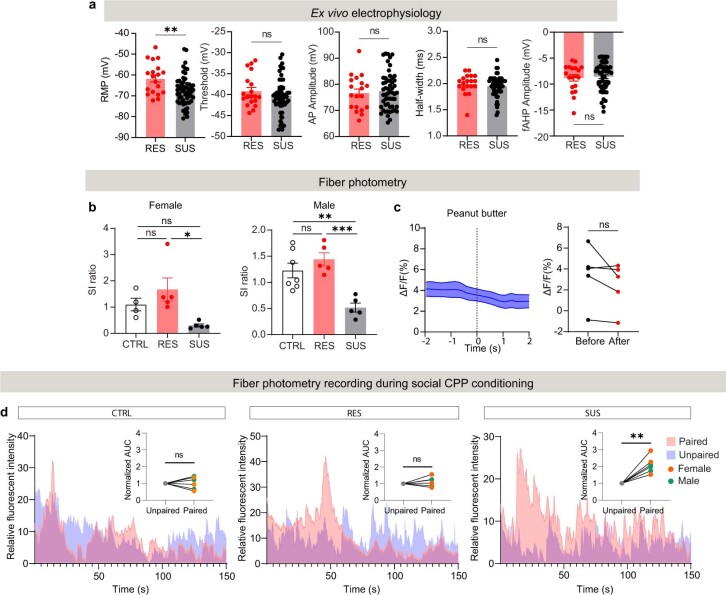
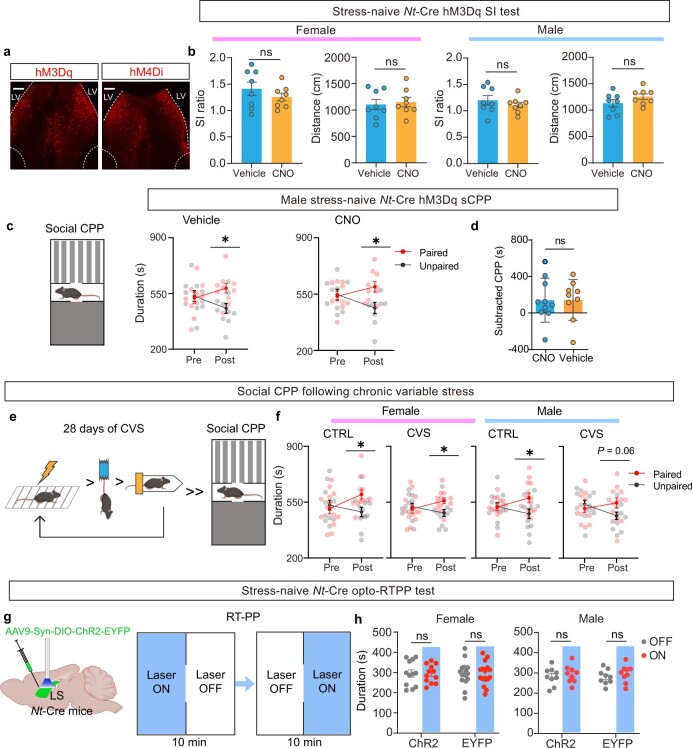
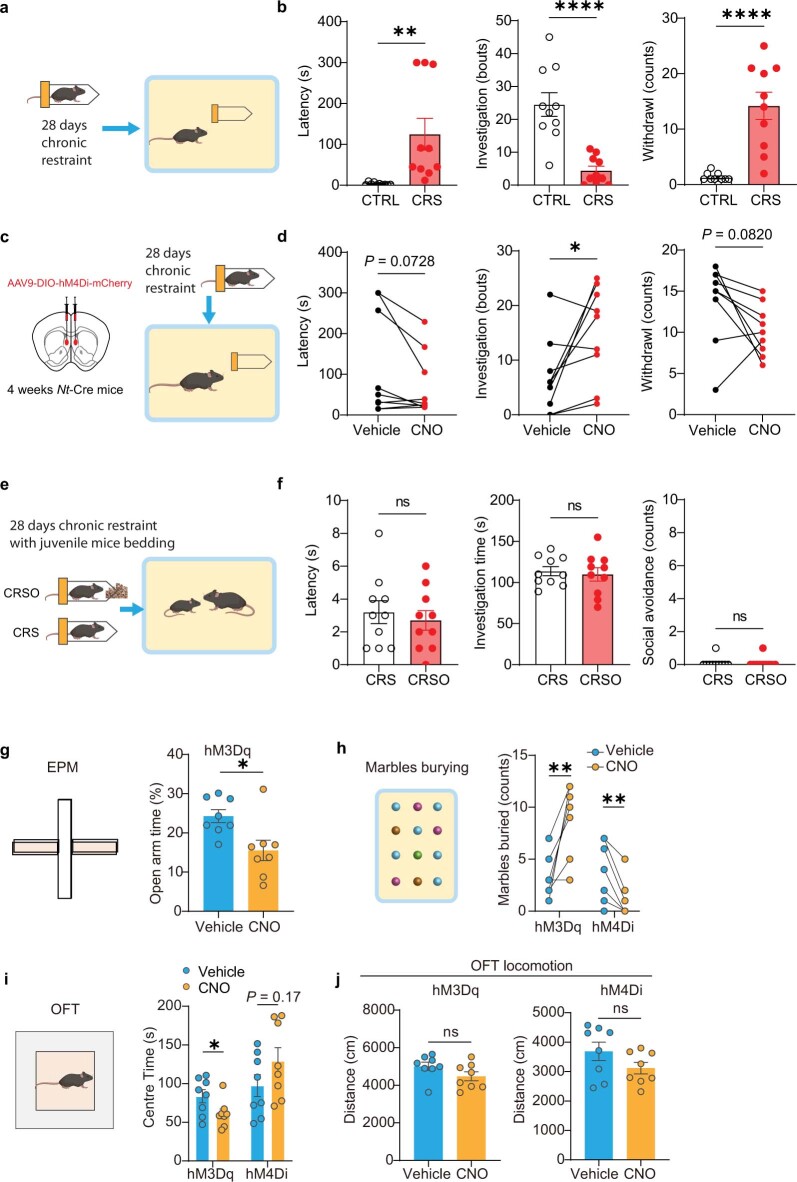
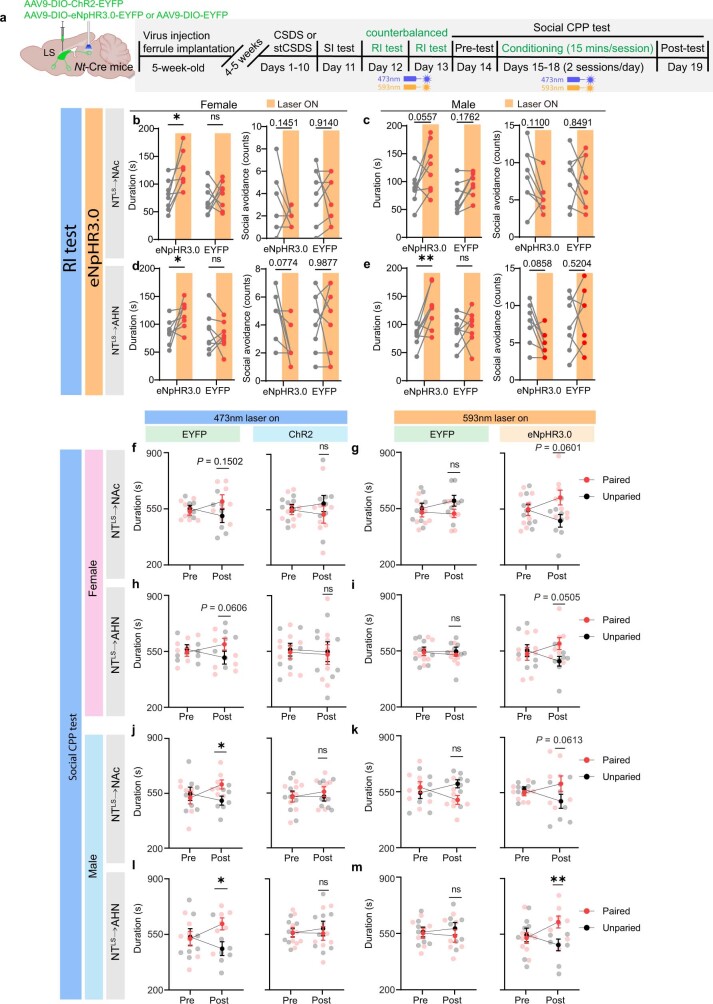
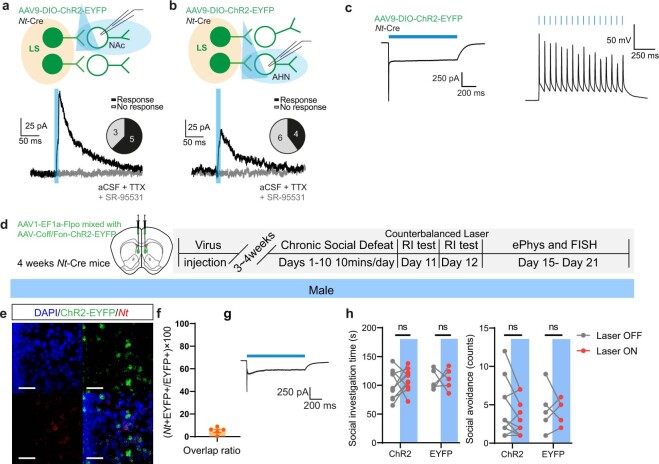
In humans, traumatic social experiences can contribute to psychiatric disorders 1 . It is suggested that social trauma impairs brain reward function such that social behaviour is no longer rewarding, leading to severe social avoidance 2,3 . In rodents, the chronic social defeat stress (CSDS) model has been used to understand the neurobiology underlying stress susceptibility versus resilience following social trauma, yet little is known regarding its impact on social reward 4,5 . Here we show that, following CSDS, a subset of male and female mice, termed susceptible (SUS), avoid social interaction with non-aggressive, same-sex juvenile C57BL/6J mice and do not develop context-dependent social reward following encounters with them. Non-social stressors have no effect on social reward in either sex. Next, using whole-brain Fos mapping, in vivo Ca 2+ imaging and whole-cell recordings, we identified a population of stress/threat-responsive lateral septum neurotensin (NT LS ) neurons that are activated by juvenile social interactions only in SUS mice, but not in resilient or unstressed control mice. Optogenetic or chemogenetic manipulation of NT LS neurons and their downstream connections modulates social interaction and social reward. Together, these data suggest that previously rewarding social targets are possibly perceived as social threats in SUS mice, resulting from hyperactive NT LS neurons that occlude social reward processing.
Overview
The claims and statistics of this paper haven’t been checked yet.
Free: it reads the open-access text and checks the first 5 claims that cite a source we can check. Create a free account to check every claim.
Integrity signals
Registry
Cites
Statistics
Figures
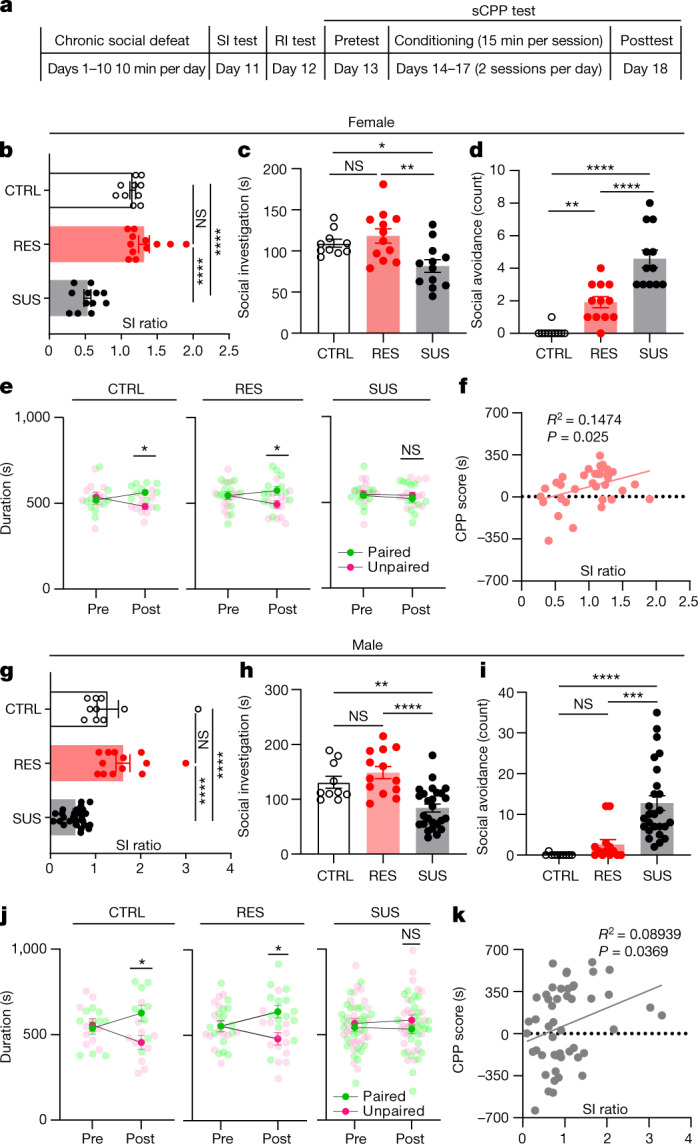
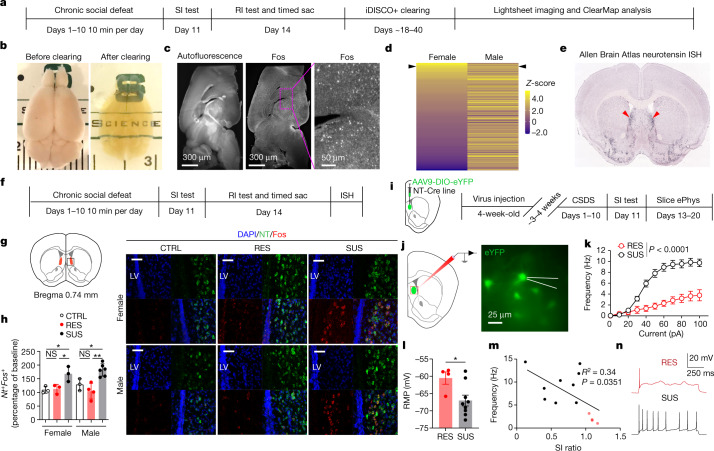
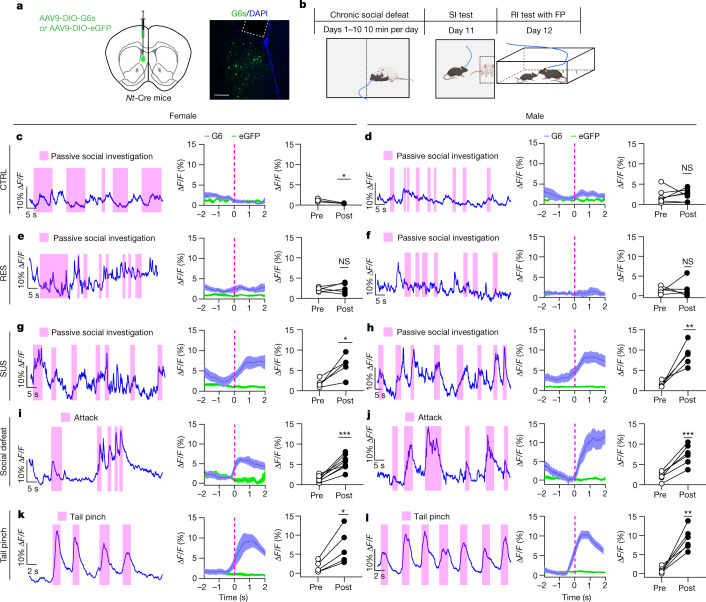
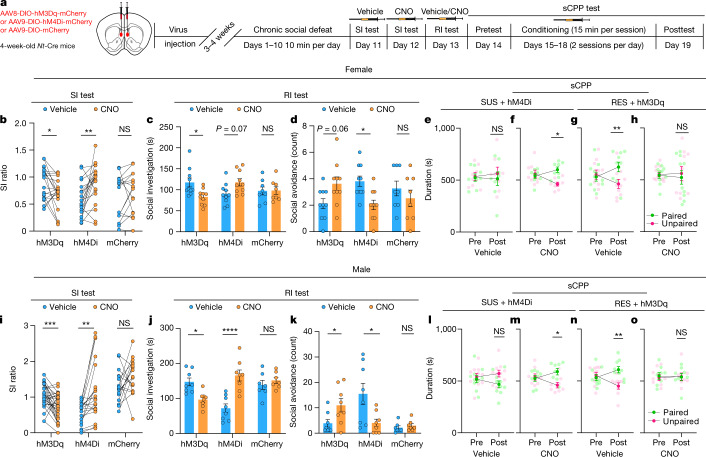
Verification
Claims the paper makes
The claims and statistics of this paper haven’t been checked yet.
Free: it reads the open-access text and checks the first 5 claims that cite a source we can check. Create a free account to check every claim.
Claims other papers make about this one
Each is checked against this paper’s own text: does it say what the citing paper says it does?
The source backs part of the claim, not all of it — or backs it for a different population, condition or comparison.
In the citing paper
“Notably, several of these bone marrow-innervating brain regions have been implicated in stress responses, reward processing and the pathogenesis of depression and anxiety disorders.”
From Central regulation of stress-evoked peripheral immune responses (2023) · cites this paper as [43]
Experimental — accuracy not yet measuredThe cited source says what the claim attributes to it.
In the citing paper
“Moreover, stress activates neurons in the lateral septum to blunt social reward in susceptible mice43”
From Central regulation of stress-evoked peripheral immune responses (2023) · cites this paper as [43]
Self-check
Percentages, sums and reported differences re-computed from the paper’s own numbers.
The self-check needs the paper’s full text.
Citations
Cites
Fiji: an open-source platform for biological-image analysis
Schindelin, J., Arganda-Carreras, I., Frise, E., Kaynig, V., Longair, M., Pietzsch, T., Preibisch, S., Rueden, C., Saalfeld, S., Schmid, B., et al. (2012) · Nature Methods · doi:10.1038/nmeth.2019 · Cited by 66,890 · cited 1×
“Analysis of Fos-positive cells was performed using Fiji (NIH) 57”
Genome-wide atlas of gene expression in the adult mouse brain
Lein, E. S., Hawrylycz, M. J., Ao, N., Ayres, M., Bensinger, A., Bernard, A., Boe, A. F., Boguski, M. S., Brockway, K. S., Byrnes, E. J., et al. (2007) · Nature · doi:10.1038/nature05453 · Cited by 5,572 · cited 1×
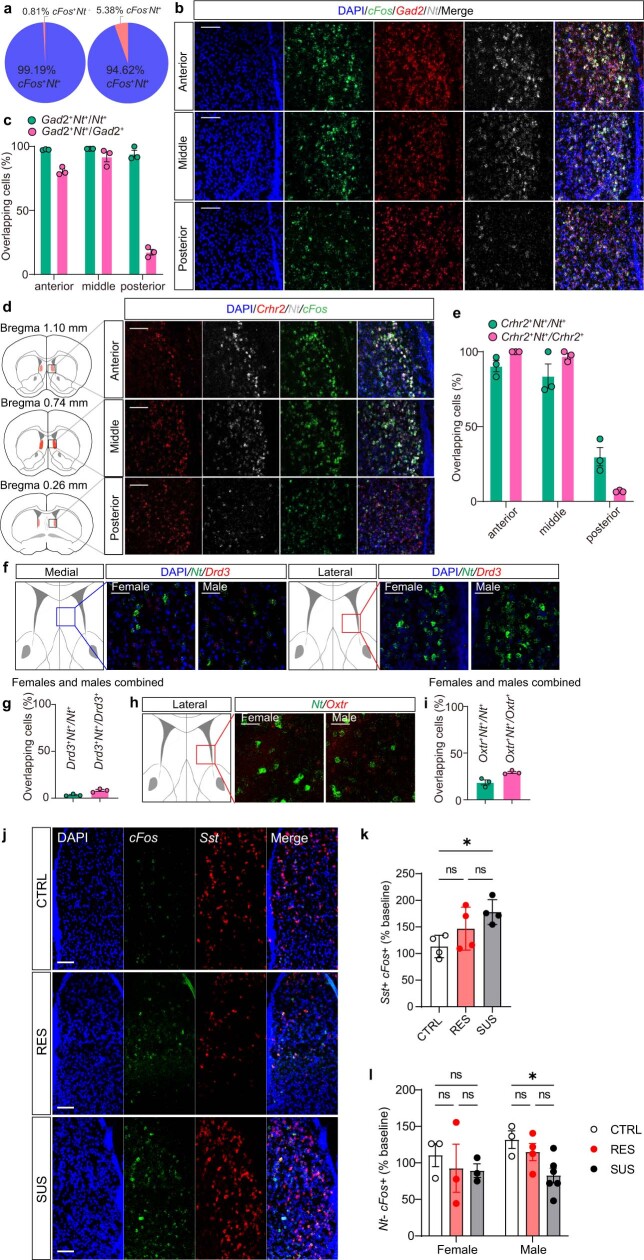
“Using the Allen Brain Atlas in situ hybridization (ISH) database 20 , we found several genes expressed specifically in the lateral-ventral portion of the LS, including neurotensin ( Nt ) (Fig.”
Krishnan, V., Han, M.-H., Graham, D. L., Berton, O., Renthal, W., Russo, S. J., LaPlant, Q., Graham, A., Lutter, M., Lagace, D. C., et al. (2007) · Cell · doi:10.1016/j.cell.2007.09.018 · Cited by 2,307 · cited 4×
“2d, Extended Data Tables 1–5 and Supplementary Table 1).”
InfluentialSelf-citationEssential role of BDNF in the mesolimbic dopamine pathway in social defeat stress
Berton, O., McClung, C. A., DiLeone, R. J., Krishnan, V., Renthal, W., Russo, S. J., Graham, D., Tsankova, N. M., Bolanos, C. A., Rios, M., et al. (2006) · Science · doi:10.1126/science.1120972 · Cited by 2,129 · cited 2×
“In rodents, the chronic social defeat stress (CSDS) model has been used to understand the neurobiology underlying stress susceptibility versus resilience following social trauma, yet little is known regarding its impact on social reward 4,5 .”
Self-citationThe brain reward circuitry in mood disorders
Russo, S. J., & Nestler, E. J. (2013) · Nature Reviews Neuroscience · doi:10.1038/nrn3381 · Cited by 1,870 · cited 2×
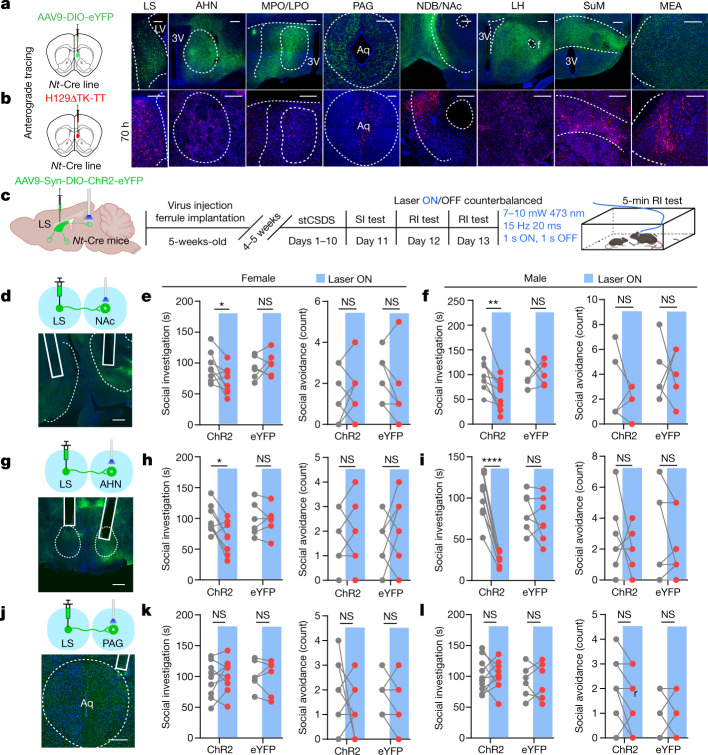
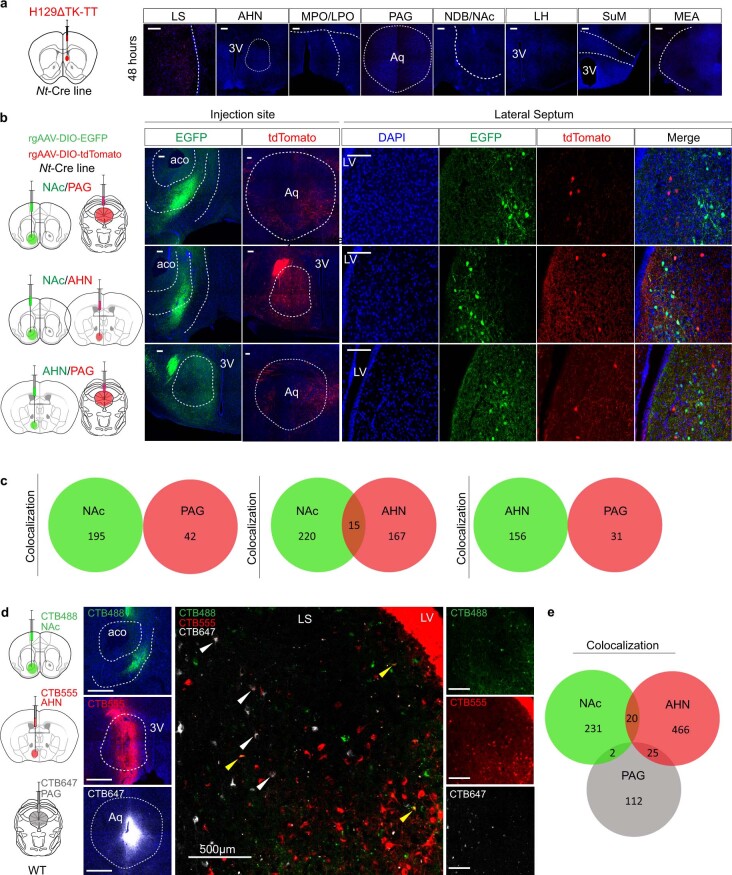
“…medial-lateral pre-optic area (LPO/MPO), nucleus accumbens (NAc), anterior hypothalamic nucleus (AHN), lateral hypothalamus (LH), periaqueductal grey (PAG), medial amygdala (MEA) and supramammillary nucleus (SuM), are all involved in various aspects of social behaviour 34 or conditioned reward 35 .”
Self-citationA standardized protocol for repeated social defeat stress in mice
Golden, S. A., Covington, H. E., Berton, O., & Russo, S. J. (2011) · Nature Protocols · doi:10.1038/nprot.2011.361 · Cited by 1,581 · cited 4×
“SI tests were performed 24 h after the last defeat, as described previously 10 .”
InfluentialSelf-citationNatural neural projection dynamics underlying social behavior
Gunaydin, L. A., Grosenick, L., Finkelstein, J. C., Kauvar, I. V., Fenno, L. E., Adhikari, A., Lammel, S., Mirzabekov, J. J., Airan, R. D., Zalocusky, K. A., et al. (2014) · Cell · doi:10.1016/j.cell.2014.05.017 · Cited by 1,389 · cited 1×
“The RI test was modified from a previously described protocol 52 .”
Psychobiology and molecular genetics of resilience
Feder, A., Nestler, E. J., & Charney, D. S. (2009) · Nature Reviews Neuroscience · doi:10.1038/nrn2649 · Cited by 1,272
Russo, S. J., Murrough, J. W., Han, M.-H., Charney, D. S., & Nestler, E. J. (2012) · Nature Neuroscience · doi:10.1038/nn.3234 · Cited by 1,206 · cited 2×
“Although it is well established that social stress leads to the development of depression, anxiety 48 and post-traumatic stress disorder 38 , the neural circuits that mediate the negative consequences of social stress— particularly with regard to social reward—are not well defined.”
Self-citationSocial reward requires coordinated activity of nucleus accumbens oxytocin and serotonin
Dölen, G., Darvishzadeh, A., Huang, K. W., & Malenka, R. C. (2013) · Nature · doi:10.1038/nature12518 · Cited by 1,161 · cited 1×
“Among these regions, the NAc is involved in social reward 36,37 and stress susceptibility 35,38 , and the PAG in social aggression 39 , as well as in defensive and escape behaviours 40,41 .”
Research works printed but not linked: 3
- 3. Ethridge, P., Sandre, A., Dirks, M. A. & Weinberg, A. Past-year relational victimization is associated with a blunted neural response to rewards in emerging adults. Soc. Cogn. Affect. Neurosci. 13, 1259-1267 (2018).
- 46. Krach, S., Paulus, F. M., Bodden, M. & Kircher, T. The rewarding nature of social interactions. Front. Behav. Neurosci. 4, 22 (2010).
- 56. Angoa-Perez, M., Kane, M. J., Briggs, D. I., Francescutti, D. M. & Kuhn, D. M. Marble burying and nestlet shredding as tests of repetitive, compulsive-like behaviors in mice. J. Vis. Exp. 24, 50978 (2013).
Cited by
Central regulation of stress-evoked peripheral immune responses
Chan, K. L., Poller, W. C., Swirski, F. K., & Russo, S. J. (2023) · Nature Reviews Neuroscience · doi:10.1038/s41583-023-00729-2 · Cited by 207
Self-citationCirculating myeloid-derived MMP8 in stress susceptibility and depression
Cathomas, F., Lin, H.-Y., Chan, K. L., Li, L., Parise, L. F., Alvarez, J., Durand-de Cuttoli, R., Aubry, A. V., Muhareb, S., Desland, F., et al. (2024) · Nature · doi:10.1038/s41586-023-07015-2 · Cited by 189
“Surgeries were performed as described previously 23 .”
BackgroundMethodSelf-citationNeurobiological basis of stress resilience
Nestler, E. J., & Russo, S. J. (2024) · Neuron · doi:10.1016/j.neuron.2024.05.001 · Cited by 166
Self-citationCharacterizing the mechanisms of social connection
Delgado, M. R., Fareri, D. S., & Chang, L. J. (2023) · Neuron · doi:10.1016/j.neuron.2023.09.012 · Cited by 98
Stress dynamically modulates neuronal autophagy to gate depression onset
Yang, L., Chen, G., Zheng, Z., Dong, Y., Xie, Q., Lv, Z., Li, M., Lu, Y., Guo, X., Deng, R., et al. (2025) · Nature · doi:10.1038/s41586-025-08807-4 · Cited by 85
“These chronic stress protocols are all well-accepted animal models of depression 29,30,36 .”
Gyles, T. M., Nestler, E. J., & Parise, E. M. (2023) · Neuropsychopharmacology · doi:10.1038/s41386-023-01625-0 · Cited by 57
Cellular and circuit architecture of the lateral septum for reward processing
Chen, G., Lai, S., Jiang, S., Li, F., Sun, K., Wu, X., Zhou, K., Liu, Y., Deng, X., Chen, Z., et al. (2024) · Neuron · doi:10.1016/j.neuron.2024.06.004 · Cited by 52
Behavioral Animal Models and Neural-Circuit Framework of Depressive Disorder
Tian, X., Russo, S. J., & Li, L. (2024) · Neuroscience Bulletin · doi:10.1007/s12264-024-01270-7 · Cited by 56
Self-citationLi, Y., Zhang, F., Li, D., Weng, R., Yu, Y., Gao, R., & Xu, G. (2024) · Neuron · doi:10.1016/j.neuron.2024.08.024 · Cited by 51
Bordes, J., Miranda, L., Müller‐Myhsok, B., & Schmidt, M. V. (2023) · Neuroscience & Biobehavioral Reviews · doi:10.1016/j.neubiorev.2023.105243 · Cited by 47
Stress, associative learning, and decision-making
Giovanniello, J. R., Bravo-Rivera, C., Rosenkranz, J. A., & Lattal, K. M. (2023) · Neurobiology of Learning and Memory · doi:10.1016/j.nlm.2023.107812 · Cited by 46
Guo, S.-S., Gong, Y., Zhang, T., Su, X.-Y., Wu, Y., Yan, Y.-X., Cao, Y., Song, X.-L., Xie, J.-C., Wu, D., et al. (2024) · Science Advances · doi:10.1126/sciadv.adn6272 · Cited by 39
“The LS predominantly comprises GABAergic neurons, which can be divided into many subgroups expressing characteristic molecular markers ( 20 , 21 , 62 , 63 ).”
BackgroundZhang, Y., Wang, S., & Hei, M. (2024) · Brain Research Bulletin · doi:10.1016/j.brainresbull.2024.111058 · Cited by 44
“…with the stress system and their interconnecting neural circuits, including the PFC, VTA, PVN, locus coeruleus (LC), and dorsal raphe nucleus (DRN), which may be related to the risk of developing neuropsychiatric disorders later in life (Lee and Jung, 2024; Li et al., 2023; Sood et al., 2018).”
BackgroundZhukovskaya, A., Zimmerman, C. A., Willmore, L., Pan-Vazquez, A., Janarthanan, S. R., Lynch, L. A., Falkner, A. L., & Witten, I. B. (2024) · Neuron · doi:10.1016/j.neuron.2024.09.009 · Cited by 34
Prefrontal Regulation of Social Behavior and Related Deficits: Insights From Rodent Studies
Mack, N. R., Bouras, N. N., & Gao, W. (2024) · Biological Psychiatry · doi:10.1016/j.biopsych.2024.03.008 · Cited by 28
Interconnected neural circuits mediating social reward
Isaac, J., & Murugan, M. (2024) · Trends in Neurosciences · doi:10.1016/j.tins.2024.10.004 · Cited by 30
Neurobiology of resilience to early life stress
Torres‐Berrío, A., Bortolami, A., Peña, C. J., & Nestler, E. J. (2025) · Neuropsychopharmacology · doi:10.1038/s41386-025-02158-4 · Cited by 31
“…populations based on their performance in the rapid SIT [123], special efforts from our group and others have enabled us to identify a range of complex behaviors to determine the extent to which aspects of resilience can be more broadly generalized to a variety of contexts [114, 136 – 138].”
Serotonin and neurotensin inputs in the vCA1 dictate opposing social valence
Zorab, J. M., Li, H., Awasthi, R., Schinasi, A., Cho, Y., O’Loughlin, T. A., & Wu, X. (2025) · Nature · doi:10.1038/s41586-025-08809-2 · Cited by 27
“As manipulations of 5-HT and NT in other brain regions have been found to influence one or many of those behaviours 9,31,44,45 , our findings extend growing evidence that behavioural effects of the neuromodulators are highly region specific.”
Simon, R. C., Fleming, W., Briones, B. A., Trzeciak, M., Senthilkumar, P., Ishii, K. K., Hjort, M. M., Martin, M. M., Hashikawa, K., Sanders, A. D., et al. (2024) · Neuron · doi:10.1016/j.neuron.2025.04.024 · Cited by 26
A crucial role for the cortical amygdala in shaping social encounters
Aubry, A., Cuttoli, R. D.-D., Karpman, E., Fisher-Foye, R. L., Parise, L. F., Cathomas, F., Burnett, C. J., Yang, Y., Yuan, C., LaBanca, A. R., et al. (2025) · Nature · doi:10.1038/s41586-024-08540-4 · Cited by 25
“Mice were screened using protocols adapted from previous studies 3,41,42 .”
Self-citationA ventral hippocampal-lateral septum pathway regulates social novelty preference
Rashid, M., Thomas, S., Isaac, J., Karkare, S. C., Klein, H., & Murugan, M. (2025) · eLife · doi:10.7554/elife.97259.2 · Cited by 24
Spatial transcriptomic analysis of the mouse brain following chronic social defeat stress
Wang, T., Song, Z., Zhao, X., Wu, Y., Wu, L., Haghparast, A., & Wu, H. (2023) · Exploration · doi:10.1002/exp.20220133 · Cited by 28
The hippocampal CA2 region discriminates social threat from social safety
Kassraian, P., Bigler, S., Suarez, D. M. G., Shrotri, N., Barnett, A., Lee, H., Young, W. S., & Siegelbaum, S. A. (2024) · Nature Neuroscience · doi:10.1038/s41593-024-01771-8 · Cited by 22
“…of brain regions contribute to social fear and avoidance behaviors as a consequence of SFC, such as the prefrontal cortex 24 , lateral septum 25,26 , amygdala and ventral hippocampus 27 , and as a consequence of the related paradigm of social defeat 21,22 , including the ventrolateral…”
Cross, E. A., Borland, J. M., Shaughnessy, E. K., Lee, S. D., Vu, V., Sambor, E. A., Meisel, R. L., Huhman, K. L., & Albers, H. E. (2025) · Psychopharmacology · doi:10.1007/s00213-025-06793-z · Cited by 22
“Under - scoring the importance of the MDS, however, recent studies show that the LHb and LS affect behavior through GAB - Aergic inhibition of DA neurons in the VTA (Hu 2016; Li et al. 2022 ).”
Multimodal classification of neurons in the lateral septumPreprint
Reid, C. M., Ren, Y., Simon, R., Xie, Y., Garcίa, M. T., Tran, D., Vu, S., Liu, J., Adam, M. A., Hanson, S. M., et al. (2024) · bioRxiv (Cold Spring Harbor Laboratory) · doi:10.1101/2024.02.15.580381 · Cited by 22
“Foxp2 expressing LSN-1 is primarily composed of small-bodied cells that receive inputs from the ventral hippocampus and preferentially innervate the medial preoptic area (MPO), a projection pattern similar to that of Nts expressing neurons (Azevedo et al., 2020; Chen et al., 2022; Li et al., 2023).”
BackgroundHippocampal area CA2 activity supports social investigation following an acute social stress
Radzicki, D., McCann, K. E., Alexander, G. M., & Dudek, S. M. (2024) · Molecular Psychiatry · doi:10.1038/s41380-024-02834-9 · Cited by 21
“…following exposure to threat or aggression have been shown to affect circuitry within the hippocampus as well as neuronal physiology and signaling in extrahippocampal limbic brain regions, such as the medial prefrontal cortex (mPFC), anterior cingulate cortex (ACC) and lateral septum [50, 51].”
Dromard, Y., Borie, A. M., Chakraborty, P., Muscatelli, F., Guillon, G., Desarménien, M. G., & Jeanneteau, F. D. (2023) · Biological Psychiatry · doi:10.1016/j.biopsych.2023.10.016 · Cited by 17
Astrocytic inhibition of lateral septal neurons promotes diverse stress responses
Seo, K., Won, S., Lee, H., Sin, Y., Lee, S.-H., Park, H., Kim, Y. G., Yang, S. Y., Kim, D., Suk, K., et al. (2024) · Nature Communications · doi:10.1038/s41467-024-54376-x · Cited by 18
“Neurotensin (NTS)- expressing neurons, which partially overlap with CRHR2 + neurons, mediate chronic stress-induced social de fi cits 16 .”
Li, H., Liu, P., Sun, T., Li, Y., Wu, J., Huang, Y., Yang, J., Yuan, M., Zhang, J., Yang, J., et al. (2025) · Translational Psychiatry · doi:10.1038/s41398-025-03326-2 · Cited by 18
Liu, D., Xu, F.-X., Yu, Z., Huang, X., Zhu, Y.-B., Wang, L.-J., Wu, C., Zhang, X., Cao, J., & Li, J. (2025) · Journal of Clinical Investigation · doi:10.1172/jci191270 · Cited by 16
“Social trauma exclusively activates neurotensin-positive LS neurons (50), whereas chronic unpredictable stress enhances c-fos expression in GABAergic neurons, glutamatergic neurons, and cholinergic neurons within the LS (80).”
InfluentialFrom rodents to humans: Rodent behavioral paradigms for social behavioral disorders
Guo, M., & Sun, L. (2023) · Brain Circulation · doi:10.4103/bc.bc_48_23 · Cited by 13
“[77] Price’s social competition hypothesis explains the depressive state as an unconscious, involuntary losing strategy that biases individuals toward accepting failure.”
BackgroundTrkB-dependent regulation of molecular signaling across septal cell types
Rodriguez, L. A., Tran, M. N., Garcia-Flores, R., Oh, S., Phillips, R. A., Pattie, E. A., Divecha, H. R., Kim, S. H., Shin, J. H., Lee, Y. K., et al. (2024) · Translational Psychiatry · doi:10.1038/s41398-024-02758-6 · Cited by 13
“The LS is neurochemically diverse, containing predominantly GABAergic neurons that express a variety of inhibitory neuronal markers and neuropeptides including somatostatin, calbindin, calretinin and neurotensin [12, 13], but sparse labeling of parvalbumin [14, 15].”
BackgroundMethodCheung, H., Yu, T.-Z., Yi, X., Wu, Y., Wang, Q., Gu, X., Xu, M., Cai, M., Wen, W., Li, X.-N., et al. (2024) · Communications Biology · doi:10.1038/s42003-024-06417-w · Cited by 14
Protein design accelerates the development and application of optogenetic tools
Zhu, L., Wang, Y., Wu, X., Wu, G., Zhang, G., Liu, C., & Zhang, S. (2025) · Computational and Structural Biotechnology Journal · doi:10.1016/j.csbj.2025.02.014 · Cited by 13
Parsing the heterogeneity of social motivation in autism
Chetcuti, L., Hardan, A. Y., Spackman, E. K., Loth, E., McPartland, J. C., Frazier, T. W., Youngstrom, E. A., & Uljarević, M. (2025) · Journal of Child Psychology and Psychiatry · doi:10.1111/jcpp.14147 · Cited by 13
Influence of the neurotensin signaling system on feeding and satiety
Thompson, K. D., & Leinninger, G. M. (2025) · Neuropharmacology · doi:10.1016/j.neuropharm.2025.110496 · Cited by 13
Studying dominance and aggression requires ethologically relevant paradigms
Shemesh, Y., Benjamin, A., Shoshani-Haye, K., Yizhar, O., & Chen, A. (2024) · Current Opinion in Neurobiology · doi:10.1016/j.conb.2024.102879 · Cited by 13
A prefrontal–habenular circuitry regulates social fear behaviour
Tian, Y., Zheng, J., Zhu, X., Liu, X., Li, H., Wang, J., Yang, Q., Zeng, L., Shi, Z., Gong, M., et al. (2024) · Brain · doi:10.1093/brain/awae209 · Cited by 12
Self-citationHow do lateral septum projections to the ventral CA1 influence sociability?
Wang, D., Zhao, D., Wang, W., Hu, F., Cui, M., Liu, J., Meng, F., Liu, C., Qiu, C., Liu, D., et al. (2023) · Neural Regeneration Research · doi:10.4103/1673-5374.389304 · Cited by 13
“…that specific marker neurons in the LS, such as neurotensin, type 2 corticotropin-releasing hormone receptor and vasopressin 1A receptor neurons, also modulate sociability-related behaviors, using different regulatory patterns (Bielsky et al., 2005; Hashimoto et al., 2022; Li et al., 2023).”
BackgroundPhillips, R. A., Oh, S., Bach, S. V., Du, Y., Miller, R. A., Kleinman, J. E., Hyde, T. M., Hicks, S. C., Page, S. C., & Martinowich, K. (2025) · iScience · doi:10.1016/j.isci.2025.111820 · Cited by 12
Mesolimbic Neural Response Dynamics Predict Future Individual Alcohol Drinking in Mice
Montgomery, S. E., Li, L., Russo, S. J., Calipari, E. S., Nestler, E. J., Morel, C., & Han, M. (2023) · Biological Psychiatry · doi:10.1016/j.biopsych.2023.11.019 · Cited by 11
Self-citationNeurotensin and Alcohol Use Disorders: Towards a Pharmacological Treatment
Rodriguez, F. D., Sánchez, M. L., & Coveñas, R. (2023) · International Journal of Molecular Sciences · doi:10.3390/ijms24108656 · Cited by 11
5-HT1A receptors within the intermediate lateral septum modulate stress vulnerability in male mice
Zhou, J., Wu, J.-W., Song, B.-L., Jiang, Y., Niu, Q., Li, L., & Liu, Y.-J. (2024) · Progress in Neuro-Psychopharmacology and Biological Psychiatry · doi:10.1016/j.pnpbp.2024.110966 · Cited by 10
Self-citationWang, F., Li, Z., Li, B., Xu, M., Wang, Y., Wang, J., Li, J., Zhu, Y., He, L., Ma, J., et al. (2025) · Phytomedicine · doi:10.1016/j.phymed.2025.156567 · Cited by 14
Self-citationPatel, S., Kushwaha, R., Holkar, A., Dhaygude, S. S., Kumar, A., & Chakravarty, S. (2025) · Journal of Psychiatric Research · doi:10.1016/j.jpsychires.2025.07.040 · Cited by 10
He, H., Cathomas, F., Parise, L. F., David, E., Rizk, M., Hawkins, K. A., Karpman, E., Russo, S. J., Guttman, E., & Murrough, J. W. (2026) · Molecular Psychiatry · doi:10.1038/s41380-025-03383-5 · Cited by 11
Self-citationLateral septum as a possible regulatory center of maternal behaviors
Puska, G., Szendi, V., & Dobolyi, Á. (2024) · Neuroscience & Biobehavioral Reviews · doi:10.1016/j.neubiorev.2024.105683 · Cited by 11
Hong, Y., Hu, J., Zhang, S., Liu, J., Yan, F., Yang, H., & Hu, H. (2024) · Cell Reports · doi:10.1016/j.celrep.2024.114455 · Cited by 10
Xu, F., Xie, S., Li, Q., Zhong, X., & Zhang, J. (2025) · Frontiers in Psychiatry · doi:10.3389/fpsyt.2025.1526217 · Cited by 13
“Speci fi cally, depressive symptoms, such as anhedonia, in depression model mice were found to lead to the development of social avoidance behaviors and a decline in social activities (77).”
Goode, T. D., Bernstein, M. X., Totty, M. S., Alipio, J. B., Vicidomini, C., Pathak, D., Besnard, A., Chizari, D., Sachdev, N., Kritzer, M. D., et al. (2026) · Neuron · doi:10.1016/j.neuron.2026.01.025 · Cited by 11
Chronic Social Defeat Stress Gives Rise to Social Avoidance Through Fear Learning
Lee, J., Aubry, A., Hanif, S., Grunfeld, I. S., Likhtik, E., & Burghardt, N. S. (2024) · Behavioural Brain Research · doi:10.1016/j.bbr.2024.115245 · Cited by 11
Self-citationHasunuma, K., Murakawa, T., Takenawa, S., Mitsui, K., Hatsukano, T., Sano, K., Nakata, M., & Ogawa, S. (2023) · Neuroscience · doi:10.1016/j.neuroscience.2023.11.019 · Cited by 10
“For example, optogenetic activation of Crfr2-and neurotensin-positive LS neurons as well as their projecting pathways to the AHA increased the levels of anxiety-like behavior (Anthony et al., 2014; Li et al., 2023).”
Nasanbuyan, N., Yoshida, M., Inutsuka, A., Takayanagi, Y., Kato, S., Hidema, S., Nishimori, K., Kobayashi, K., & Onaka, T. (2024) · Biological Psychiatry · doi:10.1016/j.biopsych.2024.09.015 · Cited by 8
“…be involved in defensive behavioral responses in socially defeated animals, including the septohypothalamic nucleus (53), lateral septal nucleus (47,54), striohypothalamic nucleus, medial preoptic area (55), medial amygdala (56), amygdalahippo-campus (57), posterior hypothalamus (58), posterior…”
Morel, C., Parise, L. F., van der Zee, Y. Y., Issler, O., Cai, M., Browne, C. J., Blando, A., LeClair, K. B., Aubry, A., Haynes, S. E., et al. (2024) · Scientific Reports · doi:10.1038/s41598-024-80767-7 · Cited by 8
“Similar to the behavioral changes after chronic stress exposure 51 , sex is a key factor that may play a role in the development of addiction.”
Self-citationEffects of Ketogenic Diet on Increased Ethanol Consumption Induced by Social Stress in Female Mice
Torres-Rubio, L., Reguilón, M. D., Mellado, S., Pascual, M., & Rodríguez‐Arias, M. (2024) · Nutrients · doi:10.3390/nu16172814 · Cited by 9
“Based on the typical control male mouse behavior, a SIT ratio of 1 or higher indicated social engagement, and the mouse was classified as resilient [43,44].”
BackgroundMesocorticolimbic circuit mechanisms of social dominance behavior
Choi, T.-Y., Jeong, S., & Koo, J. W. (2024) · Experimental & Molecular Medicine · doi:10.1038/s12276-024-01299-8 · Cited by 8
“Both human patients and animal models of many neuropsychiatric disorders, such as autism spectrum disorder and depression, often exhibit de fi cits in sociability 12 – 20 .”
BackgroundCampbell, H. M., Guo, J. D., & Kuhn, C. M. (2024) · Biological Psychiatry · doi:10.1016/j.biopsych.2024.05.016 · Cited by 7
Gergues, M. M., Lalani, L. K., & Kheirbek, M. A. (2024) · Neuropsychopharmacology · doi:10.1038/s41386-024-01942-y · Cited by 8
Garcίa, M. T., Tran, D. N., Peterson, R. E., Ibrahim, L. A., Reid, C. M., Hanson, S. M., Ren, Y., Dale-Huang, F., Xie, Y., Stegmann, S. K., et al. (2023) · bioRxiv (Cold Spring Harbor Laboratory) · doi:10.1101/2023.09.24.559205 · Cited by 7
Organization of Brainwide Inputs to Discrete Lateral Septum Projection Populations
Isaac, J., Karkare, S. C., Balasubramanian, H., & Murugan, M. (2025) · Journal of Neuroscience · doi:10.1523/jneurosci.0797-25.2025 · Cited by 6
Gou, L., Zheng, H., Chen, J., Gao, Y., Ma, J., Chen, D., Li, Z., Wu, C., Lian, B., Zhang, X., et al. (2025) · Molecular Psychiatry · doi:10.1038/s41380-025-03171-1 · Cited by 7
Feature-specific threat coding in lateral septum guides defensive action
Bhatti, D. L., Berger, M. Z. C., Pasqualini, A. L., Wu, S. J., Reid, C. M., Brito, S. I., Qiu, S., Levitt, P. R., Harwell, C. C., Anthony, T. E., et al. (2026) · Nature · doi:10.1038/s41586-026-10520-9 · Cited by 7
“Similarly, in social contexts, LS processing of chemosensory and contextual cues is likely to guide social approach, avoidance or territory-related actions 11–13, 58, 59 .”
Liu, Y.-J., Wang, Y., Wu, J.-W., Zhou, J., Song, B.-L., Jiang, Y., & Li, L. (2024) · Frontiers in Neuroscience · doi:10.3389/fnins.2024.1337207 · Cited by 7
“Li et al. (2023) found that the LS–anterior hypothalamic nucleus and the LS–NAc pathways are involved in social reward deficits induced by chronic social defeat stress (CSDS).”
BackgroundSelf-citationOkuda, Y., Li, D., Maruyama, Y., Sonobe, H., Mano, T., Tainaka, K., Shinohara, R., & Furuyashiki, T. (2024) · Neuropsychopharmacology · doi:10.1038/s41386-024-02034-7 · Cited by 6
Medrihan, L., Knudsen, M. G., Ferraro, T., Vasques, P. D. C., Romin, Y., Fujisawa, S., Greengard, P., & Milosevic, A. (2025) · The Journal of General Physiology · doi:10.1085/jgp.202413693 · Cited by 6
Chetcuti, L., Hardan, A. Y., Frazier, T. W., Loth, E., McPartland, J. C., Youngstrom, E. A., & Uljarević, M. (2025) · Molecular Psychiatry · doi:10.1038/s41380-025-03185-9 · Cited by 6
A ventral hippocampal-lateral septum pathway regulates social novelty preferencePreprint
Rashid, M., Thomas, S., Isaac, J., Karkare, S. C., Klein, H., & Murugan, M. (2024) · eLife · doi:10.7554/elife.97259.1 · Cited by 7
Bidirectional mechanism of comorbidity of depression and insomnia based on synaptic plasticity.
Meng, F., & Wang, L. (2023) · PubMed Central · doi:10.11817/j.issn.1672-7347.2023.230082 · Cited by 10
Wang, X., Chen, M., Mei, D., Shi, S., Guo, J., Gao, C., Wang, Q., Zhao, S., Yan, X., Zhang, H., et al. (2025) · Molecular Autism · doi:10.1186/s13229-025-00653-5 · Cited by 6
“The mPFC is well-known to be a hub that regulates social behaviors through its distinct output connections with the lateral septum (LS) [14], which is associated with the regulation of motivated behaviors including social interactions [22–24].”
Chari, T., Hernandez, A., Couto, J., & Portera‐Cailliau, C. (2025) · Nature Communications · doi:10.1038/s41467-025-59852-6 · Cited by 5
“Brain circuits, therefore, likely evolved to prefer social touch over non-social stimuli 6,7 .”
A circuit-based framework for depression: Reshaping the pathological attractor
Yuan, Z., Quan, J., Cui, Y., & Luo, M. (2026) · Neuron · doi:10.1016/j.neuron.2026.04.009 · Cited by 6
Shi, P., Hu, L., Ren, H., & Dai, Q. (2023) · Frontiers in Psychiatry · doi:10.3389/fpsyt.2023.1084367 · Cited by 7
“The reward used in this study contains both social and sexual reward, in which the social reward is moreand sexual reward is less (60).”
BackgroundRodriguez, M., Themann, A., Garcia-Carachure, I., Lira, O., Robison, A. J., Cushing, B. S., & Iñiguez, S. D. (2023) · Journal of Affective Disorders · doi:10.1016/j.jad.2024.02.001 · Cited by 5
Zhang, H., Li, J.-F., Zhao, J., & Shao, J. (2024) · Neurochemical Research · doi:10.1007/s11064-024-04229-2 · Cited by 6
Precision editing of an aggression-encoding network relay suppresses violent action in micePreprint
Grossman, Y. S., Talbot, A., Gallagher, N. M., Walder-Christensen, K. K., Thomas, G. E., Skular, A. F., Russo, S. J., Carlson, D., & Dzirasa, K. (2022) · bioRxiv (Cold Spring Harbor Laboratory) · doi:10.1101/2022.12.07.519272 · Cited by 5
Self-citationZhai, J., Zhang, X., Wang, X., Xu, Z., Yao, X., Zhang, Y., Fan, L., Wu, L., & Wang, J. (2025) · Communications Biology · doi:10.1038/s42003-025-08417-w · Cited by 4
Self-citationHan, X., Song, J., Geng, Z., Li, R., & Li, B. (2025) · Cell Calcium · doi:10.1016/j.ceca.2025.103054 · Cited by 4
Social stress and affiliative touch: A tale of two affective states
Papantoniou, L. P., Vityk, O., & Tzanoulinou, S. (2026) · iScience · doi:10.1016/j.isci.2026.114833 · Cited by 4
“144 On the other hand, CSDS was found to alter the DNA methylation landscape in the NAc of susceptible mice, with affected genes including the estrogen receptor 1 (Esr1), known to be implicated in a range of psychiatric diseases such as depression.”
Zhao, Y., & Illés, P. (2023) · Purinergic Signalling · doi:10.1007/s11302-023-09946-x · Cited by 4
“Recently, istradefylline, an A 2A R antagonist, has been approved by the US Food and Drug Administration (FDA) as a non-dopaminergic therapeutic agent for PD [2].”
Jin, L., Zhong, B., Li, M., Sun, Y., Fan, W., & Liu, S. (2024) · Cerebral Cortex · doi:10.1093/cercor/bhae095 · Cited by 5
Deficiency of Shank3 in the nucleus accumbens reveals a loss of social-specific motivation
Folkes, O. M., Donahue, M., Wang, S. E., Negrón-Moreno, P. N., Oo, N. X., Qiao, S.-N., Wang, X., & Jiang, Y. (2025) · Communications Biology · doi:10.1038/s42003-025-08942-8 · Cited by 5
Neural circuits for valence updating in social memory
Suto, N., Wang, M.-Y., Morikawa, S., Chung, M., Tao, K., Huang, Z., Ikegaya, Y., Takeuchi, H., Kira, S., & Okuyama, T. (2026) · Science · doi:10.1126/science.adx8231 · Cited by 3
Hunger Games: A Modern Battle Between Stress and Appetite
Smith, W., & Azevedo, E. P. (2025) · Journal of Neurochemistry · doi:10.1111/jnc.70006 · Cited by 3
Septo-hypothalamic regulation of binge-like alcohol consumption by the nociceptin system
Haun, H. L., Hernandez, R., Yan, L., Flanigan, M. E., Hon, O. J., Lee, S., Méndez, H. G., Roland, A. V., Taxier, L. R., & Kash, T. L. (2025) · Cell Reports · doi:10.1016/j.celrep.2025.115482 · Cited by 4
“For example, NTS-expressing, 42,76 SST-expressing, 41 and CRFR2-expressing 40 neurons in the LS are responsive to footshock, and VGAT-expressing neurons are highly responsive to pain.”
Gryksa, K., Schmidtner, A. K., Schäfer, T., Reber, S. O., & Neumann, I. D. (2025) · Brain Behavior and Immunity · doi:10.1016/j.bbi.2025.106104 · Cited by 3
Dysfunction of the rostral lateral septum GABAergic neurons induces mania-like behavior in male mice
Zhou, Y., Liu, H., Jiang, Z., Pan, X., Xia, J., Feng, L., Cao, J., Li, W., & Han, Y. (2025) · Translational Psychiatry · doi:10.1038/s41398-025-03640-9 · Cited by 5
“To elucidate the output patterns of LS GABAergic neurons, we employed a paracrine transsynaptic tracing technique using HSV-1 (H129 Δ TK-TT) [54] to identify regions forming monosynaptic connections with LS GABA neurons (Fig.”
Kosuge, A., Kunisawa, K., Iida, T., Wulaer, B., Kawai, T., Tanabe, M., Saito, K., Nabeshima, T., & Mouri, A. (2024) · Journal of Neurochemistry · doi:10.1111/jnc.16100 · Cited by 3
Guevara, C. A., Alloo, K., Gupta, S., Thomas, R., Valle, P. D., Magee, A. R., Benson, D. L., & Huntley, G. W. (2024) · Frontiers in Behavioral Neuroscience · doi:10.3389/fnbeh.2024.1445184 · Cited by 3
Geng, S., Zhang, Z., Liu, X., Sun, H., Xu, T., Sun, C., Hu, S., Liu, A., Yang, Z., Xie, W., et al. (2024) · Physiology & Behavior · doi:10.1016/j.physbeh.2024.114788 · Cited by 4
Larosa, A., Zhang, T. R., Wong, A. S., Fung, C. Y. H., Long, X. L. Y. (., Singh, P., Fung, B. C. M., & Wong, T. P. (2025) · Biological Psychiatry Global Open Science · doi:10.1016/j.bpsgos.2025.100455 · Cited by 5
Sarafinovska, S., Koester, S. K., Fang, L. Z., Thorpe, J. W., Chaturvedi, S. M., Ji, J.-S., Jones, E. F., Selmanovic, D., Kornbluth, D. J., Barrett, M. R., et al. (2025) · bioRxiv (Cold Spring Harbor Laboratory) · doi:10.1101/2025.03.10.642464 · Cited by 3
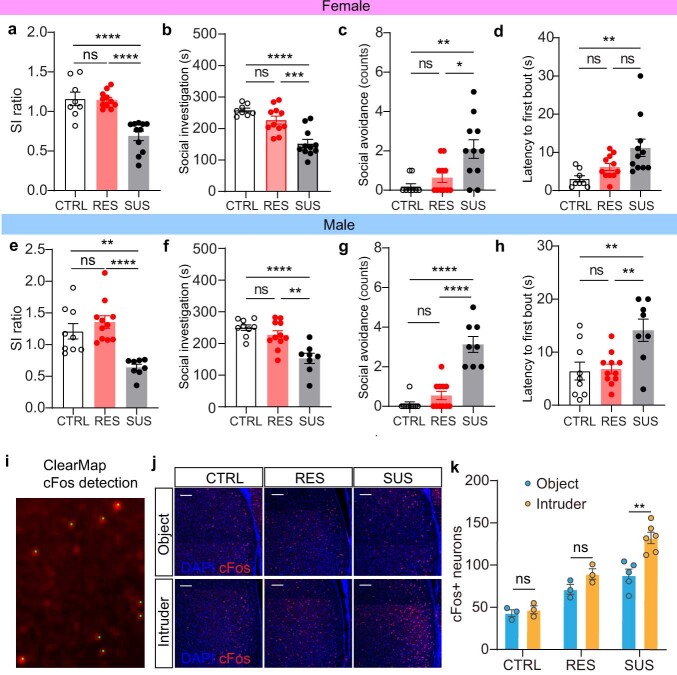
“As markers of neuronal activity, immediate early genes (IEGs), like Fos, have been used to anatomically define regions activated by a range of behaviors 10–13 .”
Neurotensin-specific corticothalamic circuit regulates innate response conflict
Park, G., Park, Y., Yang, S., Cho, Y., Serikov, A., Jung, D., Seo, D.-C., Lee, S. E., Nam, M., Kim, D., et al. (2024) · Current Biology · doi:10.1016/j.cub.2024.06.068 · Cited by 2
Pang, J. Z., Zhang, Y., Tian, Y., Cao, X., Tao, X., Sun, C., & Cao, Z. (2026) · International Journal of Surgery · doi:10.1097/js9.0000000000004989 · Cited by 2
Li, S., Yang, J., Cai, M., Zhao, Z., Zhao, X., Li, H., Ning, S., Yang, G., Shen, W., Wang, H., et al. (2026) · Neuron · doi:10.1016/j.neuron.2026.02.015 · Cited by 2
Hu, S., Zhang, Z., Wei, X. I. E., & Mu, M. (2026) · Current Opinion in Pharmacology · doi:10.1016/j.coph.2026.102633 · Cited by 2
Zhao, M., Xu, X., Xu, H., Yang, S., Li, M., & Wang, W. (2024) · Journal of Affective Disorders · doi:10.1016/j.jad.2024.02.077 · Cited by 3
Cui, Y. X., Guo, M. L., Ren, J. Q., Yang, J., Miao, Y. X., Wei, J., Zhang, Z. Y., He, F., Wang, B., & Wang, Z. (2025) · Physiology & Behavior · doi:10.1016/j.physbeh.2025.114997 · Cited by 2
Regulation of sociability by the cortico-habenula pathway in an animal model of depression
Park, H.-Y., & Chung, C. (2025) · Progress in Neurobiology · doi:10.1016/j.pneurobio.2025.102799 · Cited by 1
Altered theta oscillations in basolateral amygdala and ventral hippocampus related to social defeat
Wang, X., Liu, Y., He, F., Guo, D., Liu, A., Bai, W., Yang, H., Xu, X., Zheng, X., Xu, X., et al. (2025) · BMC Neuroscience · doi:10.1186/s12868-025-00972-6 · Cited by 1
“We calculated the social interaction ratio as (time spent in the interaction zone in the presence of CD1)/(time spent in the interaction zone in the absence of CD1) [23, 24].”
Yuan, C., Li, L., Lin, H., Aubry, A., Parise, L. F., Morel, C., Chen, F., Wong, J., Russo, S. J., & Wang, J. (2025) · Neurobiology of Aging · doi:10.1016/j.neurobiolaging.2025.10.006 · Cited by 1
Self-citation
Metadata
- Authors
- Li, L., Durand-de Cuttoli, R., Aubry, A. V., Burnett, C. J., Cathomas, F., Parise, L. F., Chan, K. L., Morel, C., Yuan, C., Shimo, Y., Lin, H.-Y., Wang, J., & Russo, S. J.
- Affiliations
- Icahn School of Medicine at Mount Sinai (US)
- James J. Peters VA Medical Center (US)
- Corresponding author
- Russo, Scott J.
- ORCID
- Venue
- Nature
- Published
- 2022-11-30
- Volume
- 613
- Issue
- 7945
- Pages
- 696-703
- ISSN
- 0028-0836 (ISSN-L)
- 1476-4687
- PMC
- PMC9876792
- OpenAlex
- W4310960000
- Semantic Scholar
- bff3d1e9f52c0c0b12e86e88012a3729fd55ea09
- Cited by
- 134
- References
- 55
- Citations by year
- 2026: 25 · 2025: 42 · 2024: 44 · 2023: 21 · 2022: 2
- FWCI
- 12.05
- Type
- journal article
- Language
- en
- Open access
- hybrid
- doi.org
- Licence
- cc-by
- creativecommons.org/licenses/by/4.0 (tdm)
- creativecommons.org/licenses/by/4.0 (vor)
- Locations
- Nature (publishedVersion, cc-by)
- PubMed Central (publishedVersion, cc-by)
- PubMed (publishedVersion)
- RePEc: Research Papers in Economics (submittedVersion)
- Funders
- National Institutes of Health (P40OD010996, OD010996)
- Canadian Institutes of Health Research
- National Institute of Mental Health (R01MH120637, R01MH114882, R01MH120514, R01MH104559, R01MH127820, R01MH133299)
- Topics
- Life Sciences › Neuroscience › Cellular and Molecular Neuroscience › Neurotransmitter Receptor Influence on Behavior
- Life Sciences › Neuroscience › Endocrine and Autonomic Systems › Neuroendocrine regulation and behavior
- Life Sciences › Neuroscience › Behavioral Neuroscience › Stress Responses and Cortisol
- Keywords
- social trauma, chronic social defeat stress, social reward, lateral septum, stress vulnerability, social avoidance, social threat perception, calcium imaging, optogenetic manipulation, chemogenetic manipulation, sex differences, social interaction
- MeSH terms
- Psychological Trauma, Animals, Brain, Calcium, Female, Male, Mice, Inbred C57BL, Neural Pathways, Neurons, Neurotensin, Reward, Septal Nuclei, Social Behavior, Stress, Psychological, Proto-Oncogene Proteins c-fos, Mice, Optogenetics
About these checks
Registry, retraction, Cites and statistics results are computed, not judged, with one exception: a printed reference that no index lists is read once by a model before it counts as a citation error. Claims are extracted by a model and kept only when their quote appears verbatim in the text; each cited source is then checked, with a model’s help, for whether it says what the claim relies on. Those verdicts can be wrong — read the claim’s quote and the cited source before relying on one.
Statistics and arithmetic are recomputed, not judged.
Confidence bands are shown only for fields calibrated on our annotated test set. None is calibrated yet, so no band is shown.
What counts as a claim ›How we measure confidence ›How we check this ›
Are you an author, or do you see a problem with this page? Request a review
Data sources
Bibliographic data: Semantic Scholar, OpenAlex, Crossref.
Contains information from the Semantic Scholar Academic Graph Datasets, made available under the ODC Attribution License (ODC-BY 1.0).
Semantic Scholar’s data is described in: Kinney, R., et al. (2023). The Semantic Scholar Open Data Platform. arXiv:2301.10140.
