

Social trauma engages lateral septum circuitry to occlude social reward
Open accessThe DOI matches its Crossref record; 56 of the 56 references it cites were found in a registry or an index.
Abstract
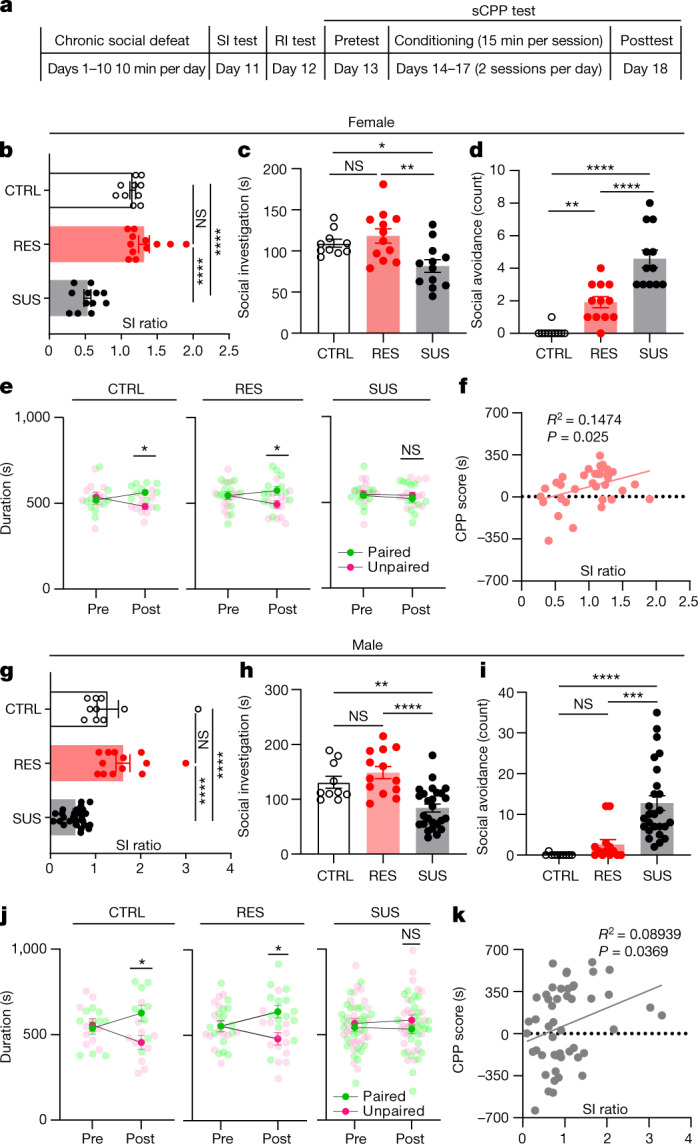
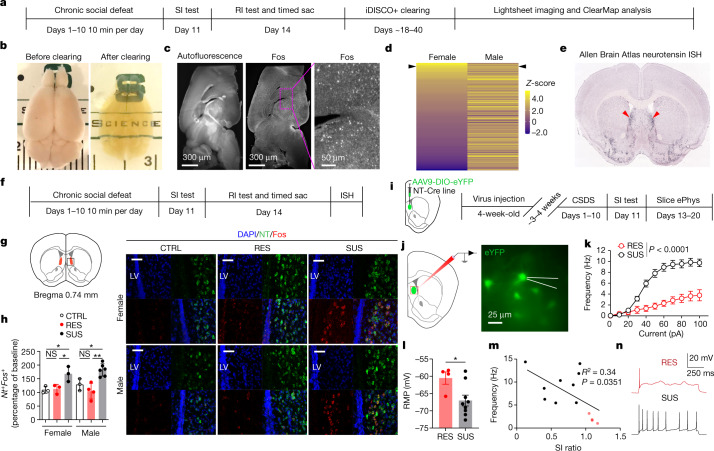
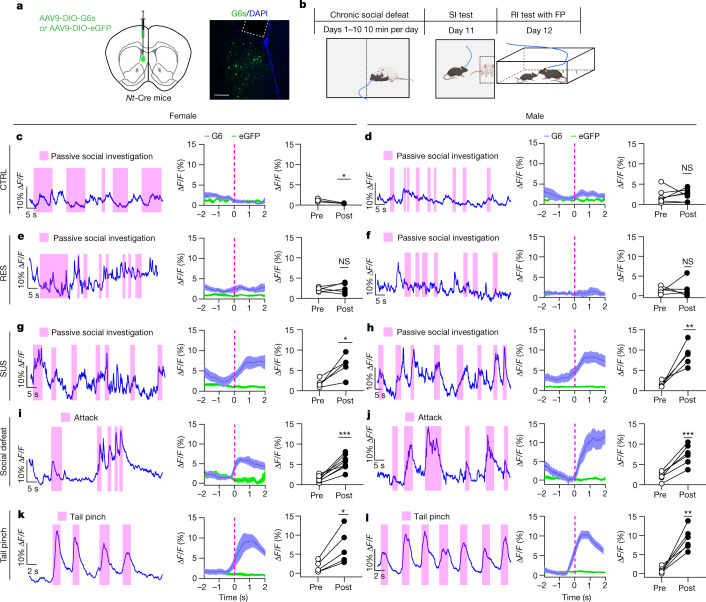
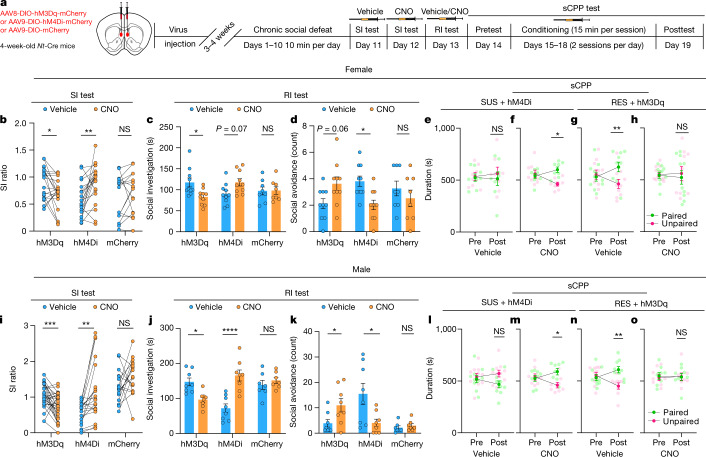
In humans, traumatic social experiences can contribute to psychiatric disorders 1 . It is suggested that social trauma impairs brain reward function such that social behaviour is no longer rewarding, leading to severe social avoidance 2,3 . In rodents, the chronic social defeat stress (CSDS) model has been used to understand the neurobiology underlying stress susceptibility versus resilience following social trauma, yet little is known regarding its impact on social reward 4,5 . Here we show that, following CSDS, a subset of male and female mice, termed susceptible (SUS), avoid social interaction with non-aggressive, same-sex juvenile C57BL/6J mice and do not develop context-dependent social reward following encounters with them. Non-social stressors have no effect on social reward in either sex. Next, using whole-brain Fos mapping, in vivo Ca 2+ imaging and whole-cell recordings, we identified a population of stress/threat-responsive lateral septum neurotensin (NT LS ) neurons that are activated by juvenile social interactions only in SUS mice, but not in resilient or unstressed control mice. Optogenetic or chemogenetic manipulation of NT LS neurons and their downstream connections modulates social interaction and social reward. Together, these data suggest that previously rewarding social targets are possibly perceived as social threats in SUS mice, resulting from hyperactive NT LS neurons that occlude social reward processing.
Overview
The claims and statistics of this paper haven’t been checked yet.
Free: it reads the open-access text and checks the first 5 claims that cite a source we can check. Create a free account to check every claim.
Integrity signals
Registry
Cites
Statistics
Figures
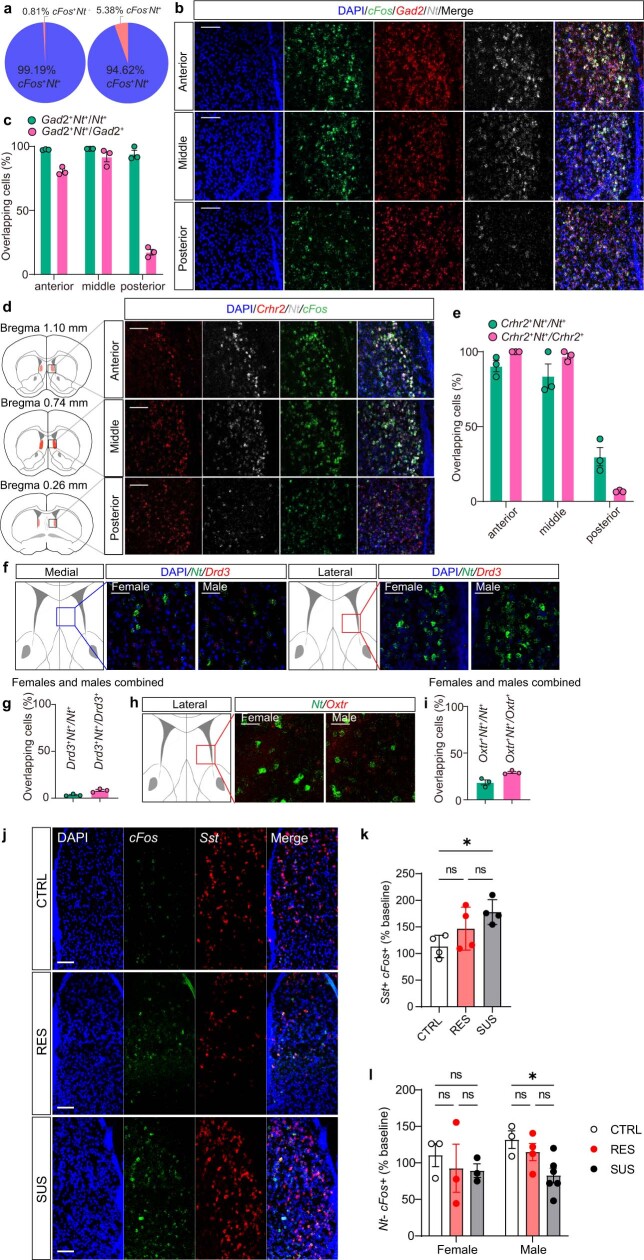
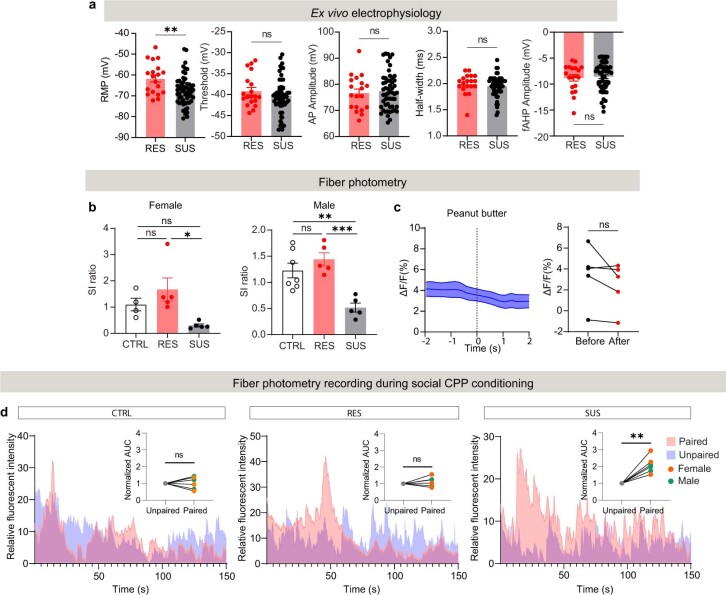
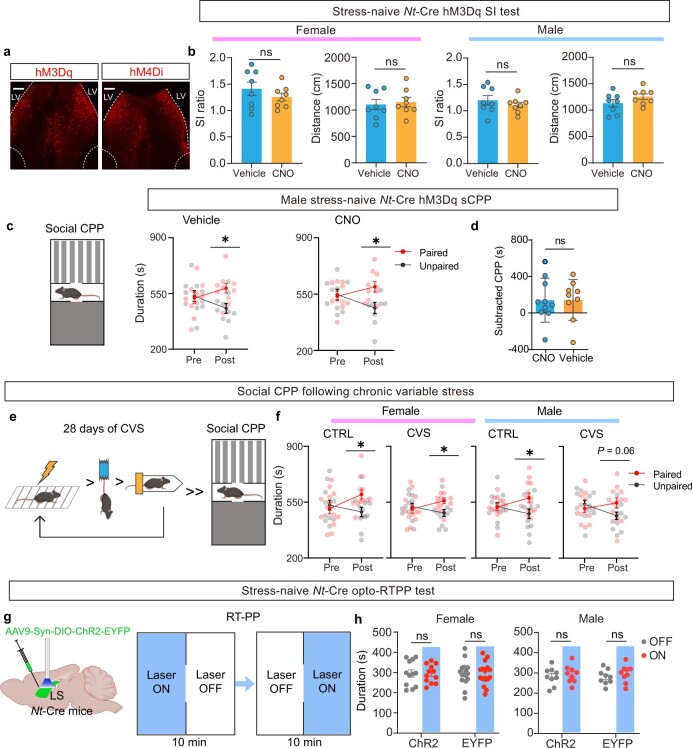
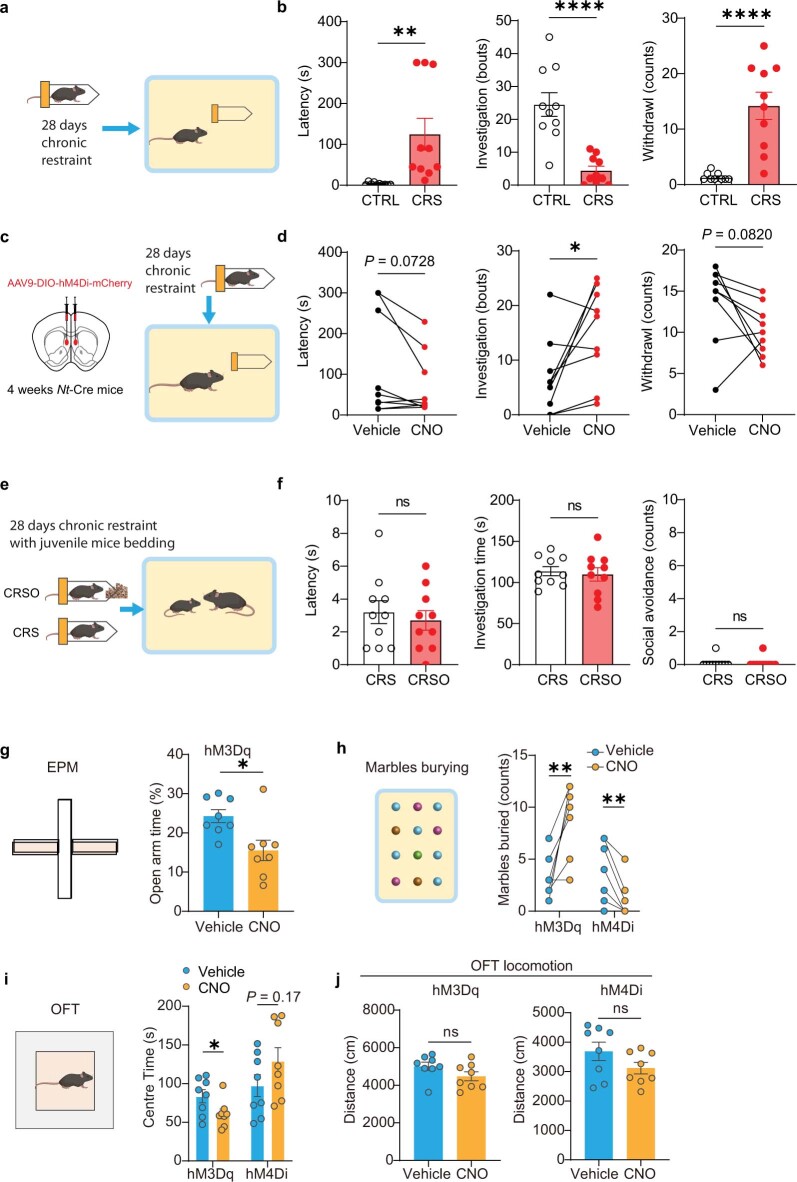
Verification
Claims the paper makes
The claims and statistics of this paper haven’t been checked yet.
Free: it reads the open-access text and checks the first 5 claims that cite a source we can check. Create a free account to check every claim.
Claims other papers make about this one
Each is checked against this paper’s own text: does it say what the citing paper says it does?
The source backs part of the claim, not all of it — or backs it for a different population, condition or comparison.
In the citing paper
“Notably, several of these bone marrow-innervating brain regions have been implicated in stress responses, reward processing and the pathogenesis of depression and anxiety disorders.”
From Central regulation of stress-evoked peripheral immune responses (2023) · cites this paper as [43]
Experimental — accuracy not yet measuredThe cited source says what the claim attributes to it.
In the citing paper
“Moreover, stress activates neurons in the lateral septum to blunt social reward in susceptible mice43”
From Central regulation of stress-evoked peripheral immune responses (2023) · cites this paper as [43]
Self-check
Percentages, sums and reported differences re-computed from the paper’s own numbers.
The self-check needs the paper’s full text.
Citations
Cites
Fiji: an open-source platform for biological-image analysis
Schindelin, J., Arganda-Carreras, I., Frise, E., Kaynig, V., Longair, M., Pietzsch, T., Preibisch, S., Rueden, C., Saalfeld, S., Schmid, B., et al. (2012) · Nature Methods · doi:10.1038/nmeth.2019 · Cited by 66,890 · cited 1×
“Analysis of Fos-positive cells was performed using Fiji (NIH) 57”
Genome-wide atlas of gene expression in the adult mouse brain
Lein, E. S., Hawrylycz, M. J., Ao, N., Ayres, M., Bensinger, A., Bernard, A., Boe, A. F., Boguski, M. S., Brockway, K. S., Byrnes, E. J., et al. (2007) · Nature · doi:10.1038/nature05453 · Cited by 5,572 · cited 1×
“Using the Allen Brain Atlas in situ hybridization (ISH) database 20 , we found several genes expressed specifically in the lateral-ventral portion of the LS, including neurotensin ( Nt ) (Fig.”
Krishnan, V., Han, M.-H., Graham, D. L., Berton, O., Renthal, W., Russo, S. J., LaPlant, Q., Graham, A., Lutter, M., Lagace, D. C., et al. (2007) · Cell · doi:10.1016/j.cell.2007.09.018 · Cited by 2,307 · cited 4×
“2d, Extended Data Tables 1–5 and Supplementary Table 1).”
InfluentialSelf-citationEssential role of BDNF in the mesolimbic dopamine pathway in social defeat stress
Berton, O., McClung, C. A., DiLeone, R. J., Krishnan, V., Renthal, W., Russo, S. J., Graham, D., Tsankova, N. M., Bolanos, C. A., Rios, M., et al. (2006) · Science · doi:10.1126/science.1120972 · Cited by 2,129 · cited 2×
“In rodents, the chronic social defeat stress (CSDS) model has been used to understand the neurobiology underlying stress susceptibility versus resilience following social trauma, yet little is known regarding its impact on social reward 4,5 .”
Self-citationThe brain reward circuitry in mood disorders
Russo, S. J., & Nestler, E. J. (2013) · Nature Reviews Neuroscience · doi:10.1038/nrn3381 · Cited by 1,870 · cited 2×
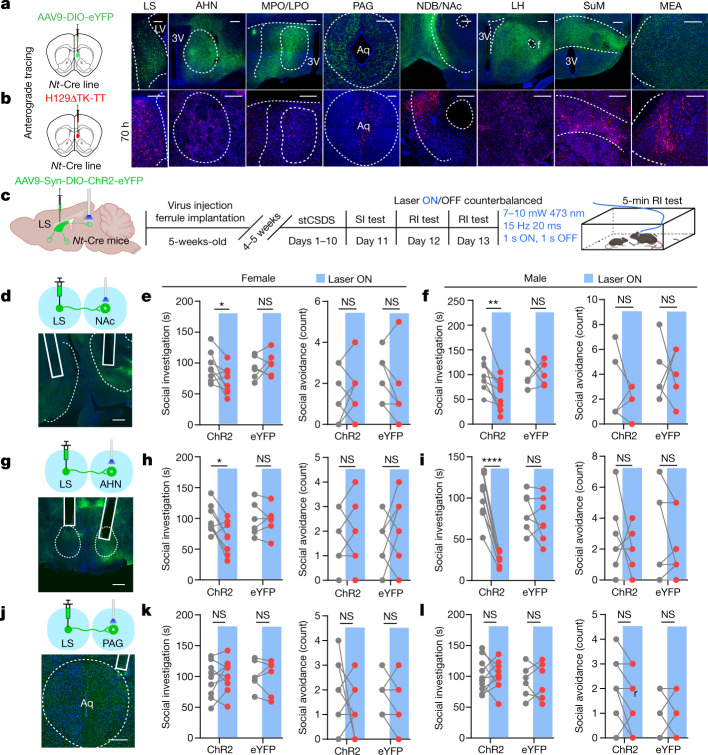
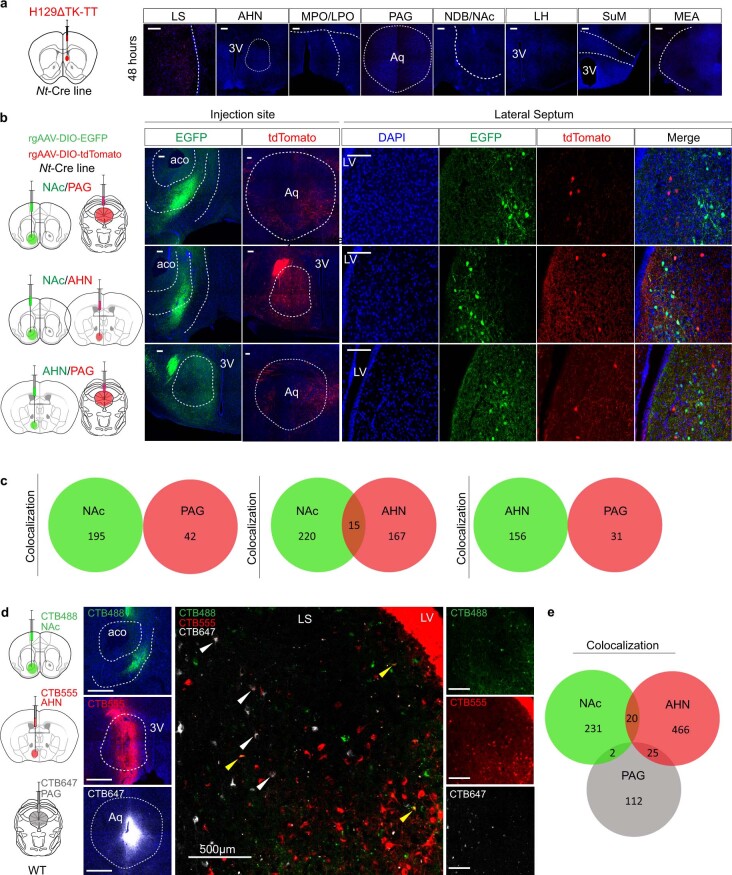
“…medial-lateral pre-optic area (LPO/MPO), nucleus accumbens (NAc), anterior hypothalamic nucleus (AHN), lateral hypothalamus (LH), periaqueductal grey (PAG), medial amygdala (MEA) and supramammillary nucleus (SuM), are all involved in various aspects of social behaviour 34 or conditioned reward 35 .”
Self-citationA standardized protocol for repeated social defeat stress in mice
Golden, S. A., Covington, H. E., Berton, O., & Russo, S. J. (2011) · Nature Protocols · doi:10.1038/nprot.2011.361 · Cited by 1,581 · cited 4×
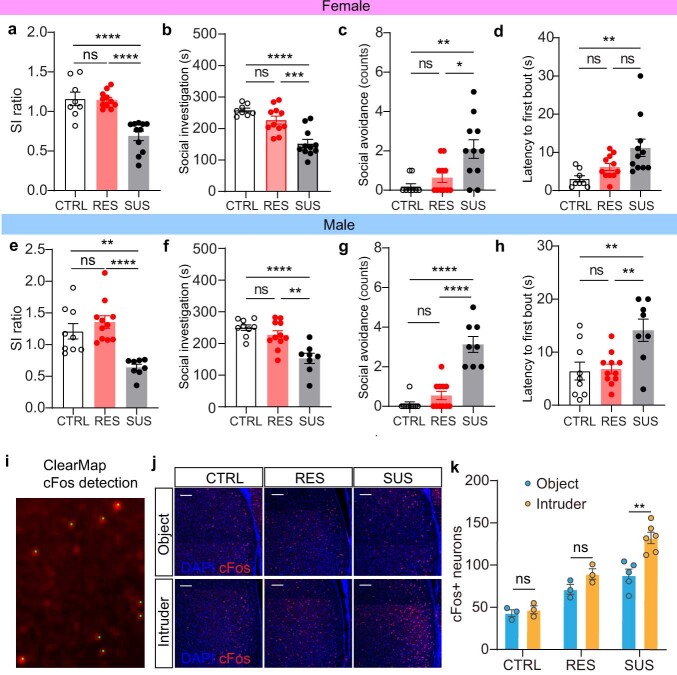
“SI tests were performed 24 h after the last defeat, as described previously 10 .”
InfluentialSelf-citationNatural neural projection dynamics underlying social behavior
Gunaydin, L. A., Grosenick, L., Finkelstein, J. C., Kauvar, I. V., Fenno, L. E., Adhikari, A., Lammel, S., Mirzabekov, J. J., Airan, R. D., Zalocusky, K. A., et al. (2014) · Cell · doi:10.1016/j.cell.2014.05.017 · Cited by 1,389 · cited 1×
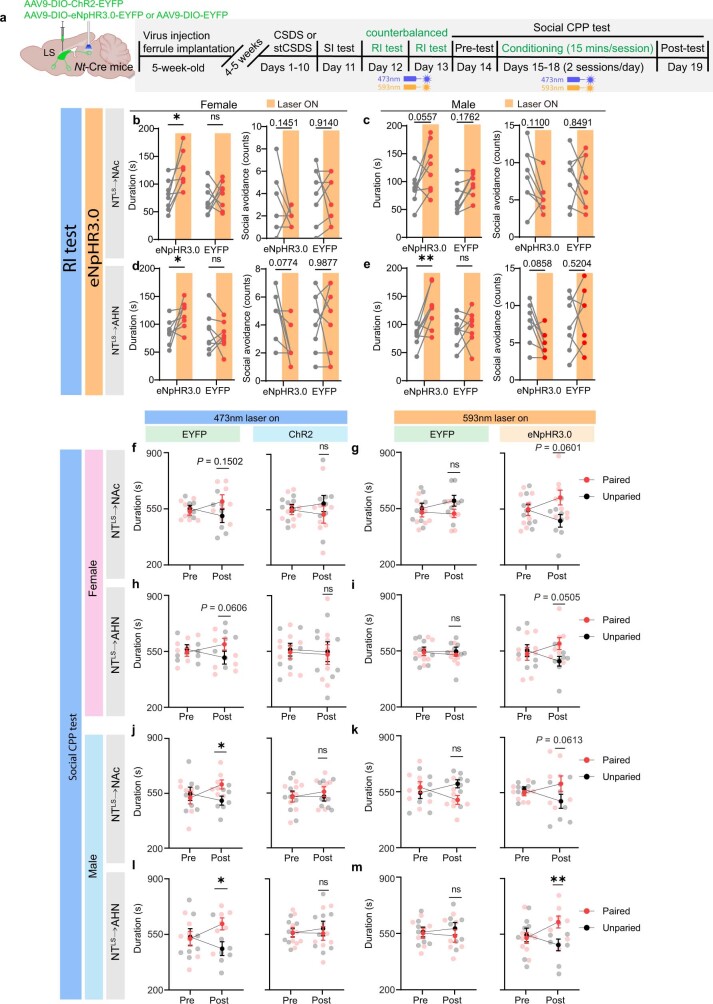
“The RI test was modified from a previously described protocol 52 .”
Psychobiology and molecular genetics of resilience
Feder, A., Nestler, E. J., & Charney, D. S. (2009) · Nature Reviews Neuroscience · doi:10.1038/nrn2649 · Cited by 1,272
Russo, S. J., Murrough, J. W., Han, M.-H., Charney, D. S., & Nestler, E. J. (2012) · Nature Neuroscience · doi:10.1038/nn.3234 · Cited by 1,206 · cited 2×
“Although it is well established that social stress leads to the development of depression, anxiety 48 and post-traumatic stress disorder 38 , the neural circuits that mediate the negative consequences of social stress— particularly with regard to social reward—are not well defined.”
Self-citationSocial reward requires coordinated activity of nucleus accumbens oxytocin and serotonin
Dölen, G., Darvishzadeh, A., Huang, K. W., & Malenka, R. C. (2013) · Nature · doi:10.1038/nature12518 · Cited by 1,161 · cited 1×
“Among these regions, the NAc is involved in social reward 36,37 and stress susceptibility 35,38 , and the PAG in social aggression 39 , as well as in defensive and escape behaviours 40,41 .”
Research works printed but not linked: 3
- 3. Ethridge, P., Sandre, A., Dirks, M. A. & Weinberg, A. Past-year relational victimization is associated with a blunted neural response to rewards in emerging adults. Soc. Cogn. Affect. Neurosci. 13, 1259-1267 (2018).
- 46. Krach, S., Paulus, F. M., Bodden, M. & Kircher, T. The rewarding nature of social interactions. Front. Behav. Neurosci. 4, 22 (2010).
- 56. Angoa-Perez, M., Kane, M. J., Briggs, D. I., Francescutti, D. M. & Kuhn, D. M. Marble burying and nestlet shredding as tests of repetitive, compulsive-like behaviors in mice. J. Vis. Exp. 24, 50978 (2013).
Cited by
Items 101–143 of 143
Wang, M., Hu, J., Wang, Y.-X., Lian, X.-T., Song, Y., Wu, D., Du, J., Li, H., Xiong, X.-X., Li, Z., et al. (2025) · Journal of Neuroscience · doi:10.1523/jneurosci.1063-25.2025 · Cited by 2
Wu, Q., Zhou, H., Gong, L.-L., Sheng, J., Su, L.-Y., & Tian, Y. (2025) · Food Science and Human Wellness · doi:10.26599/fshw.2025.9250775 · Cited by 1
Converging dopamine pathways onto basolateral amygdala neurons encode exploration decisions
Zheng, C., Liu, X., Wei, A., Liu, B., Zhang, Q., Jiang, J., Gao, X., Fan, H., Zhao, A., Duan, X., et al. (2026) · Neuron · doi:10.1016/j.neuron.2025.12.007 · Cited by 1
Wu, D., Wu, J.-L., Chen, H., Luo, R., Kong, Y., Hu, J., Huang, L., Liu, J.-H., Hu, N.-Y., Wang, M., et al. (2026) · Molecular Psychiatry · doi:10.1038/s41380-026-03561-z · Cited by 1
STRESS SUSCEPTIBILITY DRIVES MYELOPOIESIS TO IMPAIR ATHEROSCLEROSIS RESOLUTION
Tufanlı, Ö., Scolaro, B., Civieri, G., Schlamp, F., Delbare, S., Weinstock, A., Cathomas, F., Pena, S., Berrío, A. T., Parise, E. M., et al. (2026) · Atherosclerosis · doi:10.1016/j.atherosclerosis.2026.120914 · Cited by 1
Self-citationHyperactivity of the Lateral Septum Leads to Hypersensitivity in Susceptible Mice
Qian, F., Zhang, X., Zhang, B., & Li, J. (2023) · Neuroscience Bulletin · doi:10.1007/s12264-023-01063-4 · Cited by 1
“Li and colleagues’ work sheds light on how social defeats affect responses to social information, especially social reward [2].”
BackgroundThe neural mechanisms of resilience
Yan, J., Cao, G., Wang, C., Sun, Y. E., & Han, M. (2023) · Chinese Science Bulletin (Chinese Version) · doi:10.1360/tb-2023-0805 · Cited by 1
Cross-species dissection of the modular role of the ventral tegmental area in depressive disorders
Morris, L. S., Beltran, J., Murrough, J. W., & Morel, C. (2025) · Neuroscience · doi:10.1016/j.neuroscience.2025.02.008 · Cited by 1
Self-citationLateral Septal Circuits Govern Schizophrenia-Like Effects of Ketamine on Social BehaviorPreprint
Wang, R., Peterson, Z. J., Balasubramanian, N., Khan, K. M., Chimenti, M. S., Thedens, D. R., Nickl‐Jockschat, T., & Marcinkiewcz, C. A. (2023) · bioRxiv (Cold Spring Harbor Laboratory) · doi:10.1101/2023.08.08.552372 · Cited by 2
Whalley, K. (2022) · Nature reviews. Neuroscience · doi:10.1038/s41583-022-00668-4
Basics of Theoretical Neuroscience
Dewani, A. P., Mohale, D., Tripathi, A. S., & Sheikh, N. W. A. (2025) · Wiley eBooks · doi:10.1002/9781394242474.ch3
Role of molecularly defined lateral septum cell types and circuits in social behaviors
Phillips, R. A., & Page, S. C. (2025) · Neuropsychopharmacology · doi:10.1038/s41386-025-02216-x
The Impact of Pathological Behavior on Adolescent Health: A Systematic Literature Review
Amran, A., Siregar, E. Z., Hasibuan, N., & Nasution, S. (2025) · Jurnal Penelitian Pendidikan IPA · doi:10.29303/jppipa.v11i8.12161
“Pathological behavior refers to patterns of conduct that deviate from social norms and healthy psychological development (L. Li et al., 2023; Portalés et al., 2023; Powell & Swerdlow, 2023; Ren et al., 2023) , often leading to maladaptive functioning in daily life (Ilham et al., 2024; Sari, et al.,…”
Sexual Dimorphism in c-Fos Networks Governing AggressionPreprint
Aubry, A., Li, L., Cuttoli, R. D.-D., Karpman, E., Oh, H., Tavallaei, A. A., & Russo, S. J. (2025) · bioRxiv (Cold Spring Harbor Laboratory) · doi:10.1101/2025.10.06.680658
“Mice were screened using protocols adapted from previous studies(Aubry et al., 2022; Li et al., 2023).”
Self-citationZhang, X., Wang, S., Chen, X., Wang, H., An, Y., Wang, K., Airavaara, M., Xu, Y. C., & Qiao, X. (2025) · Molecular Neurobiology · doi:10.1007/s12035-025-05478-0
Okada, M., & van der Heyden, M. A. G. (2026) · Scientific Reports · doi:10.1038/s41598-026-59685-3
“A recent elegant study examining individual differences in reward-seeking behavior following social defeat stress in female mice suggests that the antidepressant effects are attributable to inhibition of the neurons 32 .”
Schäfer, T. (2024) · University of Regensburg Publication Server (University of Regensburg) · doi:10.5283/epub.55464
BRAIN BASIS OF HUMAN SOCIAL INTERACTION: NEUROCOGNITIVE FUNCTIONS AND META-ANALYSIS
Merchant, J. S. (2023) · University Libraries (University of Maryland) · doi:10.13016/dspace/yjjq-sk1b
Neural Circuits Underlying Social Touch Deficits in Mouse Models of Autism Spectrum Disorders
Chari, T. (2024) · eScholarship (California Digital Library)
Resolving Social Inhibition During Emotion-Focused Therapy for Depression: A Task Analytic Discovery
Ferreira, N. (2023) · YorkSpace (York University)
For Praise or Money: The Impact of Different Types of Symbolic Rewards on Selective Attention
Zhou, J., Diao, F., Gao, Y., Zhao, J., & Wang, Y. (2026) · Quarterly Journal of Experimental Psychology · doi:10.1177/17470218261417302
“However, recent findings have expanded this perspective to include social reward, which provides intangible benefits such as recognition, approval, and belonging (Foulkes & Blakemore, 2016; Hayward et al., 2018; Hu et al., 2021; L. Li et al., 2023; Martins et al., 2021; Nardou et al., 2023).”
Baumgartner, N. E., Teravskis, P. J., Dechachutinan, N. S., Binion, K. H. A., Bell, G., Dasari, A. S., Newberry, G. C., Penumudi, M., Rumbell, T. H., & Lucas, E. K. (2026) · bioRxiv (Cold Spring Harbor Laboratory) · doi:10.64898/2026.01.28.702128
Li, J., Xiao, Y., Lyu, S., Wang, K., Zhang, H., Zheng, Y., Zhang, X., Yang, H., & Shu, Y. (2026) · Molecular Psychiatry · doi:10.1038/s41380-026-03453-2
“Some of the LSNs express speci fi c molecular markers such as somatostatin ( Sst ) [11], neurotensin ( Nts ) [12], corticotropin-releasing factor receptor 1 or 2 ( Crhr1 or Crhr2 ) [13, 14], glucagon-like peptide 1 receptor ( Glp1r) [15], adenosine A2A receptor ( Adora2a) [7], oxytocin receptor (…”
Zhang, L., Huang, M., Ye, C.-L., Tang, Z., Xu, M., Yuan, W. A. N. G., Wang, T., Luo, S., Ji, R., Yu, C., et al. (2026) · Nature Communications · doi:10.1038/s41467-026-69955-3
“For example, activation of Crfr2 + or Oxtr + neurons can promote anxiety levels in mice 34,40 , while the NTS + - LS → hypothalamic tuberal nucleus (TU) and NTS + -LS → anterior hypo-thalamic nucleus (AHN) pathways can regulate hedonic feeding and social trauma 37,38 , respectively.”
Understanding Sociability Deficits in Neurodevelopmental and Neuropsychiatric Disorders
Cannon-Turner, A. (2024) · CU Scholar (University of Colorado Boulder)
Niu, Y., Li, K., Zhan, K., Pi, M., Xiong, Q., Wang, J., Wang, X. J., Shu, X., Xia, Y., & Huang, M. (2026) · Biomolecules · doi:10.3390/biom16050639
“The CSDS procedure was conducted according to established methods [29].”
Self-citationWei, Y., Liu, L., Gao, A., Ji, X., Kang, Q., Ding, X., Guo, J., Wang, Z., Da, J., Zhang, L., et al. (2026) · Neuropharmacology · doi:10.1016/j.neuropharm.2026.110997
Fan, H., Su, Y., Deng, J., LIANG, Z., Chen, M., Wu, K., Tang, P., Wang, C., Kong, D., Xu, T., et al. (2026) · Nature Communications · doi:10.1038/s41467-026-74217-3
Schaefer, T., Keller, D., Santos, F. D. L., Bludau, A., Krinner, A., Korotkova, T., Neumann, I. D., & Menon, R. (2026) · bioRxiv (Cold Spring Harbor Laboratory) · doi:10.64898/2026.08.08.743644
GluD1 modulates GluN2B-containing NMDAR function and plasticity at subicular synapses
Purisic, E., Lewis-Sanders, D., Zhong, M., Stamos, J., Wang, T., Valade, C., Wöhr, M., Sobie, E., & Dai, J. (2026) · Molecular Psychiatry · doi:10.1038/s41380-026-03951-3
El legado de Humberto Maturana y Francisco Varela
Gabriel, S. C., Luna, G. C., Catalina, G. S., & Rodrigo, M. G. (2026) · PhilPapers (PhilPapers Foundation) · doi:10.34720/7htp-r123
Hou, S., Zhou, R., He, L., Cheng, M., & Fan, X. (2026) · Journal of Pain Research · doi:10.2147/jpr.s628047
“52,53 The lateral septum participates in reward, stress, and social behavior, 54,55 while BMP receives hippocampal input and may integrate contextual information with amygdala-dependent responses.”
Garcίa, M. T., Tran, D. N., Peterson, R. E., Ibrahim, L. A., Reid, C. M., Hanson, S. M., Ren, Y., Dale-Huang, F., Xie, Y., Stegmann, S. K., et al. (2026) · eLife · doi:10.7554/elife.112110.1
Garcίa, M. T., Tran, D. N., Peterson, R. E., Ibrahim, L. A., Reid, C. M., Hanson, S. M., Ren, Y., Dale-Huang, F., Xie, Y., Stegmann, S. K., et al. (2026) · eLife · doi:10.7554/elife.112110
Multi-omics characterization of chronic social defeat stress recall-activated nuclei in Arc-GFP mice
Chongtham, M. C., Hartwich, D., Todorov, H., Ruffini, N., Weis, E., Linke, M., Schweiger, S., Zechner, U., Gräff, J., Lutz, B., et al. (2026) · Molecular Psychiatry · doi:10.1038/s41380-026-03834-7
Cholinergic interneurons in the nucleus accumbens regulate the initiation of natural reward approachPreprint
Brown, S. O., Cuttoli, R. D.-D., Mahboob, M., Markopoulou, E., Ibáñez-Tallon, I., & Ables, J. L. (2026) · bioRxiv (Cold Spring Harbor Laboratory) · doi:10.64898/2026.09.23.753195
Optically Gated Rotary Motion via a Dynamic Ag(I)‐Bridged Molecular Motor–Switch Hybrid
Yang, S., Li, S., Xu, H., Zhao, Y., & Xu, H. (2026) · Advanced Optical Materials · doi:10.1002/adom.71878
Zhai, J., Xu, Z., Yu, X., Shi, K., Zhang, X., Kuniishi, H., Xie, M. J., Zhang, Y., Yao, X., Wang, X., et al. (2026) · British Journal of Pharmacology · doi:10.1111/bph.70690
Self-citationBonacina, G., Wagels, L., Habel, U., Wilkin-Krug, L. C. M., O’Leary, A., & Boccadoro, S. (2026) · Neuroscience & Biobehavioral Reviews · doi:10.1016/j.neubiorev.2026.106998
The role of oxytocin receptors in social conditioned place preference
Stall, J., & Leong, K.-C. (2026) · Pharmacology Biochemistry and Behavior · doi:10.1016/j.pbb.2026.174279
Yang, C., Lombardi, V., Uygun, D. S., Brown, R. E., McKenna, J. T., & Basheer, R. (2026) · bioRxiv (Cold Spring Harbor Laboratory) · doi:10.64898/2026.10.09.758035
Metadata
- Authors
- Li, L., Durand-de Cuttoli, R., Aubry, A. V., Burnett, C. J., Cathomas, F., Parise, L. F., Chan, K. L., Morel, C., Yuan, C., Shimo, Y., Lin, H.-Y., Wang, J., & Russo, S. J.
- Affiliations
- Icahn School of Medicine at Mount Sinai (US)
- James J. Peters VA Medical Center (US)
- Corresponding author
- Russo, Scott J.
- ORCID
- Venue
- Nature
- Published
- 2022-11-30
- Volume
- 613
- Issue
- 7945
- Pages
- 696-703
- ISSN
- 0028-0836 (ISSN-L)
- 1476-4687
- PMC
- PMC9876792
- OpenAlex
- W4310960000
- Semantic Scholar
- bff3d1e9f52c0c0b12e86e88012a3729fd55ea09
- Cited by
- 134
- References
- 55
- Citations by year
- 2026: 25 · 2025: 42 · 2024: 44 · 2023: 21 · 2022: 2
- FWCI
- 12.05
- Type
- journal article
- Language
- en
- Open access
- hybrid
- doi.org
- Licence
- cc-by
- creativecommons.org/licenses/by/4.0 (tdm)
- creativecommons.org/licenses/by/4.0 (vor)
- Locations
- Nature (publishedVersion, cc-by)
- PubMed Central (publishedVersion, cc-by)
- PubMed (publishedVersion)
- RePEc: Research Papers in Economics (submittedVersion)
- Funders
- National Institutes of Health (P40OD010996, OD010996)
- Canadian Institutes of Health Research
- National Institute of Mental Health (R01MH120637, R01MH114882, R01MH120514, R01MH104559, R01MH127820, R01MH133299)
- Topics
- Life Sciences › Neuroscience › Cellular and Molecular Neuroscience › Neurotransmitter Receptor Influence on Behavior
- Life Sciences › Neuroscience › Endocrine and Autonomic Systems › Neuroendocrine regulation and behavior
- Life Sciences › Neuroscience › Behavioral Neuroscience › Stress Responses and Cortisol
- Keywords
- social trauma, chronic social defeat stress, social reward, lateral septum, stress vulnerability, social avoidance, social threat perception, calcium imaging, optogenetic manipulation, chemogenetic manipulation, sex differences, social interaction
- MeSH terms
- Psychological Trauma, Animals, Brain, Calcium, Female, Male, Mice, Inbred C57BL, Neural Pathways, Neurons, Neurotensin, Reward, Septal Nuclei, Social Behavior, Stress, Psychological, Proto-Oncogene Proteins c-fos, Mice, Optogenetics
About these checks
Registry, retraction, Cites and statistics results are computed, not judged, with one exception: a printed reference that no index lists is read once by a model before it counts as a citation error. Claims are extracted by a model and kept only when their quote appears verbatim in the text; each cited source is then checked, with a model’s help, for whether it says what the claim relies on. Those verdicts can be wrong — read the claim’s quote and the cited source before relying on one.
Statistics and arithmetic are recomputed, not judged.
Confidence bands are shown only for fields calibrated on our annotated test set. None is calibrated yet, so no band is shown.
What counts as a claim ›How we measure confidence ›How we check this ›
Are you an author, or do you see a problem with this page? Request a review
Data sources
Bibliographic data: Semantic Scholar, OpenAlex, Crossref.
Contains information from the Semantic Scholar Academic Graph Datasets, made available under the ODC Attribution License (ODC-BY 1.0).
Semantic Scholar’s data is described in: Kinney, R., et al. (2023). The Semantic Scholar Open Data Platform. arXiv:2301.10140.
