

Social trauma engages lateral septum circuitry to occlude social reward
Open accessThe DOI matches its Crossref record; 56 of the 56 references it cites were found in a registry or an index.
Abstract
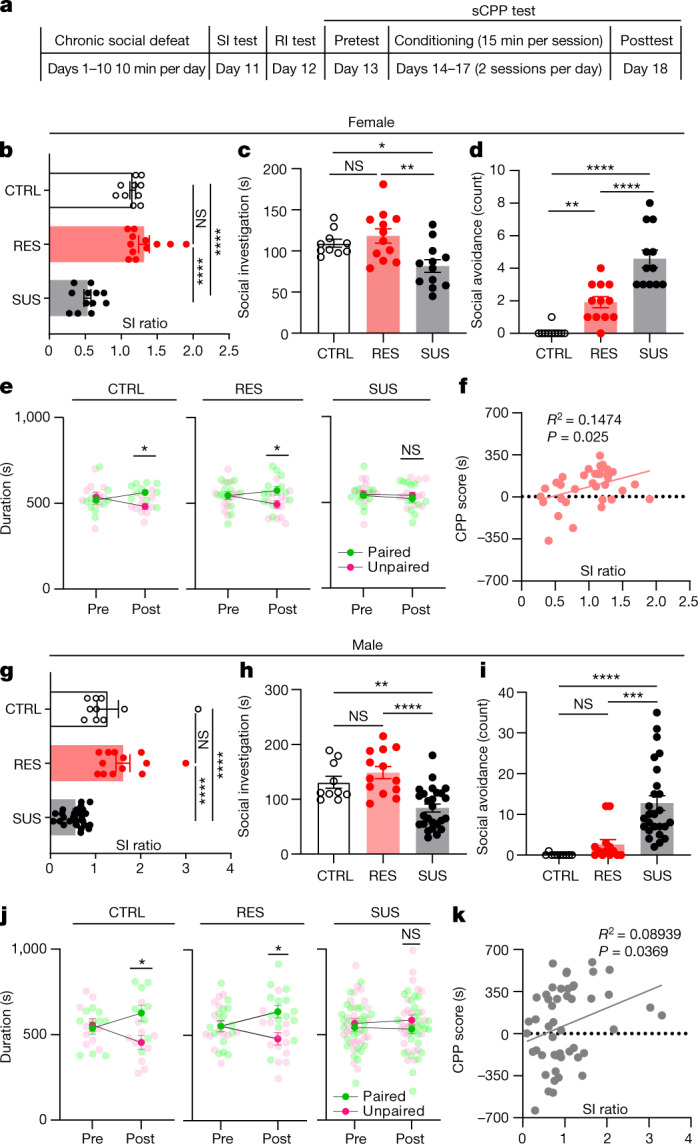
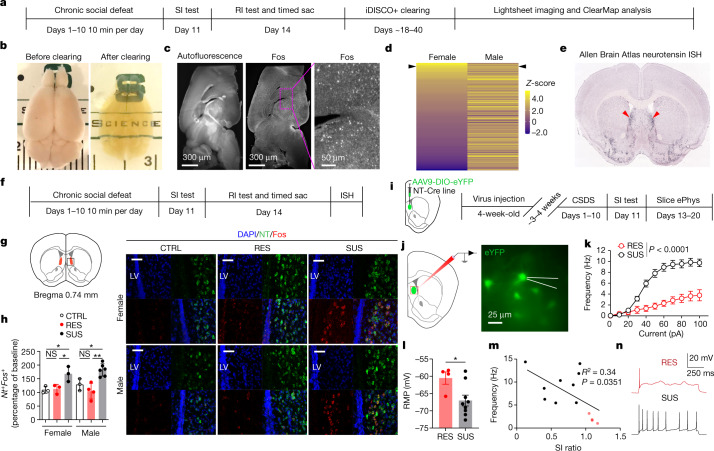
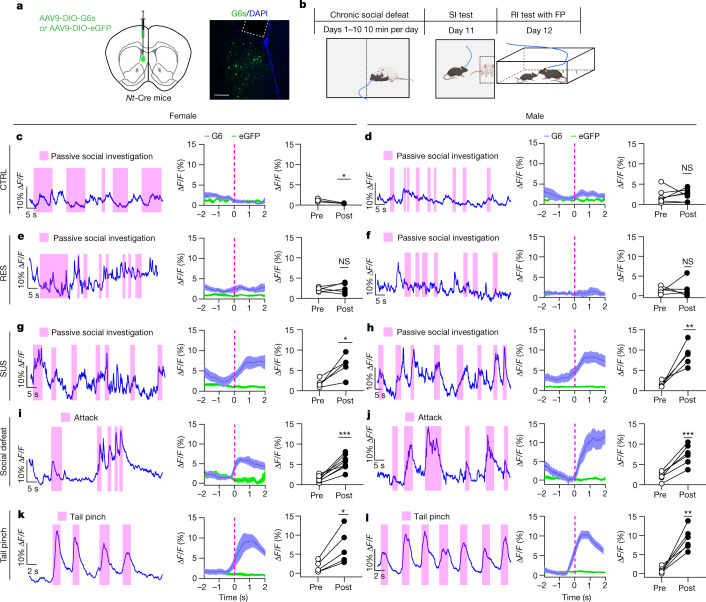
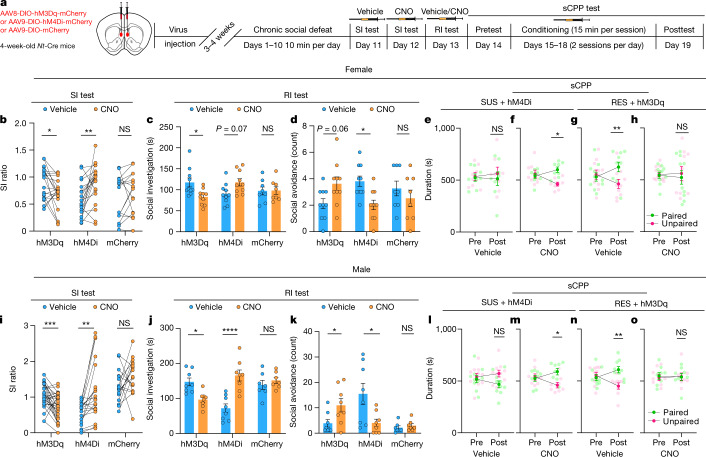
In humans, traumatic social experiences can contribute to psychiatric disorders 1 . It is suggested that social trauma impairs brain reward function such that social behaviour is no longer rewarding, leading to severe social avoidance 2,3 . In rodents, the chronic social defeat stress (CSDS) model has been used to understand the neurobiology underlying stress susceptibility versus resilience following social trauma, yet little is known regarding its impact on social reward 4,5 . Here we show that, following CSDS, a subset of male and female mice, termed susceptible (SUS), avoid social interaction with non-aggressive, same-sex juvenile C57BL/6J mice and do not develop context-dependent social reward following encounters with them. Non-social stressors have no effect on social reward in either sex. Next, using whole-brain Fos mapping, in vivo Ca 2+ imaging and whole-cell recordings, we identified a population of stress/threat-responsive lateral septum neurotensin (NT LS ) neurons that are activated by juvenile social interactions only in SUS mice, but not in resilient or unstressed control mice. Optogenetic or chemogenetic manipulation of NT LS neurons and their downstream connections modulates social interaction and social reward. Together, these data suggest that previously rewarding social targets are possibly perceived as social threats in SUS mice, resulting from hyperactive NT LS neurons that occlude social reward processing.
Overview
The claims and statistics of this paper haven’t been checked yet.
Free: it reads the open-access text and checks the first 5 claims that cite a source we can check. Create a free account to check every claim.
Integrity signals
Registry
Cites
Statistics
Figures
Verification
Claims the paper makes
The claims and statistics of this paper haven’t been checked yet.
Free: it reads the open-access text and checks the first 5 claims that cite a source we can check. Create a free account to check every claim.
Claims other papers make about this one
Each is checked against this paper’s own text: does it say what the citing paper says it does?
The source backs part of the claim, not all of it — or backs it for a different population, condition or comparison.
In the citing paper
“Notably, several of these bone marrow-innervating brain regions have been implicated in stress responses, reward processing and the pathogenesis of depression and anxiety disorders.”
From Central regulation of stress-evoked peripheral immune responses (2023) · cites this paper as [43]
Experimental — accuracy not yet measuredThe cited source says what the claim attributes to it.
In the citing paper
“Moreover, stress activates neurons in the lateral septum to blunt social reward in susceptible mice43”
From Central regulation of stress-evoked peripheral immune responses (2023) · cites this paper as [43]
Self-check
Percentages, sums and reported differences re-computed from the paper’s own numbers.
The self-check needs the paper’s full text.
Citations
Cites
Fiji: an open-source platform for biological-image analysis
Schindelin, J., Arganda-Carreras, I., Frise, E., Kaynig, V., Longair, M., Pietzsch, T., Preibisch, S., Rueden, C., Saalfeld, S., Schmid, B., et al. (2012) · Nature Methods · doi:10.1038/nmeth.2019 · Cited by 66,890 · cited 1×
“Analysis of Fos-positive cells was performed using Fiji (NIH) 57”
Genome-wide atlas of gene expression in the adult mouse brain
Lein, E. S., Hawrylycz, M. J., Ao, N., Ayres, M., Bensinger, A., Bernard, A., Boe, A. F., Boguski, M. S., Brockway, K. S., Byrnes, E. J., et al. (2007) · Nature · doi:10.1038/nature05453 · Cited by 5,572 · cited 1×
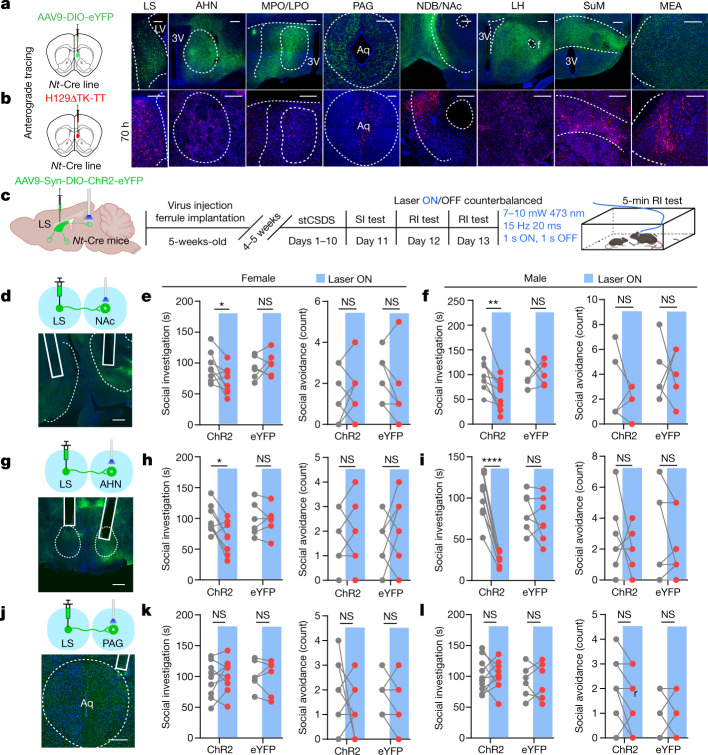
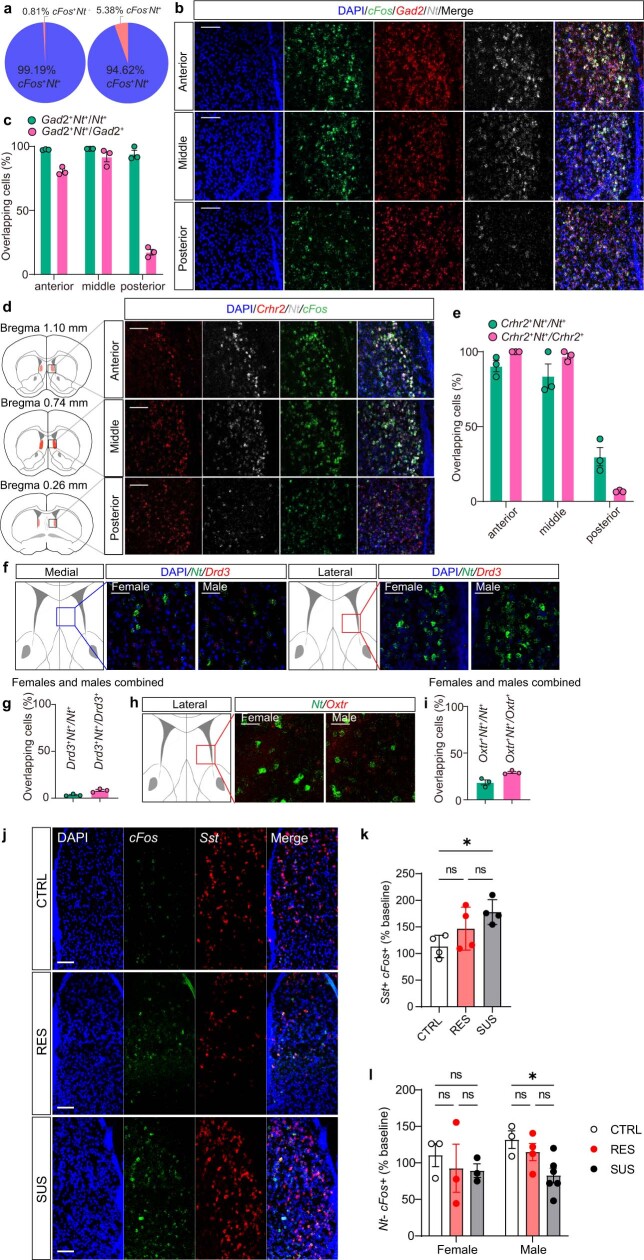
“Using the Allen Brain Atlas in situ hybridization (ISH) database 20 , we found several genes expressed specifically in the lateral-ventral portion of the LS, including neurotensin ( Nt ) (Fig.”
Krishnan, V., Han, M.-H., Graham, D. L., Berton, O., Renthal, W., Russo, S. J., LaPlant, Q., Graham, A., Lutter, M., Lagace, D. C., et al. (2007) · Cell · doi:10.1016/j.cell.2007.09.018 · Cited by 2,307 · cited 4×
“2d, Extended Data Tables 1–5 and Supplementary Table 1).”
InfluentialSelf-citationEssential role of BDNF in the mesolimbic dopamine pathway in social defeat stress
Berton, O., McClung, C. A., DiLeone, R. J., Krishnan, V., Renthal, W., Russo, S. J., Graham, D., Tsankova, N. M., Bolanos, C. A., Rios, M., et al. (2006) · Science · doi:10.1126/science.1120972 · Cited by 2,129 · cited 2×
“In rodents, the chronic social defeat stress (CSDS) model has been used to understand the neurobiology underlying stress susceptibility versus resilience following social trauma, yet little is known regarding its impact on social reward 4,5 .”
Self-citationThe brain reward circuitry in mood disorders
Russo, S. J., & Nestler, E. J. (2013) · Nature Reviews Neuroscience · doi:10.1038/nrn3381 · Cited by 1,870 · cited 2×
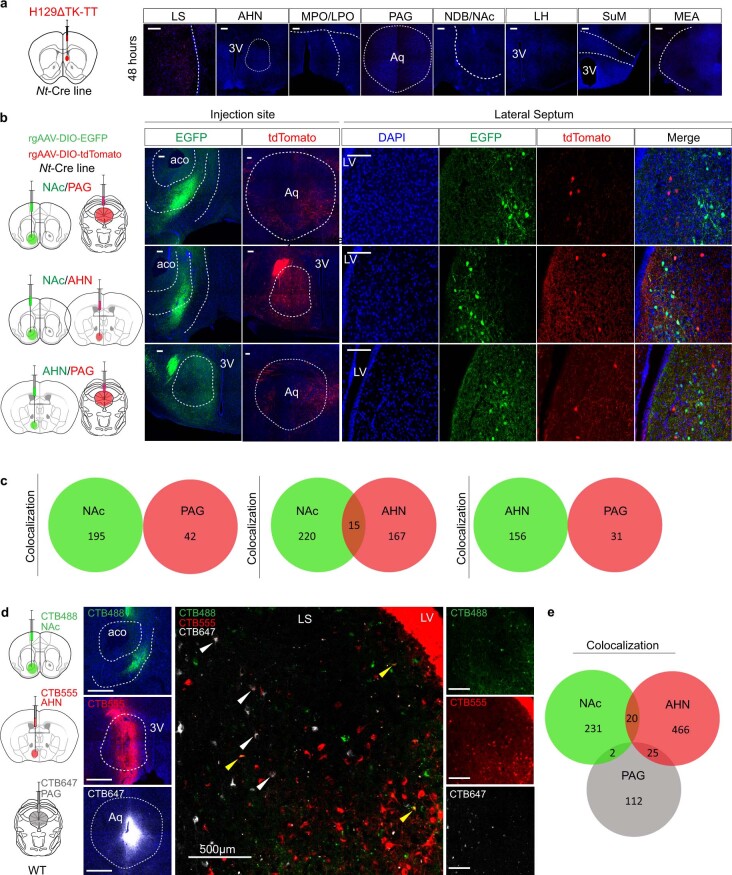
“…medial-lateral pre-optic area (LPO/MPO), nucleus accumbens (NAc), anterior hypothalamic nucleus (AHN), lateral hypothalamus (LH), periaqueductal grey (PAG), medial amygdala (MEA) and supramammillary nucleus (SuM), are all involved in various aspects of social behaviour 34 or conditioned reward 35 .”
Self-citationA standardized protocol for repeated social defeat stress in mice
Golden, S. A., Covington, H. E., Berton, O., & Russo, S. J. (2011) · Nature Protocols · doi:10.1038/nprot.2011.361 · Cited by 1,581 · cited 4×
“SI tests were performed 24 h after the last defeat, as described previously 10 .”
InfluentialSelf-citationNatural neural projection dynamics underlying social behavior
Gunaydin, L. A., Grosenick, L., Finkelstein, J. C., Kauvar, I. V., Fenno, L. E., Adhikari, A., Lammel, S., Mirzabekov, J. J., Airan, R. D., Zalocusky, K. A., et al. (2014) · Cell · doi:10.1016/j.cell.2014.05.017 · Cited by 1,389 · cited 1×
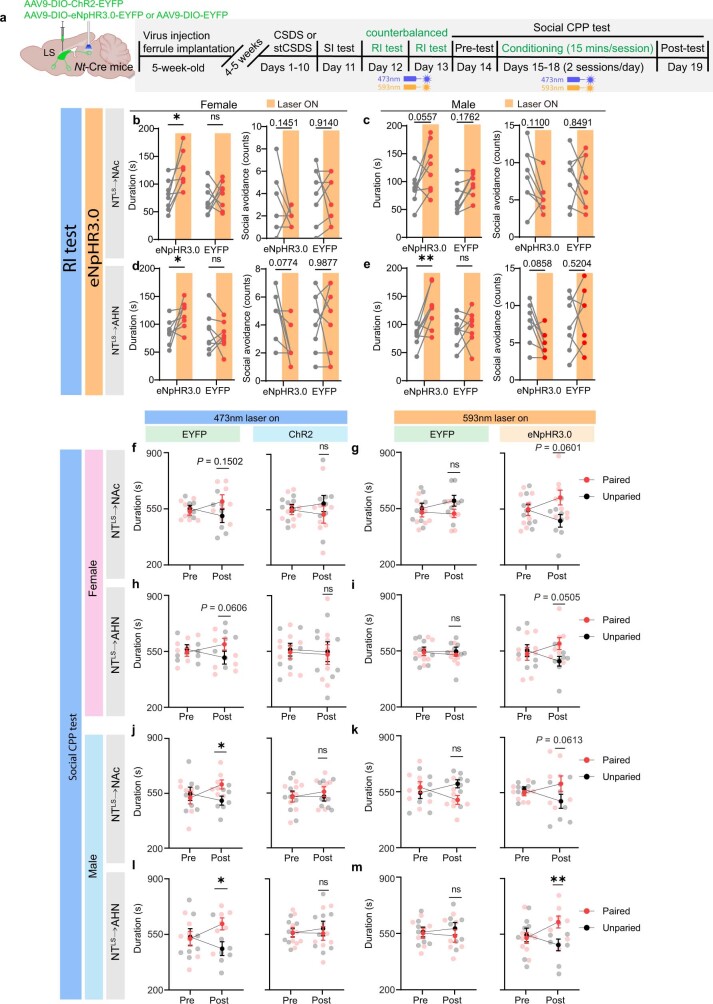
“The RI test was modified from a previously described protocol 52 .”
Psychobiology and molecular genetics of resilience
Feder, A., Nestler, E. J., & Charney, D. S. (2009) · Nature Reviews Neuroscience · doi:10.1038/nrn2649 · Cited by 1,272
Russo, S. J., Murrough, J. W., Han, M.-H., Charney, D. S., & Nestler, E. J. (2012) · Nature Neuroscience · doi:10.1038/nn.3234 · Cited by 1,206 · cited 2×
“Although it is well established that social stress leads to the development of depression, anxiety 48 and post-traumatic stress disorder 38 , the neural circuits that mediate the negative consequences of social stress— particularly with regard to social reward—are not well defined.”
Self-citationSocial reward requires coordinated activity of nucleus accumbens oxytocin and serotonin
Dölen, G., Darvishzadeh, A., Huang, K. W., & Malenka, R. C. (2013) · Nature · doi:10.1038/nature12518 · Cited by 1,161 · cited 1×
“Among these regions, the NAc is involved in social reward 36,37 and stress susceptibility 35,38 , and the PAG in social aggression 39 , as well as in defensive and escape behaviours 40,41 .”
The connections of the septal region in the rat
Swanson, L. W., & Cowan, W. M. (1979) · Journal of Comparative Neurology · doi:10.1002/cne.901860408 · Cited by 1,135 · cited 1×
“The LS contains long-range GABAergic projection neurons 30 and has topographically distributed, wide-range input–output projections 18,31,32 .”
Mapping of Brain Activity by Automated Volume Analysis of Immediate Early Genes
Renier, N., Adams, E. L., Kirst, C., Wu, Z., Azevedo, R., Kohl, J., Autry, A. E., Kadiri, L., Umadevi Venkataraju, K., Zhou, Y., et al. (2016) · Cell · doi:10.1016/j.cell.2016.05.007 · Cited by 918 · cited 3×
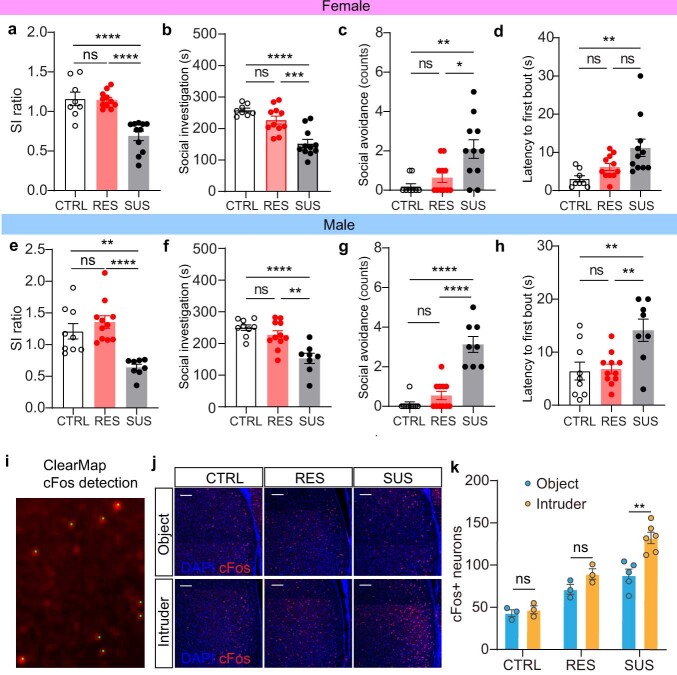
“Cleared brains were processed as previously described using ClearMap 12 .”
InfluentialSex-specific transcriptional signatures in human depression
Labonté, B., Engmann, O., Purushothaman, I., Menard, C., Wang, J., Tan, C., Scarpa, J. R., Moy, G., Loh, Y.-H. E., Cahill, M., et al. (2017) · Nature Medicine · doi:10.1038/nm.4386 · Cited by 748 · cited 1×
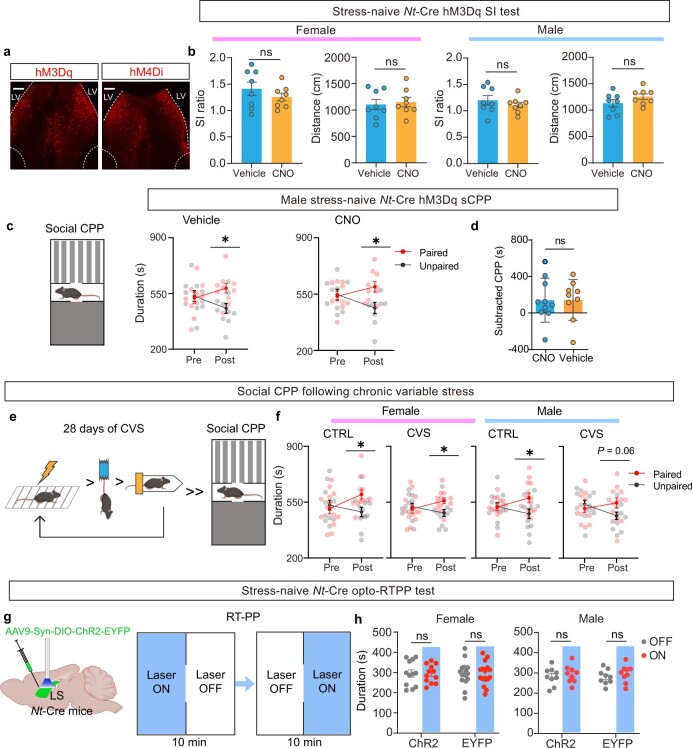
“6e,f), despite the fact that both CSDS and CVS similarly reduce preferences for natural rewards like sucrose 27 .”
Self-citationMidbrain circuits for defensive behaviour
Tovote, P., Esposito, M. S., Botta, P., Chaudun, F., Fadok, J. P., Markovic, M., Wolff, S. B. E., Ramakrishnan, C., Fenno, L., Deisseroth, K., et al. (2016) · Nature · doi:10.1038/nature17996 · Cited by 732 · cited 1×
“Among these regions, the NAc is involved in social reward 36,37 and stress susceptibility 35,38 , and the PAG in social aggression 39 , as well as in defensive and escape behaviours 40,41 .”
Connections of the rat lateral septal complex 1Published on the World Wide Web on 2 June 1997. 1
Risold, P. Y., & Swanson, L. W. (1997) · Brain Research Reviews · doi:10.1016/s0165-0173(97)00009-x · Cited by 671 · cited 1×
“The LS contains long-range GABAergic projection neurons 30 and has topographically distributed, wide-range input–output projections 18,31,32 .”
Social functioning in major depressive disorder
Kupferberg, A., Bicks, L., & Hasler, G. (2016) · Neuroscience & Biobehavioral Reviews · doi:10.1016/j.neubiorev.2016.07.002 · Cited by 663 · cited 1×
“Interestingly, in studies of patients with depression and comorbid social anxiety disorder, it was shown that social trauma abnormally increases the representation of social threat 49 .”
McLaughlin, K. A., Colich, N. L., Rodman, A. M., & Weissman, D. G. (2020) · BMC Medicine · doi:10.1186/s12916-020-01561-6 · Cited by 596
Gating of social reward by oxytocin in the ventral tegmental area
Hung, L. W., Neuner, S., Polepalli, J. S., Beier, K. T., Wright, M., Walsh, J. J., Lewis, E. M., Luo, L., Deisseroth, K., Dölen, G., et al. (2017) · Science · doi:10.1126/science.aan4994 · Cited by 578 · cited 1×
“Among these regions, the NAc is involved in social reward 36,37 and stress susceptibility 35,38 , and the PAG in social aggression 39 , as well as in defensive and escape behaviours 40,41 .”
Neural circuit mechanisms of social behavior
Chen, P., & Hong, W. (2018) · Neuron · doi:10.1016/j.neuron.2018.02.026 · Cited by 527 · cited 1×
“…medial-lateral pre-optic area (LPO/MPO), nucleus accumbens (NAc), anterior hypothalamic nucleus (AHN), lateral hypothalamus (LH), periaqueductal grey (PAG), medial amygdala (MEA) and supramammillary nucleus (SuM), are all involved in various aspects of social behaviour 34 or conditioned reward 35 .”
Scalable control of mounting and attack by Esr1+ neurons in the ventromedial hypothalamus
Lee, H., Kim, D.-W., Remedios, R., Anthony, T. E., Chang, A., Madisen, L., Zeng, H., & Anderson, D. J. (2014) · Nature · doi:10.1038/nature13169 · Cited by 479
Hodes, G. E., Pfau, M. L., Purushothaman, I., Ahn, H. F., Golden, S. A., Christoffel, D. J., Magida, J., Brancato, A., Takahashi, A., Flanigan, M. E., et al. (2015) · The Journal of Neuroscience · doi:10.1523/jneurosci.1392-15.2015 · Cited by 395 · cited 1×
“CVS was modified from our previous work 51 .”
Self-citationControl of Stress-Induced Persistent Anxiety by an Extra-Amygdala Septohypothalamic Circuit
Anthony, T. E., Dee, N., Bernard, A., Lerchner, W., Heintz, N., & Anderson, D. J. (2014) · Cell · doi:10.1016/j.cell.2013.12.040 · Cited by 310 · cited 2×
“…molecularly defined cell types in regulation of behaviour, including Sst + neurons in fear conditioning 21 , vGAT + and Nt + neurons in stress-suppressed feeding 22,23 , Crhr2 + neurons in anxiety-like behaviour 24 , as well as Oxtr + and Drd3 + neurons in social fear 25 and social dysfunction 26 .”
Emotional responses to interpersonal rejection
Leary, M. R. (2015) · Dialogues in Clinical Neuroscience · doi:10.31887/dcns.2015.17.4/mleary · Cited by 289 · cited 2×
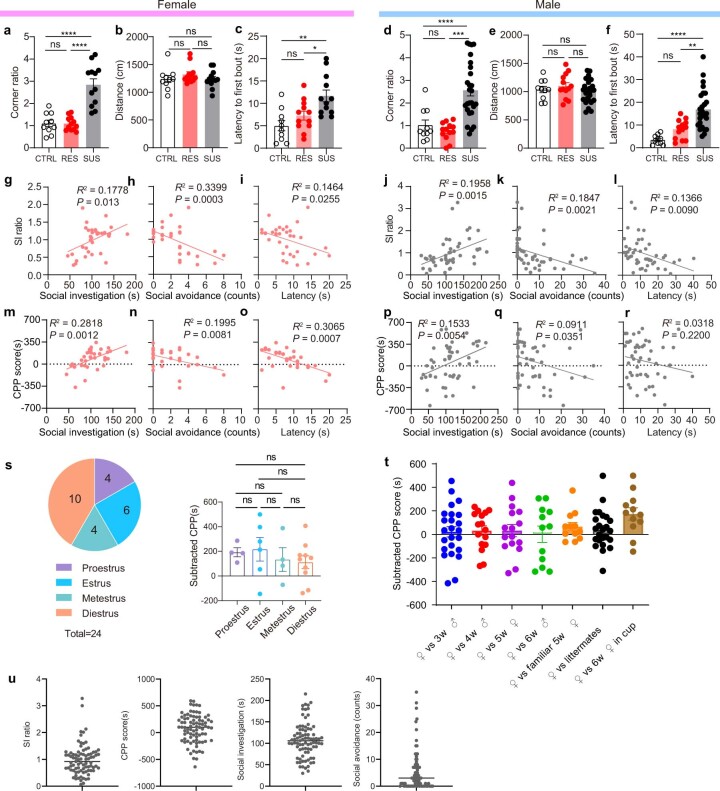
“To investigate how CSDS affects social interaction and social reward, 7–8-week-old wild-type (WT) male and female mice underwent standard CSDS followed by social interaction testing with a CD-1 or ERα-Cre F1 mouse 10,11 .”
A circuit from hippocampal CA2 to lateral septum disinhibits social aggression
Leroy, F., Park, J., Asok, A., Brann, D. H., Meira, T., Boyle, L. M., Buss, E. W., Kandel, E. R., & Siegelbaum, S. A. (2018) · Nature · doi:10.1038/s41586-018-0772-0 · Cited by 283
Evaluating the rewarding nature of social interactions in laboratory animals
Trezza, V., Campolongo, P., & Vanderschuren, L. J. M. J. (2011) · Developmental Cognitive Neuroscience · doi:10.1016/j.dcn.2011.05.007 · Cited by 258 · cited 1×
“Many components of social behaviour, including its rewarding properties, are evolutionarily conserved between humans and rodents 46,47 .”
Establishment of a repeated social defeat stress model in female mice
Takahashi, A., Chung, J.-R., Zhang, S., Zhang, H., Grossman, Y., Aleyasin, H., Flanigan, M. E., Pfau, M. L., Menard, C., Dumitriu, D., et al. (2017) · Scientific Reports · doi:10.1038/s41598-017-12811-8 · Cited by 256 · cited 5×
“To investigate how CSDS affects social interaction and social reward, 7–8-week-old wild-type (WT) male and female mice underwent standard CSDS followed by social interaction testing with a CD-1 or ERα-Cre F1 mouse 10,11 .”
InfluentialSelf-citationLo, L., & Anderson, D. J. (2011) · Neuron · doi:10.1016/j.neuron.2011.12.002 · Cited by 251 · cited 1×
“We then used HSV-1 (H129ΔTK-TT) for anterograde trans-synaptic tracing 33 to verify which regions form monosynaptic connections with NT LS neurons (Fig.”
Novel Object Recognition and Object Location Behavioral Testing in Mice on a Budget
Denninger, J. K., Smith, B. M., & Kirby, E. D. (2018) · Journal of Visualized Experiments · doi:10.3791/58593 · Cited by 242 · cited 1×
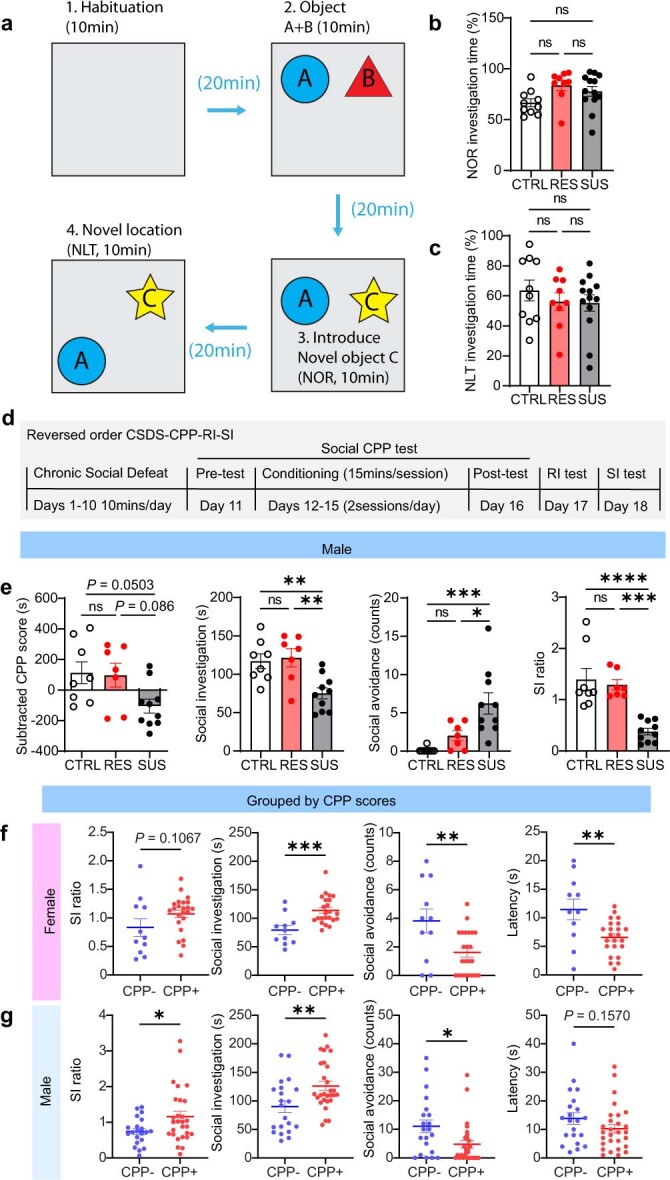
“Novel-object recognition (NOR) and object location tests were performed as previously described 55”
Effective modulation of male aggression through lateral septum to medial hypothalamus projection
Wong, L. C., Wang, L., D’Amour, J. A., Yumita, T., Chen, G., Yamaguchi, T., Chang, B. C., Bernstein, H., You, X., Feng, J. E., et al. (2016) · Current Biology · doi:10.1016/j.cub.2015.12.065 · Cited by 213
Oxytocin signaling in the lateral septum prevents social fear during lactation
Menon, R., Grund, T., Zoicas, I., Althammer, F., Fiedler, D., Biermeier, V., Bosch, O. J., Hiraoka, Y., Nishimori, K., Eliava, M., et al. (2018) · Current Biology · doi:10.1016/j.cub.2018.02.044 · Cited by 211
A transdiagnostic perspective on social anhedonia
Barkus, E., & Badcock, J. C. (2019) · Frontiers in Psychiatry · doi:10.3389/fpsyt.2019.00216 · Cited by 165 · cited 1×
“Social avoidance manifests across a host of psychiatric illnesses, with causes ranging from disinterest in social contact 6 to negative emotional states evoked by social encounters 7 .”
Efficient optogenetic silencing of neurotransmitter release with a mosquito rhodopsin
Mahn, M., Saraf‐Sinik, I., Patil, P., Pulin, M., Bitton, E., Karalis, N., Bruentgens, F., Palgi, S., Gat, A., Dine, J., et al. (2021) · Neuron · doi:10.1016/j.neuron.2021.03.013 · Cited by 157 · cited 1×
“Recently developed G-protein-coupled optogenetic tools 44,45 may provide a more convincing method for long-range presynaptic inhibition in future studies.”
Cezario, A. F., Ribeiro‐Barbosa, E. R., Baldo, M. V. C., & Canteras, N. S. (2008) · European Journal of Neuroscience · doi:10.1111/j.1460-9568.2008.06392.x · Cited by 155
Neurobiology of the lateral septum: regulation of social behavior
Menon, R., Süß, T., Oliveira, V. E. D. M., Neumann, I. D., & Bludau, A. (2022) · Trends in Neurosciences · doi:10.1016/j.tins.2021.10.010 · Cited by 147 · cited 1×
“Due to its dense reciprocal interconnections throughout the brain’s primary reward centres, the LS is often thought of as a nexus for mood 13–16 , motivation 17,18 and spatial information processing 19 .”
Orexin signaling in GABAergic lateral habenula neurons modulates aggressive behavior in male mice
Flanigan, M. E., Aleyasin, H., Li, L., Burnett, C. J., Chan, K. L., LeClair, K. B., Lucas, E. K., Matikainen-Ankney, B., Durand-de Cuttoli, R., Takahashi, A., et al. (2020) · Nature Neuroscience · doi:10.1038/s41593-020-0617-7 · Cited by 143 · cited 1×
“No group differences in bias for either chamber were found, and conditioning groups were balanced in an unbiased fashion to account for start side preference, as described previously 54 .”
Self-citationLateral septum as a nexus for mood, motivation, and movement
Wirtshafter, H. S., & Wilson, M. A. (2021) · Neuroscience & Biobehavioral Reviews · doi:10.1016/j.neubiorev.2021.03.029 · Cited by 142 · cited 1×
“Due to its dense reciprocal interconnections throughout the brain’s primary reward centres, the LS is often thought of as a nexus for mood 13–16 , motivation 17,18 and spatial information processing 19 .”
Multi-Fiber Photometry to Record Neural Activity in Freely-Moving Animals
Martianova, E., Aronson, S., & Proulx, C. D. (2019) · Journal of Visualized Experiments · doi:10.3791/60278 · Cited by 133
Hierarchical Representations of Aggression in a Hypothalamic-Midbrain Circuit
Falkner, A. L., Wei, D., Song, A., Watsek, L. W., Chen, I., Chen, P., Feng, J. E., & Lin, D. (2020) · Neuron · doi:10.1016/j.neuron.2020.02.014 · Cited by 122 · cited 1×
“Among these regions, the NAc is involved in social reward 36,37 and stress susceptibility 35,38 , and the PAG in social aggression 39 , as well as in defensive and escape behaviours 40,41 .”
Drd3 Signaling in the Lateral Septum Mediates Early Life Stress-Induced Social Dysfunction
Shin, S., Pribiag, H., Lilascharoen, V., Knowland, D., Wang, X.-Y., & Lim, B. K. (2018) · Neuron · doi:10.1016/j.neuron.2017.11.040 · Cited by 120 · cited 1×
“…molecularly defined cell types in regulation of behaviour, including Sst + neurons in fear conditioning 21 , vGAT + and Nt + neurons in stress-suppressed feeding 22,23 , Crhr2 + neurons in anxiety-like behaviour 24 , as well as Oxtr + and Drd3 + neurons in social fear 25 and social dysfunction 26 .”
Top-down regulation of motivated behaviors via lateral septum sub-circuits
Besnard, A., & Leroy, F. (2022) · Molecular Psychiatry · doi:10.1038/s41380-022-01599-3 · Cited by 119 · cited 2×
“Due to its dense reciprocal interconnections throughout the brain’s primary reward centres, the LS is often thought of as a nexus for mood 13–16 , motivation 17,18 and spatial information processing 19 .”
The role of the periaqueductal gray in escape behavior
Lefler, Y., Campagner, D., & Branco, T. (2019) · Current Opinion in Neurobiology · doi:10.1016/j.conb.2019.11.014 · Cited by 95 · cited 1×
“Among these regions, the NAc is involved in social reward 36,37 and stress susceptibility 35,38 , and the PAG in social aggression 39 , as well as in defensive and escape behaviours 40,41 .”
Besnard, A., Gao, Y., TaeWoo Kim, M., Twarkowski, H., Reed, A. K., Langberg, T., Feng, W., Xu, X., Saur, D., Zweifel, L. S., et al. (2019) · Nature Neuroscience · doi:10.1038/s41593-018-0330-y · Cited by 94
Pegg, S. L., Ethridge, P., Shields, G. S., Slavich, G. M., Weinberg, A., & Kujawa, A. (2019) · Frontiers in Behavioral Neuroscience · doi:10.3389/fnbeh.2019.00178 · Cited by 93 · cited 1×
“While the causes of social avoidance are diverse 8 , past social trauma can result in severe social avoidance thought to reflect reduced social reward 2,9 .”
A limbic circuit selectively links active escape to food suppression
Azevedo, E. P., Tan, B., Pomeranz, L. E., Ivan, V., Fetcho, R., Schneeberger, M., Doerig, K. R., Liston, C., Friedman, J. M., & Stern, S. A. (2020) · eLife · doi:10.7554/elife.58894 · Cited by 92 · cited 1×
“…molecularly defined cell types in regulation of behaviour, including Sst + neurons in fear conditioning 21 , vGAT + and Nt + neurons in stress-suppressed feeding 22,23 , Crhr2 + neurons in anxiety-like behaviour 24 , as well as Oxtr + and Drd3 + neurons in social fear 25 and social dysfunction 26 .”
An Inhibitory Septum to Lateral Hypothalamus Circuit That Suppresses Feeding
Sweeney, P., & Yang, Y. (2016) · The Journal of Neuroscience · doi:10.1523/jneurosci.2042-16.2016 · Cited by 89 · cited 1×
“…molecularly defined cell types in regulation of behaviour, including Sst + neurons in fear conditioning 21 , vGAT + and Nt + neurons in stress-suppressed feeding 22,23 , Crhr2 + neurons in anxiety-like behaviour 24 , as well as Oxtr + and Drd3 + neurons in social fear 25 and social dysfunction 26 .”
A photoswitchable GPCR-based opsin for presynaptic inhibition
Copits, B. A., Gowrishankar, R., O’Neill, P. R., Li, J.-N., Girven, K. S., Yoo, J. J., Meshik, X., Parker, K. E., Spangler, S. M., Elerding, A. J., et al. (2021) · Neuron · doi:10.1016/j.neuron.2021.04.026 · Cited by 89 · cited 1×
“Recently developed G-protein-coupled optogenetic tools 44,45 may provide a more convincing method for long-range presynaptic inhibition in future studies.”
The social dilemma: prefrontal control of mammalian sociability
Yizhar, O., & Levy, D. R. (2021) · Current Opinion in Neurobiology · doi:10.1016/j.conb.2021.01.007 · Cited by 78 · cited 1×
“While the causes of social avoidance are diverse 8 , past social trauma can result in severe social avoidance thought to reflect reduced social reward 2,9 .”
Distinct Dorsal and Ventral Hippocampal CA3 Outputs Govern Contextual Fear Discrimination
Besnard, A., Miller, S. M., & Sahay, A. (2020) · Cell Reports · doi:10.1016/j.celrep.2020.01.055 · Cited by 72 · cited 1×
“Consistent with this, a recent study showed that ventral CA3 neurons projecting to the LS play a role in acute social stress-induced avoidance 28 , but not in unstressed mice 29 .”
Dyadic Social Interaction as an Alternative Reward to Cocaine
Zernig, G., Kummer, K. K., & Prast, J. M. (2013) · Frontiers in Psychiatry · doi:10.3389/fpsyt.2013.00100 · Cited by 70 · cited 1×
“The sCPP protocol, as published previously 53 , consisted of three phases: pretest, social conditioning and posttest.”
Experience-dependent mechanisms in the regulation of parental care
Stolzenberg, D. S., & Mayer, H. S. (2019) · Frontiers in Neuroendocrinology · doi:10.1016/j.yfrne.2019.04.002 · Cited by 59 · cited 1×
“Although the AHN plays a role in defensive behaviour 42 and parental behaviour 43 , its role in social reward remains unknown.”
Rappaport, B. I., Hennefield, L., Kujawa, A., Arfer, K. B., Kelly, D., Kappenman, E. S., Luby, J. L., & Barch, D. M. (2019) · Frontiers in Behavioral Neuroscience · doi:10.3389/fnbeh.2019.00120 · Cited by 58 · cited 2×
“It is suggested that social trauma impairs brain reward function such that social behaviour is no longer rewarding, leading to severe social avoidance 2,3 .”
Vega‐Quiroga, I., Yarur, H. E., & Gysling, K. (2017) · Neuropharmacology · doi:10.1016/j.neuropharm.2017.09.034 · Cited by 55 · cited 1×
“Due to its dense reciprocal interconnections throughout the brain’s primary reward centres, the LS is often thought of as a nexus for mood 13–16 , motivation 17,18 and spatial information processing 19 .”
The neural circuitry of social homeostasis: Consequences of acute versus chronic social isolation
Lee, C. R., Chen, A., & Tye, K. M. (2021) · Cell · doi:10.1016/j.cell.2021.04.044 · Cited by 54 · cited 1×
“Although it is well established that social stress leads to the development of depression, anxiety 48 and post-traumatic stress disorder 38 , the neural circuits that mediate the negative consequences of social stress— particularly with regard to social reward—are not well defined.”
Borie, A. M., Dromard, Y., Guillon, G., Olma, A., Manning, M., Muscatelli, F., Desarménien, M. G., & Jeanneteau, F. (2021) · Journal of Clinical Investigation · doi:10.1172/jci144450 · Cited by 41 · cited 1×
“Due to its dense reciprocal interconnections throughout the brain’s primary reward centres, the LS is often thought of as a nexus for mood 13–16 , motivation 17,18 and spatial information processing 19 .”
Wang, D., Wang, W., Jiang, S., Ma, H., Lian, H., Meng, F., Liu, J., Cui, M., You, J., Liu, C., et al. (2021) · Journal of Psychiatric Research · doi:10.1016/j.jpsychires.2021.02.043 · Cited by 41 · cited 1×
“The LS contains long-range GABAergic projection neurons 30 and has topographically distributed, wide-range input–output projections 18,31,32 .”
A circuit of COCH neurons encodes social-stress-induced anxiety via MTF1 activation of Cacna1h
Jing, W., Zhang, T., Liu, J., Huang, X., Yu, Q., Yu, H., Zhang, Q., Li, H., Deng, M., Zhu, L., et al. (2021) · Cell Reports · doi:10.1016/j.celrep.2021.110177 · Cited by 26 · cited 1×
“Consistent with this, a recent study showed that ventral CA3 neurons projecting to the LS play a role in acute social stress-induced avoidance 28 , but not in unstressed mice 29 .”
Research works printed but not linked: 3
- 3. Ethridge, P., Sandre, A., Dirks, M. A. & Weinberg, A. Past-year relational victimization is associated with a blunted neural response to rewards in emerging adults. Soc. Cogn. Affect. Neurosci. 13, 1259-1267 (2018).
- 46. Krach, S., Paulus, F. M., Bodden, M. & Kircher, T. The rewarding nature of social interactions. Front. Behav. Neurosci. 4, 22 (2010).
- 56. Angoa-Perez, M., Kane, M. J., Briggs, D. I., Francescutti, D. M. & Kuhn, D. M. Marble burying and nestlet shredding as tests of repetitive, compulsive-like behaviors in mice. J. Vis. Exp. 24, 50978 (2013).
Cited by
Central regulation of stress-evoked peripheral immune responses
Chan, K. L., Poller, W. C., Swirski, F. K., & Russo, S. J. (2023) · Nature Reviews Neuroscience · doi:10.1038/s41583-023-00729-2 · Cited by 207
Self-citationCirculating myeloid-derived MMP8 in stress susceptibility and depression
Cathomas, F., Lin, H.-Y., Chan, K. L., Li, L., Parise, L. F., Alvarez, J., Durand-de Cuttoli, R., Aubry, A. V., Muhareb, S., Desland, F., et al. (2024) · Nature · doi:10.1038/s41586-023-07015-2 · Cited by 189
“Surgeries were performed as described previously 23 .”
BackgroundMethodSelf-citationNeurobiological basis of stress resilience
Nestler, E. J., & Russo, S. J. (2024) · Neuron · doi:10.1016/j.neuron.2024.05.001 · Cited by 166
Self-citationCharacterizing the mechanisms of social connection
Delgado, M. R., Fareri, D. S., & Chang, L. J. (2023) · Neuron · doi:10.1016/j.neuron.2023.09.012 · Cited by 98
Stress dynamically modulates neuronal autophagy to gate depression onset
Yang, L., Chen, G., Zheng, Z., Dong, Y., Xie, Q., Lv, Z., Li, M., Lu, Y., Guo, X., Deng, R., et al. (2025) · Nature · doi:10.1038/s41586-025-08807-4 · Cited by 85
“These chronic stress protocols are all well-accepted animal models of depression 29,30,36 .”
Metadata
- Authors
- Li, L., Durand-de Cuttoli, R., Aubry, A. V., Burnett, C. J., Cathomas, F., Parise, L. F., Chan, K. L., Morel, C., Yuan, C., Shimo, Y., Lin, H.-Y., Wang, J., & Russo, S. J.
- Affiliations
- Icahn School of Medicine at Mount Sinai (US)
- James J. Peters VA Medical Center (US)
- Corresponding author
- Russo, Scott J.
- ORCID
- Venue
- Nature
- Published
- 2022-11-30
- Volume
- 613
- Issue
- 7945
- Pages
- 696-703
- ISSN
- 0028-0836 (ISSN-L)
- 1476-4687
- PMC
- PMC9876792
- OpenAlex
- W4310960000
- Cited by
- 134
- References
- 55
- Citations by year
- 2026: 25 · 2025: 42 · 2024: 44 · 2023: 21 · 2022: 2
- FWCI
- 12.05
- Type
- journal article
- Language
- en
- Open access
- hybrid
- doi.org
- Licence
- cc-by
- creativecommons.org/licenses/by/4.0 (tdm)
- creativecommons.org/licenses/by/4.0 (vor)
- Locations
- Nature (publishedVersion, cc-by)
- PubMed Central (publishedVersion, cc-by)
- PubMed (publishedVersion)
- RePEc: Research Papers in Economics (submittedVersion)
- Funders
- National Institutes of Health (P40OD010996, OD010996)
- Canadian Institutes of Health Research
- National Institute of Mental Health (R01MH120637, R01MH114882, R01MH120514, R01MH104559, R01MH127820, R01MH133299)
- Topics
- Life Sciences › Neuroscience › Cellular and Molecular Neuroscience › Neurotransmitter Receptor Influence on Behavior
- Life Sciences › Neuroscience › Endocrine and Autonomic Systems › Neuroendocrine regulation and behavior
- Life Sciences › Neuroscience › Behavioral Neuroscience › Stress Responses and Cortisol
- Keywords
- social trauma, chronic social defeat stress, social reward, lateral septum, stress vulnerability, social avoidance, social threat perception, calcium imaging, optogenetic manipulation, chemogenetic manipulation, sex differences, social interaction
- MeSH terms
- Psychological Trauma, Animals, Brain, Calcium, Female, Male, Mice, Inbred C57BL, Neural Pathways, Neurons, Neurotensin, Reward, Septal Nuclei, Social Behavior, Stress, Psychological, Proto-Oncogene Proteins c-fos, Mice, Optogenetics
About these checks
Registry, retraction, Cites and statistics results are computed, not judged, with one exception: a printed reference that no index lists is read once by a model before it counts as a citation error. Claims are extracted by a model and kept only when their quote appears verbatim in the text; each cited source is then checked, with a model’s help, for whether it says what the claim relies on. Those verdicts can be wrong — read the claim’s quote and the cited source before relying on one.
Statistics and arithmetic are recomputed, not judged.
Confidence bands are shown only for fields calibrated on our annotated test set. None is calibrated yet, so no band is shown.
What counts as a claim ›How we measure confidence ›How we check this ›
Are you an author, or do you see a problem with this page? Request a review
Data sources
Bibliographic data: Semantic Scholar, OpenAlex, Crossref.
Contains information from the Semantic Scholar Academic Graph Datasets, made available under the ODC Attribution License (ODC-BY 1.0).
Semantic Scholar’s data is described in: Kinney, R., et al. (2023). The Semantic Scholar Open Data Platform. arXiv:2301.10140.
