

Platelet factors attenuate inflammation and rescue cognition in ageing
Open accessThe DOI matches its Crossref record; 60 of the 60 references it cites were found in a registry or an index.
Abstract
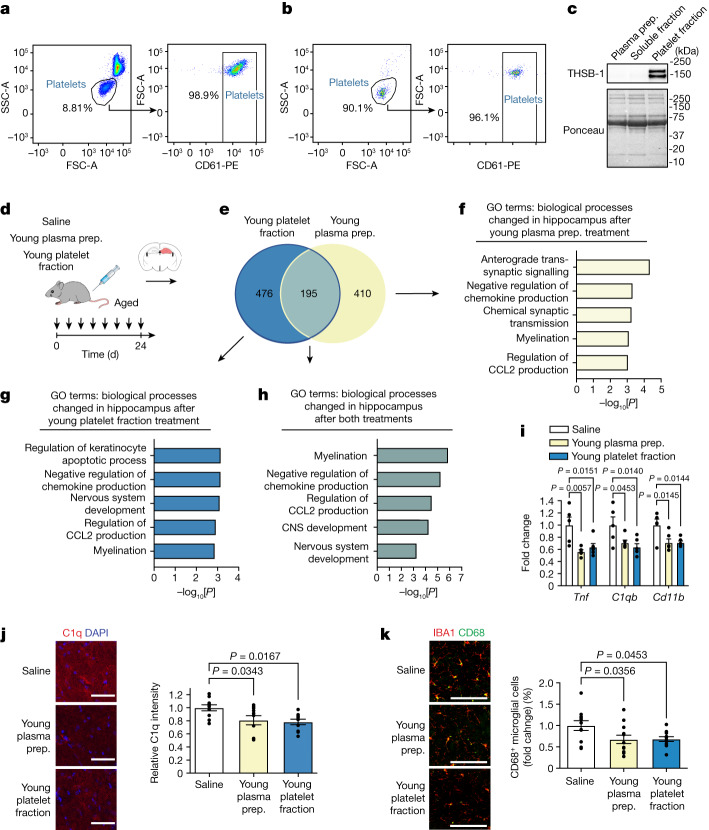
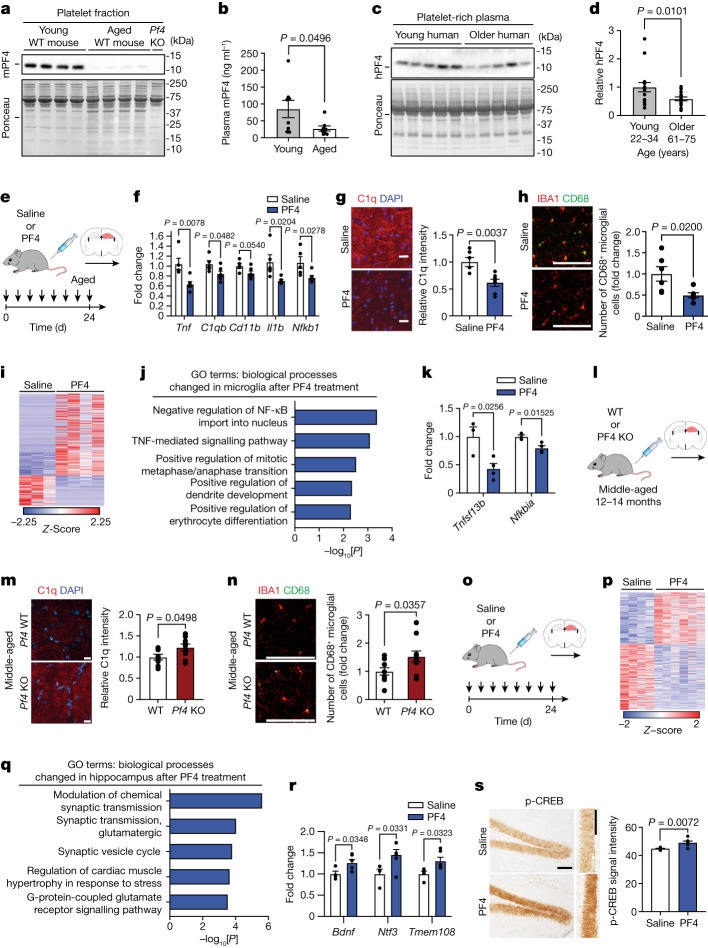
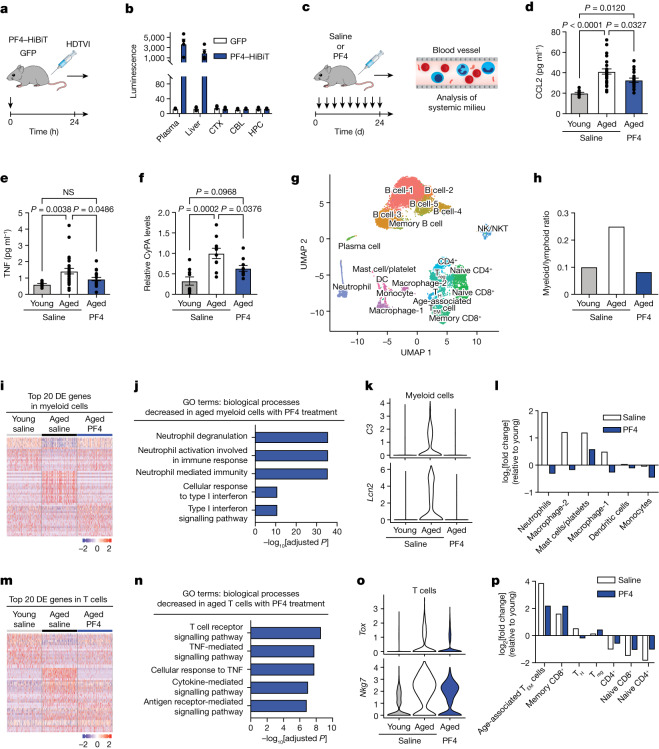
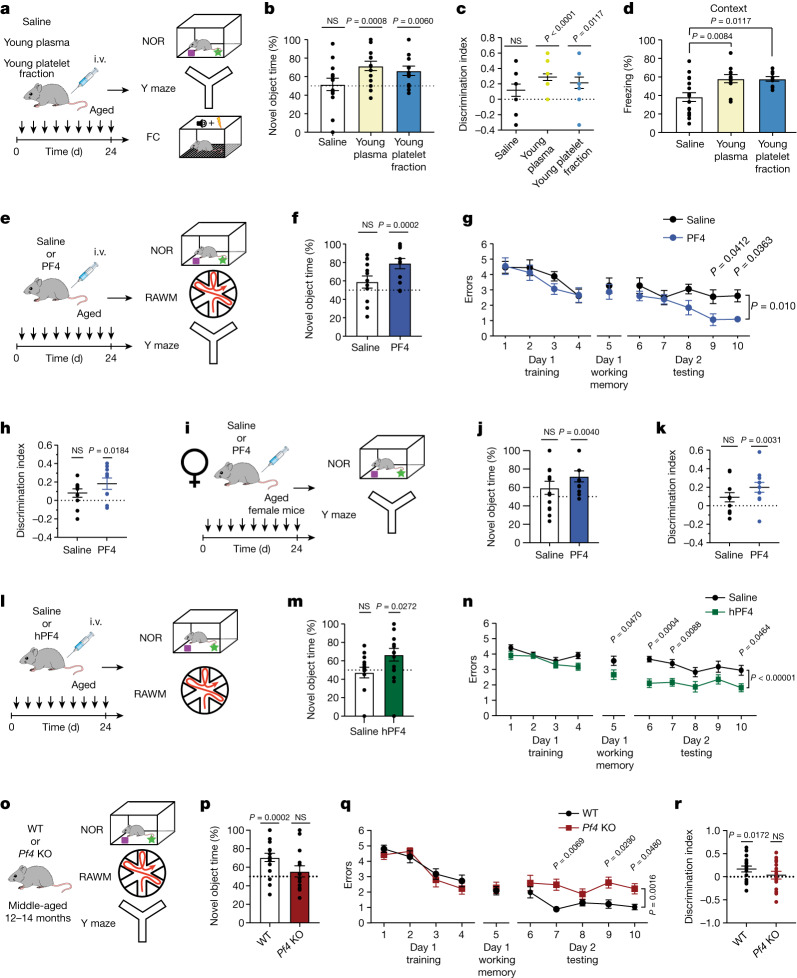
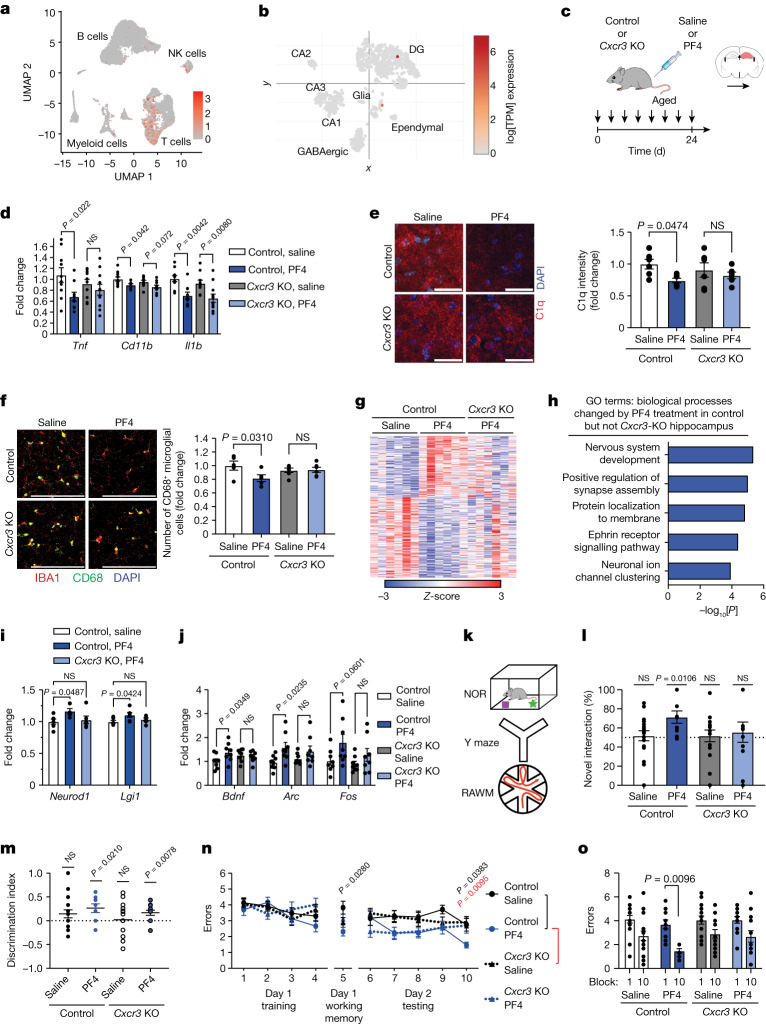
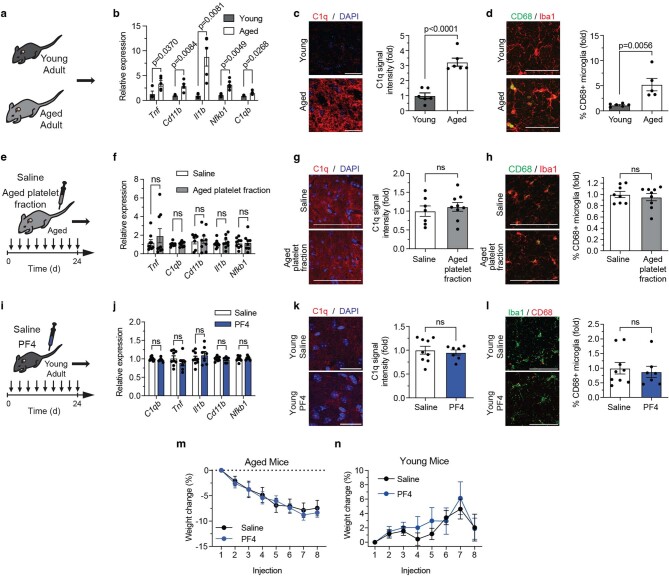
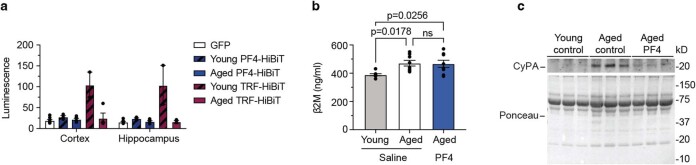
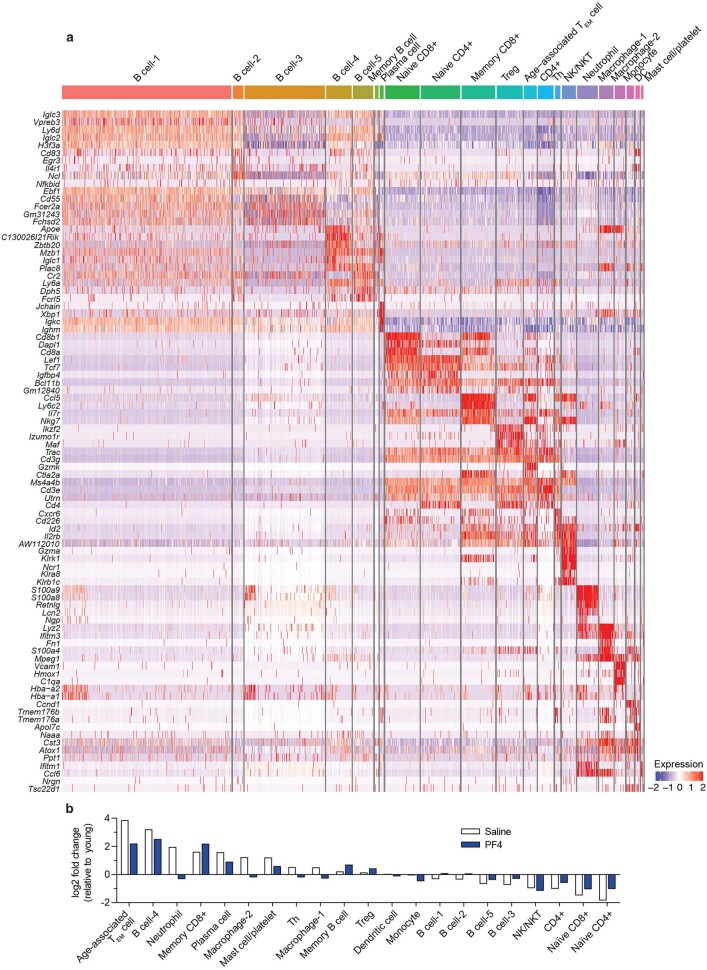
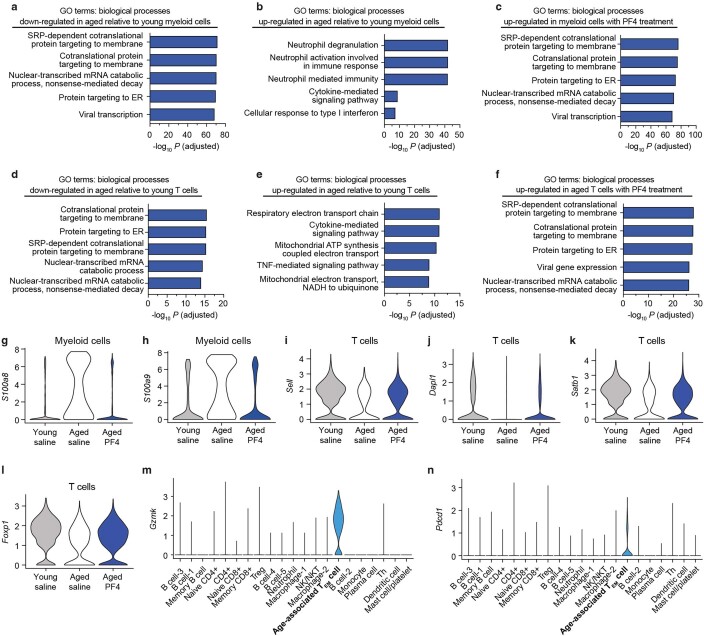
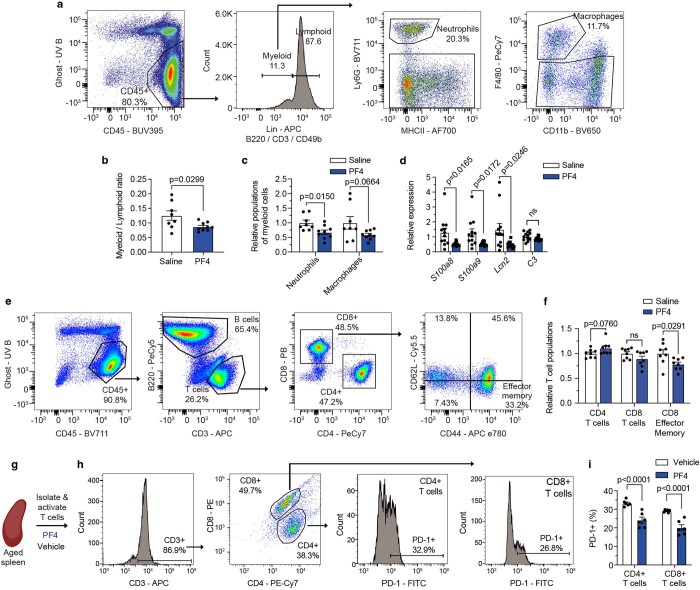
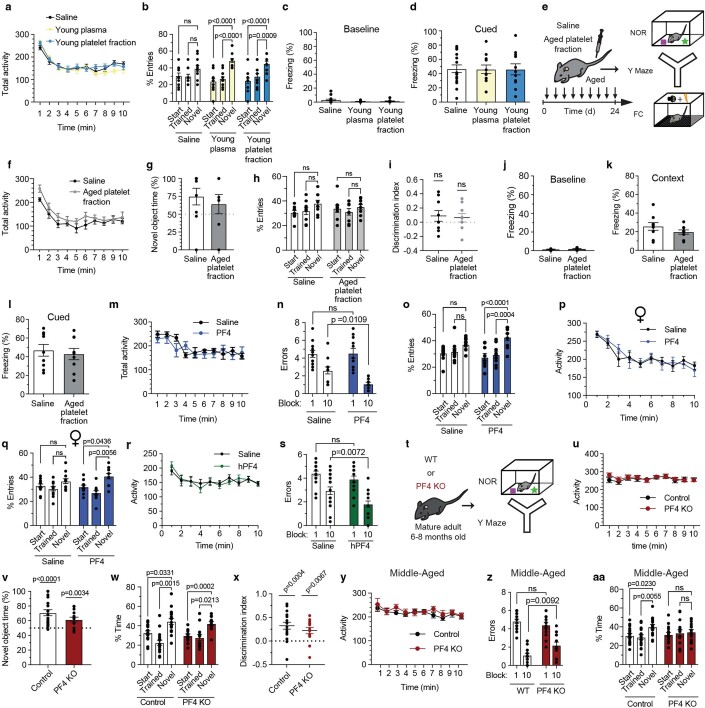
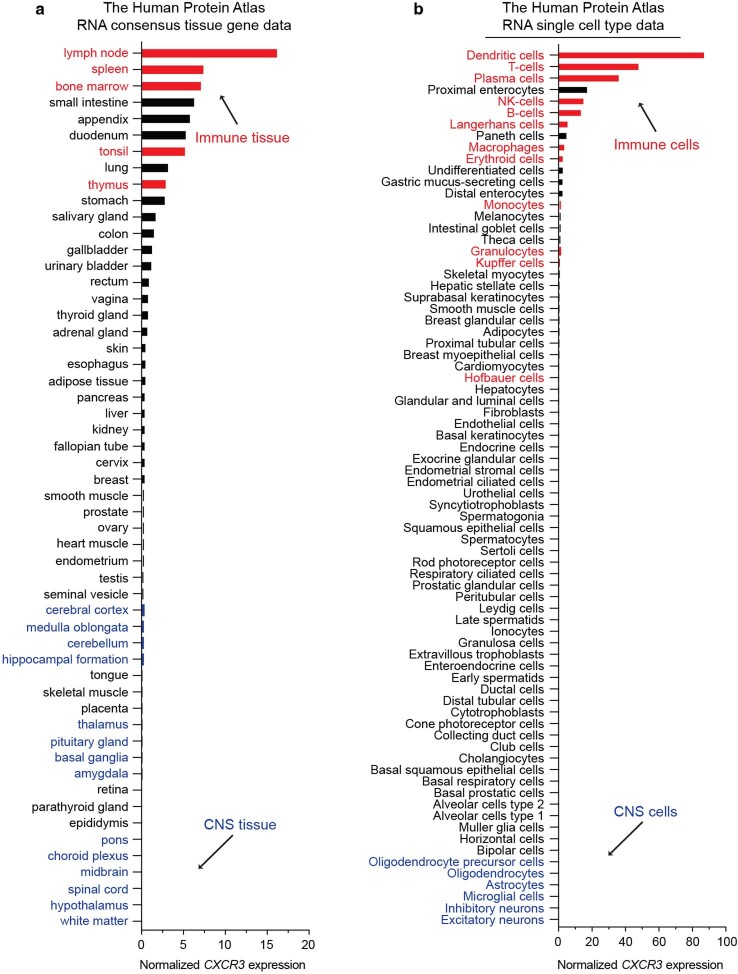
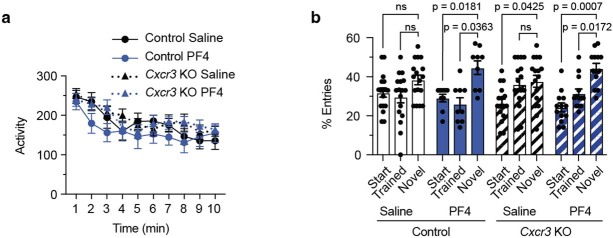
Identifying therapeutics to delay, and potentially reverse, age-related cognitive decline is critical in light of the increased incidence of dementia-related disorders forecasted in the growing older population 1. Here we show that platelet factors transfer the benefits of young blood to the ageing brain. Systemic exposure of aged male mice to a fraction of blood plasma from young mice containing platelets decreased neuroinflammation in the hippocampus at the transcriptional and cellular level and ameliorated hippocampal-dependent cognitive impairments. Circulating levels of the platelet-derived chemokine platelet factor 4 (PF4) (also known as CXCL4) were elevated in blood plasma preparations of young mice and humans relative to older individuals. Systemic administration of exogenous PF4 attenuated age-related hippocampal neuroinflammation, elicited synaptic-plasticity-related molecular changes and improved cognition in aged mice. We implicate decreased levels of circulating pro-ageing immune factors and restoration of the ageing peripheral immune system in the beneficial effects of systemic PF4 on the aged brain. Mechanistically, we identified CXCR3 as a chemokine receptor that, in part, mediates the cellular, molecular and cognitive benefits of systemic PF4 on the aged brain. Together, our data identify platelet-derived factors as potential therapeutic targets to abate inflammation and rescue cognition in old age.
Overview
The claims and statistics of this paper haven’t been checked yet.
Free: it reads the open-access text and checks the first 5 claims that cite a source we can check. Create a free account to check every claim.
Integrity signals
Registry
Cites
Statistics
Figures
Verification
Claims the paper makes
The claims and statistics of this paper haven’t been checked yet.
Free: it reads the open-access text and checks the first 5 claims that cite a source we can check. Create a free account to check every claim.
Claims other papers make about this one
Each is checked against this paper’s own text: does it say what the citing paper says it does?
The cited source says what the claim attributes to it.
In the citing paper
“According to recent reports, replenishing clusterin and platelet factor 4 (PF4) ameliorates neuroinflammation,384,385 and oleoylethanolamide (OEA) enhances microglial phagocytosis,386 all of shese contribute to cognitive improvement and neuroprotection.”
From Antiageing strategy for neurodegenerative diseases: from mechanisms to clinical advances (2025) · cites this paper as [385]
Self-check
Percentages, sums and reported differences re-computed from the paper’s own numbers.
The self-check needs the paper’s full text.
Citations
Cites
Analysis of Relative Gene Expression Data Using Real-Time Quantitative PCR and the 2−ΔΔCT Method
Livak, K. J., & Schmittgen, T. D. (2001) · Methods · doi:10.1006/meth.2001.1262 · Cited by 180,860
Moderated estimation of fold change and dispersion for RNA-seq data with DESeq2
Love, M. I., Huber, W., & Anders, S. (2014) · Genome Biology · doi:10.1186/s13059-014-0550-8 · Cited by 95,106
STAR: ultrafast universal RNA-seq aligner
Dobin, A., Davis, C. A., Schlesinger, F., Drenkow, J., Zaleski, C., Jha, S., Batut, P., Chaisson, M., & Gingeras, T. R. (2013) · Bioinformatics · doi:10.1093/bioinformatics/bts635 · Cited by 51,709
James, S. L., Abate, D., Abate, K. H., Abay, S. M., Abbafati, C., Abbasi, N., Abbastabar, H., Abd-Allah, F., Abdela, J., Abdelalim, A., et al. (2018) · The Lancet · doi:10.1016/s0140-6736(18)32279-7 · Cited by 13,867
Enrichr: interactive and collaborative HTML5 gene list enrichment analysis tool
Chen, E. Y., Tan, C. M., Kou, Y., Duan, Q., Wang, Z., Meirelles, G. V., Clark, N. R., & Ma’ayan, A. (2013) · BMC Bioinformatics · doi:10.1186/1471-2105-14-128 · Cited by 7,814
Spatial reconstruction of single-cell gene expression data
Satija, R., Farrell, J. A., Gennert, D., Schier, A. F., & Regev, A. (2015) · Nature Biotechnology · doi:10.1038/nbt.3192 · Cited by 7,055
Neuroinflammation in Alzheimer's disease
Heneka, M. T., Carson, M. J., Khoury, J. E., Landreth, G. E., Brosseron, F., Feinstein, D. L., Jacobs, A. H., Wyss-Coray, T., Vitorica, J., Ransohoff, R. M., et al. (2015) · The Lancet Neurology · doi:10.1016/s1474-4422(15)70016-5 · Cited by 6,226
Mutation of the mouse klotho gene leads to a syndrome resembling ageing
Kuro-o, M., Matsumura, Y., Aizawa, H., Kawaguchi, H., Suga, T., Utsugi, T., Ohyama, Y., Kurabayashi, M., Kaname, T., Kume, E., et al. (1997) · Nature · doi:10.1038/36285 · Cited by 3,837
Simultaneous epitope and transcriptome measurement in single cells
Stoeckius, M., Hafemeister, C., Stephenson, W., Houck-Loomis, B., Chattopadhyay, P. K., Swerdlow, H., Satija, R., & Smibert, P. (2017) · Nature Methods · doi:10.1038/nmeth.4380 · Cited by 3,098
The ageing systemic milieu negatively regulates neurogenesis and cognitive function
Villeda, S. A., Luo, J., Mosher, K. I., Zou, B., Britschgi, M., Bieri, G., Stan, T. M., Fainberg, N., Ding, Z., Eggel, A., et al. (2011) · Nature · doi:10.1038/nature10357 · Cited by 1,763
Self-citation
Cited by
Molecular mechanisms of aging and anti-aging strategies
Li, Y., Tian, X., Luo, J., Bao, T., Wang, S., & Wu, X. (2024) · Cell Communication and Signaling · doi:10.1186/s12964-024-01663-1 · Cited by 293
“…on this, the researchers showed that systemic exposure of aged male mice to a fraction of blood plasma from young mice containing platelets decreased neuroinflammation in the hippocampus at the transcriptional and cellular level and ameliorated hippocampal-dependent cognitive impairments [263].”
BackgroundHan, Z., Wang, K., Ding, S., & Zhang, M. (2024) · Bone Research · doi:10.1038/s41413-024-00375-z · Cited by 172
Antiageing strategy for neurodegenerative diseases: from mechanisms to clinical advances
Jiang, Q., Liu, J., Huang, S., Wang, X.-Y., Chen, X., Liu, G.-H., Ye, K., Song, W., Masters, C. L., Wang, J., et al. (2025) · Signal Transduction and Targeted Therapy · doi:10.1038/s41392-025-02145-7 · Cited by 165
Platelets and diseases: signal transduction and advances in targeted therapy
Tian, Y., Yao, Z., Pang, Y., Zheng, Z., Ma, Y., Zhang, C., & Gao, J. (2025) · Signal Transduction and Targeted Therapy · doi:10.1038/s41392-025-02198-8 · Cited by 145
Type 2 cytokine signaling in macrophages protects from cellular senescence and organismal aging
Zhou, Z., Yao, J., Wu, D., Huang, X., Wang, Y., Li, X., Lu, Q., & Qiu, Y. (2024) · Immunity · doi:10.1016/j.immuni.2024.01.001 · Cited by 134
Cellular senescence, DNA damage, and neuroinflammation in the aging brain
Zhang, W., Sun, H.-S., Wang, X., Dumont, A. S., & Liu, Q. (2024) · Trends in Neurosciences · doi:10.1016/j.tins.2024.04.003 · Cited by 104
Wu, Z., Qu, J., & Liu, G.-H. (2024) · Nature Reviews Molecular Cell Biology · doi:10.1038/s41580-024-00775-3 · Cited by 118
“…or rejuvenate senescent cells and alleviate ageing-related pathologies include heterochronic parabiosis or administration of youthful blood factors 266,267 , faecal microbiota transplantation 268,269 , immunotherapies such as senolytic vaccines, antibodies and chimeric antigen receptor (CAR)-”
Molecular insights of exercise therapy in disease prevention and treatment
Walzik, D., Chirino, T. Y. W., Zimmer, P., & Joisten, N. (2024) · Signal Transduction and Targeted Therapy · doi:10.1038/s41392-024-01841-0 · Cited by 108
“206 Additionally, it was shown to depend on longevity factor klotho 205 and respond to relatively short periods of exercise (1 – 4 days), 207 thereby further establishing its role as neurogenic exerkine.”
BackgroundTan, S., Chen, W., Kong, G., Wei, L., & Xie, Y. (2023) · Frontiers in Aging Neuroscience · doi:10.3389/fnagi.2023.1305790 · Cited by 73
Drivers and mechanisms of cognitive decline in chronic kidney disease
Capasso, G., Franssen, C. F. M., Perna, A. F., Massy, Z. A., Menzies, R. I., Zoccali, C., Tessitore, A., Nedergaard, M., Okusa, M. D., Ortíz, A., et al. (2025) · Nature Reviews Nephrology · doi:10.1038/s41581-025-00963-0 · Cited by 67
Platelet factor 4(PF4) and its multiple roles in diseases
Liu, Z., Li, L., Zhang, H., Pang, X., Qiu, Z., Xiang, Q., & Cui, Y. (2023) · Blood Reviews · doi:10.1016/j.blre.2023.101155 · Cited by 57
Song, W. D., Guo, Y., Liu, W., Yao, Y., Zhang, X., Cai, Z., Yuan, C., Wang, X., Wang, Y., Jiang, X., et al. (2024) · Advanced Materials · doi:10.1002/adma.202408255 · Cited by 61
Ke, D., Cao, M., Ni, J., Yuan, Y., Deng, J.-Y., Chen, S., Dai, X., & Zhou, H. (2024) · Journal of Translational Medicine · doi:10.1186/s12967-024-05353-x · Cited by 51
“A recent study suggested that Pf4 is a pro-youth factor that reduces age-related neuroinflammation [49].”
BackgroundDelila, L., Nebie, O., Le, N. T. N., Timmerman, K., Lee, D.-Y., Wu, Y., Chou, M., Buée, L., Chou, S., Blum, D., et al. (2024) · Journal of Biomedical Science · doi:10.1186/s12929-024-01072-z · Cited by 47
Recent Advances in Aging and Immunosenescence: Mechanisms and Therapeutic Strategies
Wang, S., Huo, T., Lu, M., Zhao, Y., Zhang, J., He, W., & Chen, H. (2025) · Cells · doi:10.3390/cells14070499 · Cited by 57
“PF4 could serve as a potential therapeutic target for reducing inflammation and rescuing cognitive functions in elderly individuals [132].”
Inter-organ communication is a critical machinery to regulate metabolism and aging
Tokizane, K., & Imai, S. (2024) · Trends in Endocrinology and Metabolism · doi:10.1016/j.tem.2024.11.013 · Cited by 54
Platelets in Kawasaki disease: mediators of vascular inflammation
Rivas, M. N., Kocatürk, B., Franklin, B. S., & Arditi, M. (2024) · Nature Reviews Rheumatology · doi:10.1038/s41584-024-01119-3 · Cited by 51
“PF4 also has homeostatic and healing functions and has been identified as a ‘pro-youthful factor’ that attenuates neuroinflammation and rescues cognition in old mice 84 .”
The mechanisms, hallmarks, and therapies for brain aging and age-related dementia
Jin, S., Lü, W., Zhang, J., Zhang, L., Tao, F., Zhang, Y., Hu, X., & Liu, Q. (2024) · Science Bulletin · doi:10.1016/j.scib.2024.09.005 · Cited by 44
Crosstalk between bone and brain in Alzheimer's disease: Mechanisms, applications, and perspectives
Liu, Z., Liu, M., Xiong, Y., Wang, Y., & Bu, X. (2024) · Alzheimer's & Dementia · doi:10.1002/alz.13864 · Cited by 39
“17 Thus, systemic organs and tissues are involved in the pathogenesis and progression of AD.”
Gulej, R., Nyúl‐Tóth, Á., Csík, B., Patai, R., Petersen, B., Negri, S., Chandragiri, S. S., Shanmugarama, S., Mukli, P., Yabluchanskiy, A., et al. (2024) · GeroScience · doi:10.1007/s11357-024-01154-8 · Cited by 44
“This rejuvenation of BBB function likely contributes to reduced neuroinflammation, a process intimately connected with synaptic pruning and cognitive decline [127, 131, 143].”
Plasma exosomes improve peripheral neuropathy via miR-20b-3p/Stat3 in type I diabetic rats
Li, J., Wu, G., Li, W., Zhou, X., Li, W., Xu, X., Xu, K., Cao, R., & Cui, S. (2023) · Journal of Nanobiotechnology · doi:10.1186/s12951-023-02222-5 · Cited by 39
“Villeda reported that the plasma composition in young individuals was different from that of older ones, and found that exogenous PF4 improved neuroinflammation and increased synaptic plasticity [23].”
BackgroundAging insights from heterochronic parabiosis models
Lagunas‐Rangel, F. A. (2024) · npj Aging · doi:10.1038/s41514-024-00166-0 · Cited by 40
“Inaddition,mechanisticinsightsrevealedthattheC-X-Cchemokine receptortype3(CXCR3)playsakeyroleinmediatingthecellular,molecular,andcognitivebene fi ts associated with systemic PF4 administration in the aged brain 50 .”
BackgroundLu, X., Xiong, W., Chen, Z., Li, Y.-M., Xu, F., Yang, X., Long, M., Guo, W., Wu, S., Sun, L. D., et al. (2024) · Cell Communication and Signaling · doi:10.1186/s12964-024-01938-7 · Cited by 37
Reducing functionally defective old HSCs alleviates aging-related phenotypes in old recipient mice
Wang, Y., Zhang, W., Zhang, C., Van, H. Q. T., Seino, T., & Zhang, Y. (2025) · Cell Research · doi:10.1038/s41422-024-01057-5 · Cited by 37
Body-wide multi-omic counteraction of aging with GLP-1R agonism
Huang, J., Kwok, A. J., Li, J. C. Y., Chiu, C. L. H., Ip, B. Y. M., Tung, L. Y., Chan, R. C. H., Chan, D. T.-M., Wang, Z., Zheng, X., et al. (2025) · Cell Metabolism · doi:10.1016/j.cmet.2025.10.014 · Cited by 38
Liver exerkine reverses aging- and Alzheimer’s-related memory loss via vasculature
Bieri, G., Pratt, K. J. B., Fuseya, Y., Aghayev, T., Sucharov, J., Horowitz, A. M., Philp, A. R., Fonseca-Valencia, K., Chu, R., Phan, M., et al. (2026) · Cell · doi:10.1016/j.cell.2026.01.024 · Cited by 38
Self-citationAging and comprehensive molecular profiling in acute myeloid leukemia
Li, J., Cheng, W., Lin, X., Wen, L., Wang, K., Zhu, Y., Zhu, H., Chen, X., Zhang, Y., Yin, W., et al. (2024) · Proceedings of the National Academy of Sciences · doi:10.1073/pnas.2319366121 · Cited by 38
Fan, Y., Yuan, J., Somekh, J., Peleg, M., Zhu, Y., Jia, Z., Wu, F. L., & Huang, Z. (2025) · Science Advances · doi:10.1126/sciadv.adr3757 · Cited by 35
Gulej, R., Patai, R., Ungvari, A., Kállai, A., Tarantini, S., Yabluchanskiy, A., Huffman, D. M., Conboy, M. J., Conboy, I. M., Kivimäki, M., et al. (2025) · GeroScience · doi:10.1007/s11357-025-01657-y · Cited by 32
Aparicio, P., Navarrete‐Villanueva, D., Gómez‐Cabello, A., López‐Royo, T., Santamaría, E., Fernández‐Irigoyen, J., Ausín, K., Arruebo, M., Sebastián, V., Vicente‐Rodríguez, G., et al. (2024) · Journal of Cachexia Sarcopenia and Muscle · doi:10.1002/jcsm.13539 · Cited by 28
The Role of Platelet Dysfunctions in the Pathogenesis of the Hemostatic-Coagulant System Imbalances
Bădulescu, O. V., Ciocoiu, M., Vladeanu, M. C., Huzum, B., Pleșoianu, C. E., Iliescu-Halițchi, D., Bojan, A., Iliescu-Halitchi, C., & Bojan, I. B. (2025) · International Journal of Molecular Sciences · doi:10.3390/ijms26062756 · Cited by 27
“Additionally, the increased platelet aggregation observed in AD may contribute to thrombotic events, such as stroke, which are known to be more common in patients with AD [54].”
Exercise and the organ-brain axis: Regulation of neurological disorders by emerging exerkines
Dai, Y., Dou, X., Nie, B., Sun, Y., Chen, P., Fu, C., Zhang, X., Chu, Y., Gao, Q., Ge, Y., et al. (2025) · Pharmacological Research · doi:10.1016/j.phrs.2025.107913 · Cited by 29
Chen, Z., Mao, Z., Tang, W., Shi, Y., Liu, J., & You, Y. (2025) · Translational Neurodegeneration · doi:10.1186/s40035-025-00517-1 · Cited by 27
“Platelet-derived chemokine platelet factor 4 (PF4) is an anti-aging molecule derived from platelets and its level declines with age [301].”
Blume, G. R., & Royes, L. F. F. (2024) · Life Sciences · doi:10.1016/j.lfs.2024.122799 · Cited by 27
Blood-derived factors to brain communication in brain diseases
He, J., Zhang, Y., Guo, Y., Guo, J., Chen, X., Xu, S., Xu, X., Wu, C., Liu, C., Chen, J., et al. (2024) · Science Bulletin · doi:10.1016/j.scib.2024.09.022 · Cited by 27
Liu, S., & Gu, Y. (2024) · Diabetology & Metabolic Syndrome · doi:10.1186/s13098-024-01396-8 · Cited by 25
“Moreover, platelets release various inflammatory mediators such as platelet factor 4 and platelet-activating factor, which can trigger inflammatory responses and promote the release of inflammatory mediators from vascular endothelial cells [41].”
BackgroundRole of chemokines in aging and age-related diseases
Chaudhary, J. K., Danga, A. K., Kumari, A., Bhardwaj, A., & Rath, P. C. (2024) · Mechanisms of Ageing and Development · doi:10.1016/j.mad.2024.112009 · Cited by 30
Abbatecola, A. M., Giuliani, A., Biscetti, L., Scisciola, L., Battista, P., Barbieri, M., Sabbatinelli, J., & Olivieri, F. (2024) · Ageing Research Reviews · doi:10.1016/j.arr.2024.102257 · Cited by 23
Liu, H., Zhang, Y., Hou, X., Zhu, C., Yang, Q., Li, K., Fan, L., Zhang, X., Jiang, X., Jin, X., et al. (2024) · Experimental Neurology · doi:10.1016/j.expneurol.2024.114822 · Cited by 22
Xue, D., Guo, X., Liu, J., Li, Y., Liu, L., Liao, G., Zhang, M., Cao, J., Liu, Y., Lou, J., et al. (2024) · Journal of Neuroinflammation · doi:10.1186/s12974-024-03239-9 · Cited by 23
Fan, P., Lai, H.-Q., Wang, H., Hu, K., Ruan, Y., Ye, J.-R., Wang, S., Peng, Y., He, W., Li, G., et al. (2025) · Cell Death and Differentiation · doi:10.1038/s41418-025-01475-x · Cited by 22
Zheng, J., Ren, Y., Ke, J., Zhu, G., Wang, Z., Shi, X., & Wang, Y. (2025) · ACS Nano · doi:10.1021/acsnano.4c17989 · Cited by 20
New insights into the generation and function of megakaryocytes in health and disease
Du, C., Chen, J., & Wang, J. (2025) · Haematologica · doi:10.3324/haematol.2024.287236 · Cited by 30
“…also mediates the activation and maturation of SL-MkPs through a post-transcriptional mechanism involving signal transducer and activator of transcription 1/mechanistic target of rapamycin (STAT1/mTOR) and/or Toll-like receptor 4/myeloid differentiation primary response 88 (TLR4/MYD88) signalings.”
Platelet factor 4 regulates hematopoietic stem cell aging
Zhang, S., Ayemoba, C. E., Staulo, A. M. D., Joves, K., Patel, C. M., Leung, E. H. W., Bueno, M. L. P., Du, X., Poncz, M., Ong, S., et al. (2025) · Blood · doi:10.1182/blood.2024027432 · Cited by 23
One immune cell to bind them all: platelet contribution to neurodegenerative disease
Moore, G. R., Melo-Escobar, I., Stegner, D., & Bracko, O. (2024) · Molecular Neurodegeneration · doi:10.1186/s13024-024-00754-4 · Cited by 20
“…shown that older mice treated with blood plasma containing platelets from young mice in addition to increased levels of platelet factor 4 (PF4) exhibited reduced neuroinflammation in the hippocampus at both the transcriptional and cellular level, resulting in improved cognitive function [257– 259].”
BackgroundTaha, H. B., Birnbaum, A., Matthews, I., Aceituno, K., Leon, J., Thorwald, M. A., Godoy-Lugo, J. A., & Cortés, C. J. (2024) · GeroScience · doi:10.1007/s11357-024-01345-3 · Cited by 33
“Multiple studies have demonstrated that supplementation of individual myokines in the periphery results in potent neurotrophic effects in the CNS [60–63].”
Bubbling beyond the barrier: exosomal RNA as a vehicle for soma–germline communication
Phillips, D., & Noble, D. (2023) · The Journal of Physiology · doi:10.1113/jp284420 · Cited by 19
The role of the intestinal microbiome in cognitive decline in patients with kidney disease
Wagner, C. A., Frey-Wagner, I. M., Ortíz, A., Unwin, R. J., Liabeuf, S., Suzumoto, Y., Iervolino, A., Stasi, A., Marzo, V. D., Gesualdo, L., et al. (2025) · Nephrology Dialysis Transplantation · doi:10.1093/ndt/gfae253 · Cited by 20
“Indeed, increasing PF4 levels may be one of the anti-inflammatory pathways triggered by alpha-klotho [90 ].”
Chronological versus immunological aging: Immune rejuvenation to arrest cognitive decline
Basurco, L., Abellanas, M. A., Purnapatre, M., Antonello, P., & Schwartz, M. (2024) · Neuron · doi:10.1016/j.neuron.2024.12.004 · Cited by 18
Platelet Extracellular Vesicles as Natural Delivery Vehicles for Mitochondrial Dysfunction Therapy?
Yeh, H. C., Gupta, K., Lu, Y.-H., Srinivasan, A., Delila, L., Yen, N. T. H., Nyam‐Erdene, A., & Burnouf, T. (2025) · ACS Biomaterials Science & Engineering · doi:10.1021/acsbiomaterials.5c00473 · Cited by 17
Rejuvenation of young blood on aging organs: Effects, circulating factors, and mechanisms
Liu, M., Lan, Q., Wu, H., & Qiu, C.-W. (2024) · Heliyon · doi:10.1016/j.heliyon.2024.e32652 · Cited by 18
“As synaptic plasticity decreases with age, memory decline becomes evident in aging animals [21].”
BackgroundInfluentialThe dichotomic role of cytokines in aging
Silva, R. C. M. C. (2024) · Biogerontology · doi:10.1007/s10522-024-10152-4 · Cited by 16
Platelet activation stimulates macrophages to enhance ulcerative colitis through PF4/CXCR3 signaling
Niu, Y., Li, A., Xu, W., Zhang, R., Mei, R., Zhang, L., Zhou, F., Pan, Q., & Yan, Y. (2025) · International Journal of Molecular Medicine · doi:10.3892/ijmm.2025.5519 · Cited by 18
“Macrophages also serve a role in inflammation, engulfing pathogens and cytokines such as PF4 (25,49).”
Wang, J.-L., Ye, C.-H., Teng, Z.-F., Zhou, K., Pan, L.-L., Ouyan, M.-D., Zheng, Z., Meng, L. M., Li, S.-L., Zhang, J., et al. (2025) · Molecular Psychiatry · doi:10.1038/s41380-025-03103-z · Cited by 16
“Platelet counts and serum PF4 levels, known to counteract aging-related neuroin-fl ammation [21], were signi fi cantly higher in the ceftriaxone group (Fig.”
D’Italia, G., Schroen, B. L. M., & Cosemans, J. M. E. M. (2024) · ESC Heart Failure · doi:10.1002/ehf2.15090 · Cited by 16
“129”
Demographic diversity in platelet function and response to antiplatelet therapy
Jain, K., Tyagi, T., Gu, S. X., Faustino, E. V. S., & Hwa, J. (2024) · Trends in Pharmacological Sciences · doi:10.1016/j.tips.2024.11.005 · Cited by 15
Remesal, L., Sucharov, J., Wu, Y., Pratt, K. J. B., Bieri, G., Philp, A. R., Phan, M., Aghayev, T., White, C. W., Wheatley, E., et al. (2025) · Nature Aging · doi:10.1038/s43587-025-00940-z · Cited by 18
Self-citationRestoring resident tissue macrophages to combat aging and cancer
Park, M. D., Yatim, N., Zhang, J., Cho, B. A., Yoo, S., Schaefer, M. M., Chowell, D., Puleston, D. J., & Mérad, M. (2025) · Nature Aging · doi:10.1038/s43587-025-00898-y · Cited by 14
Chen, J., Chen, Z., Zhang, F., Wang, P., Zhang, Q., Wang, H., Zhao, F., Li, H., Luo, R., Ding, N., et al. (2026) · Journal of Nanobiotechnology · doi:10.1186/s12951-026-04099-6 · Cited by 17
“For instance, plasma from young mice improves hippocampal-dependent cognitive deficits in aged mice [70], and infusion of young serum significantly alleviates age-associated memory impairment [18]—both findings demonstrate that exosomes serve as key mediators of therapeutic benefits.”
Lin, L., He, Y.-X., Wen, Q., Liu, J.-Y., Dai, Y., Fei, Y.-Z., Li, H., Li, C., & Zhou, H. (2025) · Frontiers in Aging Neuroscience · doi:10.3389/fnagi.2025.1435996 · Cited by 15
Hu, J., Li, H., Wang, X., Cheng, H., Zhu, G., & Yang, S. (2024) · Journal of Ethnopharmacology · doi:10.1016/j.jep.2024.118425 · Cited by 13
Gallrein, C., Meyer, D. H., Woitzat, Y., Ramirez-Ramirez, V., Vuong-Brender, T. T. K., Kirstein, J., & Schumacher, B. (2026) · Nature Aging · doi:10.1038/s43587-026-01067-5 · Cited by 14
“78), sport in humans 79 , krill oil in C. elegans 80 ) for the heat map: 1.”
The many faces of the megakaryocytes and their biological implications
Guo, K., Machlus, K. R., & Camacho, V. (2023) · Current Opinion in Hematology · doi:10.1097/moh.0000000000000793 · Cited by 14
Bădoiu, S. C., Enescu, D. M., Tătar, R., Stănescu-Spînu, I.-I., Miricescu, D., Greabu, M., Ionel, I. P., & Jinga, V. (2024) · Journal of Clinical Medicine · doi:10.3390/jcm13102794 · Cited by 13
Platelets: A new therapeutic target for neurological diseases
Wei, X., & Tang, X.-Q. (2025) · Ageing Research Reviews · doi:10.1016/j.arr.2025.102874 · Cited by 12
Negredo, P. N., You, J., Hauptschein, M., Schroer, A. B., Richard, D. J., Abhiraman, G. C., Tsai, A. P., Sun, E., Notarangelo, G., Ramirez-Matias, J., et al. (2026) · Immunity · doi:10.1016/j.immuni.2026.01.016 · Cited by 13
Self-citationInsights into the therapeutic strategies for aging and aging-associated diseases
Dong, R., Wu, Q., Kan, J., Fu, C., Sorrentino, V., Chow, A., Lei, Y., Wu, D., Xu, Z., Du, J., et al. (2026) · Signal Transduction and Targeted Therapy · doi:10.1038/s41392-026-02662-z · Cited by 17
Martínez-Romero, J., Fernández, M. E., Bernier, M., Price, N. L., Mueller, W., Candia, J., Camandola, S., Meirelles, O., Hu, Y., Li, Z., et al. (2024) · Nature Aging · doi:10.1038/s43587-024-00728-7 · Cited by 12
“PLT count is directly associated with aging through mechanisms such as hemostasis, coagulation and inflammation 28,29 .”
PF4 regulates neuronal ferroptosis in cerebral hemorrhage through CXCR3/PI3K/AKT/Nrf2 pathway
Hu, N., Li, Y., Zhang, G., Wang, W., An, L., An, R., & Liu, Y. (2024) · Biomolecules and Biomedicine · doi:10.17305/bb.2024.11415 · Cited by 12
“Research indicates that PF4 is highly expressed in the platelets of young mice but less so in older mice, and exogenous PF4 reduces neu-roinflammation in the aged hippocampus, suggesting that high PF4 expression is beneficial to the nervous system [18].”
Senescent microglia: The hidden culprits accelerating Alzheimer’s disease
Li, W., Xie, Y., Jia-Xin, M., Shu-Chao, G., & Li-Ping, H. (2025) · Brain Research · doi:10.1016/j.brainres.2025.149480 · Cited by 11
PlateletBase: A Comprehensive Knowledgebase for Platelet Research and Disease Insights
Luo, H., Wu, C., Yu, S., Ren, H., Yin, X., Zu, R., Rao, L., Zhang, P., Zhang, X. X., Wu, R., et al. (2025) · Genomics Proteomics & Bioinformatics · doi:10.1093/gpbjnl/qzaf031 · Cited by 11
Devason, A. S., Thaiss, C. A., & de la Fuente‐Núñez, C. (2024) · ACS Chemical Neuroscience · doi:10.1021/acschemneuro.4c00307 · Cited by 11
Sun, H., Chen, D., Ma, Y.-Y., Liu, B., Wang, J., Lai, Y., Zeng, G., Shen, Y., Tan, C., Bu, X., et al. (2025) · Experimental Gerontology · doi:10.1016/j.exger.2025.112689 · Cited by 11
The dominance of old blood, and age-related increase in protein production and noise
Sviercovich, A., Mei, X., Xie, G., Conboy, M. J., & Conboy, I. M. (2024) · Ageing Research Reviews · doi:10.1016/j.arr.2024.102641 · Cited by 10
“…were made that young blood is a medicine and a rejuvenating capacity was also proposed for “youthful” blood proteins that diminish with age (at rest or when released by platelets after exercise) e.g., oxytocin, GDF-11, PF4 (Elabd et al., 2014; Frohlich and Vinciguerra, 2020; Schroer et al., 2023).”
Zhang, D., Hu, F., Li, T., Liu, H., Li, Q., Cheng, Y., Zhang, S., Wu, J., Zhang, S., & Wu, J. (2025) · Experimental Eye Research · doi:10.1016/j.exer.2025.110352 · Cited by 10
Tang, H., Gao, P., Peng, W., Wang, X., Wang, Z., Deng, W., Yin, K., & Zhu, X. (2024) · Cell Communication and Signaling · doi:10.1186/s12964-024-01859-5 · Cited by 9
Pathophysiology of cognitive impairment in chronic kidney disease
Merlino, L., Tollitt, J., Dunne, R. A., & Kalra, P. A. (2025) · Current Opinion in Nephrology & Hypertension · doi:10.1097/mnh.0000000000001117 · Cited by 10
Fibrinogen drives neuroinflammation and neuropathology in perioperative neurocognitive disorders
Wang, X., Jiang, S., Di, L., Li, S., Chen, H., Huang, P., Cao, T., Jin, W., & Huang, L. (2025) · International Immunopharmacology · doi:10.1016/j.intimp.2025.115906 · Cited by 10
Duchez, A., Heestermans, M., Arthaud, C., Eyraud, M., Portier, M., Prier, A., Hamzeh‐Cognasse, H., & Cognasse, F. (2024) · Scientific Reports · doi:10.1038/s41598-024-56826-4 · Cited by 10
“We noticed a significant decrease of PF4 levels between [0] and [1–3], in donors of [18–30], [30–60] and [60–70] years old (Fig.”
BackgroundMethodResultInfluentialHuang, C., Guan, Y., Chen, L., Xu, Y., & Yang, H. (2024) · Lipids in Health and Disease · doi:10.1186/s12944-024-02242-6 · Cited by 10
“However, in 2023, several insightful studies confirmed that platelet activation is an important bridge through which Klotho plays a role and that Klotho seems to exert its antiaging function by promoting the release of platelet factor 4 (PF4) by platelets [12–14].”
BackgroundWei, J., Tan, Z., Huang, G., Zeng, Y., Chen, S., Yuan, G., He, S., & Zhou, Y. (2025) · Food Science & Nutrition · doi:10.1002/fsn3.70161 · Cited by 10
Bu, X., Zhu, W., Wang, Q.-H., Liu, Z., Bao, Y.-Y., Bai, Y., Li, J.-H., Liu, Z.-H., Zhao, J.-L., Xiang, Y., et al. (2025) · Nature Communications · doi:10.1038/s41467-025-60748-8 · Cited by 9
“Systemic factors (e.g., plasma proteins, microbial metabolites, and immune cells) mediate brain aging and A β pathology in the brain 66 – 69 .”
Aged circulating CD8+ T cells and their secreted factors drive cognitive decline
Sucharov, J., Bieri, G., Pratt, K. J. B., Philp, A. R., Aghayev, T., Sahota, S., Remesal, L., Schroer, A. B., Snethlage, C. E., Chu, R., et al. (2026) · Immunity · doi:10.1016/j.immuni.2026.04.014 · Cited by 11
Self-citationExercise mimetics: molecular mechanisms, biological and therapeutic effects
Zhang, J., Shao, Q., 程腾, Lin, J., Tang, Y., Lu, H., Zhang, Y., Yu, Z., & Cao, L. (2026) · Molecular Biomedicine · doi:10.1186/s43556-026-00483-8 · Cited by 8
“Systemic PF4 attenuates age-related inflammatory signatures and rescues cognition in aged mice [318], whereas klotho elevates platelet factors, including PF4, to enhance cognition across age groups [319].”
Lin, S., Ma, H., Zhang, S., Fan, W., Shen, C., Chen, J., Jin, M., Li, K., & He, Q. (2024) · Frontiers in Pharmacology · doi:10.3389/fphar.2024.1332468 · Cited by 8
Hu, N., Zhang, G., An, L., Wang, W., An, R., & Li, Y. (2024) · Biomolecules and Biomedicine · doi:10.17305/bb.2024.11283 · Cited by 8
“In recent years, researchers have continuously and extensively researched the link between PF4 and inflammation and aging [26–29] and confirmed the protective effect of PF4 on ICH [30]; however, the related mechanisms have not been adequately investigated.”
Youth-associated platelet-derived chemokine reverses brain aging through neuroimmune mechanisms
Hemmer, B. M., Philippi, S. M., & Castellano, J. M. (2023) · Trends in Molecular Medicine · doi:10.1016/j.molmed.2023.10.007 · Cited by 9
Involvement of disulfidptosis in the pathophysiology of autism spectrum disorder
Liu, Y., Sun, Y., Chen, A., Chen, J., Zhu, T., Wang, S., Qiao, W., Zhou, D., Zhang, X., Chen, S., et al. (2025) · Life Sciences · doi:10.1016/j.lfs.2025.123531 · Cited by 8
Cheng, W., Yi, X., Wang, Z., Li, J., Zhang, J., Zhang, R.-H., Zhang, Q.-Q., Weng, X., Huang, T., Zhu, Y., et al. (2025) · Blood · doi:10.1182/blood.2024027692 · Cited by 8
Potential Role of Extracellular Vesicles in Mediating Effects of Exercise on Brain Function
Moon, H. Y., & van Praag, H. (2025) · Advances in neurobiology · doi:10.1007/978-981-95-0066-6_8 · Cited by 8
Song, Z., Hu, H., Zhang, W., Zheng, X., Liang, L., Zhao, B., Song, G., Li, J., Li, S., Wen, Y., et al. (2026) · Nature Aging · doi:10.1038/s43587-026-01087-1 · Cited by 7
Liu, C., Du, J., Ji, Y., Li, J., Zhou, T., Yu, J., Wang, X., Lin, J., Liang, Y., Ruixiang, S. H. I., et al. (2024) · Journal of Ethnopharmacology · doi:10.1016/j.jep.2024.118819 · Cited by 9
Gaudilliere, B. L., Xue, L., Tsai, A. S., Gao, X., McAllister, T. N., Tingle, M. S., Porras, G., Feinstein, I., Feyaerts, D., Verdonk, F., et al. (2025) · Journal of Translational Medicine · doi:10.1186/s12967-025-06215-w · Cited by 8
Cai, L., Kar, P., Liu, Y., Chu, X., Sharma, A. K., Lee, T. J., Arbab, A. S., & Raju, R. P. (2025) · Journal of Extracellular Vesicles · doi:10.1002/jev2.70065 · Cited by 9
“…with young blood plasma or platelet fraction, profound gene expression changes associated with immune regulation and nervous system development were observed in the brain; however, these changes were not observed with blood plasma or platelet fraction from the aged mice (Schroer et al. 2023).”
A skin-hypothalamus axis couples heat stress and metabolic dysfunction
Zhou, H.-Y., Feng, X., Wen, J., Xiao, Y., Wang, L.-W., Chen, L., Xie, G., Jia-jun, Z., Huang, Y., & Luo, X.-H. (2026) · Cell · doi:10.1016/j.cell.2026.03.045 · Cited by 6
More than microglia: myeloid cells and biomarkers in neurodegeneration
Kodosaki, E., Bell, R., Sogorb‐Esteve, A., Wiltshire, K., Zetterberg, H., & Heslegrave, A. (2024) · Frontiers in Neuroscience · doi:10.3389/fnins.2024.1499458 · Cited by 6
“Surprisingly though, PF4 was also found (in mice at least) to exhibit cognition enhancing effects (Schroer et al., 2023), and correlation with younger age in both mice and humans (Schroer et al., 2023), however the latter was not confirmed in another human study while cognition was not investigated…”
Platelets tune fear memory in mice
Garofalo, S., Mormino, A., Mazzarella, L., Cocozza, G., Rinaldi, A., Pietro, E. D., Castro, M. A. D., Felice, E. D., Maggi, L., Chece, G., et al. (2025) · Cell Reports · doi:10.1016/j.celrep.2025.115261 · Cited by 6
de Rezende, V. L., da Costa, M. D. A., Martins, C. D., Mathias, K., Gonçalves, C. L., Barichello, T., & Petronilho, F. C. (2025) · Neurochemical Research · doi:10.1007/s11064-025-04361-7 · Cited by 7
“Some of the methodologies investigated, focusing on systemic rejuvenation, include cerebrospinal fluid (CSF) transfer [12], parabiosis [19], and blood-based therapy [20, 21].”
Shen, C., Liu, Z., Chen, F., Zhu, X., Fan, G., Ning, P., Li, Q., Zhang, X., Dong, H., Liu, Y., et al. (2025) · Brain Behavior and Immunity · doi:10.1016/j.bbi.2025.07.010 · Cited by 6
Winfree, R. L., Erreger, K., Phillips, J., Seto, M., Wang, Y., Schneider, J. A., Bennett, D. A., Schrag, M., Hohman, T. J., & Hamm, H. E. (2024) · Neurobiology of Aging · doi:10.1016/j.neurobiolaging.2024.04.007 · Cited by 6
Metadata
- Authors
- Schroer, A. B., Ventura, P. B., Sucharov, J., Misra, R., Chui, M. K. K., Bieri, G., Horowitz, A. M., Smith, L. K., Encabo, K., Tenggara, I., Couthouis, J., Gross, J. D., Chan, J. M., Luke, A., & Villeda, S. A.
- Affiliations
- University of California, San Francisco (US)
- Stanford Medicine (US)
- Duke University (US)
- Corresponding author
- Schroer, Adam B.
- Villeda, Saul A.
- ORCID
- Venue
- Nature
- Published
- 2023-08-16
- Volume
- 620
- Issue
- 7976
- Pages
- 1071-1079
- ISSN
- 0028-0836 (ISSN-L)
- 1476-4687
- PMC
- PMC10468395
- OpenAlex
- W4385872154
- Cited by
- 252
- References
- 59
- Citations by year
- 2026: 70 · 2025: 78 · 2024: 90 · 2023: 13
- FWCI
- 25.98
- Type
- journal article
- Language
- en
- Open access
- hybrid
- doi.org
- Licence
- cc-by
- creativecommons.org/licenses/by/4.0 (tdm)
- creativecommons.org/licenses/by/4.0 (vor)
- Locations
- Nature (publishedVersion, cc-by)
- PubMed Central (publishedVersion, cc-by)
- PubMed (publishedVersion)
- RePEc: Research Papers in Economics (submittedVersion)
- eScholarship (California Digital Library) (submittedVersion, cc-by)
- Funders
- National Science Foundation
- Simons Foundation
- Larry L. Hillblom Foundation
- National Institutes of Health (SCR_018206, DK063720)
- University of California, San Francisco (SCR_018206)
- Stanford Research Computing Center, Stanford University
- National Institute on Aging (F32AG081038, AG064823, F32AG064823, AG081038, AG077816, R01AG067740, AG067740, R01AG077816)
- National Cancer Institute (R01CA181802)
- National Institute of Diabetes and Digestive and Kidney Diseases (P30DK063720)
- Topics
- Life Sciences › Neuroscience › Neurology › Neuroinflammation and Neurodegeneration Mechanisms
- Life Sciences › Biochemistry, Genetics and Molecular Biology › Aging › Genetics, Aging, and Longevity in Model Organisms
- Life Sciences › Neuroscience › Cellular and Molecular Neuroscience › Antioxidants, Aging, Portulaca oleracea
- Keywords
- platelet factor 4, platelets, brain aging, neuroinflammation, hippocampus, cognitive impairment, young blood, plasma transfer, CXCR3, chemokine receptors, synaptic plasticity, peripheral immune system, anti-aging therapy
- MeSH terms
- Neuroinflammatory Diseases, Aging, Animals, Cognition, Hippocampus, Male, Neuronal Plasticity, Plasma, Platelet Factor 4, Transcription, Genetic, Nootropic Agents, Mice, Receptors, CXCR3, Cognitive Dysfunction
About these checks
Registry, retraction, Cites and statistics results are computed, not judged, with one exception: a printed reference that no index lists is read once by a model before it counts as a citation error. Claims are extracted by a model and kept only when their quote appears verbatim in the text; each cited source is then checked, with a model’s help, for whether it says what the claim relies on. Those verdicts can be wrong — read the claim’s quote and the cited source before relying on one.
Statistics and arithmetic are recomputed, not judged.
Confidence bands are shown only for fields calibrated on our annotated test set. None is calibrated yet, so no band is shown.
What counts as a claim ›How we measure confidence ›How we check this ›
Are you an author, or do you see a problem with this page? Request a review
Data sources
Bibliographic data: Semantic Scholar, OpenAlex, Crossref.
Contains information from the Semantic Scholar Academic Graph Datasets, made available under the ODC Attribution License (ODC-BY 1.0).
Semantic Scholar’s data is described in: Kinney, R., et al. (2023). The Semantic Scholar Open Data Platform. arXiv:2301.10140.
