

Platelet factors attenuate inflammation and rescue cognition in ageing
Open accessThe DOI matches its Crossref record; 60 of the 60 references it cites were found in a registry or an index.
Abstract
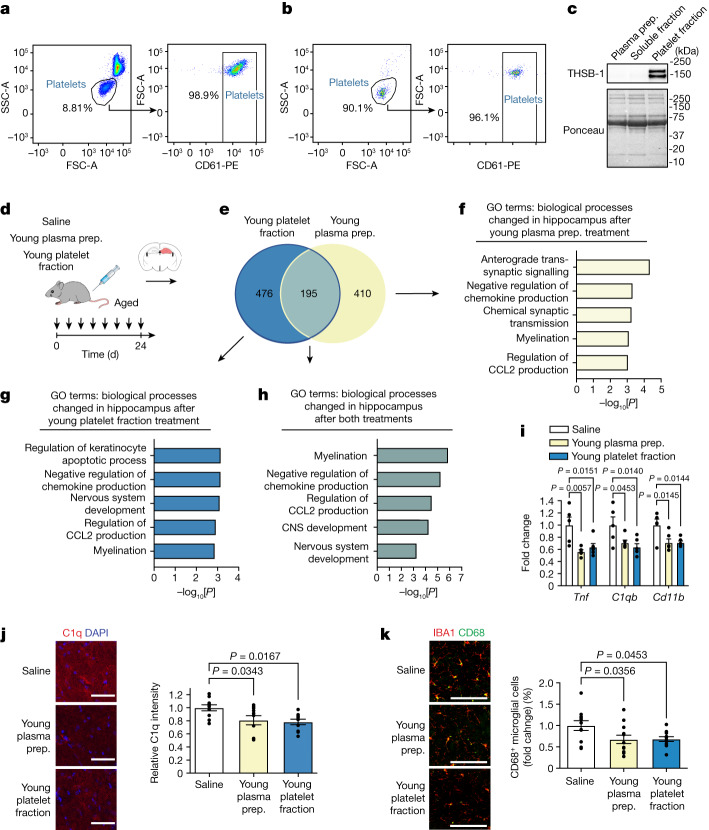
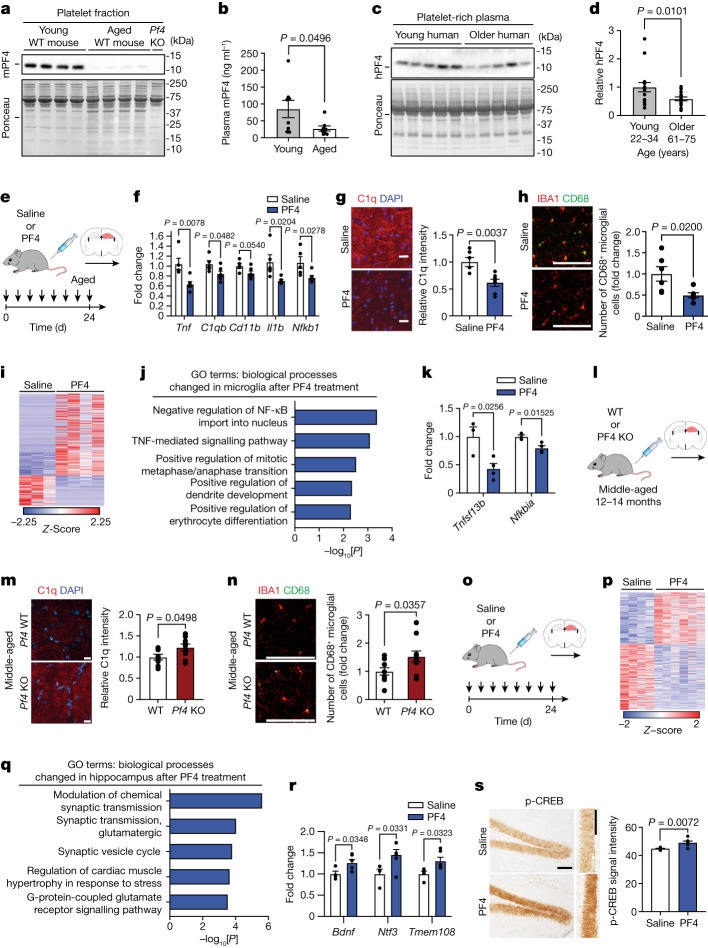
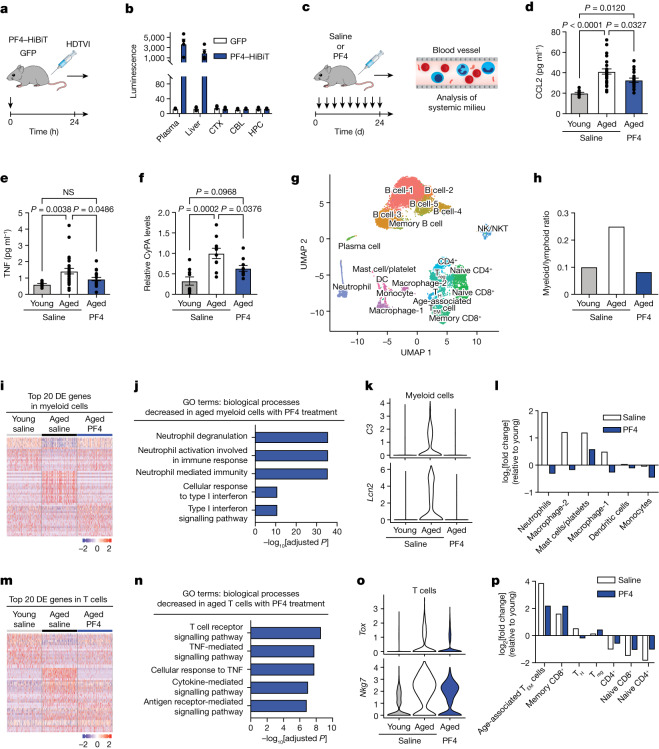
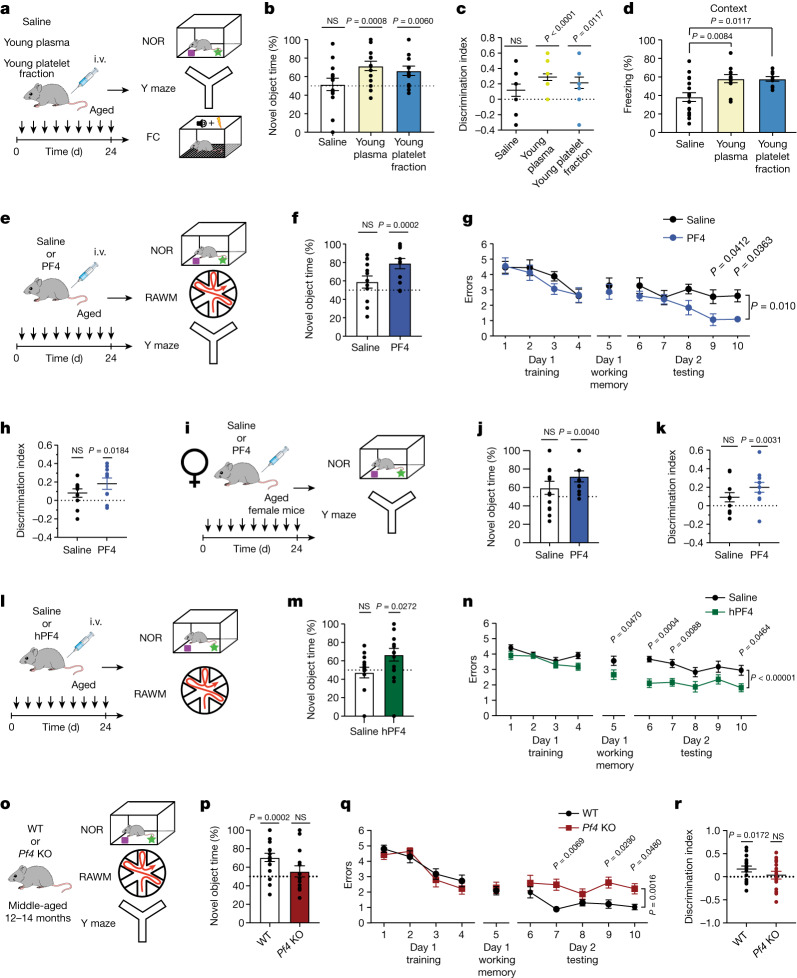
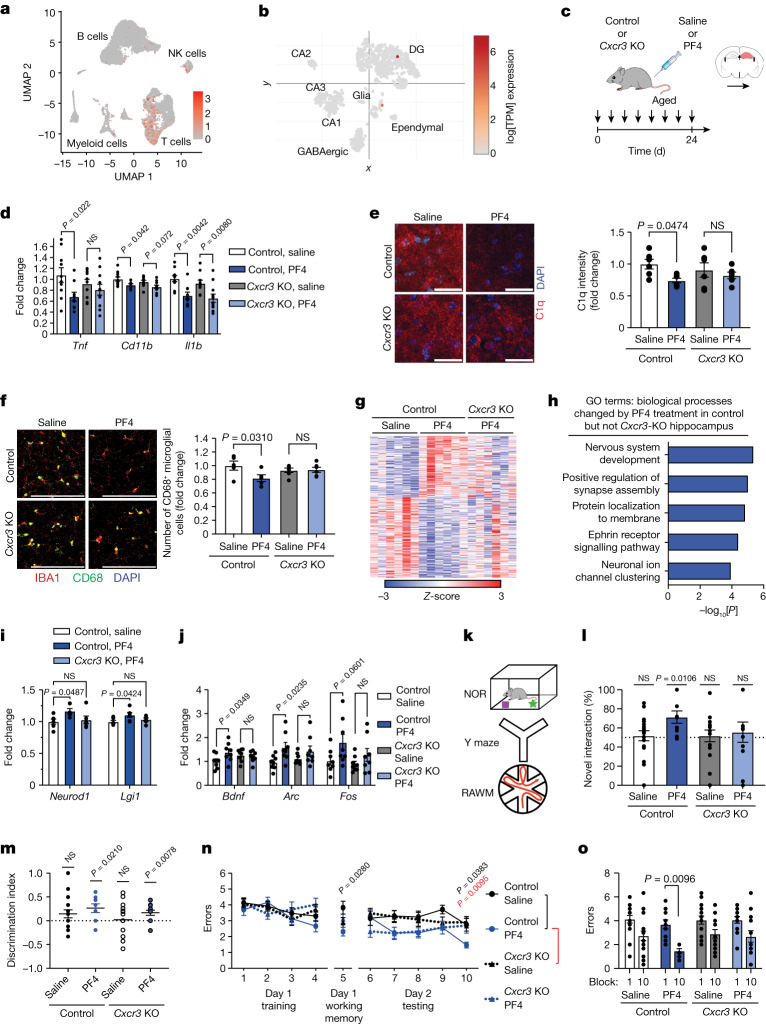
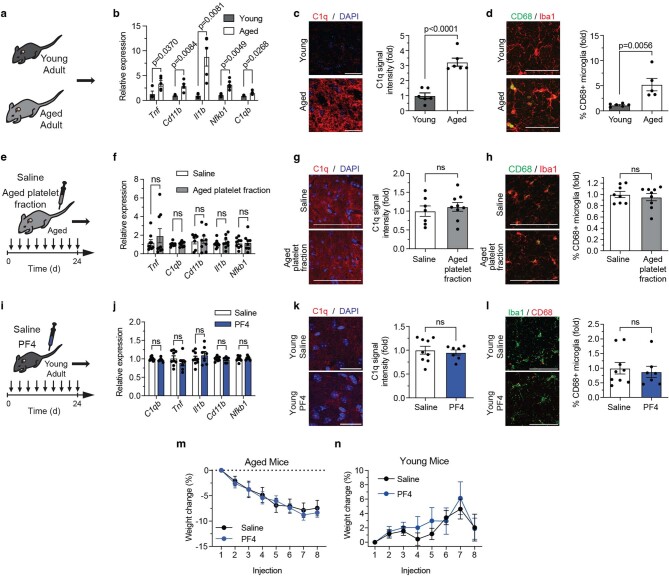
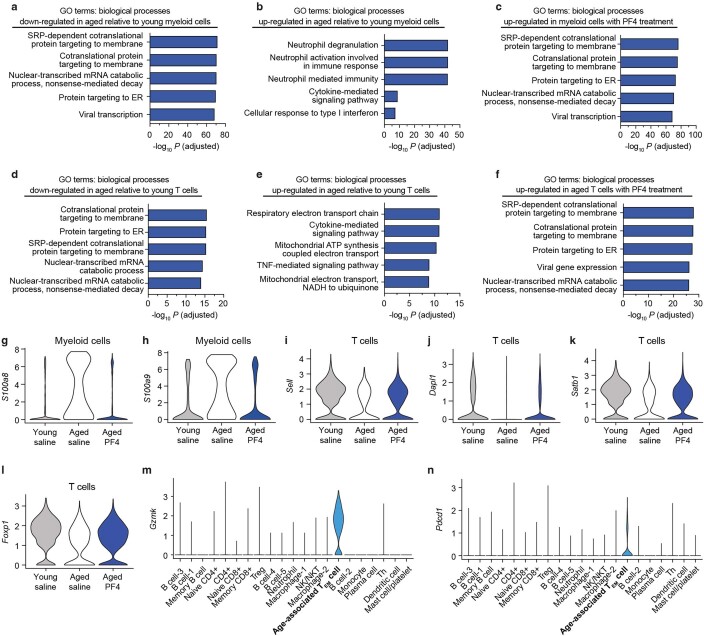
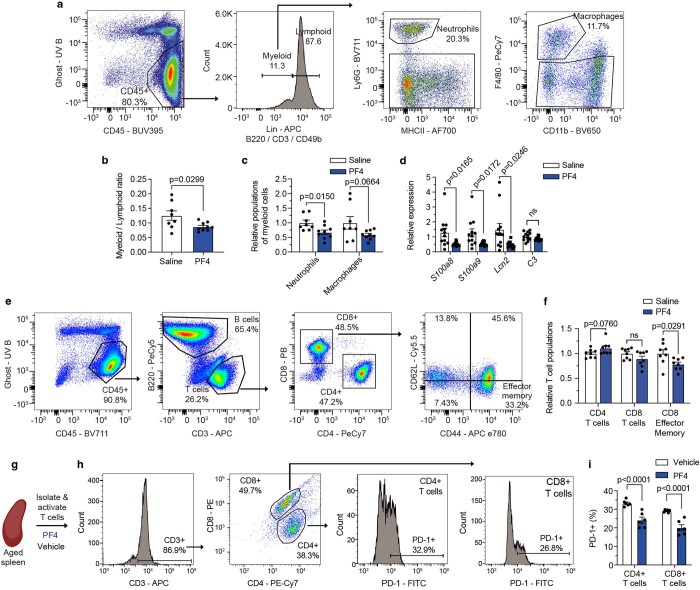
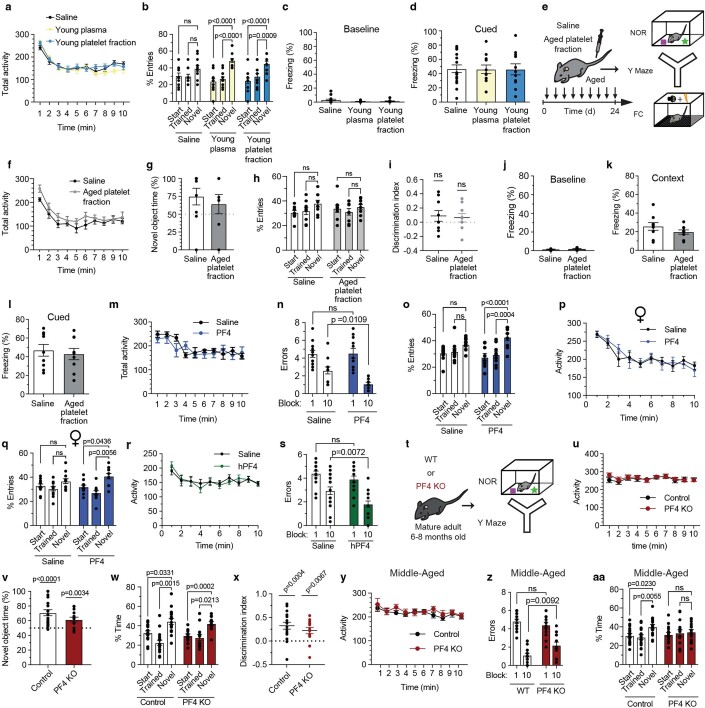
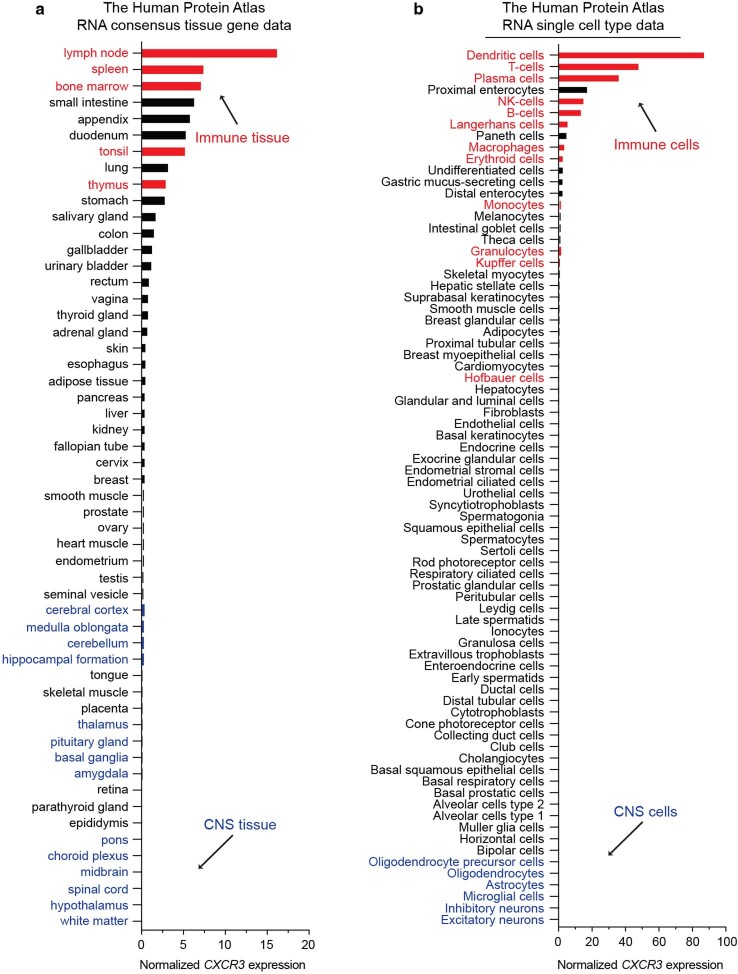
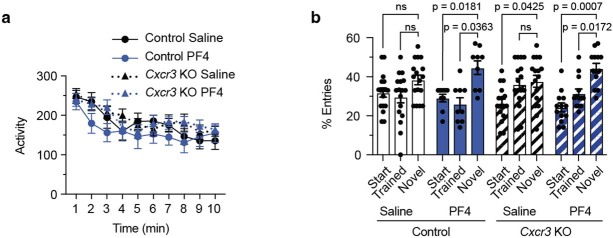
Identifying therapeutics to delay, and potentially reverse, age-related cognitive decline is critical in light of the increased incidence of dementia-related disorders forecasted in the growing older population 1. Here we show that platelet factors transfer the benefits of young blood to the ageing brain. Systemic exposure of aged male mice to a fraction of blood plasma from young mice containing platelets decreased neuroinflammation in the hippocampus at the transcriptional and cellular level and ameliorated hippocampal-dependent cognitive impairments. Circulating levels of the platelet-derived chemokine platelet factor 4 (PF4) (also known as CXCL4) were elevated in blood plasma preparations of young mice and humans relative to older individuals. Systemic administration of exogenous PF4 attenuated age-related hippocampal neuroinflammation, elicited synaptic-plasticity-related molecular changes and improved cognition in aged mice. We implicate decreased levels of circulating pro-ageing immune factors and restoration of the ageing peripheral immune system in the beneficial effects of systemic PF4 on the aged brain. Mechanistically, we identified CXCR3 as a chemokine receptor that, in part, mediates the cellular, molecular and cognitive benefits of systemic PF4 on the aged brain. Together, our data identify platelet-derived factors as potential therapeutic targets to abate inflammation and rescue cognition in old age.
Overview
The claims and statistics of this paper haven’t been checked yet.
Free: it reads the open-access text and checks the first 5 claims that cite a source we can check. Create a free account to check every claim.
Integrity signals
Registry
Cites
Statistics
Figures
Verification
Claims the paper makes
The claims and statistics of this paper haven’t been checked yet.
Free: it reads the open-access text and checks the first 5 claims that cite a source we can check. Create a free account to check every claim.
Claims other papers make about this one
Each is checked against this paper’s own text: does it say what the citing paper says it does?
The cited source says what the claim attributes to it.
In the citing paper
“According to recent reports, replenishing clusterin and platelet factor 4 (PF4) ameliorates neuroinflammation,384,385 and oleoylethanolamide (OEA) enhances microglial phagocytosis,386 all of shese contribute to cognitive improvement and neuroprotection.”
From Antiageing strategy for neurodegenerative diseases: from mechanisms to clinical advances (2025) · cites this paper as [385]
Self-check
Percentages, sums and reported differences re-computed from the paper’s own numbers.
The self-check needs the paper’s full text.
Citations
Cites
Analysis of Relative Gene Expression Data Using Real-Time Quantitative PCR and the 2−ΔΔCT Method
Livak, K. J., & Schmittgen, T. D. (2001) · Methods · doi:10.1006/meth.2001.1262 · Cited by 180,860
Moderated estimation of fold change and dispersion for RNA-seq data with DESeq2
Love, M. I., Huber, W., & Anders, S. (2014) · Genome Biology · doi:10.1186/s13059-014-0550-8 · Cited by 95,106
STAR: ultrafast universal RNA-seq aligner
Dobin, A., Davis, C. A., Schlesinger, F., Drenkow, J., Zaleski, C., Jha, S., Batut, P., Chaisson, M., & Gingeras, T. R. (2013) · Bioinformatics · doi:10.1093/bioinformatics/bts635 · Cited by 51,709
James, S. L., Abate, D., Abate, K. H., Abay, S. M., Abbafati, C., Abbasi, N., Abbastabar, H., Abd-Allah, F., Abdela, J., Abdelalim, A., et al. (2018) · The Lancet · doi:10.1016/s0140-6736(18)32279-7 · Cited by 13,867
Enrichr: interactive and collaborative HTML5 gene list enrichment analysis tool
Chen, E. Y., Tan, C. M., Kou, Y., Duan, Q., Wang, Z., Meirelles, G. V., Clark, N. R., & Ma’ayan, A. (2013) · BMC Bioinformatics · doi:10.1186/1471-2105-14-128 · Cited by 7,814
Spatial reconstruction of single-cell gene expression data
Satija, R., Farrell, J. A., Gennert, D., Schier, A. F., & Regev, A. (2015) · Nature Biotechnology · doi:10.1038/nbt.3192 · Cited by 7,055
Neuroinflammation in Alzheimer's disease
Heneka, M. T., Carson, M. J., Khoury, J. E., Landreth, G. E., Brosseron, F., Feinstein, D. L., Jacobs, A. H., Wyss-Coray, T., Vitorica, J., Ransohoff, R. M., et al. (2015) · The Lancet Neurology · doi:10.1016/s1474-4422(15)70016-5 · Cited by 6,226
Mutation of the mouse klotho gene leads to a syndrome resembling ageing
Kuro-o, M., Matsumura, Y., Aizawa, H., Kawaguchi, H., Suga, T., Utsugi, T., Ohyama, Y., Kurabayashi, M., Kaname, T., Kume, E., et al. (1997) · Nature · doi:10.1038/36285 · Cited by 3,837
Simultaneous epitope and transcriptome measurement in single cells
Stoeckius, M., Hafemeister, C., Stephenson, W., Houck-Loomis, B., Chattopadhyay, P. K., Swerdlow, H., Satija, R., & Smibert, P. (2017) · Nature Methods · doi:10.1038/nmeth.4380 · Cited by 3,098
The ageing systemic milieu negatively regulates neurogenesis and cognitive function
Villeda, S. A., Luo, J., Mosher, K. I., Zou, B., Britschgi, M., Bieri, G., Stan, T. M., Fainberg, N., Ding, Z., Eggel, A., et al. (2011) · Nature · doi:10.1038/nature10357 · Cited by 1,763
Self-citation
Cited by
Items 201–264 of 264
Mendes, N. F., Zanesco, A. M., de Aguiar, C. F., Rodrigues-Luiz, G. F., da Silva, D. C., Campos, J. F., Câmara, N. O. S., Moraes‐Vieira, P. M., ARAUJO, E. P. D., & Velloso, L. A. (2024) · eLife · doi:10.7554/elife.95044.2 · Cited by 1
(2024) · Elsevier eBooks · doi:10.1016/b978-0-443-23565-8.09996-8
Illness Comorbidities in Relation to Inflammatory Processes
Anisman, H., Hayley, S. P., & Kusnecov, A. (2024) · Elsevier eBooks · doi:10.1016/b978-0-443-23565-8.00003-x
Pro-cognitive reshaping of neuronal dynamics by a human CSF-based factorPreprint
Santos, M. D., Forrest, M. P., Bomba-Warczak, E. K., Parnell, E., Edassery, S. L., Yang, K., Hayes, L. N., Coughlin, J. M., Eckman, B. L., Lammert, C. R., et al. (2024) · bioRxiv (Cold Spring Harbor Laboratory) · doi:10.1101/2024.12.26.629959
Conboy, I. M., & Sviercovich, A. (2025) · Rejuvenation Research · doi:10.1089/rej.2025.0012
From platelets to long non-coding RNAs: understanding heart failure with preserved ejection fraction
D’Italia, G. (2025) · Research Publications (Maastricht University) · doi:10.26481/dis.20250527gd
Tao, Q., Feng, J., Fan, L., Zhang, Z., Feng, C.-J., Li, J., & Yang, Y. (2025) · Biochimica et Biophysica Acta (BBA) - Molecular Basis of Disease · doi:10.1016/j.bbadis.2025.168009
Efficacy of Acupuncture in Post-Stroke Cognitive Impairment: A Research Overview
纪, 睿. (2025) · Advances in Clinical Medicine · doi:10.12677/acm.2025.1582311
Zhang, L., Ren, Y., Su, D., Jiang, Q., Peng, H., Cheng, F., Zhang, H., Bai, X. L., Wei, X., Yang, W., et al. (2025) · MedComm · doi:10.1002/mco2.70339
Advances in dementia research: new insights into blood cells and plasma components
Nakazawa, S., Ogawa, R., Sasaki, T., & Arimura, N. (2025) · Folia Pharmacologica Japonica · doi:10.1254/fpj.24115
Chen, M., Wang, R.-Q., Qian, Y.-M., Peng, T., Lan, X.-Y., Liang, L., Luo, G., Liu, Q., & Liu, M. (2025) · Frontiers in Endocrinology · doi:10.3389/fendo.2025.1653567
“PF4 is a chemokine secreted by platelets, playing a role in coagulation and immunomodulation (86).”
Ngo, A. T. P., Ortmann, W., Skidmore, A. E., Kim, H., Oberg, J., Sarkar, A., Bochenek, V., Levine, N., Rauova, L., Chernysh, I. N., et al. (2025) · bioRxiv (Cold Spring Harbor Laboratory) · doi:10.1101/2025.09.02.673783
“38 We have considered the translational implications of our findings.”
Epigenetics, cerebral neurovascularity, and the role of circulating platelets in healthy ageing
Rodrigues, G. D. S., & Sobrinho, A. C. D. S. (2025) · The Journal of Physiology · doi:10.1113/jp289736
Next-Generation Sequencing of Educated Platelets for Cancer Diagnosis and Beyond
Krishnan, A., & Best, M. G. (2025) · Springer eBooks · doi:10.1007/978-3-031-96344-5_29 · Cited by 1
PF4 at the Crossroads of Immunity and Neurodegeneration: A New Window Into Brain Aging
Xie, Z. (2025) · CNS Neuroscience & Therapeutics · doi:10.1111/cns.70656
Comparative study of the conservative and surgical treatment of spontaneous cerebellar hemorrhage
Yang, C., Huang, L., Xu, P., Zhang, Z., Che, W., Ren, S., Wu, G., & Wang, L. (2025) · Frontiers in Neurology · doi:10.3389/fneur.2025.1678837
“%) vs. 16(42.1%), p = 0.010], [34(70.8”
InfluentialDelila, L., Nebie, O., Le, N. T. N., Timmerman, K., Lee, D.-Y., Wu, Y.-W., Chou, M., Buée, L., Chou, S.-Y., Blum, D., et al. (2024) · Figshare · doi:10.6084/m9.figshare.26952276
Li, J., Wu, G., Li, W., Zhou, X., Li, W., Xu, X., Xu, K., Cao, R., & Cui, S. (2023) · Figshare · doi:10.6084/m9.figshare.24633307
Delila, L., Nebie, O., Le, N. T. N., Timmerman, K., Lee, D.-Y., Wu, Y.-W., Chou, M., Buée, L., Chou, S.-Y., Blum, D., et al. (2024) · Figshare · doi:10.6084/m9.figshare.26952288
Ke, D., Cao, M., Ni, J., Yuan, Y., Deng, J., Chen, S., Dai, X., & Zhou, H. (2024) · Figshare · doi:10.6084/m9.figshare.26732926
Delila, L., Nebie, O., Le, N. T. N., Timmerman, K., Lee, D.-Y., Wu, Y.-W., Chou, M., Buée, L., Chou, S.-Y., Blum, D., et al. (2024) · Figshare · doi:10.6084/m9.figshare.26952291
Delila, L., Nebie, O., Le, N. T. N., Timmerman, K., Lee, D.-Y., Wu, Y.-W., Chou, M., Buée, L., Chou, S.-Y., Blum, D., et al. (2024) · Figshare · doi:10.6084/m9.figshare.26952282
Delila, L., Nebie, O., Le, N. T. N., Timmerman, K., Lee, D.-Y., Wu, Y.-W., Chou, M., Buée, L., Chou, S.-Y., Blum, D., et al. (2024) · Figshare · doi:10.6084/m9.figshare.26952279
Delila, L., Nebie, O., Le, N. T. N., Timmerman, K., Lee, D.-Y., Wu, Y.-W., Chou, M., Buée, L., Chou, S.-Y., Blum, D., et al. (2024) · Figshare · doi:10.6084/m9.figshare.26952300
Delila, L., Nebie, O., Le, N. T. N., Timmerman, K., Lee, D.-Y., Wu, Y.-W., Chou, M., Buée, L., Chou, S.-Y., Blum, D., et al. (2024) · Figshare · doi:10.6084/m9.figshare.26952297
Delila, L., Nebie, O., Le, N. T. N., Timmerman, K., Lee, D.-Y., Wu, Y.-W., Chou, M., Buée, L., Chou, S.-Y., Blum, D., et al. (2024) · Figshare · doi:10.6084/m9.figshare.26952294
DNA methylation signatures of Life’s Essential 8 and their implications for dementia
Lukacsovich, D., Wang, L., Young, J. I., Zhang, W., Gomez, L., Schmidt, M. A., Gardener, H., Agudelo, C., Dueker, N., Elfassy, T., et al. (2025) · Alzheimer s Research & Therapy · doi:10.1186/s13195-025-01903-7 · Cited by 1
“Paradoxically however, recent studies showed that injection of PF4 to older mice reduced brain inflammation and restores synaptic plasticity [55, 56].”
Systemic Amyloid-β Metabolism in Alzheimer’s Disease
Dong-yu, F., Wang, J., Gu, B. J., Masters, C. L., & Wang, Y. (2026) · Springer eBooks · doi:10.1007/978-981-95-5222-1_7
Sun, Y., Lan, Q., Wang, Y., Xie, M., Wu, X., Lv, L., Xin, Q., Chen, J., Zhong, X., Yao, M., et al. (2026) · Experimental & Molecular Medicine · doi:10.1038/s12276-026-01876-z
The Aging Blood: Cellular Origins, Circulating Drivers, and Therapeutic Potential
He, H., & Wang, J. (2026) · Aging and Cancer · doi:10.1002/aac2.70016
“Systemic PF4 administration attenuated hippocampal inflammation and enhanced cognitive function in aged mice [ 9 ].”
He, K., Zhao, J., & Zhang, C. (2026) · International Journal of General Medicine · doi:10.2147/ijgm.s579135
“27,28 In contrast, lymphocytes—particularly T cells—act as immune regulators.”
Philp, A. R., Remesal, L., Pratt, K. J. B., Maynard, J. C., Sahota, S., Aghayev, T., Bieri, G., Chu, R., Avillion, G., Sucharov, J., et al. (2026) · bioRxiv (Cold Spring Harbor Laboratory) · doi:10.64898/2026.02.03.702938
Self-citationMicrobiome depletion rejuvenates the aging brainPreprint
Gasperini, C., Holton, K. M., Limone, F., Juttu, M., DeMeo, C. C., Kekrtova, K., Patankar, S., Wells, K. M., Giadone, R. M., Driss, L. B., et al. (2026) · bioRxiv (Cold Spring Harbor Laboratory) · doi:10.64898/2026.02.13.705770
“Beyond parabiosis, other systemic interventions such as plasma transfer and exercise restore regenerative capacity and cognitive performance in aged mice 13–15 .”
Cognitive risk and resilience in diabetes involving APOE ε4 and alpha klotho: a narrative review
Cassilhas, R. C., Prates, J. T. A. C., Pires, R. F., & Raber, J. (2026) · Discover Aging · doi:10.1007/s44518-026-00001-6
“Disruption in neuronal insulin signaling, combined with mitochondrial dysfunction, oxidative stress, and NF-κB-driven neuroinflammation, have been implicated in cognitive impairment and dementia [50–54].”
Transplanting ANXA1⁻ CD8⁺ Naïve T cells Delay Aging Through SenolysisPreprint
Wu, Y., Guo, S. Z., Zhang, F., Lou, F., Li, Y. Y., Sun, Y., Shen, Q., Zhao, L., Cai, X., Wang, Z., et al. (2026) · bioRxiv (Cold Spring Harbor Laboratory) · doi:10.64898/2026.02.21.707223
Philip, C. S., Filippov, I., Haljasorg, U., & Peterson, P. (2026) · European Journal of Immunology · doi:10.1002/eji.70170
Mäkinen, M., Tuhkanen, J., Lahti‐Pulkkinen, M., Koponen, J. M., Kiviranta, H., Ruokojärvi, P. H., Czamara, D., Räikkönen, K., & Lahti, J. M. T. (2026) · Environment International · doi:10.1016/j.envint.2026.110195
Biomimetic Microfibers for Myelin-Enhancer Screening and Neural Regeneration
Quan, L., Uyeda, A., Sekiguchi, A., Zhang, Z., Sakai, K., Takamura, T., Zhang, R., Ichinohe, N., Umezu, S., & Muramatsu, R. (2026) · Cyborg and Bionic Systems · doi:10.34133/cbsystems.0565 · Cited by 2
“The concept that circulating cells and factors originating outside the CNS can influence neurons within the brain is well established [ 37 , 38 ], and similarly, remy-elination by oligodendrocytes is thought to be regulated by circulating humoral factors [ 19 , 20 ].”
Li, W., Gao, K., Zhang, H., Xia, W., Balajiang, B., Wang, H., & Tong, X. (2026) · BMC Cardiovascular Disorders · doi:10.1186/s12872-026-05766-0
“…recent studies have also revealed their important immunomodulatory functions: chemokines (e.g., PF4, RANTES) and growth factors (e.g., PDGF, TGF-β) released by activated platelets promote leukocyte recruitment, vascular smooth muscle cell proliferation, and extracellular matrix remodeling [45, 46].”
Cognition-enhancing drugs: current landscape, mechanisms, and future prospects
Zhang, M., Lin, C., Zhang, W., & Wang, X. (2026) · Drug Discovery Today · doi:10.1016/j.drudis.2026.104665
The role of platelets in intracranial aneurysm formation and rupture
Maupu, C. (2024) · theses.fr (ABES) · doi:10.70675/2309a712z31aez41f8z9e41z10be9bbe689c
Platelet factor 4 produces an antidepressant effect in mice via inhibition of neuroinflammation
Li, Y.-H., Zhan, J., Zhao, Y., Ouyang, Z.-Y., Luo, L., Wei, B., & Yang, Y. (2026) · Journal of Advanced Research · doi:10.1016/j.jare.2026.04.037
Age-dependent regulation of hematopoiesis by megakaryocytes
Zhang, S., & Pinho, S. (2026) · Current Opinion in Hematology · doi:10.1097/moh.0000000000000924
Norevik, C. S., Huuha, A. M., Kobro‐Flatmoen, A., Lydersen, S., Røsbjørgen, R. N., Bækkerud, F. H., Scrimgeour, N. R., & Tari, A. R. (2026) · Medicine & Science in Sports & Exercise · doi:10.1249/mss.0000000000004018
Gazarov, E. A., Mccracken, B., Krumm, Z. A., Zequeira, S., Setlow, B., & Bizon, J. L. (2026) · Neurobiology of Aging · doi:10.1016/j.neurobiolaging.2026.05.008
Li, X. D., Ma, G., Wang, F., Ding, Z., Chen, Y., Cheng, S., Pang, W., Chen, L., & Cao, H. (2026) · Molecular Therapy · doi:10.1016/j.ymthe.2026.05.015
Plasma Proteomic Profiling Reveals Divergent Molecular Pathways in Aging and Alzheimer’s DiseasePreprint
Yokogawa, K., Nishioka, T., Nakazawa, S., Ogawa, R., Ikeda, G., Yagishita, H., Miyashita, S., Sashida, G., Kaibuchi, K., Sasaki, T., et al. (2026) · Research Square · doi:10.21203/rs.3.rs-9815809/v1
Qiu, R., Fu, Q., Yao, T., Liu, L., Zhai, J., Zhou, Y., Wang, M., Qi, W., Chen, Y., Li, Y., et al. (2026) · Brain Behavior and Immunity · doi:10.1016/j.bbi.2026.106876
Heterochronic bone marrow transplantation alters behavioral measures in middle-aged mice
Nakazawa, S., Yokogawa, K., Ogawa, R., Hizawa, K., Sashida, G., Sasaki, T., & Arimura, N. (2026) · Discover Neuroscience · doi:10.1186/s13064-026-00296-z
“Emerging evidence suggests that age-related functional decline is not solely attributable to intrinsic changes within the brain but also involves systemic factors—particu-larly circulating blood components [10–12].”
Lu, Y., Yao, J., Ke-sheng, G., Wu, A., Yang, X., Wu, H., Xiao, L., & Zhang, J. (2026) · Depression and Anxiety · doi:10.1155/da/4189470
Plasma Proteomic Profiling Reveals Divergent Molecular Pathways in Aging and Alzheimer’s DiseasePreprint
Yokogawa, K., Nishioka, T., Nakazawa, S., Ogawa, R., Ikeda, G., Yagishita, H., Miyashita, S., Sashida, G., Kaibuchi, K., Sasaki, T., et al. (2026) · Research Square · doi:10.21203/rs.3.rs-10007171/v1
Kazanis, I., Silva, M. E., de la Fuente, A. G., de Castro, F., & Rivera, F. J. (2026) · Acta Physiologica · doi:10.1111/apha.70285
Plasma proteomics reveals the molecular features in rapidly progressive pneumoconiosis
Tang, M., Luo, Y., Li, Y., Tang, W., Yi, X., Zhang, X., Wang, L., & Chen, R. (2026) · Frontiers in Immunology · doi:10.3389/fimmu.2026.1833502
“Similarly, ANXA2 is a speci fi c bleomycin target, and bleomycin binding with ANXA2 impedes TFEB-induced autophagic fl ux, leading to induction of pulmonary fi brosis (53, 54).”
Guo, Y., Liu, Z., Lu, W., Zhuo, H., Wang, Z., & Wang, X. (2026) · Frontiers in Immunology · doi:10.3389/fimmu.2026.1883921
Young Ovary Factors Transfer Female Cognitive Resilience to the Aged Male BrainPreprint
Villeda, S., Huh, H., Fuseya, Y., Pratt, K. J. B., Bieri, G., Philip, A., Avillion, G., & Shikanov, A. (2026) · Research Square · doi:10.21203/rs.3.rs-10769557/v1
Self-citationAging, the microbiota–gut–brain axis, and late-life epilepsy: a hypothesis-driven review
Cao, Y., Li, H., Xu, M., Teng, Y., & Gu, H.-Y. (2026) · Frontiers in Molecular Neuroscience · doi:10.3389/fnmol.2026.1861519
Endothelial C/EBPβ/AEP pathway drives vascular deterioration and systemic aging
Li, B., Nie, S., Wang, M., An, J., Qian, Z., Meng, X., Edgington‐Mitchell, L. E., Zhang, Z., Yang, X., & Ye, K. (2026) · Science Advances · doi:10.1126/sciadv.aed1961 · Cited by 1
“The Y maze task was conducted as previously described ( 46 ).”
Tibial bone compression promotes recovery after brain injury through osteocyte PIEZO1
Cai, Z., Zhang, Z., Wang, Y., Liu, S., Leng, J., Chu, Y., Liu, J., Fang, Y., Chen, B., Liang, W., et al. (2026) · Nature Neuroscience · doi:10.1038/s41593-026-02422-w
“…for learning and memory) 29 , platelet factor 4 (PF4; a chemokine that reduces aging-associated hippocampal neuroinflammation and improves cognitive function in aged mice) 30 and dopamine (important for neuromodulation, such as motor control, motivation and cognitive function) 31 in serum (Fig.”
Li, L., Yi, J., Chen, B., Ouyang, Y., Zeng, F., Xu, Y., & Liu, B. (2026) · Digital Chinese Medicine · doi:10.1016/j.dcmed.2026.08.009
Hu, F., Zhang, Y., Zhang, G., Zhou, L., Deng, Y., Li, D., Deng, X., Huang, T., Fu, C., Dong, B., et al. (2026) · BMJ Open · doi:10.1136/bmjopen-2025-115160
“Prospective studies are needed to examine whether these associations are replicated and to clarify their underlying mechanisms.”
Insights Into the Role of Platelet Factor 4 in Neurodegenerative Diseases
Tian, Q., Tong, Y., Yu, F., & Hu, X. (2026) · CNS Neuroscience & Therapeutics · doi:10.1002/cns.71118
“Emerging evidence suggests that PF4 can also modulate neuroinflammatory responses and influence the activity of brain myeloid cells, including microglia and monocyte-derived macrophages, thereby shaping the neu-roimmune microenvironment [8].”
InfluentialAparicio, P., Dobrowolny, G., Lupoli, M., Moreno‐Martínez, L., López‐Royo, T., Musarò, A., Manzano, R., & Osta, R. (2026) · International Journal of Molecular Sciences · doi:10.3390/ijms27219529
Neurovascular-immune-clearance remodeling in brain aging
Liu, Y., Yang, R., & Chang, H. (2026) · Frontiers in Immunology · doi:10.3389/fimmu.2026.1950144
Metadata
- Authors
- Schroer, A. B., Ventura, P. B., Sucharov, J., Misra, R., Chui, M. K. K., Bieri, G., Horowitz, A. M., Smith, L. K., Encabo, K., Tenggara, I., Couthouis, J., Gross, J. D., Chan, J. M., Luke, A., & Villeda, S. A.
- Affiliations
- University of California, San Francisco (US)
- Stanford Medicine (US)
- Duke University (US)
- Corresponding author
- Schroer, Adam B.
- Villeda, Saul A.
- ORCID
- Venue
- Nature
- Published
- 2023-08-16
- Volume
- 620
- Issue
- 7976
- Pages
- 1071-1079
- ISSN
- 0028-0836 (ISSN-L)
- 1476-4687
- PMC
- PMC10468395
- OpenAlex
- W4385872154
- Semantic Scholar
- b6102407a1712207ca92e57d47d374374489dca6
- Cited by
- 252
- References
- 59
- Citations by year
- 2026: 70 · 2025: 78 · 2024: 90 · 2023: 13
- FWCI
- 25.98
- Type
- journal article
- Language
- en
- Open access
- hybrid
- doi.org
- Licence
- cc-by
- creativecommons.org/licenses/by/4.0 (tdm)
- creativecommons.org/licenses/by/4.0 (vor)
- Locations
- Nature (publishedVersion, cc-by)
- PubMed Central (publishedVersion, cc-by)
- PubMed (publishedVersion)
- RePEc: Research Papers in Economics (submittedVersion)
- eScholarship (California Digital Library) (submittedVersion, cc-by)
- Funders
- National Science Foundation
- Simons Foundation
- Larry L. Hillblom Foundation
- National Institutes of Health (SCR_018206, DK063720)
- University of California, San Francisco (SCR_018206)
- Stanford Research Computing Center, Stanford University
- National Institute on Aging (F32AG081038, AG064823, F32AG064823, AG081038, AG077816, R01AG067740, AG067740, R01AG077816)
- National Cancer Institute (R01CA181802)
- National Institute of Diabetes and Digestive and Kidney Diseases (P30DK063720)
- Topics
- Life Sciences › Neuroscience › Neurology › Neuroinflammation and Neurodegeneration Mechanisms
- Life Sciences › Biochemistry, Genetics and Molecular Biology › Aging › Genetics, Aging, and Longevity in Model Organisms
- Life Sciences › Neuroscience › Cellular and Molecular Neuroscience › Antioxidants, Aging, Portulaca oleracea
- Keywords
- platelet factor 4, platelets, brain aging, neuroinflammation, hippocampus, cognitive impairment, young blood, plasma transfer, CXCR3, chemokine receptors, synaptic plasticity, peripheral immune system, anti-aging therapy
- MeSH terms
- Neuroinflammatory Diseases, Aging, Animals, Cognition, Hippocampus, Male, Neuronal Plasticity, Plasma, Platelet Factor 4, Transcription, Genetic, Nootropic Agents, Mice, Receptors, CXCR3, Cognitive Dysfunction
About these checks
Registry, retraction, Cites and statistics results are computed, not judged, with one exception: a printed reference that no index lists is read once by a model before it counts as a citation error. Claims are extracted by a model and kept only when their quote appears verbatim in the text; each cited source is then checked, with a model’s help, for whether it says what the claim relies on. Those verdicts can be wrong — read the claim’s quote and the cited source before relying on one.
Statistics and arithmetic are recomputed, not judged.
Confidence bands are shown only for fields calibrated on our annotated test set. None is calibrated yet, so no band is shown.
What counts as a claim ›How we measure confidence ›How we check this ›
Are you an author, or do you see a problem with this page? Request a review
Data sources
Bibliographic data: Semantic Scholar, OpenAlex, Crossref.
Contains information from the Semantic Scholar Academic Graph Datasets, made available under the ODC Attribution License (ODC-BY 1.0).
Semantic Scholar’s data is described in: Kinney, R., et al. (2023). The Semantic Scholar Open Data Platform. arXiv:2301.10140.
