

Platelet factors attenuate inflammation and rescue cognition in ageing
Open accessThe DOI matches its Crossref record; 60 of the 60 references it cites were found in a registry or an index.
Abstract
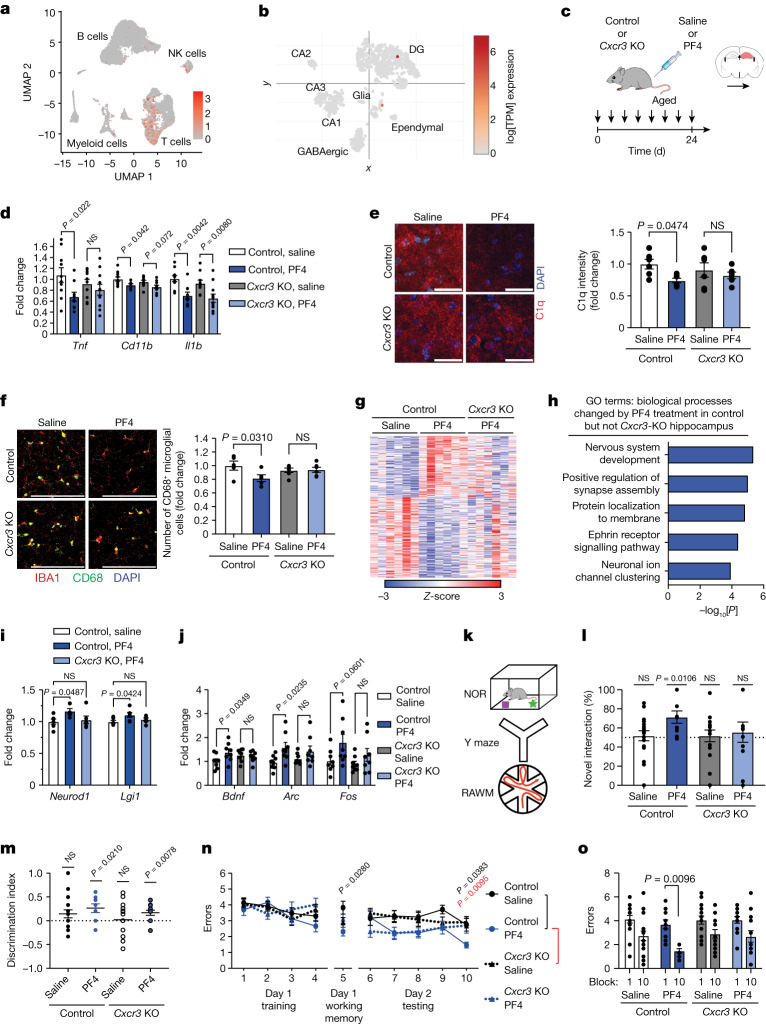
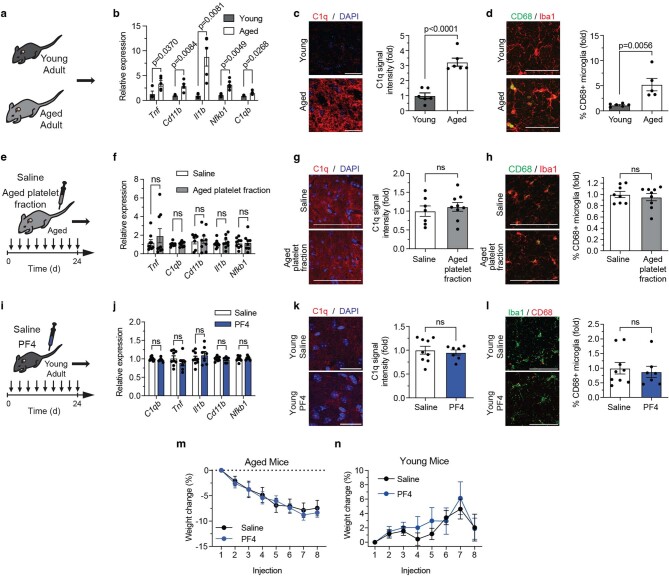
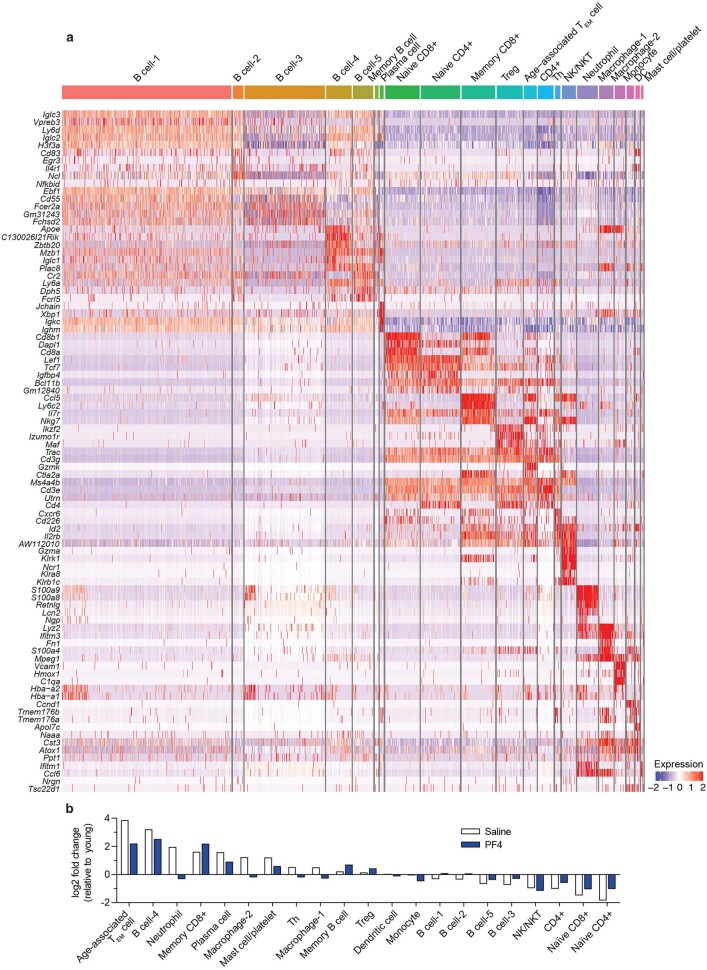
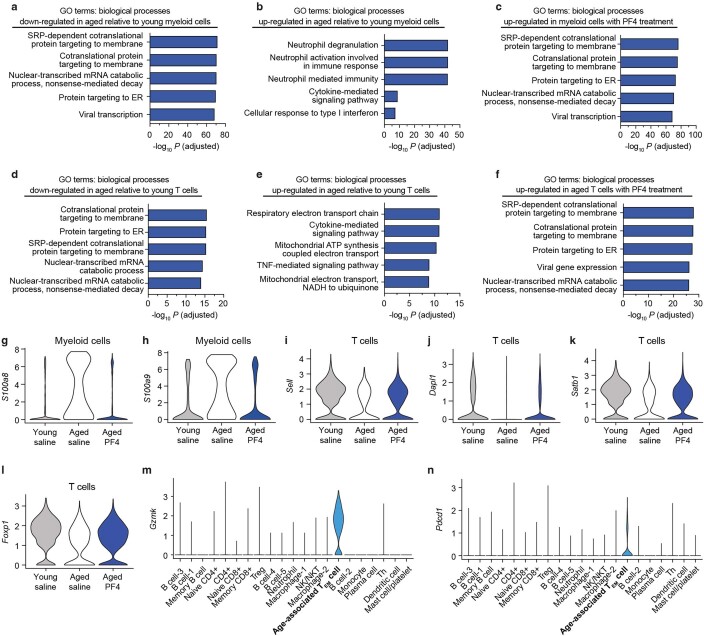
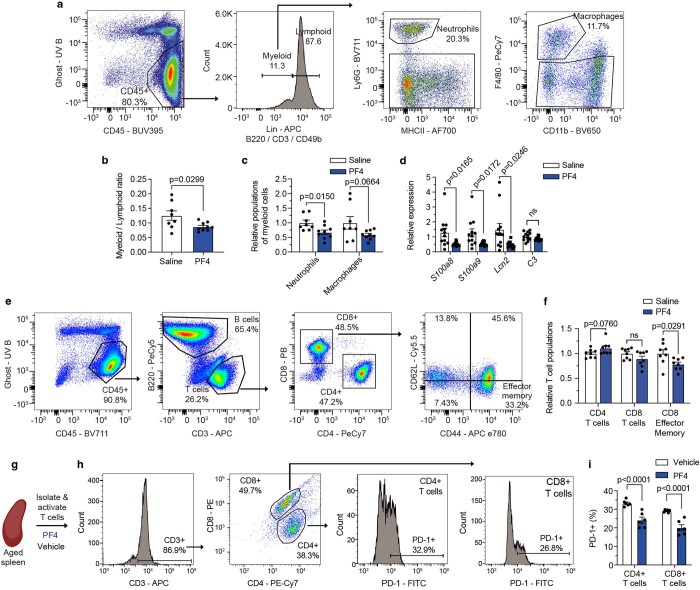
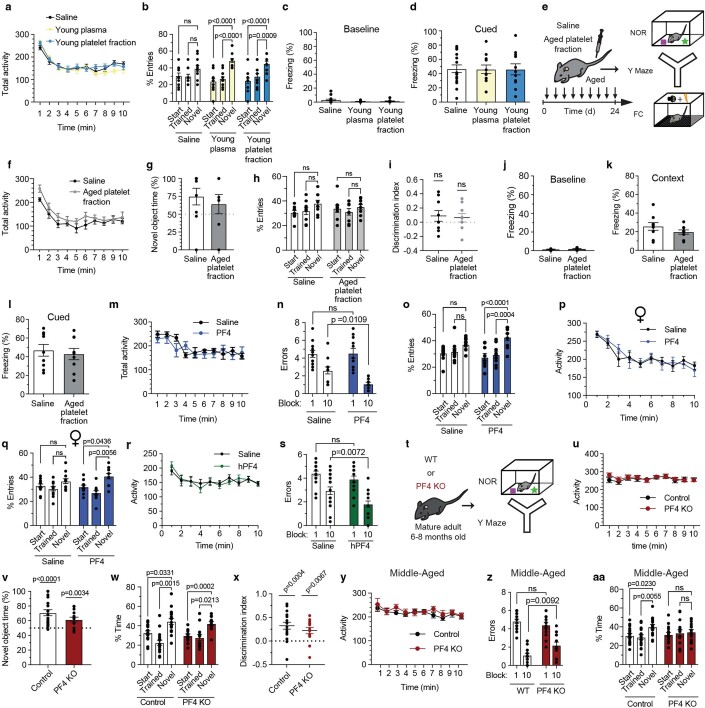
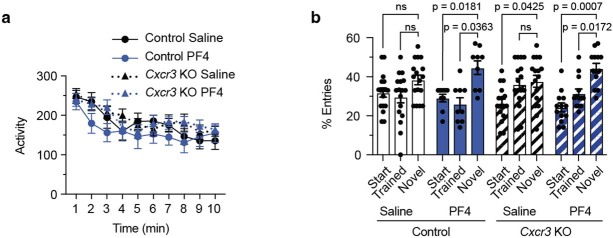
Identifying therapeutics to delay, and potentially reverse, age-related cognitive decline is critical in light of the increased incidence of dementia-related disorders forecasted in the growing older population 1. Here we show that platelet factors transfer the benefits of young blood to the ageing brain. Systemic exposure of aged male mice to a fraction of blood plasma from young mice containing platelets decreased neuroinflammation in the hippocampus at the transcriptional and cellular level and ameliorated hippocampal-dependent cognitive impairments. Circulating levels of the platelet-derived chemokine platelet factor 4 (PF4) (also known as CXCL4) were elevated in blood plasma preparations of young mice and humans relative to older individuals. Systemic administration of exogenous PF4 attenuated age-related hippocampal neuroinflammation, elicited synaptic-plasticity-related molecular changes and improved cognition in aged mice. We implicate decreased levels of circulating pro-ageing immune factors and restoration of the ageing peripheral immune system in the beneficial effects of systemic PF4 on the aged brain. Mechanistically, we identified CXCR3 as a chemokine receptor that, in part, mediates the cellular, molecular and cognitive benefits of systemic PF4 on the aged brain. Together, our data identify platelet-derived factors as potential therapeutic targets to abate inflammation and rescue cognition in old age.
Overview
The claims and statistics of this paper haven’t been checked yet.
Free: it reads the open-access text and checks the first 5 claims that cite a source we can check. Create a free account to check every claim.
Integrity signals
Registry
Cites
Statistics
Figures
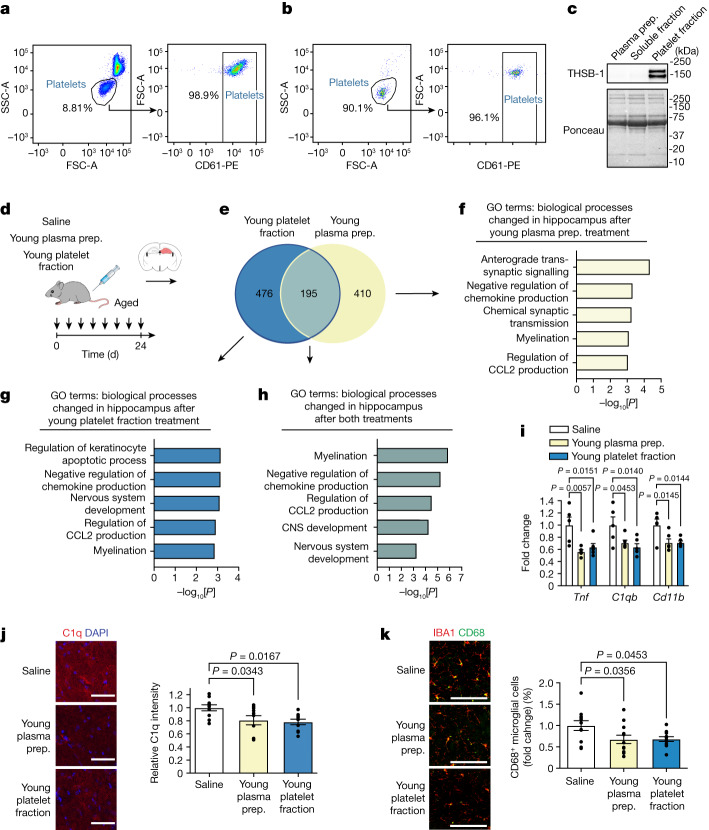
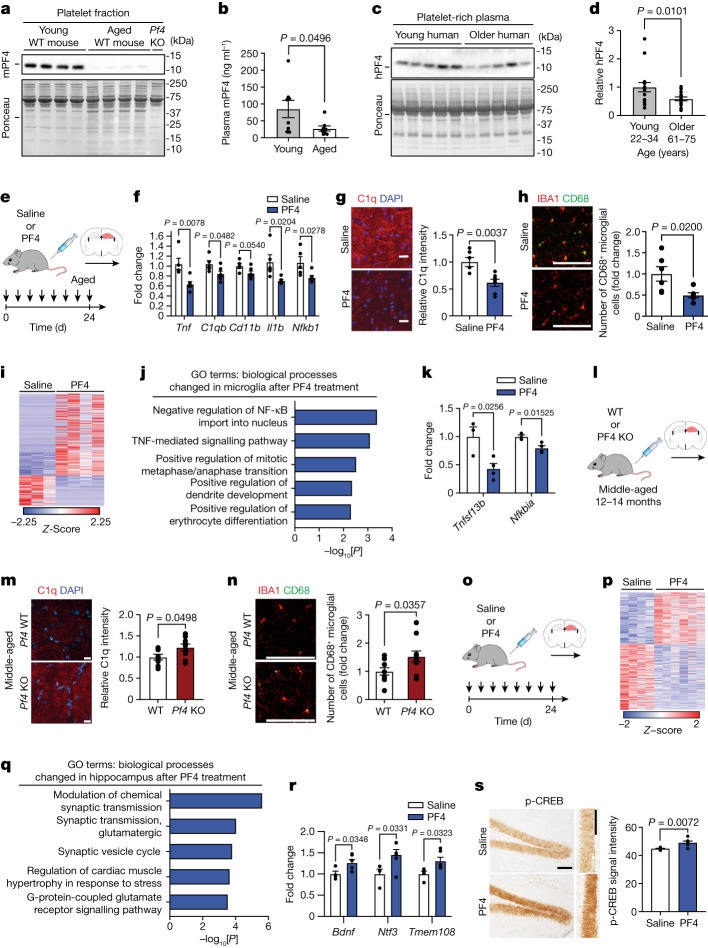
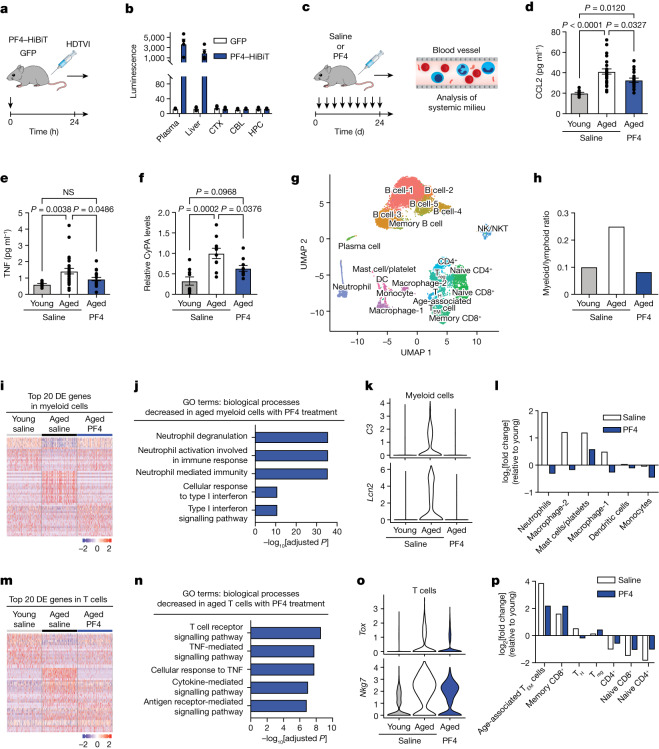
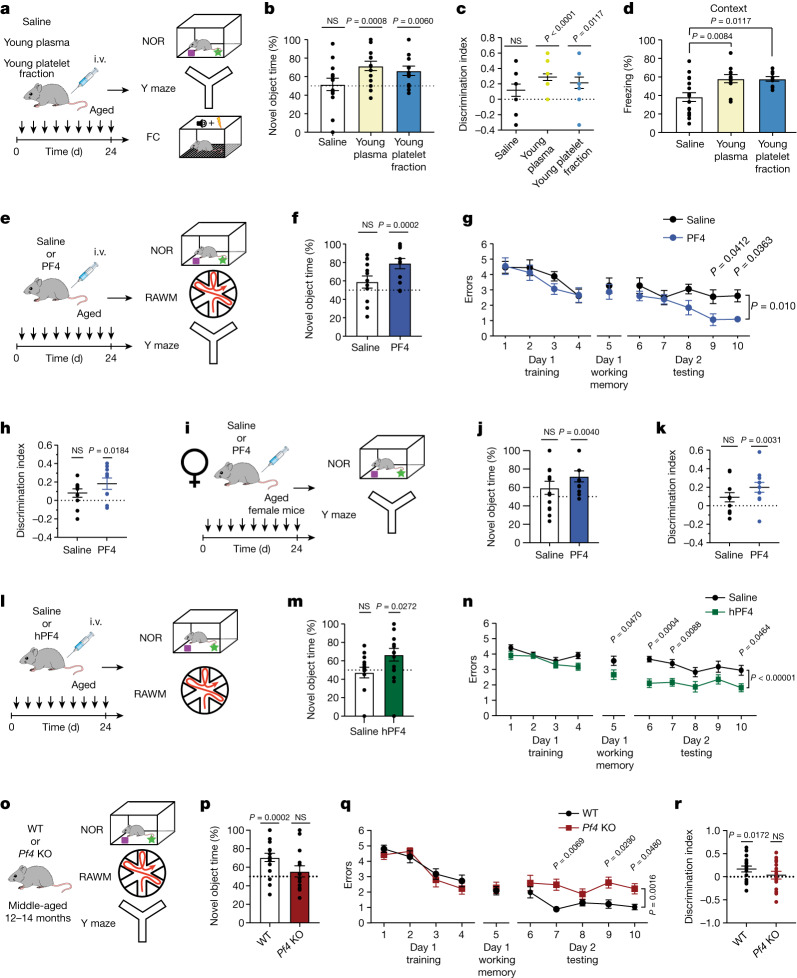
Verification
Claims the paper makes
The claims and statistics of this paper haven’t been checked yet.
Free: it reads the open-access text and checks the first 5 claims that cite a source we can check. Create a free account to check every claim.
Claims other papers make about this one
Each is checked against this paper’s own text: does it say what the citing paper says it does?
The cited source says what the claim attributes to it.
In the citing paper
“According to recent reports, replenishing clusterin and platelet factor 4 (PF4) ameliorates neuroinflammation,384,385 and oleoylethanolamide (OEA) enhances microglial phagocytosis,386 all of shese contribute to cognitive improvement and neuroprotection.”
From Antiageing strategy for neurodegenerative diseases: from mechanisms to clinical advances (2025) · cites this paper as [385]
Self-check
Percentages, sums and reported differences re-computed from the paper’s own numbers.
The self-check needs the paper’s full text.
Citations
Cites
Analysis of Relative Gene Expression Data Using Real-Time Quantitative PCR and the 2−ΔΔCT Method
Livak, K. J., & Schmittgen, T. D. (2001) · Methods · doi:10.1006/meth.2001.1262 · Cited by 180,860
Moderated estimation of fold change and dispersion for RNA-seq data with DESeq2
Love, M. I., Huber, W., & Anders, S. (2014) · Genome Biology · doi:10.1186/s13059-014-0550-8 · Cited by 95,106
STAR: ultrafast universal RNA-seq aligner
Dobin, A., Davis, C. A., Schlesinger, F., Drenkow, J., Zaleski, C., Jha, S., Batut, P., Chaisson, M., & Gingeras, T. R. (2013) · Bioinformatics · doi:10.1093/bioinformatics/bts635 · Cited by 51,709
James, S. L., Abate, D., Abate, K. H., Abay, S. M., Abbafati, C., Abbasi, N., Abbastabar, H., Abd-Allah, F., Abdela, J., Abdelalim, A., et al. (2018) · The Lancet · doi:10.1016/s0140-6736(18)32279-7 · Cited by 13,867
Enrichr: interactive and collaborative HTML5 gene list enrichment analysis tool
Chen, E. Y., Tan, C. M., Kou, Y., Duan, Q., Wang, Z., Meirelles, G. V., Clark, N. R., & Ma’ayan, A. (2013) · BMC Bioinformatics · doi:10.1186/1471-2105-14-128 · Cited by 7,814
Spatial reconstruction of single-cell gene expression data
Satija, R., Farrell, J. A., Gennert, D., Schier, A. F., & Regev, A. (2015) · Nature Biotechnology · doi:10.1038/nbt.3192 · Cited by 7,055
Neuroinflammation in Alzheimer's disease
Heneka, M. T., Carson, M. J., Khoury, J. E., Landreth, G. E., Brosseron, F., Feinstein, D. L., Jacobs, A. H., Wyss-Coray, T., Vitorica, J., Ransohoff, R. M., et al. (2015) · The Lancet Neurology · doi:10.1016/s1474-4422(15)70016-5 · Cited by 6,226
Mutation of the mouse klotho gene leads to a syndrome resembling ageing
Kuro-o, M., Matsumura, Y., Aizawa, H., Kawaguchi, H., Suga, T., Utsugi, T., Ohyama, Y., Kurabayashi, M., Kaname, T., Kume, E., et al. (1997) · Nature · doi:10.1038/36285 · Cited by 3,837
Simultaneous epitope and transcriptome measurement in single cells
Stoeckius, M., Hafemeister, C., Stephenson, W., Houck-Loomis, B., Chattopadhyay, P. K., Swerdlow, H., Satija, R., & Smibert, P. (2017) · Nature Methods · doi:10.1038/nmeth.4380 · Cited by 3,098
The ageing systemic milieu negatively regulates neurogenesis and cognitive function
Villeda, S. A., Luo, J., Mosher, K. I., Zou, B., Britschgi, M., Bieri, G., Stan, T. M., Fainberg, N., Ding, Z., Eggel, A., et al. (2011) · Nature · doi:10.1038/nature10357 · Cited by 1,763
Self-citation
Cited by
Items 101–200 of 264
The disparity of platelet factor 4 and platelets in individuals of different ages
Weng, R., Liu, J., Yu, Q., Yuan, H., Qiu, Y., Liu, H., Wang, L., Mei, Z., & Zhu, F. (2024) · Heliyon · doi:10.1016/j.heliyon.2024.e34923 · Cited by 6
“Recent studies have unveiled PF4 as a novel blood-borne factor responsible for transmitting the rejuvenating properties of youthful blood to aging brains, particularly in the hippocampus [19,20].”
BackgroundLuo, X., Dong, J., & Li, T. (2025) · Journal of Affective Disorders · doi:10.1016/j.jad.2025.119667 · Cited by 6
Mendes, N. F., Zanesco, A. M., de Aguiar, C. F., Rodrigues-Luiz, G. F., da Silva, D. C., Campos, J. F., Câmara, N. O. S., Moraes‐Vieira, P. M., ARAUJO, E. P. D., & Velloso, L. A. (2024) · eLife · doi:10.7554/elife.95044 · Cited by 6
Exercise benefits yourself and your offspring: a mini-review
Wang, K., Zhao, J., Wang, Y., & Liu, M. (2025) · Frontiers in Cell and Developmental Biology · doi:10.3389/fcell.2025.1606790 · Cited by 9
“Similarly, platelet factor 4, higher in younger individuals, reduces neuroinflammation and enhances cognition in aged mice (Schroer et al., 2023).”
Research progress on blood therapy for anti-aging
Liu, S., Wang, S., Dong, Y., Yang, S., & Yao, C. (2025) · Journal of Advanced Research · doi:10.1016/j.jare.2025.07.039 · Cited by 6
“Additionally, transfusion of recombinant PF4 or platelet factors derived from young mice plasma to elderly mice reduced hippocampal inflammation (decrease d TNF, C1qb, CD11b) and enhanced synaptic plasticity (increased Bdnf, Ntf3, Tmem108), mitigating immune senescence and cognitive decline [177].”
Platelets regulate neural and oligodendroglial progenitors when infiltrating the brain parenchyma
Dimitriou, C., Anesti, M., Kaplanis, S. I., Mourtzi, T., Dimopoulou, A., Dimitrakopoulos, D., Katsaitis, F., Nousia, M., Mastori, K., Karassavidou, K., et al. (2025) · Communications Biology · doi:10.1038/s42003-025-09028-1 · Cited by 5
Verma, A. K., Tan, L., Schuster, N., Moye, S. L., Lin, L.-C., Lowery, S. A., Duraisami, E., Abrahante, J. E., Qiu, Q., Hefti, M. H., et al. (2026) · Proceedings of the National Academy of Sciences · doi:10.1073/pnas.2530209123 · Cited by 5
“3 B displays a heatmap depicting differentially expressed genes (DEGs) associated with inflammation (63 –66 ).”
Liu, Y., Gu, Y., Jin, F., Guo, M., Tian, Z., Li, Y., Shao, Q., Cao, M., Xu, Z., Liu, J., et al. (2026) · Stroke · doi:10.1161/strokeaha.125.052213 · Cited by 5
Targeting platelets in ischemic stroke: Balancing on a tightrope
Denorme, F. (2026) · Journal of Cerebral Blood Flow & Metabolism · doi:10.1177/0271678x261421834 · Cited by 5
Yuan, F., Shi, C., Liang, X., Xu, J., Qin, Y., Xu, S., Chen, Y., Qin, T., Ding, Y., Hu, Z., et al. (2026) · Bioactive Materials · doi:10.1016/j.bioactmat.2026.04.026 · Cited by 7
“Previous studies have demonstrated that treatment with young plasma exchange and derived extracellular vesicles significantly alleviates organismal aging and limits the progression of a series of diseases [16,18].”
Intense exercise at high altitude causes platelet loss across the brain in humans
Gibbons, T. D., Caldwell, H. G., Islam, H., Duffy, J. S., MacLeod, D. B., & Ainslie, P. N. (2024) · The Journal of Physiology · doi:10.1113/jp285603 · Cited by 5
“On the other side, recent evidence supports a beneficial role of mildly activated platelets in promoting adult neurogenesis (Leiter et al., 2019, 2023), synaptic plasticity (Park et al., 2023), and enhanced cognitive function in mice (Schroer et al., 2023).”
Platelet releasates mitigate the endotheliopathy of trauma
Gallagher, L. T., LaCroix, I. S., Fields, A. T., Mitra, S., Argabright, A., D’Alessandro, A., Erickson, C. B., Nunez‐Garcia, B., Herrera-Rodriguez, K., Chou, Y. (., et al. (2024) · The Journal of Trauma: Injury, Infection, and Critical Care · doi:10.1097/ta.0000000000004342 · Cited by 5
Xu, W., Yang, Q., Li, L., Xiang, Y., & Yang, Q. (2024) · Kidney & Blood Pressure Research · doi:10.1159/000540025 · Cited by 6
PF4 in rejuvenation therapy: Neuroprotection and cognitive enhancement
Li, L., & Xie, C. (2025) · Biomolecules and Biomedicine · doi:10.17305/bb.2025.11960 · Cited by 5
“…effects of PF4 administration in reversing the aged brain to a young state depend on hippocampus-related neurogenesis and synaptic plasticity, especially in the dentate gyrus, not in the cortex or cerebellum [2, 9], subsequently accelerating memory and learning improvement in the aged brain.”
Thomas, K. N., Caldwell, H. G., MacLeod, D. B., Abraham, W. C., Carr, J. M. J. R., Gasho, C., Brewster, L. M., Bruce, C. D., Monteleone, J. A., Duffy, J. S., et al. (2025) · The Journal of Physiology · doi:10.1113/jp289261 · Cited by 6
“It has also been recently implicated in a myriad of growth-promoting effects on the brain (Leiter et al., 2023; Park et al., 2023; Schroer et al., 2023).”
Blood platelet factor 4: the elixir of brain rejuvenation
Izquierdo, J. M. (2024) · Molecular Neurodegeneration · doi:10.1186/s13024-023-00681-w · Cited by 5
Wang, J., He, C., Chen, Y., Hu, X., Xu, H., Liu, J., Yang, Y., Chen, L., Li, T., Fang, L., et al. (2024) · iScience · doi:10.1016/j.isci.2024.110953 · Cited by 8
Factors involved in human healthy aging: insights from longevity individuals
Yin, F.-Q., Xiao, F., & Kong, Q.-P. (2025) · Frontiers of Medicine · doi:10.1007/s11684-024-1120-4 · Cited by 4
Research progress on platelet factor 4 in improving cognition
Zhuo, H., Chen, N., Hu, X., & Liu, Z. (2025) · Experimental Neurology · doi:10.1016/j.expneurol.2025.115403 · Cited by 4
Liu, Y., Liao, P., Yan, B., Li, D., Zhang, S., Zhang, W., Jia, Z., Zhang, Z., Gao, H., Liu, Q., et al. (2025) · Aging Cell · doi:10.1111/acel.70228 · Cited by 4
Chronic high-salt diet induces cognitive impairment and anxiety through gut microbiota alterations
Xu, W., Zhang, C., Bai, Y., Zhang, H., Wei, Y., Ge, Q., Guo, Y., Li, M., An, C., Chen, X., et al. (2025) · European Journal of Pharmacology · doi:10.1016/j.ejphar.2025.178350 · Cited by 4
Xie, Z., Chen, Z., Wu, W., Fei, M., Li, W., Cao, S., Wang, N., Sun, X., Sun, X., Liu, Q., et al. (2025) · Biomaterials · doi:10.1016/j.biomaterials.2025.123863 · Cited by 4
Meng, B., Qu, Y., Yang, B., Fu, C., He, Y., Li, J., Wan, R., Li, X., Xue, Z., Cao, Z., et al. (2026) · Nature Biomedical Engineering · doi:10.1038/s41551-025-01584-5 · Cited by 6
Long, X., Liu, W., Chen, C., Guo, Q., Wang, Y., Yu, F., Zhang, Y., Kellems, R. E., & Xia, Y. (2026) · Communications Biology · doi:10.1038/s42003-026-09527-9 · Cited by 5
Kansestani, A. N., Zare, M. E., & Zhang, J. (2026) · Cellular Oncology · doi:10.1007/s13402-025-01129-7 · Cited by 4
Blood Mechanical Intelligence: From Force Sensing to Precision Mechanomedicine
Wang, S., Ting, P., Liu, Q., Li, Z., Wen, T., Cheng, B., Xu, F., & Yao, C. (2026) · Research · doi:10.34133/research.1157 · Cited by 6
“Platelets also use mechanical cues to adapt evolution in immunity and aging processes [ 51 , 52 ].”
Versatility of megakaryocytes in homeostasis and disease
Wang, D., Xie, J., & Zhao, M. L. (2024) · Blood Science · doi:10.1097/bs9.0000000000000212 · Cited by 4
Akutsu, F., Sugino, S., Watanabe, M., Barde, Y., & Kojima, M. (2025) · F1000Research · doi:10.12688/f1000research.160304.1 · Cited by 4
Santos, M. D., Forrest, M. P., Bomba-Warczak, E. K., Dey, S., Parnell, E., Christiansen, J. M., Edassery, S. L., Yang, K., Hayes, L. N., Coughlin, J. M., et al. (2026) · Neuron · doi:10.1016/j.neuron.2026.02.004 · Cited by 4
Vicidomini, C., Goode, T. D., McAvoy, K. M., Yu, R., Beveridge, C. H., Iyer, S. N., Victor, M. B., Leary, N., Evans, L., Steinbaugh, M. J., et al. (2024) · bioRxiv (Cold Spring Harbor Laboratory) · doi:10.1101/2024.07.26.605338 · Cited by 7
Rejuvenation factor PF4: a potential gatekeeper for neurodegenerative diseases
Jia, F., & Shen, X. (2024) · Frontiers in Aging Neuroscience · doi:10.3389/fnagi.2024.1482922 · Cited by 3
Du, W., Liu, J., Zhu, S., He, S., Liu, Z., Yao, Y., & Song, Q. (2025) · ONCOLOGIE · doi:10.1515/oncologie-2024-0594 · Cited by 3
“A similar phenomenon is observed in tumor patients, where BM or lung-resident MKs encapsulate distinct organelles and RNAs into platelets from cancer patients, suggesting a potential mechanism of platelet education [83].”
Lengvenytė, A., Olié, É., Cognasse, F., Hamzeh‐Cognasse, H., Alacreu‐Crespo, A., & Courtet, P. (2025) · Brain Behavior & Immunity - Health · doi:10.1016/j.bbih.2025.100984 · Cited by 5
“PF-4 administration attenuated age-related hippocampal neuroinflammation in mice, suggesting a possibly causal association with brain health (Schroer et al., 2023).”
Neuronal C/EBPβ Shortens the Lifespan via Inactivating NAMPT
Li, B., Xie, Z., Wang, M., Nie, S., Qian, Z., Meng, X., Liu, X., Kang, S. S., & Ye, K. (2025) · Advanced Science · doi:10.1002/advs.202414871 · Cited by 5
Research progress of platelets in neurodegenerative diseases
Yu, L., Ding, J., Yu, T., & Cheng, C. (2025) · Frontiers in Aging Neuroscience · doi:10.3389/fnagi.2025.1544605 · Cited by 3
Xie, K. (2026) · Brain Behavior and Immunity · doi:10.1016/j.bbi.2026.106466 · Cited by 3
Zhang, W., Stewart, C., Xiao, A., Zhan, Y., Wei, T., Wu, J., Li, L., Zheng, C., Huang, H., & Han, J. (2026) · Journal of Medicinal Chemistry · doi:10.1021/acs.jmedchem.5c02439 · Cited by 3
Fa, J., Chen, Y., Pan, W., Zhang, J., Cheng, W., Da, X., Zhao, Y., Chen, L., Ma, H., Huang, J., et al. (2026) · Materials Today Bio · doi:10.1016/j.mtbio.2026.102920 · Cited by 5
“Beyond classical thrombotic complications, hyperactivated platelets induce neuro-inflammation in the brain, accelerating the progression of neurodegenerative diseases, such as Alzheimer's disease and vascular dementia [17].”
Gulej, R., Patai, R., Chandragiri, S. S., Nagykaldi, M., Brunner, E., Mukli, P., Nagy, D., Kordestan, K. V., Ekambaram, S., Shanmugarama, S., et al. (2026) · GeroScience · doi:10.1007/s11357-026-02118-w · Cited by 4
Fan, P., Ruan, Y., Kaichao, H. U., Wang, H., Ye, J.-R., Wang, S., Yuan, R., Yang, G., Liu, F., He, W., et al. (2026) · Acta Pharmaceutica Sinica B · doi:10.1016/j.apsb.2026.04.003 · Cited by 4
“CD68, a biomarker of microglial lysosomal activity, reflects microglial degradation during phagocytosis 31 .”
Xu, Z., Liu, K., Zhang, G., Yang, F., He, Y., Nan, W., Li, Y., & Lin, J. (2025) · Genomics · doi:10.1016/j.ygeno.2025.111033 · Cited by 4
Blood serum from individuals with Alzheimer’s disease alters microglial phagocytosis in vitro
Altendorfer, B., Poupardin, R., Lefèvre‐Arbogast, S., Manach, C., Low, D. Y., Urpí-Sardà, M., Andrés‐Lacueva, C., González‐Domínguez, R., Felder, T. K., Tevini, J., et al. (2025) · Neural Regeneration Research · doi:10.4103/nrr.nrr-d-24-01287 · Cited by 3
“The 3C Study protocol was approved 10/06/1999 by the Consultative Committee for the Protection of Persons participating in Biomedical Research at Kremlin-Bicêtre University Hospital (Paris, France).”
A platelet-derived factor protects the ageing brain
Bordon, Y. (2023) · Nature reviews. Immunology · doi:10.1038/s41577-023-00939-w · Cited by 3
Qiu, K., Mao, M., Pang, W., Deng, D., Ren, J., & Zhao, Y. (2024) · American Journal of Stem Cells · doi:10.62347/dtap3592 · Cited by 4
Ciaglia, E., Montella, F., Carrizzo, A., Lopardo, V., Esposito, R. M., Basile, C., Damato, A., Lucia, M. D., Maciag, A. E., Spinetti, G., et al. (2024) · GeroScience · doi:10.1007/s11357-024-01242-9 · Cited by 3
Zou, C., Cai, R., Li, Y., Yu, X., Zhang, G., Alitongbieke, G., Pan, Y., & Zhang, S. Q. (2024) · iScience · doi:10.1016/j.isci.2024.110766 · Cited by 3
Global multi-omics analysis of exerkines in progressive treadmill-exercised rodentsPreprint
Taha, H. B. (2024) · bioRxiv (Cold Spring Harbor Laboratory) · doi:10.1101/2024.12.08.627439 · Cited by 3
Weaver, R. R., Gray, A. L., Mateus-Gomes, S., Ridley, A. J. L., Giblin, S. P., Birchenough, H. L., Peterson, F. C., Lowe, K., Matsubara, Y., Mulholland, I. Z., et al. (2025) · bioRxiv (Cold Spring Harbor Laboratory) · doi:10.1101/2025.04.23.650173 · Cited by 3
Hou, T., Sha, Z., Wang, Q., Zhu, Y., Zhu, Z., Dai, H., Zhu, Y., Wang, T., Li, M., Zhao, Z., et al. (2025) · Aging Cell · doi:10.1111/acel.70065 · Cited by 3
Tiwary, S., Hsu, K. S., Goldfarbmuren, K. C., Xia, Z., & Berzofsky, J. A. (2025) · Cancer Immunology Research · doi:10.1158/2326-6066.cir-24-0927 · Cited by 2
“Recent studies have reported that PF4 has a restorative effect on the aged brain, improving cognition by suppressing neuroinflammation and promoting synaptic plasticity (47).”
Li, Z., Ma, L., Zhong, Y., Liang, B., Huang, Y., & Huang, Z. (2025) · Environmental Science Processes & Impacts · doi:10.1039/d5em00332f · Cited by 2
de Levay, J.-P. B. B., Thankamony, R. L., Nuaimi, R. A., Aldehaiman, M. M., Yuan, B., Merzaban, J. S., & Lai, Z. (2025) · Journal of Membrane Science · doi:10.1016/j.memsci.2025.124895 · Cited by 2
Plasma-based strategies for systemic rejuvenation: critical perspectives on clinical translation
Gulej, R., Patai, R., Ungvari, A., Tordai, A., Huffman, D. M., Tarantini, S., Yabluchanskiy, A., Ungvari, Z. I., & Csiszar, A. (2026) · GeroScience · doi:10.1007/s11357-026-02136-8 · Cited by 2
Age-Related Neurovascular Dysfunction in the Retina and Potential Pathogenic Mechanisms
Wu, Y., Cao, Q., & Liu, Q. (2026) · Investigative Ophthalmology & Visual Science · doi:10.1167/iovs.67.4.16 · Cited by 2
“254 Heterochronic parabiosis, which involves linking the circulatory systems of young and old mice, has been found to reverse retinal aging features by activating the AdipoR1– AMPK–mitochondrial axis, improving retinal metabolism and cellular homeostasis 255 (Fig.”
Stem cells as an essential mediator of the exercise–tumorigenesis link
Zhuang, X., Wong, E. S. W., Tammela, T., & Jones, L. W. (2026) · Nature reviews. Cancer · doi:10.1038/s41568-026-00933-z · Cited by 2
“Seven weeks of wheel running did not affect ageing-associated decline of HSPCs, including impaired HSPC expansion, reduced engraftment capability and biased differentiation towards myeloid lineage 76,95 .”
Huang, P., Liu, X., Yang, R., Zhang, Y., Ye, Q., Lin, N., & Huang, E. (2026) · Brain Behavior and Immunity · doi:10.1016/j.bbi.2026.106832 · Cited by 2
Jia, M., Shao, H., Ma, S.-Q., Liu, W., Cai, M., Zhu, T., Xu, S., Li, G.-Z., Lu, S., Shen, J.-C., et al. (2026) · Journal of Neuroinflammation · doi:10.1186/s12974-026-03889-x · Cited by 2
Bains, W. (2024) · Rejuvenation Research · doi:10.1089/rej.2023.0066 · Cited by 2
“37 Recent experiments have suggested that “ young ” platelets, and speci fi cally PF4, decrease in fl ammation in the hippocampus in aged mice, 38 and can lead to improved cognition 39,40 and neurogenesis 41 in older mice, which may be related to PF4 improving immune pro fi les and reducing “ in fl…”
Muradian, K. K., & Fraifeld, V. E. (2024) · Healthy ageing and longevity · doi:10.1007/978-3-031-64995-0_12 · Cited by 2
Analyzing the causal role of blood cells in aging: a Mendelian randomization study
Zhang, J., Zhang, X., Xiao, B., Ouyang, J., Wang, P., & Peng, X. (2024) · Biogerontology · doi:10.1007/s10522-024-10148-0 · Cited by 3
“…in blood characteristics and internal environment accelerate aging, some studies suggest platelets may be involved in cognitive repair during aging(Schroer et al. 2023), while inflammatory stress damages the self-repair ability of hematopoietic stem cells, potentially accelerating aging(Bogeska…”
Delivery of Stem Cell–Rejuvenating Compounds via Subcutaneous Osmotic Pumps
Zhang, S., & Pinho, S. (2024) · Methods in molecular biology · doi:10.1007/7651_2024_573 · Cited by 2
Know your brain aging to know your resilience in neurodegenerative diseases
Ng, B., & Zetterberg, H. (2024) · Brain Communications · doi:10.1093/braincomms/fcae467 · Cited by 3
“6 Building on and looking beyond this study, it would be intriguing to potentially dive deeper to understand whether 1.”
Downregulation of STAT1 improved learning and memory impairments in aging mice
Li, X., Xu, Y., Li, T., Xiong, B., Yang, X., & Feng, Y. (2025) · Neuroscience Letters · doi:10.1016/j.neulet.2025.138155 · Cited by 2
Platelet-derived and platelet secretome biotherapies for precision neuromedicine
Chou, M., Blum, D., Cognasse, F., Kuchcinski, G., Devos, D., & Burnouf, T. (2026) · Trends in Molecular Medicine · doi:10.1016/j.molmed.2026.02.006 · Cited by 2
Wang, X., Tazearslan, C., Kim, S., Guo, Q., Contreras, D., Yang, J., Hudgins, A. D., & Suh, Y. (2024) · bioRxiv (Cold Spring Harbor Laboratory) · doi:10.1101/2024.05.02.592258 · Cited by 2
Finding a fountain of youth in the blood
Portier, I., Andrianova, I. A., & Campbell, R. A. (2023) · Journal of Thrombosis and Haemostasis · doi:10.1016/j.jtha.2023.10.024 · Cited by 1
Lin, L., Zhang, L., Li, C., Jin, L., Wang, R., Shu, Y., Chen, B., & Shen, Y. (2025) · Food Hydrocolloids for Health · doi:10.1016/j.fhfh.2025.100215 · Cited by 1
Guo, Y., Tao, R., Wan, H., Zhao, X., Zhang, Y., Guo, Y., & Zhou, D. (2025) · Lasers in Medical Science · doi:10.1007/s10103-025-04568-8 · Cited by 1
Cellular contributions to the pathogenesis of anti-platelet factor 4 disorders
Treverton, J., Lychacz, M., Arnold, D. M., & Nazy, I. (2025) · Current Opinion in Hematology · doi:10.1097/moh.0000000000000900 · Cited by 1
Wang, X., Deng, X., Qiu, L., Liu, J., Shen, H., Du, H., Li, W., Song, L., Deng, W., Dong, X., et al. (2026) · Nature Communications · doi:10.1038/s41467-026-68454-9 · Cited by 1
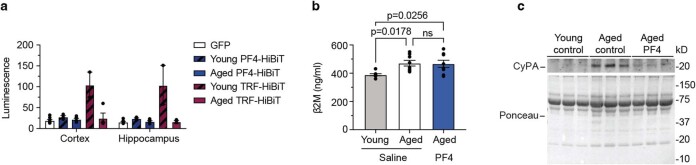
“The HiBiT-tagged protein exhibits diverse functionalities 39,40 , serving not only as a nanoluciferase reporter gene system but also as a tool in the Af-CUT&Tag system to investigate transcriptional regulatory mechanisms of YAP1 and TAZ.”
Cortical O 2 supply and metabolism are suppressed in the aged mice
Kang, H., Zhou, S., Giannetto, M. J., McConnell, E., Kang, N., Sun, Q., Zhao, H., Wei, H., Kramer, K., Guo, Y., et al. (2026) · Proceedings of the National Academy of Sciences · doi:10.1073/pnas.2522765123 · Cited by 2
“Recent study further showed that platelet - derived factors from young mice attenuate neuroinflammation and restore cognition functions in aged brains (84).”
Self-citationCross-Platform Transcriptomic Analysis of 40 Human and Rodent Skeletal Muscle Exerkines
Taha, H. B., Robbins, N., Zoha, F.-S., Zhu, S., Vivek, N., & Bogoniewski, A. (2026) · Muscles · doi:10.3390/muscles5010015 · Cited by 1
“We analyzed a list of 38 known exerkines and 2 speculative exerkines [2,5,6,11–14].”
Ji, Y., Chen, W., Yao, L., Liu, F., Sun, X., & Wang, Z. (2026) · Brain Behavior and Immunity · doi:10.1016/j.bbi.2026.106556 · Cited by 3
Identification of platelet-derived biomarker in a cohort of Parkinson's disease
Dong, Z.-Y., Xiang, Y., Wang, L., Ai, Y., Du, X.-Y., Sun, Y.-Y., Lin, Z.-H., Liu, T.-F., Pan, J.-B., Deng, J., et al. (2026) · Genes & Diseases · doi:10.1016/j.gendis.2026.102171 · Cited by 1
“69 The PLT receptor glycoprotein Ibalpha (GPIb α ) mediates neutrophil infiltration and brain inflammation in stroke and related disorders.”
Numb attenuates LPS-induced neuroinflammation via autophagic regulation of Ifi204 in microglia
Zhang, S., Zang, L., Li, Y., Zhang, Y., Che, X., Xin, Y., He, G., Zhou, Z., Halalmeh, I., Liang, Y., et al. (2026) · Neurobiology of Disease · doi:10.1016/j.nbd.2026.107386 · Cited by 1
Lv, S., Kuang, J.-Y., Wang, T.-W., Zhang, L.-P., Liu, J., Wang, W., Yang, M.-F., Ni, Q., Sun, B.-L., & Sun, J.-Y. (2026) · Frontiers in Immunology · doi:10.3389/fimmu.2026.1648591 · Cited by 1
Senescence of T cells and organ aging
Ohyagi, M., Ito, M., & Yoshimura, A. (2026) · Inflammation and Regeneration · doi:10.1186/s41232-026-00419-3 · Cited by 1
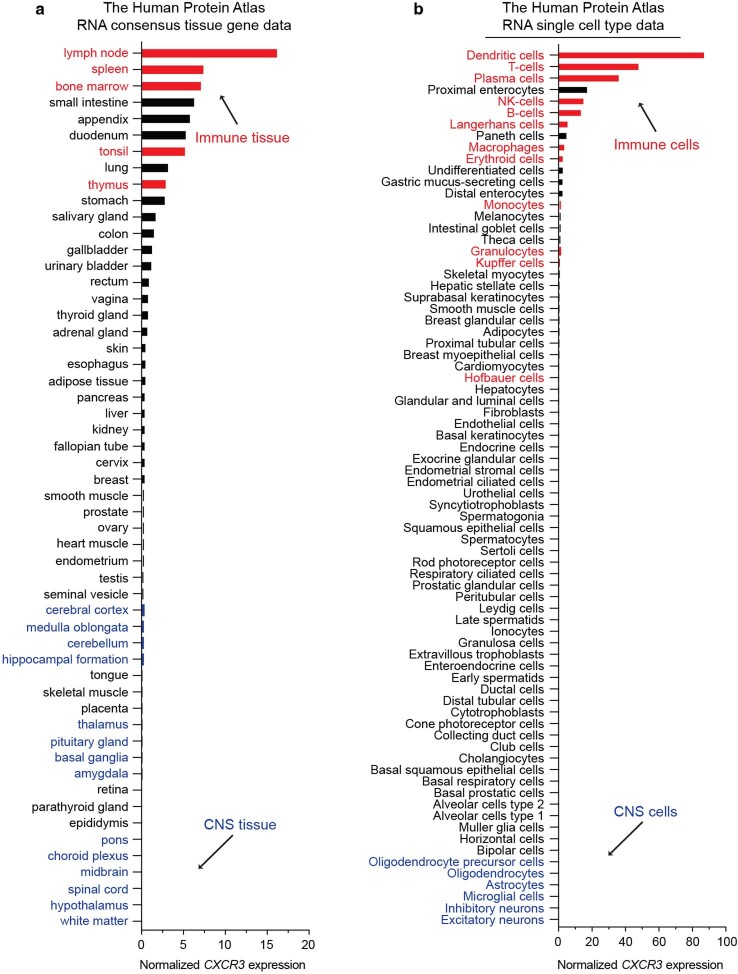
“Among the three groups that identified PF4/CXCL4 as a brain “rejuvenation” factor, Schroer et al. focused on the immune system because CXCR3, a receptor for PF4, is highly expressed on T cells but not on neural cells [22].”
Wen, X., Qu, H., Benedyk‐Machaczka, M., Chen, D., Sundberg, E., Melén, E., Altman, M., Aulin, C., & Harris, H. E. (2026) · EBioMedicine · doi:10.1016/j.ebiom.2026.106330 · Cited by 1
“15,16 Neuro-inflammation has been suggested to precipitate alterations in neurotransmitter systems, leading to behavioural and cognitive changes.”
Xie, Q., Zhu, Y., Jiang, W., Xie, H., Li, Y., Hu, M. L., Li, K., Yu, H., Pan, Y., Jiang, C., et al. (2026) · Advanced Science · doi:10.1002/advs.76778 · Cited by 1
“Consistent with recent reports in aging models [ 18 ], PF4 exhibits robust anti-neuroinflammatory properties.”
Li, R., Chen, Y., Song, Y., Zhang, A., Liang, T., Lian, L., Mi, J., Zhou, N., Wang, J., 白英男, et al. (2026) · Pharmacological Research · doi:10.1016/j.phrs.2026.108378 · Cited by 1
Che, J., Deng, Y., Zhang, X., Shi, C., He, Z., Dong, J., & Zhang, J. (2026) · Experimental Neurology · doi:10.1016/j.expneurol.2026.115985 · Cited by 1
Mendes, N. F., Zanesco, A. M., de Aguiar, C. F., Rodrigues-Luiz, G. F., da Silva, D. C., Campos, J. F., Câmara, N. O. S., Moraes‐Vieira, P. M., ARAUJO, E. P. D., & Velloso, L. A. (2024) · eLife · doi:10.7554/elife.95044.3 · Cited by 1
Transcriptomic Profile of Mouse Brain Ageing in Early Developmental Stages
Kulis, K., Tabury, K., Benotmane, M. A., & Polańska, J. (2024) · Brain Sciences · doi:10.3390/brainsci14060581 · Cited by 1
“Furthermore, studies have identified platelet factors as potential therapeutic targets for reducing inflammation and improving cognitive function in the elderly [37].”
BackgroundDifferential alterations of CXCR3, CXCR5 and CX3CR1 in patients with immune thrombocytopenia
Lv, Y., Yang, Z., Hai, L., Chen, X., Wang, J., Hu, S., Zhao, Y., Yuan, H., Hu, Z., Cui, D., et al. (2024) · Cytokine · doi:10.1016/j.cyto.2024.156684 · Cited by 1
Hu, W., Li, M., Wu, P., Chen, C., Duan, G., & Luo, S. (2025) · Analytical Methods · doi:10.1039/d4ay01974a · Cited by 1
Rossetti, G. M. K., Dunster, J. L., Sohail, A., Williams, B., Cox, K. M., Rawlings, S., Jewett, E., Benford, E., Lovegrove, J. A., Gibbins, J. M., et al. (2025) · The Journal of Physiology · doi:10.1113/jp288405 · Cited by 2
“Interestingly, recent research has shown that administering platelet factor 4 from young mice improved cognition and reduced neuroinflammation in the hippocampus of aged mice (Schroer et al., 2023).”
Youth-associated protein TIMP2 regulates microglial state and function in healthy and aged mice
Hemmer, B. M., Philippi, S. M., Ferreira, A. C., Petridis, S. F., Phan, A., & Castellano, J. M. (2026) · Nature Communications · doi:10.1038/s41467-026-74906-z · Cited by 1
Older mouse brains rejuvenated by protein found in young blood
Sidik, S. M. (2023) · Nature · doi:10.1038/d41586-023-02563-z · Cited by 1
JA(c)K-in-the-platelet and M(i)PL fetch PF4
Thomas, S. J., & Krishnan, A. (2024) · Blood · doi:10.1182/blood.2023022346 · Cited by 1
Cohen, S., Cheradame, L., Pratt, K. J. B., Collins, S. E., Barillas, A., Carlson, A., Ramani, V., Legube, G., Villeda, S., Mullins, R. D., et al. (2024) · bioRxiv (Cold Spring Harbor Laboratory) · doi:10.1101/2024.10.22.619740 · Cited by 1
Self-citationHöffler, K. D., Stavrum, A.-K., O'Connell, K., Weibell, M., Djurovic, S., Andreassen, O. A., Melle, I. S., Hellard, S. L., & Spíndola, L. (2022) · European Neuropsychopharmacology · doi:10.1016/j.euroneuro.2022.07.288
“Bloody” good factors for keeping the brain young
Stevenson, T. J., Vinnell, L., & Rustenhoven, J. (2023) · Immunity · doi:10.1016/j.immuni.2023.09.007
Conboy, I. M. (2023) · Rejuvenation Research · doi:10.1089/rej.2023.29009.editorial
An unexpected cellular fountain of youth: platelets provide factors rejuvenating brain functions
Langer, H. F. (2023) · Signal Transduction and Targeted Therapy · doi:10.1038/s41392-023-01716-w
Mendes, N. F., Zanesco, A. M., de Aguiar, C. F., Rodrigues-Luiz, G. F., da Silva, D. C., Campos, J. F., Câmara, N. O. S., Moraes‐Vieira, P. M., ARAUJO, E. P. D., & Velloso, L. A. (2024) · eLife · doi:10.7554/elife.95044.1
Versatile platelets contribute to rejuvenation
Perry, J. M., & Zhao, M. L. (2024) · Life Medicine · doi:10.1093/lifemedi/lnae018
“A recent study by Schroer et al. has explored the role of circulating platelets in brain rejuvenation by mitigating brain inflammation and improving cognitive function [2].”
Resolving chromatin interaction and transcriptional networks in mammalian nuclei
Zhu, Y. (2024) · eDiss (Georg-August-Universität Göttingen) · doi:10.53846/goediss-10618
Wang, Q., Deng, W.-J., Song, S. L., & Pan, L. H. (2024) · Heliyon · doi:10.1016/j.heliyon.2024.e37101
“The investigation provided evidence that CXCR3 functions as a receptor for chemokines, playing a partial role in facilitating the positive effects of systemic PF4 on the aging brain [35].”
BackgroundSahay, A., Vicidomini, C., Goode, T. D., McAvoy, K. M., Yu, R., Beveridge, C. H., Iyer, S. N., Victor, M. B., Leary, N., Steinbaugh, M. J., et al. (2024) · Research Square · doi:10.21203/rs.3.rs-4920738/v1
Metadata
- Authors
- Schroer, A. B., Ventura, P. B., Sucharov, J., Misra, R., Chui, M. K. K., Bieri, G., Horowitz, A. M., Smith, L. K., Encabo, K., Tenggara, I., Couthouis, J., Gross, J. D., Chan, J. M., Luke, A., & Villeda, S. A.
- Affiliations
- University of California, San Francisco (US)
- Stanford Medicine (US)
- Duke University (US)
- Corresponding author
- Schroer, Adam B.
- Villeda, Saul A.
- ORCID
- Venue
- Nature
- Published
- 2023-08-16
- Volume
- 620
- Issue
- 7976
- Pages
- 1071-1079
- ISSN
- 0028-0836 (ISSN-L)
- 1476-4687
- PMC
- PMC10468395
- OpenAlex
- W4385872154
- Semantic Scholar
- b6102407a1712207ca92e57d47d374374489dca6
- Cited by
- 252
- References
- 59
- Citations by year
- 2026: 70 · 2025: 78 · 2024: 90 · 2023: 13
- FWCI
- 25.98
- Type
- journal article
- Language
- en
- Open access
- hybrid
- doi.org
- Licence
- cc-by
- creativecommons.org/licenses/by/4.0 (tdm)
- creativecommons.org/licenses/by/4.0 (vor)
- Locations
- Nature (publishedVersion, cc-by)
- PubMed Central (publishedVersion, cc-by)
- PubMed (publishedVersion)
- RePEc: Research Papers in Economics (submittedVersion)
- eScholarship (California Digital Library) (submittedVersion, cc-by)
- Funders
- National Science Foundation
- Simons Foundation
- Larry L. Hillblom Foundation
- National Institutes of Health (SCR_018206, DK063720)
- University of California, San Francisco (SCR_018206)
- Stanford Research Computing Center, Stanford University
- National Institute on Aging (F32AG081038, AG064823, F32AG064823, AG081038, AG077816, R01AG067740, AG067740, R01AG077816)
- National Cancer Institute (R01CA181802)
- National Institute of Diabetes and Digestive and Kidney Diseases (P30DK063720)
- Topics
- Life Sciences › Neuroscience › Neurology › Neuroinflammation and Neurodegeneration Mechanisms
- Life Sciences › Biochemistry, Genetics and Molecular Biology › Aging › Genetics, Aging, and Longevity in Model Organisms
- Life Sciences › Neuroscience › Cellular and Molecular Neuroscience › Antioxidants, Aging, Portulaca oleracea
- Keywords
- platelet factor 4, platelets, brain aging, neuroinflammation, hippocampus, cognitive impairment, young blood, plasma transfer, CXCR3, chemokine receptors, synaptic plasticity, peripheral immune system, anti-aging therapy
- MeSH terms
- Neuroinflammatory Diseases, Aging, Animals, Cognition, Hippocampus, Male, Neuronal Plasticity, Plasma, Platelet Factor 4, Transcription, Genetic, Nootropic Agents, Mice, Receptors, CXCR3, Cognitive Dysfunction
About these checks
Registry, retraction, Cites and statistics results are computed, not judged, with one exception: a printed reference that no index lists is read once by a model before it counts as a citation error. Claims are extracted by a model and kept only when their quote appears verbatim in the text; each cited source is then checked, with a model’s help, for whether it says what the claim relies on. Those verdicts can be wrong — read the claim’s quote and the cited source before relying on one.
Statistics and arithmetic are recomputed, not judged.
Confidence bands are shown only for fields calibrated on our annotated test set. None is calibrated yet, so no band is shown.
What counts as a claim ›How we measure confidence ›How we check this ›
Are you an author, or do you see a problem with this page? Request a review
Data sources
Bibliographic data: Semantic Scholar, OpenAlex, Crossref.
Contains information from the Semantic Scholar Academic Graph Datasets, made available under the ODC Attribution License (ODC-BY 1.0).
Semantic Scholar’s data is described in: Kinney, R., et al. (2023). The Semantic Scholar Open Data Platform. arXiv:2301.10140.
