

Ultra-fast deep-learned CNS tumour classification during surgery
Open accessPublished version of a preprint
The DOI matches its Crossref record; 44 of the 44 references it cites were found in a registry or an index.
Abstract
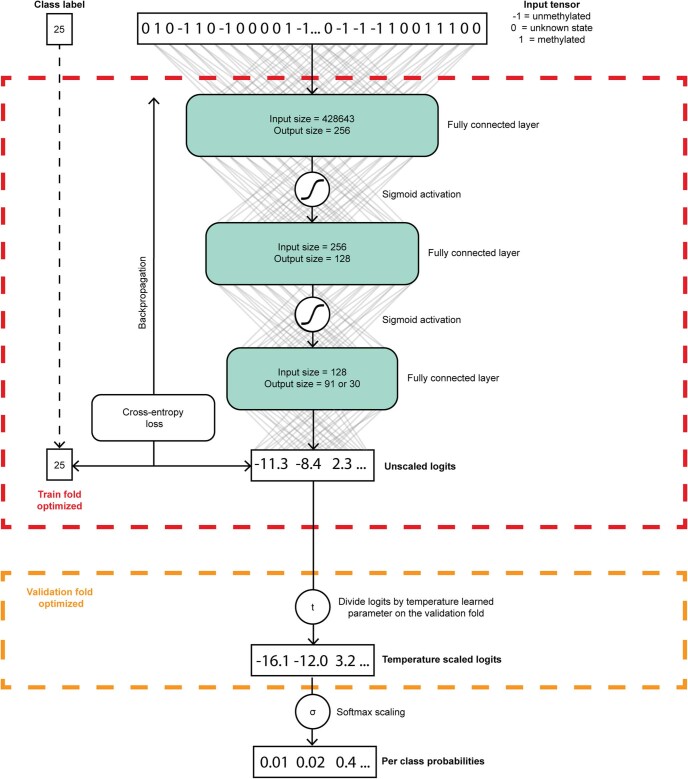
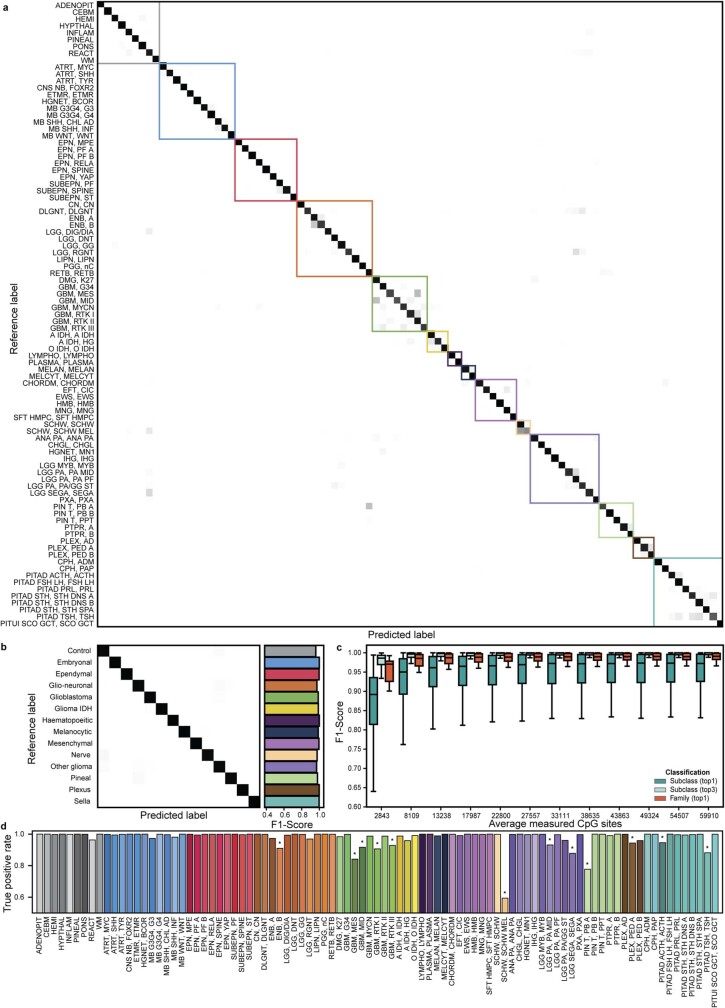
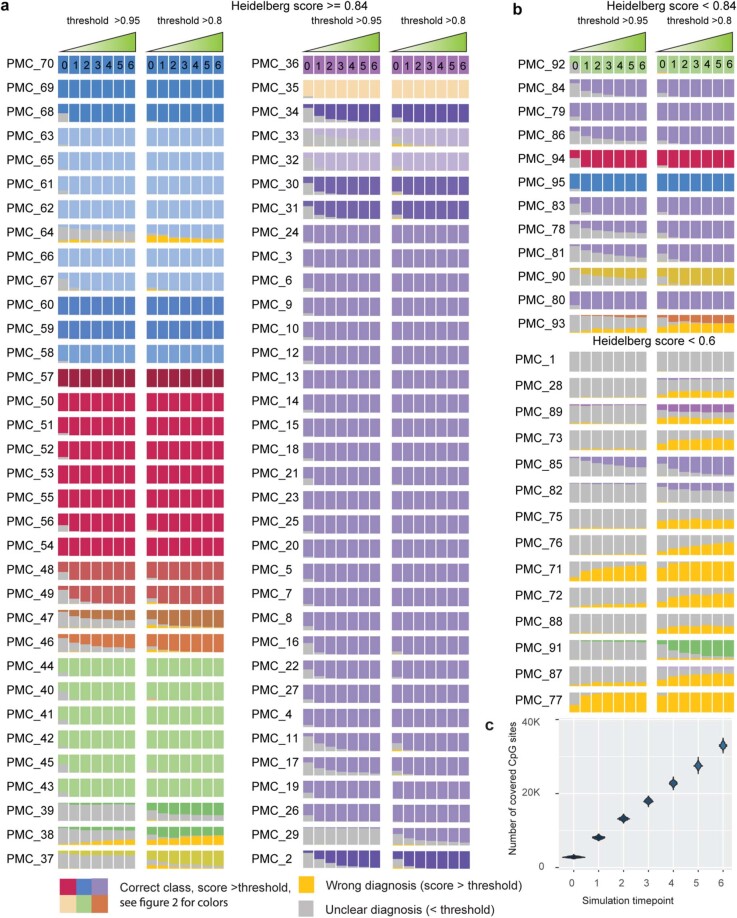
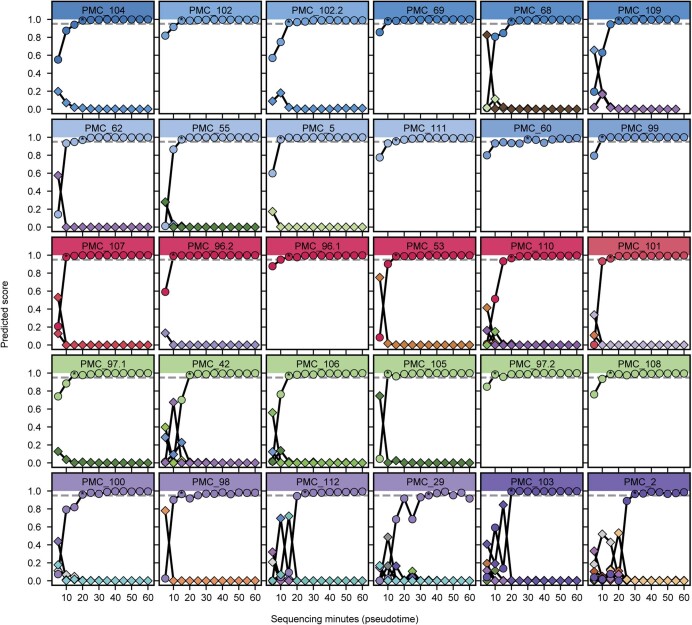
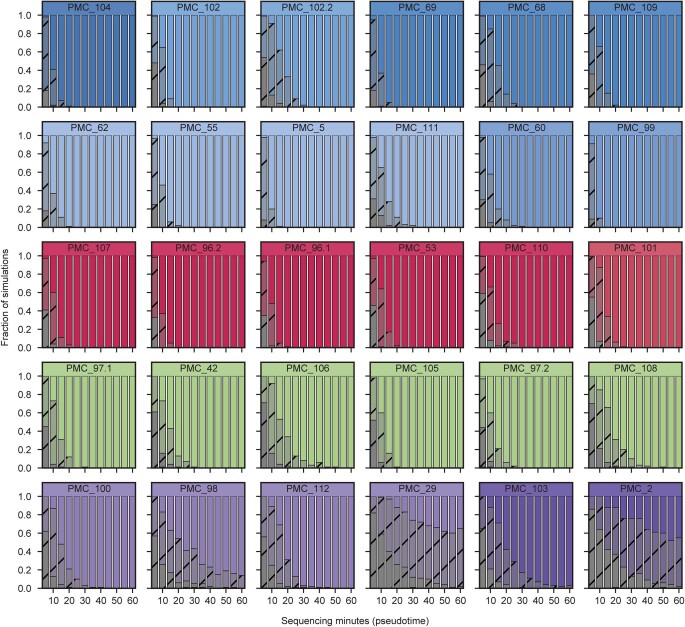
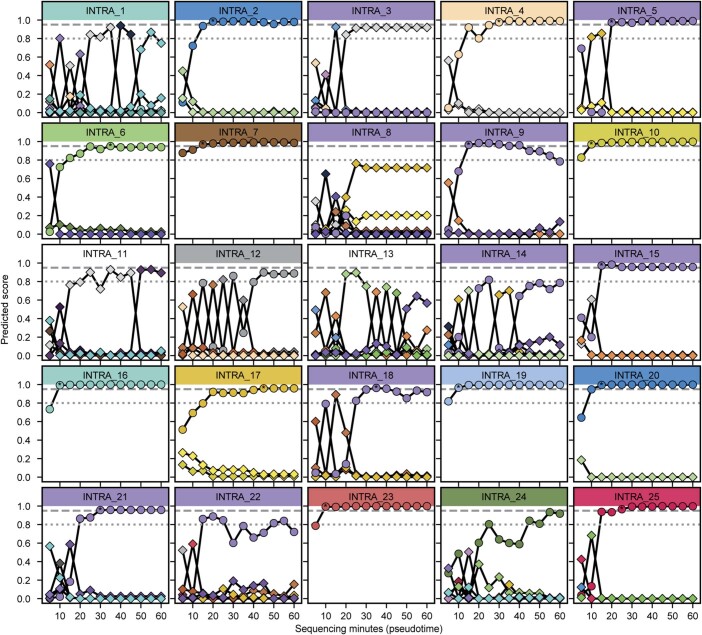
Central nervous system tumours represent one of the most lethal cancer types, particularly among children 1 . Primary treatment includes neurosurgical resection of the tumour, in which a delicate balance must be struck between maximizing the extent of resection and minimizing risk of neurological damage and comorbidity 2,3 . However, surgeons have limited knowledge of the precise tumour type prior to surgery. Current standard practice relies on preoperative imaging and intraoperative histological analysis, but these are not always conclusive and occasionally wrong. Using rapid nanopore sequencing, a sparse methylation profile can be obtained during surgery 4 . Here we developed Sturgeon, a patient-agnostic transfer-learned neural network, to enable molecular subclassification of central nervous system tumours based on such sparse profiles. Sturgeon delivered an accurate diagnosis within 40 minutes after starting sequencing in 45 out of 50 retrospectively sequenced samples (abstaining from diagnosis of the other 5 samples). Furthermore, we demonstrated its applicability in real time during 25 surgeries, achieving a diagnostic turnaround time of less than 90 min. Of these, 18 (72%) diagnoses were correct and 7 did not reach the required confidence threshold. We conclude that machine-learned diagnosis based on low-cost intraoperative sequencing can assist neurosurgical decision-making, potentially preventing neurological comorbidity and avoiding additional surgeries.
Overview
The claims and statistics of this paper haven’t been checked yet.
Free: it reads the open-access text and checks the first 5 claims that cite a source we can check. Create a free account to check every claim.
Integrity signals
Registry
Cites
Statistics
Figures

Verification
Claims the paper makes
The claims and statistics of this paper haven’t been checked yet.
Free: it reads the open-access text and checks the first 5 claims that cite a source we can check. Create a free account to check every claim.
Claims other papers make about this one
Each is checked against this paper’s own text: does it say what the citing paper says it does?
The source backs part of the claim, not all of it — or backs it for a different population, condition or comparison.
In the citing paper
“By integrating advanced algorithms with robotic systems, AI enhances the surgeon’s ability to perform complex procedures with unparalleled accuracy.101”
From A foundational architecture for AI agents in healthcare (2025) · cites this paper as [101]
Experimental — accuracy not yet measured
Self-check
Percentages, sums and reported differences re-computed from the paper’s own numbers.
The self-check needs the paper’s full text.
Citations
Cites
BEDTools: a flexible suite of utilities for comparing genomic features
Quinlan, A. R., & Hall, I. M. (2010) · Bioinformatics · doi:10.1093/bioinformatics/btq033 · Cited by 27,437
The future of digital health with federated learning
Rieke, N., Hancox, J., Li, W., Milletarì, F., Roth, H. R., Albarqouni, S., Bakas, S., Galtier, M. N., Landman, B. A., Maier-Hein, K., et al. (2020) · npj Digital Medicine · doi:10.1038/s41746-020-00323-1 · Cited by 4,015 · cited 1×
“Sturgeon is ideally suited to address this as it can readily be employed in a federated learning setting 33 .”
BackgroundThe Future of Digital Health with Federated Learning
Rieke, N., Hancox, J., Li, W., Milletari, F., Roth, H., Albarqouni, S., Bakas, S., Galtier, M. N., Landman, B., Maier-Hein, K., et al. (2020) · arXiv · doi:10.48550/arxiv.2003.08119 · Cited by 3,495 · cited 1×
“Sturgeon is ideally suited to address this as it can readily be employed in a federated learning setting 33 .”
BackgroundStummer, W., Pichlmeier, U., Meinel, T., Wiestler, O. D., Zanella, F., & Reulen, H.-J. (2006) · The Lancet Oncology · doi:10.1016/s1470-2045(06)70665-9 · Cited by 3,423 · cited 1×
“…showing enhancement on T1 contrast-weighted MRI, intraoperative fluorescence (5-aminolevulinic acid) is used to mark tumour cells during resection 30 , allowing consistent sampling of high tumour content samples and resulting in successful classification in 4 out of 5 cases where tumour was…”
MethodDNA methylation-based classification of central nervous system tumours
Capper, D., Jones, D. T. W., Sill, M., Hovestadt, V., Schrimpf, D., Sturm, D., Koelsche, C., Sahm, F., Chavez, L., Reuss, D. E., et al. (2018) · Nature · doi:10.1038/nature26000 · Cited by 3,033 · cited 12×
“14 , can be found in Supplementary Table 2.”
BackgroundMethodInfluentialValidation of a DNA methylation microarray for 450,000 CpG sites in the human genome
Sandoval, J., Heyn, H., Moran, S., Serra-Musach, J., Pujana, M. A., Bibikova, M., & Esteller, M. (2011) · Epigenetics · doi:10.4161/epi.6.6.16196 · Cited by 990 · cited 1×
“Methylation arrays 17,18 , in combination with the algorithm described by Capper et al. 14 , are widely used in routine diagnostic practice.”
MethodMoran, S., Arribas, C., & Esteller, M. (2016) · Epigenomics · doi:10.2217/epi.15.114 · Cited by 697
Molinaro, A. M., Hervey-Jumper, S., Morshed, R. A., Young, J., Han, S. J., Chunduru, P., Zhang, Y., Phillips, J. J., Shai, A., Lafontaine, M., et al. (2020) · JAMA Oncology · doi:10.1001/jamaoncol.2019.6143 · Cited by 631 · cited 1×
“For the five CNS tumour samples from adult patients, we focused specifically on glioma, as surgical strategy may affect the outcome differently in IDH-wild-type versus IDH-mutant high-grade gliomas 28,29 .”
MethodCapper, D., Stichel, D., Sahm, F., Jones, D. T. W., Schrimpf, D., Sill, M., Schmid, S., Hovestadt, V., Reuss, D. E., Koelsche, C., et al. (2018) · Acta Neuropathologica · doi:10.1007/s00401-018-1879-y · Cited by 567
Scheinin, I., Sie, D., Bengtsson, H., van de Wiel, M. A., Olshen, A. B., van Thuijl, H. F., van Essen, H. F., Eijk, P. P., Rustenburg, F., Meijer, G. A., et al. (2014) · Genome Research · doi:10.1101/gr.175141.114 · Cited by 518 · cited 1×
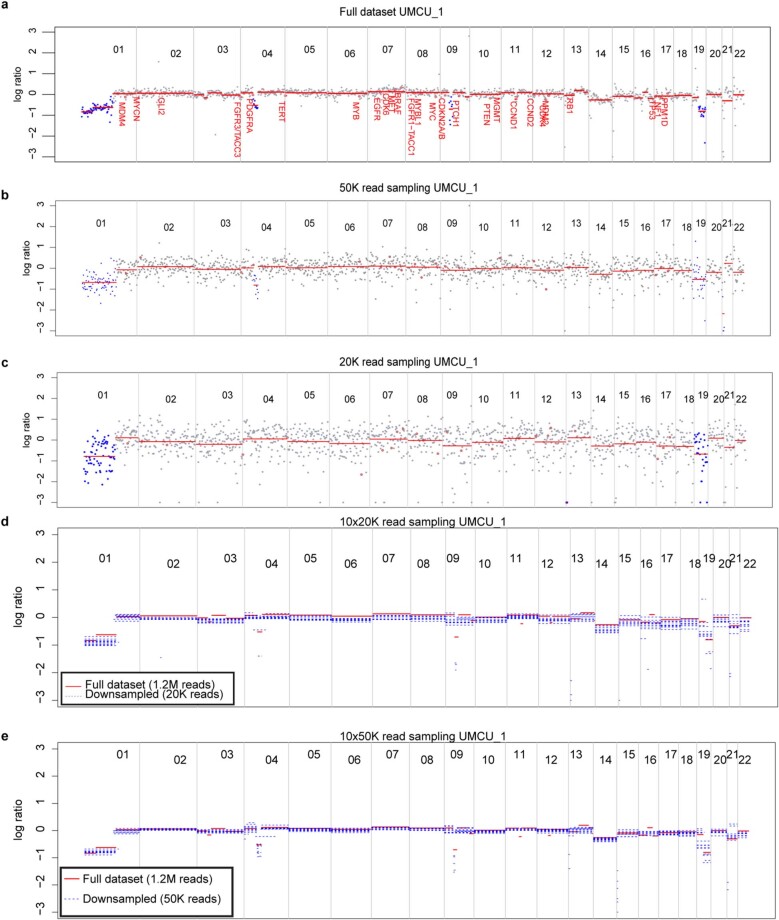
“Therefore, we restricted the analysis to genomic bins spanning 2 Megabases using the QDNAseq package 37 .”
MethodSelf-citationReal-time selective sequencing using nanopore technology
Loose, M., Malla, S., & Stout, M. (2016) · Nature Methods · doi:10.1038/nmeth.3930 · Cited by 399 · cited 1×
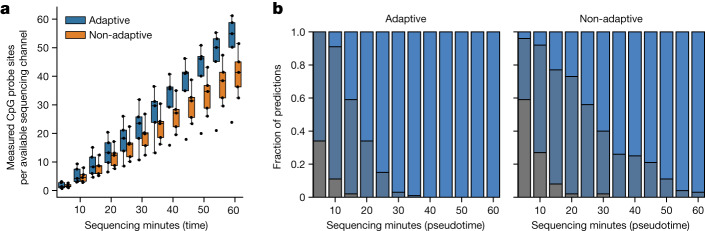
“This has enabled ‘adaptive sampling’, in which a read is mapped when the first approximately 400 bases are sequenced and subsequently rejected if it falls outside any of the targeted regions 31 .”
BackgroundThompson, E. M., Hielscher, T., Bouffet, E., Remke, M., Luu, B., Gururangan, S., McLendon, R. E., Bigner, D. D., Lipp, E. S., Perreault, S., et al. (2016) · The Lancet Oncology · doi:10.1016/s1470-2045(15)00581-1 · Cited by 365
Pajtler, K. W., Mack, S. C., Ramaswamy, V., Smith, C. A., Witt, H., Smith, A., Hansford, J. R., von Hoff, K., Wright, K. D., Hwang, E., et al. (2017) · Acta Neuropathologica · doi:10.1007/s00401-016-1643-0 · Cited by 337 · cited 1×
“9 and 10 for more details).”
Wijnenga, M. M. J., French, P. J., Dubbink, H. J., Dinjens, W. N. M., Atmodimedjo, P. N., Kros, J. M., Smits, M., Gahrmann, R., Rutten, G.-J., Verheul, J. B., et al. (2018) · Neuro-Oncology · doi:10.1093/neuonc/nox176 · Cited by 334 · cited 1×
“Similarly, in IDH-mutant astrocytoma, overall survival is negatively affected when gross total resection is not achieved 12 .”
BackgroundKarremann, M., Gielen, G. H., Hoffmann, M., Wiese, M., Colditz, N., Warmuth-Metz, M., Bison, B., Claviez, A., van Vuurden, D. G., von Bueren, A. O., et al. (2018) · Neuro-Oncology · doi:10.1093/neuonc/nox149 · Cited by 293 · cited 1×
“For instance, diffuse midline gliomas with a specific histone H3 (H3K27) mutation are considered incurable, indicating that surgery should primarily be aimed at acquisition of tumour tissue for diagnosis and preserving quality of life, rather than attempting complete resection 5 .”
BackgroundDNA Methylation Profiling: An Emerging Paradigm for Cancer Diagnosis
Papanicolau-Sengos, A., & Aldape, K. (2022) · Annual Review of Pathology: Mechanisms of Disease · doi:10.1146/annurev-pathol-042220-022304 · Cited by 279 · cited 1×
“Altered genome-wide DNA methylation patterns are highly distinctive features of neoplasms, and the assessment of DNA methylation can reveal information about the origin and prognosis of a tumour 13–16 .”
BackgroundDuffau, H., & Mandonnet, E. (2013) · Acta Neurochirurgica · doi:10.1007/s00701-013-1653-9 · Cited by 250
Ultrarapid Nanopore Genome Sequencing in a Critical Care Setting
Gorzynski, J. E., Goenka, S. D., Shafin, K., Jensen, T. D., Fisk, D. G., Grove, M. E., Spiteri, E., Pesout, T., Monlong, J., Baid, G., et al. (2022) · New England Journal of Medicine · doi:10.1056/nejmc2112090 · Cited by 215 · cited 1×
“Nanopore DNA sequencing has recently emerged as a method that enables ultrarapid sequencing-based diagnosis 19,20 .”
MethodRamaswamy, V., Hielscher, T., Mack, S. C., Lassaletta, A., Lin, T., Pajtler, K. W., Jones, D. T. W., Luu, B., Cavalli, F. M. G., Aldape, K., et al. (2016) · Journal of Clinical Oncology · doi:10.1200/jco.2015.65.7825 · Cited by 206
Same-day genomic and epigenomic diagnosis of brain tumors using real-time nanopore sequencing
Euskirchen, P., Bielle, F., Labreche, K., Kloosterman, W. P., Rosenberg, S., Daniau, M., Schmitt, C., Masliah-Planchon, J., Bourdeaut, F., Dehais, C., et al. (2017) · Acta Neuropathologica · doi:10.1007/s00401-017-1743-5 · Cited by 196 · cited 1×
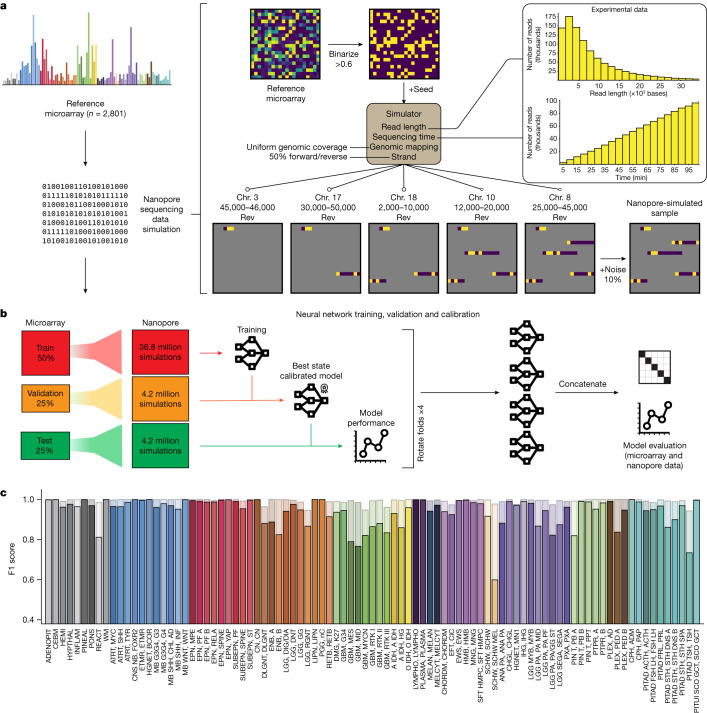
“To this end, we adapted the approach described by Euskirchen et al. 27 .”
MethodMethylation array profiling of adult brain tumours: diagnostic outcomes in a large, single centre
Jaunmuktane, Z., Capper, D., Jones, D. T. W., Schrimpf, D., Sill, M., Dutt, M., Suraweera, N., Pfister, S. M., von Deimling, A., & Brandner, S. (2019) · Acta Neuropathologica Communications · doi:10.1186/s40478-019-0668-8 · Cited by 182 · cited 2×
“High-dimensional CpG methylation profiles can be accurately assigned to a specific CNS subtype using machine learning approaches, in particular random forest classification 14,15 .”
BackgroundThe role of Gliadel wafers in the treatment of high-grade gliomas
Bregy, A., Shah, A. H., Diaz, M. V., Pierce, H. E., Ames, P. L., Diaz, D., & Komotar, R. J. (2013) · Expert Review of Anticancer Therapy · doi:10.1586/14737140.2013.840090 · Cited by 176 · cited 1×
“Current applications are associated with a high complication rate 34 and are so far limited to recurrent tumours 35 , where the specific tumour type is known.”
BackgroundSystematic benchmarking of tools for CpG methylation detection from nanopore sequencing
Yuen, Z. W.-S., Srivastava, A., Daniel, R., McNevin, D., Jack, C., & Eyras, E. (2021) · Nature Communications · doi:10.1038/s41467-021-23778-6 · Cited by 168 · cited 1×
“…noise, to account for the expected discrepancy rate of 10–15% in nanopore methylation-aware sequencing compared with binarized methylation arrays, resulting from a combination of heterogeneous methylation states across alleles and cells, and due to methylation calling errors 23 (Supplementary Fig.”
BackgroundRecent advances in the detection of base modifications using the Nanopore sequencer
Xu, L., & Seki, M. (2020) · Journal of Human Genetics · doi:10.1038/s10038-019-0679-0 · Cited by 150 · cited 2×
“In addition, nanopore sequencing enables direct measurement of methylated cytosines and a substantial reduction in sample preparation times 21 .”
BackgroundCohen, A. R. (2022) · New England Journal of Medicine · doi:10.1056/nejmra2116344 · Cited by 130
Brain tumour diagnostics using a DNA methylation‐based classifier as a diagnostic support tool
Priesterbach-Ackley, L. P., Boldt, H. B., Petersen, J. K., Bervoets, N., Scheie, D., Ulhøi, B. P., Gardberg, M., Brännström, T., TORP, S. H., Aronica, E., et al. (2020) · Neuropathology and Applied Neurobiology · doi:10.1111/nan.12610 · Cited by 121 · cited 2×
“16–21.”
BackgroundSelf-citationIntraoperative DNA methylation classification of brain tumors impacts neurosurgical strategy
Djirackor, L., Halldórsson, S., Niehusmann, P., Leske, H., Capper, D., Kuschel, L. P., Pahnke, J., Due‐Tønnessen, B. J., Langmoen, I. A., Sandberg, C. J., et al. (2021) · Neuro-Oncology Advances · doi:10.1093/noajnl/vdab149 · Cited by 111 · cited 4×
“Using rapid nanopore sequencing, a sparse methylation profile can be obtained during surgery 4 .”
BackgroundResultInfluentialRobust methylation‐based classification of brain tumours using nanopore sequencing
Kuschel, L. P., Hench, J., Frank, S., Hench, I. B., Girard, E., Blanluet, M., Masliah‐Planchon, J., Misch, M., Onken, J., Czabanka, M., et al. (2022) · Neuropathology and Applied Neurobiology · doi:10.1111/nan.12856 · Cited by 104
Sievers, P., Henneken, S. C., Blume, C., Sill, M., Schrimpf, D., Stichel, D., Okonechnikov, K., Reuß, D., Benzel, J., Maaß, K. K., et al. (2021) · Acta Neuropathologica · doi:10.1007/s00401-021-02356-6 · Cited by 86
Self-citationDelivering Therapeutics to Glioblastoma: Overcoming Biological Constraints
Mathew, E. N., Berry, B. C., Yang, H. W., Carroll, R. S., & Johnson, M. D. (2022) · International Journal of Molecular Sciences · doi:10.3390/ijms23031711 · Cited by 80
Drexler, R., Schüller, U., Eckhardt, A., Filipski, K., Hartung, T. I., Harter, P. N., Divé, I., Forster, M.-T., Czabanka, M., Jelgersma, C., et al. (2022) · Neuro-Oncology · doi:10.1093/neuonc/noac177 · Cited by 80 · cited 1×
“Moreover, in CNS tumours in adults, the extent of resection matters: gross total resection has been reported to offer survival benefits for isocitrate dehydrogenase (IDH)-wild-type glioblastoma of the receptor tyrosine kinase (RTK) I and RTK II subtypes, but not for the mesenchymal subtype 11 .”
BackgroundSurgery for Glioblastoma Multiforme: Striking a Balance
Yong, R. L. M., & Lonser, R. R. (2011) · World Neurosurgery · doi:10.1016/j.wneu.2011.06.053 · Cited by 55
Keck, M., Sill, M., Wittmann, A., Joshi, P. K., Stichel, D., Beck, P., Okonechnikov, K., Sievers, P., Wefers, A. K., Roncaroli, F., et al. (2022) · Acta Neuropathologica · doi:10.1007/s00401-022-02516-2 · Cited by 48
Self-citationSpatial concordance of DNA methylation classification in diffuse glioma
Verburg, N., Barthel, F. P., Anderson, K. J., Johnson, K. C., Koopman, T., Yaqub, M. M., Hoekstra, O. S., Lammertsma, A. A., Barkhof, F., Pouwels, P. J. W., et al. (2021) · Neuro-Oncology · doi:10.1093/neuonc/noab134 · Cited by 43 · cited 1×
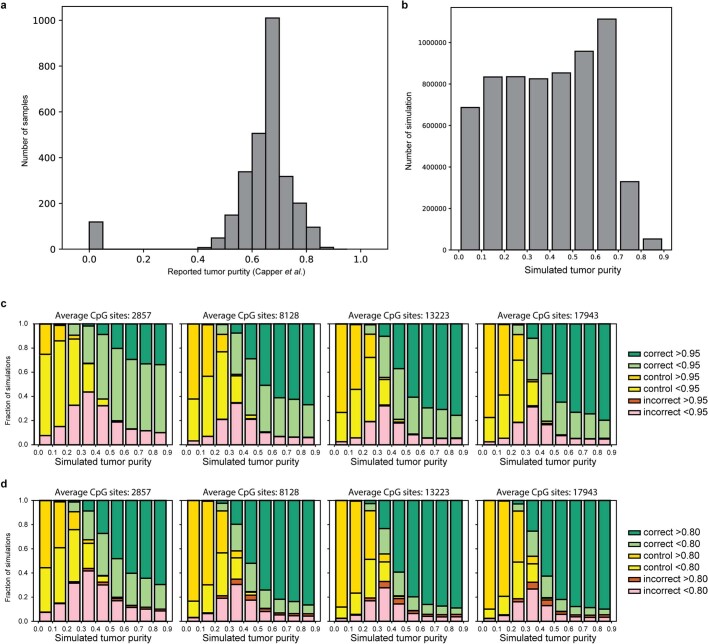
“For adult glioma cases the mean tumour purity was estimated to be 69% in samples obtained from the enhancing fluid-attenuated inversion recovery region 26 , indicating that in these types of samples, material of adequate purity can be obtained more consistently.”
BackgroundSelf-citationMYCN acts as a direct co-regulator of p53 in MYCN amplified neuroblastoma
Agarwal, S., Milazzo, G., Rajapakshe, K., Bernardi, R. J., Chen, Z., Barbieri, E., Köster, J., Perini, G., Coarfa, C., & Shohet, J. M. (2018) · Oncotarget · doi:10.18632/oncotarget.24859 · Cited by 43
Supratentorial ependymoma in children: To observe or to treat following gross total resection?
Venkatramani, R., Dhall, G., Patel, M., Grimm, J., Hawkins, C. E., McComb, J. G., Krieger, M. D., Wong, K., O’Neil, S., & Finlay, J. L. (2011) · Pediatric Blood & Cancer · doi:10.1002/pbc.23086 · Cited by 42 · cited 1×
“However, radical resection is beneficial for other tumour types: in posterior fossa ependymoma type A and atypical teratoid rhabdoid tumour, a strategy of aiming for gross total resection should be followed, since this is an important prognostic factor 7–10 .”
BackgroundExtent of Resection of Glioblastoma
Cahill, D. P. (2020) · Neurosurgery Clinics of North America · doi:10.1016/j.nec.2020.09.006 · Cited by 34
Systematic benchmarking of tools for CpG methylation detection from Nanopore sequencingPreprint
Yuen, Z. W.-S., Srivastava, A., Daniel, R., et al. (2020) · bioRxiv (Cold Spring Harbor Laboratory) · doi:10.1101/2020.10.14.340315 · Cited by 25
Robust methylation-based classification of brain tumors using nanopore sequencingPreprint
Kuschel, L. P., Hench, J., Frank, S., et al. (2021) · medRxiv · doi:10.1101/2021.03.06.21252627 · Cited by 20 · cited 4×
“Raw EPIC profiles were binarized with a cut-off of beta ≥0.6 using scripts kindly provided by the authors of nanoDx 22 .”
BackgroundMethodResultInfluentialEgiz, A., Kannan, S., & Farajzadeh-Asl, S. (2022) · World Neurosurgery · doi:10.1016/j.wneu.2022.04.073 · Cited by 19 · cited 2×
“However, radical resection is beneficial for other tumour types: in posterior fossa ependymoma type A and atypical teratoid rhabdoid tumour, a strategy of aiming for gross total resection should be followed, since this is an important prognostic factor 7–10 .”
BackgroundPediatric high-grade glioma MYCN is frequently associated with Li-Fraumeni syndrome
Guerrini‐Rousseau, L., Tauziède‐Espariat, A., Castel, D., Rouleau, É., Sievers, P., Saffroy, R., Beccaria, K., Blauwblomme, T., Hasty, L., Bourdeaut, F., et al. (2023) · Acta Neuropathologica Communications · doi:10.1186/s40478-022-01490-w · Cited by 17
Real-time molecular classification of leukemiasPreprint
Sagniez, M., Simpson, S. M., Caron, M., Rozendaal, M. J., Paré, B., Sontag, T., Langlois, S., Rouette, A., Lavallée, V., Cellot, S., et al. (2022) · medRxiv · doi:10.1101/2022.06.22.22276550 · Cited by 8 · cited 1×
“Nanopore DNA sequencing has recently emerged as a method that enables ultrarapid sequencing-based diagnosis 19,20 .”
Methodmarcpaga/sturgeon: Inputtobed: guppy and megalodon deprecation
Pagès-Gallego, M., & cvermeulen88 (2023) · Zenodo (CERN European Organization for Nuclear Research) · doi:10.5281/zenodo.8224878 · Cited by 1
Self-citationmarcpaga/sturgeon_dev: Submission
Pagès-Gallego, M. (2023) · Zenodo (CERN European Organization for Nuclear Research) · doi:10.5281/zenodo.8224891 · Cited by 1
Self-citation
Research works printed but not linked: 2
- Guo, C., Pleiss, G., Sun, Y. & Weinberger, K. Q. On calibration of modern neural networks. In Proc. 34th International Conference on Machine Learning, Vol. 70 (eds Precup, D. & Teh, Y. W.) 1321–1330 (Proceedings of Machine Learning Research, 2017).
- Loshchilov, I & Hutter, F. Decoupled Weight Decay Regularization. In Proc. 7th International Conference on Learning Representations (ICLR, 2019).
Cited by
Weller, M., Wen, P. Y., Chang, S. M., Dirven, L., Lim, M., Monje, M., & Reifenberger, G. (2024) · Nature Reviews Disease Primers · doi:10.1038/s41572-024-00516-y · Cited by 592
“Factors that affect health-related quality of life”
Khalighi, S., Reddy, K., Midya, A., Pandav, K. B., Madabhushi, A., & Abedalthagafi, M. (2024) · npj Precision Oncology · doi:10.1038/s41698-024-00575-0 · Cited by 306
DNA methylation in mammalian development and disease
Smith, Z. D., Hetzel, S., & Meissner, A. (2025) · Nature Reviews Genetics · doi:10.1038/s41576-024-00760-8 · Cited by 249
“…to combine these analytical approaches with real-time single-molecule sequencing point to new opportunities for this modification to become a routine feature of clinical oncology across a range of therapeutic and diagnostic challenges, including real-time diagnosis of patient biopsies 218,310 .”
Artificial intelligence in surgery
Varghese, C., Harrison, E. M., O’Grady, G., & Topol, E. J. (2024) · Nature Medicine · doi:10.1038/s41591-024-02970-3 · Cited by 287
“Most pragmatically, enhanced pathological diagnostics from tissue specimens (as overviewed above in the section ‘Preoperative diag-nostics’) could optimize surgical resection margins, reduce operative durations and optimize surgical efficiency 87,88 .”
Nanopore DNA sequencing technologies and their applications towards single-molecule proteomics
Dorey, A., & Howorka, S. (2024) · Nature Chemistry · doi:10.1038/s41557-023-01322-x · Cited by 173
“Further developments into DNA and RNA sequencing will be fuelled by the increasing uptake of nanopore sequencing in the biomedical field, as showcased for brain tumour classification during surgery, which was achieved using MinION DNA reading 243 .”
Metadata
- Authors
- Vermeulen, C., Pagès-Gallego, M., Kester, L., Kranendonk, M. E. G., Wesseling, P., Verburg, N., de Witt Hamer, P., Kooi, E. J., Dankmeijer, L., van der Lugt, J., van Baarsen, K., Hoving, E. W., Tops, B. B. J., & de Ridder, J.
- Affiliations
- University Medical Center Utrecht (NL)
- Princess Máxima Center (NL)
- Amsterdam University Medical Centers (NL)
- Corresponding author
- Tops, B. B. J.
- ORCID
- Venue
- Nature
- Published
- 2023-10-11
- Volume
- 622
- Issue
- 7984
- Pages
- 842-849
- ISSN
- 0028-0836 (ISSN-L)
- 1476-4687
- PMC
- PMC10600004
- OpenAlex
- W4387541211
- Cited by
- 216
- References
- 41
- Citations by year
- 2026: 57 · 2025: 85 · 2024: 68 · 2023: 6
- FWCI
- 37.62
- Type
- journal article
- Language
- en
- Open access
- hybrid
- doi.org
- Licence
- cc-by
- creativecommons.org/licenses/by/4.0 (tdm)
- creativecommons.org/licenses/by/4.0 (vor)
- Locations
- Nature (publishedVersion, cc-by)
- medRxiv (acceptedVersion, cc-by-nd)
- PubMed Central (publishedVersion, cc-by)
- PubMed (publishedVersion)
- RePEc: Research Papers in Economics (submittedVersion)
- Utrecht University Repository (Utrecht University) (submittedVersion, other-oa)
- Amsterdam UMC (VU Amsterdam) - Institutional Repository (submittedVersion, other-oa)
- Funders
- Nederlandse Organisatie voor Wetenschappelijk Onderzoek (184.034.019)
- Universitair Medisch Centrum Utrecht
- Stichting Kinderen Kankervrij (184.034.019)
- Oncode Institute
- Topics
- Health Sciences › Medicine › Oncology › Glioma Diagnosis and Treatment
- Life Sciences › Biochemistry, Genetics and Molecular Biology › Cancer Research › Cancer Genomics and Diagnostics
- Life Sciences › Biochemistry, Genetics and Molecular Biology › Molecular Biology › Gene expression and cancer classification
- Keywords
- central nervous system tumors, intraoperative diagnosis, nanopore sequencing, DNA methylation profiling, transfer learning, neural network classifier, sturgeon, neurosurgical resection, extent of resection, pediatric brain tumors, molecular subtyping, real-time sequencing
- MeSH terms
- Clinical Decision-Making, Deep Learning, Child, Humans, Intraoperative Care, Methylation, Retrospective Studies, Time Factors, Central Nervous System Neoplasms, Sequence Analysis, DNA
About these checks
Registry, retraction, Cites and statistics results are computed, not judged, with one exception: a printed reference that no index lists is read once by a model before it counts as a citation error. Claims are extracted by a model and kept only when their quote appears verbatim in the text; each cited source is then checked, with a model’s help, for whether it says what the claim relies on. Those verdicts can be wrong — read the claim’s quote and the cited source before relying on one.
Statistics and arithmetic are recomputed, not judged.
Confidence bands are shown only for fields calibrated on our annotated test set. None is calibrated yet, so no band is shown.
What counts as a claim ›How we measure confidence ›How we check this ›
Are you an author, or do you see a problem with this page? Request a review
Data sources
Bibliographic data: Semantic Scholar, OpenAlex, Crossref.
Contains information from the Semantic Scholar Academic Graph Datasets, made available under the ODC Attribution License (ODC-BY 1.0).
Semantic Scholar’s data is described in: Kinney, R., et al. (2023). The Semantic Scholar Open Data Platform. arXiv:2301.10140.
