

Ultra-fast deep-learned CNS tumour classification during surgery
Open accessPublished version of a preprint
The DOI matches its Crossref record; 44 of the 44 references it cites were found in a registry or an index.
Abstract
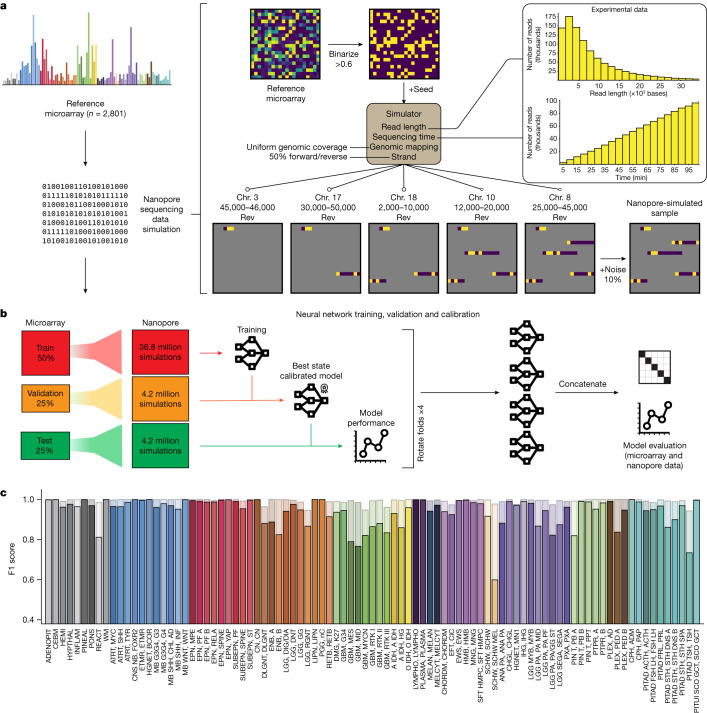
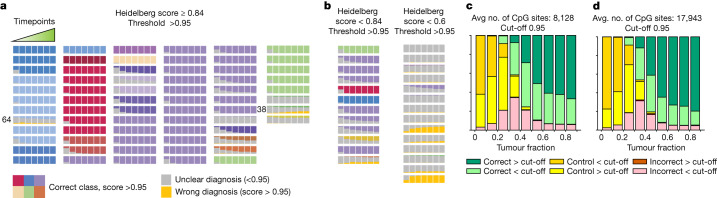
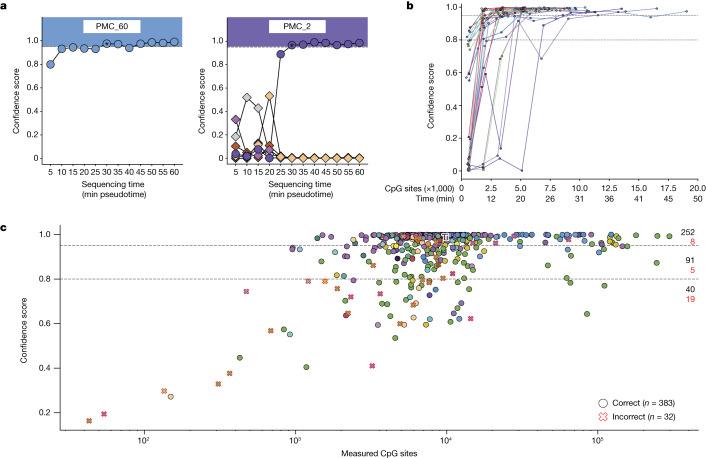
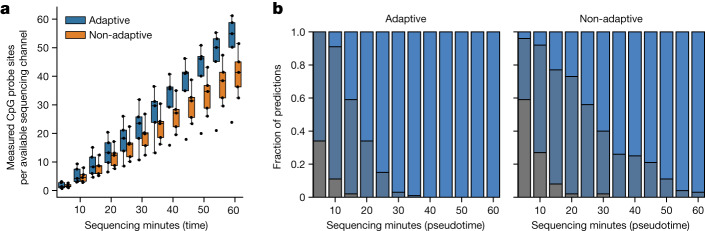
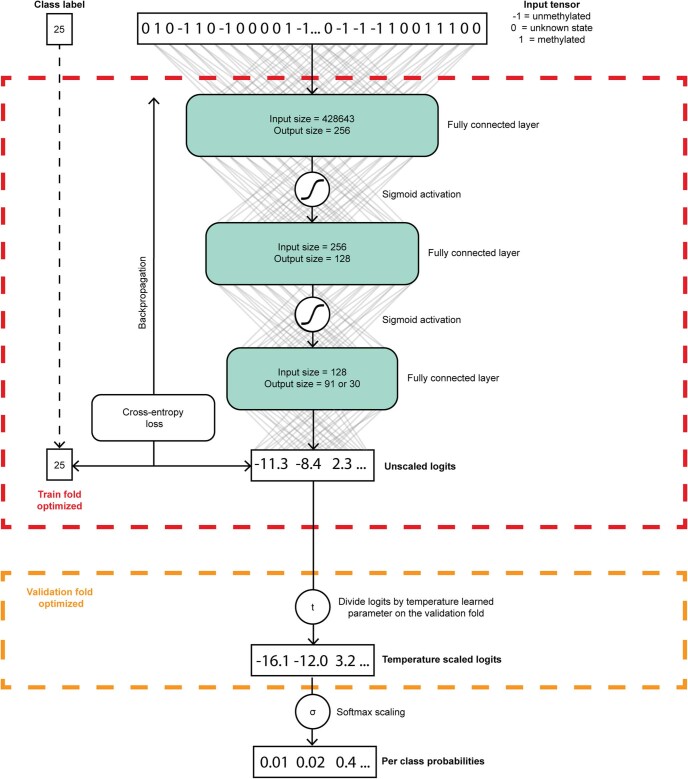
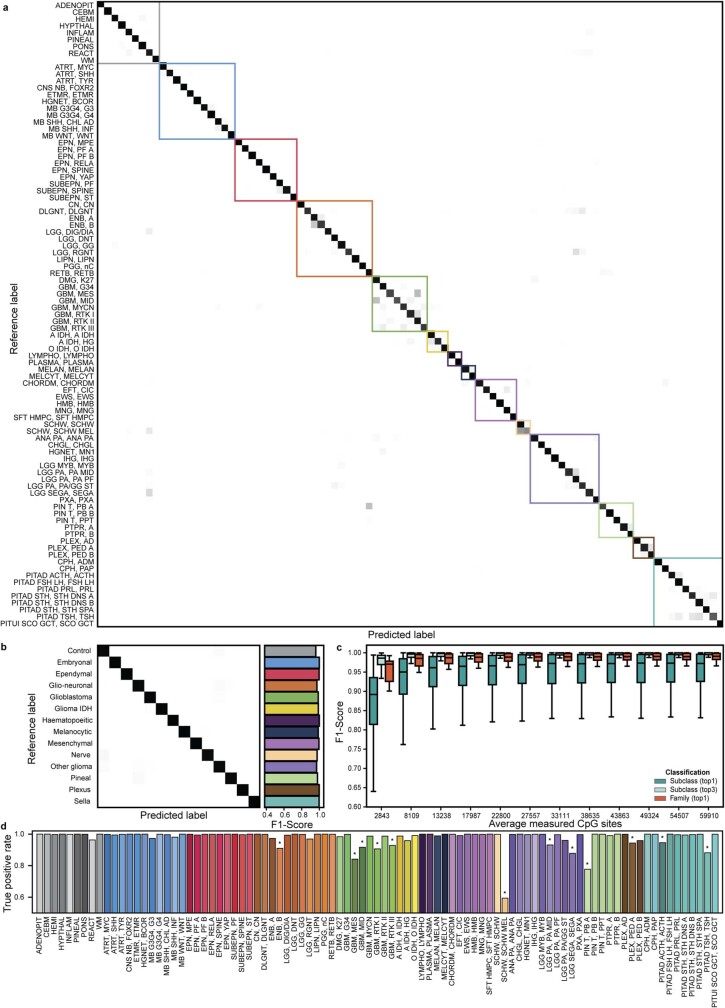
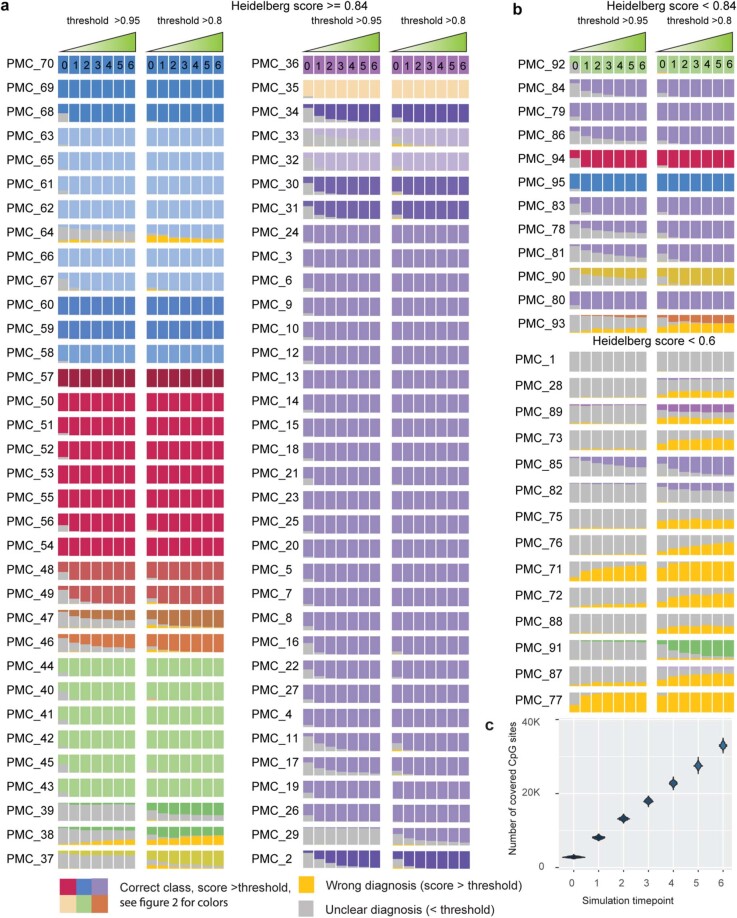
Central nervous system tumours represent one of the most lethal cancer types, particularly among children 1 . Primary treatment includes neurosurgical resection of the tumour, in which a delicate balance must be struck between maximizing the extent of resection and minimizing risk of neurological damage and comorbidity 2,3 . However, surgeons have limited knowledge of the precise tumour type prior to surgery. Current standard practice relies on preoperative imaging and intraoperative histological analysis, but these are not always conclusive and occasionally wrong. Using rapid nanopore sequencing, a sparse methylation profile can be obtained during surgery 4 . Here we developed Sturgeon, a patient-agnostic transfer-learned neural network, to enable molecular subclassification of central nervous system tumours based on such sparse profiles. Sturgeon delivered an accurate diagnosis within 40 minutes after starting sequencing in 45 out of 50 retrospectively sequenced samples (abstaining from diagnosis of the other 5 samples). Furthermore, we demonstrated its applicability in real time during 25 surgeries, achieving a diagnostic turnaround time of less than 90 min. Of these, 18 (72%) diagnoses were correct and 7 did not reach the required confidence threshold. We conclude that machine-learned diagnosis based on low-cost intraoperative sequencing can assist neurosurgical decision-making, potentially preventing neurological comorbidity and avoiding additional surgeries.
Overview
The claims and statistics of this paper haven’t been checked yet.
Free: it reads the open-access text and checks the first 5 claims that cite a source we can check. Create a free account to check every claim.
Integrity signals
Registry
Cites
Statistics
Figures

Verification
Claims the paper makes
The claims and statistics of this paper haven’t been checked yet.
Free: it reads the open-access text and checks the first 5 claims that cite a source we can check. Create a free account to check every claim.
Claims other papers make about this one
Each is checked against this paper’s own text: does it say what the citing paper says it does?
The source backs part of the claim, not all of it — or backs it for a different population, condition or comparison.
In the citing paper
“By integrating advanced algorithms with robotic systems, AI enhances the surgeon’s ability to perform complex procedures with unparalleled accuracy.101”
From A foundational architecture for AI agents in healthcare (2025) · cites this paper as [101]
Experimental — accuracy not yet measured
Self-check
Percentages, sums and reported differences re-computed from the paper’s own numbers.
The self-check needs the paper’s full text.
Citations
Cites
BEDTools: a flexible suite of utilities for comparing genomic features
Quinlan, A. R., & Hall, I. M. (2010) · Bioinformatics · doi:10.1093/bioinformatics/btq033 · Cited by 27,437
The future of digital health with federated learning
Rieke, N., Hancox, J., Li, W., Milletarì, F., Roth, H. R., Albarqouni, S., Bakas, S., Galtier, M. N., Landman, B. A., Maier-Hein, K., et al. (2020) · npj Digital Medicine · doi:10.1038/s41746-020-00323-1 · Cited by 4,015 · cited 1×
“Sturgeon is ideally suited to address this as it can readily be employed in a federated learning setting 33 .”
BackgroundThe Future of Digital Health with Federated Learning
Rieke, N., Hancox, J., Li, W., Milletari, F., Roth, H., Albarqouni, S., Bakas, S., Galtier, M. N., Landman, B., Maier-Hein, K., et al. (2020) · arXiv · doi:10.48550/arxiv.2003.08119 · Cited by 3,495 · cited 1×
“Sturgeon is ideally suited to address this as it can readily be employed in a federated learning setting 33 .”
BackgroundStummer, W., Pichlmeier, U., Meinel, T., Wiestler, O. D., Zanella, F., & Reulen, H.-J. (2006) · The Lancet Oncology · doi:10.1016/s1470-2045(06)70665-9 · Cited by 3,423 · cited 1×
“…showing enhancement on T1 contrast-weighted MRI, intraoperative fluorescence (5-aminolevulinic acid) is used to mark tumour cells during resection 30 , allowing consistent sampling of high tumour content samples and resulting in successful classification in 4 out of 5 cases where tumour was…”
MethodDNA methylation-based classification of central nervous system tumours
Capper, D., Jones, D. T. W., Sill, M., Hovestadt, V., Schrimpf, D., Sturm, D., Koelsche, C., Sahm, F., Chavez, L., Reuss, D. E., et al. (2018) · Nature · doi:10.1038/nature26000 · Cited by 3,033 · cited 12×
“14 , can be found in Supplementary Table 2.”
BackgroundMethodInfluentialValidation of a DNA methylation microarray for 450,000 CpG sites in the human genome
Sandoval, J., Heyn, H., Moran, S., Serra-Musach, J., Pujana, M. A., Bibikova, M., & Esteller, M. (2011) · Epigenetics · doi:10.4161/epi.6.6.16196 · Cited by 990 · cited 1×
“Methylation arrays 17,18 , in combination with the algorithm described by Capper et al. 14 , are widely used in routine diagnostic practice.”
MethodMoran, S., Arribas, C., & Esteller, M. (2016) · Epigenomics · doi:10.2217/epi.15.114 · Cited by 697
Molinaro, A. M., Hervey-Jumper, S., Morshed, R. A., Young, J., Han, S. J., Chunduru, P., Zhang, Y., Phillips, J. J., Shai, A., Lafontaine, M., et al. (2020) · JAMA Oncology · doi:10.1001/jamaoncol.2019.6143 · Cited by 631 · cited 1×
“For the five CNS tumour samples from adult patients, we focused specifically on glioma, as surgical strategy may affect the outcome differently in IDH-wild-type versus IDH-mutant high-grade gliomas 28,29 .”
MethodCapper, D., Stichel, D., Sahm, F., Jones, D. T. W., Schrimpf, D., Sill, M., Schmid, S., Hovestadt, V., Reuss, D. E., Koelsche, C., et al. (2018) · Acta Neuropathologica · doi:10.1007/s00401-018-1879-y · Cited by 567
Scheinin, I., Sie, D., Bengtsson, H., van de Wiel, M. A., Olshen, A. B., van Thuijl, H. F., van Essen, H. F., Eijk, P. P., Rustenburg, F., Meijer, G. A., et al. (2014) · Genome Research · doi:10.1101/gr.175141.114 · Cited by 518 · cited 1×
“Therefore, we restricted the analysis to genomic bins spanning 2 Megabases using the QDNAseq package 37 .”
MethodSelf-citation
Research works printed but not linked: 2
- Guo, C., Pleiss, G., Sun, Y. & Weinberger, K. Q. On calibration of modern neural networks. In Proc. 34th International Conference on Machine Learning, Vol. 70 (eds Precup, D. & Teh, Y. W.) 1321–1330 (Proceedings of Machine Learning Research, 2017).
- Loshchilov, I & Hutter, F. Decoupled Weight Decay Regularization. In Proc. 7th International Conference on Learning Representations (ICLR, 2019).
Cited by
Weller, M., Wen, P. Y., Chang, S. M., Dirven, L., Lim, M., Monje, M., & Reifenberger, G. (2024) · Nature Reviews Disease Primers · doi:10.1038/s41572-024-00516-y · Cited by 592
“Factors that affect health-related quality of life”
Khalighi, S., Reddy, K., Midya, A., Pandav, K. B., Madabhushi, A., & Abedalthagafi, M. (2024) · npj Precision Oncology · doi:10.1038/s41698-024-00575-0 · Cited by 306
DNA methylation in mammalian development and disease
Smith, Z. D., Hetzel, S., & Meissner, A. (2025) · Nature Reviews Genetics · doi:10.1038/s41576-024-00760-8 · Cited by 249
“…to combine these analytical approaches with real-time single-molecule sequencing point to new opportunities for this modification to become a routine feature of clinical oncology across a range of therapeutic and diagnostic challenges, including real-time diagnosis of patient biopsies 218,310 .”
Artificial intelligence in surgery
Varghese, C., Harrison, E. M., O’Grady, G., & Topol, E. J. (2024) · Nature Medicine · doi:10.1038/s41591-024-02970-3 · Cited by 287
“Most pragmatically, enhanced pathological diagnostics from tissue specimens (as overviewed above in the section ‘Preoperative diag-nostics’) could optimize surgical resection margins, reduce operative durations and optimize surgical efficiency 87,88 .”
Nanopore DNA sequencing technologies and their applications towards single-molecule proteomics
Dorey, A., & Howorka, S. (2024) · Nature Chemistry · doi:10.1038/s41557-023-01322-x · Cited by 174
“Further developments into DNA and RNA sequencing will be fuelled by the increasing uptake of nanopore sequencing in the biomedical field, as showcased for brain tumour classification during surgery, which was achieved using MinION DNA reading 243 .”
Novel research and future prospects of artificial intelligence in cancer diagnosis and treatment
Zhang, C., Xu, J., Tang, R., Yang, J., Wang, W., Yu, X., & Shi, S. (2023) · Journal of Hematology & Oncology · doi:10.1186/s13045-023-01514-5 · Cited by 148
“A patient-independent trans-fer-learned neural network called Sturgeon was recently created to allow for the molecular subclassification of tumors of the central nervous system using sparse data [192].”
BackgroundInverse design of phononic meta-structured materials
Dong, H.-W., Shen, C., Liu, Z., Zhao, S., Ren, Z., Liu, C., He, X., Cummer, S. A., Wang, Y., Fang, D., et al. (2024) · Materials Today · doi:10.1016/j.mattod.2024.09.012 · Cited by 144
Karschnia, P., Gerritsen, J. K. W., Teske, N., Cahill, D. P., Jakola, A. S., van den Bent, M. J., Weller, M., Schnell, O., Vik-Mo, E. O., Thon, N., et al. (2024) · The Lancet Oncology · doi:10.1016/s1470-2045(24)00130-x · Cited by 146
Nanopore sequencing: flourishing in its teenage years
Zhang, T., Li, H., Jiang, M., Hou, H., Gao, Y., Li, Y., Wang, F., Wang, J., Peng, K., & Liu, Y. (2024) · Journal of genetics and genomics/Journal of Genetics and Genomics · doi:10.1016/j.jgg.2024.09.007 · Cited by 134
Wen, P. Y., Weller, M., Lee, E. Q., Touat, M., Khasraw, M., Rahman, R. M., Platten, M., Lim, M. K., Winkler, F., Horbinski, C., et al. (2025) · Neuro-Oncology · doi:10.1093/neuonc/noaf177 · Cited by 136
Rapid genomic sequencing for genetic disease diagnosis and therapy in intensive care units: a review
Kingsmore, S. F., Nofsinger, R. R., & Ellsworth, K. (2024) · npj Genomic Medicine · doi:10.1038/s41525-024-00404-0 · Cited by 104
“URGS has very recently become technically possible in 90 min, albeit limited to tumor classi fi cation 43 .”
BackgroundThe clinical application of artificial intelligence in cancer precision treatment
Wang, J., Zeng, Z., Li, Z., Liu, G., Zhang, S., Luo, C., Hu, S., Wan, S., & Zhao, L.-Y. (2025) · Journal of Translational Medicine · doi:10.1186/s12967-025-06139-5 · Cited by 105
Advancing CNS tumor diagnostics with expanded DNA methylation-based classification
Sill, M., Schrimpf, D., Patel, A., Sturm, D., Jäger, N., Sievers, P., Schweizer, L., Banan, R., Reuss, D., Suwala, A. K., et al. (2025) · Cancer Cell · doi:10.1016/j.ccell.2025.11.002 · Cited by 83
Big data and deep learning for RNA biology
Hwang, H., Jeon, H., Yeo, N., & Baek, D. (2024) · Experimental & Molecular Medicine · doi:10.1038/s12276-024-01243-w · Cited by 74
Artificial intelligence in cancer: applications, challenges, and future perspectives
Cheng, H., & Shi, S.-S. (2025) · Molecular Cancer · doi:10.1186/s12943-025-02450-3 · Cited by 78
“To address this, Vermeulen et al. [121] evaluated the use of rapid nanopore sequencing combined with ML to improve intraoperative diagnosis of CNS tumors, developing 'Sturgeon', a neural network trained to sub-classify CNS tumors during surgery using sparse methylation profiles obtained through…”
The future of tumor organoids in precision therapy
Kim, S., van de Wetering, M., Clevers, H. C., & Sanders, K. (2025) · Trends in cancer · doi:10.1016/j.trecan.2025.03.005 · Cited by 69
Patel, A., Göbel, K., Ille, S., Hinz, F. E., Schoebe, N., Bogumil, H., Meyer, J., Brehm, M., Dogan, H., Schrimpf, D., et al. (2025) · Nature Medicine · doi:10.1038/s41591-025-03562-5 · Cited by 70
Liu, J., Dai, L., Wang, Q., Li, C., Liu, Z., Gong, T., Xu, H., Jia, Z., Sun, W., Wang, X., et al. (2024) · Nature Communications · doi:10.1038/s41467-024-47886-1 · Cited by 63
Computational analysis of DNA methylation from long-read sequencing
Fu, Y., Timp, W., & Sedlazeck, F. J. (2025) · Nature Reviews Genetics · doi:10.1038/s41576-025-00822-5 · Cited by 61
Rapid brain tumor classification from sparse epigenomic data
Brändl, B., Steiger, M., Kubelt, C., Rohrandt, C., Zhu, Z., Evers, M., Wang, G., Schuldt, B., Afflerbach, A., Wong, D., et al. (2025) · Nature Medicine · doi:10.1038/s41591-024-03435-3 · Cited by 58
“Most recently, the application of neural network models to nano-pore data has yielded predictions of similar accuracy to an ad hoc random forest classifier within seconds, demonstrating a practicable turnaround time of approximately 1.25 h from sample to result 15 .”
InfluentialPolymer-based nanocarriers to transport therapeutic biomacromolecules across the blood-brain barrier
Romero‐Ben, E., Goswami, U., Soto-Cruz, J., Mansoori-Kermani, A., Mishra, D., Martín‐Saldaña, S., Ugartemendia, J. M., Sosnik, A., Calderón, M., Beloqui, A., et al. (2025) · Acta Biomaterialia · doi:10.1016/j.actbio.2025.02.065 · Cited by 50
Deacon, S., Cahyani, I., Holmes, N., Fox, G., Munro, R., Wibowo, S. H. B., Murray, T., Mason, H., Housley, M., Martin, D., et al. (2025) · Neuro-Oncology · doi:10.1093/neuonc/noaf103 · Cited by 45
“8 However, these tools are limited and are not able to report additional data, such as single nucleotide variants (SNVs) and structural variants (SVs), with high confidence due to low coverages.”
InfluentialHarnessing the power of artificial intelligence for human living organoid research
Wang, H., Li, X., You, X., & Zhao, G. (2024) · Bioactive Materials · doi:10.1016/j.bioactmat.2024.08.027 · Cited by 64
“Vermeulen et al. achieved diagnostic turnaround times of less than 90 min in 25 surgeries by applying transfer-learned neural networks [218].”
MethodExplainable artificial intelligence of DNA methylation-based brain tumor diagnostics
Benfatto, S., Sill, M., Jones, D., Pfister, S. M., Sahm, F., von Deimling, A., Capper, D., & Hovestadt, V. (2025) · Nature Communications · doi:10.1038/s41467-025-57078-0 · Cited by 46
Epitranscriptomic rRNA fingerprinting reveals tissue-of-origin and tumor-specific signatures
Milenkovic, I., Cruciani, S., Llovera, L., Lucas, M. C., Medina, R., Pauli, C., Heid, D., Muley, T., Schneider, M. A., Klotz, L. V., et al. (2024) · Molecular Cell · doi:10.1016/j.molcel.2024.11.014 · Cited by 42
A foundational architecture for AI agents in healthcare
Liu, F., Niu, Y., Zhang, Q., Wang, K., Dong, Z., Wong, I. N., Cheng, L., Li, T., Duan, L., Li, K., et al. (2025) · Cell Reports Medicine · doi:10.1016/j.xcrm.2025.102374 · Cited by 41
“101 These AI systems facilitate real-time image analysis, providing the surgeon with enhanced visualizations of the surgical site and critical anatomical structures, thus improving decision-making and reducing intraoperative risks.”
Yuan, D., Jugas, R., Pokorná, P., Štěrba, J., Slaby, O., Schmid, S., Siewert, C., Osberg, B., Capper, D., Halldórsson, S., et al. (2025) · Nature Cancer · doi:10.1038/s43018-025-00976-5 · Cited by 48
“Next, we compared model and cutoff performance to our previously published ad-hoc RF approach 23 and a recently published deep neural network (DNN), that is, Sturgeon DNN 25 .”
InfluentialUnderstanding glioblastoma at the single-cell level: Recent advances and future challenges
Yabo, Y. A., & Heiland, D. H. (2024) · PLoS Biology · doi:10.1371/journal.pbio.3002640 · Cited by 38
Shams, A. M. (2024) · Diagnostics · doi:10.3390/diagnostics14192174 · Cited by 49
“…DL-based system that uses sequencing methylation array data technology and provides a real-time, fast, and accurate classification of brain tumours in the surgical setting [104], thus informing the surgeons about the extent of the resection site and reducing postoperative complications [104].”
MethodEpigenomic insights into common human disease pathology
Bell, C. G. (2024) · Cellular and Molecular Life Sciences · doi:10.1007/s00018-024-05206-2 · Cited by 42
“This DNAm classifier was subsequently used successfully for rapid assessment via ONT, enabling intra-operative surgical decisions, clearly indicating the increasing clinical utility of epigenomic analysis for pathological diagnosis [297].”
MethodToward the use of nanopore RNA sequencing technologies in the clinic: challenges and opportunities
Katopodi, X.-L., Begik, O., & Novoa, E. M. (2025) · Nucleic Acids Research · doi:10.1093/nar/gkaf128 · Cited by 35
“For instance, real-time nanopore sequencing has enabled rapid brain tumor classification by leveraging genomic and epigenomic markers [ 126–128 ].”
Rapid epigenomic classification of acute leukemia
Steinicke, T. L., Benfatto, S., Guerra, M. D. L. R. C., Monteleone, A. B., Young, J. H., Shankar, S., Michaels, P. D., Tsai, H. K., Good, J., Kreso, A., et al. (2025) · Nature Genetics · doi:10.1038/s41588-025-02321-z · Cited by 38
“Having established our framework for retrospective samples, we evaluated whether classifications could be obtained in a rapid manner through real-time analysis of nanopore sequencing data 17–19 .”
InfluentialHench, J., Hultschig, C., Brugger, J., Mariani, L., Guzman, R. G., Soleman, J., Leu, S., Benton, M. C., Stec, I. M., Hench, I. B., et al. (2024) · Acta Neuropathologica Communications · doi:10.1186/s40478-024-01759-2 · Cited by 31
A brave new framework for glioma drug development
Hotchkiss, K. M., Karschnia, P., Schreck, K. C., Geurts, M., Cloughesy, T. F., Huse, J. T., Duke, E. S., Lathia, J. D., Ashley, D. M., Nduom, E. K.-E., et al. (2024) · The Lancet Oncology · doi:10.1016/s1470-2045(24)00190-6 · Cited by 32
Șerban, M., Toader, C., & Covache-Busuioc, R.-A. (2025) · International Journal of Molecular Sciences · doi:10.3390/ijms26157364 · Cited by 31
“This capability reduces the risk of incomplete resection while preserving critical brain structures [112].”
Single-Molecule Bioelectronic Sensors with AI-Aided Data Analysis: Convergence and Challenges
Yang, Y., Li, Y., Tang, L., & Li, J. (2024) · Precision Chemistry · doi:10.1021/prechem.4c00048 · Cited by 29
Comparison of current methods for genome-wide DNA methylation profiling
de Abreu, A. R., Ibrahim, J., Lemonidis, V., Mateiu, L. M., Camp, G. V., & de Beeck, K. O. (2025) · Epigenetics & Chromatin · doi:10.1186/s13072-025-00616-3 · Cited by 37
“Due to its ability to directly sequence native DNA, ONT sequencing can offer faster TAT (60–90 min) in terms of library preparations and obtain very limited sequencing data (100–400 Mb) [63, 65].”
Rapid Glutathione Analysis with SERS Microneedles for Deep Glioblastoma Tissue Differentiation
Zhang, M., You, Y., Zhang, H., Zhang, J., Yang, F., Wang, X., Lin, C., Wang, B., Chen, L., Wang, Z., et al. (2024) · Analytical Chemistry · doi:10.1021/acs.analchem.4c00483 · Cited by 28
Value of artificial intelligence in neuro-oncology
Voigtlaender, S., Nelson, T. A., Karschnia, P., Vaios, E., Kim, M. M., Lohmann, P., Galldiks, N., Filbin, M. G., Azizi, S., Natarajan, V., et al. (2025) · The Lancet Digital Health · doi:10.1016/j.landig.2025.100876 · Cited by 30
Aref‐Eshghi, E., Abadi, A., Farhadieh, M., Hooshmand, A., Ghasemi, F., Youssefian, L., Vahidnezhad, H., Kerrins, T. M., Zhao, X., Akbarzadeh, M., et al. (2025) · Clinical Epigenetics · doi:10.1186/s13148-025-01967-0 · Cited by 31
Recent advances in molecular profiling of bone and soft tissue tumors
Baumhoer, D., Hench, J., & Amary, F. M. (2024) · Skeletal Radiology · doi:10.1007/s00256-024-04584-9 · Cited by 27
“As published only recently for brain tumors, methyl-ome profiling using ultra-fast sequencing techniques can provide an accurate classification of tumors within a few hours [36–38].”
BackgroundDrexler, R., Khatri, R., Schüller, U., Eckhardt, A., Ryba, A. S., Sauvigny, T., Dührsen, L., Mohme, M., Ricklefs, T., Bode, H., et al. (2024) · Acta Neuropathologica · doi:10.1007/s00401-023-02677-8 · Cited by 29
“This underscores the need for additional rapid [1, 19] and intra-operative [54] methods to detect the methylation subclass.”
MethodRecent Advances in the Diagnosis and Treatment of Brain Tumors
Delaidelli, A., & Moiraghi, A. (2024) · Brain Sciences · doi:10.3390/brainsci14030224 · Cited by 32
Artificial intelligence-aided data mining of medical records for cancer detection and screening
Haue, A. D., Hjaltelin, J. X., Holm, P. C., Placido, D., & Brunak, S. (2024) · The Lancet Oncology · doi:10.1016/s1470-2045(24)00277-8 · Cited by 30
Afflerbach, A., Albers, A., Appelt, A., Schweizer, L., Paulus, W., Bockmayr, M. L., Schüller, U., & Thomas, C. (2024) · Acta Neuropathologica · doi:10.1007/s00401-024-02731-z · Cited by 22
“Methylation-based analysis of the nanopore sequencing data was performed using the previously published random forest classifier nanoDx [5] and the neuronal network classifier Sturgeon [8].”
InfluentialUpdated clinical practice guidelines for the management of adult diffuse gliomas
Jiang, T., Nam, D., Ram, Z., Poo, W.-S., Wang, J., Boldbaatar, D., Mao, Y. Q., Ma, W., Mao, Q., You, Y., et al. (2025) · Cancer Letters · doi:10.1016/j.canlet.2025.218185 · Cited by 31
Transcriptomic subtyping of gastrointestinal malignancies
de Back, T. R., van Hooff, S. R., Sommeijer, D. W., & Vermeulen, L. (2024) · Trends in cancer · doi:10.1016/j.trecan.2024.06.007 · Cited by 19
Enhancing nanopore adaptive sampling for PromethION using readfish at scale
Munro, R., Payne, A., Holmes, N., Moore, C., Cahyani, I., & Loose, M. (2025) · Genome Research · doi:10.1101/gr.279329.124 · Cited by 20
“In healthcare, it can be used for rapid profiling of central nervous system tumors (Vermeulen et al. 2023), and with the addition of multiplexed samples to the high-throughput PromethION, multiple samples cannowbeconcurrentlyanalyzed.”
Unraveling the hidden complexity of cancer through long-read sequencing
Li, Q., Keşküş, A. G., Wagner, J., Izydorczyk, M., Timp, W., Sedlazeck, F. J., Klein, A. P., Zook, J. M., Kolmogorov, M., & Schatz, M. C. (2025) · Genome Research · doi:10.1101/gr.280041.124 · Cited by 20
“Besides, ONT-based methylation profiling enables rapidcentralnervous system (CNS)tumorsubtype classification (Patel et al. 2022), which could be performed using real-time sequencing during surgery (Vermeulen et al. 2023).”
Tracing the evolution of sequencing into the era of genomic medicine
Mardis, E. R., & Wilson, R. K. (2025) · Nature Reviews Genetics · doi:10.1038/s41576-025-00884-5 · Cited by 21
“Building on pioneering work using DNA methylation arrays to classify cancers of the central nervous system 143 , the capability of ONT sequencing to detect methylation marks on DNA has been implemented in the neurosurgery operating room to inform the extent of surgical resection 144,145 .”
Scalable screening of ternary-code DNA methylation dynamics associated with human traits
Goldberg, D. C., Cloud, C., Lee, S. M., Barnes, B., Gruber, S., Kim, E., Pottekat, A., Westphal, M. S., McAuliffe, L., Majounie, E., et al. (2025) · Cell Genomics · doi:10.1016/j.xgen.2025.100929 · Cited by 19
“…23 or fluorescence-activated cell sorting (FACS)-puri- fied cells (e.g., bulk deep WGBS or nanopore sequencing), 24 targeted genome capture (e.g., reduced representation bisulfite sequencing [RRBS] 25 ), and the use of data techniques to interpret sparse signals (e.g., low-pass sequencing 26 ).”
Nanopore-based consensus sequencing enables accurate multimodal tumor cell-free DNA profiling
Chen, L., Jager, M., Rebergen, D., Brink, G. J., van den Ende, T., Vanderlinden, W., Kolbeck, P. J., Pagès-Gallego, M., van der Pol, Y., Besselink, N. J. M., et al. (2025) · Genome Research · doi:10.1101/gr.279144.124 · Cited by 21
“An exciting aspect of the nanopore platform is to deliver real-time sequencing results (Vermeulen et al. 2023; Weilguny et al. 2023).”
Self-citationArtificial intelligence innovations in neurosurgical oncology: a narrative review
Baker, C. R., Pease, M. W., Sexton, D., Abumoussa, A. L., & Chambless, L. B. (2024) · Journal of Neuro-Oncology · doi:10.1007/s11060-024-04757-5 · Cited by 21
M-PACT leverages cell-free DNA methylomes to achieve robust classification of pediatric brain tumors
Smith, K. S., Fischer, T. T., Han, K., Kostecka, A., Lin, H., Senfter, D., Soliman, T., Stepien, N. M., Volz, S., Schwarz, N., et al. (2026) · Nature Cancer · doi:10.1038/s43018-026-01115-4 · Cited by 17
“Current DNA methylation-based CNS tumor classifiers (for example, MNP and MLPnet) have been predominantly evaluated on tumor tissue, where DNA input and tumor fraction are rarely limiting 4,5,45 .”
Decoding Glioblastoma Through Liquid Biopsy: Molecular Insights and Clinical Prospects
Wasiak, T., Jaskólska, M., Filiks, K., Bartkowiak, J., & Rutkowska, A. (2026) · Cells · doi:10.3390/cells15030309 · Cited by 16
“Notably, Vermeulen et al. showed that rapid nanopore sequencing combined with machine learning models can generate sparse methylation profiles of CNS tumors intraoperatively, highlighting its potential for real-time molecular diagnostics [135].”
A multi-analyte blood test for acute spinal cord injury
Azad, T. D., Ran, K. R., Materi, J. D., Raj, D., Al‐Khindi, T., Gabbita, S., Li, M., Wang, E. T., Ahmed, A. K., Parker, M., et al. (2025) · Journal of Clinical Investigation · doi:10.1172/jci185463 · Cited by 15
“Additionally, advances in next-generation sequencing, such as targeted DNA methylation analysis via nanopore sequencing, may support faster turnaround times (31, 32).”
DNA Methylation Profiling Enables Accurate Classification of Nonductal Primary Pancreatic Neoplasms
Verschuur, A. V. D., Hackeng, W. M., Westerbeke, F. H. M., Benhamida, J. K., Baştürk, O., Selenica, P., Raicu, G. M., Molenaar, I. Q., van Santvoort, H. C., Daamen, L. A., et al. (2024) · Clinical Gastroenterology and Hepatology · doi:10.1016/j.cgh.2024.02.007 · Cited by 13
“Ongoing optimizations of brain tumor classifiers aim for a diagnosis within 90 minutes, 33 offering promising prospects for broader clinical use.”
Ultra-Rapid Droplet Digital PCR Enables Intraoperative Tumor Quantification
Murphy, Z. R., Bianchini, E. C., Smith, A., Wadiura, L. I., Russell, T., Reinecke, D., Maarouf, N., Wang, Y., Golfinos, J. G., Miller, A. M., et al. (2024) · Med · doi:10.1016/j.medj.2025.100604 · Cited by 16
Broggi, G., Mazzucchelli, M., Salzano, S., Barbagallo, G. M. V., Certo, F., Zanelli, M., Palicelli, A., Zizzo, M., Koufopoulos, N. I., Magro, G. G., et al. (2024) · Pathology - Research and Practice · doi:10.1016/j.prp.2024.155671 · Cited by 12
Nanopore-based random genomic sampling for intraoperative molecular diagnosis
Emiliani, F. E., Ismail, A. A. O., Hughes, E. G., Tsongalis, G. J., Zanazzi, G. J., & Lin, C. (2025) · Genome Medicine · doi:10.1186/s13073-025-01427-7 · Cited by 13
Molecular-based decision-making in glioblastoma surgery: When to aim for supramaximal resection
Drexler, R., Lim, M. K., & Hervey‐Jumper, S. L. (2025) · Neuro-Oncology · doi:10.1093/neuonc/noaf062 · Cited by 11
Advancing the applications of liquid biopsies in oncology
Valpione, S., Clipson, A., Rothwell, D. G., Dive, C., & Mouliere, F. C. (2026) · Nature Reviews Genetics · doi:10.1038/s41576-026-00974-y · Cited by 12
“For example, ANN and Bayesian approaches have successfully subtyped brain cancers with CpG patterns from Nanopore sequencing data within hours from intraoperative tissue biopsy 166 and, more recently, cerebro-spinal fluid 167 .”
Spectral Demodulation of Tapered Microfiber Grating Using MobileNet
Wang, H., Cao, S., Xu, Y., Huang, Y., Yang, Q., Zhang, J., & Ran, Y. (2024) · IEEE Sensors Journal · doi:10.1109/jsen.2024.3507099 · Cited by 10
“Deep learning outperforms traditional machine learning in nonlinear regression problems, achieving higher demodulation accuracy and faster processing speeds [10], [11], [12], [13], [14].”
Xu, P., Liu, M., Liu, M., & Shen, A. (2025) · Intelligent Oncology · doi:10.1016/j.intonc.2025.09.001 · Cited by 15
Tan, J., Wu, Z., Zhu, Y., Miao, B., Xu, D., Gu, J., Hu, M., Xu, P., & Wan, S. (2025) · Frontiers in Molecular Biosciences · doi:10.3389/fmolb.2025.1662587 · Cited by 11
Sol, N., Kooi, E., Pagès-Gallego, M., Brandsma, D., Bugiani, M., de Ridder, J., Wesseling, P., & Vermeulen, C. (2024) · Acta Neuropathologica · doi:10.1007/s00401-024-02792-0 · Cited by 10
Self-citationPediatric neuro-oncology: Highlights of the last quarter-century
Power, P., Straehla, J. P., Fangusaro, J., Bandopadhayay, P., & Manoharan, N. (2024) · Neoplasia · doi:10.1016/j.neo.2024.101098 · Cited by 10
“However, recent developments in long-read sequencing and methylation have created tools for ultra-fast molecular tumor characterization, which may lead to more easily accessible point of care methylation testing and even real-time intra-operative tumor DNA methylation classification [35].”
Qian, M., Jiang, G., Zhao, S., Guo, W. P., Wang, Y., Xu, Y., Lv, W., Li, W., Nie, H., Lin, C., et al. (2025) · Cell Biomaterials · doi:10.1016/j.celbio.2025.100025 · Cited by 9
Detecting Brain Tumors Through Multimodal Neural Networks
Curci, A., & Esposito, A. (2024) · International Conference on Pattern Recognition Applications and Methods · doi:10.5220/0012608600003654 · Cited by 9
“In fact, the landscape of AI models for the detection of brain tumors is vivid (Anaya-Isaza et al., 2023; Vermeulen et al., 2023; Huang et al., 2022; Ranjbarzadeh et al., 2023).”
BackgroundAI-Powered Histology for Molecular Profiling in Brain Tumors: Toward Smart Diagnostics from Tissue
Sakaguchi, M., Yoshizawa, A., Masui, K., Sakai, T., & Komori, T. (2025) · Cancers · doi:10.3390/cancers18010009 · Cited by 10
“Vermeulen et al. demonstrated that rapid single-cell and spatial profiling of brain tumors can be achieved in near-real time, opening the possibility of combining cellular architecture with AI-based predictions during surgery [36].”
Hassan, A. M., Coert, J. H., Clemens, M. W., Hassanein, A. H., Waljee, J. F., Nelson, J. A., Mehrara, B. J., & Selber, J. C. (2026) · Journal of the American College of Surgeons · doi:10.1097/xcs.0000000000001834 · Cited by 8
Soft Tissue and Bone Tumor Diagnostics: Harnessing the Power of Molecular Techniques
Cordier, F., Ferdinande, L., Hoorens, A., de Vijver, K. K. V., Dorpe, J. V., & Creytens, D. (2023) · Genes · doi:10.3390/genes14122229 · Cited by 8
Pilot validation of on‐field STR typing and human identity testing by MinION nanopore sequencing
Luo, Y. M., Zhang, J., Ni, M., Mei, Z., Ye, Q., Guo, B., Fang, L., Feng, D., Wang, L., Yan, J., et al. (2024) · Electrophoresis · doi:10.1002/elps.202300234 · Cited by 8
“Therefore, given its fast turnaround time and ability to perform portable and real-time data analysis, combining rapid nanopore sequencing and transfer-learned neural networks could enable the molecular subclassification of central nervous system tumors in approximately 40– 90 min [34].”
MethodEmerging Techniques in Spatial Multiomics: Fundamental Principles and Applications to Dermatology
Jia, B. B., Sun, B. K., Lee, E. Y., & Ren, B. (2024) · Journal of Investigative Dermatology · doi:10.1016/j.jid.2024.09.006 · Cited by 10
Huang, H., Chen, M., Zhang, Y., Wang, X., Xie, Q., Pu, Y., He, Y., Zhu, L., He, Y., & Guo, J. (2025) · Langmuir · doi:10.1021/acs.langmuir.4c04262 · Cited by 10
The promising role of nanopore sequencing in cancer diagnostics and treatment
Su, X., Lin, Q., Liu, B., Zhou, C., Lu, L., Lin, Z., Si, J., Ding, Y., & Duan, S. (2025) · Cell Insight · doi:10.1016/j.cellin.2025.100229 · Cited by 9
Advances in Intraoperative Glioma Tissue Sampling and Infiltration Assessment
Al-Adli, N. N., Young, J. S., Scotford, K., Sibih, Y., Payne, J., & Berger, M. S. (2023) · Brain Sciences · doi:10.3390/brainsci13121637 · Cited by 9
Neuropathology and epilepsy surgery – 2024 update
Blümcke, I. (2024) · Free Neuropathology · doi:10.17879/freeneuropathology-2024-5347 · Cited by 8
Peptide classification from statistical analysis of nanopore sensing experiments
Hoßbach, J., Tovey, S., Ensslen, T., Behrends, J. C., & Holm, C. (2025) · The Journal of Chemical Physics · doi:10.1063/5.0250399 · Cited by 11
Advancing DNA and RNA Modification Detection via Nanopore Sequencing
He, B., Fan, Y., Liu, J., Chen, Y., Yang, J., Xiang, H., Peng, J., & Yi, C. (2025) · ACS Nano · doi:10.1021/acsnano.5c11784 · Cited by 8
Jin, D., Shmatko, A., Patel, A., Rutz, S. P., Friedrich, L., Banan, R., Rahmanzade, R., Sievers, P., Hamelmann, S., Schrimpf, D., et al. (2026) · Nature Cancer · doi:10.1038/s43018-026-01186-3 · Cited by 8
Self-citationBerman, B. P., Erdman, S. A., Wheeler, C. E., Cayford, J., Turatsinze, J., Ouzounova, M., Piecyk, M., Herzog, M., Payen, L. F., Walter, T., et al. (2026) · Genome biology · doi:10.1186/s13059-026-04060-8 · Cited by 7
“For the neuroendocrine cohort, sensitive settings were used as the default analysis.”
Satomi, K., Ichimura, K., & Shibahara, J. (2024) · Pathology International · doi:10.1111/pin.13402 · Cited by 8
Artificial Intelligence Imaging for Predicting High-risk Molecular Markers of Gliomas
Liang, Q., Jing, H., Shao, Y., Wang, Y., & Zhang, H. (2024) · Clinical Neuroradiology · doi:10.1007/s00062-023-01375-y · Cited by 7
The predictive power of profiling the DNA methylome in human health and disease
Christofidou, P., & Bell, C. G. (2025) · Epigenomics · doi:10.1080/17501911.2025.2500907 · Cited by 8
“Additionally, a deep learning (DL) approach formulated a model that was then employed in the real-time assessment of the DNAm from rapid nanopore sequencing for neuropathology diagnostics [20].”
Rapid intraoperative amplicon sequencing of CNS tumor markers
Evers, M., Brändl, B., Rohrandt, C., Kubelt, C., Müller, F.-J., Danso, D., Maicher, A., Wang, G., Friedrichsen, S., & Kolkenbrock, S. (2024) · Computational and Structural Biotechnology Journal · doi:10.1016/j.csbj.2024.11.007 · Cited by 6
Nanopore sequencing as a cutting-edge technology for medulloblastoma classification
Filser, M., Torrejon-Diaz, J., Merchadou, K., Dufour, C., Girard, E., Bourneix, C., Lemaître, E., Gharsalli, T., Brillet, R., Wong, J., et al. (2024) · Neuro-Oncology · doi:10.1093/neuonc/noae279 · Cited by 8
Confocal Laser Endomicroscopy: Enhancing Intraoperative Decision Making in Neurosurgery
Carbone, F., Fochi, N. P., Perna, G. D., Wagner, A., Schlegel, J., Ranieri, E., Spetzger, U., Armocida, D., Cofano, F., Garbossa, D., et al. (2025) · Diagnostics · doi:10.3390/diagnostics15040499 · Cited by 7
“Ultra-fast deep learning CNS tumor classification, as recently described by Vermeulen et al., employs advanced neural network algorithms to deliver near real-time diagnostic information, thereby supporting the cellular-level insights provided by CLE [90].”
Advancements in the Application of the Intersection of Medicine and Engineering in Cancer Research
Chen, H., Zhang, G.-M., Qian, Y., Yang, P., Li, X., Wang, J., Wang, J., Hu, Y.-X., Xiao, H., Zhong, Q., et al. (2025) · Cancer Nexus · doi:10.1002/cnx2.70003 · Cited by 6
Maeda, S., Kitano, Y., Ohka, F., Motomura, K., Aoki, K., Deguchi, S., Shiba, Y., Seki, M., Ikeda, Y., Shimizu, H., et al. (2025) · Neuro-Oncology · doi:10.1093/neuonc/noaf188 · Cited by 8
“28,29 This advancement offers a promising approach for real-time molecular classification of CNS tumors during surgery.”
From Code to Cure: The Impact of Artificial Intelligence in Biomedical Applications
Gromiha, M. M., Preethi, P., & Pandey, M. (2024) · BioMedInformatics · doi:10.3390/biomedinformatics4010030 · Cited by 6
A Multimodal Vision-text AI Copilot for Brain Disease Diagnosis and Medical ImagingPreprint
Zhang, G., Gao, Z., Duan, C., Liu, J., Lizhu, Y., Liu, Y., Chen, Q., Wang, L., Fei, K., Wang, T., et al. (2025) · medRxiv · doi:10.1101/2025.01.09.25320293 · Cited by 10
Synthetic epigenomes for open cross-platform episignature classifiersPreprint
Ferraro, F., Bārdiņa, L., Drost, M., van der Linde, H. C., de Groot, M., Peymani, F., Santini, A., Rasche, H., Hildonen, M., Souche, E. L., et al. (2025) · medRxiv · doi:10.1101/2025.03.28.25324859 · Cited by 6
Long-read sequencing for brain tumors
Shelton, W. J., Zandpazandi, S., Nix, J. S., Gökden, M., Bauer, M., Ryan, K. R., Wardell, C. P., Vaske, O. M., & Rodriguez, A. (2024) · Frontiers in Oncology · doi:10.3389/fonc.2024.1395985 · Cited by 8
“For instance, in a study by Af fl erbach et al., 40 FFPE samples derived from CNS tumors, with an average storage duration of 19 months, were classi fi ed based on a methylation analysis by implementing two publicly available methylation pipelines (nanoDx and Sturgeon) (135, 136) on the nanopore sequencing data of these…”
MethodInfluentialNanoRanger enables rapid single-base-pair resolution of genomic disorders
Zhang, Y., Bi, C., Nadeef, S., Maddirevula, S., Alqahtani, M. F., Alkuraya, F. S., & Li, M. (2024) · Med · doi:10.1016/j.medj.2024.07.003 · Cited by 6
Precision Omics Initiative Sweden (PROMISE) will integrate research with healthcare
Kämpe, A. J., Gudmundsson, S., Walsh, C. P., Lindblad‐Toh, K., Johansson, Å., Clareborn, A., Ameur, A., Edsjö, A., Fioretos, T., Ehrencrona, H., et al. (2025) · Nature Medicine · doi:10.1038/s41591-025-03631-9 · Cited by 6
Grafenhorst, E., Calina, T. G., & Dragomir, M. P. (2025) · Epigenomics · doi:10.1080/17501911.2025.2554571 · Cited by 5
“Presenting as an improvement to current applications, the nanopore technology could enable intraoperative DNA methylation diagnosis, essentially functioning as a molecular frozen section diagnostic tool [60,61], capable of detecting tumor infiltration in surgical resection margins (Figure 1).”
Liu, L., Zhang, P., Jia, Y., Hou, L., Peng, D., Li, Z., & Liang, P. (2025) · Journal of Medical Systems · doi:10.1007/s10916-025-02286-w · Cited by 5
“More importantly, these technologies provide critical decision support for refining surgical plans [ 4] and determining surgical margins [5], thereby ensuring enhanced patient safety and operative efficiency.”
Super-speedy sequencing puts genomic diagnosis in the fast lane
Eisenstein, M. S. (2024) · Nature · doi:10.1038/d41586-024-00483-0 · Cited by 5
Rodriguez, A., Ahluwalia, M. S., Bettegowda, C., Brem, H., Carter, B. S., Chang, S. M., Das, S., Eberhart, C. G., Garzón-Muvdi, T., Hadjipanayis, C. G., et al. (2024) · Frontiers in Oncology · doi:10.3389/fonc.2024.1471257 · Cited by 5
Metadata
- Authors
- Vermeulen, C., Pagès-Gallego, M., Kester, L., Kranendonk, M. E. G., Wesseling, P., Verburg, N., de Witt Hamer, P., Kooi, E. J., Dankmeijer, L., van der Lugt, J., van Baarsen, K., Hoving, E. W., Tops, B. B. J., & de Ridder, J.
- Affiliations
- University Medical Center Utrecht (NL)
- Princess Máxima Center (NL)
- Amsterdam University Medical Centers (NL)
- Corresponding author
- Tops, B. B. J.
- ORCID
- Venue
- Nature
- Published
- 2023-10-11
- Volume
- 622
- Issue
- 7984
- Pages
- 842-849
- ISSN
- 0028-0836 (ISSN-L)
- 1476-4687
- PMC
- PMC10600004
- OpenAlex
- W4387541211
- Semantic Scholar
- 65ea217bf0bbbb0a585d8317668b0398f0faec69
- Cited by
- 216
- References
- 41
- Citations by year
- 2026: 57 · 2025: 85 · 2024: 68 · 2023: 6
- FWCI
- 37.62
- Type
- journal article
- Language
- en
- Open access
- hybrid
- doi.org
- Licence
- cc-by
- creativecommons.org/licenses/by/4.0 (tdm)
- creativecommons.org/licenses/by/4.0 (vor)
- Locations
- Nature (publishedVersion, cc-by)
- medRxiv (acceptedVersion, cc-by-nd)
- PubMed Central (publishedVersion, cc-by)
- PubMed (publishedVersion)
- RePEc: Research Papers in Economics (submittedVersion)
- Utrecht University Repository (Utrecht University) (submittedVersion, other-oa)
- Amsterdam UMC (VU Amsterdam) - Institutional Repository (submittedVersion, other-oa)
- Funders
- Nederlandse Organisatie voor Wetenschappelijk Onderzoek (184.034.019)
- Universitair Medisch Centrum Utrecht
- Stichting Kinderen Kankervrij (184.034.019)
- Oncode Institute
- Topics
- Health Sciences › Medicine › Oncology › Glioma Diagnosis and Treatment
- Life Sciences › Biochemistry, Genetics and Molecular Biology › Cancer Research › Cancer Genomics and Diagnostics
- Life Sciences › Biochemistry, Genetics and Molecular Biology › Molecular Biology › Gene expression and cancer classification
- Keywords
- central nervous system tumors, intraoperative diagnosis, nanopore sequencing, DNA methylation profiling, transfer learning, neural network classifier, sturgeon, neurosurgical resection, extent of resection, pediatric brain tumors, molecular subtyping, real-time sequencing
- MeSH terms
- Clinical Decision-Making, Deep Learning, Child, Humans, Intraoperative Care, Methylation, Retrospective Studies, Time Factors, Central Nervous System Neoplasms, Sequence Analysis, DNA
About these checks
Registry, retraction, Cites and statistics results are computed, not judged, with one exception: a printed reference that no index lists is read once by a model before it counts as a citation error. Claims are extracted by a model and kept only when their quote appears verbatim in the text; each cited source is then checked, with a model’s help, for whether it says what the claim relies on. Those verdicts can be wrong — read the claim’s quote and the cited source before relying on one.
Statistics and arithmetic are recomputed, not judged.
Confidence bands are shown only for fields calibrated on our annotated test set. None is calibrated yet, so no band is shown.
What counts as a claim ›How we measure confidence ›How we check this ›
Are you an author, or do you see a problem with this page? Request a review
Data sources
Bibliographic data: Semantic Scholar, OpenAlex, Crossref.
Contains information from the Semantic Scholar Academic Graph Datasets, made available under the ODC Attribution License (ODC-BY 1.0).
Semantic Scholar’s data is described in: Kinney, R., et al. (2023). The Semantic Scholar Open Data Platform. arXiv:2301.10140.
