

Intermediate conformations of CD4-bound HIV-1 Env heterotrimers
Open accessPublished version of a preprint
The DOI matches its Crossref record; 62 of the 62 references it cites were found in a registry or an index.
Abstract
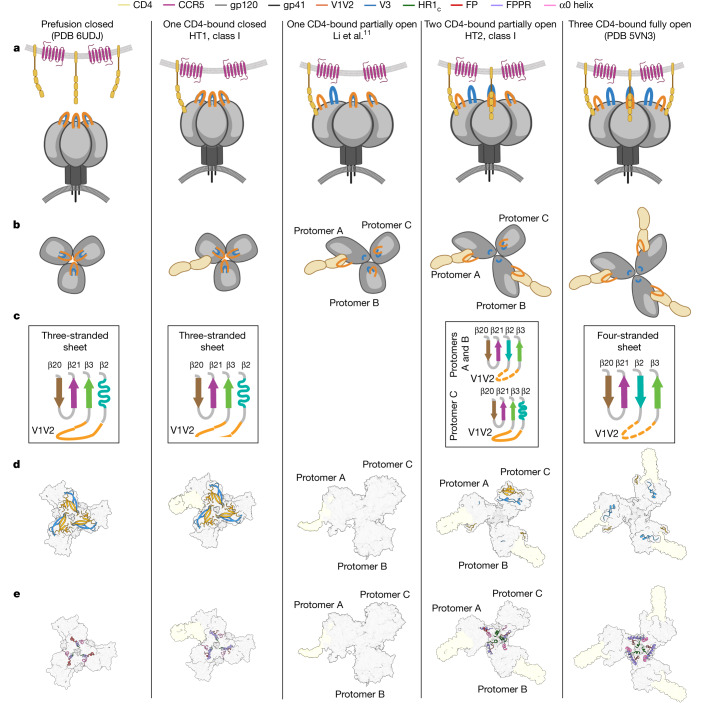
HIV-1 envelope (Env) exhibits distinct conformational changes in response to host receptor (CD4) engagement. Env, a trimer of gp120 and gp41 heterodimers, has been structurally characterized in a closed, prefusion conformation with closely associated gp120s and coreceptor binding sites on gp120 V3 hidden by V1V2 loops 1–4 and in fully saturated CD4-bound open Env conformations with changes including outwardly rotated gp120s and displaced V1V2 loops 3–9 . To investigate changes resulting from substoichiometric CD4 binding, we solved single-particle cryo-electron microscopy (cryo-EM) structures of soluble, native-like heterotrimeric Envs bound to one or two CD4 molecules. Most of the Env trimers bound to one CD4 adopted the closed, prefusion Env state, with a minority exhibiting a heterogeneous partially open Env conformation. When bound to two CD4s, the CD4-bound gp120s exhibited an open Env conformation including a four-stranded gp120 bridging sheet and displaced gp120 V1V2 loops that expose the coreceptor sites on V3. The third gp120 adopted an intermediate, occluded-open state 10 that showed gp120 outward rotation but maintained the prefusion three-stranded gp120 bridging sheet with only partial V1V2 displacement and V3 exposure. We conclude that most of the engagements with one CD4 molecule were insufficient to stimulate CD4-induced conformational changes, whereas binding two CD4 molecules led to Env opening in CD4-bound protomers only. The substoichiometric CD4-bound soluble Env heterotrimer structures resembled counterparts derived from a cryo-electron tomography study of complexes between virion-bound Envs and membrane-anchored CD4 (ref. 11 ), validating their physiological relevance. Together, these results illuminate intermediate conformations of HIV-1 Env and illustrate its structural plasticity.
Overview
The claims and statistics of this paper haven’t been checked yet.
Free: it reads the open-access text and checks the first 5 claims that cite a source we can check. Create a free account to check every claim.
Integrity signals
Registry
Cites
Statistics
Figures
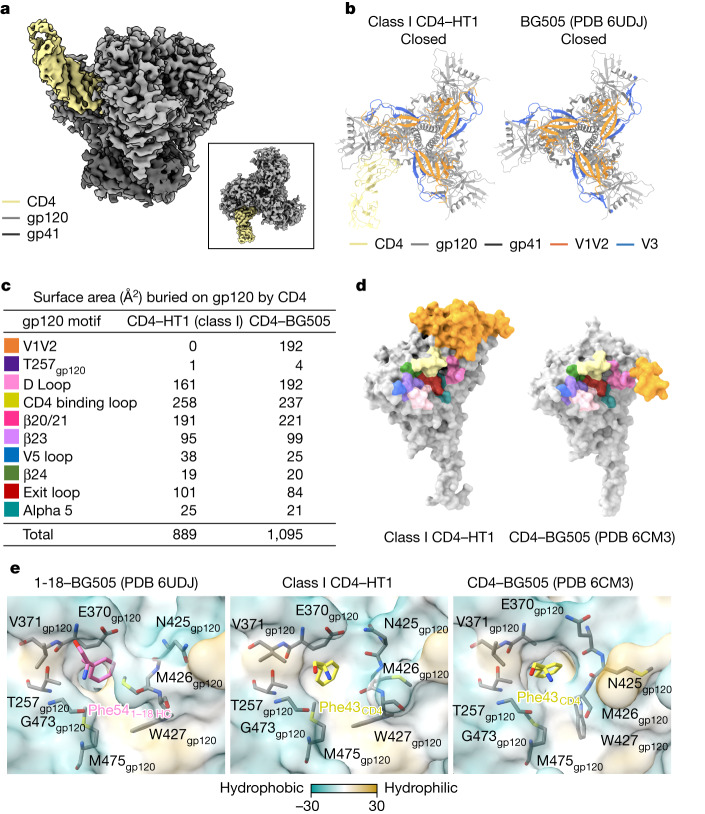
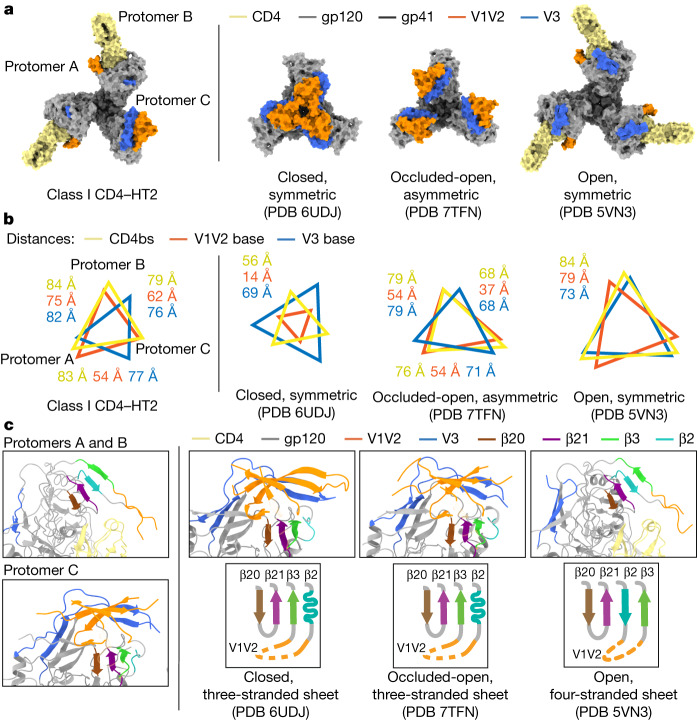
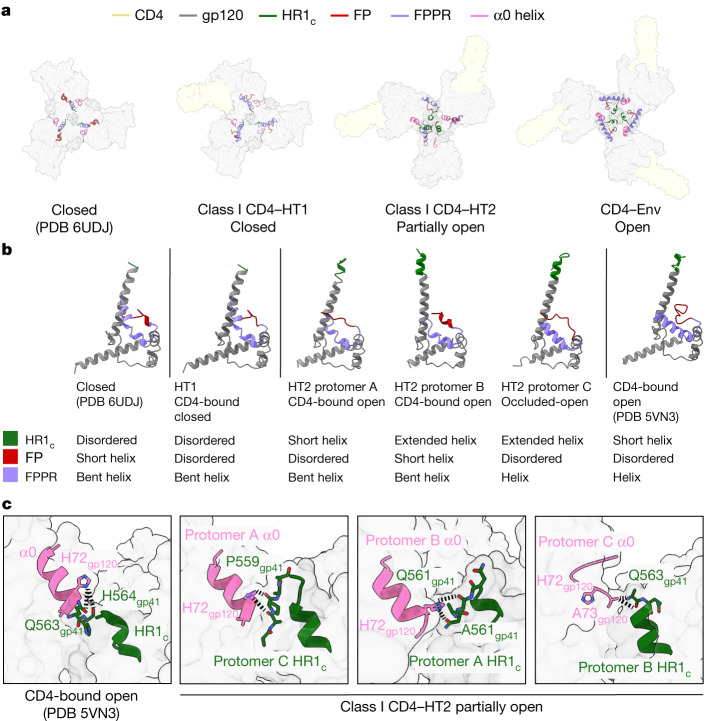
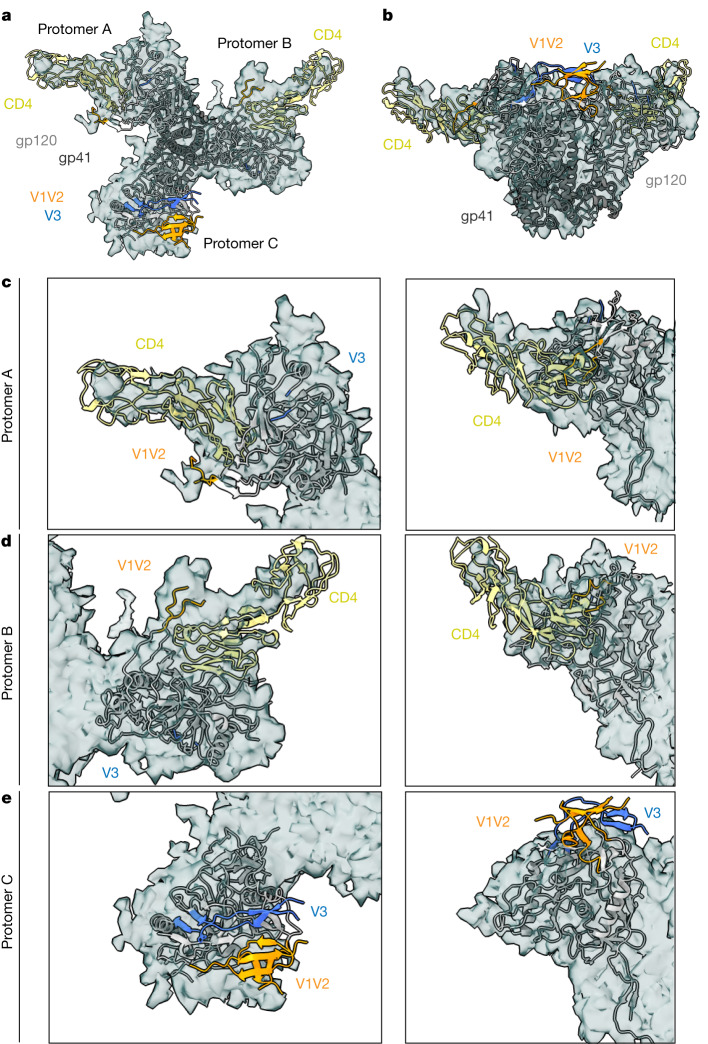
Verification
Claims the paper makes
The claims and statistics of this paper haven’t been checked yet.
Free: it reads the open-access text and checks the first 5 claims that cite a source we can check. Create a free account to check every claim.
Claims other papers make about this one
Each is checked against this paper’s own text: does it say what the citing paper says it does?
The source backs part of the claim, not all of it — or backs it for a different population, condition or comparison.
In the citing paper
“This structural rearrangement exposes the coreceptor binding site on gp120, allowing it to engage with either the CCR5 or CXCR4 chemokine coreceptor (31).”
From Research progress on HIV-1 structural proteins and antiviral therapies (2026) · cites this paper as [31]
Experimental — accuracy not yet measuredThe source backs part of the claim, not all of it — or backs it for a different population, condition or comparison.
In the citing paper
“The Env glycoprotein is initially synthesized as a precursor, gp160, which is subsequently cleaved by a cellular protease into two functional subunits: the surface glycoprotein gp120 and the transmembrane glycoprotein gp41 (Figure 1C).”
From Research progress on HIV-1 structural proteins and antiviral therapies (2026) · cites this paper as [31]
Experimental — accuracy not yet measuredThe cited source says what the claim attributes to it.
In the citing paper
“Heterodimers of gp120 and gp41 assemble into a trimeric complex, forming the functional unit for infectivity on the surface of the virion (31, 32).”
From Research progress on HIV-1 structural proteins and antiviral therapies (2026) · cites this paper as [31]
Self-check
Percentages, sums and reported differences re-computed from the paper’s own numbers.
The self-check needs the paper’s full text.
Citations
Cites
Features and development of Coot
Emsley, P., Lohkamp, B., Scott, W. G., & Cowtan, K. (2010) · Acta Crystallographica Section D Biological Crystallography · doi:10.1107/s0907444910007493 · Cited by 29,915
PHENIX : a comprehensive Python-based system for macromolecular structure solution
Adams, P. D., Afonine, P. V., Bunkóczi, G., Chen, V. B., Davis, I. W., Echols, N., Headd, J. J., Hung, L.-W., Kapral, G. J., Grosse-Kunstleve, R. W., et al. (2010) · Acta Crystallographica Section D Biological Crystallography · doi:10.1107/s0907444909052925 · Cited by 23,716
A simple method for displaying the hydropathic character of a protein
Kyte, J., & Doolittle, R. F. (1982) · Journal of Molecular Biology · doi:10.1016/0022-2836(82)90515-0 · Cited by 22,843
cryoSPARC: algorithms for rapid unsupervised cryo-EM structure determination
Punjani, A., Rubinstein, J. L., Fleet, D. J., & Brubaker, M. A. (2017) · Nature Methods · doi:10.1038/nmeth.4169 · Cited by 11,626
Inference of Macromolecular Assemblies from Crystalline State
Krissinel, E., & Henrick, K. (2007) · Journal of Molecular Biology · doi:10.1016/j.jmb.2007.05.022 · Cited by 9,984
UCSF ChimeraX: Meeting modern challenges in visualization and analysis
Goddard, T. D., Huang, C. C., Meng, E. C., Pettersen, E. F., Couch, G. S., Morris, J. H., & Ferrin, T. E. (2018) · Protein Science · doi:10.1002/pro.3235 · Cited by 5,267
Real-space refinement in PHENIX for cryo-EM and crystallography
Afonine, P. V., Poon, B. K., Read, R. J., Sobolev, O. V., Terwilliger, T. C., Urzhumtsev, A., & Adams, P. D. (2018) · Acta Crystallographica Section D Structural Biology · doi:10.1107/s2059798318006551 · Cited by 3,281 · cited 1×
“Iterative rounds of whole-complex refinements using Phenix v.1.17.1 (phenix.real_space_refine) 59,60 and Coot v.0.8.9.1 (ref.”
MethodInfluentialKwong, P. D., Wyatt, R., Robinson, J., Sweet, R. W., Sodroski, J., & Hendrickson, W. A. (1998) · Nature · doi:10.1038/31405 · Cited by 2,964 · cited 2×
“…associating with gp120 in CD4-bound open trimers 5–9 (in particular, changes resulting from insertion of Phe43 CD4 into a gp120 hydrophobic cavity, which facilitates induced changes such as V1V2 displacement in CD4-bound gp120 subunits of fully saturated open Env trimers 5,6,9,25,26 , were minor).”
BackgroundCore Structure of gp41 from the HIV Envelope Glycoprotein
Chan, D. C., Fass, D., Berger, J. M., & Kim, P. S. (1997) · Cell · doi:10.1016/s0092-8674(00)80205-6 · Cited by 1,959 · cited 1×
“HIV-1 gp41 subunits mediate fusion events between host and viral membranes to enable viral infection 12,40,41 .”
BackgroundChan, D. C., & Kim, P. S. (1998) · Cell · doi:10.1016/s0092-8674(00)81430-0 · Cited by 1,277 · cited 4×
“CD4 binding leads to compacting of the carboxyl termini of the HR1 (HR1 c ) helices, triggering formation after coreceptor binding of a prehairpin intermediate in which HR1 extends away from HR2 and the viral membrane 12,40,42 .”
BackgroundInfluentialStructural Basis for Broad and Potent Neutralization of HIV-1 by Antibody VRC01
Zhou, T., Georgiev, I., Wu, X., Yang, Z.-Y., Dai, K., Finzi, A., Do Kwon, Y., Scheid, J. F., Shi, W., Xu, L., et al. (2010) · Science · doi:10.1126/science.1192819 · Cited by 1,130 · cited 1×
“However, in contrast to the conformational effects of CD4 and selected small mimetic inhibitors on Env conformation, CD4bs bNAbs with a hydrophobic HC residue 54 stabilize the prefusion closed Env conformation when bound to trimeric Env 33–37 .”
ResultSelf-citationSanders, R. W., Derking, R., Cupo, A., Julien, J.-P., Yasmeen, A., de Val, N., Kim, H. J., Blattner, C., de la Peña, A. T., Korzun, J., et al. (2013) · PLoS Pathogens · doi:10.1371/journal.ppat.1003618 · Cited by 935 · cited 7×
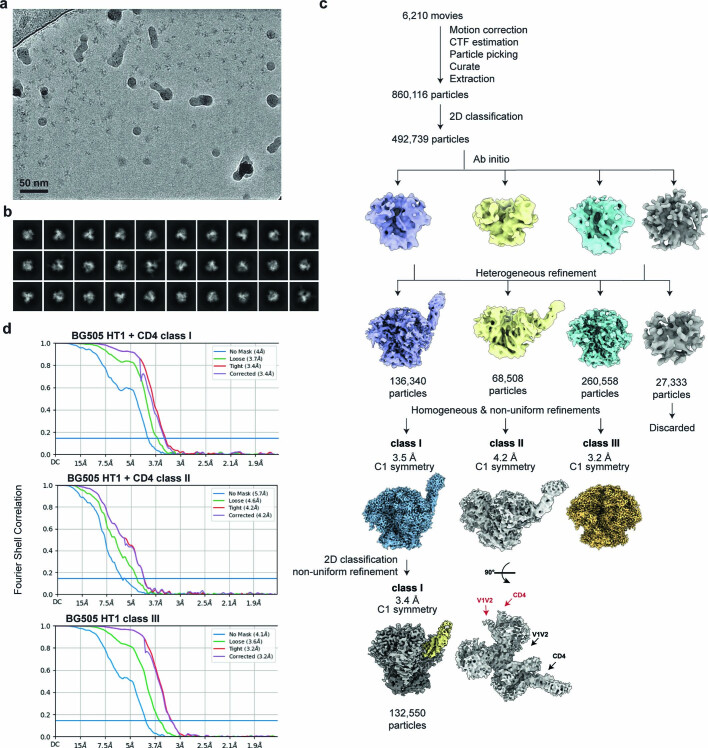
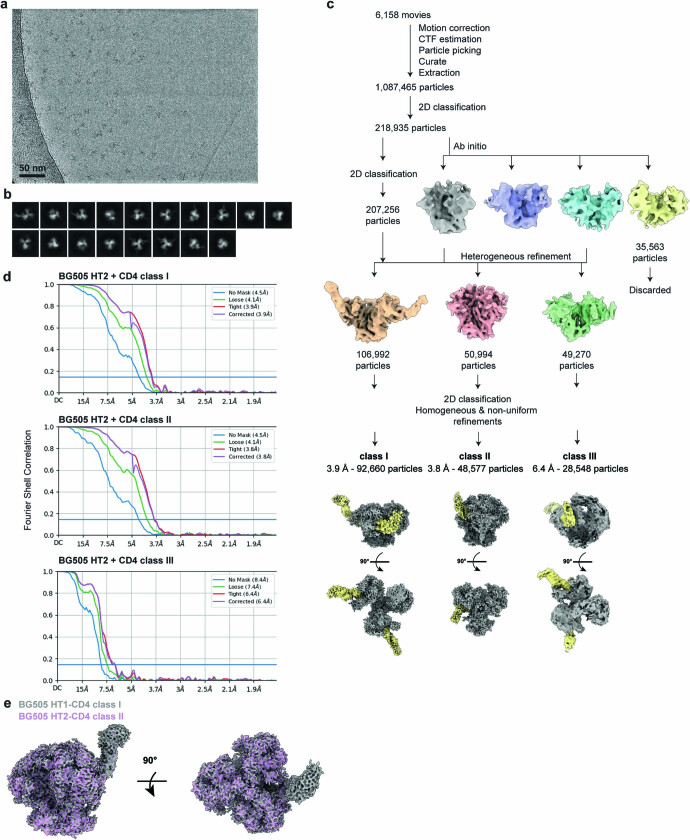
“Using single-particle cryo-EM, we solved structures of one or two CD4s bound to the clade A BG505 trimer 14 to 3.4 and 3.9 Å, respectively.”
BackgroundMethodInfluentialMolecular architecture of native HIV-1 gp120 trimers
Liu, J., Bartesaghi, A., Borgnia, M. J., Sapiro, G., & Subramaniam, S. (2008) · Nature · doi:10.1038/nature07159 · Cited by 816
Crystal Structure of a Soluble Cleaved HIV-1 Envelope Trimer
Julien, J.-P., Cupo, A., Sok, D., Stanfield, R. L., Lyumkis, D., Deller, M. C., Klasse, P.-J., Burton, D. R., Sanders, R. W., Moore, J. P., et al. (2013) · Science · doi:10.1126/science.1245625 · Cited by 797
Harrison, S. C. (2015) · Virology · doi:10.1016/j.virol.2015.03.043 · Cited by 697 · cited 4×
“CD4 binding leads to compacting of the carboxyl termini of the HR1 (HR1 c ) helices, triggering formation after coreceptor binding of a prehairpin intermediate in which HR1 extends away from HR2 and the viral membrane 12,40,42 .”
BackgroundInfluentialCryo-EM Structure of a Fully Glycosylated Soluble Cleaved HIV-1 Envelope Trimer
Lyumkis, D., Julien, J.-P., de Val, N., Cupo, A., Potter, C. S., Klasse, P.-J., Burton, D. R., Sanders, R. W., Moore, J. P., Carragher, B., et al. (2013) · Science · doi:10.1126/science.1245627 · Cited by 669
Seaman, M. S., Janes, H., Hawkins, N., Grandpre, L. E., Devoy, C., Giri, A., Coffey, R. T., Harris, L., Wood, B., Daniels, M. G., et al. (2010) · Journal of Virology · doi:10.1128/jvi.02108-09 · Cited by 632 · cited 1×
“…versus tier 1B BaL for cryo-ET), with tier 2 viruses being more resistant than tier 1 to neutralization and probably also CD4-induced changes 48 ; (2) the increased ability of membrane-bound CD4 compared with soluble CD4 to engage with and then dissociate from Envs over the course of an…”
BackgroundMastronarde, D. N. (2003) · Microscopy and Microanalysis · doi:10.1017/s1431927603445911 · Cited by 540
HIV-1 neutralizing antibodies induced by native-like envelope trimers
Sanders, R. W., van Gils, M. J., Derking, R., Sok, D., Ketas, T. J., Burger, J. A., Ozorowski, G., Cupo, A., Simonich, C., Goo, L., et al. (2015) · Science · doi:10.1126/science.aac4223 · Cited by 496 · cited 2×
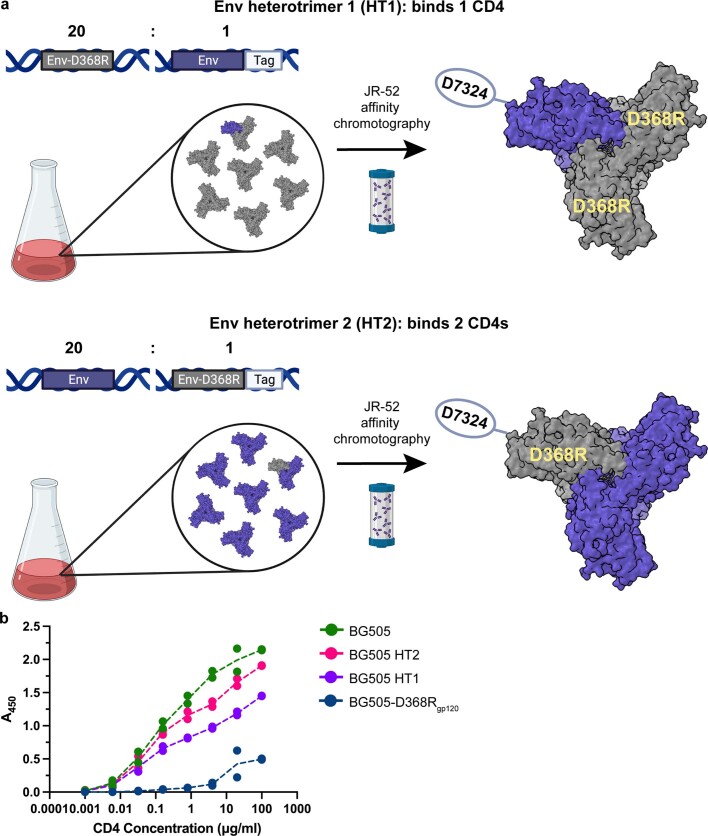
“The D368R mutation was encoded in Envs to impair CD4 binding 21,50–52 .”
BackgroundOlshevsky, U., Helseth, E., Furman, C., Li, J., Haseltine, W., & Sodroski, J. (1990) · Journal of Virology · doi:10.1128/jvi.64.12.5701-5707.1990 · Cited by 405 · cited 1×
“14,20) bearing a D368R gp120 mutation that eliminates CD4 binding 21,22 and an affinity-tagged mutant BG505 at a 20:1 ratio (Extended Data Fig.”
BackgroundBroad HIV-1 neutralization mediated by CD4-binding site antibodies
Li, Y., Migueles, S. A., Welcher, B., Svehla, K., Phogat, A., Louder, M. K., Wu, X., Shaw, G. M., Connors, M., Wyatt, R. T., et al. (2007) · Nature Medicine · doi:10.1038/nm1624 · Cited by 383 · cited 1×
“The D368R mutation was encoded in Envs to impair CD4 binding 21,50–52 .”
Real-space refinement in PHENIX for cryo-EM and crystallography
Afonine, P. V., Poon, B. K., Read, R. J., Sobolev, O. V., Terwilliger, T. C., Urzhumtsev, A., & Adams, P. D. (2018) · eScholarship (California Digital Library) · Cited by 374
Identification of a CD4-Binding-Site Antibody to HIV that Evolved Near-Pan Neutralization Breadth
Huang, J., Kang, B. H., Ishida, E., Zhou, T., Griesman, T., Sheng, Z., Wu, F., Doria-Rose, N. A., Zhang, B., McKee, K., et al. (2016) · Immunity · doi:10.1016/j.immuni.2016.10.027 · Cited by 369
de Taeye, S. W., Ozorowski, G., Torrents de la Peña, A., Guttman, M., Julien, J.-P., van den Kerkhof, T. L. G. M., Burger, J. A., Pritchard, L. K., Pugach, P., Yasmeen, A., et al. (2015) · Cell · doi:10.1016/j.cell.2015.11.056 · Cited by 338 · cited 2×
“14,20) bearing a D368R gp120 mutation that eliminates CD4 binding 21,22 and an affinity-tagged mutant BG505 at a 20:1 ratio (Extended Data Fig.”
BackgroundSullivan, N., Sun, Y., Sattentau, Q., Thali, M., Wu, D., Denisova, G., Gershoni, J., Robinson, J., Moore, J., & Sodroski, J. (1998) · Journal of Virology · doi:10.1128/jvi.72.6.4694-4703.1998 · Cited by 292 · cited 2×
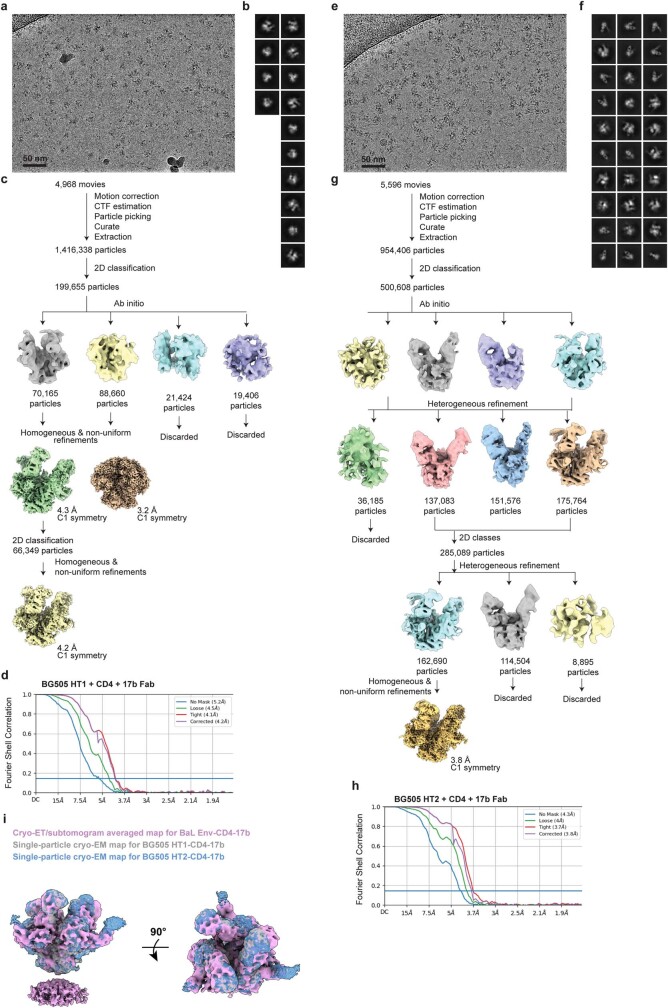
“In addition, we solved 4.2 Å and 3.8 Å structures of CD4 complexes with BG505 HT1 and HT2 plus 17b 39 , a CD4-induced antibody that recognizes the exposed coreceptor binding site on V3 (refs.”
MethodInfluentialThe HIV ‐1 envelope glycoprotein structure: nailing down a moving target
Ward, A. B., & Wilson, I. A. (2017) · Immunological Reviews · doi:10.1111/imr.12507 · Cited by 246
Open and closed structures reveal allostery and pliability in the HIV-1 envelope spike
Ozorowski, G., Pallesen, J., de Val, N., Lyumkis, D., Cottrell, C. A., Torres, J. L., Copps, J., Stanfield, R. L., Cupo, A., Pugach, P., et al. (2017) · Nature · doi:10.1038/nature23010 · Cited by 236 · cited 10×
“5,6,8,9) (Extended Data Fig.”
BackgroundInfluentialA Native-Like SOSIP.664 Trimer Based on an HIV-1 Subtype B env Gene
Pugach, P., Ozorowski, G., Cupo, A., Ringe, R., Yasmeen, A., de Val, N., Derking, R., Kim, H. J., Korzun, J., Golabek, M., et al. (2015) · Journal of Virology · doi:10.1128/jvi.03473-14 · Cited by 232
West, A. P., Diskin, R., Nussenzweig, M. C., & Bjorkman, P. J. (2012) · Proceedings of the National Academy of Sciences · doi:10.1073/pnas.1208984109 · Cited by 231
Gristick, H. B., von Boehmer, L., West Jr, A. P., Schamber, M., Gazumyan, A., Golijanin, J., Seaman, M. S., Fätkenheuer, G., Klein, F., Nussenzweig, M. C., et al. (2016) · Nature Structural & Molecular Biology · doi:10.1038/nsmb.3291 · Cited by 200
Associating HIV-1 envelope glycoprotein structures with states on the virus observed by smFRET
Lu, M., Ma, X., Castillo-Menendez, L. R., Gorman, J., Alsahafi, N., Ermel, U., Terry, D. S., Chambers, M., Peng, D., Zhang, B., et al. (2019) · Nature · doi:10.1038/s41586-019-1101-y · Cited by 190 · cited 1×
“Assuming random assembly, 13% of the Env population would be the desired singly tagged heterotrimer, and less than 1% would contain dually and triply tagged trimers 23 .”
BackgroundVita, C., Drakopoulou, E., Vizzavona, J., Rochette, S., Martin, L., Ménèz, A., Roumestand, C., Yang, Y., Ylisastigui, L., Benjouad, A., et al. (1999) · Proceedings of the National Academy of Sciences · doi:10.1073/pnas.96.23.13091 · Cited by 177
Haim, H., Si, Z., Madani, N., Wang, L., Courter, J. R., Princiotto, A., Kassa, A., DeGrace, M., McGee-Estrada, K., Mefford, M., et al. (2009) · PLoS Pathogens · doi:10.1371/journal.ppat.1000360 · Cited by 169
Harris, A., Borgnia, M. J., Shi, D., Bartesaghi, A., He, H., Pejchal, R., Kang, Y. (., Depetris, R., Marozsan, A. J., Sanders, R. W., et al. (2011) · Proceedings of the National Academy of Sciences · doi:10.1073/pnas.1101414108 · Cited by 162
Ma, X., Lu, M., Gorman, J., Terry, D. S., Hong, X., Zhou, Z., Zhao, H., Altman, R. B., Arthos, J., Blanchard, S. C., et al. (2018) · eLife · doi:10.7554/elife.34271 · Cited by 146 · cited 2×
“Tagged Env homotrimers and heterotrimers (HT1 and HT2) were further purified using JR-52 immunoaffinity chromatography as previously described 14 .”
MethodRestriction of HIV-1 Escape by a Highly Broad and Potent Neutralizing Antibody
Schommers, P., Gruell, H., Abernathy, M. E., Tran, M.-K., Dingens, A. S., Gristick, H. B., Barnes, C. O., Schoofs, T., Schlotz, M., Vanshylla, K., et al. (2020) · Cell · doi:10.1016/j.cell.2020.01.010 · Cited by 142 · cited 1×
“35) and CD4 bound to an open, fully CD4-saturated BG505 trimer 9 (Fig.”
BackgroundWang, H., Cohen, A. A., Galimidi, R. P., Gristick, H. B., Jensen, G. J., & Bjorkman, P. J. (2016) · Proceedings of the National Academy of Sciences · doi:10.1073/pnas.1615939113 · Cited by 133 · cited 12×
“Single-particle cryo-EM datasets for HT1–CD4, HT2–CD4, HT1– CD4–17b and HT2–CD4–17b were collected on a 300 keV Titan Krios (Thermo Fisher Scientific) cryo-electron microscope equipped with a K3 direct electron detector camera (Gatan) using SerialEM v.3.7 (ref.”
BackgroundMethodInfluentialBroadly Neutralizing Antibody 8ANC195 Recognizes Closed and Open States of HIV-1 Env
Scharf, L., Wang, H., Gao, H., Chen, S., McDowall, A. W., & Bjorkman, P. J. (2015) · Cell · doi:10.1016/j.cell.2015.08.035 · Cited by 132
Scorpion-Toxin Mimics of CD4 in Complex with Human Immunodeficiency Virus gp120
Huang, C.-C., Stricher, F., Martin, L., Decker, J. M., Majeed, S., Barthe, P., Hendrickson, W. A., Robinson, J. E., Roumestand, C., Sodroski, J., et al. (2005) · Structure · doi:10.1016/j.str.2005.03.006 · Cited by 117 · cited 1×
“Small-molecule CD4 mimetics such as BNM-III-170 and M48U1 insert hydrophobic entities into the Phe43 CD4 cavity, thereby competing with CD4 binding and inducing Env opening 8,27–32 .”
BackgroundQuaternary contact in the initial interaction of CD4 with the HIV-1 envelope trimer
Liu, Q., Acharya, P., Dolan, M. A., Zhang, P., Guzzo, C., Lu, J., Kwon, A. L., Gururani, D., Miao, H., Bylund, T., et al. (2017) · Nature Structural & Molecular Biology · doi:10.1038/nsmb.3382 · Cited by 105 · cited 1×
“CD4 binding to a closed Env conformation was also observed in a low-resolution structure of CD4 bound to a homotrimeric SOSIP that included mutations to prevent Env opening 24 .”
BackgroundCourter, J. R., Madani, N., Sodroski, J., Schön, A., Freire, E., Kwong, P. D., Hendrickson, W. A., CHAIKEN, I. M., LaLonde, J. M., & Smith, A. B. (2014) · Accounts of Chemical Research · doi:10.1021/ar4002735 · Cited by 99 · cited 1×
“Small-molecule CD4 mimetics such as BNM-III-170 and M48U1 insert hydrophobic entities into the Phe43 CD4 cavity, thereby competing with CD4 binding and inducing Env opening 8,27–32 .”
BackgroundSmall-Molecule CD4-Mimics: Structure-Based Optimization of HIV-1 Entry Inhibition
Melillo, B., Liang, S., Park, J., Schön, A., Courter, J. R., LaLonde, J. M., Wendler, D. J., Princiotto, A. M., Seaman, M. S., Freire, E., et al. (2016) · ACS Medicinal Chemistry Letters · doi:10.1021/acsmedchemlett.5b00471 · Cited by 92
Wang, H., Barnes, C. O., Yang, Z., Nussenzweig, M. C., & Bjorkman, P. J. (2018) · Cell Host & Microbe · doi:10.1016/j.chom.2018.09.003 · Cited by 90 · cited 10×
“5,6,8,9) (Extended Data Fig.”
BackgroundInfluentialSelf-citationSubnanometer structures of HIV-1 envelope trimers on aldrithiol-2-inactivated virus particles
Li, Z., Li, W., Lu, M., Bess, J. W., Chao, C. W., Gorman, J., Terry, D. S., Zhang, B., Zhou, T., Blanchard, S. C., et al. (2020) · Nature Structural & Molecular Biology · doi:10.1038/s41594-020-0452-2 · Cited by 82 · cited 1×
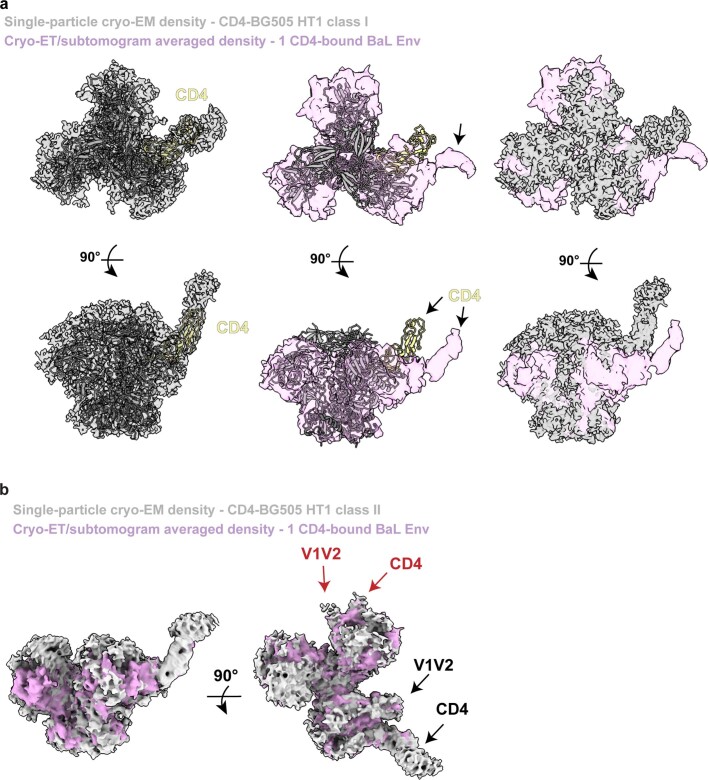
“These results provide further evidence of SOSIP Env trimers resembling their virion-bound counterparts 3,4 , both in the closed, prefusion conformation and in various CD4-bound conformations that adopt different conformations compared with unliganded Env trimers.”
Yang, X., Kurteva, S., Ren, X., Lee, S., & Sodroski, J. (2006) · Journal of Virology · doi:10.1128/jvi.80.9.4388-4395.2006 · Cited by 81 · cited 2×
“…the effects of substoichiometric binding of CD4 in these experiments were complicated by the necessity for Env protomers with different defective mutations to be randomly assembled as homotrimeric and heterotrimer Envs that were compared for fusion and infectivity with homotrimeric controls 44–46 .”
BackgroundUmotoy, J., Bagaya, B. S., Joyce, C., Schiffner, T., Menis, S., Saye-Francisco, K. L., Biddle, T., Mohan, S., Vollbrecht, T., Kalyuzhniy, O., et al. (2019) · Immunity · doi:10.1016/j.immuni.2019.06.004 · Cited by 78
HIV-1 Env trimers asymmetrically engage CD4 receptors in membranes
Li, W., Qin, Z., Nand, E., Grunst, M. W., Grover, J. R., Bess, J. W., Lifson, J. D., Zwick, M. B., Tagare, H. D., Uchil, P. D., et al. (2023) · Nature · doi:10.1038/s41586-023-06762-6 · Cited by 74 · cited 13×
“Using single-particle cryo-EM, we solved structures of one or two CD4s bound to the clade A BG505 trimer 14 to 3.4 and 3.9 Å, respectively.”
BackgroundMethodInfluentialSalzwedel, K., & Berger, E. A. (2000) · Proceedings of the National Academy of Sciences · doi:10.1073/pnas.230438497 · Cited by 73 · cited 2×
“…the effects of substoichiometric binding of CD4 in these experiments were complicated by the necessity for Env protomers with different defective mutations to be randomly assembled as homotrimeric and heterotrimer Envs that were compared for fusion and infectivity with homotrimeric controls 44–46 .”
BackgroundStricher, F., Huang, C.-C., Descours, A., Duquesnoy, S., Combes, O., Decker, J. M., Kwon, Y. D., Lusso, P., Shaw, G. M., Vita, C., et al. (2008) · Journal of Molecular Biology · doi:10.1016/j.jmb.2008.06.069 · Cited by 67
Stadtmueller, B. M., Bridges, M. D., Dam, K.-M., Lerch, M. T., Huey-Tubman, K. E., Hubbell, W. L., & Bjorkman, P. J. (2018) · Immunity · doi:10.1016/j.immuni.2018.06.017 · Cited by 64
Self-citationCryo-EM Structure of Full-length HIV-1 Env Bound With the Fab of Antibody PG16
Pan, J., Peng, H., Chen, B., & Harrison, S. C. (2020) · Journal of Molecular Biology · doi:10.1016/j.jmb.2019.11.028 · Cited by 62
Ladinsky, M. S., Gnanapragasam, P. N., Yang, Z., West, A. P., Kay, M. S., & Bjorkman, P. J. (2020) · eLife · doi:10.7554/elife.58411 · Cited by 60
Self-citationAsymmetric opening of HIV-1 Env bound to CD4 and a coreceptor-mimicking antibody
Yang, Z., Wang, H., Liu, A. Z., Gristick, H. B., & Bjorkman, P. J. (2019) · Nature Structural & Molecular Biology · doi:10.1038/s41594-019-0344-5 · Cited by 55 · cited 4×
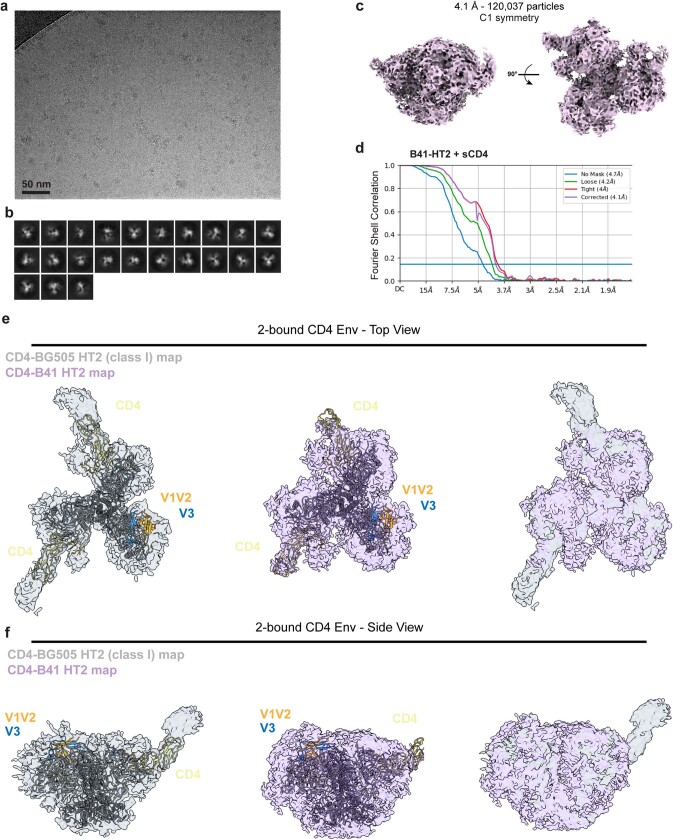
“bridging sheet 5–7, 9 , we To address the generality of these observations, we prepared HT2 heterotrimers for the clade B B41 SOSIP.664 (ref.”
BackgroundInfluentialSelf-citationJette, C. A., Barnes, C. O., Kirk, S. M., Melillo, B., Smith, A. B., & Bjorkman, P. J. (2021) · Nature Communications · doi:10.1038/s41467-021-21816-x · Cited by 38 · cited 4×
“ELISAs were performed as previously described 8,10,54 .”
BackgroundMethodInfluentialThe HIV-1 Env gp120 Inner Domain Shapes the Phe43 Cavity and the CD4 Binding Site
Prévost, J., Tolbert, W. D., Medjahed, H., Sherburn, R. T., Madani, N., Zoubchenok, D., Gendron‐Lepage, G., Gaffney, A., Grenier‐Davies, M. C., Kirk, S. M., et al. (2020) · mBio · doi:10.1128/mbio.00280-20 · Cited by 38 · cited 3×
“…associating with gp120 in CD4-bound open trimers 5–9 (in particular, changes resulting from insertion of Phe43 CD4 into a gp120 hydrophobic cavity, which facilitates induced changes such as V1V2 displacement in CD4-bound gp120 subunits of fully saturated open Env trimers 5,6,9,25,26 , were minor).”
BackgroundA naturally arising broad and potent CD4-binding site antibody with low somatic mutation
Barnes, C. O., Schoofs, T., Gnanapragasam, P. N. P., Golijanin, J., Huey‐Tubman, K. E., Gruell, H., Schommers, P., Suh-Toma, N., Lee, Y. E., Lorenzi, J. C. C., et al. (2022) · Science Advances · doi:10.1126/sciadv.abp8155 · Cited by 29
Receptor Activation of HIV-1 Env Leads to Asymmetric Exposure of the gp41 Trimer
Khasnis, M. D., Halkidis, K., Bhardwaj, A., & Root, M. J. (2016) · PLoS Pathogens · doi:10.1371/journal.ppat.1006098 · Cited by 28 · cited 1×
“…and infectivity studies that incorporated Env mutations resulting in defective CD4, coreceptor and fusion activity in individual protomers of Env hetero-trimers 44–47 indicated that Env entry may not require each subunit in an individual trimer to be competent in performing all functions 44–46 .”
BackgroundYang, Z., Dam, K.-M. A., Bridges, M. D., Hoffmann, M. A. G., DeLaitsch, A. T., Gristick, H. B., Escolano, A., Gautam, R., Martin, M. A., Nussenzweig, M. C., et al. (2022) · Nature Communications · doi:10.1038/s41467-022-28424-3 · Cited by 28 · cited 1×
“The single-particle cryo-EM and cryo-ET structures of two CD4-bound Env trimers were remarkably consistent, such that both showed two protomers in CD4-bound open conformations and the remaining unbound protomer in a conformation resembling an occluded-open Env protomer 10 (Fig.”
BackgroundSelf-citationCupo, A., Portillo, V. M. C., Gelfand, P., Yasmeen, A., Klasse, P. J., & Moore, J. P. (2019) · PLoS ONE · doi:10.1371/journal.pone.0215106 · Cited by 24 · cited 1×
“Trimeric Envs were purified from cell supernatants by PGT145 immunoaffinity chromatography and size-exclusion chromatography (SEC) using a Superose 6 10/300 column (Cytiva) 14,53 .”
MethodSalzwedel, K., & Berger, E. A. (2009) · Retrovirology · doi:10.1186/1742-4690-6-75 · Cited by 20
Comparing methods for immobilizing HIV-1 SOSIPs in ELISAs that evaluate antibody binding
Dam, K.-M. A., Mutia, P. S., & Björkman, P. J. (2022) · Scientific Reports · doi:10.1038/s41598-022-15506-x · Cited by 6 · cited 2×
“Some CD4bs broadly neutralizing antibodies (bNAbs) also mimic Phe43 CD4 interactions by inserting a hydrophobic residue at antibody heavy chain (HC) position 54 into the Phe43 cavity on gp120.”
BackgroundResultSelf-citationAbernathy, M. E., Gristick, H. B., Vielmetter, J., Keeffe, J. R., Gnanapragasam, P. N. P., Lee, Y. E., Escolano, A., Gautam, R., Seaman, M. S., Martin, M. A., et al. (2021) · npj Vaccines · doi:10.1038/s41541-021-00387-4 · Cited by 4 · cited 1×
“…of a non-neutralizing antibody isolated from an immunized macaque that mimicked fusion peptide interactions with a single gp41 per trimer, rendering one fusion peptide per trimer inactive 43 , implies that not all protomers in each Env trimer are required for virus–host cell membrane fusion.”
Background
Cited by
HIV-1 Env trimers asymmetrically engage CD4 receptors in membranes
Li, W., Qin, Z., Nand, E., Grunst, M. W., Grover, J. R., Bess, J. W., Lifson, J. D., Zwick, M. B., Tagare, H. D., Uchil, P. D., et al. (2023) · Nature · doi:10.1038/s41586-023-06762-6 · Cited by 74
“The soluble BG505 HT2 model bound to two CD4 molecules 39 fit well into the densities that we observed using cryo-ET.”
InfluentialThe HIV-1 envelope glycoprotein: structure, function and interactions with neutralizing antibodies
Klasse, P. J., Sanders, R. W., Ward, A. B., Wilson, I. A., & Moore, J. P. (2025) · Nature Reviews Microbiology · doi:10.1038/s41579-025-01206-6 · Cited by 43
“The FP C terminus extends to the FP-proximal region (FPPR; residues 528–540) 37,59 .”
InfluentialParthasarathy, D., Pothula, K. R., Dam, K.-M. A., Ratnapriya, S., Cervera, H., Parsons, R., Huang, X., Sammour, S., Janowska, K., Harris, M., et al. (2024) · Nature Communications · doi:10.1038/s41467-024-51656-4 · Cited by 32
“Although recent studies of SOSIP conformational changes were consistent with data driven form Envs on virions 46,53 , the use of SOSIP may have underestimated Env opening as thissolubleformat was originally engineered to capture closed, prefusion Env conformation.”
Self-citationLee, M., Lu, M., Zhang, B., Zhou, T., Katte, R. H., Han, Y., Rawi, R., & Kwong, P. D. (2024) · Computational and Structural Biotechnology Journal · doi:10.1016/j.csbj.2024.11.020 · Cited by 21
“In addition, ligand free HIV-1 Env trimer [24] (PDB: 4ZMJ), along with one and two CD4 bound HIV-1 Env trimers [19] (PDB: 8FYI, 8FYJ) were included, resulting in a total 179 PDBs participating in the analysis.”
Microsecond dynamics control the HIV-1 Envelope conformation
Bennett, A. L., Edwards, R. J., Kosheleva, I. V., Saunders, C., Bililign, Y., Williams, A., Bubphamala, P., Manosouri, K., Anasti, K. M., Saunders, K. O., et al. (2024) · Science Advances · doi:10.1126/sciadv.adj0396 · Cited by 18
Metadata
- Authors
- Dam, K.-M. A., Fan, C., Yang, Z., & Bjorkman, P. J.
- Affiliations
- California Institute of Technology (US)
- Venue
- Nature
- Published
- 2023-11-22
- Volume
- 623
- Issue
- 7989
- Pages
- 1017-1025
- ISSN
- 0028-0836 (ISSN-L)
- 1476-4687
- PMC
- PMC10686819
- OpenAlex
- W4388896148
- Cited by
- 50
- References
- 62
- Citations by year
- 2026: 18 · 2025: 17 · 2024: 13 · 2023: 2
- FWCI
- 6.70
- Type
- journal article
- Language
- en
- Update notices
- correction (2024-01-19)
- Open access
- hybrid
- doi.org
- Licence
- cc-by
- creativecommons.org/licenses/by/4.0 (tdm)
- creativecommons.org/licenses/by/4.0 (vor)
- Locations
- Nature (publishedVersion, cc-by)
- bioRxiv (Cold Spring Harbor Laboratory) (acceptedVersion, cc-by-nc-nd)
- PubMed Central (publishedVersion, cc-by)
- PubMed (publishedVersion)
- PubMed Central (submittedVersion, cc-by-nc-nd)
- RePEc: Research Papers in Economics (submittedVersion)
- Funders
- Bill and Melinda Gates Foundation (INV-002143)
- Yale University
- California Institute of Technology
- Tulane University
- National Institutes of Health (NIH P50, AI150464, HIVRAD P01 AI100148, AI100148)
- Beckman Institute, California Institute of Technology
- National Institute of Allergy and Infectious Diseases (HIVRAD P01 AI100148, P50AI150464, AI150464, U54AI170856, P01AI100148, AI-100148)
- Topics
- Life Sciences › Immunology and Microbiology › Virology › HIV Research and Treatment
- Health Sciences › Medicine › Infectious Diseases › HIV/AIDS drug development and treatment
- Health Sciences › Medicine › Infectious Diseases › SARS-CoV-2 and COVID-19 Research
- Keywords
- HIV-1 envelope, CD4 binding, gp120, gp41, Env trimer, prefusion conformation, intermediate conformation
About these checks
Registry, retraction, Cites and statistics results are computed, not judged, with one exception: a printed reference that no index lists is read once by a model before it counts as a citation error. Claims are extracted by a model and kept only when their quote appears verbatim in the text; each cited source is then checked, with a model’s help, for whether it says what the claim relies on. Those verdicts can be wrong — read the claim’s quote and the cited source before relying on one.
Statistics and arithmetic are recomputed, not judged.
Confidence bands are shown only for fields calibrated on our annotated test set. None is calibrated yet, so no band is shown.
What counts as a claim ›How we measure confidence ›How we check this ›
Are you an author, or do you see a problem with this page? Request a review
Data sources
Bibliographic data: Semantic Scholar, OpenAlex, Crossref.
Contains information from the Semantic Scholar Academic Graph Datasets, made available under the ODC Attribution License (ODC-BY 1.0).
Semantic Scholar’s data is described in: Kinney, R., et al. (2023). The Semantic Scholar Open Data Platform. arXiv:2301.10140.
