

Acquisition of epithelial plasticity in human chronic liver disease
Open accessThe DOI matches its Crossref record; 71 of the 71 references it cites were found in a registry or an index.
Abstract
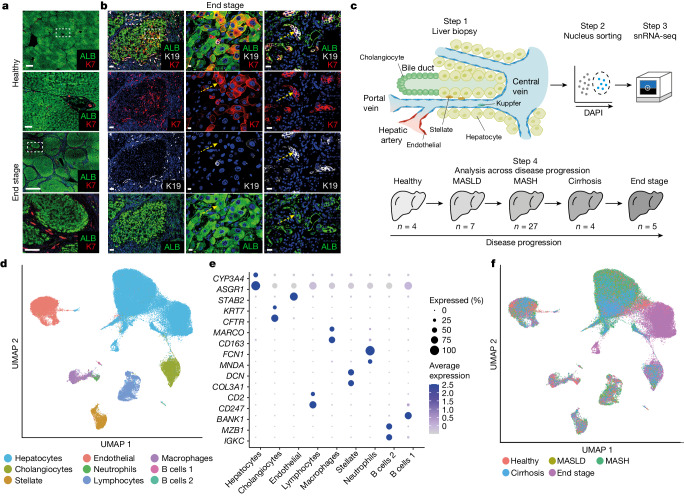
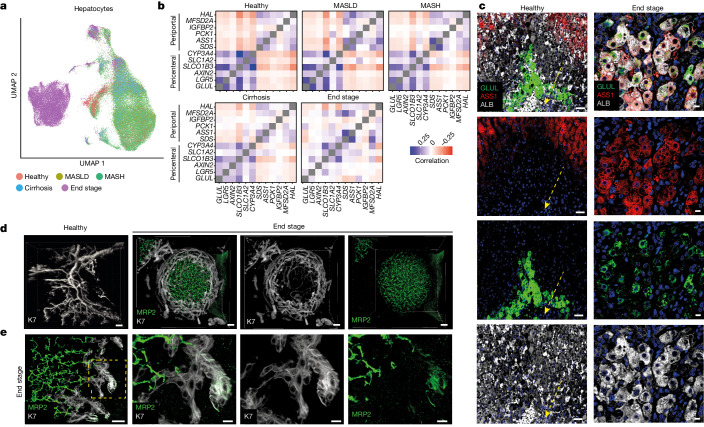
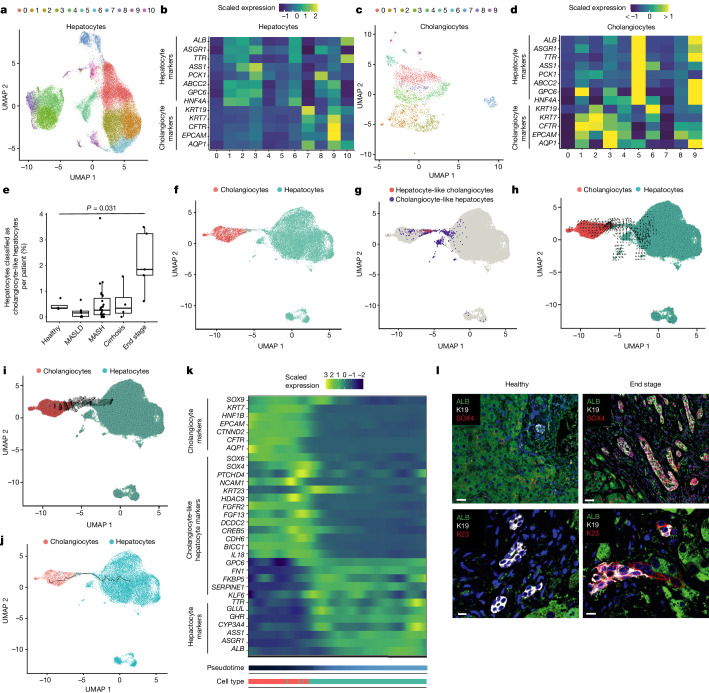
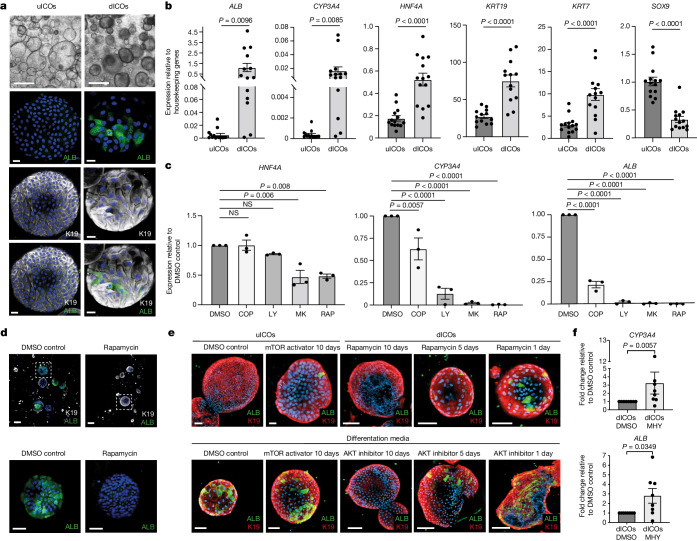
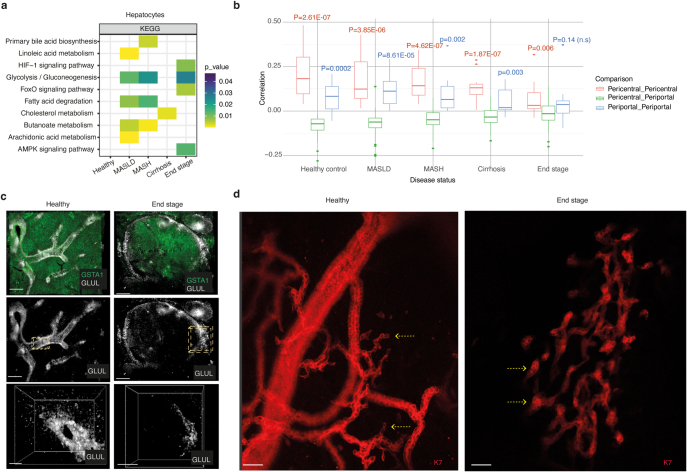
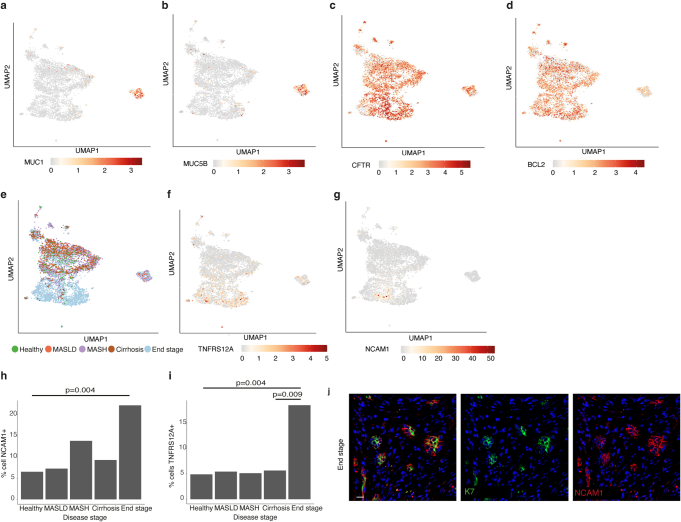
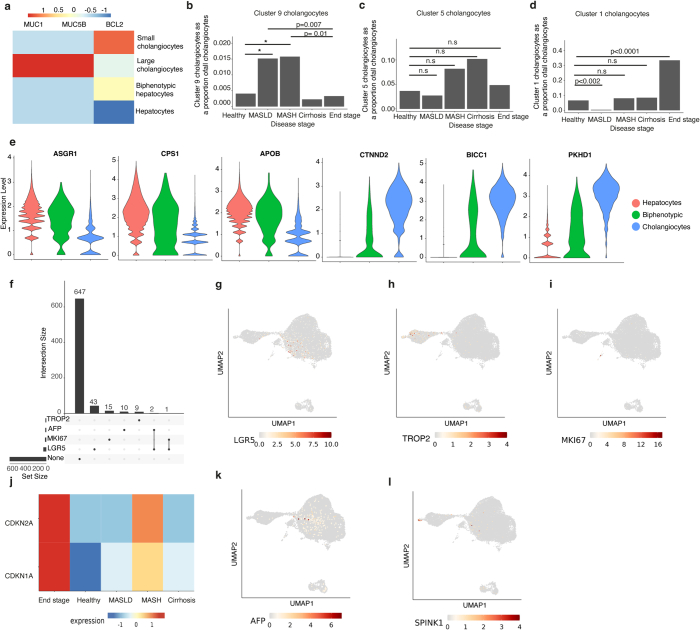
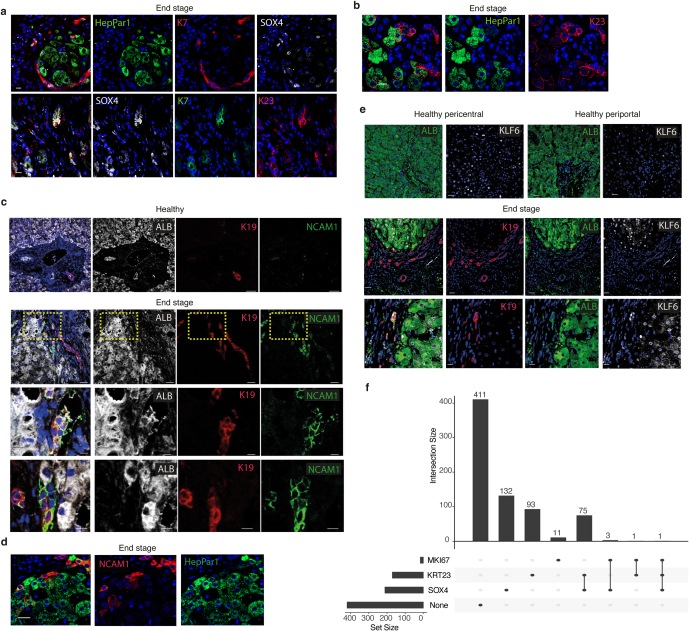
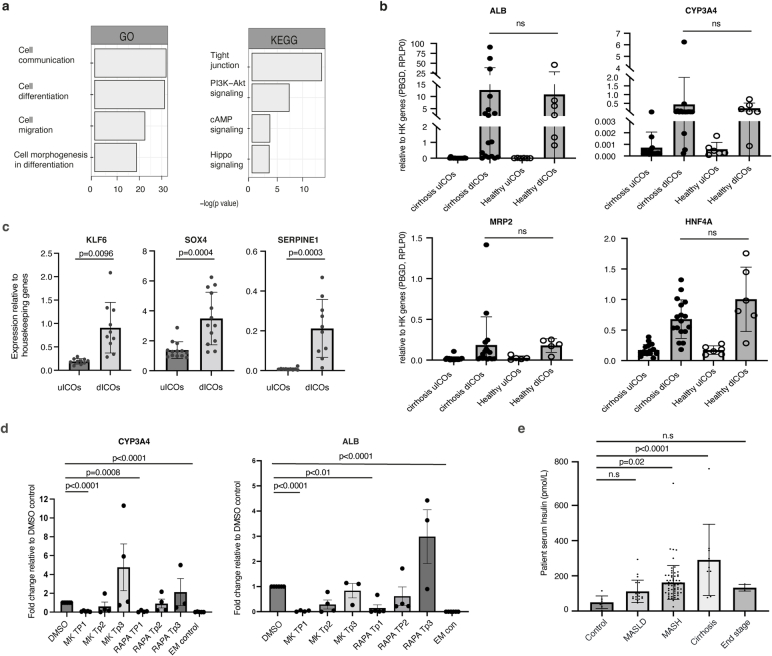
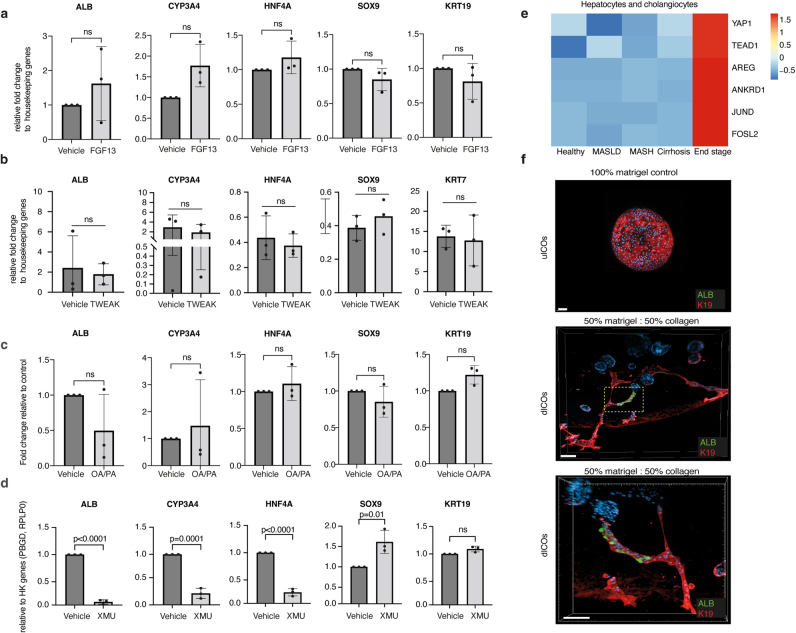
For many adult human organs, tissue regeneration during chronic disease remains a controversial subject. Regenerative processes are easily observed in animal models, and their underlying mechanisms are becoming well characterized 1–4 , but technical challenges and ethical aspects are limiting the validation of these results in humans. We decided to address this difficulty with respect to the liver. This organ displays the remarkable ability to regenerate after acute injury, although liver regeneration in the context of recurring injury remains to be fully demonstrated. Here we performed single-nucleus RNA sequencing (snRNA-seq) on 47 liver biopsies from patients with different stages of metabolic dysfunction-associated steatotic liver disease to establish a cellular map of the liver during disease progression. We then combined these single-cell-level data with advanced 3D imaging to reveal profound changes in the liver architecture. Hepatocytes lose their zonation and considerable reorganization of the biliary tree takes place. More importantly, our study uncovers transdifferentiation events that occur between hepatocytes and cholangiocytes without the presence of adult stem cells or developmental progenitor activation. Detailed analyses and functional validations using cholangiocyte organoids confirm the importance of the PI3K–AKT–mTOR pathway in this process, thereby connecting this acquisition of plasticity to insulin signalling. Together, our data indicate that chronic injury creates an environment that induces cellular plasticity in human organs, and understanding the underlying mechanisms of this process could open new therapeutic avenues in the management of chronic diseases.
Overview
The claims and statistics of this paper haven’t been checked yet.
Free: it reads the open-access text and checks the first 5 claims that cite a source we can check. Create a free account to check every claim.
Integrity signals
Registry
Cites
Statistics
Figures
Verification
Claims the paper makes
The claims and statistics of this paper haven’t been checked yet.
Free: it reads the open-access text and checks the first 5 claims that cite a source we can check. Create a free account to check every claim.
Claims other papers make about this one
Each is checked against this paper’s own text: does it say what the citing paper says it does?
The source backs part of the claim, not all of it — or backs it for a different population, condition or comparison.
In the citing paper
“Similarly, more recent findings further elaborate on the hepatocyte-cholangiocyte phenotypical plasticity that takes place during liver regeneration [161].”
From Inflammation and immunity in liver homeostasis and disease: a nexus of hepatocytes, nonparenchymal cells and immune cells (2025) · doi:10.1038/s41423-025-01313-7 · cites this paper as [161]
Experimental — accuracy not yet measuredThe source backs part of the claim, not all of it — or backs it for a different population, condition or comparison.
In the citing paper
“On the one hand, the community now benefits from extensive information that can be used to define transcriptomic and proteomic signatures associated with specific cell types and states, which provide essential input as to what models should be mimicked [161].”
From Inflammation and immunity in liver homeostasis and disease: a nexus of hepatocytes, nonparenchymal cells and immune cells (2025) · doi:10.1038/s41423-025-01313-7 · cites this paper as [161]
Experimental — accuracy not yet measuredThe source backs part of the claim, not all of it — or backs it for a different population, condition or comparison.
In the citing paper
“Indeed, crucial milestones have been reached within the last decade, from the isolation and in vitro expansion of bile duct-derived progenitor cells to diseased patient-derived cholangiocyte organoid cultures for detailed disease-driving mechanism investigations [161, 348].”
From Inflammation and immunity in liver homeostasis and disease: a nexus of hepatocytes, nonparenchymal cells and immune cells (2025) · doi:10.1038/s41423-025-01313-7 · cites this paper as [161]
Experimental — accuracy not yet measuredIn the citing paper
“Notably, recent insights from single-nuclei sequencing analyses of patient liver samples suggested that hepatocyte-cholangiocyte cellular plasticity is a key mechanism of liver repair in MASLD [161].”
From Inflammation and immunity in liver homeostasis and disease: a nexus of hepatocytes, nonparenchymal cells and immune cells (2025) · doi:10.1038/s41423-025-01313-7 · cites this paper as [161]
In the citing paper
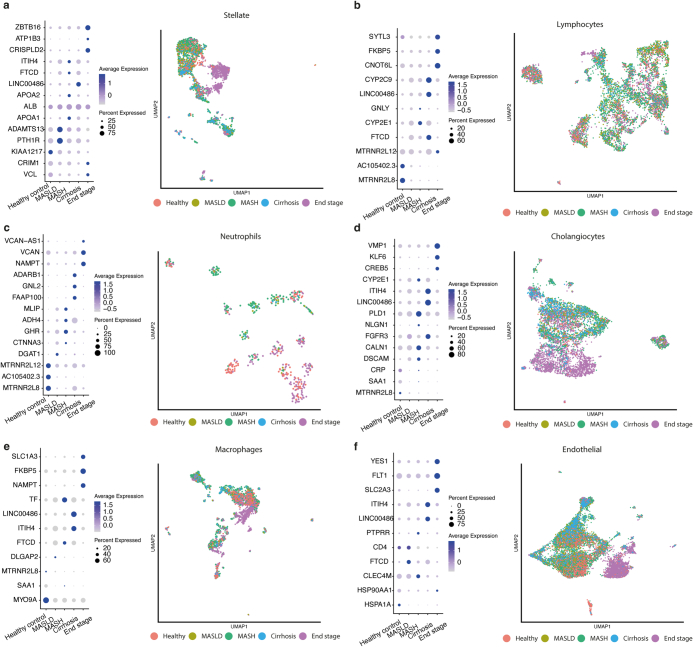
“Single-nucleus RNA sequencing analyses of MASLD progression reveal that cholangiocytes can transdifferentiate into hepatocytes and vice versa (Fig. 2D-F) [83].”
From Constructing biomimetic microenvironments for liver regeneration (2025) · doi:10.1186/s12951-025-03729-9 · cites this paper as [83]
Self-check
Percentages, sums and reported differences re-computed from the paper’s own numbers.
The self-check needs the paper’s full text.
Citations
Cites
Integrated analysis of multimodal single-cell data
Hao, Y., Hao, S., Andersen-Nissen, E., Mauck, W. M., Zheng, S., Butler, A., Lee, M. J., Wilk, A. J., Darby, C., Zagar, M., et al. (2020) · doi:10.1101/2020.10.12.335331 · Cited by 15,508 · cited 1×
“The preprocessing of raw count matrices was performed using Seurat (v.4.0.3) 67 .”
MethodInfluentialMassively parallel digital transcriptional profiling of single cells
Zheng, G. X. Y., Terry, J. M., Belgrader, P., Ryvkin, P., Bent, Z. W., Wilson, R., Ziraldo, S. B., Wheeler, T. D., McDermott, G. P., Zhu, J., et al. (2017) · Nature Communications · doi:10.1038/ncomms14049 · Cited by 7,353
Identification of stem cells in small intestine and colon by marker gene Lgr5
Barker, N., van Es, J. H., Kuipers, J., Kujala, P., van den Born, M., Cozijnsen, M., Haegebarth, A., Korving, J., Begthel, H., Peters, P. J., et al. (2007) · Nature · doi:10.1038/nature06196 · Cited by 5,687 · cited 1×
“2d and Supplementary Videos 3 and 4).”
Global burden of NAFLD and NASH: trends, predictions, risk factors and prevention
Younossi, Z., Anstee, Q. M., Marietti, M., Hardy, T., Henry, L., Eslam, M., George, J., & Bugianesi, E. (2018) · Nature Reviews Gastroenterology & Hepatology · doi:10.1038/nrgastro.2017.109 · Cited by 5,249 · cited 1×
“This pathway has been associated with obesity and metabolic syndrome 48 , both of which are tightly linked to MASLD 49 .”
BackgroundRaudvere, U., Kolberg, L., Kuzmin, I., Arak, T., Adler, P., Peterson, H., & Vilo, J. (2019) · Nucleic Acids Research · doi:10.1093/nar/gkz369 · Cited by 5,045 · cited 1×
“GSEA of differentially expressed genes was carried out using gprofiler2 (v.0.2.0) 70 using all genes detected in the compared cell groups as the background set.”
MethodInfluentialHafemeister, C., & Satija, R. (2019) · Genome Biology · doi:10.1186/s13059-019-1874-1 · Cited by 4,479 · cited 1×
“Gene-expression values were normalized for library size using sctransform 68 .”
MethodLa Manno, G., Soldatov, R., Zeisel, A., Braun, E., Hochgerner, H., Petukhov, V., Lidschreiber, K., Kastriti, M. E., Lönnerberg, P., Furlan, A., et al. (2018) · Nature · doi:10.1038/s41586-018-0414-6 · Cited by 4,118
Mechanisms of Insulin Action and Insulin Resistance
Petersen, M. C., & Shulman, G. I. (2018) · Physiological Reviews · doi:10.1152/physrev.00063.2017 · Cited by 3,028 · cited 1×
“Importantly, the PI3K–AKT–mTOR pathway is activated by insulin 51 , and insulin resistance is commonly associated with MASLD progression 30 .”
BackgroundThe prevalence and incidence of NAFLD worldwide: a systematic review and meta-analysis
Riazi, K., Azhari, H., Charette, J. H., Underwood, F. E., King, J. A., Afshar, E. E., Swain, M. G., Congly, S. E., Kaplan, G. G., & Shaheen, A.-A. (2022) · The Lancet Gastroenterology & Hepatology · doi:10.1016/s2468-1253(22)00165-0 · Cited by 2,246 · cited 2×
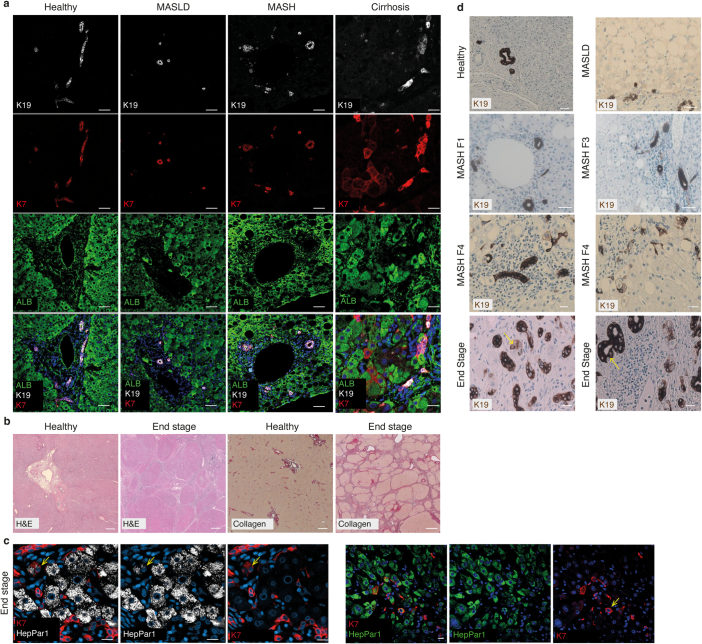
“However, we also observed cells co-expressing ALB, K7 and K19 that seem to be present specifically in end-stage liver (Fig.”
BackgroundLong-Term Culture of Genome-Stable Bipotent Stem Cells from Adult Human Liver
Huch, M., Gehart, H., van Boxtel, R., Hamer, K., Blokzijl, F., Verstegen, M. M. A., Ellis, E., van Wenum, M., Fuchs, S. A., de Ligt, J., et al. (2015) · Cell · doi:10.1016/j.cell.2014.11.050 · Cited by 1,619 · cited 3×
“These cells can be grown for an extended period of time in vitro and maintain their biliary identity 50 and their capacity to differentiate into cells expressing hepatocyte markers 26 .”
BackgroundResult
Cited by
(2025) · doi:10.1038/s41423-025-01313-7 · Cited by 97
“On the one hand, the community now bene fi ts from extensive information that can be used to de fi ne transcriptomic and proteomic signatures associated with speci fi c cell types and states, which provide essential input as to what models should be mimicked [161].”
InfluentialSelf-citationSaunders, R. A., Allen, W. E., Pan, X., Sandhu, J., Lu, J., Lau, T. K., Smolyar, K., Sullivan, Z. A., Dulac, C. G., Weissman, J. S., et al. (2025) · Cell · doi:10.1016/j.cell.2025.05.022 · Cited by 99
Jiang, J., Gao, Y., Wang, J., Huang, Y., Yang, R., Zhang, Y., Ma, Y., Wen, Y., Luo, G., Zhang, S., et al. (2025) · Cell Metabolism · doi:10.1016/j.cmet.2025.01.016 · Cited by 77
Du, K., Umbaugh, D. S., Wang, L., Jun, J. H., Dutta, R. K., Oh, S., Ren, N., Zhang, Q., Ko, D. C., Ferreira, A., et al. (2025) · Nature Communications · doi:10.1038/s41467-025-57616-w · Cited by 68
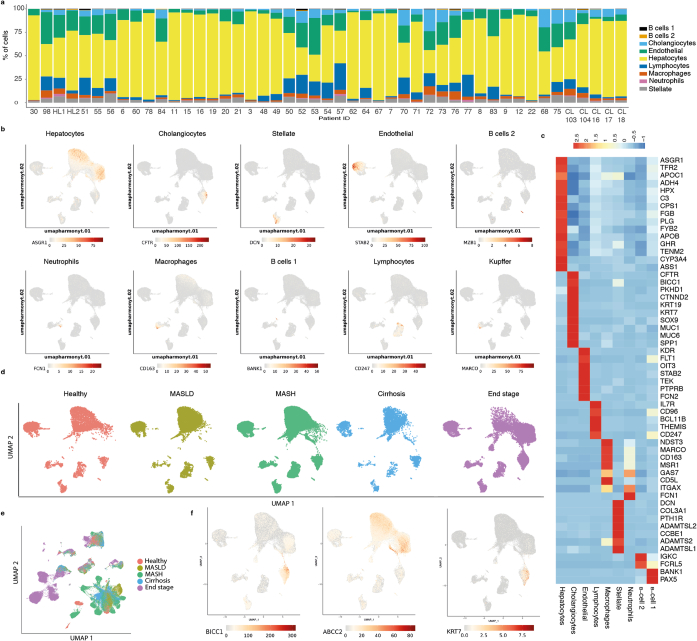
“3: GSE202379 is presented in panel A, the Human Dataset in panel B, and GSE262939 in panel C. Basic cell annotation labels were added from the original publication for GSE202379 110 or using manual cell marker annotation for our Duke Dataset.”
InfluentialLiver regeneration after injury: Mechanisms, cellular interactions and therapeutic innovations
Liu, Q., Wang, S., Fu, J., Chen, Y., Xu, J., Wei, W., Song, H., Zhao, X., & Wang, H. (2024) · Clinical and Translational Medicine · doi:10.1002/ctm2.1812 · Cited by 49
“78 Cholangiocyte organoids demonstrated the importance of the PI3K– AKT–mTOR pathway in functional validations, connecting it to insulin signalling.”
Background
Metadata
- Authors
- Gribben, C., Galanakis, V., Calderwood, A., Williams, E. C., Chazarra-Gil, R., Larraz, M., Frau, C., Puengel, T., Guillot, A., Rouhani, F. J., Mahbubani, K., Godfrey, E., Davies, S. E., Athanasiadis, E., Saeb-Parsy, K., Tacke, F., Allison, M., Mohorianu, I., & Vallier, L.
- Affiliations
- Wellcome/MRC Cambridge Stem Cell Institute (GB)
- Berlin Institute of Health at Charité - Universitätsmedizin Berlin (DE)
- Charité – Universitätsmedizin Berlin (DE)
- The Francis Crick Institute (GB)
- University of Cambridge (GB)
- Addenbrooke's Hospital (GB)
- Cambridge University Hospitals NHS Foundation Trust (GB)
- Biomedical Research Foundation of the Academy of Athens (GR)
- Corresponding author
- Allison, Michael
- Mohorianu, Irina
- Vallier, Ludovic
- ORCID
- Gribben, Christopher
- Galanakis, Vasileios
- Williams, Eleanor C.
- Chazarra-Gil, Ruben
- Larraz, Miguel
- Frau, Carla
- Puengel, Tobias
- Guillot, Adrien
- Rouhani, Foad J.
- Mahbubani, Krishnaa
- Godfrey, Edmund
- Davies, Susan E.
- Athanasiadis, Emmanouil
- Saeb-Parsy, Kourosh
- Tacke, Frank
- Allison, Michael
- Mohorianu, Irina
- Vallier, Ludovic
- Venue
- Nature
- Published
- 2024-05-22
- Volume
- 630
- Issue
- 8015
- Pages
- 166-173
- ISSN
- 0028-0836 (ISSN-L)
- 1476-4687
- PMC
- PMC11153150
- OpenAlex
- W4398201925
- Cited by
- 142
- References
- 71
- Citations by year
- 2026: 55 · 2025: 69 · 2024: 17
- FWCI
- 36.91
- Type
- journal article
- Language
- en
- Open access
- hybrid
- doi.org
- Licence
- cc-by
- creativecommons.org/licenses/by/4.0 (tdm)
- creativecommons.org/licenses/by/4.0 (vor)
- Locations
- Nature (publishedVersion, cc-by)
- PubMed Central (publishedVersion, cc-by)
- PubMed (publishedVersion)
- Research Portal (King's College London) (publishedVersion, cc-by)
- RePEc: Research Papers in Economics (submittedVersion)
- Apollo (University of Cambridge) (submittedVersion, cc-by)
- Funders
- Wellcome Trust (203151/A/16/Z, 203151/Z/16/Z)
- Francis Crick Institute (CC2256)
- National Institute for Health and Care Research (CL-2016-14-004)
- Academy of Medical Sciences (SGL019\1092)
- Medical Research Council (MC_PC_17230)
- Topics
- Health Sciences › Medicine › Hepatology › Liver physiology and pathology
- Health Sciences › Medicine › Hepatology › Liver Disease Diagnosis and Treatment
- Life Sciences › Biochemistry, Genetics and Molecular Biology › Molecular Biology › Single-cell and spatial transcriptomics
- Keywords
- epithelial plasticity, chronic liver disease, non-alcoholic fatty liver disease, liver regeneration, hepatocyte zonation, PI3K/AKT/mTOR pathway, insulin signaling, cholangiocyte organoids, single-nucleus RNA sequencing, liver architecture
- MeSH terms
- Cell Plasticity, RNA-Seq, Biliary Tract, Biopsy, Chronic Disease, Epithelial Cells, Female, Humans, Insulin, Liver, Liver Diseases, Liver Regeneration, Male, Organoids, Signal Transduction, Disease Progression, Phosphatidylinositol 3-Kinases, Hepatocytes, Proto-Oncogene Proteins c-akt, Cell Transdifferentiation, TOR Serine-Threonine Kinases, Single-Cell Analysis
About these checks
Registry, retraction, Cites and statistics results are computed, not judged, with one exception: a printed reference that no index lists is read once by a model before it counts as a citation error. Claims are extracted by a model and kept only when their quote appears verbatim in the text; each cited source is then checked, with a model’s help, for whether it says what the claim relies on. Those verdicts can be wrong — read the claim’s quote and the cited source before relying on one.
Statistics and arithmetic are recomputed, not judged.
Confidence bands are shown only for fields calibrated on our annotated test set. None is calibrated yet, so no band is shown.
What counts as a claim ›How we measure confidence ›How we check this ›
Are you an author, or do you see a problem with this page? Request a review
Data sources
Bibliographic data: Semantic Scholar, OpenAlex, Crossref.
Contains information from the Semantic Scholar Academic Graph Datasets, made available under the ODC Attribution License (ODC-BY 1.0).
Semantic Scholar’s data is described in: Kinney, R., et al. (2023). The Semantic Scholar Open Data Platform. arXiv:2301.10140.
