

Bridge RNAs direct programmable recombination of target and donor DNA
Open accessThe DOI matches its Crossref record; 72 of the 72 references it cites were found in a registry or an index.
Abstract
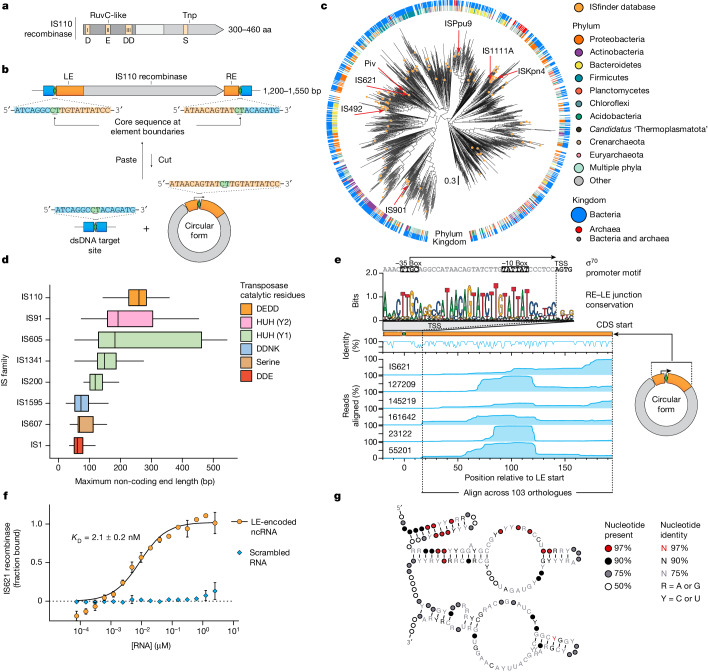
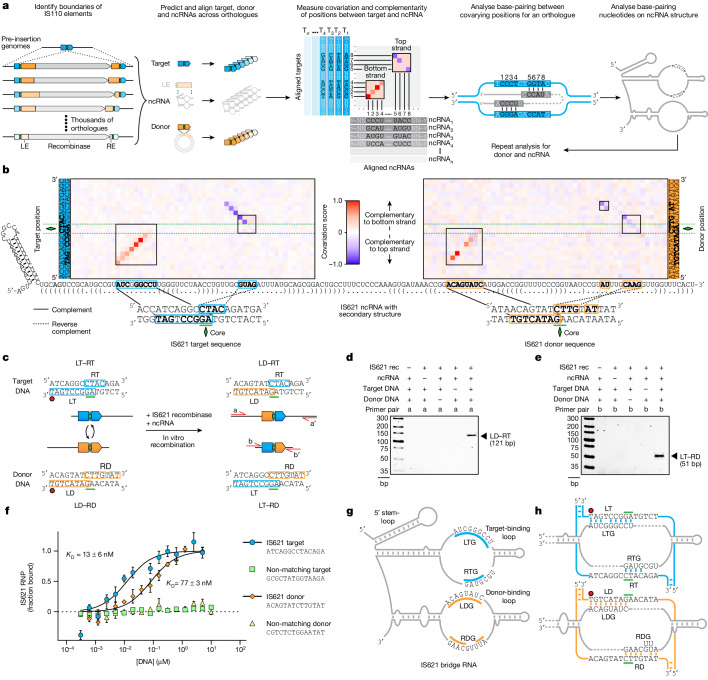
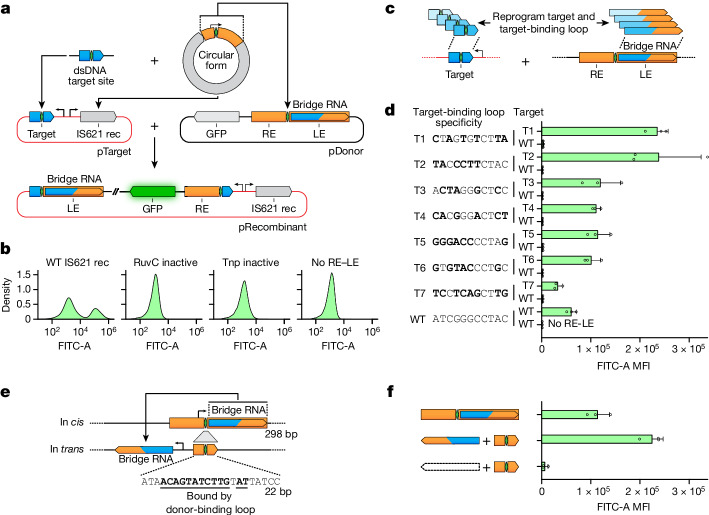
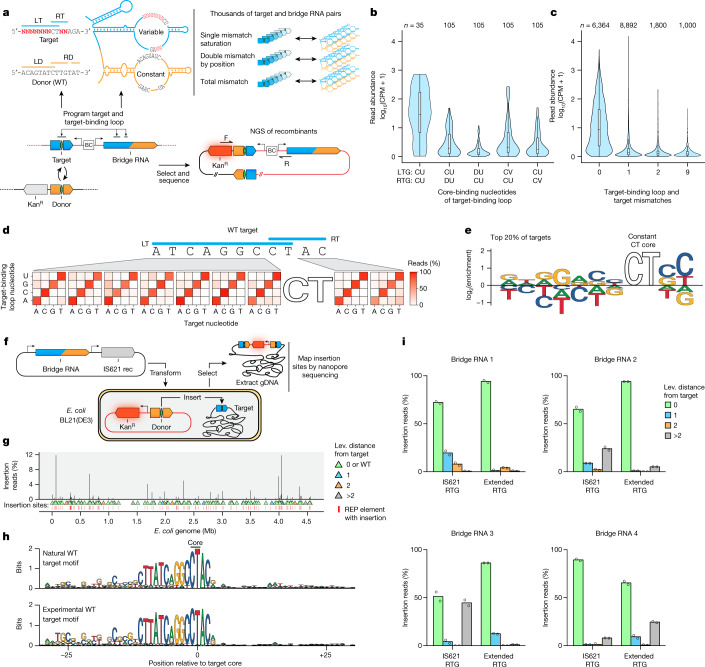
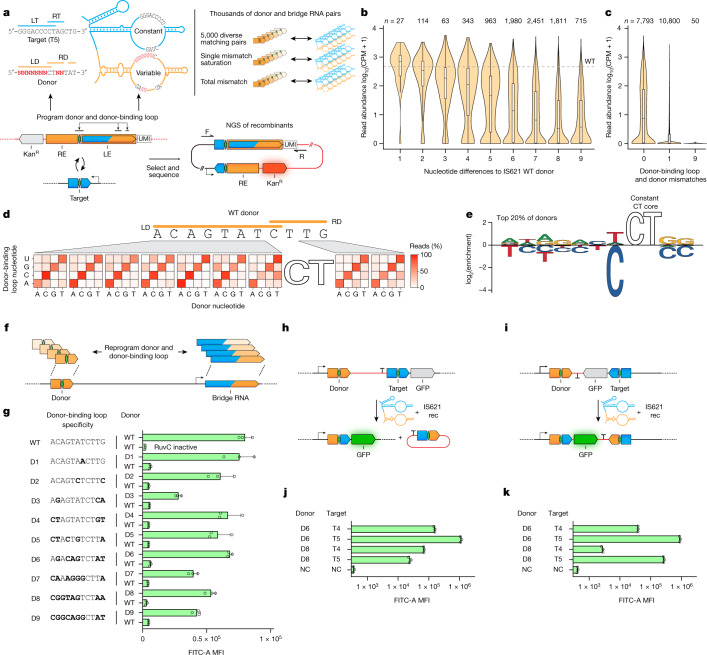
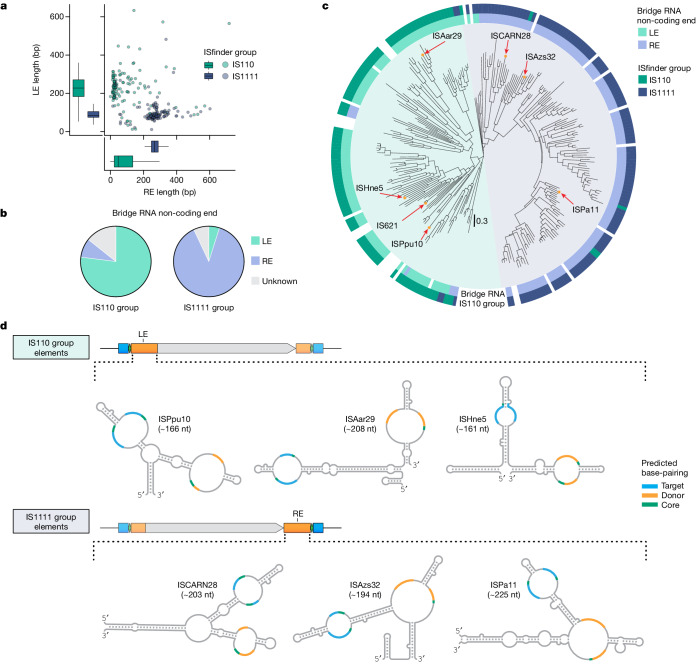
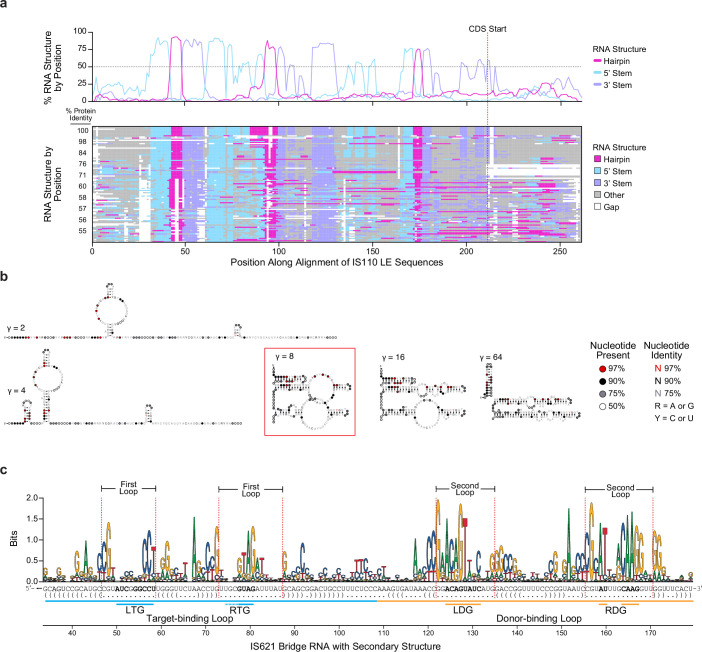
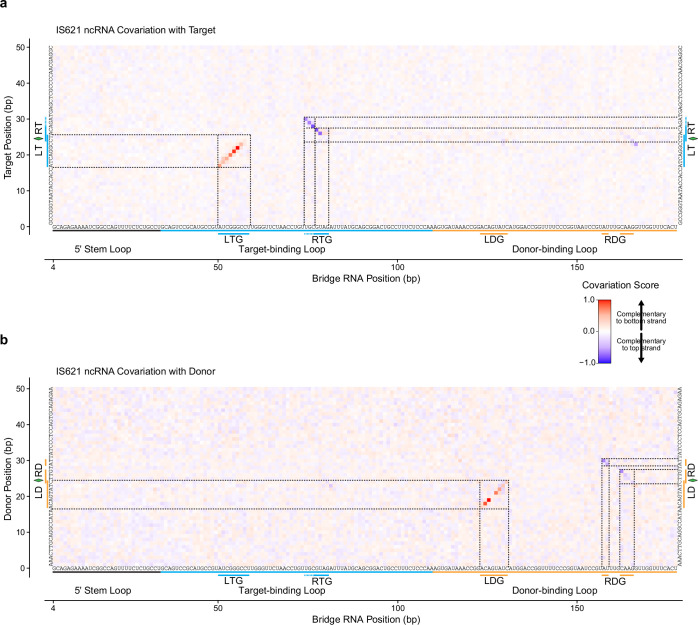
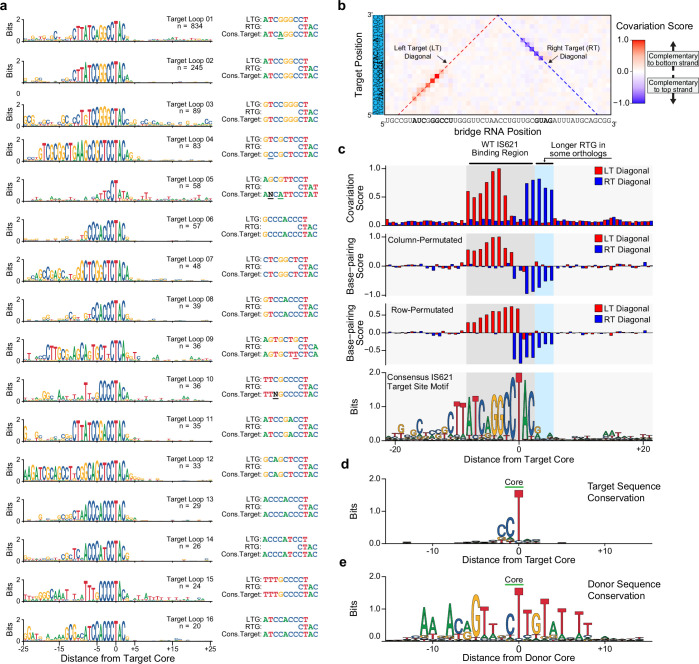
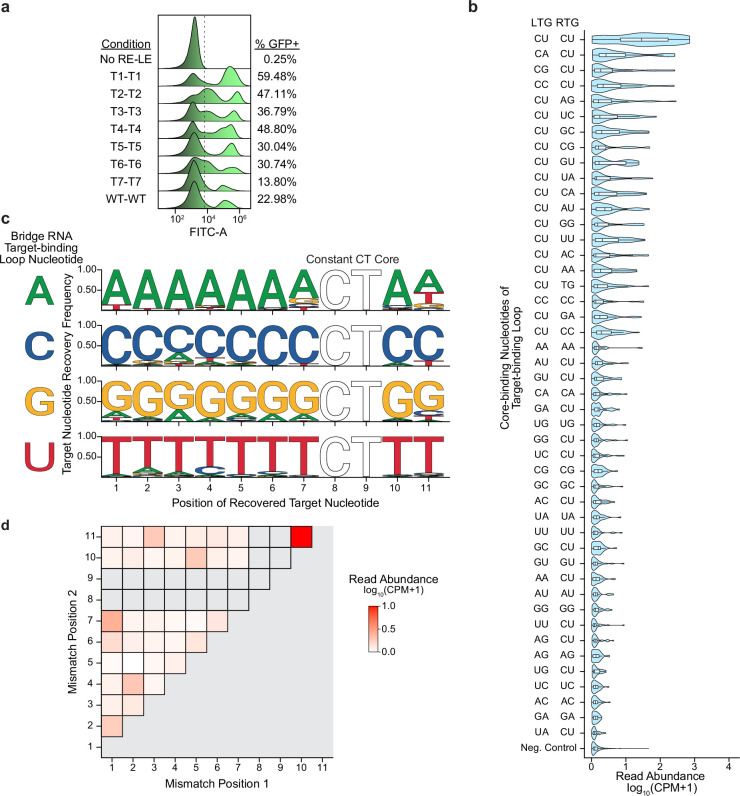
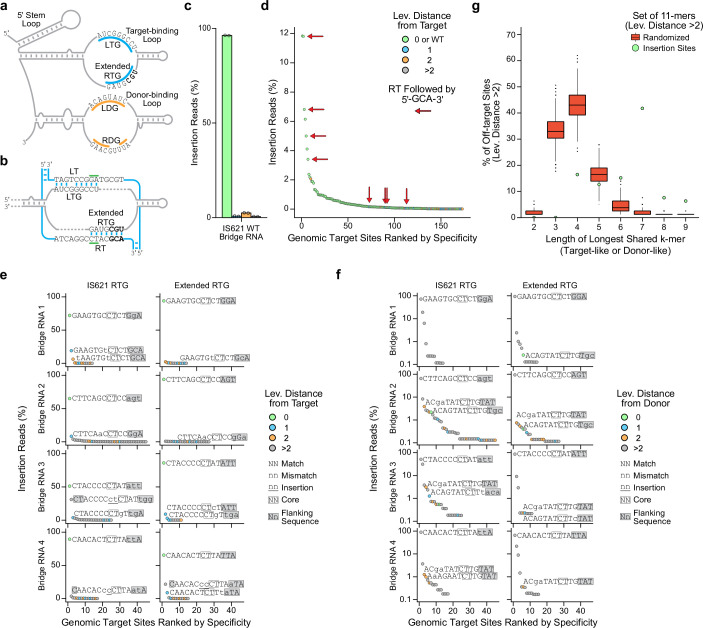
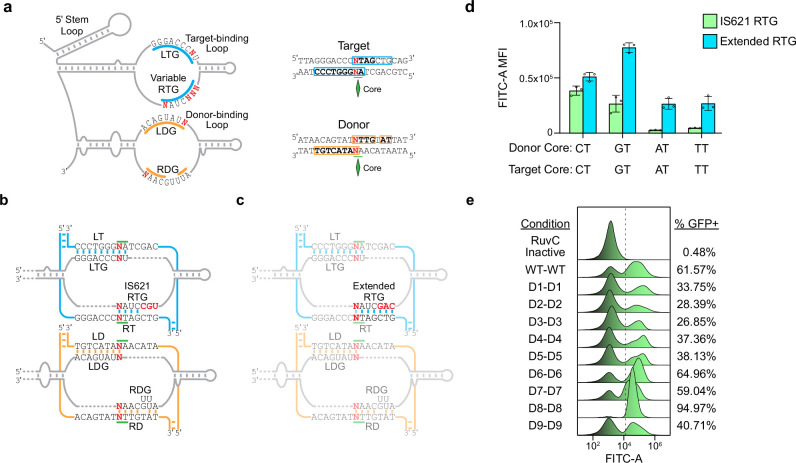
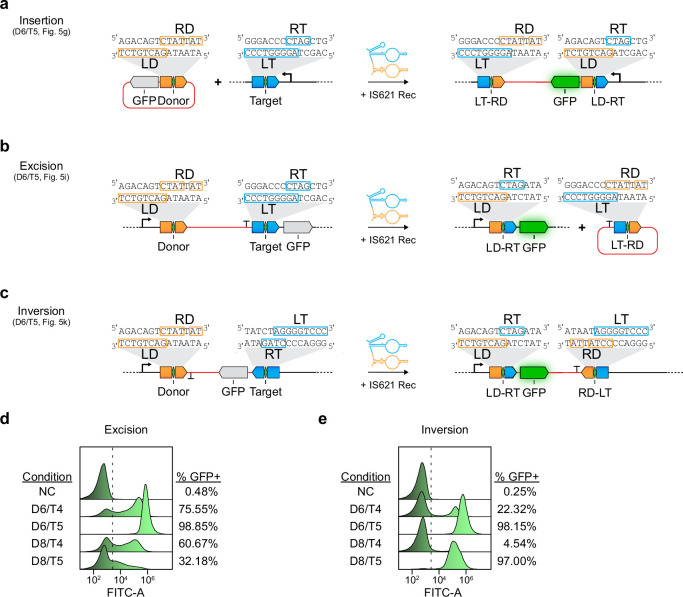
Genomic rearrangements, encompassing mutational changes in the genome such as insertions, deletions or inversions, are essential for genetic diversity. These rearrangements are typically orchestrated by enzymes that are involved in fundamental DNA repair processes, such as homologous recombination, or in the transposition of foreign genetic material by viruses and mobile genetic elements 1,2 . Here we report that IS110 insertion sequences, a family of minimal and autonomous mobile genetic elements, express a structured non-coding RNA that binds specifically to their encoded recombinase. This bridge RNA contains two internal loops encoding nucleotide stretches that base-pair with the target DNA and the donor DNA, which is the IS110 element itself. We demonstrate that the target-binding and donor-binding loops can be independently reprogrammed to direct sequence-specific recombination between two DNA molecules. This modularity enables the insertion of DNA into genomic target sites, as well as programmable DNA excision and inversion. The IS110 bridge recombination system expands the diversity of nucleic-acid-guided systems beyond CRISPR and RNA interference, offering a unified mechanism for the three fundamental DNA rearrangements—insertion, excision and inversion—that are required for genome design.
Overview
The claims and statistics of this paper haven’t been checked yet.
Free: it reads the open-access text and checks the first 5 claims that cite a source we can check. Create a free account to check every claim.
Integrity signals
Registry
Cites
Statistics
Figures
Verification
Claims the paper makes
The claims and statistics of this paper haven’t been checked yet.
Free: it reads the open-access text and checks the first 5 claims that cite a source we can check. Create a free account to check every claim.
Claims other papers make about this one
Each is checked against this paper’s own text: does it say what the citing paper says it does?
The cited source says what the claim attributes to it.
In the citing paper
“Combined with advances in large-scale genome modification (90), Evo expands the scope of biological engineering and design to the scale of whole genomes.”
From Sequence modeling and design from molecular to genome scale with Evo (2024) · cites this paper as [90]
Self-check
Percentages, sums and reported differences re-computed from the paper’s own numbers.
The self-check needs the paper’s full text.
Citations
Cites
Basic local alignment search tool
Altschul, S. F., Gish, W., Miller, W., Myers, E. W., & Lipman, D. J. (1990) · Journal of Molecular Biology · doi:10.1006/jmbi.1990.9999 · Cited by 98,669
Fast and accurate short read alignment with Burrows-Wheeler transform
Li, H., & Durbin, R. (2009) · Bioinformatics · doi:10.1093/bioinformatics/btp324 · Cited by 58,607
BEDTools: a flexible suite of utilities for comparing genomic features
Quinlan, A. R., & Hall, I. M. (2010) · Bioinformatics · doi:10.1093/bioinformatics/btq033 · Cited by 27,437
Prokka: rapid prokaryotic genome annotation
Seemann, T. (2014) · Bioinformatics · doi:10.1093/bioinformatics/btu153 · Cited by 18,818
A Programmable Dual-RNA–Guided DNA Endonuclease in Adaptive Bacterial Immunity
Jinek, M., Chylinski, K., Fonfara, I., Hauer, M., Doudna, J. A., & Charpentier, E. (2012) · Science · doi:10.1126/science.1225829 · Cited by 17,116
MAFFT: a novel method for rapid multiple sequence alignment based on fast Fourier transform
Katoh, K. (2002) · Nucleic Acids Research · doi:10.1093/nar/gkf436 · Cited by 17,027
IQ-TREE 2: New models and efficient methods for phylogenetic inference in the genomic era
(2019) · doi:10.1101/849372 · Cited by 16,873
IQ-TREE 2: New Models and Efficient Methods for Phylogenetic Inference in the Genomic Era
Minh, B. Q., Schmidt, H. A., Chernomor, O., Schrempf, D., Woodhams, M. D., von Haeseler, A., & Lanfear, R. (2020) · Molecular Biology and Evolution · doi:10.1093/molbev/msaa015 · Cited by 16,873
Potent and specific genetic interference by double-stranded RNA in Caenorhabditis elegans
Fire, A., Xu, S., Montgomery, M. K., Kostas, S. A., Driver, S. E., & Mello, C. C. (1998) · Nature · doi:10.1038/35888 · Cited by 15,429
Multiplex Genome Engineering Using CRISPR/Cas Systems
Cong, L., Ran, F. A., Cox, D., Lin, S., Barretto, R., Habib, N., Hsu, P. D., Wu, X., Jiang, W., Marraffini, L. A., et al. (2013) · Science · doi:10.1126/science.1231143 · Cited by 15,339
Self-citation
Cited by
Sequence modeling and design from molecular to genome scale with Evo
Nguyen, E., Poli, M., Durrant, M. G., Kang, B., Katrekar, D., Li, D. B., Bartie, L. J., Thomas, A. W., King, S. H., Brixi, G., et al. (2024) · Science · doi:10.1126/science.ado9336 · Cited by 580
“Combined with advances in large-scale genome modification ( 90 ), Evo expands the scope of biological engi-neeringanddesigntothescaleofwholegenomes.”
Self-citationGenome modelling and design across all domains of life with Evo 2
Brixi, G., Durrant, M. G., Ku, J., Naghipourfar, M., Poli, M., Sun, G., Brockman, G., Chang, D., Fanton, A., Gonzalez, G. A., et al. (2026) · Nature · doi:10.1038/s41586-026-10176-5 · Cited by 715
“These capabilities, combined with large-scale DNA manipulation 59 , may enable programmable design of more complex biological functions.”
Self-citationAdvances in molecular pathology and therapy of non-small cell lung cancer
Huang, Q., Li, Y., Huang, Y., Wu, J., Bao, W., Xue, C., Li, X., Dong, S., Dong, Z., & Hu, S. (2025) · Signal Transduction and Targeted Therapy · doi:10.1038/s41392-025-02243-6 · Cited by 197
CRISPR–Cas applications in agriculture and plant research
Tuncel, A., Pan, C., Clem, J. S., Liu, D., & Qi, Y. (2025) · Nature Reviews Molecular Cell Biology · doi:10.1038/s41580-025-00834-3 · Cited by 159
Structural mechanism of bridge RNA-guided recombination
Hiraizumi, M., Perry, N. T., Durrant, M. G., Soma, T., Nagahata, N., Okazaki, S., Athukoralage, J. S., Isayama, Y., Pai, J. J., Pawluk, A., et al. (2024) · Nature · doi:10.1038/s41586-024-07570-2 · Cited by 93
Self-citationGenerative design of bacteriophages with genome language models
King, S. B., Driscoll, C. L., Li, D. B., Guo, D., Merchant, A. T., Brixi, G., Wilkinson, M. E., & Hie, B. (2026) · Science · doi:10.1126/science.aec2657 · Cited by 120
Xu, W., Zhang, S., Qin, H., & Yao, K. (2024) · Journal of Translational Medicine · doi:10.1186/s12967-024-05957-3 · Cited by 85
New frontiers in CRISPR: Addressing antimicrobial resistance with Cas9, Cas12, Cas13, and Cas14
Agha, A. S. A. A., Al-Samydai, A. M., & Aburjai, T. A. (2025) · Heliyon · doi:10.1016/j.heliyon.2025.e42013 · Cited by 83
“In addition, recent advancements such as seekRNA and bridgeRNA introduce programmable RNA-guided DNA recombination systems that bypass the need for double-strand breaks, a typical limitation in CRISPR-based technologies [119,120].”
Recent advances in therapeutic gene-editing technologies
Liu, D., Cao, D., & Han, R. (2025) · Molecular Therapy · doi:10.1016/j.ymthe.2025.03.026 · Cited by 77
“243 This dual specificity enables precise “bridging” of donor and target DNA, facilitating error-free transposition of sequences up to 5 kb. 244 Notably, the target-and donor-binding loops are independently programmable, offering the flexibility to direct transpositions to various genomic loci,…”
Phage-triggered reverse transcription assembles a toxic repetitive gene from a noncoding RNA
Wilkinson, M. E., Li, D., Gao, L., Macrae, R. K., & Zhang, F. (2024) · Science · doi:10.1126/science.adq3977 · Cited by 68
“RT enzymes elongate primers by transesterification of a deoxynucleotide triphosphate (dNTP) complementary to the template RNA base next to the PBS, which for the DRT2 RNP is base C141.”
TIGR-Tas: A family of modular RNA-guided DNA-targeting systems in prokaryotes and their viruses
Faure, G., Saito, M., Wilkinson, M. E., Quinones‐Olvera, N., Xu, P., Flam-Shepherd, D., Kim, S. S., Reddy, N. R., Zhu, S., Evgeniou, L., et al. (2025) · Science · doi:10.1126/science.adv9789 · Cited by 79
“S2), and IS110 was recently demonstrated to function as a RNA-guided recombinase (30, 31).”
Jayalath, S. U., & de Alwis, A. A. P. (2025) · ACS Omega · doi:10.1021/acsomega.5c00684 · Cited by 68
Chemical engineering of CRISPR–Cas systems for therapeutic application
Barber, H. M., Pater, A. A., Gagnon, K. T., Damha, M. J., & O’Reilly, D. (2024) · Nature Reviews Drug Discovery · doi:10.1038/s41573-024-01086-0 · Cited by 65
“…understanding the 2′-hydroxyl barrier will likely not only accelerate CRISPR-based therapeutics but also impact other RNA-guided systems beyond CRISPR that might eventually find therapeutic applications, such as the recently discovered bridge RNA-guided IS110-based recombination system 118 .”
The genome awakens: transposon-mediated gene regulation
Tossolini, I., Mencia, R., Arce, A. L., & Manavella, P. A. (2025) · Trends in Plant Science · doi:10.1016/j.tplants.2025.02.005 · Cited by 60
The design and engineering of synthetic genomes
James, J. S., Dai, J., Chew, W. L., & Cai, Y. (2024) · Nature Reviews Genetics · doi:10.1038/s41576-024-00786-y · Cited by 61
“Notably, programmable recombinases promise the avoidance of both recombination scarring and recombination site installation requirements 288–290 .”
Megabase-scale human genome rearrangement with programmable bridge recombinases
Perry, N. T., Bartie, L. J., Katrekar, D., Gonzalez, G. A., Durrant, M. G., Pai, J. J., Fanton, A., Martins, J. Q., Hiraizumi, M., Ricci-Tam, C., et al. (2025) · Science · doi:10.1126/science.adz0276 · Cited by 49
Self-citationUnlocking the potential of cultivated meat through cell line engineering
Riquelme‐Guzmán, C., Stout, A. J., Kaplan, D. L., & Flack, J. E. (2024) · iScience · doi:10.1016/j.isci.2024.110877 · Cited by 41
Semantic design of functional de novo genes from a genomic language model
(2025) · doi:10.1038/s41586-025-09749-7 · Cited by 35
“Gene‐Editing” Design Upgrades Eutectic‐Polymer Electrolytes with Ultra‐High Li + Conductivity
Li, Z., Wang, H., Zheng, Y. H., Zhu, Y., Qin, B., Lu, Z., Yan, W., & Zhang, J. (2025) · Angewandte Chemie International Edition · doi:10.1002/anie.202508857 · Cited by 32
Harnessing artificial intelligence to advance CRISPR-based genome editing technologies
Thomson, T., Li, G. L., Strilchuk, A. W., Cui, H., Wang, B., & Li, B. (2025) · Nature Reviews Genetics · doi:10.1038/s41576-025-00907-1 · Cited by 43
“For instance, transposon-based systems 136–138 and recently discovered bridge RNAs 139,140 are emerging as promising tools for site-specific insertion of large genetic payloads.”
Engineering a New Generation of Gene Editors: Integrating Synthetic Biology and AI Innovations
Chia, B. S., Seah, S., Wang, B., Shen, K., Srivastava, D., & Chew, W. L. (2025) · ACS Synthetic Biology · doi:10.1021/acssynbio.4c00686 · Cited by 33
CRISPR-based therapeutic genome editing for inherited blood disorders
Levesque, S., & Bauer, D. E. (2025) · Nature Reviews Drug Discovery · doi:10.1038/s41573-025-01236-y · Cited by 39
Programmable genome engineering and gene modifications for plant biodesign
Liu, J., Zhang, R., Chai, N., Su, L., Zheng, Z., Liu, T., Guo, Z., Ma, Y., Xie, Y., Xie, X., et al. (2025) · Plant Communications · doi:10.1016/j.xplc.2025.101427 · Cited by 31
“The bridge RNA system uses bispecific RNA loops and a recombinase to facilitate scarless DNA recombination, providing a modular platform for insertions and inversions (Durrant et al., 2024).”
Programmable trans-splicing riboregulators for complex cellular logic computation
Gao, Y., Mardian, R., Ma, J., Yang, L., French, C. E., & Wang, B. (2025) · Nature Chemical Biology · doi:10.1038/s41589-024-01781-4 · Cited by 32
“These studies together revealed how the large, catalytic RNAs could be manipulated and studied by synthetic biology approaches, which can be applied in other RNAs with complex functions, such as the group II ribozymes 41 cleaving DNA and bridge RNAs 42 guiding DNA recombination.”
R2DT: a comprehensive platform for visualizing RNA secondary structure
McCann, H., Meade, C. D., Williams, L. D., Petrov, A. S., Johnson, P. Z., Simon, A. E., Hoksza, D., Nawrocki, E. P., Chan, P. P., Lowe, T. M., et al. (2025) · Nucleic Acids Research · doi:10.1093/nar/gkaf032 · Cited by 31
“Figure 1 D shows a bridge RNA from E. coli that was recently discovered [ 22 ] and does not yet have a template, but can still be visualized in a template-free mode.”
Programmable genome editing in human cells using RNA-guided bridge recombinases
Pelea, O., Tálas, A., Carrera, J. F., Mathis, N., van de Venn, L., Yeh, C. D., Kulcsár, P. I., Marquart, K. F., Weber, Y., Gerecke, S. E., et al. (2026) · Science · doi:10.1126/science.adz1884 · Cited by 26
Gene therapy for polygenic or complex diseases
Wu, T., Hu, Y., & Tang, L. V. (2024) · Biomarker Research · doi:10.1186/s40364-024-00618-5 · Cited by 27
“The Bridge RNAs direct programmable genome-editing system is based on a bispecific non-coding RNA expressed by the IS110 family of mobile genetic elements that enables the precise insertion, excision, or inversion of specific target DNA sequences [21].”
BackgroundDeciphering Multidrug-Resistant Pseudomonas aeruginosa: Mechanistic Insights and Environmental Risks
Yang, P., Hamar, P., & Pei, D. (2025) · Toxics · doi:10.3390/toxics13040303 · Cited by 20
“Another feasible treatment method is to use CRISPR-Cas9 technology [63] or bridge RNA-guided gene editing [64] to excise resistance genes.”
Immune evasive DNA donors and recombinases license kilobase-scale writing
Tou, C. J., Xie, K., da Silva, J. F., Kalailingam, P., Amar‐Lewis, E., Rufino‐Ramos, D., Sawyer, W., Eller, M. L., Starzyk, J., Majumdar, I. D., et al. (2026) · Nature · doi:10.1038/s41586-026-10241-z · Cited by 20
“We also performed experiments with RNA-programmable bridge recombinases 13,14 (Supplementary Fig.”
Third-generation novel technologies for gene editing
Gupta, P. K., & Kumar, S. (2025) · Trends in biotechnology · doi:10.1016/j.tibtech.2025.07.012 · Cited by 24
The evolving landscape of precise DNA insertion in plants
Vu, T. V., Nguyen, N. T., Kim, J., Sung, Y. W., Chung, W. S., & Kim, J. (2025) · Nature Communications · doi:10.1038/s41467-025-66715-7 · Cited by 24
CRISPR/Cas-Based Gene Editing Tools for Large DNA Fragment Integration
Yang, S., Hu, G., Wang, J., & Song, J. (2024) · ACS Synthetic Biology · doi:10.1021/acssynbio.4c00632 · Cited by 19
Advances and prospects of large DNA fragment editing in plants
Zhao, Y., Liang, Y., Ni, Z., Sun, Q., Zong, Y., & Wang, Y. (2025) · Nature Plants · doi:10.1038/s41477-025-02160-0 · Cited by 19
“The novel recombinases, such as bridge-RNA-mediated recombinases for scarless genome rearrangements in mammalian cells 100,101 , alongside the engineering of orthogonal RSs or bridge RNAs to enable simultaneous and independent manipulation of distinct recombination events, represent a valuable…”
Retargeted serine integrases for one-step, precise integration of large DNA sequences in human cells
Fauser, F., Arangundy‐Franklin, S., Davis, J. E., Liu, L., Schmidt, N., Rodriguez, L., Xia, D. F., Nguyen, N., Zhou, Y., Scarlott, N. A., et al. (2026) · Nature Biotechnology · doi:10.1038/s41587-026-03186-1 · Cited by 17
Circular RNA-mediated inverse prime editing in human cells
Liang, R., Wang, S., Cai, Y., Li, Z., Li, K., Wei, J., Sun, C., Zhu, H., Chen, K., & Gao, C. (2025) · Nature Communications · doi:10.1038/s41467-025-59120-7 · Cited by 20
Autonomous Nucleic Acid and Protein Nanocomputing Agents Engineered to Operate in Living Cells
Panigaj, M., Roy, T. B., Skelly, E., Chandler, M. R., Wang, J., Ekambaram, S., Bircsak, K. M., Dokholyan, N. V., & Afonin, K. A. (2025) · ACS Nano · doi:10.1021/acsnano.4c13663 · Cited by 18
Advances in large-scale DNA engineering with the CRISPR system
Gwon, L. W., Badon, I. W., Lee, Y., Kim, H., & Lee, S. H. (2025) · Experimental & Molecular Medicine · doi:10.1038/s12276-025-01530-0 · Cited by 18
“Notably, IS110 family elements (IS621) demonstrate target-speci fi c gene recombination capacity through reprogrammable bridge RNAs 44,45 (Fig.”
InfluentialTransgene integration in mammalian cells: The tools, the challenges, and the future
Fong, J. H. C., & Ceroni, F. (2025) · Cell Systems · doi:10.1016/j.cels.2025.101426 · Cited by 20
Engineering structural variants to interrogate genome function
Koeppel, J., Weller, J., Vanderstichele, T., & Parts, L. (2024) · Nature Genetics · doi:10.1038/s41588-024-01981-7 · Cited by 13
“Although the majority of available data are from bacteria 103 , there is some evidence that this approach is also successful in mammalian cells according to a recent patent application on the use of bridge recombination for genome engineering (W0/2024/119154).”
Beyond a few bases: methods for large DNA insertion and gene targeting in plants
Vollen, K., Alonso, J. M., & Stepanova, A. N. (2025) · The Plant Journal · doi:10.1111/tpj.70099 · Cited by 13
“IS110 -family insertion sequences are bacterial mobile genetic elements that, when excised from the genome, form a circular DNA structure capable of expressing a structural non-coding (nc) RNA and IS110 -family recombinase (Durrant et al., 2024; Hiraizumi et al., 2024).”
InfluentialHarnessing the potential of gene editing technology for CAR-T cell therapy of solid tumors
Khodabandehloo, E., Rayati, M., Ahmadi, E., Naghdibadi, M., Moradi, V., & Ahmadbeigi, N. (2025) · Inflammation and Regeneration · doi:10.1186/s41232-025-00398-x · Cited by 16
“While seekRNA primarily targets a single genomic site, enabling efficient and safe integration of large sequences without creating double-strand breaks, bridgeRNA extends this concept by linking multiple DNA regions, allowing more complex and flexible genome engineering [69, 70].”
CRISPR–Cas systems and applications for crop bioengineering
Uranga, M., Martín‐Hernández, A. M., Storme, N. D., & Pasin, F. (2024) · Frontiers in Bioengineering and Biotechnology · doi:10.3389/fbioe.2024.1483857 · Cited by 15
RNAproDB: A Webserver and Interactive Database for Analyzing Protein–RNA Interactions
Mitra, R., Cohen, A. S., Tang, W. Y., Hosseini, H., Hong, Y., Berman, H. M., & Rohs, R. (2025) · Journal of Molecular Biology · doi:10.1016/j.jmb.2025.169012 · Cited by 13
Precise Gene Knock‐In Tools with Minimized Risk of DSBs: A Trend for Gene Manipulation
Liu, Y. H., Kong, J., Liu, G., Li, Z., & Xiao, Y. (2024) · Advanced Science · doi:10.1002/advs.202401797 · Cited by 13
Gene therapy strategies for aging intervention
Jing, Y., Ren, J., Qu, J. T., & Liu, G. (2025) · Cell Insight · doi:10.1016/j.cellin.2025.100254 · Cited by 11
“In addition to traditional gene editing technologies like CRISPR-Cas systems, RNA-editing methods are emerging as powerful tools for precise genetic modifications, such as bridge RNA systems (Cheng et al., 2024; Durrant et al., 2024).”
Barley's gluten challenge: A path to hordein-free food and malt
Hanak, T., Andrzejczak, O., Hebelstrup, K. H., & Brinch‐Pedersen, H. (2024) · Plant Physiology and Biochemistry · doi:10.1016/j.plaphy.2024.109174 · Cited by 9
Fu, B., Ma, H., Huo, X., Zhu, Y. J., & Liu, D. (2024) · Biomolecules · doi:10.3390/biom14111409 · Cited by 10
“At the same time, it should be noted that some novel technologies in the field of gene editing, such as bridge RNA-guided recombination systems, are demonstrating unique technical advantages [20].”
InfluentialPrecise genome editing process and its applications in plants driven by AI
Jiang, B., An, Z., Niu, L., & Qin, D. (2025) · Functional & Integrative Genomics · doi:10.1007/s10142-025-01619-9 · Cited by 10
“It enables sequence-specific rearrangements (including insertions, excisions, and inversions) to be directly carried out between two DNA molecules (Durrant et al. 2024; Hiraizumi et al. 2024).”
Bindal, G., & Rath, D. (2025) · Synthetic biology and engineering · doi:10.70322/sbe.2025.10014 · Cited by 15
Song, X., Dang, C., Wang, F., Yao, H., Song, Q., & Yè, G. (2026) · GM crops & food · doi:10.1080/21645698.2026.2641893 · Cited by 11
Migliori, V., Bruntraeger, M., Gyulev, I. S., Lichou, F., Burgold, T., Gitterman, D. P., Iwama, S., Trinh, A. L., Washer, S. J., Jones, C. P., et al. (2025) · Nucleic Acids Research · doi:10.1093/nar/gkaf809 · Cited by 9
“Also, the target sites are somewhat limited by directionality of the PE process and availability of Cas9 cut sites [ 33 ].”
Strategies and mechanisms of precision genome engineering: From gene editing to genome writing
Huang, K., Tian, J., Zhao, W., Zhang, S., Xiang, L., Yang, M., Ls, L., Huang, Y., Zhang, N., Sun, L., et al. (2026) · iMetaOmics. · doi:10.1002/imo2.70115 · Cited by 10
Vaysset, H., Meers, C., Cury, J., Bernheim, A., & Sternberg, S. H. (2025) · Nature Microbiology · doi:10.1038/s41564-024-01889-2 · Cited by 8
Non-viral intron knock-ins for targeted gene integration into human T cells and for T-cell selection
Roth, T. L., Lu, J., McClellan, A. K., Kernick, C., Takacsi-Nagy, O., & Satpathy, A. T. (2025) · Nature Biomedical Engineering · doi:10.1038/s41551-025-01372-1 · Cited by 10
“Unlike exonic knock-ins, intron knock-ins do not need to be inserted at an exact base-pair target site, expanding the potential range of editors that can be used for integration to targeted but inexact transposases, integrases and recombinases 42–46 .”
Gallo, D., Meunier, A., & Périn, C. (2025) · Frontiers in Genome Editing · doi:10.3389/fgeed.2025.1663352 · Cited by 13
Structure and evolution-guided design of minimal RNA-guided nucleases
Skopintsev, P., Esain-Garcia, I., DeTurk, E. C., Yoon, P. H., Zhou, Z., Weiss, T. J., Kamalu, M., Chamraj, A., Loi, K. J., Langeberg, C. J., et al. (2026) · Science · doi:10.1126/science.aed6123 · Cited by 13
Exapted CRISPR–Cas12f homologues drive RNA-guided transcription
Hoffmann, F. T., Wiegand, T., Palmieri, A. I., Glass-Klaiber, J., Xiao, R., Tang, S., Le, H. C., Meers, C., Lampe, G. D., Chang, L., et al. (2026) · Nature · doi:10.1038/s41586-026-10166-7 · Cited by 11
“The recent discovery of RNA-guided transposases encoded by IS110-family transposons 13,14 , as well as their striking resemblance to eukaryotic homologs comprising Nop5 domains 15 , establishes the pervasive degree to which mobile, noncoding RNAs were exapted for essential functions ranging from…”
Ramasamy, S. P., Rathnasamy, S. A., Sudha, M., Gopalakrishnan, C., Balakrishnan, N., Swaminathan, M., Seshadri, G., & Muthurajan, R. (2025) · Physiological and Molecular Plant Pathology · doi:10.1016/j.pmpp.2025.102640 · Cited by 8
Programmable RNA-guided enzymes for next-generation genome editing
Tou, C. J., & Kleinstiver, B. P. (2024) · Nature · doi:10.1038/d41586-024-01461-2 · Cited by 7
Promoter replacement by genome editing creates gain‐of‐function traits in Arabidopsis
Nobusawa, T., Nakano, M., Nagashima, Y., & Kusaba, M. (2025) · Plant Biotechnology Journal · doi:10.1111/pbi.70123 · Cited by 6
“Furthermore, the recently reported Bridge RNA system, which achieved programmed recombination in Escherichia coli , could be incorporated into this system for the innovative crop improvement (Durrant et al., 2024).”
“Gene‐Editing” Design Upgrades Eutectic‐Polymer Electrolytes with Ultra‐High Li + Conductivity
Li, Z., Wang, H., Zheng, Y., Zhu, Y., Qin, B., Lu, Z., Yan, W., & Zhang, J. (2025) · Angewandte Chemie · doi:10.1002/ange.202508857 · Cited by 6
Recent progress in plant genome engineering: from large insertions to chromosome number changes
Yaşar, S., Gehrke, F., Capdeville, N., & Puchta, H. (2026) · Current Opinion in Biotechnology · doi:10.1016/j.copbio.2025.103426 · Cited by 6
“Recently demonstrated to be biotechnologically applicable in E. coli , these target-and donor-binding loops can be independently reprogrammed to mediate insertion, excision, or inversion of DNA in a programmable manner [25].”
Bioinspired Backbone Editing Strategies for Rewriting Synthetic Polymers
Guo, S., Fu, J., Cui, S., Hu, J., Deng, Z., & Liu, S. (2026) · Angewandte Chemie International Edition · doi:10.1002/anie.202522451 · Cited by 7
Precise genomic integration of large DNA fragments by donor-directed annealing using prime editing
Jung, H., Jeong, B., Kim, Y.-W., Jung, C., Lee, S., Uhm, H., Kim, H., Oh, Y. E., Park, Y. H., Lee, Y., et al. (2026) · Nature Biotechnology · doi:10.1038/s41587-026-03301-2 · Cited by 7
Development and optimization of base editors and its application in crops
Jiang, C., Li, Y., Wang, R., Sun, X., Zhang, Y., & Zhang, Q. (2024) · Biochemical and Biophysical Research Communications · doi:10.1016/j.bbrc.2024.150942 · Cited by 9
Integrating Arabidopsis and crop species gene discovery for crop improvement
Bevan, M. W., Messerer, M., Gundlach, H., Kamal, N. M., Hall, A. J. W., Spannagl, M., & Mayer, K. (2025) · The Plant Cell · doi:10.1093/plcell/koaf087 · Cited by 6
Structural mechanism governing the directionality of bridge recombination
Hiraizumi, M., Athukoralage, J. S., Perry, N. T., Tsujimoto, E., Shiojiri, N., Nagahata, N., Lee, L., Sun, G., Durrant, M. G., Chandrasekaran, S. S., et al. (2026) · Nature · doi:10.1038/s41586-026-10903-y · Cited by 5
“Consistent with our previous findings 1,2 , we observed substantial enhancements in insertion efficiency with the RTG extension, with further additive improvement in combination with the RDG extension (Extended Data Fig.”
Self-citationA noncontiguous code for RNA-guided DNA recognition at the origin of CRISPR-Cas
Yoon, P. H., Loi, K. J., Zhang, Z. T., Docter, T. A., Lopez, S. C., Langeberg, C. J., ur-Rehman, M. M., Vohra, K., Zhou, Z., Esain-Garcia, I., et al. (2026) · Science · doi:10.1126/science.aei0498 · Cited by 9
TIGR on the loose: A dual-guide RNA system for DNA targeting
Brück, M., & Randau, L. (2025) · Molecular Cell · doi:10.1016/j.molcel.2025.04.007 · Cited by 5
Rapidly evolving genome and epigenome editing technologies
Tran, N. T., & Han, R. (2024) · Molecular Therapy · doi:10.1016/j.ymthe.2024.08.011 · Cited by 7
Designing AI-programmable therapeutics with the EDEN family of foundation modelsPreprint
Munsamy, G., Ayres, G., Greco, C., Kam, K. Y. K., Minto-Cowcher, G., John, J. S., Bohnuud, T., Bakalar, M. H., Chow, W., Pecoraro, R. J., et al. (2026) · bioRxiv (Cold Spring Harbor Laboratory) · doi:10.64898/2026.01.12.699009 · Cited by 11
Probiotics: From natural to artificial
Liu, L.-H., Zhang, X., Huang, Y., Chen, R., Huang, J., Wang, S., Li, W., & Jiang, A. (2026) · Biotechnology Advances · doi:10.1016/j.biotechadv.2026.108916 · Cited by 5
Hirose, J., Aizawa, E., Yamamoto, S., Iwai, S., & Suzuki, K. (2025) · Communications Medicine · doi:10.1038/s43856-025-00959-8 · Cited by 5
Parés-Guillén, E., Yuste, L., Rojo, F., & Moreno, R. (2025) · Nucleic Acids Research · doi:10.1093/nar/gkaf668 · Cited by 4
“To investigate this possibility, we leveraged the observation that several members of the IS 110 / IS 1111 family can excise from their insertion sites, forming double-stranded DNA circular elements believed to act as transposition intermediates [ 16 , 17 , 24 , 25 ].”
InfluentialEngineering RNA-guided bridge recombinases for precise large-scale genome editing
Gao, R., Wei, J., Sun, C., Liu, J., Li, Z., Li, Y., Gao, Q., Yang, K., & Gao, C. (2026) · Trends in biotechnology · doi:10.1016/j.tibtech.2026.07.025 · Cited by 4
Next generation genetic screens in kinetoplastids
Budzak, J., & Siegel, T. N. (2025) · Nucleic Acids Research · doi:10.1093/nar/gkaf515 · Cited by 4
IS110 transposon utilizes two mechanistically distinct RNA-guided transposition pathways
Sun, X., Yang, C., Cai, Z., Liu, L., Yue, X., Rao, S., Lou, H., & Xue, C. (2026) · Molecular Cell · doi:10.1016/j.molcel.2026.05.009 · Cited by 4
Promoter/enhancer replacement by genome editing for crop improvement
Nobusawa, T., Yamatani, H., & Kusaba, M. (2025) · Trends in Plant Science · doi:10.1016/j.tplants.2025.10.016 · Cited by 4
Non-viral delivery of genome-editing tools for treatment of genetic disorders
Yang, J., Chen, Y., Chen, X., & Ping, Y. (2026) · Acta Pharmaceutica Sinica B · doi:10.1016/j.apsb.2026.02.014 · Cited by 3
“For example, Durrant et al. 243 introduced a novel bridge RNA system enabling direct DNA recombination through a compact RNA-guided recombinase, thereby expanding the toolkit for treating genetic diseases involving large deletions.”
Zhang, F., Yan, D., Hou, J., Yang, D., Xiong, Y., Wen, M., & Zhu, X. (2026) · Plant Cell & Environment · doi:10.1111/pce.70634 · Cited by 3
“In 2024, Patrick Hsu et al. developed a novel bridging RNA tool (IS621) that is guided by RNA and enables sequence‐specific recombination between two DNA molecules (Durrant et al. 2024).”
VIPR RNA-guided DNA recognition by noncontiguous geometric triplex formation
Yoon, P. H., Docter, T. A., Zhang, Z. T., Loi, K. J., Lopez, S. C., Valentin-Alvarado, L. E., Tuck, O. T., Brohawn, S. G., & Doudna, J. A. (2026) · Science · doi:10.1126/science.aei3472 · Cited by 3
Coselection of BAC for Escherichia coli chromosomal DNA multiplex automated genome engineering
Wang, J., Wang, H., Wang, J., & Shang, G. (2024) · Biotechnology Letters · doi:10.1007/s10529-024-03554-4 · Cited by 3
“…its rapid development stage, for example, very recently, Hsu and colleagues, by utilizing the IS110 and recombinase elements, developed the bridge RNA-mediated sequence-specific recombination technology for programmable DNA insertion, excision and inversion in E. coli genome (Durrant et al. 2024).”
A compendium of noncoding RNAs as biomarkers in Type 2 Diabetes Mellitus
Manjusha, A. S., Mendonca, A., Manikandan, T., Sateesh, D., Swaminathan, A. R., Parameshwaran, D., Gupta, M., & Sujatha, S. (2025) · Journal of Pharmaceutical and Biomedical Analysis Open · doi:10.1016/j.jpbao.2025.100057 · Cited by 6
Bridge recombinase enables versatile rewriting of bacterial genomesPreprint
Patel, J. R., Swartz, S. E., Oromí-Bosch, A., Yong, L., LaTurner, Z. W., Demaray, J., Voelker, A., Ono, R., Vu, P., Rao, P., et al. (2026) · bioRxiv (Cold Spring Harbor Laboratory) · doi:10.64898/2026.04.29.721476 · Cited by 6
“We observed decreased editing efficiency of CT:GT cores relative to CT:CT cores, consistent with prior work showing lower efficiency recombination at GT relative to CT cores ( 16 ).”
The Coming of Age of Gene Therapy for the Treatment of Human Diseases: A Regulatory Perspective
Rodríguez, L., de Felipe, P., Martín, R., Martínez, J., Ordóñez, D., Rojo, S., Martínez, J. F., Rincón, E., Cejalvo, T., Izquierdo, I., et al. (2025) · Human Gene Therapy · doi:10.1177/10430342251372047 · Cited by 2
Engineering the Link: From Genome Interaction Maps to Functional Insight
Petersen, F., Westermann, S., Smialkovska, V., Mathony, J., Feldmann, A., & Niopek, D. (2025) · Advanced Biology · doi:10.1002/adbi.202500525 · Cited by 2
Molecular effects of transposable element sequences in mammalian cells
Wen, M., & Welch, J. D. (2025) · Genome biology · doi:10.1186/s13059-025-03883-1 · Cited by 3
“4b ) [94, 95].”
Emerging trends in genome integration tools for precision engineering of diverse bacterial species
Rohmat, R. K. W., Irvine, T. C. T., Joshi, S. H.-N., Bailey, A. M., Jenkins, C., Ulaeto, D., Buscaill, P., & Gorochowski, T. E. (2025) · Synthetic Biology · doi:10.1093/synbio/ysaf019 · Cited by 3
“Recent developments have expanded the transposon-based toolkit with the development of bridge RNAs, which utilize insertion sequence (IS110) elements expressing structured non-coding RNAs [99].”
Integrase-On-Demand : bioprospecting integrases for targeted genomic insertion of genetic cargo
McClain, H. M., Lowrey, L. C., Quinto, L. B., Torrance, E. L., Gagliano, T. R., Isaacs, F. J., Schoeniger, J. S., Williams, K. P., & Mageeney, C. M. (2026) · Nucleic Acids Research · doi:10.1093/nar/gkag106 · Cited by 6
“…two hybrid att sites, attL and attR , that flank the GI within the chromosome, precisely defining its ends, and serving as substrates for a potential GI excision reaction that generally requires both the integrase and a Re-combination Directionality Factor or excisionase ( xis ) gene [ 10 ].”
Genome editing in aquaculture: From bench to commercial deployment
Kho, K. H., & Sukhan, Z. P. (2026) · Aquaculture · doi:10.1016/j.aquaculture.2026.743871 · Cited by 3
CRISPR-based technologies for large DNA insertions
Fuller, M. G. A., Foley, M. H., & Barrangou, R. (2026) · Trends in biotechnology · doi:10.1016/j.tibtech.2026.04.004 · Cited by 2
Fourth-generation gene editors: Integration-based genome engineering
Kincaid, A. E., Hewitt, A. W., & Rajendra, K. C. (2026) · Molecular Therapy Advances · doi:10.1016/j.omta.2026.201753 · Cited by 4
“47 The bridge RNA contains two independent programmable internal loops, a target-binding loop (TBL) and a donor-bind-ing loop (DBL), that can bp with the target DNA and the donor DNA site, respectively.”
Beyond natural evolution: multi-scale in vivo mutagenesis toolkits for synthetic evolution
Teng, Z., Prieto-Vivas, J. E., Verstrepen, K. J., Wang, Q., & Dai, Z. (2026) · Trends in biotechnology · doi:10.1016/j.tibtech.2026.05.008 · Cited by 2
Yang, R., Li, J., Li, C., Fan, X., Guo, Z., Zhu, X., Tao, M., Zhou, L., Yao, J., Li, Y., et al. (2026) · Journal of the American Chemical Society · doi:10.1021/jacs.5c23031 · Cited by 3
Site-specific recombinases and their essential role in synthetic biology
Ba, F., & Sun, Q. (2026) · Biotechnology Advances · doi:10.1016/j.biotechadv.2026.109005 · Cited by 3
Programmable RNA-Guided DNA Recombination: Mechanisms, Engineering, and Applications
Agha, A. S. A. A., Hattab, D., Bakhtiar, A., Khatib, A. O. A., Abushahla, H. S., Alketbi, S., & Akour, A. A. (2026) · Biomedicines · doi:10.3390/biomedicines14092008 · Cited by 2
“Each loop contains guide segments that pair with both strands of its corresponding DNA substrate, and the two loops can be independently reprogrammed, allowing modular control of target and donor recognition [12].”
InfluentialNo CRISPR: oddball ‘jumping gene’ enzyme edits genomes without breaking DNA
Ledford, H. K. (2024) · Nature · doi:10.1038/d41586-024-02141-x · Cited by 2
Research progress of gene editing technology in neurological diseases
Gao, X., Zhou, C., Feng, Y., Ye, B., Zhao, Z., Qi, L., Hu, L., Deng, Y., Lin, C., Ding, Q., et al. (2025) · Gene · doi:10.1016/j.gene.2025.149534 · Cited by 2
Cis-regulatory elements at cellular resolution
See, Y. X., Stuart, T., & Shin, J. W. (2025) · Nature Reviews Genetics · doi:10.1038/s41576-025-00882-7 · Cited by 2
Widespread 3D genome reorganization precedes programmed DNA rearrangement in Oxytricha trifallaxPreprint
Villano, D., Prahlad, M., Singhal, A., Sanbonmatsu, K. Y., & Landweber, L. F. (2025) · bioRxiv (Cold Spring Harbor Laboratory) · doi:10.1101/2024.12.31.630814 · Cited by 4
Metadata
- Authors
- Durrant, M. G., Perry, N. T., Pai, J. J., Jangid, A. R., Athukoralage, J. S., Hiraizumi, M., McSpedon, J. P., Pawluk, A., Nishimasu, H., Konermann, S., & Hsu, P. D.
- Affiliations
- Arc Research Institute (US)
- University of California, San Francisco (US)
- The University of Tokyo (JP)
- Japan Science and Technology Agency (JP)
- Stanford Medicine (US)
- Corresponding author
- Hsu, Patrick D.
- ORCID
- Venue
- Nature
- Published
- 2024-06-26
- Volume
- 630
- Issue
- 8018
- Pages
- 984-993
- ISSN
- 0028-0836 (ISSN-L)
- 1476-4687
- PMC
- PMC11208160
- OpenAlex
- W4400037959
- Cited by
- 163
- References
- 72
- Citations by year
- 2026: 68 · 2025: 68 · 2024: 27
- FWCI
- 22.19
- Type
- journal article
- Language
- en
- Open access
- hybrid
- doi.org
- Licence
- cc-by
- creativecommons.org/licenses/by/4.0 (tdm)
- creativecommons.org/licenses/by/4.0 (vor)
- Locations
- Nature (publishedVersion, cc-by)
- PubMed Central (publishedVersion, cc-by)
- PubMed (publishedVersion)
- eScholarship (California Digital Library) (submittedVersion, cc-by)
- RePEc: Research Papers in Economics (submittedVersion)
- Funders
- National Institutes of Health
- Japan Society for the Promotion of Science (22H00403, 23K14133, 21H05281)
- National Institute of General Medical Sciences (T32GM139780)
- Topics
- Life Sciences › Biochemistry, Genetics and Molecular Biology › Molecular Biology › CRISPR and Genetic Engineering
- Life Sciences › Biochemistry, Genetics and Molecular Biology › Genetics › Bacterial Genetics and Biotechnology
- Life Sciences › Biochemistry, Genetics and Molecular Biology › Molecular Biology › RNA and protein synthesis mechanisms
- Keywords
- mobile genetic elements, non-coding RNA, recombinases, DNA inversion, DNA excision, DNA insertion, genome rearrangement, genome design
- MeSH terms
- Base Sequence, DNA, DNA Transposable Elements, Recombination, Genetic, Mutagenesis, Insertional, Base Pairing, RNA, Untranslated, Recombinases
About these checks
Registry, retraction, Cites and statistics results are computed, not judged, with one exception: a printed reference that no index lists is read once by a model before it counts as a citation error. Claims are extracted by a model and kept only when their quote appears verbatim in the text; each cited source is then checked, with a model’s help, for whether it says what the claim relies on. Those verdicts can be wrong — read the claim’s quote and the cited source before relying on one.
Statistics and arithmetic are recomputed, not judged.
Confidence bands are shown only for fields calibrated on our annotated test set. None is calibrated yet, so no band is shown.
What counts as a claim ›How we measure confidence ›How we check this ›
Are you an author, or do you see a problem with this page? Request a review
Data sources
Bibliographic data: Semantic Scholar, OpenAlex, Crossref.
Contains information from the Semantic Scholar Academic Graph Datasets, made available under the ODC Attribution License (ODC-BY 1.0).
Semantic Scholar’s data is described in: Kinney, R., et al. (2023). The Semantic Scholar Open Data Platform. arXiv:2301.10140.
