

Nerve-to-cancer transfer of mitochondria during cancer metastasis
Open accessThe DOI matches its Crossref record; 72 of the 72 references it cites were found in a registry or an index; none of the 85 sources its claims cite is checked for support yet.
Abstract
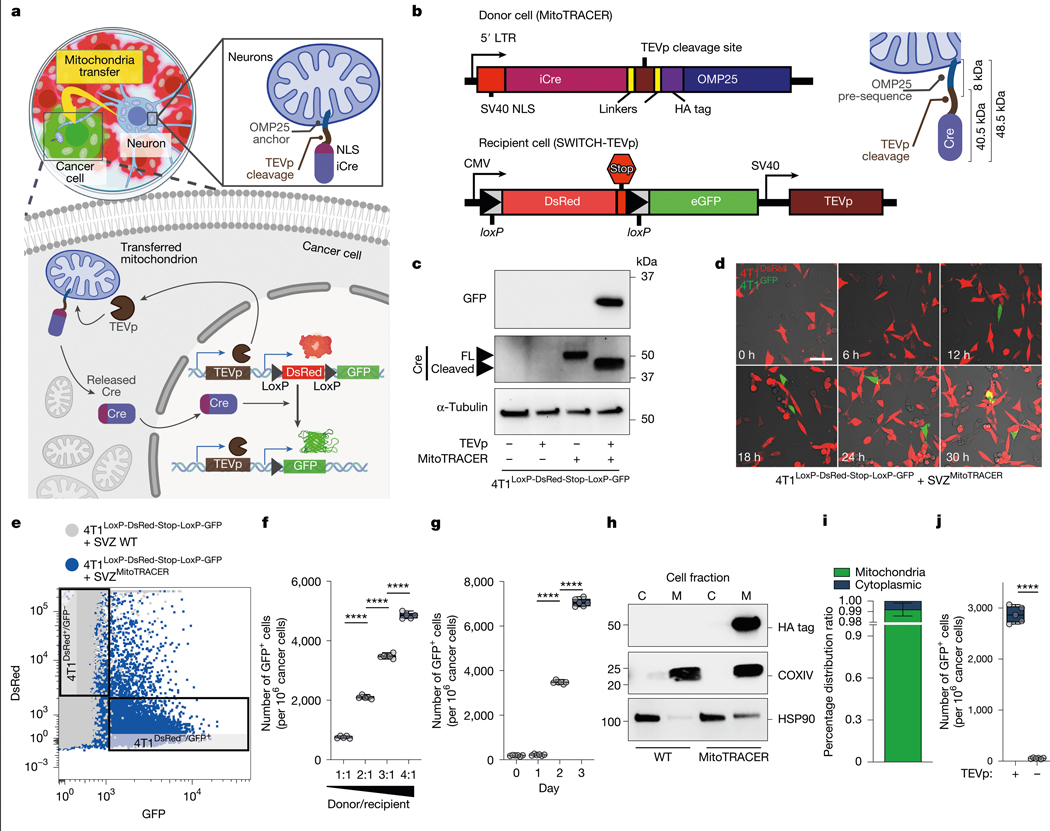
The nervous system has a pivotal role in cancer biology, and pathological investigations have linked intratumoural nerve density to metastasis1. However, the precise impact of cancer-associated neurons and the communication channels at the nerve-cancer interface remain poorly understood. Previous cancer denervation models in rodents and humans have highlighted robust cancer dependency on nerves, but the underlying mechanisms that drive nerve-mediated cancer aggressivity remain unknown2,3. Here we show that cancer-associated neurons enhance cancer metabolic plasticity by transferring mitochondria to cancer cells. Breast cancer denervation and nerve-cancer coculture models confirmed that neurons significantly improve tumour energetics. Neurons cocultured with cancer cells undergo metabolic reprogramming, resulting in increased mitochondrial mass and subsequent transfer of mitochondria to adjacent cancer cells. To precisely track the fate of recipient cells, we developed MitoTRACER, a reporter of cell-to-cell mitochondrial transfer that permanently labels recipient cancer cells and their progeny. Lineage tracing and fate mapping of cancer cells acquiring neuronal mitochondria in primary tumours revealed their selective enrichment at metastatic sites following dissemination. Collectively, our data highlight the enhanced metastatic capabilities of cancer cells that receive mitochondria from neurons in primary tumours, shedding new light on how the nervous system supports cancer metabolism and metastatic dissemination.
Overview
CoChat Summary
TL;DR
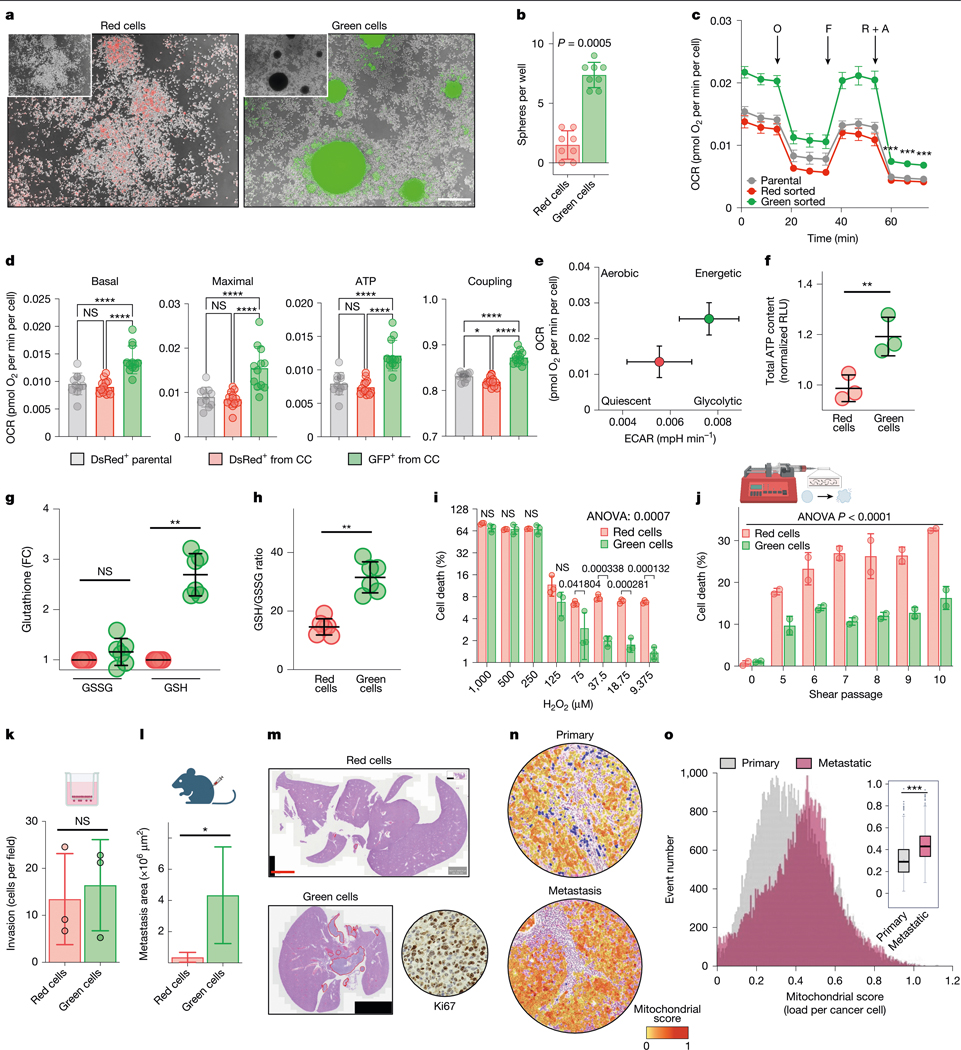
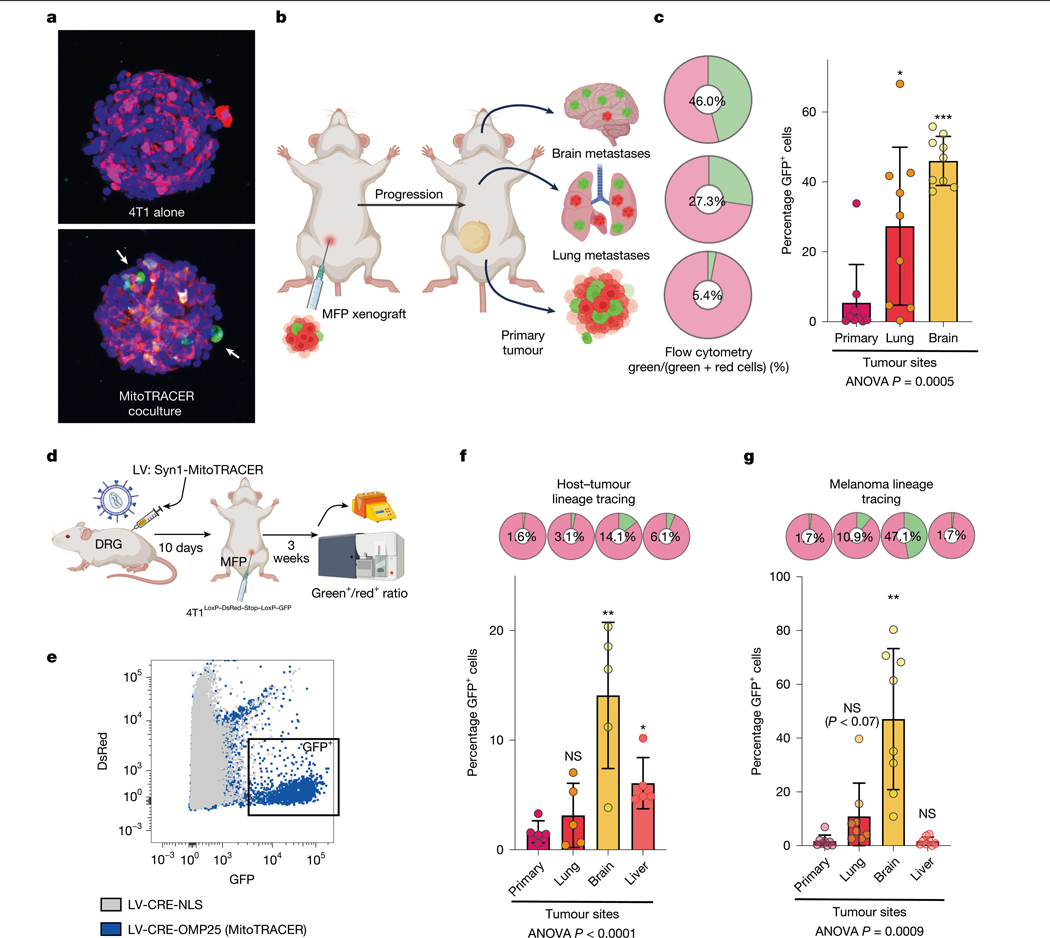
Cancer-associated neurons transfer mitochondria to cancer cells, boosting cancer metabolic plasticity, stemness, and resistance to metastatic stressors. MitoTRACER lineage tracing shows mitochondria-recipient cancer cells are enriched at metastatic sites, especially brain and lung.
Key findings
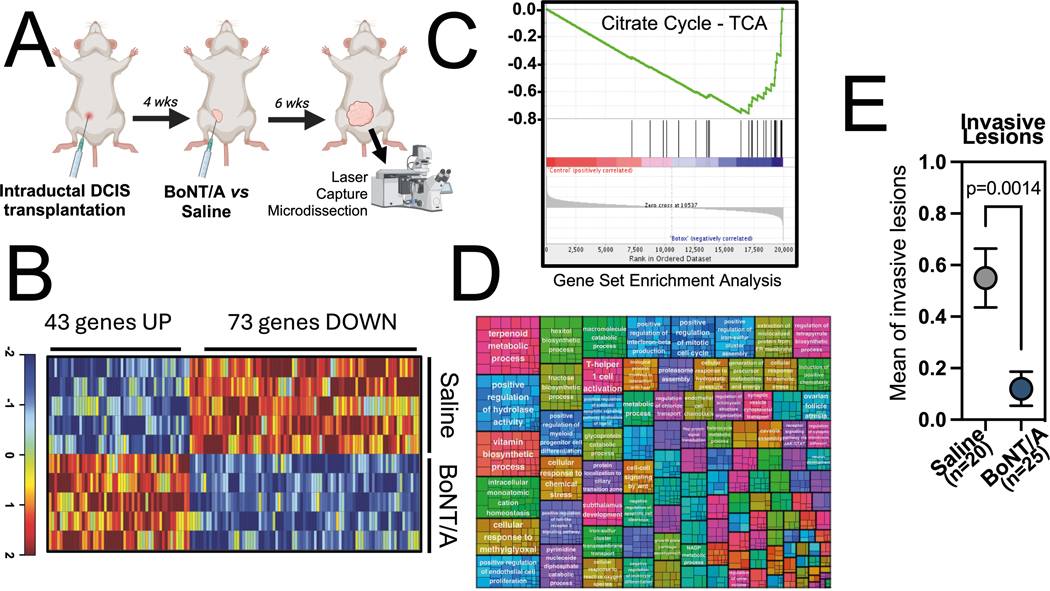
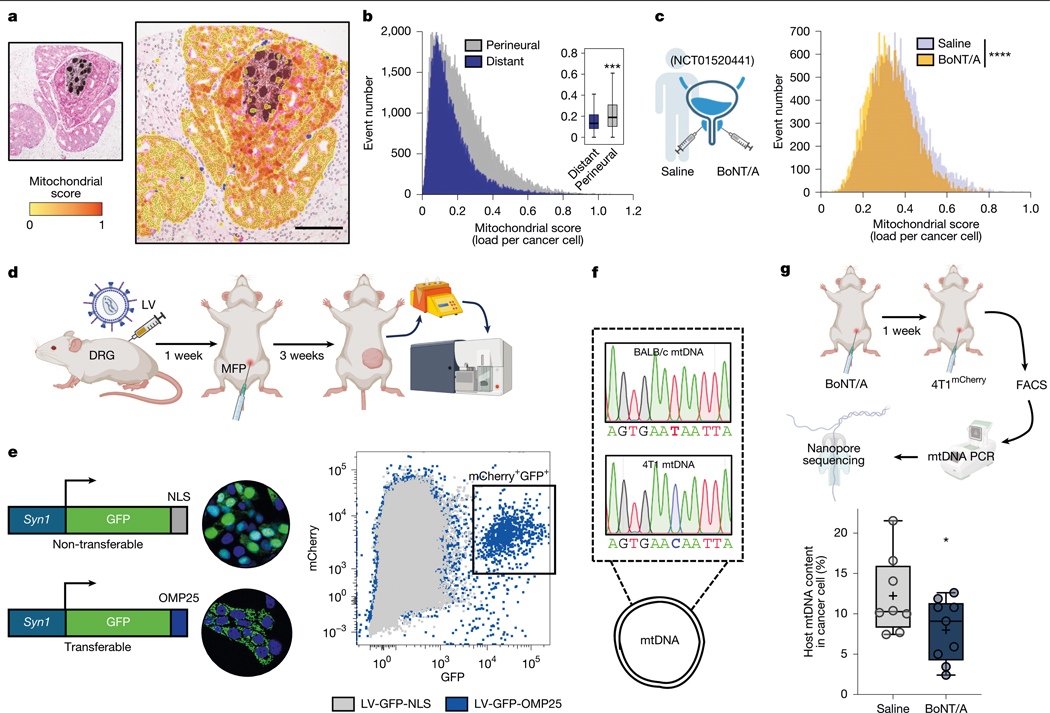
- Denervation impairs breast cancer bioenergetics: BoNT/A denervation in 4T1 TNBC and human DCIS xenograft downregulated metabolic gene signatures, with the TCA cycle most suppressed; invasive lesions fell from 55% in control mice to 12% in denervated mice.
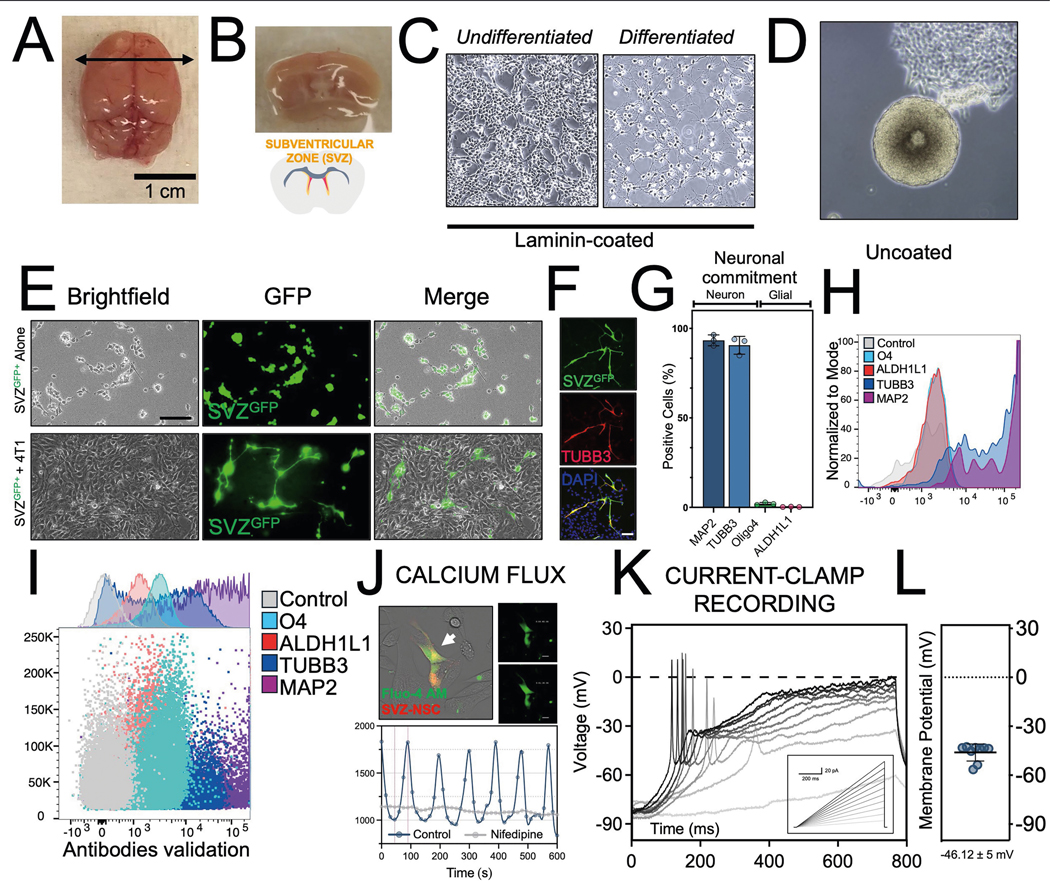
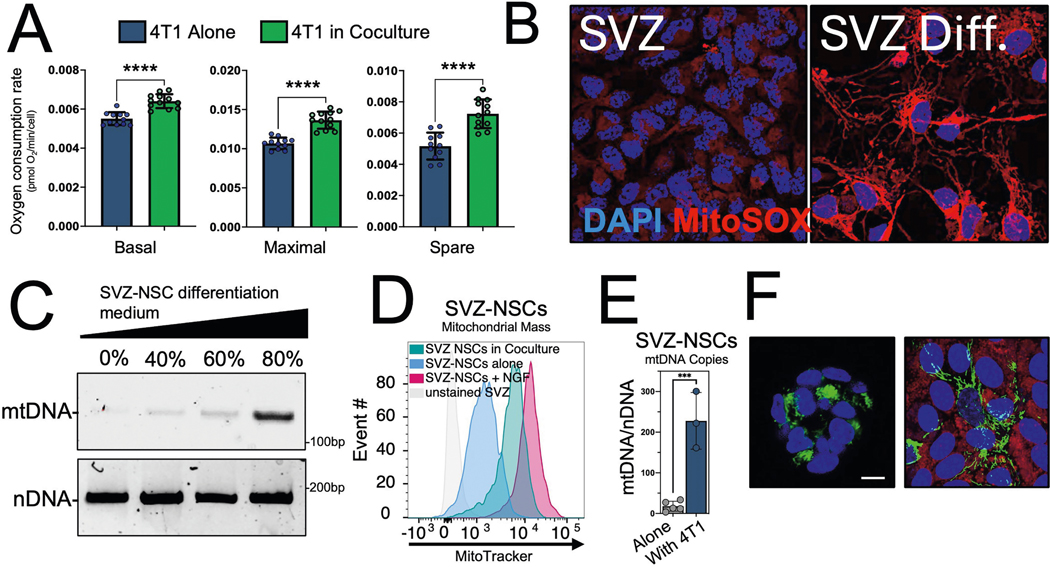
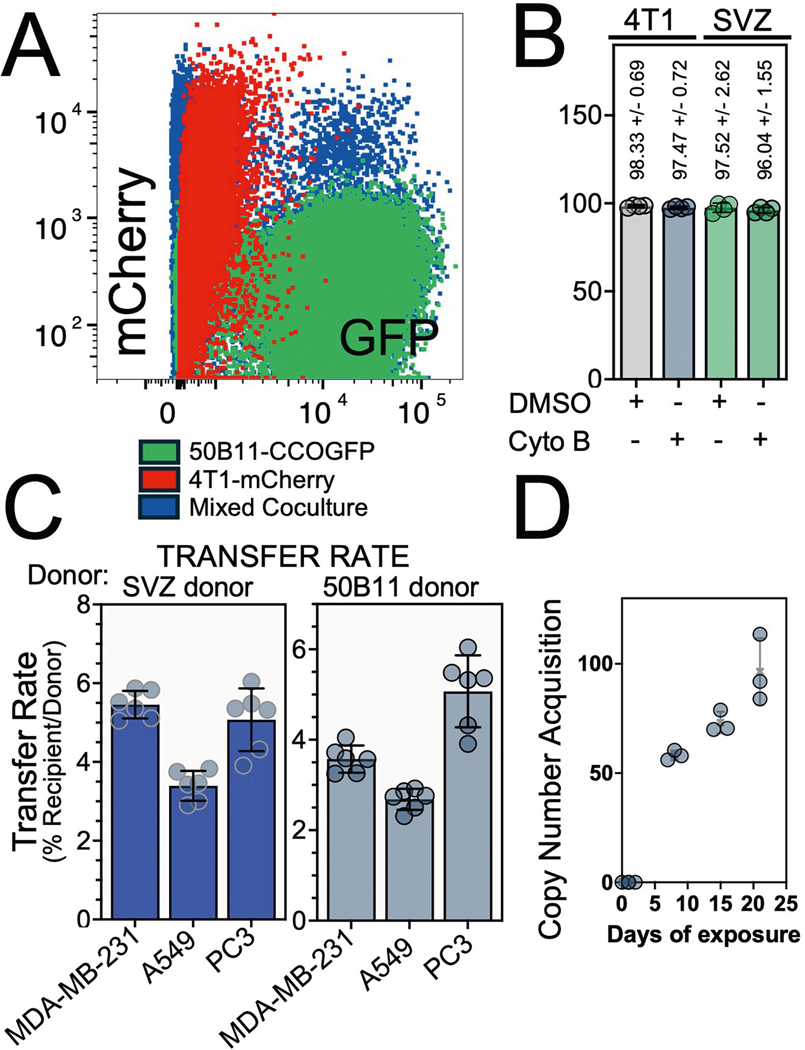
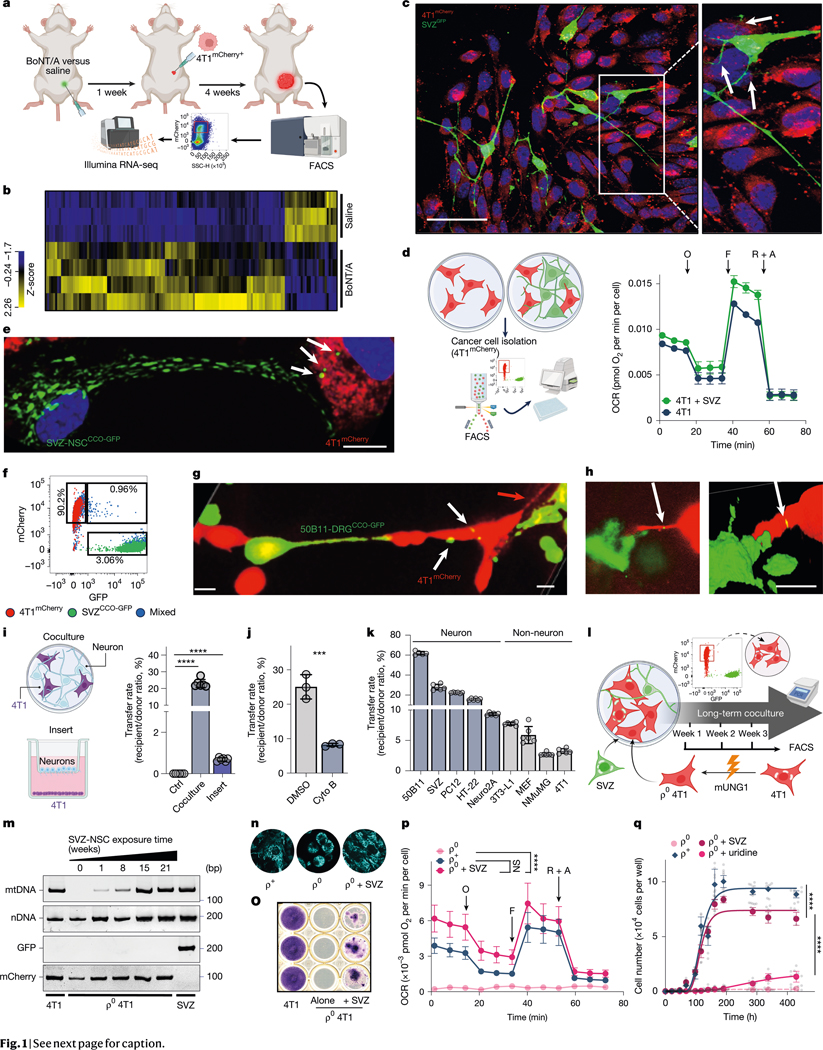
- Nerve–cancer coculture drives neuronal mitochondrial reprogramming and transfer: >90% of SVZ-NSCs differentiated into TUBB3+ MAP2+ neurons (negative for O4/ALDH1L1), action potential threshold averaged −46 mV ± 5 mV, and mtDNA increased from about 16 to 226 mtDNA/nuclear DNA copies per neuron after cancer-induced differentiation. eGFP-labelled neuronal mitochondria transferred to 4T1 cells; double-positive 4T1GFP+/mCherry+ cells averaged 0.96% of coculture, or 31.4% when normalized to donor population.
- Transferred mitochondria are functional and prevalent in vivo: ρ0 4T1 cells reacquired mtDNA, rescued uridine auxotrophy, respiration, and proliferation after coculture with ρ+ SVZ-NSCs. In mouse xenografts, neurons accounted for approximately 35% of total mitochondrial transfers; human prostate cancer near nerves and metastatic breast cancer cells showed higher mitochondrial load, while the BoNT/A-denervated prostate side had lower mitochondrial load.
- MitoTRACER fate mapping: recipient cells in primary tumours averaged about 5.4% GFP+ and were enriched in lung (27.3%) and brain (46.0%); a host DRG-labelled model showed 1.6% GFP+ in primary tumour with enrichment in brain and liver. Recipient cells showed increased mammosphere formation, respiration, ATP production, GSH/GSSG, oxidative and shear stress resistance, and higher metastatic potential, without increased intrinsic invasion.
Methods
- Design: orthogonal in vitro and in vivo models of nerve–cancer interaction, including BoNT/A chemical denervation, nerve–cancer coculture, mammary fat pad xenografts, lineage tracing/fate mapping, and human tissue analysis.
- Samples/data: 4T1 TNBC, human DCIS xenograft, SVZ-NSCs, 50B11-DRG neurons, other donor/recipient cell lines, BALB/c and SCID-beige mice, B16-F10 melanoma, human prostate NCT01520441 trial tissue, and breast cancer tissue microarrays.
- Main analyses: flow cytometry/FACS, confocal/time-lapse imaging, Seahorse metabolic assays, PCR/qPCR and Nanopore mtDNA heteroplasmy sequencing, RNA-seq/microarray, multispectral imaging with machine-learning deconvolution, and the MitoTRACER red-to-green reporter for permanent lineage tracing.
Limitations
- Stated: exact molecular mechanisms remain unclear; further studies are needed to clarify whether neuronal mitochondria’s impact is due to intrinsic metabolic efficiency or highest transfer frequency; paired treated/control clinical sample was available for only one patient; animal allocation was not randomized at the individual level (random selection at cage level).
- Stated: the ρ0 4T1 model and mitochondrial-bound reporters were limited in biological relevance or unable to track prior transfers, motivating MitoTRACER.
- Evident: clinical denervation evidence is based on one paired patient; most mechanistic and fate-mapping evidence comes from mouse/cell-line models, and melanoma showed lower transfer and no significant lung/liver enrichment.
Model-written summary. Check it against the paper before relying on it.
Integrity signals
Registry
Cites
Statistics
Figures
Verification
Claims the paper makes
0 Valid · 1 Not valid · 43 Not checked · 153 Own results and interpretations
A result the paper reports from its own data — it cites no other source for it, so there is none to check. The quote shows it is in the paper.
In the paper
“Histopathological examination of this model has shown a reduction in the incidence of invasive lesions from 55% in control mice to 12% in denervated mice”
§ Nerve-to-cancer transfer of mitochondria during cancer metastasis > Nerve withdrawal impairs tumour bioenergetics
plainstates a cause- Asserted: passes — The authors put it forward as true.
- Checkable: passes — It can be checked against evidence.
- Load-bearing: passes — The paper’s conclusions depend on it.
- Based: passes — The paper gives a reason why it holds.
A result the paper reports from its own data — it cites no other source for it, so there is none to check. The quote shows it is in the paper.
In the paper
“cancer chemically denervated with botulinum neurotoxin type A (BoNT/A) confirmed reduced mitochondrial load in cancer cells.”
§ Nerve-to-cancer transfer of mitochondria during cancer metastasis > Abstract
plainstates a cause- Asserted: passes — The authors put it forward as true.
- Checkable: passes — It can be checked against evidence.
- Load-bearing: passes — The paper’s conclusions depend on it.
- Based: passes — The paper gives a reason why it holds.
A result the paper reports from its own data — it cites no other source for it, so there is none to check. The quote shows it is in the paper.
In the paper
“Our approach revealed that neuron-derived mitochondria enhance cancer cell metabolic capacity, stemness and resistance to metastatic stressors.”
§ Nerve-to-cancer transfer of mitochondria during cancer metastasis > Abstract
plainstates a cause- Asserted: passes — The authors put it forward as true.
- Checkable: passes — It can be checked against evidence.
- Load-bearing: passes — The paper’s conclusions depend on it.
- Based: passes — The paper gives a reason why it holds.
A result the paper reports from its own data — it cites no other source for it, so there is none to check. The quote shows it is in the paper.
In the paper
“After stimulation by 4T1 cancer cells, SVZ-NSCs rapidly undergo differentiation, evidenced by their morphological transition from round, neural progenitor cells to more elongated cells with neurite extensions and forming close contact with the cancer cell”
§ Nerve-to-cancer transfer of mitochondria during cancer metastasis > Cancer boosts neuronal mitochondria
plainstates a cause- Asserted: passes — The authors put it forward as true.
- Checkable: passes — It can be checked against evidence.
- Load-bearing: passes — The paper’s conclusions depend on it.
- Based: passes — The paper gives a reason why it holds.
A result the paper reports from its own data — it cites no other source for it, so there is none to check. The quote shows it is in the paper.
In the paper
“We examined whether similar reprogramming also occurs during cancer-driven neuronal differentiation and confirmed a robust increase in the mitochondrial mass of SVZ-NSCs exposed to 4T1 cancer cells (Extended Data Fig. 3d)”
§ Nerve-to-cancer transfer of mitochondria during cancer metastasis > Cancer boosts neuronal mitochondria
boostedstates a cause- Asserted: passes — The authors put it forward as true.
- Checkable: passes — It can be checked against evidence.
- Load-bearing: passes — The paper’s conclusions depend on it.
- Based: passes — The paper gives a reason why it holds.
115 more claims
Create a free account to see all 197 claims and to verify the 85 references still open.
- It may state two separate claims as one. 45
- The quote only partly states this claim. 1
- Probably not a substantial claim. 44
Self-check
Percentages, sums and reported differences re-computed from the paper’s own numbers.
Each contradiction between two passages listed here was confirmed by an independent check.
Rated minor: it would not touch a result — a value no result rests on, a p-value that stays on the same side of the significance level, or a conflict that is clerical, resolved elsewhere in the paper, or outside its own findings.
In the paper
§ Nerve-to-cancer transfer of mitochondria during cancer metastasis > Methods > Whole-cell current clamp recordings
“depolarizing currents were injected using 10 current ramp increments from 20 to 200 pm (800 ms duration)”
§ Nerve-to-cancer transfer of mitochondria during cancer metastasis > Extended Data
“Cells clamped at −80 mV, were depolarized with incremental current ramp injections ranging from 20–200 pA”
Rated minor: it would not touch a result — a value no result rests on, a p-value that stays on the same side of the significance level, or a conflict that is clerical, resolved elsewhere in the paper, or outside its own findings.
In the paper
§ Nerve-to-cancer transfer of mitochondria during cancer metastasis > Extended Data
“showed moderate neurite development”
§ Nerve-to-cancer transfer of mitochondria during cancer metastasis > Extended Data
“evidenced by the absence of neurite extensions.”
Citations
Cites
Subramanian, A., Tamayo, P., Mootha, V. K., Mukherjee, S., Ebert, B. L., Gillette, M. A., Paulovich, A., Pomeroy, S. L., Golub, T. R., Lander, E. S., et al. (2005) · Proceedings of the National Academy of Sciences · doi:10.1073/pnas.0506580102 · Cited by 53,625 · cited 1×
“To identify the biological processes and pathways associated with the differentially expressed genes, we performed a GATHER analysis 67 and used gene set enrichment analysis 68 to score association of BoNT/A treatment with Kyoto Encyclopedia of Genes and Genomes (KEGG) 69 pathways.”
Tumor Metastasis: Molecular Insights and Evolving Paradigms
Valastyan, S., & Weinberg, R. A. (2011) · Cell · doi:10.1016/j.cell.2011.09.024 · Cited by 4,011 · cited 1×
“Metabolic reprogramming and plasticity have emerged as crucial adaptive mechanisms for the successful metastatic dissemination of cancer cells 5,41–43 .”
New insights into the mechanisms of epithelial–mesenchymal transition and implications for cancer
Dongre, A., & Weinberg, R. A. (2019) · Nature Reviews Molecular Cell Biology · doi:10.1038/s41580-018-0080-4 · Cited by 3,876 · cited 1×
“The metastatic cascade is inefficient, with cancer cells encountering multiple stressors that impede their successful dissemination and growth at secondary sites 40 .”
Twist, a Master Regulator of Morphogenesis, Plays an Essential Role in Tumor Metastasis
Yang, J., Mani, S. A., Donaher, J. L., Ramaswamy, S., Itzykson, R. A., Come, C., Savagner, P., Gitelman, I., Richardson, A., & Weinberg, R. A. (2004) · Cell · doi:10.1016/j.cell.2004.06.006 · Cited by 3,855 · cited 1×
“We combined the MitoTRACER coculture approach with the 4T1 mammary fat pad xenograft model that can fully recapitulate the breast cancer progression steps and metastasis of TNBC 44,45 .”
Fundamentals of Cancer Metabolism
DeBerardinis, R. J., & Chandel, N. S. (2016) · Science Advances · doi:10.1126/sciadv.1600200 · Cited by 3,013
Metabolic reprogramming and cancer progression
Faubert, B., Solmonson, A., & DeBerardinis, R. J. (2020) · Science · doi:10.1126/science.aaw5473 · Cited by 2,740 · cited 1×
“Metabolic reprogramming and plasticity have emerged as crucial adaptive mechanisms for the successful metastatic dissemination of cancer cells 5,41–43 .”
KEGG for representation and analysis of molecular networks involving diseases and drugs
Kanehisa, M., Goto, S., Furumichi, M., Tanabe, M., & Hirakawa, M. (2010) · Nucleic Acids Research · doi:10.1093/nar/gkp896 · Cited by 2,322
Mitochondrial DNA mutations, oxidative stress, and apoptosis in mammalian aging
Kujoth, G. C., Hiona, A., Pugh, T. D., Someya, S., Panzer, K., Wohlgemuth, S. E., Hofer, T., Seo, A. Y., Sullivan, R., Jobling, W. A., et al. (2005) · Science · doi:10.1126/science.1112125 · Cited by 2,165 · cited 1×
“The mitochondrial morphology was altered in ρ 0 cells, with the mitochondria exhibiting a globular and fragmented appearance as described previously 29 .”
Human Cells Lacking mtDNA: Repopulation with Exogenous Mitochondria by Complementation
King, M. P., & Attardi, G. (1989) · Science · doi:10.1126/science.2814477 · Cited by 1,611 · cited 1×
“1n). ρ 0 cells are also phenotypically characterized by the complete loss of OXPHOS capacities and auxotrophy for uridine 30,31 .”
Autonomic nerve development contributes to prostate cancer progression
Magnon, C., Hall, S. J., Lin, J., Xue, X., Gerber, L., Freedland, S. J., & Frenette, P. S. (2013) · Science · doi:10.1126/science.1236361 · Cited by 1,287 · cited 1×
“Pathological analysis and animal denervation models, including the breast carcinoma denervation model presented herein, have consistently associated cancer nerve density with cancer invasion and metastasis 51–54 .”
Cited by
Items 101–200 of 210
Cancer Neuroscience: From Hallmark‐Enabling Biology to a Therapeutic Pillar
Amit, M. (2026) · Advanced Oncology · doi:10.1002/adon.70009 · Cited by 1
Kawashima, K., Elsaedy, E. A., Oshi, M., Yamada, A., Narui, K., Gandhi, S., Repasky, E. S., Ishikawa, T., Endo, I., & Takabe, K. (2026) · Breast Cancer Research and Treatment · doi:10.1007/s10549-026-08050-z · Cited by 1
Mechanisms and functions of intercellular mitochondria transfer to and from macrophages
Jia, W., & Brestoff, J. R. (2026) · The Journal of Immunology · doi:10.1093/jimmun/vkag147 · Cited by 1
Neural regulation of cancer: from microenvironmental hijacking to systemic circuit co-option
Gu, Z., Ma, H., Jiang, G.-Q., & Wei, J. (2026) · Cellular Oncology · doi:10.1007/s13402-026-01273-8 · Cited by 1
“A subset of these mitochondria can be transferred to adjacent cancer cells, thereby augmenting oxidative phosphorylation and metabolic adaptability in tumor cells [230].”
Targeting T-cell exhaustion and tumour immune evasion: a review of emerging strategies
Saltis, L., & Mun, L. J. (2026) · Pathology - Research and Practice · doi:10.1016/j.prp.2026.156638 · Cited by 1
Mitochondria redistribution organizes the immunosuppressive tumor ecosystemPreprint
Terasaki, A., Weiner, A. T., Tan, Y., Szeifert, V., Bhatnagar, K., Rada, C. C., Shankar, V., Kernick, C., Mahmood, M., Wiggers, L., et al. (2025) · bioRxiv (Cold Spring Harbor Laboratory) · doi:10.1101/2025.11.11.687895 · Cited by 1
Mitochondrial transfer technologies with molecular insights into clinical applications
Martirosian, V., Peng, B., & Teitell, M. A. (2026) · Stem Cells · doi:10.1093/stmcls/sxag026 · Cited by 1
“51 In parallel, mitochondrial transfer has emerged as a direct regulator of anti-tumor immunity.”
Ju, Q., Hu, Y., Gong, C., Wu, R., Shen, M., Wang, X., Tang, X., Shen, J. S., & Sun, C. (2026) · Journal of Biological Chemistry · doi:10.1016/j.jbc.2026.113401 · Cited by 1
Horizontal transfer of mitochondria in cancer: The physiology reborn in disease?
Ayala, G. E., & Grelet, S. (2026) · Trends in Cell Biology · doi:10.1016/j.tcb.2026.06.003 · Cited by 1
Self-citationMao, J., Xia, W., Li, M., Huang, X., Zhao, Y., Hu, Z., Su, Y., Wang, J., Cui, W., & Zan, T. (2026) · Bioactive Materials · doi:10.1016/j.bioactmat.2026.03.048 · Cited by 1
Neural regulation of cancer: from synaptic integration to neuro-immune regulation
Li, X., Li, Y., Shi, X., Wang, Y., & Ji, S. (2026) · Cellular Oncology · doi:10.1007/s13402-026-01250-1 · Cited by 1
“Lastly, unprecedented energy metabolism sup - port is evidenced by a study confirming that neurons can directly transfer their mitochondria to breast cancer cells via tunneling nanotubes, significantly enhancing the latter’s metabolic plasticity and metastatic colonization capability [84 ].”
InfluentialTunneling nanotubes propagate preneoplastic cues in a BMP-dependent mannerPreprint
Martin, C. C., Nguyễn, T. T., Geistlich, K., BERTIN, A., Guyot, B., Delay, E., Dalverny, C., Boissard, A., Henry, C., Guillonneau, F., et al. (2025) · bioRxiv (Cold Spring Harbor Laboratory) · doi:10.1101/2025.11.11.687852 · Cited by 1
“Tunneling nanotubes (TNTs) have been extensively implicated in tumor progression, metastasis, and chemoresistance, through the intercellular transfer of mitochondria, notably from stromal cells to cancer (stem) cells [34,35], and more recently from neurons to cancer cells [13].”
Meng, X., & Gao, Y. (2026) · Neuroscience Bulletin · doi:10.1007/s12264-026-01659-6 · Cited by 1
“Mitochondrial transfer has also been implicated in various pathological conditions, such as obesity [5], cancer [6], osteoporosis [7], and stroke [8].”
Su, P., Wanyu, L., Chao, Z., Zhufu, X., Zhang, X., Wu, H., Rui, X., & Zhao, H. (2026) · Frontiers in Immunology · doi:10.3389/fimmu.2026.1898280
“For example, cancer-associated fi broblasts, bone marrow stromal cells, platelets, and neural cells can transfer mitochondria to tumor cells, thereby enhancing oxidative phosphorylation, ATP production, energy metabolism, survival, and related malignant phenotypes (75 – 79).”
AI‐Enabled Organoid Chips for Modeling and Decoding Nerve‐Tumor Interactions
Han, J., Meng, F., Ding, J., Chen, J., Wang, L., & Shi, C. (2026) · Advanced Functional Materials · doi:10.1002/adfm.78364
The neuro-immune-tumor axis in head and neck squamous cell carcinoma
Zhang, L., Yamazaki, M., Tanuma, J., & Tomihara, K. (2026) · Critical Reviews in Oncology/Hematology · doi:10.1016/j.critrevonc.2026.105537
Cancer Cell Metastasis: From Molecular Mechanisms to Therapeutic Strategies
Zhao, Y., Xu, W., Wang, Y., Huang, H., Su, Y., Zhou, L., Liu, J., & Guo, J. (2026) · MedComm · doi:10.1002/mco2.71026
“Recipient cells acquire higher OXPHOS, ATP production, GSH homeostasis, antioxidant capacity, and shear resistance and are significantly enriched in metastatic ability, demonstrating strong selection by the neural microenvironment [ 70 ].”
Zhou, L. E. T. A. O., Luo, X., Bao, T., Sun, H., He, C., Yang, Y., & Xia, Y. (2026) · Chinese Medical Journal · doi:10.1097/cm9.0000000000004144
Mitochondrial transfer in solid tumors: dual roles in tumor progression and therapeutic targeting
Huang, L., Li, Z., Qin, C., Zhao, B., Li, T., Zhao, Y., Shi, H., Zhang, X., Xie, Y., Yan, Y., et al. (2026) · Extracellular Vesicles and Circulating Nucleic Acids · doi:10.20517/evcna.2026.68
Regulation of solid tumors by the peripheral nervous system
Chang, A., Zhu, S., Lam, T., & Sloan, E. K. (2026) · The Journal of Experimental Medicine · doi:10.1084/jem.20251333
Mitochondrial transfer: a new perspective on tumor-microenvironment crosstalk driving metastasis
Duan, Y., Li, A., Hu, X., Xiong, Z., Shi, J., & Wang, K. (2026) · Frontiers in Immunology · doi:10.3389/fimmu.2026.1922061
“Cancer cells that acquire mitochondria exhibit signi fi cantly higher survival rates than ordinary cancer cells when exposed to simulated blood fl ow shear stress and oxidative stress, providing critical support for cancer cell entry into the circulatory system (61, 62).”
Mechanisms and prospects of multifunctional organelles in intercellular communication
Yin, K., Zhang, Z., Zhao, F., Qian, N., He, H., & Zheng, B. (2026) · Nano Research · doi:10.26599/nr.2026.94908422
How mitochondrial heterogeneity fuels a dynamic organelle ecosystem
Desmaison, P.-J., & Bertolin, G. (2026) · Communications Biology · doi:10.1038/s42003-026-11029-7
“Transfer events thus reveal a source of mitochondrial plasticity that extends beyond cellular boundaries 78 , where mitochondria not only act as intracellular organelles but also as dynamic players in cell-cell communication networks.”
Cancer cell mitochondria: the missing puzzle in predicting response to PD-1/PD-L1 inhibitors
Nafissi, N., & Taghizadeh‐Hesary, F. (2025) · ONCOLOGIE · doi:10.1515/oncologie-2025-0420
Li, H., Cheng, L., Lu, X., Dong, H., Fu, S., Shi, H., Liu, M., Yang, C., Huang, Y., Zehua, C., et al. (2026) · Advanced Science · doi:10.1002/advs.77435
Neuro-immune interactions in tumors, immune-related disorders, and infections
Zhuang, Q.-Y., Zhang, S.-W., Shao, Z., Xiao, Y., & Jiang, Y. (2026) · Signal Transduction and Targeted Therapy · doi:10.1038/s41392-026-02842-x
“104 Local neuro-immune interactions within the tumor are not limited to direct neuronal innervation.”
Kłos, P., & Dabravolski, S. A. (2026) · Mitochondrion · doi:10.1016/j.mito.2026.102224
Neuronal hijacking of cancer niches: integration, remodeling, evolution
Guan, F., Sun, H., Du, Y., Li, D., Huang, M., Li, Y., Li, X., Zhou, X., Cui, S., Long, X., et al. (2026) · Journal of the National Cancer Center · doi:10.1016/j.jncc.2026.05.001
Shi, A., Zhu, Z., Zhang, S., Guo, W., Li, M., Wu, Q., Sun, L., Hu, J., & Wang, G. (2026) · The Innovation Medicine · doi:10.59717/j.xinn-med.2026.100240
Kuang, G., Qiu, Z., Li, L., Ji, H., & Liu, Y. (2026) · Frontiers in Cell and Developmental Biology · doi:10.3389/fcell.2026.1895424
He, H., Zhang, L., Zhang, Y., Yi, S., & Hang, L. (2026) · Frontiers in Oncology · doi:10.3389/fonc.2026.1906776
“Fate-map-ping experiments further showed that these cells or their progeny were enriched at distant metastatic sites, suggesting enhanced metabolic adaptability and metastatic fi tness (11).”
InfluentialNeuron activity-dependent cancer progression
Nelson, J., Ahmad, K. A., Pan, Y., & Taylor, K. R. (2026) · Neuro-Oncology · doi:10.1093/neuonc/noag214
Wang, Y., Zhang, M.-L., & Jin, W. (2026) · Cancer Letters · doi:10.1016/j.canlet.2026.218906
Zhang, Y., Ye, Z., Wang, Y., Tang, S., & Chen, G. (2026) · Trends in Neurosciences · doi:10.1016/j.tins.2026.08.008
Zhang, X., Tang, J., & Zhou, J. (2026) · Frontiers in Oncology · doi:10.3389/fonc.2026.1910736
“At the same time, investigate targeted therapeutic strategies for neuro-tumor signaling pathways (49).”
Metabolic Crosstalk Between Host and Tumor as a Circuit of Resilience in Cancer Therapy
Wang, J., Wu, H., Wang, T., & Nie, M. (2026) · Cells · doi:10.3390/cells15111008
“Notably, neural-cancer crosstalk has emerged as a rapidly expanding frontier in stress-mediated tumor progression [62–66].”
Decoding the fibroblast/mast cell signaling pathway of acupuncturePreprint
Xue, X., Wang, R., Sheng, W., Pang, J., Lu, D., Yu, M., Lan, T., & Tseng, Y. (2025) · bioRxiv (Cold Spring Harbor Laboratory) · doi:10.1101/2025.11.20.688774
Neural–tumor crosstalk in driving tumor metabolic reprogramming
Xiao, X., Zhang, C., Chen, J., Zhang, J., Li, H., Yu, W., & Cai, X. (2026) · Biochimica et Biophysica Acta (BBA) - Reviews on Cancer · doi:10.1016/j.bbcan.2026.189644
Neural regulation of immune evasion in breast cancer: a multiscale neuro–immune framework
Li, X., Gong, X., Cong, Y., Wang, J., Li, Y., Chen, G., Li, Y., & 乔广东 (2026) · Frontiers in Immunology · doi:10.3389/fimmu.2026.1859845
“…states; sensory signaling organizes exclusionary tissue geometry; direct neuron-cancer interfaces enhance fi tness and metastatic resilience; and central circuits regulate the host background against which all of these processes unfold (7, 12, 20, 27 – 29, 36 – 42, 51 – 53, 57, 59, 60, 89, 91).”
InfluentialWang, S., Xu, X., Xu, M., Wei, Y., 乔云晓, Song, X., Xie, C., Zhou, C., & Yuan, F. (2026) · Cancer and Metastasis Reviews · doi:10.1007/s10555-026-10379-2
Clinical perspectives on mitochondria in cancer
Watanabe, H., & Togashi, Y. (2026) · Japanese Journal of Clinical Oncology · doi:10.1093/jjco/hyag160
Liu, R., Yang, Y., Wang, Z., Hu, Z., Yang, L., Guo, R., & Wang, H. (2026) · International Immunopharmacology · doi:10.1016/j.intimp.2026.117027
Zhao, W., Wang, W., Guo, J., Liu, J., Wang, W., Dihao, T., Dong, J., Li, Z., Liu, S., Shi, S., et al. (2026) · Exploration · doi:10.1002/exp2.70229
“In addition, innervation demands mitochondrial transfer for energetic support [ 40 ], and both proteins are enriched in ST-EVs and control mitochondrial biogenesis.”
Stemness overcomes IFNγ-induced antitumour exhaustion in human macrophagesPreprint
Nitsche, J., Busch, C. J., Subburayalu, J., Favret, J., Swiersy, A., Hertrich, M., Rost, F., Ivan, D., Benjamin, J., Franco, M., et al. (2026) · bioRxiv (Cold Spring Harbor Laboratory) · doi:10.64898/2026.10.06.756629
Yang, J., Li, Y., Kumar, S. V., Saba, N. F., Shay, C., & Teng, Y. (2026) · Biomarker Research · doi:10.1186/s40364-026-00955-7
“Recent studies have shown that IMT from neurons to cancer cells enhances metabolic plasticity, increasing the ability of cells to flexibly utilize and switch between OXPHOS and glycolysis [54, 99].”
Ala-Kokko, N., Gregory, E., Woessner, A. E., Guan, B., Middleton, W., Johann, D. J., Rajaram, N., Muldoon, T. J., & Song, Y. H. (2026) · Cells · doi:10.3390/cells15211959
The obesity–neuroinflammation–cancer axis: neuroimmune remodeling and therapeutic opportunities
Yang, N., Zhang, W., Zhong, Y., & Ding, Z. (2026) · Frontiers in Immunology · doi:10.3389/fimmu.2026.1999371
“A research highlight in Nature Neuroscience discusses the same mitochondrial-transfer study; the experimental claim here rests on the original Nature report (29, 30).”
Xia, N., Huang, R., Zhong, H., Zhou, Z., Wang, S., Wang, Z., & Shen, K. (2026) · Frontiers in Immunology · doi:10.3389/fimmu.2026.1890810
“Hoover et al. showed that neuronal interactions enhance cancer-cell metabolic plasticity and that cancer-associated neurons can transfer mitochondria directly to adjacent breast cancer cells (79).”
Su, Y., Gong, Z., Mu, J., Huang, L., Yang, P., Zhang, C., Zhao, L., Yang, L., Deng, J., & Liao, X. (2026) · Advanced Science · doi:10.1002/advs.77713
“The nervous system supports tumor metabolism and metastatic dissemination through inter-cellular mitochondrial transfer from neurons to cancer cells, a process that enhances the mitochondrial function of the recipients and consequently increases their metastatic capacity [ 122 ].”
The diagnostic and prognostic roles of mitochondrial DNA (mtDNA) in oral cancer
Ashique, S., Behzadi, B., Chaudhry, P., Islam, A., Das, J., Ramzan, M., & Hesary, F. T. (2026) · Archives of Oral Biology · doi:10.1016/j.archoralbio.2026.106794
Simulating tumor mitochondrial energetics through engineering-style energy metrics
Tozzi, A. (2026) · Biosystems · doi:10.1016/j.biosystems.2026.105719
Zhu, L. C., Liang, S., Zhao, Y., Hu, Y., Gong, F., & Zhu, H. (2026) · Obesity · doi:10.1002/oby.70223
“…transfer under physiological and pathological conditions include providing metabolic support to recipient cells, mediating mitochondrial quality control in donor cells, modulating wound healing, regulating immune responses, and supporting cancer metabolism, metastasis, and immune evasion [6, 8, 9].”
Huang, Y., Tong, T., Zeng, Z., Tan, M., Qu, H., & Xiong, W. (2026) · Biomarker Research · doi:10.1186/s40364-026-00998-w
“Emerging evidence further suggests that neurons can regulate the metabolic plasticity of cancer cells through direct mitochondrial transfer, thereby enhancing metastatic potential [72].”
Martínková, S., & Trnka, J. (2026) · FEBS Open Bio · doi:10.1002/2211-5463.70283
TNT-mediated mitochondrial transfer in cancer immunotherapeutic resistance
Xue, Y., Gao, W., Deng, K., Xiao, Y., Huang, J., & Wu, M. (2026) · Pharmacological Research · doi:10.1016/j.phrs.2026.108436
Sensing the skeleton: sensorineural regulation in bone
Li, Z., Zhu, M., Thottappillil, N., Ramesh, S., & James, A. W. (2026) · Nature reviews. Neuroscience · doi:10.1038/s41583-026-01084-8
Cancer and Immune Cells: A Metabolic Battle in the Tumor Microenvironment
Pournezhad, S., Azar, R., & Taghizadeh‐Hesary, F. (2026) · Cancer treatment and research · doi:10.1007/978-3-032-21861-2_11
Agrawal, P., Tiwari, S., Mendhey, P., Jampala, P., Rajak, H., Kurrey, N. K., Ahmed, N., Yadav, S. K., & Kumar, S. (2026) · Onco · doi:10.3390/onco6020025
“Tumor cells receiving functional mitochondria also exhibit enhanced antioxidant capacity, particularly through glutathione-dependent buffering systems, while retaining redox-sensitive signaling pathways [81].”
InfluentialLi, Y., & Zhuang, P. (2026) · Journal of Integrative Neuroscience · doi:10.31083/jin45956
Zhu, H., Wang, L., Wu, Q., Yu, Y., Yang, M., Ye, Y., Zhou, W., Wang, J., Sun, X., Wang, S., et al. (2026) · Nature Communications · doi:10.1038/s41467-026-76828-2
Horizontal mitochondrial transfer: an emerging field in cell biology
Berridge, M. V., Nahácka, Z., Komrsková, K., Zheng, M., & Neužil, J. (2026) · Trends in Cell Biology · doi:10.1016/j.tcb.2026.08.012
Caicedo, A., Benavides-Almeida, A., Peñaherrera, S., Robayo, P., Villagomez, A., Leon, M., Suárez‐Usbeck, A., Padilla-Sánchez, S. D., Santacruz, M., Borja, T., et al. (2026) · Journal of Translational Medicine · doi:10.1186/s12967-026-08801-y
“Therefore, labeling conditions must be carefully optimized and validated to ensure that the tracing strategy itself does not influence the frequency, mechanism, or biological properties of HMT [66].”
Advances in molecular mechanism of gastric cancer peritoneal metastasis
Yan, H.-Q., Lai, Q., Huang, M., Wang, T., Wu, L., & Qin, Y. (2026) · World Journal of Gastrointestinal Oncology · doi:10.4251/wjgo.v18.i8.121799
Mitochondria transfer-driven chemical sensing: FRET platforms for dynamic disease diagnostics
Zhang, W., You, J., Liu, H., Liu, C., Li, J., Zhang, Y., Huachen, Z., Hu, P., Li, D., & Huang, C. Z. (2026) · TrAC Trends in Analytical Chemistry · doi:10.1016/j.trac.2026.118839
Zhang, Y., Min, D., Yonggang, W., Yu, W., Cui, B., Su, Y., Shen, Z., & Feng, C. (2026) · Investigative Ophthalmology & Visual Science · doi:10.1167/iovs.67.2.30
“5,6 Rather than being mere bystanders, dysfunctional mitochondria support malignancy by sustaining energy demands, preventing apoptosis, and altering reactive oxygen species (ROS) signaling.”
Emerging Roles of Cytoneme-Mediated Signaling in Cancer
Mahadi, S. F. A., & Hall, E. T. (2026) · International Journal of Molecular Sciences · doi:10.3390/ijms27177600
“The exchange of cytoplasmic components through TNTs supports intercellular stress mitigation and cell survival, with mitochondrial transfer demonstrated to be a key component of this [50–52].”
Extracellular vesicle-mediated tumor–nerve crosstalk: mechanisms and therapeutic opportunities
Ren, Y., Zhu, W., Dai, H., Chen, H., & Sun, X. (2026) · Molecular Biology Reports · doi:10.1007/s11033-026-13057-2
“…and live-cell imaging in neuron–tumor cell co-cultures, Hoover et al. demonstrated that neurons transferred intact mitochondria to tumor cells through F-actin-dependent tunneling nano-tubes, thereby enhancing the metabolic plasticity of tumor cells and promoting their metastatic colonization [29].”
Deonath, A. (2026) · Gene & Protein in Disease · doi:10.36922/gpd026280024
Hao, S., Zheng, X., Wu, S., Wang, Z., Wu, T., 安艳丽, Guan, H., Wang, Z., Zhang, S., Yang, W., et al. (2026) · Advanced Materials · doi:10.1002/adma.75452
Glioma–neuron interactions: from basics to therapy
Urra, H., Silva-Agüero, J. F., Ellerby, L., & Hetz, C. A. (2026) · Trends in cancer · doi:10.1016/j.trecan.2026.10.006
Targeting cancer-induced nerve injury reverses immunotherapy resistance
Xiong, Q., Hong, H., & Lin, T. (2025) · Molecular Therapy · doi:10.1016/j.ymthe.2025.10.031
Tumor-nervous system crosstalk in PDAC: Current landscape, challenges, and future directions
Zhang, M., Liu, Y., Wang, J., Weng, G., Wang, Y., Lu, X., Du, C., Ye, L., Fu, B., Qiu, J., et al. (2026) · Cancer Letters · doi:10.1016/j.canlet.2026.218949
Saltis, L., & Mun, L. J. (2026) · Preprints.org · doi:10.20944/preprints202602.1881.v1
Preyanka, P., Narayanan, I. G., Chakrabarty, P., Nagai, M., Bera, A. K., & Santra, T. S. (2026) · IEEE International Conference on Micro Electro Mechanical Systems (MEMS) · doi:10.1109/mems64181.2026.11419225
“Neurons were loaded with 2 µM Fura-2 AM for 30 minutes, washed with Phosphate-buffered saline, and imaged through the punch-hole using 340/380 nm excitation [24].”
Mitochondrial transfer between breast cancer cells promotes ROS-dependent proliferationPreprint
Bressler, N. M., Stevens, T. Z., & Roh‐Johnson, M. (2026) · bioRxiv (Cold Spring Harbor Laboratory) · doi:10.64898/2026.08.26.747325
“…et al. 2023; Watson et al. 2023; Kuo et al. 2024; Ikeda et al. 2025), metastasis (Ippolito et al. 2019; Goliwas et al. 2023; Frisbie et al. 2024; Hoover et al. 2025), and drug resistance (Moschoi et al. 2016; Sansone et al. 2017; Nakhle et al. 2023; Watson et al. 2023; Del Vecchio et al. 2024)…”
Im, G., & Melero‐Martin, J. M. (2026) · Cell Metabolism · doi:10.1016/j.cmet.2026.04.017
Potent Anticancer Tethered Organorhodium(III) Complexes Target the Mitochondria
Rojo, A. V., Rodríguez‐Fanjul, V., & Pizarro, A. M. (2026) · Journal of Medicinal Chemistry · doi:10.1021/acs.jmedchem.6c02209
Mitocôndrias e câncer: disfunção, imunidade e novas estratégias terapêuticas
Mairink, C. H. P. (2025) · LIBERTAS SAÚDE · doi:10.5281/zenodo.18463323
Chen, Y., Tian, Z., Fan, H., Zhou, J., Zhang, S., Li, X., Su, B., Jiang, C., & Sun, T. (2026) · Nature Communications · doi:10.1038/s41467-026-77395-2
“The results showed that transwell separation almost completely blocked mitochondrial transfer 21,22 , as indicated by double-positivesignalsclosetobackgroundlevels,demonstratingthat direct physical contact between donor and recipient cells is essential for transfer.”
Wang, C., Wang, Z., Liu, X. Y., Wu, C., Wang, X., Jin, S., Zhang, H., Xu, Y., Sun, A., Ding, T., et al. (2026) · Abdominal Radiology · doi:10.1007/s00261-026-05677-w
Sergi, C. M. (2026) · Directory of Open access Books (OAPEN Foundation)
Nanoparticles hijack intracellular glucose for sustained boron trapping in cancer cells
Yang, J., Guan, Y., Shang, Y., Liu, Y., Lou, Y., Huang, Y., Lai, W., Liu, Y., Dong, H., Yu, Y., et al. (2026) · Journal of Controlled Release · doi:10.1016/j.jconrel.2026.115343
Neural Control Loops in Cancer: From Central Circuits to Local Tumor–Nerve–Immune Ecosystems
Wang, Y., & Lei, T. (2026) · Cells · doi:10.3390/cells15222056
“Cancer cells can exploit nociceptive nerves to survive nutrient limitation, and nerve-to-cancer mitochondrial transfer has been described during metastatic progression [8,18].”
Luan, L. (2025) · eCommons (Cornell University) · doi:10.7298/11ea-4196
Mitochondrial transfer reveals an organellar layer of cancer ecology
Okwan-Duodu, D. K., Li, B., & Engleman, E. G. (2026) · Trends in cancer · doi:10.1016/j.trecan.2026.05.006
Peripheral Axons Form Endoplasmic Reticulum-Rich Conduits With Breast Cancer CellsPreprint
Ayşit, N., Bilir, Ş., Altintas, E., Toy, M. F., Aydın, M. Ş., Körkaya, H., & Öztürk, G. (2026) · bioRxiv (Cold Spring Harbor Laboratory) · doi:10.64898/2026.11.02.763595
“Beyond digusible neurotransmitter signaling, neurons can communicate directly with cancer cells through synapse-like contacts or membrane conduits, and nerve-to-cancer mitochondrial transfer has recently emerged as one form of such communication (Hoover et al., 2025; Ren et al., 2025).”
Lin, H.-Y., Ho, H.-W., Hsiao, H.-W., Shen, Y.-R., Li, H., & Chu, P. (2026) · International Journal of Molecular Medicine · doi:10.3892/ijmm.2026.6048
“Hoover and colleagues demonstrated nerve‑to‑cancer transfer in Bc models, including 4T1 and human Bc systems; the Bc experiments provide disease‑specific enabling evidence (123).”
Peripheral glia drive the initiation of cutaneous squamous cell carcinoma
Micheli, S., Salas-Bastos, A., Huỳnh, K., Cecconi, V., Kolm, I., Vasiļevska, J., Debbache, J., Renz, P. F., Diener, J., Gwerder, M., et al. (2026) · Nature Communications · doi:10.1038/s41467-026-78778-1
Burning fat, breaking muscle: Hypothalamic IL-4 and microglia in cancer cachexia
López, M., & Mantzoros, C. S. (2026) · Metabolism · doi:10.1016/j.metabol.2026.156848
Anwar, L., Rehman, A. U., Khan, M. A., Batra, S. K., & Nasser, M. W. (2026) · 癌症:英文版 · doi:10.34133/cancomm.0072
“Chemical denervation using botulinum neurotoxin type A (BoNT/A) reduced mitochondrial acquisition and metastatic potential, underscoring the functional importance of nerve- to-cancer mitochondrial transfer [ 281 ].”
Xu, G., Fu, Y., Li, S., Li, G., 秦继平, Zhang, Z., Li, J., Liang, H., & Yang, F. (2026) · Journal of Medicinal Chemistry · doi:10.1021/acs.jmedchem.6c00198
Wang, Y., Zhang, J., Zheng, J., Yin, L., & Lin, D. (2026) · Dental Research · doi:10.1016/j.dtrs.2026.100077
Song, H., & Wang, D. (2025) · Neuropharmacology and Therapy · doi:10.15212/npt-2025-0023
“In addition to synaptic communication, neurons can transfer mitochondria through tunneling nanotubes to fuel tumor metabolism [17] and psychological stress can enhance tumor innervation through RNA demethylation–dependent vesicular signaling [18].”
Li, B., Zhang, D., & Mirza, M. (2026) · Serican Journal of Medicine · doi:10.17161/sjm.v3i4.26258
“Mitochondrial accumulation at the leading edge can support focal-adhesion turnover, membrane remodeling, and cell migration, while mitochondrial trafficking can also participate in intercellular mitochondrial transfer [11].”
Qiao, Q., Wang, H., Chen, Y., An, X., Wang, C., Fang, D., Wang, P., Li, H., Liu, Y., Xu, Z., et al. (2026) · Advanced Materials · doi:10.1002/adma.75432
Han, Y., & Kang, Y. (2026) · Developmental Cell · doi:10.1016/j.devcel.2026.11.005
Krebszellen stehlen Mitochondrien von Neuronen und werden aggressiver
(2025) · DMW - Deutsche Medizinische Wochenschrift · doi:10.1055/a-2492-2981
Cancer cells get power boost by stealing mitochondria from nerves
Watson, T. (2025) · Nature · doi:10.1038/d41586-025-01941-z
The surprising cancer-nerve alliance drives cancer metastasis
Duan, N., Ren, J., & Zhang, L. (2026) · Medicine Plus · doi:10.1016/j.medp.2026.100125
Wang, Q.-X., Yu, C.-F., Zhang, K. C., Zhang, J., Zhou, X., Zou, T.-X., Huang, H.-Z., Han, T.-Y., Mei, H.-Z., Su, K.-B., et al. (2026) · Frontiers in Immunology · doi:10.3389/fimmu.2026.1848083
“Emerging evidence suggests that metabolic reprogramming and immune evasion are hallmarks of metastasis, enabling tumor cells to survive when detached and colonize distant sites (10 – 12).”
Metadata
- Authors
- Hoover, G., Gilbert, S., Curley, O., Obellianne, C., Lin, M. T., Hixson, W., Pierce, T. W., Andrews, J. F., Alexeyev, M. F., Ding, Y., Bu, P., Behbod, F., Medina, D., Chang, J. T., Ayala, G., & Grelet, S.
- Affiliations
- USA Mitchell Cancer Institute (US)
- University of South Alabama (US)
- The University of Texas Health Science Center at Houston (US)
- University of Kansas Medical Center (US)
- Baylor College of Medicine (US)
- Corresponding author
- Ayala, Gustavo
- Grelet, Simon
- ORCID
- Venue
- Nature
- Published
- 2025-06-25
- Volume
- 644
- Issue
- 8075
- Pages
- 252-262
- ISSN
- 0028-0836 (ISSN-L)
- 1476-4687
- PMC
- PMC12328229
- OpenAlex
- W4411627179
- Cited by
- 210
- References
- 72
- Citations by year
- 2026: 176 · 2025: 34
- FWCI
- 49.49
- Type
- journal article
- Language
- en
- Open access
- hybrid
- doi.org
- Licence
- cc-by-nc-nd
- creativecommons.org/licenses/by-nc-nd/4.0 (tdm)
- creativecommons.org/licenses/by-nc-nd/4.0 (vor)
- Locations
- Nature (publishedVersion, cc-by-nc-nd)
- PubMed (publishedVersion)
- PubMed Central (acceptedVersion, cc-by-nc-nd)
- Digital Commons-TMC (Texas Medical Center) (submittedVersion)
- Funders
- Vanderbilt University (P30 CA68485, CA68485, EY08126)
- University of South Alabama
- University of Texas Health Science Center at Houston (SCR_025962)
- McGovern Medical School (SCR_025962)
- Georgia Clinical and Translational Science Alliance (RR024975, 5UL1 RR024975-03)
- Breast Cancer Research Foundation of Alabama
- National Institutes of Health (UL1TR003096)
- National Heart, Lung, and Blood Institute (R01HL140182)
- National Eye Institute (P30EY008126)
- National Cancer Institute (P30CA068485, R37CA292711)
- National Center for Research Resources (UL1RR024975, G20RR030956)
- National Center for Advancing Translational Sciences
- Topics
- Life Sciences › Biochemistry, Genetics and Molecular Biology › Cancer Research › Cancer, Stress, Anesthesia, and Immune Response
- Life Sciences › Biochemistry, Genetics and Molecular Biology › Cancer Research › Cancer, Hypoxia, and Metabolism
- Life Sciences › Biochemistry, Genetics and Molecular Biology › Molecular Biology › Metabolism, Diabetes, and Cancer
- Keywords
- mitochondrial transfer, metastasis, cancer metabolism, metabolic reprogramming, breast cancer
- MeSH terms
- Animals, Breast Neoplasms, Cell Communication, Energy Metabolism, Female, Humans, Mitochondria, Neoplasm Metastasis, Neurons, Coculture Techniques, Cell Lineage, Cell Line, Tumor, Mice
About these checks
Registry, retraction, Cites and statistics results are computed, not judged, with one exception: a printed reference that no index lists is read once by a model before it counts as a citation error. Claims are extracted by a model and kept only when their quote appears verbatim in the text; each cited source is then checked, with a model’s help, for whether it says what the claim relies on. Those verdicts can be wrong — read the claim’s quote and the cited source before relying on one.
A language model drew the claims from the paper on 2026-11-28, under version 3 of the claim definition (model deepseek-v4.1-flash, prompt extract-v3).
A second model labelled each claim on 2026-11-28 (model jev-1.13-20260917, definition revision gold-guideline-v0.2).
Statistics and arithmetic are recomputed, not judged.
Confidence bands are shown only for fields calibrated on our annotated test set. None is calibrated yet, so no band is shown.
What counts as a claim ›How we measure confidence ›How we check this ›
Are you an author, or do you see a problem with this page? Request a review
Data sources
Bibliographic data: Semantic Scholar, OpenAlex, Crossref.
Contains information from the Semantic Scholar Academic Graph Datasets, made available under the ODC Attribution License (ODC-BY 1.0).
Semantic Scholar’s data is described in: Kinney, R., et al. (2023). The Semantic Scholar Open Data Platform. arXiv:2301.10140.
