

Human heart-forming organoids recapitulate early heart and foregut development
Open accessThe DOI matches its Crossref record; 55 of the 55 references it cites were found in a registry or an index.
Abstract
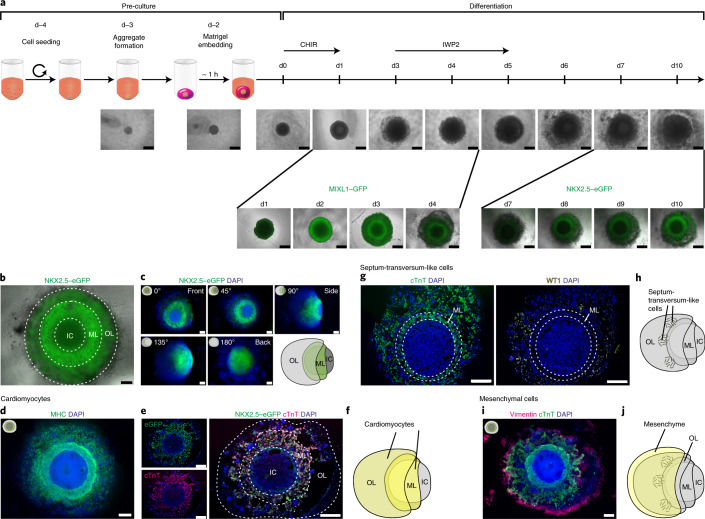
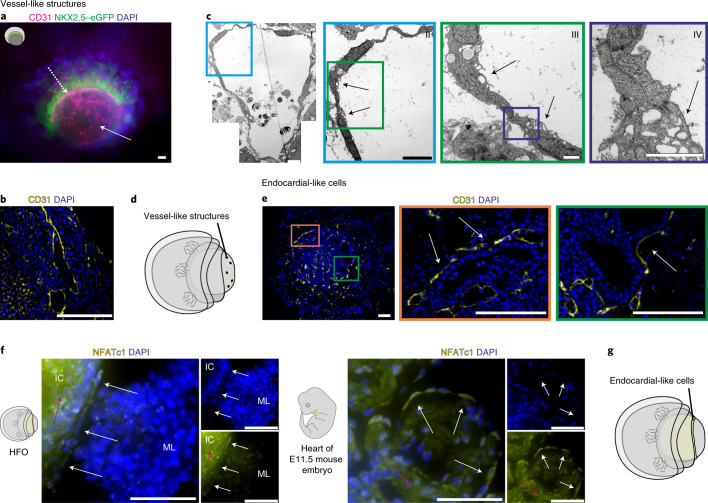
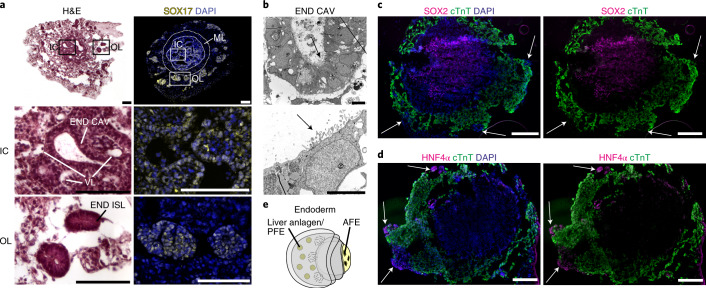
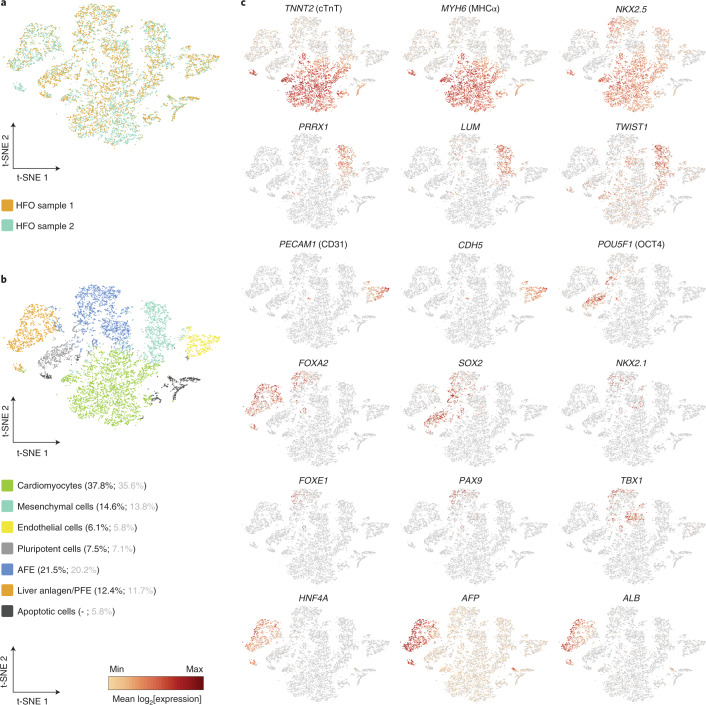
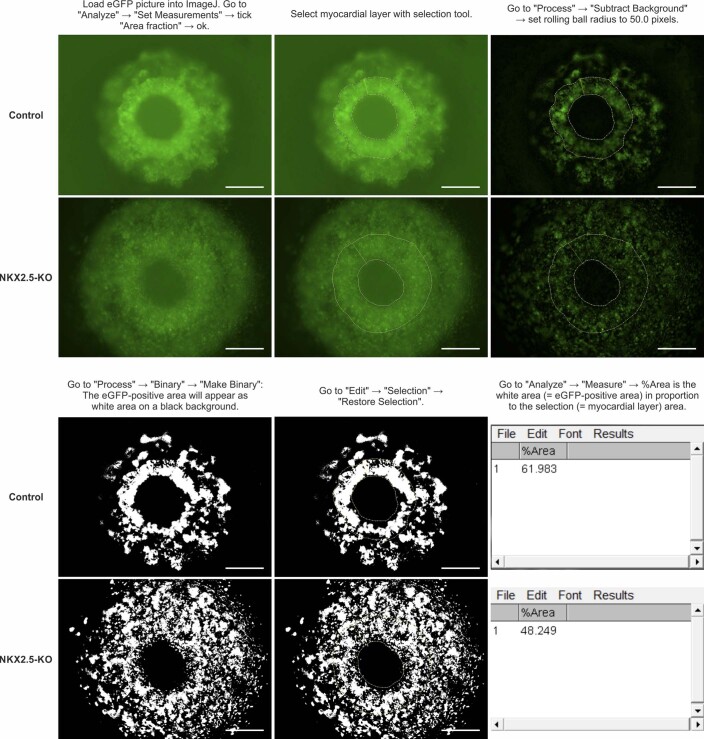
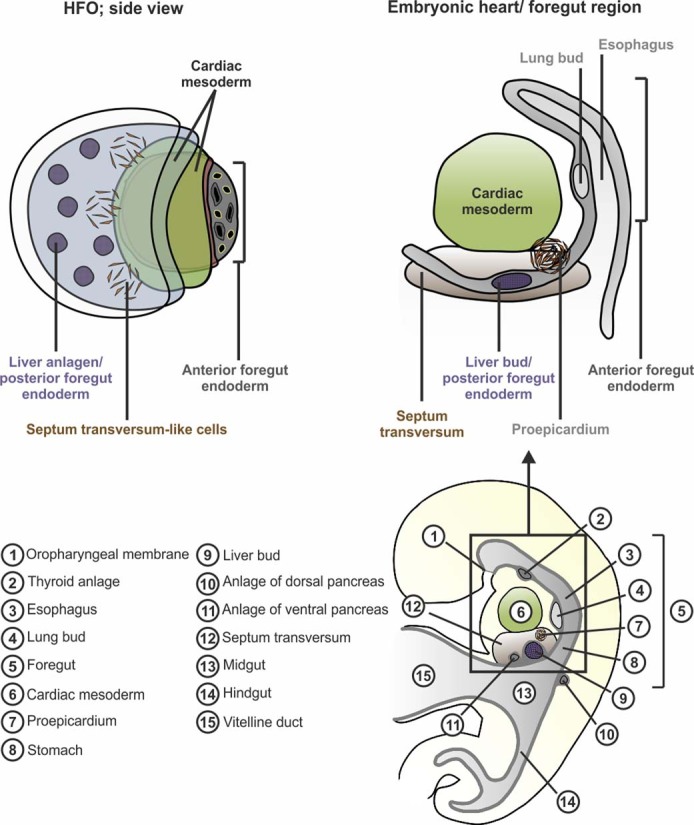
Organoid models of early tissue development have been produced for the intestine, brain, kidney and other organs, but similar approaches for the heart have been lacking. Here we generate complex, highly structured, three-dimensional heart-forming organoids (HFOs) by embedding human pluripotent stem cell aggregates in Matrigel followed by directed cardiac differentiation via biphasic WNT pathway modulation with small molecules. HFOs are composed of a myocardial layer lined by endocardial-like cells and surrounded by septum-transversum-like anlagen; they further contain spatially and molecularly distinct anterior versus posterior foregut endoderm tissues and a vascular network. The architecture of HFOs closely resembles aspects of early native heart anlagen before heart tube formation, which is known to require an interplay with foregut endoderm development. We apply HFOs to study genetic defects in vitro by demonstrating that NKX2.5 -knockout HFOs show a phenotype reminiscent of cardiac malformations previously observed in transgenic mice.
Overview
The claims and statistics of this paper haven’t been checked yet.
Free: it reads the open-access text and checks the first 5 claims that cite a source we can check. Create a free account to check every claim.
Integrity signals
Registry
Cites
Statistics
Figures
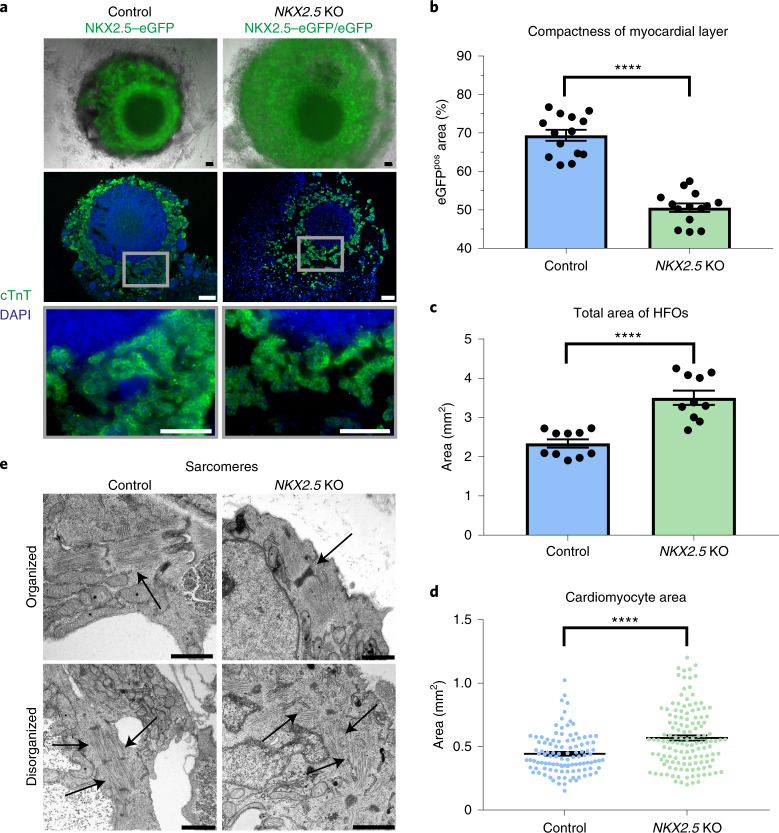
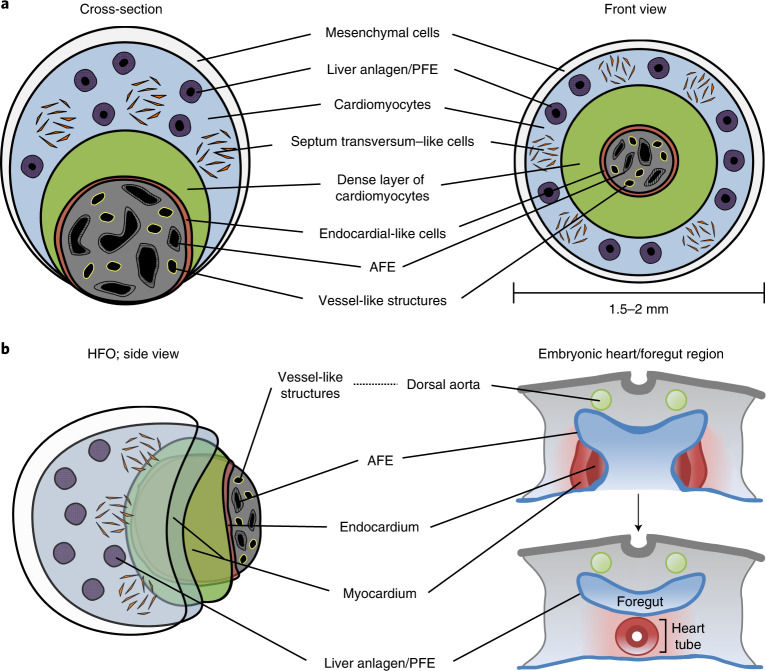
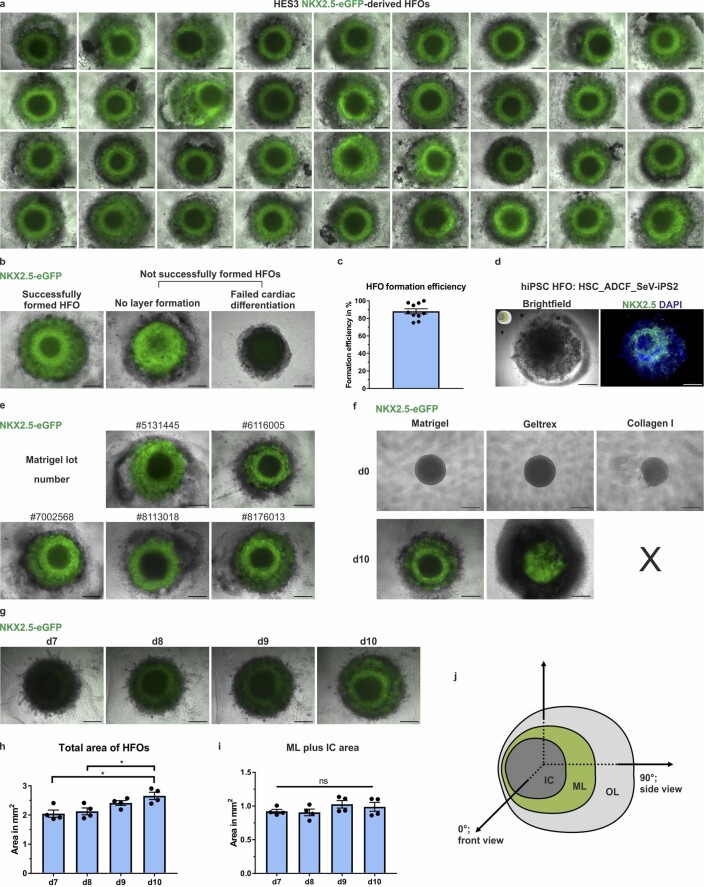
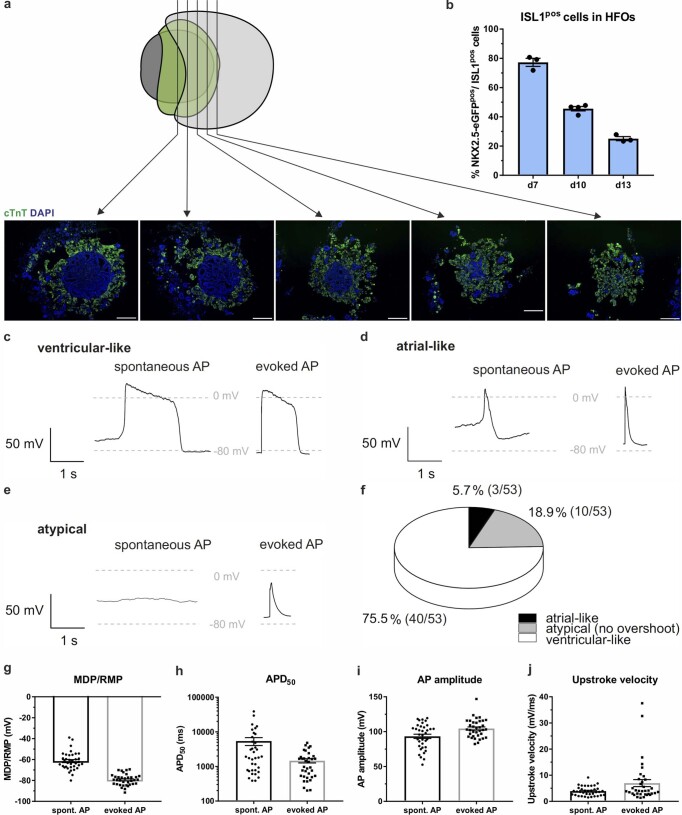
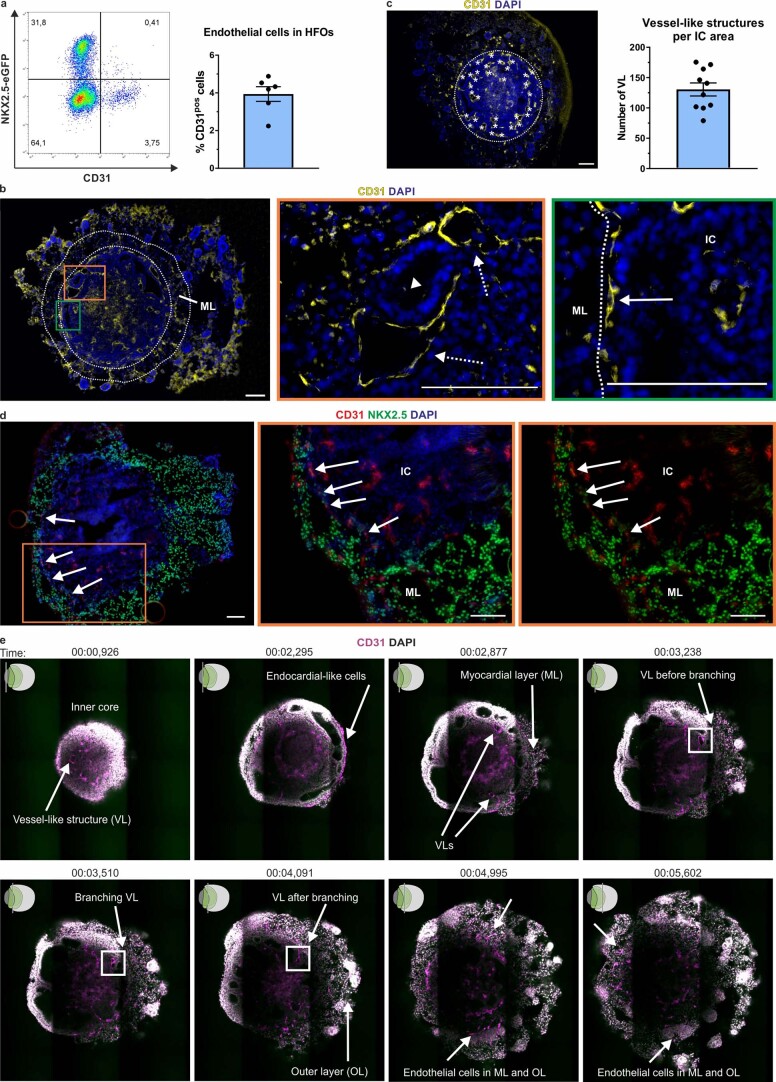
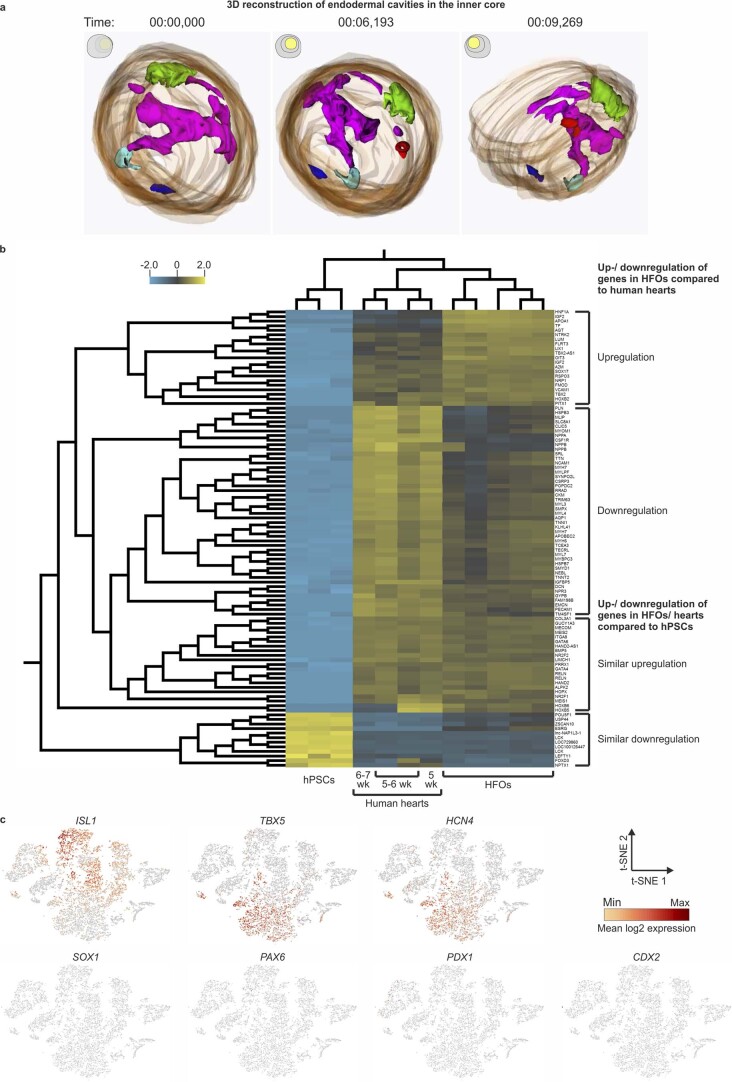
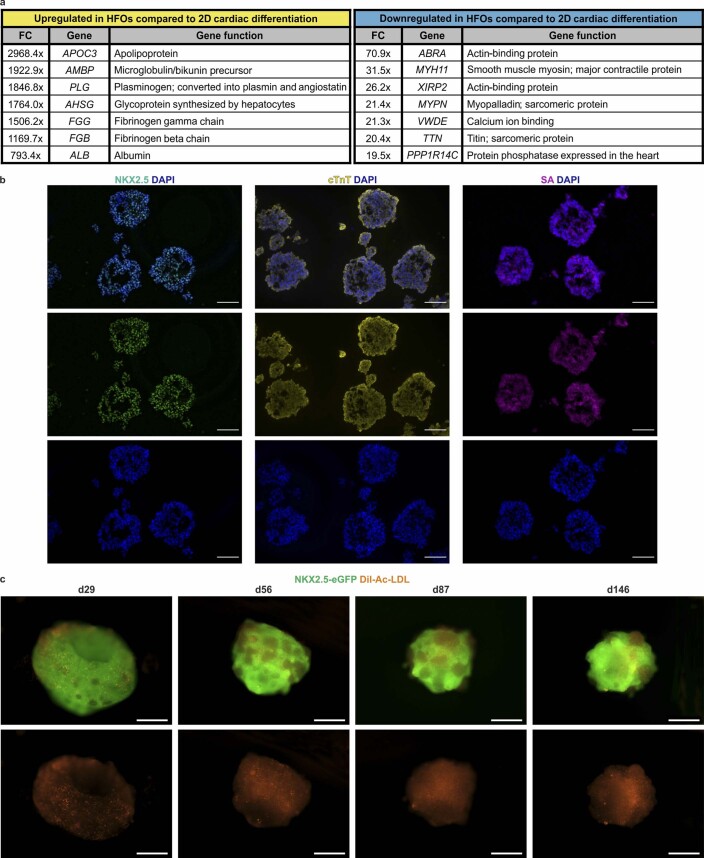
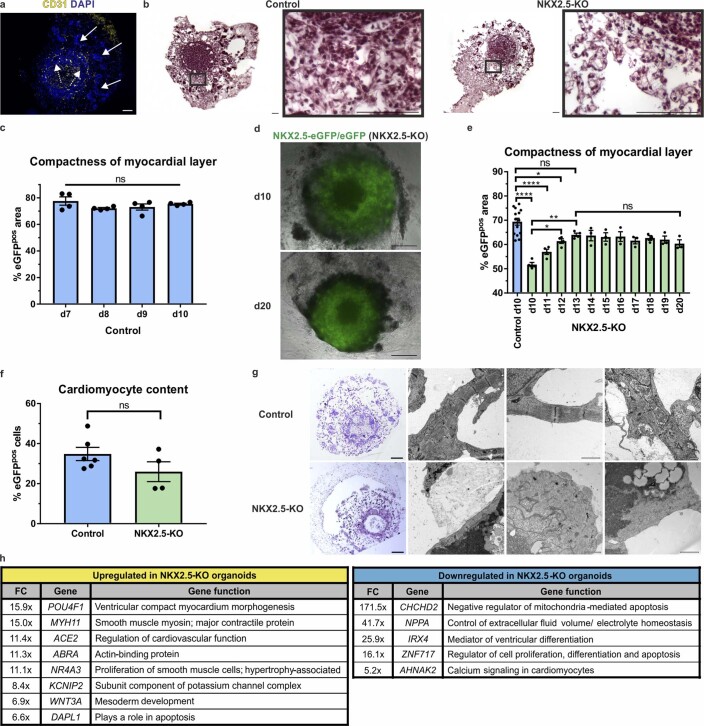
Verification
Claims the paper makes
The claims and statistics of this paper haven’t been checked yet.
Free: it reads the open-access text and checks the first 5 claims that cite a source we can check. Create a free account to check every claim.
Claims other papers make about this one
Each is checked against this paper’s own text: does it say what the citing paper says it does?
The cited source says what the claim attributes to it.
In the citing paper
“Immunofluorescence analysis for the endocardial marker NFATC1 (an endocardial specific cell marker19) revealed the formation of endocardial layers, similar to the endocardial lining of heart chambers”
From Self-assembling human heart organoids for the modeling of cardiac development and congenital heart disease (2021) · cites this paper as [19]
In the citing paper
“While demonstrating a large leap in self-assembling capabilities, these cardioids still relied heavily on complex growth factor mixtures, co-culture approaches to include epicardial clusters, and independent differentiation protocols to achieve their final results.”
From Self-assembling human heart organoids for the modeling of cardiac development and congenital heart disease (2021) · cites this paper as [19]
In the citing paper
“Hybrid cardiac-foregut organoids from human PSCs have also been reported very recently, with external heart layers and an internal endodermal core19”
From Self-assembling human heart organoids for the modeling of cardiac development and congenital heart disease (2021) · cites this paper as [19]
Self-check
Percentages, sums and reported differences re-computed from the paper’s own numbers.
The self-check needs the paper’s full text.
Citations
Cites
THE USE OF LEAD CITRATE AT HIGH pH AS AN ELECTRON-OPAQUE STAIN IN ELECTRON MICROSCOPY
Reynolds, E. S. (1963) · The Journal of Cell Biology · doi:10.1083/jcb.17.1.208 · Cited by 24,938
Single Lgr5 stem cells build crypt-villus structures in vitro without a mesenchymal niche
Sato, T., Vries, R. G., Snippert, H. J., van de Wetering, M., Barker, N., Stange, D. E., van Es, J. H., Abo, A., Kujala, P., Peters, P. J., et al. (2009) · Nature · doi:10.1038/nature07935 · Cited by 7,204
The GeneCards suite: from gene data mining to disease genome sequence analyses
Stelzer, G., Rosen, N., Plaschkes, I., Zimmerman, S., Twik, M., Fishilevich, S., Stein, T. I., Nudel, R., Lieder, I., Mazor, Y., et al. (2016) · Current Protocols in Bioinformatics · doi:10.1002/cpbi.5 · Cited by 5,550
Cerebral organoids model human brain development and microcephaly
Lancaster, M. A., Renner, M., Martin, C.-A., Wenzel, D., Bicknell, L. S., Hurles, M. E., Homfray, T., Penninger, J. M., Jackson, A. P., & Knoblich, J. A. (2013) · Nature · doi:10.1038/nature12517 · Cited by 5,372
Chemically defined generation of human cardiomyocytes
Burridge, P. W., Matsa, E., Shukla, P., Lin, Z. C., Churko, J. M., Ebert, A. D., Lan, F., Diecke, S., Huber, B., Mordwinkin, N. M., et al. (2014) · Nature Methods · doi:10.1038/nmeth.2999 · Cited by 1,606
Organoids as an in vitro model of human development and disease
Fatehullah, A., Tan, S. H., & Barker, N. (2016) · Nature Cell Biology · doi:10.1038/ncb3312 · Cited by 1,508
Chemically defined conditions for human iPSC derivation and culture
Chen, G., Gulbranson, D. R., Hou, Z., Bolin, J. M., Ruotti, V., Probasco, M. D., Smuga-Otto, K., Howden, S. E., Diol, N. R., Propson, N. E., et al. (2011) · Nature Methods · doi:10.1038/nmeth.1593 · Cited by 1,447
Lyons, I., Parsons, L. M., Hartley, L., Li, R., Andrews, J. E., Robb, L., & Harvey, R. P. (1995) · Genes & Development · doi:10.1101/gad.9.13.1654 · Cited by 1,141
Reconstruct: a free editor for serial section microscopy
FIALA, J. C. (2005) · Journal of Microscopy · doi:10.1111/j.1365-2818.2005.01466.x · Cited by 880
Role of the NF-ATc transcription factor in morphogenesis of cardiac valves and septum
de la Pompa, J. L., Timmerman, L. A., Takimoto, H., Yoshida, H., Elia, A. J., Samper, E., Potter, J., Wakeham, A., Marengere, L., Langille, B. L., et al. (1998) · Nature · doi:10.1038/32419 · Cited by 660
Research works printed but not linked: 2
- Klaus, A., Saga, Y., Taketo, M. M., Tzahor, E. & Birchmeier, W. Distinct roles of Wnt/β-catenin and Bmp signaling during early cardiogenesis. Proc. Natl Acad. Sci. USA 104, 18531–18536 (2007). · DOI · Paper page
- Monaghan, M. G. et al. Endocardial-to-mesenchymal transformation and mesenchymal cell colonization at the onset of human cardiac valve development. Development 143, 473–482 (2016).
Cited by
Items 401–475 of 475
Vascularisation of cardiac organoids
Kakarla, S. (2023) · Digital Repository Service (Northeastern University) · doi:10.17760/d20621629
Pei, D., Zou, X., Wang, F., Zheng, H., & Kong, T. (2024) · Research Square · doi:10.21203/rs.3.rs-4806717/v1
Generating Blood-Generating Heart-Forming Organoids from human pluripotent stem cells v1Preprint
Dardano, M., Drakhlis, L., & Zweigerdt, R. (2024) · doi:10.17504/protocols.io.e6nvw1nkdlmk/v1
Self-citationModeling Arrhythmia in a Dish: An Open View from Human-Engineered Heart Constructs
Wang, S., Yang, P., Selvaraj, J. N., & Zhang, D. (2025) · International Journal of Drug Discovery and Pharmacology · doi:10.53941/ijddp.2025.100001
Application of Inorganic Bioactive Materials in Organoid Research
Ma, W., Yahui, H. A. N., Wu, C., & Lu, H. (2025) · Journal of Inorganic Materials · doi:10.15541/jim20250007
Wang, A., wang, J., Zhang, Z., Yang, C., Deng, C., Chen, G., Li, C., Wang, Q., Dong, L., & Wang, C. (2025) · bioRxiv (Cold Spring Harbor Laboratory) · doi:10.1101/2025.04.08.647814
Shin, T. H., Noh, J.-M., Choi, S.-C., Song, M., Song, M.-H., Kim, S., Lim, D., & Park, Y. (2025) · SSRN Electronic Journal · doi:10.2139/ssrn.5224396
Heart spheroids from primary cells for studying cardiac developmentPreprint
Chang, C. M., Xu, J., Chang, S. H. L., & Li, G. (2025) · bioRxiv (Cold Spring Harbor Laboratory) · doi:10.1101/2025.05.05.652113
“Since stem cell-derived heart organoids often contain non-cardiac lineages and multi-lineage organoids have previously been shown to promote cardiac lineage development 23,24 , it is important to directly assess the interactions between cardiac cells and cells from these associated organs.”
El-Hashash, A. H. K. (2025) · Elsevier eBooks · doi:10.1016/b978-0-443-29890-5.00007-5
Taghiyev, Z. T., Arneth, B. M., Altrawy, A., Mohamed, R., Ghazy, A., Hamdy, D., & Sabit, H. (2025) · Elsevier eBooks · doi:10.1016/b978-0-443-29890-5.00001-4
Wang, A., Wang, J., Zhang, Z., Yang, C., Deng, C., Chen, G., Li, C., Wang, Q., Dong, L., & Wang, C. (2025) · eLife · doi:10.7554/elife.106822
Wang, A., Wang, J., Zhang, Z., Yang, C., Deng, C., Chen, G., Li, C., Wang, Q., Dong, L., & Wang, C. (2025) · eLife · doi:10.7554/elife.106822.1
Induced Pluripotent Stem Cell-Derived Cardiac Cells in Advancing Cardiovascular Medicine
Wasserman, A. H., Abolibdeh, B., Montalvo, N., & Hong, C. C. (2025) · Elsevier eBooks · doi:10.1016/b978-0-443-15734-9.00075-3
The Heart from Every Angle: Recent Approaches To Modeling Congenital Heart Disease
Ebrahim, T. A. M., Richter, F., Gelb, B. D., & Dubois, N. C. (2025) · Current Treatment Options in Cardiovascular Medicine · doi:10.1007/s11936-025-01123-0
“Other organoid models include additional cell types, such as anterior fore-gut endoderm cells [71], and can thus be used to investigate defects in the co-development of the heart and the underlying endoderm, which is known to supply important signals during early cardiogenesis.”
Isogenic monocytes improve the responsiveness of hiPSC cardiac spheroids to cardiac stressorsPreprint
Strässler, E. T., Kessler, E. L., van Vliet, E. F., Chirico, N., Na, E., Cai, Q., van Mil, A., Schiattarella, G. G., Gerhardt, H., Kränkel, N., et al. (2025) · bioRxiv (Cold Spring Harbor Laboratory) · doi:10.1101/2025.10.16.682827
Human Organoids Reveal PTEN-Driven Mesendoderm Specification via Retinoic Acid Signaling Suppression
Wang, W., He, Q., Zhang, H., Chan, S.-W., Xiong, Z., Tang, H., Lv, Y., Su, X., Guo, Y., Fan, Y., et al. (2026) · Research · doi:10.34133/research.1374
“For MES organoid formation, we modified the protocol from Drakhlis et al. [ 25 ]. hiPSCs (Allen Institute for Cell Science; AG28869, GM23720, AICS-0060-027) at passage 8 were seeded at 5,000 cells per well in a U-shaped ultralow-attachment 96-well plate (Corning, 3788) in mTeSR1 + ROCKi.”
InfluentialGong, X., Fan, Y., Luo, K., Yan, Y., & Li, Z. (2025) · PubMed · doi:10.12122/j.issn.1673-4254.2025.11.17
Ho, B. X., Pang, J. K. S., Chen, Y., Loh, Y., An, Ö., Yang, H. H., Seshachalam, V. P., Koh, J. L., Chan, W.-K., Ng, S. Y., et al. (2024) · Figshare · doi:10.6084/m9.figshare.26556578
Ho, B. X., Pang, J. K. S., Chen, Y., Loh, Y., An, Ö., Yang, H. H., Seshachalam, V. P., Koh, J. L., Chan, W.-K., Ng, S. Y., et al. (2024) · Figshare · doi:10.6084/m9.figshare.26556566
Ho, B. X., Pang, J. K. S., Chen, Y., Loh, Y., An, Ö., Yang, H. H., Seshachalam, V. P., Koh, J. L., Chan, W.-K., Ng, S. Y., et al. (2024) · Figshare · doi:10.6084/m9.figshare.26556569
Ho, B. X., Pang, J. K. S., Chen, Y., Loh, Y., An, Ö., Yang, H. H., Seshachalam, V. P., Koh, J. L., Chan, W.-K., Ng, S. Y., et al. (2024) · Figshare · doi:10.6084/m9.figshare.26556572
Ho, B. X., Pang, J. K. S., Chen, Y., Loh, Y., An, Ö., Yang, H. H., Seshachalam, V. P., Koh, J. L., Chan, W.-K., Ng, S. Y., et al. (2024) · Figshare · doi:10.6084/m9.figshare.26556575
Ho, B. X., Pang, J. K. S., Chen, Y., Loh, Y., An, Ö., Yang, H. H., Seshachalam, V. P., Koh, J. L., Chan, W.-K., Ng, S. Y., et al. (2024) · Figshare · doi:10.6084/m9.figshare.26556584
Ergir, E. (2023) · reposiTUm (TU Wien) · doi:10.34726/hss.2023.50391
Ho, B. X., Pang, J. K. S., Chen, Y., Loh, Y., An, Ö., Yang, H. H., Seshachalam, V. P., Koh, J. L., Chan, W.-K., Ng, S. Y., et al. (2024) · Figshare · doi:10.6084/m9.figshare.26556560
Kriedemann, N., Manstein, F., Hernandez-Bautista, C. A., Ullmann, K., Triebert, W., Franke, A., Mertens, M., Stein, I. C. A. P., Leffler, A., Witte, M., et al. (2024) · Figshare · doi:10.6084/m9.figshare.26750477
Self-citationHo, B. X., Pang, J. K. S., Chen, Y., Loh, Y., An, Ö., Yang, H. H., Seshachalam, V. P., Koh, J. L., Chan, W.-K., Ng, S. Y., et al. (2024) · Figshare · doi:10.6084/m9.figshare.26556563
Ho, B. X., Pang, J. K. S., Chen, Y., Loh, Y., An, Ö., Yang, H. H., Seshachalam, V. P., Koh, J. L., Chan, W.-K., Ng, S. Y., et al. (2024) · Figshare · doi:10.6084/m9.figshare.26556581
Gonzalez, G. (2024) · eScholarship (California Digital Library)
Controlled activin A signaling enables liver organoid generation from human pluripotent stem cells
Cotovio, J. P., Borges, A. C., Nogueira, D. E. S., Rodrigues, C. A. V., Cabral, J. M. S., & Fernandes, T. G. (2026) · iScience · doi:10.1101/2025.11.27.690974
Liu, Y., Xu, H., & Choy, M. (2024) · Research Explorer (The University of Manchester) · doi:10.20053/j.issn1001-5094.2023.12.005
Effect of Diabetes Mellitus conditions in cardiac organoids: an exploratory study
Méndez Montejano, J., & de Biociències, U. A. D. B. F. (2025) · Dipòsit Digital de Documents de la UAB (Universitat Autònoma de Barcelona)
Angeborene Immunabwehr im oralen Epithel
Rothbächer, P. (2025) · Online Publication Service of Würzburg University (Würzburg University) · doi:10.25972/opus-43365
OCT-based structural and functional assessment of cardiac organoids derived from hiPSCs
Hwang, J., Kim, K. R., Oh, J., Choi, W. J., & Kim, J. K. (2026) · Optical Interactions with Tissue and Cells · doi:10.1117/12.3079122
“[3 ] OCT imaging at Day 21 revealed a shift to a highly homogeneous tissue architecture, characterized by a single, well-defined central cavity and the complete loss of the initial outer membrane .”
El-Moghazy, F. M., Zaabal, M. M., Ahmed, W. M., El-Khadrawy, H. H., A, A. H., & Abdukhalimov, B. (2026) · Journal of Genetic Engineering and Biotechnology Research · doi:10.33140/jgebr.08.01.01
O’Hern, C., Dionise, M., Caywood, S., Sewavi, M.-L., Basrai, H. F., Muniyandi, P., Volmert, B. D., Kostina, A. S., Huang, A., Chalfoun, N. T., et al. (2026) · STAR Protocols · doi:10.1016/j.xpro.2026.104411
“Outside of a recent report, 9 prior 2D cardiomyocyte cultures, 10–12 engineered heart tissues, 13 and human heart organoid (hHO) systems 2,4,14–18 either lacked TRMPs altogether or relied on macrophages differentiated from primary monocytes, which are phenotypically and developmentally distinct…”
Kim, E. M., Ahn, Y., Wang, J., Hwang, J., Park, J., Huang, K.-Y., Kim, S., Kim, S., Dar, R. D., Kim, Y. H., et al. (2026) · Biomaterials · doi:10.1016/j.biomaterials.2026.124131 · Cited by 1
Tosun, M., & Schenerman, M. A. (2026) · Elsevier eBooks · doi:10.1016/b978-0-443-21988-7.00028-1
Reconstructing the cardiac conduction system in vitro
Devalla, H. D. (2026) · Elsevier eBooks · doi:10.1016/b978-0-443-24142-0.00012-6
Investigating trapezius muscle development in the mouse embryo
Dumas, C. E. (2024) · theses.fr (ABES) · doi:10.70675/7f4ad2ffz52d7z4914za677zae17c215ff98
Yang, B., Liang, Y., Chen, Y., Lin, X., & Meng, Q. (2026) · Phenomics · doi:10.1007/s43657-026-00320-6
佐藤, 卓. (2026) · Nihon Ika Daigaku Igakkai Zasshi · doi:10.1272/manms.22.83
Biomaterials as blueprints: Architecting functional vascularized cardiac organoids
Cao, Y., Wang, C., Gao, S., & Xiao, Z. (2026) · Chemical Engineering Journal · doi:10.1016/j.cej.2026.177392
Gagliardi, M. F., Micaglio, E., Micheletti, A., Benedetti, S., Giordano, A., Alonzo, B. M., Guglielmi, G., Negura, D. G., Giamberti, A., & Chessa, M. (2026) · Genes · doi:10.3390/genes17050584
Song, Y., Li, Y., Mai Nhu, Y., Liu, H., Hong, A., Jain, E., Yang, H., Wang, X. W., & Ma, Z. (2026) · ACS Applied Bio Materials · doi:10.1021/acsabm.6c00364
Cardiac organoids bridge translational gaps in 3R-compliant safety testing
Jajkiewicz, C., & Chahine, M. (2026) · Stem Cell Research · doi:10.1016/j.scr.2026.104039
Modeling Cardiac Inflammation in Human iPSC-Driven Cardioids
Liu, H. (2026) · Syracuse University Libraries (Syracuse University)
Tian, L., Li, J., Lv, J., Liu, Z., Liang, C., Yang, S., Sun, Z., & Duan, J. (2026) · Toxicology in Vitro · doi:10.1016/j.tiv.2026.106276
Synthetic developmental engineering of human liver organogenesis
Taheri, M. N., Xiang, Y., & Ebrahimkhani, M. R. (2026) · Development · doi:10.1242/dev.205040
Traditional and novel experimental models in metabolic and cardiovascular research
Wang, K., Hong, Y., & Wang, X. (2026) · Elsevier eBooks · doi:10.1016/b978-0-443-34186-1.00016-5
Three-Dimensional Cardiac Tissue Models for Pharmaceutical Research
Lu, X., Xie, B., Zhong, J., Xie, R., & Peng, W. (2026) · ACS Applied Bio Materials · doi:10.1021/acsabm.6c00217
Vascular organoids in cardiovascular medicine: From stem cell biology to precision medicine
Gao, Q., Long, C., Zhong, A., & Yu, B. (2026) · Global Translational Medicine · doi:10.36922/gtm025350068
Xie, R., Zhao, H., Lei, Y., & Wang, X. (2026) · Bioengineering & Translational Medicine · doi:10.1002/btm2.70167
Elongating human heart organoids recapitulate early cardiac morphogenesis and axial organization
Lee, J., Kim, A., Jeong, Y., Choi, E., Kim, T. Y., Mariam, N., Kim, D., Lee, J., Bae, G., & Kang, J. (2026) · Developmental Cell · doi:10.1016/j.devcel.2026.07.015
ALTINOK, O. A. (2026) · Studies in History and Philosophy of Science Part A · doi:10.1016/j.shpsa.2026.102208
Innervated human cardiac muscle model reveals sympathetic drivers of KCNH2-associated arrhythmias
Schneider, L. V., Setya, M. G., Bao, G., Haertter, D., Methi, A., Krueger, D., Schreiber, M.-K., Jensen, O., Kanari, E., Schmoll, K. A., et al. (2026) · Nature Communications · doi:10.1038/s41467-026-76956-9 · Cited by 1
“19.”
Translational Cardiology in Genetic Cardiomyopathies
Angriman, F., Artioli, R., Bortolotti, F., Perotto, M., Radesich, C., Riccio, M., Paldino, A., Collesi, C., Zacchigna, S., Ferro, M. D., et al. (2026) · Springer eBooks · doi:10.1007/978-3-032-34334-5_15
Angom, R. S., Ashbrook, S. K., Magnano, C., Kar, R., Dorairaj, A., Rachamala, H. K., & Mukhopadhyay, D. (2026) · Cells · doi:10.3390/cells15191754
“Heart-forming organoids containing cardiac and foregut tissues have been used to study how interactions between different embryonic tissues affect early heart development [95].”
Loggia, D., Castagnola, G., & Hébert, T. E. (2026) · Cellular Signalling · doi:10.1016/j.cellsig.2026.112926
Self-buoyant cell-spheroid culture programming multi-spheroid assembly
Xiang, Y., Wei, B., Sun, Y., Liu, W., Zhao, H., Qin, X., Zhu, C., Li, X., & Yang, F. (2026) · Science Advances · doi:10.1126/sciadv.aee3306
Making Cardiac-Organoid Literature Comparable: An Arm-Level Framework and Source-Linked Resource
Koduri, S., Gao, D., Yang, H., & Feng, Y. (2026) · ACM/IEEE Joint Conference on Digital Libraries · doi:10.1145/3805696.3847296
Wang, W., He, Q., Xiong, Z., Zhang, H., Meng, Q., Su, X., Guo, Y., Fan, Y., Yang, L. Y., Liu, X., et al. (2026) · bioRxiv (Cold Spring Harbor Laboratory) · doi:10.64898/2026.10.21.758395
Wu, Y., Hao, S., Gu, Y., Li, H., Chen, Z., Yu, Y., Yao, K., & 傅秋黎 (2026) · Stem Cell Reports · doi:10.1016/j.stemcr.2026.103122
Vascularized Organoids for Modeling Cardiovascular Diseases: Advances and Challenges
Xiang, H., Yang, Y., & Li, P. (2026) · Organoids · doi:10.3390/organoids5040037
Wang, Y., Okhovatian, S., Zhao, Y., Wu, Q., Bodenstein, D. F., & Radisic, M. (2026) · Elsevier eBooks · doi:10.1016/b978-0-443-16110-0.00031-5
Popa, M. A., Jobran, F. A. S., León, J. I. S. D., Oya, J. M. S., Gilmore, L. D., Lozano-Velasco, E., & Franco, D. (2026) · Hearts · doi:10.3390/hearts7040032
Yang, H., Zeng, Y., Teng, Y., Zhao, Q., Hou, M., Cheng, Z., Zhang, X., & Wang, X. (2026) · Cells · doi:10.3390/cells15211948
Akligoh, H., Tran, P., Dumont, F., Deloménie, C., Morel, É., & Konry, T. (2026) · Frontiers in Bioengineering and Biotechnology · doi:10.3389/fbioe.2026.1966188
Bragança, J., Pinto, R., Encarnação, P. D. S., Felício, K., Lázaro, M., Silva, B. M., Sharma, S., & Pinto, R. L. C. (2026) · Journal of Personalized Medicine · doi:10.3390/jpm16110575
RAD16-I 3D cultured cardioids promote hiPSC-CMs maturation
Tian, X., Jia, L., Zhang, J., Li, A., Wang, Z., Chen, Y., Dai, M., Zhang, M., 钟前进, Qin, Y., et al. (2026) · Materials Today Advances · doi:10.1016/j.mtadv.2026.101051
Reyat, J. S., di Maio, A., Grygielska, B., Pike, J., Kemble, S., Rodriguez-Romero, A., Karali, C. S., Croft, A. P., Psaila, B., Simões, F., et al. (2023) · doi:10.3389/fcvm.2023.1156759.s001
Supporting information 2 of Development and Functional Characterization of Fetal Lung Organoids
Laube, M., Pietsch, S., Pannicke, T., Thome, U. H., & Fabian, C. (2021) · doi:10.3389/fmed.2021.678438.s002
Metadata
- Authors
- Drakhlis, L., Biswanath, S., Farr, C.-M., Lupanow, V., Teske, J., Ritzenhoff, K., Franke, A., Manstein, F., Bolesani, E., Kempf, H., Liebscher, S., Schenke-Layland, K., Hegermann, J., Nolte, L., Meyer, H., de la Roche, J., Thiemann, S., Wahl-Schott, C., Martin, U., & Zweigerdt, R.
- Affiliations
- Medizinische Hochschule Hannover (DE)
- Novo Nordisk (Denmark) (DK)
- University of Tübingen (DE)
- Laser Zentrum Hannover (DE)
- Corresponding author
- Drakhlis, Lika
- ORCID
- Venue
- Nature Biotechnology
- Published
- 2021-02-08
- Volume
- 39
- Issue
- 6
- Pages
- 737-746
- ISSN
- 0733-222X (ISSN-L)
- 1087-0156
- 1546-1696
- PMC
- PMC8192303
- OpenAlex
- W3128197056
- Cited by
- 452
- References
- 55
- Citations by year
- 2026: 74 · 2025: 91 · 2024: 88 · 2023: 69 · 2022: 86 · 2021: 43
- FWCI
- 22.68
- Type
- journal article
- Language
- en
- Update notices
- correction (2021-05-20)
- Open access
- hybrid
- doi.org
- Licence
- cc-by
- creativecommons.org/licenses/by/4.0 (tdm)
- creativecommons.org/licenses/by/4.0 (vor)
- Locations
- Nature Biotechnology (publishedVersion, cc-by)
- PubMed Central (publishedVersion, cc-by)
- PubMed (publishedVersion)
- Funders
- Children’s Hospital of Wisconsin Research Institute
- Murdoch Children's Research Institute
- European Commission (H2020)
- Deutsche Forschungsgemeinschaft (REBIRTH EXC62/2, ZW64/4-1, TRR- 152, KFO 311, EXC62/2, Exc-62, SFB/TRR152, ZW64/7-1, WA 2597/3-1, KFO311/ZW64/7-1)
- Agence Nationale de la Recherche (ANR-18-ENM3-0002)
- Universiteit Leiden
- Monash University
- Bundesministerium für Bildung und Forschung (01EK1602A, 82DZL00401, 01EK1601A, 13N14086, 031L0249, 13XP5092B)
- Medizinischen Hochschule Hannover
- Horizon 2020 Framework Programme
- Topics
- Life Sciences › Biochemistry, Genetics and Molecular Biology › Molecular Biology › Pluripotent Stem Cells Research
- Life Sciences › Biochemistry, Genetics and Molecular Biology › Molecular Biology › Congenital heart defects research
- Life Sciences › Biochemistry, Genetics and Molecular Biology › Molecular Biology › Developmental Biology and Gene Regulation
- Keywords
- foregut endoderm, cardiac differentiation, pluripotent stem cells, Wnt signaling, Matrigel, congenital heart disease, heart tube formation, endocardium, myocardium, vascular system, three-dimensional organoids
- MeSH terms
- Homeobox Protein Nkx-2.5, Heart, Humans, Intestines, Organoids, Sequence Analysis, RNA, Body Patterning, Embryonic Development, Green Fluorescent Proteins, Hepatocyte Nuclear Factor 4, SOXB1 Transcription Factors, SOXF Transcription Factors, Gene Knockdown Techniques
About these checks
Registry, retraction, Cites and statistics results are computed, not judged, with one exception: a printed reference that no index lists is read once by a model before it counts as a citation error. Claims are extracted by a model and kept only when their quote appears verbatim in the text; each cited source is then checked, with a model’s help, for whether it says what the claim relies on. Those verdicts can be wrong — read the claim’s quote and the cited source before relying on one.
Statistics and arithmetic are recomputed, not judged.
Confidence bands are shown only for fields calibrated on our annotated test set. None is calibrated yet, so no band is shown.
What counts as a claim ›How we measure confidence ›How we check this ›
Are you an author, or do you see a problem with this page? Request a review
Data sources
Bibliographic data: Semantic Scholar, OpenAlex, Crossref.
Contains information from the Semantic Scholar Academic Graph Datasets, made available under the ODC Attribution License (ODC-BY 1.0).
Semantic Scholar’s data is described in: Kinney, R., et al. (2023). The Semantic Scholar Open Data Platform. arXiv:2301.10140.
