

The DOI matches its Crossref record; 55 of the 57 references it cites were found in a registry or an index.
Modular cytokine receptor-targeting chimeras for targeted degradation of cell surface and extracellular proteins
Open accessAbstract
Targeted degradation of cell surface and extracellular proteins via lysosomal delivery is an important means to modulate extracellular biology. However, these approaches have limitations due to lack of modularity, ease of development, restricted tissue targeting and applicability to both cell surface and extracellular proteins. We describe a lysosomal degradation strategy, termed cytokine receptor-targeting chimeras (KineTACs), that addresses these limitations. KineTACs are fully genetically encoded bispecific antibodies consisting of a cytokine arm, which binds its cognate cytokine receptor, and a target-binding arm for the protein of interest. We show that KineTACs containing the cytokine CXCL12 can use the decoy recycling receptor, CXCR7, to target a variety of target proteins to the lysosome for degradation. Additional KineTACs were designed to harness other CXCR7-targeting cytokines, CXCL11 and vMIPII, and the interleukin-2 (IL-2) receptor-targeting cytokine IL-2. Thus, KineTACs represent a general, modular, selective and simple genetically encoded strategy for inducing lysosomal delivery of extracellular and cell surface targets with broad or tissue-specific distribution.
Overview
The claims and statistics of this paper haven’t been checked yet.
Run the check — free, no account needed. It reads the open-access text and checks the sources it cites.
Integrity signals
Registry
Cites
Statistics
Figures
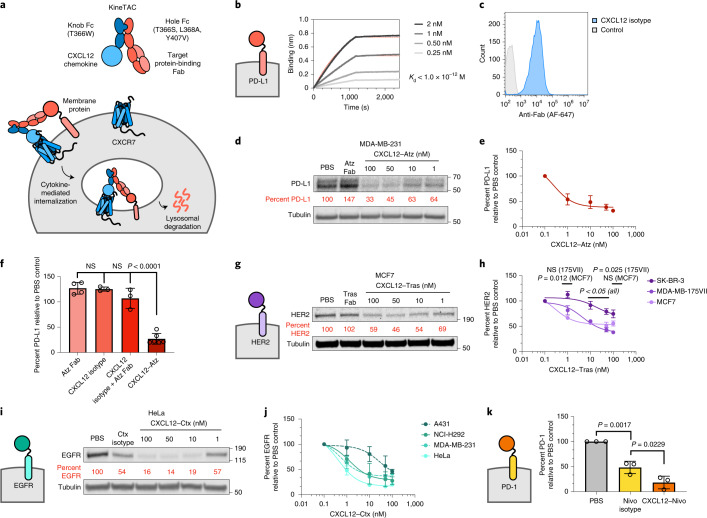
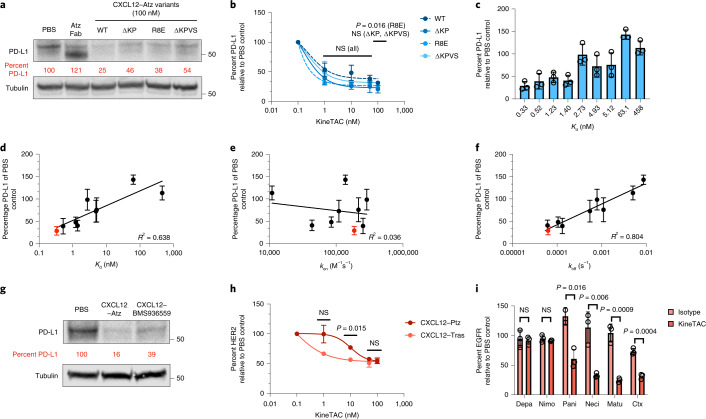
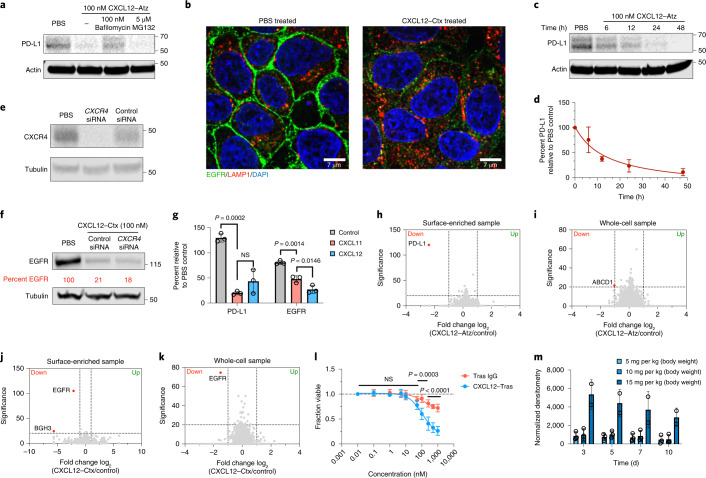
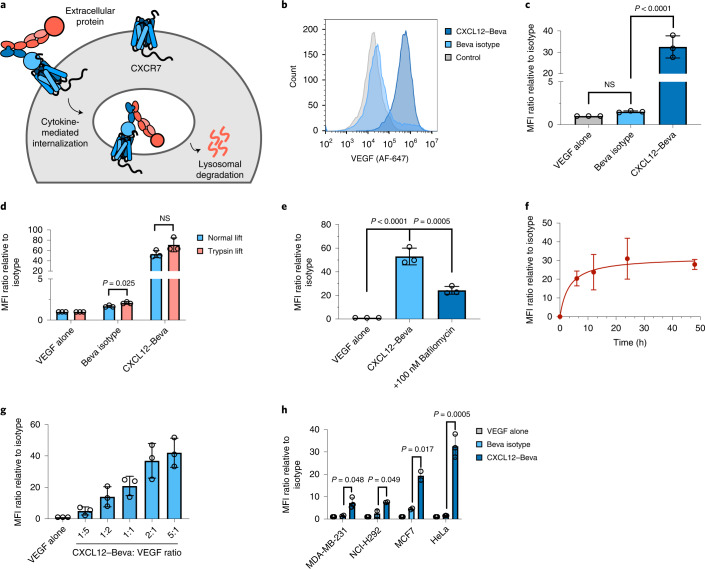
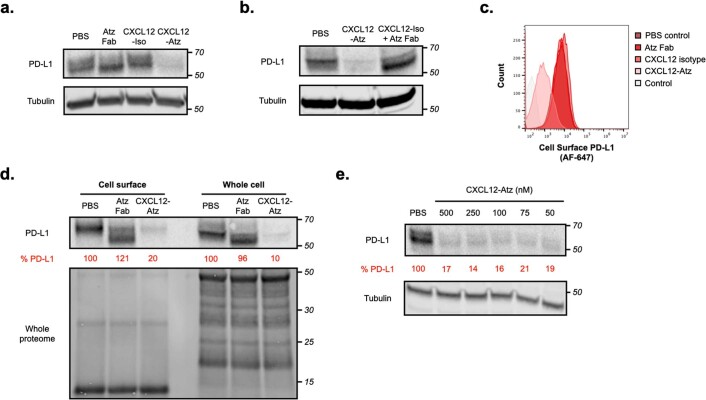
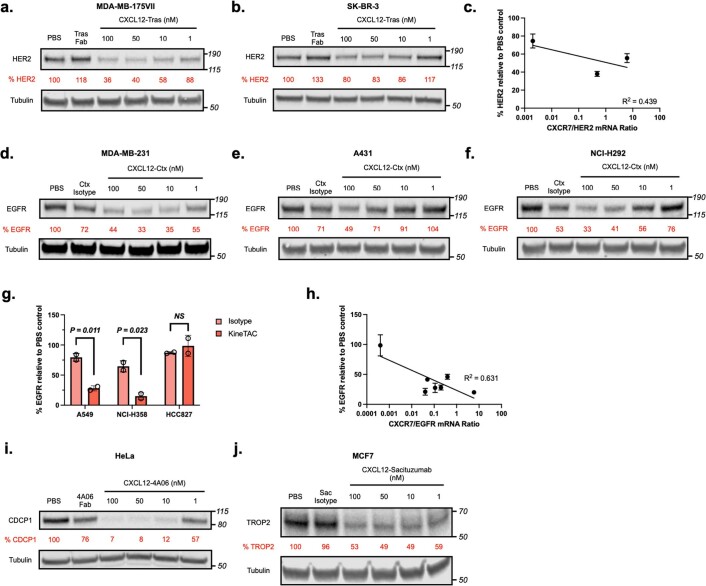
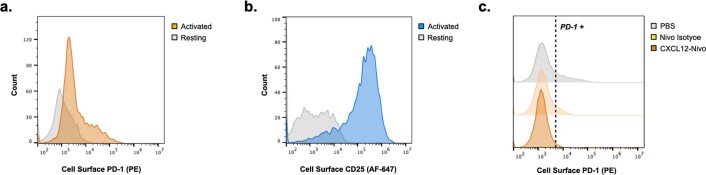
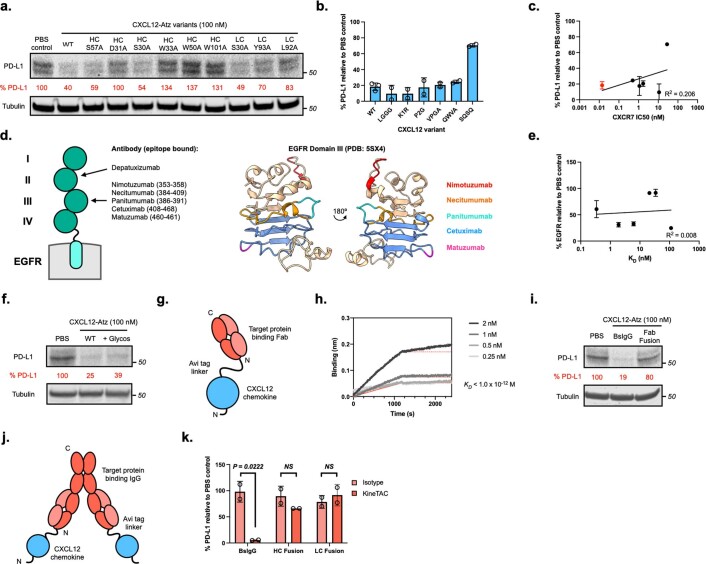
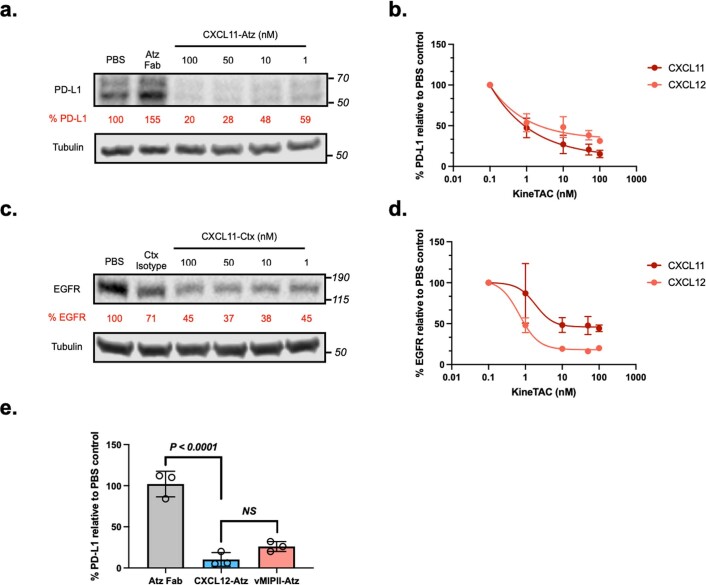
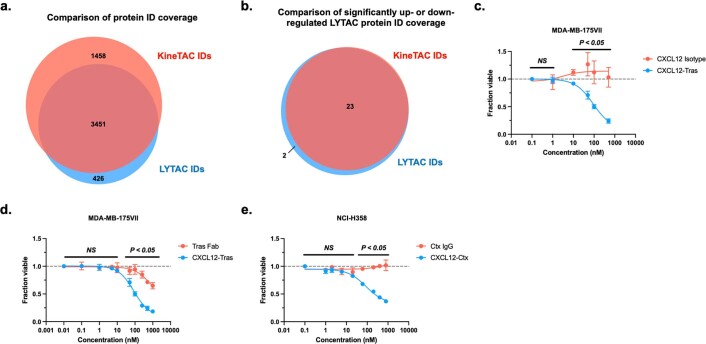
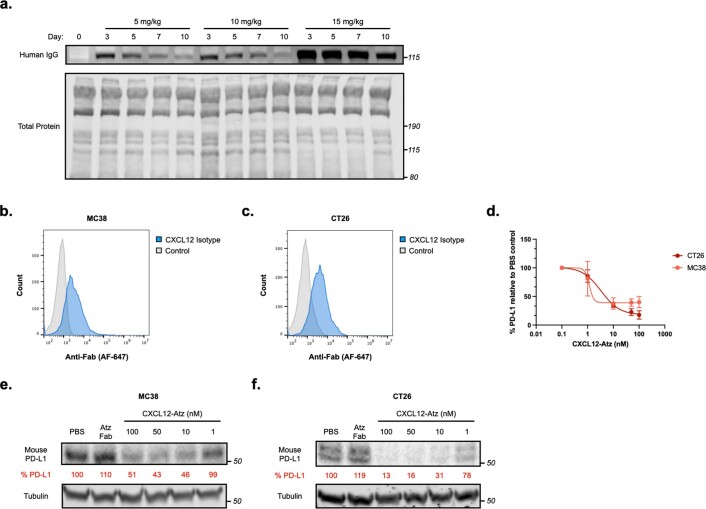
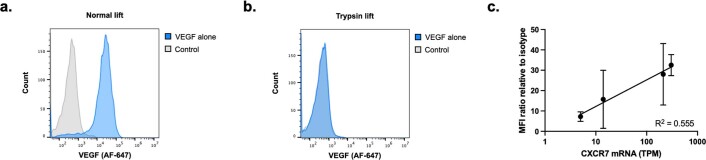
Verification
Claims the paper makes
The claims and statistics of this paper haven’t been checked yet.
Run the check — free, no account needed. It reads the open-access text and checks the sources it cites.
Claims other papers make about this one
Each is checked against this paper’s own text: does it say what the citing paper says it does?
In the citing paper
“To address the challenge of targeting soluble proteins outside cells, James A. Wells’ team developed cytokine receptor-targeting chimeras (KineTACs), a modular cytokine receptor targeting chimera for the targeted degradation of cell surface and extracellular proteins. KineTAC is a fully recombinant bispecific antibody based on a human scaffold that employs the internalization of homologous”
From Recent advances in targeting the “undruggable” proteins: from drug discovery to clinical trials (2023) · cites this paper as [546]
Self-check
Percentages, sums and reported differences re-computed from the paper’s own numbers.
The self-check needs the paper’s full text.
Citations
Cites
The Cancer Cell Line Encyclopedia enables predictive modelling of anticancer drug sensitivity
Barretina, J., Caponigro, G., Stransky, N., Venkatesan, K., Margolin, A. A., Kim, S., Wilson, C. J., Lehár, J., Kryukov, G. V., Sonkin, D., et al. (2012) · Nature · doi:10.1038/nature11003 · Cited by 7,950
Freeman, G. J., Long, A. J., Iwai, Y., Bourque, K., Chernova, T., Nishimura, H., Fitz, L. J., Malenkovich, N., Okazaki, T., Byrne, M. C., et al. (2000) · The Journal of Experimental Medicine · doi:10.1084/jem.192.7.1027 · Cited by 5,294
Epidermal growth factor receptor mutations in lung cancer
Sharma, S. V., Bell, D. W., Settleman, J., & Haber, D. A. (2007) · Nature Reviews Cancer · doi:10.1038/nrc2088 · Cited by 3,170
Sakamoto, K. M., Kim, K. B., Kumagai, A., Mercurio, F., Crews, C. M., & Deshaies, R. J. (2001) · Proceedings of the National Academy of Sciences · doi:10.1073/pnas.141230798 · Cited by 2,609
Lenalidomide Causes Selective Degradation of IKZF1 and IKZF3 in Multiple Myeloma Cells
Krönke, J., Udeshi, N. D., Narla, A., Grauman, P., Hurst, S. N., McConkey, M., Svinkina, T., Heckl, D., Comer, E., Li, X., et al. (2014) · Science · doi:10.1126/science.1244851 · Cited by 1,879
Lysosome-targeting chimaeras for degradation of extracellular proteins
Banik, S. M., Pedram, K., Wisnovsky, S., Ahn, G., Riley, N. M., & Bertozzi, C. R. (2020) · Nature · doi:10.1038/s41586-020-2545-9 · Cited by 1,199
Reprogramming human T cell function and specificity with non-viral genome targeting
Roth, T. L., Puig-Saus, C., Yu, R., Shifrut, E., Carnevale, J., Li, P. J., Hiatt, J., Saco, J., Krystofinski, P., Li, H., et al. (2018) · Nature · doi:10.1038/s41586-018-0326-5 · Cited by 839
PROteolysis TArgeting Chimeras (PROTACs) — Past, present and future
Pettersson, M., & Crews, C. M. (2019) · Drug Discovery Today Technologies · doi:10.1016/j.ddtec.2019.01.002 · Cited by 830
Glycosylation as a strategy to improve antibody-based therapeutics
Jefferis, R. (2009) · Nature Reviews Drug Discovery · doi:10.1038/nrd2804 · Cited by 829
‘Knobs-into-holes’ engineering of antibody C H 3 domains for heavy chain heterodimerization
Ridgway, J. B., Presta, L. G., & Carter, P. M. (1996) · Protein Engineering Design and Selection · doi:10.1093/protein/9.7.617 · Cited by 816
Cited by
Sorted by citations
Items 201–265 of 265
Induced proximity strategies for modulating immune checkpoints in cancer immunotherapy
Wang, W., Li, Y., Zhang, W. Q., Zhang, Y., Zhang, K., Zhang, X. T., & Wang, T. (2026) · European Journal of Medicinal Chemistry · doi:10.1016/j.ejmech.2026.118963 · Cited by 1
A destination-driven framework for nanoparticle-enabled targeted protein degradation
Wang, Y., Xia, X., Xie, S., Tong, F., Liu, W., & Gao, H. (2026) · Acta Pharmaceutica Sinica B · doi:10.1016/j.apsb.2026.05.009 · Cited by 1
Mao, H., Zhang, Y., Liu, M., Yao, Y., Peng, Y., Zhou, X., Huang, H., Fei, W., Zheng, C., & Ye, Y. (2026) · Drug Delivery · doi:10.1080/10717544.2026.2679844 · Cited by 1
Engineered Lysosome-Targeted Protein Degradation via Hijacking Macropinocytosis
Xu, W., Pan, H., Han, Y., Su, L., & Zhou, H. (2026) · ACS Nano · doi:10.1021/acsnano.6c07737 · Cited by 1
Lysosome-targeting degrader delivery system: from formulation design to biomedical applications
Liu, P., Ma, T., & Hu, Q. (2026) · Advanced Drug Delivery Reviews · doi:10.1016/j.addr.2026.115923 · Cited by 1
Zhang, K., Qiu, F., Lü, A., & Liang, C. (2026) · The Innovation Drug Discovery · doi:10.59717/j.xinn-drugdisc.2026.100024 · Cited by 1
Harnessing multispecific antibodies for next-generation cancer treatments
Liu, W.-Q., Xiao-li, Z., & Fan, X. (2026) · Pharmacology & Therapeutics · doi:10.1016/j.pharmthera.2026.109073 · Cited by 1
Zhu, L., Liu, K., Liu, H., He, C., Liu, X., Zeng, X., Mao, M., Mu, Y., Li, Y., Zheng, Q., et al. (2026) · Advanced Science · doi:10.1002/advs.76862 · Cited by 1
张富荣, Wang, Q., Li, M., Wang, T., Lei, P., Huang, T., & Wu, Z. (2026) · Frontiers in Immunology · doi:10.3389/fimmu.2026.1935909 · Cited by 1
Ubiquitin receptor–mediated, ubiquitin-independent targeted protein degradation via 26 S proteasomes
Park, S. H., Jang, Y., Lee, S.-Y., Kim, E., Jeong, D., Byun, I., Kim, J., Yang, J., Lee, C., Han, D., et al. (2026) · Science Advances · doi:10.1126/sciadv.aeh0227 · Cited by 1
Targeted extracellular degradation of LRP8 promotes ferroptosis in cancer cells
Zhao, F., Inague, A., Peters-Clarke, T. M., Chen, Y., Ganjave, S. D., Zhang, Y., Miao, K., Yao, Z., Wu, Y., Seto, M. K. C., et al. (2026) · Proceedings of the National Academy of Sciences · doi:10.1073/pnas.2616933123
Self-citationGPCR antagonism via rewiring of receptor trafficking and degradation
Rhee, K., Shue, L., Adachi, A., Sun, P., Osei‐Owusu, J., Zhou, D., Cheng, A., Xu, Y. R., Li, Q., Baluapuri, A., et al. (2026) · Nature · doi:10.1038/s41586-026-11088-0 · Cited by 5
Prevalence of Anemia: A comprehensive review
Tejavat, D. S. (2023) · International Journal of Clinical and Diagnostic Pathology · doi:10.33545/pathol.2023.v6.i3b.539 · Cited by 1
Mo, M., Wang, F., Zhang, H., Zhang, Y., Yang, C. J., Shang, J., & Zhu, Z. (2025) · Angewandte Chemie · doi:10.1002/ange.202501857 · Cited by 1
Lesiak, L., Dadina, N., Zheng, S., Schelvis, M., & Schepartz, A. (2023) · bioRxiv (Cold Spring Harbor Laboratory) · doi:10.1101/2023.08.04.552058 · Cited by 1
Hedman, A. C., Liu, S., Srnak, J., Marcinczyk, R. N., Do, S., Lyons, L., Kornfeld, S., Do, H., & Liu, L. (2024) · bioRxiv (Cold Spring Harbor Laboratory) · doi:10.1101/2024.09.03.611037 · Cited by 1
Lu, R. H.-H., Krishna, J., Alp, Y., & Thayumanavan, S. (2024) · bioRxiv (Cold Spring Harbor Laboratory) · doi:10.1101/2024.09.18.613672 · Cited by 1
Degradation of intrinsically disordered proteins using proteolysis targeting nanobody conjugatePreprint
Sun, X., Wu, D., Zhou, C., Xia, S., & Chen, X. (2024) · bioRxiv (Cold Spring Harbor Laboratory) · doi:10.1101/2024.11.27.622182 · Cited by 2
Bifunctional Phagocytic Synapse Enhancers for Cancer ImmunotherapyPreprint
Sabatino, V., Fleisch, S., Tang, C., Müller, F., Labão‐Almeida, C., Khaw, W. T., Hogan, S. A., Hicks, D. R., Fontes, M., Coelho, A. R., et al. (2025) · bioRxiv (Cold Spring Harbor Laboratory) · doi:10.1101/2025.03.13.642658 · Cited by 1
Dutta, R., Alp, Y., Gupta, P., Singh, B., & Thayumanavan, S. (2025) · bioRxiv (Cold Spring Harbor Laboratory) · doi:10.1101/2025.05.06.652519 · Cited by 1
Branon, T. C. (2025) · Wiley eBooks · doi:10.1002/9781394236145.ch16 · Cited by 1
Z-TAC enables custom and combinatorial degradation of cell surface proteinsPreprint
Zhou, D., Shue, L., Gao, S. H., Fischer, E. S., Flynn, R. A., & Zhou, X. X. (2026) · bioRxiv (Cold Spring Harbor Laboratory) · doi:10.64898/2026.04.03.716357 · Cited by 1
Pan, Y., Xiang, Q., Deng, K., Anwar, M. I., Wang, L., Wang, Y., Liang, Q., Shen, L., Yang, J., & Shen, W. (2024) · bioRxiv (Cold Spring Harbor Laboratory) · doi:10.1101/2024.02.20.581320
Immunomodulatory effect of tibetan medicine compound extracts against ORFV in vitro by metabolomics
Fan, Y., Wu, J., Huang, W., Li, S., Zeng, Q., Gesang, Z., Silang, Y., Zhang, C., & Fu, G. (2024) · BMC Veterinary Research · doi:10.1186/s12917-024-04204-7
Targeted protein degradation via CAR endocytosis of antigen in T cellsPreprint
Wang, Y., Yin, N., & Peng, M. (2024) · bioRxiv (Cold Spring Harbor Laboratory) · doi:10.1101/2024.11.20.624443
Cui, J., Zheng, Q., Weng, Y., Zhai, X., Su, Z. C., Du, Y., Wei, X., Yu, Y., Qu, Q., & Pan, M. (2025) · Angewandte Chemie · doi:10.1002/ange.202501488
Kovalyova, Y., Leon, C. D., Krasowska‐Zoladek, A., Suon, S., Wong, J., Young, S., Heberling, J. L., Price, L. A., Berger, R., Magliaro, B. C., et al. (2025) · ACS Chemical Neuroscience · doi:10.1021/acschemneuro.5c00161
Wojdyła, B., Marcinkowska, M., & Kołaczkowski, M. (2025) · Farmacja Polska · doi:10.32383/farmpol/204016
Targeted Protein Degradation of Metalloenzymes
O’Herin, C., & Cohen, S. M. (2025) · Wiley eBooks · doi:10.1002/0471266949.bmc303
New modalities: Drugging the undruggable GPCR targets
Zawadzki, P., Graczyk, P. P., & Staroń, J. (2025) · Elsevier eBooks · doi:10.1016/b978-0-443-29808-0.00030-3
A self-assembling peptide platform enables plasma membrane protein degradation
Zhou, W., Li, Y., Shi, W., Cheng, B., Liang, J., Zhou, Z., Tian, H., Shao, X., Li, H., Fang, L., et al. (2025) · Bioorganic & Medicinal Chemistry Letters · doi:10.1016/j.bmcl.2025.130504
Chen, S., Zhuo, Y., Pang, L., Liang, H., Lin, X., & Li, J. (2025) · ACS Applied Materials & Interfaces · doi:10.1021/acsami.5c20326
Atypical GPCR Activation Resolved by Nanobody EngineeringPreprint
Schlimgen, R. R., Jenjak, S. E., Sancha, A. D. L., Darcis, J., Billesboelle, C., Olson, L. J., Peterson, F. C., Smit, M. J., Manglik, A., Szpakowska, M., et al. (2026) · bioRxiv (Cold Spring Harbor Laboratory) · doi:10.64898/2026.01.10.698836 · Cited by 3
Structure-guided design of a targeted autoantibody degrader for neurologic diseasePreprint
Zimanyi, M., Dayao, M. T., Asencor, A. I., Kondapavulur, S., Asaki, J., McCutcheon, K. M., Dabaco, C., Bodansky, A., Craik, C. S., Pleasure, S. J., et al. (2026) · bioRxiv (Cold Spring Harbor Laboratory) · doi:10.64898/2026.02.01.703132
Sheddase Targeting Chimeras (SHEDTACs) catalyze membrane target proteolysisPreprint
Garabedian, B. M. (2026) · bioRxiv (Cold Spring Harbor Laboratory) · doi:10.64898/2026.02.06.703938
Targeted shedding of extracellular membrane proteins by induced protease recruitmentPreprint
Yao, Z. W., Zhao, F., Miao, K., Peters-Clarke, T. M., Zhang, Y., Ganjave, S. D., Vázquez-Maldonado, Á. L., Yw, W., Kumru, K. S., Jumaa, H., et al. (2026) · bioRxiv (Cold Spring Harbor Laboratory) · doi:10.64898/2026.02.17.706468 · Cited by 1
Self-citationTargeted Protein Degradation by Repurposing Transmembrane E3 Ubiquitin Ligases
Cui, J., Qu, Q., & Pan, M. (2026) · ChemBioChem · doi:10.1002/cbic.202500870
Lysosome-targeting protein degradation: from mechanistic insights to strategic design
YaLi, W. U., Zhao, H., FaHui, Z. H. U., Jiang, Y., Chen, M., Ba, M., Ang, L. I., & He, W. (2026) · Scientia Sinica Vitae · doi:10.1360/ssv-2025-0410
Guo, Z., Lu, Y., Zhang, L., Chen, Y., Li, H., Wang, T., Gu, W., Wu, F., Yelin, W. U., Zhao, P., et al. (2026) · Advanced Materials · doi:10.1002/adma.202517261
Harnessing Targeted Protein Degradation for Developing Brain Cancer Therapy
Muhammad, O., White, S., Dumo, C. J., Park, T. I., Choi, P. J., & Jose, J. (2026) · Bioconjugate Chemistry · doi:10.1021/acs.bioconjchem.6c00123
Kabir, M., Kim, Y. J. (., Deng, Z., Xiang, Y., Sargunas, P. R., Song, N., Wang, Z., Param, N. J., Jin, C., Sang, Z., et al. (2026) · bioRxiv (Cold Spring Harbor Laboratory) · doi:10.64898/2026.05.02.722401
Beyond degradation: chemistry of lysosomal microenvironment in diseases and therapy
Saha, S., Sahoo, S. S., & Manna, D. (2026) · Chemical Physics Impact · doi:10.1016/j.chphi.2026.101075
Wang, Y., He, Z., Yin, N., & Peng, M. (2026) · hLife · doi:10.1016/j.hlife.2026.05.003
Du, J., Han, S., Song, R., Wang, J., Zhang, L., Xu, Y., Zhou, H., Wang, F., Qin, S., Xu, D., et al. (2026) · Nature Nanotechnology · doi:10.1038/s41565-026-02196-z
Synthetic Chimeric Antigen Lysosome-Associated Receptor Redirects Targeted Protein to Degradation
Gao, Y., Li, H., Wang, T., Yang, X., Sun, S., Long, Y., He, J., & Jiang, J.-H. (2026) · Journal of the American Chemical Society · doi:10.1021/jacs.6c00107
Fan, B., Wei, X., Li, W., Cui, S., Wang, X., Cui, J., Wang, X., Cong, W., Pan, M., Zheng, Q., et al. (2026) · Organic & Biomolecular Chemistry · doi:10.1039/d6ob00814c
Tutorial: strategies for targeting organelles using nanoparticles
Feng, N., Gao, J., Wang, L., Qin, Y., Zheng, L., Tang, B. Z., & Zhang, J. (2026) · Nature Protocols · doi:10.1038/s41596-026-01401-6
Li, N., Guo, Z., Zhang, R., Yao, Y., Li, Y., Qin, R., Zhang, Y., Fan, Z., Cai, T., Xu, L., et al. (2026) · Journal of Medicinal Chemistry · doi:10.1021/acs.jmedchem.6c01278
Lin, C., Liu, J., Ni, J., Chen, D., Liu, Y., Zhu, W., Sheng, Y., Wang, Y., Gao, Y., Zhang, S., et al. (2026) · Oncogene · doi:10.1038/s41388-026-03901-x
Targeted protein degradation technologies for modulating cell-cell communication
Lu, Y., & Wang, M. (2026) · Scientia Sinica Chimica · doi:10.1360/ssc-2026-0145
Dutta, R., Alp, Y., Gupta, P., Singh, B., & Thayumanavan, S. (2026) · Journal of the American Chemical Society · doi:10.1021/jacs.6c12291
Stimuli-Responsive DNA Tetrahedral Lysosome-Targeting Chimeras for Enhanced HER2 Protein Degradation
Song, L., Zhou, M., Wang, Y., Guo, X., Yang, X., Hu, Y., Wang, Y., Yu, S., Liu, W., & He, L. (2026) · Biomacromolecules · doi:10.1021/acs.biomac.6c00257
Dissecting PROTAB ‐mediated degradation of cell surface proteins
He, J., Sun, T., Zhang, M., Sanoyca, A., Tsai, W. K., Kee, Y.-S., Agard, N. J., & Li, J. (2026) · FEBS Journal · doi:10.1111/febs.70670 · Cited by 1
Lysosome-targeted protein degradation platforms for spatiotemporally controlled degradation
Liang, L., Zhang, T., Zhang, X., Ye, L., Zhai, G., & Yang, X. (2026) · Trends in Pharmacological Sciences · doi:10.1016/j.tips.2026.07.007
Ma, S., Zhang, J., Zhou, S., Li, J., Ma, W., Yin, X., Wang, X., & Tong, J. (2026) · International Journal of Biological Macromolecules · doi:10.1016/j.ijbiomac.2026.154111
Chen, L., Fu, X., Dong, W., Deng, X., Chen, S., Wang, F., Zhao, J., Shao, S., Fan, L., Zhang, L., et al. (2026) · bioRxiv (Cold Spring Harbor Laboratory) · doi:10.64898/2026.08.19.745708
Chemically Induced Proximity in Biological Modulation
Jin, X., Zhou, C., & Zhang, X. (2026) · ACS Bio & Med Chem Au · doi:10.1021/acsbiomedchemau.6c00121
Molecular design and delivery of extracellular and membrane protein degradation chimeras
Lin, S., Zhou, H., Qiu, J., Dang, Y., Kou, L., Zhu, Z., Xu, Z., Lai, Y., & Yu, H. (2026) · Advanced Drug Delivery Reviews · doi:10.1016/j.addr.2026.115959
An artificial antibody-based modular platform for targeted degradation of cellular membrane proteins
Deng, J., Liu, J., Chu, Z., Guo, Y., Liu, Y.-Y., Gao, T., Wang, Y., Lou, C., Tang, H., Wang, H., et al. (2026) · Nano Today · doi:10.1016/j.nantod.2026.103187
Huang, Q., Zuo, Y., Xie, Y., Liu, Z., Wang, L., Xu, H., Yu, M., & Liu, C. (2026) · ACS Biomaterials Science & Engineering · doi:10.1021/acsbiomaterials.6c01137
Innovation-driven drug discovery: Frontier exploration and breakthrough
Du, S., Hu, X., Clercq, E. D., Liu, X., & Zhan, P. (2026) · The Innovation Medicine · doi:10.59717/j.xinn-med.2026.100262
Degradation-coupled antibody conjugates for precision cancer therapy
Zhuang, X., Lin, L., Zhang, Y., Wang, Y., & Pan, L. (2026) · Trends in Molecular Medicine · doi:10.1016/j.molmed.2026.09.014
Landscape of Endocytic Effectors for Extracellular Targeted Protein Degradation
Liang, Y., Shao, S., Chen, Y., 司晶星, & Shen, Y. (2026) · Medicinal Research Reviews · doi:10.1002/med.70112
Recent advances in the development of tag-targeted protein degradation systems
Li, B., Lu, Y., Che, J., & Dong, X. (2026) · Journal of Enzyme Inhibition and Medicinal Chemistry · doi:10.1080/14756366.2026.2742479
Metadata
- Authors
- Pance, K., Gramespacher, J. A., Byrnes, J. R., Salangsang, F., Serrano, J.-A. C., Cotton, A. D., Steri, V., & Wells, J. A.
- Affiliations
- University of California, San Francisco (US)
- Corresponding author
- Wells, James A.
- ORCID
- Venue
- Nature Biotechnology
- Published
- 2022-09-22
- Volume
- 41
- Issue
- 2
- Pages
- 273-281
- ISSN
- 0733-222X (ISSN-L)
- 1087-0156
- 1546-1696
- PMC
- PMC9931583
- OpenAlex
- W4296691508
- Cited by
- 265
- References
- 57
- Citations by year
- 2026: 68 · 2025: 97 · 2024: 58 · 2023: 41 · 2022: 1
- FWCI
- 16.08
- Type
- journal article
- Language
- en
- Open access
- hybrid
- doi.org
- Locations
- Nature Biotechnology (publishedVersion, cc-by)
- PubMed Central (publishedVersion, cc-by)
- PubMed (publishedVersion)
- eScholarship (California Digital Library) (submittedVersion, cc-by)
- Funders
- U.S. Department of Health & Human Services | NIH | National Cancer Institute (1F31CA265080-01, 5F32CA239417, R01CA248323)
- U.S. Department of Health & Human Services | National Institutes of Health (R35GM122451)
- Topics
- Life Sciences › Biochemistry, Genetics and Molecular Biology › Molecular Biology › Protein Degradation and Inhibitors
- Life Sciences › Immunology and Microbiology › Immunology › Monoclonal and Polyclonal Antibodies Research
- Life Sciences › Biochemistry, Genetics and Molecular Biology › Molecular Biology › CRISPR and Genetic Engineering
- Keywords
- targeted protein degradation, lysosomal degradation, bispecific antibodies, CXCL12, CXCR7, decoy receptor, CXCL11, interleukin-2 receptor, interleukin-2, cell surface proteins, extracellular proteins, tissue-specific targeting
- MeSH terms
- Proteolysis Targeting Chimera, Cell Membrane, Interleukin-2, Signal Transduction, Receptors, Cytokine, Chemokine CXCL12, Proteolysis
About these checks
Registry, retraction, Cites and statistics results are computed, not judged, with one exception: a printed reference that no index lists is read once by a model before it counts as a citation error. Claims are extracted by a model and kept only when their quote appears verbatim in the text; each cited source is then checked, with a model’s help, for whether it says what the claim relies on. Those verdicts can be wrong — read the claim’s quote and the cited source before relying on one.
Statistics and arithmetic are recomputed, not judged.
Confidence bands are shown only for fields calibrated on our annotated test set. None is calibrated yet, so no band is shown.
What counts as a claim ›How we measure confidence ›How we check this ›
Are you an author, or do you see a problem with this page? Request a review
