

Genotoxic effects of base and prime editing in human hematopoietic stem cells
Open accessThe DOI matches its Crossref record; 58 of the 59 references it cites were found in a registry or an index.
Abstract
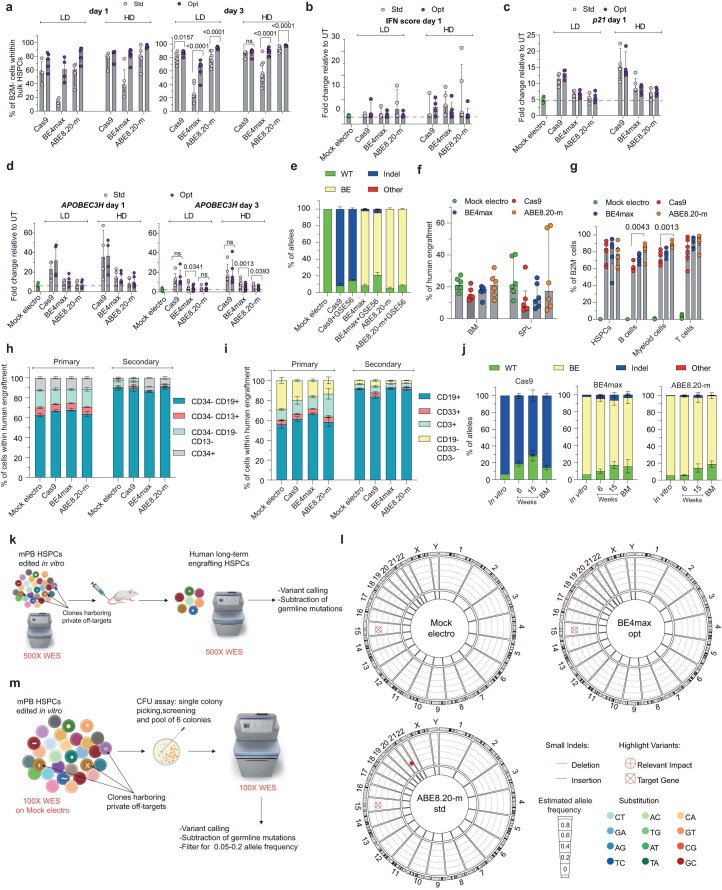
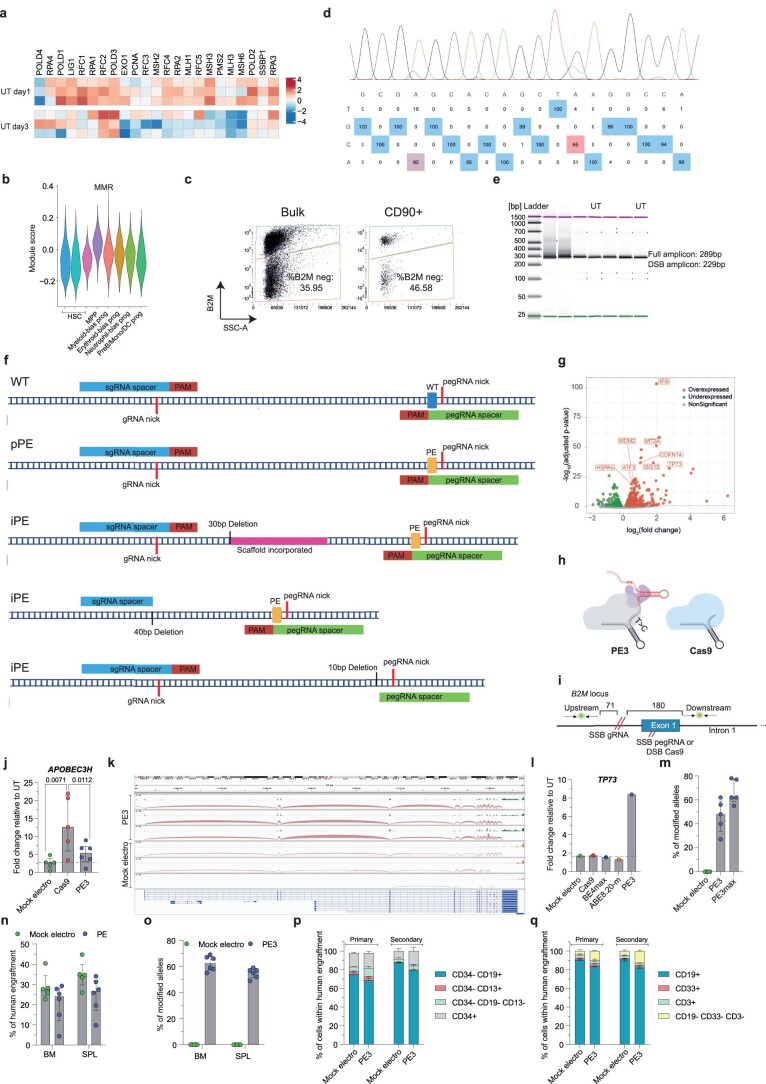
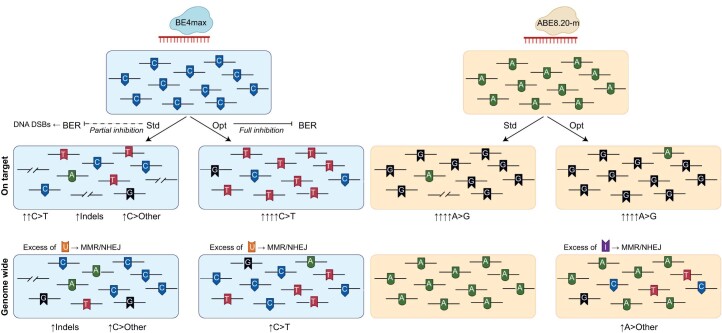
Base and prime editors (BEs and PEs) may provide more precise genetic engineering than nuclease-based approaches because they bypass the dependence on DNA double-strand breaks. However, little is known about their cellular responses and genotoxicity. Here, we compared state-of-the-art BEs and PEs and Cas9 in human hematopoietic stem and progenitor cells with respect to editing efficiency, cytotoxicity, transcriptomic changes and on-target and genome-wide genotoxicity. BEs and PEs induced detrimental transcriptional responses that reduced editing efficiency and hematopoietic repopulation in xenotransplants and also generated DNA double-strand breaks and genotoxic byproducts, including deletions and translocations, at a lower frequency than Cas9. These effects were strongest for cytidine BEs due to suboptimal inhibition of base excision repair and were mitigated by tailoring delivery timing and editor expression through optimized mRNA design. However, BEs altered the mutational landscape of hematopoietic stem and progenitor cells across the genome by increasing the load and relative proportions of nucleotide variants. These findings raise concerns about the genotoxicity of BEs and PEs and warrant further investigation in view of their clinical application.
Overview
The claims and statistics of this paper haven’t been checked yet.
Free: it reads the open-access text and checks the first 5 claims that cite a source we can check. Create a free account to check every claim.
Integrity signals
Registry
Cites
Statistics
Figures
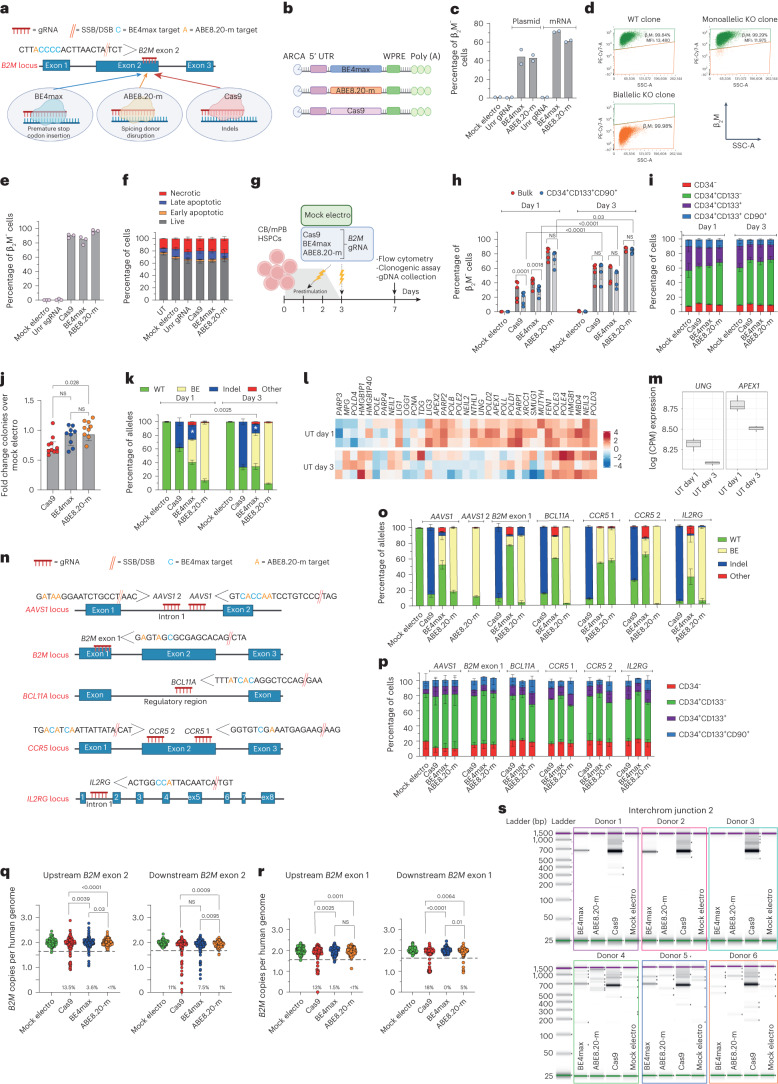
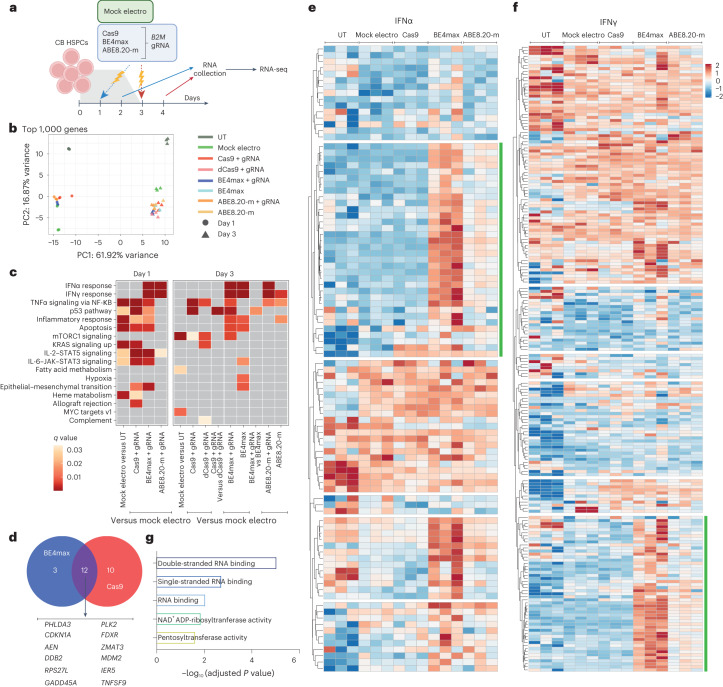
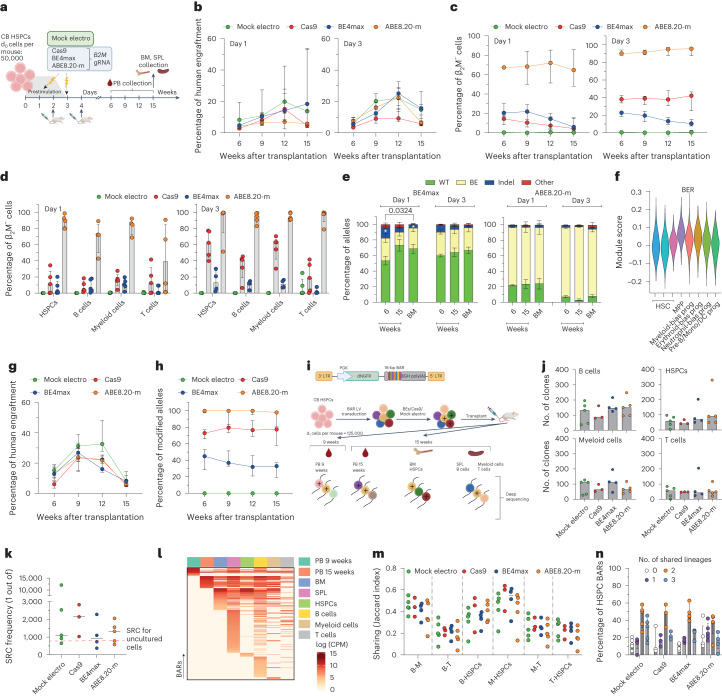
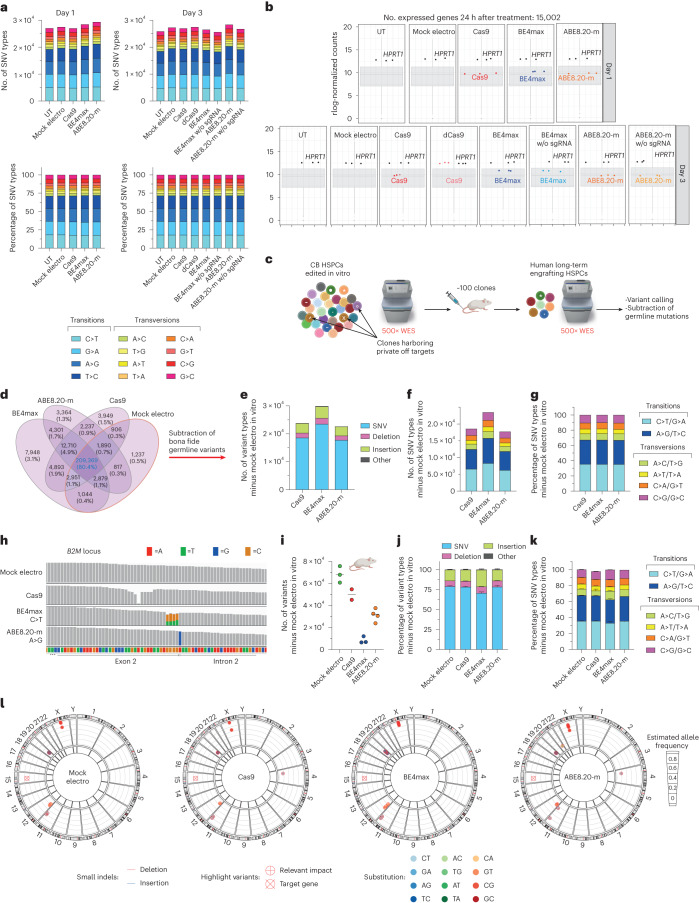
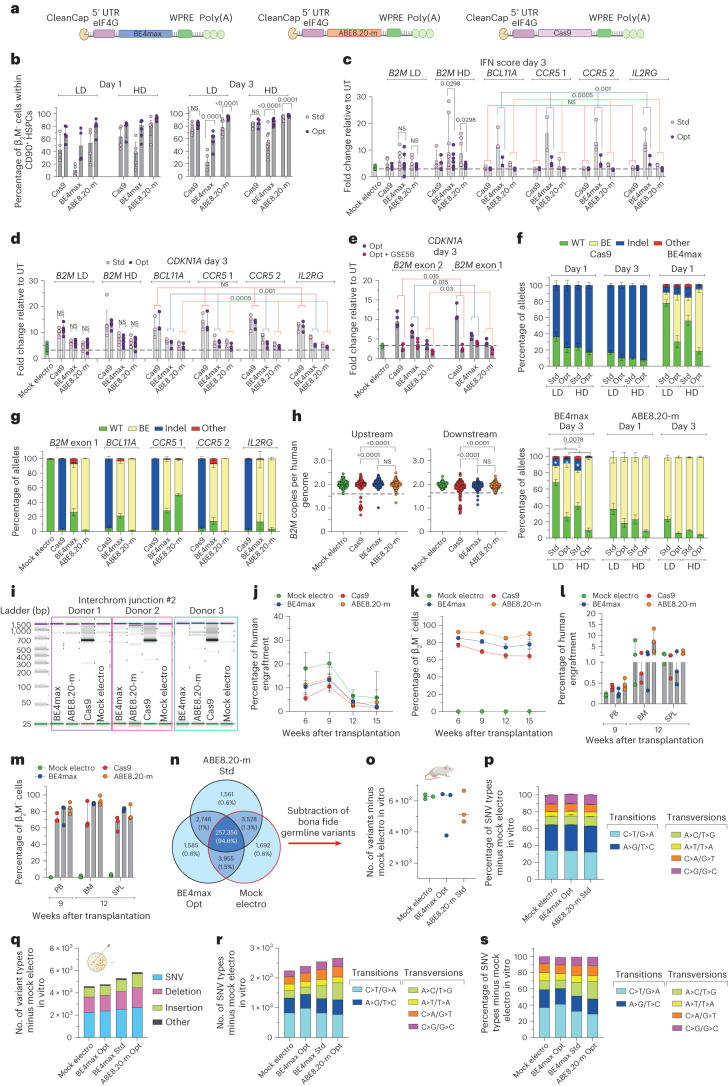
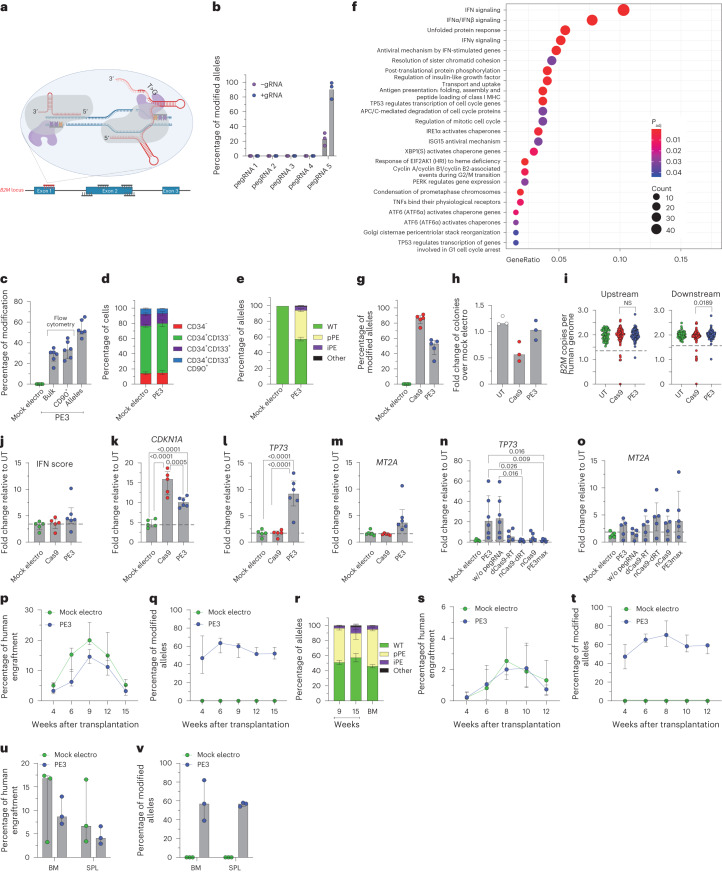
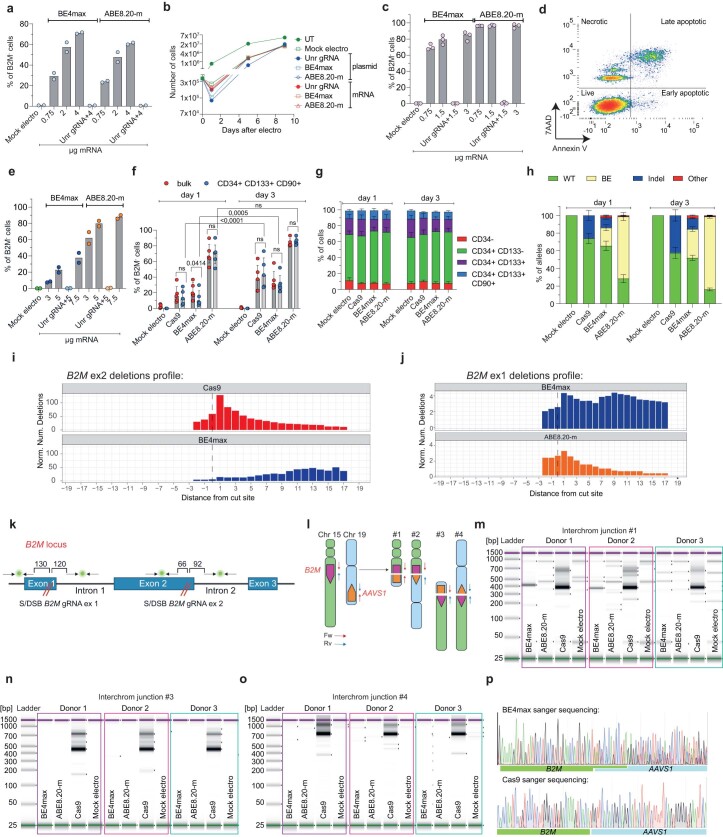
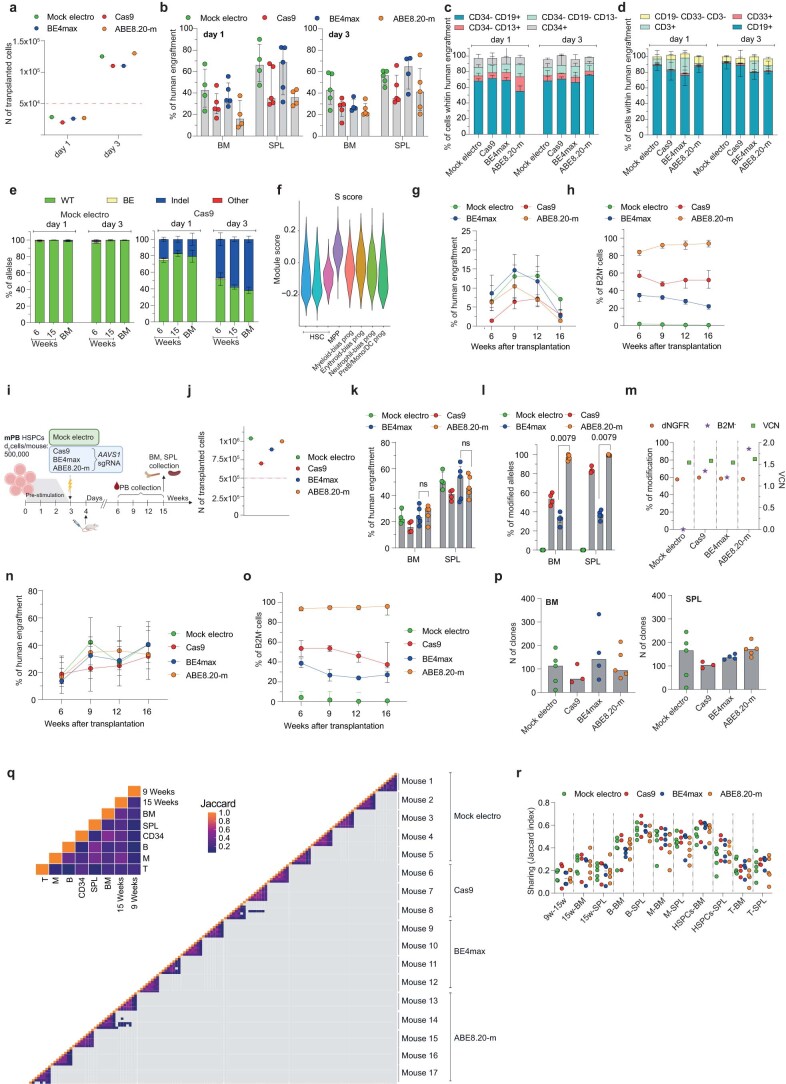
Verification
Claims the paper makes
The claims and statistics of this paper haven’t been checked yet.
Free: it reads the open-access text and checks the first 5 claims that cite a source we can check. Create a free account to check every claim.
Claims other papers make about this one
Each is checked against this paper’s own text: does it say what the citing paper says it does?
The source backs part of the claim, not all of it — or backs it for a different population, condition or comparison.
In the citing paper
“Due to ABE’s low rate of DSB induction and subsequent indel formation, the p53 DSB response is largely not activated and in the case of hematopoietic stem cells, engraftment potential is less impacted by ABE.11”
From Adenine base editor for knockout of proteins: A practical guide from design to analysis with updated MultiEditRbatch (2026) · cites this paper as [11]
Experimental — accuracy not yet measuredThe source backs part of the claim, not all of it — or backs it for a different population, condition or comparison.
In the citing paper
“These DSBs activate TP53, which reduces viability of edited cells and significantly decreases long-term engraftment potential.11”
From Adenine base editor for knockout of proteins: A practical guide from design to analysis with updated MultiEditRbatch (2026) · cites this paper as [11]
Experimental — accuracy not yet measuredThe source backs part of the claim, not all of it — or backs it for a different population, condition or comparison.
In the citing paper
“Although ABE has been reported to create DSBs, it is at a significantly lower rate than Cas9 (up to ˜3% indel rate in hematopoietic stem cells reported by Fiumara et al.).11”
From Adenine base editor for knockout of proteins: A practical guide from design to analysis with updated MultiEditRbatch (2026) · cites this paper as [11]
Experimental — accuracy not yet measuredThe source backs part of the claim, not all of it — or backs it for a different population, condition or comparison.
In the citing paper
“One of the main advantages of ABE-based gene knockout is how amenable the system is to multiplex knockouts.11,12,27”
From Adenine base editor for knockout of proteins: A practical guide from design to analysis with updated MultiEditRbatch (2026) · cites this paper as [11]
Experimental — accuracy not yet measured
Self-check
Percentages, sums and reported differences re-computed from the paper’s own numbers.
The self-check needs the paper’s full text.
Citations
Cites
Fitting Linear Mixed-Effects Models Using lme4
Bates, D., Mächler, M., Bolker, B., & Walker, S. (2015) · Journal of Statistical Software · doi:10.18637/jss.v067.i01 · Cited by 86,835
Programmable editing of a target base in genomic DNA without double-stranded DNA cleavage
Komor, A. C., Kim, Y. B., Packer, M. S., Zuris, J. A., & Liu, D. R. (2016) · Nature · doi:10.1038/nature17946 · Cited by 5,437 · cited 2×
“Thus, CBEs were further engineered by adding one or two UG inhibitor (UGI) domains from a bacteriophage protein, improving their efficiency 16 .”
Search-and-replace genome editing without double-strand breaks or donor DNA
Anzalone, A. V., Randolph, P. B., Davis, J. R., Sousa, A. A., Koblan, L. W., Levy, J. M., Chen, P. J., Wilson, C., Newby, G. A., Raguram, A., et al. (2019) · Nature · doi:10.1038/s41586-019-1711-4 · Cited by 4,767 · cited 14×
“Cas9-treated, but not PE3-treated, HSPCs showed a trend toward lower clonogenic capacity than mock-electroporated cells, indicating a stronger impact of Cas9 than PE3 on HSPCs (Fig.”
InfluentialEasy quantitative assessment of genome editing by sequence trace decomposition
Brinkman, E. K., Chen, T., Amendola, M., & van Steensel, B. (2014) · Nucleic Acids Research · doi:10.1093/nar/gku936 · Cited by 2,390 · cited 1×
“…BE and Cas9 efficiencies were measured by PCR amplification at the target locus, followed by amplicon Sanger sequencing (Eurofins Scientific), whose results were then analyzed by EditR software (http:// baseeditr.com) 48 using default parameters or by TIDE software (https:// tide.nki.nl/) 49 .”
Genome editing with CRISPR–Cas nucleases, base editors, transposases and prime editors
Anzalone, A. V., Koblan, L. W., & Liu, D. R. (2020) · Nature Biotechnology · doi:10.1038/s41587-020-0561-9 · Cited by 2,237 · cited 3×
“1b,c and Extended Data Recently, Cas nickase (nCas)-based technologies, such as base editing and prime editing, opened the possibility to generate small edits while bypassing DNA DSB and HDR engagement 13 and ensuring a more homogeneous genetic outcome at the target sites 14 .”
Kosicki, M., Tomberg, K., & Bradley, A. (2018) · Nature Biotechnology · doi:10.1038/nbt.4192 · Cited by 1,883 · cited 1×
“…of nuclease-dependent gene editing in HSPCs. Nuclease-induced DSBs at on-and off-target sites trigger the activation of a p53-dependent DNA damage response 5,6 , and their processing may sometimes lead to large deletions, trans-locations and chromothripsis, thus enhancing genotoxic risk 7–11 .”
Base editing: precision chemistry on the genome and transcriptome of living cells
Rees, H. A., & Liu, D. R. (2018) · Nature Reviews Genetics · doi:10.1038/s41576-018-0059-1 · Cited by 1,675
CRISPResso2 provides accurate and rapid genome editing sequence analysis
Clement, K., Rees, H., Canver, M. C., Gehrke, J. M., Farouni, R., Hsu, J. Y., Cole, M. A., Liu, D. R., Joung, J. K., Bauer, D. E., et al. (2019) · Nature Biotechnology · doi:10.1038/s41587-019-0032-3 · Cited by 1,660
Takata, M., Sasaki, M. S., Sonoda, E., Morrison, C., Hashimoto, M., Utsumi, H., Yamaguchi‐Iwai, Y., Shinohara, A., & Takeda, S. (1998) · The EMBO Journal · doi:10.1093/emboj/17.18.5497 · Cited by 1,229 · cited 1×
“Moreover, HDR-based editing is confined to S/G2 cell cycle phases, limiting it to the most primitive and quiescent compartment of HSPCs 12 .”
The promise and challenge of therapeutic genome editing
Doudna, J. A. (2020) · Nature · doi:10.1038/s41586-020-1978-5 · Cited by 1,126 · cited 1×
“In the last decade, CRISPR–Cas-engineered nucleases coupled with a single guide RNA (gRNA) have been widely used to introduce site-specific DNA double-strand breaks (DSBs) 2,3 .”
Cited by
Items 101–200 of 259
Ritter, M. U., Nasri, M., Dannenmann, B., Mir, P., Secker, B., Amend, D., Klimiankou, M., Welte, K., & Skokowa, J. (2024) · The CRISPR Journal · doi:10.1089/crispr.2024.0006 · Cited by 8
Siow, K. M., Güngör, M., Wrona, D., Raimondi, F., Pastukhov, O., Tsapogas, P., Menzi, T., Schmitz, M., Kulcsár, P. I., Schwank, G., et al. (2024) · Molecular Therapy — Nucleic Acids · doi:10.1016/j.omtn.2024.102229 · Cited by 8
Aprile, A., Lidonnici, M. R., & Ferrari, G. (2025) · Cell Reports Medicine · doi:10.1016/j.xcrm.2025.102419 · Cited by 7
Dong, J., Nikolenko, D. A., Boymuradov, S., Garifulina, L., & Khodabandehloo, E. (2026) · Clinical & Translational Oncology · doi:10.1007/s12094-025-04185-5 · Cited by 7
“Despite recent advances in developing next-generation gene-editing platforms, it should be noted that no platform guarantees the specificity and safety [214].”
Targeted genomic integration and rearrangement using prime assembly
Levesque, S., Kawashima, N., Hwang, G., Zeng, J., Toskov, V., Barry, T., Mannherz, W. P., Homfeldt, L., Becerra, B., Schoonenberg, V. A. C., et al. (2026) · Nature · doi:10.1038/s41586-026-11024-2 · Cited by 7
Engraftment and persistence of HBB base-edited hematopoietic stem cells in nonhuman primates
Radtke, S., Fields, E., Swing, K., Kanestrom, G., Yen, J. S., Pande, D., Enstrom, M., Humbert, O., Weiss, M. J., Liu, D. R., et al. (2025) · Science Translational Medicine · doi:10.1126/scitranslmed.adn2601 · Cited by 7
“A recent study highlighted the byproducts that can be generated following base editing in human HSCs (40), including deletions, translocations, and transcriptional changes.”
Multiplex engineering using microRNA-mediated gene silencing in CAR T cells
Golinelli, G., Scholler, J., Roussel-Gervais, A., Sakic, A., Ilmjärv, S., Song, D., Gabunia, K., Ji, M., Fan, T. J., Gupta, A., et al. (2025) · Frontiers in Immunology · doi:10.3389/fimmu.2025.1647433 · Cited by 7
“For the clinical translation of ‘ off-the-shelf ’ CAR T cells, several clinical studies using TALEN, CRISPR/Cas9 or BE for the removal of TCR ab combined with depletion of residual TCR ab -expressing cells, have proven to be a successful mitigation of GVHD, resulting in absence or limited severity of GVHD which was re…”
InfluentialNuclease-free precise genome editing corrects MECP2 mutations associated with Rett syndrome
Bijlani, S., Pang, K. M., Bugga, L., Rangasamy, S., Narayanan, V., & Chatterjee, S. (2024) · Frontiers in Genome Editing · doi:10.3389/fgeed.2024.1346781 · Cited by 7
Shao, C., Liu, Q. F., Xu, J., Zhang, J.-X., Zhang, C., Ye, X., Ye, Y., Lin, B., Zhang, X., Cheng, L., et al. (2024) · Molecular Therapy — Nucleic Acids · doi:10.1016/j.omtn.2024.102371 · Cited by 6
Kinney, K. J., Jia, K., Zhang, H., Schmaljohn, E., Osborne, T., Thommandru, B., Murugan, K., Peña, A. S., West, S. C., Chen, S., et al. (2026) · Nature Communications · doi:10.1038/s41467-026-74623-7 · Cited by 6
“However,itisnoteworthythat they are still occurring for both SSB and DSB modalities, as has been previously observed 39 .”
Sokirniy, I., Inam, H., Tomaszkiewicz, M., Reynolds, J., McCandlish, D. M., & Pritchard, J. R. (2025) · Nucleic Acids Research · doi:10.1093/nar/gkaf738 · Cited by 6
“…sets of tools (cDNA–DMS and BE) that have been already used in many different mammalian cell lines for functional genomic screens [ 22 , 28 , 31 , 32 , 34 , 35 , 40 , 41 , 62 ], and therefore represent the tools that are likely to be usable by the broadest set of audiences and biological questions.”
In vivo gene therapy: A strategy for mutations, degenerations, and tumors
Wang, T., Yu, M., Liu, P., Song, Z., Li, C., Yang, J., & Liu, N. (2025) · Genes & Diseases · doi:10.1016/j.gendis.2025.101808 · Cited by 6
“96 PE is still in its infancy, and additional improvements should be made in editing efficiency, cargo loading capability, delivery strategies, and toxicity level for therapeutic applications.”
A primer on prime: A prime editing update from advances to first-in-human trial
Lushington, C., Thomas, P. Q., & Adikusuma, F. (2026) · Molecular Therapy · doi:10.1016/j.ymthe.2026.04.033 · Cited by 6
“15,16 17–19 This can be alleviated by chemical modifications such as 2 ′ -O-methylation or abasic spacers between the RTT and scaffold, which terminate over-exten-sion.”
Lei, L., Kaufmann, M. M., Lao, J., Thoulass, G., Ammann, S., Xiao, H., Rhiel, M., Dettmer‐Monaco, V., Grünewald, J., Andrieux, G., et al. (2026) · Cell stem cell · doi:10.1016/j.stem.2026.04.014 · Cited by 6
Peña-Gutiérrez, I., Olalla-Sastre, B., Río, P., & Rodríguez-Madoz, J. R. (2024) · Cytotherapy · doi:10.1016/j.jcyt.2024.10.010 · Cited by 6
Highly efficient gene knockout in tumor-infiltrating lymphocytes by adenine base editing
Hafezi, M., Genolet, R., Hadadi, L., Chap, B. S., Bobisse, S., Attianese, G. M. P. G., Jorfi, H. E., Cropp, D., Pericou, L., Arnaud, M., et al. (2025) · Molecular Therapy Oncology · doi:10.1016/j.omton.2025.201041 · Cited by 5
Self-citationda Costa, B. L., Helms, K. M., Theodore, K., Tsai, Y., Caruso, S. M., Liu, S. J., de Carvalho, J. R. L., Nolan, N. D., Tahir, S., Makinson, C. D., et al. (2025) · Molecular Therapy — Nucleic Acids · doi:10.1016/j.omtn.2025.102740 · Cited by 5
“38 With this consideration, we aimed to assess the potential chromosomal aberrations associated with our PE approach.”
The editable landscape of the yeast genome reveals hotspots of structural variant formation
Li, S., Vonesch, S. C., Roy, K. R., Szu‐Tu, C., Steudle, F., Nguyen, M., Jann, C., & Steinmetz, L. M. (2025) · Science Advances · doi:10.1126/sciadv.ady9875 · Cited by 5
Midena, F., Alessandrini, L., Conci, C., Barcella, M., Gazzo, F., Jacchetti, E., Carsana, E., Benedicenti, F., Vacca, R., della Volpe, L., et al. (2026) · Cell stem cell · doi:10.1016/j.stem.2025.12.016 · Cited by 6
Self-citationSimultaneous orthogonal cell engineering by a single CRISPR-Cas9 polyfunctional editor
Cipria, D., Baccega, T., Rizzo, M., Quarato, P., Reschigna, A., Khoury, R. E., Cappelluti, M. A., Ammann, S., Poeta, V. M., Conti, M., et al. (2026) · Nature Communications · doi:10.1038/s41467-026-72846-2 · Cited by 5
“Indeed, recent studies have shown that nicks and/or intermediates of base deamination could be converted into DSBs, potentially leading to translocations at rates estimated to be as high as ~0.2% 15,20 – 22 .”
InfluentialSelf-citationEngineering Oncogenic Hotspot Mutations on SF3B1 via CRISPR-Directed PRECIS Mutagenesis
Fernandez, M. M., Jia, Q., Yu, L., Wang, X., Hart, K. L., Jia, Z., Lin, R.-J., & Wang, L. (2024) · Cancer Research Communications · doi:10.1158/2767-9764.crc-24-0145 · Cited by 5
George, A., Sadanandan, P., Ravi, N. S., Vaishnavi, B., Marepally, S. K., Thangavel, S., Velayudhan, S. R., Srivastava, A., & Mohankumar, K. M. (2024) · Molecular Therapy — Nucleic Acids · doi:10.1016/j.omtn.2024.102347 · Cited by 5
The future of ex vivo hematopoietic stem cell gene editing: what’s next
Cavazza, A., & Santilli, G. (2025) · Regenerative Medicine · doi:10.1080/17460751.2025.2480003 · Cited by 5
CRISPR and gene editing technologies for bleeding disorders
VandenDriessche, T., Janssens, M., & Chuah, M. (2025) · Therapeutic Advances in Hematology · doi:10.1177/20406207251387402 · Cited by 4
“122 The potential genotoxic consequences of BE and PE for hemophilia would therefore need to be thoroughly examined prior to their clinical translation.”
Fındık, B., Dannenmann, B., Bernhard, F., Kaufmann, M. M., Ammann, S., Kandabarau, S., Klimiankou, M., Mauch, F., Münzer, P., Borst, O., et al. (2025) · Molecular Therapy — Methods & Clinical Development · doi:10.1016/j.omtm.2025.101626 · Cited by 4
“…edited HSCs. 13 Moreover, ABEs could offer a potentially less genotoxic strategy compared to other methods such as lentiviral gene therapy or classical CRISPR-Cas9 technology, as they do not depend on DSBs. 24 It is also important to see that NE-deficient neutrophils retain their functions.”
Spiga, M., Potenza, A., Magnani, Z. I., Beretta, S., Camisa, B., Conte, L., Airaghi, A., Mohammadi, N., Perani, L., Doglioni, C., et al. (2026) · Nature Communications · doi:10.1038/s41467-025-67263-w · Cited by 4
“In a recent work, we characterized thesafetypro fi leofbaseeditorsinhematopoieticstemandprogenitor cells and showed how intrinsic qualities of target sites, optimization of BE constructs, and culture conditions contribute to determining the genotoxic impact of base editing 34 .”
Self-citationEmerging Gene Therapies for Inherited Arrhythmia Syndromes
Grisorio, L., & Roberts, J. D. (2026) · Canadian Journal of Cardiology · doi:10.1016/j.cjca.2026.01.003 · Cited by 4
Papaioannou, N. Y., Patsali, P., Klermund, J., Papasavva, P. L., Andrieux, G., Koniali, L., Naiisseh, B., Christou, S., Sitarou, M., Kleanthous, M., et al. (2026) · Genome biology · doi:10.1186/s13059-026-03974-7 · Cited by 4
“Targeted deep sequencing further highlighted differential indel induction by BEs, aligning with previous studies [44], underscoring that action of BEs is DSB-inde-pendent, but not DSB-free [45].”
du Rand, A., Buttle, B., & Sheppard, H. M. (2026) · Drugs · doi:10.1007/s40265-026-02285-2 · Cited by 4
“However, off-target activity still represents a potential limitation of this technology and can occur in a gRNA-dependent and independent manner [84].”
Molecular basis for methylation-sensitive editing by Cas9
Roth, M. O., Shu, Y., Zhao, Y., Trasanidou, D., Hoffman, R. D., Südfeld, C., Bouzetos, E., Trasanidis, N., Zawrotny, M., Gelasco, M. K. J., et al. (2026) · Nature · doi:10.1038/s41586-026-10384-z · Cited by 5
Sun, Y., Pien, Y.-C., Xiao, Y., Tan, W. H., Sanchez‐Ortiz, E., Durbacz, M. Z., Chen, Z., McAnally, J., Zhang, Y., Li, H., et al. (2026) · Proceedings of the National Academy of Sciences · doi:10.1073/pnas.2528477123 · Cited by 5
Dissecting the mechanism of CRISPR–Cas technologies to design efficient biotechnologies
Gill, J. (2024) · Nature Structural & Molecular Biology · doi:10.1038/s41594-024-01366-8 · Cited by 4
“However, recent work shows that dsDNA breaks still occur in one-third of cytosine-base-edited human hematopoietic stem cells 5 .”
Rewriting the script: gene therapy and genome editing for von Willebrand Disease
Barraclough, A., Bär, I., van Duijl, T. T., Fijnvandraat, K., Eikenboom, J. C. J., Leebeek, F. W. G., Bierings, R., Voorberg, J., & Trasanidou, D. (2025) · Frontiers in Genome Editing · doi:10.3389/fgeed.2025.1620438 · Cited by 5
Development and application of epigenome editors
Sun, Y., & Ma, H. (2025) · Scientia Sinica Vitae · doi:10.1360/ssv-2025-0142 · Cited by 3
Christenson, A. E., Divekar, N. S., Zamora, M. G. H., Nguyen, C. D., & Nuñez, J. K. (2025) · Journal of Visualized Experiments · doi:10.3791/68089 · Cited by 3
Lu, Y., Stoof, J., Tanoé, Y. R., Walsh, N., Bijlsma, M. F., Lei, H., Chen, T., Grahovac, J., Grützmann, R., & Pilarsky, C. P. (2025) · Seminars in Cancer Biology · doi:10.1016/j.semcancer.2025.07.004 · Cited by 3
Therapeutic adenine base editor with minimized off-target effects
Sun, Y., Yan, N., Hu, F., Lu, H., Zuo, Z., Zhou, C., & Zuo, E. (2026) · Protein & Cell · doi:10.1093/procel/pwag006 · Cited by 3
Next generation technologies for CRISPR-based epigenome and transcriptional modulation
Pattali, R. K., Divekar, N. S., & Nuñez, J. K. (2026) · Current Opinion in Biomedical Engineering · doi:10.1016/j.cobme.2026.100654 · Cited by 3
“For example, DNA breaks induced by CRISPR nucleases have been associated with cell viability defects and chromosomal loss and rearrangement [48,49].”
White, N., Hu, Y., Chalk, J. A., Kurgan, G., Naseem, A., Schmaljohn, E., Sturgeon, M. L., Cavazza, A., Thrasher, A. J., & Turchiano, G. (2026) · Nucleic Acids Research · doi:10.1093/nar/gkag318 · Cited by 3
“Gene fusions formed by nuclease-induced translocations have been observed in edited cells [ 14 ], and even co-delivery of two non-double-strand breaks (DSBs)- inducing base editors can induce translocations in human HSPCs [ 15 ], underscoring the potential for unintended chromosomal rearrangements.”
Fourth-generation gene editors: Integration-based genome engineering
Kincaid, A. E., Hewitt, A. W., & Rajendra, K. C. (2026) · Molecular Therapy Advances · doi:10.1016/j.omta.2026.201753 · Cited by 4
“21,22 Recent progress has further advanced the capacity of prime editing for large-scale genomic modifications.”
On techno-fixes in the era of crises: genomic interventions in food crops
González-Ortega, E., Piñeyro‐Nelson, A., & Debat, C. M. (2024) · Agroecology and Sustainable Food Systems · doi:10.1080/21683565.2024.2429620 · Cited by 3
Base editing of β 0 -thalassemia mutations as a therapeutic strategy for severe β-hemoglobinopathies
Hardouin, G., Martinucci, P., Scaramuzza, S., Antoniou, P., Corradi, F., Tachtsidi, A., Corre, G., Mombled, M., Chermont, J., Manceau, S., et al. (2025) · Science Translational Medicine · doi:10.1126/scitranslmed.adt8617 · Cited by 4
Nakamae, K., Suzuki, T., Yonezawa, S., Yamamoto, K., Kakuzaki, T., Ono, H., Naito, Y., & Bono, H. U. (2025) · International Journal of Molecular Sciences · doi:10.3390/ijms26041723 · Cited by 4
“Recently, another group reported that in human hematopoietic stem/progenitor cells, the p53 response was lower for CBE (BE4max) than for Cas9 introduction [29].”
Nanodelivery systems for gene editing drugs
Zhang, Y., & Ping, Y. (2025) · Chinese Science Bulletin (Chinese Version) · doi:10.1360/tb-2025-0178 · Cited by 3
Cryptography in the DNA of living cells enabled by multi-site base editingPreprint
Volf, V., Zhang, S., Song, K., Qian, S., Chen, F., & Church, G. M. (2023) · bioRxiv (Cold Spring Harbor Laboratory) · doi:10.1101/2023.11.15.567131 · Cited by 3
Jia, M. S., Padmaswari, M. H., Burcham, L. A., Agrawal, S., Bulliard, G. N., Stokes, A. L., & Nelson, C. E. (2025) · bioRxiv (Cold Spring Harbor Laboratory) · doi:10.1101/2025.08.01.668007 · Cited by 3
“With the advent of new gene editing strategies aimed at improving editing precision and reducing reliance on DSBs, robust validation methods are still essential to assess their accuracy and safety 48 .”
Eaton, E. J., Wick, B. J., Chacón, J. S., Wang, A. J., Kluesner, M., Barnes, J. T., Kar, B., Wang, M., Johnson, M. J., Skeate, J. G., et al. (2026) · Molecular Therapy Nucleic Acids · doi:10.1016/j.omtn.2026.102908 · Cited by 2
“11,12,27 Although ABE has been reported to create DSBs, it is at a significantly lower rate than Cas9 (up to ̃ 3% indel rate in hematopoietic stem cells re-ported by Fiumara et al.).”
InfluentialUnderstanding genetic heterogeneity in gene-edited hematopoietic stem cell products
Becker, H., & Yamazaki, S. (2023) · Experimental Hematology · doi:10.1016/j.exphem.2023.11.007 · Cited by 2
Stable Cas9 expression regulates cell growth by facilitating mTORC2 activation
Yu, L., Jin, Y., Chen, J., Zhu, Z., Su, S., Wilkerson, E., Gongora, J. M., Cloer, E. W., Major, M. B., & Liu, P. (2025) · Nucleic Acids Research · doi:10.1093/nar/gkaf965 · Cited by 2
“…rearrangements have been reported [ 19 , 20 ]; (iii) CRISPR editing has led to thousands of LINE-1 retrotransposon insertions, suggesting unanticipated genetic modifications [ 21 ]; and (iv) genotoxic effects have been observed in base / prime editing of human hematopoietic stem cells [ 22 ].”
Advancements in gene therapy for Wiskott–Aldrich syndrome: from early trials to emerging approaches
de Mambro, L., & Stilhano, R. S. (2025) · International Journal of Hematology · doi:10.1007/s12185-025-04099-6 · Cited by 2
“Approaches such as delivering editor proteins directly (rather than mRNA) may help mitigate innate immune activation via mRNA sensing [59].”
Gene Therapy of Beta Hemoglobinopathies
Testa, U., Pelosi, E., & Castelli, G. (2025) · Biomedicines · doi:10.3390/biomedicines13123093 · Cited by 2
“Base editing and prime editing induced detrimental transcriptional responses that reduced editing efficiency and hematopoietic repopulation in xenotransplants and also generated double-strand breaks and genotoxic products at a lower frequency than Cas9 [70].”
InfluentialGastric cancer organoids and their convergence in engineering approaches
Lim, S., Kim, S. H., Hye‐Jin, J., Park, S., Koo, B., Lee, J., & Shin, W. (2026) · FEBS Letters · doi:10.1002/1873-3468.70272 · Cited by 2
ABE9 fused to SpRY Cas9 nickase enables precise generation of bystander free mouse models
Ong, J. K., Bhunia, S., Hilbert, B., Kirschner, V., Duglosz, S., Zimmermann, F., Freichel, M., & Cornean, A. (2026) · Scientific Reports · doi:10.1038/s41598-026-40642-z · Cited by 2
“The PAM-less properties of SpRY, when used with next-generation genome editors, pose notable challenges, particularly increased off-target genome editing, which can result in more chromosomal rearrangements 73 .”
Epigenetic editing balances TCR suppression and persistence in CAR T cells
Schönberg, P. Y., Muñoz-Ovalle, Á., Saleh, H. A., Crespo, E., Kuhnert, R., Michen, S., Loureiro, L. R., Temme, A., Feldmann, A., & Buchholz, F. (2026) · Molecular Therapy Advances · doi:10.1016/j.omta.2026.201712 · Cited by 2
“1,20 In contrast, epigenetic editing using EpiE-3 represents a fundamentally different strategy, reprogramming gene expression without altering the underlying DNA sequence.”
vPE: Toward a new generation of error-free prime editing
Jamil, M., Zahra, A., Maqbool, R., Arshad, M. I., & Khan, S. H. (2026) · Molecular Therapy — Nucleic Acids · doi:10.1016/j.omtn.2026.102898 · Cited by 2
“2 Thus, there is a need for a more precise and highly efficient prime editing system that can address these challenges.”
Bao, Y.-H., AGUDAMU, Tu, Y., Zhang, W.-L., Wei, P.-F., & Zhang, Y. (2026) · Frontiers in Bioengineering and Biotechnology · doi:10.3389/fbioe.2026.1837713 · Cited by 2
“In hematopoietic stem cells, for example, emerging evidence suggests that base and prime editing may have genotoxic effects that require careful assessment rather than a presumption of safety based on mechanistic precision alone (Fiumara et al., 2024).”
Ingrungruanglert, P., Phodang, S., Amarinthnukrowh, P., Meehart, P., Pratedrat, P., Suratannon, N., Shotelersuk, V., Suphapeetiporn, K., & Israsena, N. (2024) · Thrombosis and Haemostasis · doi:10.1055/a-2508-0983 · Cited by 2
Inducible, split base editors for in vivo cancer functional genomics
Ren, D., Wang, S., Yamada, K., Liu, Y., Hapke, R., Alpsoy, A., Ho, Y., Zhang, C., Lan, Y., Zhang, S., et al. (2026) · Nature Biotechnology · doi:10.1038/s41587-026-03077-5 · Cited by 2
“Cytosine BEs, despite offering extended missense mutagenesis, show higher adverse outcomes than adenine BEs, including detrimental transcriptional responses that subsequently impact editing efficiency 43,44 .”
Multiplexed in vivo base editing identifies functional gene-variant-context interactionsPreprint
Acosta, J., Johnson, G. A., Gould, S. I., Dong, K., Lendner, Y., Detrés, D., Atwa, O., Bulkens, J., Gruber, S., Contreras, M. E., et al. (2025) · bioRxiv (Cold Spring Harbor Laboratory) · doi:10.1101/2025.02.23.639770 · Cited by 2
“2b-d ), consistent with recent work showing that these enzymes can sometimes induce genotoxic effects in cells from the hematopoietic system 86 .”
The future of gene therapy for inborn errors of metabolism: insights into liver-targeted innovations
González‐Aseguinolaza, G., & Piccolo, P. (2026) · Expert Opinion on Biological Therapy · doi:10.1080/14712598.2026.2618488 · Cited by 2
“Beyond the justified enthusiasm, it is increasingly clear that these tools are not genotoxicity-free: recent work in human stem and progenitor cells shows that base and prime editors can still generate double-strand breaks, large deletions and complex rearrangements at on-target loci [4].”
Yao, J., & Shayakhmetov, D. M. (2024) · Molecular Therapy · doi:10.1016/j.ymthe.2024.11.007 · Cited by 1
della Volpe, L., Vacca, R., & Micco, R. D. (2025) · STAR Protocols · doi:10.1016/j.xpro.2025.103722 · Cited by 2
CRISPR genome editing using a combined positive and negative selection system
Sharma, I., Hall, K., & Moonah, S. N. (2025) · PLoS ONE · doi:10.1371/journal.pone.0321881 · Cited by 1
Wang, Y., & Tang, Y. (2025) · PubMed Central · doi:10.3760/cma.j.cn121090-20240911-00343 · Cited by 1
Lee, C., Choi, Y., Lee, H., & Lee, B. (2025) · Organoid · doi:10.51335/organoid.2025.5.e6 · Cited by 1
Gene-Editing-Based Approaches for Curing Sickle Cell Disease
Park, S. H., Karsenty, C. L., Prasca-Chamorro, D., Moyo, B., Yoo, B., & Bao, G. (2026) · Springer eBooks · doi:10.1007/978-3-032-12532-3_8 · Cited by 1
Therapeutic Genome Engineering for the Treatment of Sickle Cell Disease
Leonard, A. K., Sharma, A., Chao, F.-Y., & Yen, J. S. (2026) · Springer eBooks · doi:10.1007/978-3-032-12532-3_9 · Cited by 1
Large-scale parallel characterization of RNA-guided nuclease activity and specificity
Zheng, J., Wang, X., Wu, M., Liu, J., Feng, H., Yang, H., Li, D., Wang, H., Hu, J., & Zuo, E. (2026) · 中国科学通报:英文版 · doi:10.1016/j.scib.2026.03.047 · Cited by 2
Khan, M. S., Zafar, I., Jamal, A., Bahwerth, F. S., Khan, S., Faizan, M. A., Khan, H., Noman, M., Okeibunor, K., Ahmad, A., et al. (2026) · Acta Neurologica Belgica · doi:10.1007/s13760-026-03033-9 · Cited by 2
Gene Editing for Haemophilia—The Next Frontier
Pinotti, M., Newby, G. A., Selvaraj, S. R., & Pipe, S. W. (2026) · Haemophilia · doi:10.1111/hae.70238 · Cited by 1
Umbach, A., Santini, A., Bulcaen, M., Guidone, D., Maule, G., Arosio, D., Carrozzo, I., Ciciani, M., Brugnara, E., Ramalho, A. S., et al. (2026) · Science Translational Medicine · doi:10.1126/scitranslmed.adw8886 · Cited by 1
Progress and challenges in cystic fibrosis gene editing
Witten, J. J., Egan, M. E., & Cereseto, A. (2026) · Journal of Cystic Fibrosis · doi:10.1016/j.jcf.2026.04.007 · Cited by 1
Hamann, V., Hook, S., Sujariyakul, P., Ramalingam, R., Sgodda, M., Klefenz, I., Stalke, A., Yuan, Q., Steinbrück, L., Rovai, A., et al. (2026) · Journal of Hepatology · doi:10.1016/j.jhep.2026.05.022 · Cited by 1
Jong, U., Lim, D., & Lee, S. H. (2026) · BMB Reports · doi:10.5483/bmbrep.2026-0047 · Cited by 1
Ivleva, A., Demchenko, A. G., & Smirnikhina, S. (2026) · Frontiers in Bioengineering and Biotechnology · doi:10.3389/fbioe.2026.1855907 · Cited by 1
“…undesired cellular and genomic effects: CRISPR-Cas9/AAV6-mediated HDR editing can induce senescence-and inflammation-associated programs (Conti et al., 2025), whereas base and prime editors can generate adverse transcriptional responses and unintended genomic alterations (Fiumara et al., 2024).”
Therapeutic applications of stem cells in human diseases
Hao, C., Bolideei, M., Alshorman, J., Tembo, K. M., Yekta, M. M., Mehran, M. J., & Zhang, Z. (2026) · Stem Cell Research & Therapy · doi:10.1186/s13287-026-05203-1 · Cited by 1
“Comprehensive genomic-quality assessment is therefore required before clinical application [208, 209].”
Unlocking the curative potential of gene transfer and editing for hematopoietic disorders
Shiroshita, K., Stolz, A., Malouf, C., Tran, V. L., Li, J., Weiss, M. J., & Naldini, L. (2026) · Experimental Hematology · doi:10.1016/j.exphem.2026.105493 · Cited by 1
“Although selecting high-specificity guide RNAs (gRNAs), high-fidelity Cas9 [46], nickase Cas9 [59], and DSB-free editors (BEs and PEs) are important strategies to reduce off-target effects, these cannot be eliminated [60].”
Self-citationHighly efficient base editing at PCSK9 and normal human embryo development
Jerabek, S., Jung, C., Kappy, M. D., Zhao, Q., Sung, J., Wang, N., Kim, E., Kim, J., Kulmann, M. I. R., King, M. B., et al. (2026) · Nature · doi:10.1038/s41586-026-11118-x · Cited by 1
Base Editing: Mechanisms and Therapeutic Applications
Catalano, F. (2026) · Methods in molecular biology · doi:10.1007/978-1-0716-5547-4_4 · Cited by 1
Wen, Z., & Su, J. (2026) · Clinical and Translational Medicine · doi:10.1002/ctm2.70764 · Cited by 1
“28 Studies have reported that 59,60,68,72 insufficient dose may fail to achieve functional recovery, while excessive dose may increase the risk of immune responses, non-target tissue exposure, and editing byproducts.”
Developing safe and efficient CGBE editor based on Cas-embedding strategy
Lin, T., Wang, X. Y., Zhang, Y., Li, G., Huang, X., & Shi, M. (2025) · Synthetic and Systems Biotechnology · doi:10.1016/j.synbio.2025.02.001 · Cited by 1
“Additionally, because base editing does not cause significant chromosomal trans-locations when editing multiple sites and has minimal impact on cell proliferation [28], it holds great potential for development in the fields of cellular and gene therapy [29].”
Resolution of collapsed forks is separate from completion of DNA synthesisPreprint
Conwell, S. C., Dahmen, S. N., Cranford, M. T., Mulvaney, R., Long, D. T., Cortez, D., & Dewar, J. M. (2025) · bioRxiv (Cold Spring Harbor Laboratory) · doi:10.1101/2025.03.03.641087 · Cited by 1
Improving efficiency of homology-directed repair with ZIP CRISPRPreprint
Thibault, C., Rosier, J., Espasa, R., Marin, V., Riandière, M., Bergès, C., Fayet, S., Lamrissi‐Garcia, I., Lalanne, M., Trian, T., et al. (2025) · bioRxiv (Cold Spring Harbor Laboratory) · doi:10.1101/2025.03.13.642982 · Cited by 1
“However, these approaches are toxic or induce more InDels and ON-target genotoxicity 60 .”
Masi, G., Alvisi, G., Nespeca, P., Demarinis, A., Frasson, C., Barzon, L., Barbaro, V., Ferrari, S., Palù, G., Iorio, E. D., et al. (2026) · bioRxiv (Cold Spring Harbor Laboratory) · doi:10.64898/2026.02.09.704349 · Cited by 1
Self-citationActivity and specificity trade-offs in adenine base editorsPreprint
Lukarska, M., Oltrogge, L. M., Nisonoff, H. M., Long, Y., Terrace, C. I., Busia, A., Aquino, C., Kim, S., Listgarten, J., & Savage, D. F. (2026) · bioRxiv (Cold Spring Harbor Laboratory) · doi:10.64898/2026.07.20.739671 · Cited by 1
“ABEs have been shown to induce geno-and cytotoxicity from genome-and transcriptome-wide off-target effects prompting multiple efforts to develop specific deaminase variants 16,17 .”
Schmaljohn, E., Usman, O. H., Brommel, C. M., Kinney, K. J., White, N., Turchiano, G., Osborne, T., Peña, A. S., Sterrett, J. D., Turk, R., et al. (2026) · bioRxiv (Cold Spring Harbor Laboratory) · doi:10.64898/2026.07.23.740402 · Cited by 1
Gene Editing Approaches for Haematological Disorders
Ferrari, S., & Canarutto, D. (2024) · Elsevier eBooks · doi:10.1016/b978-0-443-15717-2.00053-6 · Cited by 1
Self-citationToward life without sickle cell disease
Davé, U. P., & Bungert, J. (2024) · Molecular Therapy · doi:10.1016/j.ymthe.2024.09.004
Wang, Q., Liu, S.-L., Zhao, W., von Kleeck, R. A., Thomas, M. G., Luther, K. M., Vahramian, Z., Sun, Y., Vyas, K., Moharil, P., et al. (2024) · bioRxiv (Cold Spring Harbor Laboratory) · doi:10.1101/2024.09.24.614725
Sansbury, B. M., Masciarelli, S. B., Kaouser, S., Tharp, O. M., Banas, K. H., & Kmiec, E. B. (2024) · The CRISPR Journal · doi:10.1089/crispr.2024.0003
“25 The ultimate goal of any successful gene editing centers on speci fi c and ef fi cient editing, and to this end mutation-speci fi c targeting approaches would eliminate some concern for on-target editing of healthy, normal cells.”
Considerations in the development of pluripotent stem cell–based therapies
Cunningham, J. J., Capela, A., Priest, C. A., & Brandon, E. P. (2024) · Elsevier eBooks · doi:10.1016/b978-0-443-13344-2.00004-3
Blassberg, R. A., Mielczarek, O., Stombaugh, J., Okkenhaug, H., Torres, A. A., Russell, P. A., Lambourne, J. J., & Porreca, I. (2025) · bioRxiv (Cold Spring Harbor Laboratory) · doi:10.1101/2025.06.05.656583
Sichere Gentherapie für Septische Granulomatose
Siow, K. M., Modlich, U., & Reichenbach, J. (2025) · BIOspektrum · doi:10.1007/s12268-025-2498-5
New insights into applications of base editor in hereditary disorders
Cai, M., Zhang, L., Li, L., Liu, G., Lv, C., Shi, Y., Zhao, J., Ye, D., & Qu, Y. (2025) · Interdisciplinary medicine · doi:10.1002/inmd.20250035
Editing of ADA2 Point Mutation in Human Hematopoietic Stem CellsPreprint
Kopcil, P., Ervik, C. W., Reint, G., Mamia, K., Szymańska, M., Dahal‐Koirala, S., Conradi, J., Skjelbostad, S. F., Dønåsen, O. A., Jiang, X., et al. (2025) · bioRxiv (Cold Spring Harbor Laboratory) · doi:10.1101/2025.08.14.670303
An integrated enzymatic and computational pipeline for quantifying off-target base-editing
McFarland, A. G., Ooi, S., Tafuri, D., Ghahe, E. K., Cooper, N., Cook, E. J., Reddy, S. G., Stanton, K., Xu, C., Jarocha, D., et al. (2026) · Molecular Therapy Advances · doi:10.1101/2025.08.26.667396
Vera, A. O., Avilés-Vázquez, F. J., Ha, T., Choudhary, A., & Raines, R. T. (2026) · Journal of the American Chemical Society · doi:10.1021/jacs.5c19089
Technical, societal and ethical feasibility of epigenetic editing
Devailly, G., Kirstetter, A.-S., Pértille, F., Guerrero‐Bosagna, C., & Meijboom, F. L. B. (2025) · HAL
Epigenome editing in animal production: a prospective reviewPreprint
Kirstetter, A.-S., Pértille, F., Guerrero‐Bosagna, C., Meijboom, F. L. B., & Devailly, G. (2025) · HAL
Metadata
- Authors
- Fiumara, M., Ferrari, S., Omer-Javed, A., Beretta, S., Albano, L., Canarutto, D., Varesi, A., Gaddoni, C., Brombin, C., Cugnata, F., Zonari, E., Naldini, M. M., Barcella, M., Gentner, B., Merelli, I., & Naldini, L.
- Affiliations
- Vita-Salute San Raffaele University (IT)
- The San Raffaele Telethon Institute for Gene Therapy (IT)
- Corresponding author
- Ferrari, Samuele
- Naldini, Luigi
- ORCID
- Venue
- Nature Biotechnology
- Published
- 2023-09-07
- Volume
- 42
- Issue
- 6
- Pages
- 877-891
- ISSN
- 0733-222X (ISSN-L)
- 1087-0156
- 1546-1696
- PMC
- PMC11180610
- OpenAlex
- W4386495872
- Semantic Scholar
- 07a655a1d2eeb0e7e595a91c7d65a2c537c9d296
- Cited by
- 220
- References
- 59
- Citations by year
- 2026: 67 · 2025: 74 · 2024: 67 · 2023: 12
- FWCI
- 19.81
- Type
- journal article
- Language
- en
- Update notices
- correction (2024-01-25)
- Open access
- hybrid
- doi.org
- Licence
- cc-by
- creativecommons.org/licenses/by/4.0 (tdm)
- creativecommons.org/licenses/by/4.0 (vor)
- Locations
- Nature Biotechnology (publishedVersion, cc-by)
- PubMed Central (publishedVersion, cc-by)
- PubMed (publishedVersion)
- Archivio Istituzionale della Ricerca - Università Vita-Salute San Raffaele (submittedVersion, cc-by)
- Funders
- European Hematology Association
- European Commission (101031856)
- Horizon 2020 Framework Programme
- HORIZON EUROPE Marie Sklodowska-Curie Actions (H2020)
- Topics
- Life Sciences › Biochemistry, Genetics and Molecular Biology › Molecular Biology › CRISPR and Genetic Engineering
- Life Sciences › Biochemistry, Genetics and Molecular Biology › Molecular Biology › RNA regulation and disease
- Life Sciences › Biochemistry, Genetics and Molecular Biology › Genetics › Virus-based gene therapy research
- Keywords
- base editing, prime editing, genotoxicity, hematopoietic stem cells, hematopoietic stem and progenitor cells, Cas9, DNA double-strand breaks, base excision repair, hematopoietic repopulation, transcriptional response, genome editing safety
- MeSH terms
- Gene Editing, Animals, DNA Damage, DNA Repair, Hematopoietic Stem Cells, Humans, Mice, DNA Breaks, Double-Stranded, CRISPR-Cas Systems
About these checks
Registry, retraction, Cites and statistics results are computed, not judged, with one exception: a printed reference that no index lists is read once by a model before it counts as a citation error. Claims are extracted by a model and kept only when their quote appears verbatim in the text; each cited source is then checked, with a model’s help, for whether it says what the claim relies on. Those verdicts can be wrong — read the claim’s quote and the cited source before relying on one.
Statistics and arithmetic are recomputed, not judged.
Confidence bands are shown only for fields calibrated on our annotated test set. None is calibrated yet, so no band is shown.
What counts as a claim ›How we measure confidence ›How we check this ›
Are you an author, or do you see a problem with this page? Request a review
Data sources
Bibliographic data: Semantic Scholar, OpenAlex, Crossref.
Contains information from the Semantic Scholar Academic Graph Datasets, made available under the ODC Attribution License (ODC-BY 1.0).
Semantic Scholar’s data is described in: Kinney, R., et al. (2023). The Semantic Scholar Open Data Platform. arXiv:2301.10140.
