

Genotoxic effects of base and prime editing in human hematopoietic stem cells
Open accessThe DOI matches its Crossref record; 58 of the 59 references it cites were found in a registry or an index.
Abstract
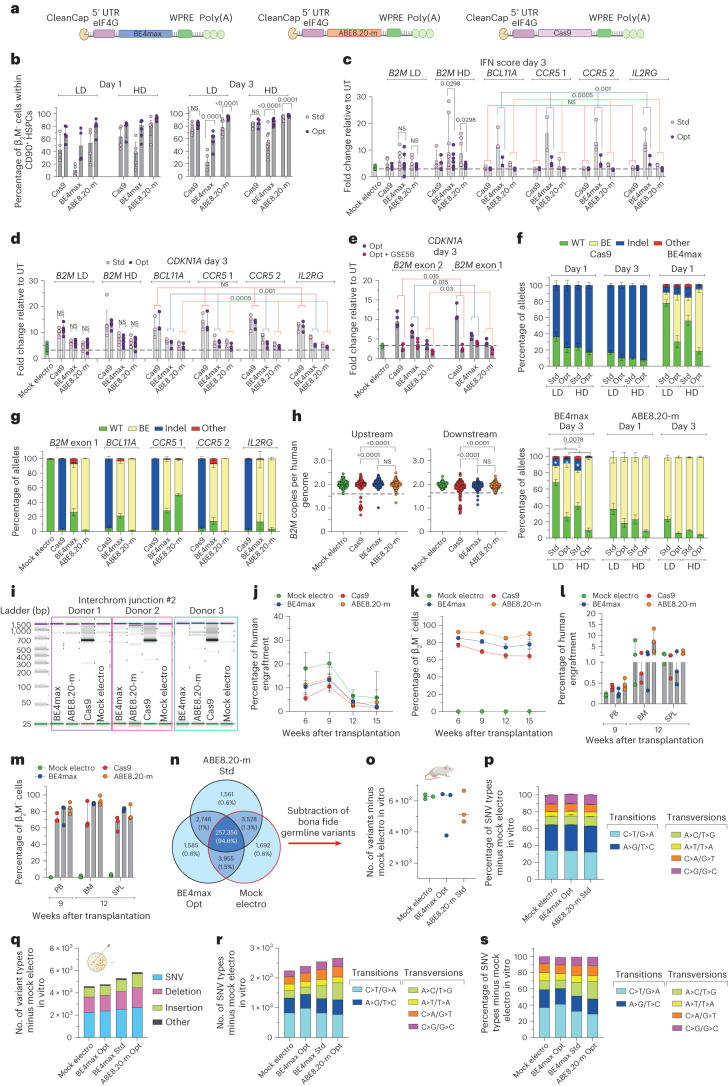
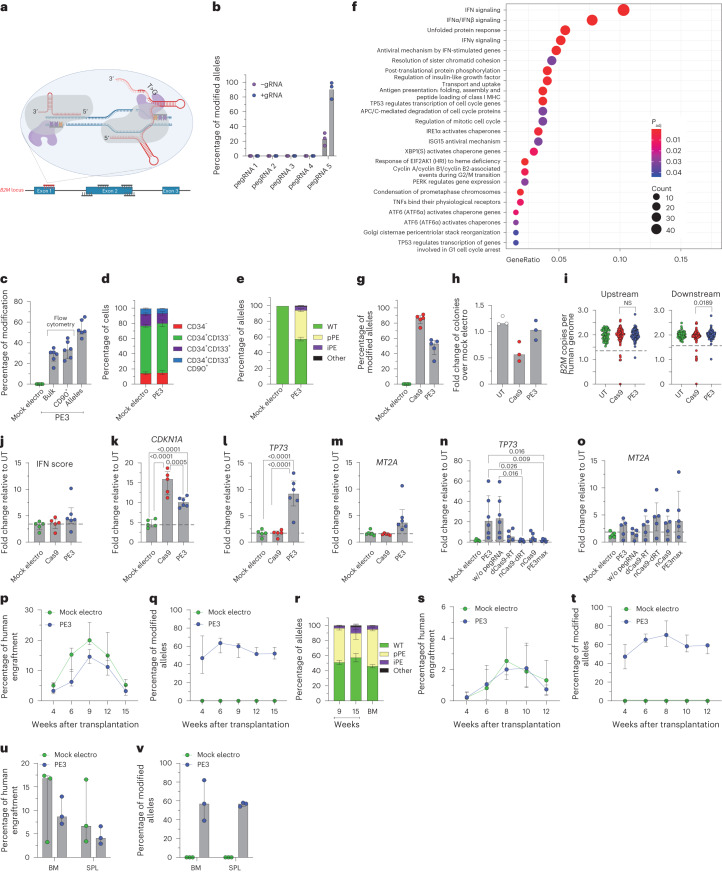
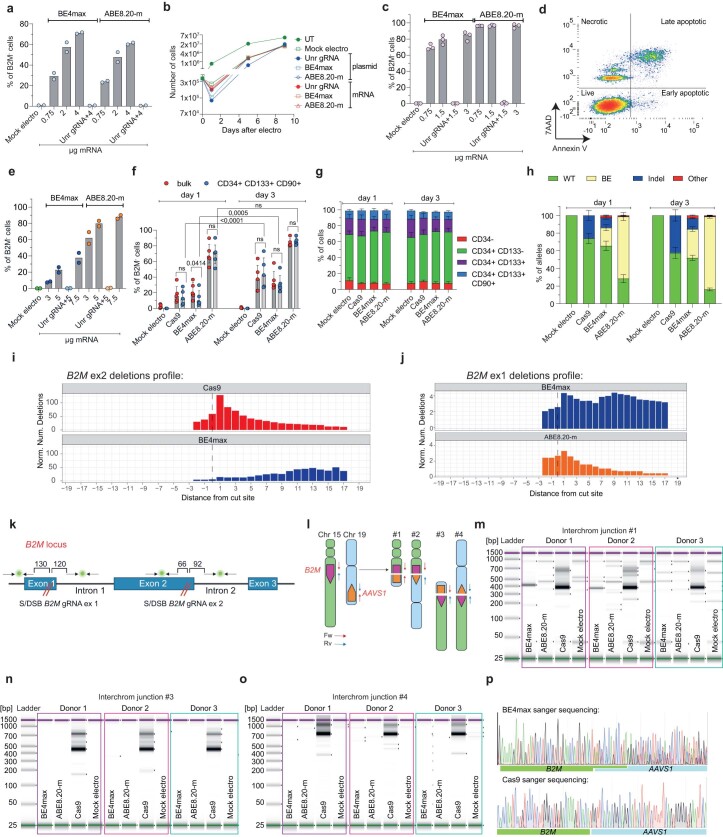
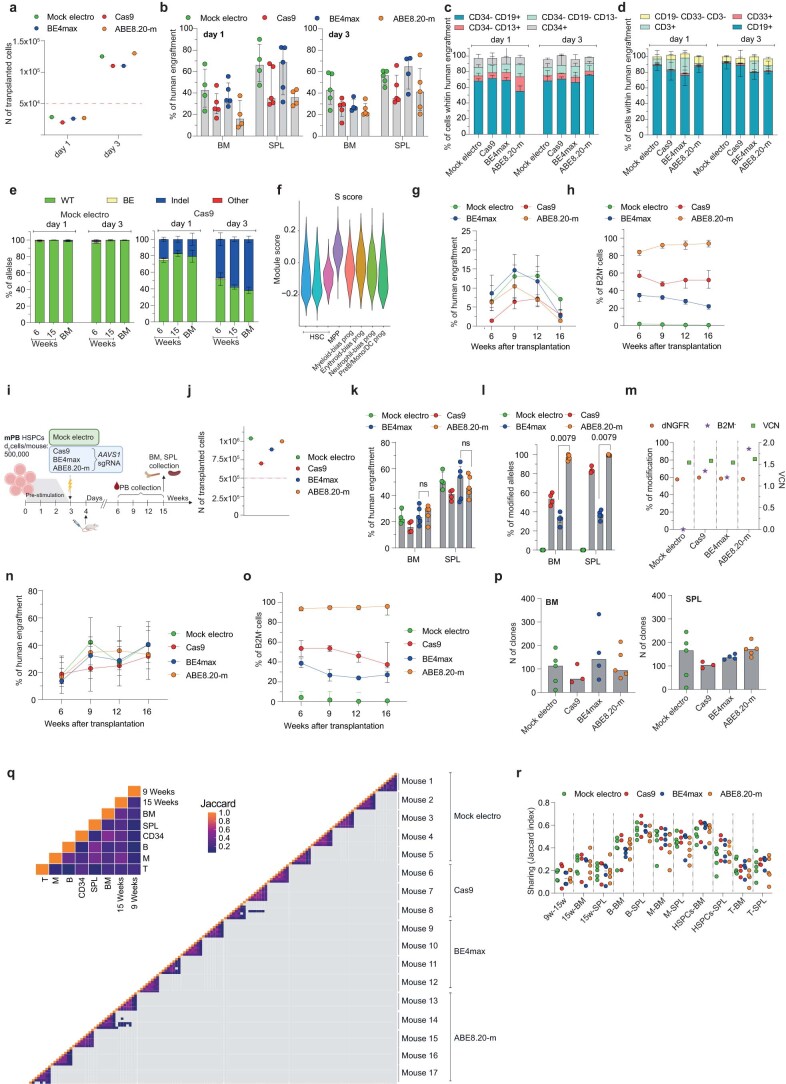
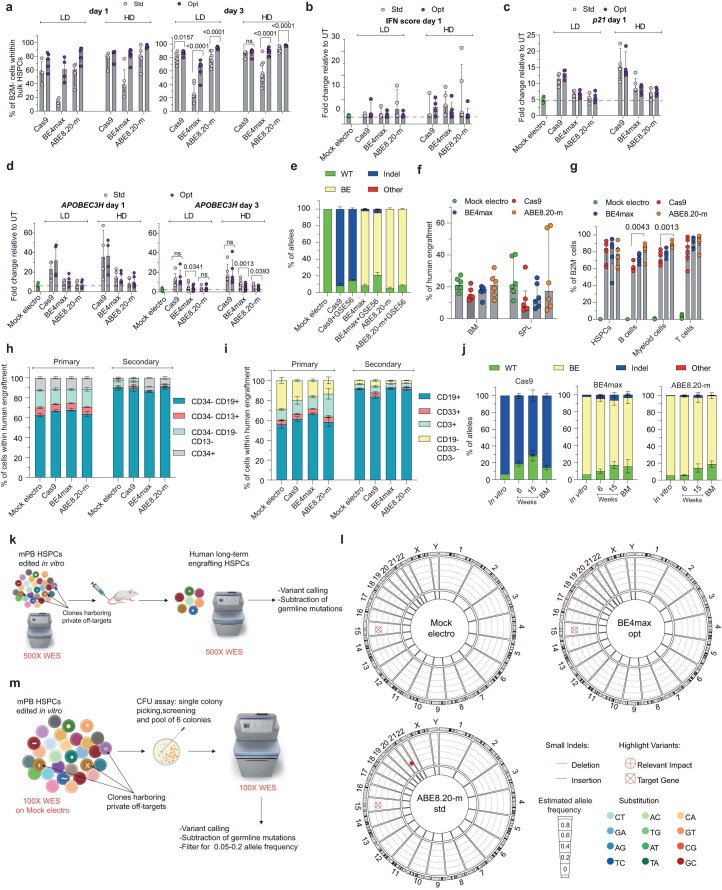
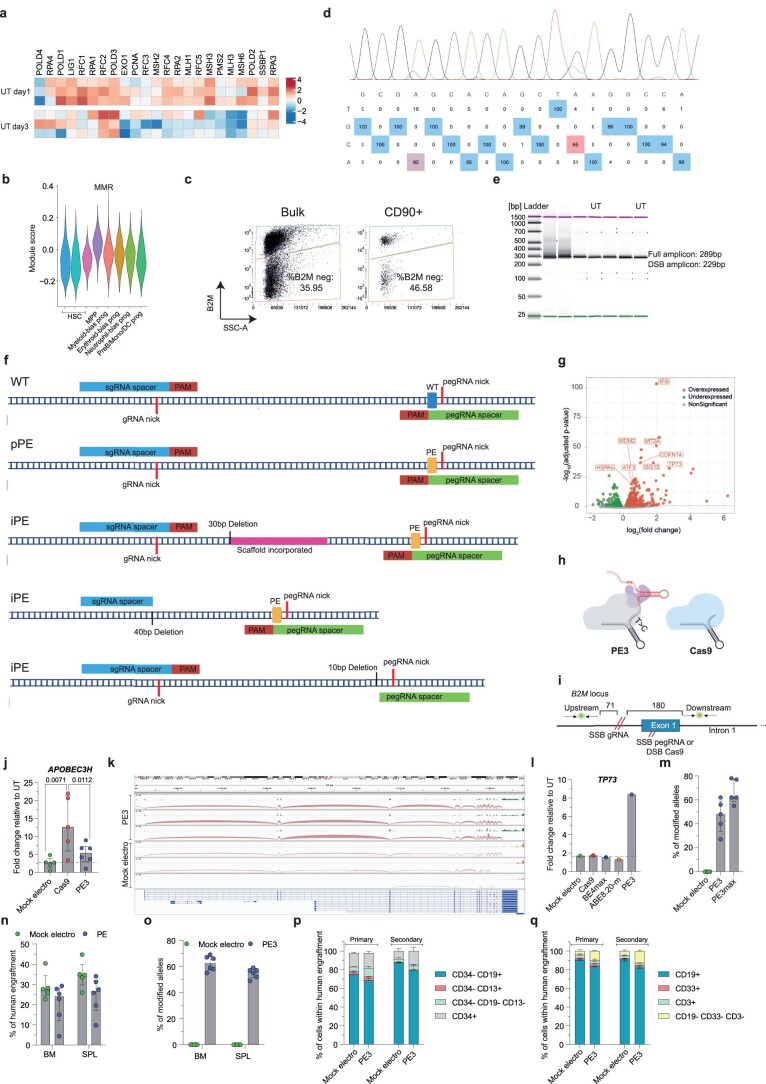
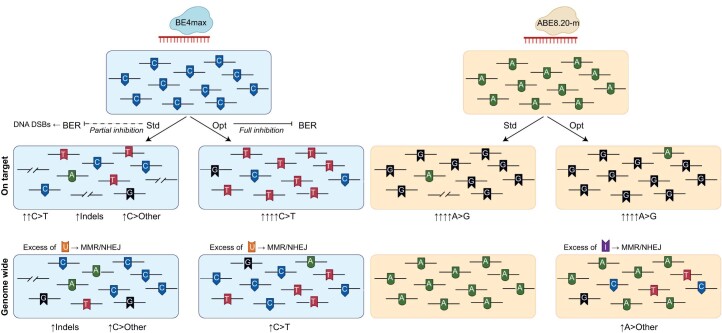
Base and prime editors (BEs and PEs) may provide more precise genetic engineering than nuclease-based approaches because they bypass the dependence on DNA double-strand breaks. However, little is known about their cellular responses and genotoxicity. Here, we compared state-of-the-art BEs and PEs and Cas9 in human hematopoietic stem and progenitor cells with respect to editing efficiency, cytotoxicity, transcriptomic changes and on-target and genome-wide genotoxicity. BEs and PEs induced detrimental transcriptional responses that reduced editing efficiency and hematopoietic repopulation in xenotransplants and also generated DNA double-strand breaks and genotoxic byproducts, including deletions and translocations, at a lower frequency than Cas9. These effects were strongest for cytidine BEs due to suboptimal inhibition of base excision repair and were mitigated by tailoring delivery timing and editor expression through optimized mRNA design. However, BEs altered the mutational landscape of hematopoietic stem and progenitor cells across the genome by increasing the load and relative proportions of nucleotide variants. These findings raise concerns about the genotoxicity of BEs and PEs and warrant further investigation in view of their clinical application.
Overview
The claims and statistics of this paper haven’t been checked yet.
Free: it reads the open-access text and checks the first 5 claims that cite a source we can check. Create a free account to check every claim.
Integrity signals
Registry
Cites
Statistics
Figures
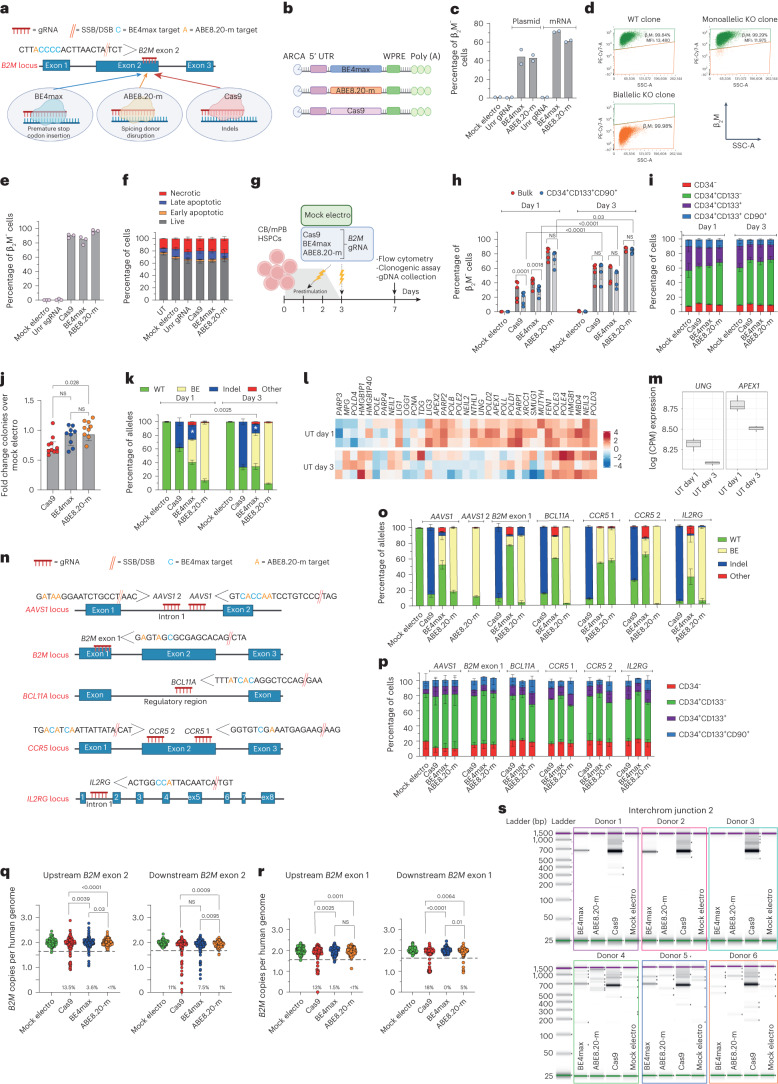
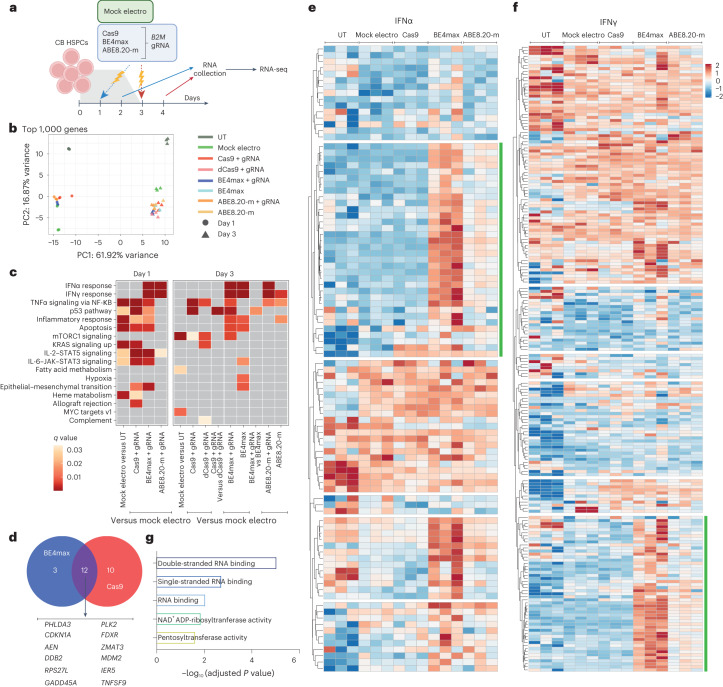
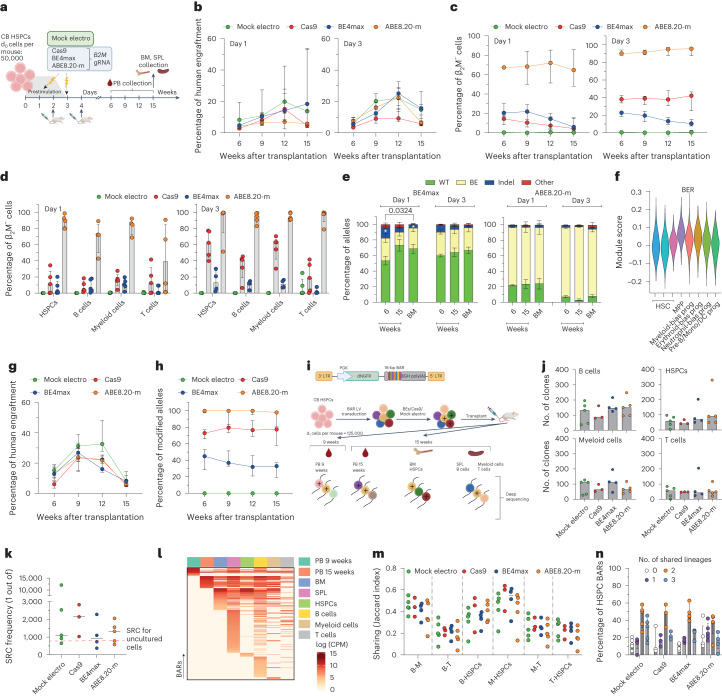
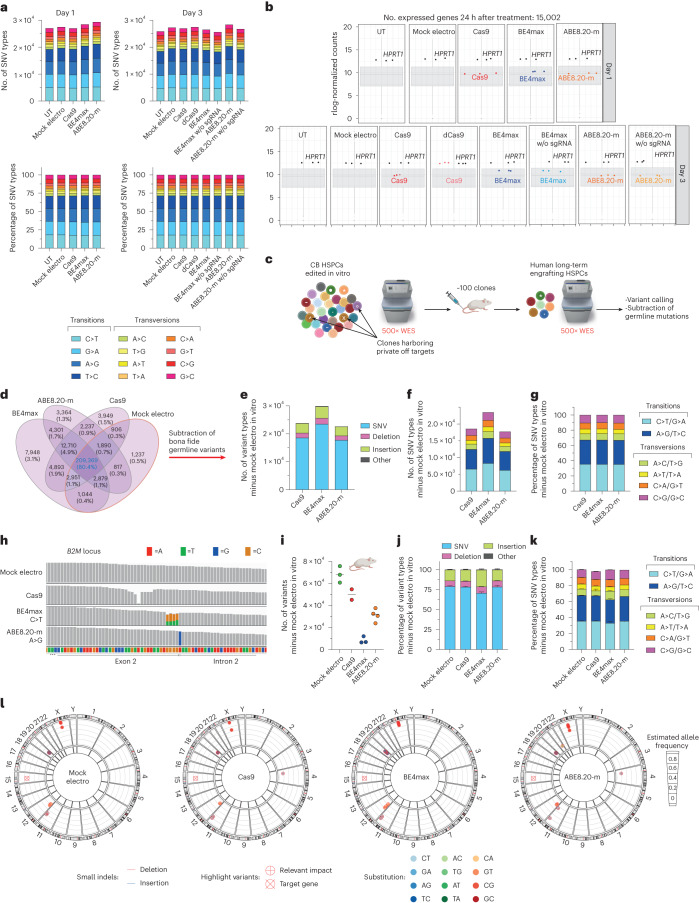
Verification
Claims the paper makes
The claims and statistics of this paper haven’t been checked yet.
Free: it reads the open-access text and checks the first 5 claims that cite a source we can check. Create a free account to check every claim.
Claims other papers make about this one
Each is checked against this paper’s own text: does it say what the citing paper says it does?
The source backs part of the claim, not all of it — or backs it for a different population, condition or comparison.
In the citing paper
“Due to ABE’s low rate of DSB induction and subsequent indel formation, the p53 DSB response is largely not activated and in the case of hematopoietic stem cells, engraftment potential is less impacted by ABE.11”
From Adenine base editor for knockout of proteins: A practical guide from design to analysis with updated MultiEditRbatch (2026) · cites this paper as [11]
Experimental — accuracy not yet measuredThe source backs part of the claim, not all of it — or backs it for a different population, condition or comparison.
In the citing paper
“These DSBs activate TP53, which reduces viability of edited cells and significantly decreases long-term engraftment potential.11”
From Adenine base editor for knockout of proteins: A practical guide from design to analysis with updated MultiEditRbatch (2026) · cites this paper as [11]
Experimental — accuracy not yet measuredThe source backs part of the claim, not all of it — or backs it for a different population, condition or comparison.
In the citing paper
“Although ABE has been reported to create DSBs, it is at a significantly lower rate than Cas9 (up to ˜3% indel rate in hematopoietic stem cells reported by Fiumara et al.).11”
From Adenine base editor for knockout of proteins: A practical guide from design to analysis with updated MultiEditRbatch (2026) · cites this paper as [11]
Experimental — accuracy not yet measuredThe source backs part of the claim, not all of it — or backs it for a different population, condition or comparison.
In the citing paper
“One of the main advantages of ABE-based gene knockout is how amenable the system is to multiplex knockouts.11,12,27”
From Adenine base editor for knockout of proteins: A practical guide from design to analysis with updated MultiEditRbatch (2026) · cites this paper as [11]
Experimental — accuracy not yet measured
Self-check
Percentages, sums and reported differences re-computed from the paper’s own numbers.
The self-check needs the paper’s full text.
Citations
Cites
Fitting Linear Mixed-Effects Models Using lme4
Bates, D., Mächler, M., Bolker, B., & Walker, S. (2015) · Journal of Statistical Software · doi:10.18637/jss.v067.i01 · Cited by 86,835
Programmable editing of a target base in genomic DNA without double-stranded DNA cleavage
Komor, A. C., Kim, Y. B., Packer, M. S., Zuris, J. A., & Liu, D. R. (2016) · Nature · doi:10.1038/nature17946 · Cited by 5,437 · cited 2×
“Thus, CBEs were further engineered by adding one or two UG inhibitor (UGI) domains from a bacteriophage protein, improving their efficiency 16 .”
Search-and-replace genome editing without double-strand breaks or donor DNA
Anzalone, A. V., Randolph, P. B., Davis, J. R., Sousa, A. A., Koblan, L. W., Levy, J. M., Chen, P. J., Wilson, C., Newby, G. A., Raguram, A., et al. (2019) · Nature · doi:10.1038/s41586-019-1711-4 · Cited by 4,767 · cited 14×
“Cas9-treated, but not PE3-treated, HSPCs showed a trend toward lower clonogenic capacity than mock-electroporated cells, indicating a stronger impact of Cas9 than PE3 on HSPCs (Fig.”
InfluentialEasy quantitative assessment of genome editing by sequence trace decomposition
Brinkman, E. K., Chen, T., Amendola, M., & van Steensel, B. (2014) · Nucleic Acids Research · doi:10.1093/nar/gku936 · Cited by 2,390 · cited 1×
“…BE and Cas9 efficiencies were measured by PCR amplification at the target locus, followed by amplicon Sanger sequencing (Eurofins Scientific), whose results were then analyzed by EditR software (http:// baseeditr.com) 48 using default parameters or by TIDE software (https:// tide.nki.nl/) 49 .”
Genome editing with CRISPR–Cas nucleases, base editors, transposases and prime editors
Anzalone, A. V., Koblan, L. W., & Liu, D. R. (2020) · Nature Biotechnology · doi:10.1038/s41587-020-0561-9 · Cited by 2,237 · cited 3×
“1b,c and Extended Data Recently, Cas nickase (nCas)-based technologies, such as base editing and prime editing, opened the possibility to generate small edits while bypassing DNA DSB and HDR engagement 13 and ensuring a more homogeneous genetic outcome at the target sites 14 .”
Kosicki, M., Tomberg, K., & Bradley, A. (2018) · Nature Biotechnology · doi:10.1038/nbt.4192 · Cited by 1,883 · cited 1×
“…of nuclease-dependent gene editing in HSPCs. Nuclease-induced DSBs at on-and off-target sites trigger the activation of a p53-dependent DNA damage response 5,6 , and their processing may sometimes lead to large deletions, trans-locations and chromothripsis, thus enhancing genotoxic risk 7–11 .”
Base editing: precision chemistry on the genome and transcriptome of living cells
Rees, H. A., & Liu, D. R. (2018) · Nature Reviews Genetics · doi:10.1038/s41576-018-0059-1 · Cited by 1,675
CRISPResso2 provides accurate and rapid genome editing sequence analysis
Clement, K., Rees, H., Canver, M. C., Gehrke, J. M., Farouni, R., Hsu, J. Y., Cole, M. A., Liu, D. R., Joung, J. K., Bauer, D. E., et al. (2019) · Nature Biotechnology · doi:10.1038/s41587-019-0032-3 · Cited by 1,660
Takata, M., Sasaki, M. S., Sonoda, E., Morrison, C., Hashimoto, M., Utsumi, H., Yamaguchi‐Iwai, Y., Shinohara, A., & Takeda, S. (1998) · The EMBO Journal · doi:10.1093/emboj/17.18.5497 · Cited by 1,229 · cited 1×
“Moreover, HDR-based editing is confined to S/G2 cell cycle phases, limiting it to the most primitive and quiescent compartment of HSPCs 12 .”
The promise and challenge of therapeutic genome editing
Doudna, J. A. (2020) · Nature · doi:10.1038/s41586-020-1978-5 · Cited by 1,126 · cited 1×
“In the last decade, CRISPR–Cas-engineered nucleases coupled with a single guide RNA (gRNA) have been widely used to introduce site-specific DNA double-strand breaks (DSBs) 2,3 .”
Cited by
Items 201–259 of 259
Additional file 4 of HLA-based banking of induced pluripotent stem cells in Saudi Arabia
Alowaysi, M., Lehmann, R., Al-Shehri, M., Baadhaim, M., Alzahrani, H., Aboalola, D. A., Zia, A., Malibari, D., Daghestani, M., Alghamdi, K., et al. (2024) · Figshare · doi:10.6084/m9.figshare.26655931
Additional file 5 of HLA-based banking of induced pluripotent stem cells in Saudi Arabia
Alowaysi, M., Lehmann, R., Al-Shehri, M., Baadhaim, M., Alzahrani, H., Aboalola, D. A., Zia, A., Malibari, D., Daghestani, M., Alghamdi, K., et al. (2024) · Figshare · doi:10.6084/m9.figshare.26655934
Additional file 7 of HLA-based banking of induced pluripotent stem cells in Saudi Arabia
Alowaysi, M., Lehmann, R., Al-Shehri, M., Baadhaim, M., Alzahrani, H., Aboalola, D. A., Zia, A., Malibari, D., Daghestani, M., Alghamdi, K., et al. (2024) · Figshare · doi:10.6084/m9.figshare.26655940
Additional file 3 of HLA-based banking of induced pluripotent stem cells in Saudi Arabia
Alowaysi, M., Lehmann, R., Al-Shehri, M., Baadhaim, M., Alzahrani, H., Aboalola, D. A., Zia, A., Malibari, D., Daghestani, M., Alghamdi, K., et al. (2024) · Figshare · doi:10.6084/m9.figshare.26655928
Additional file 8 of HLA-based banking of induced pluripotent stem cells in Saudi Arabia
Alowaysi, M., Lehmann, R., Al-Shehri, M., Baadhaim, M., Alzahrani, H., Aboalola, D. A., Zia, A., Malibari, D., Daghestani, M., Alghamdi, K., et al. (2024) · Figshare · doi:10.6084/m9.figshare.26655943
Additional file 6 of HLA-based banking of induced pluripotent stem cells in Saudi Arabia
Alowaysi, M., Lehmann, R., Al-Shehri, M., Baadhaim, M., Alzahrani, H., Aboalola, D. A., Zia, A., Malibari, D., Daghestani, M., Alghamdi, K., et al. (2024) · Figshare · doi:10.6084/m9.figshare.26655937
Additional file 2 of HLA-based banking of induced pluripotent stem cells in Saudi Arabia
Alowaysi, M., Lehmann, R., Al-Shehri, M., Baadhaim, M., Alzahrani, H., Aboalola, D. A., Zia, A., Malibari, D., Daghestani, M., Alghamdi, K., et al. (2023) · Figshare · doi:10.6084/m9.figshare.26655925
Waldo, J. J. (2024) · eScholarship (California Digital Library)
Epigenetic Silencing of the TCR Complex in CAR T Cells
Schönberg, P. Y. (2025) · Qucosa (Saxon State and University Library Dresden)
Persemes, science fiction, and the modular human: Imagining genetically modified people in bioethics
So, D. (2025) · eScholarship@McGill (McGill) · doi:10.82308/22371
Genome Editing Technologies in Precision Medicine: Recent Innovations and Challenges
Ali, K. A., Chakraborty, R., Afrose, N., Hossain, C. M., Kotal, A., & Samanta, S. (2026) · IGI Global eBooks · doi:10.4018/979-8-3373-4857-5.ch001
Fadhilah, N., & Hartati, H. (2026) · Biocaster Jurnal Kajian Biologi · doi:10.36312/biocaster.v6i1.861
“Pengembangan berikutnya menghasilkan Adenine Base Editor (ABE) yang mampu mengubah Adenin (A) menjadi Guanin (G), sehingga keempat transisi utama C→T, G→A, A→G, dan T→C dapat dicapai tanpa DSB ( Chen et al. , 2023., Fiumara et al. , 2024; Jeong et al. , 2021).”
Wadhwa, N., Ghorai, S. M., Bajaj, D., Singh, S., & Datta, S. (2026) · Next research. · doi:10.1016/j.nexres.2026.101470
Sobieszek, K. A., & Idzik, P. (2026) · Gene & Protein in Disease · doi:10.36922/gpd025480078
In Vivo T-Cell Engineering: Revolution in Delivery Strategies and Clinical Translation
Dong, X., Yan, W., Long, X., & Wu, M. (2026) · BioDrugs · doi:10.1007/s40259-026-00771-3
“Their clinical application still requires rigorous safety evaluation [45].”
Deng, J., Zhou, J., Xiang, H., Li, X., Han, X., Weng, Z., Jia, J., Shao, Y., Yang, S., Niu, M., et al. (2026) · Nucleic Acids Research · doi:10.1093/nar/gkag162
“These limitations represent a critical safety gap, as highlighted by reports of extensive off-target SNVs in CBE-treated mouse embryos [ 17 ] and genome-wide mutational reshaping in base-edited human haematopoietic stem/progenitor cells [ 18 ].”
Development of gene therapy approaches to ß-hemoglobinopathies
Chalumeau, A. (2023) · theses.fr (ABES) · doi:10.70675/7fc1b037zbffbz4005z9109zd81aa6f38a83
Genome and epigenome editing approaches to treat β-hemoglobinopathies
Fontana, L. (2024) · theses.fr (ABES) · doi:10.70675/f1623d8bz5529z4d2dzb255z45ed273f643c
Halegua, T. (2024) · theses.fr (ABES) · doi:10.70675/e126833bz332fz403fza6c1zc00882e8e6d6
An inducible base editing platform for cancer functional genomics in vivo
(2026) · Nature Biotechnology · doi:10.1038/s41587-026-03079-3
CRISPR Genome Editing and the Future of Leukaemia Immunotherapy
Rai, D., & Terranova, U. (2026) · Health Science Reports · doi:10.1002/hsr2.72497
Lin, K., Lam, A., Ooijen, S., Maier, M., Kassis, G., Ellis, R., Messemer, K. A., Martin, J., Khairallah, R., & Wagers, A. J. (2026) · SSRN Electronic Journal · doi:10.2139/ssrn.7227466
Advances in Gene Therapy for Chronic Granulomatous Disease
Siow, K. M., Tsapogas, P., Pastukhov, O., & Reichenbach, J. (2026) · Springer eBooks · doi:10.1007/978-3-032-21135-4_19
Cytosine base editing workflow for quality-controlled multiplex-knockout hiPSC linesPreprint
Kirschner, V., Herzberg, J., Richter, C., Bhunia, S., Kistler, R., Ottenheijm, R., Seeger, T., Freichel, M., & Cornean, A. (2026) · bioRxiv (Cold Spring Harbor Laboratory) · doi:10.64898/2026.06.02.729559
Labun, K., Rio, O., Dahal‐Koirala, S., Komisarczuk, A. Z., Valen, E., & Haapaniemi, E. M. (2026) · Nucleic Acids Research · doi:10.1093/nar/gkag409
“These approaches reduce reliance on donor templates and lower double-strand break-associated risks, but remain constrained by PAM positioning, editing windows, complex pegRNA designs, and variable efficiency in primary human cells [ 26 , 27 ].”
Gene editing of hematopoietic stem cells: applications and advances
Li, Q., Wang, H., He, Y., Hong, G., & Bao, G. (2026) · International Journal of Hematology · doi:10.1007/s12185-026-04251-w
“Prime editors may trigger harmful transcriptional responses, thereby decreasing editing efficiency and impairing hematopoietic reconstitution in xenotransplantation models [28].”
Pu, T., Wang, C., Lou, H., Mi, Y., Zhang, S., Liu, S., Xiao, Z., Wang, Q., Liu, Q. F., & Liu, Y. (2026) · Bioresources and Bioprocessing · doi:10.1186/s40643-026-01150-0
“Avoiding double-strand breaks may also reduce the risk of large deletions, chromosomal rearrangements, and DNA-dam-age responses associated with nuclease-mediated editing (Fiumara et al. 2024; Hwang et al. 2024; Komor et al. 2016).”
Arangham, P., Mandha, M., & Hopak, N. V. (2026) · Genetics and Molecular Research · doi:10.4238/s7k7k033
Varesi, A., Dong, S., Gaddoni, C., Kaufmann, K. B., Wong, T., Merelli, I., Zeng, A. G. X., McLeod, J., Jin, L., Biasio, I. D., et al. (2026) · bioRxiv (Cold Spring Harbor Laboratory) · doi:10.64898/2026.07.31.742092
Self-citationImproving nuclease-and nickase-based homology-directed repair with ZIP CRISPRPreprint
Thibault, C., Riandière, M., Rosier, J., Marin, V., Bergès, C., Espasa, R., Fayet, S., Lamrissi‐Garcia, I., Trian, T., Bui, S., et al. (2026) · Research Square · doi:10.21203/rs.3.rs-10524322/v1
Papasavva, P. L., Dosunmu-Ogunbi, A. M., Oni, M. O., Kountouris, P., Makani, J., Zilfalil, B. A., Inusa, B. P. D., Archer, N. M., Lederer, C. W., Ahmad, H., et al. (2026) · Blood Advances · doi:10.1182/bloodadvances.2025018935
“55,66,67 Safety-optimized DSB-independent editors could reduce recombination, enable multiplexed editing of several GDMs simultaneously, improve functional correction, 68 and support therapies that may be more robust across genetically diverse populations (see “GDMs shaping global reach of…”
El‐Sehrawy, A. A. M. A., Al‐Khreisat, M. J., Kubaev, A., Rajapov, A., Ismail, S. H., Alhasso, B., Kaur, I., & Bainsal, N. (2026) · Hematological Oncology · doi:10.1002/hon.70239
“…and prime editing are already feasible in human hematopoietic stem and progenitor cells, although recent work has also shown that editing can create genotoxic consequences that must be [20, 32] Hematological Oncology, 2026 minimized before any in vivo therapeutic interpretation is made [109, 110].”
A hypercompact epigenetic editor based on a novel engineered Cas12f nuclease
Rheinbay, S. (2025) · Kölner Universitäts PublikationsServer (Universität zu Köln)
Optimization of AsCas12f1-mediated long-term gene repression
Sun, Y., Li, L., Wang, X., Han, L., Zhao, Y., Tan, Y., Feng, Y., Qi, W., & Ma, H. (2026) · Molecular Therapy · doi:10.1016/j.ymthe.2026.09.001
Allogeneic CAR-T cell engineering: immune stealth, product fitness, and clinical translation
Yang, R., Mi, X., Li, Z., Yan, K., & Xiao, Z. (2026) · Cytotherapy · doi:10.1016/j.jcyt.2026.103005
Advancements in CRISPR-based in vivo gene therapy for hemophilia
Zhang, X., Xu, K., Zou, S., Zhu, Z., Teng, S., & Huang, P. (2026) · Frontiers in Genome Editing · doi:10.3389/fgeed.2026.1924733
Engineering Biology Beyond Single Genes: Advances and Challenges in Multiplex Genome Editing
Wang, L., Liu, Y., & Han, H. (2026) · Animal Research and One Health · doi:10.1002/aro2.70094
In vivo HSPC gene therapy of hemoglobinopathies without drug selection of corrected cellsPreprint
Velmurugan, A. S., Paschoudi, K., Queenan, J. A., Gil, S., Maynard, A., Fontana, C. E., Sharma, R., Long, A., Li, C. L., Wang, H., et al. (2026) · bioRxiv (Cold Spring Harbor Laboratory) · doi:10.64898/2026.09.15.751289
A review of genetic modification for ex vivo cellular therapies
Dinh, A., Zhang, N., & Stroncek, D. F. (2026) · Transfusion · doi:10.1111/trf.70163
“86 Genome editing, therefore, requires monitoring throughout the development and clinical application stages, as well as long-term patient follow-up.”
Sickle cell disease-specific barriers to in vivo hematopoietic stem cell gene therapy
Choi, R., & Sheehan, V. (2026) · Seminars in Hematology · doi:10.1053/j.seminhematol.2026.09.003
Mustaffa, F.-E., Aslam, M., & Junaid, M. (2026) · Journal of the Egyptian National Cancer Institute · doi:10.1186/s43046-026-00415-1
“Newer and more precise base editors are being developed, and more sensitive detection assays are being developed to further decrease the editing window and off-target activity [103, 104].”
Prime editing of human hematopoietic stem cells for correction of GATA2 deficiency
Wolff, J. H., Skov, T. W., Dorset, S. R., Sjelborg, J., Ravendran, S., Revenfeld, A. L., Haslund, D., Møller, A. M. J., Holm, M., Thomsen, M. K., et al. (2026) · Science Translational Medicine · doi:10.1126/scitranslmed.aec7031
Evaluation of the efficacy and safety of gene therapy strategies for liver metabolic diseases
Simoni, C. (n.d.) · Archivio Istituzionale della Ricerca - Università Vita-Salute San Raffaele
Development and validation of TCR-based immunotherapies for gastrointestinal tumors
Spiga, M. (2024) · Archivio Istituzionale della Ricerca - Università Vita-Salute San Raffaele
Fiumara, M. (n.d.) · Archivio Istituzionale della Ricerca - Università Vita-Salute San Raffaele
Self-citationMidena, F. (n.d.) · Archivio Istituzionale della Ricerca - Università Vita-Salute San Raffaele
Targeting Duchenne muscular dystrophy with CRISPR base editors
Winter, J. S. (2023) · Illinois Digital Environment for Access to Learning and Scholarship (University of Illinois at Urbana-Champaign)
In vivo Gene Writing with engineered retrotransposons
Li, D., Iaco, A. D., Ngan, K. C.-H., Smyshlyaev, G., Kumbhojkar, N., Steinberg, B. E., Kalani, Z., Xia, L., Dolbee, A., Kibbler, E. S., et al. (2026) · Cell · doi:10.1016/j.cell.2026.09.054
Oh, S.-Y., Park, Y. S., Choi, B. H., Kim, H. S., Jung, S.-C., & Jo, I. (2026) · Pharmacology & Therapeutics · doi:10.1016/j.pharmthera.2026.109133
Gene Therapy for Inherited Platelet Disorders
Ojeda-Walzuk, P. M., Marín‐Quilez, A., Torres, R., & Rivera, J. (2026) · Hematology/Oncology Clinics of North America · doi:10.1016/j.hoc.2026.09.016
Wang, W., Song, J., Du, Y., Zhou, C., Zuo, X., You, G., Luo, C., Huang, Y., Jiang, Z., Li, X., et al. (2026) · Biotechnology Advances · doi:10.1016/j.biotechadv.2026.109083
Du, R., Wang, W., Xie, J., Li, Y., Wu, N., & Xu, Q. C. (2026) · Journal of Agricultural and Food Chemistry · doi:10.1021/acs.jafc.6c12748
Pien, Y.-C., Li, H. Z., Bulliard, G., Liu, H., Durbacz, M. Z., Xu, Z., Chai, A. C., Chemello, F., Sanchez‐Ortiz, E., Zabaleta, N., et al. (2026) · Journal of Clinical Investigation · doi:10.1172/jci202378
CRISPR Technology: From Bench to Bedside Applications
Ma, X., Li, L., & Sun, Y. (2026) · MedComm · doi:10.1002/mco2.71011
Sasaki, Y., Ito, H., & NAKAMURA, A. (2026) · Journal Of Biochemical Technology · doi:10.51847/8rjbpn4rrj
Rahman, A., Weber, J., Brenner, M., Tanaka, Y., Okafor, G., & Bello, A. (2026) · International Journal Of Pharmaceutical Research And Allied Sciences · doi:10.51847/d0kcg1no6b
Bijlani, S., Pang, K. M., Bugga, L. V., Rangasamy, S., Narayanan, V., & Chatterjee, S. (2024) · doi:10.3389/fgeed.2024.1346781.s002
Awais, M., Sadaqat, S., Iftikhar, N., Arslan, M., Fatemi, E., Yasmeen, A., Shahid, N., Wang, Z., & Rao, A. Q. (2026) · Life Sciences · doi:10.1016/j.lfs.2026.124785
Metadata
- Authors
- Fiumara, M., Ferrari, S., Omer-Javed, A., Beretta, S., Albano, L., Canarutto, D., Varesi, A., Gaddoni, C., Brombin, C., Cugnata, F., Zonari, E., Naldini, M. M., Barcella, M., Gentner, B., Merelli, I., & Naldini, L.
- Affiliations
- Vita-Salute San Raffaele University (IT)
- The San Raffaele Telethon Institute for Gene Therapy (IT)
- Corresponding author
- Ferrari, Samuele
- Naldini, Luigi
- ORCID
- Venue
- Nature Biotechnology
- Published
- 2023-09-07
- Volume
- 42
- Issue
- 6
- Pages
- 877-891
- ISSN
- 0733-222X (ISSN-L)
- 1087-0156
- 1546-1696
- PMC
- PMC11180610
- OpenAlex
- W4386495872
- Semantic Scholar
- 07a655a1d2eeb0e7e595a91c7d65a2c537c9d296
- Cited by
- 220
- References
- 59
- Citations by year
- 2026: 67 · 2025: 74 · 2024: 67 · 2023: 12
- FWCI
- 19.81
- Type
- journal article
- Language
- en
- Update notices
- correction (2024-01-25)
- Open access
- hybrid
- doi.org
- Licence
- cc-by
- creativecommons.org/licenses/by/4.0 (tdm)
- creativecommons.org/licenses/by/4.0 (vor)
- Locations
- Nature Biotechnology (publishedVersion, cc-by)
- PubMed Central (publishedVersion, cc-by)
- PubMed (publishedVersion)
- Archivio Istituzionale della Ricerca - Università Vita-Salute San Raffaele (submittedVersion, cc-by)
- Funders
- European Hematology Association
- European Commission (101031856)
- Horizon 2020 Framework Programme
- HORIZON EUROPE Marie Sklodowska-Curie Actions (H2020)
- Topics
- Life Sciences › Biochemistry, Genetics and Molecular Biology › Molecular Biology › CRISPR and Genetic Engineering
- Life Sciences › Biochemistry, Genetics and Molecular Biology › Molecular Biology › RNA regulation and disease
- Life Sciences › Biochemistry, Genetics and Molecular Biology › Genetics › Virus-based gene therapy research
- Keywords
- base editing, prime editing, genotoxicity, hematopoietic stem cells, hematopoietic stem and progenitor cells, Cas9, DNA double-strand breaks, base excision repair, hematopoietic repopulation, transcriptional response, genome editing safety
- MeSH terms
- Gene Editing, Animals, DNA Damage, DNA Repair, Hematopoietic Stem Cells, Humans, Mice, DNA Breaks, Double-Stranded, CRISPR-Cas Systems
About these checks
Registry, retraction, Cites and statistics results are computed, not judged, with one exception: a printed reference that no index lists is read once by a model before it counts as a citation error. Claims are extracted by a model and kept only when their quote appears verbatim in the text; each cited source is then checked, with a model’s help, for whether it says what the claim relies on. Those verdicts can be wrong — read the claim’s quote and the cited source before relying on one.
Statistics and arithmetic are recomputed, not judged.
Confidence bands are shown only for fields calibrated on our annotated test set. None is calibrated yet, so no band is shown.
What counts as a claim ›How we measure confidence ›How we check this ›
Are you an author, or do you see a problem with this page? Request a review
Data sources
Bibliographic data: Semantic Scholar, OpenAlex, Crossref.
Contains information from the Semantic Scholar Academic Graph Datasets, made available under the ODC Attribution License (ODC-BY 1.0).
Semantic Scholar’s data is described in: Kinney, R., et al. (2023). The Semantic Scholar Open Data Platform. arXiv:2301.10140.
