

Genotoxic effects of base and prime editing in human hematopoietic stem cells
Open accessThe DOI matches its Crossref record; 58 of the 59 references it cites were found in a registry or an index.
Abstract
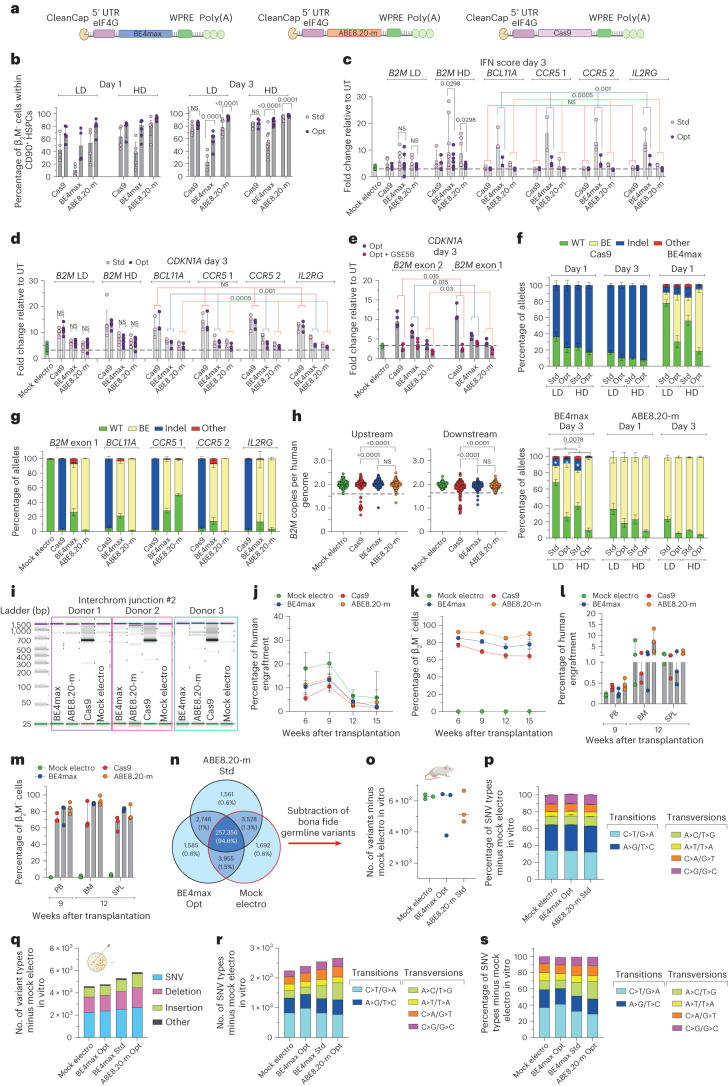
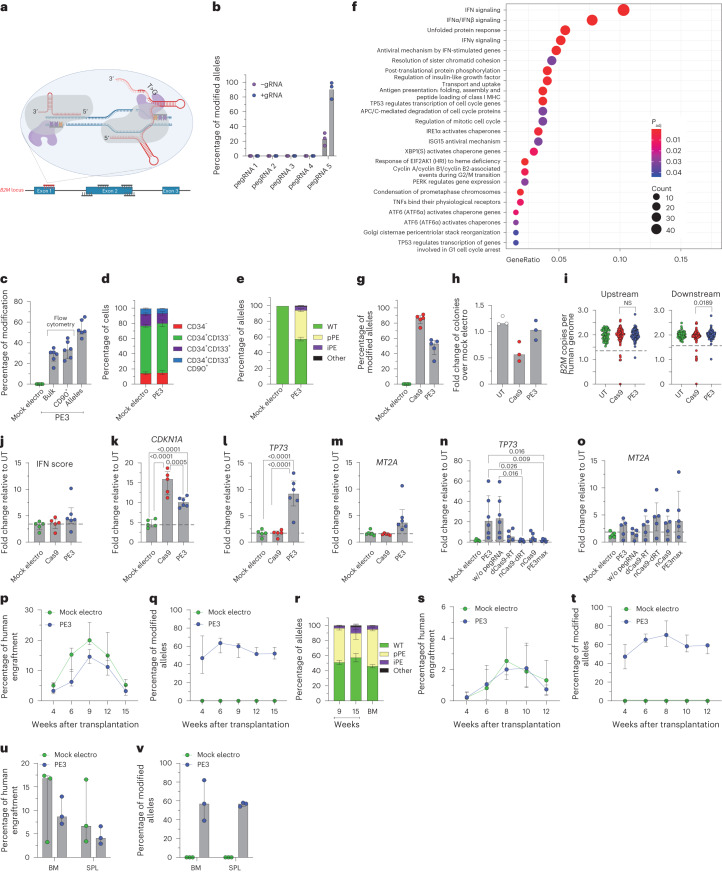
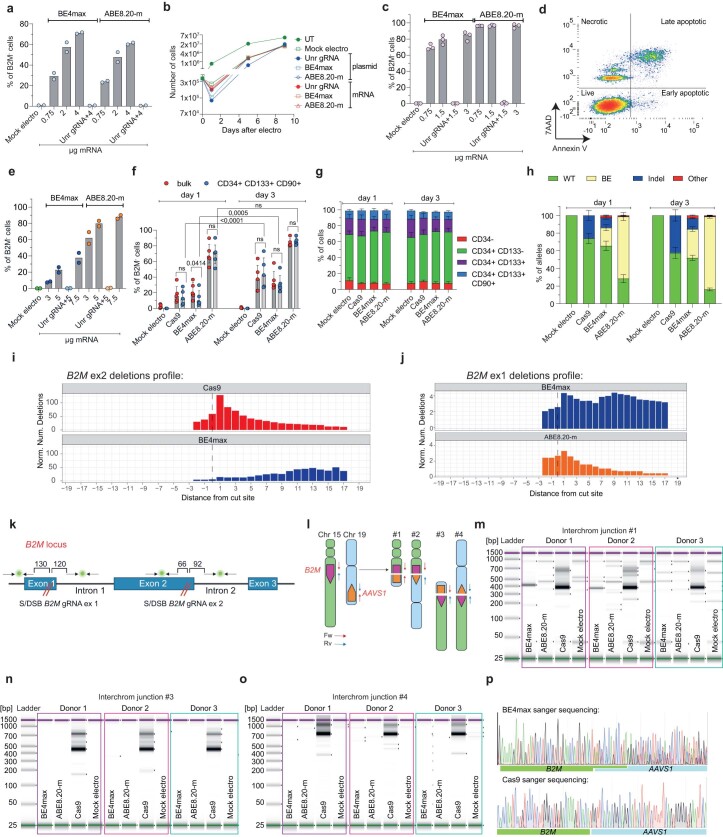
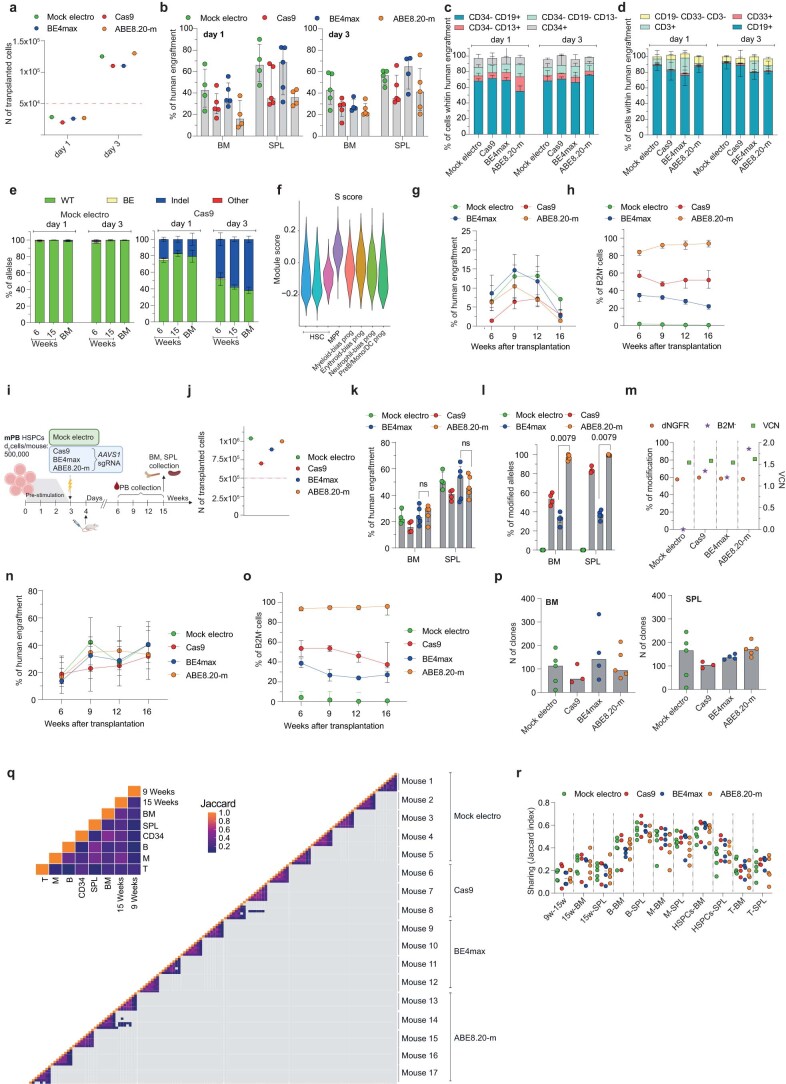
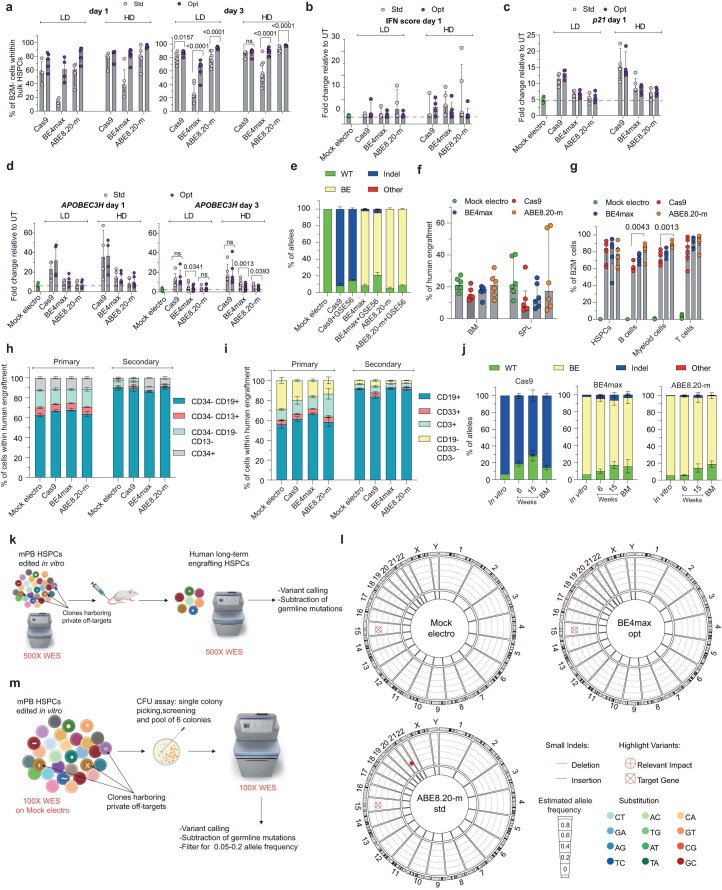
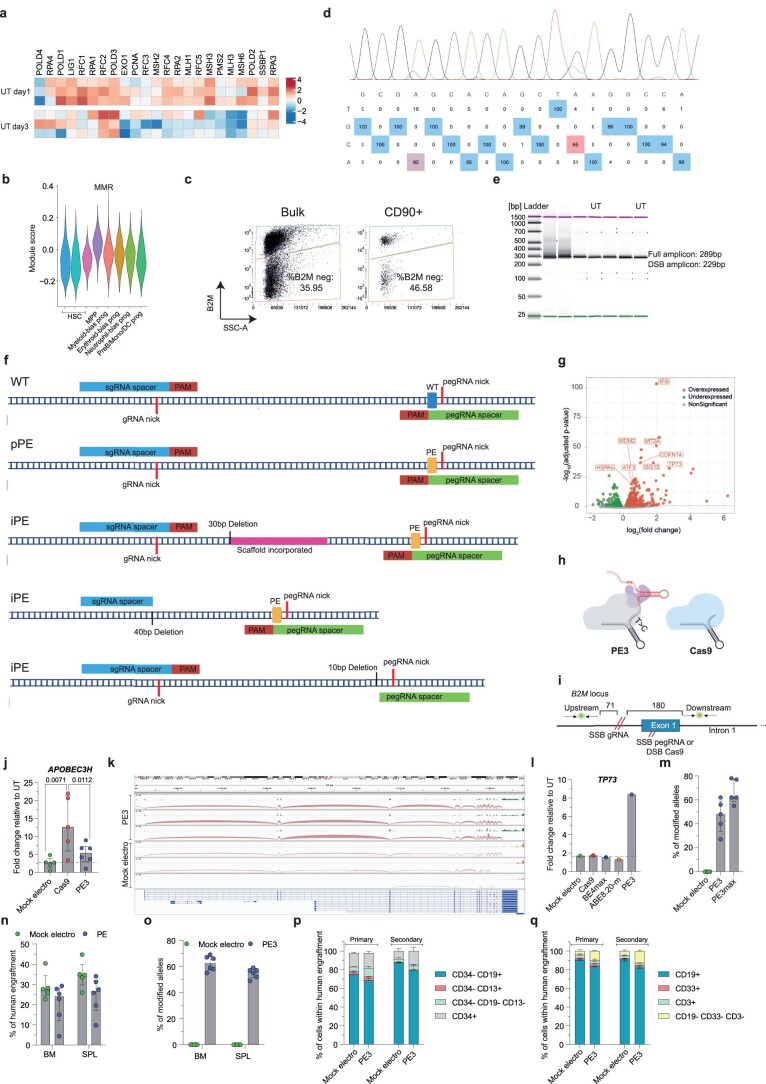
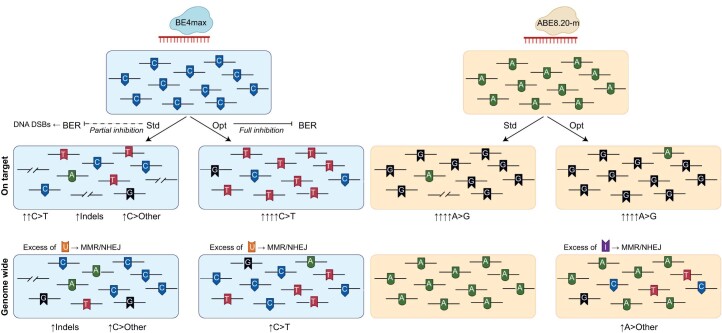
Base and prime editors (BEs and PEs) may provide more precise genetic engineering than nuclease-based approaches because they bypass the dependence on DNA double-strand breaks. However, little is known about their cellular responses and genotoxicity. Here, we compared state-of-the-art BEs and PEs and Cas9 in human hematopoietic stem and progenitor cells with respect to editing efficiency, cytotoxicity, transcriptomic changes and on-target and genome-wide genotoxicity. BEs and PEs induced detrimental transcriptional responses that reduced editing efficiency and hematopoietic repopulation in xenotransplants and also generated DNA double-strand breaks and genotoxic byproducts, including deletions and translocations, at a lower frequency than Cas9. These effects were strongest for cytidine BEs due to suboptimal inhibition of base excision repair and were mitigated by tailoring delivery timing and editor expression through optimized mRNA design. However, BEs altered the mutational landscape of hematopoietic stem and progenitor cells across the genome by increasing the load and relative proportions of nucleotide variants. These findings raise concerns about the genotoxicity of BEs and PEs and warrant further investigation in view of their clinical application.
Overview
The claims and statistics of this paper haven’t been checked yet.
Free: it reads the open-access text and checks the first 5 claims that cite a source we can check. Create a free account to check every claim.
Integrity signals
Registry
Cites
Statistics
Figures
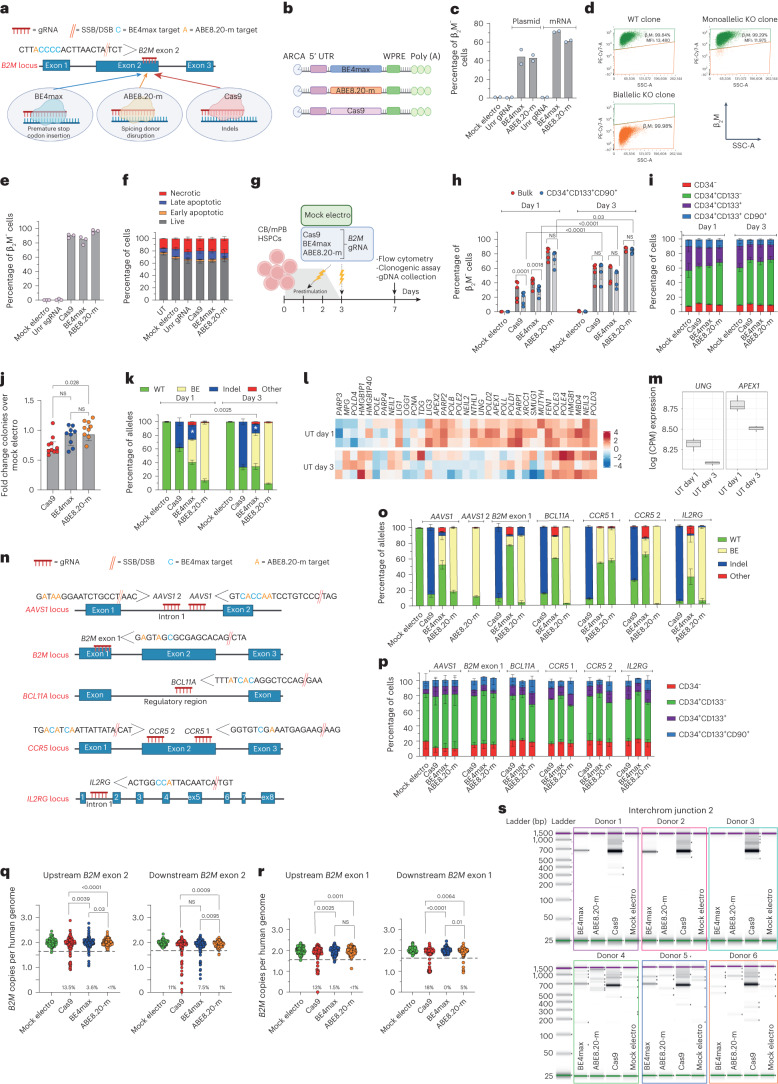
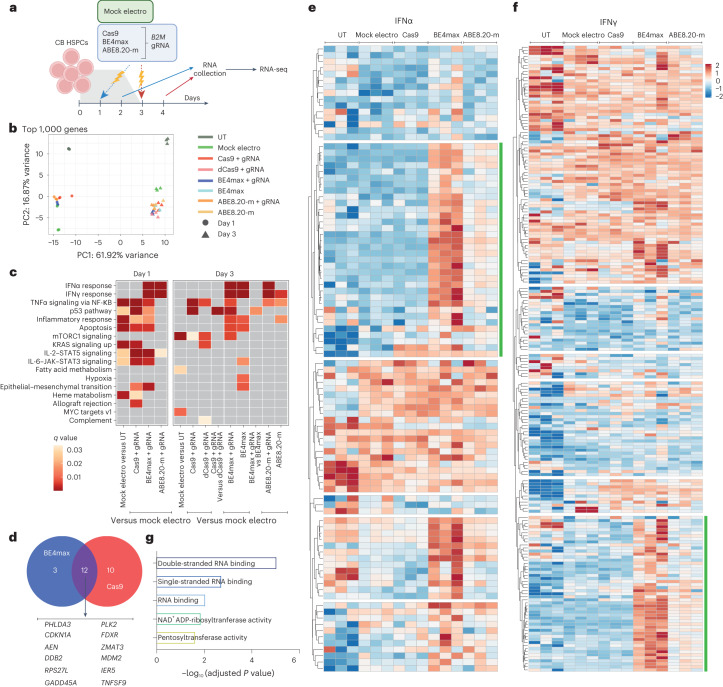
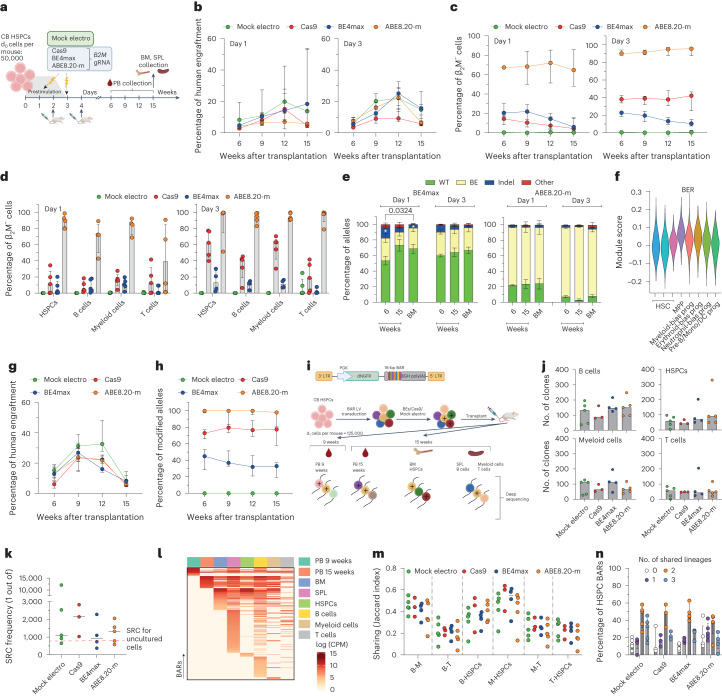
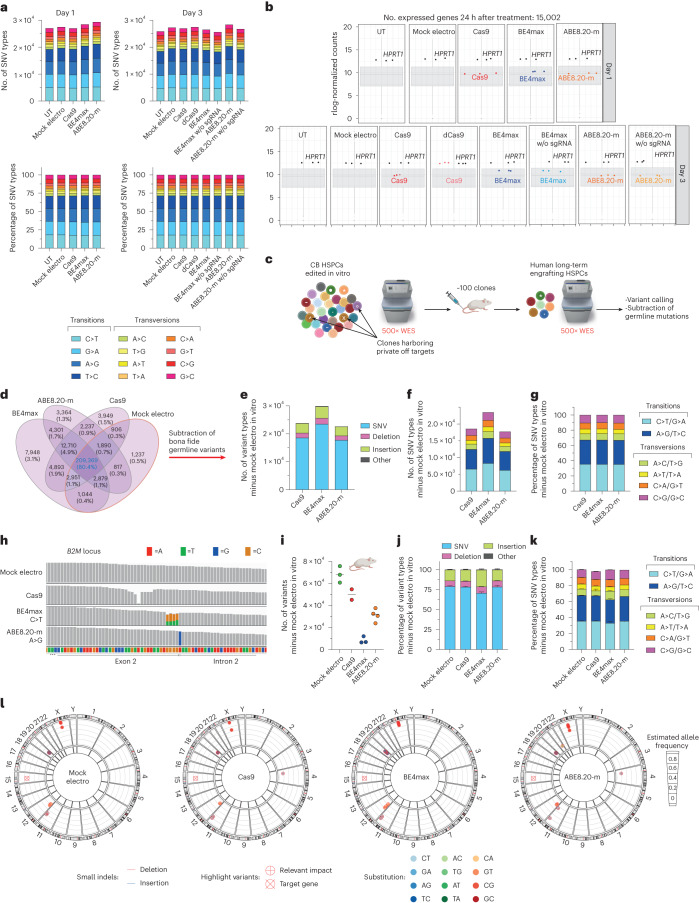
Verification
Claims the paper makes
The claims and statistics of this paper haven’t been checked yet.
Free: it reads the open-access text and checks the first 5 claims that cite a source we can check. Create a free account to check every claim.
Claims other papers make about this one
Each is checked against this paper’s own text: does it say what the citing paper says it does?
The source backs part of the claim, not all of it — or backs it for a different population, condition or comparison.
In the citing paper
“Due to ABE’s low rate of DSB induction and subsequent indel formation, the p53 DSB response is largely not activated and in the case of hematopoietic stem cells, engraftment potential is less impacted by ABE.11”
From Adenine base editor for knockout of proteins: A practical guide from design to analysis with updated MultiEditRbatch (2026) · cites this paper as [11]
Experimental — accuracy not yet measuredThe source backs part of the claim, not all of it — or backs it for a different population, condition or comparison.
In the citing paper
“These DSBs activate TP53, which reduces viability of edited cells and significantly decreases long-term engraftment potential.11”
From Adenine base editor for knockout of proteins: A practical guide from design to analysis with updated MultiEditRbatch (2026) · cites this paper as [11]
Experimental — accuracy not yet measuredThe source backs part of the claim, not all of it — or backs it for a different population, condition or comparison.
In the citing paper
“Although ABE has been reported to create DSBs, it is at a significantly lower rate than Cas9 (up to ˜3% indel rate in hematopoietic stem cells reported by Fiumara et al.).11”
From Adenine base editor for knockout of proteins: A practical guide from design to analysis with updated MultiEditRbatch (2026) · cites this paper as [11]
Experimental — accuracy not yet measuredThe source backs part of the claim, not all of it — or backs it for a different population, condition or comparison.
In the citing paper
“One of the main advantages of ABE-based gene knockout is how amenable the system is to multiplex knockouts.11,12,27”
From Adenine base editor for knockout of proteins: A practical guide from design to analysis with updated MultiEditRbatch (2026) · cites this paper as [11]
Experimental — accuracy not yet measured
Self-check
Percentages, sums and reported differences re-computed from the paper’s own numbers.
The self-check needs the paper’s full text.
Citations
Cites
Fitting Linear Mixed-Effects Models Using lme4
Bates, D., Mächler, M., Bolker, B., & Walker, S. (2015) · Journal of Statistical Software · doi:10.18637/jss.v067.i01 · Cited by 86,835
Programmable editing of a target base in genomic DNA without double-stranded DNA cleavage
Komor, A. C., Kim, Y. B., Packer, M. S., Zuris, J. A., & Liu, D. R. (2016) · Nature · doi:10.1038/nature17946 · Cited by 5,437 · cited 2×
“Thus, CBEs were further engineered by adding one or two UG inhibitor (UGI) domains from a bacteriophage protein, improving their efficiency 16 .”
Search-and-replace genome editing without double-strand breaks or donor DNA
Anzalone, A. V., Randolph, P. B., Davis, J. R., Sousa, A. A., Koblan, L. W., Levy, J. M., Chen, P. J., Wilson, C., Newby, G. A., Raguram, A., et al. (2019) · Nature · doi:10.1038/s41586-019-1711-4 · Cited by 4,767 · cited 14×
“Cas9-treated, but not PE3-treated, HSPCs showed a trend toward lower clonogenic capacity than mock-electroporated cells, indicating a stronger impact of Cas9 than PE3 on HSPCs (Fig.”
InfluentialEasy quantitative assessment of genome editing by sequence trace decomposition
Brinkman, E. K., Chen, T., Amendola, M., & van Steensel, B. (2014) · Nucleic Acids Research · doi:10.1093/nar/gku936 · Cited by 2,390 · cited 1×
“…BE and Cas9 efficiencies were measured by PCR amplification at the target locus, followed by amplicon Sanger sequencing (Eurofins Scientific), whose results were then analyzed by EditR software (http:// baseeditr.com) 48 using default parameters or by TIDE software (https:// tide.nki.nl/) 49 .”
Genome editing with CRISPR–Cas nucleases, base editors, transposases and prime editors
Anzalone, A. V., Koblan, L. W., & Liu, D. R. (2020) · Nature Biotechnology · doi:10.1038/s41587-020-0561-9 · Cited by 2,237 · cited 3×
“1b,c and Extended Data Recently, Cas nickase (nCas)-based technologies, such as base editing and prime editing, opened the possibility to generate small edits while bypassing DNA DSB and HDR engagement 13 and ensuring a more homogeneous genetic outcome at the target sites 14 .”
Kosicki, M., Tomberg, K., & Bradley, A. (2018) · Nature Biotechnology · doi:10.1038/nbt.4192 · Cited by 1,883 · cited 1×
“…of nuclease-dependent gene editing in HSPCs. Nuclease-induced DSBs at on-and off-target sites trigger the activation of a p53-dependent DNA damage response 5,6 , and their processing may sometimes lead to large deletions, trans-locations and chromothripsis, thus enhancing genotoxic risk 7–11 .”
Base editing: precision chemistry on the genome and transcriptome of living cells
Rees, H. A., & Liu, D. R. (2018) · Nature Reviews Genetics · doi:10.1038/s41576-018-0059-1 · Cited by 1,675
CRISPResso2 provides accurate and rapid genome editing sequence analysis
Clement, K., Rees, H., Canver, M. C., Gehrke, J. M., Farouni, R., Hsu, J. Y., Cole, M. A., Liu, D. R., Joung, J. K., Bauer, D. E., et al. (2019) · Nature Biotechnology · doi:10.1038/s41587-019-0032-3 · Cited by 1,660
Takata, M., Sasaki, M. S., Sonoda, E., Morrison, C., Hashimoto, M., Utsumi, H., Yamaguchi‐Iwai, Y., Shinohara, A., & Takeda, S. (1998) · The EMBO Journal · doi:10.1093/emboj/17.18.5497 · Cited by 1,229 · cited 1×
“Moreover, HDR-based editing is confined to S/G2 cell cycle phases, limiting it to the most primitive and quiescent compartment of HSPCs 12 .”
The promise and challenge of therapeutic genome editing
Doudna, J. A. (2020) · Nature · doi:10.1038/s41586-020-1978-5 · Cited by 1,126 · cited 1×
“In the last decade, CRISPR–Cas-engineered nucleases coupled with a single guide RNA (gRNA) have been widely used to introduce site-specific DNA double-strand breaks (DSBs) 2,3 .”
Cited by
Exploring treatment options in cancer: tumor treatment strategies
Liu, B., Zhou, H., Tan, L., Siu, K. T. H., & Guan, X.-Y. (2024) · Signal Transduction and Targeted Therapy · doi:10.1038/s41392-024-01856-7 · Cited by 1,201
Past, present, and future of CRISPR genome editing technologies
Pacesa, M., Pelea, O., & Jinek, M. (2024) · Cell · doi:10.1016/j.cell.2024.01.042 · Cited by 609
Durable and efficient gene silencing in vivo by hit-and-run epigenome editing
Cappelluti, M. A., Mollica Poeta, V., Valsoni, S., Quarato, P., Merlin, S., Merelli, I., & Lombardo, A. (2024) · Nature · doi:10.1038/s41586-024-07087-8 · Cited by 188
“This feature represents a safety advantage, especially when aiming at multiplex epi-silencing, as both gene editing, and to a lesser extent, base editing can cause reciprocal chromosomal translocations 33,35,36 .”
BackgroundSelf-citationRevolutionizing medicine: recent developments and future prospects in stem-cell therapy
Hussen, B. M., Taheri, M. N., Yashooa, R. K., Abdullah, G. H., Abdullah, S. R., Kheder, R. K., & Mustafa, S. A. (2024) · International Journal of Surgery · doi:10.1097/js9.0000000000002109 · Cited by 187
Lei, T., Wang, Y., Zhang, Y., Yang, Y., Cao, J., Huang, J., Chen, J., Chen, H., Zhang, J., wang, L., et al. (2024) · Leukemia · doi:10.1038/s41375-024-02444-y · Cited by 177
“However, BE can also produce low rates of indels and other detrimental transcriptional responses [50].”
Neumann, E. N., Bertozzi, T. M., Wu, E., Serack, F. E., Harvey, J. W., Brauer, P. P., Pirtle, C. P., Coffey, A. A., Howard, M., Kamath, N., et al. (2024) · Science · doi:10.1126/science.ado7082 · Cited by 137
Tremblay, F., Xiong, Q., Shah, S. S., Ko, C., Kelly, K., Morrison, M. S., Giancarlo, C., Ramírez, R. N., Hildebrand, E. M., Voytek, S. B., et al. (2025) · Nature Medicine · doi:10.1038/s41591-025-03508-x · Cited by 125
“…editing, or a double-strand DNA break (cut), such as CRISPR–Cas9 nuclease editing, targeted epigenetic editing does not disrupt the integrity of the DNA sequence, thus avoiding potential genotoxic risks associated with nuclease editing 6–8 and with much lower frequency, base and prime editing 9 .”
Structure and repair of replication-coupled DNA breaks
Pavani, R., Tripathi, V., Vrtis, K. B., Zong, D., Chari, R., Callén, E., Pankajam, A. V., Zhen, G., Matos-Rodrigues, G. E., Yang, J., et al. (2024) · Science · doi:10.1126/science.ado3867 · Cited by 109
“…60 ),aretargetedduringchemo-therapy ( 8 ), and are generated as genotoxic by-products of nCas9-based prime-and base-editing technologies ( 61 , 62 ), our system to detect, quantify, and track nick-induced DSBs should serve as a blueprint for a deeper understanding of HR and its genome…”
Cullot, G., Aird, E. J., Schlapansky, M. F., Yeh, C. D., van de Venn, L., Vykhlyantseva, I., Kreutzer, S., Mailänder, D., Lewków, B., Klermund, J., et al. (2024) · Nature Biotechnology · doi:10.1038/s41587-024-02488-6 · Cited by 94
The hidden risks of CRISPR/Cas: structural variations and genome integrity
Aussel, C., Cathomen, T., & Fuster‐García, C. (2025) · Nature Communications · doi:10.1038/s41467-025-62606-z · Cited by 91
“Even as stan-dalone systems — such as in base editors or prime editors — nick-based platforms may lower but do not eliminate genetic alterations 57 , including SVs 8 .”
Hwang, G., Lee, S., Oh, M., Kim, S., Habib, O., Jang, H., Kim, H. S., Kim, Y., Kim, C. H., Kim, S., et al. (2024) · Nature Biomedical Engineering · doi:10.1038/s41551-024-01277-5 · Cited by 87
“However, another study 60 and our data showed that both BEs and PEs generate DSBs leading to large deletions, especially through BER pathway-dependent base editing that creates an AP site for BEs.”
Xu, W., Zhang, S., Qin, H., & Yao, K. (2024) · Journal of Translational Medicine · doi:10.1186/s12967-024-05957-3 · Cited by 85
Metformin reduces the competitive advantage of Dnmt3aR878H HSPCs
Hosseini, M., Voisin, V., Chegini, A., Varesi, A., Cathelin, S., Ayyathan, D. M., Liu, A. C. H., Yang, Y., Wang, V. Y., Maher, A., et al. (2025) · Nature · doi:10.1038/s41586-025-08871-w · Cited by 83
Self-citationSousa, A. A., Hemez, C. F., Lei, L., Traore, S., Kulhánková, K., Newby, G. A., Doman, J. L., Oye, K., Pandey, S., Karp, P. H., et al. (2024) · Nature Biomedical Engineering · doi:10.1038/s41551-024-01233-3 · Cited by 83
Cavazza, A., Molina-Estévez, F. J., Reyes, Á. P., Ronco-Díaz, V., Naseem, A., Malenšek, Š., Pečan, P., Santini, A., Heredia, P., Aguilar-González, A., et al. (2025) · Molecular Therapy — Nucleic Acids · doi:10.1016/j.omtn.2025.102457 · Cited by 80
“156 Indeed, one clinical trial (NCT04819841) employing an HDR donor delivered via rAAV6 to HSPCs for the treatment of SCD demonstrated strong preclinical ef fi cacy 162 but unsuccessful therapeutic outcome, as the fi rst patient treated experienced pancytopenia, likely due to cell toxicity caused by…”
Recent advances in therapeutic gene-editing technologies
Liu, D., Cao, D., & Han, R. (2025) · Molecular Therapy · doi:10.1016/j.ymthe.2025.03.026 · Cited by 77
“217 Stronger p53 responses along with delayed proliferation were observed in cells receiving AAV-mediated editing, likely caused by the additive/synergistic effect of the viral DNA structures, such as inverted terminal repeats on activating the host DDR machinery.”
Zhang, E., Neugebauer, M. E., Krasnow, N. A., & Liu, D. R. (2024) · Nature Communications · doi:10.1038/s41467-024-45969-7 · Cited by 68
“Previous work has shown that potential translocations generated by base editors are correlated with the fraction of indels detected 42 .”
Programmable epigenome editing by transient delivery of CRISPR epigenome editor ribonucleoproteins
Xu, D. Z., Besselink, S., Ramadoss, G. N., Dierks, P. H., Lubin, J. P., Pattali, R. K., Brim, J. I., Christenson, A. E., Colias, P. J., Ornelas, I. J., et al. (2025) · Nature Communications · doi:10.1038/s41467-025-63167-x · Cited by 68
Roth, G. V., Gengaro, I. R., & Qi, L. S. (2024) · Cell chemical biology · doi:10.1016/j.chembiol.2024.07.007 · Cited by 65
Prime editing: therapeutic advances and mechanistic insights
Murray, J. B., Harrison, P. T., & Scholefield, J. (2024) · Gene Therapy · doi:10.1038/s41434-024-00499-1 · Cited by 62
“Base editing heralded a seismic shift away from a dependence on double-stranded DNA breaks and has recently entered clinical trials [60] despite a limited selection of possible edits and some concerns regarding off-target effects [61].”
In vivo prime editing rescues alternating hemiplegia of childhood in mice
Sousa, A. A., Terrey, M., Sakai, H. A., Simmons, C. Q., Arystarkhova, E., Morsci, N. S., Anderson, L. C., Xie, J., Suri‐Payer, F., Laux, L. C., et al. (2025) · Cell · doi:10.1016/j.cell.2025.06.038 · Cited by 59
Lazar, N. H., Çelik, S., Chen, L., Fay, M. M., Irish, J. C., Jensen, J., Tillinghast, C. A., Urbanik, J., Bone, W. P., Roberts, G. H. L., et al. (2024) · Nature Genetics · doi:10.1038/s41588-024-01758-y · Cited by 58
“…perturbations—for example, CRISPRi 43 , CRISPRoff 63 , base editors or RNA-targeting perturbations such as Cas13d 64 —would circumvent proximity bias; however, some recent studies suggest that base and prime editors can induce double-strand breaks and associated deletions or translocations 65 .”
BackgroundMechanisms of hematopoietic clonal dominance in VEXAS syndrome
Molteni, R., Fiumara, M., Campochiaro, C., Alfieri, R. R., Pacini, G., Licari, E., Tomelleri, A., Diral, E., Varesi, A., Weber, A., et al. (2025) · Nature Medicine · doi:10.1038/s41591-025-03623-9 · Cited by 52
“Conversely, base and prime editors can insert a desired mutation into the genome with superior specificity and precision than CRISPR–Cas9 nuclease 51–53 by converting C•G to T•A (cytosine base editor) or A•T to G•C (adenine base editor) 54–57 .”
Self-citationOttaviano, G., & Qasim, W. (2025) · Leukemia · doi:10.1038/s41375-025-02585-8 · Cited by 52
“Laboratory studies using human CD34 + and T cells have compared BE and PE editing strategies and quanti fi ed on-and off-target effects, activation of p53, innate sensing editing ef fi ciency, transcriptional and genome-wide genotoxicity during hematopoietic repopulation in humanised mice [106].”
Integrated epigenetic and genetic programming of primary human T cells
Goudy, L., Ha, A. S., Borah, A. A., Umhoefer, J. M., Chow, L., Tran, C., Winters, A., Talbot, A., Hernandez, R., Li, Z., et al. (2025) · Nature Biotechnology · doi:10.1038/s41587-025-02856-w · Cited by 48
“It is also compatible with massive multiplexing, eliminating the cytotoxicity and genotoxicities observed with genome engineering using nuclease-active Cas9 or base-editing approaches 65 .”
Engineered prime editors with minimal genomic errors
Chauhan, V. P., Sharp, P. A., & Langer, R. (2025) · Nature · doi:10.1038/s41586-025-09537-3 · Cited by 49
“These errors are insertion and deletion (indel) mutations generated in lieu of the intended edit within a fraction of targeted cells, resulting in DNA sequences that are unpredictable and possibly deleterious 2,17 .”
Building CRISPR Gene Therapies for the Central Nervous System: A Review
Salomonsson, S. E., & Clelland, C. D. (2024) · JAMA Neurology · doi:10.1001/jamaneurol.2023.4983 · Cited by 46
Engel, N. W., Steinfeld, I., Ryan, D., Anupindi, K., Kim, S., Wellhausen, N., Chen, L., Wilkins, K., Baker, D. J., Rommel, P. C., et al. (2025) · Proceedings of the National Academy of Sciences · doi:10.1073/pnas.2427216122 · Cited by 39
“C transi tions ( 13 ), are preferred over cytidine base editors due to a lower propensity for unguided off - target deamination ( 22 – 24 ).”
Levesque, S., Cosentino, A., Verma, A., Genovese, P., & Bauer, D. E. (2024) · Nature Biotechnology · doi:10.1038/s41587-024-02266-4 · Cited by 43
CRISPR-based therapeutic genome editing for inherited blood disorders
Levesque, S., & Bauer, D. E. (2025) · Nature Reviews Drug Discovery · doi:10.1038/s41573-025-01236-y · Cited by 39
“Nevertheless, using nickase-based systems decreases but does not completely abrogate large deletions and translocations 94 , which are more frequent with cytidine base editors due to suboptimal inhibition of BER, likely generating DSB intermediates.”
InfluentialRepurposing CRISPR-Cas13 systems for robust mRNA trans-splicing
Fiflis, D. N., Rey, N. A., Venugopal-Lavanya, H., Sewell, B., Mitchell-Dick, A., Clements, K. N., Milo, S., Benkert, A. R., Rosales, A., Fergione, S., et al. (2024) · Nature Communications · doi:10.1038/s41467-024-46172-4 · Cited by 38
“Further, the obligatory long-term expression of Cas13 proteins in different tissues raises concerns regarding potential immunotoxicity and pose the risk of off-target effects as applicable to all other CRISPR-based platforms 9,39 – 41 .”
BackgroundFrati, G., Brusson, M., Sartre, G., Mlayah, B., Félix, T., Chalumeau, A., Antoniou, P., Hardouin, G., Concordet, J., Romano, O., et al. (2024) · Molecular Therapy · doi:10.1016/j.ymthe.2024.07.015 · Cited by 37
Gene therapy for cardiac diseases: methods, challenges, and future directions
Grisorio, L., Bongianino, R., Gianeselli, M., & Priori, S. G. (2024) · Cardiovascular Research · doi:10.1093/cvr/cvae207 · Cited by 40
Linking CRISPR–Cas9 double-strand break profiles to gene editing precision with BreakTag
Longo, G. M. C., Sayols, S., Kotini, A. G., Heinen, S., Möckel, M. M., Beli, P., & Roukos, V. (2024) · Nature Biotechnology · doi:10.1038/s41587-024-02238-8 · Cited by 36
Current Non-Viral-Based Strategies to Manufacture CAR-T Cells
Gehrke, L., Gonçalves, V. D. R., Andrae, D., Raskó, T., Ho, P., Einsele, H., Hudecek, M., & Friedel, S. R. (2024) · International Journal of Molecular Sciences · doi:10.3390/ijms252413685 · Cited by 36
“…the development of new techniques, such as base-editing or prime editing, which enable precise nucleotide substitutions, has the potential to mediate edits with even higher precision, and the latter has already been proven capable of safe and targeted introduction of larger transgenes [167,168].”
Petri, K., D’Ippolito, E., Künkele, A., Koehl, U., Busch, D. H., Einsele, H., & Hudecek, M. (2025) · Nature Reviews Clinical Oncology · doi:10.1038/s41571-025-01072-4 · Cited by 36
Gene Therapy in Cardiology: Is a Cure for Hypertrophic Cardiomyopathy on the Horizon?
Paratz, E. D., Mundisugih, J., Rowe, S. J., Kizana, E., & Semsarian, C. (2023) · Canadian Journal of Cardiology · doi:10.1016/j.cjca.2023.11.024 · Cited by 34
Clinical hematopoietic stem cell-based gene therapy
John, T. D., & Czechowicz, A. D. (2025) · Molecular Therapy · doi:10.1016/j.ymthe.2025.04.029 · Cited by 34
“67”
Ball, J., Bradley, A., Le, A., Tisdale, J. F., & Uchida, N. (2025) · Molecular Therapy · doi:10.1016/j.ymthe.2025.03.016 · Cited by 31
miRNA modules for precise, tunable control of gene expression
Du, R., Flynn, M. J., Mahe, K., Honsa, M., Gu, B., Li, D., McGeary, S. E., Gradinaru, V., Jungmann, R., & Elowitz, M. B. (2025) · Molecular Cell · doi:10.1016/j.molcel.2025.11.028 · Cited by 31
In vivo base editing of Angptl3 via lipid nanoparticles to treat cardiovascular disease
Khirallah, J., Bloomer, H., Wich, D., Huang, C., Workman, J. N., Li, Y., Newby, G. A., Liu, D. R., & Xu, Q. (2025) · Molecular Therapy — Nucleic Acids · doi:10.1016/j.omtn.2025.102486 · Cited by 30
Bzhilyanskaya, V., Ma, L., Liu, S., Fox, L. R., Whittaker, M. N., Meis, R. J., Choi, U., Lawson, A., Ma, M., Theobald, N., et al. (2024) · Science Translational Medicine · doi:10.1126/scitranslmed.adj6779 · Cited by 28
“Previous attempts to address this limitation have performed WES using large numbers of single-cell clonal colonies ( 67 ) or in clonally shrunken populations ( 68 ).”
BackgroundRecent advances in prime editing technologies and their promises for therapeutic applications
Zeng, H., Daniel, T. C., Lingineni, A., Chee, K., Talloo, K., & Gao, X. (2024) · Current Opinion in Biotechnology · doi:10.1016/j.copbio.2024.103071 · Cited by 27
Castiello, M. C., Brandas, C., Ferrari, S., Porcellini, S., Sacchetti, N., Canarutto, D., Draghici, E., Merelli, I., Barcella, M., Pelosi, G., et al. (2024) · Science Translational Medicine · doi:10.1126/scitranslmed.adh8162 · Cited by 25
“Other protocols are emerging, such as lipid nanoparticles and prime editing to overcome the risk of viral sequence integration ( 76, 77 ), double-stranded DNA (dsDNA) and single-stranded DNA (ss-DNA) as corrective donors, and base editing to target hotspot mutations ( 78, 79 ).”
BackgroundSelf-citationAdvances in Pompe Disease Treatment: From Enzyme Replacement to Gene Therapy
Colella, P. (2024) · Molecular Diagnosis & Therapy · doi:10.1007/s40291-024-00733-x · Cited by 24
“While base editors are designed to avoid causing DNA double-strand breaks (DSBs) and indels, unwanted effects like bystander editing and residual DSBs at the target site have been observed [140].”
CRISPR in Targeted Therapy and Adoptive T Cell Immunotherapy for Hepatocellular Carcinoma
Palaz, F., Özsöz, M., Zarrinpar, A., & Şahin, İ. (2024) · Journal of Hepatocellular Carcinoma · doi:10.2147/jhc.s456683 · Cited by 24
In vivo liver targeted genome editing as therapeutic approach: progresses and challenges
Simoni, C., Barbon, E., Muro, A. F., & Cantore, A. (2024) · Frontiers in Genome Editing · doi:10.3389/fgeed.2024.1458037 · Cited by 24
Gene therapy for β-thalassemia: current and future options
Hardouin, G., Miccio, A., & Brusson, M. (2025) · Trends in Molecular Medicine · doi:10.1016/j.molmed.2024.12.001 · Cited by 23
Katta, V., O’Keefe, K., Li, Y., Mayuranathan, T., Lazzarotto, C. R., Wood, R. K., Levine, R. M., Powers, A., Mayberry, K. D., Manquen, G., et al. (2024) · Molecular Therapy · doi:10.1016/j.ymthe.2024.07.022 · Cited by 22
Treating Sickle Cell Disease: Gene Therapy Approaches
Cavazzana, M., Corsia, A., Brusson, M., Miccio, A., & Semeraro, M. (2024) · The Annual Review of Pharmacology and Toxicology · doi:10.1146/annurev-pharmtox-022124-022000 · Cited by 23
Enhancing genome editing in hPSCs through dual inhibition of DNA damage response and repair pathways
Park, J.-C., Kim, Y.-J., Hwang, G., Kang, C. Y., Bae, S., & Cha, H. (2024) · Nature Communications · doi:10.1038/s41467-024-48111-9 · Cited by 21
“Notably, similar results were obtained using one-vector systems incorporating p53DD and respective components to disrupt the DNA repair system, such as AncBE4stem derived from AncBE4max 49 and PE4stem derived from PE4max 24 .”
InfluentialMoiani, A., Letort, G., Lizot, S., Chalumeau, A., Foray, C., Félix, T., Clerre, D. L., Temburni, S., Hong, P. W.-P., Leduc, S., et al. (2024) · Nature Communications · doi:10.1038/s41467-024-49353-3 · Cited by 21
“However, while these strategies offer a better edit-to-indel ratio, the genotoxic consequences of their DNA and RNA off-target activity has only recently been started to be characterized 81,82,85 – 87 .”
Programmable RNA writing with trans-splicingPreprint
Schmitt-Ulms, C., Kayabölen, A., Manero-Carranza, M., Zhou, N., Donnelly, K. A., Nuccio, S. P., Kato, K., Nishimasu, H., Gootenberg, J. S., & Abudayyeh, O. O. (2024) · bioRxiv (Cold Spring Harbor Laboratory) · doi:10.1101/2024.01.31.578223 · Cited by 21
HLA-based banking of induced pluripotent stem cells in Saudi Arabia
Alowaysi, M., Lehmann, R., Al-Shehri, M., Baadhaim, M., Alzahrani, H., Aboalola, D. A., Zia, A., Malibari, D., Daghestani, M., Alghamdi, K., et al. (2023) · Stem Cell Research & Therapy · doi:10.1186/s13287-023-03612-0 · Cited by 20
Emerging trends in gene and cell therapy: CRISPR in DNA editing and beyond
Ji, R., Chen, Q., & Zhang, Y. (2025) · Cell Reports Medicine · doi:10.1016/j.xcrm.2025.102459 · Cited by 19
Zhao, R., Wang, C., 李佳楣, Liao, Y., Huang, C., Hu, T., Zhang, H., & Zhang, W. (2026) · Molecular Biomedicine · doi:10.1186/s43556-026-00456-x · Cited by 18
“Optimal design of mRNA structure, as well as precise timing and level of delivery expression can in part reduce such risks [121].”
CRISPRoff epigenome editing for programmable gene silencing in human cell lines and primary T cells
Pattali, R. K., Ornelas, I. J., Nguyen, C. D., Xu, D. Z., Divekar, N. S., & Nuñez, J. K. (2025) · Methods in enzymology on CD-ROM/Methods in enzymology · doi:10.1016/bs.mie.2025.01.010 · Cited by 18
Generation of Human Isogenic Induced Pluripotent Stem Cell Lines with CRISPR Prime Editing
Bonnycastle, L. L., Swift, A. J., Mansell, E. C., Lee, A., Winnicki, E., Li, E. S., Robertson, C. C., Parsons, V. A., Huynh, T., Krilow, C., et al. (2024) · The CRISPR Journal · doi:10.1089/crispr.2023.0066 · Cited by 17
“9,21,36,39 Fiu-mara et al. recently showed that prime editing (with PE3) of beta-2 microglobulin in human hematopoietic stem/progenitor cell leads to an average of 4.5% indels nearby the nicking sites.”
InfluentialEmerging Perspectives on Prime Editor Delivery to the Brain
BenDavid, E., Ramezanian, S., Lu, Y., Rousseau, J., Schroeder, A., Lavertu, M., & Tremblay, J. P. (2024) · Pharmaceuticals · doi:10.3390/ph17060763 · Cited by 17
“Regulatory challenges and concerns about safety stand as significant barriers due to the unclear short-to long-term impact of prime editing on human health and the possibility of off-target genetic edits that have yet to be comprehensively understood [317,321,322].”
BackgroundBase Editors-Mediated Gene Therapy in Hematopoietic Stem Cells for Hematologic Diseases
Zhang, C., Xu, J., Wu, Y., Xu, C., & Xu, P. (2024) · Stem Cell Reviews and Reports · doi:10.1007/s12015-024-10715-5 · Cited by 16
“This result is consistent with previous reports that CBEs produce a large number of off-target edits as well as genotoxicity in HSCs [97, 105].”
BackgroundMethodResultNon-viral vectors for chimeric antigen receptor immunotherapy
Tretbar, S., Rurik, J. G., Rustad, E. H., Sürün, D., Koehl, U., Olweus, J., Buchholz, F., Ivics, Z., Fricke, S., & Blache, U. (2024) · Nature Reviews Methods Primers · doi:10.1038/s43586-024-00348-w · Cited by 16
“This genetic modification helps CAR T cells to overcome the immunosuppressive tumour microenvironment and reduces T cell exhaustion, thereby increasing the overall therapeutic potential of CAR T cell therapies 192,196,197 .”
Modified pegRNAs mitigate scaffold-derived prime editing by-products
Antoniou, P., Dacquay, L. C., Mårtensson, H., Madeyski-Bengtson, K., Loyd, A.-L., Shiriaeva, A., Gordon, E., Mustfa, S., Thom, G., Hsieh, P.-P., et al. (2025) · Nature Communications · doi:10.1038/s41467-025-58653-1 · Cited by 16
In vivo precision base editing to rescue mouse models of disease
Schindeler, A., Chu, J., Au-Yeung, C., Kao, H.-Y., Ginn, S. L., & O’Donohue, A. K. (2025) · Molecular Therapy — Nucleic Acids · doi:10.1016/j.omtn.2025.102622 · Cited by 17
“94 To identify the sites at high likelihood of off-target edits, a variety of digital tools have evolved to find near-match genomic targets.”
Prime Editing: The Next Frontier in Precision Gene Therapy
Aliciaslan, M., Erbasan, E., Erendor, F., & Şanlıoğlu, S. (2025) · The Journal of Gene Medicine · doi:10.1002/jgm.70040 · Cited by 18
“…proactive mitigation of any potential genotoxicity, however subtle, including cellular responses to transient single-strand DNA nicks introduced by the Cas component or the temporary modulation of DNA repair pathway engagement, will be of considerable importance in ensuring patient safety [141].”
Monitoring biological effects of somatic cell genome editing
Freedman, B., Bulte, J. W. M., Conklin, B. R., Judge, L. M., Dwinell, M. R., Geurts, A. M., Sitton, M. J., Mahajan, V., Kiani, S., Gersbach, C. A., et al. (2026) · Nature Reviews Genetics · doi:10.1038/s41576-025-00916-0 · Cited by 16
Next-generation programmable cell therapies for precision medicine
Teixeira, A. P., Aubel, D., & Fussenegger, M. (2026) · Nature Reviews Genetics · doi:10.1038/s41576-026-00945-3 · Cited by 15
“Electroporation remains the dominant method for co-delivering DNA, mRNA and proteins into the target cells, despite its cytotoxicity 133 .”
Current Knowledge of Base Editing and Prime Editing
Averina, O. A., Kuznetsova, S. A., Permyakov, O. A., & Владимирович, С. П. (2024) · Molecular Biology · doi:10.1134/s0026893324700195 · Cited by 17
The reverse transcriptase domain of prime editors contributes to DNA repair in mammalian cells
Zheng, C., Zhang, G., Dean, L. J., Sontheimer, E. J., & Xue, W. (2025) · Nature Biotechnology · doi:10.1038/s41587-025-02568-1 · Cited by 15
“Previous work suggests that PEs are more precise 2–4 and cause less chromosomal translocation 2,5–7 than the canonical CRISPR–Cas9 nuclease.”
Multiplex base editing of BCL11A regulatory elements to treat sickle cell disease
Fontana, L., Martinucci, P., Amistadi, S., Félix, T., Mombled, M., Tachtsidi, A., Corre, G., Chalumeau, A., Hardouin, G., Martin, J., et al. (2025) · Cell Reports Medicine · doi:10.1016/j.xcrm.2025.102376 · Cited by 15
Efficient base editing and development in human embryos without chromosomal alterationsPreprint
Jerabek, S., Kim, J., Sung, J., Jung, C., Kulmann, M. I. R., Isado, M., Jang, H.-S., Li, M., Bhatele, S., Kappy, M. D., et al. (2026) · bioRxiv (Cold Spring Harbor Laboratory) · doi:10.64898/2026.05.30.728989 · Cited by 15
Therapeutic Application of mRNA for Genetic Diseases
Schürmann, P. J. L., Vriesman, S. V. B., Castro-Alpízar, J., Kooijmans, S. A. A., Nieuwenhuis, E. E. S., Schiffelers, R. M., & Fuchs, S. A. (2025) · Wiley Interdisciplinary Reviews Nanomedicine and Nanobiotechnology · doi:10.1002/wnan.70019 · Cited by 14
“Also of concern is the unwanted conversion of non-targeted bases in the base editor's 6-nucleotide editing window (Sánchez-Rivera et al. 2022), and the introduction of gRNA-independent off-target effects such as genotoxic translocations (Fiumara et al. 2023; M. E. Huang et al. 2024).”
Kozani, P. S., & Kozani, P. S. (2025) · Journal of Translational Medicine · doi:10.1186/s12967-025-07183-x · Cited by 15
“Novel strategies, such as base editing or prime editing, promise to bypass HDR limitations by enabling precise integration without DSBs, but their application in T cells is still experimental [63, 64].”
Charting the development and engineering of CRISPR base editors: lessons and inspirations
Zou, S., Sun, Y., & Tang, W. (2025) · Cell chemical biology · doi:10.1016/j.chembiol.2025.05.003 · Cited by 12
Amistadi, S., Fontana, L., Magnoni, C., Félix, T., Charvin, M. K., Martinucci, P., Gautier, C., Gréau, L., Bessières, B., Antoniou, P., et al. (2025) · Nucleic Acids Research · doi:10.1093/nar/gkaf637 · Cited by 12
“This sensitivity becomes even more pronounced in cases involving multiple on-target events, such as targeting HBG , which has two copies on chromosome 11, or when both on-target and off-target events occur simultaneously [41–43].”
Boutin, J., Fayet, S., Marin, V. T. W., Bergès, C., Riandière, M., Toutain, J., Lamrissi‐Garcia, I., Thibault, C., Cappellen, D., Dabernat, S., et al. (2026) · Nature Communications · doi:10.1038/s41467-025-68177-3 · Cited by 12
Directed evolution of small RNA-stabilizing motifs that improve prime-editing efficiency
Sakai, H. A., Pierce, S. E., Jiang, A. Y., Cristian, A., An, M., Kim, C. R., Ahmed, N., Hemez, C. F., Tao, Y. A., Zhang, E., et al. (2026) · Nature Biotechnology · doi:10.1038/s41587-026-03123-2 · Cited by 12
Tonetto, E., Cucci, A., Follenzi, A., Bernardi, F., Pinotti, M., & Balestra, D. (2024) · Journal of Thrombosis and Haemostasis · doi:10.1016/j.jtha.2024.04.020 · Cited by 11
Gong, F., Xu, Y., Chen, J., Zhang, S., Dong, S., Healy, L., Seto, B. Y., Zhou, M., Lu, R. X. Z., Li, G., et al. (2026) · Nature Materials · doi:10.1038/s41563-026-02555-0 · Cited by 11
Ismail, A., Khormi, M. A., Mawkili, W., Albaqami, A., Areshi, S. M., Aborasain, A. M., Hegazy, M. M., Amin, A. H., & Abo-Zaid, M. A. (2025) · Experimental Hematology · doi:10.1016/j.exphem.2025.104762 · Cited by 12
Super-precise CRISPR tool enters US clinical trials for the first time
Ledford, H. K. (2023) · Nature · doi:10.1038/d41586-023-02836-7 · Cited by 11
Wolff, J. H., Skov, T. W., Haslund, D., Dorset, S. R., Revenfeld, A. L., Aussel, C., Jørgensen, S. E., Holm, M., Thomsen, M. K., Ammann, S., et al. (2025) · Nature Communications · doi:10.1038/s41467-025-62738-2 · Cited by 10
VEXAS anemia is a mosaic erythroblastopenia
Rodrigues, F., Hardouin, G., Hoss, S. E., Ghoul, A., Gautier, E., Dussiot, M., Lizarralde-Iragorri, M. A., Santini, A., Peltier, S., Amireault, P., et al. (2025) · Blood · doi:10.1182/blood.2025029081 · Cited by 10
White, N., Chalk, J. A., Hu, Y., Pins, S. M., Joseph, C. R., Antoniou, P., Wimberger, S., Svensson, S., Caetano-Silva, S. P., Mudde, A. C. A., et al. (2025) · Nature Communications · doi:10.1038/s41467-025-65182-4 · Cited by 10
Goolab, S., & Scholefield, J. (2024) · Frontiers in Genome Editing · doi:10.3389/fgeed.2024.1464531 · Cited by 10
Cerna-Chavez, R., Ortega-Gascó, A., Baig, H. M. A., Ehrenreich, N., Metais, T., Scandura, M. J., Bujakowska, K. M., Pierce, E. A., & Garita‐Hernandez, M. (2024) · International Journal of Molecular Sciences · doi:10.3390/ijms26010114 · Cited by 10
“This validation is of major importance since potential genotoxic effects, including by-products such as deletions and translocations, have been described for PE and base editing in hiPSCs [86].”
Improved nuclease-based prime editing by DNA repair modulation and pegRNA engineeringPreprint
Antoniou, P., Dacquay, L. C., Selfjord, N., Madeyski-Bengtson, K., Loyd, A.-L., Gordon, E., Thom, G., Hsieh, P.-P., Wimberger, S., Šviković, S., et al. (2024) · bioRxiv (Cold Spring Harbor Laboratory) · doi:10.1101/2024.02.01.578377 · Cited by 10
Protective antigen–mediated delivery of an anti-CRISPR protein for precision genome editing
Vera, A. O., Truex, N. L., Sreekanth, V., Pentelute, B. L., Choudhary, A., & Raines, R. T. (2025) · Proceedings of the National Academy of Sciences · doi:10.1073/pnas.2426960122 · Cited by 9
“Cas9 technologies are used to treat genetic disorders ( 8 – 10 ), but their use is limited because they can cause unintended DNA modifications (i.e., off - target effects) ( 11 – 14 ), genetic mosaicism ( 15 ), chromosomal aberrations ( 16 , 17 ), immunogenicity ( 18 ), and genotoxicity ( 19 , 20 ).”
Migliori, V., Bruntraeger, M., Gyulev, I. S., Lichou, F., Burgold, T., Gitterman, D. P., Iwama, S., Trinh, A. L., Washer, S. J., Jones, C. P., et al. (2025) · Nucleic Acids Research · doi:10.1093/nar/gkaf809 · Cited by 9
“Interestingly, these overlooked consequences are not limited to DSB-inducing genome editors; recent reports have associated base editing in hematopoietic stem and progenitor cells with translocations as well [ 57 , 58 ].”
CRISPR tools for T cells: targeting the genome, epigenome, and transcriptome
Wachsmann, T. L. A., & Qi, L. S. (2025) · Trends in cancer · doi:10.1016/j.trecan.2025.08.001 · Cited by 9
Novel and emerging therapeutic strategies for clonal haematopoiesis
Hosseini, M., & Chan, S. M. (2025) · Haematologica · doi:10.3324/haematol.2025.287443 · Cited by 9
“99,100 Our group recently demonstrated the feasibility of using prime editing in primary human HSPC, successfully introducing the DNMT3A R882H mutation.”
Precision genome editing with DNA base editors
Mawson, S. J., Dunne-Dombrink, K., Pollak, B. R., & Komor, A. C. (2026) · Nature Reviews Methods Primers · doi:10.1038/s43586-026-00478-3 · Cited by 9
Jiang, F., Zhang, C., Liu, W., Liu, F., Huang, H., Tan, Y. F., & Qin, B. (2023) · Frontiers in Cellular and Infection Microbiology · doi:10.3389/fcimb.2023.1301915 · Cited by 9
On RNA-programmable gene modulation as a versatile set of principles targeting muscular dystrophies
Capelletti, S., Soto, S. C. G., & Gonçalves, M. A. F. V. (2024) · Molecular Therapy · doi:10.1016/j.ymthe.2024.08.016 · Cited by 10
Gene editing of NCF1 loci is associated with homologous recombination and chromosomal rearrangements
Raimondi, F., Siow, K. M., Wrona, D., Fuster‐García, C., Pastukhov, O., Schmitz, M., Bargsten, K., Kissling, L., Swarts, D. C., Andrieux, G., et al. (2024) · Communications Biology · doi:10.1038/s42003-024-06959-z · Cited by 9
“However,thegenotoxicityriskof primeeditorsthatcanarisefromtheconversionofDNASSBintoDSB duringcellularreplicationisstillaconcern 51 .”
Marsiglia, J. D. C., Vaalavirta, K., Knight, E., Nakamura, M., Cong, L., & Hughes, N. W. (2024) · Cell Reports Methods · doi:10.1016/j.crmeth.2024.100882 · Cited by 9
“8 This is problematic in a clinical setting where, for example, an unintended edit within a tumor suppressor gene or a chromosomal translocation could lead to oncogenesis.”
Hematopoietic stem cell therapy with gene modification to treat sickle cell disease
Ball, J., Bradley, A., Le, A., Tisdale, J. F., & Uchida, N. (2025) · Stem Cells Translational Medicine · doi:10.1093/stcltm/szaf042 · Cited by 8
Prime editing in mammals: From promise to practicalities
Brooks, I. R., Graham, C., Kazemizadeh, A., & Jackow, J. (2025) · Molecular Therapy — Nucleic Acids · doi:10.1016/j.omtn.2025.102719 · Cited by 8
“28 This upregulation was shown to depend on both the active RT and the DNA nicking performed by the nCas9 component of the PE3 system.”
InfluentialGene therapy for inborn errors of immunity: past progress, current status and future directions
Torrance, R. W., Orf, K., & Fox, T. A. (2025) · Rare Disease and Orphan Drugs Journal · doi:10.20517/rdodj.2025.42 · Cited by 8
“…editing are also being applied to permit mutation specific correction without the production of DSBs, thus preventing mixtures of uncontrollable indel byproducts from forming, reducing p53 activation and reducing the risk of chromosomal translocations and other gross genomic aberrations [110] .”
Demirci, S., Khan, M. B. N., Hinojosa, G., Le, A., Leonard, A. K., Essawi, K., Gudmundsdottir, B., Liu, X., Zeng, J., Inam, Z. S., et al. (2024) · Cytotherapy · doi:10.1016/j.jcyt.2024.02.011 · Cited by 8
Epigenetic editing for autosomal dominant neurological disorders
Waldo, J. J., Halmai, J. A. N. M., & Fink, K. D. (2024) · Frontiers in Genome Editing · doi:10.3389/fgeed.2024.1304110 · Cited by 8
Metadata
- Authors
- Fiumara, M., Ferrari, S., Omer-Javed, A., Beretta, S., Albano, L., Canarutto, D., Varesi, A., Gaddoni, C., Brombin, C., Cugnata, F., Zonari, E., Naldini, M. M., Barcella, M., Gentner, B., Merelli, I., & Naldini, L.
- Affiliations
- Vita-Salute San Raffaele University (IT)
- The San Raffaele Telethon Institute for Gene Therapy (IT)
- Corresponding author
- Ferrari, Samuele
- Naldini, Luigi
- ORCID
- Venue
- Nature Biotechnology
- Published
- 2023-09-07
- Volume
- 42
- Issue
- 6
- Pages
- 877-891
- ISSN
- 0733-222X (ISSN-L)
- 1087-0156
- 1546-1696
- PMC
- PMC11180610
- OpenAlex
- W4386495872
- Semantic Scholar
- 07a655a1d2eeb0e7e595a91c7d65a2c537c9d296
- Cited by
- 220
- References
- 59
- Citations by year
- 2026: 67 · 2025: 74 · 2024: 67 · 2023: 12
- FWCI
- 19.81
- Type
- journal article
- Language
- en
- Update notices
- correction (2024-01-25)
- Open access
- hybrid
- doi.org
- Licence
- cc-by
- creativecommons.org/licenses/by/4.0 (tdm)
- creativecommons.org/licenses/by/4.0 (vor)
- Locations
- Nature Biotechnology (publishedVersion, cc-by)
- PubMed Central (publishedVersion, cc-by)
- PubMed (publishedVersion)
- Archivio Istituzionale della Ricerca - Università Vita-Salute San Raffaele (submittedVersion, cc-by)
- Funders
- European Hematology Association
- European Commission (101031856)
- Horizon 2020 Framework Programme
- HORIZON EUROPE Marie Sklodowska-Curie Actions (H2020)
- Topics
- Life Sciences › Biochemistry, Genetics and Molecular Biology › Molecular Biology › CRISPR and Genetic Engineering
- Life Sciences › Biochemistry, Genetics and Molecular Biology › Molecular Biology › RNA regulation and disease
- Life Sciences › Biochemistry, Genetics and Molecular Biology › Genetics › Virus-based gene therapy research
- Keywords
- base editing, prime editing, genotoxicity, hematopoietic stem cells, hematopoietic stem and progenitor cells, Cas9, DNA double-strand breaks, base excision repair, hematopoietic repopulation, transcriptional response, genome editing safety
- MeSH terms
- Gene Editing, Animals, DNA Damage, DNA Repair, Hematopoietic Stem Cells, Humans, Mice, DNA Breaks, Double-Stranded, CRISPR-Cas Systems
About these checks
Registry, retraction, Cites and statistics results are computed, not judged, with one exception: a printed reference that no index lists is read once by a model before it counts as a citation error. Claims are extracted by a model and kept only when their quote appears verbatim in the text; each cited source is then checked, with a model’s help, for whether it says what the claim relies on. Those verdicts can be wrong — read the claim’s quote and the cited source before relying on one.
Statistics and arithmetic are recomputed, not judged.
Confidence bands are shown only for fields calibrated on our annotated test set. None is calibrated yet, so no band is shown.
What counts as a claim ›How we measure confidence ›How we check this ›
Are you an author, or do you see a problem with this page? Request a review
Data sources
Bibliographic data: Semantic Scholar, OpenAlex, Crossref.
Contains information from the Semantic Scholar Academic Graph Datasets, made available under the ODC Attribution License (ODC-BY 1.0).
Semantic Scholar’s data is described in: Kinney, R., et al. (2023). The Semantic Scholar Open Data Platform. arXiv:2301.10140.
