

The DOI matches its Crossref record; 81 of the 81 references it cites were found in a registry or an index.
Integrative molecular and clinical modeling of clinical outcomes to PD1 blockade in patients with metastatic melanoma
Open accessAbstract
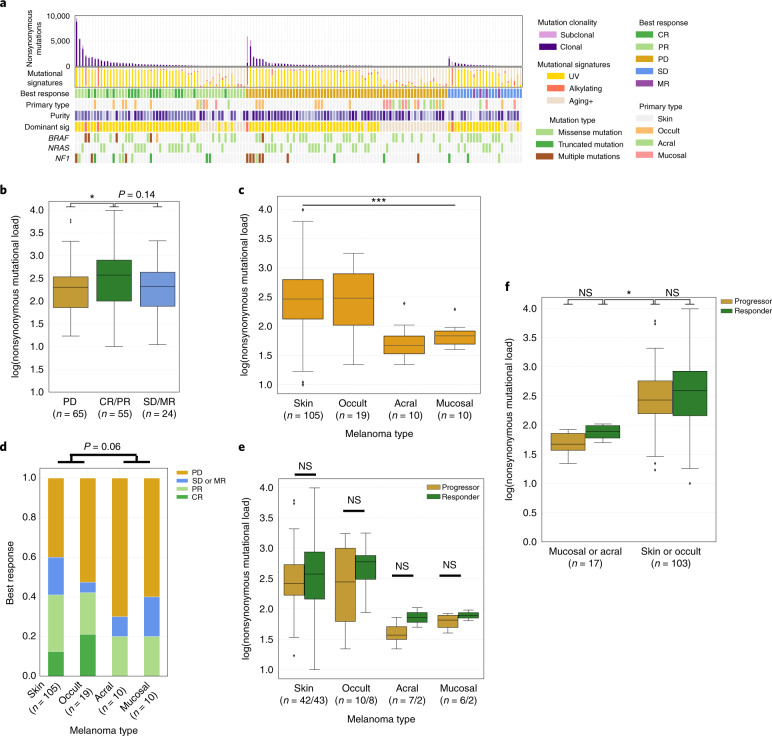
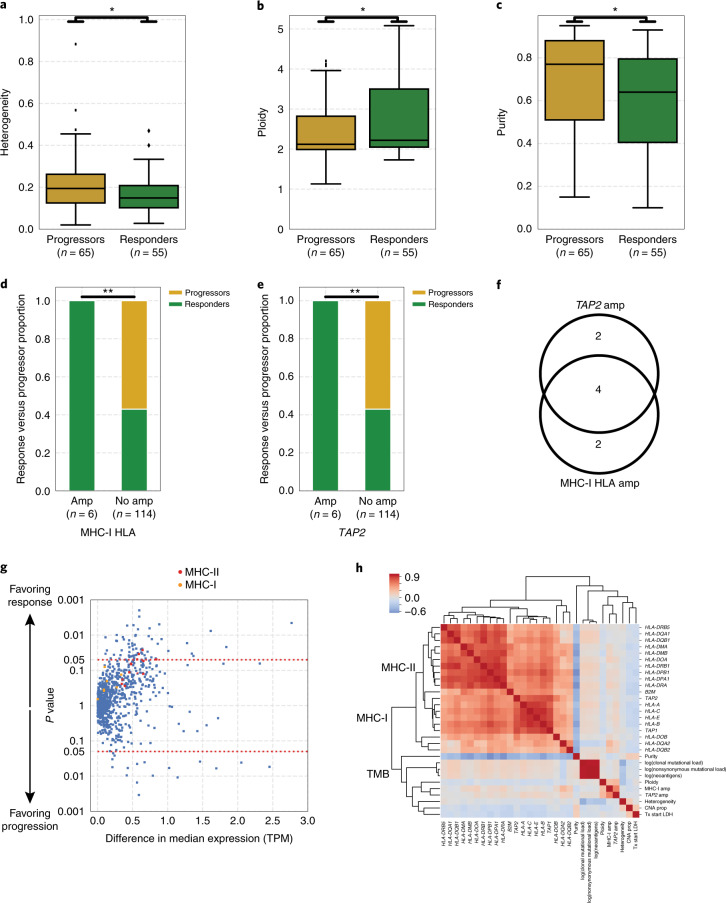
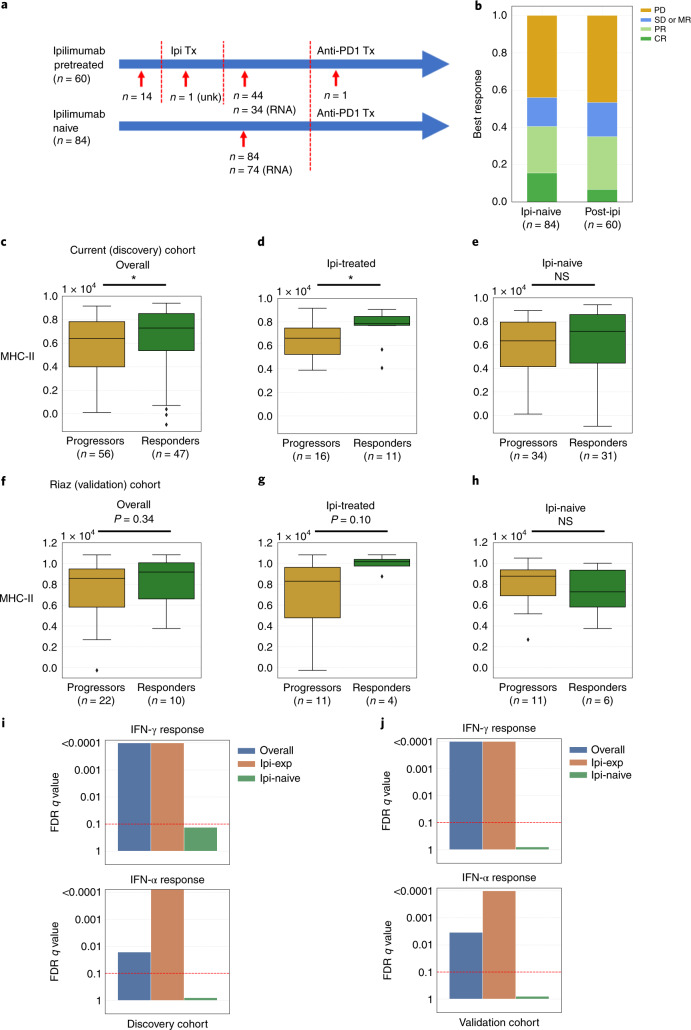
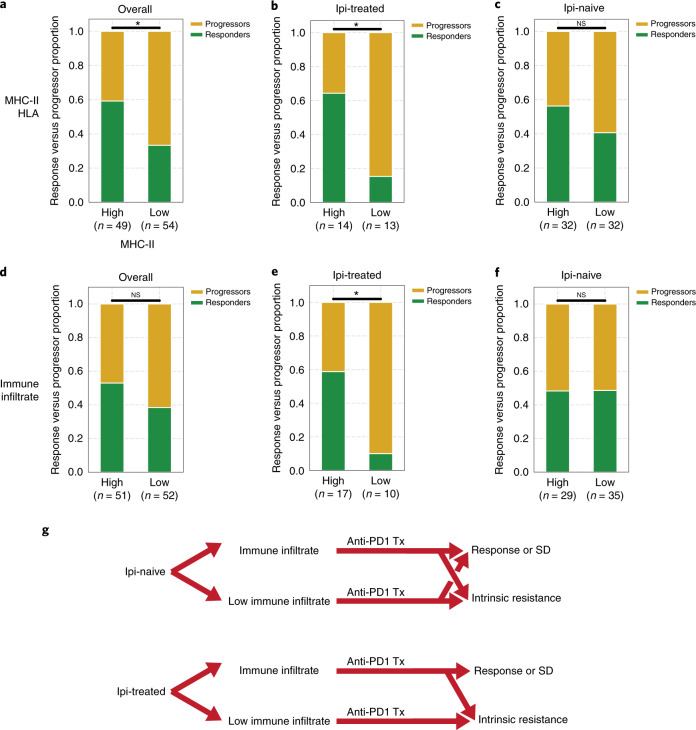
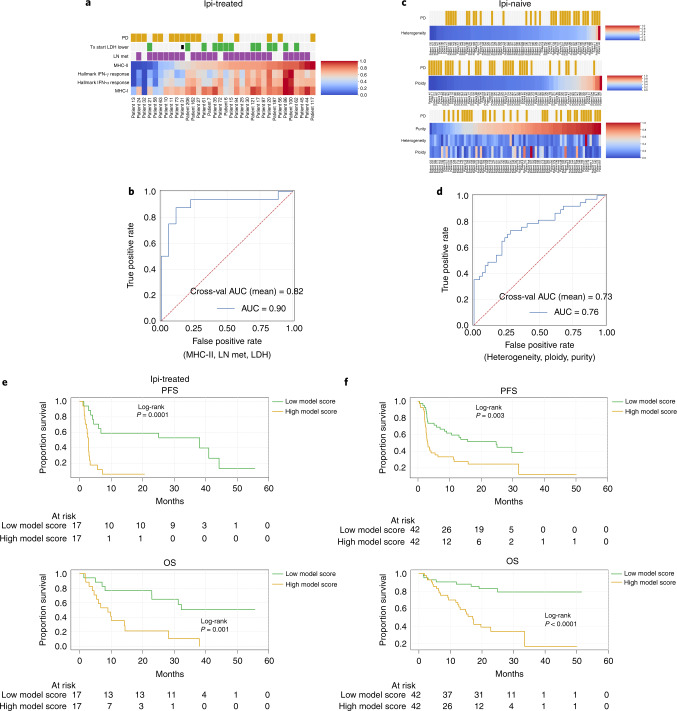
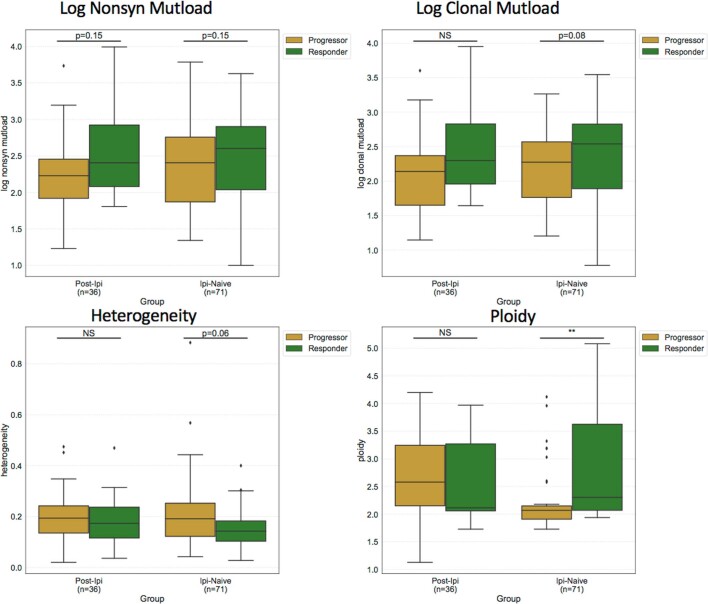
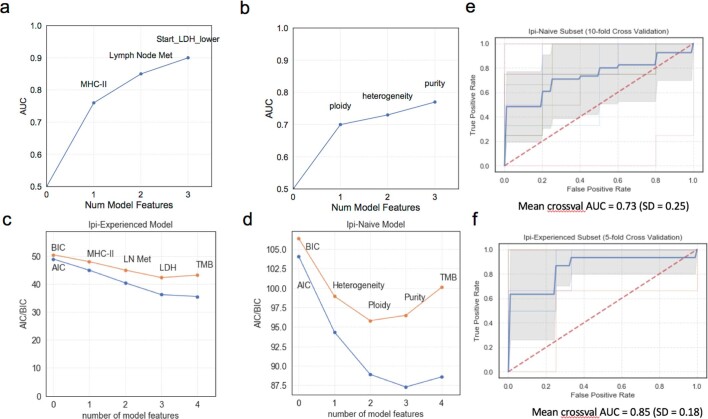
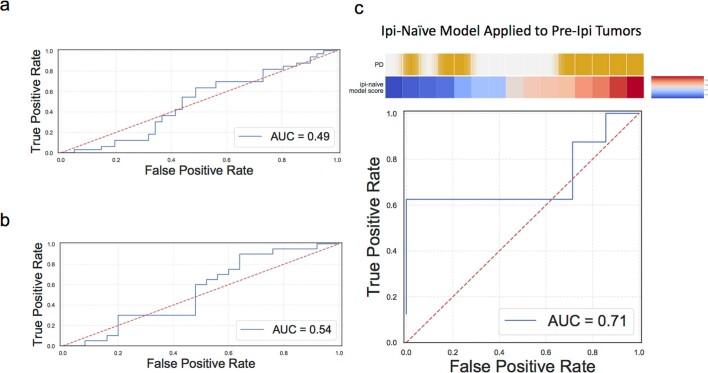
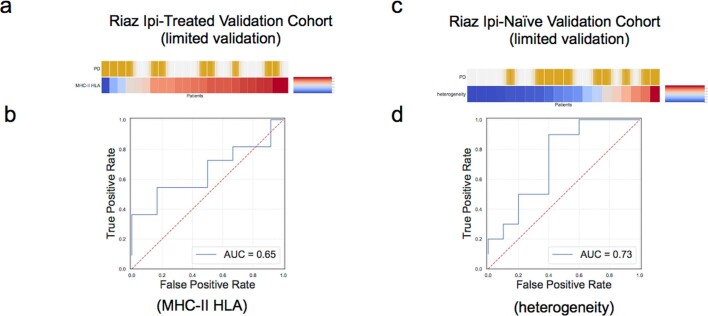
Immune-checkpoint blockade (ICB) has demonstrated efficacy in many tumor types, but predictors of responsiveness to anti-PD1 ICB are incompletely characterized. In this study, we analyzed a clinically annotated cohort of patients with melanoma (n = 144) treated with anti-PD1 ICB, with whole-exome and whole-transcriptome sequencing of pre-treatment tumors. We found that tumor mutational burden as a predictor of response was confounded by melanoma subtype, whereas multiple novel genomic and transcriptomic features predicted selective response, including features associated with MHC-I and MHC-II antigen presentation. Furthermore, previous anti-CTLA4 ICB exposure was associated with different predictors of response compared to tumors that were naive to ICB, suggesting selective immune effects of previous exposure to anti-CTLA4 ICB. Finally, we developed parsimonious models integrating clinical, genomic and transcriptomic features to predict intrinsic resistance to anti-PD1 ICB in individual tumors, with validation in smaller independent cohorts limited by the availability of comprehensive data. Broadly, we present a framework to discover predictive features and build models of ICB therapeutic response.
Overview
The claims and statistics of this paper haven’t been checked yet.
Run the check — free, no account needed. It reads the open-access text and checks the sources it cites.
Integrity signals
Registry
Cites
Statistics
Figures
Verification
Claims the paper makes
The claims and statistics of this paper haven’t been checked yet.
Run the check — free, no account needed. It reads the open-access text and checks the sources it cites.
Claims other papers make about this one
Each is checked against this paper’s own text: does it say what the citing paper says it does?
The source backs part of the claim, not all of it — or backs it for a different population, condition or comparison.
In the citing paper
“Our analysis identified distinct pathway signatures differentiating responders from nonresponders, with 78 pathways showing significant dysregulation (two-sided t test, P < 0.05; Fig. 6A, Supplementary Text, and fig. S4, A to E).”
From PathTIGR: A pathway topology-informed graph representation learning framework for immunotherapy response prediction (2026) · cites this paper as [34]
Experimental — accuracy not yet measuredThe source backs part of the claim, not all of it — or backs it for a different population, condition or comparison.
In the citing paper
“Analysis demonstrated statistically significant improvements in both overall survival (OS) and progression-free survival (PFS) among model-predicted responders compared to nonresponders (log-rank test, P < 0.0001; Fig. 2, E and F).”
From PathTIGR: A pathway topology-informed graph representation learning framework for immunotherapy response prediction (2026) · cites this paper as [34]
Experimental — accuracy not yet measuredThe source backs part of the claim, not all of it — or backs it for a different population, condition or comparison.
In the citing paper
“univariate Cox proportional hazard regression analysis further revealed that bone metastasis, brain metastasis, and the PathTIGR model were significantly associated with patient outcomes, with PathTIGR showing the lowest hazard ratio (HR = 0.189, P < 0.001; Fig. 2H)”
From PathTIGR: A pathway topology-informed graph representation learning framework for immunotherapy response prediction (2026) · cites this paper as [34]
Experimental — accuracy not yet measuredThe source backs part of the claim, not all of it — or backs it for a different population, condition or comparison.
In the citing paper
“Analysis demonstrated statistically significant improvements in both overall survival (OS) and progression-free survival (PFS) among model-predicted responders compared to nonresponders (log-rank test, P < 0.0001; Fig. 2, E and F).”
From PathTIGR: A pathway topology-informed graph representation learning framework for immunotherapy response prediction (2026) · cites this paper as [34]
Experimental — accuracy not yet measuredThe source backs part of the claim, not all of it — or backs it for a different population, condition or comparison.
In the citing paper
“Receiver operating characteristic (ROC) curve analysis demonstrated exceptional discriminatory performance for immune checkpoint inhibitor (ICI) response prediction, yielding an area under the ROC curve (AUC) of 0.975 [95% confidence interval (CI): 0.962 to 0.997; Fig. 2A].”
From PathTIGR: A pathway topology-informed graph representation learning framework for immunotherapy response prediction (2026) · cites this paper as [34]
Experimental — accuracy not yet measured
The cited source says what the claim attributes to it.
In the citing paper
“The clinical validation of PathTIGR predictions was established through the comparative analysis of objective response rates (ORRs) between PathTIGR-stratified responder and nonresponder subgroups, revealing significantly elevated response rates among predicted responders relative to nonresponders (Fisher’s exact test, P < 0.0001; Fig. 2D)”
From PathTIGR: A pathway topology-informed graph representation learning framework for immunotherapy response prediction (2026) · cites this paper as [34]
The check wasn’t confident either way, so it gives no verdict — never disputed.
In the citing paper
“precision-recall curve analysis was used, revealing an area under the precision-recall curve (AUPRC) of 0.969 (Fig. 2B).”
From PathTIGR: A pathway topology-informed graph representation learning framework for immunotherapy response prediction (2026) · cites this paper as [34]
Experimental — accuracy not yet measuredThe check wasn’t confident either way, so it gives no verdict — never disputed.
In the citing paper
“with PathTIGR achieving an AUC of 0.85 for 4-year survival prognostication (Fig. 2G)”
From PathTIGR: A pathway topology-informed graph representation learning framework for immunotherapy response prediction (2026) · cites this paper as [34]
Experimental — accuracy not yet measuredThe check wasn’t confident either way, so it gives no verdict — never disputed.
In the citing paper
“multivariate Cox regression analysis confirmed that PathTIGR remained an independent prognostic factor in training cohort (HR = 0.141, P < 0.001; Fig. 2H and Table 1)”
From PathTIGR: A pathway topology-informed graph representation learning framework for immunotherapy response prediction (2026) · cites this paper as [34]
Experimental — accuracy not yet measuredThe check wasn’t confident either way, so it gives no verdict — never disputed.
In the citing paper
“maintaining AUC values consistently exceeding 0.8 at 2-year and 3-year intervals”
From PathTIGR: A pathway topology-informed graph representation learning framework for immunotherapy response prediction (2026) · cites this paper as [34]
Experimental — accuracy not yet measuredThe check wasn’t confident either way, so it gives no verdict — never disputed.
In the citing paper
“The PathTIGR model consistently outperformed all these individual clinical variables in predicting patient prognosis (fig. S1).”
From PathTIGR: A pathway topology-informed graph representation learning framework for immunotherapy response prediction (2026) · cites this paper as [34]
Experimental — accuracy not yet measuredIn the citing paper
“We observed similar results in a larger validation cohort of advanced melanoma patients treated with ICB (Liu et al., 2019) (Figures 6C, S6E, and S6F).”
From Microbiota triggers STING-type I IFN-dependent monocyte reprogramming of the tumor microenvironment (2021) · cites this paper as Liu et al., 2019
Self-check
Percentages, sums and reported differences re-computed from the paper’s own numbers.
The self-check needs the paper’s full text.
Citations
Cites
Subramanian, A., Tamayo, P., Mootha, V. K., Mukherjee, S., Ebert, B. L., Gillette, M. A., Paulovich, A., Pomeroy, S. L., Golub, T. R., Lander, E. S., et al. (2005) · Proceedings of the National Academy of Sciences · doi:10.1073/pnas.0506580102 · Cited by 53,625
STAR: ultrafast universal RNA-seq aligner
Dobin, A., Davis, C. A., Schlesinger, F., Drenkow, J., Zaleski, C., Jha, S., Batut, P., Chaisson, M., & Gingeras, T. R. (2013) · Bioinformatics · doi:10.1093/bioinformatics/bts635 · Cited by 51,709
PD-1 and PD-L1 Immune Checkpoint Blockade to Treat Breast Cancer
Hartkopf, A. D., Taran, F., Wallwiener, M., Walter, C. B., Krämer, B., Grischke, E., & Brucker, S. Y. (2016) · Breast Care · doi:10.1159/000453569 · Cited by 30,989
RSEM: accurate transcript quantification from RNA-Seq data with or without a reference genome
Li, B., & Dewey, C. N. (2011) · BMC Bioinformatics · doi:10.1186/1471-2105-12-323 · Cited by 22,179
Improved Survival with Ipilimumab in Patients with Metastatic Melanoma
Hodi, F. S., O'Day, S. J., McDermott, D. F., Weber, R. W., Sosman, J. A., Haanen, J. B., Gonzalez, R., Robert, C., Schadendorf, D., Hassel, J. C., et al. (2010) · New England Journal of Medicine · doi:10.1056/nejmoa1003466 · Cited by 15,155
Self-citationLearning the parts of objects by non-negative matrix factorization
Lee, D. D., & Seung, H. S. (1999) · Nature · doi:10.1038/44565 · Cited by 14,193
The Molecular Signatures Database Hallmark Gene Set Collection
Liberzon, A., Birger, C., Thorvaldsdóttir, H., Ghandi, M., Mesirov, J. P., & Tamayo, P. (2015) · Cell Systems · doi:10.1016/j.cels.2015.12.004 · Cited by 13,807
Robust enumeration of cell subsets from tissue expression profiles
Newman, A. M., Liu, C. L., Green, M. R., Gentles, A. J., Feng, W., Xu, Y., Hoang, C. D., Diehn, M., & Alizadeh, A. A. (2015) · Nature Methods · doi:10.1038/nmeth.3337 · Cited by 13,224
Pembrolizumab versus Chemotherapy for PD-L1-Positive Non-Small-Cell Lung Cancer
Reck, M., Rodríguez-Abreu, D., Robinson, A. G., Hui, R., Csőszi, T., Fülöp, A., Gottfried, M., Peled, N., Tafreshi, A., Cuffe, S., et al. (2016) · New England Journal of Medicine · doi:10.1056/nejmoa1606774 · Cited by 10,089
Signatures of mutational processes in human cancer
Initiative, A. P. C. G., Alexandrov, L. B., ICGC Breast Cancer Consortium, ICGC MMML-Seq Consortium, PedBrain, I., Nik-Zainal, S., Wedge, D. C., Aparicio, S. A. J. R., Behjati, S., Biankin, A. V., et al. (2013) · Nature · doi:10.1038/nature12477 · Cited by 9,660
Cited by
Sorted by citations
Items 601–700 of 1,003
Matsui, Y., Sasaki, J., Takatsuka, S., & Takenouchi, T. (2020) · The Journal of Dermatology · doi:10.1111/1346-8138.15642 · Cited by 5
Siddiqui, J., & Miles, W. O. (2021) · Translational Oncology · doi:10.1016/j.tranon.2021.101197 · Cited by 5
Subcellular location of source proteins improves prediction of neoantigens for immunotherapy
Castro, A., Kaabinejadian, S., Yari, H., Hildebrand, W. H., Zanetti, M., & Carter, H. K. (2022) · The EMBO Journal · doi:10.15252/embj.2022111071 · Cited by 6
Mehta, A., Ručević, M., Sprecher, E., Parikh, M., Chen, J., Frederick, D. T., Woods, E. C., Bi, L., Lieb, D., Hultin‐Rosenberg, L., et al. (2022) · bioRxiv (Cold Spring Harbor Laboratory) · doi:10.1101/2022.02.02.478819 · Cited by 5
Self-citationRobust identification of perturbed cell types in single-cell RNA-seq data
Nicol, P. B., Paulson, D., Qian, G., Liu, X. S., Irizarry, R., & Sahu, A. D. (2023) · doi:10.1101/2023.05.06.539326 · Cited by 33
Venturi, F., Magnaterra, E., Gualandi, A., Scotti, B., Baraldi, C., Alessandrini, A. M., Veneziano, L., Cama, E. M., Melotti, B., Marchese, P. V., et al. (2025) · Diagnostics · doi:10.3390/diagnostics15233054 · Cited by 6
Yu, Q., Zhong, H., Zhu, X., Liu, C., Zhang, X., Wang, J., Li, Z., Shi, S., Zhao, H., Zhou, C.-X., et al. (2025) · Frontiers in Immunology · doi:10.3389/fimmu.2024.1521930 · Cited by 5
Li, Y., Yang, W., Chen, H., Jin, Z., Dong, J., Ma, L., & Ji, Z. (2025) · International Immunopharmacology · doi:10.1016/j.intimp.2025.114381 · Cited by 4
Investigation of sphingolipid-related genes in lung adenocarcinoma
Mao, J., Li, L., Sun, H., Han, J., Li, J., Dong, C.-S., & Zhao, H. (2025) · Frontiers in Molecular Biosciences · doi:10.3389/fmolb.2025.1548655 · Cited by 4
Schweihofer, V., Bruß, C., Seitz, S., Glehr, G., Hetterich, M., Weber, F., Hatzipanagiotou, M. E., Fernandez-Pacheco, M., Ortmann, O., Brockhoff, G., et al. (2025) · Cancer Cell International · doi:10.1186/s12935-025-03729-7 · Cited by 4
Zheng, M. (2025) · Journal for ImmunoTherapy of Cancer · doi:10.1136/jitc-2024-010486 · Cited by 5
Ye, C., Chen, X., Chen, Z., Liu, S., Kong, R., Lin, W., Zhu, M., Sun, X., & Xu, Z. (2025) · Frontiers in Immunology · doi:10.3389/fimmu.2025.1604394 · Cited by 4
Benard, B. A., Lalgudi, C. K., Ilerten, I., Wang, R. H., & Gentles, A. J. (2025) · Nucleic Acids Research · doi:10.1093/nar/gkaf1215 · Cited by 4
Single-cell mapping of alternative splicing linked to checkpoint immunotherapy response
Xiong, J., Bricard, O., Arijs, I., Demeulemeester, J., Gu, C., Thienpont, B., Daaboul, D., Bassez, A., Bechter, O. E., Poźniak, J., et al. (2025) · Nucleic Acids Research · doi:10.1093/nar/gkaf1171 · Cited by 4
Minati, R., Cahuzac, M., Perrault, J., Lullier, V., Apavaloaei, A., Bonneil, É., Courcelles, M., Lanoix, J., Kina, E., Perreault, C., et al. (2025) · Cell Reports · doi:10.1016/j.celrep.2025.116676 · Cited by 4
Tang, K., Han, Y., Sun, D., Dong, X., Han, T., Wei, H., Shao, W., Hu, J., Liu, Z., Zhang, L., et al. (2025) · Genome Medicine · doi:10.1186/s13073-025-01572-z · Cited by 4
MHC class I on target cells regulates CD4+ T cell-mediated immunity
Lauder, E., Gondal, M. N., Wu, M.-C., Yamamoto, A., Maneix, L., Zhao, D., Sun, Y., Cieslik, M., Chinnaiyan, A. M., & Reddy, P. R. (2026) · Nature Immunology · doi:10.1038/s41590-026-02480-z · Cited by 4
Li, Y., Wang, Q., Chen, Y., & Zhao, L. (2022) · British Journal of Cancer · doi:10.1038/s41416-022-01921-4 · Cited by 4
Identification of comutation in signaling pathways to predict the clinical outcomes of immunotherapy
Qiu, J., Li, X., He, Y., Wang, Q., Li, J., Wu, J., Jiang, Y., & Han, J. (2022) · Journal of Translational Medicine · doi:10.1186/s12967-022-03836-3 · Cited by 4
Cui, S., Chen, T., Zhao, Y., Xiao, Z., Liu, M., Huang, X., Cao, S., Zhou, R., Li, Y., Huo, X., et al. (2023) · Current Cancer Drug Targets · doi:10.2174/0115680096250376231025062652 · Cited by 4
Wellman, R., Jacobson, D. H., Secrier, M., & Labbadia, J. P. (2024) · Scientific Reports · doi:10.1038/s41598-023-50640-0 · Cited by 4
Guo, Y., Chang, G., Wan, R., Zhang, X., Ma, Z., Bai, H., & Wang, J. (2024) · Journal of Cancer · doi:10.7150/jca.93975 · Cited by 4
Guo, Y. A., Kulshrestha, T., Chang, M. M., Kassam, I., Revkov, E., Rizzetto, S., Tan, A. C., Tan, D. S. W., Tan, I. B., & Skanderup, A. J. (2024) · Cancer Research Communications · doi:10.1158/2767-9764.crc-23-0442 · Cited by 4
Rao, J., Sinn, M., Pelzer, U., Riess, H. B., Oettle, H., Demir, İ. E., Friess, H., Jäger, C., Steiger, K., & Muckenhuber, A. (2024) · The Journal of Pathology Clinical Research · doi:10.1002/2056-4538.12377 · Cited by 4
ITGB4 is a prognostic biomarker and correlated with lung adenocarcinoma brain metastasis
Zhang, J., Li, L., Luo, W., Ma, S., & Zhao, Y. (2024) · Clinical & Translational Oncology · doi:10.1007/s12094-024-03527-z · Cited by 4
Eljilany, I., Coleman, S. W., Tan, A. C., McCarter, M. D., Carpten, J. D., Colman, H., Naqash, A. R., Puzanov, I. J., Arnold, S. M., Churchman, M. L., et al. (2024) · Cells · doi:10.3390/cells13231993 · Cited by 4
Du, Z., Chen, Q., Huang, W., Zhou, Y., Wen, H., Wang, D., Chen, Y., Cheng, L., & Zheng, X. (2025) · iScience · doi:10.1016/j.isci.2025.113329 · Cited by 4
Xu, D., Li, J., Wang, D., Zhou, L. Q., Jin, J., & Wang, Y. (2021) · Critical Reviews in Oncology/Hematology · doi:10.1016/j.critrevonc.2021.103573 · Cited by 5
TIRSF: a web server for screening gene signatures to predict Tumor immunotherapy response
Chen, L., Chen, T., Zhang, Y., Lin, H., Wang, R., Wang, Y., Li, H., Zuo, Z., Ren, J. M., & Xie, Y. (2022) · Nucleic Acids Research · doi:10.1093/nar/gkac374 · Cited by 4
Huang, K., Lin, Y., Qiu, G., Wang, S.-Y., Feng, L., Zheng, Z., Gao, Y., Fan, X., Zheng, W., Zhuang, J., et al. (2023) · Aging · doi:10.18632/aging.204958 · Cited by 4
Chang, J. W., Huang, C., Huang, W., Wang, Y., Hsieh, J., Chang, Y., Huang, Y., Wu, C., Wang, Y., Chen, S., et al. (2023) · Clinical & Translational Immunology · doi:10.1002/cti2.1465 · Cited by 4
RPTOR mutation: a novel predictor of efficacious immunotherapy in melanoma
Jiang, Y., Hu, X., Wang, Z., Zhang, Q., Chen, D., & Zhao, P. (2023) · Investigational New Drugs · doi:10.1007/s10637-023-01413-z · Cited by 4
Li, G., Chang, R.-Z., Liu, T., Jin, G.-N., Lu, K., Yong, T., Li, Z., Liu, J., Zhang, B., Zhang, W., et al. (2024) · Cancer Gene Therapy · doi:10.1038/s41417-024-00730-6 · Cited by 4
Zhang, J., Bao, Y., Yang, L., Shi, X., Su, X., & He, X. (2024) · Heliyon · doi:10.1016/j.heliyon.2024.e30781 · Cited by 4
Evaluation of the Interplay between the ADAR Editome and Immunotherapy in Melanoma
Tusup, M., Cheng, P. F., Picardi, E., Raziunaite, A., Dummer, R., Levesque, M. P., French, L. E., Guenova, E., Kündig, T. M., & Pascolo, S. (2021) · Non-Coding RNA · doi:10.3390/ncrna7010005 · Cited by 4
Loss of Ubiquitin Ligase STUB1 Amplifies IFNγ-R1/JAK1 Signaling and Sensitizes Tumors to IFNγPreprint
Apriamashvili, G., Vredevoogd, D. W., Krijgsman, O., Bleijerveld, O. B., Ligtenberg, M. A., de Bruijn, B., Boshuizen, J., Altimari, D. M. D., Visser, N. L., Londino, J. D., et al. (2020) · bioRxiv (Cold Spring Harbor Laboratory) · doi:10.1101/2020.07.07.191650 · Cited by 4
Improving T-cell mediated immunogenic epitope identification via machine learning: the neoIM modelPreprint
Pfitzer, L., Lybaert, L., Bogaert, C., & Fant, B. (2022) · bioRxiv (Cold Spring Harbor Laboratory) · doi:10.1101/2022.06.03.494687 · Cited by 4
Manrique‐Silva, E., David, M., Aguerralde‐Martin, M., García‐Casado, Z., Moro, R., Requena, C., Traves, V., Virós, A., Kumar, R., & Nagore, E. (2023) · Pigment Cell & Melanoma Research · doi:10.1111/pcmr.13155 · Cited by 3
Zhao, B., Zhou, B., Li, Q., Su, C., Ma, J., & Yang, L. (2024) · MedComm – Future Medicine · doi:10.1002/mef2.70006 · Cited by 3
Metabolites and metabolic pathway reactions links to sensitization of immunotherapy in pan-cancer
Yu, S., Gao, Y., Zhao, F., Zhou, J., & Zhang, J. (2025) · Molecular Therapy Oncology · doi:10.1016/j.omton.2025.200933 · Cited by 3
Li, Y., Chen, C., Ji, X., Jiang, N., Wang, F., Gao, X., Chen, W., Tang, Q., Yan, L., Zhang, S., et al. (2025) · Frontiers in Immunology · doi:10.3389/fimmu.2025.1549656 · Cited by 3
Dumas, O., Rozza, N., Cheishvili, D., Luk, S., Sin, S. K., Khassenova, A., Kremer, R. B., Moshe Szyf, A., Mihalcioiu, C. L. D., & Rabbani, S. A. (2025) · Scientific Reports · doi:10.1038/s41598-025-13952-x · Cited by 3
Yin, Y., Zhang, T., & Wang, Z. (2025) · Scientific Reports · doi:10.1038/s41598-025-15830-y · Cited by 3
Evolution of a melanoma that escapes allogeneic rejection
Rokan, A., Diniz, M. O., Heras, J. I. D. L., Hall, C., Noorsaeed, S., Bennett, C. L., Secrier, M., Kassiotis, G., & Fassati, A. (2025) · Cell Reports · doi:10.1016/j.celrep.2025.116288 · Cited by 3
Hu, Z., Chen, Y., Yang, H., Pan, Q., Li, H., Li, S., Wang, J., Huang, Y., Huang, G., & Qu, S. (2025) · Smart Medicine · doi:10.1002/smmd.70023 · Cited by 3
S-nitrosylation of IRF7 induced by NOS1 expression in melanoma suppresses anti-tumor immunity
Dai, Y., Zeng, S., Li, K., Huang, J., Yang, M., Gao, W., Chen, X., Huang, M., Ye, S., Wang, Q., et al. (2026) · Cell Death and Disease · doi:10.1038/s41419-025-08201-y · Cited by 4
Ali, A. M., Kausar, M. A., Anwar, S., Khan, F. H., Elagib, H. M., Shahien, M. M., & Alshabrmi, F. M. (2026) · Frontiers in Medicine · doi:10.3389/fmed.2026.1795879 · Cited by 3
Wu, Y., Yu, H., Zhang, Z., Xiong, W., Zeng, Z., Liu, W., Tu, H., & Lin, X. (2026) · iScience · doi:10.1016/j.isci.2026.115724 · Cited by 3
Yang, Y. S., Wang, L., Zhang, Y., Lyu, S., Ruan, Q., Wang, C., Dou, F., Liang, G., Yan, G., Wang, M., et al. (2026) · The Journal of Pathology · doi:10.1002/path.70063 · Cited by 3
Liu, G. (2026) · Applied Artificial Intelligence Research · doi:10.65455/q72yq328 · Cited by 3
Statescope: an integrative deconvolution framework for discovering cell states in tumors
Janssen, J., Steketee, M., Bose, A., van Asten, S. D., Eijk, P. P., Dijk, F., Sarasqueta, A. F., van Maldegem, F., Noske, D. P., Bahce, I., et al. (2026) · Nature Communications · doi:10.1038/s41467-026-74997-8 · Cited by 3
Immune Cell Networks Uncover Candidate Biomarkers of Melanoma Immunotherapy Response
Vo, D. H. T., McGleave, G., & Overton, I. M. (2022) · Journal of Personalized Medicine · doi:10.3390/jpm12060958 · Cited by 3
Zefferino, R., & Conese, M. (2023) · Vaccines · doi:10.3390/vaccines11111701 · Cited by 3
Chen, P., Long, J., Zhang, J., Xie, F., Wu, W., Tian, Z., Zhang, S., & Yu, K. (2024) · Inflammation Research · doi:10.1007/s00011-023-01833-w · Cited by 3
Wang, B., Wang, K., Wu, D., Sahni, S., Jiang, P., & Ruppin, E. (2024) · iScience · doi:10.1016/j.isci.2024.109926 · Cited by 3
Lin, J., Zhu, L., Chen, Y., Li, Q., Ke, Z., Zhang, H., Huang, Y.-F., Lu, J., & Chen, Y. (2024) · Acta Dermato Venereologica · doi:10.2340/actadv.v104.22146 · Cited by 3
Guo, L., Ma, X., Li, H., Yan, S., Zhang, K., & Li, J. (2024) · Molecular and Clinical Oncology · doi:10.3892/mco.2024.2747 · Cited by 3
Kodali, N., Alomary, S., Bhattaru, A., Eldaboush, A., Schwartz, R. A., & Lipner, S. R. (2024) · Cancer Medicine · doi:10.1002/cam4.70199 · Cited by 3
Contactin-4 suppresses antitumor T cell responses by engaging amyloid precursor protein
Jeon, B., Kim, S., Kim, Y., Yu, H., Park, C.-H., Kim, G., Ha, Y., Kim, G.-Y., Kim, H., Palucka, K., et al. (2024) · Science Immunology · doi:10.1126/sciimmunol.adk7237 · Cited by 3
Wang, Y., Wang, Z., Han, M., Miao, Q., Shao, B., Wang, N., Wang, J., Li, X., Yan, F., & Feng, S. (2024) · Advanced Functional Materials · doi:10.1002/adfm.202417707 · Cited by 4
Guo, X., Deng, Y., Jiang, W., Li, H., Luo, Y., Zhang, H., & Wu, H. (2025) · Discover Oncology · doi:10.1007/s12672-025-01834-7 · Cited by 3
Gao, X., Shen, X., Huang, S., & Huang, S. (2025) · Discover Oncology · doi:10.1007/s12672-025-02127-9 · Cited by 3
Immune Checkpoint Inhibitors in Melanoma Treatment: Advances and Obstacles
Султанбаев, А. В. (2025) · Creative Surgery and Oncology · doi:10.24060/2076-3093-2025-15-1-57-65 · Cited by 3
Reframing Cancer as an Immunological Disorder Through Personalized Nutrition and AI Integration
Ghosh, J., & Roy, A. (2025) · Advances in computational intelligence and robotics book series · doi:10.4018/979-8-3693-9725-1.ch012 · Cited by 3
Distant metastases of melanoma exhibit varying extent of intrapatient proteogenomic heterogeneity
Szeitz, B., Hagemeijer, Y. P., Páhi, Z. G., Újfaludi, Z., Kuras, M., Murillo, J. R., Doma, V., Mohácsi, R., Herold, M., Herold, Z., et al. (2025) · Clinical and Translational Medicine · doi:10.1002/ctm2.70477 · Cited by 3
Wang, A., Chu, H., Zheng, J., Jia, Q., & Zhu, B. (2021) · Disease Markers · doi:10.1155/2021/9453692 · Cited by 3
Salardani, M. D. S., Barcick, U., & Zelanis, A. (2022) · Biochemistry and Biophysics Reports · doi:10.1016/j.bbrep.2022.101259 · Cited by 3
Gong, X., & Karchin, R. (2023) · Scientific Reports · doi:10.1038/s41598-023-28167-1 · Cited by 3
Wang, Q., Zhang, W., Guo, Y., Shi, F., Li, Y., Kong, Y., Lyu, J., & Wang, S. (2023) · International Immunopharmacology · doi:10.1016/j.intimp.2023.109821 · Cited by 3
CD3ζ as a novel predictive biomarker of PD-1 inhibitor resistance in melanoma
Zhang, Z., Zhang, D., Wang, F., Liu, J., Jiang, X. L., Anuchapreeda, S., Tima, S., Xiao, Z., & Duangmano, S. (2023) · Molecular and Cellular Probes · doi:10.1016/j.mcp.2023.101925 · Cited by 3
Zhong, W., Chen, H., Yang, J., Huang, C., Lin, Y., & Huang, J. (2023) · BMC Medical Genomics · doi:10.1186/s12920-023-01687-5 · Cited by 3
Fu, Y., Liu, C., Wang, J., Ji, X., Tang, R., Liao, K., Chen, L.-Y., Hong, Y., Fan, B.-B., Wang, S.-C., et al. (2024) · Chinese Journal of Integrative Medicine · doi:10.1007/s11655-023-3749-2 · Cited by 3
Li, C., Zhu, M., Gao, C., Lu, F., Chen, H., Liu, J., & Zhong, W. (2024) · Frontiers in Bioscience-Landmark · doi:10.31083/j.fbl2901033 · Cited by 3
Role of artificial intelligence in cancer diagnostics and therapeutics
Singh, R. S., Masih, G. D., Joshi, R., Sharma, S., Singh, A. K., & Medhi, B. (2024) · Elsevier eBooks · doi:10.1016/b978-0-323-95116-6.00015-3 · Cited by 3
Mestrallet, G. (2024) · Onco · doi:10.3390/onco4030014 · Cited by 3
Kakish, D. R. K., AlSamhori, J. F., Qaqish, L. N., Aburumman, L., Sarsur, R., Salkhadi, A. A., Nassif, Z. B., Akmal, M. A., & Nashwan, A. J. (2025) · Dermatological Reviews · doi:10.1002/der2.70022 · Cited by 3
Jing, X., & Deng, Y. (2025) · Discover Oncology · doi:10.1007/s12672-025-02408-3 · Cited by 3
Bioinformatics mining for gene expression data
Guo, A. (2020) · Scientia Sinica Vitae · doi:10.1360/ssv-2020-0260 · Cited by 3
Zhang, H., Liu, M., Du, G., Yu, B., Ma, X., Gui, Y., Cao, L., Li, X., & Tan, B. (2022) · Journal of Cancer Research and Clinical Oncology · doi:10.1007/s00432-022-03940-3 · Cited by 3
Sharif, P. M., Khoshbin, A. P., Nasrollahzadeh, E., Keshavarz‐Fathi, M., & Rezaei, N. (2023) · Elsevier eBooks · doi:10.1016/b978-0-12-818006-8.00003-7 · Cited by 3
Nischarin expression may have differing roles in male and female melanoma patients
Ostojić, M., Jevric, M., Ajtić, O. M., Živić, K., Tanić, M., Cavic, M. R., Srdić‐Rajić, T., & Grahovac, J. (2023) · Journal of Molecular Medicine · doi:10.1007/s00109-023-02339-y · Cited by 3
Artificial intelligence in cancer research and precision medicine
Corti, C., Cobanaj, M., Criscitiello, C., & Curigliano, G. (2024) · Elsevier eBooks · doi:10.1016/b978-0-443-13671-9.00005-3 · Cited by 3
Wang, Q., Zhang, W., Guo, Y., Li, Y., & Fu, K. (2021) · Aging · doi:10.18632/aging.203671 · Cited by 3
Die Numeruskongruenz von Subjekt und finitem Verb im Deutschen
Wegerer, M. (2012) · doi:10.25365/thesis.18319 · Cited by 3
Enhancer Reprogramming in Melanoma Immune Checkpoint Therapy ResistancePreprint
Maitituoheti, M., Shi, A., Tang, M., Ho, L., Terranova, C. J., Galani, K., Keung, E. Z.-Y., Creasy, C. A., Wu, M., Chen, J., et al. (2022) · bioRxiv (Cold Spring Harbor Laboratory) · doi:10.1101/2022.08.31.506051 · Cited by 3
Self-citationHuang, A. Y., Burke, K. P., Porter, R. M., Meiger, L., Fatouros, P. R., Yang, J., Robitschek, E. J., Vokes, N. I., Ricker, C. A., Rosado, V., et al. (2024) · bioRxiv (Cold Spring Harbor Laboratory) · doi:10.1101/2024.10.29.620300 · Cited by 3
Self-citationInhibiting tumor cell-intrinsic UBA6 by inosine augments tumor immunogenicity
He, B., Zhang, L., Jiang, L., Yu, L., Li, Q., Tian, X., He, J.-Q., Zeng, L., Yang, Y., Wang, C., et al. (2021) · doi:10.21203/rs.3.rs-620390/v1 · Cited by 82
Wang, K., Shi, J., Tong, X., Qu, N., Kong, X., Ni, S., Xing, J., Li, X., & Zheng, M. (2024) · Briefings in Bioinformatics · doi:10.1093/bib/bbae017 · Cited by 2
Chen, L., Li, Y., Zhao, H., Huang, J., Yan, H., Lin, X., & Zhao, B. (2024) · Genes & Diseases · doi:10.1016/j.gendis.2024.101450 · Cited by 2
Badwy, B., Ghanem, N. M., Banawan, K., & Ismail, N. E. (2024) · IEEE Access · doi:10.1109/access.2024.3514799 · Cited by 2
Egea‐Rodriguez, S., Váraljai, R., Nordmann, T. M., Lubis, R., Philip, M., Rambow, F., Roesch, A., Flaig, M. J., Horn, S., Stoll, R., et al. (2025) · Clinical and Translational Medicine · doi:10.1002/ctm2.70094 · Cited by 2
Self-citationLin, W., Huang, C.-J., & Wang, Y. (2025) · Discover Oncology · doi:10.1007/s12672-025-03184-w · Cited by 2
Glucocorticoids Downregulate PD-L1 in Glioblastoma Cells via GILZ-Mediated ERK Inhibition
Adorisio, S., Renga, G., Delfino, D. V., & Ayroldi, E. (2025) · Biomedicines · doi:10.3390/biomedicines13081793 · Cited by 2
Transcriptome Analysis Unravels CD4+ T-Cell and Treg-Cell Differentiation in Ovarian Cancer
Shao, B., Sun, B., & Xiao, Z. (2025) · Biomolecules · doi:10.3390/biom15091241 · Cited by 2
Heterogeneity-optimized method for predicting immune checkpoint blockade response
Liang, J., Guo, Q., Xiang, S., Wang, Y., & Li, J. (2025) · Scientific Reports · doi:10.1038/s41598-025-17718-3 · Cited by 2
Ren, D., Niu, C., Htun, N. N., Zhang, X., He, J., Li, R., Liu, Q., Lee, V., Edwards, R. A., Zhou, G. G., et al. (2025) · Laboratory Investigation · doi:10.1016/j.labinv.2025.104238 · Cited by 2
Self-citationWang, Y., Zhu, T., Song, X., Chen, P., Zhu, X., Chang, Z., Wang, X., Lai, X., & Wang, J. (2025) · Briefings in Bioinformatics · doi:10.1093/bib/bbaf578 · Cited by 2
Li, X., Pan, B., He, Y., Wang, Z., Tang, Y., Zhang, Y., Wang, L., & Han, J. (2025) · Genome Medicine · doi:10.1186/s13073-025-01584-9 · Cited by 3
Chen, X., Wang, K., Zhou, S., Huang, J., Zhang, H., Huang, C., Yang, C., & Zeng, J. (2026) · ACS Omega · doi:10.1021/acsomega.5c11091 · Cited by 2
Mizuno, S., Mizuno, Y., Abe, K., Macy, A. M., Chong, K. K., Kobayashi, Y., Hastings, K. T., Hoon, D. S. B., & Bustos, M. A. (2026) · Cell Communication and Signaling · doi:10.1186/s12964-026-02710-9 · Cited by 2
Metadata
- Authors
- Liu, D., Schilling, B., Liu, D., Sucker, A., Livingstone, E., Jerby-Arnon, L., Zimmer, L., Gutzmer, R., Satzger, I., Loquai, C., Grabbe, S., Vokes, N., Margolis, C. A., Conway, J., He, M. X., Elmarakeby, H., Dietlein, F., Miao, D., Tracy, A., Gogas, H., Goldinger, S. M., Utikal, J., Blank, C. U., Rauschenberg, R., von Bubnoff, D., Krackhardt, A., Weide, B., Haferkamp, S., Kiecker, F., Izar, B., Garraway, L., Regev, A., Flaherty, K., Paschen, A., Van Allen, E. M., & Schadendorf, D.
- Affiliations
- Broad Institute (US)
- German Cancer Research Center (DE)
- Medizinische Hochschule Hannover (DE)
- University Medical Center of the Johannes Gutenberg University Mainz (DE)
- National and Kapodistrian University of Athens (GR)
- University Hospital Zurich (CH)
- The Netherlands Cancer Institute (NL)
- Universitätsklinikum Tübingen (DE)
- University Hospital Regensburg (DE)
- Charité – Universitätsmedizin Berlin (DE)
- Eli Lilly (United States) (US)
- Massachusetts General Hospital (US)
- Corresponding author
- Schadendorf, Dirk
- ORCID
- Liu, David
- Schilling, Bastian
- Liu, Derek
- Sucker, Antje
- Livingstone, Elisabeth
- Zimmer, Lisa
- Gutzmer, Ralf
- Satzger, Imke
- Loquai, Carmen
- Grabbe, Stephan
- Vokes, Natalie
- Margolis, Claire A.
- Conway, Jake
- He, Meng Xiao
- Elmarakeby, Haitham
- Dietlein, Felix
- Miao, Diana
- Tracy, Adam
- Gogas, Helen
- Goldinger, Simone M.
- Utikal, Jochen
- Blank, Christian U.
- Rauschenberg, Ricarda
- Krackhardt, Angela
- Weide, Benjamin
- Haferkamp, Sebastian
- Garraway, Levi
- Regev, Aviv
- Flaherty, Keith
- Paschen, Annette
- Van Allen, Eliezer M.
- Schadendorf, Dirk
- Venue
- Nature Medicine
- Published
- 2019-12
- Volume
- 25
- Issue
- 12
- Pages
- 1916-1927
- ISSN
- 1078-8956 (ISSN-L)
- 1546-170X
- PMC
- PMC6898788
- OpenAlex
- W2991341799
- Cited by
- 1,039
- References
- 80
- Citations by year
- 2026: 118 · 2025: 156 · 2024: 203 · 2023: 210 · 2022: 157 · 2021: 129 · 2020: 64
- FWCI
- 37.04
- Type
- journal article
- Language
- en
- Update notices
- correction (2020-06-19)
- Open access
- hybrid
- doi.org
- Locations
- Nature Medicine (publishedVersion, cc-by)
- PubMed Central (publishedVersion, cc-by)
- PubMed (publishedVersion)
- DSpace@MIT (Massachusetts Institute of Technology) (submittedVersion, cc-by)
- University of Regensburg Publication Server (University of Regensburg) (submittedVersion)
- mediaTUM – the media and publications repository of the Technical University Munich (Technical University Munich) (submittedVersion, other-oa)
- mediaTUM – the media and publications repository of the Technical University Munich (Technical University Munich) (submittedVersion)
- Nature
- Funders
- National Science Foundation (1144152)
- Conquer Cancer Foundation (T32 GM008313)
- Damon Runyon Cancer Research Foundation
- Dr. Miriam and Sheldon G. Adelson Medical Research Foundation
- Deutsche Forschungsgemeinschaft (SCHA422/17-1, SCHA 422/17, PA 2376/1‐, HO 6389/2-1, KFO337, 2376/1-1, 6389/2-1, PA 2376/1‐1)
- Universität des Saarlandes
- Nationales Centrum für Tumorerkrankungen Heidelberg
- National Institutes of Health (DGE1144152)
- National Human Genome Research Institute (T32HG002295)
- National Cancer Institute (R01CA227388, K08CA222663, K08CA234458, U01CA233100)
- National Institute of General Medical Sciences (T32GM008313)
- Topics
- Health Sciences › Medicine › Oncology › Cancer Immunotherapy and Biomarkers
- Health Sciences › Medicine › Oncology › Cutaneous Melanoma Detection and Management
- Life Sciences › Immunology and Microbiology › Immunology › Immunotherapy and Immune Responses
- Keywords
- metastatic melanoma, predictive biomarkers, tumor mutational burden, MHC class I antigen presentation, MHC class II antigen presentation, immune checkpoint inhibitor resistance, transcriptomic features, clinical outcome prediction
- MeSH terms
- Exome Sequencing, Nivolumab, Female, Humans, Male, Melanoma, Mutation, Neoplasm Metastasis, Antigen Presentation, Drug Resistance, Neoplasm, Transcriptome, CTLA-4 Antigen, Programmed Cell Death 1 Receptor, Antibodies, Monoclonal, Humanized
About these checks
Registry, retraction, Cites and statistics results are computed, not judged, with one exception: a printed reference that no index lists is read once by a model before it counts as a citation error. Claims are extracted by a model and kept only when their quote appears verbatim in the text; each cited source is then checked, with a model’s help, for whether it says what the claim relies on. Those verdicts can be wrong — read the claim’s quote and the cited source before relying on one.
Statistics and arithmetic are recomputed, not judged.
Confidence bands are shown only for fields calibrated on our annotated test set. None is calibrated yet, so no band is shown.
What counts as a claim ›How we measure confidence ›How we check this ›
Are you an author, or do you see a problem with this page? Request a review
