

Variability of strain engraftment and predictability of microbiome composition after fecal microbiota transplantation across different diseases
Open accessThe DOI matches its Crossref record; 89 of the 89 references it cites were found in a registry or an index.
Abstract
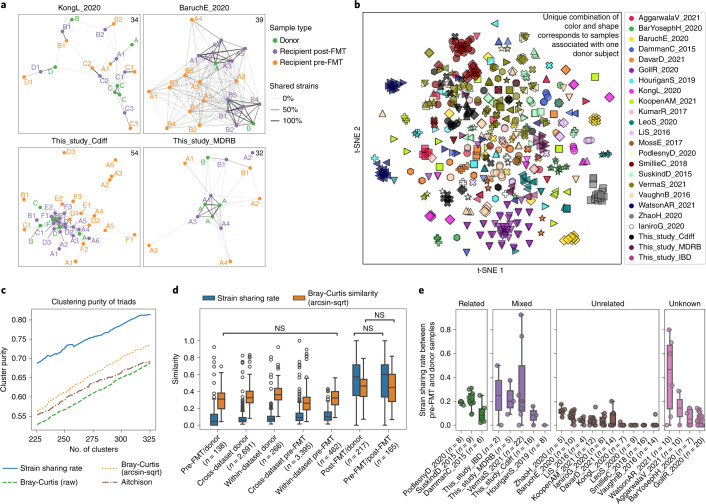
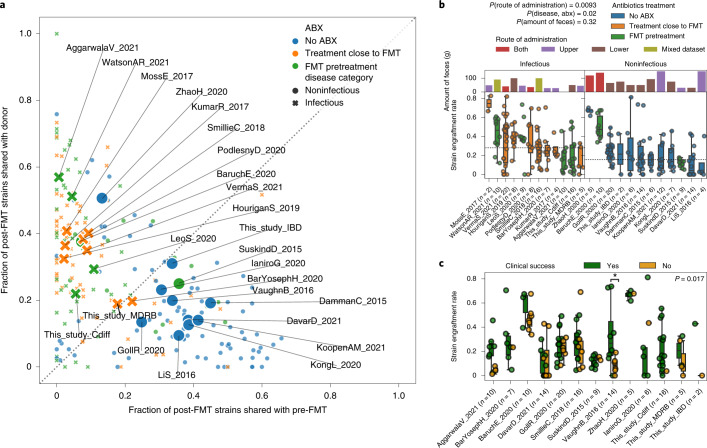
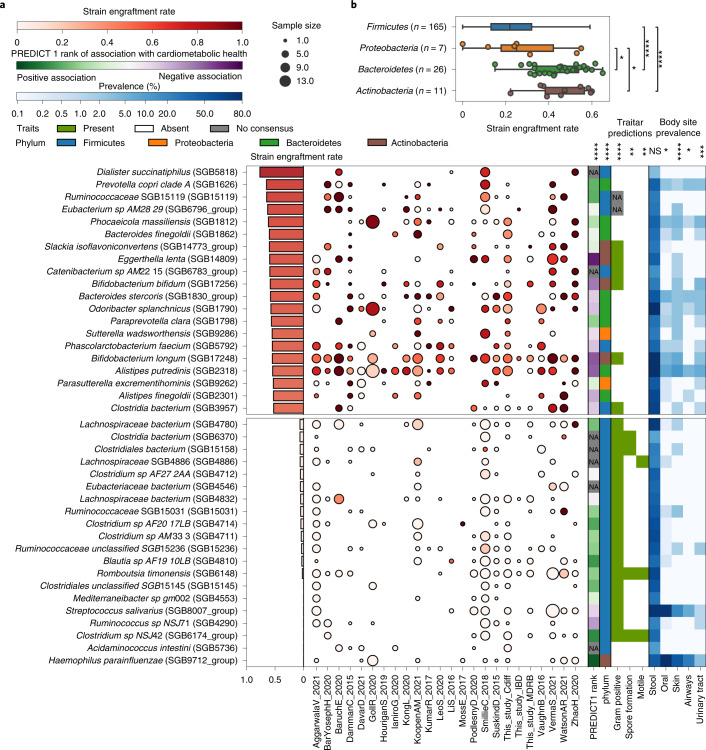
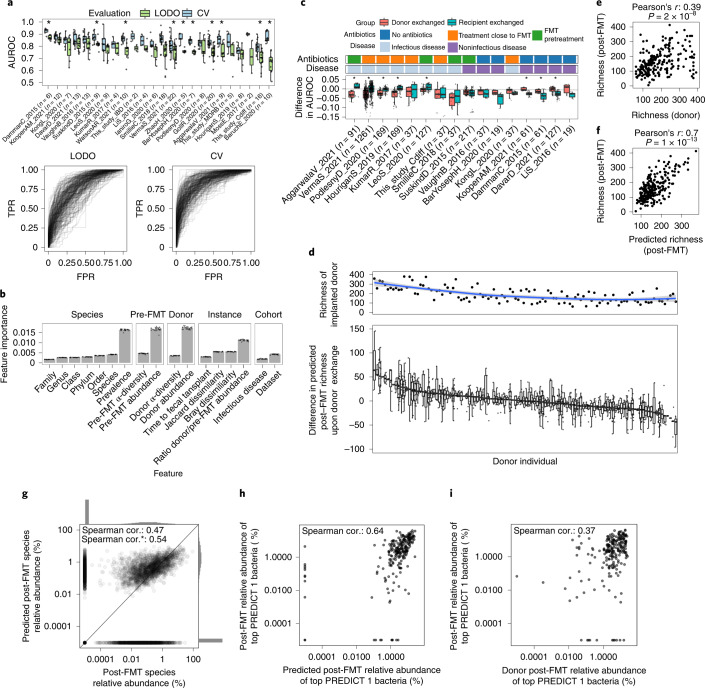
Fecal microbiota transplantation (FMT) is highly effective against recurrent Clostridioides difficile infection and is considered a promising treatment for other microbiome-related disorders, but a comprehensive understanding of microbial engraftment dynamics is lacking, which prevents informed applications of this therapeutic approach. Here, we performed an integrated shotgun metagenomic systematic meta-analysis of new and publicly available stool microbiomes collected from 226 triads of donors, pre-FMT recipients and post-FMT recipients across eight different disease types. By leveraging improved metagenomic strain-profiling to infer strain sharing, we found that recipients with higher donor strain engraftment were more likely to experience clinical success after FMT ( P = 0.017) when evaluated across studies. Considering all cohorts, increased engraftment was noted in individuals receiving FMT from multiple routes (for example, both via capsules and colonoscopy during the same treatment) as well as in antibiotic-treated recipients with infectious diseases compared with antibiotic-naïve patients with noncommunicable diseases. Bacteroidetes and Actinobacteria species (including Bifidobacteria ) displayed higher engraftment than Firmicutes except for six under-characterized Firmicutes species. Cross-dataset machine learning predicted the presence or absence of species in the post-FMT recipient at 0.77 average AUROC in leave-one-dataset-out evaluation, and highlighted the relevance of microbial abundance, prevalence and taxonomy to infer post-FMT species presence. By exploring the dynamics of microbiome engraftment after FMT and their association with clinical variables, our study uncovered species-specific engraftment patterns and presented machine learning models able to predict donors that might optimize post-FMT specific microbiome characteristics for disease-targeted FMT protocols.
Overview
The claims and statistics of this paper haven’t been checked yet.
Free: it reads the open-access text and checks the first 5 claims that cite a source we can check. Create a free account to check every claim.
Integrity signals
Registry
Cites
Statistics
Figures
Verification
Claims the paper makes
The claims and statistics of this paper haven’t been checked yet.
Free: it reads the open-access text and checks the first 5 claims that cite a source we can check. Create a free account to check every claim.
Claims other papers make about this one
Each is checked against this paper’s own text: does it say what the citing paper says it does?
The source backs part of the claim, not all of it — or backs it for a different population, condition or comparison.
In the citing paper
“Moreover, combined routes of FMT administration are an effective strategy to enhance strain engraftment.747”
From Microbiota–gut–brain axis and its therapeutic applications in neurodegenerative diseases (2024) · cites this paper as [747]
Experimental — accuracy not yet measuredThe source backs part of the claim, not all of it — or backs it for a different population, condition or comparison.
In the citing paper
“For example, although a family or household member donor was found associated with higher strain sharing at baseline, this did not result in higher strain engraftment rates once prior strain sharing was considered. 75”
From Key determinants of success in fecal microbiota transplantation: From microbiome to clinic (2023) · cites this paper as [75]
Experimental — accuracy not yet measuredThe source backs part of the claim, not all of it — or backs it for a different population, condition or comparison.
In the citing paper
“With this approach, microbial engraftment has been associated with clinical success, regardless of disease, in a large metagenomic metanalysis of 24 FMT trials and almost 1,400 fecal samples. 75”
From Key determinants of success in fecal microbiota transplantation: From microbiome to clinic (2023) · cites this paper as [75]
Experimental — accuracy not yet measuredThe source backs part of the claim, not all of it — or backs it for a different population, condition or comparison.
In the citing paper
“Although the infusion of a healthy microbiome is clinically effective regardless of its composition in rCDI, the composition of donor microbial communities appears to play a key role in treating noncommunicable disorders, 56 likely mediated by the achievement of successful microbial engraftment. 75”
From Key determinants of success in fecal microbiota transplantation: From microbiome to clinic (2023) · cites this paper as [75]
Experimental — accuracy not yet measuredThe cited source says what the claim attributes to it.
In the citing paper
“Notably, FMT using combined routes was associated with a higher likelihood of microbial engraftment than single-route infusion in a metagenomic metanalysis of 24 studies. 75”
From Key determinants of success in fecal microbiota transplantation: From microbiome to clinic (2023) · cites this paper as [75]
15 more claims about this paper
Create a free account to see every claim other papers make about this one.
Self-check
Percentages, sums and reported differences re-computed from the paper’s own numbers.
The self-check needs the paper’s full text.
Citations
Cites
Breiman, L. (2001) · Machine Learning · doi:10.1023/a:1010933404324 · Cited by 133,538
Fitting Linear Mixed-Effects Models Using lme4
Bates, D., Mächler, M., Bolker, B., & Walker, S. (2015) · Journal of Statistical Software · doi:10.18637/jss.v067.i01 · Cited by 86,835
Scikit-learn: Machine Learning in Python
Pedregosa, F., Varoquaux, G., Gramfort, A., Michel, V., Thirion, B., Grisel, O., Blondel, M., Müller, A., Nothman, J., Louppe, G., et al. (2012) · arXiv · doi:10.48550/arxiv.1201.0490 · Cited by 71,016
Fast gapped-read alignment with Bowtie 2
Langmead, B., & Salzberg, S. L. (2012) · Nature Methods · doi:10.1038/nmeth.1923 · Cited by 56,400
SciPy 1.0: fundamental algorithms for scientific computing in Python
Virtanen, P., Gommers, R., Oliphant, T. E., Haberland, M., Reddy, T., Cournapeau, D., Burovski, E., Peterson, P., Weckesser, W., Bright, J., et al. (2020) · Nature Methods · doi:10.1038/s41592-019-0686-2 · Cited by 38,430
Prokka: rapid prokaryotic genome annotation
Seemann, T. (2014) · Bioinformatics · doi:10.1093/bioinformatics/btu153 · Cited by 18,818
Fast and sensitive protein alignment using DIAMOND
Buchfink, B., Xie, C., & Huson, D. H. (2015) · Nature Methods · doi:10.1038/nmeth.3176 · Cited by 14,201
Parks, D. H., Imelfort, M., Skennerton, C. T., Hugenholtz, P., & Tyson, G. W. (2015) · Genome Research · doi:10.1101/gr.186072.114 · Cited by 12,496
SciPy 1.0: fundamental algorithms for scientific computing in Python
Virtanen, P., Gommers, R., Oliphant, T. E., Haberland, M., Reddy, T., Cournapeau, D., Burovski, E., Peterson, P., Weckesser, W., Bright, J., et al. (2019) · Apollo - University of Cambridge Repository · doi:10.17863/cam.64134 · Cited by 10,460
Li, D., Liu, C.-M., Luo, R., Sadakane, K., & Lam, T.-W. (2015) · Bioinformatics · doi:10.1093/bioinformatics/btv033 · Cited by 9,893
Research works printed but not linked: 1
- Gemelli IRCCS (ID 3555/2021) and Ospedale Pediatrico Bambino Gesù IRCCS (1107_ OPBG_2016). Written informed consent was obtained from all adult participants, and from parents of pediatric (2-17 years old) participants. The systematic review was not registered.
Cited by
Items 101–200 of 368
The role of the early-life gut microbiome in childhood asthma
Boulund, U., Thorsen, J., Trivedi, U., Tranæs, K., Jiang, J., Shah, S. A., & Stokholm, J. (2025) · Gut Microbes · doi:10.1080/19490976.2025.2457489 · Cited by 31
Microbiome Responses to Fecal Microbiota Transplantation in Cats with Chronic Digestive Issues
Rojas, C. A., Entrolezo, Z., Jarett, J. K., Jospin, G., Kingsbury, D. D., Martin, A., Eisen, J. A., & Ganz, H. H. (2023) · Veterinary Sciences · doi:10.3390/vetsci10090561 · Cited by 33
“Increased engraftment was also observed in individuals who had been treated with antibiotics for their infections or disease [53].”
BackgroundMethodInfluentialvan Lingen, E., Nooij, S., Terveer, E. M., Crossette, E. M., Prince, A., Bhattarai, S. K., Watson, A., Galazzo, G., Menon, R., Szabady, R. L., et al. (2024) · Journal of Crohn s and Colitis · doi:10.1093/ecco-jcc/jjae043 · Cited by 32
“…comprehensive meta-analysis by Ianiro et al . suggests that higher donor strain engraftment is associated with improved clinical outcomes across a variety of clinical indications but not per indication, 40 whereas the results of another comprehensive meta-analysis did not determine an association.”
ResultThe role of faecal microbiota transplantation in chronic noncommunicable disorders
Mullish, B. H., Tohumcu, E., Porcari, S., Fiorani, M., Tommaso, N. D., Gasbarrini, A., Cammarota, G., Ponziani, F. R., & Ianiro, G. (2023) · Journal of Autoimmunity · doi:10.1016/j.jaut.2023.103034 · Cited by 27
Self-citationThe practice of fecal microbiota transplantation in inflammatory bowel disease
Arora, U., Kedia, S., & Ahuja, V. (2023) · Intestinal Research · doi:10.5217/ir.2023.00085 · Cited by 35
Gut dysbiosis in oncology: a risk factor for immunoresistance
(2026) · doi:10.1038/s41422-025-01212-6 · Cited by 24
“229,231,232,234 Evidently, this short timeframe has been suf fi cient to reset the holosystem and prime it for improved responses to ICI (mouse models have demonstrated that FMT can restore the expression of ileal MAdCAM-1 4 ), but long-term effects still need to be determined.”
Gut microbiota in inflammation and colorectal cancer: A potential Toolbox for Clinicians
Grellier, N., Severino, A., Archilei, S., Kim, J., Gasbarrini, A., Cammarota, G., Porcari, S., & Benech, N. (2024) · Best Practice & Research Clinical Gastroenterology · doi:10.1016/j.bpg.2024.101942 · Cited by 31
Self-citationSex-specific post-inflammatory dysbiosis mediates chronic visceral pain in colitis
Arzamendi, M. J., Habibyan, Y. B., Defaye, M., Shute, A., Baggio, C. H., Chan, R., Ohland, C., Bihan, D. G., Lewis, I. A., Sharkey, K. A., et al. (2024) · Gut Microbes · doi:10.1080/19490976.2024.2409207 · Cited by 27
Life-long microbiome rejuvenation improves intestinal barrier function and inflammaging in mice
Sommer, F., Bernardes, J. P., Best, L., Sommer, N., Hamm, J., Messner, B., López-Agudelo, V. A., Fazio, A., Μαρίνος, Γ., Kadibalban, A. S., et al. (2025) · Microbiome · doi:10.1186/s40168-025-02089-8 · Cited by 30
Liu, Z., Jiang, Y., Fan, Q., Li, S., & Wang, Y. (2025) · Journal of Inflammation Research · doi:10.2147/jir.s540163 · Cited by 28
“168 Furthermore, the recipient’s immunological status and antibiotic interventions critically determine the success of FMT therapy.”
Baby-to-baby strain transmission shapes the developing gut microbiome
Ricci, L., Heidrich, V., Punčochář, M., Armanini, F., Ciciani, M., Nabinejad, A., FAZAELI, F., Piperni, E., Servais, C., Pinto, F., et al. (2026) · Nature · doi:10.1038/s41586-025-09983-z · Cited by 31
“12m,n), consistent with antibiotic treatment before faecal microbiota transplantation increasing donor strain engraftment in adults 63 .”
Self-citationGulumbe, B. H., & Abdulrahim, A. (2023) · Future Science OA · doi:10.2144/fsoa-2023-0089 · Cited by 24
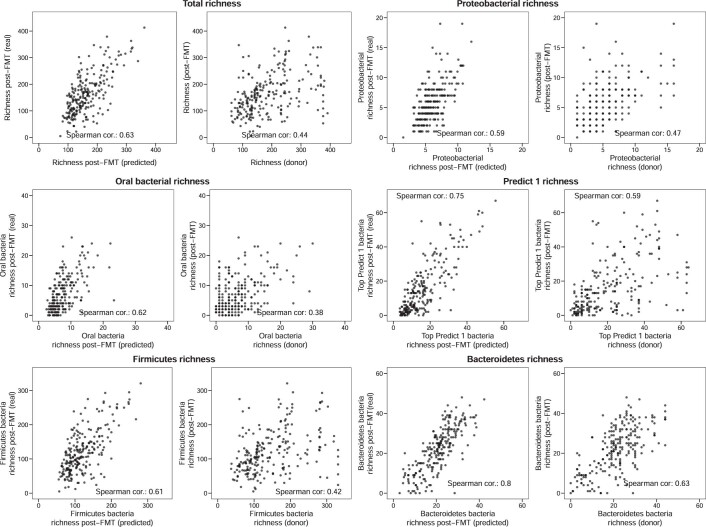
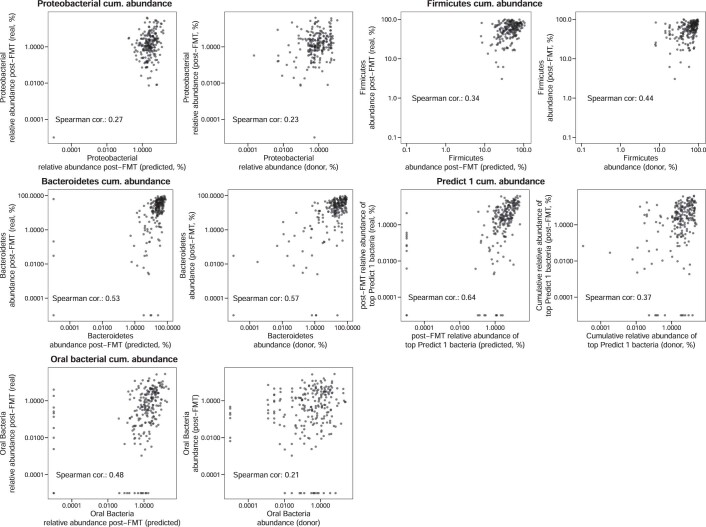
“In a recent publication, Ianiro and colleagues [31] were able to predict the donors with the highest potential to shape the recipient’s microbial composition toward specific features such as increased species richness, a decreased proteobacterial richness or an increased cumulative abundance of bacteria associated wit…”
BackgroundByndloss, M. X., Devkota, S., Duca, F. A., Niess, J. H., Nieuwdorp, M., Orho‐Melander, M., Sanz, Y., Tremaroli, V., & Zhao, L. (2024) · Diabetes · doi:10.2337/dbi24-0028 · Cited by 35
The Interplay of Nutrition, the Gut Microbiota and Immunity and Its Contribution to Human Disease
Dawson, S. L., Todd, E., & Ward, A. C. (2025) · Biomedicines · doi:10.3390/biomedicines13020329 · Cited by 28
“Multiple factors may increase FMT success, including using multiple routes of administration (e.g., both oral and anal routes), intake of antibiotics prior to FMT to inhibit underlying microbiota, and using a donor related to the recipient (e.g., cohabitating) [206].”
InfluentialThe frontier of health: Exploring therapeutic potentials of the microbiome
Abavisani, M., Foroushan, S. K., Kesharwani, P., & Sahebkar, A. (2025) · PharmaNutrition · doi:10.1016/j.phanu.2025.100435 · Cited by 24
Merrick, B., Prossomariti, D., Allen, E. M., Bisnauthsing, K. N., Kertanegara, M., Sergaki, C., Guennec, A. D. L., Delord, M., Bell, J. T., Conte, M. R., et al. (2025) · Journal of Infection · doi:10.1016/j.jinf.2025.106504 · Cited by 28
Martin, D., Bonneau, M., Lefeuvre‐Orfila, L., Horeau, M., Hazon, M., Demay, R., Lecommandeur, E., Boumpoutou, R., Guillotel, A., Guillemot, P., et al. (2025) · Cell Reports · doi:10.1016/j.celrep.2025.115448 · Cited by 27
Within-host bacterial evolution and the emergence of pathogenicity
Tonkin‐Hill, G. Q., Ruis, C., Bentley, S. D., Lythgoe, K., & Bryant, J. M. (2025) · Nature Microbiology · doi:10.1038/s41564-025-02036-1 · Cited by 33
“This approach has also revealed species dynamics following faecal microbiota transplantation, where increased colonization rates have been linked to improved clinical outcomes 116 , although there is variability in the strength of this association between studies 117 .”
Hartikainen, A. K., Jalanka, J., Lahtinen, P., Ponsero, A. J., Mertsalmi, T. H., Finnegan, L., Crispie, F., Cotter, P. D., Arkkila, P. E. T., & Satokari, R. M. (2024) · npj Biofilms and Microbiomes · doi:10.1038/s41522-024-00549-x · Cited by 26
“On the other hand, the second showed an association between engraftment of the donor microbiota and a positive clinical outcome for several diseases 29 .”
BackgroundParental diet and offspring health: a role for the gut microbiome via epigenetics
Yang, C., Snelson, M., El‐Osta, A., & Marques, F. Z. (2025) · Nature Reviews Gastroenterology & Hepatology · doi:10.1038/s41575-025-01106-3 · Cited by 24
Xu, Y., Zhu, Y., Wu, X., Peng, W., Zhong, Y., Cai, Y., Chen, W., Liu, L., Tan, B., & Chen, T. (2025) · Microbial Biotechnology · doi:10.1111/1751-7915.70202 · Cited by 27
Zhang, Y. J., Bousvaros, A., Docktor, M., Kaplan, A. L., Rufo, P. A., Leier, M., Weatherly, M., Zimmerman, L. A., Nguyen, L. T. T., Barton, B., et al. (2024) · Scientific Reports · doi:10.1038/s41598-024-68619-w · Cited by 25
Pinto, S., Šajbenová, D., Benincà, E., Nooij, S., Terveer, E. M., Keller, J. J., Jong, A. E. V. D. M., Bogaards, J. A., & Steyerberg, E. W. (2024) · Journal of Crohn s and Colitis · doi:10.1093/ecco-jcc/jjae137 · Cited by 25
“14 15–17 FMT involves transferring fecal matter from a healthy donor to a patient with the aim of modulating the microbiota composition towards a more favorable state.”
Understanding and predicting the efficacy of FMT
Lavelle, A., & Sokol, H. (2022) · Nature Medicine · doi:10.1038/s41591-022-01991-0 · Cited by 21
Current perspectives on fecal microbiota transplantation in inflammatory bowel disease
Singh, A., Midha, V., Chauhan, N. S., & Sood, A. (2024) · Indian Journal of Gastroenterology · doi:10.1007/s12664-023-01516-8 · Cited by 21
“It is also important to delve into insights at the strain level, understanding the dynamics of which bacteria thrive or diminish during FMT [54].”
García, S. G., Rondinella, D., Ponziani, F. R., Miele, L., Gasbarrini, A., Cammarota, G., Lanas, Á., & Gomollón, F. (2024) · Best Practice & Research Clinical Gastroenterology · doi:10.1016/j.bpg.2024.101924 · Cited by 21
Self-citationThe role of microbiome in the development of gluten-related disorders
Catassi, G. N., Lener, E., Grattagliano, M. M., Motuz, S., Zavarella, M. A., Bibbò, S., Cammarota, G., Gasbarrini, A., Ianiro, G., & Catassi, C. (2024) · Best Practice & Research Clinical Gastroenterology · doi:10.1016/j.bpg.2024.101951 · Cited by 21
Self-citationJin, J., Sun, X., & Wang, L. (2025) · BMC Cardiovascular Disorders · doi:10.1186/s12872-025-04776-8 · Cited by 19
“Furthermore, Del Chierico et al. [16] postulated that MDS should correlate well with gut microbial composition, given its established links with health.”
Wang, X., Liu, X., Gong, F., Jiang, Y., Zhang, C., Zhou, W., & Zhang, W. (2025) · Frontiers in Endocrinology · doi:10.3389/fendo.2025.1621968 · Cited by 25
Fecal Microbiota Transplantation as a Cancer Therapeutic
Stoff, R., Wolf, Y., & Boursi, B. (2023) · The Cancer Journal · doi:10.1097/ppo.0000000000000651 · Cited by 23
Advances in psoriasis and gut microorganisms with co-metabolites
Zhu, Q., Wu, K., Yang, Q., Meng, B., Niu, Y., & Zhao, F. (2023) · Frontiers in Microbiology · doi:10.3389/fmicb.2023.1192543 · Cited by 21
Prolonged delays in human microbiota transmission after a controlled antibiotic perturbationPreprint
Xue, K. S., Walton, S. J., Goldman, D. A., Morrison, M. L., Verster, A. J., Parrott, A. B., Yu, F. B., Neff, N. F., Rosenberg, N. A., Ross, B. D., et al. (2023) · bioRxiv (Cold Spring Harbor Laboratory) · doi:10.1101/2023.09.26.559480 · Cited by 25
“While this property is often used to promote the engraftment of deliberately introduced strains 37,38 , previous work has also shown that gut microbiota can be remarkably resilient to antibiotic perturbations over longer timescales, recovering much of their initial species-level composition in the…”
BackgroundArtificial intelligence for microbiology and microbiome research.
Wang, X.-W., Wang, T., & Liu, Y.-Y. (2026) · Cell Systems · doi:10.1016/j.cels.2026.101531 · Cited by 15
Zhang, Y., Xu, X., Wang, S., Yin, X., Zhang, B., Zhu, Z., Ji, R., Zhu, J., He, H., Cheng, S., et al. (2026) · Journal for ImmunoTherapy of Cancer · doi:10.1136/jitc-2025-013823 · Cited by 31
Kragsnæs, M. S., Jensen, J. R. B., Nilsson, A. C., Malik, M. I., Munk, H. L., Stengaard‐Pedersen, K., Horn, H. C., Kruhøffer, M., Kristiansen, K., Mullish, B. H., et al. (2024) · RMD Open · doi:10.1136/rmdopen-2023-003750 · Cited by 21
Fecal microbiota transplantation for the treatment of chronic inflammatory skin diseases
Wu, M., Chen, X., Lu, Q., & Yao, X. (2024) · Heliyon · doi:10.1016/j.heliyon.2024.e37432 · Cited by 21
“Administration route, antibiotic preconditioning and infectious diseases could also additionally interfere with the outcomes of FMT [98].”
BackgroundExploring the frontier of microbiome biomarker discovery with artificial intelligence
Xiao, L., & Zhao, F. (2024) · National Science Review · doi:10.1093/nsr/nwae325 · Cited by 18
Therapeutic role of gut microbiota in lung injury-related cognitive impairment
Cheng, Y., Hu, G., Deng, L., Zan, Y., & Chen, X. (2025) · Frontiers in Nutrition · doi:10.3389/fnut.2024.1521214 · Cited by 22
“This is an urgent need for standardized FMT products with good stability and repeatability in clinical practice (117).”
The role of the microbiome in liver disease
Schöler, D., & Schnabl, B. (2024) · Current Opinion in Gastroenterology · doi:10.1097/mog.0000000000001013 · Cited by 16
Interplay of ecological processes modulates microbial community reassembly following coalescence
Bresciani, L., Custer, G., Koslicki, D., & Dini‐Andreote, F. (2025) · The ISME Journal · doi:10.1093/ismejo/wraf041 · Cited by 17
“…focused on elucidating the complex inter-play of ecological mechanisms modulating species engraftment following MCC. Collectively, these studies mostly aimed to provide a better understanding of the direct consequences of MCC for microbial-mediated (eco)system functioning and performance [6, 7].”
InfluentialKennedy, M. S., & Chang, E. B. (2025) · Journal of Clinical Investigation · doi:10.1172/jci193969 · Cited by 18
“Fundamen-tally, most existing MBIs neglect microbiome context and have been consequently plagued by inconsistency (156, 157).”
Susiriwatananont, T., Eiamprapaporn, P., Roque, M. V., Farraye, F. A., Pearlman, A., & Chumsri, S. (2025) · Cells · doi:10.3390/cells14221779 · Cited by 21
Sunarno, S., Puspandari, N., Fitriana, F., Nikmah, U. A., Idrus, H. H., & Panjaitan, N. S. D. (2023) · AIMS Microbiology · doi:10.3934/microbiol.2023013 · Cited by 42
“However, taken from the point of view of molecular microbiology, there are many reports highlighted and proposed novel ideas in order to handle AMR, such as phage therapy, antimicrobial peptides, nanoparticles [27], essential oils [28,29], antisense peptide antimicrobial therapeutics [30], transplant using isolated fe…”
Baunwall, S. M. D., Hansen, M. M., Andreasen, S. E., Eriksen, M. K., Rågård, N., Kelsen, J., Grosen, A. K., Mikkelsen, S., Erikstrup, C., Dahlerup, J. F., et al. (2023) · Alimentary Pharmacology & Therapeutics · doi:10.1111/apt.17642 · Cited by 20
Karimianghadim, R., Satokari, R. M., Yeo, S., Arkkila, P. E. T., Kao, D. H., & Pakpour, S. (2025) · Frontiers in Microbiology · doi:10.3389/fmicb.2025.1589704 · Cited by 18
Ji, S., Ahmad, F., Peng, B., Yang, Y., Su, M., Zhao, X., & Vatanen, T. (2025) · Microbiome · doi:10.1186/s40168-025-02046-5 · Cited by 22
“…fecal metagenomic samples from healthy donors ( n = 342), healthy recipients ( n = 14, [25]) and patients with C. difficile infection ( n = 444, [5, 26–32]), antibiotic resistance or MDRB infections ( n = 157, [5–7]), CD ( n = 156, [8, 9]), UC ( n = 43, [5, 10–12]), anti-PD-1 therapy-resistant…”
InfluentialCenteno, A., Atanasova, K., Ebert, M. P., Thomann, A., & Reindl, W. (2025) · Seminars in Immunopathology · doi:10.1007/s00281-025-01066-5 · Cited by 25
Faecal microbiota transplantation in children : A systematic review
Lauwers, E., Sabino, J., Hoffman, I. E. A., & van Hoeve, K. (2024) · Acta Paediatrica · doi:10.1111/apa.17167 · Cited by 18
“63 In addition, controlling inflammation in the recipient intestine might also facilitate engraftment after FMT by decreasing host immune system to react on the newly transferred microbiota.”
BackgroundLeveraging human microbiomes for disease prediction and treatment
Tegegne, H. A., & Savidge, T. (2024) · Trends in Pharmacological Sciences · doi:10.1016/j.tips.2024.11.007 · Cited by 20
Valles-Colomer, M., Manghi, P., Cumbo, F., Masetti, G., Armanini, F., Asnicar, F., Blanco-Miguez, A., Pinto, F., Punčochář, M., Garaventa, A., et al. (2024) · eBioMedicine · doi:10.1016/j.ebiom.2023.104917 · Cited by 14
“…possibility of developing microbiome-targeted complementary therapeutic approaches now used in other contexts (e.g. next-generation probiotics, 65,66 including P. dorei and Bi fi dobacterium spp, as well as faecal microbiota transplantation 40,67,68 ) to improve the symptomatology of neuroblastoma.”
BackgroundSelf-citationRahman, M. U., Shah, J. A., Khan, M. N., Bilal, H., Zhu, D., Du, Z., & Mu, D. (2025) · Probiotics and Antimicrobial Proteins · doi:10.1007/s12602-025-10676-2 · Cited by 23
CRISPR-engineered microbiome: living therapeutics revolutionize blood cancer immunotherapy
Cheng, F., Samarkhazan, H. S., & Khazaei, Y. (2025) · npj Biofilms and Microbiomes · doi:10.1038/s41522-025-00882-9 · Cited by 18
“Thus, heterogeneity among trial participants, especially in oncology populations who often have recent antibiotics, cytopenias, or mucosal barrier injury, must be accounted for in protocol design and statistical powering 122,123 .”
Huang, K. D., Amend, L., Gálvez, E. J. C., Lesker, T.-R., de Oliveira, R., Bielecka, A., Blanco‐Míguez, A., Valles‐Colomer, M., Ruf, I., Pasolli, E., et al. (2024) · Cell Reports Medicine · doi:10.1016/j.xcrm.2024.101426 · Cited by 18
Self-citationMicrobiota transplant therapy in inflammatory bowel disease: advances and mechanistic insights
Moutsoglou, D., Ramakrishnan, P., & Vaughn, B. P. (2025) · Gut Microbes · doi:10.1080/19490976.2025.2477255 · Cited by 18
“76 Ianiro et al. stated that their results suggest that higher donor similarity might improve clinical success of MTT. 76 Larger meta-analyses of metagenomic data from MTT trials and better data availability are needed to unlock MTT’s mechanisms.”
Microbial Modulation in Inflammatory Bowel Diseases
Yu, J., & Cheon, J. H. (2022) · Immune Network · doi:10.4110/in.2022.22.e44 · Cited by 15
Wu, Q., Boonma, P., Badu, S., Yalçınkaya, N., So, S. Y., Garey, K. W., Williams, K. C., Arnold, L. E., Shulman, R. J., Kellermayer, R., et al. (2023) · npj Biofilms and Microbiomes · doi:10.1038/s41522-023-00421-4 · Cited by 16
“In the mean-time, metagenomics-based strain tracking can also be problematic as it relies on metagenomic variant pro fi ling that requires deep sequencing and computationally intensive processing 11 – 14 .”
BackgroundMethodInfluentialKousgaard, S. J., Cold, F., Halkjær, S. I., Petersen, A. M., Kjeldsen, J., Hansen, J. M., Dall, S. M., Albertsen, M., Nielsen, H. L., Kirk, K. F., et al. (2024) · Journal of Crohn s and Colitis · doi:10.1093/ecco-jcc/jjae066 · Cited by 17
Microbiome time series data reveal predictable patterns of change
Karwowska, Z., Szczerbiak, P., & Kościółek, T. (2024) · Microbiology Spectrum · doi:10.1128/spectrum.04109-23 · Cited by 20
Leveraging strain competition to address antimicrobial resistance with microbiota therapies
Steed, D. B., Koundakjian, D., Harris, A. D., Rosato, A. E., Konstantinidis, K. T., & Woodworth, M. H. (2025) · Gut Microbes · doi:10.1080/19490976.2025.2488046 · Cited by 15
“23,24 A key example of the importance of dose was the SER-109 phase two trial that did not meet its endpoints but in post-hoc metagenomic analysis was determined to be related to dosing.”
Hsu, C.-Y., Ahmad, I., Maya, R. W., Abass, M. A., Gupta, J., Singh, A., Joshi, K. K., Premkumar, J., Sahoo, S., & Khosravi, M. (2025) · Journal of Translational Medicine · doi:10.1186/s12967-025-06527-x · Cited by 15
“These findings high-light the importance of characterizing and standardizing donor stool for fecal microbiota transplantation to improve outcomes [172].”
Liber, A., & Więch, M. (2025) · Nutrients · doi:10.3390/nu17132250 · Cited by 20
“On the other hand, two metagenomic meta-analyses [29,35] revealed that antibiotic priming is associated with higher donor strain engraftment.”
Guggeis, M. A., Andreani, N. A., López-Agudelo, V. A., Tran, F., Kadibalban, A. S., Moors, K. A., Μαρίνος, Γ., Saboukh, A., Harris, D. M. M., Falk‐Paulsen, M., et al. (2025) · Gut Microbes · doi:10.1080/19490976.2025.2581445 · Cited by 17
“76 In contrast, Turicibacter presented high within-group variability and significant stochasticity in its transfer, reflecting incomplete and highly variable engraftment.”
Rook, G. A. W. (2024) · Neuroscience & Biobehavioral Reviews · doi:10.1016/j.neubiorev.2024.105653 · Cited by 12
Spatiotemporal dynamics during niche remodeling by super-colonizing microbiota in the mammalian gut
Urtecho, G., Moody, T. U., Huang, Y., Sheth, R. U., Richardson, M., Descamps, H. C., Kaufman, A., Lekan, O., Zhang, Z., Velez‐Cortes, F., et al. (2024) · Cell Systems · doi:10.1016/j.cels.2024.10.007 · Cited by 16
Saadh, M. J., Ahmed, H. H., Kareem, R. A., Sanghvi, G. V., Ganesan, S., Agarwal, M., Kaur, P., Taher, W. M., Alwan, M., Jawad, M. J., et al. (2025) · Pharmacology Biochemistry and Behavior · doi:10.1016/j.pbb.2025.173972 · Cited by 12
Debray, R., Dickson, C. C., Webb, S. E., Archie, E. A., & Tung, J. (2025) · Microbiome · doi:10.1186/s40168-025-02051-8 · Cited by 15
“In the data set we analyzed, the patients had taken antibiotics shortly before the transplant, potentially increasing the probability that the transmitted strains would establish and reach detectable levels in the gut community [39, 58, 59].”
InfluentialThe impact of an oral purified microbiome therapeutic on the gastrointestinal microbiome
Bryant, J. A., Vulić, M., Walsh, E., Allen, E. G., Beauchemin, N., Chafee, M. E., Diao, L., Fenn, K., Ford, K. A., Hasson, B. R., et al. (2026) · Nature Medicine · doi:10.1038/s41591-025-04076-w · Cited by 13
“Data from a phase 2 trial of a designed consortium suggested that residual antibiotics may have inhibited early engraftment 37 , and FMT meta-analyses found that antibiotic and lavage pretreatment are among the strongest predictors of engraftment 38,39 .”
Gut microbial ethanol metabolism contributes to auto-brewery syndrome in an observational cohort
Hsu, C. L., Shukla, S., Freund, L., Chou, A. C., Yang, Y., Bruellman, R., Tonetti, F. R., Cabré, N., Mayo, S. L., Lim, H. G., et al. (2026) · Nature Microbiology · doi:10.1038/s41564-025-02225-y · Cited by 19
“…significant differences in metabolic pathway abundance between the different conditions while controlling for the random effects of each household, 18 metabolic pathways were significantly differentially abundant between ‘Flare’ and ‘Remission’ samples and 133 microbial pathways were…”
Strain-level genetic heterogeneity and colonization dynamics drive microbiome therapeutic efficacy
Chen, K., Liu, Y., Rong, J., Dai, N., Xu, C., Li, H., Zhong, L., Wang, B., Ji, Z., Xie, S., et al. (2026) · Cell Host & Microbe · doi:10.1016/j.chom.2026.02.002 · Cited by 13
Yin, Y., Feng, W., Chen, X., Chen, J., Wang, G., Xia, L., & Wu, K. (2024) · The Innovation Medicine · doi:10.59717/j.xinn-med.2024.100092 · Cited by 15
Shekarriz, S., Szamosi, J. C., Whelan, F., Lau, J. T., Libertucci, J., Rossi, L., Fontes, M. E., Wolfe, M., Lee, C., Moayyedi, P., et al. (2025) · Nature Communications · doi:10.1038/s41467-025-58673-x · Cited by 14
“However, placebo samples have been used to examine background noise in a de fi ned consortium to treat rCDI 23,24 , and alternatively, sam-plesfromthesameanddifferentindividualshavebeenusedtoestimate potential noise in colonization 21,25 .”
Carr, A. V., Baliga, N. S., Diener, C., & Gibbons, S. M. (2023) · Cell Systems · doi:10.52843/cassyni.23jzlp · Cited by 31
Deng, Z.-L., Pieper, D. H., Stallmach, A., Steube, A., Vital, M., Reck, M., & Wagner‐Döbler, I. (2023) · Microbiome · doi:10.1186/s40168-023-01713-9 · Cited by 12
Carr, A. V., Baliga, N. S., Diener, C., & Gibbons, S. M. (2023) · bioRxiv (Cold Spring Harbor Laboratory) · doi:10.1101/2023.04.28.538771 · Cited by 11
Long-read metagenomics for strain tracking after faecal microbiota transplant
Fan, Y., Ni, M., Aggarwala, V., Mead, E. A., Ksiezarek, M., Cao, L., Kamm, M. A., Borody, T. J., Paramsothy, S., Kaakoush, N. O., et al. (2025) · Nature Microbiology · doi:10.1038/s41564-025-02164-8 · Cited by 16
“High-throughput metagenomic shotgun sequencing studies have provided valuable insights into FMT strain engraftment in various diseases 14,15,17–20 primarily through short-read sequencing to detect single-nucleotide polymorphisms (SNPs) and/or gene clusters that track strains in the recipient after…”
InfluentialZhang, X., Huang, K., Wu, Z., Ding, R., Han, J., Zhang, Y., Lu, Y., Lu, Y., & Si, Y. (2025) · Pharmacology & Therapeutics · doi:10.1016/j.pharmthera.2025.108971 · Cited by 14
Microbiota-dependent early-life programming of gastrointestinal motility
Frith, M. E., Kashyap, P., Linden, D. R., Theriault, B. R., & Chang, E. B. (2024) · iScience · doi:10.1016/j.isci.2024.110895 · Cited by 14
Benech, N., Cassir, N., Alric, L., Barbut, F., Batista, R., Bleibtreu, A., Briot, T., Davido, B., Galpérine, T., Joly, A., et al. (2024) · Alimentary Pharmacology & Therapeutics · doi:10.1111/apt.18330 · Cited by 15
Precision microbial regulation: Strategies for modulating GIT microbiota for host health
Pei, Z., Li, Q., Zhang, Y., Guo, C., Abdelsattar, M. M., & Bi, Y. (2025) · iMetaOmics. · doi:10.1002/imo2.54 · Cited by 12
“Through a meta ‐ analysis of 24 FMT applications in different diseases, researchers developed a machine ‐ learning model to predict the most promising donors for shaping the recipient's microbiota, optimizing the donor selection process for FMT [140].”
Advances in Engineered Phages for Disease Treatment
Hou, X. L., Lin, Z., Fu, L., Lu, J., Guo, P., Zhang, Y., Zheng, D., & Ma, G. (2025) · Small Methods · doi:10.1002/smtd.202401611 · Cited by 20
Claypool, J., Lindved, G., Myers, P. N., Ward, T., Nielsen, H. B., & Blount, K. (2025) · Gut Microbes · doi:10.1080/19490976.2025.2520412 · Cited by 12
“Poor restoration among placebo recipients is consistent with slow Bacteroidia restoration after CDI antibiotic treatment alone, 42,47 and higher restoration among RBL recipients is consistent with high engraftment effectiveness of Bacteroidia species (Figures 7 and 8), which has also been seen after FMT. 48 It may be…”
InfluentialIntraspecies warfare restricts strain coexistence in human skin microbiomes
Mancuso, C. P., Baker, J. S., Qu, E. B., Tripp, A. D., Balogun, I. O., & Lieberman, T. D. (2025) · Nature Microbiology · doi:10.1038/s41564-025-02041-4 · Cited by 12
“Despite this potential for transmission, the microbiomes of cohabitating adults do not homogenize 7 , with each individual harbouring person-specific strains 2,8 .”
Qin, P., Kragsnæs, M. S., Holm, D. K., Horn, H. C., Nilsson, A. C., Kjeldsen, J., Kristiansen, K., & Ellingsen, T. (2025) · Arthritis & Rheumatology · doi:10.1002/art.43359 · Cited by 11
“23 Patients with in fl ammatory bowel disease have distinct gut microbiota community (GMC) types, 24,25 which have been shown to relate to FMT outcome, 24 but how patients with PsA ’ s GMC types and engraftment of speci fi c strains affect long-term remission of FMT have yet to be investigated.”
Microbiome modification for personalized treatment of dysbiotic diseases
Sartor, R. B. (2024) · Cell Host & Microbe · doi:10.1016/j.chom.2024.07.023 · Cited by 10
Shawcross, D. L., Edwards, L. A., Woodhouse, C., Lee, S., Mullish, B. H., Learoyd, A., Portlock, T., Flach, C., Douiri, A., Zamalloa, A., et al. (2023) · Research Square · doi:10.21203/rs.3.rs-3088449/v1 · Cited by 11
Reygner, J., Delannoy, J., Barba-Goudiaby, M.-T., Gasc, C., Levast, B., Gaschet, E., Ferraris, L., Paul, S., Kapel, N., Waligora‐Dupriet, A., et al. (2024) · Applied and Environmental Microbiology · doi:10.1128/aem.00016-24 · Cited by 12
Wolfe, T. M., Jo, J., Pinkham, N. V., Garey, K. W., & Walk, S. T. (2025) · Antimicrobial Agents and Chemotherapy · doi:10.1128/aac.01604-24 · Cited by 11
Host origin of microbiota drives functional recovery and Clostridioides difficile clearance in mice
Millard, S., Vendrov, K. C., Young, V. B., & Seekatz, A. M. (2025) · mBio · doi:10.1128/mbio.01108-25 · Cited by 11
Yang, K., Du, J., Huang, F., Si, Y., Gu, Y., Xu, N., Fan, Z., Xue, R., Wang, P., Yao, X., et al. (2025) · BMC Medicine · doi:10.1186/s12916-025-04336-z · Cited by 11
“This community was used as the algorithm surrogate for measuring donor microbiota engraftment, similar to a previous study [37– 39].”
Faecal microbiota transplant for Parkinson’s disease: promises and future directions
Tan, E. K., Wang, J. D. J., Pettersson, S., Wang, Q., Takahashi, R., Poewe, W. H., Jankovic, J. J., & Rascol, O. (2025) · Brain · doi:10.1093/brain/awaf419 · Cited by 12
Zhang, Y., Cao, J., Wang, Y., Fan, X., Deng, R., & Mi, J. (2025) · Frontiers in Endocrinology · doi:10.3389/fendo.2025.1737543 · Cited by 11
Ronkainen, A., Khan, I., Krzyżewska, E., Hiippala, K., Freitag, T. L., & Satokari, R. M. (2023) · Gut Microbes · doi:10.1080/19490976.2023.2229944 · Cited by 10
“A recent metagenomic analysis of FMT-treated patients with various indications and donors suggests that higher donor strain colonization is associated with favorable clinical outcome.(4) Cohorts from longitudinal FMT studies provide an excellent tool to track successfully transplanted bacterial taxa and pin-point comm…”
BackgroundInfluentialMicrobiome 2.0: lessons from the 2024 Gut Microbiota for Health World Summit
Jangi, S., & Hecht, G. A. (2024) · Gut Microbes · doi:10.1080/19490976.2024.2400579 · Cited by 12
“14 In a meta-analysis of 6 randomized controlled trials evaluating the role of FMT in obesity and metabolic syndrome, there was no difference in obesity parameters, with negligible improvements in hemoglobin A1c, insulin sensitivity, and metabolic profiles.”
BackgroundFecal microbiota transplantation: A promising treatment strategy for chronic liver disease
Ma, L., Zhang, M., Xu, Y., Hao, Y.-X., Niu, X.-X., Li, Y., & Xing, H. (2025) · World Journal of Gastroenterology · doi:10.3748/wjg.v31.i28.105089 · Cited by 13
Elendu, C., Omeludike, E., Aregbesola, E. T., Mordi, P., Blewusi, G. S., Ogidan, A. O., Okeke, N. S., Obidigbo, B. T., Asini, A. O., Ubi, E. S., et al. (2025) · Annals of Medicine and Surgery · doi:10.1097/ms9.0000000000003649 · Cited by 11
“Key risk factors influencing the epidemiology of rCDI include prior antibiotic exposure, advanced age, hospitalization, immunosuppression, and comorbidities such as chronic kidney disease and inflammatory bowel disease [ 8–11 , 17– 19 ] .”
InfluentialBryson, S., Sisson, Z., Nelson, B., Grove, J., Reister, E., Liachko, I., Auch, B., Graiziger, C. T., & Khoruts, A. (2025) · Gut Microbes · doi:10.1080/19490976.2025.2559019 · Cited by 9
“15,16 Therefore, one major area of investigation aimed at improving FMT outcomes has been enhancing the engraftment of donor bacterial strains.”
Oyovwi, M. O., & Ajayi, A. F. (2025) · Discover Medicine · doi:10.1007/s44337-025-00495-3 · Cited by 11
“[54, 57-59 Probiotic supplementation to enhance gut microbial diversity and resilience; Dietary recommendations to improve gut-brain communication.”
Current and future microbiome-based therapies in inflammatory bowel disease
Montrose, J. A., Kurada, S. V., & Fischer, M. (2024) · Current Opinion in Gastroenterology · doi:10.1097/mog.0000000000001027 · Cited by 9
“…been demonstrated to increase engraftment and overall success, the optimal antibiotic class, dosage, and duration have not been established [49, && ,85–88] Bowel cleansing is a key component when IMT is delivered via colonoscopy, and it is thought it may help engraftment by reducing competition…”
BackgroundXu, Z., Mak, J. W. Y., Lin, Y., Yang, K., Liu, Q., Zhang, F., Lau, L. H. S., Tang, W., Ching, J. Y. L., Tun, H. M., et al. (2023) · Gut · doi:10.1136/gutjnl-2022-328993 · Cited by 9
Zhang, D., Zhang, Z., Liao, L., Dong, B., Xiong, X., Qin, X., & Fan, X. (2025) · International Journal of Immunopathology and Pharmacology · doi:10.1177/03946320251333982 · Cited by 11
Metadata
- Authors
- Ianiro, G., Punčochář, M., Karcher, N., Porcari, S., Armanini, F., Asnicar, F., Beghini, F., Blanco-Míguez, A., Cumbo, F., Manghi, P., Pinto, F., Masucci, L., Quaranta, G., De Giorgi, S., Sciumè, G. D., Bibbò, S., Del Chierico, F., Putignani, L., Sanguinetti, M., Gasbarrini, A., Valles-Colomer, M., Cammarota, G., & Segata, N.
- Affiliations
- Università Cattolica del Sacro Cuore (IT)
- University of Trento (IT)
- Bambino Gesù Children's Hospital (IT)
- Corresponding author
- Ianiro, Gianluca
- Segata, Nicola
- ORCID
- Ianiro, Gianluca
- Punčochář, Michal
- Karcher, Nicolai
- Porcari, Serena
- Armanini, Federica
- Asnicar, Francesco
- Beghini, Francesco
- Blanco-Míguez, Aitor
- Cumbo, Fabio
- Manghi, Paolo
- Pinto, Federica
- Masucci, Luca
- Quaranta, Gianluca
- De Giorgi, Silvia
- Sciumè, Giusi Desirè
- Bibbò, Stefano
- Putignani, Lorenza
- Sanguinetti, Maurizio
- Gasbarrini, Antonio
- Valles-Colomer, Mireia
- Cammarota, Giovanni
- Segata, Nicola
- Venue
- Nature Medicine
- Published
- 2022-09
- Volume
- 28
- Issue
- 9
- Pages
- 1913-1923
- ISSN
- 1078-8956 (ISSN-L)
- 1546-170X
- PMC
- PMC9499858
- OpenAlex
- W4295925800
- Cited by
- 366
- References
- 89
- Citations by year
- 2026: 92 · 2025: 119 · 2024: 84 · 2023: 67 · 2022: 3
- FWCI
- 22.37
- Type
- journal article
- Language
- en
- Open access
- hybrid
- doi.org
- Licence
- cc-by
- creativecommons.org/licenses/by/4.0 (tdm)
- creativecommons.org/licenses/by/4.0 (vor, 14 d)
- Locations
- Nature Medicine (publishedVersion, cc-by)
- PubMed Central (publishedVersion, cc-by)
- PubMed (publishedVersion)
- Iris (University of Trento) (submittedVersion, cc-by)
- PubliCatt (Università Cattolica del Sacro Cuore) (submittedVersion, cc-by)
- Funders
- Ospedale Pediatrico Bambino Gesù
- Ministero della Salute (2018-, GR-2018-12365734, “5×1000”)
- Ministero dell’Istruzione, dell’Università e della Ricerca (H2020, RBFR13EWWI_001)
- Università degli Studi di Trento
- Fondazione Roma
- National Institutes of Health (1u01ca230551-01a1, H2020, 1U01CA230551)
- Horizon 2020 Framework Programme (OncoBiome 825410, 818368, ONCOBIOME-825410 project, MASTER-818368 project, 825410)
- National Cancer Institute (1U01CA230551, U01 CA230551)
- H2020 European Research Council (716575)
- Topics
- Life Sciences › Biochemistry, Genetics and Molecular Biology › Molecular Biology › Gut microbiota and health
- Health Sciences › Medicine › Infectious Diseases › Clostridium difficile and Clostridium perfringens research
- Health Sciences › Medicine › Gastroenterology › Gastrointestinal motility and disorders
- Keywords
- fecal microbiota transplantation, microbiota composition, Clostridium difficile infection, Bifidobacterium, Bacteroidetes, actinobacteria, Firmicutes, donor selection, antibiotic therapy, non-communicable diseases
- MeSH terms
- Gastrointestinal Microbiome, Fecal Microbiota Transplantation, Anti-Bacterial Agents, Clostridium Infections, Feces, Humans, Treatment Outcome, Microbiota
About these checks
Registry, retraction, Cites and statistics results are computed, not judged, with one exception: a printed reference that no index lists is read once by a model before it counts as a citation error. Claims are extracted by a model and kept only when their quote appears verbatim in the text; each cited source is then checked, with a model’s help, for whether it says what the claim relies on. Those verdicts can be wrong — read the claim’s quote and the cited source before relying on one.
Statistics and arithmetic are recomputed, not judged.
Confidence bands are shown only for fields calibrated on our annotated test set. None is calibrated yet, so no band is shown.
What counts as a claim ›How we measure confidence ›How we check this ›
Are you an author, or do you see a problem with this page? Request a review
Data sources
Bibliographic data: Semantic Scholar, OpenAlex, Crossref.
Contains information from the Semantic Scholar Academic Graph Datasets, made available under the ODC Attribution License (ODC-BY 1.0).
Semantic Scholar’s data is described in: Kinney, R., et al. (2023). The Semantic Scholar Open Data Platform. arXiv:2301.10140.
