

Long-term weight loss effects of semaglutide in obesity without diabetes in the SELECT trial
Open accessThe DOI matches its Crossref record; 25 of the 25 references it cites were found in a registry or an index.
Abstract
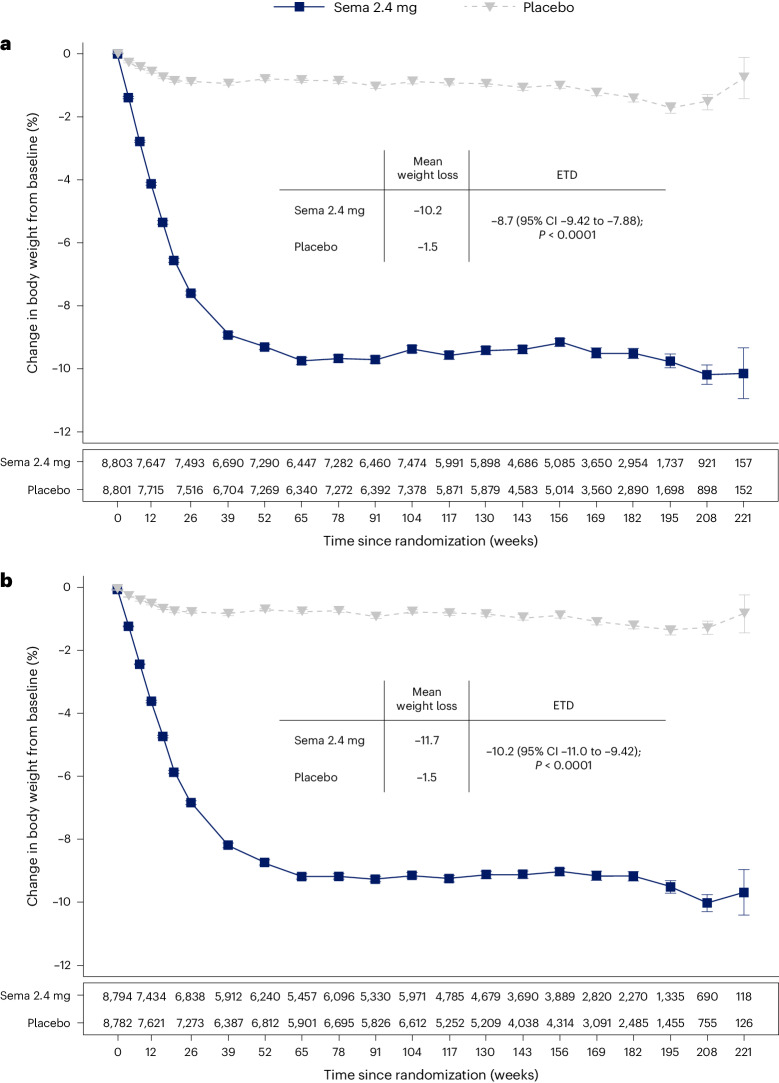
In the SELECT cardiovascular outcomes trial, semaglutide showed a 20% reduction in major adverse cardiovascular events in 17,604 adults with preexisting cardiovascular disease, overweight or obesity, without diabetes. Here in this prespecified analysis, we examined effects of semaglutide on weight and anthropometric outcomes, safety and tolerability by baseline body mass index (BMI). In patients treated with semaglutide, weight loss continued over 65 weeks and was sustained for up to 4 years. At 208 weeks, semaglutide was associated with mean reduction in weight (−10.2%), waist circumference (−7.7 cm) and waist-to-height ratio (−6.9%) versus placebo (−1.5%, −1.3 cm and −1.0%, respectively; P < 0.0001 for all comparisons versus placebo). Clinically meaningful weight loss occurred in both sexes and all races, body sizes and regions. Semaglutide was associated with fewer serious adverse events. For each BMI category (<30, 30 to <35, 35 to <40 and ≥40 kg m − 2 ) there were lower rates (events per 100 years of observation) of serious adverse events with semaglutide (43.23, 43.54, 51.07 and 47.06 for semaglutide and 50.48, 49.66, 52.73 and 60.85 for placebo). Semaglutide was associated with increased rates of trial product discontinuation. Discontinuations increased as BMI class decreased. In SELECT, at 208 weeks, semaglutide produced clinically significant weight loss and improvements in anthropometric measurements versus placebo. Weight loss was sustained over 4 years. ClinicalTrials.gov identifier: NCT03574597 .
Overview
The claims and statistics of this paper haven’t been checked yet.
Free: it reads the open-access text and checks the first 5 claims that cite a source we can check. Create a free account to check every claim.
Integrity signals
Registry
Cites
Statistics
Figures
Verification
Claims the paper makes
The claims and statistics of this paper haven’t been checked yet.
Free: it reads the open-access text and checks the first 5 claims that cite a source we can check. Create a free account to check every claim.
Claims other papers make about this one
Each is checked against this paper’s own text: does it say what the citing paper says it does?
The source backs part of the claim, not all of it — or backs it for a different population, condition or comparison.
In the citing paper
“When GLP‐1 use is continued, weight reduction is sustained for at least 4 years in controlled and observational studies [16, 17].”
From Nutritional priorities to support GLP ‐1 therapy for obesity: A joint Advisory from the American College of Lifestyle Medicine, the American Society for Nutrition, the Obesity Medicine Association, and The Obesity Society (2025) · cites this paper as [16]
Experimental — accuracy not yet measuredThe source backs part of the claim, not all of it — or backs it for a different population, condition or comparison.
In the citing paper
“When GLP-1 use is continued, weight reduction is sustained for at least 4 years in controlled and observational studies [17].”
From Nutritional priorities to support GLP-1 therapy for obesity: A joint advisory from the American College of Lifestyle Medicine, the American Society for Nutrition, the Obesity Medicine Association, and the Obesity Society (2025) · cites this paper as [17]
Experimental — accuracy not yet measuredThe source backs part of the claim, not all of it — or backs it for a different population, condition or comparison.
In the citing paper
“Notably, GLP-1RA efficacy is lessened in participants with a lower starting weight/BMI or with prior exposure to GLP-1RAs (95, 102), and it is reduced by a third in type 2 diabetics and in male individuals (79, 93, 95‐97, 99).”
From GLP-1 and the Neurobiology of Eating Control: Recent Advances (2025) · cites this paper as [95]
Experimental — accuracy not yet measuredThe source backs part of the claim, not all of it — or backs it for a different population, condition or comparison.
In the citing paper
“and in univariate (crude) analyses with semaglutide, female sex (48% greater weight loss in kilograms), younger age (24% greater for age <55 vs. ≥75 years), and higher baseline BMI (23% greater for ≥40 vs. <30 kg/m2) [16].”
From Nutritional priorities to support GLP ‐1 therapy for obesity: A joint Advisory from the American College of Lifestyle Medicine, the American Society for Nutrition, the Obesity Medicine Association, and The Obesity Society (2025) · cites this paper as [16]
Experimental — accuracy not yet measuredThe cited source says what the claim attributes to it.
In the citing paper
“SAEs occurring in >5% of patients were reported in 26 studies [11][12][13][14]35,40,42,51,52,58,62,63,[65][66][67]70,74,77,[84][85][86]93,94,96,103,104], with 9 publications reporting SAEs in >10% of patients [11,14,66,67,85,86,89,103,104].”
From Symptomatic Adverse Events and Quality of Life Related to Incretin-Based Medicines for Obesity: A Systematic Review Involving >400,000 Subjects (2025) · cites this paper as [86]
7 more claims about this paper
Create a free account to see every claim other papers make about this one.
Self-check
Percentages, sums and reported differences re-computed from the paper’s own numbers.
The self-check needs the paper’s full text.
Citations
Cites
Health effects of overweight and obesity in 195 countries over 25 years
Collaborators, T. G. 2. O. (2017) · New England Journal of Medicine · doi:10.1056/nejmoa1614362 · Cited by 7,918 · cited 10×
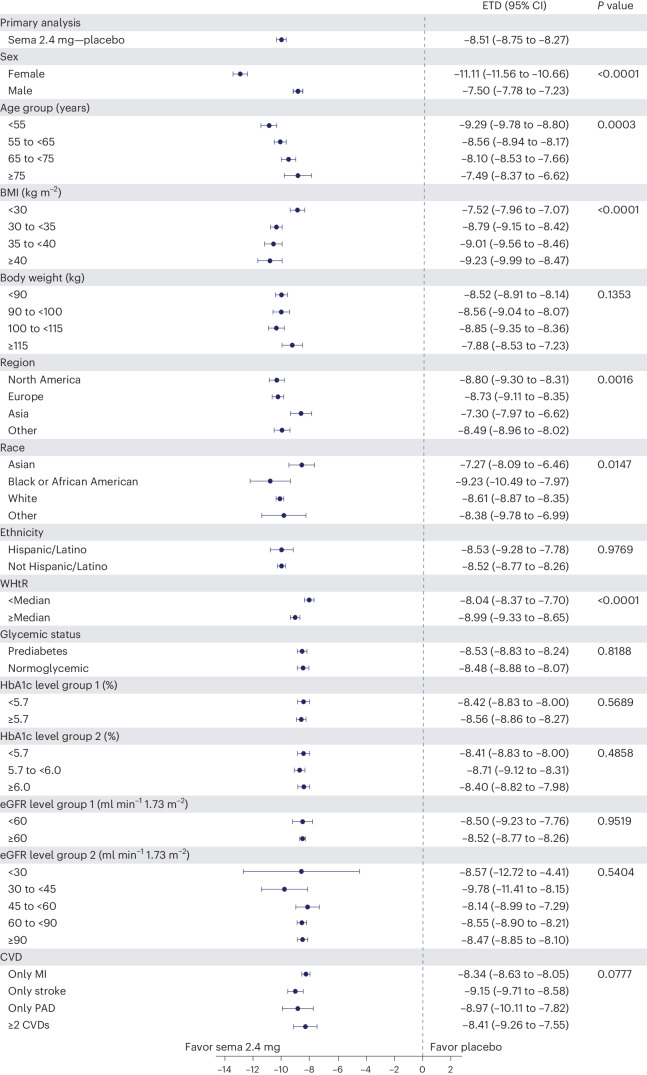
“BMI , body mass index; CI, confidence interval; CV, cardiovascular; CVD, cardiovascular disease; eGFR, estimated glomerular filtration rate; ETD, estimated treatment difference; HbA1c, glycated hemoglobin; MI, myocardial infarction; PAD, peripheral artery disease; sema, semaglutide.”
BackgroundInfluentialSemaglutide and Cardiovascular Outcomes in Patients with Type 2 Diabetes
Marso, S. P., Bain, S. C., Consoli, A., Eliaschewitz, F. G., Jódar, E., Leiter, L. A., Lingvay, I., Rosenstock, J., Seufert, J., Warren, M. L., et al. (2016) · New England Journal of Medicine · doi:10.1056/nejmoa1607141 · Cited by 6,900 · cited 1×
“In patients with type 2 diabetes and high CV risk, semaglutide at doses of 0.5 mg and 1.0 mg has been shown to significantly lower the risk of CV events 20 .”
BackgroundInfluentialSelf-citationOnce-Weekly Semaglutide in Adults with Overweight or Obesity
Wilding, J. P. H., Batterham, R. L., Calanna, S., Davies, M., Van Gaal, L. F., Lingvay, I., McGowan, B. M., Rosenstock, J., Tran, M. T. D., Wadden, T. A., et al. (2021) · New England Journal of Medicine · doi:10.1056/nejmoa2032183 · Cited by 5,205 · cited 3×
“Second, the respective study populations were quite different, with STEP 1 including a younger, healthier population with more women (73.1% of the semaglutide arm in STEP 1 versus 27.7% in SELECT) and higher mean BMI (37.8 kg m −2 versus 33.3 kg m −2 , respectively) 14,21 .”
BackgroundResultInfluentialSelf-citation2013 AHA/ACC/TOS Guideline for the Management of Overweight and Obesity in Adults
Jensen, M. D., Ryan, D. H., Apovian, C. M., Ard, J. D., Comuzzie, A. G., Donato, K. A., Hu, F. B., Hubbard, V. S., Jakicic, J. M., Kushner, R. F., et al. (2014) · Journal of the American College of Cardiology · doi:10.1016/j.jacc.2013.11.004 · Cited by 4,058
Self-citationEuropean Guidelines for Obesity Management in Adults
Yumuk, V., Tsigos, C., Fried, M., Schindler, K., Busetto, L., Micic, D., & Toplak, H. (2015) · Obesity Facts · doi:10.1159/000442721 · Cited by 3,432
Semaglutide and Cardiovascular Outcomes in Obesity without Diabetes
Lincoff, A. M., Brown-Frandsen, K., Colhoun, H. M., Deanfield, J., Emerson, S. S., Esbjerg, S., Hardt-Lindberg, S., Hovingh, G. K., Kahn, S. E., Kushner, R. F., et al. (2023) · New England Journal of Medicine · doi:10.1056/nejmoa2307563 · Cited by 3,236 · cited 9×
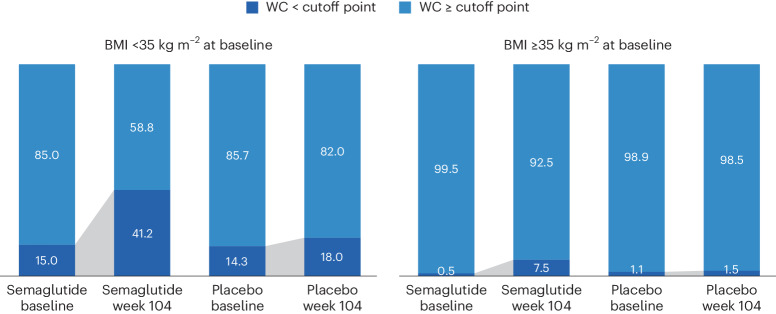
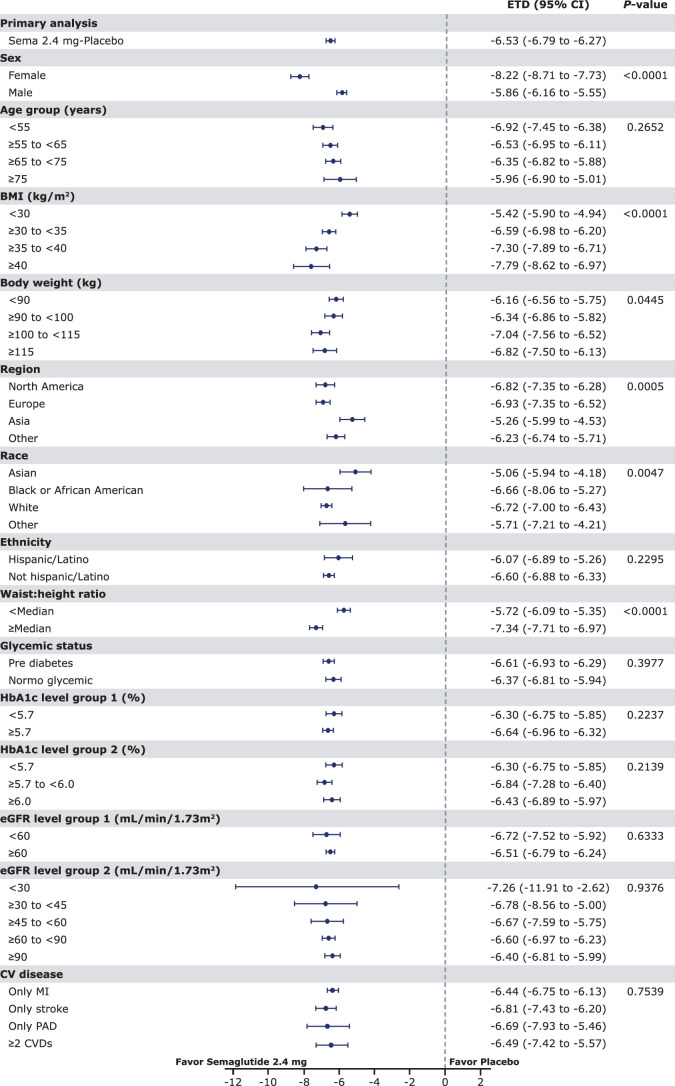
“At week 208, average reduction in WC was −7.7 cm with semaglutide versus −1.3 cm with placebo, with a treatment difference of −6.4 cm (95% CI −7.18 to −5.61; P < 0.0001) 21 .”
BackgroundResultInfluentialSelf-citationPoirier, P., Giles, T. D., Bray, G. A., Hong, Y., Stern, J. S., Pi-Sunyer, F. X., & Eckel, R. H. (2006) · Circulation · doi:10.1161/circulationaha.106.171016 · Cited by 3,165 · cited 1×
“Excess abnormal body fat, especially visceral adiposity and ectopic fat, is a driver of cardiovascular (CV) disease (CVD) 3–5 , and contributes to the global chronic disease burden of diabetes, chronic kidney disease, cancer and other chronic conditions 6,7 .”
BackgroundCardiovascular-kidney-metabolic health: a presidential advisory from the American Heart Association
Ndumele, C. E., Rangaswami, J., Chow, S. L., Neeland, I. J., Tuttle, K. R., Khan, S. S., Coresh, J., Mathew, R. O., Baker-Smith, C. M., Carnethon, M. R., et al. (2023) · Circulation · doi:10.1161/cir.0000000000001184 · Cited by 2,208 · cited 1×
“Excess abnormal body fat, especially visceral adiposity and ectopic fat, is a driver of cardiovascular (CV) disease (CVD) 3–5 , and contributes to the global chronic disease burden of diabetes, chronic kidney disease, cancer and other chronic conditions 6,7 .”
BackgroundRoss, R., Neeland, I. J., Yamashita, S., Shai, I., Seidell, J., Magni, P., Santos, R. D., Arsenault, B., Cuevas, A., Hu, F. B., et al. (2020) · Nature Reviews Endocrinology · doi:10.1038/s41574-019-0310-7 · Cited by 1,966 · cited 3×
“The diverse population can also be evaluated for changes in sex-and race-specific ‘cutoff points’ for BMI and WC, which have been identified as anthropometric measures that predict cardiometabolic risk 8,22,23 .”
BackgroundMethodGarvey, W. T., Mechanick, J. I., Brett, E. M., Garber, A. J., Hurley, D. L., Jastreboff, A. M., Nadolsky, K., Pessah-Pollack, R., & Plodkowski, R. (2016) · Endocrine Practice · doi:10.4158/ep161365.gl · Cited by 1,914 · cited 1×
“The diverse population can also be evaluated for changes in sex-and race-specific ‘cutoff points’ for BMI and WC, which have been identified as anthropometric measures that predict cardiometabolic risk 8,22,23 .”
Background
Research works printed but not linked: 1
- Tchang, B. G. et al. Pharmacologic treatment of overweight and obesity in adults. in (eds. Feingold, K. R. et al.) Endotext https://www.ncbi.nlm.nih.gov/books/NBK279038/ (MDText.com, 2000).
Cited by
GLP-1-based therapies for diabetes, obesity and beyond
Drucker, D. J. (2025) · Nature Reviews Drug Discovery · doi:10.1038/s41573-025-01183-8 · Cited by 236
“Although a mean weight loss of 10.2% was sustained after 4 years of therapy 109 , the cardioprotective benefits of semaglutide were reported to be partially independent of weight loss in the SELECT trial (https://easo.org/semaglutide-4-year-weight-loss-and-cardiovascular-benefits/).”
InfluentialBlüher, M. (2025) · Diabetes, Obesity and Metabolism · doi:10.1111/dom.16263 · Cited by 175
Mozaffarian, D., Agarwal, M., Aggarwal, M., Alexander, L., Apovian, C. M., Bindlish, S., Bonnet, J., Butsch, W. S., Christensen, S., Gianos, E., et al. (2025) · The American Journal of Clinical Nutrition · doi:10.1016/j.ajcnut.2025.04.023 · Cited by 154
“Individual-level factors predicting larger responses with tirzepatide include female sex, lower baseline ALT and hemoglobin A1C, and no diagnosed hypertension [21]; and with semaglutide, female sex, lower baseline hemoglobin A1c, and higher BMI [17,22].”
Self-citationMozaffarian, D., Agarwal, M., Aggarwal, M., Alexander, L., Apovian, C. M., Bindlish, S., Bonnet, J., Butsch, W. S., Christensen, S., Gianos, E., et al. (2025) · Obesity · doi:10.1002/oby.24336 · Cited by 143
“When GLP-1 use is continued, weight reduction is sustained for at least 4 years in controlled and observational studies [ 16, 17].”
InfluentialSelf-citationDeanfield, J., Lincoff, A. M., Kahn, S. E., Emerson, S. S., Lingvay, I., Scirica, B. M., Plutzky, J., Kushner, R. F., Colhoun, H. M., Hovingh, G. K., et al. (2025) · The Lancet · doi:10.1016/s0140-6736(25)01375-3 · Cited by 143
Self-citationStefanakis, K., Kokkorakis, M., & Mantzoros, C. S. (2024) · Metabolism · doi:10.1016/j.metabol.2024.156057 · Cited by 142
GLP-1 physiology in obesity and development of incretin-based drugs for chronic weight management
Holst, J. J. (2024) · Nature Metabolism · doi:10.1038/s42255-024-01113-9 · Cited by 125
“…trial) body weight reduction was maintained for up to 5 years with no upward inflection 218 , and a similar finding was made in the detailed report of the SELECT trial, in which weight loss was recorded for 40 months in 17,600 individuals with obesity and increased cardiovascular risk 219 .”
Emerging pharmacotherapies for obesity: A systematic review
Kokkorakis, M., Chakhtoura, M., Rhayem, C., Al Rifai, J., Ghezzawi, M., Valenzuela-Vallejo, L., & Mantzoros, C. S. (2025) · Pharmacological Reviews · doi:10.1124/pharmrev.123.001045 · Cited by 102
Spotlight on the Mechanism of Action of Semaglutide
Papakonstantinou, I. P., Tsioufis, K. P., & Katsi, V. K. (2024) · Current Issues in Molecular Biology · doi:10.3390/cimb46120872 · Cited by 102
“Semaglutide also showed a 20% reduction in MACE in overweight or obese adults with preexisting ASCVD but without diabetes, according to the Semaglutide Effects on Cardiovascular Outcomes in People with Overweight or Obesity (SELECT) trial [7,8].”
The expanding landscape of GLP-1 medicines
Drucker, D. J. (2026) · Nature Medicine · doi:10.1038/s41591-025-04124-5 · Cited by 83
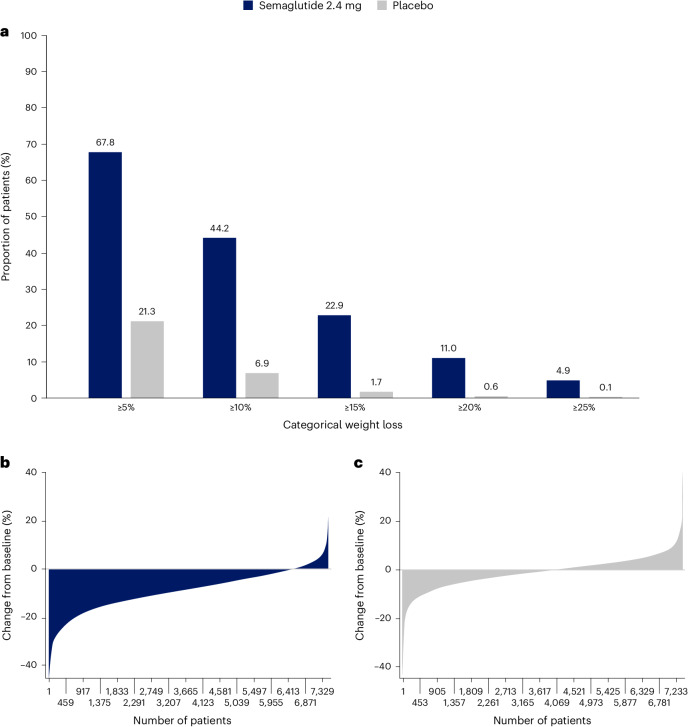
“In the SELECT cardiovascular outcome trial, almost one-third of semaglutide-treated patients failed to lose >5% body weight and several hundred individuals gained weight over the first 104 weeks 69 .”
Mericskay, M., Zuurbier, C. J., Heather, L. C., Karlstaedt, A., Inserte, J., Bertrand, L., Kararigas, G., Ruiz‐Meana, M., Maack, C., & Schiattarella, G. G. (2025) · Nature Reviews Cardiology · doi:10.1038/s41569-025-01166-7 · Cited by 81
“GLP1R agonists attenuate the reward-driven eating circuitry in the brain 311 , thereby facilitating a sustained loss of body weight by approximately 10% 312 .”
Kanbour, S., Ageeb, R. A., Malik, R. A., & Abu-Raddad, L. J. (2025) · The Lancet Diabetes & Endocrinology · doi:10.1016/s2213-8587(24)00346-2 · Cited by 79
Austregésilo de Athayde De Hollanda Morais, B., Martins Prizão, V., de Moura de Souza, M., Ximenes Mendes, B., Rodrigues Defante, M. L., Cosendey Martins, O., & Rodrigues, A. M. (2024) · Journal of Diabetes and its Complications · doi:10.1016/j.jdiacomp.2024.108834 · Cited by 68
Li, M., Lin, H., Yang, Q., Zhang, X., Zhou, Q., Shi, J., & Ge, F. (2024) · SLEEP · doi:10.1093/sleep/zsae280 · Cited by 74
Le, R., Nguyen, M. T., Allahwala, M. A., Psaltis, J. P., Marathe, C. S., Marathe, J. A., & Psaltis, P. J. (2024) · Journal of Clinical Medicine · doi:10.3390/jcm13164674 · Cited by 66
“This is in addition to post hoc analysis showing that weight loss was sustained in this cohort for up to four years [102].”
ResultAssociation between plausible genetic factors and weight loss from GLP1-RA and bariatric surgery
German, J., Cordioli, M., Tozzo, V., Urbut, S., Arumäe, K., Smit, R. A. J., Lee, J., Li, J. H., Janucik, A., Ding, Y., et al. (2025) · Nature Medicine · doi:10.1038/s41591-025-03645-3 · Cited by 65
“2 and Supplementary Tables 5 and 6).”
Social, cultural and ethnic determinants of obesity: From pathogenesis to treatment
Capoccia, D., Milani, I., Colangeli, L., Parrotta, M. E., Leonetti, F., & Guglielmi, V. (2025) · Nutrition Metabolism and Cardiovascular Diseases · doi:10.1016/j.numecd.2025.103901 · Cited by 68
Genetic predictors of GLP1 receptor agonist weight loss and side effects
Su, Q. J., Ashenhurst, J. R., Xu, W., Tran, V., Wu, R. R., Weldon, C. H., Shi, J., Hicks, B., Bell, R. K., Bond, K. K., et al. (2026) · Nature · doi:10.1038/s41586-026-10330-z · Cited by 66
Antifibrotic therapies for metabolic dysfunction-associated steatotic liver disease
Schwabe, R. F., Tacke, F., Sugimoto, A., & Friedman, S. L. (2025) · JHEP Reports · doi:10.1016/j.jhepr.2025.101421 · Cited by 70
Weight Reduction with GLP-1 Agonists and Paths for Discontinuation While Maintaining Weight Loss
Reiss, A. B., Gulkarov, S., Lau, R., Klek, S. P., Srivastava, A., Renna, H. A., & De Leon, J. (2025) · Biomolecules · doi:10.3390/biom15030408 · Cited by 58
“While there is optimism that continuing use of GLP-1 treatments will preserve weight loss, most other anti-obesity strategies, including surgical interventions, generally have weight recidivism [127].”
Obesity-Associated Colorectal Cancer
Gonzalez-Gutierrez, L., Motiño, O., Barriuso, D., de la Puente-Aldea, J., Alvarez-Frutos, L., Kroemer, G., Palacios, R., & Senovilla, L. (2024) · International Journal of Molecular Sciences · doi:10.3390/ijms25168836 · Cited by 60
“This drug has demonstrated efficacy in the long-term reduction of body weight [270].”
BackgroundBrain control of energy homeostasis: implications for anti-obesity pharmacotherapy
Johansen, V. B. I., Petersen, J., Lund, J., Mathiesen, C. V., Fenselau, H., & Clemmensen, C. (2025) · Cell · doi:10.1016/j.cell.2025.06.010 · Cited by 53
Semaglutide as a GLP-1 Agonist: A Breakthrough in Obesity Treatment
Salvador, R., Moutinho, C. M. S. G., Sousa, C., Vinha, A. F., Carvalho, M. C., & Matos, C. M. (2025) · Pharmaceuticals · doi:10.3390/ph18030399 · Cited by 56
“…loss of -10% in the long term (208 weeks) in individuals with obesity or overweight without diabetes and with pre-existing cardiovascular disease [127] also reduces the risk of death from cardiovascular causes, non-fatal myocardial infarction, or non-fatal stroke by 20% [128], which was…”
Current and emerging therapeutic landscape for metabolic dysfunction-associated steatohepatitis
Li, W., Alazawi, W., & Loomba, R. S. (2025) · The Lancet. Gastroenterology & hepatology · doi:10.1016/s2468-1253(25)00260-2 · Cited by 57
Theodorakis, N., & Nikolaou, M. (2025) · Biomedicines · doi:10.3390/biomedicines13010135 · Cited by 50
“The per-protocol (PP) analysis, which assessed only participants who remained on treatment, showed a mean weight loss of − 11.7% in the semaglutide group versus − 1.5% in the placebo group, resulting in a treatment difference of − 10.2% (95% CI: − 11.0 to − 9.42; p < 0.0001) [39].”
InfluentialCarbone, F., Després, J., Ioannidis, J. P. A., Neeland, I. J., Garruti, G., Busetto, L., Liberale, L., Ministrini, S., Vilahur, G., Schindler, T. H., et al. (2025) · European Journal of Clinical Investigation · doi:10.1111/eci.70059 · Cited by 57
The potential role of GLP ‐1 receptor agonists in osteoarthritis
Ryan, M., Megyeri, S., Nuffer, W. A., & Trujillo, J. M. (2025) · Pharmacotherapy The Journal of Human Pharmacology and Drug Therapy · doi:10.1002/phar.70005 · Cited by 47
“36 Currently available GLP-1 or GLP-1/ GIP RAs are listed in Table 2.”
Westermeier, F., & Fisman, E. Z. (2025) · Cardiovascular Diabetology · doi:10.1186/s12933-025-02608-9 · Cited by 46
“Women experienced greater weight loss than men, while participants who self-identified as Asian experienced smaller reductions, possibly due to differences in BMI classification [34].”
GLP-1 and the Neurobiology of Eating Control: Recent Advances
Jones, L. A., & Brierley, D. I. (2025) · Endocrinology · doi:10.1210/endocr/bqae167 · Cited by 43
“The NTS population may only be partially accessible to peripherally administered GLP-1RAs (16, 64), and GLP-1RAs apparently only activate a subset of brainstem GLP-1R neurons, particularly in the NTS (65, 117).”
InfluentialEffectiveness of Semaglutide and Tirzepatide in Overweight and Obese Adults with Type 1 Diabetes
Snell-Bergeon, J. K., Kaur, G., Renner, D., Akturk, H. K., Beatson, C., & Garg, S. K. (2025) · Diabetes Technology & Therapeutics · doi:10.1089/dia.2024.0328 · Cited by 40
“27 The cost – bene fi t of the use of GLP-1 agonists in T1D will need to be established, along with more robust safety data.”
Mozaffarian, D., Agarwal, M., Aggarwal, M., Alexander, L., Apovian, C. M., Bindlish, S., Bonnet, J. P., Butsch, W. S., Christensen, S. M., Gianos, E., et al. (2025) · Obesity Pillars · doi:10.1016/j.obpill.2026.100269 · Cited by 41
Self-citationBody image and interest in GLP-1 weight loss medications
Markey, C. N., August, K. J., Malik, D., & Richeson, A. L. (2025) · Body Image · doi:10.1016/j.bodyim.2025.101890 · Cited by 38
Safety profile of semaglutide versus placebo in the SELECT study: a randomized controlled trial
Kushner, R. F., Ryan, D. H., Deanfield, J., Kokkinos, A., Cercato, C., Wilding, J., Burguera, B., Wu, C., Craciun, A., Pall, D., et al. (2025) · Obesity · doi:10.1002/oby.24222 · Cited by 35
“Additional analyses of baseline characteristics have been published [ 6, 8, 9].”
Self-citationBuckeridge, C., Cobain, S., Bays, H. E., Matsuoka, O., Fukushima, Y., Halstead, P., Tsamandouras, N., Sherry, N., Gorman, D. N., & Saxena, A. R. (2025) · Diabetes Obesity and Metabolism · doi:10.1111/dom.16534 · Cited by 39
Pharmacologic treatment of obesity in adults: Standards of care in overweight and obesity
C, K. A. C. M. V. R. L. J. K. A. G. A. A. A. B. B. (2025) · BMJ Open Diabetes Research & Care · doi:10.1136/bmjdrc-2025-005729 · Cited by 37
“4 Further, semaglutide produced durable weight reduction 104 and significantly reduced new-onset diabetes and a composite kidney outcome (driven by reductions in new-onset macroalbuminuria).”
Safwan, M., Bourgleh, M. S., Alotaibi, S. A., Alotaibi, E. A., Al-Ruqi, A., & Raeya, F. E. (2025) · Annals of Saudi Medicine · doi:10.5144/0256-4947.2025.129 · Cited by 78
Treating sarcopenic obesity in the era of incretin therapies: perspectives and challenges
Chen, A. S., & Batsis, J. A. (2025) · Diabetes · doi:10.2337/dbi25-0004 · Cited by 32
Semaglutide and Postoperative Outcomes in Nondiabetic Patients Following Body Contouring Surgery
Lewis, J. E., Ghogomu, M., Hickman, S. J., Ashade, A., Hollis, R. J., Lewis, J. E., & Lee, W. (2024) · Aesthetic Surgery Journal · doi:10.1093/asj/sjae241 · Cited by 33
Bae, J. H., Haam, J.-H., Jeon, E. J., Kang, S. Y., Song, S., Park, C., & Kwon, H. (2025) · Journal of Obesity & Metabolic Syndrome · doi:10.7570/jomes25042 · Cited by 37
“74 The cardiovascular benefits of GLP-1 receptor agonists are attributed to weight loss, improved insulin sensitivity, reduced inflammation, and direct effects on endothelial function and myocardial remodeling.”
Semaglutide Effects on Cardiovascular Outcomes in People With Overweight or Obesity (SELECT)
Verma, S., Colhoun, H. M., Dicker, D., Hovingh, G. K., Kahn, S. E., Kautzky‐Willer, A., Lingvay, I., Plutzky, J., Rasmussen, S., Rathor, N., et al. (2024) · Journal of the American College of Cardiology · doi:10.1016/j.jacc.2024.08.022 · Cited by 30
Self-citationObesity substantially impacts rheumatic and musculoskeletal diseases: time to act
Sattar, N. A., Sattar, L. J., McInnes, I. B., Siebert, S., & Ferguson, L. D. (2025) · Annals of the Rheumatic Diseases · doi:10.1016/j.ard.2025.02.013 · Cited by 33
“…obesity, including the Glucagon-Like ppeptide (GLP-1) receptor agonist Semaglutide, which can help lower weight by ≥ 10 % sustainably over at least 3 to 4 years [25], and the dual GLP-1/Glucose-dependent Insulinotropic Polypeptide (GIP) agonist, Tirzepatide, that can achieve 25 % weight loss [26].”
Alexander, G. C., Xiao, X., Dilek, S., Lewis, S. V., Deng, Q., Kim, M., Bolanle, D., Saldanha, I. J., & Mehta, H. B. (2026) · JAMA Internal Medicine · doi:10.1001/jamainternmed.2025.8222 · Cited by 30
Mozaffarian, D., Agarwal, M., Aggarwal, M., Alexander, L., Apovian, C. M., Bindlish, S., Bonnet, J., Butsch, W. S., Christensen, S., Gianos, E., et al. (2025) · Obesity Pillars · doi:10.1016/j.obpill.2025.100181 · Cited by 28
Self-citationThe (dys)regulation of energy storage in obesity
Levin, B. E., Geary, N., & Lutz, T. A. (2025) · Physiological Reviews · doi:10.1152/physrev.00002.2024 · Cited by 29
Skeletal effect of semaglutide and tirzepatide in patients with increased risk of fractures
Liu, Y., Walzer, D., Schmitz, S. H., Shukla, A. P., Ma, X., Chirko, D., Pipia, I., Sathi, S., Shukairy, U., Greenberg, M. D., et al. (2026) · The Journal of Clinical Endocrinology & Metabolism · doi:10.1210/clinem/dgag052 · Cited by 34
Aranäs, C., Caffrey, A., Edvardsson, C. E., Schmidt, H. D., & Jerlhag, E. (2025) · European Neuropsychopharmacology · doi:10.1016/j.euroneuro.2025.07.001 · Cited by 31
“It should, however, be noted that semaglutide has the most profound weight-reducing effect in individuals with obesity compared to those with overweight or lower BMIs, indicating that a threshold for weight reduction may occur (Tan et al., 2022; Ryan et al., 2024).”
How ‘miracle’ weight‐loss semaglutide promises to change medicine but can we afford the expense?
Weiskirchen, R., & Lonardo, A. (2025) · British Journal of Pharmacology · doi:10.1111/bph.70003 · Cited by 30
“Four published studies have specifically focussed on the long-term effects of semaglutide (Colhoun et al., 2024; Jensterle et al., 2024; Moiz et al., 2024; Ryan et al., 2024).”
Cost-effectiveness of semaglutide in people with obesity and cardiovascular disease without diabetes
McEwan, P. C., Bøg, M., Faurby, M. D., FOOS, V., Lingvay, I., Lübker, C., Miller, R. L., Toliver, J. C., Yeates, F., & Lincoff, A. M. (2025) · Journal of Medical Economics · doi:10.1080/13696998.2025.2459529 · Cited by 26
Self-citationYounossi, Z. M., Kalligeros, M., Wong, V. W., Al-Naamani, K. M., Tacke, F., Tsochatzis, E. A., Crespo, J., El‐Kassas, M., Bril, F., Arrese, M. A., et al. (2026) · Clinical Gastroenterology and Hepatology · doi:10.1016/j.cgh.2026.03.030 · Cited by 28
GLP-1R agonists and heart failure: novel beneficial effects suggested by Mendelian randomization
Hu, Y., Zhao, Y., Dai, N., Zhou, Y., Yao, Y., Li, Z., Cai, W., Xiong, W., Song, S., Deng, X., et al. (2026) · European Heart Journal · doi:10.1093/eurheartj/ehaf1066 · Cited by 24
Paddu, N. U., Lawrence, B., Wong, S., Poon, S. J., & Srivastava, G. (2024) · Obesity · doi:10.1002/oby.24177 · Cited by 22
Semaglutide for adults living with obesity
Bracchiglione, J., Meza, N., Franco, J. V. A., Liquitay, C. M. E., Victoria Novik, A., Vargas, M. O., Lazcano, G., Poloni, D., Langlotz, F. R., Figuls, M. R. I., et al. (2025) · Cochrane Database of Systematic Reviews · doi:10.1002/14651858.cd015092.pub2 · Cited by 37
Buonanno, S., Gaggiano, C., Terribili, R., Cantarini, L., Frediani, B., & Gentileschi, S. (2025) · Inflammation Research · doi:10.1007/s00011-025-02140-2 · Cited by 24
Jensen, A. B., Machado, U., Renström, F., Aczél, S., Folie, P., Biraima-Steinemann, M., & Bilz, S. (2025) · BMC Endocrine Disorders · doi:10.1186/s12902-025-01913-4 · Cited by 21
“The long-term efficacy of semaglutide for weight management for up to four years has been confirmed in non-bariatric obese patients and treatment withdrawal leads to substantial and rapid weight regain [20, 21].”
Siebert, S., Sattar, N. A., & Ferguson, L. D. (2025) · Joint Bone Spine · doi:10.1016/j.jbspin.2025.105904 · Cited by 21
Mechanisms and treatment of obesity-related hypertension—Part 2: Treatments
Parvanova, A. I., Abbate, M., Reseghetti, E., & Ruggenenti, P. L. (2025) · Clinical Kidney Journal · doi:10.1093/ckj/sfaf035 · Cited by 23
“Pre-specified analyses indicated that semaglutide-induced WL, achieved over 65 weeks, was sustained for up to 4 years across subgroups categorized by age, sex, race, glycemia, renal function, and anthropometric parameters [124 ].”
Weiskirchen, R., & Lonardo, A. (2025) · Medical Sciences · doi:10.3390/medsci13040265 · Cited by 22
“Weight loss and anthropometric improvements persisted for up to four years [61].”
Pharmacologic Treatment of Obesity in Adults: Standards of Care in Overweight and Obesity
Gudzune, K. A., Apovian, C. M., Aroda, V. R., Aronne, L. J., Balapattabi, K., Bennett, A. K., ChallaSivaKanaka, S., ElSayed, N. A., Fitch, A., Fitzpatrick, S. L., et al. (2026) · Diabetes Obesity and Cardiometabolic CARE · doi:10.2337/doci25-0008 · Cited by 27
“Further, semaglutide produced durable weight reduction (104) and significantly reduced new-onset diabetes and a composite kidney outcome (driven by reductions in new-onset macroalbuminuria) (105).”
Self-citationGLP-1 Receptor Agonists – Good for Body Weight, Bad for Micronutrient Status?
Kerlikowsky, F., Krämer, K., Eggersdorfer, M., & Hahn, A. (2025) · Current Developments in Nutrition · doi:10.1016/j.cdnut.2025.107587 · Cited by 18
“In addition, data on the long-term effects of GLP-1 RA on weight reduction remain limited, although sustained effects have been observed for ≤ 4 y [21,22].”
Liu, M., Chen, J., Li, H., Ma, Y., Xiao, Q., Ding, J., Li, J., & Chen, X. (2026) · Chemical Society Reviews · doi:10.1039/d5cs01504a · Cited by 24
Smolderen, K. G. E., Mena‐Hurtado, C., Zhao, Z., Michalak, W., Faurby, M. D., Smolarz, B. G., Kosiborod, M., Song, J., Chen, Y., Boland, J., et al. (2025) · Diabetes Obesity and Metabolism · doi:10.1111/dom.70080 · Cited by 18
“6,19 This could be due to alternative vascular, inflammatory, insulin resistance, metabolic, or other mechanisms beyond weight loss that contribute to the cardioprotective effect of semaglutide 2.4 mg.”
InfluentialJeromson, S., Baranowski, B., Akcan, M., Waters, B. D., Eisner, K., Bellucci, A., Trang, S., Abolhassani, A., Tello‐Palencia, M. A., Schweitzer, A. M., et al. (2025) · The Journal of Physiology · doi:10.1113/jp289449 · Cited by 23
The evolving landscape of obesity pharmacotherapy
Petersen, J., Finan, B., Johansen, V. B. I., Müller, T. D., & Clemmensen, C. (2026) · Nature Reviews Drug Discovery · doi:10.1038/s41573-026-01427-1 · Cited by 22
Maracle, B., Quan, S., Hamilton, P., Shaikh, A., Hazra, D., Lorenzetti, D., Gold, S. L., Raman, M., & St‐Pierre, J. (2025) · Alimentary Pharmacology & Therapeutics · doi:10.1111/apt.70485 · Cited by 19
“More recently, the SELECT trial demonstrated reduced major adverse cardiovascular events among overweight and obese patients without diabetes treated with semaglutide [11].”
Backbone Protecting Groups for Enhanced Peptide and Protein Synthesis
Paravizzini, S. J., Haugaard‐Kedström, L. M., Hutton, C. A., & Karas, J. A. (2025) · Angewandte Chemie International Edition · doi:10.1002/anie.202509939 · Cited by 17
The effect of obesity interventions on male fertility: a systematic review and meta-analysis
Peel, A., Lyons, H. E., Tully, C. A., Vincent, A. D., Jesudason, D. R., Wittert, G., & McPherson, N. O. (2025) · Human Reproduction Update · doi:10.1093/humupd/dmaf025 · Cited by 19
Ethnic diversity in precision medicine: a reality or an aspiration?
Misra, S. (2025) · Diabetologia · doi:10.1007/s00125-025-06513-4 · Cited by 17
The multifaceted effects of semaglutide: exploring its broad therapeutic applications
Alkhatib, M., Almasri, N., Alshwayyat, S., Almahariq, H., Hammadeh, B. M., Taimeh, Z., Alkhatib, L., Alshwayat, A. R. I., Saadeh, N. A., & Al‐kurdi, M. A. (2025) · Future Science OA · doi:10.1080/20565623.2025.2483607 · Cited by 18
“%) compared to the control group. these outcomes were consistent among both sexes, races, and body sizes [11].”
Glucagon-like peptide-1 medicines and cancer
Yabut, J. M., & Drucker, D. J. (2026) · Nature Cancer · doi:10.1038/s43018-025-01110-1 · Cited by 16
“Although sex-specific differences in cancer rates or outcomes in response to GLP-1R agonists (GLP-1RAs) have not been reported, women experience modestly greater weight loss with GLP-1 medicines 101–103 .”
de Figueiredo, I. R., Simas, F. S., Ghiletchi, A., Torres, J. O., & Silva‐Nunes, J. (2026) · Obesity · doi:10.1002/oby.70098 · Cited by 14
“A 20% reduction in the primary endpoint (death from cardiovascular causes, nonfatal myocardial infarction, or nonfatal stroke) in the semaglutide group was shown [9, 10].”
Adipose Tissue, at the Core of the Action of Incretin and Glucagon-Based Anti-Obesity Drugs
Villarroya, F., Peyrou, M., & Giralt, M. (2025) · Current Obesity Reports · doi:10.1007/s13679-025-00660-w · Cited by 15
“Recent data from the SELECT trial indicate that in patients living with obesity treated with semaglutide for up to 4 years, an average body weight reduction of 10% is observed [21].”
Petersen, J., Merrild, C., Lund, J., Holm, S., & Clemmensen, C. (2024) · Molecular Metabolism · doi:10.1016/j.molmet.2024.102027 · Cited by 13
“Notably, these incretin-based pharmacotherapies appear to alter the strength of the feedback control circuits governing weight regain [16] and demonstrate a stable weight plateau for up to 4 years with continued treatment [17].”
Chrysavgis, L., Mourelatou, N. G., Koloutsou, M. E., Rozani, S., & Cholongitas, Ε. (2025) · International Journal of Molecular Sciences · doi:10.3390/ijms262412130 · Cited by 16
“Large randomized controlled trials (RCTs) have demonstrated that GLP-1 RAs such as liraglutide [6] and semaglutide [7] produce clinically meaningful, durable weight loss and reduction in adipose tissue, especially visceral and ectopic depots alongside improvements in glycaemic control and…”
Turcano, P., Savica, R., & Benarroch, E. E. (2024) · Neurology · doi:10.1212/wnl.0000000000209781 · Cited by 16
Picoli, C. C., Tsibulnikov, S., Ho, M., DeMambro, V., Feng, T., Eltahir, M., Le, P. T., Chlebek, C., Rosen, C. J., Ryzhov, S. V., et al. (2025) · American Journal of Physiology-Endocrinology and Metabolism · doi:10.1152/ajpendo.00521.2024 · Cited by 13
“We only included male mice in the current study, future studies using female mice are necessary to determine potential sexual dimorphism in response to semaglutide treatment, as women lose more weight in response to semaglutide (95).”
Overweight, Obesity and Diabetes: Global Trends and a Better Future?
McPake, B. (2025) · Health Systems & Reform · doi:10.1080/23288604.2025.2518797 · Cited by 16
Curbing the Obesity Epidemic: Should GLP-1 Receptor Agonists Be the Standard of Care for Obesity?
Kaplan, J. M., Zaman, A., & Abushamat, L. A. (2024) · Current Cardiology Reports · doi:10.1007/s11886-024-02097-4 · Cited by 12
“Furthermore, weight loss was maintained for up to 2 years in a follow-up study [48] and up to 4 years in its cardiovascular outcomes study [49], showing efficacy and durability of weight loss.”
Šket, R., Slapnik, B., Kotnik, P., Črepinšek, K., Kern, B. Č., Tesovnik, T., Bizjan, B. J., Vrhovšek, B., Remec, Ž. I., Debeljak, M., et al. (2024) · Advances in Therapy · doi:10.1007/s12325-024-03057-8 · Cited by 13
The Role of Dendrimers in Improving Antibody and Peptide Biologics for Cancer Treatment
Lee, J. W., Kim, C., Poellmann, M. J., Zhu, Z., & Hong, S. (2025) · Langmuir · doi:10.1021/acs.langmuir.5c00934 · Cited by 12
Richards, R., Lunt, W., Whitman, M., Spaltro, G., & Hall, R. (2025) · JMIR Formative Research · doi:10.2196/81912 · Cited by 15
“These results indicate that tolerability increases and that the common side effects are often resolved with time [30,41,42].”
Jansson, A. K., Gómez‐Martín, M., Hedin, L. E., Clarke, E. D., Cross, V., Stanford, J., Taylor, R., Bogl, L. H., de Vlieger, N., Koochek, A., et al. (2026) · Obesity Reviews · doi:10.1111/obr.70077 · Cited by 13
Adiposity at the core of the rising tide of young-onset type 2 diabetes worldwide
Sattar, N. A., & Misra, A. (2025) · Diabetes & Metabolic Syndrome Clinical Research & Reviews · doi:10.1016/j.dsx.2025.103249 · Cited by 12
Bridging the Gap: A Literature Review of Advancements in Obesity and Diabetes Mellitus Management
Pop, G. N., Manole, F., Buleu, F. N., Motofelea, A. C., Bircea, S., Popa, D. I., Motofelea, N., & Pîrvu, C. A. (2024) · Applied Sciences · doi:10.3390/app14156565 · Cited by 12
Hong, B., Kim, H., Lee, D., & Kim, K. (2025) · Pharmaceuticals · doi:10.3390/ph18071058 · Cited by 12
Wu, R., Xing, B., Huang, Y., Zhou, Z., Sun, B., Yu, L., & Wang, H. (2025) · Frontiers in Endocrinology · doi:10.3389/fendo.2025.1554795 · Cited by 12
Sun, S., Tian, F., Qiao, H., Xin, Q., Zhang, X., Song, N., Yan, Y., Liu, L., Wang, Y., Zhang, L., et al. (2025) · Advanced Materials · doi:10.1002/adma.202518331 · Cited by 11
Haggerty, T. S., Dekeseredy, P., Bailey, J., Cowher, A. E., Baus, A., & Davisson, L. (2024) · Obesity Pillars · doi:10.1016/j.obpill.2024.100120 · Cited by 13
“Typical outcomes of these medications include up to a 20 % reduction in total body weight when used appropriately and in conjunction with lifestyle change [5,6].”
BackgroundPandey, R. K., Jan, M., Mohammad, A., Jawaid, K. A., Naveed, M., Abid, M. A., Amir, A. B., Ahmed, S., Safiullah, M., Bhatti, M. I., et al. (2025) · Endocrinology, Diabetes & Metabolism · doi:10.1002/edm2.70134 · Cited by 9
Ipaye, T., Goldney, J., Wilkinson, T. J., Zaccardi, F., Yates, T. E., Davies, M. J., Brown, K., & Papamargaritis, D. (2025) · Diabetes Obesity and Metabolism · doi:10.1111/dom.70090 · Cited by 9
Fu, W., Lin, J., You, C., Zhang, J., Lei, J., Zheng, L., Zheng, B., Liu, M., Liu, L., & Li, N. (2025) · Diabetes Obesity and Metabolism · doi:10.1111/dom.16581 · Cited by 8
Jiang, N., Yin, J., Lawrence, N., Meng, J., Maeyens, L. T., Xu, Z., Li, X., Ekane, M., Chaudhary, A., Cao, P., et al. (2025) · Aging Cell · doi:10.1111/acel.70210 · Cited by 8
“Given their effectiveness and safety profile, GLP- 1-based therapies are rapidly becoming the preferred option for weight loss intervention in obese individuals (Finan et al. 2025; Ryan et al. 2024).”
Sebhat, I. K., Murphy, M. J. M., Zheng, S., Lovelett, R. J., Engelstoft, M. S., Kosinski, D., Yang, X., Dunn, V., Whang, J., Lombardo, M., et al. (2025) · Cell Metabolism · doi:10.1016/j.cmet.2025.11.001 · Cited by 9
Lempesis, I. G., & Dalamaga, Μ. (2026) · Metabolism Open · doi:10.1016/j.metop.2026.100463 · Cited by 8
Advancing precision health discovery in a genetically diverse health system
Haas, R., Margolis, M. P., Wei, A., Yamaguchi, T. N., Feng, J. A., Tran, T., Tozzo, V., Queen, K. J., Mootor, M. F. E., Patil, V., et al. (2026) · Cell · doi:10.1016/j.cell.2026.03.007 · Cited by 8
Kotit, S., & Sous, M. (2024) · Global Cardiology Science and Practice · doi:10.21542/gcsp.2024.26 · Cited by 10
“A more recent study that used the SELECT trial participants to examine the effect of semaglutide weight and anthropometric measures, showed that semgalutide demonstrated a significant mean weight reduction of 10.2% at week 208 compared to only 1.5% of the placebo group, sustained over 4 year 32 .”
BackgroundMethodInfluentialGolovaty, I., & Hagan, S. (2025) · JAMA Internal Medicine · doi:10.1001/jamainternmed.2024.6450 · Cited by 7
Spurzem, G. J., Broderick, R. C., Ruiz-Cota, P., Rocha, A., Reyes, E., Fontaine-Nicola, A., Altolaguirre, A., Hollandsworth, H. M., Sandler, B. J., Grunvald, E. L., et al. (2025) · Surgical Endoscopy · doi:10.1007/s00464-025-11921-z · Cited by 7
Garbaccio, N. C., Smith, J. E., Posso, A. N., Schonebaum, D. I., Foster, L., Cordero, J. J., Foppiani, J. A., Alvarez, A. H., Choudry, U. H., & Lin, S. J. (2025) · Aesthetic Plastic Surgery · doi:10.1007/s00266-025-05112-3 · Cited by 9
The impact of GLP-1 agonists on sleep disorders: spotlight on sleep apnea
Mifsud, C. S., Kolla, B. P., Rushlow, D. R., & Mansukhani, M. P. (2025) · Expert Opinion on Pharmacotherapy · doi:10.1080/14656566.2025.2574848 · Cited by 8
“The study found a 20% reduction of major adverse cardiac events with the use of semaglutide 2.4 mg [48].”
InfluentialJohnson, H. H., Clift, A. K., Reisel, D., & Huang, D. R. (2025) · Diabetes Obesity and Metabolism · doi:10.1111/dom.70244 · Cited by 8
“In the SELECT trial, participants treated with semaglutide achieved a sustained mean weight loss of 10.2% at 208 weeks, 5 while in the SURMOUNT-5 trial tirzepatide led to a 20.2% weight loss at 72 weeks.”
Influential
Metadata
- Authors
- Ryan, D. H., Lingvay, I., Deanfield, J., Kahn, S. E., Barros, E., Burguera, B., Colhoun, H. M., Cercato, C., Dicker, D., Horn, D. B., Hovingh, G. K., Jeppesen, O. K., Kokkinos, A., Lincoff, A. M., Meyhöfer, S. M., Oral, T. K., Plutzky, J., van Beek, A. P., Wilding, J. P. H., & Kushner, R. F.
- Affiliations
- Pennington Biomedical Research Center (US)
- The University of Texas Southwestern Medical Center (US)
- University College London (GB)
- University of Washington (US)
- Novo Nordisk (Denmark) (DK)
- Cleveland Clinic (US)
- Institute of Genetics and Cancer (GB)
- Tel Aviv University (IL)
- National and Kapodistrian University of Athens (GR)
- University of Lübeck (DE)
- Brigham and Women's Hospital (US)
- University of Liverpool (GB)
- Northwestern University (US)
- Corresponding author
- Ryan, Donna H.
- ORCID
- Venue
- Nature Medicine
- Published
- 2024-05-13
- Volume
- 30
- Issue
- 7
- Pages
- 2049-2057
- ISSN
- 1078-8956 (ISSN-L)
- 1546-170X
- PMC
- PMC11271387
- OpenAlex
- W4396850943
- Semantic Scholar
- c09f134631148cf1e05a1051a5184a005f1ac22d
- Cited by
- 347
- References
- 25
- Citations by year
- 2026: 143 · 2025: 154 · 2024: 50
- FWCI
- 98.58
- Type
- journal article
- Language
- en
- Open access
- hybrid
- doi.org
- Licence
- cc-by
- creativecommons.org/licenses/by/4.0 (tdm)
- creativecommons.org/licenses/by/4.0 (vor)
- Locations
- Nature Medicine (publishedVersion, cc-by)
- PubMed Central (publishedVersion, cc-by)
- PubMed (publishedVersion)
- Edinburgh Research Explorer (University of Edinburgh) (submittedVersion, cc-by)
- Digital Commons-TMC (Texas Medical Center) (submittedVersion)
- Pure Amsterdam UMC (submittedVersion, cc-by)
- University of Groningen research database (University of Groningen / Centre for Information Technology) (submittedVersion, cc-by)
- Funders
- Novo Nordisk A/S
- Topics
- Health Sciences › Medicine › Pharmacology (medical) › Pharmacology and Obesity Treatment
- Health Sciences › Medicine › Endocrinology, Diabetes and Metabolism › Diabetes Treatment and Management
- Health Sciences › Medicine › Endocrinology, Diabetes and Metabolism › Diabetes, Cardiovascular Risks, and Lipoproteins
- Keywords
- semaglutide, weight loss, sustained weight loss, waist circumference, waist-to-height ratio, anthropometric outcomes, body mass index, serious adverse events, drug safety and tolerability, GLP-1 receptor agonists, SELECT trial
- MeSH terms
- Semaglutide, Adult, Aged, Cardiovascular Diseases, Double-Blind Method, Glucagon-Like Peptides, Female, Humans, Male, Middle Aged, Obesity, Weight Loss, Body Mass Index, Treatment Outcome
About these checks
Registry, retraction, Cites and statistics results are computed, not judged, with one exception: a printed reference that no index lists is read once by a model before it counts as a citation error. Claims are extracted by a model and kept only when their quote appears verbatim in the text; each cited source is then checked, with a model’s help, for whether it says what the claim relies on. Those verdicts can be wrong — read the claim’s quote and the cited source before relying on one.
Statistics and arithmetic are recomputed, not judged.
Confidence bands are shown only for fields calibrated on our annotated test set. None is calibrated yet, so no band is shown.
What counts as a claim ›How we measure confidence ›How we check this ›
Are you an author, or do you see a problem with this page? Request a review
Data sources
Bibliographic data: Semantic Scholar, OpenAlex, Crossref.
Contains information from the Semantic Scholar Academic Graph Datasets, made available under the ODC Attribution License (ODC-BY 1.0).
Semantic Scholar’s data is described in: Kinney, R., et al. (2023). The Semantic Scholar Open Data Platform. arXiv:2301.10140.
