

Long-term weight loss effects of semaglutide in obesity without diabetes in the SELECT trial
Open accessThe DOI matches its Crossref record; 25 of the 25 references it cites were found in a registry or an index.
Abstract
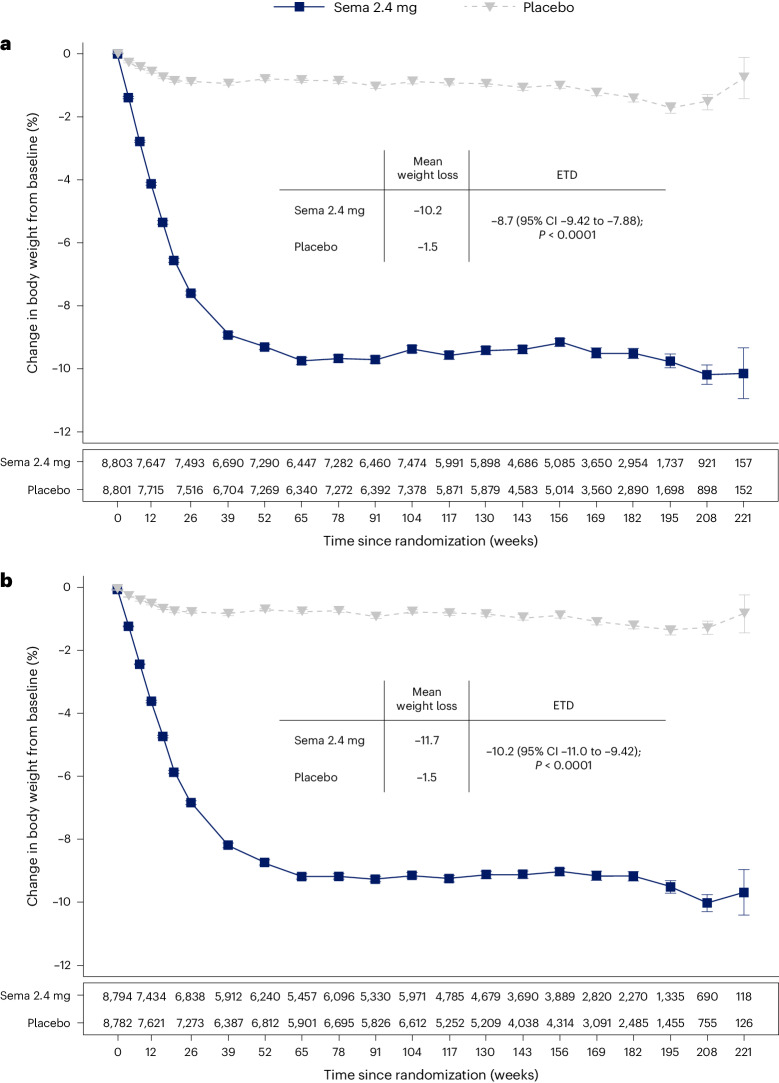
In the SELECT cardiovascular outcomes trial, semaglutide showed a 20% reduction in major adverse cardiovascular events in 17,604 adults with preexisting cardiovascular disease, overweight or obesity, without diabetes. Here in this prespecified analysis, we examined effects of semaglutide on weight and anthropometric outcomes, safety and tolerability by baseline body mass index (BMI). In patients treated with semaglutide, weight loss continued over 65 weeks and was sustained for up to 4 years. At 208 weeks, semaglutide was associated with mean reduction in weight (−10.2%), waist circumference (−7.7 cm) and waist-to-height ratio (−6.9%) versus placebo (−1.5%, −1.3 cm and −1.0%, respectively; P < 0.0001 for all comparisons versus placebo). Clinically meaningful weight loss occurred in both sexes and all races, body sizes and regions. Semaglutide was associated with fewer serious adverse events. For each BMI category (<30, 30 to <35, 35 to <40 and ≥40 kg m − 2 ) there were lower rates (events per 100 years of observation) of serious adverse events with semaglutide (43.23, 43.54, 51.07 and 47.06 for semaglutide and 50.48, 49.66, 52.73 and 60.85 for placebo). Semaglutide was associated with increased rates of trial product discontinuation. Discontinuations increased as BMI class decreased. In SELECT, at 208 weeks, semaglutide produced clinically significant weight loss and improvements in anthropometric measurements versus placebo. Weight loss was sustained over 4 years. ClinicalTrials.gov identifier: NCT03574597 .
Overview
The claims and statistics of this paper haven’t been checked yet.
Free: it reads the open-access text and checks the first 5 claims that cite a source we can check. Create a free account to check every claim.
Integrity signals
Registry
Cites
Statistics
Figures
Verification
Claims the paper makes
The claims and statistics of this paper haven’t been checked yet.
Free: it reads the open-access text and checks the first 5 claims that cite a source we can check. Create a free account to check every claim.
Claims other papers make about this one
Each is checked against this paper’s own text: does it say what the citing paper says it does?
The source backs part of the claim, not all of it — or backs it for a different population, condition or comparison.
In the citing paper
“When GLP‐1 use is continued, weight reduction is sustained for at least 4 years in controlled and observational studies [16, 17].”
From Nutritional priorities to support GLP ‐1 therapy for obesity: A joint Advisory from the American College of Lifestyle Medicine, the American Society for Nutrition, the Obesity Medicine Association, and The Obesity Society (2025) · cites this paper as [16]
Experimental — accuracy not yet measuredThe source backs part of the claim, not all of it — or backs it for a different population, condition or comparison.
In the citing paper
“When GLP-1 use is continued, weight reduction is sustained for at least 4 years in controlled and observational studies [17].”
From Nutritional priorities to support GLP-1 therapy for obesity: A joint advisory from the American College of Lifestyle Medicine, the American Society for Nutrition, the Obesity Medicine Association, and the Obesity Society (2025) · cites this paper as [17]
Experimental — accuracy not yet measuredThe source backs part of the claim, not all of it — or backs it for a different population, condition or comparison.
In the citing paper
“Notably, GLP-1RA efficacy is lessened in participants with a lower starting weight/BMI or with prior exposure to GLP-1RAs (95, 102), and it is reduced by a third in type 2 diabetics and in male individuals (79, 93, 95‐97, 99).”
From GLP-1 and the Neurobiology of Eating Control: Recent Advances (2025) · cites this paper as [95]
Experimental — accuracy not yet measuredThe source backs part of the claim, not all of it — or backs it for a different population, condition or comparison.
In the citing paper
“and in univariate (crude) analyses with semaglutide, female sex (48% greater weight loss in kilograms), younger age (24% greater for age <55 vs. ≥75 years), and higher baseline BMI (23% greater for ≥40 vs. <30 kg/m2) [16].”
From Nutritional priorities to support GLP ‐1 therapy for obesity: A joint Advisory from the American College of Lifestyle Medicine, the American Society for Nutrition, the Obesity Medicine Association, and The Obesity Society (2025) · cites this paper as [16]
Experimental — accuracy not yet measuredThe cited source says what the claim attributes to it.
In the citing paper
“SAEs occurring in >5% of patients were reported in 26 studies [11][12][13][14]35,40,42,51,52,58,62,63,[65][66][67]70,74,77,[84][85][86]93,94,96,103,104], with 9 publications reporting SAEs in >10% of patients [11,14,66,67,85,86,89,103,104].”
From Symptomatic Adverse Events and Quality of Life Related to Incretin-Based Medicines for Obesity: A Systematic Review Involving >400,000 Subjects (2025) · cites this paper as [86]
7 more claims about this paper
Create a free account to see every claim other papers make about this one.
Self-check
Percentages, sums and reported differences re-computed from the paper’s own numbers.
The self-check needs the paper’s full text.
Citations
Cites
Health effects of overweight and obesity in 195 countries over 25 years
Collaborators, T. G. 2. O. (2017) · New England Journal of Medicine · doi:10.1056/nejmoa1614362 · Cited by 7,918 · cited 10×
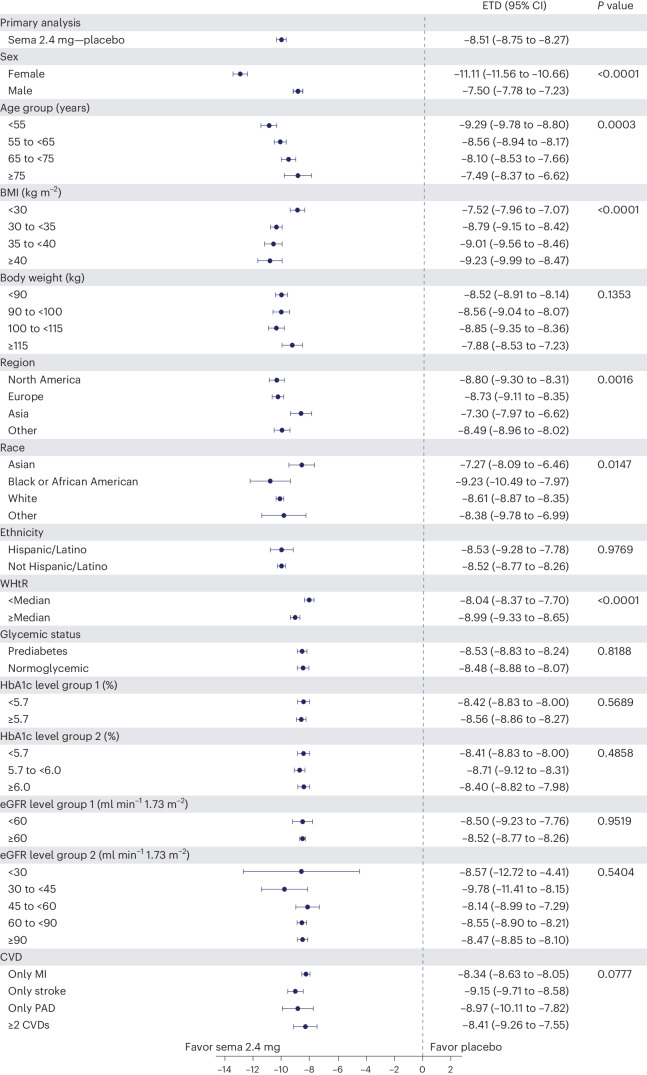
“BMI , body mass index; CI, confidence interval; CV, cardiovascular; CVD, cardiovascular disease; eGFR, estimated glomerular filtration rate; ETD, estimated treatment difference; HbA1c, glycated hemoglobin; MI, myocardial infarction; PAD, peripheral artery disease; sema, semaglutide.”
BackgroundInfluentialSemaglutide and Cardiovascular Outcomes in Patients with Type 2 Diabetes
Marso, S. P., Bain, S. C., Consoli, A., Eliaschewitz, F. G., Jódar, E., Leiter, L. A., Lingvay, I., Rosenstock, J., Seufert, J., Warren, M. L., et al. (2016) · New England Journal of Medicine · doi:10.1056/nejmoa1607141 · Cited by 6,900 · cited 1×
“In patients with type 2 diabetes and high CV risk, semaglutide at doses of 0.5 mg and 1.0 mg has been shown to significantly lower the risk of CV events 20 .”
BackgroundInfluentialSelf-citationOnce-Weekly Semaglutide in Adults with Overweight or Obesity
Wilding, J. P. H., Batterham, R. L., Calanna, S., Davies, M., Van Gaal, L. F., Lingvay, I., McGowan, B. M., Rosenstock, J., Tran, M. T. D., Wadden, T. A., et al. (2021) · New England Journal of Medicine · doi:10.1056/nejmoa2032183 · Cited by 5,205 · cited 3×
“Second, the respective study populations were quite different, with STEP 1 including a younger, healthier population with more women (73.1% of the semaglutide arm in STEP 1 versus 27.7% in SELECT) and higher mean BMI (37.8 kg m −2 versus 33.3 kg m −2 , respectively) 14,21 .”
BackgroundResultInfluentialSelf-citation2013 AHA/ACC/TOS Guideline for the Management of Overweight and Obesity in Adults
Jensen, M. D., Ryan, D. H., Apovian, C. M., Ard, J. D., Comuzzie, A. G., Donato, K. A., Hu, F. B., Hubbard, V. S., Jakicic, J. M., Kushner, R. F., et al. (2014) · Journal of the American College of Cardiology · doi:10.1016/j.jacc.2013.11.004 · Cited by 4,058
Self-citationEuropean Guidelines for Obesity Management in Adults
Yumuk, V., Tsigos, C., Fried, M., Schindler, K., Busetto, L., Micic, D., & Toplak, H. (2015) · Obesity Facts · doi:10.1159/000442721 · Cited by 3,432
Semaglutide and Cardiovascular Outcomes in Obesity without Diabetes
Lincoff, A. M., Brown-Frandsen, K., Colhoun, H. M., Deanfield, J., Emerson, S. S., Esbjerg, S., Hardt-Lindberg, S., Hovingh, G. K., Kahn, S. E., Kushner, R. F., et al. (2023) · New England Journal of Medicine · doi:10.1056/nejmoa2307563 · Cited by 3,236 · cited 9×
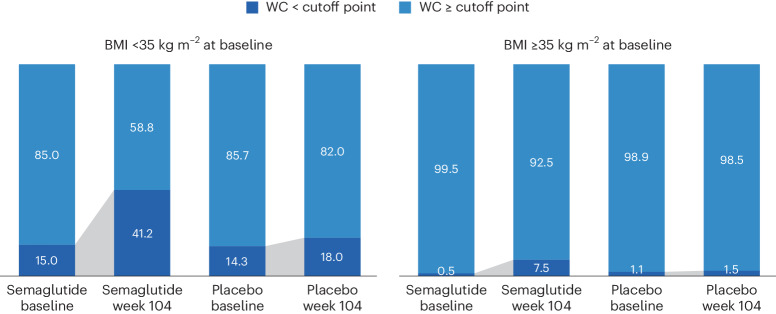
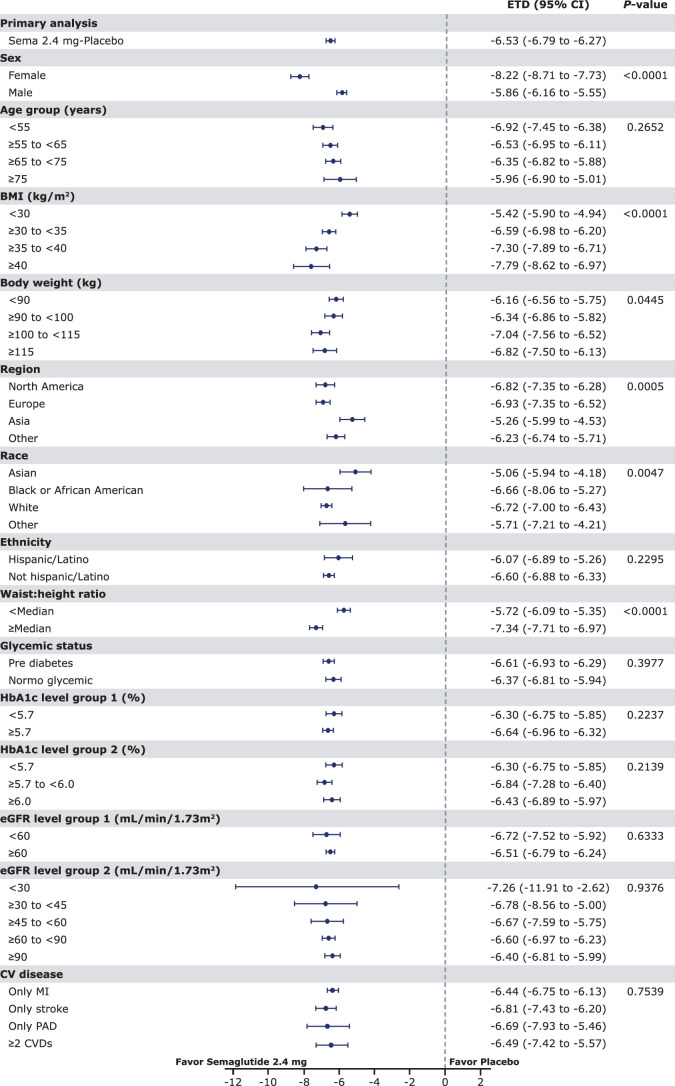
“At week 208, average reduction in WC was −7.7 cm with semaglutide versus −1.3 cm with placebo, with a treatment difference of −6.4 cm (95% CI −7.18 to −5.61; P < 0.0001) 21 .”
BackgroundResultInfluentialSelf-citationPoirier, P., Giles, T. D., Bray, G. A., Hong, Y., Stern, J. S., Pi-Sunyer, F. X., & Eckel, R. H. (2006) · Circulation · doi:10.1161/circulationaha.106.171016 · Cited by 3,165 · cited 1×
“Excess abnormal body fat, especially visceral adiposity and ectopic fat, is a driver of cardiovascular (CV) disease (CVD) 3–5 , and contributes to the global chronic disease burden of diabetes, chronic kidney disease, cancer and other chronic conditions 6,7 .”
BackgroundCardiovascular-kidney-metabolic health: a presidential advisory from the American Heart Association
Ndumele, C. E., Rangaswami, J., Chow, S. L., Neeland, I. J., Tuttle, K. R., Khan, S. S., Coresh, J., Mathew, R. O., Baker-Smith, C. M., Carnethon, M. R., et al. (2023) · Circulation · doi:10.1161/cir.0000000000001184 · Cited by 2,208 · cited 1×
“Excess abnormal body fat, especially visceral adiposity and ectopic fat, is a driver of cardiovascular (CV) disease (CVD) 3–5 , and contributes to the global chronic disease burden of diabetes, chronic kidney disease, cancer and other chronic conditions 6,7 .”
BackgroundRoss, R., Neeland, I. J., Yamashita, S., Shai, I., Seidell, J., Magni, P., Santos, R. D., Arsenault, B., Cuevas, A., Hu, F. B., et al. (2020) · Nature Reviews Endocrinology · doi:10.1038/s41574-019-0310-7 · Cited by 1,966 · cited 3×
“The diverse population can also be evaluated for changes in sex-and race-specific ‘cutoff points’ for BMI and WC, which have been identified as anthropometric measures that predict cardiometabolic risk 8,22,23 .”
BackgroundMethodGarvey, W. T., Mechanick, J. I., Brett, E. M., Garber, A. J., Hurley, D. L., Jastreboff, A. M., Nadolsky, K., Pessah-Pollack, R., & Plodkowski, R. (2016) · Endocrine Practice · doi:10.4158/ep161365.gl · Cited by 1,914 · cited 1×
“The diverse population can also be evaluated for changes in sex-and race-specific ‘cutoff points’ for BMI and WC, which have been identified as anthropometric measures that predict cardiometabolic risk 8,22,23 .”
Background
Research works printed but not linked: 1
- Tchang, B. G. et al. Pharmacologic treatment of overweight and obesity in adults. in (eds. Feingold, K. R. et al.) Endotext https://www.ncbi.nlm.nih.gov/books/NBK279038/ (MDText.com, 2000).
Cited by
Items 301–400 of 427
MENINGITE ASSÉPTICA INDUZIDA POR AMOXICILINA
Ribeiro, A. R., Dóczy, A. D. P., & Campos, A. R. R. (2025) · Jornada Científica do Internato Médico · doi:10.29327/1718890.46-9
ESTUDO DAS DIFERENTES TECNICAS CIRÚRGICAS NA REVASCULARIZACAO DO MIOCÁRDIO
de Moraes, B. L. L., & Nunes, C. P. (2025) · Jornada Científica do Internato Médico · doi:10.29327/1718890.46-11
EFEITOS DA SUPLEMENTAÇÃO DE VITAMINA D NA PREVENÇÃO DE DOENÇAS OCULARES
Domingos, E. D., & de Melo, L. R. B. (2025) · Jornada Científica do Internato Médico · doi:10.29327/1718890.46-16
TRATAMENTOS PARA A PERSISTÊNCIA DO CANAL ARTERIAL EM PREMATUROS
Sohn, E. R. T., & Correa, C. (2025) · Jornada Científica do Internato Médico · doi:10.29327/1718890.46-17
AVALIAÇÃO DAS DIFERENTES ETIOLOGIAS DE HIPERBILIRRUBINEMIA NEONATAL
Itajahy, M. C. C. M., Rodrigues, S., & Vasconcellos, M. (2025) · Jornada Científica do Internato Médico · doi:10.29327/1718890.46-7
A IMPORTÂNCIA DA GOLDEN HOUR PARA O FORTALECIMENTO DO VÍNCULO MAMÃE E BEBÊ
Viana, V. D. S., & Gama, C. E. D. S. (2025) · Jornada Científica do Internato Médico · doi:10.29327/1718890.46-4
SINTOMAS INESPECÍFICOS NO CÂNCER PEDIÁTRICO: O PAPEL DO DIAGNÓSTICO PRECOCE
de Pinho, L. L., & Vasconcellos, M. (2025) · Jornada Científica do Internato Médico · doi:10.29327/1718890.46-3
DERMATOLOGIA E SAÚDE MENTAL: O VÍNCULO ENTRE ACNE E DEPRESSÃO EM INDIVÍDUOS JOVENS
Motta, L. D. L., & Granja, P. D. D. (2025) · Jornada Científica do Internato Médico · doi:10.29327/1718890.46-63
INOVAÇÕES E DESAFIOS NO TRATAMENTO DA TETRALOGIA DE FALLOT
Silveira, I. M. S., & Escrivães, A. C. N. D. C. (2025) · Jornada Científica do Internato Médico · doi:10.29327/1718890.46-60
Chiconelli, H. M. A., & Desiderati, M. (2025) · Jornada Científica do Internato Médico · doi:10.29327/1718890.46-56
NEUROPROTEÇÃO COM SULFATO DE MANGÉSIO: APLICAÇÃO NA OBSTETRÍCIA
Gouvêa, E. H., & B.Gama, C. R. (2025) · Jornada Científica do Internato Médico · doi:10.29327/1718890.46-53
ATUALIZAÇÕES NOS CRITÉRIOS DIAGNÓSTICOS E TRATAMENTO DA SEPSE.
Cavalcanti, R. D. G., & Perez, M. C. A. (2025) · Jornada Científica do Internato Médico · doi:10.29327/1718890.46-50
HEMORRAGIA DIGESTIVA ALTA POR VARIZES GASTROESOFÁGICAS EM PACIENTES CIRRÓTICOS
Neves, G. V., & Figueiredo, L. F. (2025) · Jornada Científica do Internato Médico · doi:10.29327/1718890.46-54
ANÁLISE DA IMUNIZAÇÃO INFANTIL DE 0 A 5 ANOS EM UM AMBULATÓRIO DE ENSINO
Erthal, S. S., & Rodrigues, S. (2025) · Jornada Científica do Internato Médico · doi:10.29327/1718890.46-32
USO DO OMALIZUMABE PARA O TRATAMENTO DA ASMA ALÉRGICA GRAVE
Fernandes, G. N., & Nunes, C. P. (2025) · Jornada Científica do Internato Médico · doi:10.29327/1718890.46-34
TRANSTORNOS DA PERSONALIDADE DO GRUPO B NA ATENÇÃO PRIMÁRIA
Peclat, B. E., & Dóczy, A. D. P. (2025) · Jornada Científica do Internato Médico · doi:10.29327/1718890.46-35
Kolaczynski, J. W., & Surmacz, E. (2025) · Exploration of Endocrine and Metabolic Diseases · doi:10.37349/eemd.2025.101449
Falkenhain, K., Lowe, D. A., Locke, S., Singer, J., Weiss, E. J., & Little, J. P. (2025) · Obesity Science & Practice · doi:10.1002/osp4.70106 · Cited by 1
Vutiglabridin overcomes the GLP-1 RA-associated weight-loss plateau to achieve normal body weight
Lee, H. M., Marakkalage, K. G., Kim, S. H., Lee, S., Lee, J. H., Park, H. S., & Yoo, S. (2026) · International Journal of Obesity · doi:10.1038/s41366-026-02161-9
“Semaglutide, in particular, has demonstrated robust and clinically meaningful weight-loss ef fi cacy across human trials by suppressing appetite through central mechanisms in the hypothalamus and brainstem [2, 18, 31 – 33].”
Effects of diet, exercise and anti-obesity treatment on adult neural stem cells and neurogenesis
Jörgensen, S. K. M. (2024) · ORCA Online Research @Cardiff (Cardiff University)
Belančić, A. (2025) · University of Zagreb University Computing Centre (SRCE)
Ozempic: um novo paradigma na prevenção de eventos cardiovasculares isquêmicos
Zettermann, L. H., Cavalcanti, U. R., dos Santos, R. S., Lino, G. C., dos santos, V. F., Resin, H., PEIXOTO, M. D. C., Sassen, L. S. J., FACHINI, C. B., Lau, M. E. S., et al. (2025) · Editora Pasteur eBooks · doi:10.59290/5220102016
Cardiologia – Teoria e Prática Ed. XXIV
Pereira, A. C. M., de Oliveira, K. L., Silva, D. C. E., Lobato, G. C., Lopes, J. F. L., Freitas, G. B. L. D., & de Almeida, C. C. (2026) · Editora Pasteur eBooks · doi:10.59290/978-65-6029-308-3
Wen, J., Truong, A., Nadora, D., How-Volkman, C., Bernstein, E. M., Kou, M., Alam, A., Puglisi, J. L., & Frezza, E. (2025) · Cureus · doi:10.7759/cureus.100224
“An additional indication for semaglutide (Wegovy, 2.4 mg) that was approved by the FDA in 2024 is to reduce the risk of cardiovascular disease [28].”
InfluentialSarcopenia and obesity: Two sides of the same coin. Incretin technologies in addressing the problem
Demidova, T. Y., Толмачева, К. А., & Прилепа, С. А. (2025) · FOCUS Endocrinology · doi:10.62751/2713-0177-2025-6-4-06
Talay, L., Petrel, G., Ahuja, N. K., & Tiroshi, A. (2026) · Obesities · doi:10.3390/obesities6010002
“Similarly, the discovery that patients of Asian ethnicity lost, on average, less weight than Caucasian patients aligns with the results from a large clinical study [34].”
What is “triple strength” Wegovy, and why has the MHRA approved it?
Lang, K. (2026) · BMJ · doi:10.1136/bmj.s111
Vieira, I. C. (2025) · Portuguese National Funding Agency for Science, Research and Technology (RCAAP Project by FCT)
Hägg, D. A., Li, L., Beeve, A. T., Scheller, E. L., Bellman, J., Anesten, F., Zlatkovic, J., Gasull, A. D., Font‐Gironès, F., Movérare‐Skrtic, S., et al. (2026) · Scientific Reports · doi:10.1038/s41598-026-40431-8
“Obesity treatment has recently advanced significantly with the introduction of GLP-1 and combined GLP-1 and GIP receptor agonists 4–6 .”
Crossing the line: BMI category changes with tirzepatide
Kelsey, M. D., & Pagidipati, N. J. (2026) · American Journal of Preventive Cardiology · doi:10.1016/j.ajpc.2026.101490
Neue Medikamente zur Gewichtsreduktion – ethische Herausforderungen
Weidinger, I. S. (2026) · Adipositas - Ursachen Folgeerkrankungen Therapie · doi:10.1055/a-2748-4530
Lifestyle Interventions for the Prevention of Type 2 Diabetes Mellitus
Henson, J. J., Davies, M. J., Greaves, C., Khunti, K., & Yates, T. E. (2026) · Elsevier eBooks · doi:10.1016/b978-0-323-87862-3.00003-3
Cardio-renal-metabolic syndrome and its management in clinical practice
Šatný, M. (2025) · Vnitřní lékařství · doi:10.36290/vnl.2025.091
Semaglutide in Metabolic Medicine: A Review on Clinical Applications and Emerging Therapeutics
Aljabri, A. A. (2026) · Saudi Medical Journal · doi:10.15537/1658-3175.1060
“Despite a median follow-up of 39.8 months being substantial for a cardiovascular trial, it may not adequately reflect long-term safety signals or the sustainability of cardiovascular protection [18, 19].”
InfluentialLassen, P. B., Jacobi, D., Brindisi, M., Bonnet, J., Subtil, F., Bin, S., Abad, F., Poitou, C., Segrestin, B., Ledoux, S., et al. (2026) · Diabetes Obesity and Metabolism · doi:10.1111/dom.70697 · Cited by 1
“…a glucagon-like peptide-1 (GLP-1) receptor agonist (GLP-1RA), has demonstrated significant efficacy in inducing weight loss and improving obesity-related comorbidities in patients living with obesity (PLO), as shown in randomized controlled trials such as the STEP and the SELECT programs [1, 2].”
Michielsen, M., Gojevic, T., Bekhuis, Y., Claes, J., Machado, F. V. C., Claessen, G., Goetschalckx, K., Hansen, D., Craemer, M. D., & Cornelissen, V. (2026) · European Journal of Preventive Cardiology · doi:10.1093/eurjpc/zwag150
Potential mechanisms for change in diabetes prevention programs: A systematic review
Berman, M. I., Burla, M., Martin, H., Fletcher, M., Michaels, E. A., Beach, L. B., May, M. L., Bagley, P. J., & Blunt, H. B. (2026) · Diabetic Medicine · doi:10.1111/dme.70249
“12,13 Transient weight loss is typical, 14–16 including in successful DPPs. 17 Interestingly, the delayed onset of diabetes can be largely retained despite this, suggesting that mechanisms other than weight loss may contribute to these benefits.”
Jarso, G., Mahendru, S., Dutta, A., Sharma, R., Megerso, A., & Mithal, A. (2026) · Indian Journal of Endocrinology and Metabolism · doi:10.4103/ijem.ijem_1085_25
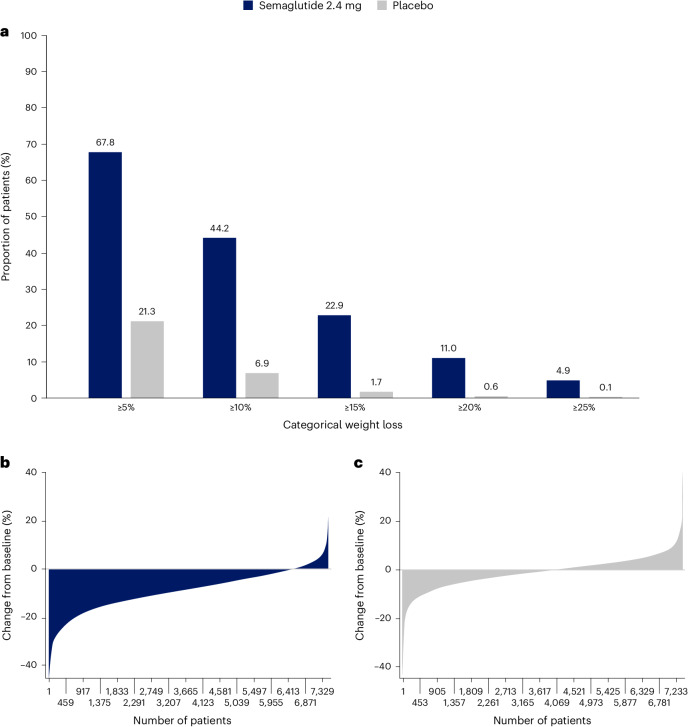
“These rates are comparable to those reported in clinical trials (67.3% and 44.2% participants, respectively, with ≥5% and ≥10% weight loss thresholds in the SELECT trial) [19] and a real‑world cohort (48.4% participants with ≥10% weight loss).”
InfluentialOmeh, Z., Khan, T., Uthman, O., & Barber, T. M. (2026) · Expert Review of Endocrinology & Metabolism · doi:10.1080/17446651.2026.2656247
Silva, E. A. S., da Costa, G. S., de Oliveira, T. B., & da Conceição, M. S. (2026) · Pensar Acadêmico · doi:10.21576/pensaracadmico.2026v24i1.4526 · Cited by 1
Why obesity drugs work better for some people: these genes hold clues
Lenharo, M. (2026) · Nature · doi:10.1038/d41586-026-01107-5
Leberkrankheiten und Eigenverantwortung. Therapien nur unter bestimmten Voraussetzungen?
Dufner, A., & Aslan, S. E. (2025) · PhilPapers (PhilPapers Foundation)
Kapoor, N., Shaikh, S. S., Bhattacharya, S., Kalra, S., Das, S., KOTA, S., Khandelwal, V., Naskar, A., Dange, A., Sorate, S., et al. (2026) · Cardiovascular Diabetology – Endocrinology Reports · doi:10.1186/s40842-026-00290-8 · Cited by 1
“It reported a 20% reduction in MACE and sustained weight loss over four years, with favorable renal outcomes and reduced albuminuria [2, 5].”
InfluentialFibrinogen in individuals with obesity and steatotic liver disease
Pedersen, N. B. (2025) · University of Southern Denmark Research Portal (University of Southern Denmark) · doi:10.21996/008a3b98-c716-4407-b89f-7a0f71e19cf9
EFFECTS OF WEIGHT LOSS MEDICATIONS IN COMBINATION WITH PSYCHOTROPIC MEDICATIONS
Hoffman, E. A. (2026) · CSUSB ScholarWorks (California State University, San Bernardino)
Non-Pharmacological and Integrated Therapy of Diabetes Mellitus: A Narrative Review
Cavezzi, A., Cameli, S., Donzelli, G., Colucci, R., & Cavezzi, S. (2026) · Journal of Theoretical and Applied Vascular Research · doi:10.24019/jtavr.252
Insights into semaglutide cardiovascular research: Mechanisms, trials, and frontiers
Zhang, J. K., Gao, G., He, M., & Sun, T. (2026) · European Journal of Pharmacology · doi:10.1016/j.ejphar.2026.178921
The effect of GLP-1RAs and co-agonists on body composition across obesity and type 2 diabetes
Sun, L. L., Liu, H. F., Zhang, X., Zuo, F., Kong, Y., Feng, J., & Nian, X. (2026) · European journal of medical research · doi:10.1186/s40001-026-04534-2
“The study also highlighted differential weight loss effects across BMI categories, with lower-BMI patients being more prone to discontinuation due to adverse events and experiencing weight regain post-discontinuation [91].”
Dixon, P., Stewart, H. S., Onyimadu, O., Lim, D., & Davis, N. (2026) · medRxiv · doi:10.64898/2026.05.13.26353098
Giacalone, J. D., Elias, J., Le, J., Brancaccio, H., & Alberta, F. G. (2026) · Seminars in Arthroplasty JSES · doi:10.1016/j.sart.2026.151594
Stereotypes and Discrimination Toward Weight Loss Injection Users
Sprengholz, P., & Klöckner, M. (2026) · Journal of Applied Social Psychology · doi:10.1111/jasp.70070
dos Reis, H. C., Medeiros, R. D. O., Galhardi, C. M., Santinelli, N. M. G., Zochio, J. M., Oliveira, H. D., Bandeira, B. P., Braos, L. B., Nogueira, M. L. F., Oliveira, G. D. S., et al. (2026) · Periódicos Brasil Pesquisa Científica · doi:10.36557/2674-9432.2026v5n3p3036-3048
Smolderen, K. G. E., Mena‐Hurtado, C., Divino, V. M., Zhao, Z., CHEN, Y., Boland, J., Song, J., Iyer, P., Knop, F. K., Nanna, M. G., et al. (2026) · Journal of Cardiac Failure - Intersections · doi:10.1016/j.yjcafi.2026.05.004
Zheng, C., Muir, K. C., Reddy, R., Stone, C. R., Harris, D. D., & Sellke, F. W. (2026) · Surgery · doi:10.1016/j.surg.2026.110369
Deaconu, L., Albai, O., Timar, B., Braha, A., Popescu, S., Sorescu, T., Gaiţă, L., Iordan, L., & Timar, R. Z. (2026) · Journal of Clinical Medicine · doi:10.3390/jcm15124421 · Cited by 1
“In this context, weight control is a key element of preventive care: weight loss reduces visceral fat, enhances insulin sensitivity, decreases inflammation, improves hepatic steatosis, and slows the progression of CKD and reduces cardiovascular risk [3–5].”
Neue Medikamente zur Gewichtsreduktion – ethische Herausforderungen
Weidinger, I. S. (2026) · Aktuelle Ernährungsmedizin · doi:10.1055/a-2840-0244
“Darüber hinaus weisen erste Daten aus Langzeitstudien (4 Jahre) darauf hin, dass sich bei über 67 % nur eine Gewichtsreduktion von weniger als 5 % einstellt [39].”
Frier, K. C., Dietl, M., Aronson, S., Dhani, J. S., James, K., Betensky, D. J., Selzer, F., Losina, E., Katz, J. N., Kim, J. S., et al. (2026) · ACR Open Rheumatology · doi:10.1002/acr2.90070
EFEITOS DOS AGONISTAS DO RECEPTOR GLP-1 NA REDUÇÃO DE PESO EM ADULTOS COM OBESIDADE
Alves, C. H. C., Silvestre, L. C., Costa, A. A. A., dos Santos, A. C. C., Ferreira, T. C. D. S., Nicolau, M. B., dos Reis, K. L., de Sousa, C. E. C., Jesus, H. C. D., Didone, W. M. C., et al. (2026) · Periódicos Brasil Pesquisa Científica · doi:10.36557/2674-9432.2026v5n4p1636-1659
Goc, A., Sumera, W., & Niedzwiecki, A. (2026) · Nutrients · doi:10.3390/nu18132111
“These findings might be interpreted in the context of the current obesity treatment landscape [59].”
Beyond Weight Loss: Early Real-World Evidence of Semaglutide in Obesity
Boroghină, S. C., Arhire, A. I., Papuc, T., Sinziana, C. M., Meluță, D.-A., Pîrcălabu, S. M., Dănăilă, R. A., Cristache, M., & Barbu, C. G. (2026) · Medicines · doi:10.3390/medicines13030021
Kim, H., Chae, J. H., & Moon, H. Y. (2026) · International Journal of Obesity · doi:10.1038/s41366-026-02141-z
“Although these populations re fl ect real-world clinical contexts, it was not possible to fully distinguish the effects of pharmacological treatment from disease-related constraints on activity.”
GLP‐1 Receptor Agonist Effect on Disease Severity in Idiopathic Subglottic Stenosis
Malka, R. E., Collins, S., Triantafillou, V., Saeedi, N., Akst, L. M., Best, S. R., Motz, K., & Hillel, A. T. (2026) · Otolaryngology · doi:10.1002/ohn.70327
Lenham, R. K., Elgammal, F., Harding, S., & Berry, M. D. (2026) · Handbook of experimental pharmacology · doi:10.1007/164_2026_821
Kitamoto, T., Yoshino, M., Shingaki, T., Oura, T., Valderas, E. G., & Dunn, J. P. (2026) · Current Medical Research and Opinion · doi:10.1080/03007995.2026.2695047
“The SELECT trial showed long-term efficacy and cardiovascular benefits of semaglutide over a 4-year period 29 , underscoring the importance of similarly robust data for tirzepatide.”
Wiencke, K., Zimmermann, R., Gentz, A., Clever, S., Oddsson, S. J., Hasenberg, T., Arnar, D. O., & Grannell, A. (2026) · Obesities · doi:10.3390/obesities6040051
“Indeed, 21% and 7% of patients in the SELECT control group lost 5% and 10%, respectively [37].”
Demidova, T. Y., Izmaylova, M. Y., & Александровна, В. Н. (2026) · FOCUS Endocrinology · doi:10.62751/2713-0177-2026-7-2-08
Engineered polymer micelles with tunable gas release for effective reduction of local fat deposits
Kim, C., Lee, Y.-C., Lee, I. Y., Jeong, E. J., & Lee, K. Y. (2026) · Biomedicine & Pharmacotherapy · doi:10.1016/j.biopha.2026.119767
Examining Aging Related Female Adiposity Through the Endocrine Lens
Gülşen, M. R., Pal, L., & Lathief, S. (2026) · Healthy ageing and longevity · doi:10.1007/978-3-032-24097-2_6
Tong, L. H., Leung, K.-K., & Hung, C.-T. (2026) · Journal of Chromatography A · doi:10.1016/j.chroma.2026.467288
Pedicino, D., & Liuzzo, G. (2026) · European Heart Journal · doi:10.1093/eurheartj/ehag550
Kotlyarov, S. N., & Котлярова, А. А. (2026) · Pharmacoepidemiology · doi:10.3390/pharma5030025
“…(the original drug Ozempic (Novo Nordisk, Bagsværd Denmark)) was registered in Russia only for type 2 diabetes and cardiovascular risk reduction but not for obesity, although its effectiveness in reducing body weight has been established by large randomized controlled trials (RCTs) [15,19,35].”
GLP-1 receptor agonists in type 1 diabetes: expanding the therapeutic landscape beyond insulin
Dimitriadis, G., & Lambadiari, V. (2026) · The Lancet Regional Health - Europe · doi:10.1016/j.lanepe.2026.101782
Optimizing GLP-1 Receptor Agonist Use: Mechanisms, Clinical Applications, and Safety Profiles
Rasineni, K., & Grigson, P. S. (2026) · Frontiers research topics · doi:10.3389/978-2-8325-8391-3
Malbert, C., Delarue, J., & Guéant, J. (2026) · Bulletin de l Académie Nationale de Médecine · doi:10.1016/j.banm.2026.07.004 · Cited by 1
Shegena, E. A., Kiflu, M., Ahmed, M. B., Bhagavathula, A. S., & Abegaz, T. M. (2026) · Obesity Reviews · doi:10.1111/obr.70200 · Cited by 1
Zhu, S., Yang, F., Lu, H., Jiang, J., & He, W. Q. (2026) · Frontiers in Cardiovascular Medicine · doi:10.3389/fcvm.2026.1843719
“Concurrently, the cardiovascular field has increasingly recognized the cardioprotective benefits of therapies extending beyond lipid-lowering (23, 24).”
InfluentialMalviya, V. (2026) · Asian Journal of Pharmaceutical Research · doi:10.52711/2231-5691.2026.00050
Romaniuk, A., Salash, S., Koza, A., Karcz, A., Pająk, B., Bołdys-Żegocki, H., Majewski, J., Kaniecka, M., Dworniczak, M., & Wróblewska, O. (2026) · International Journal of Innovative Technologies in Social Science · doi:10.31435/ijitss.2(50).2026.5070
Changement dans la prise en charge de l’obésité : vision du clinicien
Montastier, É. (2026) · Biologie Aujourd hui · doi:10.1051/jbio/2026002
GLP-1 receptor agonists in cardiovascular disease: a guide for cardiologists
Ayton, S. L., Papamargaritis, D., Davies, M. J., McCann, G. P., & Gulsin, G. S. (2026) · British Journal of Cardiology · doi:10.5837/bjc.2026.038
Evolution of concepts on optimal nutrition as a pillar for improving metabolic health
Demidova, T. Y., Nikitin, I. G., Starodubova, A. V., Кislyak, O. A., & Izmaylova, M. Y. (2026) · Meditsinskiy sovet = Medical Council · doi:10.21518/ms2026-191
Balasubaramaniam, V., Scobie, M., O’Kane, M. P. M., Graham, Y., Robertson, A. G., & Mahawar, K. K. (2026) · Nutrients · doi:10.3390/nu18162643
Wang, T., & Shiyanbola, O. O. (2026) · Current Diabetes Reports · doi:10.1007/s11892-026-01639-0
Keyserling, T. C., Wu, Q., Ammerman, A. S., Berkowitz, S. A., Buse, J. B., Couper, D. J., Evenson, K. R., Hursting, S., Sotres‐Alvarez, D., Lyons, K. M., et al. (2026) · JAMA Network Open · doi:10.1001/jamanetworkopen.2026.29006 · Cited by 1
Olaniyi, A. O., Gogineni, K. K., Olaniyi, H., Sabir, H., Eboigbe, G. A., Yerima, S. R., & Gabriels, N. (2026) · Cureus · doi:10.7759/cureus.114962 · Cited by 1
Prakash, S., Dhama, N., & Kumar, A. (2026) · Journal of Pharmaceutical Innovation · doi:10.1007/s12247-026-10999-9
Disease-modifying anti-diabetic drugs (DMADDs): bridging the SIMPLE approach to disease interception
Koca, N., Uyar, S., Şahintürk, Y., Yıldız, H., Prato, S. D., & DeFronzo, R. A. (2026) · Cardiovascular Diabetology · doi:10.1186/s12933-026-03346-2
“…durable remission with intensive weight management, while pharmacologically induced weight loss with semaglutide has been sustained over four years in the SELECT population [63]; whether such sustained weight loss translates into durable remission of diabetes has not been directly tested.”
Is Nutritional–Behavioral Intervention Effective in the Fight Against Obesity?
Momora, A., Sałacińska, I., Solgajová, A., & Więch, P. (2026) · Nutrients · doi:10.3390/nu18172814
“Recent evidence further indicates that adjunctive pharmacotherapy with GLP-1 and GIP receptor agonists improves the durability of therapeutic outcomes, with effects sustained for at least four years [41].”
Melnikov, I., Borodko, D. D., & Alekseev, V. (2026) · Cells · doi:10.3390/cells15171578
“In the SELECT trial, semaglutide significantly reduced hsCRP levels compared with placebo, with the reduction evident early during treatment [8].”
Khan, T. T. S., Wong, C. Y. J., Sheikh, Z., Fathi, A., Maleknia, S. D., Oveissi, F., Abrams, T., van der Hoven, J., Altena, A., Johnson, E., et al. (2026) · International Journal of Pharmaceutics · doi:10.1016/j.ijpharm.2026.127363
Lepak, S., Irzyk, Z., Ruszel, D., Goc, E., Rogała, J., Markuszka, K., Polityńska, K., Samuła, K., Sarzyńska, M., & Szabat, M. (2026) · Medical Science · doi:10.54905/disssi.v30i174.e148ms3856
Volume 2 - Artigos e Resumos Expandidos
Silva, G. P. (2026) · doi:10.35685/xcoloquioartigos
The longevity dividend: Why governments and markets must catch up
Grzesiak, N., Kern‐Libera, S., Faragher, R., Jenkins, A., Coughlan, G. D., Bailey, D. M., & Kern, C. C. (2026) · Experimental Physiology · doi:10.1113/ep092866
“…introduced for the treatment of type 2 diabetes, these therapies have since expanded to obesity and are now being evaluated for cardiovascular disease and multiple other conditions, with emerging interest in their potential effects on healthy ageing (Ryan et al., 2024; Zheng et al., 2024).”
Integrating incretin-based therapies into comprehensive obesity care: an EASO position statement
Correia, J. C., Baker, J. L., Boyland, E. J., Busetto, L., Fábryová, Ľ., Helgason, T., Sbraccia, P., Woodward, E., Yumuk, V., & Pataky, Z. (2026) · The Lancet Regional Health - Europe · doi:10.1016/j.lanepe.2026.101840 · Cited by 1
“9,11,12 This expansion creates opportunities for earlier intervention and wider access but also increases the need for coordinated care and obesity-specific expertise.”
Król, M., Woźniak, A., Straszewska, A., Sobantka, P., Mokrzecki, S., Mamach, A., Aleksandrowicz, K., Grodzka, Z., Meszka, M., Bełc, E., et al. (2026) · International Journal of Innovative Technologies in Social Science · doi:10.31435/ijitss.2(50).2026.6208
Bartkowiak, D., Jakubczyk, B., Lasota, A., Kopoczyński, Ł., Wiesner, M., Wodzinski, L., Boguszewski, K., Porazinski, H., Mlynarska, A., & Ratajski, O. (2026) · Cureus · doi:10.7759/cureus.116245
“Long-term data from the SELECT trial indicates that semaglutide-induced weight loss typically continues until week 65 before reaching a sustained plateau that can be maintained for up to four years [19].”
InfluentialBawadi, H. A., Abuhijleh, H., Nofal, M., Zakaria, Z. Z., & Al‐Asmakh, M. (2026) · Endocrinology Diabetes & Metabolism · doi:10.1002/edm2.70338
Predictors of treatment response to semaglutide for weight management
Tzoulis, P. (2026) · Frontiers in Endocrinology · doi:10.3389/fendo.2026.1893511
“However, an analysis of SELECT trial, a 4-year cardiovascular outcomes trial of semaglutide-treated people with excess weight, reported a linear relationship between age group and degree of weight reduction, with younger age being associated with greater weight loss (9).”
Influential
Metadata
- Authors
- Ryan, D. H., Lingvay, I., Deanfield, J., Kahn, S. E., Barros, E., Burguera, B., Colhoun, H. M., Cercato, C., Dicker, D., Horn, D. B., Hovingh, G. K., Jeppesen, O. K., Kokkinos, A., Lincoff, A. M., Meyhöfer, S. M., Oral, T. K., Plutzky, J., van Beek, A. P., Wilding, J. P. H., & Kushner, R. F.
- Affiliations
- Pennington Biomedical Research Center (US)
- The University of Texas Southwestern Medical Center (US)
- University College London (GB)
- University of Washington (US)
- Novo Nordisk (Denmark) (DK)
- Cleveland Clinic (US)
- Institute of Genetics and Cancer (GB)
- Tel Aviv University (IL)
- National and Kapodistrian University of Athens (GR)
- University of Lübeck (DE)
- Brigham and Women's Hospital (US)
- University of Liverpool (GB)
- Northwestern University (US)
- Corresponding author
- Ryan, Donna H.
- ORCID
- Venue
- Nature Medicine
- Published
- 2024-05-13
- Volume
- 30
- Issue
- 7
- Pages
- 2049-2057
- ISSN
- 1078-8956 (ISSN-L)
- 1546-170X
- PMC
- PMC11271387
- OpenAlex
- W4396850943
- Semantic Scholar
- c09f134631148cf1e05a1051a5184a005f1ac22d
- Cited by
- 347
- References
- 25
- Citations by year
- 2026: 143 · 2025: 154 · 2024: 50
- FWCI
- 98.58
- Type
- journal article
- Language
- en
- Open access
- hybrid
- doi.org
- Licence
- cc-by
- creativecommons.org/licenses/by/4.0 (tdm)
- creativecommons.org/licenses/by/4.0 (vor)
- Locations
- Nature Medicine (publishedVersion, cc-by)
- PubMed Central (publishedVersion, cc-by)
- PubMed (publishedVersion)
- Edinburgh Research Explorer (University of Edinburgh) (submittedVersion, cc-by)
- Digital Commons-TMC (Texas Medical Center) (submittedVersion)
- Pure Amsterdam UMC (submittedVersion, cc-by)
- University of Groningen research database (University of Groningen / Centre for Information Technology) (submittedVersion, cc-by)
- Funders
- Novo Nordisk A/S
- Topics
- Health Sciences › Medicine › Pharmacology (medical) › Pharmacology and Obesity Treatment
- Health Sciences › Medicine › Endocrinology, Diabetes and Metabolism › Diabetes Treatment and Management
- Health Sciences › Medicine › Endocrinology, Diabetes and Metabolism › Diabetes, Cardiovascular Risks, and Lipoproteins
- Keywords
- semaglutide, weight loss, sustained weight loss, waist circumference, waist-to-height ratio, anthropometric outcomes, body mass index, serious adverse events, drug safety and tolerability, GLP-1 receptor agonists, SELECT trial
- MeSH terms
- Semaglutide, Adult, Aged, Cardiovascular Diseases, Double-Blind Method, Glucagon-Like Peptides, Female, Humans, Male, Middle Aged, Obesity, Weight Loss, Body Mass Index, Treatment Outcome
About these checks
Registry, retraction, Cites and statistics results are computed, not judged, with one exception: a printed reference that no index lists is read once by a model before it counts as a citation error. Claims are extracted by a model and kept only when their quote appears verbatim in the text; each cited source is then checked, with a model’s help, for whether it says what the claim relies on. Those verdicts can be wrong — read the claim’s quote and the cited source before relying on one.
Statistics and arithmetic are recomputed, not judged.
Confidence bands are shown only for fields calibrated on our annotated test set. None is calibrated yet, so no band is shown.
What counts as a claim ›How we measure confidence ›How we check this ›
Are you an author, or do you see a problem with this page? Request a review
Data sources
Bibliographic data: Semantic Scholar, OpenAlex, Crossref.
Contains information from the Semantic Scholar Academic Graph Datasets, made available under the ODC Attribution License (ODC-BY 1.0).
Semantic Scholar’s data is described in: Kinney, R., et al. (2023). The Semantic Scholar Open Data Platform. arXiv:2301.10140.
