

Disruption of neural periodicity predicts clinical response after deep brain stimulation for obsessive-compulsive disorder
Open accessThe DOI matches its Crossref record; 60 of the 60 references it cites were found in a registry or an index.
Abstract
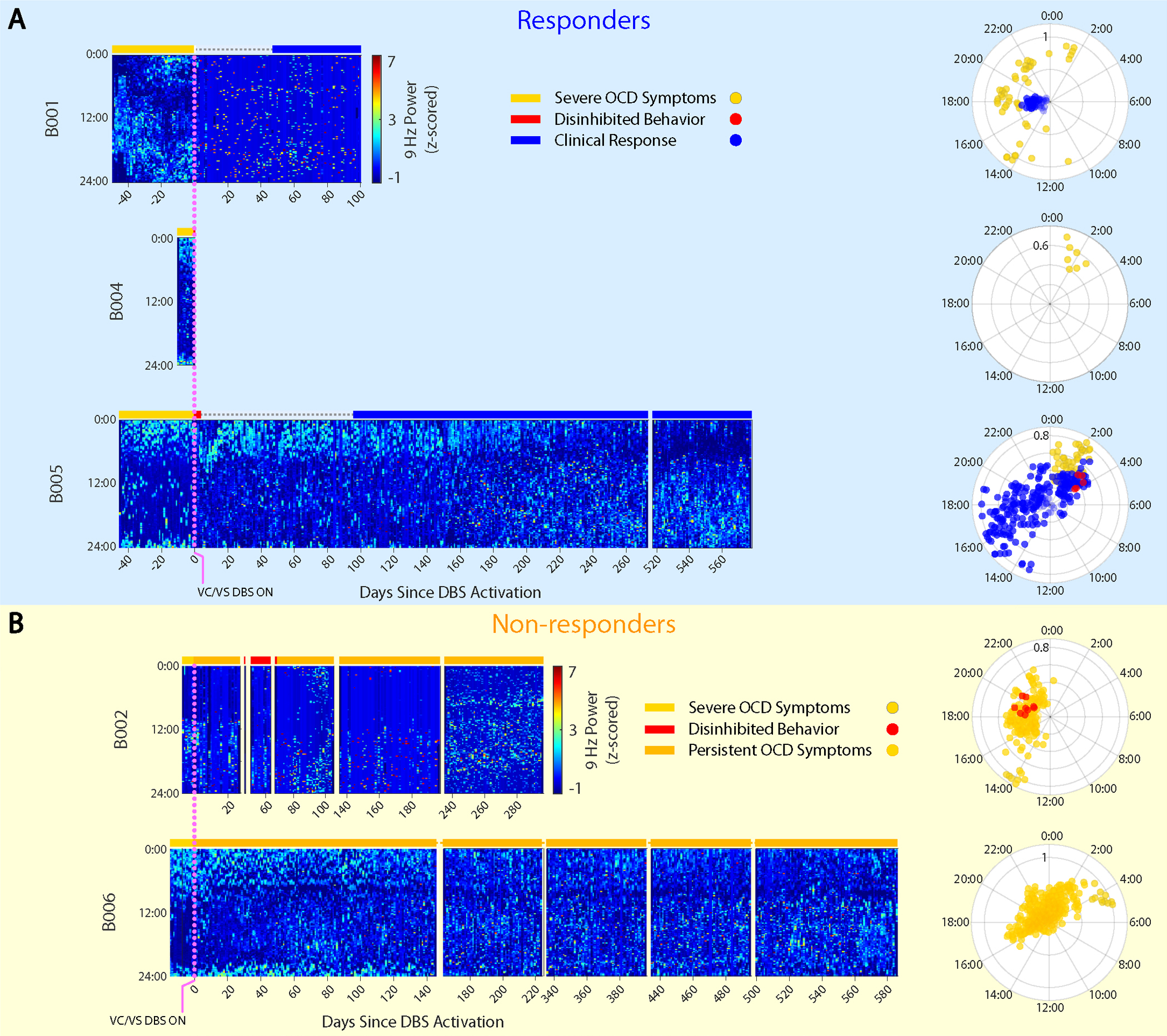
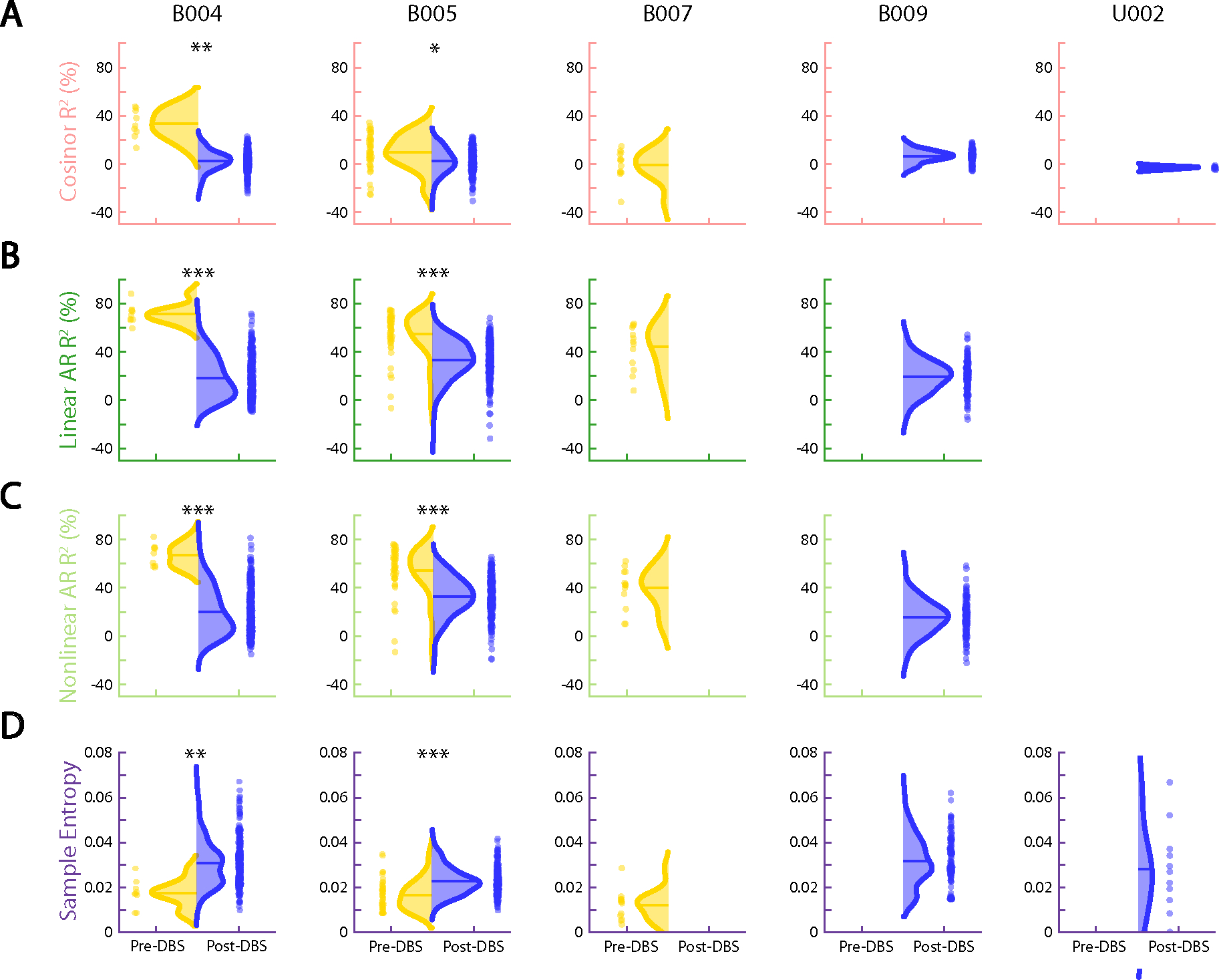
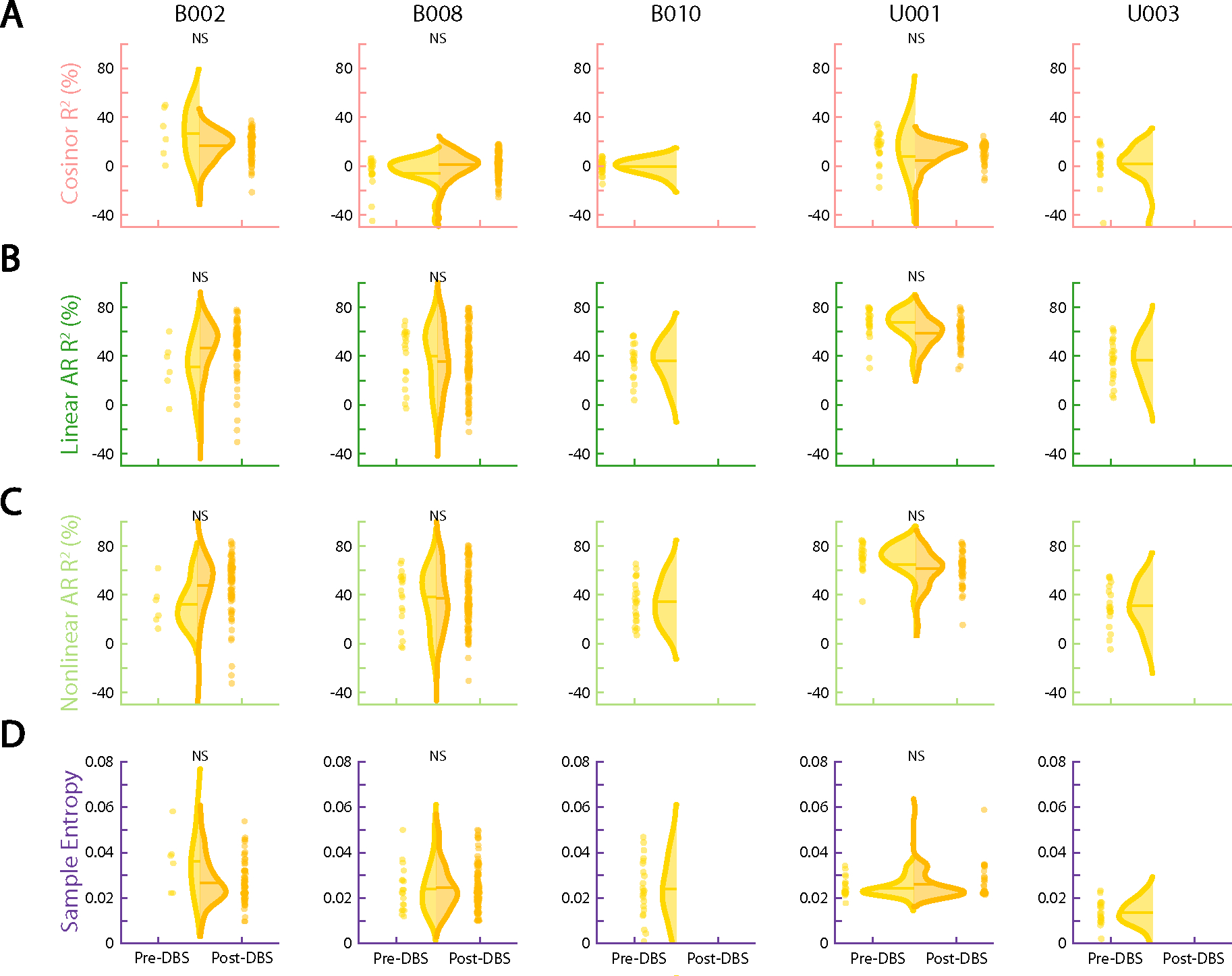
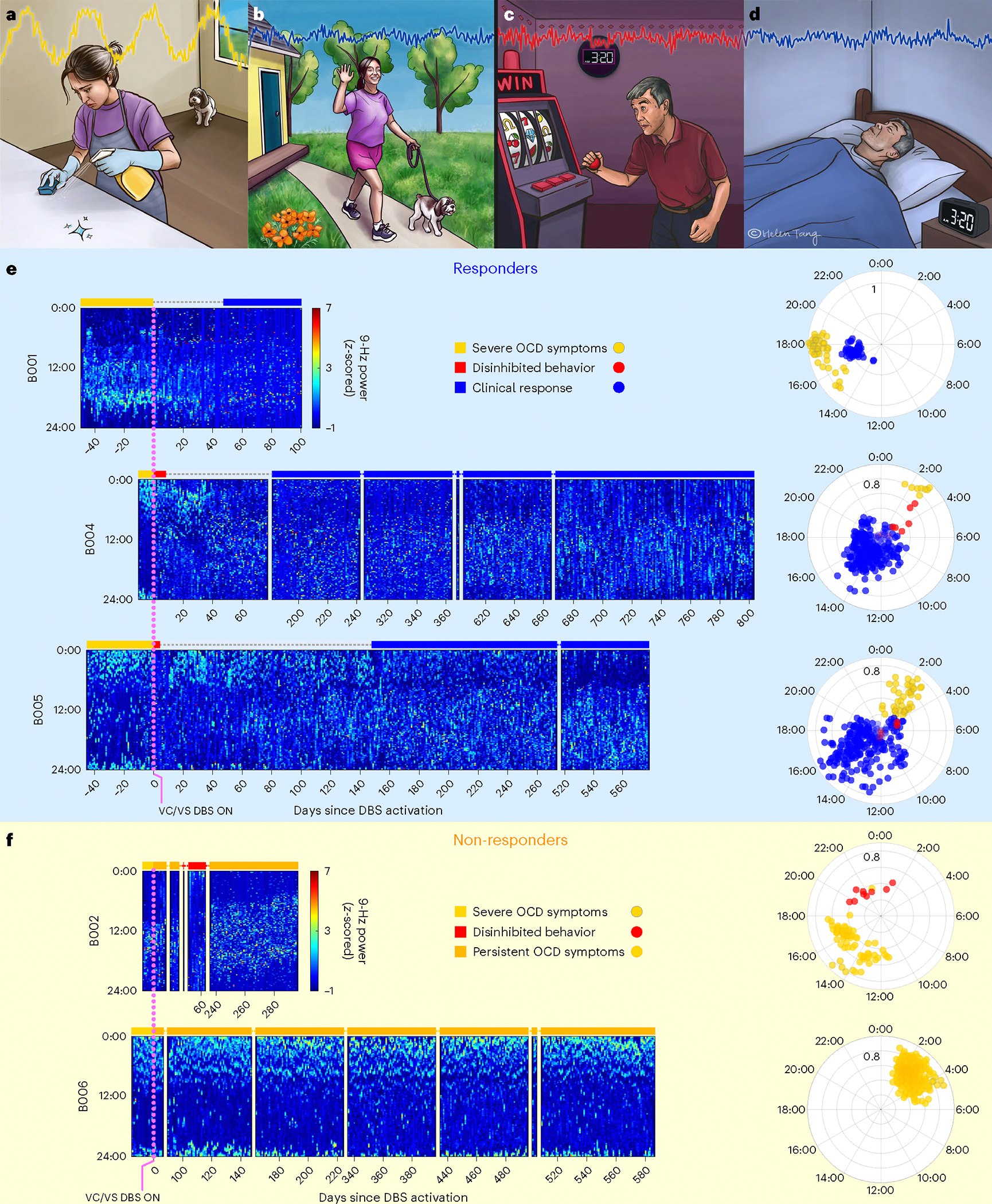
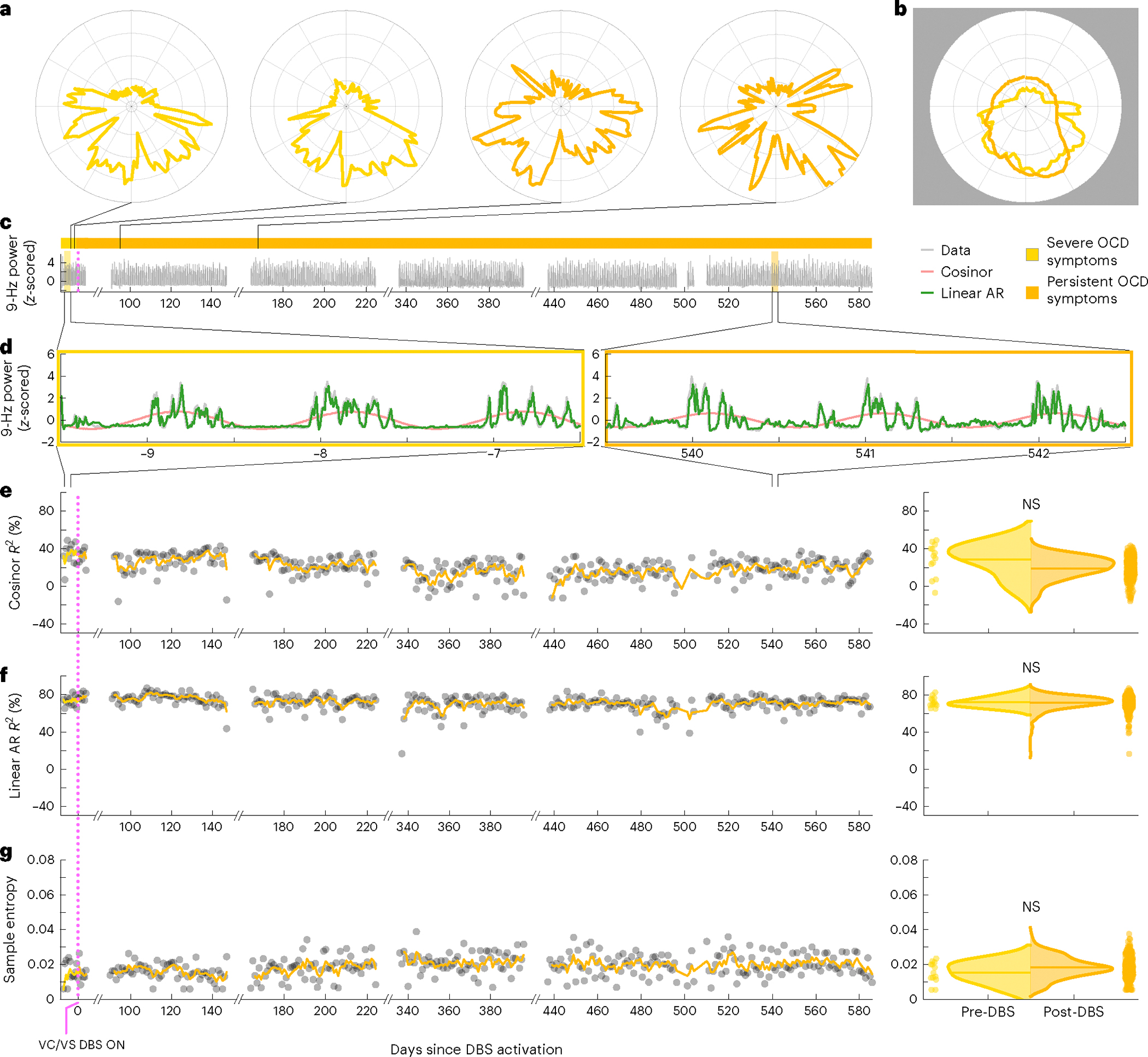
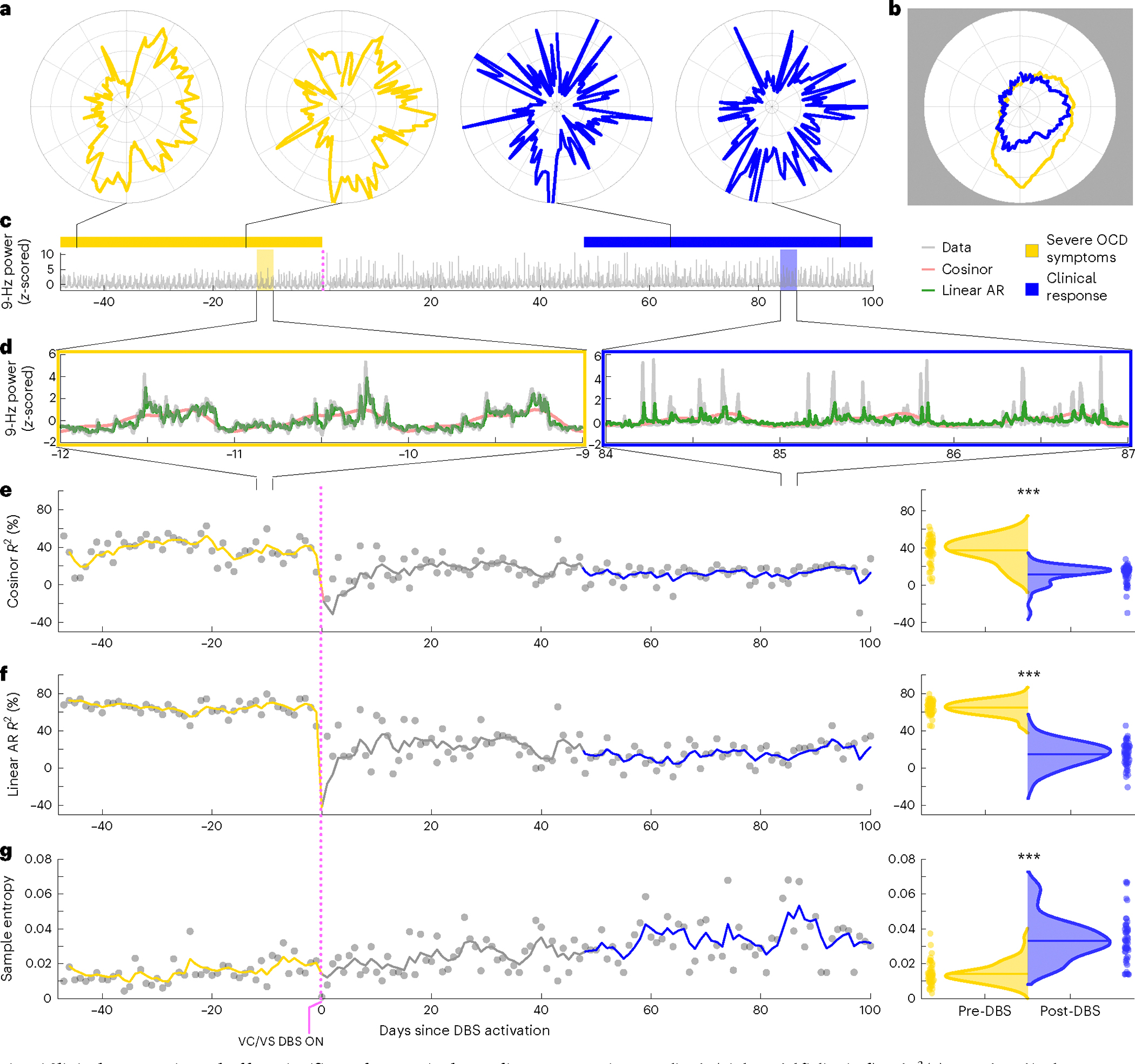
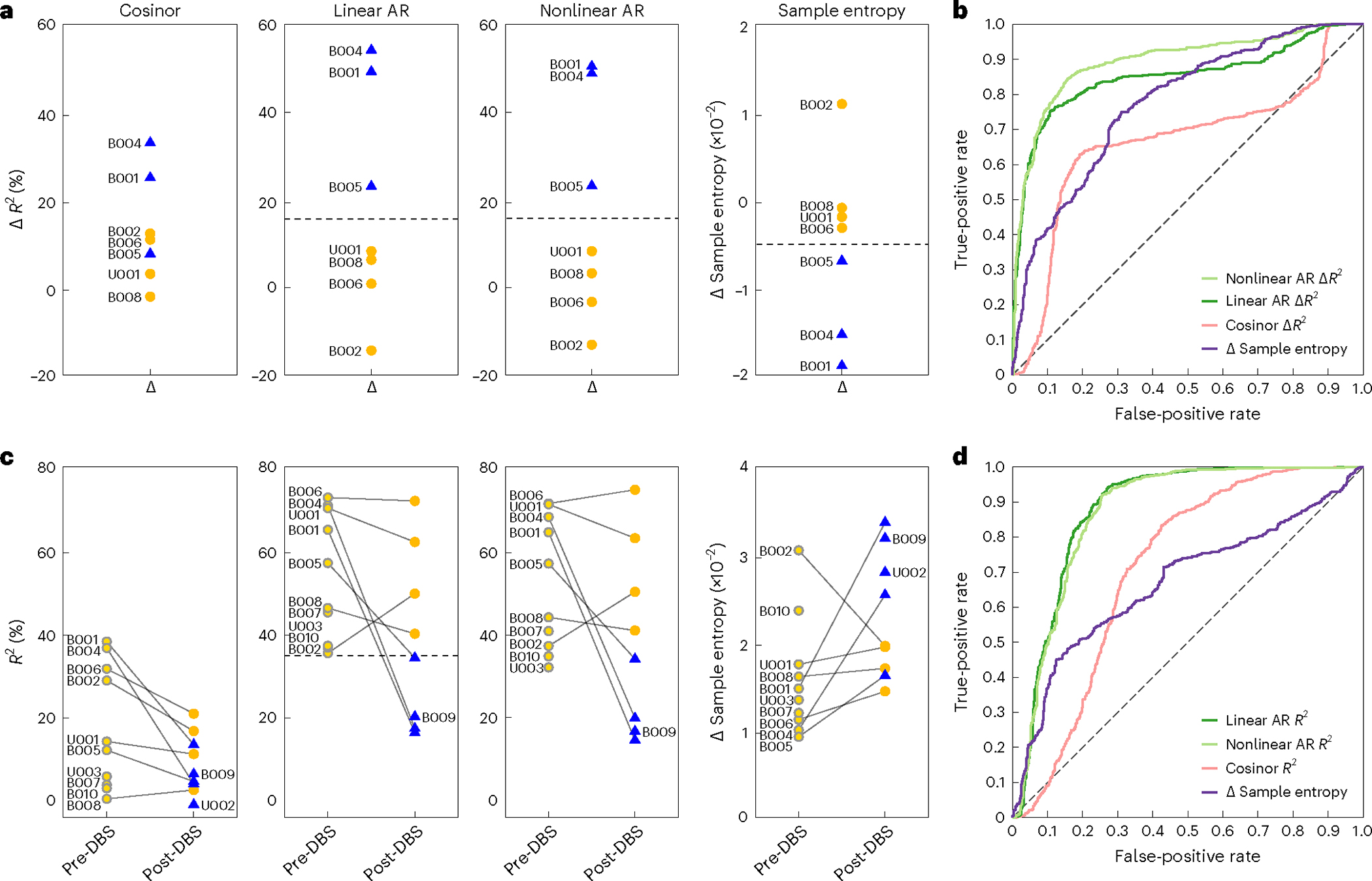
Recent advances in surgical neuromodulation have enabled chronic and continuous intracranial monitoring during everyday life. We used this opportunity to identify neural predictors of clinical state in 12 individuals with treatment-resistant obsessive-compulsive disorder (OCD) receiving deep brain stimulation (DBS) therapy (NCT05915741). We developed our neurobehavioral models based on continuous neural recordings in the region of the ventral striatum in an initial cohort of five patients and tested and validated them in a held-out cohort of seven additional patients. Before DBS activation, in the most symptomatic state, theta/alpha (9 Hz) power evidenced a prominent circadian pattern and a high degree of predictability. In patients with persistent symptoms (non-responders), predictability of the neural data remained consistently high. On the other hand, in patients who improved symptomatically (responders), predictability of the neural data was significantly diminished. This neural feature accurately classified clinical status even in patients with limited duration recordings, indicating generalizability that could facilitate therapeutic decision-making.
Overview
The claims and statistics of this paper haven’t been checked yet.
Free: it reads the open-access text and checks the first 5 claims that cite a source we can check. Create a free account to check every claim.
Integrity signals
Registry
Cites
Statistics
Figures
Verification
Claims the paper makes
The claims and statistics of this paper haven’t been checked yet.
Free: it reads the open-access text and checks the first 5 claims that cite a source we can check. Create a free account to check every claim.
Claims other papers make about this one
Each is checked against this paper’s own text: does it say what the citing paper says it does?
The source backs part of the claim, not all of it — or backs it for a different population, condition or comparison.
In the citing paper
“Recent closed-loop neuromodulation approaches, which can inform adaptation of stimulation based on real-time neural periodicity in key nodes of the CSTC circuits, such as the ventral striatum interconnected with the OFC and ACC, have been associated with clinical improvements in cognitive inflexibility-related symptoms, offering a personalized strategy to restore network balance (238).”
From Neural mechanisms underlying cognitive inflexibility in obsessive-compulsive disorder: a review (2026) · cites this paper as [238]
Experimental — accuracy not yet measured
Self-check
Percentages, sums and reported differences re-computed from the paper’s own numbers.
The self-check needs the paper’s full text.
Citations
Cites
An Integrative Theory of Prefrontal Cortex Function
Miller, E. K., & Cohen, J. D. (2001) · Annual Review of Neuroscience · doi:10.1146/annurev.neuro.24.1.167 · Cited by 12,803 · cited 1×
“Indeed, cognitive flexibility is one of the hallmark features of intelligent behavior 49 .”
Physiological time-series analysis using approximate entropy and sample entropy
Richman, J. S., & Moorman, J. R. (2000) · American Journal of Physiology-Heart and Circulatory Physiology · doi:10.1152/ajpheart.2000.278.6.h2039 · Cited by 7,880 · cited 1×
“Normalized LFP data were fitted to a sum of cosine functions using a linear regression model (equation (1)), as described by Moškon et al. (statsmodel 0.14.0) 57 .”
InfluentialThe Yale-Brown Obsessive Compulsive Scale: I. Development, Use, and Reliability
Goodman, W. K. (1989) · Archives of General Psychiatry · doi:10.1001/archpsyc.1989.01810110048007 · Cited by 7,712
Self-citationConflict monitoring and cognitive control
Botvinick, M. M., Braver, T. S., Barch, D. M., Carter, C. S., & Cohen, J. D. (2001) · Psychological Review · doi:10.1037/0033-295x.108.3.624 · Cited by 7,351 · cited 1×
“In the context of decision-making, these terms refer to the ability to identify environmental or internal factors relevant to a pending decision, ignore irrelevant factors and arrive at an optimal decision 2,3 .”
Insel, T., Cuthbert, B., Garvey, M., Heinssen, R., Pine, D. S., Quinn, K., Sanislow, C., & Wang, P. (2010) · American Journal of Psychiatry · doi:10.1176/appi.ajp.2010.09091379 · Cited by 7,067
Alpha-band oscillations, attention, and controlled access to stored information
Klimesch, W. (2012) · Trends in Cognitive Sciences · doi:10.1016/j.tics.2012.10.007 · Cited by 3,310 · cited 1×
“Our results demonstrate that 9-Hz (theta/ alpha border) VS neural activity is highly periodic in the symptomatic state.”
Hypothalamic regulation of sleep and circadian rhythms
Saper, C. B., Scammell, T. E., & Lu, J. (2005) · Nature · doi:10.1038/nature04284 · Cited by 2,804 · cited 1×
“One possibility is that the 9-Hz circadian rhythm that we observed is produced by pattern generators in the hypothalamus, as are many other such rhythms 43 .”
Frontal theta as a mechanism for cognitive control
Cavanagh, J. F., & Frank, M. J. (2014) · Trends in Cognitive Sciences · doi:10.1016/j.tics.2014.04.012 · Cited by 2,726 · cited 1×
“Low-frequency oscillations in the theta (4–8 Hz) to alpha (8–12 Hz) range play a prominent role in the large body of neuroscientific literature on cognitive control, from animal studies 23,24 to human non-invasive 25,26 and intracranial 27,28 neurophysiology.”
The Nucleus Accumbens: An Interface Between Cognition, Emotion, and Action
Floresco, S. B. (2015) · Annual Review of Psychology · doi:10.1146/annurev-psych-010213-115159 · Cited by 938 · cited 1×
“It behaved as expected in five of five responder hemispheres and in three of four non-responder hemispheres without sample size correction but in only four of five responder and in three of four non-responder hemispheres with the conservative sample size correction (Extended Data Table 4).”
Lead-DBS v2: Towards a comprehensive pipeline for deep brain stimulation imaging
Horn, A., Li, N., Dembek, T. A., Kappel, A., Boulay, C., Ewert, S., Tietze, A., Husch, A., Perera, T., Neumann, W.-J., et al. (2019) · NeuroImage · doi:10.1016/j.neuroimage.2018.08.068 · Cited by 739 · cited 1×
“All procedures were approved by the local institutional review board (IRB) at Baylor College of Medicine (BCM; IRB H-48392) and the University of Utah (IRB_00169174).”
Cited by
From adaptive deep brain stimulation to adaptive circuit targeting
Horn, A., & Neumann, W. (2025) · Nature Reviews Neurology · doi:10.1038/s41582-025-01131-5 · Cited by 53
“…field potential recordings, for example, theta and delta activity fluctuations in the ventral capsule or ventral striatum and subthalamic nucleus 32,128 Symptom-specific treatment-response circuit defined 87,134–136 Tract-based targeting and reprogramming performed in individual patients 89…”
Deep Brain Stimulation Response Circuits in Obsessive-Compulsive Disorder
Horn, A., Li, N., Meyer, G. M., Gadot, R., Provenza, N. R., & Sheth, S. A. (2025) · Biological Psychiatry · doi:10.1016/j.biopsych.2025.03.008 · Cited by 30
Self-citationIntracranial directed connectivity links subregions of the prefrontal cortex to major depression
Myers, J. C., Xiao, J., Mathura, R. K., Shofty, B., Gates, V., Adkinson, J., Allawala, A. B., Anand, A., Gadot, R., Najera, R. A., et al. (2025) · Nature Communications · doi:10.1038/s41467-025-61487-6 · Cited by 19
“Such “ clinician in the loop ” strategies have recently been suggested 125 .”
Self-citationWhat can neuroimaging of neuromodulation reveal about the basis of circuit therapies for psychiatry?
Fujimoto, S., Fujimoto, A., Elorette, C., Choi, K. S., Mayberg, H. S., Russ, B. E., & Rudebeck, P. H. (2024) · Neuropsychopharmacology · doi:10.1038/s41386-024-01976-2 · Cited by 13
Status dystonicus is a distinct state characterized by pallidal beta-band activity
Balachandar, A., Vogt, L. M., Mithani, K., Coleman, S. C., Ebden, M., LeBlanc‐Millar, A., Breitbart, S. C., Fasano, A. A., Gorodetsky, C., & Ibrahim, G. M. (2025) · Nature Communications · doi:10.1038/s41467-025-64416-9 · Cited by 14
Lee, A. M., Kist, A., Alvarez, J., Sellers, K. K., Khambhati, A. N., Sugrue, L. P., Reid, L. B., KADLEC, K. H., Ray, S., Fan, J. M., et al. (2025) · Translational Psychiatry · doi:10.1038/s41398-025-03690-z · Cited by 13
Towards Adaptive Deep Brain Stimulation for Non‐Motor Symptoms in Parkinson's Disease?
Swinnen, B. E. K. S., Hoy, C. W., & Little, S. J. (2025) · Movement Disorders · doi:10.1002/mds.30212 · Cited by 9
“…where stimulation is more likely to induce hypomania (Table S2; Chen et al. 203 ), STN theta is decreased in patients with depressed mood, 183 and theta periodicity tracks response to DBS of reward circuitry in obsessive – compulsive disorder (OCD), 204 which coincides with mood improvements.”
Naze, S., Hearne, L. J., Sanz‐Leon, P., Robinson, C., Hall, C. V., Sonkusare, S., Burgher, B., Zalesky, A., Roberts, J. A., & Cocchi, L. (2025) · Nature Communications · doi:10.1038/s41467-025-62190-2 · Cited by 12
“In line with preclinical 4,5 and neuro-surgical studies 6 – 9 , neuroimaging work has shown increased resting-state functional connectivity between the ventral striatum and the medial prefrontal cortex and reduced connectivity between the dorsal striatum and the lateral prefrontal cortex in OCD…”
Kabotyanski, K. E., Provenza, N. R., & Sheth, S. A. (2025) · Biological Psychiatry · doi:10.1016/j.biopsych.2025.10.005 · Cited by 7
Self-citationRewiring the OCD brain: Insights beyond cortico-striatal networks
Jijimon, F., Mehak, S. F., Mohammed, Z., Praharaj, S. K., & Gangadharan, G. (2025) · Neurobiology of Disease · doi:10.1016/j.nbd.2025.107216 · Cited by 8
Hippocampus serves as a repository for spoken and heard word meanings during conversationsPreprint
Chavez, A. G., Yan, X., Franch, M. C., Mickiewicz, E. A., Baltazar, W., Belanger, J. L., Devara, D., Etta, M., Hamre, T., Ismail, T., et al. (2025) · bioRxiv (Cold Spring Harbor Laboratory) · doi:10.1101/2025.09.20.677504 · Cited by 8
Self-citationSheth, S. A., Provenza, N. R., Soubra, S. S., Hamre, T. A., Shofty, B., Banks, G. P., Giridharan, N., Momin, F., Vogt, G. S., McKay, S. A., et al. (2026) · medRxiv · doi:10.64898/2026.04.24.26351318 · Cited by 6
Self-citationFra̧czek, T. M., Zhou, Y., Kutcher, T. P., Bechtold, R. A., Chamarthi, S., Vanegas‐Arroyave, N., Goodman, W. K., Sheth, S. A., Herron, J. A., & Provenza, N. R. (2025) · Annual International Conference of the IEEE Engineering in Medicine and Biology Society (EMBC) · doi:10.1109/embc58623.2025.11252732 · Cited by 4
“In the field of psychiatric DBS, the need for robust at-home monitoring of the patients is arguably even more pressing [15-17].”
Self-citationPallidal beta power is associated with depression in Parkinson’s disease
Johnson, K. A., Coutinho, P. B., Kenney, L. E., Wong, J. K., Hilliard, J. D., Foote, K. D., Bowers, D., Pontone, G. M., & de Hemptinne, C. (2026) · npj Parkinson s Disease · doi:10.1038/s41531-026-01264-4 · Cited by 4
Martinez-Nunez, A. E., Rozell, C. J., Little, S. J., Tan, H., Schmidt, S. L., Grill, W. M., Pajić, M., Turner, D. A., de Hemptinne, C., Machado, A. G., et al. (2025) · Frontiers in Human Neuroscience · doi:10.3389/fnhum.2025.1544994 · Cited by 6
Is Psychiatry Ready for Closed-Loop Invasive Neuromodulation?
Sheth, S. A., Rolston, J. D., Goodman, W. K., & Provenza, N. R. (2025) · JAMA Psychiatry · doi:10.1001/jamapsychiatry.2025.2710 · Cited by 5
Self-citationA semantotopic map in human hippocampusPreprint
Mickiewicz, E. A., Franch, M. C., Katlowitz, K. A., Chavez, A. G., Zhu, H., Chericoni, A., Yan, X., Belanger, J. L., Ismail, T., Paulo, D. L., et al. (2025) · bioRxiv (Cold Spring Harbor Laboratory) · doi:10.1101/2025.10.31.685959 · Cited by 6
Self-citationA geometric foundation for word meaning in the brainPreprint
Zhu, H., Franch, M. C., Mickiewicz, E. A., Belanger, J. L., Cowan, R. L., Katlowitz, K. A., Chavez, A. G. L., Chericoni, A., Paulo, D. L., Yan, X., et al. (2026) · bioRxiv (Cold Spring Harbor Laboratory) · doi:10.64898/2026.01.28.702241 · Cited by 8
Self-citationHanish, R. R., Kutcher, T. P., Frączek, T. M., Bechtold, R. A., Zhou, J., Chamarthi, S., Reyes, G., Libowitz, M. R., Shofty, B., Mickey, B. J., et al. (2025) · International IEEE/EMBS Conference on Neural Engineering · doi:10.1109/ner61569.2025.11588972 · Cited by 4
“The ability to study the human brain in ethologically valid contexts has enabled the discovery of neural biomarkers relevant for various psychiatric and neurological disorders [1]–[4].”
InfluentialSelf-citationAltered Striatal Functional Gradients in Obsessive-Compulsive Disorder
Webb, L., Hearne, L. J., Tian, Y., Zalesky, A., Robinson, C., Hall, C. V., Sonkusare, S., Burgher, B., Breakspear, M. J., Meyer, G. M., et al. (2025) · Biological Psychiatry Cognitive Neuroscience and Neuroimaging · doi:10.1016/j.bpsc.2025.07.006 · Cited by 5
Analysis of aperiodic activity in obsessive-compulsive disorder and major depression
Zhang, H., Najafabadi, A. J., Bagh, K., Colzato, L. S., & Hommel, B. (2025) · Scientific Reports · doi:10.1038/s41598-025-24328-6 · Cited by 3
“While a recent study focused on the predictability of theta/alpha power during deep brain stimulation, its results echo what the aperiodic exponent captures: E/I ratio 50 .”
Kostick, K. M., Hurley, M. E., Ayaz, S., Herrington, J. D., Zampella, C., Parish‐Morris, J., Tunç, B., Lázaro‐Muñoz, G., Blumenthal‐Barby, J., & Storch, E. A. (2025) · JMIR Mental Health · doi:10.2196/79182 · Cited by 6
“Less often, they may involve implantable systems that continuously monitor physiological [22,23] or neural activity [24].”
Self-citationFrom lobotomy to connectomics: a critical review of contemporary psychosurgery
González, V., Rumià, J., Brell, M., Roset, C., de Miguel, J., Arboleya, S., Aguirre, I., Alegre, D., Goliney, V. G., & Ibáñez, J. (2026) · Frontiers in Psychiatry · doi:10.3389/fpsyt.2026.1785333 · Cited by 3
“An illustrative example is the description of a robust ~9 Hz circadian rhythm in the ventral striatum of patients with OCD, which persists in non-responders but is markedly disrupted in responders after stimulation onset (216).”
Münte, T. F., Marco‐Pallarés, J., Heldmann, M., Bolat, S., Saryyeva, A., Müller‐Vahl, K., & Krauss, J. K. (2025) · Neuroscience · doi:10.1016/j.neuroscience.2025.06.065 · Cited by 2
Zhu, R., Tian, Y., Jiang, L., Qu, M., Wang, D., & Zhang, X. (2025) · Journal of Affective Disorders · doi:10.1016/j.jad.2025.120392 · Cited by 1
Liu, T. B.-L., Hasen, M., Paulo, D. L., Katlowitz, K. A., Kabotyanski, K. E., Gandhi, A. D., Naqvi, Z. U., Bentley, J. H., Mansourian, K. A., Devara, D., et al. (2025) · Neurosurgery · doi:10.1227/neu.0000000000003854 · Cited by 2
Self-citationNeurobiological correlates of obsessive‐compulsive disorder (OCD): A narrative review
Giulio, P., & Liberati, A. S. (2026) · Ibrain · doi:10.1002/ibra.70013 · Cited by 1
“15”
Chiu, J. Z.-Y., Yap, Y. H. Y., & Tan, S.-H. (2026) · The International Journal of Psychiatry in Medicine · doi:10.1177/00912174261435019 · Cited by 1
Koeglsperger, T., Scherer, M., Kühn, A. A., Eusébio, A., Fasano, A. A., & Krauss, J. K. (2026) · Movement Disorders · doi:10.1002/mds.70284 · Cited by 1
“20,21 While research is also extending to other movement and psychiatric disorders, 22-28 we focus here on key gaps and controversies in aDBS for PD, the most common DBS indication.”
Neumann, W., & Darmani, G. (2026) · Clinical Neurophysiology Practice · doi:10.1016/j.cnp.2026.03.008 · Cited by 1
Gouveia, F. V., Elias, G. J. B., Wong, E. H. Y., Yang, A., Beyn, M. E., Mesich, A., Omere, U., Iskin, S. A., Bai, Y., Hu, C., et al. (2026) · Nature Mental Health · doi:10.1038/s44220-026-00586-9 · Cited by 1
Zhang, W., Wu, X., Tang, C., Sang, W., Ye, Y., Gan, H., Chen, T., Yuan, T.-F., Zhai, R., Jiang, H., et al. (2026) · Neuroscience Bulletin · doi:10.1007/s12264-026-01673-8 · Cited by 2
NAcLat-DBS reduces GABAB expression of dopamine neurons to correct depressive symptoms in CMS mice
Jing, J., Yuan, C., Li, X., & Fan, H. (2026) · Neurotherapeutics · doi:10.1016/j.neurot.2026.e01039 · Cited by 1
“DBS of the nucleus accumbens (NAc), more than a month, has been approved for obsessive compulsive disorder (OCD) [22] and has shown efficacy in alleviating anhedonia, anxiety and refractory depression [23].”
Characterization of beat frequency artifacts in dual-device deep brain stimulationPreprint
Diab, N., Chamarthi, S., Presbrey, K. N., Cernera, S., Rajesh, S. V., Bechtold, R. A., Giridharan, N., Banks, G. P., Storch, E. A., Wang, D. D., et al. (2025) · medRxiv · doi:10.1101/2025.10.11.25337803 · Cited by 1
Self-citationMerk, T., Katlowitz, K. A., Liu, T. B.-L., Reddy, S. D., Allam, A. K., Bentley, J. H., Mansourian, K. A., Soubra, S. S., Hamre, T. A., Hanish, R. R., et al. (2025) · medRxiv · doi:10.1101/2025.10.09.25337425 · Cited by 2
Self-citationA clinical grade neurostimulation implant for hierarchical control of physiological activityPreprint
Benjaber, M., Zamora, M., Toth, R., Fleming, J. E., Landin, K., Marks, V. S., Crockett, R. A., Ryou, J.-W., Deli, A., Green, A. L., et al. (2025) · bioRxiv (Cold Spring Harbor Laboratory) · doi:10.1101/2025.10.21.683630 · Cited by 5
A Multi-Symptom Circuit Architecture of Obsessive–Compulsive DisorderPreprint
Hollunder, B., Meyer, G. M., Li, N., Reinhardt, P., Sahin, I. A., Rajamani, N., Pijar, J., Nombela, C., Mosley, P. E., Acevedo, N., et al. (2025) · medRxiv · doi:10.64898/2025.12.14.25342121 · Cited by 3
Self-citationNeural signatures of impaired semantic contextualization in Autism Spectrum DisorderPreprint
Franch, M. C., Katlowitz, K. A., Mickiewicz, E. A., Belanger, J. L., Mathura, R. K., Zhu, H., Yan, X., Ismail, T., Chavez, A. G., Chericoni, A., et al. (2026) · bioRxiv (Cold Spring Harbor Laboratory) · doi:10.64898/2026.03.16.712048 · Cited by 1
Self-citationVissani, M., Tafreshi, A., Neudorfer, C., Nanda, P., Bush, A., Babapoor-Farrokhran, S., Horn, A., Camprodon, J. A., Dougherty, D. D., Cusin, C., et al. (2026) · Research Square · doi:10.21203/rs.3.rs-9316385/v1 · Cited by 2
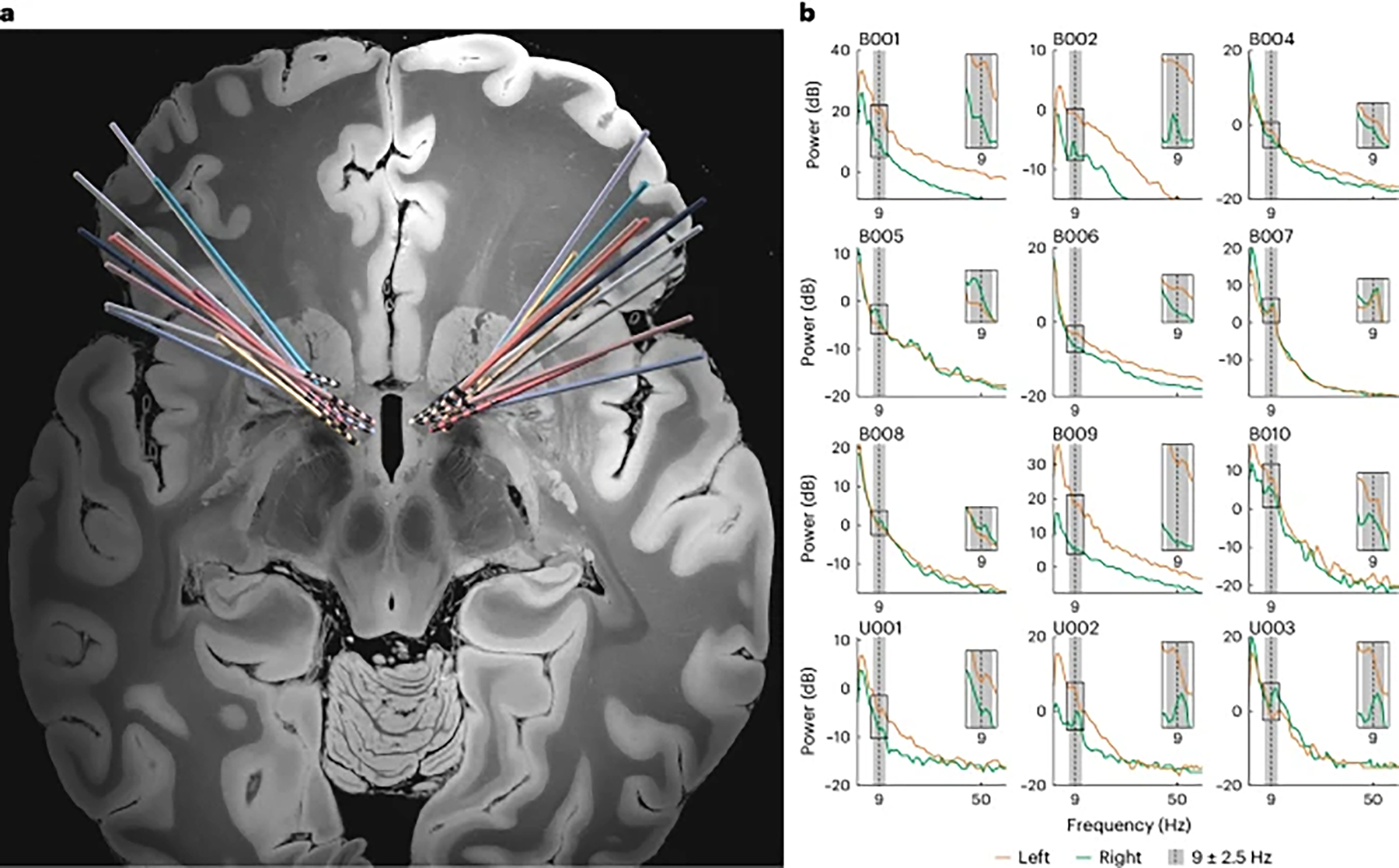
“Using spectral parameterization, we identified ubiquitous oscillatory activity in the alpha range around 8 Hz and 12 Hz in VC/VS recordings, as similarly reported in 19,20 .”
Fitoz, E. C., Alagapan, S., Cha, J., Choi, K. S., Figee, M., Kopell, B. H., Obatusin, M., Heisig, S., Nauvel, T., Razavilar, A., et al. (2026) · medRxiv · doi:10.64898/2026.04.13.26350107 · Cited by 3
Neural mechanisms underlying cognitive inflexibility in obsessive-compulsive disorder: a review
Guo, W., Neo, P. S.-H., & McNaughton, N. (2026) · Frontiers in Psychiatry · doi:10.3389/fpsyt.2026.1795436
Das, S., & Bentley, J. N. (2025) · Journal of neurosurgery · doi:10.3171/2024.9.jns241710
Lee, A. M., Kist, A., Alvarez, J., Sellers, K. K., Khambhati, A. N., Sugrue, L. P., Reid, L. B., KADLEC, K. H., Fan, J. M., Allawala, A. B., et al. (2025) · medRxiv · doi:10.1101/2025.03.14.25323348
Intracranial Stimulation in Epilepsy as a Novel Approach for Mapping Psychiatric CircuitsPreprint
Sun, H., Li, N., Granados, A., Chowdhury, F. A., Diehl, B., Akram, H., Visser-Vandewalle, V. E. R. M., Strange, B. A., Barcia, J. A., Polosan, M., et al. (2025) · medRxiv · doi:10.1101/2025.06.28.25330302
Mattar, L. S., Shah, S., Chamakura, L., Oswalt, D. N., Zhang, Y., Devara, D., Kang, J. U., Jourahmad, Z., Jafri, R., Liu, G., et al. (2025) · NeuroImage · doi:10.1016/j.neuroimage.2025.121507 · Cited by 3
“…the effect of the provocative images, thus bringing the subject’s neural activity closer to a healthy state, similar to how DBS regulates the occurrence of aberrant communication in neuropsychiatric conditions (Horn et al., 2019; Neumann et al., 2023; Provenza et al., 2024; Reddy et al., 2024).”
Self-citationThe neural basis of emotional generalization in empathyPreprint
Xiao, J., Allawala, A. B., Adkinson, J. A., Fan, X., Franch, M. C., Gates, V., Mathura, R. K., Mocchi, M. M., Myers, J., Pascuzzi, B., et al. (2025) · bioRxiv (Cold Spring Harbor Laboratory) · doi:10.1101/2025.10.18.683207 · Cited by 2
“Detailed methodologies have been outlined elsewhere (Sheth et al., 2022; Xiao et al., 2023, 2024; Provenza et al., 2024 and 2025; Katlowitz et al., 2025).”
Self-citationAmilibia, M. A., Bechtold, R. A., Zhou, Y., Goodman, W. K., Sheth, S. A., Herron, J. A., & Provenza, N. R. (2025) · NeuroTarget · doi:10.47924/neurotarget2025494
Self-citationNAcLat-DBS reduces GABAB1R expression of dopamine neurons to correct depressive symptoms in CMS micePreprint
jing, J., Chao, Y., Xia, L., & Hao, F. (2026) · Research Square · doi:10.21203/rs.3.rs-8315922/v1
Proceedings of the 13th annual deep brain stimulation think tank: the evolving landscape
Fleeting, C. R., Moraud, E. M., Uǧurbil, K., Wang, D. D., Neumann, W., Kühn, A. A., Voon, V., Pikov, V., Welter, M., Fox, M., et al. (2026) · Frontiers in Human Neuroscience · doi:10.3389/fnhum.2026.1770451 · Cited by 2
Davis, R. A., Hemendinger, E., Fenstermacher, E. A., Duffy, K. A., & Thompson, J. A. (2026) · Biomedical Physics & Engineering Express · doi:10.1088/2057-1976/ae5ca8
Temporal state-space model for forecasting slow-wave EEG power in non-human primates
Jiang, R., Murphy, M. D., Low, J., Weber, D. J., & Griffin, D. M. (2026) · Journal of Neural Engineering · doi:10.1088/1741-2552/ae62a9
Neural basis of successful DBS for OCD after failed capsulotomyPreprint
Ryan, M. A., Jammal, R. E., Soubra, S. S., Paulo, D. F., Bentley, J. H., Hamre, T. A., Giridharan, N., Suzuki, H., Arroyave, N. V., Storch, E. A., et al. (2026) · medRxiv · doi:10.64898/2026.06.08.26355178 · Cited by 1
Self-citationAdaptive brain stimulation 2.0 for Parkinsonian gait
Balachandar, A., & Fasano, A. A. (2026) · Nature Medicine · doi:10.1038/s41591-026-04489-1
Estimation of neuronal tuning for word meaning from passively recorded naturalistic speechPreprint
Ismail, T., Chavez, A. G., Yan, X., Zhu, H., Franch, M. C., Belanger, J. L., Chamarthi, S., Kabotyanski, K. E., Katlowitz, K. A., Chericoni, A., et al. (2026) · bioRxiv (Cold Spring Harbor Laboratory) · doi:10.64898/2026.06.23.733980
“Overall general methods for this study are found in our prior published work (Provenza et al., 2024).”
Self-citationMansourian, K. A., Frączek, T. M., Kutcher, T. P., Bentley, J. H., Hamre, T. A., Soubra, S. S., Merk, T., Bechtold, R. A., Goodman, W. K., Herron, J. A., et al. (2025) · International IEEE/EMBS Conference on Neural Engineering · doi:10.1109/ner61569.2025.11588936
“In contrast to movement disorders, symptoms in psychiatric disorders can vary significantly over time and across contexts [12-14].”
Self-citationMerk, T., Salehi, S., Köhler, R. M., Cui, Q., Olaru, M., Hahn, A., Provenza, N. R., Little, S. J., Abbasi-Asl, R., Starr, P. A., et al. (2025) · International IEEE/EMBS Conference on Neural Engineering · doi:10.1109/ner61569.2025.11588920 · Cited by 2
“This architectural component was motivated by several recent findings that showed clear oscillatory patterns related to circadian rhythms [7], [8].”
Self-citationLauro, P. M., Palmer, C. F., Nambiar, M. M., Muller, U., Qiu, L., Halpern, C. H., & Scangos, K. W. (2026) · Frontiers in Psychiatry · doi:10.3389/fpsyt.2026.1828620
“Advances in characterizing psychiatric symptoms with neuroimaging (20) and electrophysiology (21) suggest a shift towards mapping symptoms to circuits rather than targets (4, 22).”
Next-Generation Neuromodulation for Anxiety: Circuit-Based and Personalized Approaches
O’Rourke, C. M., Selheimer, R. L., Halpern, C. H., & Oathes, D. J. (2026) · Current Psychiatry Reports · doi:10.1007/s11920-026-01702-3
Hamre, T. A., Kutcher, T., Hanish, R. R., Soubra, S. S., Bentley, H., Mansourian, K. A., Nitcheu, G. L. T., Belavadi, V., Chamarthi, S., Jourahmad, Z., et al. (2026) · medRxiv · doi:10.64898/2026.07.20.26357997 · Cited by 1
Self-citationJohnson, K. A., Provenza, N. R., Schwartz, S. E. R., Yu, J., Merner, A. R., Neumann, W., Sheth, S. A., Wong, J. K., Okun, M. S., & Frankowski, M. (2026) · Frontiers in Human Neuroscience · doi:10.3389/fnhum.2026.1851931
“Ideally, research activities, including both neural and behavioral data collection, would be continuously ongoing in the background of everyday life activities (Cagle et al., 2024; Fan et al., 2024; Provenza et al., 2024).”
Self-citation(2026) · Elsevier eBooks · doi:10.1016/b978-0-443-27446-6.00019-4
Neurobiology-informed treatment approaches for obsessive–compulsive disorder
Kawtharani, S., Shouman, W. A., Issa, D. A., Nitturi, V., Giridharan, N., Paulo, D. L., Merk, T., Provenza, N. R., Storch, E. A., Goodman, W. K., et al. (2026) · Elsevier eBooks · doi:10.1016/b978-0-443-27446-6.00007-8
Self-citationDistinct neural representations encode psychiatric states across timescalesPreprint
Provenza, N. R., Merk, T., Bezold, G., Hingorani, R., Wiese, A. D., Robinson, B. S., Yi, H., Altman, J., Rajesh, S., Gobo, T., et al. (2026) · Research Square · doi:10.64898/2026.07.30.26359255
Self-citationDigital Markers for Passive Remote Monitoring of Bipolar Disorder: Systematic Review
Kutcher, T. P., Chakraborty, I., Kostick, K. M., Sano, A., Moukaddam, N. J., Herron, J. A., Goodman, W. K., Sheth, S. A., Sabharwal, A., & Provenza, N. R. (2026) · JMIR Mental Health · doi:10.2196/94819 · Cited by 2
“…emerging biochemical and physiological sensors, including skin patches that sample biochemical signals such as stress hormones or inflammatory markers [83], and recording-capable neuromodulation devices like deep brain stimulation systems used in treatment-resistant psychiatric patients [79,84].”
Self-citationMultiday rhythms shape mood dynamics in depressionPreprint
Sekar, N. P., Fan, J. M., Sellers, K. K., Maya, D. A., Tremblay-McGaw, A. G., Becker, N., Berre, A. L., Allawala, A. B., Hamlat, E. J., Sugrue, L. P., et al. (2026) · medRxiv · doi:10.64898/2026.08.25.26361076
Zhou, J., Hanish, R. R., Merk, T., Bao, R., Soubra, S. S., Allam, A. K., Reddy, S. D., Gates, V. R., Allam, V., Libowitz, M. R., et al. (2026) · medRxiv · doi:10.64898/2026.09.18.26363320
Self-citationImtiaz, Z., Kopell, B. H., Olson, S., Sáez, I., Song, H. N., Mayberg, H. S., Choi, K. S., Waters, A. C., Figee, M., & Smith, A. H. (2026) · Neuromodulation Technology at the Neural Interface · doi:10.1016/j.neurom.2026.09.006 · Cited by 1
Seilheimer, R. L., Vardalakis, N., Choi, W. B., Qiu, L., Campos, G., Nho, Y., Chen, H., Shuvaev, S., Noecker, A. M., Chang, A., et al. (2026) · medRxiv · doi:10.64898/2026.10.19.26365556
Metadata
- Authors
- Provenza, N. R., Reddy, S., Allam, A. K., Rajesh, S. V., Diab, N., Reyes, G., Caston, R. M., Katlowitz, K. A., Gandhi, A. D., Bechtold, R. A., Dang, H. Q., Najera, R. A., Giridharan, N., Kabotyanski, K. E., Momin, F., Hasen, M., Banks, G. P., Mickey, B. J., Kious, B. M., Shofty, B., Hayden, B. Y., Herron, J. A., Storch, E. A., Patel, A. B., Goodman, W. K., & Sheth, S. A.
- Affiliations
- Baylor College of Medicine (US)
- University of Utah (US)
- University of Washington (US)
- Corresponding author
- Sheth, Sameer A.
- ORCID
- Provenza, Nicole R.
- Allam, Anthony K.
- Rajesh, Sameer V.
- Diab, Nabeel
- Reyes, Gabriel
- Caston, Rose M.
- Katlowitz, Kalman A.
- Dang, Huy Q.
- Najera, Ricardo A.
- Giridharan, Nisha
- Kabotyanski, Katherine E.
- Banks, Garrett P.
- Mickey, Brian J.
- Kious, Brent M.
- Shofty, Ben
- Hayden, Benjamin Y.
- Herron, Jeffrey A.
- Storch, Eric A.
- Goodman, Wayne K.
- Sheth, Sameer A.
- Venue
- Nature Medicine
- Published
- 2024-07-12
- Volume
- 30
- Issue
- 10
- Pages
- 3004-3014
- ISSN
- 1078-8956 (ISSN-L)
- 1546-170X
- PMC
- PMC11485242
- OpenAlex
- W4400588660
- Cited by
- 68
- References
- 59
- Citations by year
- 2026: 34 · 2025: 33 · 2024: 1
- FWCI
- 34.09
- Type
- journal article
- Language
- en
- Update notices
- correction (2025-03-26)
- Open access
- hybrid
- doi.org
- Licence
- cc-by
- creativecommons.org/licenses/by/4.0 (tdm)
- creativecommons.org/licenses/by/4.0 (vor)
- Locations
- Nature Medicine (publishedVersion, cc-by)
- PubMed Central (publishedVersion, cc-by)
- PubMed (publishedVersion)
- Digital Commons-TMC (Texas Medical Center) (submittedVersion)
- Funders
- U.S. Department of Health & Human Services | NIH | National Institute of Neurological Disorders and Stroke (UH3NS100549)
- Robert and Janice McNair Foundation
- Topics
- Social Sciences › Psychology › Clinical Psychology › Obsessive-Compulsive Spectrum Disorders
- Health Sciences › Medicine › Clinical Neurology › Deep Brain Stimulation and Movement Disorders
- Life Sciences › Neuroscience › Neurology › Vagus Nerve Stimulation Research
- Keywords
- obsessive-compulsive disorder, deep brain stimulation, treatment-resistant OCD, ventral striatum, circadian rhythm, clinical response prediction, neuromodulation
- MeSH terms
- Adult, Female, Humans, Male, Middle Aged, Obsessive-Compulsive Disorder, Periodicity, Treatment Outcome, Deep Brain Stimulation, Ventral Striatum
About these checks
Registry, retraction, Cites and statistics results are computed, not judged, with one exception: a printed reference that no index lists is read once by a model before it counts as a citation error. Claims are extracted by a model and kept only when their quote appears verbatim in the text; each cited source is then checked, with a model’s help, for whether it says what the claim relies on. Those verdicts can be wrong — read the claim’s quote and the cited source before relying on one.
Statistics and arithmetic are recomputed, not judged.
Confidence bands are shown only for fields calibrated on our annotated test set. None is calibrated yet, so no band is shown.
What counts as a claim ›How we measure confidence ›How we check this ›
Are you an author, or do you see a problem with this page? Request a review
Data sources
Bibliographic data: Semantic Scholar, OpenAlex, Crossref.
Contains information from the Semantic Scholar Academic Graph Datasets, made available under the ODC Attribution License (ODC-BY 1.0).
Semantic Scholar’s data is described in: Kinney, R., et al. (2023). The Semantic Scholar Open Data Platform. arXiv:2301.10140.
