

Effects of semaglutide with and without concomitant SGLT2 inhibitor use in participants with type 2 diabetes and chronic kidney disease in the FLOW trial
Open accessThe DOI matches its Crossref record; 24 of the 24 references it cites were found in a registry or an index; 18 of the 27 sources its claims cite were checked for support.
Abstract
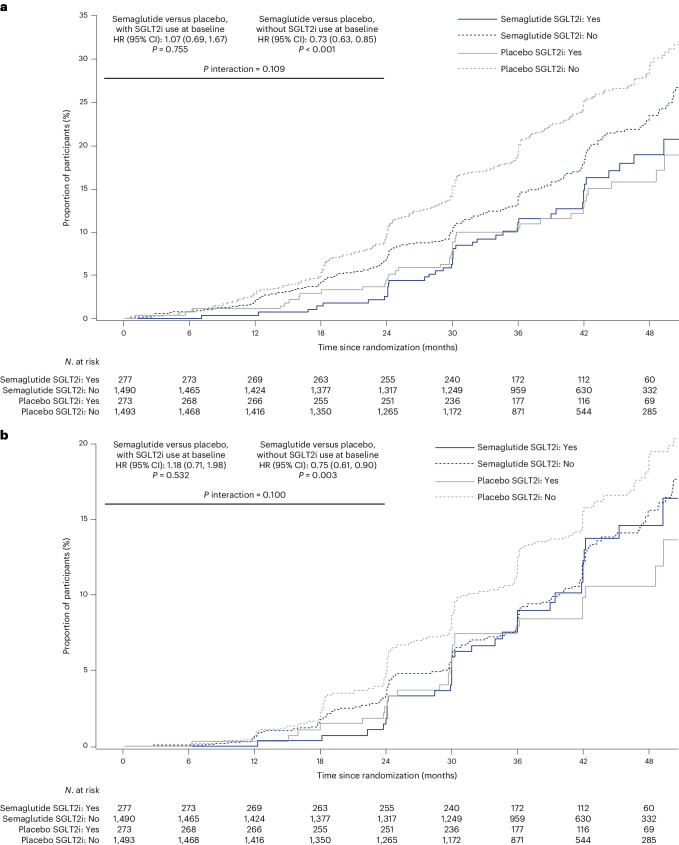
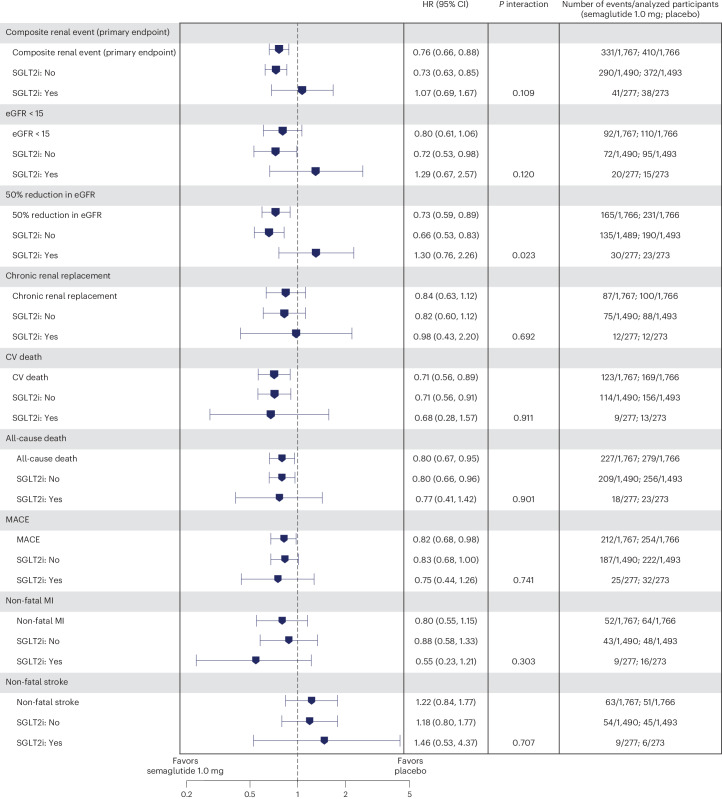
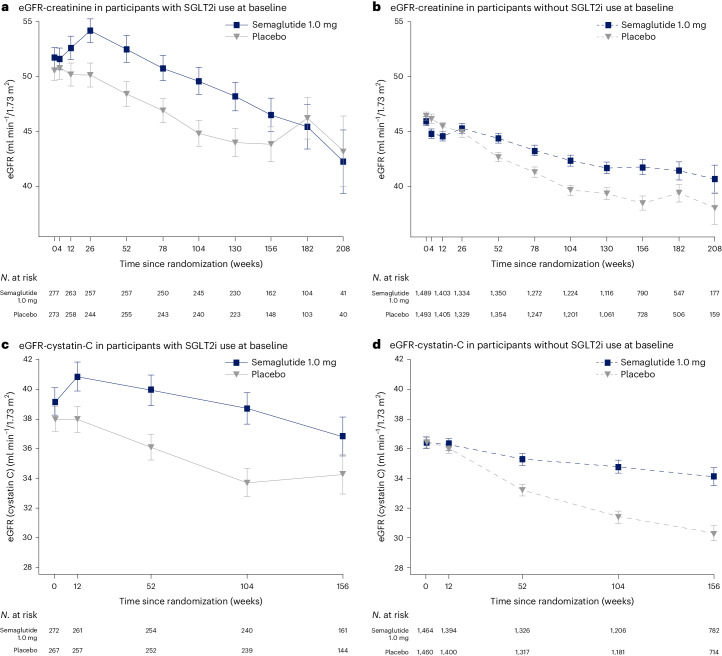
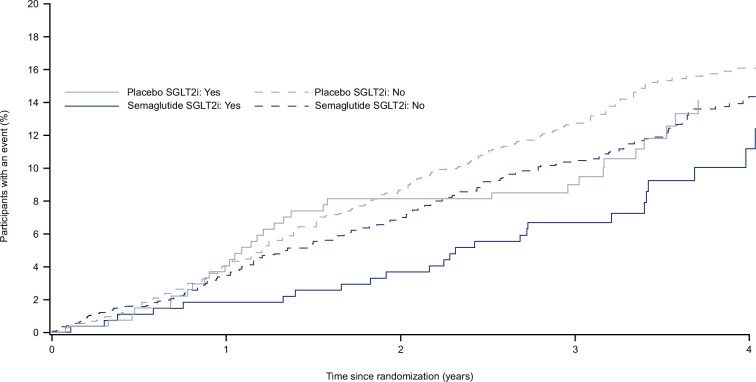
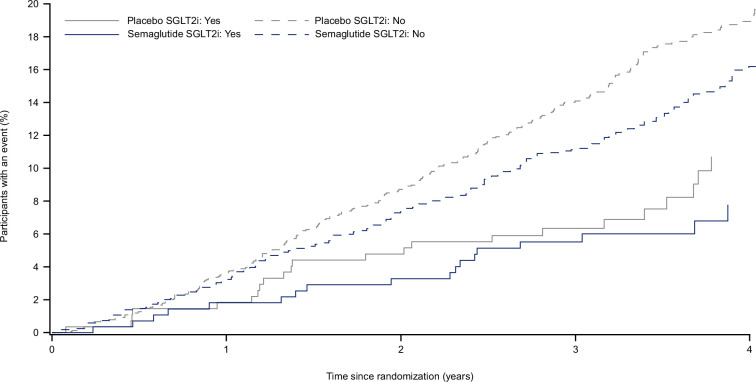
People with type 2 diabetes and chronic kidney disease have a high risk for kidney failure and cardiovascular (CV) complications. Glucagon-like peptide-1 receptor agonists and sodium-glucose cotransporter-2 inhibitors (SGLT2i) independently reduce CV and kidney events. The effect of combining both is unclear. FLOW trial participants with type 2 diabetes and chronic kidney disease were stratified by baseline SGLT2i use ( N = 550) or no use ( N = 2,983) and randomized to semaglutide/placebo. The primary outcome was a composite of kidney failure, ≥50% estimated glomerular filtration rate reduction, kidney death or CV death. The risk of the primary outcome was 24% lower in all participants treated with semaglutide versus placebo (95% confidence interval: 34%, 12%). The primary outcome occurred in 41/277 (semaglutide) versus 38/273 (placebo) participants on SGLT2i at baseline (hazard ratio 1.07; 95% confidence interval: 0.69, 1.67; P = 0.755) and in 290/1,490 versus 372/1,493 participants not taking SGLT2i at baseline (hazard ratio 0.73; 0.63, 0.85; P < 0.001; P interaction 0.109). Three confirmatory secondary outcomes were predefined. Treatment differences favoring semaglutide for total estimated glomerular filtration rate slope (ml min −1 /1.73 m 2 /year) were 0.75 (−0.01, 1.5) in the SGLT2i subgroup and 1.25 (0.91, 1.58) in the non-SGLT2i subgroup, P interaction 0.237. Semaglutide benefits on major CV events and all-cause death were similar regardless of SGLT2i use ( P interaction 0.741 and 0.901, respectively). The benefits of semaglutide in reducing kidney outcomes were consistent in participants with/without baseline SGLT2i use; power was limited to detect smaller but clinically relevant effects. ClinicalTrials.gov identifier: NCT03819153 .
Overview
CoChat Summary
TL;DR
In a prespecified FLOW trial analysis, semaglutide reduced kidney and cardiovascular outcomes in participants with type 2 diabetes and chronic kidney disease, with no clear heterogeneity by baseline SGLT2 inhibitor use. The SGLT2i subgroup was small, so the analysis was underpowered to detect smaller but clinically relevant interactions.
Key findings
- The primary composite outcome occurred in 41/277 (14.8%) semaglutide vs 38/273 (13.9%) placebo participants on baseline SGLT2i (HR 1.07; 95% CI 0.69, 1.67; P = 0.755), and in 290/1,490 (19.5%) vs 372/1,493 (24.9%) without baseline SGLT2i (HR 0.73; 95% CI 0.63, 0.85; P < 0.001; P interaction 0.109).
- Treatment differences favoring semaglutide for total eGFR-creatinine slope were 0.75 ml min−1/1.73 m2/year (95% CI −0.01, 1.50) with baseline SGLT2i and 1.25 ml min−1/1.73 m2/year (95% CI 0.91, 1.58) without baseline SGLT2i (P interaction 0.237).
- Semaglutide benefits on MACE and all-cause death were similar regardless of baseline SGLT2i use (P interaction 0.741 and 0.901, respectively).
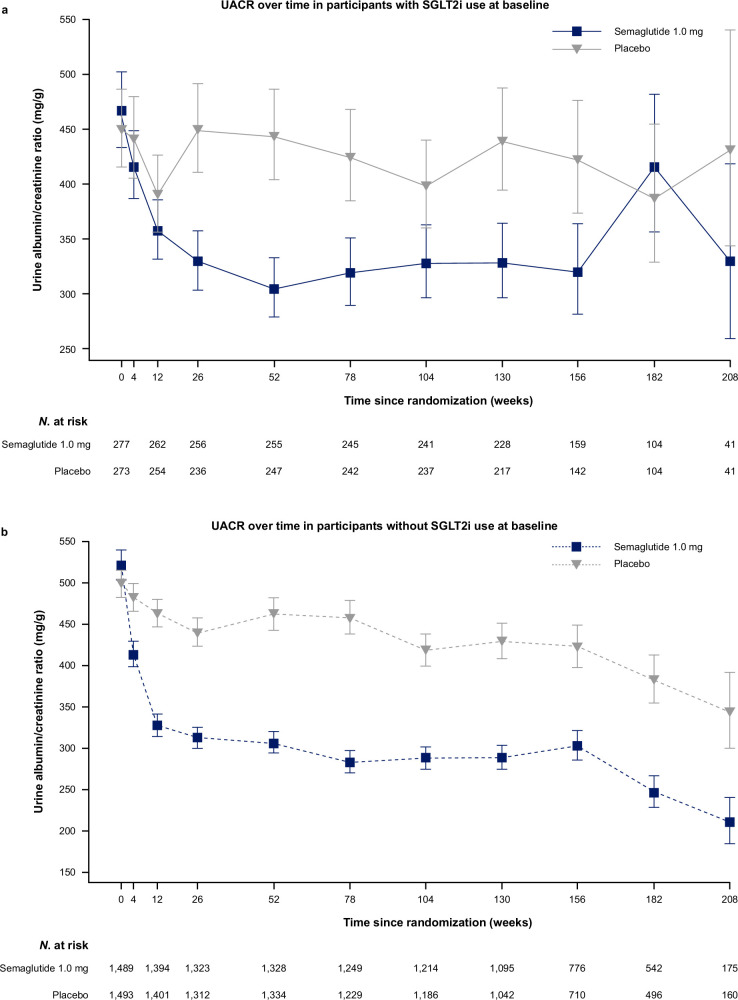
- UACR was lowered by semaglutide vs placebo at week 104 by 24% (95% CI 4%, 39%) with baseline SGLT2i and 34% (95% CI 26%, 40%) without baseline SGLT2i (P interaction 0.279).
Methods
- Prespecified analysis of the FLOW trial, a randomized, double-blind, placebo-controlled, international, multicenter kidney outcomes trial in participants with type 2 diabetes and chronic kidney disease.
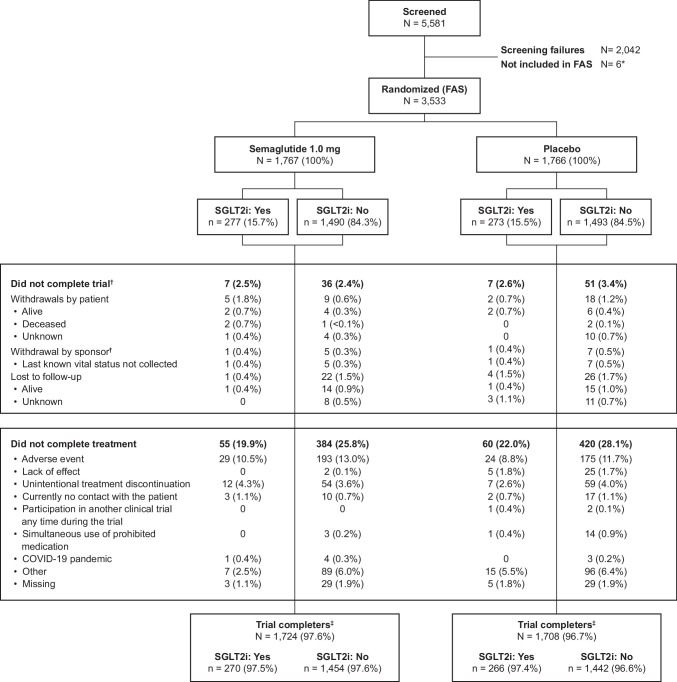
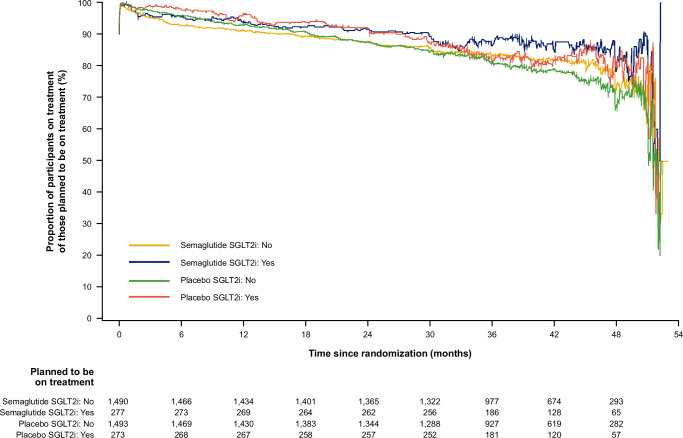
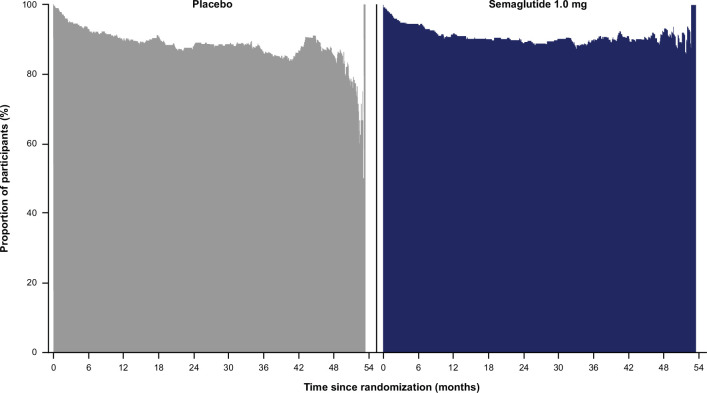
- 3,533 participants were randomized to semaglutide 1.0 mg once weekly or placebo; randomization was stratified by baseline SGLT2i use: 550 reported baseline SGLT2i use (277 semaglutide, 273 placebo) and 2,983 did not.
- Time-to-event outcomes used stratified Cox proportional hazards models with treatment and SGLT2i subgroup interaction terms; eGFR slopes used linear random regression, and continuous endpoints used ANCOVA with multiple imputation for missing values.
Limitations
- The paper states that power was limited because only 15.6% of randomized participants used SGLT2i at baseline, so small but clinically relevant interactions may not have been detected; the study was not designed to test specific subgroups.
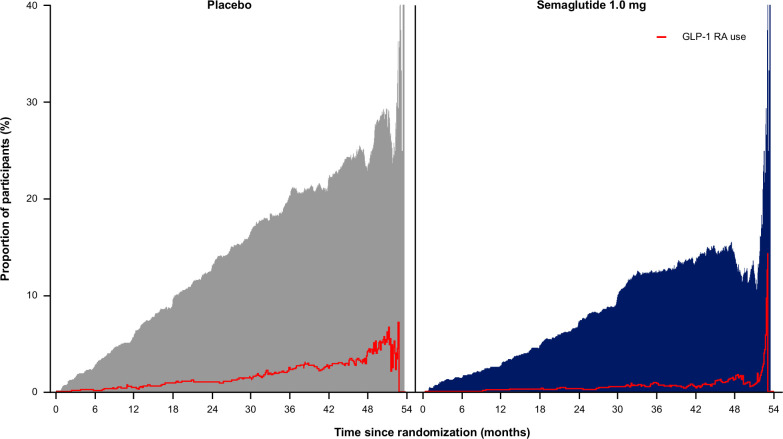
- The paper states that post-baseline SGLT2i initiations were not controlled and more participants initiated SGLT2i in the placebo group.
- The text makes evident that no adjustment for multiplicity or alpha-protection was performed, and the median follow-up of 3.4 years may be too short to examine kidney outcomes beyond eGFR and UACR in the relatively small baseline SGLT2i cohort.
Model-written summary. Check it against the paper before relying on it.
Integrity signals
Registry
Cites
Statistics
Figures
Verification
Claims the paper makes
13 Valid · 1 Not valid · 4 Not checked · 65 Own results and interpretations
The sources with a verdict support this claim; the rest weren’t checked yet, have no full text we could read, or their verdicts aren’t rated yet.
In the paper
“Glucagon-like peptide-1 receptor agonists and sodium-glucose cotransporter-2 inhibitors (SGLT2i) independently reduce CV and kidney events.”
§ Effects of semaglutide with and without concomitant SGLT2 inhibitor use in participants with type 2 diabetes and chronic kidney disease in the FLOW trial > Abstract
What the sources say
- Supportedcites [1] Sattar, N. et al. Cardiovascular, mortality, and kidney outcomes with GLP-1 receptor agonists in patients with type 2 diabetes: a systematic review and meta-analysis of randomised trials. Lancet Diabetes Endocrinol. 9, 653–662 (2021). 34425083 source
The Added value of this study section reports that GLP-1 receptor agonists reduced major adverse cardiovascular events and a composite kidney outcome in patients with type 2 diabetes. This supports the part of the citing sentence attributed to this source. (LLM, conf=0.94)
- Not checked yetcites [2] Tuttle, K. R. et al. Clinical outcomes by albuminuria status with dulaglutide versus insulin glargine in participants with diabetes and CKD: AWARD-7 exploratory analysis. Kidney360 2, 254–262 (2021). 35373017 PMC8740994 source
Checked before — its earlier verdict is held back until a new check runs.
plainstates a cause- Asserted: passes — The authors put it forward as true.
- Checkable: passes — It can be checked against evidence.
- Load-bearing: passes — The paper’s conclusions depend on it.
- Based: passes — The paper gives a reason why it holds.
- Supported
The cited sources that could be checked couldn’t confirm or dispute this claim.
In the paper
“The FLOW trial8 recently reported that in participants with T2D and CKD, semaglutide 1.0 mg once weekly reduced the risk of major kidney disease events by 24% and blunted eGFR decline by 1.16 ml min−1/1.73 m2/year4.”
§ Effects of semaglutide with and without concomitant SGLT2 inhibitor use in participants with type 2 diabetes and chronic kidney disease in the FLOW trial > Discussion
What the sources say
- Not checked — no full text of the sourcecites [4] Perkovic, V. et al. Effect of semaglutide on kidney, cardiovascular, and mortality outcomes in people with type 2 diabetes and chronic kidney disease. N. Engl. J. Med.10.1056/NEJMoa2403347 (2024). source
- Could not verifycites [8] Rossing, P. et al. The rationale, design and baseline data of FLOW, a kidney outcomes trial with once-weekly semaglutide in people with type 2 diabetes and chronic kidney disease. Nephrol. Dial. Transpl. 38, 2041–2051 (2023). PMC10469096 36651820 sourceExperimental — accuracy not yet measured
The Abstract and Results report FLOW’s design and baseline characteristics, not treatment outcomes. Statistical considerations identifies annual eGFR change as a planned endpoint, but our copy does not report the claimed 1.16 ml/min/1.73 m²/year difference (searched for that value and the eGFR slope treatment difference). (LLM, conf=0.75)
plainstates a cause- Asserted: passes — The authors put it forward as true.
- Checkable: passes — It can be checked against evidence.
- Load-bearing: passes — The paper’s conclusions depend on it.
- Based: passes — The paper gives a reason why it holds.
Every source the paper cites for this claim was checked and supports it.
In the paper
“Glucagon-like peptide-1 receptor agonists and sodium-glucose cotransporter-2 inhibitors (SGLT2i) independently reduce CV and kidney events.”
- Also stated in: § Main · boosted
“Later, three independent trials with SGLT2i in persons with and without T2D and CKD defined kidney outcomes as primary and demonstrated substantial kidney benefits of SGLT2i3.”
§ Effects of semaglutide with and without concomitant SGLT2 inhibitor use in participants with type 2 diabetes and chronic kidney disease in the FLOW trial > Abstract
What the sources say
- Supportedcites [3] Nuffield Department of Population Health Renal Studies Group. SGLT2 inhibitor Meta-Analysis Cardio-Renal Trialists’ Consortium. Impact of diabetes on the effects of sodium glucose co-transporter-2 inhibitors on kidney outcomes: collaborative meta-analysis of large placebo-controlled trials. Lancet 400, 1788–1801 (2022). 36351458 PMC7613836 source
The Results report that SGLT2 inhibitors reduced cardiovascular death or hospitalisation for heart failure compared with placebo. They also report reduced kidney disease progression in the chronic kidney disease trials. These findings support the attributed claim about SGLT2 inhibitors; this verdict does not assess the sentence’s separate claim about GLP-1 receptor agonists. (LLM, conf=0.93)
boostedstates a cause- Asserted: passes — The authors put it forward as true.
- Checkable: passes — It can be checked against evidence.
- Load-bearing: passes — The paper’s conclusions depend on it.
- Based: passes — The paper gives a reason why it holds.
- Also stated in: § Main · boosted
The cited sources support only part of this claim — read each source’s verdict below.
In the paper
“In the three kidney outcomes trials examining SGLT2i, the use of GLP-1 RAs was rare, below 5%12–14.”
§ Effects of semaglutide with and without concomitant SGLT2 inhibitor use in participants with type 2 diabetes and chronic kidney disease in the FLOW trial > Discussion
What the sources say
- Partly supportedcites [12] Beernink, J. M. et al. Efficacy of dapagliflozin by baseline diabetes medications: a prespecified analysis from the DAPA-CKD study. Diabetes Care 46, 602–607 (2023). 36662635 PMC10020024 sourceExperimental — accuracy not yet measured
The Conclusions state that GLP-1 receptor agonist use in DAPA-CKD was low. Our copy does not establish that use was below 5% in DAPA-CKD or report GLP-1 receptor agonist use across all three kidney outcomes trials. (LLM, conf=0.86)
- Could not verifycites [13] Perkovic, V. et al. Canagliflozin and renal outcomes in type 2 diabetes and nephropathy. N. Engl. J. Med. 380, 2295–2306 (2019). 30990260 sourceExperimental — accuracy not yet measured
The Methods and Patients sections identify CREDENCE as a kidney-outcomes trial of an SGLT2 inhibitor, but the baseline characteristics shown in our copy do not report GLP-1 receptor agonist use. Searches for GLP-1 receptor agonists, baseline use, and the below-5% figure found no passage establishing that rate for CREDENCE or the three trials. (LLM, conf=0.73)
- Could not verifycites [14] Herrington, W. G. et al. Empagliflozin in patients with chronic kidney disease. N. Engl. J. Med. 388, 117–127 (2023). 36331190 PMC7614055 sourceExperimental — accuracy not yet measured
The Discussion identifies EMPA-KIDNEY alongside CREDENCE and DAPA-CKD as three CKD trials of SGLT2 inhibitors, but it gives no GLP-1 receptor agonist use rates. Searches for GLP-1, glucagon-like peptide-1 receptor agonists, and baseline medication use found no passage establishing the claimed below-5% figure. (LLM, conf=0.73)
plain- Asserted: passes — The authors put it forward as true.
- Checkable: passes — It can be checked against evidence.
- Load-bearing: unclear — It is unclear whether the paper’s conclusions depend on it.
- Based: passes — The paper gives a reason why it holds.
- Partly supported
The cited sources support only part of this claim — read each source’s verdict below.
In the paper
“The authors concluded that the combination of both drug classes was associated with a lower risk of MACE and serious kidney disease events compared with either drug class alone.”
- Also stated in: § Discussion · plain
“That conclusion is supported by other reviews and meta-analyses10,11.”
§ Effects of semaglutide with and without concomitant SGLT2 inhibitor use in participants with type 2 diabetes and chronic kidney disease in the FLOW trial > Discussion
What the sources say
- Supportedcites [9] Simms-Williams, N. et al. Effect of combination treatment with glucagon-like peptide-1 receptor agonists and sodium-glucose cotransporter-2 inhibitors on incidence of cardiovascular and serious renal events: population based cohort study. BMJ 385, e078242 (2024). 38663919 PMC11043905 source
The paper’s Conclusions state that the combination was associated with lower risks of major adverse cardiovascular events and serious renal events than either drug class alone. The Results qualify the renal comparison with SGLT-2 inhibitors alone: its confidence interval was wide and included no difference. (LLM, conf=0.93)
- Not checked — no full text of the sourcecites [10] van Raalte, D. H. et al. Combination therapy for kidney disease in people with diabetes mellitus. Nat. Rev. Nephrol.20, 433–446 (2024). 38570632 source
- Partly supportedcites [11] Ahmad, A. & Sabbour, H. Effectiveness and safety of the combination of sodium–glucose transport protein 2 inhibitors and glucagon-like peptide-1 receptor agonists in patients with type 2 diabetes mellitus: a systematic review and meta-analysis of observational studies. Cardiovasc. Diabetol. 23, 99 (2024). 38500154 PMC10949729 sourceExperimental — accuracy not yet measured
The Introduction and Discussion report lower MACE risk with combination therapy than with monotherapy, although the paper attributes that finding to earlier studies rather than to its own pooled analysis. The Results (Renal outcomes; page not provided) report eGFR and albuminuria findings, but do not establish a lower risk of serious kidney disease events compared with either drug class alone. Thus the claimed conclusion is only partly supported. (LLM, conf=0.86)
plainstates an association- Asserted: passes — The authors put it forward as true.
- Checkable: passes — It can be checked against evidence.
- Load-bearing: passes — The paper’s conclusions depend on it.
- Based: passes — The paper gives a reason why it holds.
- Also stated in: § Discussion · plain
36 more claims · 1 with their cited sources checked
Create a free account to see all 83 claims and to verify the 3 references still open.
- It may state two separate claims as one. 28
- Probably not a substantial claim. 15
Claims other papers make about this one
Each is checked against this paper’s own text: does it say what the citing paper says it does?
The source backs part of the claim, not all of it — or backs it for a different population, condition or comparison.
In the citing paper
“semaglutide can reduce the progression of chronic kidney disease in patients with and without diabetes and even in those taking SGLT2 inhibitors [12–14].”
From New drugs for the treatment of obesity: do we need approaches to preserve muscle mass? (2025) · cites this paper as [14]
Experimental — accuracy not yet measuredThe cited source says what the claim attributes to it.
In the citing paper
“Concomitant use of SGLT2 inhibitor with GLP-1 RA did not affect the overall benefits of semaglutide on kidney and cardiovascular outcomes in participants with type 2 diabetes and CKD in a prespecified analysis of the FLOW trial; however, the limited use of SGLT2 inhibitors at baseline may have affected these results (147).”
From 11. Chronic Kidney Disease and Risk Management: Standards of Care in Diabetes—2026 (2026) · cites this paper as [147]
Citations
Cites
Canagliflozin and Renal Outcomes in Type 2 Diabetes and Nephropathy
Perkovic, V., Jardine, M. J., Neal, B., Bompoint, S., Heerspink, H. J. L., Charytan, D. M., Edwards, R., Agarwal, R., Bakris, G., Bull, S., et al. (2019) · New England Journal of Medicine · doi:10.1056/nejmoa1811744 · Cited by 6,189
Self-citation(2013) · Kidney International Supplements · doi:10.1038/kisup.2012.73 · Cited by 3,206
Empagliflozin in Patients with Chronic Kidney Disease
The EMPA-KIDNEY Collaborative Group (2023) · New England Journal of Medicine · doi:10.1056/nejmoa2204233 · Cited by 2,754 · cited 1×
“In the three kidney outcomes trials examining SGLT2i, the use of GLP-1 RAs was rare, below 5% 12–14 .”
BackgroundEffects of Semaglutide on Chronic Kidney Disease in Patients with Type 2 Diabetes.
Perkovic, V., Tuttle, K. R., Rossing, P., Mahaffey, K. W., Mann, J. F. E., Bakris, G., Baeres, F. M. M., Idorn, T., Bosch-Traberg, H., Lausvig, N. L., et al. (2024) · New England Journal of Medicine · doi:10.1056/nejmoa2403347 · Cited by 2,099
Self-citationKristensen, S. L., Rørth, R., Jhund, P. S., Docherty, K. F., Sattar, N., Preiss, D., Køber, L., Petrie, M. C., & McMurray, J. J. V. (2019) · The Lancet Diabetes & Endocrinology · doi:10.1016/s2213-8587(19)30249-9 · Cited by 1,663
Sattar, N., Lee, M. M. Y., Kristensen, S. L., Branch, K. R. H., Del Prato, S., Khurmi, N. S., Lam, C. S. P., Lopes, R. D., McMurray, J. J. V., Pratley, R. E., et al. (2021) · The Lancet Diabetes & Endocrinology · doi:10.1016/s2213-8587(21)00203-5 · Cited by 1,599 · cited 2×
“Notably, GLP-1 RAs, including semaglutide, also provide substantial benefits for CV and CKD outcomes, death 1,2 and heart failure 5 .”
BackgroundSelf-citationBaigent, C., Emberson, J., Haynes, R., Herrington, W. G., Judge, P., Landray, M. J., Mayne, K. J., Ng, S. Y. A., Preiss, D., Roddick, A. J., et al. (2022) · The Lancet · doi:10.1016/s0140-6736(22)02074-8 · Cited by 1,020
Self-citationMolecular mechanisms and therapeutic targets for diabetic kidney disease
Tuttle, K. R., Agarwal, R., Alpers, C. E., Bakris, G. L., Brosius, F. C., Kolkhof, P., & Uribarri, J. (2022) · Kidney International · doi:10.1016/j.kint.2022.05.012 · Cited by 668 · cited 1×
“Since the molecular mechanisms of action of both drug classes on the CV system and the kidney may be complementary and largely independent of glucose lowering 6 , it has been speculated that the combination might further improve clinical outcomes.”
BackgroundSelf-citationDiabetic Nephropathy: Update on Pillars of Therapy Slowing Progression
Naaman, S. C., & Bakris, G. L. (2023) · Diabetes Care · doi:10.2337/dci23-0030 · Cited by 292
Self-citationRossing, P., Caramori, M. L., Chan, J. C. N., Heerspink, H. J. L., Hurst, C., Khunti, K., Liew, A., Michos, E. D., Navaneethan, S. D., Olowu, W. A., et al. (2022) · Kidney International · doi:10.1016/j.kint.2022.06.013 · Cited by 274
Self-citation
Research works printed but not linked: 1
- Neuen, B. Efficacy and safety of SGLT2 inhibitors with and without GLP-1 receptor agonists: a SMART-C collaborative meta-analysis. Nephrol. Dial. Transpl. 39, e061807 (2024). 38991584
Cited by
Type 2 diabetes mellitus in adults: pathogenesis, prevention and therapy
Lu, X., Xie, Q., Pan, X., Zhang, R., Zhang, X., Peng, G., Zhang, Y., Shen, S., & Tong, N. (2024) · Signal Transduction and Targeted Therapy · doi:10.1038/s41392-024-01951-9 · Cited by 665
GLP-1-based therapies for diabetes, obesity and beyond
Drucker, D. J. (2025) · Nature Reviews Drug Discovery · doi:10.1038/s41573-025-01183-8 · Cited by 236
“The benefits of semaglutide in the FLOW trial were observed independent of the presence or absence of concomitant use of SGLT-2 inhibitors at baseline 119 .”
Neuen, B. L., Fletcher, R. A., Heath, L., Perkovic, A., Vaduganathan, M., Badve, S. V., Tuttle, K. R., Pratley, R., Gerstein, H. C., Perkovic, V., et al. (2024) · Circulation · doi:10.1161/circulationaha.124.071689 · Cited by 168
Self-citationCardiovascular disease in chronic kidney disease
Marx-Schütt, K., Cherney, D. Z. I., Jankowski, J., Matsushita, K., Nardone, M., & Marx, N. (2025) · European Heart Journal · doi:10.1093/eurheartj/ehaf167 · Cited by 186
“70 A recent meta-analysis of CVOTs with GLP-1 RA including FLOW and SELECT suggests that GLP-1 RA reduce kidney disease progression in T2DM or over-weight/obesity regardless of CKD status.”
Apperloo, E. M., Gorriz, J. L., Soler, M. J., Cigarrán Guldris, S., Cruzado, J. M., Puchades, M. J., López-Martínez, M., Waanders, F., Laverman, G. D., van der Aart-van der Beek, A., et al. (2025) · Nature Medicine · doi:10.1038/s41591-024-03327-6 · Cited by 120
“Specifically, a pre-specified analysis of the FLOW trial showed consistent benefits on UACR, eGFR decline and clinical outcomes in participants using or not using SGLT2 inhibitors at baseline 24 .”
Self-citation11. Chronic Kidney Disease and Risk Management: Standards of Care in Diabetes—2026
American Diabetes Association Professional Practice Committee for Diabetes*, Bajaj, M., McCoy, R. G., Balapattabi, K., Bannuru, R. R., Bellini, N. J., Bennett, A. K., Beverly, E. A., Briggs Early, K., ChallaSivaKanaka, S., et al. (2026) · Diabetes Care · doi:10.2337/dc26-s011 · Cited by 226
State-of-the-Art-Review: Mechanisms of Action of SGLT2 Inhibitors and Clinical Implications
Vallon, V. (2024) · American Journal of Hypertension · doi:10.1093/ajh/hpae092 · Cited by 141
Herrington, W. G., Judge, P. K., Grams, M. E., & Wanner, C. (2025) · The Lancet · doi:10.1016/s0140-6736(25)01942-7 · Cited by 154
Ndumele, C. E., Rodriguez, F., Dixon, D. L., Khan, S. S., Mukherjee, D., Bajaj, M., Bangalore, S., Bozkurt, B., Breathett, K., Clarke, S. L., et al. (2026) · JACC · doi:10.1016/j.jacc.2026.03.056 · Cited by 90
Self-citationMarx, N., Deanfield, J. E., Mann, J. F. E., Arechavaleta, R., Bain, S. C., Bajaj, H. S., Bayer Tanggaard, K., Birkenfeld, A. L., Buse, J. B., Davicevic-Elez, Z., et al. (2025) · Circulation · doi:10.1161/circulationaha.125.074545 · Cited by 70
“19 A recent meta-analysis including these 3 trials confirmed the consistent cardiovascular benefits of GLP-1 RAs, regardless of SGLT2i use, but overall, only 10.2% of all participants were receiving an SGLT2 inhibitor at baseline.”
InfluentialSelf-citationGLP-1 receptor agonists in patients with chronic kidney disease and either overweight or obesity
Abasheva, D., Ortíz, A., & Fernández‐Fernández, B. (2024) · Clinical Kidney Journal · doi:10.1093/ckj/sfae296 · Cited by 70
The expanding landscape of GLP-1 medicines
Drucker, D. J. (2026) · Nature Medicine · doi:10.1038/s41591-025-04124-5 · Cited by 83
“The renal benefits of semaglutide in the FLOW trial (involving patients with T2D and kidney disease) were independent of concomitant use of SGLT-2 inhibitors and mineralocorticoid receptor antagonists 28,31,32 , agents with known renoprotective activity 33 .”
Bae, J. H. (2025) · Diabetes & Metabolism Journal · doi:10.4093/dmj.2025.0220 · Cited by 104
“These benefits were consistent across prespecified subgroups, including participants on concurrent SGLT2 inhibitors ( P for interaction=0.109) [76].”
InfluentialNdumele, C. E., Rodríguez, F., Dixon, D. L., Khan, S. S., Mukherjee, D., Bajaj, M. S., Bangalore, S., Bozkurt, B., Breathett, K. K., Clarke, S. L., et al. (2026) · Circulation · doi:10.1161/cir.0000000000001453 · Cited by 161
Self-citationAwdishu, L., Maxson, R., Gratt, C., Rubenzik, T. T., & Battistella, M. (2025) · American Journal of Health-System Pharmacy · doi:10.1093/ajhp/zxaf044 · Cited by 71
“29 Based on these results, semaglutide should be used in patients with diabetes, CKD, and albuminuria.”
Combination therapy as a new standard of care in diabetic and non-diabetic chronic kidney disease
Neuen, B. L., Yeung, E. K., Rangaswami, J., & Vaduganathan, M. (2024) · Nephrology Dialysis Transplantation · doi:10.1093/ndt/gfae258 · Cited by 58
Sawami, K., Tanaka, A., & Node, K. (2024) · Cardiovascular Diabetology · doi:10.1186/s12933-024-02500-y · Cited by 44
“Additive effect on kidney outcomes including macroalbumin-uria was also expected from AMPLITUDE-O substudy, however, additive effect of semaglutide and SGLT2i on the composite kidney outcomes without macroalbumin-uria was not indicated in the FLOW substudy [50].”
Theodorakis, N., & Nikolaou, M. (2025) · Biomedicines · doi:10.3390/biomedicines13010135 · Cited by 50
“These findings underscore semaglutide’s additive CV benefits to baseline SGLT2i use [65].”
Semaglutide as a GLP-1 Agonist: A Breakthrough in Obesity Treatment
Salvador, R., Moutinho, C. M. S. G., Sousa, C., Vinha, A. F., Carvalho, M. C., & Matos, C. M. (2025) · Pharmaceuticals · doi:10.3390/ph18030399 · Cited by 56
“The FLOW studies have shown that SMG significantly reduces cardiovascular and renal adverse events, regardless of history of heart failure, initial severity of kidney disease, or concomitant use of Sodium Glucose Cotransporter 2 (SGLT2) inhibitors [139–142].”
New drugs for the treatment of obesity: do we need approaches to preserve muscle mass?
Ryan, D. H. (2025) · Reviews in Endocrine and Metabolic Disorders · doi:10.1007/s11154-025-09967-4 · Cited by 34
“Another advance is the demonstration that semaglu-tide can reduce the progression of chronic kidney disease in patients with and without diabetes and even in those taking SGLT2 inhibitors [12–14].”
Furth, S. L., Colhoun, H. M., Kanbay, M., Kukla, A., Lim, L., MacLaughlin, H. L., Navaneethan, S. D., Shroff, R. C., Stenvinkel, P., Cheung, M., et al. (2025) · Kidney International · doi:10.1016/j.kint.2025.09.019 · Cited by 56
Self-citationShokravi, A., Seth, J., & Mancini, G. B. J. (2025) · Cardiovascular Diabetology · doi:10.1186/s12933-025-02900-8 · Cited by 42
Petta, S., Kim, K., Targher, G., Romeo, S., Sookoian, S. C., Zheng, M., Aghemo, A., & Valenti, L. V. C. (2025) · Liver International · doi:10.1111/liv.70407 · Cited by 36
“Interestingly, in a subsequent analysis of the same FLOW trial, the investigators also showed that the benefits of semaglutide in improving major kidney outcomes were consistent in participants with or without concomitant use of SGLT2 inhibitors [52].”
How ‘miracle’ weight‐loss semaglutide promises to change medicine but can we afford the expense?
Weiskirchen, R., & Lonardo, A. (2025) · British Journal of Pharmacology · doi:10.1111/bph.70003 · Cited by 30
“MASLD, especially in women, could be an additional player involved in the development of both hepatic and extra-hepatic cancers (Lugari et al., 2023; Mann et al., 2024; H. Zhou et al., 2024), A systematic review and meta-analysis comprising 37 RCTs and 19 real-world studies totalling 16,839…”
Grams, M. E., & Melamed, M. L. (2025) · Annals of Internal Medicine · doi:10.7326/annals-25-02684 · Cited by 30
Georgianos, P. I., Vaios, V., Koufakis, T., & Liakopoulos, V. (2024) · Drugs · doi:10.1007/s40265-024-02091-8 · Cited by 27
“Once again, the cardiorenal risk reduction afforded by semaglutide relative to placebo was consistent in patients receiving (HR: 1.07; 95% CI: 0.69–1.67) and not receiving (HR: 0.73; 95% CI: 0.63–0.85) SGLT-2 inhibitor therapy at baseline [44].”
InfluentialDeng, S., Chen, Z., & Shi, Y. (2025) · Cell & Bioscience · doi:10.1186/s13578-025-01486-8 · Cited by 30
“Currently, common clinical GLP-1RAs include exenatide and exenatide-LAR [34–40], lixisenatide [41–44], beina-glutide [45], liraglutide [46–53], semaglutide [54–58], Fig.”
Muzurović, E. M., Katsiki, N., Volčanšek, Š., Plescia, F., Rizzo, M., & Mantzoros, C. S. (2026) · Metabolism · doi:10.1016/j.metabol.2026.156494 · Cited by 25
Taal, M. W., & Selby, N. M. (2024) · American Journal of Kidney Diseases · doi:10.1053/j.ajkd.2024.08.002 · Cited by 26
Scheen, A. J. (2024) · Diabetes & Metabolism · doi:10.1016/j.diabet.2024.101594 · Cited by 24
Yepes, C. A., Cardenas-Moreno, I. C., Daza-Arnedo, R., Fériz, K., Yama-Mosquera, E., Rincón, A. R., Castillo, G. A., Suarez-Rodriguez, A. F., Carreño-Jiménez, J., & Builes-Montaño, C. E. (2025) · Diabetes Therapy · doi:10.1007/s13300-025-01722-x · Cited by 28
“Clinical trials have dem‑ onstrated that adding a GLP1‑RA to patients already receiving SGLT2is is cardiovascularly safe [65] and may even reduce cardiovascular events [19].”
Rossing, P. R., Bakris, G. L., Perkovic, V., Pratley, R. E., Tuttle, K. R., Mahaffey, K. W., Idorn, T., Belmar, N., Bosch‐Traberg, H., Rasmussen, S., et al. (2025) · Diabetes Care · doi:10.2337/dc25-0472 · Cited by 30
Self-citationAgarwal, R., Green, J. B., Heerspink, H. J. L., Mann, J. F. E., McGill, J. B., Mottl, A. K., Nangaku, M., Rosenstock, J., Vaduganathan, M., BRINKER, M. D., et al. (2025) · Diabetes Care · doi:10.2337/dc25-1673 · Cited by 29
Self-citationNext-generation therapeutics for diabetic kidney disease
Yi, T. W., Sridhar, V. S., Scott, J., Nardone, M., & Cherney, D. Z. I. (2026) · Nature Reviews Nephrology · doi:10.1038/s41581-025-01042-0 · Cited by 29
Recent achievements and future directions of anti-obesity medications
Grandl, G., Novikoff, A., Liu, X., & Müller, T. D. (2024) · The Lancet Regional Health - Europe · doi:10.1016/j.lanepe.2024.101100 · Cited by 33
Karakasis, P., Patoulias, D., Fragakis, N., Bernal-López, M. R., & Gómez‐Huelgas, R. (2024) · European Journal of Internal Medicine · doi:10.1016/j.ejim.2024.07.002 · Cited by 18
GLP-1-based therapeutics for cardiorenal protection in metabolic diseases
Apperloo, E. M., Heerspink, H. J. L., van Raalte, D. H., & Muskiet, M. H. A. (2025) · Nephrology Dialysis Transplantation · doi:10.1093/ndt/gfaf110 · Cited by 25
“2 ), underscoring the 64 ], CREDENCE [65 ] and FLOW [48 ] trials according to treatment group, illustrating the beneficial impact of combination therapy with a RAASi, SGLT2i and GLP-1RA on slope reduction in patients with T2D and CKD. RAASi: renin–angiotensin–aldosterone system inhibitor. additive…”
InfluentialProglucagon-derived peptides: human physiology and therapeutic potential
Gasbjerg, L. S., Nielsen, C. K., Suppli, M. P., Grøndahl, M. F. G., Holst, J. J., Knop, F. K., Jeppesen, P. B., & Lund, A. (2025) · Physiological Reviews · doi:10.1152/physrev.00057.2024 · Cited by 22
Jhu, J., Fang, Y., Huang, C., Liou, H., Chen, M., & Tsai, M. (2024) · Journal of Diabetes Investigation · doi:10.1111/jdi.14361 · Cited by 19
Mechanisms and treatment of obesity-related hypertension—Part 2: Treatments
Parvanova, A. I., Abbate, M., Reseghetti, E., & Ruggenenti, P. L. (2025) · Clinical Kidney Journal · doi:10.1093/ckj/sfaf035 · Cited by 23
“These benefits were consistent when patients were stratified by baseline sodium-glucose cotransporter-2 inhibitors ( SGLT2i) use [129 ].”
Mendonça, L., Moura, H., Castro‐Chaves, P., Neves, J. S., & Ferreira, J. P. (2024) · Clinical Journal of the American Society of Nephrology · doi:10.2215/cjn.0000000584 · Cited by 22
“20,22 As postulated for SGLT2i, it is hypothesized that the kidney protective mechanisms of GLP-1 RAs are both systemic and kidney speci fi c. GLP-1 RAs and SGLT2i combination therapy can more effectively induce weight loss, reduce BP, improve glucose control, and decrease in fl am-mation and…”
Schanz, M., Seikrit, C., Hohenstein, B., Zimmermann, A., Kraft, L., Schricker, S., Berger, S., Schwab, A., Oberacker, T., & Latus, J. (2024) · Clinical Kidney Journal · doi:10.1093/ckj/sfae394 · Cited by 26
Natale, P., Green, S. C., Tunnicliffe, D. J., Pellegrino, G., Toyama, T., & Strippoli, G. F. (2025) · Cochrane Database of Systematic Reviews · doi:10.1002/14651858.cd015849.pub2 · Cited by 40
Mann, J. F. E., Marx, N., Deanfield, J. E., Emerson, S. S., Inzucchi, S. E., McGuire, D. K., Mulvagh, S. L., Pop-Busui, R., Poulter, N. R., Engelmann, M. D. M., et al. (2025) · Diabetes Care · doi:10.2337/dc25-1080 · Cited by 27
Self-citationChronic Kidney Disease in Diabetes: A Clinical Practice Guideline
Tobe, S. W., BAJAJ, H. S., Tangri, N., Jain, R., Pham, T. T., Beaudin, V., & McFarlane, P. (2025) · Canadian Journal of Diabetes · doi:10.1016/j.jcjd.2025.01.004 · Cited by 23
Semaglutide for Chronic Kidney Disease in Type 2 Diabetes
Passos, R. D. H., Narciso, R. C., & da Silva, A. A. (2024) · New England Journal of Medicine · doi:10.1056/nejmc2410532 · Cited by 12
Expanding applications of therapies based on GLP1
Drucker, D. J. (2024) · Nature Reviews Endocrinology · doi:10.1038/s41574-024-01066-9 · Cited by 18
“…and the benefits of semaglutide were apparent in the presence or absence of concomitant SGLT2i use; however, the number of individuals on these agents (550) was insufficient for statistically meaningful scrutiny of individual outcomes by the presence or absence of concomitant SGLT2i therapy 4 .”
SGLT2 inhibitors use in kidney disease: what did we learn?
Akunjee, M., Khosla, S., Nylén, E., & Sen, S. (2025) · American Journal of Physiology-Endocrinology and Metabolism · doi:10.1152/ajpendo.00034.2025 · Cited by 17
Targeting Sarcopenia in CKD: The Emerging Role of GLP-1 Receptor Agonists
Llinares-Arvelo, V., Martínez‐Alberto, C. E., González-Luis, A., Macía-Heras, M., Siverio-Morales, O., Navarro‐González, J. F., & Donate‐Correa, J. (2025) · International Journal of Molecular Sciences · doi:10.3390/ijms26168096 · Cited by 15
“GLP-1RAs have demonstrated robust cardiovascular and renal benefits, including reductions in major adverse cardiovascular events (MACE), new-onset macroalbuminuria, and estimated glomerular filtration rate (eGFR) decline [15–19].”
GLP-1 receptor agonists and next-generation metabolic hormone therapies in chronic kidney disease
Alicic, R. Z., Neumiller, J. J., & Tuttle, K. R. (2026) · Nature Reviews Nephrology · doi:10.1038/s41581-025-01036-y · Cited by 22
Self-citationSGLT-2 Inhibitors and GLP-1 Receptor Agonists as Combination Therapy in Type 2 Diabetes
Liakos, A., Karagiannis, T., Avgerinos, I., & Bekiari, E. (2026) · Current Diabetes Reports · doi:10.1007/s11892-025-01616-z · Cited by 21
Rabbani, S. A., El‐Tanani, M., Kumar, R., Saini, M., El‐Tanani, Y., Sharma, S., Aljabali, A. A. A., Hajeer, E., & Rizzo, M. (2025) · Pharmaceuticals · doi:10.3390/ph18081130 · Cited by 17
Glucagon-like peptide-1 receptor agonists to improve cardiorenal outcomes: data from FLOW and beyond
Faruque, L. I., Yau, K., & Cherney, D. Z. I. (2025) · Current Opinion in Nephrology & Hypertension · doi:10.1097/mnh.0000000000001066 · Cited by 12
Innovative therapeutics for renoprotection: Where we are
Cortinovis, M., Perico, N., & Remuzzi, G. (2025) · Pharmacological Reviews · doi:10.1016/j.pharmr.2025.100060 · Cited by 10
Homoródi, N., Varga, É., Szabó, Z., Sztanek, F., & Harangi, M. (2025) · Biomedicines · doi:10.3390/biomedicines13112595 · Cited by 15
“The 2025 ADA/EAS update highlights the significance of the combined use of these two agents in the management of cardio-reno-metabolic (CKM) syndrome, a recommendation further supported by the results of the FLOW trial investigating the renal outcomes of semaglutide treatment [133,134].”
SGLT2 Inhibitors in the Management of Cardio-Renal-Metabolic Syndrome: A New Therapeutic Era
Grigoriou, K., Karakasis, P., Nasoufidou, A., Stachteas, P., Klisic, A. N., Karagiannidis, E., Fyntanidou, B., Popovic, D. S., Patoulias, D., Antoniadis, A. P., et al. (2025) · Medicina · doi:10.3390/medicina61111903 · Cited by 23
“This study showed that benefits of semaglutide were observed in both participants who were taking SGLT2is at baseline and those who were not, indicating potential independent renal benefits [185].”
Seetharaman, S., & Cengiz, E. (2024) · Journal of Diabetes Science and Technology · doi:10.1177/19322968241309896 · Cited by 9
STOUGAARD, E. B., Curovic, V. R., & Hansen, T. W. (2025) · Diabetes Therapy · doi:10.1007/s13300-025-01726-7 · Cited by 11
Chiang, C., Wang, K.-L., Cheng, H., Chao, T., & Sung, S. (2025) · Journal of the Chinese Medical Association · doi:10.1097/jcma.0000000000001263 · Cited by 12
“45 Table 2 shows baseline data and major results of the recent kidney trials.”
Blum, M. F., Mehta, S., Surapaneni, A., Carrero, J. J., Zhang, D. “., Inker, L. A., Horwitz, L. I., Blecker, S., Shin, J., & Grams, M. E. (2025) · Clinical Journal of the American Society of Nephrology · doi:10.2215/cjn.0000000902 · Cited by 11
Using Second-Generation Anti-Obesity Medications
Schmitz, S. H., & Aronne, L. J. (2024) · Diabetes Spectrum · doi:10.2337/dsi24-0002 · Cited by 11
Combination Therapy with SGLT2 Inhibitors and GLP-1 Receptor Agonists for Diabetic Kidney Disease
Tang, M., Morieri, M. L., Kalim, S., & Doria, A. (2025) · Journal of the American Society of Nephrology · doi:10.1681/asn.0000000620 · Cited by 9
Nicola, L. D., Cupisti, A., D’Alessandro, C., Gesualdo, L., Santoro, D., & Bellizzi, V. (2024) · Journal of Nephrology · doi:10.1007/s40620-024-02135-y · Cited by 10
“Furthermore, a post-hoc analysis of FLOW has suggested, albeit with the limitations related to the small sample size, that the benefits of semaglutide in reducing kidney outcomes may be similar in participants with or without baseline SGLT2i use [34].”
Morales, E., Martin, W. P., Bevc, S., Jenssen, T. G., Miglinas, M., & Trillini, M. (2025) · Nephrology Dialysis Transplantation · doi:10.1093/ndt/gfaf069 · Cited by 8
“This was tested to some degree in the FLOW trial (15.6% baseline SGLT2i use) [18 ], and post hoc analyses in patients with and without SGLT2is have been published [86 ].”
InfluentialWang, M., & Zuo, L. (2025) · Cardiorenal Medicine · doi:10.1159/000545622 · Cited by 11
“However, in the FLOW trial, the bene fi t of semaglutide on kidney outcomes was consistent regardless of concomitant SGLT2 use [45].”
Santos, G. L., dos Santos, C. F., Rocha, G. R., Calmon, M. S., Lemos, F. F. B., Silva, L. G., Luz, M. S., Pinheiro, S. L. R., Botelho, A. C., & de Melo, F. F. (2025) · World Journal of Diabetes · doi:10.4239/wjd.v16.i6.104706 · Cited by 12
Pharmacologic Therapies for Type 2 Diabetes
Kuo, B., & Li, J. H. (2025) · NEJM Evidence · doi:10.1056/evidra2400265 · Cited by 9
GLP-1 receptor agonists for kidney transplant recipients
Schmitz, S. H., & Orandi, B. J. (2025) · Nephrology Dialysis Transplantation · doi:10.1093/ndt/gfaf199 · Cited by 9
Contemporary management of advanced chronic kidney disease: An evidence-based review
Baker, L. W., Ovincy, C., Souvalian, L., Hickson, L. J., & Chebib, F. T. (2025) · European Journal of Internal Medicine · doi:10.1016/j.ejim.2025.106557 · Cited by 9
Yao, Y., Liu, N., Chen, S., Sun, M., & Guo, Y. (2025) · European journal of medical research · doi:10.1186/s40001-025-03241-8 · Cited by 7
“Similarly, four studies from the FLOW trial were included because they each reported different outcomes of interest [30, 31, 34, 35].”
InfluentialVozza, A., Volpe, S., Custodero, C., Colaianni, V., Lavarra, V., Triggiani, D., Crudele, L., Bergamasco, A., Antonica, G., Tortorella, C., et al. (2025) · Journal of Diabetes Research · doi:10.1155/jdr/8182211 · Cited by 9
Bae, J. H., & Cho, Y. M. (2024) · Journal of Diabetes Investigation · doi:10.1111/jdi.14336 · Cited by 5
Belay, K. E., Feleke, Y., Alemneh, T. A., Haile, A. M., & Abebe, D. (2024) · Journal of the Endocrine Society · doi:10.1210/jendso/bvae208 · Cited by 6
Biglari, S., Mischak, H., Beige, J., Latosińska, A., Siwy, J., & Banasik, M. (2025) · Biomolecules · doi:10.3390/biom15060809 · Cited by 10
In silico prediction of optimal multifactorial intervention in chronic kidney disease
Latosińska, A., Mina, I. K., Nguyen, T. M. N., Golovko, I., Keller, F., Mayer, G. J., Rossing, P. R., Staessen, J. A., Delles, C., Beige, J., et al. (2025) · Journal of Translational Medicine · doi:10.1186/s12967-025-06977-3 · Cited by 7
Self-citationDunn, T. J., Zhu, Y., Gronroos, N. N., Xie, L., Sargent, A., Gamble, C. L., & Billings, L. K. (2025) · Diabetes Research and Clinical Practice · doi:10.1016/j.diabres.2025.112162 · Cited by 5
Chen, J., Chuang, M., Lai, H.-W., & Wu, V. (2025) · Diabetes Research and Clinical Practice · doi:10.1016/j.diabres.2025.112339 · Cited by 7
Comprehensive management of chronic kidney disease in the old population
Franco, M. E. P., Puente-García, A., Perez-Belmonte, L. M., Pérez, N., Ellingson, S., & Tornero, F. (2025) · Current Medical Research and Opinion · doi:10.1080/03007995.2025.2551217 · Cited by 5
“Importantly, the efficacy of semaglutide was observed regardless of concurrent SGLT2 inhibitor use 85 .”
Zhang, Z., Li, Y., Gu, H. F., & Li, N. (2025) · Biomedicine & Pharmacotherapy · doi:10.1016/j.biopha.2025.118837 · Cited by 5
Curovic, V. R., STOUGAARD, E. B., & Hansen, T. W. (2024) · Diabetes Obesity and Metabolism · doi:10.1111/dom.16007 · Cited by 4
Glucagon-like Peptide-1 Receptor Agonists and Diabetic Kidney Disease: From Bench to Bed-Side
Abdelrahman, A. M., Awad, A. S., Hasan, I., & Abdel‐Rahman, E. M. (2024) · Journal of Clinical Medicine · doi:10.3390/jcm13247732 · Cited by 4
Fernández‐Fernández, B., Górriz, J. L., Cuenca, A. M. C., Fácila, L., González-Moro, J. M. R., Maraver, M. P., & Ortíz, A. (2025) · Kidney International Reports · doi:10.1016/j.ekir.2025.09.027 · Cited by 6
Self-citationTartau, C. G., Boboc, I. K. Ş., Mititelu-Tarțău, L., Bogdán, M., Bucă, B. R., Pavel, L. L., & Amălinei, C. (2025) · Pharmaceuticals · doi:10.3390/ph18050670 · Cited by 4
“Both semaglutide (SEMA) and liraglutide (LIRA) have also shown hepatoprotective effects, reducing hepatic steatosis and improving liver function [73].”
Enhancing therapeutic strategies and drug development for patients with kidney disease
Tsang, Y. P., Aryeh, K. S., Wang, K., Himmelfarb, J., Yeung, C. K., & Kelly, E. J. (2025) · Expert Opinion on Drug Safety · doi:10.1080/14740338.2025.2525970 · Cited by 4
“The FLOW trial, for example, investigated semaglutide in patients with type 2 diabetes and CKD [308].”
Halimi, J., Fauchier, L., Karras, A., Amouyal, C., Eladari, D., Rossignol, P., Choukroun, G. J., Zaoui, P., Girerd, N., & Hadjadj, S. (2025) · European Journal of Preventive Cardiology · doi:10.1093/eurjpc/zwaf426 · Cited by 9
Self-citationAvogaro, A., Neccia, M., Delfini, M., Franculli, A., Enea, G., Magli, A., Bemporad, J. A., & Fadini, G. P. (2026) · Acta Diabetologica · doi:10.1007/s00592-026-02666-9 · Cited by 4
GLP-1 Receptor Agonists and Cardiovascular and Kidney Outcomes by Body Mass Index in Type 2 Diabetes
Ramadurgum, P., Sharma, K. M., Pinon, A., Kattamuri, L. P. V., & Botros, M. (2026) · Current Cardiology Reports · doi:10.1007/s11886-026-02356-6 · Cited by 3
Trillini, M., Jenssen, T. G., Martin, W. P., & Morales, E. (2025) · Nephrology Dialysis Transplantation · doi:10.1093/ndt/gfaf008 · Cited by 5
Hansen, T. W., & Ripa, R. S. (2025) · Diabetes Therapy · doi:10.1007/s13300-025-01710-1 · Cited by 3
Moreno, Ó., Reyes‐García, R., Guillen-Morote, C., Doulatram‐Gamgaram, V. K., Cases, C. C., Mendoza, N. A., Pérez, C. T., Cárdenas‐Salas, J., Martínez‐Fuster, S., Lardiés‐Sánchez, B., et al. (2025) · Clinical Kidney Journal · doi:10.1093/ckj/sfaf227 · Cited by 8
“The benefits of oral semaglutide in reducing albuminuria were independent of concomitant SGLT2 inhibitor use, consistent with the evidence for subcutaneous semaglutide and other GLP-1RAs [26 , 27 ].”
Luna, E., Álvarez, Á., Sabillón, J. A. R., Villa, J., Giraldo, T., Martín, M. V. M., Vázquez, E., Fernández, N., Ruíz, B., García‐Pino, G., et al. (2025) · Pharmaceutics · doi:10.3390/pharmaceutics17070943 · Cited by 5
“A post hoc study from FLOW trial has recently confirmed our results [34].”
Evaluation and Management of Obesity in Chronic Kidney Disease
Friedman, A. N. (2025) · Journal of Renal Nutrition · doi:10.1053/j.jrn.2025.07.004 · Cited by 4
Morieri, M. L., Vedovato, M., Bonora, B. M., Fioretto, P., & Fadini, G. P. (2026) · Diabetes Obesity and Metabolism · doi:10.1111/dom.70445 · Cited by 2
“9 Long-acting GLP-1 receptor agonists (GLP-1RA, such as semaglu-tide) are also included in guideline recommendations, either as adjuncts when glycaemic control remains inadequate despite treat-ment with SGLT2i, or when those therapies are contraindicated or less tolerated (KDIGO 2022).”
Shokravi, A., Seth, J., & Mancini, G. J. (2026) · Cardiovascular Diabetology · doi:10.1186/s12933-026-03113-3 · Cited by 8
Napoli, M. D., Morton, K., Evensky, C. H., Yoshida, C. T., Baimas‐George, M. R., Castle, R., Kennealey, P. T., Nydam, T. L., & Choudhury, R. A. (2026) · The American Journal of Surgery · doi:10.1016/j.amjsurg.2026.117027 · Cited by 2
Teli, B., Somani, S., Arya, V., Rajput, P. J., Kahale, P., Bharmal, V. S., Shah, S., Patel, V., Ahuja, A., & PATANGE, S. A. (2026) · Cureus · doi:10.7759/cureus.108999 · Cited by 2
“Therefore, evaluating the potential benefits and safety of glucose-lowering therapies in this population is essential to reduce mortality and prevent kidney and cardiovascular outcomes [31].”
Lv, R., Peng, L., Xu, Y., Du, X., Liu, H. X., Wu, H., Zhang, Y., Li, Q., Jiao, X., Piao, C., et al. (2026) · EClinicalMedicine · doi:10.1016/j.eclinm.2026.104045 · Cited by 3
“15 This pattern likely reflects overlapping therapeutic mechanisms, including shared metabolic benefits and haemodynamic modulation via tubuloglomerular feedback.”
Physiology of Kidney Glucose Transport and Mechanisms of Kidney Protection by SGLT2 Inhibitors
Vallon, V. (2026) · Handbook of experimental pharmacology · doi:10.1007/164_2026_828 · Cited by 4
Damman, K., ter Maaten, J. M., Mayne, K. J., Bolignano, D., Brown, E. M., da Costa, B. R., Dagre, A. G., Gansevoort, R. T., Gavina, C., Goette, A., et al. (2026) · European Heart Journal · doi:10.1093/eurheartj/ehag098 · Cited by 34
Diabetic kidney disease—Recent updates
Bloomgarden, Z. T. (2024) · Journal of Diabetes · doi:10.1111/1753-0407.13612 · Cited by 2
“18 A population dataset analysis of 6696 patients who started GLP-1 receptor agonists and added on SGLT2i and 8942 patients who started SGLT-2 inhibitors and added on GLP-1 receptor agonists, propensity score-matched in a 1:1 ratio to patients prescribed the same background drug, showed 57% lower…”
Method
Metadata
- Authors
- Mann, J. F. E., Rossing, P., Bakris, G., Belmar, N., Bosch-Traberg, H., Busch, R., Charytan, D. M., Hadjadj, S., Gillard, P., Górriz, J. L., Idorn, T., Ji, L., Mahaffey, K. W., Perkovic, V., Rasmussen, S., Schmieder, R. E., Pratley, R. E., & Tuttle, K. R.
- Affiliations
- Friedrich-Alexander-Universität Erlangen-Nürnberg (DE)
- University of Copenhagen (DK)
- University of Chicago (US)
- Novo Nordisk (Denmark) (DK)
- Albany Medical Center Hospital (US)
- NYU Langone Health (US)
- Centre National de la Recherche Scientifique (FR)
- KU Leuven (BE)
- Universitat de València (ES)
- Peking University People's Hospital (CN)
- Stanford Medicine (US)
- UNSW Sydney (AU)
- AdventHealth Orlando (US)
- University of Washington (US)
- Corresponding author
- Mann, Johannes F. E.
- ORCID
- Venue
- Nature Medicine
- Published
- 2024-06-24
- Volume
- 30
- Issue
- 10
- Pages
- 2849-2856
- ISSN
- 1078-8956 (ISSN-L)
- 1546-170X
- PMC
- PMC11485243
- OpenAlex
- W4399940216
- Cited by
- 200
- References
- 23
- Citations by year
- 2026: 78 · 2025: 87 · 2024: 35
- FWCI
- 65.42
- Type
- journal article
- Language
- en
- Open access
- hybrid
- doi.org
- Licence
- cc-by
- creativecommons.org/licenses/by/4.0 (tdm)
- creativecommons.org/licenses/by/4.0 (vor)
- Locations
- Nature Medicine (publishedVersion, cc-by)
- PubMed Central (publishedVersion, cc-by)
- PubMed (publishedVersion)
- Research at the University of Copenhagen (University of Copenhagen) (publishedVersion, cc-by)
- HAL (submittedVersion, cc-by)
- Lirias (KU Leuven) (submittedVersion, cc-by)
- Repository of Digital Objects for Teaching Research and Culture (University of Valencia) (submittedVersion, other-oa)
- Funders
- Novo Nordisk
- Topics
- Health Sciences › Medicine › Endocrinology, Diabetes and Metabolism › Diabetes Treatment and Management
- Health Sciences › Medicine › Nephrology › Chronic Kidney Disease and Diabetes
- Health Sciences › Medicine › Cardiology and Cardiovascular Medicine › Heart Failure Treatment and Management
- Keywords
- semaglutide, SGLT2 inhibitors, type 2 diabetes, chronic kidney disease, GLP-1 receptor agonists, renal failure, estimated glomerular filtration rate decline, cardiovascular events, all-cause mortality, combination therapy, FLOW trial, drug interactions, cardiovascular safety, renal safety, glycemic control, blood pressure
- MeSH terms
- Sodium-Glucose Transporter 2 Inhibitors, Semaglutide, Aged, Cardiovascular Diseases, Diabetes Mellitus, Type 2, Glucagon-Like Peptides, Female, Glomerular Filtration Rate, Humans, Hypoglycemic Agents, Male, Middle Aged, Treatment Outcome, Renal Insufficiency, Chronic
About these checks
Registry, retraction, Cites and statistics results are computed, not judged, with one exception: a printed reference that no index lists is read once by a model before it counts as a citation error. Claims are extracted by a model and kept only when their quote appears verbatim in the text; each cited source is then checked, with a model’s help, for whether it says what the claim relies on. Those verdicts can be wrong — read the claim’s quote and the cited source before relying on one.
The claim verdicts this report counts are experimental: their accuracy is not yet measured.
A language model drew the claims from the paper on 2026-10-16, under version 3 of the claim definition (model deepseek-v4.1-flash, prompt extract-v3).
A second model labelled each claim on 2026-10-16 (model jev-1.13-20260917, definition revision gold-guideline-v0.2).
Cited sources are checked with a language model’s help (gpt-6-sol).
Statistics and arithmetic are recomputed, not judged.
Confidence bands are shown only for fields calibrated on our annotated test set. None is calibrated yet, so no band is shown.
What counts as a claim ›How we measure confidence ›How we check this ›
Are you an author, or do you see a problem with this page? Request a review
Data sources
Bibliographic data: Semantic Scholar, OpenAlex, Crossref.
Contains information from the Semantic Scholar Academic Graph Datasets, made available under the ODC Attribution License (ODC-BY 1.0).
Semantic Scholar’s data is described in: Kinney, R., et al. (2023). The Semantic Scholar Open Data Platform. arXiv:2301.10140.
