

Melatonin and its metabolites protect human melanocytes against UVB-induced damage: Involvement of NRF2-mediated pathways
Open accessThe DOI matches its Crossref record; 63 of the 63 references it cites were found in a registry or an index.
Abstract
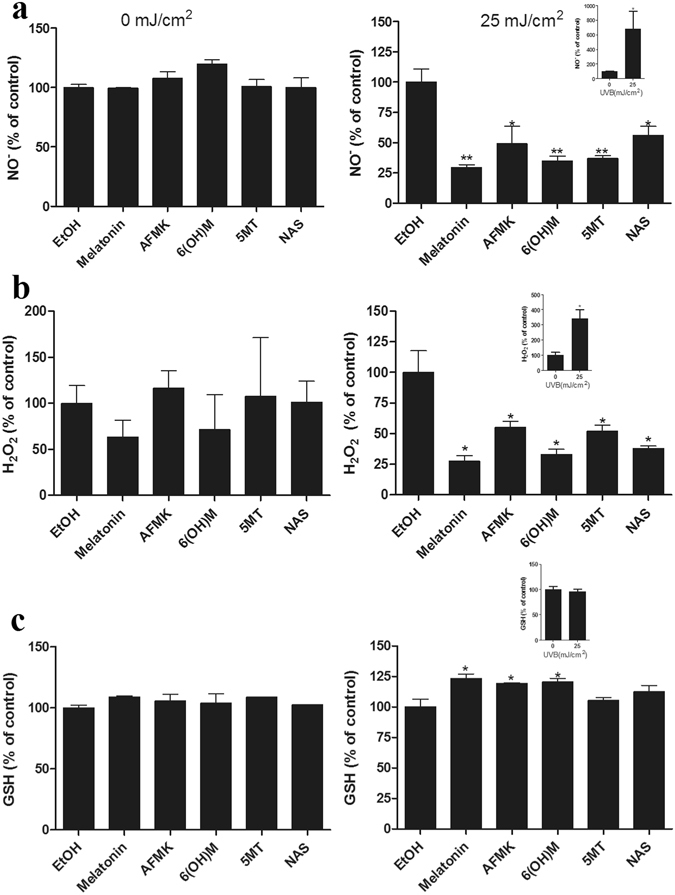
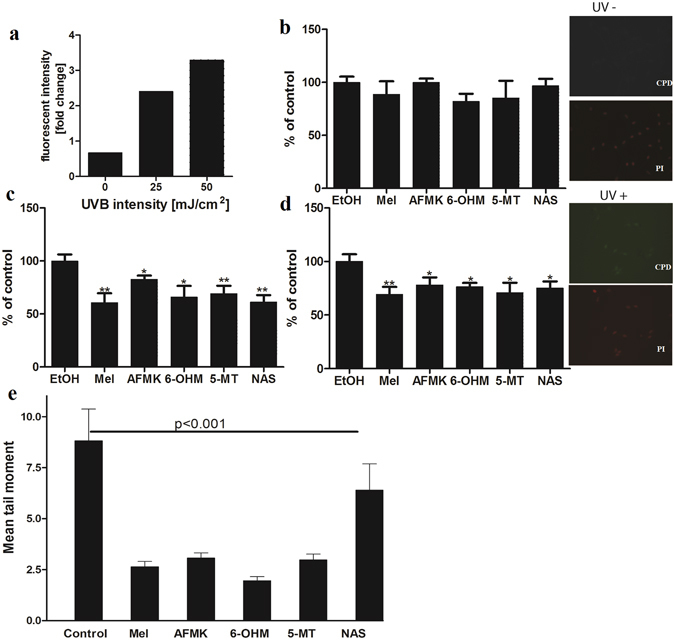
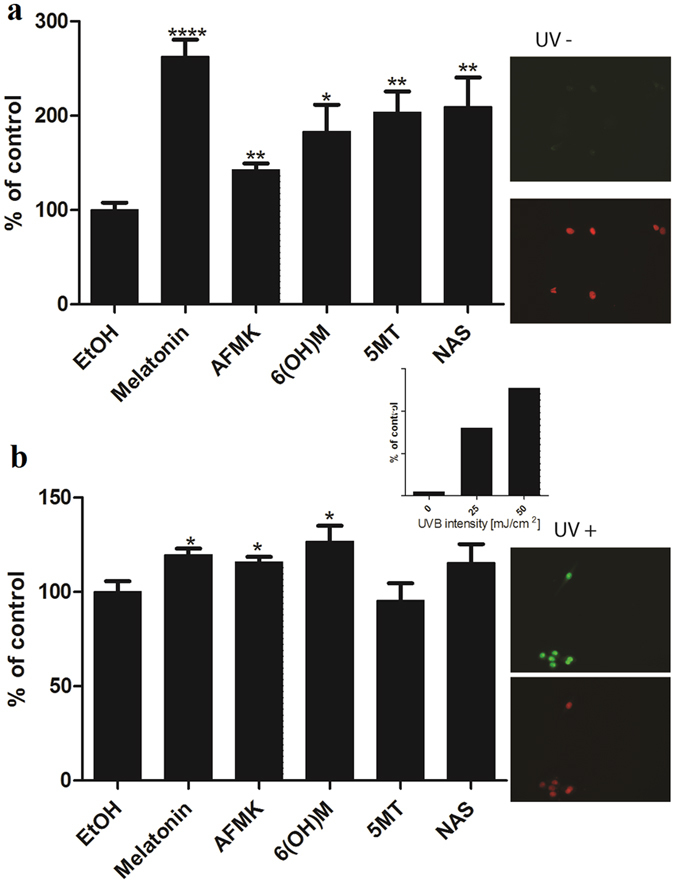
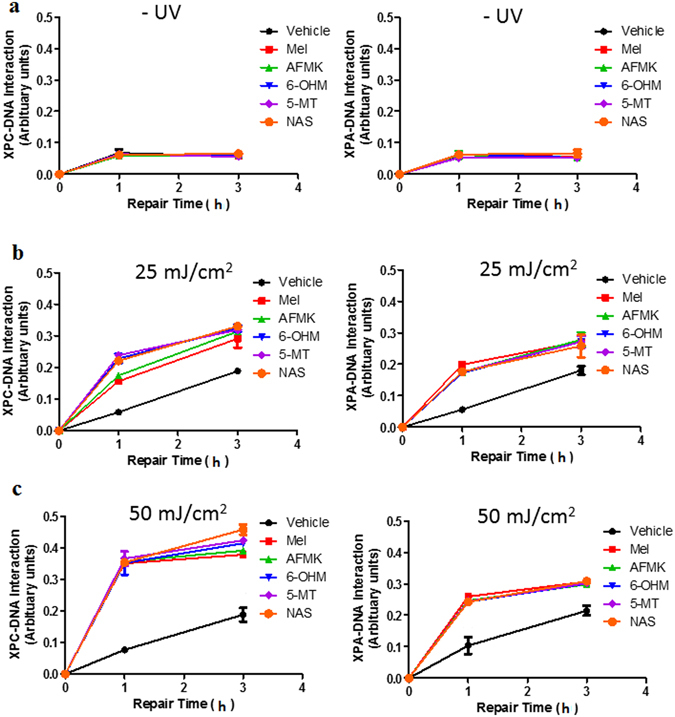
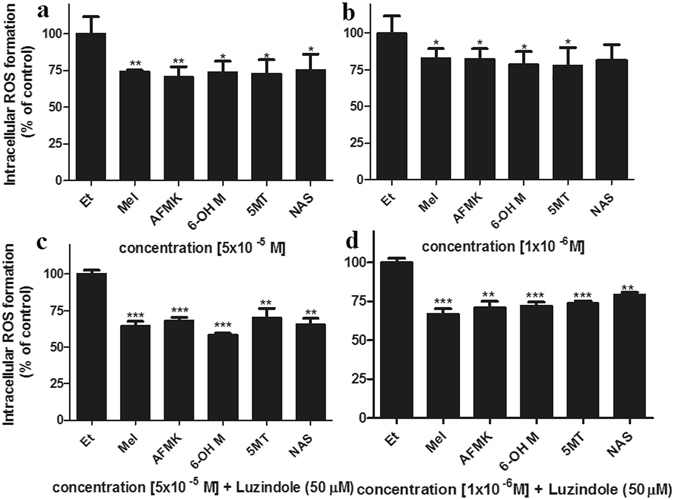
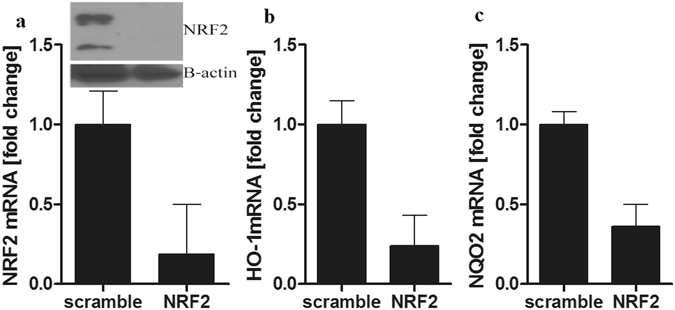
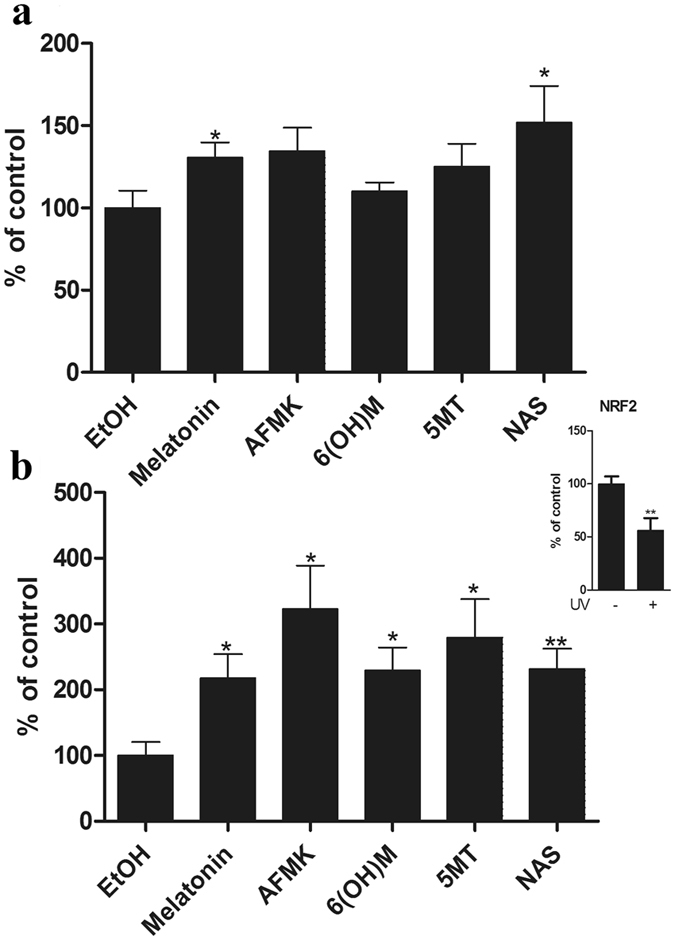
Ultraviolet light (UV) is an inducer of reactive oxygen species (ROS) as well as 6-4-photoproducts and cyclobutane pyrimidine dimers (CPD) in the skin, which further cause damage to the skin cells. Irradiation of cultured human melanocytes with UVB stimulated ROS production, which was reduced in cells treated with melatonin or its metabolites: 6-hydroxymelatonin (6-OHM), N1-acetyl-N2-formyl-5-methoxykynuramine (AFMK), N-acetylserotonin (NAS), and 5-methoxytryptamine (5-MT). Melatonin and its derivatives also stimulated the expression of NRF2 (nuclear factor erythroid 2 [NF-E2]-related factor 2) and its target enzymes and proteins that play an important role in cell protection from different damaging factors including UVB. Silencing of NRF2 using siRNA diminished the protective effects of melatonin, while the membrane melatonin receptors (MT1 or MT2) did not change the activities of either melatonin or its derivatives. Melatonin and its metabolites enhanced the DNA repair in melanocytes exposed to UVB and stimulated expression of p53 phosphorylated at Ser-15. In conclusion, melatonin and its metabolites protect melanocytes from UVB-induced DNA damage and oxidative stress through activation of NRF2-dependent pathways; these actions are independent of an effect on the classic membrane melatonin receptors. Thus, melatonin and its derivatives can serve as excellent protectors of melanocytes against UVB-induced pathology.
Overview
The claims and statistics of this paper haven’t been checked yet.
Free: it reads the open-access text and checks the first 5 claims that cite a source we can check. Create a free account to check every claim.
Integrity signals
Registry
Cites
Statistics
Figures
Verification
Claims the paper makes
The claims and statistics of this paper haven’t been checked yet.
Free: it reads the open-access text and checks the first 5 claims that cite a source we can check. Create a free account to check every claim.
Claims other papers make about this one
Each is checked against this paper’s own text: does it say what the citing paper says it does?
The source backs part of the claim, not all of it — or backs it for a different population, condition or comparison.
In the citing paper
“Several synthetic compounds that have the ability to scavenge ROS have been reported to activate Nrf2 expression [15,17,50,86,87], while the silencing of Nrf2 in cells significantly reduced the expression of its target antioxidant genes [15].”
From Protective Effects of Novel Derivatives of Vitamin D3 and Lumisterol Against UVB-Induced Damage in Human Keratinocytes Involve Activation of Nrf2 and P53 Defense Mechanisms (2019) · cites this paper as [15]
Experimental — accuracy not yet measuredThe source backs part of the claim, not all of it — or backs it for a different population, condition or comparison.
In the citing paper
“In studies of human melanocytes and keratinocytes, cells pretreated with melatonin decreased p53 expression, improved DNA repair, and decreased CPD generation [78, 79].”
From Sunscreens and Photoaging: A Review of Current Literature (2021) · cites this paper as [78]
Experimental — accuracy not yet measuredThe cited source says what the claim attributes to it.
In the citing paper
“The effects of the novel vitamin D3 and lumisterol derivatives, including the stimulation of the expression of Nrf2-downstream genes and proteins, as well as the photoprotection, are similar to those described for other synthetic and natural compounds including 1,25(OH)2D3 [1,15,17,20,36,50,97].”
In the citing paper
“In addition, DNA damage induced by UVB irradiation is associated with Nrf2-regulated antioxidants responses in skin cells [15,16].”
In the citing paper
“Our previous studies revealed a significant protective ability of Nrf2 through balancing the oxidative stress status in cells with expression of Nrf2 knocked down [6,15].”
Self-check
Percentages, sums and reported differences re-computed from the paper’s own numbers.
The self-check needs the paper’s full text.
Citations
Cites
2 retracted
Tobón-Velasco, J. C., Vázquez‐Victorio, G., Macías‐Silva, M., Cuevas, E., Ali, S. F., Maldonado, P. D., González-Trujano, M. E., Cuadrado, A., Pedraza‐Chaverrí, J., & Santamaría, A. (2012) · Free Radical Biology and Medicine · doi:10.1016/j.freeradbiomed.2012.06.040 · Cited by 47
RetractedRetracted: AKAP12 mediates PKA-induced phosphorylation of ATR to enhance nucleotide excision repair
Jarrett, S. G., Wolf Horrell, E. M., & D'Orazio, J. A. (2016) · Nucleic Acids Research · doi:10.1093/nar/gkw871 · Cited by 23
Self-citationRetractedMelanin pigmentation in mammalian skin and its hormonal regulation
Slominski, A., Tobin, D. J., Shibahara, S., & Wortsman, J. (2004) · Physiological Reviews · doi:10.1152/physrev.00044.2003 · Cited by 2,015
Self-citationMelatonin as an antioxidant: under promises but over delivers
Reiter, R. J., Mayo, J. C., Tan, D., Sainz, R. M., Alatorre‐Jimenez, M., & Qin, L. (2016) · Journal of Pineal Research · doi:10.1111/jpi.12360 · Cited by 1,703
Self-citationTan, D., Manchester, L. C., Terron, M. P., Flores, L. J., & Reiter, R. J. (2007) · Journal of Pineal Research · doi:10.1111/j.1600-079x.2006.00407.x · Cited by 1,601
Self-citationNrf2 signaling in coordinated activation of antioxidant gene expression
Jaiswal, A. K. (2004) · Free Radical Biology and Medicine · doi:10.1016/j.freeradbiomed.2004.02.074 · Cited by 1,254
Oda, K., Arakawa, H., Tanaka, T., Matsuda, K., Tanikawa, C., Mori, T., Nishimori, H., Tamai, K., Tokino, T., Nakamura, Y., et al. (2000) · Cell · doi:10.1016/s0092-8674(00)00073-8 · Cited by 1,172
Oxidative Stress in the Pathogenesis of Skin Disease
Bickers, D. R., & Athar, M. (2006) · Journal of Investigative Dermatology · doi:10.1038/sj.jid.5700340 · Cited by 1,092
Melatonin: an ancient molecule that makes oxygen metabolically tolerable
Manchester, L. C., Coto‐Montes, A., Boga, J. A., Andersen, L. P. H., Zhou, Z., Galano, A., Vriend, J., Tan, D., & Reiter, R. J. (2015) · Journal of Pineal Research · doi:10.1111/jpi.12267 · Cited by 945
Self-citationMelatonin—A pleiotropic, orchestrating regulator molecule
Hardeland, R., Cardinali, D. P., Srinivasan, V., Spence, D. W., Brown, G. M., & Pandi-Perumal, S. R. (2011) · Progress in Neurobiology · doi:10.1016/j.pneurobio.2010.12.004 · Cited by 843
Research works printed but not linked: 1
- Slominski ATD Shibahara S Wortsman J Melanin pigmentation in mammalian skin and its hormonal regulation Physiol Rev 2004 84 1155 1228 10.1152/physrev.00044.2003 15383650 · DOI · Paper page
Cited by
Items 101–162 of 162
Melatonin’s Impact on Wound Healing
Sohn, E., Kim, S., & Lee, S. R. (2024) · Antioxidants · doi:10.3390/antiox13101197 · Cited by 26
“…can also activate the Nrf2–antioxidant responsive element (ARE) pathway [128], which regulates antioxidant and detoxification genes such as heme oxygenase-1 (HO-1), glutathione-s-transferase (GST), catalase (CAT), superoxide dismutase (SOD), and NADPH quinone dehydrogenase 1 (NQO1) [129,130].”
BackgroundMao, C., Xu, Y., Shi, L., Guo, S., Jin, X., Yan, S., & Shi, B. (2019) · Animals · doi:10.3390/ani9100766 · Cited by 20
“Previous studies showed that MLT could activate the Nrf-2/ARE antioxidant pathway against the external environment or UV-induced damage, which suggests this pathway is one of the protective mechanisms [52,53].”
BackgroundGermishuys, M. P. (2019) · Cited by 29
N‐Acetylserotonin is an oxidation‐responsive activator of Nrf2 ameliorating colitis in rats
Kang, C., Jeong, S., Kim, J., Ju, S., Im, E., Heo, G., Park, S., Yoo, J., Lee, J., Yoon, I., et al. (2022) · Journal of Pineal Research · doi:10.1111/jpi.12835 · Cited by 16
Effects of Hormones and Endocrine Disorders on Hair Growth
Hasan, R., Juma, H., Eid, F. A., Alaswad, H. A., Ali, W. M., & Aladraj, F. J. (2022) · Cureus · doi:10.7759/cureus.32726 · Cited by 25
“One of the roles of melatonin is to activate nuclear factor erythroid-2-related factor 2, which has a significant impact on the protection of hair follicles from oxidative stress and thus to inhibit hair growth suppression [20,21].”
BackgroundHu, W., Zhang, J., Wang, H., Guan, M., Dai, L., Li, J., & Kang, X. (2023) · Scientific Reports · doi:10.1038/s41598-023-27575-7 · Cited by 16
Melatonin/Sericin Wound Healing Patches: Implications for Melanoma Therapy
Adamiak, K., Gaida, V. A., Schäfer, J. A., Bosse, L., Diemer, C., Reiter, R. J., Slominski, A. T., Steinbrink, K., Sionkowska, A., & Kleszczyński, K. (2024) · International Journal of Molecular Sciences · doi:10.3390/ijms25094858 · Cited by 18
Self-citationLiu, Y., Xu, J., Lu, X., Huang, M., Wang, Y., & Li, C. (2024) · Plant Biology · doi:10.1111/plb.13706 · Cited by 21
Piao, M. J., Kang, K. A., Zhen, A. X., Kang, H. K., Koh, Y. S., Kim, B. S., & Hyun, J. W. (2019) · International Journal of Molecular Sciences · doi:10.3390/ijms20061490 · Cited by 16
“Moreover, UVB is directly absorbed by DNA and generates pyrimidine adducts, such as cyclobutane pyrimidine dimer (CPD) and pyrimidine-pyrimidone (6-4) photoproducts [15], which are easily mutable substances [16].”
BackgroundSayama, K., Yuki, K., Sugata, K., Fukagawa, S., Yamamoto, T., Ikeda, S., & Murase, T. (2021) · Scientific Reports · doi:10.1038/s41598-020-79519-0 · Cited by 18
Phytomelatonin: a potential phytotherapeutic intervention on COVID-19-exposed individuals
Okeke, E. S., Ogugofor, M. O., Nkwoemeka, N. E., Nweze, E. J., & Okoye, C. O. (2021) · Microbes and Infection · doi:10.1016/j.micinf.2021.104886 · Cited by 18
Protective Effect of l-Hexaguluroic Acid Hexasodium Salt on UVA-Induced Photo-Aging in HaCaT Cells
Li, Q., Bai, D., Qin, L., Shao, M., Liu, X., Zhang, S., Yan, C., Yu, G., & Hao, J. (2020) · International Journal of Molecular Sciences · doi:10.3390/ijms21041201 · Cited by 15
“Several in vitro studies have confirmed that the upregulation of the NRF2-related pathway can protect keratinocytes and melanocytes from UVB-induced photo-aging [1,64].”
BackgroundMa, L., Liu, Q.-J., Tian, M., Tian, X.-L., & Gao, L. (2021) · Radiation Medicine and Protection · doi:10.1016/j.radmp.2021.01.003 · Cited by 18
Programmed cell death and melatonin: A comprehensive review
Rafiyan, M., Reiter, R. J., Manesh, S. M. R., Asemi, R., Sharifi, M., Mohammadi, S., Mansournia, M. A., & Asemi, Z. (2024) · Functional & Integrative Genomics · doi:10.1007/s10142-024-01454-4 · Cited by 16
Self-citationMelatonin as a Repurposed Drug for Melanoma Treatment
Pathipaka, R., Thyagarajan‐Sahu, A., & Sahu, R. P. (2023) · Medical Sciences · doi:10.3390/medsci11010009 · Cited by 16
Gupta, R., Priya, A., Chowdhary, M., Batra, V. V., Jyotsna, J., Nagarajan, P., Gokhale, R. S., & Singh, A. K. (2023) · iScience · doi:10.1016/j.isci.2023.108159 · Cited by 12
Doğanlar, Z. B., Uzun, M., Ovalı, M. A., Doğan, A., Ongoren, G., & Doğanlar, O. (2018) · Applied Physiology, Nutrition, and Metabolism · doi:10.1139/apnm-2018-0205 · Cited by 12
“Melatonin is a strong antioxidant that acts as a ROS scavenger (Reiter et al. 2000; Galano et al. 2011; Reiter et al. 2017), and melatonin metabolites also have a similar action (Galano et al. 2013; Janjetovic et al. 2017).”
BackgroundStefan, J., Kim, T., Schedel, F., Janjetović, Z., Crossman, D. K., Steinbrink, K., Slominski, R. M., Zmijewski, J. W., Tulić, M. K., Reiter, R. J., et al. (2021) · Antioxidants · doi:10.3390/antiox10040618 · Cited by 13
“The increased GADD45G level is consistent with melatonin involvement in cellular stress responses and DNA repair processes, as well as tumor suppression [1,10,12,21,26,27].”
BackgroundMethodResultSelf-citationNdinganire, G., Ntamukunzi, G., & Alagbonsi, A. I. (2026) · Function · doi:10.1152/function.101.2025 · Cited by 17
Lee, Y.-J., Choi, J.-H., Kang, K., Sung, S., Lee, S., Sung, M. K., Seo, M., & Park, J. (2024) · Microorganisms · doi:10.3390/microorganisms12010188 · Cited by 12
“Treatment with H 2 O 2 in cellular models leads to an excess of ROS, disrupting the oxidative balance [54], which is useful for establishing an oxidative stress model to investigate cellular responses in an environment that simulates oxidative stress [55].”
BackgroundFurusawa, Y., Yamamoto, T., Hattori, A., Suzuki, N., Hirayama, J., Sekiguchi, T., & Tabuchi, Y. (2020) · Molecular Medicine Reports · doi:10.3892/mmr.2020.11363 · Cited by 15
“Previous studies have demonstrated the radioprotective effect of melatonin in a receptor‐independent manner (54), which was at least partly mediated by radical scavenging and the activation of DNA repair machinery (55,56).”
BackgroundPolyRad – Protection Against Free Radical Damage
Kim, H., Tse, Y., Webb, A., Mudd, E., Abedin, M. R., Mormile, M. R., Dutta, S., Rege, K., & Barua, S. (2020) · Scientific Reports · doi:10.1038/s41598-020-65247-y · Cited by 11
An exclusive review of melatonin effects on mammalian melanocytes and melanoma
Mubashshir, M., Ahmad, N., Sköld, H. N., & Ovais, M. (2022) · Experimental Dermatology · doi:10.1111/exd.14715 · Cited by 10
NRF2 in the Epidermal Pigmentary System
Ogawa, T., & Ishitsuka, Y. (2022) · Biomolecules · doi:10.3390/biom13010020 · Cited by 9
Boutin, J. A. (2018) · IntechOpen eBooks · doi:10.5772/intechopen.79524 · Cited by 14
“…et al. 2016 b-amyloid-induced damage Cells 10–100 μM Hamster [210] Han et al. 2017 Obesity-associated stress Oocytes 30 mg/kg/day Mouse [211] Janjetovic et al. 2017 UVB-induced damage Melanocytes 50 μM Human [212] Ji et al. 2016 Angiotensin-II-indued injury Podocytes 0.1–1 mM…”
InfluentialJin, J., Jiang, Y., Wang, Y., Meng, Z., Li, D., Zhang, L., Wang, H., & Zhang, Y. (2020) · International Journal of Dermatology and Venereology · doi:10.1097/jd9.0000000000000135 · Cited by 10
“Nrf2 is a key transcription factor expressed in melanocytes and is enhanced during cellular defenses.(28-29) UV radiation, particularly UVB radiation, significantly increases the expression levels of the transcription factor Nrf2(30) and subsequently its main target antioxidant gene,HO-1.”
BackgroundSu, H. J., Yang, F., Lu, K., Ma, J., Huo, G., Li, S., & Li, J. (2024) · Biomedicine & Pharmacotherapy · doi:10.1016/j.biopha.2024.117522 · Cited by 12
Signaling pathways in skin cancers and the protective functions of melatonin
Zolfagharypoor, A., Ajdari, A., Seirafianpour, F., Pakbaz, Y., Hosseinzadeh, A., & Mehrzadi, S. (2024) · Biochimie · doi:10.1016/j.biochi.2024.11.013 · Cited by 8
Melatonin and Kidney Health: From Fetal Stage to Later Life
Tang, K.-S., Ho, C.-Y., Hsu, C., & Tain, Y. (2023) · International Journal of Molecular Sciences · doi:10.3390/ijms24098105 · Cited by 13
Kang, Y., Seo, M.-G., Lee, K.-Y., & An, H. (2020) · Evidence-based Complementary and Alternative Medicine · doi:10.1155/2020/8881270 · Cited by 8
“Plant extracts, natural compounds, or metabolites such as melatonin [33] and vitamin D compounds [34] have been considered as one of the most promising sources to prevent or ameliorate the effects of UVB.”
BackgroundBalcı, A., Yirün, A., Çakır, D. A., Zeybek, N. D., Oral, D., Sabuncuoğlu, S., & Erkekoğlu, P. (2023) · Toxicology Mechanisms and Methods · doi:10.1080/15376516.2023.2259980 · Cited by 7
“Numerous cell culture studies have shown that melatonin and its derivatives may have antioxidant effects in keratinocytes, melanocytes and dermal fibroblasts (Slominski et al. 2014; Janjetovic et al. 2014; Janjetovic et al. 2017).”
BackgroundZhang, X., Chen, Y., Yang, H., Ding, H., Cai, P., Ge, Y., Zheng, H., Sun, X., Yang, Y., Li, X., et al. (2024) · Annals of Dermatology · doi:10.5021/ad.23.141 · Cited by 8
G Protein–Coupled Receptors in Skin Aging
Cheung, S. T., Do, Y., Kim, E., Rella, A., Goyarts, E. C., Pernodet, N., & Wong, Y. H. (2024) · Journal of Investigative Dermatology · doi:10.1016/j.jid.2024.06.1288 · Cited by 6
Choi, S., Yu, E., Park, S., Oh, S. W., Kwon, K., Kim, G., Ha, H., Shin, H. S., Min, S., Song, M., et al. (2025) · BioFactors · doi:10.1002/biof.70015 · Cited by 7
Advances in Characterizing Recently-Identified Molecular Actions of Melatonin: Clinical Implications
Reiter, R. J., Sharma, R., Rosales‐Corral, S., Coto‐Montes, A. M., Boga, J. A., & Vriend, J. P. (2020) · Human perspectives in health sciences and technology · doi:10.1007/978-3-030-32857-3_14 · Cited by 8
“Both are reported to have antiinflammatory activity mediated by inhibition of NF-kB activation and DNA bindingactivity [96, 99] ; both upregulate antioxidant enzymes under conditions of oxidative stress [275] and stimulate transcription of genes of the NRF2-antioxidant response pathway [107, 260, 261] ; both are repor…”
BackgroundSelf-citationEvaluation of Melatonin and its Nanostructures Effects on Skin Disorders Focused on Wound Healing
Mousavi, S. M., Etemad, L., Yari, D., Hashemi, M., & Salmasi, Z. (2024) · Mini-Reviews in Medicinal Chemistry · doi:10.2174/0113895575299255240422055203 · Cited by 7
Sharma, K., Dixon, K. M., Münch, G. W., Chang, D., & Zhou, X. (2024) · Frontiers in Public Health · doi:10.3389/fpubh.2024.1505904 · Cited by 8
“Melatonin improves nuclear translocation and expression of Nrf2 to diminish oxidative stress markers such as ROS by increasing the glutathione production that serves as a first line of cellular defense against oxidative damage (31).”
Local antioxidant effect of original dermal film with melatonin in thermal injury
Осиков, М. В., Simonyan, E., Ageeva, A., Ageev, Y. I., Анатольевич, Ф. А., & Sinitsky, A. (2020) · Bulletin of Russian State Medical University · doi:10.24075/brsmu.2020.070 · Cited by 5
“Опосредованный антиоксидантный эффект связан с увеличением синтеза глутатиона, активацией глутатионпероксидазы, глутатионредуктазы, глутатион-S-трансферазы, СОД, каталазы, гемоксидазы-1, снижением активности хинонредуктазы-2, NOS-1 [29].”
da Silva, B. L., Lemaire, L. P., Benoît, J., Borges, F. H., Gonçalves, R. R., Amantino, C. F., Primo, F. L., & Chiavacci, L. A. (2021) · Nanomaterials · doi:10.3390/nano11071817 · Cited by 4
Ghafari, F., Salavati, M., Piercy, R. J., & Fouladi-Nashta, A. A. (2025) · Reproduction · doi:10.1530/rep-24-0388 · Cited by 4
“MTN has varied effects on tissues and cells, depending on its source and cell-speci fi c receptor expression, and with its potent antioxidant effects, it protects enzymes, proteins, lipids and DNA from oxidative damage (Grant et al. 2009, Janjetovic et al. 2017).”
Tinea Versicolor (Pityriasis Versicolor)
Zanardelli, M., Skobowiat, C., Kaliszuk, R., & Pietrzak, A. (2023) · Springer eBooks · doi:10.1007/978-3-031-15130-9_96 · Cited by 5
Hormones and Hormone Precursors of the Skin
Kemény, L. V., & Fisher, D. E. (2019) · Elsevier eBooks · doi:10.1016/b978-0-12-813814-4.00023-7 · Cited by 3
Li, X., Han, B., Tian, D., Liu, D., Ma, W., Bao, G., Wang, L., Pei, Q., Zhang, Z., & Zhao, K. (2025) · Frontiers in Veterinary Science · doi:10.3389/fvets.2025.1711294 · Cited by 2
“Reduced glutathione plays a role by inhibiting tyrosinase activity, and its concentration reduction will stimulate epidermal melanocytes to produce melanin, resulting in skin pigmentation (30).”
Cain, J., Hurrell, B. P., Shen, S. M.-C., Speliakos, P., & Akbari, O. (2026) · Frontiers in Immunology · doi:10.3389/fimmu.2026.1845654 · Cited by 4
“Melatonin has been reported to bind KEAP1, thereby disrupting this interaction and permitting NRF2 to translocate to the nucleus where it can activate antioxidant response element (ARE)-driven gene expression (25, 41, 62, 63).”
InfluentialPustelnik, K., Burner, T., Hoetzenecker, W., & Fischer, T. W. (2026) · Experimental Dermatology · doi:10.1111/exd.70235 · Cited by 3
Research progress on anti-aging effects and mechanisms of the new ginsenoside Compound K
Fang, Z., Zhang, J., Huang, J., & Cen, S. (2025) · Journal of Dermatologic Science and Cosmetic Technology · doi:10.1016/j.jdsct.2025.100072 · Cited by 3
Chen, M., Ke, J., Ma, S., Chai, H., Zhang, L., & Zhang, L. (2022) · Emergency Medicine International · doi:10.1155/2022/2791743 · Cited by 2
“Besides, it is also involved in complex anti-oxidative activities by activating NRF2-dependent pathways [33, 34].”
BackgroundRetractedThe Impact of Sleep Quality on Skin Color
Xu, J., Cai, X., Qiao, J., & Fang, H. (2025) · Indian Dermatology Online Journal · doi:10.4103/idoj.idoj_1011_24 · Cited by 2
Efficacy of melatonin treatment in a cystic fibrosis mouse model of airway infection
Schaefer, K. R., Rogers, S., Faber, Z. J., & Kelley, T. J. (2025) · Scientific Reports · doi:10.1038/s41598-025-85948-6 · Cited by 1
“Specifically, melatonin has been shown to increase the function of the antioxidant signaling protein Nrf2 35,36 .”
Papel do metabolismo de triptofano e do interferon-γ na melanogênese
Branquinho, M. (2019) · Digital Library of Theses and Dissertations (Universidade de São Paulo) · doi:10.11606/t.9.2019.tde-18102019-135722 · Cited by 4
Terá a melatonina uma ação fotoprotetora cutânea? Uma revisão baseada na evidência
Familiar, I. D. 4. A. D. M. G. E., Ferreira, C. B., Ferreira, J. B., & de Oncologia, I. D. 3. A. (2020) · Revista Portuguesa de Clínica Geral · doi:10.32385/rpmgf.v36i1.12569
Осиков, М. В., Симонян, Е. В., Агеева, А. А., Агеев, Ю. И., Анатольевич, Ф. А., & Синицкий, А. И. (2020) · Вестник Российского государственного медицинского университета · doi:10.24075/vrgmu.2020.070
Melatonin - A Cutaneous Perspective
Dhali, T. K., Sharma, M., & Hemrajani, P. (2021) · Nepal Journal of Dermatology Venereology & Leprology · doi:10.3126/njdvl.v19i2.39452
Осиков, М. В., Ageeva, A. A., Ageev, Y. I., Sinitsky, A. I., & Shatrova, Y. (2022) · Bulletin of Siberian Medicine · doi:10.20538/1682-0363-2022-1-89-95
Plasma metabolomics indicates potential biomarkers and metabolic pathways of melasmaPreprint
Zhang, X., Yi, C. H. E. N., Hedan, Y. A. N. G., Ding, H., Pingping, C. A. I., Ge, Y., ZHENG, H., Xiaojie, S. U. N., Yin, Y. A. N. G., Li, X.-N., et al. (2023) · Research Square · doi:10.21203/rs.3.rs-3015504/v1
Melatonin as a therapeutic in the skin
Bocheva, G., Kleszczyński, K., Slominski, R. M., & Slominski, A. T. (2025) · Elsevier eBooks · doi:10.1016/b978-0-443-30240-4.00011-9
Self-citationCui, Y., Liu, X., & Reiter, R. J. (2025) · Pharmacological Research - Reports · doi:10.1016/j.prerep.2025.100069 · Cited by 2
Self-citationThe role of emotional distress in disfiguring skin diseases: A view from brain-skin axis
Wen, Z., Chen, X. W., Zeng, H., Chen, Y., Zhang, N., She, Q., Zuo, X., Wang, Y., Gao, K., Wang, M., et al. (2026) · Frontiers in Neuroendocrinology · doi:10.1016/j.yfrne.2026.101253 · Cited by 1
Photoperiod Regulates Cardiac Oxidative Stress via the Keap1/Nrf2 Pathway in Striped Dwarf Hamsters
Xu, J., Wang, M., Wang, C.-L., Zhao, X., Xue, H., Wu, M., Chen, L., Fan, C., & Wang, Z. (2026) · Journal of Zoology · doi:10.1111/jzo.70140
“As an essential transcription factor, Nrf2 binds to antioxidant response elements (AREs) in the nucleus, thereby upregulating the expression of various antioxidant enzymes and proteins (Janjetovic et al. 2017; Chang et al. 2018; von Gall 2022).”
Lin, C.-H., Yen, C., Wu, Y., Chang, H., Ko, H., & Chen, Y. (2026) · International Journal of Molecular Sciences · doi:10.3390/ijms27177573
“Notably, these compounds also concurrently influence Nrf2-associated antioxidant responses, highlighting pathway interdependence [194–197].”
The interplay between vitamin D3 and Nrf2 signaling: mechanistic insights and therapeutic potentials
Tajgardan, A., Tameh, A. A., Barati, S., Behdarvandy, M., & Vahidinia, Z. (2026) · Naunyn-Schmiedeberg s Archives of Pharmacology · doi:10.1007/s00210-026-05968-5
Could the use of melatonin be a promising complementary strategy in the prevention of skin cancer?
Altenfelder, L. A., Xerfan, E. M. S., Tufik, S., & Andersen, M. L. (2026) · Archives of Dermatological Research · doi:10.1007/s00403-026-04933-9
“Experimental data in keratinocytes and melanocytes suggested that melatonin and its metabolites reduce oxidative and nitrosative stress, limit the burden of UVB induced injuries, and support DNA damage responses involving p53 and NRF2 signaling [19, 20].”
Metadata
- Authors
- Janjetovic, Z., Jarrett, S. G., Lee, E. F., Duprey, C., Reiter, R. J., & Slominski, A. T.
- Affiliations
- University of Kentucky (US)
- University of Tennessee Health Science Center (US)
- The University of Texas at San Antonio Health Science Center (US)
- Corresponding author
- Slominski, Andrzej T.
- Venue
- Scientific Reports
- Published
- 2017-04-28
- Volume
- 7
- Issue
- 1
- Pages
- 1274-1274
- ISSN
- 2045-2322 (ISSN-L)
- PMC
- PMC5430855
- OpenAlex
- W2608477110
- Cited by
- 163
- References
- 63
- Citations by year
- 2026: 8 · 2025: 11 · 2024: 18 · 2023: 16 · 2022: 16 · 2021: 20 · 2020: 24 · 2019: 21 · 2018: 25 · 2017: 4
- FWCI
- 12.41
- Type
- journal article
- Language
- en
- Open access
- gold
- doi.org
- Licence
- cc-by
- creativecommons.org/licenses/by/4.0 (tdm)
- creativecommons.org/licenses/by/4.0 (vor)
- Locations
- Scientific Reports (publishedVersion, cc-by)
- PubMed Central (publishedVersion, cc-by)
- PubMed (publishedVersion)
- UKnowledge (University of Kentucky) (submittedVersion, cc-by)
- DOAJ (DOAJ: Directory of Open Access Journals) (submittedVersion, cc-by-sa)
- Funders
- National Institutes of Health
- National Institute of Arthritis and Musculoskeletal and Skin Diseases (R01AR056666)
- Topics
- Life Sciences › Neuroscience › Endocrine and Autonomic Systems › Circadian rhythm and melatonin
- Life Sciences › Biochemistry, Genetics and Molecular Biology › Cell Biology › melanin and skin pigmentation
- Health Sciences › Medicine › Dermatology › Skin Protection and Aging
- Keywords
- melatonin, melatonin metabolites, melanocytes, UV-B radiation, Nrf2, DNA repair, reactive oxygen species, oxidative stress, p53 phosphorylation, cyclobutane pyrimidine dimers, 6-4 photoproducts, skin photoprotection, melatonin receptors
- MeSH terms
- Cells, Cultured, DNA Repair, Humans, Melanocytes, Melatonin, Radiation-Protective Agents, Ultraviolet Rays, Reactive Oxygen Species, NF-E2-Related Factor 2
About these checks
Registry, retraction, Cites and statistics results are computed, not judged, with one exception: a printed reference that no index lists is read once by a model before it counts as a citation error. Claims are extracted by a model and kept only when their quote appears verbatim in the text; each cited source is then checked, with a model’s help, for whether it says what the claim relies on. Those verdicts can be wrong — read the claim’s quote and the cited source before relying on one.
Statistics and arithmetic are recomputed, not judged.
Confidence bands are shown only for fields calibrated on our annotated test set. None is calibrated yet, so no band is shown.
What counts as a claim ›How we measure confidence ›How we check this ›
Are you an author, or do you see a problem with this page? Request a review
Data sources
Bibliographic data: Semantic Scholar, OpenAlex, Crossref.
Contains information from the Semantic Scholar Academic Graph Datasets, made available under the ODC Attribution License (ODC-BY 1.0).
Semantic Scholar’s data is described in: Kinney, R., et al. (2023). The Semantic Scholar Open Data Platform. arXiv:2301.10140.
