

Melatonin and its metabolites protect human melanocytes against UVB-induced damage: Involvement of NRF2-mediated pathways
Open accessThe DOI matches its Crossref record; 63 of the 63 references it cites were found in a registry or an index.
Abstract
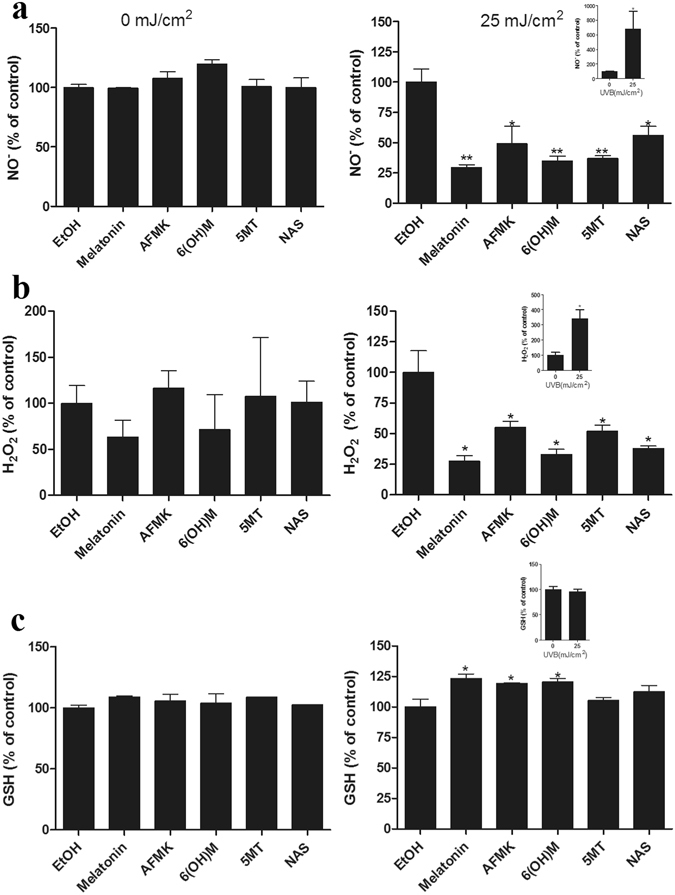
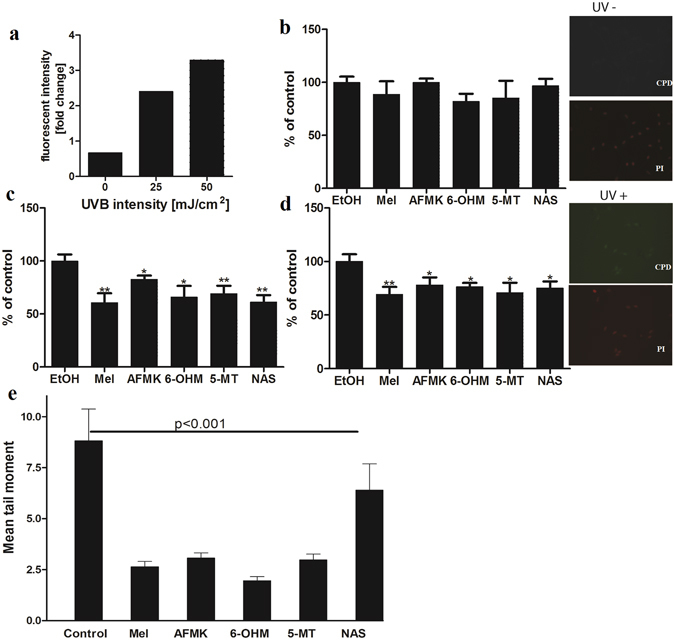
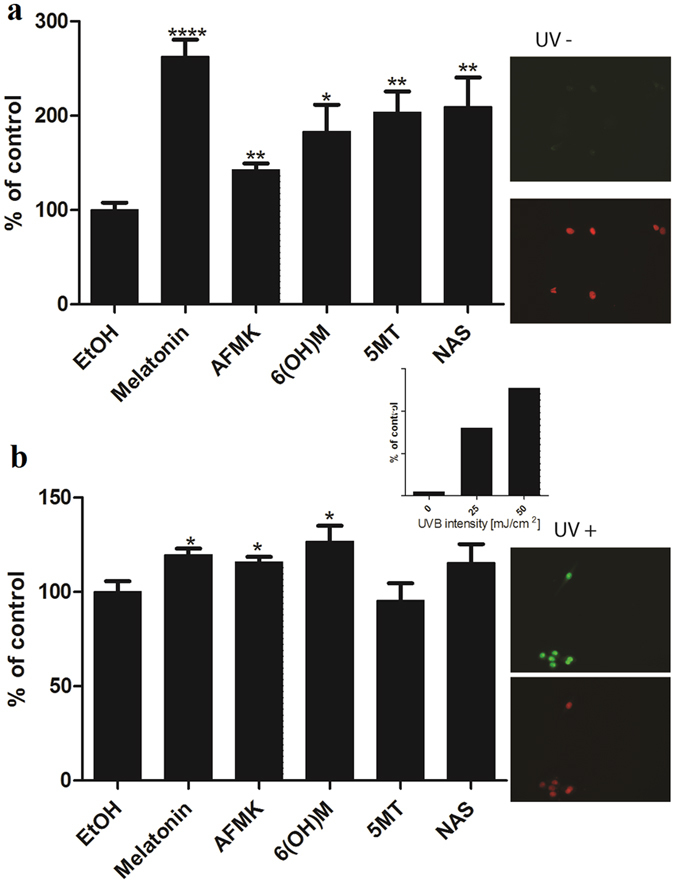
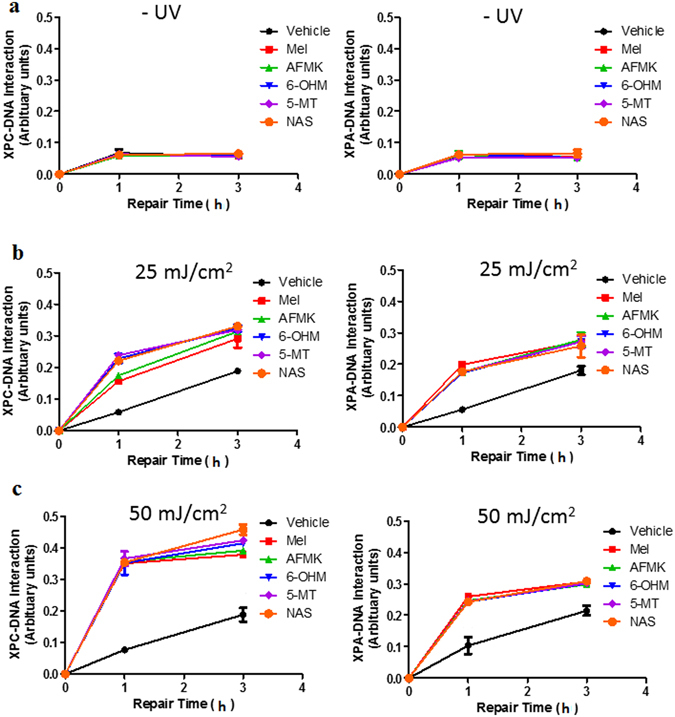
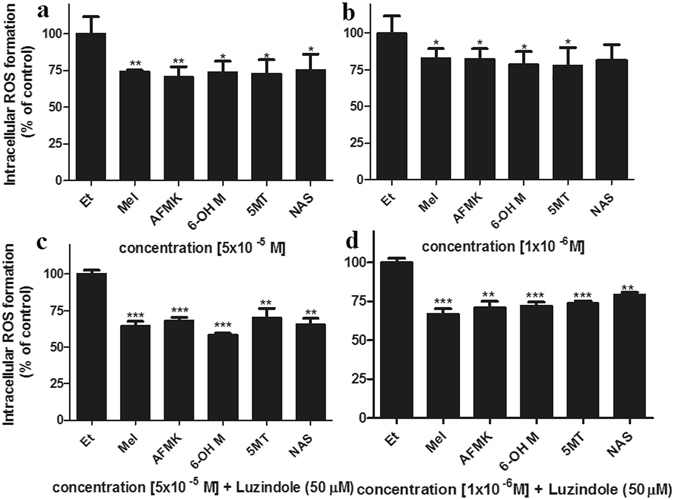
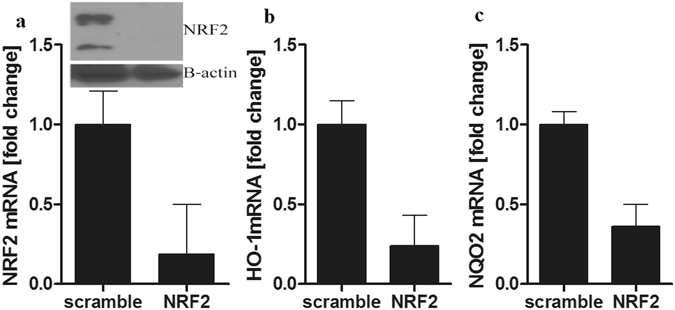
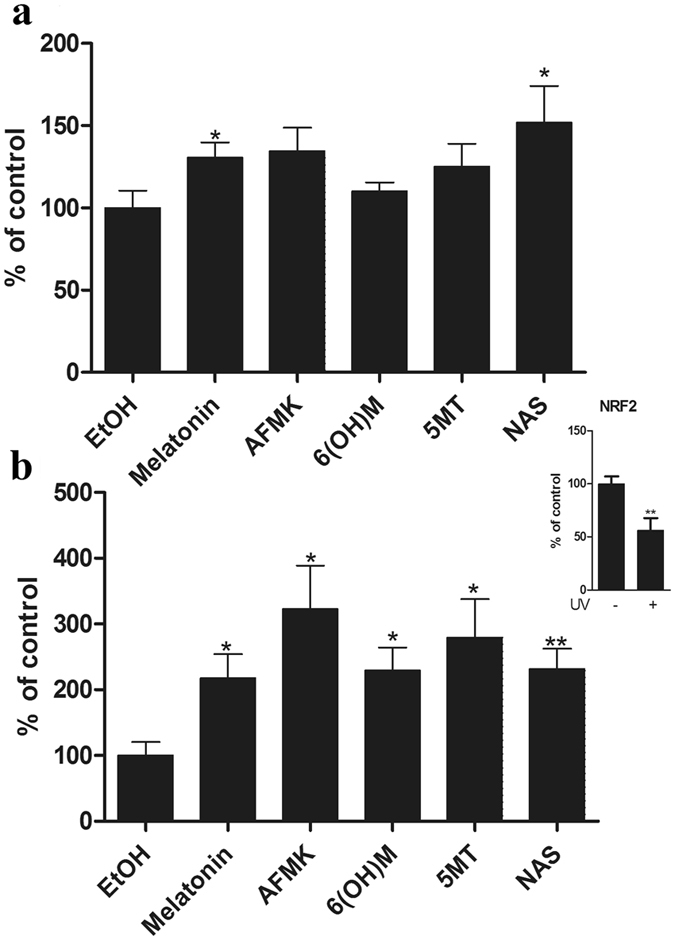
Ultraviolet light (UV) is an inducer of reactive oxygen species (ROS) as well as 6-4-photoproducts and cyclobutane pyrimidine dimers (CPD) in the skin, which further cause damage to the skin cells. Irradiation of cultured human melanocytes with UVB stimulated ROS production, which was reduced in cells treated with melatonin or its metabolites: 6-hydroxymelatonin (6-OHM), N1-acetyl-N2-formyl-5-methoxykynuramine (AFMK), N-acetylserotonin (NAS), and 5-methoxytryptamine (5-MT). Melatonin and its derivatives also stimulated the expression of NRF2 (nuclear factor erythroid 2 [NF-E2]-related factor 2) and its target enzymes and proteins that play an important role in cell protection from different damaging factors including UVB. Silencing of NRF2 using siRNA diminished the protective effects of melatonin, while the membrane melatonin receptors (MT1 or MT2) did not change the activities of either melatonin or its derivatives. Melatonin and its metabolites enhanced the DNA repair in melanocytes exposed to UVB and stimulated expression of p53 phosphorylated at Ser-15. In conclusion, melatonin and its metabolites protect melanocytes from UVB-induced DNA damage and oxidative stress through activation of NRF2-dependent pathways; these actions are independent of an effect on the classic membrane melatonin receptors. Thus, melatonin and its derivatives can serve as excellent protectors of melanocytes against UVB-induced pathology.
Overview
The claims and statistics of this paper haven’t been checked yet.
Free: it reads the open-access text and checks the first 5 claims that cite a source we can check. Create a free account to check every claim.
Integrity signals
Registry
Cites
Statistics
Figures
Verification
Claims the paper makes
The claims and statistics of this paper haven’t been checked yet.
Free: it reads the open-access text and checks the first 5 claims that cite a source we can check. Create a free account to check every claim.
Claims other papers make about this one
Each is checked against this paper’s own text: does it say what the citing paper says it does?
The source backs part of the claim, not all of it — or backs it for a different population, condition or comparison.
In the citing paper
“Several synthetic compounds that have the ability to scavenge ROS have been reported to activate Nrf2 expression [15,17,50,86,87], while the silencing of Nrf2 in cells significantly reduced the expression of its target antioxidant genes [15].”
From Protective Effects of Novel Derivatives of Vitamin D3 and Lumisterol Against UVB-Induced Damage in Human Keratinocytes Involve Activation of Nrf2 and P53 Defense Mechanisms (2019) · cites this paper as [15]
Experimental — accuracy not yet measuredThe source backs part of the claim, not all of it — or backs it for a different population, condition or comparison.
In the citing paper
“In studies of human melanocytes and keratinocytes, cells pretreated with melatonin decreased p53 expression, improved DNA repair, and decreased CPD generation [78, 79].”
From Sunscreens and Photoaging: A Review of Current Literature (2021) · cites this paper as [78]
Experimental — accuracy not yet measuredThe cited source says what the claim attributes to it.
In the citing paper
“The effects of the novel vitamin D3 and lumisterol derivatives, including the stimulation of the expression of Nrf2-downstream genes and proteins, as well as the photoprotection, are similar to those described for other synthetic and natural compounds including 1,25(OH)2D3 [1,15,17,20,36,50,97].”
In the citing paper
“In addition, DNA damage induced by UVB irradiation is associated with Nrf2-regulated antioxidants responses in skin cells [15,16].”
In the citing paper
“Our previous studies revealed a significant protective ability of Nrf2 through balancing the oxidative stress status in cells with expression of Nrf2 knocked down [6,15].”
Self-check
Percentages, sums and reported differences re-computed from the paper’s own numbers.
The self-check needs the paper’s full text.
Citations
Cites
2 retracted
Tobón-Velasco, J. C., Vázquez‐Victorio, G., Macías‐Silva, M., Cuevas, E., Ali, S. F., Maldonado, P. D., González-Trujano, M. E., Cuadrado, A., Pedraza‐Chaverrí, J., & Santamaría, A. (2012) · Free Radical Biology and Medicine · doi:10.1016/j.freeradbiomed.2012.06.040 · Cited by 47
RetractedRetracted: AKAP12 mediates PKA-induced phosphorylation of ATR to enhance nucleotide excision repair
Jarrett, S. G., Wolf Horrell, E. M., & D'Orazio, J. A. (2016) · Nucleic Acids Research · doi:10.1093/nar/gkw871 · Cited by 23
Self-citationRetractedMelanin pigmentation in mammalian skin and its hormonal regulation
Slominski, A., Tobin, D. J., Shibahara, S., & Wortsman, J. (2004) · Physiological Reviews · doi:10.1152/physrev.00044.2003 · Cited by 2,015
Self-citationMelatonin as an antioxidant: under promises but over delivers
Reiter, R. J., Mayo, J. C., Tan, D., Sainz, R. M., Alatorre‐Jimenez, M., & Qin, L. (2016) · Journal of Pineal Research · doi:10.1111/jpi.12360 · Cited by 1,703
Self-citationTan, D., Manchester, L. C., Terron, M. P., Flores, L. J., & Reiter, R. J. (2007) · Journal of Pineal Research · doi:10.1111/j.1600-079x.2006.00407.x · Cited by 1,601
Self-citationNrf2 signaling in coordinated activation of antioxidant gene expression
Jaiswal, A. K. (2004) · Free Radical Biology and Medicine · doi:10.1016/j.freeradbiomed.2004.02.074 · Cited by 1,254
Oda, K., Arakawa, H., Tanaka, T., Matsuda, K., Tanikawa, C., Mori, T., Nishimori, H., Tamai, K., Tokino, T., Nakamura, Y., et al. (2000) · Cell · doi:10.1016/s0092-8674(00)00073-8 · Cited by 1,172
Oxidative Stress in the Pathogenesis of Skin Disease
Bickers, D. R., & Athar, M. (2006) · Journal of Investigative Dermatology · doi:10.1038/sj.jid.5700340 · Cited by 1,092
Melatonin: an ancient molecule that makes oxygen metabolically tolerable
Manchester, L. C., Coto‐Montes, A., Boga, J. A., Andersen, L. P. H., Zhou, Z., Galano, A., Vriend, J., Tan, D., & Reiter, R. J. (2015) · Journal of Pineal Research · doi:10.1111/jpi.12267 · Cited by 945
Self-citationMelatonin—A pleiotropic, orchestrating regulator molecule
Hardeland, R., Cardinali, D. P., Srinivasan, V., Spence, D. W., Brown, G. M., & Pandi-Perumal, S. R. (2011) · Progress in Neurobiology · doi:10.1016/j.pneurobio.2010.12.004 · Cited by 843
Research works printed but not linked: 1
- Slominski ATD Shibahara S Wortsman J Melanin pigmentation in mammalian skin and its hormonal regulation Physiol Rev 2004 84 1155 1228 10.1152/physrev.00044.2003 15383650 · DOI · Paper page
Cited by
Melatonin as a mitochondria-targeted antioxidant: one of evolution's best ideas
Reiter, R. J., Rosales-Corral, S., Tan, D. X., Jou, M. J., Galano, A., & Xu, B. (2017) · Cellular and Molecular Life Sciences · doi:10.1007/s00018-017-2609-7 · Cited by 558
Self-citationMitochondria: Central Organelles for Melatonin′s Antioxidant and Anti-Aging Actions
Reiter, R., Tan, D., Rosales-Corral, S., Galano, A., Zhou, X., & Xu, B. (2018) · Molecules · doi:10.3390/molecules23020509 · Cited by 393
“Some proposed mechanisms include their ability to inhibit the ubiquitination of Nrf2, thereby allowing it to translocate to the nucleus and bind to the antioxidant response element (ARE), which leads to the activation of the associated enzymes [15,77,78].”
BackgroundSelf-citationMelatonin and its metabolites vs oxidative stress: From individual actions to collective protection
Galano, A., & Reiter, R. J. (2018) · Journal of Pineal Research · doi:10.1111/jpi.12514 · Cited by 353
Self-citationMelatonin: A Versatile Protector against Oxidative DNA Damage
Galano, A., Tan, D.-X., & Reiter, R. (2018) · Molecules · doi:10.3390/molecules23030530 · Cited by 290
“There is also evidence that melatonin and its metabolites (6OHM, AFMK and NAS) protect melanocytes from UVB-induced DNA damage and OS through activation of nuclear erythroid 2-related factor 2 (Nrf2) and its target enzymes [277].”
BackgroundInfluentialSelf-citationMelatonin: A Cutaneous Perspective on its Production, Metabolism, and Functions
Slominski, A. T., Hardeland, R., Zmijewski, M. A., Slominski, R. M., Reiter, R. J., & Paus, R. (2018) · Journal of Investigative Dermatology · doi:10.1016/j.jid.2017.10.025 · Cited by 286
“Given that melatonin stimulates nuclear erythroid 2-related factor 2 (Janjetovic et al., 2017; Kleszczynski et al., 2016) whereas nuclear erythroid 2-related factor 2 activation protects human HFs against oxidative stress-induced hair growth inhibition (Haslam et al., 2017), it deserves further…”
BackgroundInfluentialSelf-citationNatural Antioxidants: Multiple Mechanisms to Protect Skin From Solar Radiation
Dunaway, S., Odin, R., Zhou, L., Ji, L., Zhang, Y., & Kadekaro, A. L. (2018) · Frontiers in Pharmacology · doi:10.3389/fphar.2018.00392 · Cited by 280
“Studies have demonstrated a decrease in the production of ROS after UVB exposure in both human melanocytes (Janjetovic et al., 2017) and keratinocytes treated with melatonin (Janjetovic et al., 2014).”
BackgroundSunscreens and Photoaging: A Review of Current Literature
Guan, L. L., Lim, H. W., & Mohammad, T. F. (2021) · American Journal of Clinical Dermatology · doi:10.1007/s40257-021-00632-5 · Cited by 313
“In studies of human melanocytes and keratinocytes, cells pretreated with melatonin decreased p53 expression, improved DNA repair, and decreased CPD generation [78, 79].”
BackgroundHormonal Effects on Hair Follicles
Grymowicz, M., Rudnicka, E., Podfigurna, A., Napierala, P., Smolarczyk, R., Smolarczyk, K., & Meczekalski, B. (2020) · International Journal of Molecular Sciences · doi:10.3390/ijms21155342 · Cited by 234
“It is evident that melatonin stimulates nuclear factor erythroid-2-related factor 2, the activation of which protects the hair follicles before oxidative stress-induced hair growth inhibition [34,35].”
BackgroundMelatonin, mitochondria, and the skin
Slominski, A. T., Zmijewski, M. A., Semak, I., Kim, T.-K., Janjetovic, Z., Slominski, R. M., & Zmijewski, J. W. (2017) · Cellular and Molecular Life Sciences · doi:10.1007/s00018-017-2617-7 · Cited by 211
“Interestingly, this process is independent of membrane bound melatonin receptors, as shown in melanocytes [55].”
Self-citationSlominski, R. M., Chen, J. Y., Raman, C., & Slominski, A. T. (2024) · Proceedings of the National Academy of Sciences · doi:10.1073/pnas.2308374121 · Cited by 195
Self-citationPhotoprotective Properties of Vitamin D and Lumisterol Hydroxyderivatives
Slominski, A. T., Chaiprasongsuk, A., Janjetović, Z., Kim, T., Stefan, J., Slominski, R. M., Hanumanthu, V. S., Raman, C., Qayyum, S., Song, Y., et al. (2020) · Cell Biochemistry and Biophysics · doi:10.1007/s12013-020-00913-6 · Cited by 155
Self-citationMelatonin as a potential modulator of Nrf2
Ahmadi, Z., & Ashrafizadeh, M. (2019) · Fundamental and Clinical Pharmacology · doi:10.1111/fcp.12498 · Cited by 162
Chaiprasongsuk, A., Janjetovic, Z., Kim, T.-K., Jarrett, S. G., D'Orazio, J. A., Holick, M. F., Tang, E. K. Y., Tuckey, R. C., Panich, U., Li, W., et al. (2019) · Redox Biology · doi:10.1016/j.redox.2019.101206 · Cited by 146
“Several synthetic compounds that have the ability to scavenge ROS have been reported to activate Nrf2 expression [15,17,50,86,87], while the silencing of Nrf2 in cells significantly reduced the expression of its target antioxidant genes [15].”
BackgroundMethodSelf-citationMelatonin as an adjuvant in radiotherapy for radioprotection and radiosensitization
Farhood, B., Goradel, N. H., Mortezaee, K., Khanlarkhani, N., Salehi, E., Nashtaei, M. S., Mirtavoos‐Mahyari, H., Motevaseli, E., Shabeeb, D., Musa, A. E., et al. (2018) · Clinical & Translational Oncology · doi:10.1007/s12094-018-1934-0 · Cited by 161
Huang, T., Lin, C., Alalaiwe, A. S., Yang, S.-C., & Fang, J. (2019) · International Journal of Molecular Sciences · doi:10.3390/ijms20102558 · Cited by 153
Neuroendocrine Aspects of Skin Aging
Bocheva, G., Slominski, R. M., & Slominski, A. T. (2019) · International Journal of Molecular Sciences · doi:10.3390/ijms20112798 · Cited by 135
“The mechanism of this protection includes activation of Nrf2 and upregulation of the Nrf2-related pathway [185,186].”
BackgroundSelf-citationProtective Role of Melatonin and Its Metabolites in Skin Aging
Bocheva, G., Slominski, R. M., Janjetović, Z., Kim, T., Böhm, M., Steinbrink, K., Reiter, R. J., Kleszczyński, K., & Slominski, A. T. (2022) · International Journal of Molecular Sciences · doi:10.3390/ijms23031238 · Cited by 144
Self-citationFang, J., Yan, Y., Teng, X., Wen, X., Li, N., Peng, S., Liu, W., Donadeu, F. X., Zhao, S., & Hua, J. (2018) · Aging · doi:10.18632/aging.101602 · Cited by 109
“Melatonin can activate NRF2 by inhibiting its ubiquitination [40] and promoting its transportation to the nucleus [41].”
BackgroundProtective Effects of Melatonin on the Skin: Future Perspectives
Rusanova, I., Martínez-Ruiz, L., Florido, J., Rodríguez-Santana, C., Guerra‐Librero, A., Acuña-Castroviejo, D., & Escames, G. (2019) · International Journal of Molecular Sciences · doi:10.3390/ijms20194948 · Cited by 118
“New antioxidant mechanisms of melatonin have recently been described by Janjetovic et al. (2017), who demonstrated that melatonin activates the expression of nuclear factor erythroid 2-related factor 2 (Nrf2) to protect keratinocytes against UVR-mediated oxidative stress [36].”
BackgroundSkobowiat, C., Brożyna, A. A., Janjetovic, Z., Jeayeng, S., Oak, A. S. W., Kim, T., Panich, U., Reiter, R. J., & Slominski, A. T. (2018) · Journal of Pineal Research · doi:10.1111/jpi.12501 · Cited by 105
“In a cell culture-based study, melatonin and its derivatives reduced the UVBinduced reactive oxygen species generation in keratinocytes and melanocytes [25, 26] and in”
InfluentialSelf-citationRole and Therapeutic Potential of Melatonin in Various Type of Cancers
Gurunathan, S., Qasim, M., Kang, M.-H., & Kim, J. (2021) · OncoTargets and Therapy · doi:10.2147/ott.s298512 · Cited by 103
“MLT and its metabolites enhance DNA repair and p53 expression in melanocytes exposed to UVB.149 However, MLT exhibited cytotoxic, genotoxic, apoptotic, and ROS generationpromoting effects in human epidermoid carcinoma cells (A-431) and human normal skin fibroblastic cells (CCD1079Sk).”
BackgroundCopper/Zinc Superoxide Dismutase in Human Skin: Current Knowledge
Altobelli, G. G., Van Noorden, S., Balato, A., & Cimini, V. (2020) · Frontiers in Medicine · doi:10.3389/fmed.2020.00183 · Cited by 84
Ha, A. T., Rahmawati, L., You, L., Hossain, M. A., Kim, J., & Cho, J. Y. (2021) · International Journal of Molecular Sciences · doi:10.3390/ijms23010433 · Cited by 99
“As shown in previous reports, one of the main factors that lead to damaged cells, tissues, and organs is UVB exposure [62,63].”
BackgroundFock, E. M., & Parnova, R. G. (2021) · Pharmaceutics · doi:10.3390/pharmaceutics13020144 · Cited by 91
“It inhibits the ubiquitination of Nrf2, allowing its binding with the antioxidant response element, which, in turn, activates the transcription of antioxidant genes [157,158].”
BackgroundYang, C., Xu, J., Ren, Q., Duan, T., Mo, F., & Zhang, W. (2019) · Journal of Pineal Research · doi:10.1111/jpi.12569 · Cited by 85
Mechanisms Underlying Tumor Suppressive Properties of Melatonin
Bondy, S. C., & Campbell, A. (2018) · International Journal of Molecular Sciences · doi:10.3390/ijms19082205 · Cited by 75
“Most of the reports of melatonin acting by means not involving its receptors [103] are based on the use of much larger concentrations in experimental systems than those found in intact animals.”
BackgroundIncreasing Nrf2 Activity as a Treatment Approach in Neuropsychiatry
Morris, G., Walker, A. J., Walder, K., Berk, M., Marx, W., Carvalho, A. F., Maes, M., & Puri, B. K. (2021) · Molecular Neurobiology · doi:10.1007/s12035-020-02212-w · Cited by 72
Gęgotek, A., Jastrząb, A., Jarocka-Karpowicz, I., Muszyńska, M., & Skrzydlewska, E. (2018) · Antioxidants · doi:10.3390/antiox7090110 · Cited by 80
“Melatonin has been previously shown to be downregulated in skin cells following UV radiation [65,66], while UV-induced decrease in GSH level, what is shown in this study is significantly enhanced as a result of sea buckthorn oil treatment.”
BackgroundSignificance of Melatonin in the Regulation of Circadian Rhythms and Disease Management
Megha, K. B., Arathi, A., Shikha, S., Alka, R., Ramya, P., & Mohanan, P. V. (2024) · Molecular Neurobiology · doi:10.1007/s12035-024-03915-0 · Cited by 93
“Both in vitro and in vivo studies concluded that combined melatonin and exogenic adipose mesenchymal stem cell–derived exosomes offered protection against liver ischaemia/reperfusion injury compared to treatment with either alone [116].”
Anti-Wrinkling and Anti-Melanogenic Effect of Pradosia mutisii Methanol Extract
Lorz, L. R., Yoo, B. C., Kim, M., & Cho, J. Y. (2019) · International Journal of Molecular Sciences · doi:10.3390/ijms20051043 · Cited by 72
Evolutionary formation of melatonin and vitamin D in early life forms: insects take centre stage
Kim, T., Slominski, R. M., Pyza, E., Kleszczyński, K., Tuckey, R. C., Reiter, R. J., Holick, M. F., & Slominski, A. T. (2024) · Biological reviews/Biological reviews of the Cambridge Philosophical Society · doi:10.1111/brv.13091 · Cited by 74
“Similar functions have been assigned to melatonin and its derivatives (Reiter & Tan, 2019; Zhao et al ., 2019; Reiter et al ., 2017; Tan et al ., 2007, 2013, 2014; Vijayalaxmi et al ., 2004; Slominski et al ., 2014 c , 2017 d ; Janjetovic et al ., 2017; Skobowiat et al ., 2018).”
Self-citationEffect of ultraviolet radiation on the Nrf2 signaling pathway in skin cells
Ryšavá, A., Vostálová, J., & Svobodová, A. R. (2021) · International Journal of Radiation Biology · doi:10.1080/09553002.2021.1962566 · Cited by 74
Slominski, A. T., Kim, T., Slominski, R. M., Song, Y., Qayyum, S., Placha, W., Janjetović, Z., Kleszczyński, K., Atigadda, V. R., Song, Y., et al. (2023) · International Journal of Molecular Sciences · doi:10.3390/ijms242015496 · Cited by 69
“These properties are shared by its metabolite products of the indolic and kynuric degradation pathways [8–10, 21, 23–”
BackgroundResultInfluentialSelf-citationBisquert, R., Muñiz‐Calvo, S., & Guillamón, J. M. (2018) · Frontiers in Microbiology · doi:10.3389/fmicb.2018.00318 · Cited by 77
“Positive results about Mel’s protective effect against UV light have been recently reported for human melanocytes, which lends more support to this function of Mel (Janjetovic et al., 2017).”
BackgroundRevisiting the role of melatonin in human melanocyte physiology: A skin context perspective
Sevilla, A., Chéret, J., Slominski, R. M., Slominski, A. T., & Paus, R. (2022) · Journal of Pineal Research · doi:10.1111/jpi.12790 · Cited by 68
“, cyclic‐3‐ hydroxymelatonin [C‐3HOM] and AMK)(188) are powerful direct scavengers of ROS and reactive nitrogen species (RNS)(89,90) that protect human melanocytes from oxidative damage.(28) Moreover, once melatonin binds to MT1/2 receptors, the downstream signaling cascade stimulates the expression of numerous antiox…”
BackgroundInfluentialSelf-citationMelatonin and its metabolites as chemical agents capable of directly repairing oxidized DNA
Pérez‐González, A., Castañeda‐Arriaga, R., Alvarez-Idaboy, J. R., Reiter, R. J., & Galano, A. (2018) · Journal of Pineal Research · doi:10.1111/jpi.12539 · Cited by 65
Self-citationCharacterization of serotonin and N ‐acetylserotonin systems in the human epidermis and skin cells
Slominski, A. T., Kim, T., Kleszczyński, K., Semak, I. V., Janjetović, Z., Sweatman, T. W., Skobowiat, C., Steketee, J. D., Lin, Z., Postlethwaite, A. E., et al. (2019) · Journal of Pineal Research · doi:10.1111/jpi.12626 · Cited by 68
Self-citationTranslational Neuroendocrinology of Human Skin: Concepts and Perspectives
Ramot, Y., Böhm, M., & Paus, R. (2020) · Trends in Molecular Medicine · doi:10.1016/j.molmed.2020.09.002 · Cited by 68
Tan, D. X., & Hardeland, R. (2020) · Molecules · doi:10.3390/molecules25194410 · Cited by 61
Gatti, G., Lucini, V., Dugnani, S., Calastretti, A., Spadoni, G., Bedini, A., Rivara, S., Mor, M., Canti, G. L., Scaglione, F., et al. (2017) · Oncotarget · doi:10.18632/oncotarget.20124 · Cited by 58
“First, melatonin has a range of known effects, either receptor-mediated or not, which protect cells form different damaging factors [35].”
BackgroundRetractedGherardini, J., Wegner, J., Chéret, J., Ghatak, S., Lehmann, J., Alam, M., Jimenez, F., Funk, W., Böhm, M., Botchkareva, N. V., et al. (2019) · International Journal of Cosmetic Science · doi:10.1111/ics.12521 · Cited by 56
Topical bixin confers NRF2-dependent protection against photodamage and hair graying in mouse skin
Rojo de la Vega, M., Zhang, D. D., & Wondrak, G. T. (2018) · Frontiers in Pharmacology · doi:10.3389/fphar.2018.00287 · Cited by 55
“It should also be mentioned that melatonin and its metabolites protect melanocytes against UVB-induced damage through NRF2-mediated pathways, a cytoprotective mechanism that might suppress skin environmental stress (Janjetovic et al., 2017; Slominski et al., 2017, 2018).”
BackgroundKleszczyński, K., Bilska, B., Stegemann, A., Flis, D. J., Ziolkowski, W., Pyza, E., Luger, T. A., Reiter, R. J., Böhm, M., & Slominski, A. T. (2018) · International Journal of Molecular Sciences · doi:10.3390/ijms19123786 · Cited by 54
“Schematic diagram of the complex mechanisms of inductive (arrows) and inhibiting (T line) action of melatonin counteracting UVR-induced intracellular alterations based on earlier reports [25,27,28,32,33,44] (labeled in grey and dashed lines) with modification based on the presented data (labeled in black).”
BackgroundMethodSelf-citationÁlvarez-Artime, A., Cernuda‐Cernuda, R., Artime-Naveda, F., Cepas, V., González‐Menéndez, P., Fernández-Vega, S., Quirós-González, I., Sainz, R. M., & Mayo, J. C. (2020) · International Journal of Molecular Sciences · doi:10.3390/ijms21020548 · Cited by 59
Slominski, A. T., Brożyna, A. A., Zmijewski, M. A., Janjetović, Z., Kim, T., Slominski, R. M., Tuckey, R. C., Mason, R. S., Jetten, A. M., Guroji, P., et al. (2020) · Advances in experimental medicine and biology · doi:10.1007/978-3-030-46227-7_13 · Cited by 57
Self-citationNatural Sun-Screening Compounds and DNA-Repair Enzymes: Photoprotection and Photoaging
Gupta, A., Singh, A. P., Singh, V. K., Singh, P. R., Jaiswal, J., Kumari, N., Upadhye, V. J., Singh, S. C., & Sinha, R. P. (2023) · Catalysts · doi:10.3390/catal13040745 · Cited by 56
Jaworek, A., Szepietowski, J. C., Hałubiec, P., Wojas‐Pelc, A., & Jaworek, J. M. (2021) · Antioxidants · doi:10.3390/antiox10081179 · Cited by 56
Involvement of NRF2 in Breast Cancer and Possible Therapeutical Role of Polyphenols and Melatonin
Tascioglu Aliyev, A., Panieri, E., Stepanić, V., Gurer-Orhan, H., & Saso, L. (2021) · Molecules · doi:10.3390/molecules26071853 · Cited by 50
Jiang, W. M., Li, S., Chen, X., Zhang, W., Chang, Y., He, Y., Zhang, S., Su, X., Gao, T., Li, C., et al. (2019) · Journal of Dermatological Science · doi:10.1016/j.jdermsci.2019.03.007 · Cited by 49
Dong, K. K., Goyarts, E. C., Rella, A., Pelle, E., Wong, Y. H., & Pernodet, N. (2020) · International Journal of Molecular Sciences · doi:10.3390/ijms21010326 · Cited by 49
“Recently it was reported that the photoprotective effect of melatonin was independent of the MT-1 receptor in human epidermal melanocytes [24].”
BackgroundMelatonin exerts oncostatic capacity and decreases melanogenesis in human MNT‐1 melanoma cells
Kleszczyński, K., Kim, T., Bilska, B., Sarna, M., Mokrzynski, K. T., Stegemann, A., Pyza, E., Reiter, R. J., Steinbrink, K., Böhm, M., et al. (2019) · Journal of Pineal Research · doi:10.1111/jpi.12610 · Cited by 45
Self-citationMelatonin: A Potential Regulator of DNA Methylation
Linowiecka, K., Slominski, A. T., Reiter, R. J., Böhm, M., Steinbrink, K., Paus, R., & Kleszczyński, K. (2023) · Antioxidants · doi:10.3390/antiox12061155 · Cited by 51
Self-citationHMGB 1 deficiency reduces H2O2‐induced oxidative damage in human melanocytes via the Nrf2 pathway
Mou, K., Liu, W., Miao, Y., Cao, F., & Li, P. (2018) · Journal of Cellular and Molecular Medicine · doi:10.1111/jcmm.13895 · Cited by 51
Mou, K., Pan, W., Han, D., Wen, X., Cao, F., Miao, Y., & Li, P. (2019) · International Journal of Molecular Medicine · doi:10.3892/ijmm.2019.4200 · Cited by 46
“It has been reported that other natural compounds, including melatonin and its metabolites, protect melanocytes from UVB-induced dNA damage through activation of the Nrf2-dependent pathway (36,37).”
BackgroundMelatonin and the Skin: Current Progress and Perspectives for Human Health
Slominski, A. T., Kim, T., Janjetović, Z., Slominski, R. M., Ganguli‐Indra, G., Athar, M., Indra, A. K., Reiter, R. J., & Kleszczyński, K. (2025) · Journal of Investigative Dermatology · doi:10.1016/j.jid.2024.11.012 · Cited by 51
Self-citationLiang, B., Peng, L., Li, R., Li, H., Mo, Z., Dai, X., Jiang, N., Liu, Q., Zhang, E., Deng, H., et al. (2018) · Cellular & Molecular Biology Letters · doi:10.1186/s11658-018-0084-2 · Cited by 42
“Recent studies have confirmed that the protective effect against UVR-induced damage relies on the functions of the Nrf2-dependent pathway, indicating its importance in the protective process [9, 10].”
Genome-Protecting Compounds as Potential Geroprotectors
Proshkina, E., Shaposhnikov, M. V., & Moskalev, A. (2020) · International Journal of Molecular Sciences · doi:10.3390/ijms21124484 · Cited by 45
Castejón-Griñán, M., Herráiz, C., Olivares, C., Jiménez‐Cervantes, C., & García-Borrón, J. C. (2018) · Oncogene · doi:10.1038/s41388-018-0216-1 · Cited by 44
Ramos, E., Gil‐Martín, E., Ríos, C. D. L., Egea, J., Lopez-Munoz, F. J., Pita, R., Juberías, A., Torrado, J. J., Serrano, D. R., Reiter, R. J., et al. (2023) · Antioxidants · doi:10.3390/antiox12020397 · Cited by 40
“Thus, the indoleamine provided genetic protection to primary cortical neurons from a rat model of intracerebral hemorrhage [149], human melanocytes [150] and skin fibroblasts [151] damaged by UVB, as well as murine ovaries exposed to genotoxicity and loss of fertility by cisplatin [152].”
Self-citationMechanisms for Radioprotection by Melatonin; Can it be Used as a Radiation Countermeasure?
Amini, P., Mirtavoos‐Mahyari, H., Motevaseli, E., Shabeeb, D., Musa, A. E., Cheki, M., Farhood, B., Yahyapour, R., Shirazi, A., Goushbolagh, N. A., et al. (2018) · Current Molecular Pharmacology · doi:10.2174/1874467211666180802164449 · Cited by 38
Chhabra, G., Garvey, D. R., Singh, C. K., Mintie, C. A., & Ahmad, N. (2019) · Photochemistry and Photobiology · doi:10.1111/php.12994 · Cited by 36
Bilska, B., Schedel, F., Piotrowska, A., Stefan, J., Zmijewski, M. A., Pyza, E., Reiter, R. J., Steinbrink, K., Slominski, A. T., Tulić, M. K., et al. (2021) · Journal of Pineal Research · doi:10.1111/jpi.12728 · Cited by 39
Self-citationAnatomy and Physiology of the Skin
Vestita, M. G., Tedeschi, P., & Bonamonte, D. (2022) · Springer eBooks · doi:10.1007/978-3-030-82335-1_1 · Cited by 41
Granger, C., Brown, A. E., Aladrén, S., & Narda, M. (2020) · Dermatology and Therapy · doi:10.1007/s13555-020-00443-2 · Cited by 43
de Assis, L. V. M., Moraes, M. N., & Castrucci, A. M. D. L. (2019) · Cellular and Molecular Life Sciences · doi:10.1007/s00018-019-03183-5 · Cited by 33
Melatonin: A smart molecule in the DNA repair system
Mir, S. M., Aliarab, A., Goodarzi, G., Shirzad, M., Jafari, S. M., Qujeq, D., Tehrani, S. S., & Asadi, J. (2021) · Cell Biochemistry and Function · doi:10.1002/cbf.3672 · Cited by 42
“Melatonin and its metabolites increased the DNA repair in melanocytes exposed to UVB and induced the p53 phosphorylated expression.(23) Meanwhile, The damaging effects of the UVR are remarkably neutralized or regulated by the serotoninergic”
BackgroundKhorsheed, S. M., Abu-Raghif, A. R., & Salman, H. (2024) · Pharmacia · doi:10.3897/pharmacia.71.e128832 · Cited by 32
“Melatonin is capable of mitigating oxidative parameters like MDA and myeloperoxidase (MPO) and promoting the activity of intrinsic antioxidants in numerous tissues (Janjetovic et al. 2017; Morvaridzadeh et al. 2020; Monteiro et al. 2024).”
BackgroundNuclear factor erythroid 2-related factor 2 (Nrf2) as a potential therapeutic target for vitiligo
Lin, X., Meng, X., Song, Z., & Lin, J. (2020) · Archives of Biochemistry and Biophysics · doi:10.1016/j.abb.2020.108670 · Cited by 35
Chen, Y.-Y., Liu, L., Zhou, H., Zheng, Y., & Li, Y. (2022) · Cells · doi:10.3390/cells11132082 · Cited by 39
Perdomo, J., Quintana, C., González, I., Hernández, I., Rubio, S., Loro-Ferrer, J. F., Reiter, R. J., Estévez, F., & Quintana, J. (2020) · International Journal of Molecular Sciences · doi:10.3390/ijms21144970 · Cited by 38
“Interestingly, it has been reported that melatonin and its derivatives protect melanocytes against UVB-mediated ROS injury via Nrf2 activation [57,58].”
BackgroundSelf-citationJardim‐Perassi, B. V., Alexandre, P. A., Sonehara, N. M., Paula, R., Reis, O., Fukumasu, H., Chammas, R. J., Coutinho, L. L., & Zuccari, D. A. P. D. C. (2019) · Scientific Reports · doi:10.1038/s41598-018-37413-w · Cited by 33
Agomelatine protects against permanent cerebral ischaemia via the Nrf2-HO-1 pathway
Chumboatong, W., Khamchai, S., Tocharus, C., Govitrapong, P., & Tocharus, J. (2020) · European Journal of Pharmacology · doi:10.1016/j.ejphar.2020.173028 · Cited by 33
Natural protection against oxidative stress in human skin melanocytes
Mucha, M., Skrzydlewska, E., & Gęgotek, A. (2025) · Communications Biology · doi:10.1038/s42003-025-08725-1 · Cited by 55
Li, N., Liu, T., Zhu, S., Yang, Y., Wang, Z., Zhao, Z., Liu, T., Wang, X., Qin, W., Yan, Y., et al. (2022) · Phytotherapy Research · doi:10.1002/ptr.7501 · Cited by 34
“…ROS also activate Nrf2 expression (Janjetovic et al., 2017; Long et al., 2015; Rojo de la Vega et al., 2018; Rojo de la Vega, Krajisnik, Zhang, & Wondrak, 2017; Tao et al., 2016), whereas silencing Nrf2 substantially decreases the target antioxidant gene activity in cells (Janjetovic et al., 2017).”
BackgroundLi, Q., Bai, D., Qin, L., Shao, M., Zhang, S., Yan, C., Yu, G., & Hao, J. (2020) · Biomedicine & Pharmacotherapy · doi:10.1016/j.biopha.2020.110094 · Cited by 28
Eğrilmez, M. Y., Koçtürk, S., Aktan, Ş., Oktay, G., Resmi, H., Şimşek, H., Güner, G., & Ozkan, S. (2022) · Life · doi:10.3390/life12070950 · Cited by 39
Marais, T. L. D., Kluz, T. S., Xu, D., Zhang, X., Gesumaria, L., Matsui, M. S., Costa, M., & Sun, H. (2017) · Scientific Reports · doi:10.1038/s41598-017-13765-7 · Cited by 27
Bedini, A., Fraternale, A., Crinelli, R., Mari, M., Bartolucci, S., Chiarantini, L., & Spadoni, G. (2018) · Chemical Research in Toxicology · doi:10.1021/acs.chemrestox.8b00216 · Cited by 29
Detection of Serotonin, Melatonin, and Their Metabolites in Honey
Kim, T., Atigadda, V. R., Brzeminski, P., Fabisiak, A., Tang, E. K. Y., Tuckey, R. C., Reiter, R. J., & Slominski, A. T. (2021) · ACS Food Science & Technology · doi:10.1021/acsfoodscitech.1c00119 · Cited by 28
Self-citationJou, M., Peng, T., & Reiter, R. J. (2018) · Journal of Pineal Research · doi:10.1111/jpi.12538 · Cited by 30
Self-citationOnkoksoong, T., Jeayeng, S., Poungvarin, N., Limsaengurai, S., Thamsermsang, O., Tripatara, P., Akarasereenont, P., & Panich, U. (2018) · Phytotherapy Research · doi:10.1002/ptr.6083 · Cited by 26
“…and maintain skin homeostasis, adaptation mechanisms involve a cutaneous neuroendocrine system, which can mediate production of melatonin having photoprotective actions partly through the modulation of redox signaling (Slominski et al., 2012; Slominski et al., 2017; Janjetovic et al., 2016).”
BackgroundInfluentialLiu, Y., Cai, H., Guo, X., Aierken, A., Hua, J., Ma, B., & Peng, S. (2022) · Stress Biology · doi:10.1007/s44154-022-00068-9 · Cited by 28
Theophylline exerts complex anti‐ageing and anti‐cytotoxicity effects in human skin ex vivo
Bertolini, M., Ramot, Y., Gherardini, J., Heinen, G., Chéret, J., Welss, T., Giesen, M., Funk, W., & Paus, R. (2019) · International Journal of Cosmetic Science · doi:10.1111/ics.12589 · Cited by 25
Melatonin counteracts oxidative damage in lens by regulation of Nrf2 and NLRP3 inflammasome activity
Lledó, V. E., Alkozi, H. A., Sánchez-Navés, J., Fernandez-Torres, M. A., & Guzmán‐Aránguez, A. (2021) · Experimental Eye Research · doi:10.1016/j.exer.2021.108912 · Cited by 28
Gozdowska, M., Sokołowska, E., Pomianowski, K., & Kulczykowska, E. (2022) · Comparative Biochemistry and Physiology Part A Molecular & Integrative Physiology · doi:10.1016/j.cbpa.2022.111207 · Cited by 22
Clinical Studies Using Topical Melatonin
Greco, G., Lorenzo, R. D., Ricci, L., Serio, T. D., Vardaro, E., & Laneri, S. (2024) · International Journal of Molecular Sciences · doi:10.3390/ijms25105167 · Cited by 31
“…independently from such receptors as it has been proved that Nrf2 increases when the MT1 and MT2 receptors are blocked However, the upregulation of Nrf2 by melatonin also occurs independently from such receptors as it has been proved that Nrf2 increases when by their antagonist luzindole [14].”
BackgroundTreatment update for vitiligo based on autoimmune inhibition and melanocyte protection
Xie, B., Zhu, Y., Shen, Y., Xu, W., & Song, X. (2023) · Expert Opinion on Therapeutic Targets · doi:10.1080/14728222.2023.2193329 · Cited by 25
Sevilla, A., Chéret, J., Lee, W., & Paus, R. (2023) · Experimental Dermatology · doi:10.1111/exd.14740 · Cited by 22
Holtkamp, C. E., Warmus, D., Bonowicz, K., Gagat, M., Linowiecka, K., Wolnicka-Głubisz, A., Reiter, R. J., Böhm, M., Slominski, A. T., Steinbrink, K., et al. (2023) · Metabolites · doi:10.3390/metabo13070861 · Cited by 24
“This highly lipophilic molecule easily penetrates cellular membranes protecting proteins, enzymes, mitochondria, lipids and DNA against oxidative damage [22,38].”
InfluentialSelf-citationBreuer, J., Loser, K., Mykicki, N., Wiendl, H., & Schwab, N. (2018) · Journal of Neuroimmunology · doi:10.1016/j.jneuroim.2018.05.006 · Cited by 25
Michałek, M., Ogrodowicz, P., Kempa, M., Kuczyńska, A., & Mikołajczak, K. (2025) · Journal of Applied Genetics · doi:10.1007/s13353-025-00963-7 · Cited by 25
“Subsequently, it was shown that melatonin induces activity of nucleotide excision repair factors, XPC and XPA, in a manner independent of MT1 and MT2 receptors (Janjetovic et al. 2017).”
Melatonin finely tunes proliferation and senescence in hematopoietic stem cells
Cruciani, S., Garroni, G., Pala, R., Barcessat, A. R. P., Facchin, F., Ventura, C., Fozza, C., & Maioli, M. (2022) · European Journal of Cell Biology · doi:10.1016/j.ejcb.2022.151251 · Cited by 21
Siemiński, M., Szaruta-Raflesz, K., Szypenbejl, J., & Krzyżaniak, K. (2023) · Antioxidants · doi:10.3390/antiox12091786 · Cited by 26
“Nevertheless, it must be noted that most of the anti-inflammatory and antioxidant actions of melatonin are independent of MT1 and MT2 and are exerted through the activation of NRF2-related pathways, as was shown by Janjetovic et al. [66].”
Nrf2 Activation by SK-119 Attenuates Oxidative Stress, UVB, and LPS-Induced Damage
Kahremany, S., Babaev, I., Gvirtz, R., Ogen‐Shtern, N., Azoulay‐Ginsburg, S., Senderowitz, H., Cohen, G., & Gruzman, A. (2019) · Skin Pharmacology and Physiology · doi:10.1159/000499432 · Cited by 21
Mustafa, F. E. A., Abdel‐Maksoud, F. M., Hassan, A. H. S., & Mokhtar, D. M. (2020) · Scientific Reports · doi:10.1038/s41598-020-67103-5 · Cited by 21
Melatonin and its mechanism of action in the female reproductive system and related malignancies
Ezzati, M., Velaei, K., & Kheirjou, R. (2021) · Molecular and Cellular Biochemistry · doi:10.1007/s11010-021-04151-z · Cited by 26
“Besides, its metabolites can also act as antioxidants [33, 34] or even pro-oxidants [35].”
BackgroundKaczmarek, B., Pin, J. M., Zasada, L., Sonne, M. M., Reiter, R. J., Slominski, A. T., Steinbrink, K., & Kleszczyński, K. (2022) · Antioxidants · doi:10.3390/antiox11030570 · Cited by 20
Self-citationDuarte, M., Pedrosa, S. S., Khusial, P. R., & Madureira, A. R. (2024) · Mechanisms of Ageing and Development · doi:10.1016/j.mad.2024.111956 · Cited by 24
“…(Slominski et al., 2017), is reported to exert photoprotective action (on keratinocytes, melanocytes, and fibroblasts (Janjetovic et al., 2014; Janjetovic et al., 2017; Slominski et al., 2014)), anticancer (antimelanoma) activity, enhancement of epidermal barrier function and wound healing,…”
Silva, A. C. B. S., Botton, T., Rossi, A., Dobner, J., Bzioueche, H., Nguyen, T. N., Blot, L., Pagnotta, S., Kleszczyński, K., Steinbrink, K., et al. (2024) · Clinical and Translational Medicine · doi:10.1002/ctm2.1810 · Cited by 20
“In future studies, it would be of interest to see whether modulating those proteins targeted by NRF2 activators (including natural products such as CYP11A1-derived vitamin D3 hydroxyderivatives or melatonin 4 ) can restore mitochondrial function in melanocytes.”
BackgroundGao, T., Li, Y., Wang, X., & Ren, F. (2023) · Antioxidants · doi:10.3390/antiox12051000 · Cited by 21
“Melatonin suppresses UV-activated apoptosis response [101].”
Background
Metadata
- Authors
- Janjetovic, Z., Jarrett, S. G., Lee, E. F., Duprey, C., Reiter, R. J., & Slominski, A. T.
- Affiliations
- University of Kentucky (US)
- University of Tennessee Health Science Center (US)
- The University of Texas at San Antonio Health Science Center (US)
- Corresponding author
- Slominski, Andrzej T.
- Venue
- Scientific Reports
- Published
- 2017-04-28
- Volume
- 7
- Issue
- 1
- Pages
- 1274-1274
- ISSN
- 2045-2322 (ISSN-L)
- PMC
- PMC5430855
- OpenAlex
- W2608477110
- Cited by
- 163
- References
- 63
- Citations by year
- 2026: 8 · 2025: 11 · 2024: 18 · 2023: 16 · 2022: 16 · 2021: 20 · 2020: 24 · 2019: 21 · 2018: 25 · 2017: 4
- FWCI
- 12.41
- Type
- journal article
- Language
- en
- Open access
- gold
- doi.org
- Licence
- cc-by
- creativecommons.org/licenses/by/4.0 (tdm)
- creativecommons.org/licenses/by/4.0 (vor)
- Locations
- Scientific Reports (publishedVersion, cc-by)
- PubMed Central (publishedVersion, cc-by)
- PubMed (publishedVersion)
- UKnowledge (University of Kentucky) (submittedVersion, cc-by)
- DOAJ (DOAJ: Directory of Open Access Journals) (submittedVersion, cc-by-sa)
- Funders
- National Institutes of Health
- National Institute of Arthritis and Musculoskeletal and Skin Diseases (R01AR056666)
- Topics
- Life Sciences › Neuroscience › Endocrine and Autonomic Systems › Circadian rhythm and melatonin
- Life Sciences › Biochemistry, Genetics and Molecular Biology › Cell Biology › melanin and skin pigmentation
- Health Sciences › Medicine › Dermatology › Skin Protection and Aging
- Keywords
- melatonin, melatonin metabolites, melanocytes, UV-B radiation, Nrf2, DNA repair, reactive oxygen species, oxidative stress, p53 phosphorylation, cyclobutane pyrimidine dimers, 6-4 photoproducts, skin photoprotection, melatonin receptors
- MeSH terms
- Cells, Cultured, DNA Repair, Humans, Melanocytes, Melatonin, Radiation-Protective Agents, Ultraviolet Rays, Reactive Oxygen Species, NF-E2-Related Factor 2
About these checks
Registry, retraction, Cites and statistics results are computed, not judged, with one exception: a printed reference that no index lists is read once by a model before it counts as a citation error. Claims are extracted by a model and kept only when their quote appears verbatim in the text; each cited source is then checked, with a model’s help, for whether it says what the claim relies on. Those verdicts can be wrong — read the claim’s quote and the cited source before relying on one.
Statistics and arithmetic are recomputed, not judged.
Confidence bands are shown only for fields calibrated on our annotated test set. None is calibrated yet, so no band is shown.
What counts as a claim ›How we measure confidence ›How we check this ›
Are you an author, or do you see a problem with this page? Request a review
Data sources
Bibliographic data: Semantic Scholar, OpenAlex, Crossref.
Contains information from the Semantic Scholar Academic Graph Datasets, made available under the ODC Attribution License (ODC-BY 1.0).
Semantic Scholar’s data is described in: Kinney, R., et al. (2023). The Semantic Scholar Open Data Platform. arXiv:2301.10140.
