

Super-Enhancers and Broad H3K4me3 Domains Form Complex Gene Regulatory Circuits Involving Chromatin Interactions
Open accessThe DOI matches its Crossref record; 30 of the 30 references it cites were found in a registry or an index.
Abstract
Stretched histone regions, such as super-enhancers and broad H3K4me3 domains, are associated with maintenance of cell identity and cancer. We connected super-enhancers and broad H3K4me3 domains in the K562 chronic myelogenous leukemia cell line as well as the MCF-7 breast cancer cell line with chromatin interactions. Super-enhancers and broad H3K4me3 domains showed higher association with chromatin interactions than their typical counterparts. Interestingly, we identified a subset of super-enhancers that overlap with broad H3K4me3 domains and show high association with cancer-associated genes including tumor suppressor genes. Besides cell lines, we could observe chromatin interactions by a Chromosome Conformation Capture (3C)-based method, in primary human samples. Several chromatin interactions involving super-enhancers and broad H3K4me3 domains are constitutive and can be found in both cancer and normal samples. Taken together, these results reveal a new layer of complexity in gene regulation by super-enhancers and broad H3K4me3 domains.
Overview
The claims and statistics of this paper haven’t been checked yet.
Free: it reads the open-access text and checks the first 5 claims that cite a source we can check. Create a free account to check every claim.
Integrity signals
Registry
Cites
Statistics
Figures
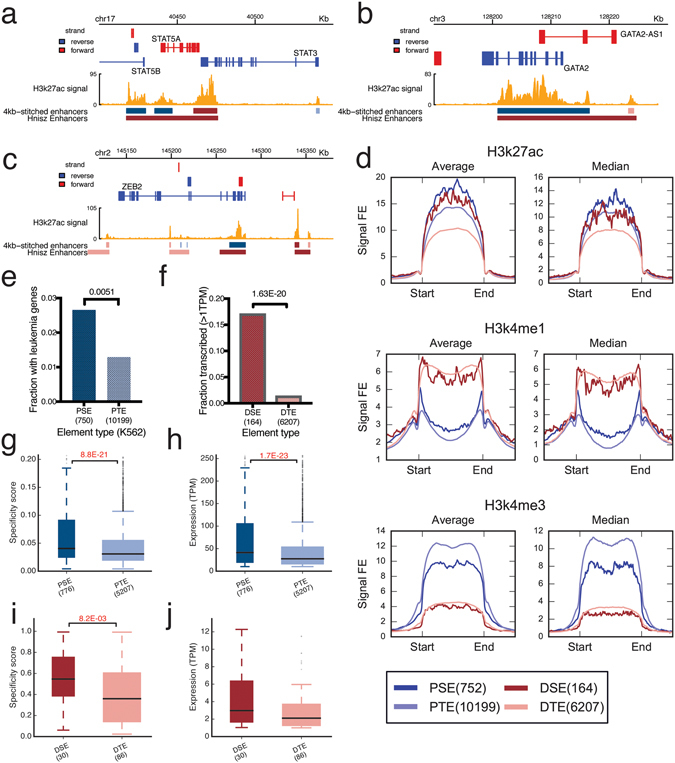
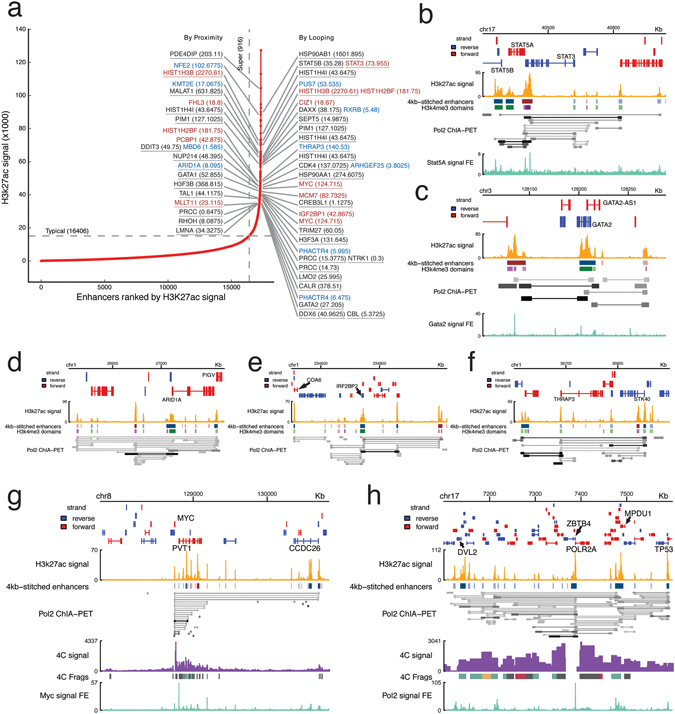
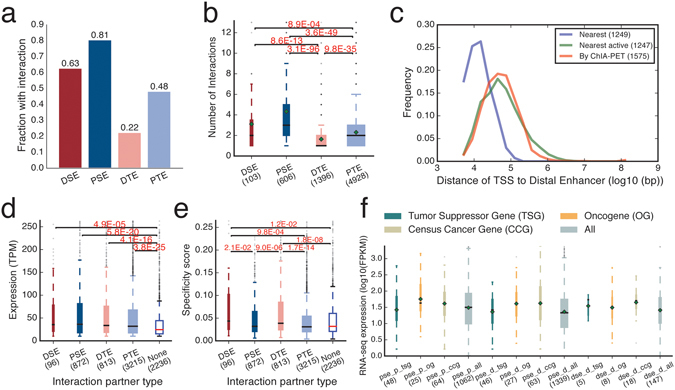
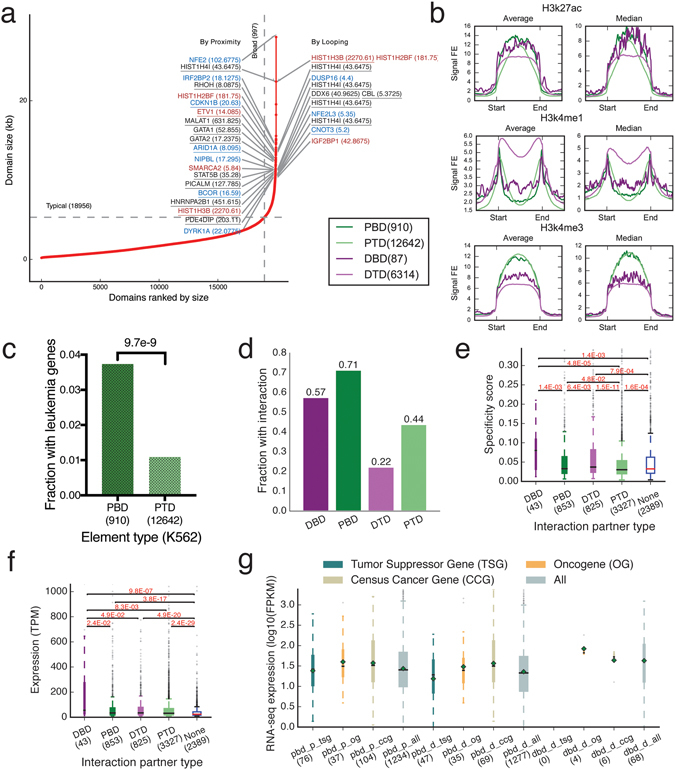
Verification
Claims the paper makes
The claims and statistics of this paper haven’t been checked yet.
Free: it reads the open-access text and checks the first 5 claims that cite a source we can check. Create a free account to check every claim.
Claims other papers make about this one
Each is checked against this paper’s own text: does it say what the citing paper says it does?
The cited source says what the claim attributes to it.
In the citing paper
“Overall, 474 of the 5,779 candidate enhancers that we tested fell within 65 K562 super-enhancers (Cao et al., 2017); however, a much higher proportion of high-confidence paired enhancers belonged to this set (102/441).”
From A Genome-wide Framework for Mapping Gene Regulation via Cellular Genetic Screens (2019) · cites this paper as Cao et al., 2017
Self-check
Percentages, sums and reported differences re-computed from the paper’s own numbers.
The self-check needs the paper’s full text.
Citations
Cites
Model-based Analysis of ChIP-Seq (MACS)
Zhang, Y., Liu, T., Meyer, C. A., Eeckhoute, J., Johnson, D. S., Bernstein, B. E., Nusbaum, C., Myers, R. M., Brown, M., Li, W., et al. (2008) · Genome Biology · doi:10.1186/gb-2008-9-9-r137 · Cited by 18,386
An integrated encyclopedia of DNA elements in the human genome
The ENCODE Project Consortium (2012) · Nature · doi:10.1038/nature11247 · Cited by 18,072
A 3D Map of the Human Genome at Kilobase Resolution Reveals Principles of Chromatin Looping
Rao, S. S. P., Huntley, M. H., Durand, N. C., Stamenova, E. K., Bochkov, I. D., Robinson, J. T., Sanborn, A. L., Machol, I., Omer, A. D., Lander, E. S., et al. (2014) · Cell · doi:10.1016/j.cell.2014.11.021 · Cited by 9,212
Super-enhancers in the control of cell identity and disease
Hnisz, D., Abraham, B. J., Lee, T. I., Lau, A., Saint-André, V., Sigova, A. A., Hoke, H. A., & Young, R. A. (2013) · Cell · doi:10.1016/j.cell.2013.09.053 · Cited by 3,662 · cited 2×
“We annotated the genes using two different databases: (1) the lists of oncogenes and tumor suppressor genes from Tumor Suppressor and Oncogene (TUSON) Explorer19, a computational method that analyzed mutational signatures in tumor-normal pairs to predict how likely a gene is a tumor suppressor gene or an oncogene; (2)…”
BackgroundMethodCapturing Chromosome Conformation
Dekker, J., Rippe, K., Dekker, M., & Kleckner, N. (2002) · Science · doi:10.1126/science.1067799 · Cited by 3,652
A census of human cancer genes
Futreal, P. A., Coin, L., Marshall, M., Down, T., Hubbard, T., Wooster, R., Rahman, N., & Stratton, M. R. (2004) · Nature Reviews Cancer · doi:10.1038/nrc1299 · Cited by 3,184
Selective Inhibition of Tumor Oncogenes by Disruption of Super-Enhancers
Lovén, J., Hoke, H. A., Lin, C. Y., Lau, A., Orlando, D. A., Vakoc, C. R., Bradner, J. E., Lee, T. I., & Young, R. A. (2013) · Cell · doi:10.1016/j.cell.2013.03.036 · Cited by 2,961 · cited 2×
“We annotated the genes using two different databases: (1) the lists of oncogenes and tumor suppressor genes from Tumor Suppressor and Oncogene (TUSON) Explorer19, a computational method that analyzed mutational signatures in tumor-normal pairs to predict how likely a gene is a tumor suppressor gene or an oncogene; (2)…”
BackgroundMethodAn atlas of active enhancers across human cell types and tissues
The FANTOM Consortium, Andersson, R., Gebhard, C., Miguel-Escalada, I., Hoof, I., Bornholdt, J., Boyd, M., Chen, Y., Zhao, X., Schmidl, C., et al. (2014) · Nature · doi:10.1038/nature12787 · Cited by 2,550
Self-citationA promoter-level mammalian expression atlas
The FANTOM Consortium and the RIKEN PMI and CLST (DGT) (2014) · Nature · doi:10.1038/nature13182 · Cited by 1,982
An oestrogen-receptor-α-bound human chromatin interactome
Fullwood, M. J., Liu, M. H., Pan, Y. F., Liu, J., Xu, H., Mohamed, Y. B., Orlov, Y. L., Velkov, S., Ho, A., Mei, P. H., et al. (2009) · Nature · doi:10.1038/nature08497 · Cited by 1,721
Self-citation
Cited by
A Genome-wide Framework for Mapping Gene Regulation via Cellular Genetic Screens
Gasperini, M., Hill, A. J., McFaline-Figueroa, J. L., Martin, B., Kim, S., Zhang, M. D., Jackson, D., Leith, A., Schreiber, J., Noble, W. S., et al. (2019) · Cell · doi:10.1016/j.cell.2018.11.029 · Cited by 613
Cai, Y., Zhang, Y., Loh, Y. P., Tng, J. Q., Lim, M. C., Cao, Z., Raju, A., Lieberman Aiden, E., Li, S., Manikandan, L., et al. (2021) · Nature Communications · doi:10.1038/s41467-021-20940-y · Cited by 321
Self-citationMeng, X., Grötsch, B., Luo, Y., Knaup, K. X., Wiesener, M. S., Chen, X.-X., Jantsch, J., Fillatreau, S., Schett, G., & Bozec, A. (2018) · Nature Communications · doi:10.1038/s41467-017-02683-x · Cited by 274
The dynamic broad epigenetic (H3K4me3, H3K27ac) domain as a mark of essential genes
Beacon, T. H., Delcuve, G. P., López, C., Nardocci, G., Kovalchuk, I., van Wijnen, A. J., & Davie, J. R. (2021) · Clinical Epigenetics · doi:10.1186/s13148-021-01126-1 · Cited by 249
“Features generally exploited to identify putative enhancers are DNase I hypersensitivity, H3K4me1 and H3K27ac marks as well as association of CBP/p300, which acetylates H3K27 among other targets [138].”
BackgroundMethodInfluentialIdentification of significant chromatin contacts from HiChIP data by FitHiChIP
Bhattacharyya, S., Chandra, V., Vijayanand, P., & Ay, F. (2019) · Nature Communications · doi:10.1038/s41467-019-11950-y · Cited by 238
“In case of TP53 promoter, FitHiChIP identi fi es loops to both hit regions identi fi ed using EpiSwitch baits 22 , whereas HiCCUPS misses both (Fig.”
MethodMLL4 Is Required to Maintain Broad H3K4me3 Peaks and Super-Enhancers at Tumor Suppressor Genes
Dhar, S. S., Zhao, D., Lin, T., Gu, B., Pal, K., Wu, S. J., Alam, H., Lv, J., Yun, K., Gopalakrishnan, V., et al. (2018) · Molecular Cell · doi:10.1016/j.molcel.2018.04.028 · Cited by 145
Novo, C. L., Javierre, B.-M., Cairns, J., Segonds-Pichon, A., Wingett, S. W., Freire-Pritchett, P., Furlan-Magaril, M., Schoenfelder, S., Fraser, P., & Rugg-Gunn, P. J. (2018) · Cell Reports · doi:10.1016/j.celrep.2018.02.040 · Cited by 119
“, 2013; Khan and Zhang, 2016) and have been used to operationally define SEs in a range of tissues and species (Whyte et al., 2013; Chapuy et al., 2013; Ding et al., 2015; Pérez-Rico et al., 2017; Cao et al., 2017).”
BackgroundProduction of Spliced Long Noncoding RNAs Specifies Regions with Increased Enhancer Activity
Gil, N., & Ulitsky, I. (2018) · Cell Systems · doi:10.1016/j.cels.2018.10.009 · Cited by 99
The emerging role of super enhancer-derived noncoding RNAs in human cancer
Wang, Y., Nie, H., He, X., Liao, Z., Zhou, Y., Zhou, J., & Ou, C. (2020) · Theranostics · doi:10.7150/thno.49168 · Cited by 92
Broad domains of histone H3 lysine 4 trimethylation in transcriptional regulation and disease
Park, S., Kim, G. W., Kwon, S. H., & Lee, J. (2020) · FEBS Journal · doi:10.1111/febs.15219 · Cited by 105
Li, T., Jia, L., Cao, Y., Chen, Q., & Li, C. (2018) · Genome biology · doi:10.1186/s13059-018-1430-4 · Cited by 78
“Broad H3K4me3 domains (wider than 4 kb) are associated with increased transcription elongation and enhancer activities, especially at tumor suppressor genes, and form chromatin interactions with super-enhancers [31, 32].”
BackgroundThe chromatin signatures of enhancers and their dynamic regulation
Barral, A., & Déjardin, J. (2023) · Nucleus · doi:10.1080/19491034.2022.2160551 · Cited by 86
“However, some enhancers can by-pass several proximal genes and contact further distal promoters [95,98] (Figure 1B).”
BackgroundSee, Y. X., Chen, K., & Fullwood, M. J. (2022) · Genome Research · doi:10.1101/gr.276313.121 · Cited by 73
“Consistent with previous research (Cao et al. 2017), a markedly higher proportion of super-enhancers (42.0”
InfluentialSelf-citationDeng, R., Huang, J.-H., Wang, Y., Zhou, L.-H., Wang, Z., Hu, B., Chen, Y., Yang, D., Mai, J., Li, Z., et al. (2020) · Molecular Cancer · doi:10.1186/s12943-020-01236-z · Cited by 68
Cao, F., Zhang, Y., Cai, Y., Animesh, S., Zhang, Y., Akincilar, S. C., Loh, Y. P., Li, X., Chng, W. J., Tergaonkar, V., et al. (2021) · Genome Biology · doi:10.1186/s13059-021-02453-5 · Cited by 65
“While we previously observed patient-specific chromatin interactions at particular loci [51], here, we show that this phenomenon is widespread.”
BackgroundSelf-citationTargeting Super-Enhancers as a Therapeutic Strategy for Cancer Treatment
He, Y., Long, W., & Liu, Q. (2019) · Frontiers in Pharmacology · doi:10.3389/fphar.2019.00361 · Cited by 73
Thibodeau, A., Márquez, E. J., Shin, D., Vera‐Licona, P., & Ucar, D. (2017) · Scientific Reports · doi:10.1038/s41598-017-14389-7 · Cited by 57
“2c), in agreement with recent reports on super enhancers being more involved in chromatin interactions 6 .”
BackgroundResultInfluentialEarly alteration of epigenetic-related transcription in Huntington’s disease mouse models
Hervás-Corpión, I., Guiretti, D., Alcaráz-Iborra, M., Olivares, R., Campos‐Caro, A., Barco, Á., & Valor, L. M. (2018) · Scientific Reports · doi:10.1038/s41598-018-28185-4 · Cited by 61
Scottish Early Rheumatoid Arthritis Inception cohort Investigators, Carini, C., Hunter, E., Ramadass, A., Green, J., Akoulitchev, A. V., McInnes, I. B., & Goodyear, C. S. (2018) · Journal of Translational Medicine · doi:10.1186/s12967-018-1387-9 · Cited by 49
Self-citationŽumer, K., Ochmann, M., Aljahani, A., Zheenbekova, A., Devadas, A., Maier, K. C., Rus, P., Neef, U., Oudelaar, A. M., & Cramer, P. (2024) · Molecular Cell · doi:10.1016/j.molcel.2024.05.003 · Cited by 49
“49 We targeted several regions containing highly expressed genes in K562 cells (STAR Methods), including a subset of genes associated with previously characterized super-enhancers, 50 in cells treated with dTAG7 ligand or control for 4 h.”
BackgroundMahajan, V. S., Mattoo, H., Sun, N., Viswanadham, V., Yuen, G. J., Allard‐Chamard, H., Ahmad, M., Murphy, S. J. H., Cariappa, A., Tuncay, Y., et al. (2021) · Nature Communications · doi:10.1038/s41467-021-22458-9 · Cited by 40
Chromatin Interactions and Regulatory Elements in Cancer: From Bench to Bedside
See, Y. X., Wang, B. Z., & Fullwood, M. J. (2018) · Trends in Genetics · doi:10.1016/j.tig.2018.11.007 · Cited by 30
Self-citationKent, D., Marchetti, L., Mikulášová, A., Russell, L. J., & Rico, D. (2023) · BioEssays · doi:10.1002/bies.202200239 · Cited by 38
“Via removal of DNA sequence (A), epigenetic silencing through H3K9me3 (B), or the use of selective inhibitors to proteins involved in transcriptional activity of SEs, we hypothesise that the interactions between SEs and H3K4me3-BDs will weaken, and the H3K4me3-BD will narrow, leading to reduced gene expression.”
BackgroundMethodInfluentialCai, Y., Zhang, Y., Loh, Y. P., Tng, J. Q., Lim, M. C., Cao, Z., Raju, A., Aiden, E. L., Li, S., Manikandan, L., et al. (2019) · bioRxiv (Cold Spring Harbor Laboratory) · doi:10.1101/684712 · Cited by 27
Self-citationBelhocine, M., Simonin, M., Flores, J. D. A., Cieślak, A., Manosalva, I., Pradel, L. C., Smith, C. L., Mathieu, È.-L., Charbonnier, G., Martens, J. H. A., et al. (2021) · Genome Research · doi:10.1101/gr.266924.120 · Cited by 39
“In particular, the broad H3K4me3 domains have been shown to be associated with the regulation of tumor suppressors and oncogenes in several cancer types (Chen et al. 2015; Cao et al. 2017; Thibodeau et al. 2017; Dhar et al. 2018; Gerrard et al. 2019; Mikulasova et al. 2022) and could regulate leu-”
BackgroundInfluentialBermick, J., Gallagher, K. A., denDekker, A. D., Kunkel, S. L., Lukacs, N. W., & Schaller, M. A. (2018) · FEBS Journal · doi:10.1111/febs.14728 · Cited by 27
Zhou, M., Li, Y., Lin, S., Chen, Y., Qian, Y., Zhao, Z., & Fan, H. (2019) · Digestive Diseases and Sciences · doi:10.1007/s10620-019-05529-2 · Cited by 27
Son, K. H., Aldonza, M. B. D., Nam, A.-R., Lee, K.-H., Lee, J.-W., Shin, K.-J., Kang, K., & Cho, J. (2023) · Science Advances · doi:10.1126/sciadv.ade3399 · Cited by 35
Mikulášová, A., Kent, D., Trevisán-Herraz, M., Karataraki, N., Fung, K. T. M., Ashby, C., Cieślak, A., Yaccoby, S., van Rhee, F., Zangari, M., et al. (2021) · Genome Research · doi:10.1101/gr.276042.121 · Cited by 25
“Recent studies of 3D genome networks suggest that the presence of H3K4me3-BDs in genes is associated with increased interactions with active super-enhancers (Cao et al. 2017; Thibodeau et al. 2017).”
BackgroundPongor, L. S., Tlemsani, C., Elloumi, F., Arakawa, Y., Jo, U., Gross, J., Mosavarpour, S., Varma, S., Kollipara, R. K., Roper, N., et al. (2022) · iScience · doi:10.1016/j.isci.2022.105338 · Cited by 26
“This is probably related to the elevated promoter mark H3K4me3, which inhibits DNA methylation deposition that extends to wider genomic regions in super-enhancers (Cao et al., 2017; Khan et al., 2018).”
Superenhancers as master gene regulators and novel therapeutic targets in brain tumors
Zhuang, H.-H., Qu, Q., Teng, X.-Q., Dai, Y.-H., & Qu, J. (2023) · Experimental & Molecular Medicine · doi:10.1038/s12276-023-00934-0 · Cited by 24
Program, N. C. S., Fufa, T., Baxter, L. L., Wedel, J. C., Gildea, D. E., Loftus, S. K., & Pavan, W. J. (2019) · Epigenetics & Chromatin · doi:10.1186/s13072-019-0297-2 · Cited by 40
“In addition, large clusters of enhancers called super-enhancers have been implicated in the regulation of normal development [30, 31] as well as cancer progression and resistance to therapy [24, 32, 33].”
BackgroundELF5 modulates the estrogen receptor cistrome in breast cancer
Blyth, C., Roden, D. L., Law, A. M. K., Molloy, M. P., Krisp, C., Swarbrick, A., Naylor, M. J., Kalyuga, M., Kaplan, W. H., Oakes, S. R., et al. (2020) · PLoS Genetics · doi:10.1371/journal.pgen.1008531 · Cited by 22
“We compiled public data from 134 MCF-7 ChIP-seq experiments (SDoc2 Text) and used correlation coefficients to identify sets of transcription factors that co-bind with ELF5, within genomic sub-regions such as enhancers, super enhancers [31], or genes with differential expression.”
MethodErdős, E., & Bálint, B. L. (2020) · International Journal of Molecular Sciences · doi:10.3390/ijms21061910 · Cited by 19
Hunter, E., McCord, R., Ramadass, A., Green, J., Westra, J. W., Mundt, K., & Akoulitchev, A. V. (2020) · Translational Medicine Communications · doi:10.1186/s41231-020-00054-1 · Cited by 23
Self-citationDisruption of Broad Epigenetic Domains in PDAC Cells by HAT Inhibitors
Gerrard, D. L., Boyd, J. R., Stein, G. S., Jin, V. X., & Frietze, S. E. (2019) · Epigenomes · doi:10.3390/epigenomes3020011 · Cited by 17
“As super-enhancers and broad H3K4me3 domains have been shown to function coordinately through chromatin interactions [8,42], we identified regions containing both domains in both High- and LowGrade cells.”
BackgroundZhang, Y., See, Y. X., Tergaonkar, V., & Fullwood, M. J. (2022) · Cells · doi:10.3390/cells11091560 · Cited by 23
Self-citationDastidar, S. G., Kumar, B. D., Lauckner, B., Parrello, D., Perley, D. S., Vlasenok, M., Tyagi, A., Koney, N. K., Abbas, A., & Nechaev, S. (2023) · Nature Communications · doi:10.1038/s41467-023-43157-7 · Cited by 19
“We do not refer to these 215 elements as enhancers, although the identified dTREs overlapped with about 50% of enhancers 216 previously described in either cell line (34).”
Hunter, E., Dezfouli, M., Koutsothanasi, C., Wilson, A., Santos, F. C., Salter, M., Westra, J. W., Powell, R., Dring, A., Egan, B., et al. (2023) · Cancers · doi:10.3390/cancers15102696 · Cited by 19
Self-citationAtypical chromatin structure of immune-related genes expressed in chicken erythrocytes
Jahan, S., Beacon, T. H., Xu, W. W., & Davie, J. (2019) · Biochemistry and Cell Biology · doi:10.1139/bcb-2019-0107 · Cited by 14
To incise or not and where: SET-domain methyltransferases know
Yancoskie, M. N., Maritz, C., van Eijk, P., Reed, S. H., & Naegeli, H. (2022) · Trends in Biochemical Sciences · doi:10.1016/j.tibs.2022.10.003 · Cited by 12
Zhang, Y., Chen, K., Tang, S. C., Cai, Y., Niibori-Nambu, A., See, Y. X., Fu, C., Raju, A., Lebeau, B., Ling, Z., et al. (2024) · Nature Structural & Molecular Biology · doi:10.1038/s41594-024-01391-7 · Cited by 19
Self-citationTosello, V., Milani, G., Martines, A., Macrì, N., Loocke, W. V., Matthijssens, F., Buldini, B., Minuzzo, S. A., Bongiovanni, D., Schumacher, R. F., et al. (2018) · Cells · doi:10.3390/cells7100160 · Cited by 11
“Recently, other groups have also reported tumor suppressor gene association with super-enhancers [48,49].”
BackgroundDynamic and distinct histone modifications facilitate human trophoblast lineage differentiation
Lee, B., Salamah, J., Cheeran, E. A., & Adu‐Gyamfi, E. A. (2024) · Scientific Reports · doi:10.1038/s41598-024-55189-0 · Cited by 15
“We found a significant portion of SEs engage with broad H3K4me3 domains, which is in line with the previous reports showing that super-enhancers tend to interact preferentially with broad H3K4me3 domains 54–56 .”
ResultBeacon, T. H., & Davie, J. (2021) · Cells · doi:10.3390/cells10061354 · Cited by 11
The Role of Histone Methylation and Methyltransferases in Gene Regulation
Cui, J. Y., Fu, Z. D., & Dempsey, J. L. (2018) · Elsevier eBooks · doi:10.1016/b978-0-12-812433-8.00002-2 · Cited by 17
Hunter, E., Koutsothanasi, C., Wilson, A. J., Santos, F. C., Salter, M., Powell, R., Dring, A. M., Brajer, P., Egan, B., Westra, J. W., et al. (2021) · bioRxiv (Cold Spring Harbor Laboratory) · doi:10.1101/2021.03.14.435295 · Cited by 10
Self-citationMilevskiy, M. J. G., Coughlan, H. D., Kane, S. R., Johanson, T. M., Kordafshari, S., Chan, W. F., Tsai, M., Surgenor, E. E., Wilcox, S., Allan, R. S., et al. (2023) · Cell Genomics · doi:10.1016/j.xgen.2023.100424 · Cited by 13
“37,38 To identify potential SEs, we applied the ROSE algorithm 39 to the H3K27ac data and ranked regions based on read density (Figure 3C).”
MethodBabu, D., & Fullwood, M. J. (2017) · Nature Genetics · doi:10.1038/ng.3944 · Cited by 9
Self-citationHistone H4 asymmetrically dimethylated at arginine 3 (H4R3me2a), a mark of super-enhancers
Sudhakar, S. R. N., Wu, L., Patel, S., Zovoilis, A., & Davie, J. (2023) · Biochemistry and Cell Biology · doi:10.1139/bcb-2023-0211 · Cited by 8
Enhancers and MYC interplay in hematopoiesis
Benetatos, L., Benetatou, A., & Vartholomatos, G. (2020) · Journal of Molecular Medicine · doi:10.1007/s00109-020-01891-1 · Cited by 8
Role of Histone H3 Lysine 4 Methylation in Chromatin Biology
Lüscher, B., Bussmann, P., & Müller, J. (2025) · Molecules · doi:10.3390/molecules30204075 · Cited by 10
Animesh, S., Choudhary, R., Wong, B. J. H., Koh, C. T. J., Ng, X. Y., Tay, J. K., Chong, W.-Q., Jian, H., Chen, L., Goh, B. C., et al. (2021) · Frontiers in Genetics · doi:10.3389/fgene.2021.673530 · Cited by 8
“In our previous research investigating chromatin interactions at the TP53 and MYC loci, we observed that some chromatin interactions at MYC and TP53 could be detected in bone marrow and peripheral blood samples, but not all chromatin interactions that were observed in K562 cells were detected in clinical samples (Cao…”
BackgroundMethodSelf-citationYang, Z., Jia, Y., Wang, S., Zhang, Y., Fan, W., Wang, X., He, L., Shen, X., Yang, X., Zhang, Y., et al. (2023) · Journal of Oncology · doi:10.1155/2023/5093941 · Cited by 6
“In 2017, the results of the two studies were consistent with the results of previous studies; simultaneously, the mechanism was also described [37, 38].”
ResultRho enhancers play unexpectedly minor roles in Rhodopsin transcription and rod cell integrity
Sun, C., Ruzycki, P. A., & Chen, S. (2023) · Scientific Reports · doi:10.1038/s41598-023-39979-6 · Cited by 8
Broad histone H4 monomethylation marks expressed genes involved in translation
Fatemiyan, N., & Davie, J. (2023) · Genome · doi:10.1139/gen-2023-0011 · Cited by 6
Multifaceted regulation of enhancers in cancer
Xiao, Q., Xiao, Y., Li, L., Chen, M., & Wu, M. (2022) · Biochimica et Biophysica Acta (BBA) - Gene Regulatory Mechanisms · doi:10.1016/j.bbagrm.2022.194839 · Cited by 7
Super-enhancer DNA methylation in cancer: the mechanism of action and therapeutic directions
Bi, Y., Zou, K., & Wang, K. (2025) · Frontiers in Oncology · doi:10.3389/fonc.2025.1610579 · Cited by 4
“The increased promoter mark H3K4me3, which prevents the deposition of DNA methylation to broader genomic areas in super-enhancers, is likely associated with this (140, 141).”
Super enhancers as key drivers of gene regulatory networks in normal and malignant hematopoiesis
Cheng, Y., Pei, G., Zhang, H., Hou, Y., Sun, L., Xu, H., Lv, Y., & Wu, X. (2025) · Frontiers in Cell and Developmental Biology · doi:10.3389/fcell.2025.1674470 · Cited by 5
Wang, B., Kong, L., Babu, D., Choudhary, R., Fam, W., Tng, J. Q., Goh, Y., Han, B. W. J., Liu, X., Song, F. F., et al. (2020) · bioRxiv (Cold Spring Harbor Laboratory) · doi:10.1101/2020.04.18.047738 · Cited by 4
“2 SEs can loop via chromatin interactions to distant oncogenes (14).”
BackgroundSelf-citationSuper-silencers regulated by chromatin interactions control apoptotic genesPreprint
Zhang, Y., Chen, K., Cai, Y., Niibori-Nambu, A., See, Y. X., Fu, C., Raju, A., Lakshmanan, M., Osato, M., Tergaonkar, V., et al. (2022) · bioRxiv (Cold Spring Harbor Laboratory) · doi:10.1101/2022.01.17.476559 · Cited by 3
“SEs are highly associated with chromatin interactions (Cao et al., 2017) and they can connect with the target oncogene via long-range chromatin interactions (Babu & Fullwood, 2015; Bradner, Hnisz, & Young, 2017).”
BackgroundSelf-citationMehra, P., & Kalani, A. (2018) · Life Sciences · doi:10.1016/j.lfs.2018.09.021 · Cited by 3
Salter, M., Powell, R., Back, J., Grand, F., Koutsothanasi, C., Green, J., Hunter, E., Ramadass, A., Westra, J. W., & Akoulitchev, A. V. (2021) · Edelweiss Psychiatry Open Access · doi:10.33805/2638-8073.131 · Cited by 2
Self-citationSalter, M., Powell, R., Back, J., Grand, F., Koutsothanasi, C., Green, J., Hunter, E., Ramadass, A., Westra, J. W., & Akoulitchev, A. V. (2018) · F1000Research · doi:10.12688/f1000research.15828.1 · Cited by 5
Self-citationSee, Y. X., Chen, K., & Fullwood, M. J. (2021) · bioRxiv (Cold Spring Harbor Laboratory) · doi:10.1101/2021.01.04.425344 · Cited by 2
Self-citationSon, K., Aldonza, M. B., Nam, A.-R., Lee, K.-H., Lee, J.-W., Shin, K.-J., Kang, K., & Cho, J.-Y. (2022) · bioRxiv · doi:10.1101/2022.07.22.501075 · Cited by 23
“The H3K4me3 enrichment, while still not fully understood, may indicate the capture of broad H3K4me3 marks at distal or proximal target genes physically interacting with SEs in our experiments [58].”
Wang, Q., Sun, X., Han, X., Zhang, X., Wang, W., Wang, H., Ren, H., & Gu, L. (2026) · MedComm – Oncology · doi:10.1002/mog2.70054 · Cited by 3
Self-citationDin, S. U., Shah, M. A. F., & Shah, A. A. (2021) · International Conference on Innovative Computing (ICIC) · doi:10.1109/icic53490.2021.9691506 · Cited by 1
RetractedHunter, E., Dezfouli, M., Koutsothanasi, C., Wilson, A. J., Santos, F. C., Salter, M., Westra, J. W., Powell, R., Dring, A. M., Egan, B., et al. (2021) · medRxiv · doi:10.1101/2021.12.21.21268094 · Cited by 1
Self-citationThibodeau, A. (2018) · OpenCommons at University of Connecticut (University of Connecticut)
Biop-C: A Method for Chromatin Interactome Analysis of Solid Cancer Needle Biopsy SamplesPreprint
Animesh, S., Choudhary, R., Ng, X. Y., Tay, J. K., Chong, W.-Q., Goh, B. C., & Fullwood, M. J. (2021) · bioRxiv (Cold Spring Harbor Laboratory) · doi:10.1101/2021.01.11.426176
“In our previous research investigating chromatin interactions at the TP53 and MYC loci, we observed that some chromatin interactions at MYC and TP53 could be detected in bone marrow and peripheral blood samples but not all chromatin interactions that are observed in K562 cells were detected in clinical samples [31].”
BackgroundSelf-citationWang, B. Z. J. (2020) · DR-NTU (Nanyang Technological University) · doi:10.32657/10356/145566
Gonadotropin regulation of granulosa cells through follicular development and ovulation
Madogwe, E. (2020) · eScholarship@McGill (McGill) · doi:10.82308/15780
See, Y. X. (2021) · DR-NTU (Nanyang Technological University) · doi:10.32657/10356/154939
Kong, L. (2021) · DR-NTU (Nanyang Technological University) · doi:10.32657/10356/155629
Salter, M., Powell, R., Back, J., Grand, F., Koutsothanasi, C., Green, J., Hunter, E., Ramadass, A., Westra, J. W., & Akoulitchev, A. V. (2019) · F1000Research · doi:10.12688/f1000research.15828.2
Self-citationRho enhancers play unexpectedly minor roles in Rhodopsin transcription and rod cell integrityPreprint
Sun, C., Ruzycki, P. A., & Chen, S. (2022) · bioRxiv (Cold Spring Harbor Laboratory) · doi:10.1101/2022.12.02.518920
Meng, X., Qi, J., Yang, X., Zhang, L., Fu, X., Li, J., & Chen, J. (2026) · Journal of Ethnopharmacology · doi:10.1016/j.jep.2026.121602
Metadata
- Authors
- Cao, F., Fang, Y., Tan, H. K., Goh, Y., Choy, J. Y. H., Koh, B. T. H., Hao Tan, J., Bertin, N., Ramadass, A., Hunter, E., Green, J., Salter, M., Akoulitchev, A., Wang, W., Chng, W. J., Tenen, D. G., & Fullwood, M. J.
- Affiliations
- National University of Singapore (SG)
- National University Health System (SG)
- Oxford BioDynamics (United Kingdom) (GB)
- Agency for Science, Technology and Research (SG)
- Corresponding author
- Fullwood, Melissa J.
- ORCID
- Venue
- Scientific Reports
- Published
- 2017-05-19
- Volume
- 7
- Issue
- 1
- Pages
- 2186-2186
- ISSN
- 2045-2322 (ISSN-L)
- PMC
- PMC5438348
- OpenAlex
- W2614185636
- Semantic Scholar
- dd33645e5fd1241396e292a7cd4f8cfd0a50b19f
- Cited by
- 80
- References
- 30
- Citations by year
- 2026: 2 · 2025: 3 · 2024: 3 · 2023: 11 · 2022: 8 · 2021: 17 · 2020: 10 · 2019: 10 · 2018: 14 · 2017: 2
- FWCI
- 4.02
- Type
- journal article
- Language
- en
- Open access
- gold
- doi.org
- Licence
- cc-by
- creativecommons.org/licenses/by/4.0 (tdm)
- creativecommons.org/licenses/by/4.0 (vor)
- Locations
- Scientific Reports (publishedVersion, cc-by)
- PubMed Central (publishedVersion, cc-by)
- PubMed (publishedVersion)
- National University of Singapore (submittedVersion)
- DOAJ (DOAJ: Directory of Open Access Journals) (submittedVersion, cc-by-sa)
- DR-NTU (Nanyang Technological University) (submittedVersion, cc-by)
- Funders
- Yale University
- Yale-NUS College
- National Research Foundation (NRF-NRFF2012–054)
- National Research Foundation Singapore (NRFF2012-054, NRF-NRFF2012-054, MOE2014-T3-1-006)
- Ministry of Education, India
- National University Cancer Institute, Singapore
- National University Health System
- Medical Research Council
- National Medical Research Council (MOE2014-T3-1-006)
- Cancer Science Institute of Singapore, National University of Singapore (MOE2014-T3-1-006)
- National Heart, Lung, and Blood Institute (P01HL131477)
- National Cancer Institute (R35CA197697, P01CA066996)
- Topics
- Life Sciences › Biochemistry, Genetics and Molecular Biology › Molecular Biology › Genomics and Chromatin Dynamics
- Life Sciences › Biochemistry, Genetics and Molecular Biology › Molecular Biology › Chromatin Remodeling and Cancer
- Life Sciences › Biochemistry, Genetics and Molecular Biology › Molecular Biology › Epigenetics and DNA Methylation
- Keywords
- super-enhancers, chromatin interactions, gene regulatory circuits, K562 cells, MCF-7 cells, chronic myeloid leukemia, breast cancer, tumor suppressor, cancer genes, cell identity, chromatin conformation
- MeSH terms
- Chromatin, Enhancer Elements, Genetic, Gene Expression Regulation, Histones, Humans, Multiprotein Complexes, Protein Interaction Domains and Motifs
About these checks
Registry, retraction, Cites and statistics results are computed, not judged, with one exception: a printed reference that no index lists is read once by a model before it counts as a citation error. Claims are extracted by a model and kept only when their quote appears verbatim in the text; each cited source is then checked, with a model’s help, for whether it says what the claim relies on. Those verdicts can be wrong — read the claim’s quote and the cited source before relying on one.
Statistics and arithmetic are recomputed, not judged.
Confidence bands are shown only for fields calibrated on our annotated test set. None is calibrated yet, so no band is shown.
What counts as a claim ›How we measure confidence ›How we check this ›
Are you an author, or do you see a problem with this page? Request a review
Data sources
Bibliographic data: Semantic Scholar, OpenAlex, Crossref.
Contains information from the Semantic Scholar Academic Graph Datasets, made available under the ODC Attribution License (ODC-BY 1.0).
Semantic Scholar’s data is described in: Kinney, R., et al. (2023). The Semantic Scholar Open Data Platform. arXiv:2301.10140.
