

Cognitive performance in healthy older adults relates to spontaneous switching between states of functional connectivity during rest
Open accessThe DOI matches its Crossref record; 74 of the 74 references it cites were found in a registry or an index.
Abstract
Growing evidence has shown that brain activity at rest slowly wanders through a repertoire of different states, where whole-brain functional connectivity (FC) temporarily settles into distinct FC patterns. Nevertheless, the functional role of resting-state activity remains unclear. Here, we investigate how the switching behavior of resting-state FC relates with cognitive performance in healthy older adults. We analyse resting-state fMRI data from 98 healthy adults previously categorized as being among the best or among the worst performers in a cohort study of >1000 subjects aged 50+ who underwent neuropsychological assessment. We use a novel approach focusing on the dominant FC pattern captured by the leading eigenvector of dynamic FC matrices. Recurrent FC patterns – or states – are detected and characterized in terms of lifetime, probability of occurrence and switching profiles. We find that poorer cognitive performance is associated with weaker FC temporal similarity together with altered switching between FC states. These results provide new evidence linking the switching dynamics of FC during rest with cognitive performance in later life, reinforcing the functional role of resting-state activity for effective cognitive processing.
Overview
The claims and statistics of this paper haven’t been checked yet.
Free: it reads the open-access text and checks the first 5 claims that cite a source we can check. Create a free account to check every claim.
Integrity signals
Registry
Cites
Statistics
Figures
Verification
Claims the paper makes
The claims and statistics of this paper haven’t been checked yet.
Free: it reads the open-access text and checks the first 5 claims that cite a source we can check. Create a free account to check every claim.
Claims other papers make about this one
Each is checked against this paper’s own text: does it say what the citing paper says it does?
The source backs part of the claim, not all of it — or backs it for a different population, condition or comparison.
In the citing paper
“Ease of transitions between brain states distinguishes younger from older individuals, and is further linked with executive function indexed by the D-KEFS.”
From Cognitive and behavioural flexibility: Neural mechanisms and clinical considerations (2021) · cites this paper as [51]
Experimental — accuracy not yet measuredThe cited source says what the claim attributes to it.
In the citing paper
“Older adults who performed more poorly on a battery of cognitive tests exhibited greater frequency of switching between dynamic brain states, whereas high performers exhibited a tendency to be in a state characterized by global coherence (108).”
From Brain Mechanisms Supporting Flexible Cognition and Behavior in Adolescents With Autism Spectrum Disorder (2021) · cites this paper as [108]
In the citing paper
“older adults performing well on a cognitive test battery were found to exhibit brain states characterized by global coherence, whereas those performing poorly exhibited greater frequency of switching between dynamic brain states51.”
From Cognitive and behavioural flexibility: Neural mechanisms and clinical considerations (2021) · cites this paper as [51]
Self-check
Percentages, sums and reported differences re-computed from the paper’s own numbers.
The self-check needs the paper’s full text.
Citations
Cites
Tzourio-Mazoyer, N., Landeau, B., Papathanassiou, D., Crivello, F., Etard, O., Delcroix, N., Mazoyer, B., & Joliot, M. (2002) · NeuroImage · doi:10.1006/nimg.2001.0978 · Cited by 16,319
Advances in functional and structural MR image analysis and implementation as FSL
Smith, S. M., Jenkinson, M., Woolrich, M. W., Beckmann, C. F., Behrens, T. E. J., Johansen-Berg, H., Bannister, P. R., De Luca, M., Drobnjak, I., Flitney, D. E., et al. (2004) · NeuroImage · doi:10.1016/j.neuroimage.2004.07.051 · Cited by 13,630
Jenkinson, M., Bannister, P., Brady, M., & Smith, S. (2002) · NeuroImage · doi:10.1006/nimg.2002.1132 · Cited by 11,888
Jenkinson, M., Beckmann, C. F., Behrens, T. E. J., Woolrich, M. W., & Smith, S. M. (2012) · NeuroImage · doi:10.1016/j.neuroimage.2011.09.015 · Cited by 11,314
Fast robust automated brain extraction
Smith, S. M. (2002) · Human Brain Mapping · doi:10.1002/hbm.10062 · Cited by 10,496
Functional connectivity in the resting brain: a network analysis of the default mode hypothesis
Greicius, M. D., Krasnow, B., Reiss, A. L., & Menon, V. (2003) · Proceedings of the National Academy of Sciences · doi:10.1073/pnas.0135058100 · Cited by 6,358
A Fuzzy Relative of the ISODATA Process and Its Use in Detecting Compact Well-Separated Clusters
Dunn, J. C. (1973) · Journal of Cybernetics · doi:10.1080/01969727308546046 · Cited by 5,049
Finding community structure in networks using the eigenvectors of matrices
Newman, M. E. J. (2006) · Physical Review E · doi:10.1103/physreve.74.036104 · Cited by 4,761
Consistent resting-state networks across healthy subjects
Damoiseaux, J. S., Rombouts, S. A. R. B., Barkhof, F., Scheltens, P., Stam, C. J., Smith, S. M., & Beckmann, C. F. (2006) · Proceedings of the National Academy of Sciences · doi:10.1073/pnas.0601417103 · Cited by 4,326
Andersson, J. L. R., & Sotiropoulos, S. N. (2016) · NeuroImage · doi:10.1016/j.neuroimage.2015.10.019 · Cited by 3,500
Cited by
Items 301–400 of 435
The complexity of the relationship between spontaneous brain activity and glucose metabolismPreprint
Volpi, T., Silvestri, E., Aiello, M., Corbetta, M., & Bertoldo, A. (2021) · Research Square · doi:10.21203/rs.3.rs-728300/v1 · Cited by 2
Roffet, F., Deco, G., Delrieux, C. A., & Patow, G. (2025) · Scientific Reports · doi:10.1038/s41598-025-24702-4 · Cited by 1
Self-citationde Kloe, T., Fazal, Z., Kohn, N., Norris, D. G., Menon, R. S., Llera, A., & Beckmann, C. F. (2025) · Imaging Neuroscience · doi:10.1162/imag.a.58 · Cited by 1
Chen, J., Jiang, S., Ye, G., Yang, Z., Hou, C., Li, H., Pei, H., Rodríguez‐Labrada, R., Li, J., Yao, D., et al. (2025) · Journal of Neural Engineering · doi:10.1088/1741-2552/ae01d9 · Cited by 1
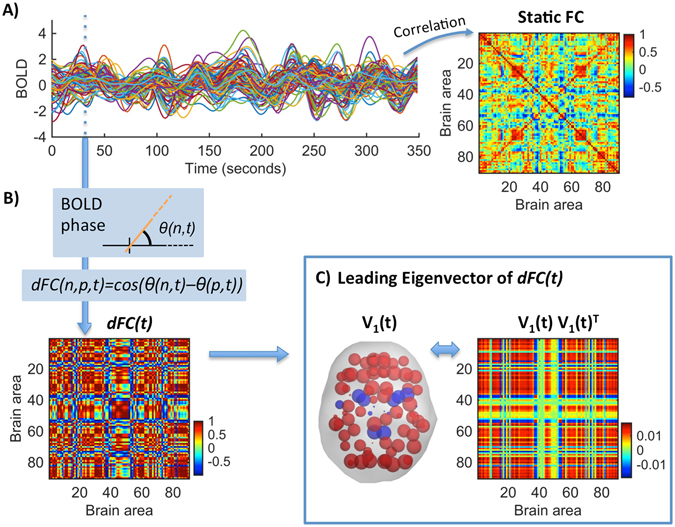
“The V 1 ( w ) captures the main orientation of the fMRI signal phase overall anatomical areas, and focuses on the dominant connectivity pattern of PS at time w , rather than the whole upper triangle, it is more robust to high-frequency noise [39].”
Xu, P., Xiu, Y., & Sun, X. (2025) · Journal of Affective Disorders · doi:10.1016/j.jad.2025.120154 · Cited by 1
Spatiotemporal transition of resting-state brain networks associates with human cognitive abilities
Zhou, L., Jiang, Z., Chang, Z., Wang, R., & Wu, Y. (2025) · Cognitive Neurodynamics · doi:10.1007/s11571-025-10347-6 · Cited by 1
“This modular structure is dynamically reorganiz - ing during rest (Cole et al. 2014 ; Cabral et al. 2017) and tasks (Bassett et al. 2011 ; Alavash et al. 2019 ).”
Hoffner, G., Castro, P., Uhrig, L., Signorelli, C. M., Dupont, M., Tasserie, J., Destexhe, A., Cofré, R., Sitt, J. D., & Jarraya, B. (2025) · eLife · doi:10.7554/elife.101688.3 · Cited by 1
Dimitrov, M., Wong, N. M. L., Leaman, S., França, L. G. S., Valasakis, I., He, J. L., Lythgoe, D. J., Findon, J. L., Wichers, R., Stoencheva, V., et al. (2025) · Biological Psychiatry Global Open Science · doi:10.1016/j.bpsgos.2025.100663 · Cited by 1
Kurtin, D. L., Herlinger, K., Hayes, A., Hand, L. J., Fonville, L., Hill, R. G., Nutt, D. J., Lingford-Hughes, A. R., & Paterson, L. M. (2026) · Translational Psychiatry · doi:10.1038/s41398-026-03845-6 · Cited by 1
“Among all edges with signi fi cantly different miFC between HC and MD participants for each task, the proportion of edges with signi fi cantly stronger or weaker miFC in MD vs HC participants was determined by counting the number of edges either positive or negative T-stats.”
Dynamic Exploration of Resting-State Brain Attractors Altered in Major Depressive Disorder
Abreu, L., & Cabral, J. (2026) · Entropy · doi:10.3390/e28020191 · Cited by 1
“Each clustering solution returned K recurrent ‘phase-locking’ states, which were spatially correlated with canonical RSNs [16,17].”
InfluentialSelf-citationGezginer, I., Chen, Y., Zerbi, V., Chen, Z., & Razansky, D. (2026) · Nature Communications · doi:10.1038/s41467-026-71742-z · Cited by 1
“By employing dynamic functional connectivity (dFC) 28 – 31 , we isolated FC patterns re fl ectiveof neural activity, whileco-activation pattern analysis (CAP) 32 – 34 was used to characterize hemodynamic responses driven by neural activity.”
Ye, C., Ran, C., Xu, Y., Chu, C., Yang, C., Zhang, C., Yu, L. I. U., & Ma, T. (2026) · npj Parkinson s Disease · doi:10.1038/s41531-026-01354-3 · Cited by 1
“We then obtain a lower-dimensional representation with the WEiDA approach, modi fi ed based on the LEiDA method 82,83 , which was initially proposed to reveal information on the community structure of networksandgraphs 84 .”
Bousmaha, R., Meribai, K., Bouchemal, N., Bouchemal, N., & Ivanova, G. (2026) · Bioengineering · doi:10.3390/bioengineering13050586 · Cited by 1
“Although the Hilbert transform assumes narrowband signals for theoretically well-defined phase estimation [68], its use remains common in resting-state fMRI phase synchronization studies [67,69,70].”
Network flexibility facilitates treatment-induced recovery in post-stroke aphasia
Falconer, I., Varkanitsa, M., Billot, A., & Kiran, S. (2026) · Brain Communications · doi:10.1093/braincomms/fcag279 · Cited by 1
“77,78 After identifying dFC states and computing their FO, each state was characterized based on mean dFC and the graph metric, modularity.”
A Review on the Pathomechanism of Interictal Psychiatry Comorbidities in Epilepsy
SzAcs, A., Horvath, A. A., Fabó, D., Kovács, A., Halász, P., & Szabo, G. (2018) · Journal of Neurology and Neuroscience · doi:10.21767/2171-6625.1000244 · Cited by 1
“The whole of functional and structural brain networks is called ‘connectome’ [analogue wording ‘genome’]; it is modelled by sophisticated mathematical methods [121-123].”
BackgroundRamírez, M. Ú. P. (2018) · RiuNet (Universitat Politècnica de València) · doi:10.4995/thesis/10251/113164 · Cited by 1
“146 measured by traditional static FC analysis via correlation analysis between entire BOLD signals [186].”
MethodSchumacher, J. (2019) · Cited by 1
A Tutorial on Graph Theory for Brain Signal AnalysisPreprint
Laskaris, N., Adamos, D. A., & Bezerianos, A. (2020) · arXiv (Cornell University) · doi:10.48550/arxiv.2007.05800 · Cited by 1
“This is exactly the concept behind the recently introduced methodology of leading eigenvector dynamics [40].”
MethodAltered resting-state network dynamics in SchizophreniaPreprint
Lopes, A. R., Letournel, A., & Cabral, J. (2020) · medRxiv · doi:10.1101/2020.07.21.20157347 · Cited by 1
“and temporal scales are the determining factors for LEiDA to be able to detect the number and shape of each FC pattern [3].”
BackgroundMethodInfluentialSelf-citationImpaired dynamic profile of brain recurring functional connectivity states in Alzheimer’s diseasePreprint
Balajoo, S. M., Asemani, D., Khadem, A. A., & Soltanian-Zadeh, H. (2020) · bioRxiv (Cold Spring Harbor Laboratory) · doi:10.1101/2020.10.03.324673 · Cited by 1
“22 Moreover, it has been suggested that global state probably reflects the global signal being combination of neural signal and artifacts such as motion, heart rate and breathing (Cabral et al., 2017; Figueroa et al., 2019; Keller et al., 2013; Larabi et al., 2020; Murphy & Fox, 2017) or a baseline FC state where all…”
BackgroundMethodResultInfluentialSastry, N. C., Roy, D., & Banerjee, A. (2021) · bioRxiv (Cold Spring Harbor Laboratory) · doi:10.1101/2021.07.08.451590 · Cited by 1
Chialvo, D. R., Cifré, I., & Ochab, J. K. (2021) · arXiv (Cornell University) · doi:10.48550/arxiv.2112.09806 · Cited by 1
“Indeed, comparable results have been reported using similar methods [3, 7, 10, 12, 25, 35, 38, 39, 48].”
ResultCognitive and Psychiatric Relevance of Dynamic Functional Connectivity States in ChildrenPreprint
Fu, Z., Sui, J., Iraji, A., Liu, J., & Calhoun, V. D. (2022) · Research Square · doi:10.21203/rs.3.rs-1964400/v1 · Cited by 1
Using in silico perturbational approach to identify critical areas in schizophreniaPreprint
Mana, L., Vila‐Vidal, M., Köckeritz, C., Aquino, K. M., Fornito, A., Kringelbach, M. L., & Deco, G. (2022) · bioRxiv (Cold Spring Harbor Laboratory) · doi:10.1101/2022.12.15.520260 · Cited by 1
“Defining probabilistic metastable substates We first analysed dynamical properties of the empirical data and looked for relevant differences between conditions (patients with schizophrenia, SCZ; healthy controls, HC) through leading eigenvector dynamics analysis (LEiDA), as shown in Figs.”
BackgroundMethodSelf-citationO’Connor, D. A., Chang, C., & Mitsis, G. D. (2023) · Frontiers in Human Neuroscience · doi:10.3389/fnhum.2023.1206098 · Cited by 1
“Some prior work has shown that LEiDA is sensitive to cognitive ability changes in an aging cohort (Cabral et al., 2017).”
BackgroundNguyen, A., Hartz, J., & Muldoon, S. F. (2023) · Elsevier eBooks · doi:10.1016/b978-0-12-820480-1.00039-5 · Cited by 1
Hoffner, G., Castro, P., Uhrig, L., Signorelli, C. M., Dupont, M., Tasserie, J., Destexhe, A., Cofré, R., Sitt, J. D., & Jarraya, B. (2024) · eLife · doi:10.7554/elife.101688.1 · Cited by 1
Chowdhury, P., Garg, M. K., & Arora, A. (2025) · medRxiv · doi:10.1101/2025.08.03.25332902 · Cited by 1
LaGrow, T. J., Watters, H. N., Daley, L., Itkyal, V. S., Seeburger, D. T., Anumba, N., Fazili, A., Kelberman, M. A., Calhoun, V. D., Pan, W., et al. (2026) · bioRxiv (Cold Spring Harbor Laboratory) · doi:10.64898/2026.01.02.697199 · Cited by 1
The Possibility Space Concept in Neuroscience: Possibilities, Constraints, and ExplanationPreprint
Ross, L. N., Jirsa, V., & McIntosh, A. (2024) · PhilSci-Archive (University of Pittsburgh) · Cited by 1
Functional connectome harmonics capture early brain organization and maturity in neonatesPreprint
Rosberg, A., Wigley, I. L. C. M., Barron, A., Suuronen, I., Merisaari, H., Pulli, E. P., Luotonen, S., Li, R., Bano, W., Jolly, A., et al. (2026) · bioRxiv (Cold Spring Harbor Laboratory) · doi:10.64898/2026.03.25.714150 · Cited by 1
“LEiDA is a high temporal resolution method for quantifying brain dynamics and uses phase-locked synchronization of fMRI signal fluctuations in dynamic functional connectivity analysis 52 .”
Self-citationMultimodal Higher-Order Brain Networks: A Topological Signal Processing PerspectivePreprint
Bispo, B. C., Sardellitti, S., Lima, J. B., & Santos, F. A. N. (2026) · arXiv (Cornell University) · doi:10.48550/arxiv.2603.29903 · Cited by 1
“Specifically, for an edge e i,j , the edge signal at time t is defined as where ϕ ( · ) denotes the instantaneous phase extracted via the Hilbert transform [21], [22].”
Jajcay, N., Vejmola, Č., Korčák, J., Tylš, F., Viktorinová, M., Viktorin, V., Bravermanová, A., Androvičová, R., Balíková, M., Horáček, J., et al. (2026) · bioRxiv (Cold Spring Harbor Laboratory) · doi:10.64898/2026.06.09.731183 · Cited by 1
“Similar acceleration of brain state dynamics has been re-ported in analyses of metastable topographic sequences and time-resolved EEG under DMT [54, 55, 56], and spontaneous switching between functional connectivity states has been linked to cognitive performance [57].”
Lord, L.-D. (2018) · Oxford University Research Archive (ORA) (University of Oxford) · doi:10.5287/ora-xqwagz9ye
Resilience, posttraumatic stress and recovery: insights from brain network dynamics
Charquero‐Ballester, M. (2019) · Oxford University Research Archive (ORA) (University of Oxford) · doi:10.5287/ora-nggmbzv6g
Yokoyama, H., & Kitajo, K. (2020) · bioRxiv (Cold Spring Harbor Laboratory) · doi:10.1101/2020.10.13.335356
A switching mechanism of the default-mode network in the brain at criticality
Chu, Y., Zhu, C.-P., Zhou, W., Yin, X., Li, Y., & Hu, C. (2021) · Chinese Journal of Physics · doi:10.1016/j.cjph.2021.02.003
Ahrends, C., Vuust, P., & Kringelbach, M. L. (2021) · Cambridge University Press eBooks · doi:10.1017/9781108635462.012
Self-citationDuda, M. (2021) · Deep Blue (University of Michigan) · doi:10.7302/3091
Thermodynamic properties and Hilbert space of the human brainPreprint
Shi, D., Li, M., Walter, M., & Noori, H. R. (2021) · arXiv (Cornell University) · doi:10.48550/arxiv.2111.10578
“For further details regarding LEiDA, please read [35].”
BackgroundMethodInfluentialTheories, Models, and Hypotheses
Barbey, A. K., Karama, S., & Haier, R. J. (2021) · Cambridge University Press eBooks · doi:10.1017/9781108635462.007
Ferré, P., Benhajali, Y., Steffener, J., Stern, Y., Joanette, Y., & Bellec, P. (2019) · PsyArXiv (OSF Preprints) · doi:10.31234/osf.io/n239v
Yang, F., Zhang, F., Belkacem, A. N., Xie, C., Wang, Y., Chen, S., Yang, Z., Song, Z., Ge, M., & Chen, C. (2022) · Computational and Mathematical Methods in Medicine · doi:10.1155/2022/2484081
The convergence and divergence of spontaneous brain activity of humans and marmosetsPreprint
Zhang, J. (2022) · bioRxiv (Cold Spring Harbor Laboratory) · doi:10.1101/2022.12.19.519301
“This method also be used in previous study on human brain’s spontanous activity (Cabral et al., 2017).”
MethodHidden Repertoires in the Brain Accessed by Music in Aging and Neurodegeneration
Faber, S. E. M., & McIntosh, A. R. (2023) · The MIT Press eBooks · doi:10.7551/mitpress/14186.003.0023
Corrigendum: Complexity changes in functional state dynamics suggest focal connectivity reductions
Blair, D. S., Soriano‐Mas, C., Cabral, J., Moreira, P. S., Morgado, P. F., & Deco, G. (2023) · Frontiers in Human Neuroscience · doi:10.3389/fnhum.2023.1275387
Self-citationMacSweeney, N., Cabral, J., Stolicyn, A., Louvet, P., Zafar, S., Klinkhamer, L., Casey, H., Atkinson, K., Chan, S. W. Y., Lawrie, S. M., et al. (2023) · Wellcome Open Research · doi:10.12688/wellcomeopenres.20201.1
Self-citationvan der Horn, H. J., de Koning, M. E., Visser, K., Kok, M. G. J., Spikman, J. M., Scheenen, M. E., Renken, R. J., Calhoun, V. D., Vergara, V. M., Cabral, J., et al. (2023) · PLoS ONE · doi:10.1371/journal.pone.0295984
Self-citationModelling whole-brain dynamics
Jerotic, K., Guzman, E. G., Kringelbach, M. L., & Deco, G. (2024) · Elsevier eBooks · doi:10.1016/b978-0-12-820480-1.00175-3
Self-citationLou, C., & Joanisse, M. F. (2024) · NeuroImage · doi:10.1016/j.neuroimage.2024.120941
State entropy reveals the reconfiguration of brain complexity in Parkinson’s disease
Wang, X., Zou, T., Chen, H., Chen, C., Zhang, C., Cheng, J., & Li, R. (2024) · Brain Network Disorders · doi:10.1016/j.bnd.2024.10.004
Altered Brain-Ventricle Coupling Modes Over Alzheimer’s Disease Progression Detected With fMRIPreprint
Campo, F. F., Brattico, E., Magalhães, V., Nigro, S. L., Tafuri, B., Logroscino, G., & Cabral, J. (2025) · Qeios · doi:10.32388/5fr501
Self-citationWhole-body networks: a holistic approach for studying aging
Stylianou, O., Meixner, J. M., Schlick, T., & Krüger, C. M. (2025) · GeroScience · doi:10.1007/s11357-025-01540-w
“Previous analyses have shown a correlation between brain interconnectivity and cognitive performance [26, 27], that changed with age [28].”
Readiness potential in human functional magnetic resonance imaging motor task dataPreprint
Strindberg, M., Tian, Y., & Fransson, P. (2025) · bioRxiv (Cold Spring Harbor Laboratory) · doi:10.1101/2025.01.31.635910
张夫一, Ge, M., 郭志彤, 谢冲, 杨泽坤, & 宋子博 (2020) · Acta Physica Sinica · doi:10.7498/aps.69.20200051
Lee, K. E., Uchitel, J., Caballero-Gaudes, C., Collins-Jones, L. H., Cooper, R., Edwards, A., Hebden, J. C., Kromm, G., Pammenter, K., Austin, T., et al. (2025) · bioRxiv (Cold Spring Harbor Laboratory) · doi:10.1101/2025.03.15.643385
“As with many window-based analyses, this method is sensitive to changes in analysis parameters such as window and overlap length which cannot be empirically chosen (Cabral et al., 2017; Hutchison et al., 2013) .”
Disrupted salience network dynamics during the imagery of migraine attacksPreprint
Esteves, I., Perdigão, A., Fouto, A. R., Ruiz‐Tagle, A., Caetano, G., Cabral, J., Martins, I. P., Gil‐Gouveia, R., Caballero‐Gaudes, C., & Figueiredo, P. (2025) · bioRxiv (Cold Spring Harbor Laboratory) · doi:10.1101/2025.05.10.653239
Self-citationDuma, G. M., Danieli, A., & Bonanni, P. (2025) · Springer eBooks · doi:10.1007/978-3-031-86878-8_20
Petersen, B., & Andersen, A. S. F. (2018)
Functional Connectome Dynamics and Brain Plasticity
Sadaghiani, S. (2025) · Oxford University Press eBooks · doi:10.1093/oxfordhb/9780197677131.013.12
Hoffner, G., Castro, P., Uhrig, L., Signorelli, C. M., Dupont, M., Tasserie, J., Destexhe, A., Cofré, R., Sitt, J. D., & Jarraya, B. (2025) · eLife · doi:10.7554/elife.101688.2
Tuulari, J. J., Bano, W., Saanijoki, T., Cabral, J., Fernandes, H. M., Ballester, M. C., Vohryzek, J., Tuominen, L. J., Nummenmaa, L., Kalliokoski, K. K., et al. (2025) · bioRxiv (Cold Spring Harbor Laboratory) · doi:10.1101/2025.08.28.672547
“The time courses were then bandpass filtered (0.02 – 0.10 Hz); the analytic phase was obtained using the Hilbert transform, and the leading eigenvectors of the phase coherence matrices were calculated at each time point (Cabral et al., 2017).”
InfluentialSelf-citationA dynamic spatiotemporal representation framework for deciphering personal brain function
Wang, X., Zou, T., Wang, H., Han, H., Chen, H., Calhoun, V. D., & Li, R. (2025) · NeuroImage · doi:10.1016/j.neuroimage.2025.121443
Time-varying analysis of functional connectivity
Jain, K., Valsasina, P., Filippi, M., & Rocca, M. A. (2025) · Elsevier eBooks · doi:10.1016/b978-0-443-19099-5.00005-2
Insights into brain oscillations and connectivity in neuropsychiatric disorders
Gregorio, F. D., & Battaglia, S. (2025) · Advances in Clinical and Experimental Medicine · doi:10.17219/acem/213945
Wei, B., Shu, B.-L., Cheng, Y., & Wu, X. (2025) · Clinical ophthalmology · doi:10.2147/opth.s556941
“10 This technique not only analyzes the brain’s instantaneous connectivity changes but also uses clustering analysis to summarize the brain’s common functional states.”
A deformable attractor manifold organizes human resting-state brain dynamicsPreprint
Athanasiadis, A. P., Woodman, M., Hashemi, M., Triebkorn, P., Petkoski, S., & Jirsa, V. (2025) · bioRxiv (Cold Spring Harbor Laboratory) · doi:10.64898/2025.12.02.691788
“For each participant (p) we extracted the instantaneous functional connectivity (FC) of the phases of brain areas (Cabral et al., 2017) (Fig.”
InfluentialZhang, L., Shi, W., Zhao, Z., Wang, Z., Chu, C., Zhao, B., Zhang, J., Liu, Q., Lan, Y., & Jiang, T. (2025) · PLoS Computational Biology · doi:10.1371/journal.pcbi.1013822
“The Leading Eigenvector Dynamics Analysis (LEiDA) method, for instance, analyzes the phase synchronization of BOLD signals across different brain regions at each repetition time (TR) to effectively identify the repertoire of large-scale functional networks in different brain states [20,21].”
Brain-wide mapping of fMRI network dynamics in the mouse brain
Gutierrez‐Barragan, D. (2018) · Iris (University of Trento) · doi:10.15168/11572_301211
Investigating Brain Functional Networks in a Riemannian Framework
Yamin, M. A. (2021) · CINECA IRIS Institutial Research Information System (University of Genoa) · doi:10.15167/yamin-muhammad-abubakar_phd2021-03-05
Additional file 1 of Dynamic functional connectivity patterns associated with dementia risk
Dautricourt, S., Gonneaud, J., Landeau, B., Calhoun, V. D., de Florès, R., Poisnel, G., Bougacha, S., Ourry, V., Touron, E., Kuhn, E., et al. (2022) · Figshare · doi:10.6084/m9.figshare.19862378
Complexity changes in neuroimaging signals point to mechanisms of neuropsychiatric disease
Blair, D. S. (2023) · Repositori digital de la UPF (Universitat Pompeu Fabra)
Predicting effects of stroke lesions and recovery through whole-brain modeling and brain dynamics
Idesis, S. A. (2023) · Tesis Doctorals en Xarxa (Consorci de Serveis Universitaris de Catalunya)
Computational Modelling of Brain Network Dynamics in Psychotic and Affective Disorders
Hoheisel, L. (2025) · JuSER (Forschungszentrum Jülich)
Facca, M. (n.d.) · Padua Research Archive (University of Padova)
Mana, L. (2023) · Repositori digital de la UPF (Universitat Pompeu Fabra)
Toffoli, L. (n.d.) · Padua Research Archive (University of Padova)
Stark, E. A. (2020) · Oxford University Research Archive (ORA) (University of Oxford) · doi:10.5287/ora-kz6978ppj
Neural dynamics during heat pain threshold assessment using the method of limits
Sprenger, C., Eichler, I.-C., Büchel, C., & Zöllner, C. (2025) · NeuroImage · doi:10.1016/j.neuroimage.2025.121681
Decoding the neural dynamics of everyday prospective remembering: a hidden Markov model approach
Vicentin, S., Reschini, D. B., Santacesaria, P., Toffoli, L., Zago, S., Arcara, G., & Cona, G. (2026) · Frontiers in Human Neuroscience · doi:10.3389/fnhum.2025.1686657
Tan, V. (2023) · TSpace (University of Toronto)
Chen, R. (2025) · TSpace (University of Toronto)
A normative reference for large-scale human brain dynamics across the lifespanPreprint
Yang, Y., Sharma, N., Dai, S., Mallus, F., Su, G., Kand, A., Zabihi, M., Alnæs, D., Buitelaar, J. K., Croy, I., et al. (2026) · bioRxiv (Cold Spring Harbor Laboratory) · doi:10.64898/2026.03.06.710057
“We next evaluated robustness across acquisition heterogeneity and compared NeuroLex with several well-estimated approaches, including GaussianHMM 15,19 , LEiDA 26 , and EiDA 9 .”
InfluentialTang, J., Wang, Y., Xuying, X. U., Pan, X., & Wang, R. (2026) · International Journal of Bifurcation and Chaos · doi:10.1142/s0218127426501063
Luo, J., Zeng, X., Xiong, Y., Xu, Y., Zhou, C., Wang, Y., Yao, D., & Guo, D. (2026) · bioRxiv (Cold Spring Harbor Laboratory) · doi:10.64898/2026.03.19.712967
“Conversely, to characterize the component not explained by structural connectivity, structural connectivity was set to zero while retaining the solved non-diagonal C v , yielding simulated functional connectivity denoted as Syn TU .”
Time-resolved brain network community detection based on instantaneous phase of fMRI dataPreprint
Strindberg, M., & Fransson, P. (2026) · bioRxiv (Cold Spring Harbor Laboratory) · doi:10.64898/2026.03.17.712372
Deco, G., & Kringelbach, M. L. (2026) · Oxford University Press eBooks · doi:10.1093/oso/9780198991250.003.0007
Self-citationWarthen, K., Keller, A. S., & Williams, L. M. (2026) · Brain Topography · doi:10.1007/s10548-026-01189-4
Energy Landscape Analysis and the Dynamics of Brain Plasticity
Watanabe, T. (2026) · Oxford University Press eBooks · doi:10.1093/oxfordhb/9780197677131.013.0034
Matsui, T., Li, R., Masaoka, K., & Jimura, K. (2026) · bioRxiv (Cold Spring Harbor Laboratory) · doi:10.64898/2026.03.25.714361
“Whereas the present study took a bottom-up approach to characterize rs-fMRI data, the results obtained here may also be informative for top-down approaches, in particular generative models of resting-brain activity ( 7, 12, 53, 55, 56 ).”
Dautricourt, S. (2021) · theses.fr (ABES) · doi:10.70675/63472a25z31eaz4ebczaebdzd8d2e061b4b8
Stulz, S. B. (2023) · theses.fr (ABES) · doi:10.70675/470b2d4bz0886z4876z846dzfefc3192a0fa
The individuality of single-frame functional brain connectivity
McIntyre, C. C., Shappell, H. M., Bahrami, M., Lyday, R. G., & Laurienti, P. J. (2026) · Imaging Neuroscience · doi:10.1162/imag.a.1254
“Therefore, in this work dynamic connectivity is represented by the leading eigenvector V 1 (t) of the dFC of each volume ( Cabral et al., 2017).”
InfluentialCommentary on Ooi et al. 2025: What the BWAS debate reveals about brains, data, and dynamics
McIntosh, A. (2026) · Aperture Neuro · doi:10.52294/001c.157518
Spontaneous cortical vasodynamics form a multiscale propagation architecture across the awake brainPreprint
Liu, X., Zhou, X. A., Hike, D., Duckworth, J. C., Pasupathy, N., Jiang, Y., Choi, S., Fu, Z., Rosen, B. R., Kleninfeld, D., et al. (2026) · bioRxiv (Cold Spring Harbor Laboratory) · doi:10.64898/2026.05.19.726296
“Subsequent work has shown that these signals can be decomposed into frequency-specific components using predefined sub-bands, time–frequency coherence analyses, and multiscale spectral methods, revealing frequency-dependent variations in network organization and physiological contributions 53-57 .”
Directional coordination along the cortical hierarchy is selectively reorganized in schizophreniaPreprint
Wiafe, S.-L., Soleimani, N., Fu, Z., Miller, R. L., & Calhoun, V. D. (2026) · bioRxiv (Cold Spring Harbor Laboratory) · doi:10.64898/2026.05.25.727703
“However, those frameworks rely on strong model assumptions and are typically applied to pairwise or small network interactions, producing average directed estimates rather than characterizing the emergent whole-brain coordination dynamics that organize across time in relation to the cortical…”
Metadata
- Authors
- Cabral, J., Vidaurre, D., Marques, P., Magalhães, R., Silva Moreira, P., Miguel Soares, J., Deco, G., Sousa, N., & Kringelbach, M. L.
- Affiliations
- Aarhus University (DK)
- University of Oxford (GB)
- Clinical Academic Center of Braga (PT)
- Institució Catalana de Recerca i Estudis Avançats (ES)
- Corresponding author
- Cabral, Joana
- ORCID
- Venue
- Scientific Reports
- Published
- 2017-07-11
- Volume
- 7
- Issue
- 1
- Pages
- 5135-5135
- ISSN
- 2045-2322 (ISSN-L)
- PMC
- PMC5506029
- OpenAlex
- W2726287250
- Semantic Scholar
- 86766b967738ff8cd83700173b478d53cd3810c9
- Cited by
- 386
- References
- 74
- Citations by year
- 2026: 37 · 2025: 75 · 2024: 50 · 2023: 55 · 2022: 58 · 2021: 42 · 2020: 32 · 2019: 26 · 2018: 9 · 2017: 2
- FWCI
- 10.83
- Type
- journal article
- Language
- en
- Open access
- gold
- doi.org
- Licence
- cc-by
- creativecommons.org/licenses/by/4.0 (tdm)
- creativecommons.org/licenses/by/4.0 (vor)
- Locations
- Scientific Reports (publishedVersion, cc-by)
- PubMed Central (publishedVersion, cc-by)
- PubMed (publishedVersion)
- RECERCAT (Consorci de Serveis Universitaris de Catalunya) (publishedVersion, cc-by)
- Monash University Research Portal (Monash University) (submittedVersion, other-oa)
- DOAJ (DOAJ: Directory of Open Access Journals) (submittedVersion, cc-by-sa)
- Scopus (Elsevier) (submittedVersion)
- MPG.PuRe (Max Planck Society) (submittedVersion, other-oa)
- Repositori digital de la UPF (Universitat Pompeu Fabra) (submittedVersion, cc-by)
- Portuguese National Funding Agency for Science, Research and Technology (RCAAP Project by FCT) (submittedVersion, other-oa)
- Funders
- Wellcome Trust (098369/Z/12/Z, 098369)
- European Commission (HBP SGA1, NORTE-01-0145-FEDER-000013, 720270, HORIZON2020, NORTE2020)
- National Research Foundation (DNRF117)
- Danmarks Grundforskningsfond (615539, DNRF117)
- Fundação para a Ciência e a Tecnologia (PDE/BDE/113604/2015, 01-0145, COMPETE, FCOMP-01-0124-FEDER-037298, NORTE-01–0145-FEDER-000013, PDE/BDE/113601/2015, PORTUGAL 2020, NORTE2020, NORTE-01-0145, FCOMP-01-0124-FEDER)
- European Regional Development Fund (COMPETE, 01-0145-FEDER-000013, FCOMP‐01‐0124‐FEDER‐037298, 01-0145, NORTE-01-0145-FEDER-000013, 720270, NORTE-2020)
- Agencia Estatal de Investigación (PSI2016-75688-P)
- FP7 Ideas: European Research Council (295129)
- Topics
- Life Sciences › Neuroscience › Cognitive Neuroscience › Functional Brain Connectivity Studies
- Life Sciences › Neuroscience › Cognitive Neuroscience › Neural dynamics and brain function
- Health Sciences › Medicine › Radiology, Nuclear Medicine and Imaging › Advanced MRI Techniques and Applications
- Keywords
- resting-state functional connectivity, cognitive performance, older adults, aging, dynamic functional connectivity, leading eigenvector, healthy aging
- MeSH terms
- Aged, Brain, Cognition, Female, Humans, Magnetic Resonance Imaging, Male, Middle Aged, Neuropsychological Tests, Rest, Cohort Studies, Connectome, Healthy Volunteers
About these checks
Registry, retraction, Cites and statistics results are computed, not judged, with one exception: a printed reference that no index lists is read once by a model before it counts as a citation error. Claims are extracted by a model and kept only when their quote appears verbatim in the text; each cited source is then checked, with a model’s help, for whether it says what the claim relies on. Those verdicts can be wrong — read the claim’s quote and the cited source before relying on one.
Statistics and arithmetic are recomputed, not judged.
Confidence bands are shown only for fields calibrated on our annotated test set. None is calibrated yet, so no band is shown.
What counts as a claim ›How we measure confidence ›How we check this ›
Are you an author, or do you see a problem with this page? Request a review
Data sources
Bibliographic data: Semantic Scholar, OpenAlex, Crossref.
Contains information from the Semantic Scholar Academic Graph Datasets, made available under the ODC Attribution License (ODC-BY 1.0).
Semantic Scholar’s data is described in: Kinney, R., et al. (2023). The Semantic Scholar Open Data Platform. arXiv:2301.10140.
