

The DOI matches its Crossref record; 154 of the 154 references it cites were found in a registry or an index.
Elongation factor Tu is a multifunctional and processed moonlighting protein
Open accessAbstract
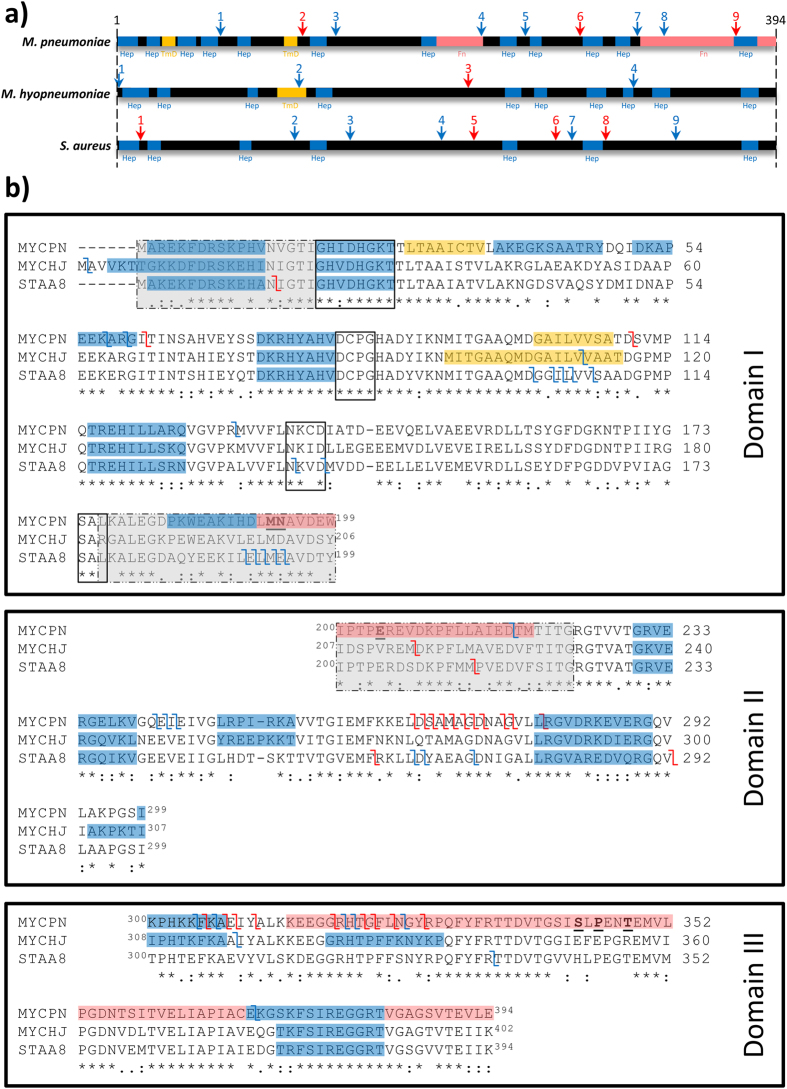
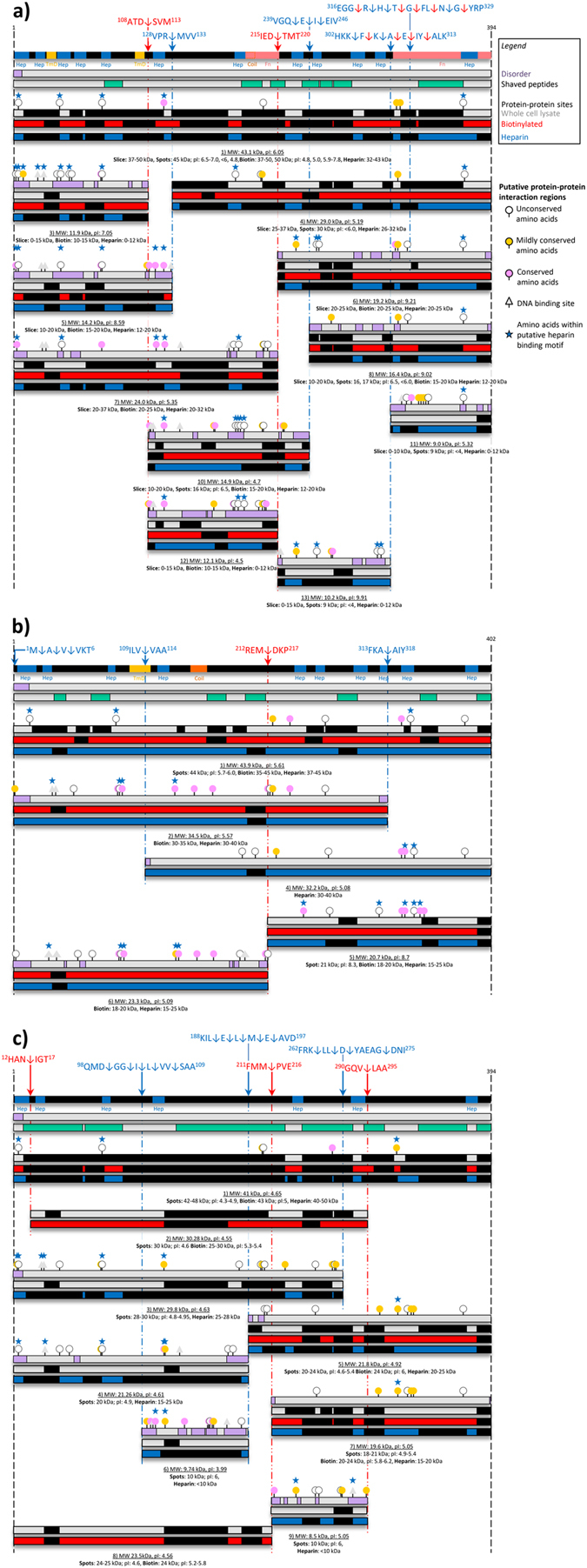
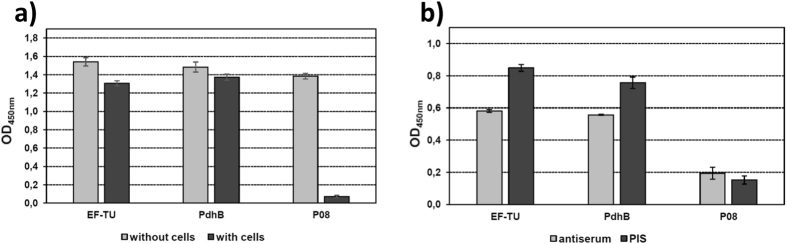
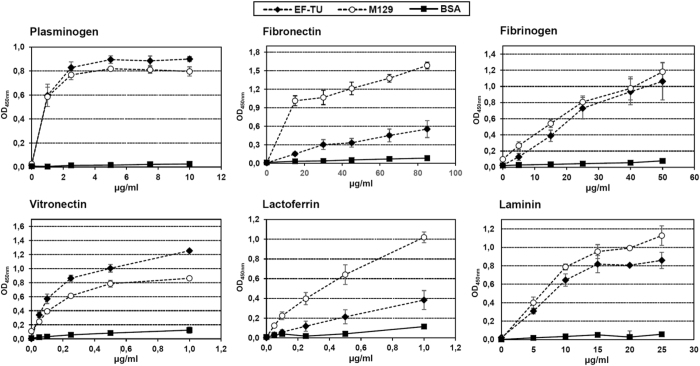
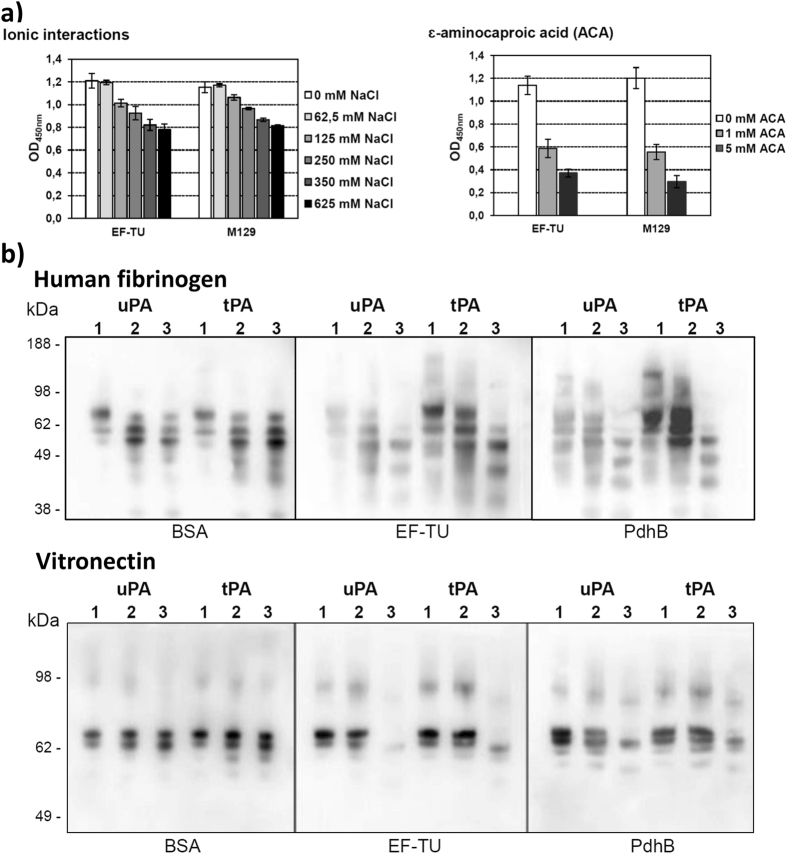
Many bacterial moonlighting proteins were originally described in medically, agriculturally, and commercially important members of the low G + C Firmicutes. We show Elongation factor Tu (Ef-Tu) moonlights on the surface of the human pathogens Staphylococcus aureus (Sa Ef-Tu) and Mycoplasma pneumoniae (Mpn Ef-Tu), and the porcine pathogen Mycoplasma hyopneumoniae (Mhp Ef-Tu). Ef-Tu is also a target of multiple processing events on the cell surface and these were characterised using an N-terminomics pipeline. Recombinant Mpn Ef-Tu bound strongly to a diverse range of host molecules, and when bound to plasminogen, was able to convert plasminogen to plasmin in the presence of plasminogen activators. Fragments of Ef-Tu retain binding capabilities to host proteins. Bioinformatics and structural modelling studies indicate that the accumulation of positively charged amino acids in short linear motifs (SLiMs), and protein processing promote multifunctional behaviour. Codon bias engendered by an A + T rich genome may influence how positively-charged residues accumulate in SLiMs.
Overview
The claims and statistics of this paper haven’t been checked yet.
Run the check — free, no account needed. It reads the open-access text and checks the sources it cites.
Integrity signals
Registry
Cites
Statistics
Figures
Verification
Claims the paper makes
The claims and statistics of this paper haven’t been checked yet.
Run the check — free, no account needed. It reads the open-access text and checks the sources it cites.
Claims other papers make about this one
Each is checked against this paper’s own text: does it say what the citing paper says it does?
The source backs part of the claim, not all of it — or backs it for a different population, condition or comparison.
In the citing paper
“Because of evolutionary pressure to delete nonessential genes, mycoplasmas are known for having such multifunctional proteins.114−117”
From Toward the Complete Functional Characterization of a Minimal Bacterial Proteome (2022) · cites this paper as [117]
Experimental — accuracy not yet measured
Self-check
Percentages, sums and reported differences re-computed from the paper’s own numbers.
The self-check needs the paper’s full text.
Citations
Cites
Fast, scalable generation of high‐quality protein multiple sequence alignments using Clustal Omega
Sievers, F., Wilm, A., Dineen, D. G., Gibson, T. J., Karplus, K. J., Li, W., López, R., McWilliam, H., Remmert, M., Söding, J., et al. (2011) · Molecular Systems Biology · doi:10.1038/msb.2011.75 · Cited by 15,426
SignalP 4.0: discriminating signal peptides from transmembrane regions
Petersen, T. N., Brunak, S., von Heijne, G., & Nielsen, H. (2011) · Nature Methods · doi:10.1038/nmeth.1701 · Cited by 8,847
Protein Identification and Analysis Tools in the ExPASy Server
Wilkins, M. R., Gasteiger, E., Bairoch, A., Sanchez, J., Williams, K. L., Appel, R. D., & Hochstrasser, D. F. (2003) · Humana Press eBooks · doi:10.1385/1-59259-584-7:531 · Cited by 6,244
Comparative Protein Structure Modeling Using Modeller
Eswar, N., Webb, B., Martı́-Renom, M. A., Madhusudhan, M. S., Eramian, D., Shen, M., Pieper, U., & Šali, A. (2006) · Current Protocols in Bioinformatics · doi:10.1002/0471250953.bi0506s15 · Cited by 4,618
Comparative Protein Structure Modeling Using MODELLER
Webb, B., & Šali, A. (2016) · Current Protocols in Bioinformatics · doi:10.1002/cpbi.3 · Cited by 4,404
Predicting coiled coils from protein sequences.
Lupas, A., Van Dyke, M., & Stock, J. (1991) · Science · doi:10.1126/science.252.5009.1162 · Cited by 3,953
Boller, T., & Felix, G. (2009) · Annual Review of Plant Biology · doi:10.1146/annurev.arplant.57.032905.105346 · Cited by 3,514
Phase separation of integral membrane proteins in Triton X-114 solution.
Bordier, C. (1981) · Journal of Biological Chemistry · doi:10.1016/s0021-9258(19)69848-0 · Cited by 3,324
Comparative Protein Structure Modeling Using MODELLER
Eswar, N., Webb, B., Martı́-Renom, M. A., Madhusudhan, M. S., Eramian, D., Shen, M., Pieper, U., & Šali, A. (2007) · Current Protocols in Protein Science · doi:10.1002/0471140864.ps0209s50 · Cited by 2,874
Gómez‐Gómez, L., & Boller, T. (2000) · Molecular Cell · doi:10.1016/s1097-2765(00)80265-8 · Cited by 2,319
Tmbase-A database of membrane spanning protein segments
Hofmann, K., & Stoffel, W. (1993) · Medical Entomology and Zoology · Cited by 2,240
Zipfel, C., Kunze, G., Chinchilla, D., Caniard, A., Jones, J. D. G., Boller, T., & Felix, G. (2006) · Cell · doi:10.1016/j.cell.2006.03.037 · Cited by 2,068
Ashkenazy, H., Erez, E., Martz, E., Pupko, T., & Ben‐Tal, N. (2010) · Nucleic Acids Research · doi:10.1093/nar/gkq399 · Cited by 1,822
de Castro, E., Sigrist, C. J. A., Gattiker, A., Bulliard, V., Langendijk-Genevaux, P. S., Gasteiger, E., Bairoch, A., & Hulo, N. (2006) · Nucleic Acids Research · doi:10.1093/nar/gkl124 · Cited by 1,686
Robbins, J., Dilwortht, S. M., Laskey, R. A., & Dingwall, C. (1991) · Cell · doi:10.1016/0092-8674(91)90245-t · Cited by 1,490
Rost, B., Yachdav, G., & Liu, J. (2004) · Nucleic Acids Research · doi:10.1093/nar/gkh377 · Cited by 1,479
CERK1, a LysM receptor kinase, is essential for chitin elicitor signaling in Arabidopsis
Miya, A., Albert, P., Shinya, T., Desaki, Y., Ichimura, K., Shirasu, K., Narusaka, Y., Kawakami, N., Kaku, H., & Shibuya, N. (2007) · Proceedings of the National Academy of Sciences · doi:10.1073/pnas.0705147104 · Cited by 1,472
Molecular modeling of protein-glycosaminoglycan interactions.
Cardin, A. D., & Weintraub, H. J. R. (1989) · Arteriosclerosis An Official Journal of the American Heart Association Inc · doi:10.1161/01.atv.9.1.21 · Cited by 1,301
Innate immunity in plants and animals: striking similarities and obvious differences
Nürnberger, T., Brunner, F., Kemmerling, B., & Piater, L. A. (2004) · Immunological Reviews · doi:10.1111/j.0105-2896.2004.0119.x · Cited by 1,288
Feature-based prediction of non-classical and leaderless protein secretion
Bendtsen, J. D., Jensen, L. J., Blom, N., von HEIJNE, G., & Brunak, S. (2004) · Protein Engineering Design and Selection · doi:10.1093/protein/gzh037 · Cited by 1,179
Comparative Protein Structure Modeling Using MODELLER
Webb, B., & Šali, A. (2014) · Current Protocols in Bioinformatics · doi:10.1002/0471250953.bi0506s47 · Cited by 1,156
Wright, P. E., & Dyson, H. J. (2009) · Current Opinion in Structural Biology · doi:10.1016/j.sbi.2008.12.003 · Cited by 1,012
The N Terminus of Bacterial Elongation Factor Tu Elicits Innate Immunity in Arabidopsis Plants
Kunze, G., Zipfel, C., Robatzek, S., Niehaus, K., Boller, T., & Felix, G. (2004) · The Plant Cell · doi:10.1105/tpc.104.026765 · Cited by 955
Otto, M. J. (2008) · Current topics in microbiology and immunology · doi:10.1007/978-3-540-75418-3_10 · Cited by 903
Wan, J., Zhang, X.-C., Neece, D. J., Ramonell, K. M., Clough, S. J., Kim, S., Stacey, M. G., & Stacey, G. S. (2008) · The Plant Cell · doi:10.1105/tpc.107.056754 · Cited by 800
Weedn, V. W. (1999) · American Journal of Clinical Pathology · doi:10.1093/ajcp/111.2.278 · Cited by 773
Staphylococcus aureus biofilms: recent developments in biofilm dispersal
Lister, J. L., & Horswill, A. R. (2014) · Frontiers in Cellular and Infection Microbiology · doi:10.3389/fcimb.2014.00178 · Cited by 734
Explosive cell lysis as a mechanism for the biogenesis of bacterial membrane vesicles and biofilms
Turnbull, L., Toyofuku, M., Hynen, A. L., Kurosawa, M., Pessi, G., Petty, N. K., Osvath, S. R., Cárcamo-Oyarce, G., Gloag, E. S., Shimoni, R., et al. (2016) · Nature Communications · doi:10.1038/ncomms11220 · Cited by 709
Self-citationAttributes of short linear motifs
Davey, N. E., Roey, K. V., Weatheritt, R. J., Toedt, G., Uyar, B., Altenberg, B., Budd, A., Diella, F., Dinkel, H., & Gibson, T. J. (2011) · Molecular BioSystems · doi:10.1039/c1mb05231d · Cited by 662
Current Topics in Microbiology and Immunology
Cooper, M. D., Henle, W., HOFSCHNEIDER, P. H., Koprowski, H., Melchers, F., Rott, R., Schweiger, H., Vogt, P. K., & Zinkernagel, R. M. (1982) · Current topics in microbiology and immunology · doi:10.1007/978-3-642-68528-6 · Cited by 645
Tissue cultures and mycoplasmas.
Hayflick, L. (1965) · PubMed · Cited by 632
Izano, E. A., Amarante, M. A., Kher, W. B., & Kaplan, J. B. (2008) · Applied and Environmental Microbiology · doi:10.1128/aem.02073-07 · Cited by 553
Modulation of eDNA Release and Degradation Affects Staphylococcus aureus Biofilm Maturation
Mann, E. E., Rice, K. C., Boles, B. R., Endres, J. L., Ranjit, D. K., Chandramohan, L., Tsang, L. H., Smeltzer, M. S., Horswill, A. R., & Bayles, K. W. (2009) · PLoS ONE · doi:10.1371/journal.pone.0005822 · Cited by 508
Henderson, B. E., & Martin, A. C. R. (2011) · Infection and Immunity · doi:10.1128/iai.00179-11 · Cited by 460
Granato, D., Bergonzelli, G. E., Pridmore, R. D., Marvin, L., Rouvet, M., & Corthésy-Theulaz, I. E. (2004) · Infection and Immunity · doi:10.1128/iai.72.4.2160-2169.2004 · Cited by 410
Mühlradt, P. F., Kieß, M., Meyer, H., Süßmuth, R. D., & Jung, G. (1997) · The Journal of Experimental Medicine · doi:10.1084/jem.185.11.1951 · Cited by 396
The crystal structure of elongation factor EF-Tu from Thermus aquaticus in the GTP conformation
Kjeldgaard, M., Nissen, P., Thirup, S., & Nyborg, J. (1993) · Structure · doi:10.1016/0969-2126(93)90007-4 · Cited by 392
Jones, D. A., & Takemoto, D. (2003) · Current Opinion in Immunology · doi:10.1016/j.coi.2003.11.016 · Cited by 336
MetaDisorder: a meta-server for the prediction of intrinsic disorder in proteins
Kozlowski, L. P., & Bujnicki, J. M. (2012) · BMC Bioinformatics · doi:10.1186/1471-2105-13-111 · Cited by 328
The many roles of the eukaryotic elongation factor 1 complex
Sasikumar, A. N., Perez, W. B., & Kinzy, T. G. (2012) · Wiley Interdisciplinary Reviews - RNA · doi:10.1002/wrna.1118 · Cited by 298
Dallo, S. F., Kannan, T. R., Blaylock, M. W., & Baseman, J. B. (2002) · Molecular Microbiology · doi:10.1046/j.1365-2958.2002.03207.x · Cited by 293
Protein-based biofilm matrices in Staphylococci
Speziale, P., Pietrocola, G., Foster, T. J., & Geoghegan, J. A. (2014) · Frontiers in Cellular and Infection Microbiology · doi:10.3389/fcimb.2014.00171 · Cited by 286
Refined structure of elongation factor EF-Tu from Escherichia coli
Kjeldgaard, M., & Nyborg, J. (1992) · Journal of Molecular Biology · doi:10.1016/0022-2836(92)90986-t · Cited by 279
eEF1A: Thinking Outside the Ribosome
Mateyak, M. K., & Kinzy, T. G. (2010) · Journal of Biological Chemistry · doi:10.1074/jbc.r110.113795 · Cited by 274
The root of the universal tree and the origin of eukaryotes based on elongation factor phylogeny.
Baldauf, S. L., Palmer, J. D., & Doolittle, W. F. (1996) · Proceedings of the National Academy of Sciences · doi:10.1073/pnas.93.15.7749 · Cited by 269
Heparin Stimulates Staphylococcus aureus Biofilm Formation
Shanks, R. M. Q., Donegan, N. P., Graber, M. L., Buckingham, S. E., Zegans, M. E., Cheung, A. L., & O’Toole, G. A. (2005) · Infection and Immunity · doi:10.1128/iai.73.8.4596-4606.2005 · Cited by 266
Sharp, J. K., McNeil, M., & Albersheim, P. (1984) · Journal of Biological Chemistry · doi:10.1016/s0021-9258(18)90865-3 · Cited by 261
ISIS: interaction sites identified from sequence
Ofran, Y., & Rost, B. (2007) · Bioinformatics · doi:10.1093/bioinformatics/btl303 · Cited by 257
Housekeeping enzymes as virulence factors for pathogens
Pancholi, V., & Chhatwal, G. S. (2003) · International Journal of Medical Microbiology · doi:10.1078/1438-4221-00283 · Cited by 251
Candida albicans binds human plasminogen: identification of eight plasminogen‐binding proteins
Crowe, J. D., Sievwright, I. K., Auld, G. C., Moore, N. R., Gow, N. A. R., & Booth, N. A. (2003) · Molecular Microbiology · doi:10.1046/j.1365-2958.2003.03390.x · Cited by 246
Kunert, A., Losse, J., Gruszin, C., Hühn, M., Kaendler, K., Mikkat, S., Volke, D., Hoffmann, R., Jokiranta, T. S., Seeberger, H., et al. (2007) · The Journal of Immunology · doi:10.4049/jimmunol.179.5.2979 · Cited by 233
Short linear motifs – ex nihilo evolution of protein regulation
Davey, N. E., Cyert, M., & Moses, A. M. (2015) · Cell Communication and Signaling · doi:10.1186/s12964-015-0120-z · Cited by 228
Helix unwinding in the effector region of elongation factor EF-Tu–GDP
Polekhina, G., Thirup, S., Kjeldgaard, M., Nissen, P., Lippmann, C., & Nyborg, J. (1996) · Structure · doi:10.1016/s0969-2126(96)00122-0 · Cited by 217
Ventura, C. L., Małachowa, N., Hammer, C. H., Nardone, G. A., Robinson, M. A., Kobayashi, S. D., & DeLeo, F. R. (2010) · PLoS ONE · doi:10.1371/journal.pone.0011634 · Cited by 217
The eEF1A Proteins: At the Crossroads of Oncogenesis, Apoptosis, and Viral Infections
Abbas, W., Kumar, A., & Herbein, G. (2015) · Frontiers in Oncology · doi:10.3389/fonc.2015.00075 · Cited by 213
Foulston, L., Elsholz, A. K. W., DeFrancesco, A. S., & Losick, R. M. (2014) · mBio · doi:10.1128/mbio.01667-14 · Cited by 207
Ejiri, S. (2002) · Bioscience Biotechnology and Biochemistry · doi:10.1271/bbb.66.1 · Cited by 203
The cell wall subproteome of Listeria monocytogenes
Schaumburg, J., Diekmann, O., Hagendorff, P., Bergmann, S., Rohde, M., Hammerschmidt, S., Jänsch, L., Wehland, J., & Kärst, U. (2004) · PROTEOMICS · doi:10.1002/pmic.200400928 · Cited by 199
Are elicitins cryptograms in plant-Oomycete communications?
Ponchet, M., Panabi�res, F., Milat, M.-L., Mikeš, V., Montillet, J., Suty, L., Triantaphylidès, C., Tirilly, Y., & Blein, J.-P. (1999) · Cellular and Molecular Life Sciences · doi:10.1007/s000180050491 · Cited by 187
Content of elongation factor Tu in Escherichia coli.
Furano, A. V. (1975) · Proceedings of the National Academy of Sciences · doi:10.1073/pnas.72.12.4780 · Cited by 185
Improved Disorder Prediction by Combination of Orthogonal Approaches
Schlessinger, A., Punta, M., Yachdav, G., Kaján, L., & Rost, B. (2009) · PLoS ONE · doi:10.1371/journal.pone.0004433 · Cited by 178
Schwartz, K., Ganesan, M., Payne, D. E., Solomon, M. J., & Boles, B. R. (2015) · Molecular Microbiology · doi:10.1111/mmi.13219 · Cited by 161
Nandan, D., Yi, T., Lopez, M., Lai, C., & Reiner, N. E. (2002) · Journal of Biological Chemistry · doi:10.1074/jbc.m209210200 · Cited by 154
Lamberti, A., Caraglia, M., Longo, O., Marra, M., Abbruzzese, A., & Arcari, P. (2004) · Amino Acids · doi:10.1007/s00726-004-0088-2 · Cited by 153
Thornton, S., Anand, N., Purcell, D., & Lee, J. W. J. (2003) · Journal of Molecular Medicine · doi:10.1007/s00109-003-0461-8 · Cited by 147
Haunreiter, V. D., Foulston, L., DeFrancesco, A. S., & Losick, R. M. (2015) · Journal of Bacteriology · doi:10.1128/jb.00726-15 · Cited by 145
Xolalpa, W., Vallecillo, A. J., Lara, M., Mendoza‐Hernández, G., Comini, M. A., Spallek, R., Singh, M., & Espitia, C. (2007) · PROTEOMICS · doi:10.1002/pmic.200600876 · Cited by 141
Profiling the surfacome of Staphylococcus aureus
Dreisbach, A., Hempel, K., Buist, G., Hecker, M., Becher, D., & van Dijl, J. M. (2010) · PROTEOMICS · doi:10.1002/pmic.201000062 · Cited by 136
The Roles of Moonlighting Proteins in Bacteria
Wang, G., Xia, Y., Cui, J. R., Gu, Z., Song, Y., Chen, Y. Q., Chen, H., Zhang, H., & Chen, W. (2014) · Current Issues in Molecular Biology · doi:10.21775/cimb.016.015 · Cited by 127
Staphylococcal Major Autolysin (Atl) Is Involved in Excretion of Cytoplasmic Proteins
Pasztor, L., Ziebandt, A., Nega, M., Schlag, M., Haase, S. P., Franz‐Wachtel, M., Madlung, J., Nordheim, A., Heinrichs, D. E., & Götz, F. (2010) · Journal of Biological Chemistry · doi:10.1074/jbc.m110.167312 · Cited by 126
Proteolytic Processing of theMycoplasma hyopneumoniaeCilium Adhesin
Djordjevic, S. P., Cordwell, S. J., Djordjevic, M. A., Wilton, J. L., & Minion, F. C. (2004) · Infection and Immunity · doi:10.1128/iai.72.5.2791-2802.2004 · Cited by 119
Self-citationCrystal structures of nucleotide exchange intermediates in the eEF1A-eEF1Balpha complex.
Andersen, G. R., Valente, L., Pedersen, L., Kinzy, T. G., & Nyborg, J. (2001) · Nature Structural Biology · doi:10.1038/88598 · Cited by 116
Elongation factor Tu: a regulatory GTPase with an integrated effector
Sprinzl, M. (1994) · Trends in Biochemical Sciences · doi:10.1016/0968-0004(94)90149-x · Cited by 111
Kuit, T. A., Dinkla, K., Rohde, M., Chhatwal, G. S., Uphoff, C. C., Srivastava, M., Cordwell, S. J., Geary, S. J., Liao, X., Minion, F. C., et al. (2006) · Molecular Microbiology · doi:10.1111/j.1365-2958.2006.05139.x · Cited by 108
Self-citationDuensing, T. D., Wing, J. S., & van Putten, J. P. M. (1999) · Infection and Immunity · doi:10.1128/iai.67.9.4463-4468.1999 · Cited by 106
Identification of a fibronectin‐binding domain within the Campylobacter jejuni CadF protein
Konkel, M. E., Christensen, J. E., Keech, A. M., Monteville, M. R., Klena, J. D., & Garvis, S. (2005) · Molecular Microbiology · doi:10.1111/j.1365-2958.2005.04744.x · Cited by 105
Solis, N., Larsen, M. R., & Cordwell, S. J. (2010) · PROTEOMICS · doi:10.1002/pmic.200900564 · Cited by 104
Barel, M., Hovanessian, A. G., Meibom, K. L., Briand, J., Dupuis, M., & Charbit, A. (2008) · BMC Microbiology · doi:10.1186/1471-2180-8-145 · Cited by 101
Fen, L., Wang, H., Wang, S., Jiang, W., Shan, C., Li, B., Yang, J., Zhang, S., & Sun, W. (2014) · Journal of Integrative Plant Biology · doi:10.1111/jipb.12306 · Cited by 100
Wang, W., & Jeffery, C. J. (2016) · Molecular BioSystems · doi:10.1039/c5mb00550g · Cited by 99
Binding of heparan sulfate to Staphylococcus aureus
Liang, O. D., Ascencio, F., Fransson, L. Å., & Wadström, T. (1992) · Infection and Immunity · doi:10.1128/iai.60.3.899-906.1992 · Cited by 99
Two Distinct EF-Tu Epitopes Induce Immune Responses in Rice and Arabidopsis
Furukawa, T., Inagaki, H., Takai, R., Hirai, H., & Che, F. (2013) · Molecular Plant-Microbe Interactions · doi:10.1094/mpmi-10-13-0304-r · Cited by 98
Balasubramanian, S., Kannan, T. R., & Baseman, J. B. (2008) · Infection and Immunity · doi:10.1128/iai.00173-08 · Cited by 97
Seymour, L. M., Jenkins, C., Deutscher, A. T., Raymond, B. B. A., Padula, M. P., Tacchi, J. L., Bogema, D. R., Eamens, G. J., Woolley, L. K., Dixon, N. E., et al. (2011) · Cellular Microbiology · doi:10.1111/j.1462-5822.2011.01702.x · Cited by 89
Self-citationSeymour, L. M., Deutscher, A. T., Jenkins, C., Kuit, T. A., Falconer, L., Minion, F. C., Crossett, B., Padula, M. P., Dixon, N. E., Djordjevic, S. P., et al. (2010) · Journal of Biological Chemistry · doi:10.1074/jbc.m110.104463 · Cited by 89
Self-citationProteins complexed to the P1 adhesin of Mycoplasma pneumoniae
Layh‐Schmitt, G., Podtelejnikov, A. V., & Mann, M. (2000) · Microbiology · doi:10.1099/00221287-146-3-741 · Cited by 88
Bogema, D. R., Deutscher, A. T., Woolley, L. K., Seymour, L. M., Raymond, B. B. A., Tacchi, J. L., Padula, M. P., Dixon, N. E., Minion, F. C., Jenkins, C., et al. (2012) · mBio · doi:10.1128/mbio.00282-11 · Cited by 88
Self-citationBereiter, M., Young, T. F., Joo, H., & Ross, R. F. (1990) · Veterinary Microbiology · doi:10.1016/0378-1135(90)90075-7 · Cited by 86
Wolff, D. G., Valencia, M. M. C., Abe, C. M., Monaris, D., de Morais, Z. M., de Souza, G. O., Vasconcellos, S. A., Isaac, L., Abreu, P. A. E., & Barbosa, A. S. (2013) · PLoS ONE · doi:10.1371/journal.pone.0081818 · Cited by 84
Li, Q., Liu, H., Du, D., Yu, Y., Ma, C., Jiao, F., Yao, H., Lu, C., & Zhang, W. (2015) · Frontiers in Cellular and Infection Microbiology · doi:10.3389/fcimb.2015.00082 · Cited by 84
Glowalla, E., Tosetti, B., Krönke, M., & Krut, O. (2009) · Infection and Immunity · doi:10.1128/iai.00617-08 · Cited by 83
Type 1 and type 2 strains of Mycoplasma pneumoniae form different biofilms
Simmons, W. L., Daubenspeck, J. M., Osborne, J. D., Balish, M. F., Waites, K. B., & Dybvig, K. F. (2013) · Microbiology · doi:10.1099/mic.0.064782-0 · Cited by 83
Nieves, W., Heang, J., Asakrah, S. K., zu Bentrup, K. H., Roy, C. J., & Morici, L. A. (2010) · PLoS ONE · doi:10.1371/journal.pone.0014361 · Cited by 80
Deutscher, A. T., Jenkins, C., Minion, F. C., Seymour, L. M., Padula, M. P., Dixon, N. E., Walker, M. J., & Djordjevic, S. P. (2010) · Molecular Microbiology · doi:10.1111/j.1365-2958.2010.07345.x · Cited by 79
Self-citationShimizu, T., Kida, Y., & Kuwano, K. (2008) · Infection and Immunity · doi:10.1128/iai.00257-08 · Cited by 76
A proteomic approach to study the acid response inListeria monocytogenes
Phan‐Thanh, L., & Mahouin, F. (1999) · Electrophoresis · doi:10.1002/(sici)1522-2683(19990801)20:11 · Cited by 75
Calcutt, M. J., Kim, M. F., Karpas, A. B., Mühlradt, P. F., & Wise, K. S. (1999) · Infection and Immunity · doi:10.1128/iai.67.2.760-771.1999 · Cited by 74
Hempel, K., Pané‐Farré, J., Otto, A., Sievers, S., Hecker, M., & Becher, D. (2010) · Journal of Proteome Research · doi:10.1021/pr901143a · Cited by 73
Wilton, J. L., Jenkins, C., Cordwell, S. J., Falconer, L., Minion, F. C., Oneal, D., Djordjevic, M. A., Connolly, A. M., Barchia, I. M., Walker, M. J., et al. (2008) · Molecular Microbiology · doi:10.1111/j.1365-2958.2008.06546.x · Cited by 70
Self-citationHempel, K., Herbst, F., Moche, M., Hecker, M., & Becher, D. (2011) · Journal of Proteome Research · doi:10.1021/pr1009838 · Cited by 69
Dallo, S. F., Zhang, B., Denno, J., Hong, S., Tsai, A.-Y., Haskins, W., Ye, J. Y., & Weitao, T. (2012) · The Scientific World JOURNAL · doi:10.1100/2012/128705 · Cited by 67
Excretion of cytosolic proteins (ECP) in bacteria
Götz, F., Yu, W., Dube, L., Prax, M., & Ebner, P. (2014) · International Journal of Medical Microbiology · doi:10.1016/j.ijmm.2014.12.021 · Cited by 65
Tuf of Streptococcus pneumoniae is a surface displayed human complement regulator binding protein
Mohan, S., Hertweck, C., Dudda, A., Hammerschmidt, S., Skerka, C., Hallström, T., & Zipfel, P. F. (2014) · Molecular Immunology · doi:10.1016/j.molimm.2014.06.029 · Cited by 64
MHJ_0461 is a multifunctional leucine aminopeptidase on the surface of Mycoplasma hyopneumoniae
Jarocki, V. M., Santos, J., Tacchi, J. L., Raymond, B. B. A., Deutscher, A. T., Jenkins, C., Padula, M. P., & Djordjevic, S. P. (2015) · Open Biology · doi:10.1098/rsob.140175 · Cited by 63
Self-citationPinto, P. M., Chemale, G., de Castro, L. A., Costa, A. P. M., Kich, J. D., Vainstein, M. H., Zaha, A., & Ferreira, H. B. (2006) · Veterinary Microbiology · doi:10.1016/j.vetmic.2006.11.018 · Cited by 63
Gibson, T. J., Dinkel, H., Roey, K. V., & Diella, F. (2015) · Cell Communication and Signaling · doi:10.1186/s12964-015-0121-y · Cited by 62
Post-translational processing targets functionally diverse proteins in Mycoplasma hyopneumoniae
Tacchi, J. L., Raymond, B. B. A., Haynes, P. A., Berry, I. J., Widjaja, M., Bogema, D. R., Woolley, L. K., Jenkins, C., Minion, F. C., Padula, M. P., et al. (2016) · Open Biology · doi:10.1098/rsob.150210 · Cited by 62
Self-citationDeutscher, A. T., Tacchi, J. L., Minion, F. C., Padula, M. P., Crossett, B., Bogema, D. R., Jenkins, C., Kuit, T. A., Walker, M. J., & Djordjevic, S. P. (2012) · Journal of Proteome Research · doi:10.1021/pr201115v · Cited by 59
Self-citationRobinson, M. W., Buchtmann, K. A., Jenkins, C., Tacchi, J. L., Raymond, B. B. A., To, J., Roy Chowdhury, P., Woolley, L. K., Labbate, M., Turnbull, L., et al. (2013) · Open Biology · doi:10.1098/rsob.130017 · Cited by 58
Self-citationIdentification of Lipoprotein MslA as a Neoteric Virulence Factor ofMycoplasma gallisepticum
Szczepanek, S. M., Frasca, S., Schumacher, V. L., Liao, X., Padula, M. P., Djordjevic, S. P., & Geary, S. J. (2010) · Infection and Immunity · doi:10.1128/iai.00154-10 · Cited by 58
Self-citationThomas, C., Jacobs, E., & Dumke, R. (2012) · Microbiology · doi:10.1099/mic.0.061184-0 · Cited by 57
Self-citationStructural determination of the functional sites of E. coli elongation factor Tu
Clark, B. F. C., Kjeldgaard, M., la Cour, T. F. M., Thirup, S., & Nyborg, J. (1990) · Biochimica et Biophysica Acta (BBA) - Gene Structure and Expression · doi:10.1016/0167-4781(90)90167-z · Cited by 57
Excretion of cytoplasmic proteins ( ECP ) in S taphylococcus aureus
Ebner, P., Prax, M., Nega, M., Koch, I., Dube, L., Yu, W., Rinker, J., Popella, P., Floetenmeyer, M., & Götz, F. (2015) · Molecular Microbiology · doi:10.1111/mmi.13065 · Cited by 57
Mhp107 Is a Member of the Multifunctional Adhesin Family of Mycoplasma hyopneumoniae
Seymour, L. M., Falconer, L., Deutscher, A. T., Minion, F. C., Padula, M. P., Dixon, N. E., Djordjevic, S. P., & Walker, M. J. (2011) · Journal of Biological Chemistry · doi:10.1074/jbc.m110.208140 · Cited by 55
Self-citationBogema, D. R., Scott, N. E., Padula, M. P., Tacchi, J. L., Raymond, B. B. A., Jenkins, C., Cordwell, S. J., Minion, F. C., Walker, M. J., & Djordjevic, S. P. (2011) · Journal of Biological Chemistry · doi:10.1074/jbc.m111.226084 · Cited by 54
Self-citationNishiyama, K., Ochiai, A., Tsubokawa, D., Ishihara, K., Yamamoto, Y., & Mukai, T. (2013) · PLoS ONE · doi:10.1371/journal.pone.0083703 · Cited by 53
Raymond, B. B. A., Tacchi, J. L., Jarocki, V. M., Minion, F. C., Padula, M. P., & Djordjevic, S. P. (2013) · Journal of Proteome Research · doi:10.1021/pr400903s · Cited by 52
Self-citationCurrent Topics in Microbiology and Immunology
Sch, E. (1970) · Journal of Pest Science · doi:10.1007/bf02330261 · Cited by 51
Gründel, A., Pfeiffer, M., Jacobs, E., & Dumke, R. (2015) · Infection and Immunity · doi:10.1128/iai.01071-15 · Cited by 50
Self-citationThe Overlap of Small Molecule and Protein Binding Sites within Families of Protein Structures
Davis, F. P., & Šali, A. (2010) · PLoS Computational Biology · doi:10.1371/journal.pcbi.1000668 · Cited by 47
Gründel, A., Jacobs, E., & Dumke, R. (2016) · International Journal of Medical Microbiology · doi:10.1016/j.ijmm.2016.09.001 · Cited by 46
Self-citationThe Mycoplasma gallisepticum OsmC-like protein MG1142 resides on the cell surface and binds heparin
Jenkins, C., Geary, S. J., Gladd, M. F., & Djordjevic, S. P. (2007) · Microbiology · doi:10.1099/mic.0.2006/004937-0 · Cited by 45
Self-citationMatsubayashi, M., Kimata, I., Uni, S., Lillehoj, H. S., Matsuda, H., Furuya, M., Tani, H., & Sasai, K. (2013) · Journal of Biological Chemistry · doi:10.1074/jbc.m113.515544 · Cited by 45
Boone, T. J., & Tyrrell, G. J. (2012) · Journal of Biological Chemistry · doi:10.1074/jbc.m112.361261 · Cited by 45
Gründel, A., Friedrich, K., Pfeiffer, M., Jacobs, E., & Dumke, R. (2015) · PLoS ONE · doi:10.1371/journal.pone.0126600 · Cited by 44
Self-citationScarman, A. L., Chin, J. J.-C., Earmens, G. J., Delaney, S. F., & Djordjevic, S. P. (1997) · Microbiology · doi:10.1099/00221287-143-2-663 · Cited by 44
Self-citationFactors influencing the nuclear targeting ability of nuclear localization signals
Sun, Y., Xian, L., Xing, H., Yu, J., Yang, Z. L., Yang, T., Yang, L., & Ding, P. (2016) · Journal of drug targeting · doi:10.1080/1061186x.2016.1184273 · Cited by 42
Bergh, P. V., Heller, M., Braga-Lagache, S., & Joachim Frey, A. (2013) · Proteome Science · doi:10.1186/1477-5956-11-44 · Cited by 41
Raymond, B. B. A., Jenkins, C., Seymour, L. M., Tacchi, J. L., Widjaja, M., Jarocki, V. M., Deutscher, A. T., Turnbull, L., Whitchurch, C. B., Padula, M. P., et al. (2014) · Cellular Microbiology · doi:10.1111/cmi.12377 · Cited by 39
Self-citationTacchi, J. L., Raymond, B. B. A., Jarocki, V. M., Berry, I. J., Padula, M. P., & Djordjevic, S. P. (2014) · Journal of Proteome Research · doi:10.1021/pr500087c · Cited by 39
Self-citationAdhesion and biofilm formation of Mycoplasma pneumoniae on an abiotic surface
Kornspan, D., Tarshis, M. A., & Rottem, S. (2011) · Archives of Microbiology · doi:10.1007/s00203-011-0749-y · Cited by 38
Davis, K. L., & Wise, K. S. (2002) · Infection and Immunity · doi:10.1128/iai.70.3.1129-1135.2002 · Cited by 37
Liu, L., Liu, X., Sun, W., Li, M., & Gao, Y. (2013) · Proteome Science · doi:10.1186/1477-5956-11-1 · Cited by 37
Muñoz-Provencio, D., Pérez‐Martínez, G., & Monedero, V. (2011) · Probiotics and Antimicrobial Proteins · doi:10.1007/s12602-011-9065-8 · Cited by 35
Balasubramanian, S., Kannan, T. R., Hart, P. J., & Baseman, J. B. (2009) · Infection and Immunity · doi:10.1128/iai.00081-09 · Cited by 35
Jiang, F., Jin-yan, H., Navarro–Álvarez, N., Xu, J., Li, X., Li, P., & Wu, W. (2016) · PLoS ONE · doi:10.1371/journal.pone.0161170 · Cited by 35
Scott, N. E., Marzook, N. B., Deutscher, A. T., Falconer, L., Crossett, B., Djordjevic, S. P., & Cordwell, S. J. (2009) · PROTEOMICS · doi:10.1002/pmic.200900440 · Cited by 33
Self-citationGaucher, E. A., Das, U. K., Miyamoto, M. M., & Benner, S. A. (2002) · Molecular Biology and Evolution · doi:10.1093/oxfordjournals.molbev.a004113 · Cited by 28
Guillot, A., Boulay, M., Chambellon, É., Gitton, C., Monnet, V., & Juillard, V. (2016) · Journal of Proteome Research · doi:10.1021/acs.jproteome.6b00424 · Cited by 26
Chlamydia trachomatis Outer Membrane Complex Protein B (OmcB) Is Processed by the Protease CPAF
Hou, S., Lei, L., Yang, Z., Qi, M., Liu, Q., & Zhong, G. (2012) · Journal of Bacteriology · doi:10.1128/jb.02087-12 · Cited by 25
Alves, L. R., de Oliveira, C. I., & Goldenberg, S. (2015) · BMC Microbiology · doi:10.1186/s12866-015-0436-2 · Cited by 25
Fragmentation of CagA Reduces Hummingbird Phenotype Induction by Helicobactor pylori
Chang, C.-C., Kuo, W.-S., Chen, Y.-C., Perng, C., Lin, H., & Ou, Y.-H. (2016) · PLoS ONE · doi:10.1371/journal.pone.0150061 · Cited by 25
Liew, Y. K., Hamat, R. A., van Belkum, A., Chong, P. P., & Neela, V. (2015) · Clinical and Vaccine Immunology · doi:10.1128/cvi.00493-14 · Cited by 23
Widjaja, M., Berry, I. J., Pont, E., Padula, M. P., & Djordjevic, S. P. (2015) · Proteomes · doi:10.3390/proteomes3040512 · Cited by 23
Self-citationFallgren, C., Utt, M., & Ljungh, Å. (2001) · Journal of Medical Microbiology · doi:10.1099/0022-1317-50-6-547 · Cited by 22
Microarray‐based identification of human antibodies against Staphylococcus aureus antigens
Kloppot, P., Selle, M., Köhler, C., Stentzel, S., Fuchs, S., Liebscher, V., Müller, E., Devika, K., Ohlsen, K., Bröker, B. M., et al. (2015) · PROTEOMICS - CLINICAL APPLICATIONS · doi:10.1002/prca.201400123 · Cited by 21
Heparin interacts with elongation factor 1α of Cryptosporidium parvum and inhibits invasion
Inomata, A., Murakoshi, F., Ishiwa, A., Takano, R., Takemae, H., Sugi, T., Recuenco, F. C., Horimoto, T., & Kato, K. (2015) · Scientific Reports · doi:10.1038/srep11599 · Cited by 21
Monteiro, R., Hébraud, M., Chafsey, I., Chambon, C., Viala, D., Torres, C., Poeta, P. A. C. Q. D., & Igrejas, G. (2015) · Biochemistry and Biophysics Reports · doi:10.1016/j.bbrep.2015.07.004 · Cited by 19
Description of a Novel Adhesin ofMycobacterium aviumSubsp.paratuberculosis
Viale, M. N., Echeverría-Valencia, G., Romasanta, P. N., Mon, M. L., Fernández, M. M., Malchiodi, E. L., Romano, M. I., Gioffré, A., & Santangelo, M. D. L. P. (2014) · BioMed Research International · doi:10.1155/2014/729618 · Cited by 15
Churchward, C. P., Rosales, R. S., Gielbert, A., Domínguez, M., Nicholas, R. A. J., & Ayling, R. D. (2014) · Journal of Pharmacy and Pharmacology · doi:10.1111/jphp.12344 · Cited by 10
PhosSA: Fast and accurate phosphorylation site assignment algorithm for mass spectrometry data
Saeed, F., Pisitkun, T., Hoffert, J. D., Rashidian, S., Wang, G., Guček, M., & Knepper, M. A. (2013) · Proteome Science · doi:10.1186/1477-5956-11-s1-s14 · Cited by 10
Boone, T. J., & Tyrrell, G. J. (2012) · Canadian Journal of Microbiology · doi:10.1139/w2012-015 · Cited by 9
Barel, M., & Charbit, A. (2014) · Methods in molecular biology · doi:10.1007/978-1-4939-1261-2_7 · Cited by 8
Balbo, M., Barel, M., Lottin, S., Jean, D., & Frade, R. (2005) · FEMS Microbiology Letters · doi:10.1016/j.femsle.2005.06.052 · Cited by 6
Research works printed but not linked: 2
- Tacchi, J. L. et al. Post-translational processing targets functionally diverse proteins in Mycoplasma hyopneumoniae. Open biology 6, 150210, doi:10.1098/rsob.150210 (2016). · DOI · Paper page
- P, H. Diploma thesis, Technische Universität München, (2012).
Cited by
Sorted by citations
Nitrogen-fixing organelle in a marine alga
Coale, T. H., Loconte, V., Turk‐Kubo, K. A., Vanslembrouck, B., Mak, E. W. K., Cheung, S., Ekman, A. A., Chen, J.-H., Hagino, K., Takano, Y., et al. (2024) · Science · doi:10.1126/science.adk1075 · Cited by 249
The Diverse Functional Roles of Elongation Factor Tu (EF-Tu) in Microbial Pathogenesis
Harvey, K. L., Jarocki, V. M., Charles, I. G., & Djordjevic, S. P. (2019) · Frontiers in Microbiology · doi:10.3389/fmicb.2019.02351 · Cited by 218
Self-citationMycoplasma pneumoniae Infections: Pathogenesis and Vaccine Development
Jiang, Z., Li, S., Zhu, C., Zhou, R., & Leung, P. H. M. (2021) · Pathogens · doi:10.3390/pathogens10020119 · Cited by 184
Intracellular proteins moonlighting as bacterial adhesion factors
Jeffery, C. J. (2018) · AIMS Microbiology · doi:10.3934/microbiol.2018.2.362 · Cited by 94
Infection strategies of mycoplasmas: Unraveling the panoply of virulence factors
Yi-wen, C., Wu, Y., Qin, L., Cuiming, Z., & You, X. (2021) · Virulence · doi:10.1080/21505594.2021.1889813 · Cited by 84
Metadata
- Authors
- Widjaja, M., Harvey, K. L., Hagemann, L., Berry, I. J., Jarocki, V. M., Raymond, B. B. A., Tacchi, J. L., Gründel, A., Steele, J. R., Padula, M. P., Charles, I. G., Dumke, R., & Djordjevic, S. P.
- Affiliations
- University of Technology Sydney (AU)
- Technische Universität Dresden (DE)
- Norwich Research Park (GB)
- Corresponding author
- Djordjevic, Steven Philip
- ORCID
- Venue
- Scientific Reports
- Published
- 2017-09-11
- Volume
- 7
- Issue
- 1
- Pages
- 11227-11227
- ISSN
- 2045-2322 (ISSN-L)
- PMC
- PMC5593925
- OpenAlex
- W2750987002
- Cited by
- 131
- References
- 154
- Citations by year
- 2026: 7 · 2025: 17 · 2024: 20 · 2023: 7 · 2022: 16 · 2021: 20 · 2020: 14 · 2019: 13 · 2018: 17
- FWCI
- 4.92
- Type
- journal article
- Language
- en
- Open access
- gold
- doi.org
- Locations
- Scientific Reports (publishedVersion, cc-by)
- PubMed Central (publishedVersion, cc-by)
- PubMed (publishedVersion)
- UEA Digital Repository (University of East Anglia) (acceptedVersion)
- DOAJ (DOAJ: Directory of Open Access Journals) (submittedVersion)
- UTS ePRESS (University of Technology Sydney) (submittedVersion)
- Funders
- Bristol-Myers Squibb Foundation
- Deutsche Forschungsgemeinschaft (1280/1-1, DU 1280/1-1)
- University of Technology Sydney
- NSW Department of Primary Industries
- Australian Research Council (LE130100096)
- Topics
- Life Sciences › Biochemistry, Genetics and Molecular Biology › Molecular Biology › Biochemical and Structural Characterization
- Life Sciences › Immunology and Microbiology › Microbiology › Microbial infections and disease research
- Life Sciences › Biochemistry, Genetics and Molecular Biology › Genetics › Bacterial Genetics and Biotechnology
- Keywords
- elongation factor Tu, moonlighting proteins, protein processing, Staphylococcus aureus, Mycoplasma pneumoniae, Mycoplasma hyopneumoniae, plasmin, short linear motifs, positively charged amino acids, codon usage bias, AT-rich genome, host-pathogen interaction, bacterial cell surface, N-terminomics
- MeSH terms
- Fibrinolysin, Membrane Proteins, Models, Molecular, Mycoplasma pneumoniae, Peptide Elongation Factor Tu, Plasminogen, Protein Binding, Staphylococcus aureus, Computational Biology, Virulence Factors, Mycoplasma hyopneumoniae, Host-Pathogen Interactions
About these checks
Registry, retraction, Cites and statistics results are computed, not judged, with one exception: a printed reference that no index lists is read once by a model before it counts as a citation error. Claims are extracted by a model and kept only when their quote appears verbatim in the text; each cited source is then checked, with a model’s help, for whether it says what the claim relies on. Those verdicts can be wrong — read the claim’s quote and the cited source before relying on one.
Statistics and arithmetic are recomputed, not judged.
Confidence bands are shown only for fields calibrated on our annotated test set. None is calibrated yet, so no band is shown.
What counts as a claim ›How we measure confidence ›How we check this ›
Are you an author, or do you see a problem with this page? Request a review
