

The DOI matches its Crossref record; 34 of the 34 references it cites were found in a registry or an index.
Brain damage and behavioural disorders in fish induced by plastic nanoparticles delivered through the food chain
Open accessAbstract
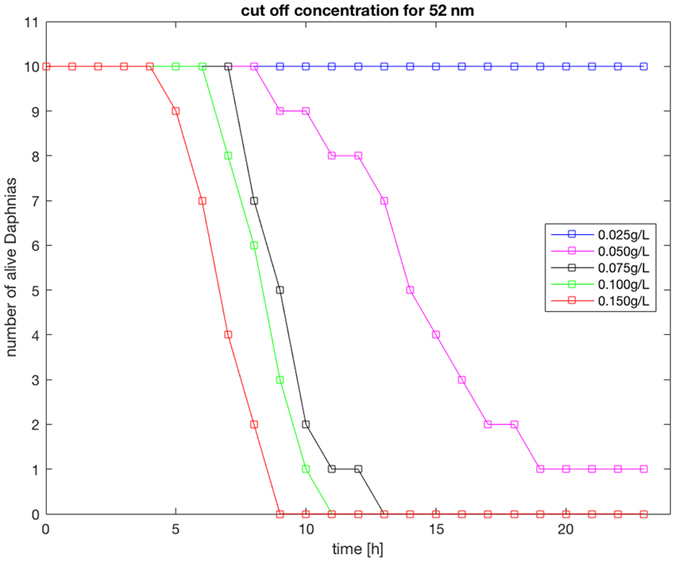
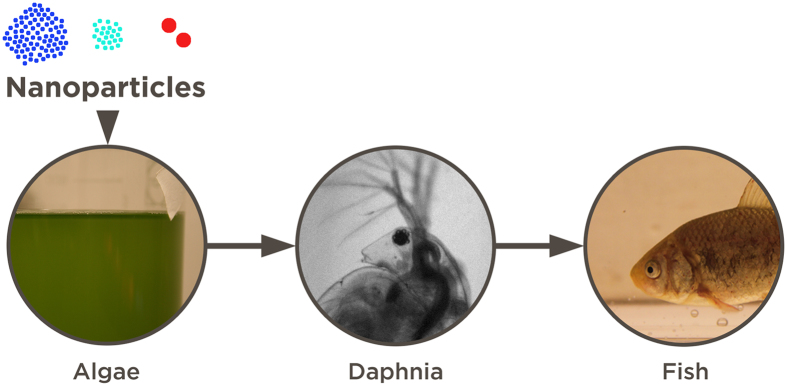
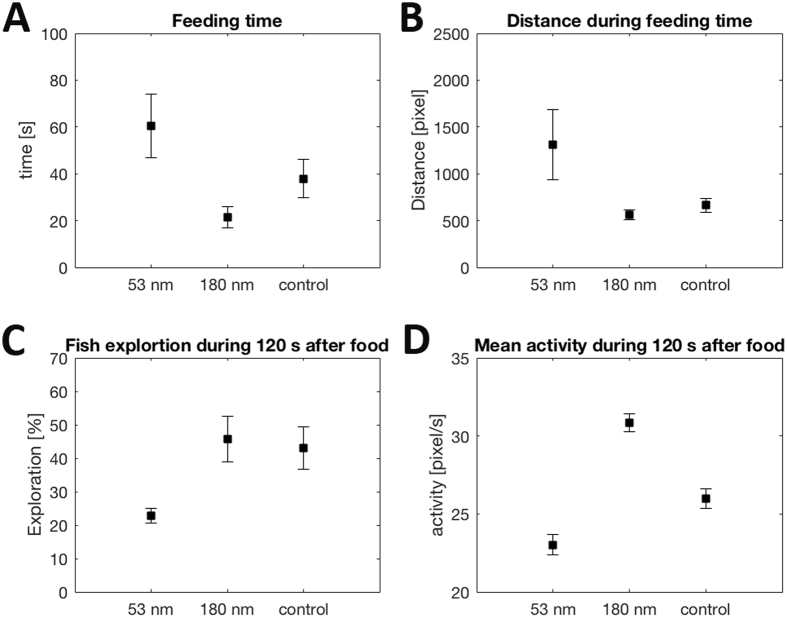
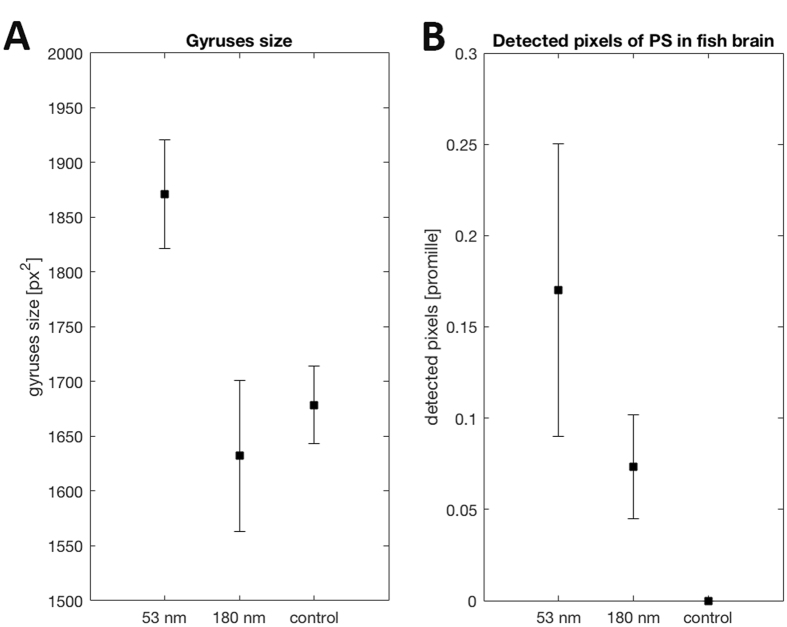
The tremendous increases in production of plastic materials has led to an accumulation of plastic pollution worldwide. Many studies have addressed the physical effects of large-sized plastics on organisms, whereas few have focused on plastic nanoparticles, despite their distinct chemical, physical and mechanical properties. Hence our understanding of their effects on ecosystem function, behaviour and metabolism of organisms remains elusive. Here we demonstrate that plastic nanoparticles reduce survival of aquatic zooplankton and penetrate the blood-to-brain barrier in fish and cause behavioural disorders. Hence, for the first time, we uncover direct interactions between plastic nanoparticles and brain tissue, which is the likely mechanism behind the observed behavioural disorders in the top consumer. In a broader perspective, our findings demonstrate that plastic nanoparticles are transferred up through a food chain, enter the brain of the top consumer and affect its behaviour, thereby severely disrupting the function of natural ecosystems.
Overview
The claims and statistics of this paper haven’t been checked yet.
Run the check — free, no account needed. It reads the open-access text and checks the sources it cites.
Integrity signals
Registry
Cites
Statistics
Figures
Verification
Claims the paper makes
The claims and statistics of this paper haven’t been checked yet.
Run the check — free, no account needed. It reads the open-access text and checks the sources it cites.
Claims other papers make about this one
Each is checked against this paper’s own text: does it say what the citing paper says it does?
The cited source says what the claim attributes to it.
In the citing paper
“They likely have adverse effects on aquatic organisms (Mattsson et al., 2017;Jeong et al., 2018;Baudrimont et al., 2020;Wayman and Niemann, 2021)”
From Plastic photodegradation under simulated marine conditions (2023) · cites this paper as Mattsson et al., 2017
The cited source says what the claim attributes to it.
In the citing paper
“The tness of Daphnia magna was impaired by small nanoplastic particles of $52 nm but not by larger ones of >120 nm, 16 and the depuration of 24 nm particles was faster than that of 250 nm particles.156”
From The fate of plastic in the ocean environment – a minireview (2021) · cites this paper as [16]
In the citing paper
“The results of the studies have shown an increased toxicity, physical damage and higher mortality rates of Daphnia as a function of nanoplastic exposure.”
From The fate of plastic in the ocean environment – a minireview (2021) · cites this paper as [16]
In the citing paper
“Nanoplastics might simply pass through organisms without further interactions but experimental studies rather suggest that the effects of nanoplastics are more negative when compared to their macro/micro plastic counterparts, at least under the tested exposure conditions, 16,147 which might be higher than environmental levels.”
From The fate of plastic in the ocean environment – a minireview (2021) · cites this paper as [16]
In the citing paper
“Noteworthy is that at least for sh, nanoplastics can cross the blood brain barrier, 16 accumulate in several vital organs, 158,159 and disrupt metabolism and hormonal signalling.158”
From The fate of plastic in the ocean environment – a minireview (2021) · cites this paper as [16]
In the citing paper
“Nanoplastics are characterised by high surface to volume ratios and thus better adsorb toxic compounds and potentially transfers them to organisms aer ingestion.16,18,137,[147][148][149]”
From The fate of plastic in the ocean environment – a minireview (2021) · cites this paper as [16]
In the citing paper
“This could suggest that the chemical composition of the nanomaterials denes their behaviour in biological systems, perhaps due to differences in physicochemical surface properties.16,156”
From The fate of plastic in the ocean environment – a minireview (2021) · cites this paper as [16]
In the citing paper
“The transfer of nanoplastic through food web structures could be shown for an algae-crustacean-sh system 16,155 providing evidence for potential negative effects of nanoplastic exposure on all trophic levels.”
From The fate of plastic in the ocean environment – a minireview (2021) · cites this paper as [16]
In the citing paper
“Furthermore, negative effects of nanoplastics might be dependent on size, and polymer type.16”
From The fate of plastic in the ocean environment – a minireview (2021) · cites this paper as [16]
Self-check
Percentages, sums and reported differences re-computed from the paper’s own numbers.
The self-check needs the paper’s full text.
Citations
Cites
Plastic waste inputs from land into the ocean
Jambeck, J. R., Geyer, R., Wilcox, C., Siegler, T. R., Perryman, M., Andrady, A., Narayan, R., & Law, K. L. (2015) · Science · doi:10.1126/science.1260352 · Cited by 13,163
Microplastics in the marine environment
Andrady, A. L. (2011) · Marine Pollution Bulletin · doi:10.1016/j.marpolbul.2011.05.030 · Cited by 8,105
Accumulation and fragmentation of plastic debris in global environments
Barnes, D. K. A., Galgani, F., Thompson, R. C., & Barlaz, M. (2009) · Philosophical Transactions of the Royal Society B: Biological Sciences · doi:10.1098/rstb.2008.0205 · Cited by 6,126
The pollution of the marine environment by plastic debris: a review.
Derraik, J. G. B. (2002) · Marine Pollution Bulletin · doi:10.1016/s0025-326x(02)00220-5 · Cited by 4,042
Nanomaterials in the environment: Behavior, fate, bioavailability, and effects
Klaine, S. J., Alvarez, P. J. J., Batley, G. E., Fernandes, T. F., Handy, R. D., Lyon, D. Y., Mahendra, S., McLaughlin, M. J., & Lead, J. R. (2008) · Environmental Toxicology and Chemistry · doi:10.1897/08-090.1 · Cited by 2,803
Cascading Trophic Interactions and Lake Productivity
Carpenter, S. R., Kitchell, J. F., & Hodgson, J. R. (1985) · BioScience · doi:10.2307/1309989 · Cited by 2,646
Occurrence, behavior and effects of nanoparticles in the environment
Nowack, B., & Bucheli, T. D. (2007) · Environmental Pollution · doi:10.1016/j.envpol.2007.06.006 · Cited by 2,341
Handbook of European freshwater fishes
Kottelat, M., & Freyhof, J. (2007) · Cited by 2,268
von Moos, N., Burkhardt-Holm, P., & Köhler, A. (2012) · Environmental Science & Technology · doi:10.1021/es302332w · Cited by 1,697
Brown, D. M., Wilson, M., MacNee, W., Stone, V., & Donaldson, K. (2001) · Toxicology and Applied Pharmacology · doi:10.1006/taap.2001.9240 · Cited by 1,330
Cited by
Sorted by citations
Items 401–500 of 821
Das, A., Terry, L. R., Sanders, S., Yang, L., & Guo, H. (2024) · Environmental Science & Technology · doi:10.1021/acs.est.3c10549 · Cited by 21
Li, W., & Meng, F. (2025) · Marine Pollution Bulletin · doi:10.1016/j.marpolbul.2025.117758 · Cited by 22
Lee, C.-Y., Horng, J., Liu, S., & Lin, L. (2020) · Chemosphere · doi:10.1016/j.chemosphere.2020.128051 · Cited by 20
Guerrini, F., Mari, L., & Casagrandi, R. (2022) · Environmental Research Letters · doi:10.1088/1748-9326/ac4fd9 · Cited by 20
Transfer of Micro(nano)plastics in animals: A mini-review and future research recommendation
Hu, L., Zhou, Y., Wang, Y., Zhang, D., & Pan, X. (2022) · Journal of Hazardous Materials Advances · doi:10.1016/j.hazadv.2022.100101 · Cited by 21
Panacea for the nanoplastic surge in Africa: A state-of-the-art review
Okeke, E. S., Ejeromedoghene, O., Addey, C. I., Atakpa, E. O., Bello, S. F., Ezeorba, T. P. C., Chukwudozie, K. I., & Okoye, C. O. (2022) · Heliyon · doi:10.1016/j.heliyon.2022.e11562 · Cited by 20
Wang, X., Shao, S., Zhang, T., Zhang, Q., Yang, D., & Zhao, J. (2023) · Marine Environmental Research · doi:10.1016/j.marenvres.2023.106174 · Cited by 22
Blonç, M., Husson, F., Llorca, M., Farré, M., Tort, L., Brandts, I., & Teles, M. (2023) · Journal of Hazardous Materials Advances · doi:10.1016/j.hazadv.2023.100381 · Cited by 22
Nejat, N., Sattari, M., Mohsenpour, R., Shi, X., & Rasta, M. (2024) · Environmental Science and Pollution Research · doi:10.1007/s11356-024-32627-0 · Cited by 21
Kawsar, M. A., Munny, F. J., Saif, U. M., Harun‐Al‐Rashid, A., Rahman, M., Barman, S. K., Adikari, D., Alam, M. T., Kunda, M., & Pandıt, D. (2024) · Journal of Hazardous Materials Advances · doi:10.1016/j.hazadv.2024.100430 · Cited by 20
Chang, X., Shen, Y., Yang, M., Yun, L., Liu, Z., Feng, S., Yang, G., Meng, X., & Su, X. (2024) · Journal of Hazardous Materials · doi:10.1016/j.jhazmat.2024.134444 · Cited by 21
Aliya, S., Alhammadi, M., Ilangovan, S., Han, S., Tamang, S., Son, B., Lee, H. U., & Huh, Y. S. (2025) · Environmental Chemistry and Ecotoxicology · doi:10.1016/j.enceco.2025.03.005 · Cited by 22
Teng, M., Li, Y., Zhao, L., White, J. C., Sun, J., Zhang, Z., Chen, L., Zhu, J., & Wu, F. (2025) · Environment International · doi:10.1016/j.envint.2025.109441 · Cited by 19
Farale, H., Sreevidhya, K. B., Bathinapatla, A., & Kanchi, S. (2025) · Journal of Hazardous Materials Advances · doi:10.1016/j.hazadv.2025.100736 · Cited by 24
McDaid, A., Cunningham, E. M., Crump, A., Hardiman, G., & Arnott, G. (2022) · The Science of The Total Environment · doi:10.1016/j.scitotenv.2022.158576 · Cited by 19
Raguso, C., Grech, D., Becchi, A., Ubaldi, P. G., Lasagni, M., Guala, I., & Saliu, F. (2022) · Marine Pollution Bulletin · doi:10.1016/j.marpolbul.2022.114328 · Cited by 21
High production of poly(3-hydroxybutyrate) in Escherichia coli using crude glycerol
Ta, D.-T., Chiang, C., Huang, Z.-X., Luu, N. L., & Chao, Y. (2023) · Bioresource Technology · doi:10.1016/j.biortech.2023.129315 · Cited by 19
Mondellini, S., Schwarzer, M., Völkl, M., Jasinski, J., Jérôme, V., Scheibel, T., Laforsch, C., & Freitag, R. (2024) · The Science of The Total Environment · doi:10.1016/j.scitotenv.2024.172470 · Cited by 18
Collecting Microplastics in Gardens: Case Study (i) of Soil
Sobhani, Z., Luo, Y., Gibson, C. T., Tang, Y., Naidu, R., Megharaj, M., & Fang, C. (2021) · Frontiers in Environmental Science · doi:10.3389/fenvs.2021.739775 · Cited by 19
Wang, M., Fang, H.-T., Tan, Q., Ji, R., & Miao, A. (2025) · Environmental Science & Technology · doi:10.1021/acs.est.5c02150 · Cited by 19
A comprehensive toolkit for micro- to nanoplastic analysis
Hossain, R., & Sahajwalla, V. (2025) · Environmental Science Nano · doi:10.1039/d5en00856e · Cited by 20
Monikh, F. A., Chupani, L., Šmerková, K., Bosker, T., Cizar, P., Krzyžánek, V., Richtera, L., Franěk, R., Zusková, E., Skoupý, R., et al. (2020) · Environmental Science Nano · doi:10.1039/d0en00240b · Cited by 18
Plastic impact on marine benthic organisms and food webs
Pitacco, V., Orlando‐Bonaca, M., & Avio, C. G. (2022) · Elsevier eBooks · doi:10.1016/b978-0-12-822471-7.00007-9 · Cited by 21
Cho, H.-J., Lee, W. S., Jeong, J., & Lee, J.-S. (2022) · Comparative Biochemistry and Physiology Part C Toxicology & Pharmacology · doi:10.1016/j.cbpc.2022.109428 · Cited by 21
Wang, Z., Bi, Y., Li, K., Song, Z., Pan, C., Zhang, S., Lan, X., Foulkes, N. S., & Zhao, H. (2023) · Environmental Science Nano · doi:10.1039/d2en00757f · Cited by 18
Rama, P., Gallego‐Urrea, J. A., & Abbas, Z. (2023) · Environmental Science Nano · doi:10.1039/d2en00916a · Cited by 19
The impact of amine and carboxyl functionalised microplastics on the physiology of daphnids
Panagiotidis, K., Engelmann, B., Krauss, M. K. V., Rolle-Kampczyk, U. E., Altenburger, R., Rochfort, K. D., & Grintzalis, K. (2023) · Journal of Hazardous Materials · doi:10.1016/j.jhazmat.2023.132023 · Cited by 18
Zhao, T., Tan, X.-Y., Pantopoulos, K., Xu, J., Zheng, H., Xu, Y.-C., Song, Y., & Luo, Z. (2023) · Journal of Hazardous Materials · doi:10.1016/j.jhazmat.2023.132749 · Cited by 20
Sayed, A. E. H., Emeish, W. F. A., Bakry, K. A., Al‐Amgad, Z., Lee, J., & Mansour, S. (2024) · BMC Veterinary Research · doi:10.1186/s12917-024-03987-z · Cited by 18
In situ imaging of microplastics in living organisms based on mass spectrometry technology
Li, Y., Sha, X., Yuan, W., Zhao, Y., Zhang, J., Wang, P., Chen, X., Xing, B., & Wang, L. (2024) · Eco-Environment & Health · doi:10.1016/j.eehl.2024.05.007 · Cited by 18
Kamel, N. F., Bashir, D. W., Elleithy, E. M. M., Tohamy, A. F., Rashad, M. M., Ali, G. E., & El-Saba, A. (2025) · Naunyn-Schmiedeberg s Archives of Pharmacology · doi:10.1007/s00210-025-03867-9 · Cited by 18
Polystyrene microplastics reduce honeybee survival by disrupting gut microbiota and metabolism
Li, H., Feng, W., An, T., Dai, P., & Liu, Y. (2025) · Environmental Toxicology and Pharmacology · doi:10.1016/j.etap.2025.104704 · Cited by 17
Saputra, F., Tsao, Y., Soegianto, A., Pramata, A. D., & Hu, S. (2025) · Life Sciences · doi:10.1016/j.lfs.2025.124056 · Cited by 17
Plastic in Lake Titicaca: Tourism and Management of Non-Biodegradable Waste in the Andes
Gascón, J. (2022) · Worldwide Waste · doi:10.5334/wwwj.78 · Cited by 18
Finding navigation cues near fishways
Elings, J., Bruneel, S. P., Pauwels, I. S., Schneider, M., Kopecki, I., Coeck, J., Mawer, R., & Goethals, P. L. M. (2023) · Biological reviews/Biological reviews of the Cambridge Philosophical Society · doi:10.1111/brv.13023 · Cited by 19
Gao, P., Noor, N. Q. I. M., Razali, U. H. M., Yusop, M. H. M., & Shaarani, S. M. (2023) · Heliyon · doi:10.1016/j.heliyon.2023.e20835 · Cited by 18
Lei, Y., Li, X., & Mao, X. (2024) · Environmental Pollution · doi:10.1016/j.envpol.2024.125559 · Cited by 17
Interaction of particles with mucosae and cell membranes
Chen, S., Guo, H., Cui, M., Huang, R., Su, R., Qi, W. D., & He, Z. (2019) · Colloids and Surfaces B Biointerfaces · doi:10.1016/j.colsurfb.2019.110657 · Cited by 18
Trophic transfer of nanomaterials and their effects on high-trophic-level predators
Dang, F., Yuan, Y., Huang, Y., Wang, Y., & Xing, B. (2023) · NanoImpact · doi:10.1016/j.impact.2023.100489 · Cited by 16
Oger, M. J. L., Bernay, B., Tessier, E., Amouroux, D., Kestemont, P., & Cornet, V. (2025) · Environmental Pollution · doi:10.1016/j.envpol.2025.126966 · Cited by 16
Guo, Z., DeLoid, G. M., Cao, X., Bitounis, D., Sampathkumar, K., Ng, K. W., Loo, S. C. J., & Demokritou, P. (2021) · Environmental Science Nano · doi:10.1039/d1en00233c · Cited by 16
Human and ecological health effects of nanoplastics: May not be a tiny problem
Hughes, M. F., Clapper, H. M., Burgess, R. M., & Ho, K. T. (2021) · Current Opinion in Toxicology · doi:10.1016/j.cotox.2021.09.004 · Cited by 18
Addressing Microplastics in a Global Agreement on Plastic Pollution
Rognerud, I., Hurley, R. R., Lusher, A., Bråte, I. L. N., & Steindal, E. H. (2022) · TemaNord · doi:10.6027/temanord2022-566 · Cited by 14
Saemi-Komsari, M., Pashaei, R., Abbasi, S., Esmaeili, H. R., Dzingelevičienė, R., Hadavand, B. S., Pasalari, M., Szultka‐Młyńska, M., Gadzała‐Kopciuch, R., Buszewski, B., et al. (2023) · Environmental Pollution · doi:10.1016/j.envpol.2023.121997 · Cited by 16
Lee, K., Mishra, R., & Kim, T. (2023) · Sensors and Actuators A Physical · doi:10.1016/j.sna.2023.114688 · Cited by 16
The weakened physiological functions of human serum albumin in presence of polystyrene nanoplastics
Wang, Y., Li, H., Lan, J., Guan, R., Bao, Y., Du, X., Zhao, Z., Shi, R., Hollert, H., & Zhao, X. (2024) · International Journal of Biological Macromolecules · doi:10.1016/j.ijbiomac.2024.129609 · Cited by 16
Abdelbaky, S. A., Zaky, Z. M., Yahia, D., Kotob, M. H., Ali, M., Aufy, M., & Sayed, A. E. H. (2024) · Fishes · doi:10.3390/fishes9020076 · Cited by 16
Sun, Z., Peng, X., Zhao, L., Yang, Y., Zhu, Y., Wang, L., & Kang, B. (2024) · The Science of The Total Environment · doi:10.1016/j.scitotenv.2024.173238 · Cited by 18
Salomão, A. L. D. S., Hauser‐Davis, R. A., & Marques, M. (2020) · Ecotoxicology and Environmental Safety · doi:10.1016/j.ecoenv.2020.110941 · Cited by 16
Eguiraun, H., & Martı́nez, I. (2023) · Entropy · doi:10.3390/e25040559 · Cited by 19
Hiranphinyophat, S., Hiraoka, T., Kobayashi, M., Fujii, S., Kishida, A., Tanabe, T., Kimura, T., & Yamamoto, M. (2023) · Langmuir · doi:10.1021/acs.langmuir.3c01858 · Cited by 15
Are we eating plastic? Science mapping of microplastic pollution in the aquatic food chain
Ahmad, M. F., Fauzi, M. A., Ahmad, M. H., Wider, W., & Lee, C. K. (2024) · Integrated Environmental Assessment and Management · doi:10.1002/ieam.4930 · Cited by 17
Zhang, W., Tian, D., Yu, Y., Tong, D., Zhou, W., Yu, Y., Lu, L., Li, W., Liu, G., & Shi, W. (2024) · The Science of The Total Environment · doi:10.1016/j.scitotenv.2024.174112 · Cited by 19
Hayati, A., Pramudya, M., Soepriandono, H., Astri, A. R., Kusuma, M. R., Maulidah, S., Adriansyah, W., & Dewi, F. R. P. (2022) · Veterinary World · doi:10.14202/vetworld.2022.517-523 · Cited by 15
Guo, Y. C., Li, M., Liu, X., Duo, H., Huang, B., Lu, H., Zhang, X., Li, X., Zhao, Y., Lian, K., et al. (2025) · Brain Behavior and Immunity · doi:10.1016/j.bbi.2025.04.002 · Cited by 17
Fate and impact of nano/microplastic in the geoenvironment — ecotoxicological perspective
O’Kelly, B. C., Pantos, O., Weaver, L., Sarris, T. S., Goli, V. S. N. S., Mohammad, A., Singh, P., & Singh, D. N. (2022) · Environmental Geotechnics · doi:10.1680/jenge.22.00053 · Cited by 14
Ma, Y.-F., & You, X. (2023) · The Science of The Total Environment · doi:10.1016/j.scitotenv.2023.166265 · Cited by 14
Body distribution and ecotoxicological effect of nanoplastics in freshwater fish, Zacco platypus
Choi, J., Choi, Y., & Kim, S. D. (2023) · Chemosphere · doi:10.1016/j.chemosphere.2023.140107 · Cited by 14
Xu, Y., Liu, L., Ma, Y., Wang, C., Duan, F., Feng, J., Yin, H., Sun, L., Cao, Z., Jung, J., et al. (2024) · Aquatic Toxicology · doi:10.1016/j.aquatox.2024.107215 · Cited by 17
Neurotoxicity Following Exposure to Micro and Nanoplastics
Ehsanifar, M., & Yavari, Z. (2025) · OBM Neurobiology · doi:10.21926/obm.neurobiol.2501277 · Cited by 14
Hameed, M., Bhat, R. A., Singh, D. V., & Mehmood, M. A. (2019) · Practice, progress, and proficiency in sustainability · doi:10.4018/978-1-7998-0031-6.ch004 · Cited by 18
Plastic Waste Management: Global Facts, Challenges and Solutions
Alqattaf, A. (2020) · International Sustainability and Resilience Conference · doi:10.1109/ieeeconf51154.2020.9319989 · Cited by 15
Rahman, M. M., Ferdouse, Z., Nur, N., Islam, N., Rouf, M. A., Arafat, S. T., Rahman, S. M., & Rahman, M. M. (2022) · Marine and Freshwater Behaviour and Physiology · doi:10.1080/10236244.2022.2100772 · Cited by 16
Kumari, S., Begum, M. Y., Chinglenthoiba, C., Aran, K. R., Panda, S. P., Abomughaid, M. M., Lakhanpal, S., Avinash, D., Jha, N. K., & Gupta, R. V. (2025) · Molecular Neurobiology · doi:10.1007/s12035-025-05174-z · Cited by 14
Review: sanitary pads—composition, regulation, and ongoing research to address associated challenges
Blignaut, J., Visser, H. G., Erasmus, E., & Schutte‐Smith, M. (2025) · Journal of Materials Science · doi:10.1007/s10853-025-11151-7 · Cited by 15
Tao, R., Pang, J., Liu, Y., Zou, J., & Cai, F. (2023) · Case Studies in Construction Materials · doi:10.1016/j.cscm.2023.e01914 · Cited by 13
Prolonged survival time of Daphnia magna exposed to polylactic acid breakdown nanoplastics
Kelpsiene, E., Rydberg, M., Ekvall, M. T., Lundqvist, M., & Cedervall, T. (2023) · PLoS ONE · doi:10.1371/journal.pone.0290748 · Cited by 14
Self-citationYoshida, E. (2023) · RSC Sustainability · doi:10.1039/d3su00207a · Cited by 13
Hou, M., Zou, X., Su, L., Xu, C., Xia, Z., Wang, Q., Zhao, X., He, Y., Wang, C., & Wang, J. (2024) · Journal of environmental chemical engineering · doi:10.1016/j.jece.2024.111886 · Cited by 13
Plastic nanoparticles interfere with extracellular vesicle pathway in primary astrocytes
Adamiak, K., Sidoryk‐Wȩgrzynowicz, M., Dąbrowska‐Bouta, B., Sułkowski, G., & Strużyńska, L. (2024) · Ecotoxicology and Environmental Safety · doi:10.1016/j.ecoenv.2024.117180 · Cited by 13
From Cradle to Grave: Microplastics—A Dangerous Legacy for Future Generations
Lang, T., Jelić, F., & Wechselberger, C. (2024) · Environments · doi:10.3390/environments11120263 · Cited by 14
Falfushynska, H., Sokolova, I. M., & Stoika, R. S. (2021) · Springer eBooks · doi:10.1007/978-3-030-76235-3_9 · Cited by 13
Zhang, C., Zhang, L., Li, L., Mohsen, M., Su, F., Wang, X., & Lin, C. (2023) · Frontiers in Marine Science · doi:10.3389/fmars.2023.1109691 · Cited by 13
Microplastics as Pollutants in the Marine Environment
Andrady, A. L., & Zhu, L. (2021) · Springer eBooks · doi:10.1007/978-3-030-75602-4_17 · Cited by 13
Nakajima, R., & Yamashita, R. (2020) · Oceanography in Japan · doi:10.5928/kaiyou.29.5_129 · Cited by 14
Binding Between Antibiotics and Polystyrene Nanoparticles Examined by NMR
Arachchi, S. S., Palma, S. P., Sanders, C. I., Xu, H., Biswas, R. G., Soong, R., Simpson, A. J., & Casabianca, L. B. (2022) · ACS Environmental Au · doi:10.1021/acsenvironau.2c00047 · Cited by 12
Nanoplastics in aquatic environments—Sources, sampling techniques, and identification methods
Mattsson, K., Jocic, S., de Lima, J. A., Hansson, L., & Gondikas, A. P. (2024) · Elsevier eBooks · doi:10.1016/b978-0-443-15332-7.00003-x · Cited by 14
Self-citationHarnessing nanotechnology for advancements in fisheries and aquaculture: a comprehensive review
Kolupula, A. K., Gora, S. P., Prakash, C. B., Nagaraju, S., Jasmeen, P., & Battapothula, S. (2024) · Proceedings of the Indian National Science Academy · doi:10.1007/s43538-024-00238-5 · Cited by 12
Fate and biological uptake of polystyrene nanoparticles in freshwater wetland ecosystems
Stábile, F., Ekvall, M. T., Gallego‐Urrea, J. A., Nwachukwu, T., Soorasena, W. G. C. U., Rivas-Comerlati, P. I., & Hansson, L. (2024) · Environmental Science Nano · doi:10.1039/d3en00628j · Cited by 13
Self-citationFiore, C. D., Carriera, F., Iannone, A., Paris, E., Gallucci, F., & Avino, P. (2024) · Applied Sciences · doi:10.3390/app14135621 · Cited by 11
Haave, M., Hæggernes, E., & Gomiero, A. (2024) · Water Emerging Contaminants & Nanoplastics · doi:10.20517/wecn.2024.07 · Cited by 12
Membrane-free microplastic removal based on a multiplexed spiral inertial microfluidic system
Jeon, H., Yoon, J., & Han, J. (2024) · Separation and Purification Technology · doi:10.1016/j.seppur.2024.129113 · Cited by 12
Mora-Teddy, A. K., Closs, G. P., & Matthaei, C. D. (2024) · The Science of The Total Environment · doi:10.1016/j.scitotenv.2024.175456 · Cited by 14
Tripathi, N., Saudrais, F., Rysak, M., Pieri, L., Pin, S., Roma, G., Renault, J., & Boulard, Y. (2024) · Biomacromolecules · doi:10.1021/acs.biomac.4c00918 · Cited by 12
Madejski, G. R., Ahmad, S. D., Musgrave, J., Flax, J. D., Madejski, J. G., Rowley, D. A., DeLouise, L. A., Berger, A. J., Knox, W. H., & McGrath, J. L. (2020) · Sustainability · doi:10.3390/su122410655 · Cited by 12
Pollution—Lights, plastics, oil, and contaminants
Gilmour, M. E., Borrelle, S. B., Elliott, L., Okawa, R., & Rodríguez, A. (2022) · Elsevier eBooks · doi:10.1016/b978-0-323-88539-3.00012-1 · Cited by 17
Assessing Impact of Microplastics on Aquatic Food System and Human HealthPreprint
Mithun, M. H., Kar, A., Sunny, A. R., Billah, M., Sazzad, S. A., Salehin, S., Foysal, A. M., Jahan, N., Rahman, K., Shiam, A. A., et al. (2023) · Preprints.org · doi:10.20944/preprints202311.1092.v1 · Cited by 12
From ocean to table: marine contaminants and their risks to human health and biodiversity
Bhuiyan, M. N. I., Rahman, M. S., Rahman, M. M., Islam, S., Suchi, P. D., & Saha, B. K. (2025) · Marine Pollution Bulletin · doi:10.1016/j.marpolbul.2025.119134 · Cited by 12
Wang, M., & Wang, W. (2023) · Chemosphere · doi:10.1016/j.chemosphere.2023.140541 · Cited by 12
Toxicity mechanisms of photodegraded polyvinyl chloride nanoplastics on pea seedlings
Wu, H., He, B., Chen, B., & Liu, A. (2024) · Frontiers of Environmental Science & Engineering · doi:10.1007/s11783-024-1809-2 · Cited by 11
Che, S., Huang, M., Zhu, L., Shen, L., Ma, Y., Wan, Z., Li, X., Zhou, J., Ding, S., & Li, X. (2024) · Ecotoxicology and Environmental Safety · doi:10.1016/j.ecoenv.2024.116126 · Cited by 12
Hussain, S. M., Akhtar, S., Shah, S. Z. H., Shahzad, M. M., Naeem, A., Naeem, E., & Yousaf, Z. A. (2024) · Brazilian Archives of Biology and Technology · doi:10.1590/1678-4324-2024230466 · Cited by 11
Ventura, E., Gonçalves, J. M., Vilke, J. M., d’Errico, G., Benedetti, M., Regoli, F., & Bebianno, M. J. (2024) · Marine Pollution Bulletin · doi:10.1016/j.marpolbul.2024.116697 · Cited by 11
Ouheddou, M., Abelouah, M. R., Ben-Haddad, M., Hajji, S., Laaraj, N. E., Akhouchal, I., Barra, I., Rangel-Buitrago, N. G., Agnaou, M., & Alla, A. A. (2024) · Marine Pollution Bulletin · doi:10.1016/j.marpolbul.2024.117334 · Cited by 12
Sankar, S., Chandrasekaran, N., Moovendhan, M., & Parvathi, V. D. (2024) · Environmental Quality Management · doi:10.1002/tqem.70021 · Cited by 11
Effect of PET Micro/Nanoplastics on Model Freshwater Zooplankton
Rajtar, N., Starek, M., Vincenti, L., Dąbrowska, M., Romek, M., Rinaldi, R., Lionetto, F., & Kępczyński, M. (2025) · Polymers · doi:10.3390/polym17091256 · Cited by 11
Raza, M. A., Kanwal, Z., Shahid, A., Fatima, S., Sajjad, A., Riaz, S., & Naseem, S. (2021) · Advances in Materials Science and Engineering · doi:10.1155/2021/5185425 · Cited by 13
Microplastic Exposure and the of Parkinson’s Disease
Shapiro, L., & Katchur, N. J. (2023) · Journal of Student Research · doi:10.47611/jsr.v11i3.1815 · Cited by 11
Demirel, G., Sanajou, S., Yirün, A., Çakır, D. A., Berkkan, A., Baydar, T., & Erkekoğlu, P. (2023) · Journal of Applied Toxicology · doi:10.1002/jat.4564 · Cited by 14
Guru, A., Murugan, R., Almutairi, B. O., Arokiyaraj, S., & Arockiaraj, J. (2023) · Molecular Biology Reports · doi:10.1007/s11033-023-08960-x · Cited by 11
Metadata
- Authors
- Mattsson, K., Johnson, E. V., Malmendal, A., Linse, S., Hansson, L.-A., & Cedervall, T.
- Affiliations
- Lund University (SE)
- Corresponding author
- Mattsson, Karin
- Venue
- Scientific Reports
- Published
- 2017-09-13
- Volume
- 7
- Issue
- 1
- Pages
- 11452-11452
- ISSN
- 2045-2322 (ISSN-L)
- PMC
- PMC5597631
- OpenAlex
- W2752608807
- Cited by
- 823
- References
- 34
- Citations by year
- 2026: 71 · 2025: 98 · 2024: 128 · 2023: 141 · 2022: 113 · 2021: 103 · 2020: 82 · 2019: 58 · 2018: 26 · 2017: 3
- FWCI
- 20.84
- Type
- journal article
- Language
- en
- Open access
- gold
- doi.org
- Locations
- Scientific Reports (publishedVersion, cc-by)
- PubMed Central (publishedVersion, cc-by)
- PubMed (publishedVersion)
- Lund University Publications (Lund University) (submittedVersion)
- Funders
- Lunds Universitet
- Vetenskapsrådet
- Topics
- Physical Sciences › Environmental Science › Pollution › Microplastics and Plastic Pollution
- Physical Sciences › Environmental Science › Health, Toxicology and Mutagenesis › Environmental Toxicology and Ecotoxicology
- Physical Sciences › Environmental Science › Pollution › Pharmaceutical and Antibiotic Environmental Impacts
- Keywords
- nanoplastics, microplastics, fish behavior, brain damage, blood-brain barrier, zooplankton survival, trophic transfer, neurotoxicity, plastic pollution, aquatic ecosystems
- MeSH terms
- Animals, Brain Injuries, Environmental Pollution, Fish Diseases, Mortality, Plastics, Water Pollutants, Chemical, Food Chain, Nanoparticles
About these checks
Registry, retraction, Cites and statistics results are computed, not judged, with one exception: a printed reference that no index lists is read once by a model before it counts as a citation error. Claims are extracted by a model and kept only when their quote appears verbatim in the text; each cited source is then checked, with a model’s help, for whether it says what the claim relies on. Those verdicts can be wrong — read the claim’s quote and the cited source before relying on one.
Statistics and arithmetic are recomputed, not judged.
Confidence bands are shown only for fields calibrated on our annotated test set. None is calibrated yet, so no band is shown.
What counts as a claim ›How we measure confidence ›How we check this ›
Are you an author, or do you see a problem with this page? Request a review
