

Connectome-harmonic decomposition of human brain activity reveals dynamical repertoire re-organization under LSD
Open accessPublished version of a preprint
The DOI matches its Crossref record; 78 of the 78 references it cites were found in a registry or an index.
Abstract
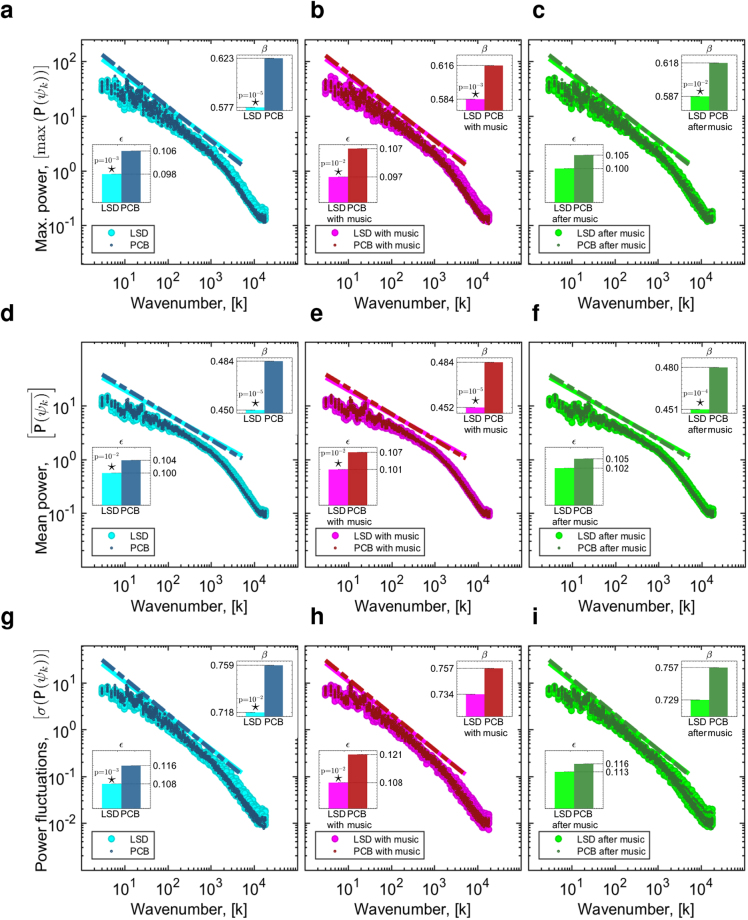
Recent studies have started to elucidate the effects of lysergic acid diethylamide (LSD) on the human brain but the underlying dynamics are not yet fully understood. Here we used ’connectome-harmonic decomposition’, a novel method to investigate the dynamical changes in brain states. We found that LSD alters the energy and the power of individual harmonic brain states in a frequency-selective manner. Remarkably, this leads to an expansion of the repertoire of active brain states, suggestive of a general re-organization of brain dynamics given the non-random increase in co-activation across frequencies. Interestingly, the frequency distribution of the active repertoire of brain states under LSD closely follows power-laws indicating a re-organization of the dynamics at the edge of criticality. Beyond the present findings, these methods open up for a better understanding of the complex brain dynamics in health and disease.
Overview
The claims and statistics of this paper haven’t been checked yet.
Free: it reads the open-access text and checks the first 5 claims that cite a source we can check. Create a free account to check every claim.
Integrity signals
Registry
Cites
Statistics
Figures
Verification
Claims the paper makes
The claims and statistics of this paper haven’t been checked yet.
Free: it reads the open-access text and checks the first 5 claims that cite a source we can check. Create a free account to check every claim.
Claims other papers make about this one
Each is checked against this paper’s own text: does it say what the citing paper says it does?
The source backs part of the claim, not all of it — or backs it for a different population, condition or comparison.
In the citing paper
“Intriguingly, hallucinogenic compounds expanded the repertoire of these harmonic modes (Atasoy et al., 2017), increasing spectral diversity and shifting the distribution of modes toward power-law distributions, a putative—albeit controversial (Touboul and Destexhe, 2017)—hallmark of criticality (Fontenele et al., 2019).”
From An Integrated World Modeling Theory (IWMT) of Consciousness (2020) · cites this paper as Atasoy et al., 2017
Experimental — accuracy not yet measured
Self-check
Percentages, sums and reported differences re-computed from the paper’s own numbers.
The self-check needs the paper’s full text.
Citations
Cites
Large-scale brain networks and psychopathology: a unifying triple network model
Menon, V. (2011) · Trends in Cognitive Sciences · doi:10.1016/j.tics.2011.08.003 · Cited by 4,168 · cited 6×
“Even for simple hallucinations, it is now understood that no one single brain area is responsible, but rather the interaction of multiple brain areas (51).”
InfluentialDynamic functional connectivity: Promise, issues, and interpretations
Hutchison, R. M., Womelsdorf, T., Allen, E. A., Bandettini, P. A., Calhoun, V. D., Corbetta, M., Della Penna, S., Duyn, J. H., Glover, G. H., Gonzalez-Castillo, J., et al. (2013) · NeuroImage · doi:10.1016/j.neuroimage.2013.05.079 · Cited by 2,962
Carhart-Harris, R. L., Bolstridge, M., Rucker, J., Day, C. M. J., Erritzoe, D., Kaelen, M., Bloomfield, M., Rickard, J. A., Forbes, B., Feilding, A., et al. (2016) · The Lancet Psychiatry · doi:10.1016/s2215-0366(16)30065-7 · Cited by 1,540 · cited 1×
“Such an action may explain the increasing body of evidence supporting the therapeutic potential of psychedelic drugs for treating disorders such as OCD (65), depression (66, 67) and addictions (68).”
Self-citationThe default mode network and self-referential processes in depression
Sheline, Y. I., Barch, D. M., Price, J. L., Rundle, M. M., Vaishnavi, S. N., Snyder, A. Z., Mintun, M. A., Wang, S., Coalson, R. S., & Raichle, M. E. (2009) · Proceedings of the National Academy of Sciences · doi:10.1073/pnas.0812686106 · Cited by 1,480 · cited 2×
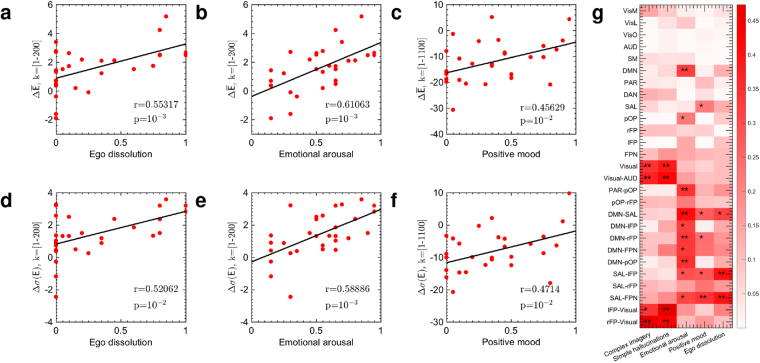
“All four pairs of networks, DMN-SAL, DMN-rFP, DMN-pOP, PAR-pOP, which significantly correlated with the ratings of emotional arousal, have been previously reported to show increased functional connectivity under LSD (17) and the DMN specifically has been linked to mood and emotion (51, 54, 55, 57, 60).”
Carhart-Harris, R. L., Leech, R., Hellyer, P. J., Shanahan, M., Feilding, A., Tagliazucchi, E., Chialvo, D. R., & Nutt, D. (2014) · Frontiers in Human Neuroscience · doi:10.3389/fnhum.2014.00020 · Cited by 1,252 · cited 1×
“ψ ψ α α = | | | | r r t t ( , ) ( ( ) , ( ) ) (11) i j i j”
Self-citationHuman hallucinogen research: guidelines for safety
Johnson, M., Richards, W., & Griffiths, R. (2008) · Journal of Psychopharmacology · doi:10.1177/0269881108093587 · Cited by 1,203 · cited 1×
“The importance of so-called ‘set and setting’ have been much emphasized by those working with psychedelics in humans (61, 62) and the very definition of the word ‘psychedelic’ is intended to refer to the putative”
Neural correlates of the psychedelic state as determined by fMRI studies with psilocybin
Carhart-Harris, R. L., Erritzoe, D., Williams, T., Stone, J. M., Reed, L. J., Colasanti, A., Tyacke, R. J., Leech, R., Malizia, A. L., Murphy, K., et al. (2012) · Proceedings of the National Academy of Sciences · doi:10.1073/pnas.1119598109 · Cited by 1,172 · cited 2×
“The presented method goes beyond the conventional fMRI analyses previously used to measure changes in brain activity under psychedelics (10, 56), to enable the study of fundamental properties of the relevant brain states and how these relate to important principles of dynamical systems, such as whole-brain criticality.”
Self-citationEmergent complex neural dynamics
Chialvo, D. R. (2010) · Nature Physics · doi:10.1038/nphys1803 · Cited by 1,165 · cited 2×
“the property of being optimally poised between order and disorder) has been hypothesised to reflect and underlie its advanced functionality (32, 37); remarkably however, here, using the above-described connectome-harmonic decomposition, we discover a tonic brain state (the LSD state), which exhibits more pronounced si…”
Long-Range Temporal Correlations and Scaling Behavior in Human Brain Oscillations
Linkenkaer-Hansen, K., Nikouline, V. V., Palva, J. M., & Ilmoniemi, R. J. (2001) · The Journal of Neuroscience · doi:10.1523/jneurosci.21-04-01370.2001 · Cited by 1,149 · cited 6×
“Finally, although in this study we apply this technqiue to fMRI data in order to extract the neural signatures of the LSD state, application of the connectome-harmonic decomposition can also be easily extended to other functional neuroimaging datasets such as MEG or high density scalp EEG.”
InfluentialPsilocybin induces schizophrenia-like psychosis in humans via a serotonin-2 agonist action
Vollenweider, F. X., Vollenweider-Scherpenhuyzen, M. F. I., Bäbler, A., Vogel, H., & Hell, D. (1998) · NeuroReport · doi:10.1097/00001756-199812010-00024 · Cited by 1,018 · cited 1×
“As with other classic psychedelic drugs (47), LSD’s principal psychoactive effects are mediated by serotonin 2A receptor agonism, and 5-HT2AR signalling has reliably been shown to induce cortical excitation (48).”
Research works printed but not linked: 2
- Grof, S. Realms of the human unconscious: Observations from LSD research (Viking Press: London, 1979).
- Chung, F. R. Spectral graph theory, vol. 92 (American Mathematical Soc., 1997).
Cited by
Items 101–200 of 221
Psychedelics and schizophrenia: a double-edged sword
Sapienza, J., Martini, F., Comai, S., Cavallaro, R., Spangaro, M., Gregorio, D. D., & Bosia, M. (2024) · Molecular Psychiatry · doi:10.1038/s41380-024-02743-x · Cited by 20
“In addition, it is widely reported the ability of psychedelics to induce a widespread reduction of direct FC, decomposition and reorganization of (dysfunctional) circuits [148, 149].”
Mind over matter: the microbial mindscapes of psychedelics and the gut-brain axis
Caspani, G., Ruffell, S., Tsang, W., Netzband, N., Rohani-Shukla, C., Swann, J. R., & Jefferies, W. A. (2024) · Pharmacological Research · doi:10.1016/j.phrs.2024.107338 · Cited by 21
“…acute treatment with both psilocybin and LSD leads to a decrease in functional connectivity within different nodes of the DMN, like the mPFC, the PCC the medial posterior DMN, while increasing connectivity between the DMN and other resting-state networks [122,127,169,170,19,193,27,30, 47,7,74].”
Neural Geometrodynamics, Complexity, and Plasticity: A Psychedelics Perspective
Ruffini, G., Lopez-Sola, E., Vohryzek, J., & Sanchez-Todo, R. (2024) · Entropy · doi:10.3390/e26010090 · Cited by 23
“…these changes are traditionally reflected in the complexity of neural dynamics, which can be evaluated using various techniques such as criticality measures [29,30], complexity measures [31], connectome harmonic decomposition [22–24], control theory [25] and Ising (or spinglass) modeling [32,33].”
MethodVohryzek, J., Cabral, J., Timmermann, C., Atasoy, S., Roseman, L., Nutt, D. J., Carhart-Harris, R. L., Deco, G., & Kringelbach, M. L. (2024) · National Science Review · doi:10.1093/nsr/nwae124 · Cited by 20
“The framework of multidimensional harmonic representation and decomposition [4 ,46 ,47 ] adds to this list by decomposing brain activity maps into frequency-specific communication channels that unveil contributions of connectivity gradients and cortical parcellations to brain function.”
BackgroundMethodInfluentialSelf-citationLSD flattens the hierarchy of directed information flow in fast whole-brain dynamics
Shinozuka, K., Tewarie, P. K. B., Luppi, A. I., Lynn, C. W., Roseman, L., Muthukumaraswamy, S. D., Nutt, D. J., Carhart-Harris, R. L., Deco, G., & Kringelbach, M. L. (2025) · Imaging Neuroscience · doi:10.1162/imag_a_00420 · Cited by 18
“…for about 60 minutes; the results of the MRI scans are not discussed in this analysis but have been discussed extensively in other publications (Atasoy et al., 2017; Girn et al., 2022; Jobst et al., 2021; Kaelen et al., 2016, 2017; Lebedev et al., 2016; Luppi et al., 2021; Roseman et al.,…”
BackgroundResultSelf-citationPotash, R. M., Yang, W. F. Z., Winston, B., Atasoy, S., Kringelbach, M. L., Sparby, T., & Sacchet, M. D. (2025) · Cerebral Cortex · doi:10.1093/cercor/bhaf039 · Cited by 20
“At each time point of the non-meditative control and ACAM-J fMRI time courses, the fMRI data were projected onto each of the 200 geometric eigenmodes, yielding the temporal activity of the particular eigenmode in a method described previously (Atasoy et al. 2016; Atasoy et al. 2017).”
InfluentialSelf-citationMeijer, D. K. F., Jerman, I., Melkikh, A. V., & Sbitnev, V. I. (2020) · Studies in Rhythm Engineering · doi:10.1007/978-981-15-7253-1_8 · Cited by 29
Bridging the gap between single receptor type activity and whole‐brain dynamics
Jancke, D., Herlitze, S., Kringelbach, M. L., & Deco, G. (2021) · FEBS Journal · doi:10.1111/febs.15855 · Cited by 17
Self-citationBehjat, H., Tarun, A., Abramian, D., Larsson, M., & Ville, D. V. D. (2023) · IEEE Open Journal of Engineering in Medicine and Biology · doi:10.1109/ojemb.2023.3267726 · Cited by 21
“…dimensionality of voxel-wise graphs, brain functional activity can be well approximated by merely a small subset of their low-frequency Laplacian harmonics, whereas in contrast for region-wise brain graphs a larger subset of their total number of Laplacian harmonics is required [21], [24], [28].”
Playing at the Edge of Criticality: Expanded Whole-Brain Repertoire of Connectome-Harmonics
Atasoy, S., Deco, G., & Kringelbach, M. L. (2019) · Springer series on bio- and neurosystems · doi:10.1007/978-3-030-20965-0_2 · Cited by 20
Self-citationParametric resonance brain model
Magazù, S., & Caccamo, M. T. (2024) · Scientific Reports · doi:10.1038/s41598-024-76610-8 · Cited by 15
“Finally, the concept of organizing brain regions based on their resonance properties aligns with the “connectome harmonics” framework, as explored by Atasoy et al. 14 ; in their contribution the Authors describe Fig.”
Vohryzek, J., Luppi, A. I., Atasoy, S., Deco, G., Carhart-Harris, R. L., Timmermann, C., & Kringelbach, M. L. (2025) · Neuropsychopharmacology · doi:10.1038/s41386-025-02190-4 · Cited by 16
“Here, we show that the connectome harmonic signature of DMT coincides with the reported signatures of LSD and psilocybin [5, 12].”
InfluentialSelf-citationCovariation Informed Graph Slepians for Motor Imagery Decoding
Georgiadis, K., Adamos, D. A., Nikolopoulos, S., Laskaris, N., & Kompatsiaris, I. Y. (2021) · IEEE Transactions on Neural Systems and Rehabilitation Engineering · doi:10.1109/tnsre.2021.3049998 · Cited by 17
Aging transition in the absence of inactive oscillators
Kanagaraj, S., Gowthaman, I., Senthilkumar, D. V., & Chandrasekar, V. K. (2019) · Chaos An Interdisciplinary Journal of Nonlinear Science · doi:10.1063/1.5121565 · Cited by 15
Trujillo, L. T. (2019) · Entropy · doi:10.3390/e21010061 · Cited by 13
“Criticality is thought to provide the necessary conditions for the brain to implement flexible and efficient information processing while operating in a relatively stable state [80,82,83,85].”
BackgroundHyperharmonic analysis for the study of high-order information-theoretic signals
Medina-Mardones, A. M., Rosas, F. E., Rodríguez, S. E., & Cofré, R. (2021) · Journal of Physics Complexity · doi:10.1088/2632-072x/abf231 · Cited by 15
“…is to transform the signals into a basis of eigenvectors of the graph Laplacian (Belkin and Niyogi 2003), which has been used with great success in the context of graph signal processing (see e.g. Shuman et al (2013), Sandryhaila and Moura (2014), Atasoy et al (2016, 2017), Expert et al (2017)).”
MethodMiskovic, V., Lynn, S. J., Bagg, J. O., Pouliot, J. J., Ríos, M., & Wackermann, J. (2019) · Neuroscience & Biobehavioral Reviews · doi:10.1016/j.neubiorev.2019.01.014 · Cited by 12
“The application of novel connectome-harmonic decomposition (Atasoy et al., 2017), information theoretic (Mateos et al.”
Deep Manifold Harmonic Network With Dual Attention for Brain Disorder Classification
Sheng, X., Chen, J., Liu, Y., Hu, B., & Cai, H. (2022) · IEEE Journal of Biomedical and Health Informatics · doi:10.1109/jbhi.2022.3220545 · Cited by 13
“Importantly, harmonic waves are a spatial expansion on a Fourier basis, in which spatial frequencies are highly consistent with the anatomical structure of the brain network [20].”
BackgroundYang, Y., Tang, S., Wang, X., Zhen, Y., Zheng, Y., Zheng, H., Liu, L., & Zheng, Z. (2023) · Communications Biology · doi:10.1038/s42003-023-05497-4 · Cited by 14
“Consistent with this hypothesis, studies on psychedelics identify a variation in the repertoire of active brain patterns under different states of consciousness 59,60 .”
ResultColosimo, F. A., Borsellino, P., Krider, R. I., Márquez, R., & Vida, T. A. (2024) · Psychoactives · doi:10.3390/psychoactives3010007 · Cited by 11
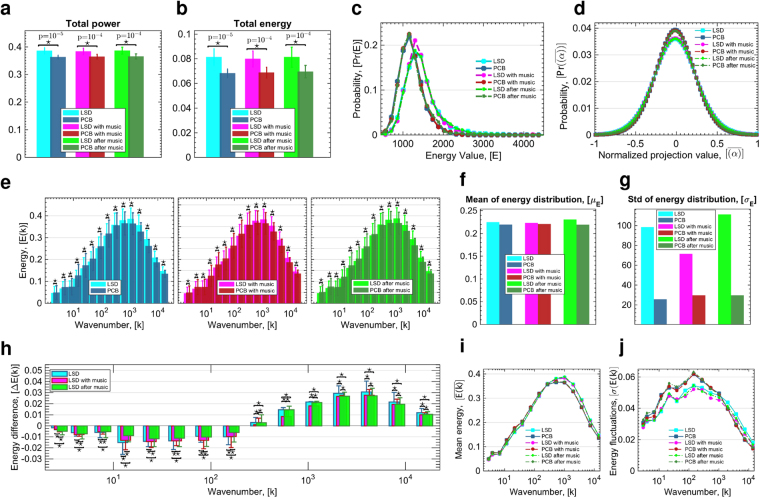
“LSD affects the energy of brain states in a selective manner based on frequency, which suggests a higher degree of available brain states that are achievable within a psychedelic state [161].”
BackgroundTime-dependent scale-free brain dynamics during naturalistic inputs
Klar, P., Çatal, Y., Jocham, G., Langner, R., & Northoff, G. (2025) · NeuroImage · doi:10.1016/j.neuroimage.2025.121255 · Cited by 10
“In another study, Atasoy et al. (2017) discovered that the time-dependent probability distribution of connectome harmonics significantly increases with LSD.”
Altered dynamical integration/segregation balance during anesthesia-induced loss of consciousness
Lord, L.-D., Carletti, T., Fernandes, H. M., Turkheimer, F., & Expert, P. (2023) · Frontiers in Network Physiology · doi:10.3389/fnetp.2023.1279646 · Cited by 12
“On the other hand, psychedelic experiences, such as those induced by taking LSD or psilocybin, have been associated with increased global integration and dynamical explorations loosely constrained by the structural connectome (14-18).”
BackgroundNeural dynamics of semantic control underlying generative storytelling
Rastelli, C., Greco, A., Finocchiaro, C., Penazzi, G., Braun, C., & Pisapia, N. D. (2025) · Communications Biology · doi:10.1038/s42003-025-07913-3 · Cited by 11
Activity‐State Entropy: A novel brain entropy measure based on spatial patterns of activity
Hull, A., & Morton, J. B. (2023) · Journal of Neuroscience Methods · doi:10.1016/j.jneumeth.2023.109868 · Cited by 11
Hybrid Cognitive-Affective Strategies for AI Safety
Aliman, N.-M. (2020) · Utrecht University Repository (Utrecht University) · doi:10.33540/203 · Cited by 13
Transient destabilization of whole brain dynamics induced by N,N-Dimethyltryptamine (DMT)
Piccinini, J., Perl, Y. S., Pallavicini, C., Deco, G., Kringelbach, M. L., Nutt, D. J., Carhart-Harris, R. L., Timmermann, C., & Tagliazucchi, E. (2025) · Communications Biology · doi:10.1038/s42003-025-07576-0 · Cited by 9
Self-citationDMT-Induced Shifts in Criticality Correlate with Self-Dissolution
Irrmischer, M., Aqil, M., Luan, L. X., Wang, T., Engelbregt, H., Carhart-Harris, R. L., Linkenkaer‐Hansen, K., & Timmermann, C. (2025) · Journal of Neuroscience · doi:10.1523/jneurosci.0344-25.2025 · Cited by 10
Self-citationCarhart-Harris, R. L. (2026) · Brain · doi:10.1093/brain/awag206 · Cited by 11
“Clarifying these questions will help advance the debate regarding whether psychedelics 41,54,56,142 —and other related states, such as expert meditation 122,124 —increase criticality or push brain dynamics beyond a critical zone into a disordered regime where (type 2) complexity is compromised.”
InfluentialSelf-citationMaldegem, M. V., Vohryzek, J., Atasoy, S., Alnagger, N., Cardone, P., Bonhomme, V. L., Vanhaudenhuyse, A., Demertzi, A., Jaquet, O., Bahri, M. A., et al. (2025) · British Journal of Anaesthesia · doi:10.1016/j.bja.2024.12.036 · Cited by 10
“80,86 Other authors have interpreted the same shift as a departure of functional activity from the SC beneath it.”
InfluentialSelf-citationCiaunica, A., & Safron, A. (2024) · Oxford University Press eBooks · doi:10.1093/oso/9780192898371.003.0004 · Cited by 13
Divergent Perception: Framing Creative Cognition Through the Lens of Sensory Flexibility
Bellemare‐Pepin, A., & Jerbi, K. (2024) · The Journal of Creative Behavior · doi:10.1002/jocb.1525 · Cited by 8
Liu, H., Cai, H., Yang, D., Zhu, W., Wu, G., & Chen, J. (2023) · Medical Image Analysis · doi:10.1016/j.media.2023.102812 · Cited by 7
The Nonclassic Psychedelic Ibogaine Disrupts Cognitive Maps
Ivan, V. E., Tomàs‐Cuesta, D. P., Esteves, I. M., Curic, D., Mohajerani, M. H., McNaughton, B. L., Davidsen, J., & Gruber, A. J. (2023) · Biological Psychiatry Global Open Science · doi:10.1016/j.bpsgos.2023.07.008 · Cited by 8
“Previous reports on the effects of psychedelic compounds on brain function have been largely based on human imaging using drugs such as psilocybin (29,36,37), lysergic acid diethylamide (5,34), and ayahuasca/DMT (38 – 40).”
BackgroundInfluentialBehjat, H., Aganj, I., Abramian, D., Eklund, A., & Westin, C. (2021) · IEEE International Symposium on Biomedical Imaging (ISBI) · doi:10.1109/isbi48211.2021.9433958 · Cited by 9
“Lastly, the decomposition of WM fMRI data at multiple CSBs can be leveraged, for example, to implement multi-scale spatial denoising of the data [26], to derive WM signatures of consciousness [27, 28], or to train models for predicting disease [29].”
MethodEstimating Common Harmonic Waves of Brain Networks on Stiefel Manifold
Chen, J., Han, G., Cai, H., Ma, J., Kim, M., Laurienti, P. J., & Wu, G. (2020) · Lecture notes in computer science · doi:10.1007/978-3-030-59728-3_36 · Cited by 8
Subramani, V., Lioi, G., Jerbi, K., & Farrugia, N. (2025) · Imaging Neuroscience · doi:10.1162/imag_a_00448 · Cited by 9
What fMRI studies say about the nature of the psychedelic effect: a scoping review
Beneš, M., Páleníček, T., & Horáček, J. (2025) · Frontiers in Neuroscience · doi:10.3389/fnins.2025.1606798 · Cited by 10
McGovern, H. T., Aqil, M., Atasoy, S., & Carhart-Harris, R. L. (2025) · Neuroscience of Consciousness · doi:10.1093/nc/niaf039 · Cited by 8
“These connectome harmonics thus cometoresembleakindofbasesetofpossiblestatesthebraincan inhabit, with higher-frequency harmonics corresponding to more complex and detailed activation patterns (Atasoy et al. 2017).”
InfluentialSelf-citationThe role of connectivity for the degeneracy of the brain’s resting state dynamics
Gudibanda, K., Fousek, J., Petkoski, S., & Jirsa, V. (2026) · Journal of Computational Neuroscience · doi:10.1007/s10827-025-00919-0 · Cited by 7
“To this end, we employ the Laplacian form of the structural connectivity matrix (Preti & Van De Ville, 2019; Belkin & Niyogi, 2003; Atasoy et al., 2017).”
Brain Fingerprinting Using EEG Graph Inference
Miri, M., Abootalebi, V., Amico, E., Saeedi‐Sourck, H., Ville, D. V. D., & Behjat, H. (2023) · European Signal Processing Conference (EUSIPCO) · doi:10.23919/eusipco58844.2023.10289864 · Cited by 10
Erhan, E., Külahlı, İ., Kandemir, O., Cemiloglu, R., Yigitbasi, O. G., & Cüreoğlu, S. (1996) · PubMed · Cited by 8
Atasoy, S., Escrichs, A., Stark, E. A., Terry, K. G. M., Càmara, E., Sanjuán, A., Chandaria, S., Deco, G., & Kringelbach, M. L. (2023) · bioRxiv (Cold Spring Harbor Laboratory) · doi:10.1101/2023.11.16.567347 · Cited by 8
“To this end, we use the connectome harmonic decomposition framework 28–30 , which represents brain activity in terms of the frequency-specific harmonic brain states defined by connectome harmonics 30 .”
BackgroundMethodResultInfluentialSelf-citationBiological substrates of structure-function coupling in brain networks
Fotiadis, P., Arnsten, A. F. T., Parkes, L., Satterthwaite, T. D., Shinohara, R. T., & Bassett, D. S. (2026) · Neuroscience & Biobehavioral Reviews · doi:10.1016/j.neubiorev.2026.106581 · Cited by 8
Artificial Creativity Augmentation
Aliman, N.-M., & Kester, L. J. H. M. (2020) · Lecture notes in computer science · doi:10.1007/978-3-030-52152-3_3 · Cited by 7
Making and breaking symmetries in mind and life
Safron, A., Sakthivadivel, D. A. R., Sheikhbahaee, Z., Bein, M., Razi, A., & Levin, M. G. (2023) · Interface Focus · doi:10.1098/rsfs.2023.0015 · Cited by 7
“’ and ‘ could such organizational principles be evidenced by responses to different forms of music [21], or fractal-structured visual stimuli [22], or potentially the phenomenology associated with psychedelic states [23,24]?”
Beyköylü, H., Vervaeke, J., & Meling, D. (2025) · Philosophical Psychology · doi:10.1080/09515089.2025.2601717 · Cited by 5
“…line with the observations of heightened brain entropy, in the acute psychedelic state, neuroimaging findings suggest tuning toward metast-ability (Atasoy et al., 2017; Carhart-Harris et al., 2014, 2018; Lord et al., 2019; Singleton et al., 2022; Tagliazucchi et al., 2014), and criticality…”
Georgiadis, K., Laskaris, N., Nikolopoulos, S., Adamos, D. A., & Kompatsiaris, I. Y. (2019) · Annual International Conference of the IEEE Engineering in Medicine and Biology Society (EMBC) · doi:10.1109/embc.2019.8856973 · Cited by 7
Luppi, A. I., Mediano, P. A. M., Rosas, F. E., Harrison, D. J., Carhart-Harris, R. L., Bor, D., & Stamatakis, E. A. (2021) · PsyArXiv (OSF Preprints) · doi:10.31234/osf.io/g9p3r · Cited by 5
Self-citationAlgom, I., & Shriki, O. (2025) · Neuroscience & Biobehavioral Reviews · doi:10.1016/j.neubiorev.2025.106483 · Cited by 6
A causal pluralist theory of the interaction of substance, set and setting in psychedelic experience
Kiverstein, J. D., Beyköylü, H., & van Elk, M. (2025) · Philosophical Psychology · doi:10.1080/09515089.2025.2590741 · Cited by 4
“As a final source of evidence, consider how when LSD was administered in a standard hospital room only 12.5% of participants experienced a mystical experience (Liechti, 2017).”
InfluentialOstrand, A. E., Nour, M. M., Timmermann, C., Rosati, A., Luan, L. X., Gómez-Emilsson, A., Bornemann, J., Greenway, K. T., Roseman, L., & Carhart-Harris, R. L. (2026) · Journal of Psychopharmacology · doi:10.1177/02698811261464986 · Cited by 4
Self-citationComparing and scaling fMRI features for brain-behavior prediction
Schöttner, M., Bolton, T. A. W., Patel, J. H., & Hagmann, P. (2025) · Imaging Neuroscience · doi:10.1162/imag.a.141 · Cited by 4
“While comparing these features in their ability to predict different behavioral variables is interesting in itself, the scaling properties of features are also an important consideration in the development of neuroimaging biomarkers.”
How to set up a psychedelic study: Unique considerations for research involving human participants
Glennon, M. J., Bird, C., Yadav, P., Kleine, P., Suseelan, S., Boman-Markaki, C., Kotoula, V., Butler, M., Leech, R., Roseman, L., et al. (2026) · Neuroscience & Biobehavioral Reviews · doi:10.1016/j.neubiorev.2026.106657 · Cited by 5
Self-citationIvan, V. E., Tomàs‐Cuesta, D. P., Esteves, I. M., Luczak, A., Mohajerani, M. H., McNaughton, B. L., & Gruber, A. J. (2024) · European Journal of Neuroscience · doi:10.1111/ejn.16558 · Cited by 4
“In human fMRI studies, psychedelic drugs have been generally reported to increase the distribution of activity covariance motifs among brain regions (Atasoy et al., 2017; Tagliazucchi et al., 2014) and promote cortical desynchronization (Muthukumaraswamy et al., 2013; Riga et al., 2018).”
ADHD symptoms across the population are explained by individual variability in brain criticality
Haque, H., Hirvonen, J., Wang, S. H., Simola, J., Morales‐Muñoz, I., Cowley, B. U., Palva, J. M., & Palva, S. (2026) · Translational Psychiatry · doi:10.1038/s41398-026-04267-0 · Cited by 4
Chen, J., Yang, D., Cai, H., Styner, M. A., & Wu, G. (2021) · Lecture notes in computer science · doi:10.1007/978-3-030-78191-0_18 · Cited by 4
Context is King: Contextual Emergence in Network Neuroscience, Cognitive Science, and Psychology
Silberstein, M. (2022) · The frontiers collection · doi:10.1007/978-3-030-92192-7_33 · Cited by 7
Cai, H., Liu, H., Yang, D., Wu, G., Hu, B., & Chen, J. (2023) · IEEE Journal of Biomedical and Health Informatics · doi:10.1109/jbhi.2023.3250711 · Cited by 4
“The eigensystem of the underlying Laplacian matrix, which is referred to as harmonic waves in this paper, reveals the propagation property of the brain network [29], [30], [31] (shown in the leftpartofFig.1).”
BackgroundSafron, A., & Sheikhbahaee, Z. (2023) · Communications in computer and information science · doi:10.1007/978-3-031-47958-8_6 · Cited by 5
Rosetta stone of neural mass models
Castaldo, F., Aristides, R. P., Clusella, P., García‐Ojalvo, J., & Ruffini, G. (2026) · Physics Reports · doi:10.1016/j.physrep.2026.05.004 · Cited by 3
Rowe, T., Hurzeler, T. P., Towers, E., Louie, E., & Morley, K. C. (2026) · Brain and Behavior · doi:10.1002/brb3.71533 · Cited by 4
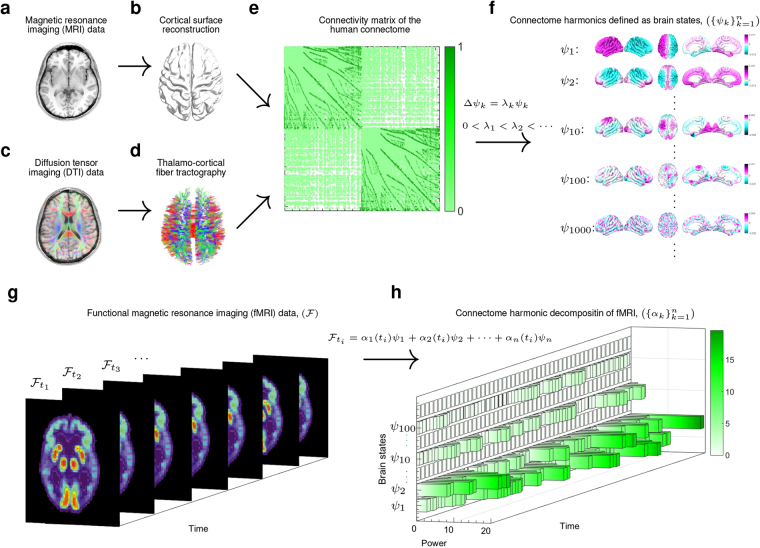
“In Atasoy et al. ( 2017 ), DTI and MRI data were analyzed using connectome-harmonic decomposition to examine individual harmonic brain states in terms of their “power” (strength of activation at a given moment) and “energy” (frequency-weighted contribution to cortical dynamics).”
Harmonic waves as the fundamental principle underlying temporo-spatial dynamics of brain and mind
Atasoy, S., Deco, G., & Kringelbach, M. L. (2019) · Physics of Life Reviews · doi:10.1016/j.plrev.2019.10.001 · Cited by 5
Self-citationBrain network analyses in clinical neuroscience
Sokolov, A. A., Granziera, C., Fischi-Gómez, E., Preti, M. G., Ryvlin, P., Ville, D. V. D., & Friston, K. J. (2019) · Swiss Archives of Neurology Psychiatry and Psychotherapy · doi:10.4414/sanp.2019.03074 · Cited by 3
The role of the brain in the treatment of multiple sclerosis as a connectomopathy
Moghadasi, A. N. (2020) · Medical Hypotheses · doi:10.1016/j.mehy.2020.110090 · Cited by 3
Dynamical robustness in a heterogeneous network of globally coupled nonlinear oscillators
Gowthaman, I., Singh, U., Chandrasekar, V. K., & Senthilkumar, D. V. (2020) · Chaos Solitons & Fractals · doi:10.1016/j.chaos.2020.110396 · Cited by 3
Lee, V. K., Reynolds, W. T., Wallace, J., Beluk, N., Badaly, D., Lo, C. W., Ceschin, R. C., & Panigrahy, A. (2024) · medRxiv · doi:10.1101/2024.04.19.24306104 · Cited by 3
Yang, W. F. Z., Potash, R. M., Mackin, G., Beslic, I., Bianciardi, M., Sprby, T., & Sacchet, M. D. (2025) · bioRxiv (Cold Spring Harbor Laboratory) · doi:10.1101/2025.11.12.688050 · Cited by 8
Connectome harmonics: a novel method exploring the psychedelic experience
Haggarty, C. J. (2025) · Neuropsychopharmacology · doi:10.1038/s41386-025-02217-w · Cited by 2
Neuroentropy and Consciousness: A Meta-Analytic Review
Palencia, J. L. D. (2025) · BRAIN BROAD RESEARCH IN ARTIFICIAL INTELLIGENCE AND NEUROSCIENCE · doi:10.70594/brain/16.4/16 · Cited by 2
From Nodes to Edges: Edge-Based Laplacians for Brain Signal Processing
Santoro, A., Nurisso, M., & Petri, G. (2025) · European Signal Processing Conference (EUSIPCO) · doi:10.23919/eusipco63237.2025.11226642 · Cited by 5
“More specifically, in neuroscience, diffusion-weighted imaging is typically used to construct structural connectomes − the networks of white-matter pathways that connect distinct brain regions [2, 3].”
Mäki-Marttunen, V. (2026) · Communications Biology · doi:10.1038/s42003-026-09912-4 · Cited by 2
The effect of implicit learning on functional connectivity in schizophrenia
Hinc, A. C., Selek, S., Sungur, I., Keskin, K., Yazici, F., Erata, M. C., Erdoğan, Y., Yılmaz, A., Kitiş, Ö., Eker, M. C., et al. (2025) · Frontiers in Psychiatry · doi:10.3389/fpsyt.2025.1600449 · Cited by 2
La‐Torraca‐Vittori, P., Tarchi, L., Arrigo, E., Lanterna, S., Tosi, E., Doose, A., Palesi, F., Pischedda, D., Ricca, V., Fusar‐Poli, P., et al. (2025) · European Journal of Neuroscience · doi:10.1111/ejn.70338 · Cited by 2
White, C. M., Azimi, Z., Staadt, R., Song, C., Knöpfel, T., & Jancke, D. (2026) · Communications Biology · doi:10.1038/s42003-025-09492-9 · Cited by 4
Predictors of the Effectiveness of Psychedelics in Treating Depression—A Scoping Review
Chmiel, J., & Rybakowski, F. (2026) · International Journal of Molecular Sciences · doi:10.3390/ijms27052202 · Cited by 2
A quantum–analogue formalism for modeling supraliminal information processing
Lubashevskiy, V., & Lubashevsky, I. (2026) · Physica D Nonlinear Phenomena · doi:10.1016/j.physd.2026.135441 · Cited by 1
“The novel formalism of connectome harmonics [25, 26] describes spatio–temporal brain dynamics in terms of Laplacian eigenmodes of structural connectivity [27, 28, for a review].”
Multiscale structural connectome eigenmodes constrain human brain functional dynamics
Xia, J., Yang, S., Niu, J., Huang, X., Li, J., Chen, H., Zeng, F., & Liao, W. (2026) · Communications Biology · doi:10.1038/s42003-026-10558-5 · Cited by 2
“; T f g : The spontaneous fMRI activity and task-evoked fMRI activation patterns were decomposed into a weighted linear combination of connectome eigen-modes as follows 18,19 : where the subscripts k denote the k -th connectome eigenmode ψ k , and N is the number of included eigenmodes.”
Pohl, H., Sándor, P. S., Moisa, M., Ruff, C. C., Schoenen, J. E., Luechinger, R., Tuura, R., Riederer, F., Gantenbein, A. R., & Michels, L. (2023) · Scientific Reports · doi:10.1038/s41598-023-39659-5 · Cited by 1
Early and Contemporary Human Neuroimaging Studies of Serotonergic PsychedelicsPreprint
Tagliazucchi, E. (2020) · Preprints.org · doi:10.20944/preprints202005.0510.v1 · Cited by 3
Regulation of critical brain dynamics and its functional implications
Avrămiea, A.-E. (2023) · doi:10.5463/thesis.144 · Cited by 1
Dimitriadis, S. I. (2023) · bioRxiv (Cold Spring Harbor Laboratory) · doi:10.1101/2023.05.31.543029 · Cited by 4
“…matter cortical structure captured from the magnetic resonance imaging (MRI) data with the assessment of long-range connectivity mediated via the white-matter thalamocortical fibers captured from the diffusion MRI (dMRI) data into a common anatomical network without the use of a template 8,31,32 .”
BackgroundBolton, T. A. W., Schöttner, M., Patel, J. H., Fluhr, H., Alemán‐Gómez, Y., & Hagmann, P. (2025) · bioRxiv (Cold Spring Harbor Laboratory) · doi:10.1101/2025.08.20.671319 · Cited by 1
A universal dynamic routing architecture governs the flow of human cortical activityPreprint
Vinao-Carl, M., Peach, R. L., Gosztolai, A., David, M., Mallas, E., Kurtin, D. L., Alania, K., Jaramillo, V., Violante, I. R., Sharp, D. J., et al. (2025) · bioRxiv (Cold Spring Harbor Laboratory) · doi:10.1101/2025.09.05.674413 · Cited by 1
N, N-Dimethyltryptamine and harmine formulation shifts metastable topography sequences in the cortexPreprint
Niedernhuber, M., Suay, D., Mueller, M., Scheidegger, M., Dornbierer, D., & Aicher, H. (2025) · bioRxiv (Cold Spring Harbor Laboratory) · doi:10.64898/2025.12.04.692302 · Cited by 1
Bolton, T. A. W., Schöttner, M., Patel, J. H., Chan, C. H. M., Ville, D. V. D., & Hagmann, P. (2026) · bioRxiv (Cold Spring Harbor Laboratory) · doi:10.64898/2026.07.19.739422 · Cited by 1
“Previous studies have largely treated individual harmonics as the elementary units of analy-628 sis 43,44,46,48,54 or, conversely, aggregated broad spectral bands into coarse frequency classes 40,45,49,53,60 .”
The Effective communication of brain network dynamics under different states
Grand, C., & Josefina (2020) · LA Referencia (Red Federada de Repositorios Institucionales de Publicaciones Científicas)
A Primer on the Symmetry Theory of Valence
Johnson, M. E. (2021)
Mason, N. L. (2021) · Research Publications (Maastricht University) · doi:10.26481/dis.20210608nm · Cited by 1
Ferreira, J. V., Chaves, G. A., Batista, M. A., Correia, L. C., de Souza, L. R., da Costa, D. C., Barcelos, M. P., da Silva, C. H. T. D. P., Taft, C. A., & Hage-Melim, L. I. D. S. (2022) · Engineering materials · doi:10.1007/978-3-031-07622-0_16
Statistical diversity distinguishes global states of consciousnessPreprint
Starkey, J., Carhart-Harris, R. L., Pigorini, A., Nobili, L., & Barrett, A. B. (2023) · bioRxiv (Cold Spring Harbor Laboratory) · doi:10.1101/2023.12.05.570101
Self-citationDynamic capacities and cognition
Northoff, G. (2024) · Elsevier eBooks · doi:10.1016/b978-0-12-821935-5.00029-6
Northoff, G. (2024) · Elsevier eBooks · doi:10.1016/b978-0-12-821935-5.00031-4
The jungle of consciousness—current neuroscientific theories
Northoff, G. (2024) · Elsevier eBooks · doi:10.1016/b978-0-12-821935-5.00045-4
How dynamics shape our thoughts
Northoff, G. (2024) · Elsevier eBooks · doi:10.1016/b978-0-12-821935-5.00042-9
Rustad, N. (2024) · Berkeley Scientific Journal · doi:10.5070/bs328264291
The Putative Role of the Medial Prefrontal Cortex in Emergence from General Anesthesia
Huels, E. R. (2024) · Deep Blue (University of Michigan) · doi:10.7302/25030
Recursive Resonance: A Formal Model of Intelligence EmergencePreprint
Schectman, J. (2025) · Authorea · doi:10.22541/au.174405130.07363783/v1
Recursive Resonance: A Formal Model of Intelligence EmergencePreprint
Schectman, J. (2025) · Authorea · doi:10.22541/au.174465974.49990828/v1
Recursive Resonance: A Formal Model of Intelligence EmergencePreprint
Schectman, J. (2025) · Authorea · doi:10.22541/au.174534766.67464979/v1
Recursive Resonance: A Formal Model of Intelligence EmergencePreprint
Schectman, J. (2025) · OSF Preprints (OSF Preprints) · doi:10.31219/osf.io/pydxs_v1
Metadata
- Authors
- Atasoy, S., Roseman, L., Kaelen, M., Kringelbach, M. L., Deco, G., & Carhart-Harris, R. L.
- Affiliations
- Universitat Pompeu Fabra (ES)
- Imperial College London (GB)
- Aarhus University (DK)
- Institució Catalana de Recerca i Estudis Avançats (ES)
- Corresponding author
- Atasoy, Selen
- ORCID
- Venue
- Scientific Reports
- Published
- 2017-12-15
- Volume
- 7
- Issue
- 1
- Pages
- 17661-17661
- ISSN
- 2045-2322 (ISSN-L)
- PMC
- PMC5732294
- OpenAlex
- W2949283084
- Semantic Scholar
- 4af7f9dd9b6f140500062abe9ad9bcbd80acf241
- Cited by
- 214
- References
- 77
- Citations by year
- 2026: 17 · 2025: 29 · 2024: 32 · 2023: 31 · 2022: 24 · 2021: 28 · 2020: 22 · 2019: 20 · 2018: 9 · 2017: 1
- FWCI
- 17.64
- Type
- journal article
- Language
- en
- Open access
- gold
- doi.org
- Licence
- cc-by
- creativecommons.org/licenses/by/4.0 (tdm)
- creativecommons.org/licenses/by/4.0 (vor)
- Locations
- Scientific Reports (publishedVersion, cc-by)
- bioRxiv (Cold Spring Harbor Laboratory) (acceptedVersion)
- Europe PMC (PubMed Central) (publishedVersion, cc-by)
- PubMed Central (publishedVersion, cc-by)
- PubMed (publishedVersion)
- RECERCAT (Consorci de Serveis Universitaris de Catalunya) (publishedVersion, other-oa)
- DOAJ (DOAJ: Directory of Open Access Journals) (submittedVersion)
- eScholarship (California Digital Library) (submittedVersion, cc-by)
- Max Planck Digital Library (submittedVersion, other-oa)
- Scopus (Elsevier) (submittedVersion)
- MPG.PuRe (Max Planck Society) (submittedVersion, other-oa)
- Repositori digital de la UPF (Universitat Pompeu Fabra) (submittedVersion, cc-by)
- Spiral (Imperial College London) (submittedVersion, cc-by)
- Funders
- European Commission (HBP SGA1, 720270, HORIZON2020)
- Agencia Estatal de Investigación (PSI2016-75688-P)
- FP7 Ideas: European Research Council (295129, 615539)
- Topics
- Social Sciences › Psychology › Clinical Psychology › Psychedelics and Drug Studies
- Life Sciences › Neuroscience › Cognitive Neuroscience › Functional Brain Connectivity Studies
- Life Sciences › Neuroscience › Cognitive Neuroscience › Neural dynamics and brain function
- Keywords
- LSD, lysergic acid diethylamide, brain dynamics, power-law distribution, criticality, CO activation, psychedelics, human brain activity
- MeSH terms
- Adult, Brain, Energy Metabolism, Female, Hallucinogens, Humans, Lysergic Acid Diethylamide, Magnetic Resonance Imaging, Male, Models, Theoretical, Music, Nervous System Physiological Phenomena, Young Adult, Connectome, Healthy Volunteers
About these checks
Registry, retraction, Cites and statistics results are computed, not judged, with one exception: a printed reference that no index lists is read once by a model before it counts as a citation error. Claims are extracted by a model and kept only when their quote appears verbatim in the text; each cited source is then checked, with a model’s help, for whether it says what the claim relies on. Those verdicts can be wrong — read the claim’s quote and the cited source before relying on one.
Statistics and arithmetic are recomputed, not judged.
Confidence bands are shown only for fields calibrated on our annotated test set. None is calibrated yet, so no band is shown.
What counts as a claim ›How we measure confidence ›How we check this ›
Are you an author, or do you see a problem with this page? Request a review
Data sources
Bibliographic data: Semantic Scholar, OpenAlex, Crossref.
Contains information from the Semantic Scholar Academic Graph Datasets, made available under the ODC Attribution License (ODC-BY 1.0).
Semantic Scholar’s data is described in: Kinney, R., et al. (2023). The Semantic Scholar Open Data Platform. arXiv:2301.10140.
