

Connectome-harmonic decomposition of human brain activity reveals dynamical repertoire re-organization under LSD
Open accessPublished version of a preprint
The DOI matches its Crossref record; 78 of the 78 references it cites were found in a registry or an index.
Abstract
Recent studies have started to elucidate the effects of lysergic acid diethylamide (LSD) on the human brain but the underlying dynamics are not yet fully understood. Here we used ’connectome-harmonic decomposition’, a novel method to investigate the dynamical changes in brain states. We found that LSD alters the energy and the power of individual harmonic brain states in a frequency-selective manner. Remarkably, this leads to an expansion of the repertoire of active brain states, suggestive of a general re-organization of brain dynamics given the non-random increase in co-activation across frequencies. Interestingly, the frequency distribution of the active repertoire of brain states under LSD closely follows power-laws indicating a re-organization of the dynamics at the edge of criticality. Beyond the present findings, these methods open up for a better understanding of the complex brain dynamics in health and disease.
Overview
The claims and statistics of this paper haven’t been checked yet.
Free: it reads the open-access text and checks the first 5 claims that cite a source we can check. Create a free account to check every claim.
Integrity signals
Registry
Cites
Statistics
Figures
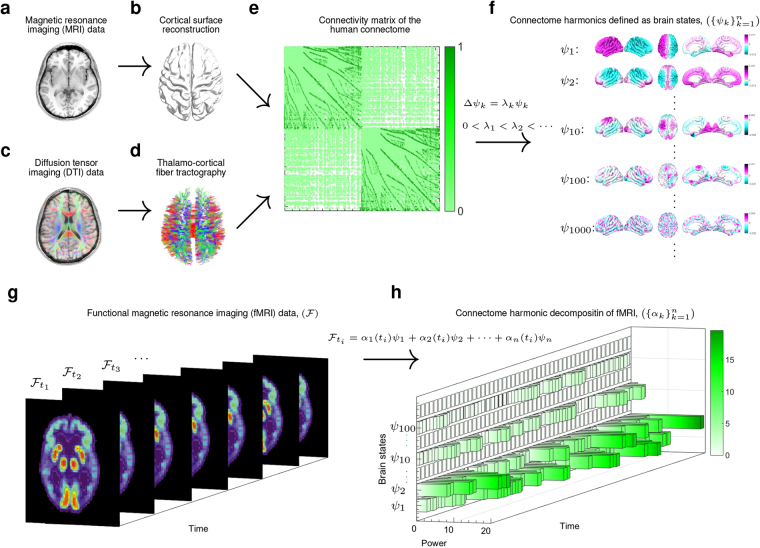
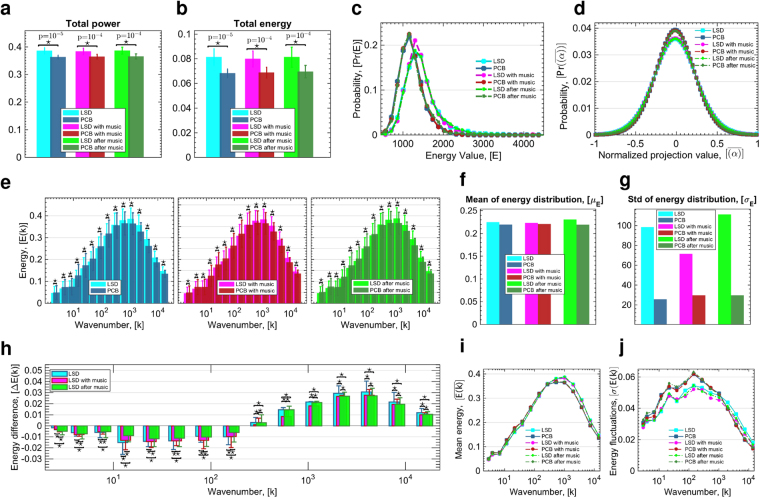
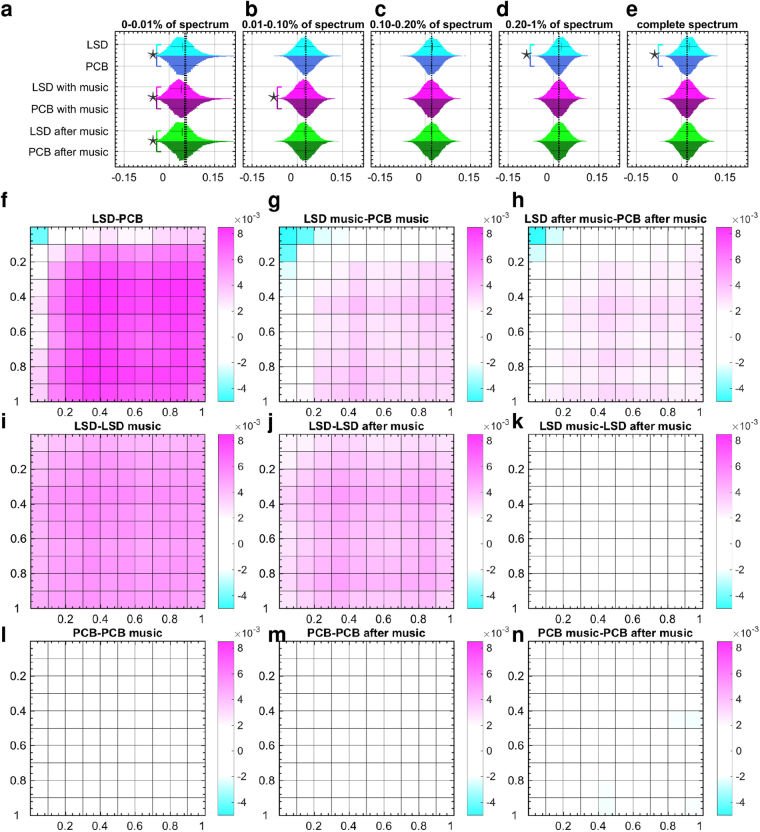
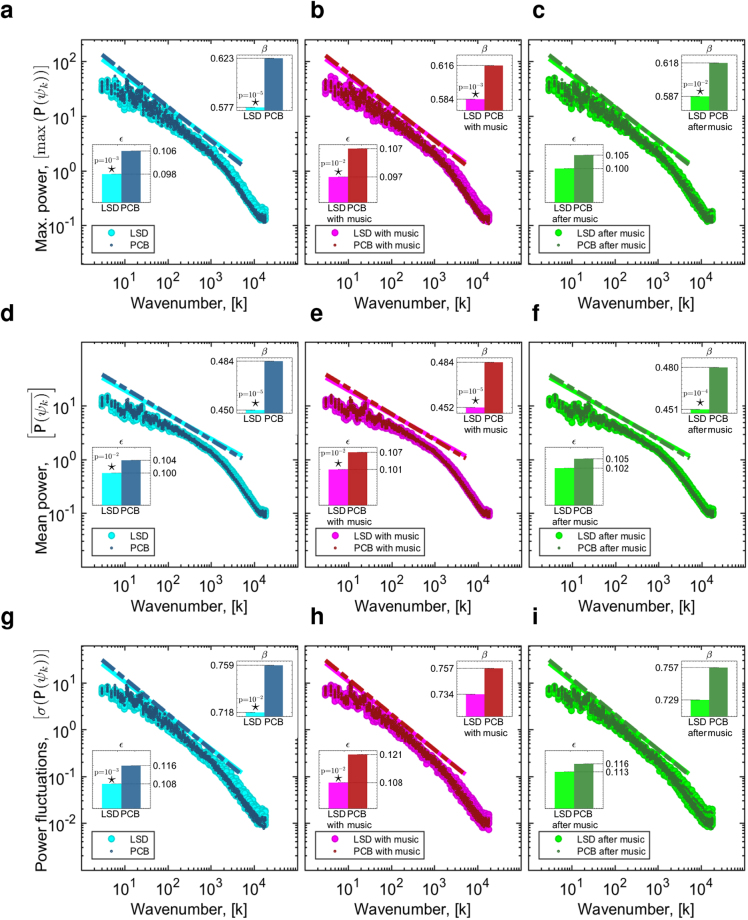
Verification
Claims the paper makes
The claims and statistics of this paper haven’t been checked yet.
Free: it reads the open-access text and checks the first 5 claims that cite a source we can check. Create a free account to check every claim.
Claims other papers make about this one
Each is checked against this paper’s own text: does it say what the citing paper says it does?
The source backs part of the claim, not all of it — or backs it for a different population, condition or comparison.
In the citing paper
“Intriguingly, hallucinogenic compounds expanded the repertoire of these harmonic modes (Atasoy et al., 2017), increasing spectral diversity and shifting the distribution of modes toward power-law distributions, a putative—albeit controversial (Touboul and Destexhe, 2017)—hallmark of criticality (Fontenele et al., 2019).”
From An Integrated World Modeling Theory (IWMT) of Consciousness (2020) · cites this paper as Atasoy et al., 2017
Experimental — accuracy not yet measured
Self-check
Percentages, sums and reported differences re-computed from the paper’s own numbers.
The self-check needs the paper’s full text.
Citations
Cites
Large-scale brain networks and psychopathology: a unifying triple network model
Menon, V. (2011) · Trends in Cognitive Sciences · doi:10.1016/j.tics.2011.08.003 · Cited by 4,168 · cited 6×
“Even for simple hallucinations, it is now understood that no one single brain area is responsible, but rather the interaction of multiple brain areas (51).”
InfluentialDynamic functional connectivity: Promise, issues, and interpretations
Hutchison, R. M., Womelsdorf, T., Allen, E. A., Bandettini, P. A., Calhoun, V. D., Corbetta, M., Della Penna, S., Duyn, J. H., Glover, G. H., Gonzalez-Castillo, J., et al. (2013) · NeuroImage · doi:10.1016/j.neuroimage.2013.05.079 · Cited by 2,962
Carhart-Harris, R. L., Bolstridge, M., Rucker, J., Day, C. M. J., Erritzoe, D., Kaelen, M., Bloomfield, M., Rickard, J. A., Forbes, B., Feilding, A., et al. (2016) · The Lancet Psychiatry · doi:10.1016/s2215-0366(16)30065-7 · Cited by 1,540 · cited 1×
“Such an action may explain the increasing body of evidence supporting the therapeutic potential of psychedelic drugs for treating disorders such as OCD (65), depression (66, 67) and addictions (68).”
Self-citationThe default mode network and self-referential processes in depression
Sheline, Y. I., Barch, D. M., Price, J. L., Rundle, M. M., Vaishnavi, S. N., Snyder, A. Z., Mintun, M. A., Wang, S., Coalson, R. S., & Raichle, M. E. (2009) · Proceedings of the National Academy of Sciences · doi:10.1073/pnas.0812686106 · Cited by 1,480 · cited 2×
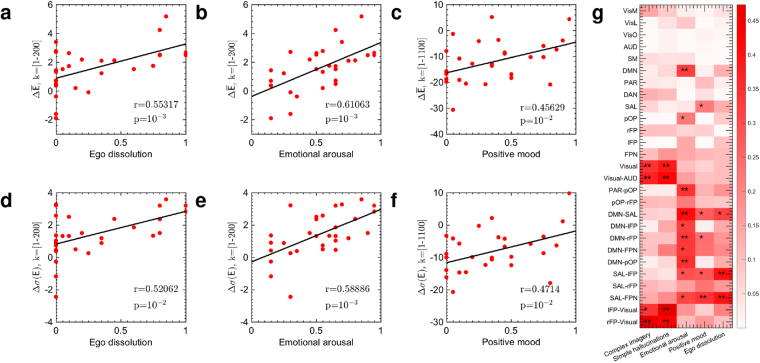
“All four pairs of networks, DMN-SAL, DMN-rFP, DMN-pOP, PAR-pOP, which significantly correlated with the ratings of emotional arousal, have been previously reported to show increased functional connectivity under LSD (17) and the DMN specifically has been linked to mood and emotion (51, 54, 55, 57, 60).”
Carhart-Harris, R. L., Leech, R., Hellyer, P. J., Shanahan, M., Feilding, A., Tagliazucchi, E., Chialvo, D. R., & Nutt, D. (2014) · Frontiers in Human Neuroscience · doi:10.3389/fnhum.2014.00020 · Cited by 1,252 · cited 1×
“ψ ψ α α = | | | | r r t t ( , ) ( ( ) , ( ) ) (11) i j i j”
Self-citationHuman hallucinogen research: guidelines for safety
Johnson, M., Richards, W., & Griffiths, R. (2008) · Journal of Psychopharmacology · doi:10.1177/0269881108093587 · Cited by 1,203 · cited 1×
“The importance of so-called ‘set and setting’ have been much emphasized by those working with psychedelics in humans (61, 62) and the very definition of the word ‘psychedelic’ is intended to refer to the putative”
Neural correlates of the psychedelic state as determined by fMRI studies with psilocybin
Carhart-Harris, R. L., Erritzoe, D., Williams, T., Stone, J. M., Reed, L. J., Colasanti, A., Tyacke, R. J., Leech, R., Malizia, A. L., Murphy, K., et al. (2012) · Proceedings of the National Academy of Sciences · doi:10.1073/pnas.1119598109 · Cited by 1,172 · cited 2×
“The presented method goes beyond the conventional fMRI analyses previously used to measure changes in brain activity under psychedelics (10, 56), to enable the study of fundamental properties of the relevant brain states and how these relate to important principles of dynamical systems, such as whole-brain criticality.”
Self-citationEmergent complex neural dynamics
Chialvo, D. R. (2010) · Nature Physics · doi:10.1038/nphys1803 · Cited by 1,165 · cited 2×
“the property of being optimally poised between order and disorder) has been hypothesised to reflect and underlie its advanced functionality (32, 37); remarkably however, here, using the above-described connectome-harmonic decomposition, we discover a tonic brain state (the LSD state), which exhibits more pronounced si…”
Long-Range Temporal Correlations and Scaling Behavior in Human Brain Oscillations
Linkenkaer-Hansen, K., Nikouline, V. V., Palva, J. M., & Ilmoniemi, R. J. (2001) · The Journal of Neuroscience · doi:10.1523/jneurosci.21-04-01370.2001 · Cited by 1,149 · cited 6×
“Finally, although in this study we apply this technqiue to fMRI data in order to extract the neural signatures of the LSD state, application of the connectome-harmonic decomposition can also be easily extended to other functional neuroimaging datasets such as MEG or high density scalp EEG.”
InfluentialPsilocybin induces schizophrenia-like psychosis in humans via a serotonin-2 agonist action
Vollenweider, F. X., Vollenweider-Scherpenhuyzen, M. F. I., Bäbler, A., Vogel, H., & Hell, D. (1998) · NeuroReport · doi:10.1097/00001756-199812010-00024 · Cited by 1,018 · cited 1×
“As with other classic psychedelic drugs (47), LSD’s principal psychoactive effects are mediated by serotonin 2A receptor agonism, and 5-HT2AR signalling has reliably been shown to induce cortical excitation (48).”
Neural correlates of the LSD experience revealed by multimodal neuroimaging
Carhart-Harris, R. L., Muthukumaraswamy, S., Roseman, L., Kaelen, M., Droog, W., Murphy, K., Tagliazucchi, E., Schenberg, E. E., Nest, T., Orban, C., et al. (2016) · Proceedings of the National Academy of Sciences · doi:10.1073/pnas.1518377113 · Cited by 859 · cited 10×
“For the group analysis we first identified the following RSNs as described in (10): medial visual network (VisM), lateral visual network (VisL), occipital pole network (VisO), auditory network (AUD), sensorimotor network (SM), default-mode network (DMN), parietal cortex network (PAR), dorsal attention network (DAN), s…”
InfluentialSelf-citationSafety, tolerability, and efficacy of psilocybin in 9 patients with obsessive-compulsive disorder
Moreno, F. A., Wiegand, C. B., Taitano, E. K., & Delgado, P. L. (2006) · The Journal of Clinical Psychiatry · doi:10.4088/jcp.v67n1110 · Cited by 789 · cited 3×
“In particular, brain dynamics in depression11,32, addiction11 and obsessive compulsive disorder (OCD)11 have been associated with the subcritical regime11,32, whereas super-critical regime has been found to govern brain dynamics during epileptic seizures30,32,37,64 and in conditions such as autism22.”
Neural Substrates of Spontaneous Musical Performance: An fMRI Study of Jazz Improvisation
Limb, C. J., & Braun, A. R. (2008) · PLoS ONE · doi:10.1371/journal.pone.0001679 · Cited by 773 · cited 2×
“A notable finding of these studies is that the number of musical notes played during improvisation is significantly higher compared with memorized play of the same piece, hence leading to an increase of novel information (71); i.”
Criticality in Large-Scale Brain fMRI Dynamics Unveiled by a Novel Point Process Analysis
Tagliazucchi, E., Balenzuela, P., Fraiman, D., & Chialvo, D. R. (2012) · Frontiers in Physiology · doi:10.3389/fphys.2012.00015 · Cited by 735
Default and executive network coupling supports creative idea production
Beaty, R. E., Benedek, M., Barry Kaufman, S., & Silvia, P. J. (2015) · Scientific Reports · doi:10.1038/srep10964 · Cited by 705 · cited 2×
“linked to top-down control of attention and cognition (SAL, executive control network (ECN)) and the DMN associated with spontaneous thought (70).”
Touched with fire: manic-depressive illness and the artistic temperament
(1993) · Choice Reviews Online · doi:10.5860/choice.31-0605 · Cited by 703
Ongoing Cortical Activity at Rest: Criticality, Multistability, and Ghost Attractors
Deco, G., & Jirsa, V. K. (2012) · The Journal of Neuroscience · doi:10.1523/jneurosci.2523-11.2012 · Cited by 699 · cited 6×
“These theoretical (32) and empirical findings (26) imply the presence of an extended critical region, which was shown to precisely stem from the hierarchical organization of cortical networks (38).”
InfluentialSelf-citationRethinking segregation and integration: contributions of whole-brain modelling
Deco, G., Tononi, G., Boly, M., & Kringelbach, M. L. (2015) · Nature reviews. Neuroscience · doi:10.1038/nrn3963 · Cited by 658 · cited 1×
“Theoretical and computational studies indicate that spontaneous brain activity explores a dynamic repertoire of brain states and predict a variation in the size of this repertoire in different states of consciousness (18).”
Self-citationThe Functional Benefits of Criticality in the Cortex
Shew, W. L., & Plenz, D. (2013) · The Neuroscientist · doi:10.1177/1073858412445487 · Cited by 607 · cited 6×
“Firstly, criticality provides the necessary conditions for optimal information processing and representation (21) for a complex system, rendering it more supple and flexible within its own intrinsic functioning but also more sensitive to incoming stimuli (21, 36).”
InfluentialSpike avalanches in vivo suggest a driven, slightly subcritical brain state
Priesemann, V. (2014) · Frontiers in Systems Neuroscience · doi:10.3389/fnsys.2014.00108 · Cited by 563 · cited 9×
“The power-laws, although observed consistently across wakefulness (39), deep-sleep (39), REM sleep (39) and during anaesthetics induced loss of consciousness (24), are found to slightly deteriorate in wakefulness (29, 36, 39), tend to diminish in cognitive load (40) and recover during sleep (31, 36, 39, 41).”
InfluentialThe criticality hypothesis: how local cortical networks might optimize information processing
Beggs, J. M. (2008) · Philosophical Transactions of the Royal Society A: Mathematical, Physical and Engineering Sciences · doi:10.1098/rsta.2007.2092 · Cited by 533 · cited 2×
“In line with previous findings (29, 31, 39, 41) and theoretical models (30, 31, 32, 33, 34, 35, 36), we observed a slight cut-off in the tail of the power-law distributions indicative of the slight deviation to the subcritical regime.”
Broadband criticality of human brain network synchronization
Kitzbichler, M. G., Smith, M. L., Christensen, S. R., & Bullmore, E. (2009) · PLoS Computational Biology · doi:10.1371/journal.pcbi.1000314 · Cited by 527 · cited 5×
“Finally, although in this study we apply this technqiue to fMRI data in order to extract the neural signatures of the LSD state, application of the connectome-harmonic decomposition can also be easily extended to other functional neuroimaging datasets such as MEG or high density scalp EEG.”
InfluentialIncreased global functional connectivity correlates with LSD-induced ego dissolution
Tagliazucchi, E., Roseman, L., Kaelen, M., Orban, C., Muthukumaraswamy, S. D., Murphy, K., Laufs, H., Leech, R., McGonigle, J., Crossley, N., et al. (2016) · Current Biology · doi:10.1016/j.cub.2016.02.010 · Cited by 503 · cited 1×
“Etotal(t) = N ∑ k=1 |αk(t)|(2)λ 2 k (9)”
Self-citationOsório, F. D. L., Sanches, R. F., Macedo, L. R., dos Santos, R. G., Maia-de-Oliveira, J. P., Wichert-Ana, L., de Araujo, D. B., Riba, J., Crippa, J. A., & Hallak, J. E. (2015) · Revista Brasileira de Psiquiatria · doi:10.1590/1516-4446-2014-1496 · Cited by 488 · cited 1×
“Such an action may explain the increasing body of evidence supporting the therapeutic potential of psychedelic drugs for treating disorders such as OCD (65), depression (66, 67) and addictions (68).”
Polygenic risk scores for schizophrenia and bipolar disorder predict creativity
Power, R. A., Steinberg, S., Bjornsdottir, G., Rietveld, C. A., Abdellaoui, A., Nivard, M. M., Johannesson, M., Galesloot, T. E., Hottenga, J. J., Willemsen, G., et al. (2015) · Nature Neuroscience · doi:10.1038/nn.4040 · Cited by 485 · cited 1×
“Notably, this interpretation is supported by the shared genetic roots of schizophrenia, bipolar disorder, psychosis and creativity (72).”
Hartogsohn, I. (2016) · Journal of Psychopharmacology · doi:10.1177/0269881116677852 · Cited by 483 · cited 1×
“The importance of so-called ‘set and setting’ have been much emphasized by those working with psychedelics in humans (61, 62) and the very definition of the word ‘psychedelic’ is intended to refer to the putative”
Serotonin modulation of cortical neurons and networks
Celada, P., Puig, M. V., & Artigas, F. (2013) · Frontiers in Integrative Neuroscience · doi:10.3389/fnint.2013.00025 · Cited by 462 · cited 1×
“As with other classic psychedelic drugs (47), LSD’s principal psychoactive effects are mediated by serotonin 2A receptor agonism, and 5-HT2AR signalling has reliably been shown to induce cortical excitation (48).”
Palva, J. M., Zhigalov, A., Hirvonen, J., Korhonen, O., Linkenkaer-Hansen, K., & Palva, S. (2013) · Proceedings of the National Academy of Sciences · doi:10.1073/pnas.1216855110 · Cited by 462 · cited 6×
“Finally, although in this study we apply this technqiue to fMRI data in order to extract the neural signatures of the LSD state, application of the connectome-harmonic decomposition can also be easily extended to other functional neuroimaging datasets such as MEG or high density scalp EEG.”
InfluentialPalhano-Fontes, F., Andrade, K. C., Tofoli, L. F., Santos, A. C., Crippa, J. A. S., Hallak, J. E. C., Ribeiro, S., & de Araujo, D. B. (2015) · PLOS ONE · doi:10.1371/journal.pone.0118143 · Cited by 454 · cited 2×
“Thus, unlike previous studies focusing on the connectivity of individual networks (10, 11, 49, 50), here we investigated how the connectivity changes in groups of networks mutually relate to the intensity of subjective experience using”
Self-organized criticality as a fundamental property of neural systems
Hesse, J., & Gross, T. (2014) · Frontiers in Systems Neuroscience · doi:10.3389/fnsys.2014.00166 · Cited by 440
Haimovici, A., Tagliazucchi, E., Balenzuela, P., & Chialvo, D. R. (2013) · Physical Review Letters · doi:10.1103/physrevlett.110.178101 · Cited by 438 · cited 3×
“Supporting the hypothesis that brain dynamics reside at the edge of criticality, experimental studies reveal a key characteristic of critical dynamics - the power-law distributions - in large scale brain networks in fMRI (23, 26), electroencephalography (EEG) (22, 25, 27), MEG (22, 23, 27, 28) and intracranial depth r…”
Deco, G., & Kringelbach, M. L. (2014) · Neuron · doi:10.1016/j.neuron.2014.08.034 · Cited by 410 · cited 1×
“A fundamental limitation to understanding the nature of these spatio-temporal changes, is the lack of mathematical tools and methods particularly tailored to grasp the complex dynamics of cortical activity (13, 14).”
Self-citationIncreased spontaneous MEG signal diversity for psychoactive doses of ketamine, LSD and psilocybin
Schartner, M. M., Carhart-Harris, R. L., Barrett, A. B., Seth, A. K., & Muthukumaraswamy, S. D. (2017) · Scientific Reports · doi:10.1038/srep46421 · Cited by 410
Self-citationEnhanced repertoire of brain dynamical states during the psychedelic experience
Tagliazucchi, E., Carhart‐Harris, R., Leech, R., Nutt, D., & Chialvo, D. R. (2014) · Human Brain Mapping · doi:10.1002/hbm.22562 · Cited by 397 · cited 1×
“the main psychoactive compound in magic mushrooms (19).”
Self-citationSelf-organization and neuronal avalanches in networks of dissociated cortical neurons
Pasquale, V., Massobrio, P., Bologna, L. L., Chiappalone, M., & Martinoia, S. (2008) · Neuroscience · doi:10.1016/j.neuroscience.2008.03.050 · Cited by 388 · cited 1×
“changes in the concentration of dopamine or administration of a dopamine D1 receptor agonist, (44) or antagonist (45), as well as application of acetylcholine (46), lead to alterations of the steepness of the critical exponent without destroying the power-law distributions.”
Human brain networks function in connectome-specific harmonic waves
Atasoy, S., Donnelly, I., & Pearson, J. (2016) · Nature Communications · doi:10.1038/ncomms10340 · Cited by 381 · cited 10×
“Secondly, they correspond to spatial cortical patterns formed by fully synchronized neural activity, each associated with a different temporal frequency as well as a different spatial wavelength, as exemplified in the general phenomenon of standing waves and in cymatic patterns (15).”
InfluentialSelf-citationGriffiths phases and the stretching of criticality in brain networks
Moretti, P., & Muñoz, M. A. (2013) · Nature Communications · doi:10.1038/ncomms3521 · Cited by 363 · cited 2×
“These theoretical (32) and empirical findings (26) imply the presence of an extended critical region, which was shown to precisely stem from the hierarchical organization of cortical networks (38).”
Neuronal Avalanches in the Resting MEG of the Human Brain
Shriki, O., Alstott, J., Carver, F., Holroyd, T., Henson, R. N. A., Smith, M. L., Coppola, R., Bullmore, E., & Plenz, D. (2013) · The Journal of Neuroscience · doi:10.1523/jneurosci.4286-12.2013 · Cited by 350 · cited 5×
“Finally, although in this study we apply this technqiue to fMRI data in order to extract the neural signatures of the LSD state, application of the connectome-harmonic decomposition can also be easily extended to other functional neuroimaging datasets such as MEG or high density scalp EEG.”
InfluentialGireesh, E. D., & Plenz, D. (2008) · Proceedings of the National Academy of Sciences · doi:10.1073/pnas.0800537105 · Cited by 340 · cited 1×
“changes in the concentration of dopamine or administration of a dopamine D1 receptor agonist, (44) or antagonist (45), as well as application of acetylcholine (46), lead to alterations of the steepness of the critical exponent without destroying the power-law distributions.”
LSD enhances suggestibility in healthy volunteers
Carhart-Harris, R. L., Kaelen, M., Whalley, M. G., Bolstridge, M., Feilding, A., & Nutt, D. J. (2015) · Psychopharmacology · doi:10.1007/s00213-014-3714-z · Cited by 320 · cited 3×
“All four pairs of networks, DMN-SAL, DMN-rFP, DMN-pOP, PAR-pOP, which significantly correlated with the ratings of emotional arousal, have been previously reported to show increased functional connectivity under LSD (17) and the DMN specifically has been linked to mood and emotion (51, 54, 55, 57, 60).”
Self-citationRealms of the Human Unconscious: Observations from LSD Research
McLaughlin, S. C., & Grof, S. (1976) · Journal for the Scientific Study of Religion · doi:10.2307/1385643 · Cited by 311 · cited 1×
“ability of these compounds to allow the surfacing of normally ‘unconscious’ mental contents into consciousness (63).”
Roseman, L., Leech, R., Feilding, A., Nutt, D. J., & Carhart-Harris, R. L. (2014) · Frontiers in Human Neuroscience · doi:10.3389/fnhum.2014.00204 · Cited by 272
Self-citationR. Chialvo, D. (2004) · Physica A: Statistical Mechanics and its Applications · doi:10.1016/j.physa.2004.05.064 · Cited by 266 · cited 1×
“A fundamental limitation to understanding the nature of these spatio-temporal changes, is the lack of mathematical tools and methods particularly tailored to grasp the complex dynamics of cortical activity (13, 14).”
Functional Connectivity Measures After Psilocybin Inform a Novel Hypothesis of Early Psychosis
Carhart-Harris, R. L., Leech, R., Erritzoe, D., Williams, T. M., Stone, J. M., Evans, J., Sharp, D. J., Feilding, A., Wise, R. G., & Nutt, D. J. (2013) · Schizophrenia Bulletin · doi:10.1093/schbul/sbs117 · Cited by 256 · cited 3×
“For example, the functional networks, whose activity and dynamic coupling is linked to creative thinking (DMN, SAL and ECN), show abnormal functional connectivity in psychiatric disorders such as schizophrenia (51, 55, 58), bipolar disorders (54), anxiety and depression (51).”
Self-citationClassic hallucinogens in the treatment of addictions
Bogenschutz, M. P., & Johnson, M. W. (2016) · Progress in Neuro-Psychopharmacology and Biological Psychiatry · doi:10.1016/j.pnpbp.2015.03.002 · Cited by 226 · cited 1×
“Such an action may explain the increasing body of evidence supporting the therapeutic potential of psychedelic drugs for treating disorders such as OCD (65), depression (66, 67) and addictions (68).”
Priesemann, V., Valderrama, M., Wibral, M., & Le Van Quyen, M. (2013) · PLoS Computational Biology · doi:10.1371/journal.pcbi.1002985 · Cited by 218 · cited 6×
“The power-laws, although observed consistently across wakefulness (39), deep-sleep (39), REM sleep (39) and during anaesthetics induced loss of consciousness (24), are found to slightly deteriorate in wakefulness (29, 36, 39), tend to diminish in cognitive load (40) and recover during sleep (31, 36, 39, 41).”
InfluentialLSD enhances the emotional response to music
Kaelen, M., Barrett, F. S., Roseman, L., Lorenz, R., Family, N., Bolstridge, M., Curran, H. V., Feilding, A., Nutt, D. J., & Carhart-Harris, R. L. (2015) · Psychopharmacology · doi:10.1007/s00213-015-4014-y · Cited by 203 · cited 1×
“These changes are highly suggestive not only of an increased sensitivity to music, as found in previous studies (16), but also more rapidly changing cortical dynamics with increased flexibility, which may potentially underlie increased suggestibility observed under the influence of LSD (17).”
Self-citationFailure of Adaptive Self-Organized Criticality during Epileptic Seizure Attacks
Meisel, C., Storch, A., Hallmeyer-Elgner, S., Bullmore, E., & Gross, T. (2012) · PLoS Computational Biology · doi:10.1371/journal.pcbi.1002312 · Cited by 196 · cited 3×
“Secondly, various previous studies have pointed out that deviations from criticality could be symptomatic or even causative of certain psychiatric disorders (21, 35, 36, 64).”
L.S.D. 25 as an aid in psychotherapy; preliminary report of a new drug.
Busch, A., & Johnson, W. (1950) · PubMed · Cited by 176
Criticality as a signature of healthy neural systems
Massobrio, P., de Arcangelis, L., Pasquale, V., Jensen, H. J., & Plenz, D. (2015) · Frontiers in Systems Neuroscience · doi:10.3389/fnsys.2015.00022 · Cited by 151
Fading Signatures of Critical Brain Dynamics during Sustained Wakefulness in Humans
Meisel, C., Olbrich, E., Shriki, O., & Achermann, P. (2013) · The Journal of Neuroscience · doi:10.1523/jneurosci.1516-13.2013 · Cited by 150 · cited 2×
“In line with previous findings (29, 31, 39, 41) and theoretical models (30, 31, 32, 33, 34, 35, 36), we observed a slight cut-off in the tail of the power-law distributions indicative of the slight deviation to the subcritical regime.”
V. Stewart, C., & Plenz, D. (2006) · The Journal of Neuroscience · doi:10.1523/jneurosci.0723-06.2006 · Cited by 147 · cited 1×
“changes in the concentration of dopamine or administration of a dopamine D1 receptor agonist, (44) or antagonist (45), as well as application of acetylcholine (46), lead to alterations of the steepness of the critical exponent without destroying the power-law distributions.”
Balance between Excitation and Inhibition Controls the Temporal Organization of Neuronal Avalanches
Lombardi, F., Herrmann, H. J., Perrone‐Capano, C., Plenz, D., & de Arcangelis, L. (2012) · Physical Review Letters · doi:10.1103/physrevlett.108.228703 · Cited by 146 · cited 2×
“(42) as well as whole-brain oscillatory patterns (15).”
Self-similar correlation function in brain resting-state functional magnetic resonance imaging
Expert, P., Lambiotte, R., Chialvo, D. R., Christensen, K., Jensen, H. J., Sharp, D. J., & Turkheimer, F. (2011) · Journal of The Royal Society Interface · doi:10.1098/rsif.2010.0416 · Cited by 144 · cited 2×
“This type of non-random expansion of the state repertoire naturally occurs in dynamical systems when they approach criticality - the boundary of an order-disorder phase transition (20, 21).”
Harmonic brain modes: a unifying framework for linking space and time in brain dynamics
Atasoy, S., Deco, G., Kringelbach, M. L., & Pearson, J. (2018) · The Neuroscientist · doi:10.1177/1073858417728032 · Cited by 124
Self-citationMassobrio, P., Pasquale, V., & Martinoia, S. (2015) · Scientific Reports · doi:10.1038/srep10578 · Cited by 110 · cited 1×
“In line with these findings, the tuning of brain dynamics towards or away from criticality is likely to be mediated by varying the excitation/inhibition balance (36, 42, 43), which has been shown to underlie the temporal organization of neuronal avalanches with power-law distributions 18 certified by peer review) is t…”
Lee, U., Oh, G., Kim, S., Noh, G., Choi, B., & Mashour, G. A. (2010) · Anesthesiology · doi:10.1097/aln.0b013e3181f229b5 · Cited by 97 · cited 3×
“The power-laws, although observed consistently across wakefulness (39), deep-sleep (39), REM sleep (39) and during anaesthetics induced loss of consciousness (24), are found to slightly deteriorate in wakefulness (29, 36, 39), tend to diminish in cognitive load (40) and recover during sleep (31, 36, 39, 41).”
Association between resting-state functional connectivity and empathizing/systemizing
Takeuchi, H., Taki, Y., Nouchi, R., Sekiguchi, A., Hashizume, H., Sassa, Y., Kotozaki, Y., Miyauchi, C. M., Yokoyama, R., Iizuka, K., et al. (2014) · NeuroImage · doi:10.1016/j.neuroimage.2014.05.031 · Cited by 95 · cited 1×
“All four pairs of networks, DMN-SAL, DMN-rFP, DMN-pOP, PAR-pOP, which significantly correlated with the ratings of emotional arousal, have been previously reported to show increased functional connectivity under LSD (17) and the DMN specifically has been linked to mood and emotion (51, 54, 55, 57, 60).”
Allegrini, P., Paradisi, P., Menicucci, D., & Gemignani, A. (2010) · Frontiers in Physiology · doi:10.3389/fphys.2010.00128 · Cited by 92 · cited 5×
“Finally, although in this study we apply this technqiue to fMRI data in order to extract the neural signatures of the LSD state, application of the connectome-harmonic decomposition can also be easily extended to other functional neuroimaging datasets such as MEG or high density scalp EEG.”
InfluentialPsychiatric drug development: diagnosing a crisis.
Hyman, S. E. (2013) · PubMed Central · Cited by 91
Wang, H., Zeng, L.-L., Chen, Y., Yin, H., Tan, Q., & Hu, D. (2015) · Scientific Reports · doi:10.1038/srep14655 · Cited by 86 · cited 3×
“All four pairs of networks, DMN-SAL, DMN-rFP, DMN-pOP, PAR-pOP, which significantly correlated with the ratings of emotional arousal, have been previously reported to show increased functional connectivity under LSD (17) and the DMN specifically has been linked to mood and emotion (51, 54, 55, 57, 60).”
DISEASES OF THE NERVOUS SYSTEM
(1950) · The Medical Journal of Australia · doi:10.5694/j.1326-5377.1950.tb80231.x · Cited by 77
Multiple Correlation Coefficient
Nijsse, M. (2008) · Springer eBooks · doi:10.1007/978-0-387-32833-1_275 · Cited by 63
Chahine, G., Richter, A., Wolter, S., Goya‐Maldonado, R., & Gruber, O. (2016) · Human Brain Mapping · doi:10.1002/hbm.23477 · Cited by 58 · cited 2×
“Furthermore, augmenting previous studies that emphasize lFP’s crucial role in disorders like schizophrenia (59), we also found that the mutual connectivity changes of SAL with lFP alone or FPN (lFP and rFP together) significantly correlated with the ratings of emotional arousal, positive mood and ego-dissolution, wher…”
Acid Dreams: The CIA, LSD and the Sixties Rebellion
Leverant, R. (1987) · Journal of Psychoactive Drugs · doi:10.1080/02791072.1987.10472392 · Cited by 42 · cited 1×
“For various reasons (7), psychology has been slow to embrace and exploit this powerful scientific tool, but now, with significant advances in modern functional neuroimaging and underperformance in medical psychiatry (8), there are significant incentives to do so.”
Hyperschematia after right brain damage: a meaningful entity?
Rode, G., Ronchi, R., Revol, P., Rossetti, Y., Jacquin‐Courtois, S., Rossi, I., & Vallar, G. (2014) · Frontiers in Human Neuroscience · doi:10.3389/fnhum.2014.00008 · Cited by 41
Creative cognition and systems biology on the edge of chaos
Bilder, R. M., & Knudsen, K. S. (2014) · Frontiers in Psychology · doi:10.3389/fpsyg.2014.01104 · Cited by 40 · cited 1×
“Thus, brain dynamics at the edge of criticality have been hypothesized to constitute the neural basis of creativity (69).”
Witte, N. A. J. D., & Mueller, S. C. (2016) · Brain Imaging and Behavior · doi:10.1007/s11682-016-9642-2 · Cited by 39 · cited 1×
“In line with previous studies, highlighting the important role of abnormal DMN connectivity in psychiatric disorders such as depression (53, 54), anxiety (53), bipolar disorder (54) and schizophrenia (51, 55), as well as in the psychedelic state (10, 56).”
Abnormal Functional Connectivity Between Default and Salience Networks in Pediatric Bipolar Disorder
Lopez-Larson, M. P., Shah, L. M., Weeks, H. R., King, J. B., Mallik, A. K., Yurgelun-Todd, D. A., & Anderson, J. S. (2016) · Biological Psychiatry Cognitive Neuroscience and Neuroimaging · doi:10.1016/j.bpsc.2016.10.001 · Cited by 39 · cited 4×
“All four pairs of networks, DMN-SAL, DMN-rFP, DMN-pOP, PAR-pOP, which significantly correlated with the ratings of emotional arousal, have been previously reported to show increased functional connectivity under LSD (17) and the DMN specifically has been linked to mood and emotion (51, 54, 55, 57, 60).”
InfluentialA New Hypothesis for Sleep: Tuning for Criticality
Pearlmutter, B. A., & Houghton, C. J. (2009) · Neural Computation · doi:10.1162/neco.2009.05-08-787 · Cited by 38 · cited 4×
“In line with previous findings (29, 31, 39, 41) and theoretical models (30, 31, 32, 33, 34, 35, 36), we observed a slight cut-off in the tail of the power-law distributions indicative of the slight deviation to the subcritical regime.”
InfluentialPower law scaling in synchronization of brain signals depends on cognitive load
Tinker, J., & Velázquez, J. L. P. (2014) · Frontiers in Systems Neuroscience · doi:10.3389/fnsys.2014.00073 · Cited by 34 · cited 1×
“The power-laws, although observed consistently across wakefulness (39), deep-sleep (39), REM sleep (39) and during anaesthetics induced loss of consciousness (24), are found to slightly deteriorate in wakefulness (29, 36, 39), tend to diminish in cognitive load (40) and recover during sleep (31, 36, 39, 41).”
Plenz, D. (2013) · Physics · doi:10.1103/physics.6.47 · Cited by 23 · cited 3×
“In line with previous findings (29, 31, 39, 41) and theoretical models (30, 31, 32, 33, 34, 35, 36), we observed a slight cut-off in the tail of the power-law distributions indicative of the slight deviation to the subcritical regime.”
Schizophrenia and the model psychoses.
Savage, C., & Cholden, L. (1956) · PubMed · Cited by 23
Jensen, H. J., Pasquale, V., de Arcangelis, L., Massobrio, P., & Plenz, D. (2015) · Frontiers research topics · doi:10.3389/978-2-88919-503-9 · Cited by 7
Plenz, D. (2013) · Cited by 5
Harmonic brain modes: a unifying framework for linking space and time in brain dynamicsPreprint
Atasoy, S., Deco, G., Kringelbach, M. L., et al. (2017) · bioRxiv (Cold Spring Harbor Laboratory) · doi:10.1101/162040 · Cited by 4
Self-citation[Personality development in dystrophy of genital adiposity].
Condrau, G. (1949) · PubMed · Cited by 2
Basser (2000) · doi:10.1002/1522-2594(200010)44:4<625::aid-mrm17>3.0.co;2-o · cited 1×
“The white matter cortico-cortical and thalamo-cortical fibres were extracted from by applying a deterministic tractography algorithm (74) using the MATLAB implementation of Vista Lab, Stanford University http://white.”
Method
Research works printed but not linked: 2
- Grof, S. Realms of the human unconscious: Observations from LSD research (Viking Press: London, 1979).
- Chung, F. R. Spectral graph theory, vol. 92 (American Mathematical Soc., 1997).
Cited by
REBUS and the anarchic brain: Toward a unified model of the brain action of psychedelics
Carhart-Harris, R. L., & Friston, K. J. (2019) · Pharmacological Reviews · doi:10.1124/pr.118.017160 · Cited by 1,180
Self-citationRoseman, L., Nutt, D. J., & Carhart-Harris, R. L. (2018) · Frontiers in Pharmacology · doi:10.3389/fphar.2017.00974 · Cited by 808
“, 2014), to relate to high-level subjective experiences such as “ego-dissolution” (Nour et al., 2016; Atasoy et al., 2017; Schartner et al., 2017) that are relevant to the mystical-type experience, and to be predictive of longer-term trait changes— such as increased “openness” (Lebedev et al.”
BackgroundSelf-citationPsychedelic drugs: neurobiology and potential for treatment of psychiatric disorders
Vollenweider, F. X., & Preller, K. H. (2020) · Nature Reviews Neuroscience · doi:10.1038/s41583-020-0367-2 · Cited by 570
The entropic brain - revisited
Carhart-Harris, R. L. (2018) · Neuropharmacology · doi:10.1016/j.neuropharm.2018.03.010 · Cited by 522
“‘extreme disorder’ or super-criticality (Atasoy et al., 2017; Priesemann et al., 2013, 2014).”
InfluentialSelf-citationPsychedelics, meditation, and self-consciousness
Millière, R., Carhart-Harris, R. L., Roseman, L., Trautwein, F.-M., & Berkovich-Ohana, A. (2018) · Frontiers in Psychology · doi:10.3389/fpsyg.2018.01475 · Cited by 390
Self-citation
Metadata
- Authors
- Atasoy, S., Roseman, L., Kaelen, M., Kringelbach, M. L., Deco, G., & Carhart-Harris, R. L.
- Affiliations
- Universitat Pompeu Fabra (ES)
- Imperial College London (GB)
- Aarhus University (DK)
- Institució Catalana de Recerca i Estudis Avançats (ES)
- Corresponding author
- Atasoy, Selen
- ORCID
- Venue
- Scientific Reports
- Published
- 2017-12-15
- Volume
- 7
- Issue
- 1
- Pages
- 17661-17661
- ISSN
- 2045-2322 (ISSN-L)
- PMC
- PMC5732294
- OpenAlex
- W2949283084
- Cited by
- 214
- References
- 77
- Citations by year
- 2026: 17 · 2025: 29 · 2024: 32 · 2023: 31 · 2022: 24 · 2021: 28 · 2020: 22 · 2019: 20 · 2018: 9 · 2017: 1
- FWCI
- 17.64
- Type
- journal article
- Language
- en
- Open access
- gold
- doi.org
- Licence
- cc-by
- creativecommons.org/licenses/by/4.0 (tdm)
- creativecommons.org/licenses/by/4.0 (vor)
- Locations
- Scientific Reports (publishedVersion, cc-by)
- bioRxiv (Cold Spring Harbor Laboratory) (acceptedVersion)
- Europe PMC (PubMed Central) (publishedVersion, cc-by)
- PubMed Central (publishedVersion, cc-by)
- PubMed (publishedVersion)
- RECERCAT (Consorci de Serveis Universitaris de Catalunya) (publishedVersion, other-oa)
- DOAJ (DOAJ: Directory of Open Access Journals) (submittedVersion)
- eScholarship (California Digital Library) (submittedVersion, cc-by)
- Max Planck Digital Library (submittedVersion, other-oa)
- Scopus (Elsevier) (submittedVersion)
- MPG.PuRe (Max Planck Society) (submittedVersion, other-oa)
- Repositori digital de la UPF (Universitat Pompeu Fabra) (submittedVersion, cc-by)
- Spiral (Imperial College London) (submittedVersion, cc-by)
- Funders
- European Commission (HBP SGA1, 720270, HORIZON2020)
- Agencia Estatal de Investigación (PSI2016-75688-P)
- FP7 Ideas: European Research Council (295129, 615539)
- Topics
- Social Sciences › Psychology › Clinical Psychology › Psychedelics and Drug Studies
- Life Sciences › Neuroscience › Cognitive Neuroscience › Functional Brain Connectivity Studies
- Life Sciences › Neuroscience › Cognitive Neuroscience › Neural dynamics and brain function
- Keywords
- LSD, lysergic acid diethylamide, brain dynamics, power-law distribution, criticality, CO activation, psychedelics, human brain activity
- MeSH terms
- Adult, Brain, Energy Metabolism, Female, Hallucinogens, Humans, Lysergic Acid Diethylamide, Magnetic Resonance Imaging, Male, Models, Theoretical, Music, Nervous System Physiological Phenomena, Young Adult, Connectome, Healthy Volunteers
About these checks
Registry, retraction, Cites and statistics results are computed, not judged, with one exception: a printed reference that no index lists is read once by a model before it counts as a citation error. Claims are extracted by a model and kept only when their quote appears verbatim in the text; each cited source is then checked, with a model’s help, for whether it says what the claim relies on. Those verdicts can be wrong — read the claim’s quote and the cited source before relying on one.
Statistics and arithmetic are recomputed, not judged.
Confidence bands are shown only for fields calibrated on our annotated test set. None is calibrated yet, so no band is shown.
What counts as a claim ›How we measure confidence ›How we check this ›
Are you an author, or do you see a problem with this page? Request a review
Data sources
Bibliographic data: Semantic Scholar, OpenAlex, Crossref.
Contains information from the Semantic Scholar Academic Graph Datasets, made available under the ODC Attribution License (ODC-BY 1.0).
Semantic Scholar’s data is described in: Kinney, R., et al. (2023). The Semantic Scholar Open Data Platform. arXiv:2301.10140.
