

Klebsiella oxytoca expands in cancer cachexia and acts as a gut pathobiont contributing to intestinal dysfunction
Open accessThe DOI matches its Crossref record; 50 of the 50 references it cites were found in a registry or an index.
Abstract
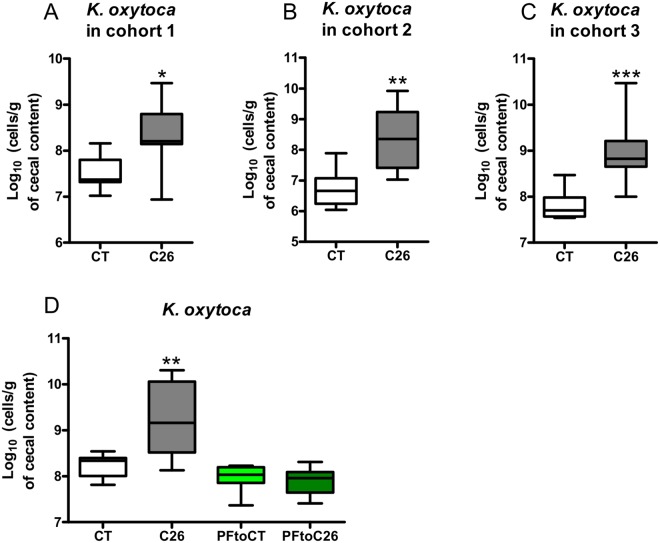
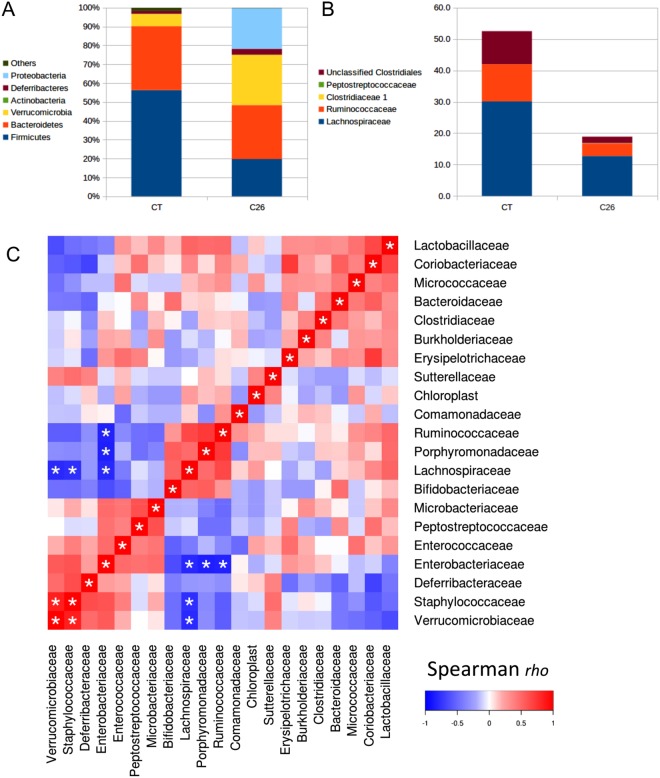
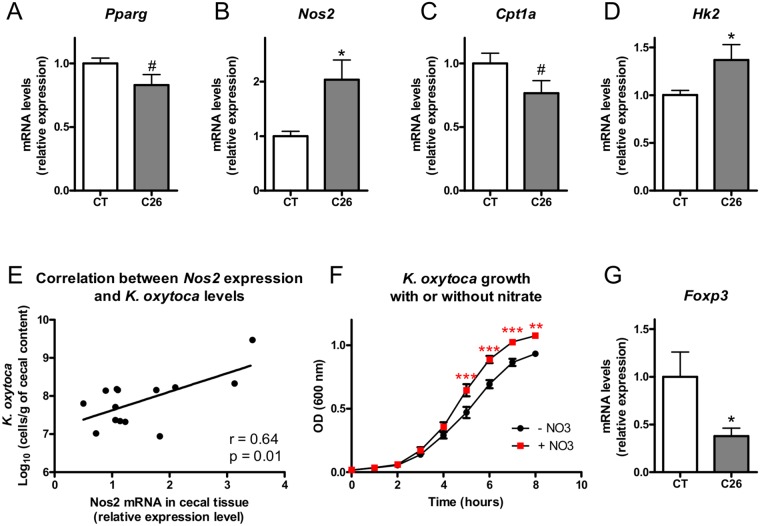
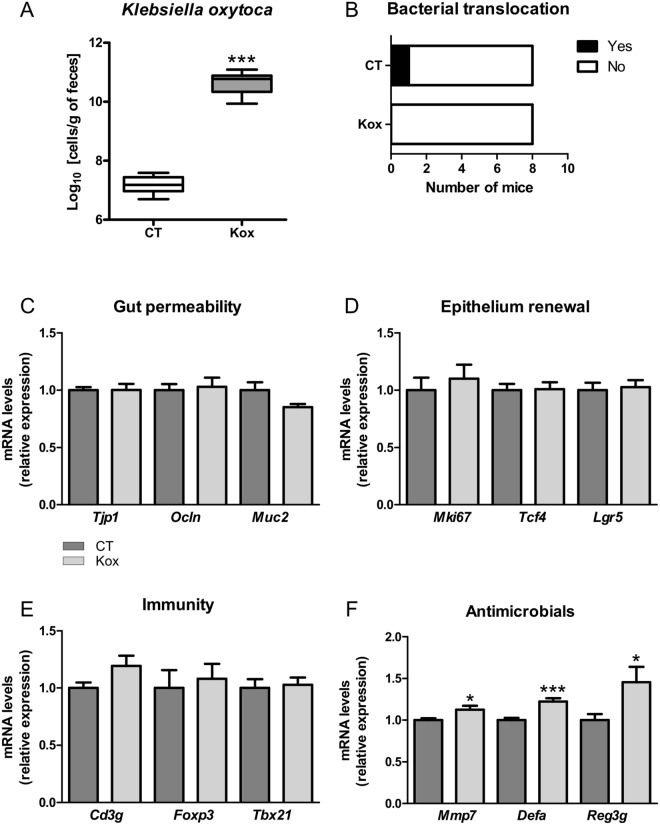
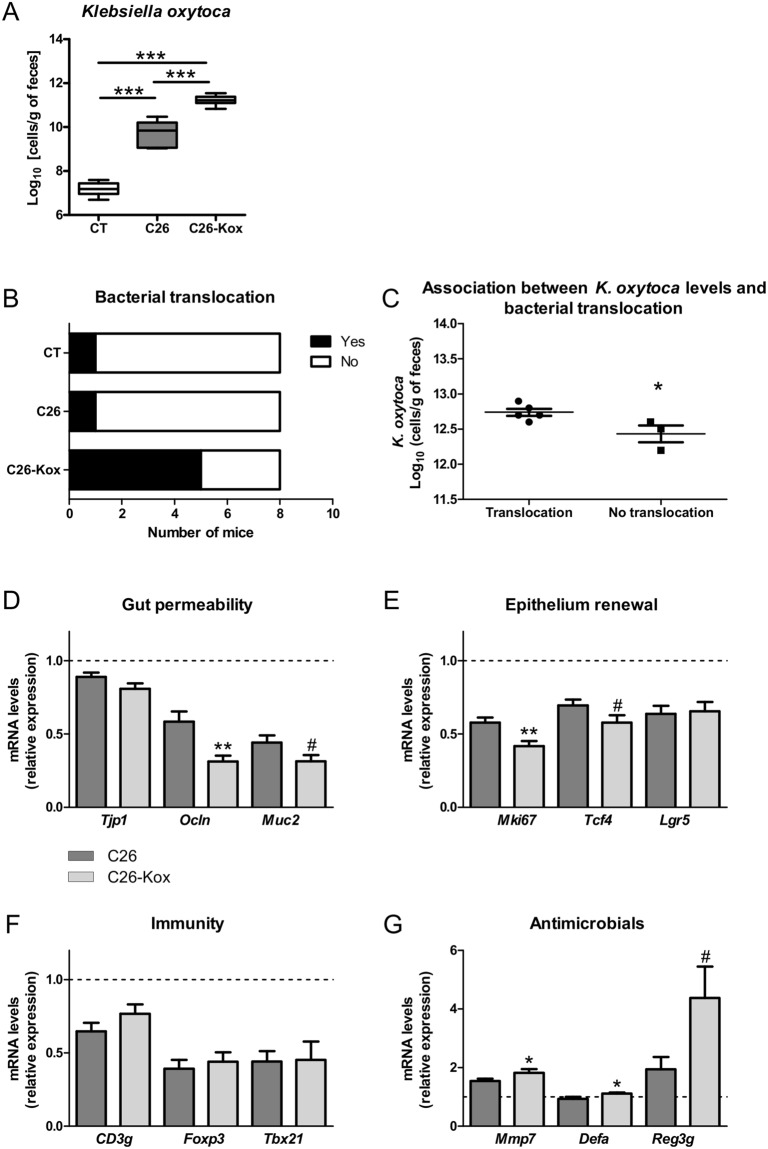
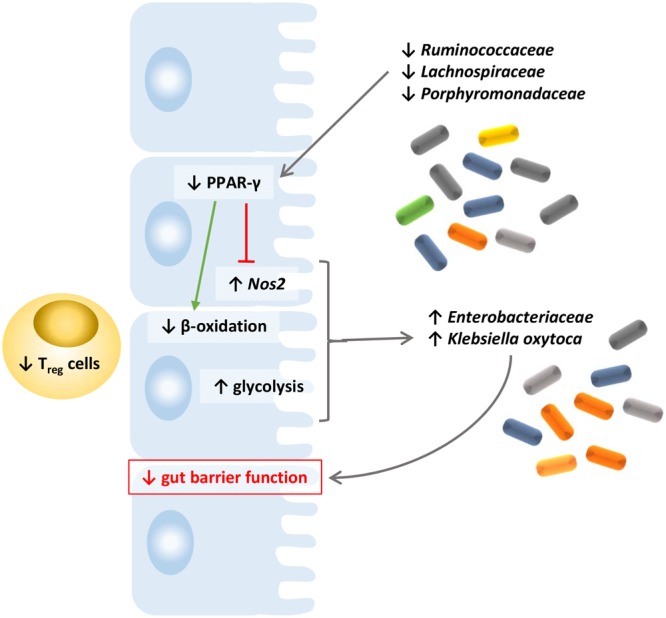
Cancer cachexia is a complex multi-organ syndrome characterized by body weight loss, weakness, muscle atrophy and fat depletion. With a prevalence of 1 million people in Europe and only limited therapeutic options, there is a high medical need for new approaches to treat cachexia. Our latest results highlighted microbial dysbiosis, characterized by a bloom in Enterobacteriaceae and altered gut barrier function in preclinical models of cancer cachexia. They also demonstrated the potential of targeting the gut microbial dysbiosis in this pathology. However, the exact mechanisms underlying the gut microbiota-host crosstalk in cancer cachexia remain elusive. In this set of studies, we identified Klebsiella oxytoca as one of the main Enterobacteriaceae species increased in cancer cachexia and we demonstrated that this bacteria acts as a gut pathobiont by altering gut barrier function in cachectic mice. Moreover, we propose a conceptual framework for the lower colonization resistance to K . oxytoca in cancer cachexia that involves altered host gut epithelial metabolism and host-derived nitrate boosting the growth of the gut pathobiont. This set of studies constitutes a strong progression in the field of gut microbiota in cancer cachexia, by dissecting the mechanism of emergence of one bacterium, K . oxytoca , and establishing its role as a gut pathobiont in this severe disease.
Overview
The claims and statistics of this paper haven’t been checked yet.
Free: it reads the open-access text and checks the first 5 claims that cite a source we can check. Create a free account to check every claim.
Integrity signals
Registry
Cites
Statistics
Figures
Verification
Claims the paper makes
The claims and statistics of this paper haven’t been checked yet.
Free: it reads the open-access text and checks the first 5 claims that cite a source we can check. Create a free account to check every claim.
Claims other papers make about this one
Each is checked against this paper’s own text: does it say what the citing paper says it does?
In the citing paper
“Murine models of cancer cachexia show a dysbiosis characterized by expansion of Enterobacteriaceae112 such as Klebsiella oxytoca, a gut pathobiont whose growth follows the depletion of butyrate-producing taxa.113”
From Gut dysbiosis in oncology: a risk factor for immunoresistance (2026) · doi:10.1038/s41422-025-01212-6 · cites this paper as [113]
Self-check
Percentages, sums and reported differences re-computed from the paper’s own numbers.
The self-check needs the paper’s full text.
Citations
Cites
Controlling the False Discovery Rate: A Practical and Powerful Approach to Multiple Testing
Benjamini, Y., & Hochberg, Y. (1995) · Journal of the Royal Statistical Society Series B: Statistical Methodology · doi:10.1111/j.2517-6161.1995.tb02031.x · Cited by 109,482
Cytoscape: A software Environment for integrated models of biomolecular interaction networks
Shannon, P., Markiel, A., Ozier, O., Baliga, N. S., Wang, J. T., Ramage, D., Amin, N., Schwikowski, B., & Ideker, T. (2003) · Genome Research · doi:10.1101/gr.1239303 · Cited by 51,888
Schloss, P. D., Westcott, S. L., Ryabin, T., Hall, J. R., Hartmann, M., Hollister, E. B., Lesniewski, R. A., Oakley, B. B., Parks, D. H., Robinson, C. J., et al. (2009) · Applied and Environmental Microbiology · doi:10.1128/aem.01541-09 · Cited by 19,549
UPARSE: highly accurate OTU sequences from microbial amplicon reads
Edgar, R. C. (2013) · Nature Methods · doi:10.1038/nmeth.2604 · Cited by 16,707
Definition and classification of cancer cachexia: an international consensus
Fearon, K., Strasser, F., Anker, S. D., Bosaeus, I., Bruera, E., Fainsinger, R. L., Jatoi, A., Loprinzi, C., MacDonald, N., Mantovani, G., et al. (2011) · The Lancet Oncology · doi:10.1016/s1470-2045(10)70218-7 · Cited by 5,767
Regulation of cancer cell metabolism
Cairns, R. A., Harris, I. S., & Mak, T. W. (2011) · Nature Reviews Cancer · doi:10.1038/nrc2981 · Cited by 4,744
Ribosomal Database Project: data and tools for high throughput rRNA analysis
Cole, J. R., Wang, Q., Fish, J. A., Chai, B., McGarrell, D. M., Sun, Y., Brown, C. T., Porras-Alfaro, A., Kuske, C. R., & Tiedje, J. M. (2014) · Nucleic Acids Research · doi:10.1093/nar/gkt1244 · Cited by 4,367
The peroxisome proliferator-activated receptor-γ is a negative regulator of macrophage activation
Ricote, M., Li, A. C., Willson, T. M., Kelly, C. J., & Glass, C. K. (1998) · Nature · doi:10.1038/34178 · Cited by 3,525
ESPEN guidelines on nutrition in cancer patients
Arends, J., Bachmann, P., Baracos, V., Barthelemy, N., Bertz, H., Bozzetti, F., Fearon, K., Hütterer, E., Isenring, E., Kaasa, S., et al. (2017) · Clinical Nutrition · doi:10.1016/j.clnu.2016.07.015 · Cited by 3,114
Diet–microbiota interactions as moderators of human metabolism
Sonnenburg, J. L., & Bäckhed, F. (2016) · Nature · doi:10.1038/nature18846 · Cited by 2,257
Cited by
The microbiome and gut homeostasis
Lee, J.-Y., Tsolis, R. M., & Bäumler, A. J. (2022) · Science · doi:10.1126/science.abp9960 · Cited by 428
“Levels of hostderived oxygen and nitrate become elevated in the colonic lumen not only by a high-fat diet (96), but also after antibiotic treatment (54, 100); after infectionwith enteric pathogens (101–108); and inmouse models of ulcerative colitis (109–112), cancer cachexia (113), or colorectal cancer (114, 115).”
BackgroundCancer cachexia and its pathophysiology: links with sarcopenia, anorexia and asthenia
Peixoto da Silva, S., Santos, J. M. O., Costa e Silva, M. P., Gil da Costa, R. M., & Medeiros, R. (2020) · Journal of Cachexia, Sarcopenia and Muscle · doi:10.1002/jcsm.12528 · Cited by 371
“and help associating alterations in the gut microbiome with cancer cachexia.(130,131)”
BackgroundArgilés, J. M., López-Soriano, F. J., Stemmler, B., & Busquets, S. (2023) · Nature Reviews Clinical Oncology · doi:10.1038/s41571-023-00734-5 · Cited by 246
Scorletti, E., Afolabi, P. R., Miles, E. A., Smith, D. E., Almehmadi, A., Alshathry, A., Childs, C. E., Del Fabbro, S., Bilson, J., Moyses, H. E., et al. (2020) · Gastroenterology · doi:10.1053/j.gastro.2020.01.031 · Cited by 237
Self-citationMicrobiome—Microbial Metabolome—Cancer Cell Interactions in Breast Cancer—Familiar, but Unexplored
Mikó, E., Kovács, T., Sebő, É., Tóth, J., Csonka, T., Ujlaki, G., Sipos, A., Szabó, J., Méhes, G., & Bai, P. (2019) · Cells · doi:10.3390/cells8040293 · Cited by 220
Salmonella versus the Microbiome
Rogers, A. W. L., Tsolis, R. M., & Bäumler, A. J. (2021) · Microbiology and Molecular Biology Reviews · doi:10.1128/mmbr.00027-19 · Cited by 205
Gut dysbiosis: Ecological causes and causative effects on human disease
Winter, S., & Bäumler, A. J. (2023) · Proceedings of the National Academy of Sciences · doi:10.1073/pnas.2316579120 · Cited by 181
“…an increased abundance of facultatively anaerobic bacteria in the fecal microbiota is detected in patients with IBD (11), CRC (9), cancer cachexia (70), radiation enteritis during radiotherapy (71), CKD (10), type 1 diabetes (7), nonalcoholic steatohepatitis (72), graft vs. host disease (73),…”
BackgroundHiel, S., Gianfrancesco, M. A., Rodriguez, J., Portheault, D., Leyrolle, Q., Bindels, L. B., Gomes da Silveira Cauduro, C., Mulders, M. D. G. H., Zamariola, G., Azzi, A.-S., et al. (2020) · Clinical Nutrition · doi:10.1016/j.clnu.2020.04.005 · Cited by 170
“Sequencing, subsequent bioinformatics and biostatistics analyses were performed as previously described [9].”
MethodSelf-citationGut microbiota and short‐chain fatty acid alterations in cachectic cancer patients
Ubachs, J., Ziemons, J., Soons, Z., Aarnoutse, R., van Dijk, D. P. J., Penders, J., van Helvoort, A., Smidt, M. L., Kruitwagen, R. F. P. M., Baade‐Corpelijn, L., et al. (2021) · Journal of Cachexia, Sarcopenia and Muscle · doi:10.1002/jcsm.12804 · Cited by 161
“previous studies repeatedly described an increased abundance of Enterobacteriaceae, also belonging to the phylum of Proteobacteria, in cachectic mice.(5,8,32) We confirm that these cachexia-associated increased levels of Enterobacteriaceae are also characteristic of human cancer cachexia.”
BackgroundIntestinal Microbiota: A Novel Target to Improve Anti-Tumor Treatment?
Villéger, R., Lopès, A., Carrier, G., Veziant, J., Billard, E., Barnich, N., Gagnière, J., Vazeille, E., & Bonnet, M. (2019) · International Journal of Molecular Sciences · doi:10.3390/ijms20184584 · Cited by 119
“These models are characterized by a common microbial signature resulting mainly in an increase in Enterobacteriaceae species [142,143], specifically Klebsiella oxytoca and in a reduction in three butyrate-producing microbial families (Ruminococcaceae, Lachnospiraceae and Porphyromonadaceae) [144].”
BackgroundNi, Y., Lohinai, Z., Heshiki, Y., Döme, B., Moldvay, J., Dulka, E., Gálffy, G., Berta, J., Weiss, G. J., Sommer, M. O. A., et al. (2021) · The ISME Journal · doi:10.1038/s41396-021-00998-8 · Cited by 137
“has investigated gut microbiota in cachectic mice with colon carcinoma and linked cachexia successfully with Klebsiella oxytoca, a specific gut bacterial species involved in altering gut barrier function [15].”
BackgroundKlebsiella oxytoca and Emerging Nosocomial Infections
Neog, N., Phukan, U., Puzari, M., Sharma, M., & Chetia, P. (2021) · Current Microbiology · doi:10.1007/s00284-021-02402-2 · Cited by 124
A Narrative Review of Gut-Muscle Axis and Sarcopenia: The Potential Role of Gut Microbiota
Zhao, J., Huang, Y., & Yu, X. (2021) · International Journal of General Medicine · doi:10.2147/ijgm.s301141 · Cited by 113
“After treating mice with Lactobacillus, cancer cell proliferation, as well as muscle loss and deficiency, were reduced.(66) Pötgens and colleagues found an increased amount of Klebsiella oxytoca (a type of Enterobacter) in mice with cancer cachexia.”
BackgroundGut-muscle crosstalk. A perspective on influence of microbes on muscle function
Chew, W., Lim, Y. P., Lim, W. S., Chambers, E. S., Frost, G. S., Wong, S. H., & Ali, Y. (2023) · Frontiers in Medicine · doi:10.3389/fmed.2022.1065365 · Cited by 94
The Microbiota and Cancer Cachexia
Herremans, K. M., Riner, A. N., Cameron, M. E., & Trevino, J. G. (2019) · International Journal of Molecular Sciences · doi:10.3390/ijms20246267 · Cited by 92
Pancreatic cancer cachexia: three dimensions of a complex syndrome
Kordes, M., Larsson, L., Engstrand, L., & Löhr, M. J. (2021) · British Journal of Cancer · doi:10.1038/s41416-021-01301-4 · Cited by 93
Gut microbiota alteration in a mouse model of Anorexia Nervosa
Breton, J., Tirelle, P., Hasanat, S., Pernot, A., L'Huillier, C., do Rego, J.-C., Déchelotte, P., Coëffier, M., Bindels, L. B., & Ribet, D. (2021) · Clinical Nutrition · doi:10.1016/j.clnu.2020.05.002 · Cited by 71
“For Illumina sequencing, DNA samples from 2 independent animal experiments were PCR-enriched for the V5eV6 region of the 16S rRNA gene and then underwent a library tailing PCR as previously described [37].”
MethodSelf-citationKeller, L. J., Babin, B. M., Lakemeyer, M., & Bogyo, M. S. (2019) · Current Opinion in Chemical Biology · doi:10.1016/j.cbpa.2019.10.007 · Cited by 78
Leyrolle, Q., Cserjesi, R., Mulders, M. D. G. H., Zamariola, G., Hiel, S., Gianfrancesco, M. A., Rodriguez, J., Portheault, D., Amadieu, C., Leclercq, S., et al. (2021) · Clinical Nutrition · doi:10.1016/j.clnu.2020.09.025 · Cited by 65
“Sequencing and subsequent bioinformatics were performed as previously described [24], with dataset-specific details reported in supplemental methods.”
MethodSelf-citationThe human gut microbiome in health and disease: time for a new chapter?
Lee, J., Bays, D. J., Savage, H. P., & Bäumler, A. J. (2024) · Infection and Immunity · doi:10.1128/iai.00302-24 · Cited by 78
“…Bacillus and/or Gammaproteobacteria species is seen in patients with cardiovascular disease (3), colorectal cancer (5), cancer-associated cachexia (56), radiation enteritis during radio therapy (57), Alzheimer’s disease (58), type 1 diabetes (59), chronic kidney disease (7), chronic liver…”
Pötgens, S. A., Thibaut, M. M., Joudiou, N., Sboarina, M., Neyrinck, A. M., Cani, P. D., Claus, S. P., Delzenne, N. M., & Bindels, L. B. (2021) · Journal of Cachexia Sarcopenia and Muscle · doi:10.1002/jcsm.12684 · Cited by 75
“the expansion of Enterobacteriaceae in C26 mice through an intestinal glycolytic switch.(80) Butyrate is considered to have various beneficial effects on intestinal health and host”
BackgroundMethodSelf-citationMicrobiota and body weight control: Weight watchers within?
Boscaini, S., Leigh, S., Lavelle, A., García‐Cabrerizo, R., Lipuma, T., Clarke, G. A., Schellekens, H., & Cryan, J. F. (2021) · Molecular Metabolism · doi:10.1016/j.molmet.2021.101427 · Cited by 74
Leyrolle, Q., Cserjési, R., Mulders, M. D. G. H., Zamariola, G., Hiel, S., Gianfrancesco, M. A., Portheault, D., Amadieu, C., Bindels, L. B., Leclercq, S., et al. (2021) · Brain Behavior and Immunity · doi:10.1016/j.bbi.2021.01.014 · Cited by 73
Self-citationRole of the intestinal microbiota in contributing to weight disorders and associated comorbidities
Hul, M. V., Neyrinck, A. M., Everard, A., Abot, A., Bindels, L. B., Delzenne, N. M., Knauf, C., & Cani, P. D. (2024) · Clinical Microbiology Reviews · doi:10.1128/cmr.00045-23 · Cited by 72
“Specifically, we highlighted a common, reproducible, anorexia-independent, microbial signature (characterized mainly by an increase in Enterobacter iaceae ) in preclinical models of cancer cachexia (158, 159, 163, 164).”
Self-citationHost cells subdivide nutrient niches into discrete biogeographical microhabitats for gut microbes
Liou, M. J., Miller, B. M., Litvak, Y., Nguyen, H., Natwick, D. E., Savage, H. P., Rixon, J. A., Mahan, S. P., Hiyoshi, H., Rogers, A. W. L., et al. (2022) · Cell Host & Microbe · doi:10.1016/j.chom.2022.04.012 · Cited by 64
Gastrointestinal host-pathogen interaction in the age of microbiome research
Tsolis, R. M., & Bäumler, A. J. (2020) · Current Opinion in Microbiology · doi:10.1016/j.mib.2020.03.002 · Cited by 62
Biomarkers for Cancer Cachexia: A Mini Review
Cao, Z., Zhao, K., Jose, I., Hoogenraad, N. J., & Osellame, L. D. (2021) · International Journal of Molecular Sciences · doi:10.3390/ijms22094501 · Cited by 61
“Enterobacteriaceae levels were increased, while a reduction of lachnospiraceae and ruminococcaceae were found in C26 cancer cachexia model [111,112].”
BackgroundDohlman, A. B., & Shen, X. (2019) · Experimental Biology and Medicine · doi:10.1177/1535370219836771 · Cited by 60
Halimi, A., Gabarrini, G., Sobkowiak, M. J., Ateeb, Z., Davanian, H., Gaiser, R. A., Arnelo, U., Valente, R., Wong, A. Y. W., Moro, C. F., et al. (2021) · Gut Microbes · doi:10.1080/19490976.2021.1983101 · Cited by 59
Cortiula, F., Hendriks, L. E. L., van de Worp, W. R. P. H., Schols, A. M. W. J., Vaes, R. D. W., LANGEN, R. C. J., & Ruysscher, D. D. (2022) · Journal of Cachexia Sarcopenia and Muscle · doi:10.1002/jcsm.12900 · Cited by 57
“of Ruminococcaceae were reduced compared to healthy controls.(113) Moreover, preliminary studies suggest that”
Resultvan Krimpen, S. J., Jansen, F. A. C., Ottenheim, V. L., Belzer, C., van der Ende, M., & van Norren, K. (2021) · Nutrients · doi:10.3390/nu13041115 · Cited by 58
Amaretti, A., Righini, L., Candeliere, F., Musmeci, E., Bonvicini, F., Gentilomi, G. A., Rossi, M., & Raimondi, S. (2020) · International Journal of Molecular Sciences · doi:10.3390/ijms21051847 · Cited by 60
“oxytoca, another prominent pathogen that may be involved in diseases and life-threatening infections [38,39], generally encoded the siderophore gene entB, but were negative to most of the other virulence genes.”
BackgroundChen, S., Zhang, P., Duan, H., Wang, J., Qiu, Y., Cui, Z., Yin, Y., Wan, D., & Xie, L. (2023) · The Innovation · doi:10.1016/j.xinn.2023.100479 · Cited by 53
Cachexia, a Systemic Disease beyond Muscle Atrophy
Wyart, E., Bindels, L. B., Mina, E., Menga, A., Stanga, S., & Porporato, P. E. (2020) · International Journal of Molecular Sciences · doi:10.3390/ijms21228592 · Cited by 52
Self-citationHakozaki, T., Nolin-Lapalme, A., Kogawa, M., Okuma, Y., Nakamura, S., Moreau-Amaru, D., Tamura, T., Hosomi, Y., Takeyama, H., Richard, C., et al. (2022) · Cancers · doi:10.3390/cancers14215405 · Cited by 53
Gut microbiota and metabolic aspects of cancer cachexia
Ziemons, J., Smidt, M. L., Damink, S. W. M. O., & Rensen, S. S. (2021) · Best Practice & Research Clinical Endocrinology & Metabolism · doi:10.1016/j.beem.2021.101508 · Cited by 50
The critical role of gut microbiota dysbiosis in skeletal muscle wasting: a systematic review
Nikkhah, A., Ejtahed, H., Marvasti, F. E., Taghavi, M., Pakmehr, A., Hajipour, F., & Larijani, B. A. (2022) · Journal of Applied Microbiology · doi:10.1093/jambio/lxac014 · Cited by 49
The Role of Malnutrition and Muscle Wasting in Advanced Lung Cancer
Jain, R., Coss, C. C., Whooley, P. D., Phelps, M. A., & Owen, D. H. (2020) · Current Oncology Reports · doi:10.1007/s11912-020-00916-9 · Cited by 51
Sarcopenia in Children with Solid Organ Tumors: An Instrumental Era
Ritz, A., Lurz, E., & Berger, M. (2022) · Cells · doi:10.3390/cells11081278 · Cited by 45
Role of the Gut Microbiome in Skeletal Muscle Physiology and Pathophysiology
Lefevre, C., & Bindels, L. B. (2022) · Current Osteoporosis Reports · doi:10.1007/s11914-022-00752-9 · Cited by 43
Self-citationHering, N. A., Fromm, A., Bücker, R., Gorkiewicz, G., Zechner, E. L., Högenauer, C., Fromm, M., Schulzke, J., & Troeger, H. (2019) · International Journal of Molecular Sciences · doi:10.3390/ijms20225595 · Cited by 40
“Here the mRNA level of occludin and immune relevant barrier factors were reduced [36].”
BackgroundPrinciples of gut microbiota assembly
Chávez‐Arroyo, A., Radlinski, L. C., & Bäumler, A. J. (2025) · Trends in Microbiology · doi:10.1016/j.tim.2025.02.014 · Cited by 38
Risk Factors for Intestinal Barrier Impairment in Patients With Essential Hypertension
Cao, L., Xiao, P., Lin, D., Zhong, H., Zhang, R., Zhao, Z., & He, X. (2021) · Frontiers in Medicine · doi:10.3389/fmed.2020.543698 · Cited by 38
“These changes weaken the intestinal barrier by reducing shortchain fatty acid levels (which enhance intestinal barrier integrity and inhibit gut inflammation) and can even directly damage the intestinal epithelium (27, 28).”
BackgroundCabello, F. C., & Godfrey, H. P. (2019) · Aquaculture · doi:10.1016/j.aquaculture.2019.04.048 · Cited by 37
Microbiota-nourishing Immunity and Its Relevance for Ulcerative Colitis
Byndloss, M. X., Litvak, Y., & Bäumler, A. J. (2019) · Inflammatory Bowel Diseases · doi:10.1093/ibd/izz004 · Cited by 36
Targeting Gut Microbiota in Cancer Cachexia: Towards New Treatment Options
Panebianco, C., Villani, A., Potenza, A., Favaro, E., Finocchiaro, C., Perri, F., & Pazienza, V. (2023) · International Journal of Molecular Sciences · doi:10.3390/ijms24031849 · Cited by 37
“Overall, several changes were found in lung cancer cachectic mice (e.g., the increase in Lachnospiraceae and Ruminococcaceae and the increase in microbial richness) with a few exceptions (e.g., the expansion in Enterobacteriaceae) [39], which were conflicting with previous observations in leukemic and colon cancer cac…”
BackgroundInfluentialAssociation of Microbial Dysbiosis with Gallbladder Diseases Identified by Bile Microbiome Profiling
Choi, S. J., Kim, Y., Jeon, J., Gwak, H., Kim, M., Kang, K., Kim, Y., Jeong, J., Jung, Y. K., Lee, K. G., et al. (2021) · Journal of Korean Medical Science · doi:10.3346/jkms.2021.36.e189 · Cited by 32
Mathematical-based microbiome analytics for clinical translation
Narayana, J. K., Aogáin, M. M., Goh, W. W. B., Xia, K., Tsaneva-Atanasova, K. T., & Chotirmall, S. H. (2021) · Computational and Structural Biotechnology Journal · doi:10.1016/j.csbj.2021.11.029 · Cited by 32
“CoNet has successfully identified interactions between microbial species in interstitial fibrosis, and is also among pathobionts associated with cancer cachexia [54,55].”
BackgroundRoy, S., Bahmani, A. H. A., Davids, M., Herrema, H., & Nieuwdorp, M. (2025) · Microorganisms · doi:10.3390/microorganisms13061356 · Cited by 29
“…(also an Enterobacteriaceae member) significantly overgrew in cachectic C26 mice at the expense of the normally dominant anaerobic Firmicutes; experimentally adding K. oxytoca to mice was sufficient to induce gut barrier dysfunction and local inflammation in cachectic (but not healthy) hosts [40].”
InfluentialDeng, Y., Zhao, L., Huang, X., Zeng, Y., Xiong, Z., & Zuo, M. (2022) · Nutrition · doi:10.1016/j.nut.2022.111829 · Cited by 31
Cancer-Associated Cachexia: Bridging Clinical Findings with Mechanistic Insights in Human Studies
Koh, K., Scott, R., Feliciano, E. M. C., Janowitz, T., Goncalves, M. D., White, E., Laird, B. J. A., Haase, K., & Jamal‐Hanjani, M. (2025) · Cancer Discovery · doi:10.1158/2159-8290.cd-25-0293 · Cited by 28
Wu, J., Zhang, R., Yin, Z., Chen, X., Mao, R., Zheng, X., Yuan, M., Li, H., Lu, Y., Liu, S., et al. (2024) · Pharmacological Research · doi:10.1016/j.phrs.2024.107476 · Cited by 28
Cancer cachexia: Focus on cachexia factors and inter-organ communication
Wang, Y., Dong, Z.-K., An, Z., & Jin, W. (2023) · Chinese Medical Journal · doi:10.1097/cm9.0000000000002846 · Cited by 27
Nutritional Mechanisms of Cancer Cachexia
Compton, S. L. E., Heymsfield, S. B., & Brown, J. C. (2024) · Annual Review of Nutrition · doi:10.1146/annurev-nutr-062122-015646 · Cited by 26
Genton, L., Lazarević, V., Stojanović, O., Spiljar, M., Djaafar, S., Koessler, T., Dutoit, V., Gaïa, N., Mareschal, J., Macpherson, A. J., et al. (2021) · Frontiers in Cellular and Infection Microbiology · doi:10.3389/fcimb.2021.752889 · Cited by 25
“In models of colon carcinoma, Klebsiella oxytoca was a major stimulant of cancer cachexia (Potgens et al., 2018), but Lactobacillus reuteri was beneficial for its prevention (Varian et al., 2016).”
BackgroundGut dysbiosis in oncology: a risk factor for immunoresistance
(2026) · doi:10.1038/s41422-025-01212-6 · Cited by 24
“113 These microbial perturbations are associated with elevated systemic interleukin-6 (IL-6) and lipopolysaccharide-binding protein (LBP), biomarkers predictive of cachexia and poor survival in colorectal and lung cancer.”
Kabwe, M., Dashper, S. G., & Tucci, J. (2022) · Frontiers in Cellular and Infection Microbiology · doi:10.3389/fcimb.2022.871293 · Cited by 24
Olivares, M., Rodriguez, J., Pötgens, S. A., Neyrinck, A. M., Cani, P. D., Bindels, L. B., & Delzenne, N. M. (2019) · Molecular Nutrition & Food Research · doi:10.1002/mnfr.201900632 · Cited by 24
Self-citationInvolvement of the gut microbiota in cancer cachexia
VanderVeen, B. N., Cardaci, T. D., Bullard, B. M., Madden, M., Li, J., Velázquez, K. T., Kubinak, J. L., Fan, D., & Murphy, E. A. (2024) · American Journal of Physiology-Cell Physiology · doi:10.1152/ajpcell.00327.2024 · Cited by 23
Fungal Dysbiosis Correlates with the Development of Tumor-Induced Cachexia in Mice
Jabes, D. L., de Maria, Y. N. L. F., Barbosa, D. A., Santos, K. B., de Carvalho, L. M., Humberto, A. C., Alencar, V. C., de Oliveira, R. C., Júnior, M. L. B., Menegidio, F., et al. (2020) · Journal of Fungi · doi:10.3390/jof6040364 · Cited by 22
Applications of bacteriophages in precision engineering of the human gut microbiome
Kuang, X., Shen, J., Zheng, L., Duan, Y., Ma, Y., Leung, E. L., & Dai, L. (2025) · Engineering Microbiology · doi:10.1016/j.engmic.2025.100189 · Cited by 21
“In contrast to pathogenic bacteria that cause infections, there exists a category of disease-contributing commensal bacteria that are naturally part of the human microbiota, such as Helicobacter hepaticus [ 41 ], Klebsiella oxytoca [ 42 , 43 ], Klebsiella pneumoniae , and Bacteroides fragilis .”
Shang, T., Zhang, R., Liu, Y., & Shi, S. (2025) · Gut Pathogens · doi:10.1186/s13099-025-00783-4 · Cited by 21
“Moreover, reduction in three butyrate-producing microbial families ( Ruminococ-caceae , Lachnospiraceae and Porphyromonadaceae ) in cachectic mice promoting higher glycolysis and reducing β-oxidation, allows the emergence of K.oxytoca . and Enterobacteriaceae [43].”
Pekkala, S., Keskitalo, A., Kettunen, E., Lensu, S., Nykänen, N., Kuopio, T., Ritvos, O., Hentilä, J., Nissinen, T. A., & Hulmi, J. J. (2019) · Cancers · doi:10.3390/cancers11111799 · Cited by 19
“While preclinical mouse models showed an altered gut microbiota composition in cachexia [6,44], no human studies have been conducted in this context.”
BackgroundMechanisms of Ovarian Cancer-Associated Cachexia
Callaway, C. S., Mouchantat, L. M., Bitler, B. G., & Bonetto, A. (2023) · Endocrinology · doi:10.1210/endocr/bqad176 · Cited by 18
Gonzalez-Mercado, V. J., Lim, S. J., Saligan, L. N., Perez, N. B., Rodriguez, C. S., Bernabe, R. D., Ozorio, S., Pedro, E., Sepehri, F., & Aouizerat, B. E. (2021) · Depression Research and Treatment · doi:10.1155/2021/7967552 · Cited by 18
“[41] observed an increased abundance of Enterobacteriaceae and altered gut barrier function in animal models of cancer cachexia.”
BackgroundWu, S., Ou, C., Lee, M., Hsin, I., Kang, Y., Jan, M., & Ko, J. (2023) · Microbiology Spectrum · doi:10.1128/spectrum.03130-22 · Cited by 17
“Consistent with the present study’s findings, a reduction in the abundance of butyrate produced by Ruminococcaceae was also found in the cachectic mouse colon carcinoma 26 (C26) model (36, 37), indicating that Ruminococcaceae and their metabolite butyrate may be important in cachexia prevention.”
ResultKu, H., Kabwe, M., Chan, H. T., Stanton, C. R., Petrovski, S., Batinovic, S., & Tucci, J. (2021) · PLoS ONE · doi:10.1371/journal.pone.0257102 · Cited by 16
“oxytoca has also been shown to contribute to the severe weight loss in cancer anorexia/cachexia, as its prevalence is increased, and it may alter gut barrier function, in this condition [6].”
BackgroundPathological features of tissues and cell populations during cancer cachexia
Girolamo, D. D., & Tajbakhsh, S. (2022) · Cell Regeneration · doi:10.1186/s13619-022-00108-9 · Cited by 16
Targeting the gut to prevent and counteract metabolic disorders and pathologies during aging
Milenković, D., Capel, F., Combaret, L., Comte, B., Dardevet, D. P., Evrard, B., Guillet, C., Monfoulet, L., Pinel, A., Polakof, S., et al. (2022) · Critical Reviews in Food Science and Nutrition · doi:10.1080/10408398.2022.2089870 · Cited by 16
“It was observed that Enterobacteriaceae species increased in cancer cachexia is Klebsiella oxytoca which behaves as a gut pathobiont as it induces alterations of the gut barrier function (Pötgens et al. 2018).”
BackgroundShi, A., Ji, X., Li, W., Dong, L., Wu, Y., Zhang, Y., Liu, X., Zhang, Y., & Wang, S. (2024) · Nutrients · doi:10.3390/nu16050754 · Cited by 15
“Its presence Its presence is often linked to cancer , as well [29] . is often linked to cancer, as well [29].”
Backgroundde Maria, Y. N. L. F., Barbosa, D. A., Menegídio, F. B., Santos, K. B., Humberto, A. C., Alencar, V. C., Silva, J. F. S., de Oliveira, R. C., Júnior, M. L. B., Nunes, L. R., et al. (2021) · Microbiology · doi:10.1099/mic.0.001088 · Cited by 15
Bacterial membrane vesicles restore gut anaerobiosis
Pitt, N., Morrissette, M., Gates, M. F., Bargabos, R., Krumpoch, M. T., Hawkins, B. A., & Lewis, K. (2025) · npj Biofilms and Microbiomes · doi:10.1038/s41522-025-00676-z · Cited by 14
“Oxygen-driven dysbiosis of the gut has been con fi rmed in mouse models for colitis 17 , colorectal cancer 18,19 , cancer cachexia 20 , and graft-versus-host disease 21 .”
Vilà-Quintana, L., Fort, E., Pardo, L., Albiol-Quer, M. T., Ortiz, M., Capdevila, M., Feliu, A., Bahí, A., Llirós, M., Garcia-Velasco, A., et al. (2024) · International Journal of Molecular Sciences · doi:10.3390/ijms252010988 · Cited by 13
Lee, J.-Y., Mahan, S. P., de Carvalho, T. P., Nguyen, H., Singai, C., Camacho, L., Tekeli, M., Kwon, Y., Lee, J., Santos, R. L., et al. (2026) · Science · doi:10.1126/science.ady5217 · Cited by 13
Cachexia in Pancreatic Cancer: New Insights to Impact Quality of Life and Survival
Yoon, S. L., Grundmann, O., Rogers, S. C., Schlaeger, J. M., Han, B., Agyare, E., & Wilkie, D. J. (2025) · Nutrients · doi:10.3390/nu17193064 · Cited by 10
“Bacterial overgrowth of Klebsiella has been associated with gastrointestinal symptoms and the development of cachexia in a pancreatic cancer mouse model [46].”
Gut microbiota in cancer cachexia: a new frontier for research and therapy
Ardis, C. K., Bui, T. P. N., & Nieuwdorp, M. (2025) · Genes & Nutrition · doi:10.1186/s12263-025-00791-8 · Cited by 10
“In a cachectic colon cancer mouse model, Klebsiella oxytoca acts as a gut pathobiont, contributing to intestinal dysfunction, and noted decreased levels of short chain fatty acids (SCFA) acetate and butyrate (linked to a decrease in Ruminococcaceae species) and aromatic amino acid metabolites [45].”
Zhou, R., Liu, T., Qin, Y., Xie, J., Zhang, S., Xie, Y., Lao, J., He, W., Zeng, H., Tang, X., et al. (2025) · Frontiers in Pharmacology · doi:10.3389/fphar.2025.1503785 · Cited by 10
Microbiota Alterations in Gastrointestinal Cancers
Karwowska, Z., Szemraj, J., & Karwowski, B. T. (2020) · Applied Sciences · doi:10.3390/app10020585 · Cited by 10
“demonstrated on a murine model that Klebsiella oxytoca behaves as a gut pathobiont, that is, it increases gut permeability, and thus influences cancer progression [78].”
BackgroundUnderstanding the gut microbiota in cancer cachexia
da Rocha, I. M. G., Fonseca, D. C., Torrinhas, R. S., & Waitzberg, D. L. (2023) · Current Opinion in Clinical Nutrition & Metabolic Care · doi:10.1097/mco.0000000000000957 · Cited by 9
Shukla, R., Tsuchiya, Y., Behari, A., Ikoma, T., Nakamura, K., & Kapoor, V. K. (2024) · Cancer Investigation · doi:10.1080/07357907.2024.2361305 · Cited by 9
Molecular mechanisms and therapeutic strategies of gut microbiota modulation in Sarcopenia (Review)
Yuan, C. (2024) · Oncology Letters · doi:10.3892/ol.2024.14850 · Cited by 9
Xu, D.-Q., Geng, J.-X., Gao, Z.-K., Fan, C.-Y., Zhang, B.-W., Han, X., He, L., Dai, L., Gao, S., Yang, Z., et al. (2025) · European Journal of Pharmacology · doi:10.1016/j.ejphar.2025.177533 · Cited by 9
Tanaka, H., Watanabe, T., Nagai, T., Minaga, K., Kamata, K., Komeda, Y., & Kudo, M. (2019) · Clinical Journal of Gastroenterology · doi:10.1007/s12328-019-00947-1 · Cited by 9
Monedeiro, F., Monedeiro-Milanowski, M., Pomastowski, P., & Buszewski, B. (2021) · International Journal of Mass Spectrometry · doi:10.1016/j.ijms.2021.116614 · Cited by 9
Brumfield, K. D., Cox, P., Geyer, J. D., & Goepp, J. G. (2023) · Pathogens · doi:10.3390/pathogens12020238 · Cited by 5
Ilozumba, M. N., Gomez, M. F., Lin, T., Himbert, C., Round, J. L., Stephens, W. Z., Warby, C. A., Hardikar, S. S., Li, C. I., Figueiredo, J. C., et al. (2025) · Cancer Causes & Control · doi:10.1007/s10552-025-02042-y · Cited by 4
“Compared to control mice, there was a decreased abundance of the genus Lactobacilli and an increased abundance of the genus Parabacteroides in BaF3 and C26 cachectic tumor-bearing mice [10, 11, 13].”
Palma, A. L. D. R., dos Santos, P. B. D. R. E., Pereira, T. C., Marcucci, M. C., Sawaya, A. C. H. F., & de Oliveira, L. D. (2023) · Biofouling · doi:10.1080/08927014.2023.2192406 · Cited by 4
“Gram-negative bacteria such as the genus Klebsiella and Pseudomonas stand out for their multiresistance, with no prediction of new classes of antibiotics that solve the current panorama in the pharmacological area (P€otgens et al. 2018).”
BackgroundSimonson, M., Cueff, G., Thibaut, M. M., Giraudet, C., Salles, J., Chambon, C., Boirie, Y., Bindels, L. B., Gueugneau, M., & Guillet, C. (2024) · Journal of Proteome Research · doi:10.1021/acs.jproteome.4c00143 · Cited by 4
Self-citationPharmacokinetic Implications of Pathophysiological Changes in Cachexia Syndrome: A Scoping Review
Khan, S., Kalam, M. N., Khalid, M., Mehmood, M. H., Malik, U. R., & Ali, S. M. (2025) · European Journal of Drug Metabolism and Pharmacokinetics · doi:10.1007/s13318-025-00967-y · Cited by 3
“In animal studies, mice with cancer cachexia have shown dysbiosis and reduced short-chain fatty acid (SCFA) levels [18–22], which may impair the absorption of drugs.”
Colon cancer cachexia remodels gut microbiota and metabolite profiles in a murine model
Zou, T., Zheng, J., Xie, Z., Hu, Y., Yang, X. W., Xue, X., Lu, L., Chen, X., Mao, S., & Niu, M. (2026) · Journal of Gastrointestinal Oncology · doi:10.21037/jgo-2025-720 · Cited by 3
Isolation of Bacteria and Fungi from Human Pancreatic Tumors and Duodenum
Awad, D., Attebury, H., Hong, R., Kim, K., Zhang, L., Bischoff, A., Achi, S. C., denDekker, A., Lesniak, N., The, S., et al. (2026) · Gut Microbes · doi:10.1080/19490976.2026.2695522 · Cited by 3
“Early reports indicate that Klebsiella oxytoca in the gut and other Klebsiella species in tumors are associated with cancer cachexia, 60 and promote cell death via DNA-damaging properties.”
Alteration of microbiota and immune response of mice gavaged with Klebsiella oxytoca
Hua, M., Duan, A., Li, Q., Yue, J., Liu, X., Yuan, L., Liu, J., & Chen, C. (2022) · Microbes and Infection · doi:10.1016/j.micinf.2022.104977 · Cited by 3
Wu, Y., Xiaolei, T., Hu, F., Zhu, T., Liu, H., Xiong, Y., Zuo, X., Xu, A., & Zhuang, X. (2022) · Immunologic Research · doi:10.1007/s12026-022-09313-9 · Cited by 3
“Considering that the tumor itself [14] and chemotherapy also affect gut microbiota, intestinal barrier roles, and immune functions [15, 16], it is necessary to examine the effects of antibiotic use on bacterial infection in tumor-bearing animals treated with chemotherapy.”
BackgroundMcClement, S. (2023) · Asia-Pacific Journal of Oncology Nursing · doi:10.1016/j.apjon.2023.100306 · Cited by 3
“81 Future work in this area might include, but is not limited to, identifying an inventory of gut microbiota present in different types of cancers, their possible role in adipose tissue metabolism and the development of insulin resistance, and exploring the therapeutic potential of interventions…”
BackgroundNutraceuticals Approach as a Treatment for Cancer Cachexia
Chiocchetti, G. D. M. E., Viana, L. R., Lopes‐Aguiar, L., Miyaguti, N. A. D. S., & Gomes‐Marcondes, M. C. C. (2022) · Wiley eBooks · doi:10.1002/9781119746843.ch14 · Cited by 3
Lin, S., Shi, E., Zhang, Y., Wang, X., Tian, Z., Han, J., & Li, Q. (2026) · Frontiers in Microbiology · doi:10.3389/fmicb.2025.1730313 · Cited by 2
Byerley, L. O., Lorenzen, B., Chang, H.-M., Hartman, W. G., Keenan, M. J., Page, R. C., Luo, M., Dowd, S. E., & Taylor, C. M. (2024) · Nutrients · doi:10.3390/nu16071076 · Cited by 2
“Potgens et al. linked cachexia, induced by colon carcinoma 26, with Klebsiella oxytoca , a specific gut bacterial species that altered gut barrier function in cachectic mice with colon carcinoma [15].”
BackgroundInfluentialNechalová, L., Penesová, A., Hric, I., Olej, P., Šimiaková, M., Ugrayová, S., Hekkala, J., Kelčíková, S., Grendár, M., Pekkala, S., et al. (2026) · Cancer Reports · doi:10.1002/cnr2.70611 · Cited by 2
Marzetti, E., Picca, A., Tummolo, A. M., & Calvani, R. (2022) · Wiley eBooks · doi:10.1002/9781119484288.ch99 · Cited by 2
Hashizume, J., Nambu, M., Nakagawa, H., Harasawa, H., & Kodama, Y. (2023) · Anticancer Research · doi:10.21873/anticanres.16395 · Cited by 1
Metadata
- Authors
- Pötgens, S. A., Brossel, H., Sboarina, M., Catry, E., Cani, P. D., Neyrinck, A. M., Delzenne, N. M., & Bindels, L. B.
- Affiliations
- UCLouvain (BE)
- Walloon Excellence in Lifesciences and Biotechnology (BE)
- Corresponding author
- Bindels, Laure B.
- ORCID
- Venue
- Scientific Reports
- Published
- 2018-08-17
- Volume
- 8
- Issue
- 1
- Pages
- 12321-12321
- ISSN
- 2045-2322 (ISSN-L)
- PMC
- PMC6098145
- OpenAlex
- W2886815222
- Semantic Scholar
- 2faaa4014badfc91f9c68a8a81198bf2c4eab335
- Cited by
- 114
- References
- 50
- Citations by year
- 2026: 17 · 2025: 13 · 2024: 12 · 2023: 12 · 2022: 16 · 2021: 20 · 2020: 13 · 2019: 11
- FWCI
- 3.91
- Type
- journal article
- Language
- en
- Open access
- gold
- doi.org
- Licence
- cc-by
- creativecommons.org/licenses/by/4.0 (tdm)
- creativecommons.org/licenses/by/4.0 (vor)
- Locations
- Scientific Reports (publishedVersion, cc-by)
- Europe PMC (PubMed Central) (publishedVersion, cc-by)
- PubMed Central (publishedVersion, cc-by)
- PubMed (publishedVersion)
- Digital Access to Libraries (Université catholique de Louvain (UCL), l'Université de Namur (UNamur) and the Université Saint-Louis (USL-B)) (submittedVersion, other-oa)
- DIAL (Catholic University of Leuven) (submittedVersion)
- DOAJ (DOAJ: Directory of Open Access Journals) (submittedVersion)
- ORBi (University of Liège) (submittedVersion, other-oa)
- Funders
- University of Minnesota
- European Commission (613979)
- Fonds De La Recherche Scientifique - FNRS (WELBIO-CR-2017C-02)
- Vlaamse regering
- Walloon excellence in life sciences and biotechnology (WELBIO-CR-2017C-02)
- FP7 Ideas: European Research Council (336452)
- Topics
- Life Sciences › Biochemistry, Genetics and Molecular Biology › Molecular Biology › Gut microbiota and health
- Health Sciences › Medicine › Physiology (medical) › Nutrition and Health in Aging
- Health Sciences › Medicine › Gastroenterology › Gastrointestinal motility and disorders
- Keywords
- Klebsiella oxytoca, cancer cachexia, gut dysbiosis, Enterobacteriaceae, intestinal barrier, intestinal dysfunction, colonization resistance, nitrate, host-microbe crosstalk
- MeSH terms
- Gastrointestinal Microbiome, Animals, Cachexia, Intestinal Diseases, Male, Neoplasms, Klebsiella oxytoca, Gastrointestinal Tract, Cell Line, Tumor, Mice
About these checks
Registry, retraction, Cites and statistics results are computed, not judged, with one exception: a printed reference that no index lists is read once by a model before it counts as a citation error. Claims are extracted by a model and kept only when their quote appears verbatim in the text; each cited source is then checked, with a model’s help, for whether it says what the claim relies on. Those verdicts can be wrong — read the claim’s quote and the cited source before relying on one.
Statistics and arithmetic are recomputed, not judged.
Confidence bands are shown only for fields calibrated on our annotated test set. None is calibrated yet, so no band is shown.
What counts as a claim ›How we measure confidence ›How we check this ›
Are you an author, or do you see a problem with this page? Request a review
Data sources
Bibliographic data: Semantic Scholar, OpenAlex, Crossref.
Contains information from the Semantic Scholar Academic Graph Datasets, made available under the ODC Attribution License (ODC-BY 1.0).
Semantic Scholar’s data is described in: Kinney, R., et al. (2023). The Semantic Scholar Open Data Platform. arXiv:2301.10140.
