

The relationship between the structural characteristics of lactobacilli-EPS and its ability to induce apoptosis in colon cancer cells in vitro
Open accessThe DOI matches its Crossref record; 95 of the 95 references it cites were found in a registry or an index.
Abstract
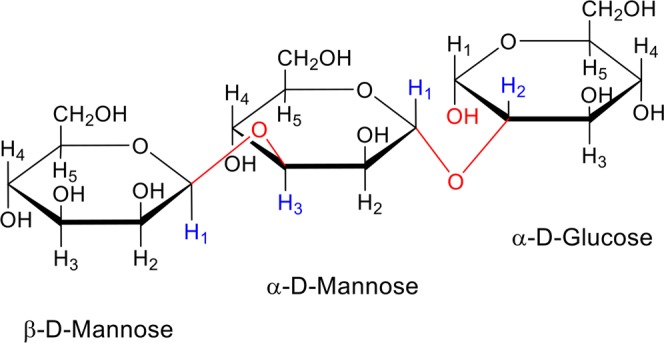
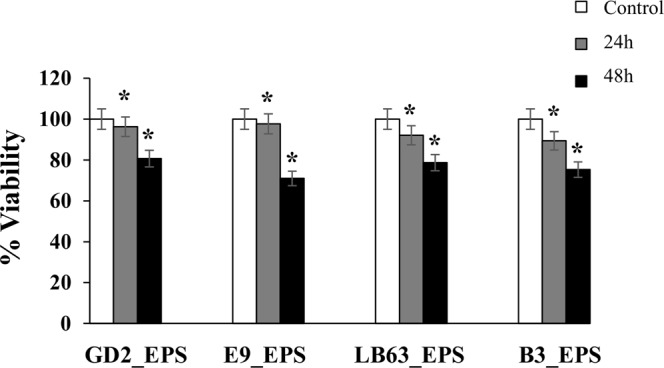
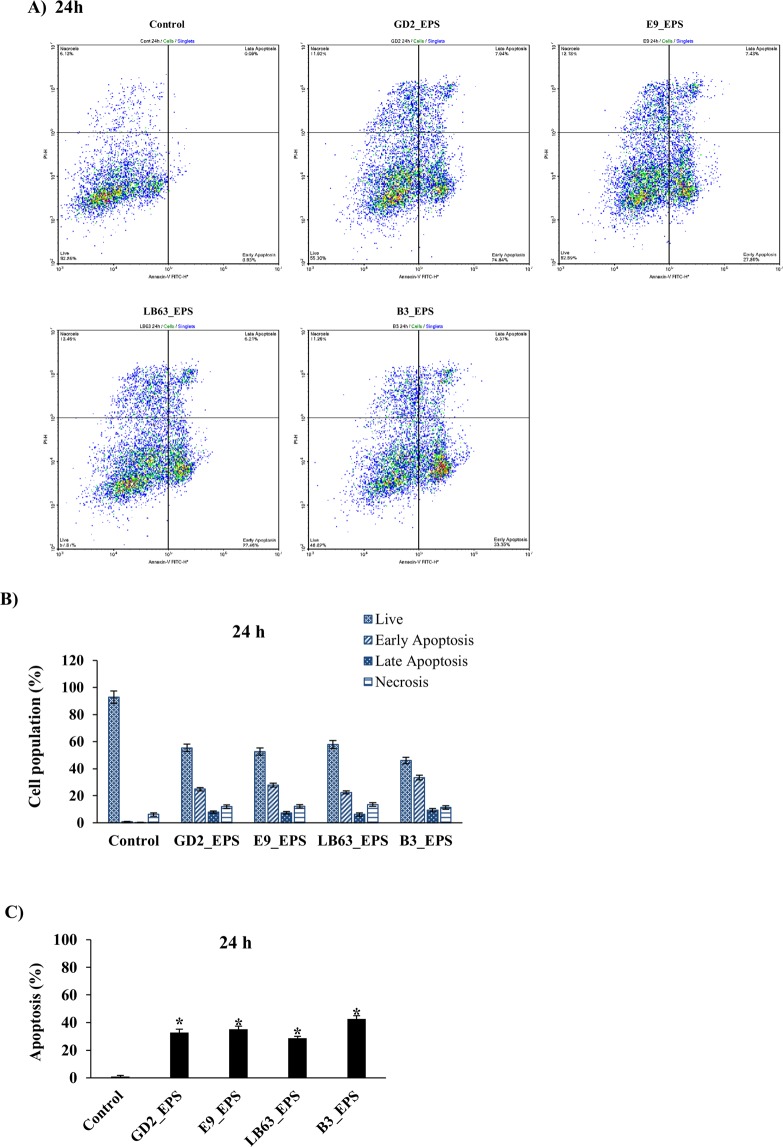
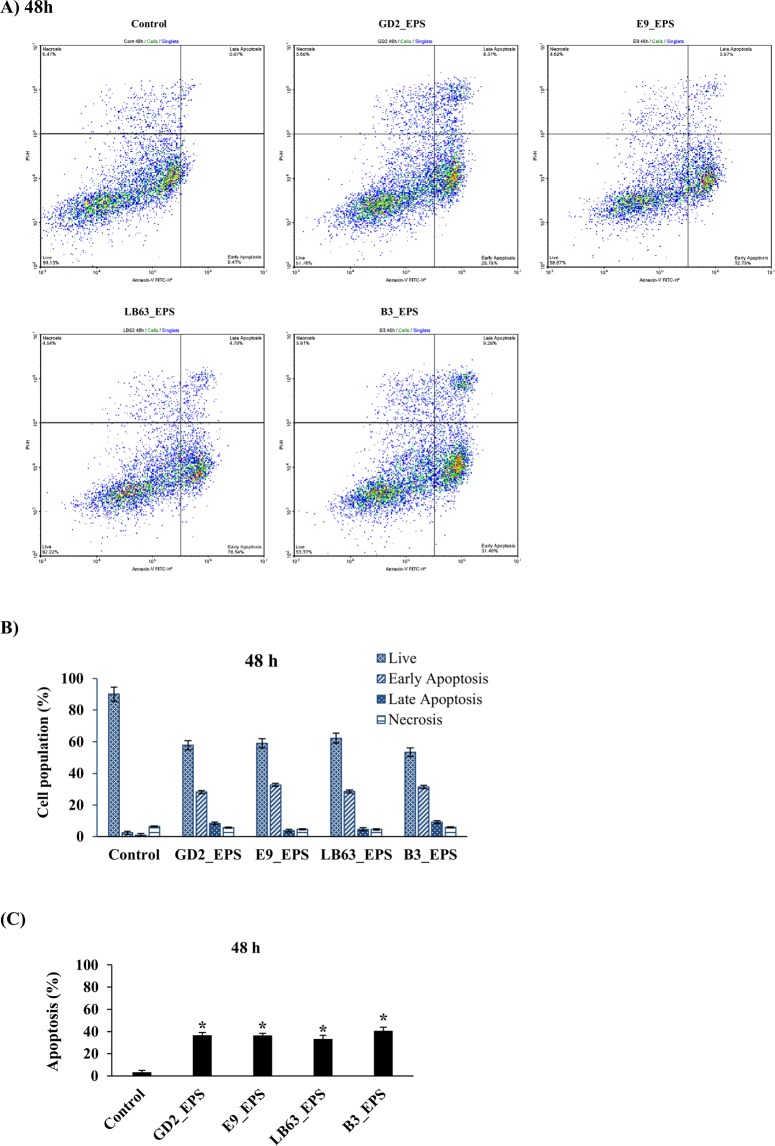
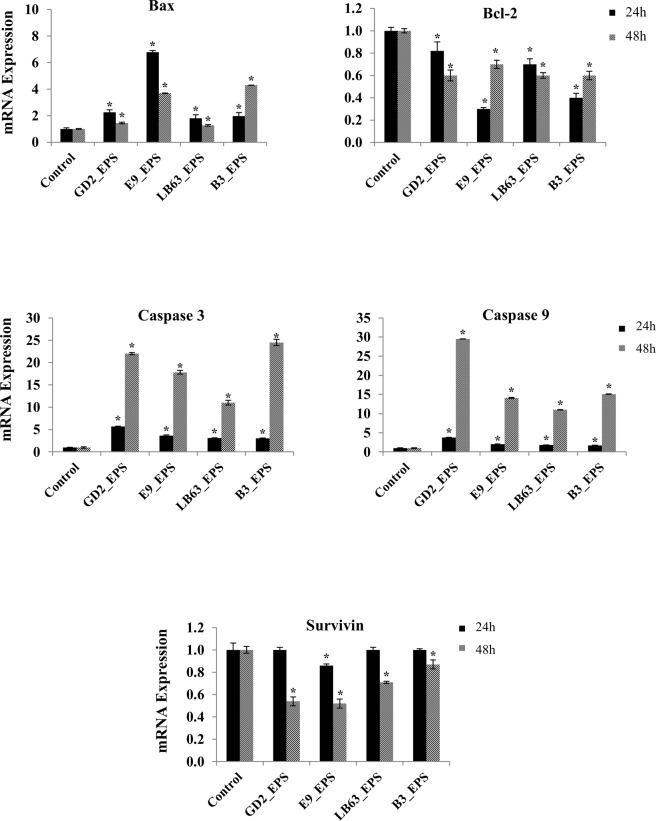
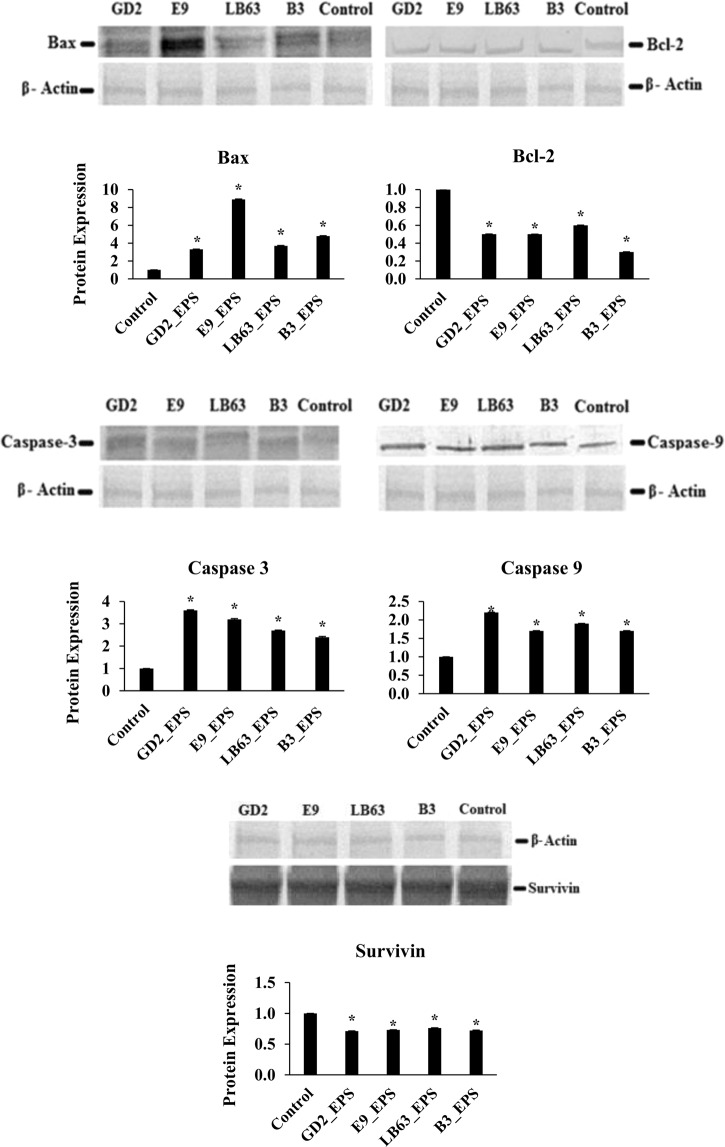
Colon cancer is one of the most common cancer around the world. Exopolysaccharides (EPSs) produced by lactobacilli as potential prebiotics have been found to have an anti-tumor effect. In this study, lyophilized EPSs of four Lactobacillus spp. for their impact on apoptosis in colon cancer cells (HT-29) was evaluated using flow cytometry. The relationship between capability of a lactobacilli-EPS to induce apoptosis and their monosaccharide composition, molecular weight (MW), and linkage type was investigated by HPLC, SEC, and NMR, respectively. Changes in apoptotic-markers were examined by qPCR and Western Blotting. EPSs were capable of inhibiting proliferation in a time-dependent manner and induced apoptosis via increasing the expression of Bax, Caspase 3 and 9 while decreasing Bcl-2 and Survivin. All EPSs contained mannose, glucose, and N-acetylglucosamine with different relative proportions. Some contained arabinose or fructose. MW ranged from 10 2 –10 4 Da with two or three fractions. EPS of L. delbrueckii ssp. bulgaricus B3 having the highest amount of mannose and the lowest amount of glucose, showed the highest apoptosis induction. In conclusion, lactobacilli-EPSs inhibit cell proliferation in HT-29 via apoptosis. Results suggest that a relationship exists between the ability of EPS to induce apoptosis and its mannose and glucose composition.
Overview
The claims and statistics of this paper haven’t been checked yet.
Free: it reads the open-access text and checks the first 5 claims that cite a source we can check. Create a free account to check every claim.
Integrity signals
Registry
Cites
Statistics
Figures
Verification
Claims the paper makes
The claims and statistics of this paper haven’t been checked yet.
Free: it reads the open-access text and checks the first 5 claims that cite a source we can check. Create a free account to check every claim.
Claims other papers make about this one
Each is checked against this paper’s own text: does it say what the citing paper says it does?
The source backs part of the claim, not all of it — or backs it for a different population, condition or comparison.
In the citing paper
“Finally, the EPS is lyophilized [27,33,35,43,99,101] to remove moisture and allow long storage.”
From Lactic Acid Bacteria Exopolysaccharides Producers: A Sustainable Tool for Functional Foods (2021) · cites this paper as [27]
Experimental — accuracy not yet measuredThe source backs part of the claim, not all of it — or backs it for a different population, condition or comparison.
In the citing paper
“A colorimetric procedure for the determination of total carbohydrate (expressed as glucose equivalents per unit of weight) by phenol-sulfuric acid method is the most widely used method of calculating EPS yield [27,33,34,42,43,44,49,55,99,102].”
From Lactic Acid Bacteria Exopolysaccharides Producers: A Sustainable Tool for Functional Foods (2021) · cites this paper as [27]
Experimental — accuracy not yet measuredThe cited source says what the claim attributes to it.
In the citing paper
“For the following precipitation of EPS, ethanol is commonly used [27,42,43,50,55,58,99], although isopropanol [100], acetone [33] or a mixture of acetone and ethanol [101] have been also used.”
From Lactic Acid Bacteria Exopolysaccharides Producers: A Sustainable Tool for Functional Foods (2021) · cites this paper as [27]
The check wasn’t confident either way, so it gives no verdict — never disputed.
In the citing paper
“Then, proteins can be precipitated with trichloroacetic acid (TCA) [27,49,58,70] or a combination of TCA and proteases [97].”
From Lactic Acid Bacteria Exopolysaccharides Producers: A Sustainable Tool for Functional Foods (2021) · cites this paper as [27]
Experimental — accuracy not yet measuredThe check wasn’t confident either way, so it gives no verdict — never disputed.
In the citing paper
“High-performance, anion-exchange chromatography coupled with pulsed amperometric detection [8,27,35,53] or gas chromatography (GC) [32,43] are commonly utilized to analyze the monosaccharide composition of EPS.”
From Lactic Acid Bacteria Exopolysaccharides Producers: A Sustainable Tool for Functional Foods (2021) · cites this paper as [27]
Experimental — accuracy not yet measured
Self-check
Percentages, sums and reported differences re-computed from the paper’s own numbers.
The self-check needs the paper’s full text.
Citations
Cites
Bray, F., Ferlay, J., Soerjomataram, I., Siegel, R. L., Torre, L. A., & Jemal, A. (2018) · CA: A Cancer Journal for Clinicians · doi:10.3322/caac.21492 · Cited by 84,109
Colorimetric Method for Determination of Sugars and Related Substances
DuBois, M., Gilles, K. A., Hamilton, J. K., Rebers, P. A., & Smith, F. (1956) · Analytical Chemistry · doi:10.1021/ac60111a017 · Cited by 52,269
Ultrastructural Characterization of the Lower Motor System in a Mouse Model of Krabbe Disease
Cappello, V., Marchetti, L., Parlanti, P., Landi, S., Tonazzini, I., Cecchini, M., Piazza, V., & Gemmi, M. (2016) · Scientific Reports · doi:10.1038/s41598-016-0001-8 · Cited by 13,097
Hill (2014) · doi:10.1038/nrgastro.2014.66 · Cited by 9,592
Ashburner, M. (1989) · Cold Spring Harbor Laboratory eBooks · Cited by 6,756
International Agency for Research on Cancer (IARC)
(2018) · The Grants Register 2018 · doi:10.1007/978-1-349-94186-5_629 · Cited by 2,801
Guo, J., Huang, F., Liu, J., Chen, Y., Wang, W., Cao, B., Zou, Z., Liu, S., Pan, J., Bao, C., et al. (2016) · Scientific Reports · doi:10.1038/srep21230 · Cited by 2,148
Medicinal mushrooms as a source of antitumor and immunomodulating polysaccharides
S., W. (2002) · Applied Microbiology and Biotechnology · doi:10.1007/s00253-002-1076-7 · Cited by 2,141
Genomic analysis identifies association of Fusobacterium with colorectal carcinoma
Kostic, A. D., Gevers, D., Pedamallu, C. S., Michaud, M., Duke, F., Earl, A. M., Ojesina, A. I., Jung, J., Bass, A. J., Tabernero, J., et al. (2012) · Genome Research · doi:10.1101/gr.126573.111 · Cited by 1,960
Molecular mechanisms of caspase regulation during apoptosis
Riedl, S. J., & Shi, Y. (2004) · Nature Reviews Molecular Cell Biology · doi:10.1038/nrm1496 · Cited by 1,899
Research works printed but not linked: 4
- Rinker, K. D. & Kelly, R. M. Effect of carbon and nitrogen sources on growth dynamics and exopolysaccharide production for the hyperthermophilic archaeon Thermococcus litoralis and bacterium Thermotoga maritima. Biotechnol. Bioeng. 69, 537-547 (2000). · DOI
- Gürsoy, A., Durlu-Özkaya, F., Yıldız, F. & Aslım, B. Ekzopolisakkarit Üretimi Yüksek Yerli Streptococcus thermophilus (W22) ve Lactobacillus delbrueckii ssp. bulgaricus (B3). Kafkas Univ. Vet. Fak. Derg. 16, 81-86 (2009).
- Ledezma, O. E. V. et al. Characterization of extracellular polymeric substances (EPS) produced by marine Micromonospora sp. J. Chem. Pharm. Res. 8, 442-451 (2016).
- Haroun, B. M., Refaat, B. M., Menoufy, H. A. E.-, Amin, H. A. & Amr, A. Structure Analysis and Antitumor Activity of the Exopolysaccharide from Probiotic. J. Appl. Sci. Res. 9, 425-434 (2013).
Cited by
Gut microbiota in colorectal cancer development and therapy
Wong, C. C., & Yu, J. (2023) · Nature Reviews Clinical Oncology · doi:10.1038/s41571-023-00766-x · Cited by 721
Vaginal microbiota and the potential of Lactobacillus derivatives in maintaining vaginal health
Chee, W. J. Y., Chew, S. Y., & Than, L. T. L. (2020) · Microbial Cell Factories · doi:10.1186/s12934-020-01464-4 · Cited by 657
Teame, T., Wang, A., Xie, M., Zhang, Z., Yang, Y., Ding, Q., Gao, C., Olsen, R. E., Ran, C., & Zhou, Z. (2020) · Frontiers in Nutrition · doi:10.3389/fnut.2020.570344 · Cited by 388
Targeting gut microbiota and metabolism as the major probiotic mechanism - An evidence-based review
Ma, T., Shen, X., Shi, X., Sakandar, H. A., Quan, K., Li, Y., Jin, H., Kwok, L.-Y., Zhang, H., & Sun, Z. (2023) · Trends in Food Science & Technology · doi:10.1016/j.tifs.2023.06.013 · Cited by 329
Probiotics for cancer alternative prevention and treatment
Legesse Bedada, T., Feto, T. K., Awoke, K. S., Garedew, A. D., Yifat, F. T., & Birri, D. J. (2020) · Biomedicine & Pharmacotherapy · doi:10.1016/j.biopha.2020.110409 · Cited by 243
Bioactive compounds produced by probiotics in food products
Chugh, B., & Kamal-Eldin, A. (2020) · Current Opinion in Food Science · doi:10.1016/j.cofs.2020.02.003 · Cited by 209
Lactic Acid Bacteria Exopolysaccharides Producers: A Sustainable Tool for Functional Foods
Prete, R., Alam, M. K., Perpetuini, G., Perla, C., Pittia, P., & Corsetti, A. (2021) · Foods · doi:10.3390/foods10071653 · Cited by 194
“bulgaricus B3 449 MRS Glucose Glucose, Fructose, Mannose [27]”
BackgroundMethodInfluentialSørensen, H. M., Rochfort, K. D., Maye, S., MacLeod, G., Brabazon, D., Loscher, C., & Freeland, B. (2022) · Nutrients · doi:10.3390/nu14142938 · Cited by 188
“Diet is an important factor in general human health and is considered one of the first lines of defence to prevent many diseases including cancer [2], heart disease [3] and osteoporosis [4].”
BackgroundPostbiotics: From emerging concept to application
Aggarwal, S., Sabharwal, V., Kaushik, P., Joshi, A., Aayushi, A., & Suri, M. (2022) · Frontiers in Sustainable Food Systems · doi:10.3389/fsufs.2022.887642 · Cited by 173
The anti-cancer effects and mechanisms of lactic acid bacteria exopolysaccharides in vitro: A review
Wu, J., Zhang, Y., Ye, L., & Wang, C. (2021) · Carbohydrate Polymers · doi:10.1016/j.carbpol.2020.117308 · Cited by 172
“After incubating with HT29 for 48 h, IC50 of r-EPS LW2 fraction (12.34 kDa) was estimated to be ranging from 0.1 to 0.2 mg/mL (Di et al., 2017).”
BackgroundInfluentialMolecular mechanisms of postbiotics in colorectal cancer prevention and treatment
Rad, A. H., Aghebati-Maleki, L., Kafil, H. S., & Abbasi, A. (2021) · Critical Reviews in Food Science and Nutrition · doi:10.1080/10408398.2020.1765310 · Cited by 165
“…and Lactobacillus delbrueckii ssp. bulgaricus B3 Exopolysaccharide HT-29 Induction of apoptosis via increasing the expression of Bax, Caspase-3, Caspase-9 and decreasing the expression of Bcl-2 and Survivin (Tukenmez et al. 2019) (continued) cell blockage in the sub-G1 stage (Eslami et al. 2019).”
BackgroundAltered Microbiota Diversity and Bile Acid Signaling in Cirrhotic and Noncirrhotic NASH-HCC
Sydor, S., Best, J., Messerschmidt, I., Manka, P., Vilchez-Vargas, R., Brodesser, S., Lucas, C., Wegehaupt, A., Wenning, C., Aßmuth, S., et al. (2020) · Clinical and Translational Gastroenterology · doi:10.14309/ctg.0000000000000131 · Cited by 127
“In colon cancer, increased Lactobacillus abundance was related to antitumor effects (34,35).”
BackgroundBarbosa, J. R., Freitas, M. M. D. S., Martins, L. H. D. S., & de Carvalho, R. N. (2019) · Carbohydrate Polymers · doi:10.1016/j.carbpol.2019.115550 · Cited by 134
Werning, M. L., Hernández-Alcántara, A. M., Ruiz, M. J., Soto, L. P., Dueñas, M. T., López, P., & Frizzo, L. S. (2022) · Foods · doi:10.3390/foods11091284 · Cited by 140
Recent advances in the biological activities of microbial exopolysaccharides
Salimi, F., & Farrokh, P. (2023) · World Journal of Microbiology and Biotechnology · doi:10.1007/s11274-023-03660-x · Cited by 129
Microbiota and cancer: host cellular mechanisms activated by gut microbial metabolites
Tsvetikova, S. A., & Koshel, E. I. (2020) · International Journal of Medical Microbiology · doi:10.1016/j.ijmm.2020.151425 · Cited by 119
Zhang, K., Liu, S., Liang, S., Xiang, F., Wang, X., Lian, H., Li, B., & Liu, F. (2023) · International Journal of Biological Macromolecules · doi:10.1016/j.ijbiomac.2023.128733 · Cited by 115
Role of Gut Microbiota and Probiotics in Colorectal Cancer: Onset and Progression
Torres-Maravilla, E., Boucard, A.-S., Mohseni, A. H., Taghinezhad-S, S., Cortes-Perez, N. G., & Bermúdez-Humarán, L. G. (2021) · Microorganisms · doi:10.3390/microorganisms9051021 · Cited by 96
“Lactobacillus EPSs Anticancer effect on colon cancer cells Induction of apoptosis by increasing the expression of Caspase 3, Caspase 9, and BAX, and reducing the levels of Bcl-2 2019 [100]”
BackgroundSirin, S., & Aslim, B. (2020) · Scientific Reports · doi:10.1038/s41598-020-65147-1 · Cited by 94
Recent insights into the nutritional immunomodulation of cancer‐related microRNAs
Şahin, T. Ö., Yılmaz, B., Yeşilyurt, N., Cicia, D., Szymanowska, A., Amero, P., Ağagündüz, D., & Capasso, R. (2023) · Phytotherapy Research · doi:10.1002/ptr.7937 · Cited by 91
Khalil, M. A., Sonbol, F. I., Al-Madboly, L. A., Aboshady, T. A., Alqurashi, A. S., & Ali, S. S. (2022) · Frontiers in Microbiology · doi:10.3389/fmicb.2022.803688 · Cited by 84
Postbiotics as Promising Tools for Cancer Adjuvant Therapy
Rad, A. H., Maleki, L. A., Kafil, H. S., Zavoshti, H. F., & Abbasi, A. (2020) · Advanced Pharmaceutical Bulletin · doi:10.34172/apb.2021.007 · Cited by 106
Tarannum, N., Hossain, T. J., Ali, F., Das, T., Dhar, K., & Nafiz, I. H. (2023) · LWT · doi:10.1016/j.lwt.2023.115263 · Cited by 69
Lee, J., Lee, J., Kim, J. H., Cho, N., Lee, S. H., Park, S. B., Koh, B., Kang, D., Kim, S., & Yoo, H. M. (2019) · Biomolecules · doi:10.3390/biom9100557 · Cited by 76
Kumar, R., Bansal, P., Singh, J., & Dhanda, S. (2020) · Process Biochemistry · doi:10.1016/j.procbio.2020.08.028 · Cited by 69
Potential in vivo delivery routes of postbiotics
Abbasi, A., Hajipour, N., Hasannezhad, P., Baghbanzadeh, A., & Maleki, L. A. (2020) · Critical Reviews in Food Science and Nutrition · doi:10.1080/10408398.2020.1865260 · Cited by 71
“ing the level of the expression of Survivin and Bcl-2 (Tukenmez et al. 2019); bacteriocin, which exerts significant”
BackgroundInfluentialPostbiotic-Enabled Targeting of the Host-Microbiota-Pathogen Interface: Hints of Antibiotic Decline?
Puccetti, M., Xiroudaki, S., Ricci, M., & Giovagnoli, S. (2020) · Pharmaceutics · doi:10.3390/pharmaceutics12070624 · Cited by 62
“Postbiotics have also shown antiproliferative activity against colon cancer cells, likely by controlling immune responses and through the activation of pro-apoptotic cell death pathways [235,236].”
BackgroundSun, M., Liu, W., Song, Y., Tuo, Y., Mu, G., & Ma, F. (2020) · Probiotics and Antimicrobial Proteins · doi:10.1007/s12602-020-09699-8 · Cited by 64
Gut microbiota modulation: a tool for the management of colorectal cancer
Wang, Y., & Li, H. (2022) · Journal of Translational Medicine · doi:10.1186/s12967-022-03378-8 · Cited by 65
“plantarum, have cytotoxic and anti-proliferative effects on tumor cells, including CRC cells [130, 131].”
BackgroundNative and Engineered Probiotics: Promising Agents against Related Systemic and Intestinal Diseases
Shen, H., Zhao, Z., Zhao, Z., Chen, Y., & Zhang, L. (2022) · International Journal of Molecular Sciences · doi:10.3390/ijms23020594 · Cited by 58
“showed that dietary Limosilactobacillus fermentum appears to modulate the intestinal microbiota and reduce inflammation, which may well be helpful in mitigating the development of colon cancer [77], and the exopolysaccharides of lactic acid bacteria have the capability to induce apoptosis in cancer cells [78].”
BackgroundColorectal Cancer and Probiotics: Are Bugs Really Drugs?
Lamichhane, P., Maiolini, M., Alnafoosi, O., Hussein, S., Alnafoosi, H., Umbela, S., Richardson, T., Alla, N., Lamichhane, N., Subhadra, B., et al. (2020) · Cancers · doi:10.3390/cancers12051162 · Cited by 50
“The study found morphological changes in the chromatin of cells that were inoculated with EPS and an anti-proliferation effect on H-29 cells in vitro [91].”
BackgroundInfluentialIsazadeh, A., Hajazimian, S., Shadman, B., Safaei, S., Bedoustani, A. B., Chavoshi, R., Shanehbandi, D., Mashayekhi, M., Nahaei, M. R., & Baradaran, B. (2020) · Pharmaceutical Sciences · doi:10.34172/ps.2020.52 · Cited by 56
“So far, limited studies have been conducted on the effects of probiotics on the regulation of apoptosis-related genes.(22,23) In a study, Asoudeh-Fard et al.”
BackgroundPrateeksha, Sharma, V. K., Liu, X., Oyarzún, D. A., Abdel-Azeem, A. M., Atanasov, A. G., Hesham, A. E., Barik, S. K., Gupta, V. K., & Singh, B. N. (2021) · Seminars in Cancer Biology · doi:10.1016/j.semcancer.2021.05.021 · Cited by 50
Postbiotics in colorectal cancer: intervention mechanisms and perspectives
Xie, W., Zhong, Y.-S., Li, X.-J., Kang, Y.-K., Peng, Q.-Y., & Ying, H. (2024) · Frontiers in Microbiology · doi:10.3389/fmicb.2024.1360225 · Cited by 59
Probiotic-Derived Bioactive Compounds in Colorectal Cancer Treatment
Thoda, C., & Touraki, M. (2023) · Microorganisms · doi:10.3390/microorganisms11081898 · Cited by 58
Jafari-Nasab, T., Khaleghi, M., Farsinejad, A., & Khorrami, S. (2021) · Biotechnology Reports · doi:10.1016/j.btre.2021.e00593 · Cited by 43
Traversing the diverse avenues of exopolysaccharides-based nanocarriers in the management of cancer
Paul, P., Nair, R., Mahajan, S., Gupta, U., Aalhate, M., Maji, I., & Singh, P. K. (2023) · Carbohydrate Polymers · doi:10.1016/j.carbpol.2023.120821 · Cited by 43
Liu, W., Wei, Y., Xiang, R., Dong, B., & Yang, X. (2025) · Foods · doi:10.3390/foods14050823 · Cited by 52
“For example, an EPS from a LAB strain was found to induce apoptosis in colon cancer cells in vitro [47,48] The possible mechanisms include the modulation of cell cycle regulators and the activation of apoptotic pathways.”
Lu, Y., Xing, S., He, L., Li, C., Wang, X., Zeng, X., & Dai, Y. (2022) · Foods · doi:10.3390/foods11193063 · Cited by 45
Prete, R., Dell’Orco, F., Sabatini, G., Montagano, F., Battista, N., & Corsetti, A. (2024) · Foods · doi:10.3390/foods13111663 · Cited by 46
Targeting Bacterial Biofilms on Medical Implants: Current and Emerging Approaches
Scalia, A. C., & Najmi, Z. (2025) · Antibiotics · doi:10.3390/antibiotics14080802 · Cited by 43
“Most are heterogeneous; however, some are homogeneous, such as fructan in Actinomycetes naeslundii [71], glucan in Streptococcus mutans , and β -glucan in Lactobacillus spp. [72].”
Botta, C., Spyridopoulou, K., Bertolino, M., Rantsiou, K., Chlichlia, K., & Cocolin, L. (2022) · Biomedicine & Pharmacotherapy · doi:10.1016/j.biopha.2022.112755 · Cited by 38
“Finally, lactobacilli have been shown to raise protective anticancer immune responses in preclinical cancer models [13,20].”
BackgroundYang, Y., Jiang, G., & Tian, Y. (2023) · World Journal of Microbiology and Biotechnology · doi:10.1007/s11274-023-03610-7 · Cited by 41
“Secondly, they may induce apoptosis via activating enzymes such as caspases or triggering apoptosis-related signaling pathways (Mahmoudi et al. 2023; Tukenmez et al. 2019).”
BackgroundAktaş, B., Aslım, B., & Özdemir, D. A. (2024) · Scientific Reports · doi:10.1038/s41598-024-65061-w · Cited by 40
Şirin, S., & Aslım, B. (2021) · Process Biochemistry · doi:10.1016/j.procbio.2021.04.003 · Cited by 36
Masheghati, F., Asgharzadeh, M. R., Jafari, A., Masoudi, N., & Maleki, H. (2024) · Life Sciences · doi:10.1016/j.lfs.2024.122529 · Cited by 39
Mejía-Caballero, A., Salas-Villagrán, V. A., Jiménez-Serna, A., & Farrés, A. (2021) · Journal of Industrial Microbiology & Biotechnology · doi:10.1093/jimb/kuab052 · Cited by 35
Demirhan, H. K., Arslan, Y. E., Ceylan, A., Karaca, B., Halisçelik, O., & Kıran, F. (2020) · International Journal of Biological Macromolecules · doi:10.1016/j.ijbiomac.2020.10.106 · Cited by 33
Marine Microbial Polysaccharides: An Untapped Resource for Biotechnological Applications
Jeewon, R., Aullybux, A. A., Puchooa, D., Nazurally, N., Alrefaei, A. F., & Zhang, Y. (2023) · Marine Drugs · doi:10.3390/md21070420 · Cited by 32
“[67] noted changes in the gene and protein expression of Bax, Bcl-2, Caspase 3, Caspase 9, and Survivin when EPSs of L.”
BackgroundInfluentialMicrobial signatures and continuum in endometrial cancer and benign patients
Semertzidou, A., Whelan, E., Smith, A., Ng, S. Q. Y., Roberts, L. A., Brosens, J. J., Marchesi, J. R., Bennett, P. R., MacIntyre, D. A., & Kyrgiou, M. (2024) · Microbiome · doi:10.1186/s40168-024-01821-0 · Cited by 37
“…killer cell activation, dendritic cell maturation or probiotic-derived ferrichrome release [60–68] inducing cancer cell apoptosis in vitro [61, 67, 69] and increasing anticancer drug efficacy [70, 71 We sought to determine whether the disparities observed between benign and endometrial cancer…”
BackgroundAppraisal of postbiotics in cancer therapy
Sudaarsan, A. S. K., & Ghosh, A. R. (2024) · Frontiers in Pharmacology · doi:10.3389/fphar.2024.1436021 · Cited by 33
The Crucial Roles of Diet, Microbiota, and Postbiotics in Colorectal Cancer
Kuru-Yaşar, R., & Üstün‐Aytekin, Ö. (2024) · Current Nutrition Reports · doi:10.1007/s13668-024-00525-z · Cited by 35
“Researchers have demonstrated a relationship between the ability of EPSs to induce apoptosis and the composition of mannose and glucose [129].”
BackgroundYu, J., Chen, Z., Zhou, Q., Li, P., Wu, S., Zhou, T., & Gu, Q. (2024) · Frontiers in Nutrition · doi:10.3389/fnut.2024.1426358 · Cited by 31
Guida, R. D., Casillo, A., Stellavato, A., Kawai, S., Ogawa, T., Meo, C. D., Kawamoto, J., Kurihara, T., Schiraldi, C., & Corsaro, M. M. (2021) · Carbohydrate Polymers · doi:10.1016/j.carbpol.2021.118908 · Cited by 28
Postbiotics versus probiotics in early-onset colorectal cancer
Feizi, H., Plotnikov, A. O., Rezaee, M. A., Ganbarov, K., Kamounah, F. S., Nikitin, S., Kadkhoda, H., Gholizadeh, P., Pagliano, P., & Kafil, H. S. (2022) · Critical Reviews in Food Science and Nutrition · doi:10.1080/10408398.2022.2132464 · Cited by 32
“…postbiotics used to be a more novel strategy for cancer prevention and treatment, which have several advantages in comparison to probiotics application in the context of use in immunocompromised individuals (Konishi et al. 2016; Nozari et al. 2019; Riaz Rajoka et al. 2019; Tukenmez et al. 2019).”
BackgroundYue, Y., Wang, Y., Yang, R. F., Liu, D., Yang, C., Li, S., Sun, L., Li, B., & Huo, G. (2023) · Journal of Functional Foods · doi:10.1016/j.jff.2023.105699 · Cited by 26
Ellatif, S. A. A., Bouqellah, N. A., Abu-Serie, M. M., Razik, E. S. A., AL-surhanee, A. A., Askary, A. E., Daigham, G. E., & Mahfouz, A. Y. (2022) · Environmental Science and Pollution Research · doi:10.1007/s11356-022-18537-z · Cited by 25
“promotion activities directly related to the repression of allergic reactions, anti-inflammatory and anticancer effects (Kahouli et al. 2017; El-Deeb et al. 2018; Tukenmez et al. 2019).”
BackgroundScreening and Molecular Identification of Lactic Acid Bacteria Producing β-Glucan in Boza and Cider
Allaith, S. A., Abdelaziz, M. E., Thabit, Z. A., Altemimi, A. B., Ghany, K. A. E., Giuffrè, A. M., Al‐Manhel, A. J. A., Ebrahim, H. S., Mohamed, R. M., & Abedelmaksoud, T. G. (2022) · Fermentation · doi:10.3390/fermentation8080350 · Cited by 39
“as trifluoroacetic acid (TFA), HCl, or H2SO4 can be used at temperatures between (100– 121 °C) [65].”
BackgroundWang, W., Fan, J., Zhang, C., Huang, Y., Chen, Y., Fu, S., & Wu, J. (2024) · Microbiological Research · doi:10.1016/j.micres.2024.127668 · Cited by 25
N., A., El-Gammal, E. W., Atwa, N. A., Eldiwany Ahmed, I., Dawoud, I. E., & Rashad, F. M. (2021) · Journal of Applied Pharmaceutical Science · doi:10.7324/japs.2021.110504 · Cited by 31
“The EPS structure and monomer composition are very important because its application is dependent on its structure and it is specific for each strain (Tukenmez et al., 2019).”
BackgroundInfluentialBeyond probiotics, uses of their next‐generation for poultry and humans: A review
Salahi, A., & El‐Ghany, W. A. A. (2024) · Journal of Animal Physiology and Animal Nutrition · doi:10.1111/jpn.13972 · Cited by 27
Yahya, S. M. M., Abdelnasser, S. M., Hamed, A. R., Sayed, O. H. E., & Asker, M. S. (2019) · Molecular Biology Reports · doi:10.1007/s11033-019-05061-6 · Cited by 22
Tegegne, B. A., Abebaw, D., Teffera, Z. H., Fenta, A., Belew, H., Belayneh, M., Jemal, M., Getinet, M., Baylie, T., Tamene, F. B., et al. (2025) · The FASEB Journal · doi:10.1096/fj.202502118r · Cited by 30
“EPS also exhibit selective cytotoxicity and enhance immune responses [96, 97]; 3) By strengthening the gut barrier and enhancing detox enzymes, postbiotics reduce ni-trosamine absorption and toxicity [98, 99]; 4) Postbiotics mitigate chemotherapy-and radiotherapy-induced side effects, protect…”
Current status of probiotics for prevention and management of gastrointestinal cancers
Khan, A. A., Nema, V., & Khan, Z. (2020) · Expert Opinion on Biological Therapy · doi:10.1080/14712598.2021.1828858 · Cited by 20
Intervention on gut microbiota may change the strategy for management of colorectal cancer
Taghinezhad‐S, S., Mohseni, A. H., & Fu, X. (2021) · Journal of Gastroenterology and Hepatology · doi:10.1111/jgh.15369 · Cited by 25
Adiyoga, R., Arief, I. I., Budiman, C., & Abidin, Z. (2022) · Food Science and Technology · doi:10.1590/fst.87221 · Cited by 32
Budu, O., Banciu, C. D., Pînzaru, I., Sarău, C. A., Lighezan, D., Şoica, C., Dehelean, C. A., Drăghici, G. A., Dolghi, A., Prodea, A., et al. (2022) · Microorganisms · doi:10.3390/microorganisms10091692 · Cited by 22
“there is a compositional and structural diversity which significantly influences their antiproliferative activity, such as with the relative proportions of the individual monosaccharides in the produced exopolysaccharides; however, the level of their antiproliferative effect is time-dependent as it was recorded in the…”
BackgroundMicrobiota-Derived Natural Products Targeting Cancer Stem Cells: Inside the Gut Pharma Factory
Artusa, V., Calabrone, L., Mortara, L., Peri, F., & Bruno, A. (2023) · International Journal of Molecular Sciences · doi:10.3390/ijms24054997 · Cited by 24
Abedi, A., Tafvizi, F., Jafari, P., & Akbari, N. (2024) · Scientific Reports · doi:10.1038/s41598-024-53773-y · Cited by 24
“This led to an increase in caspase-3 and caspase-9, the release of cytochrome c, and the onset of apoptosis 73 .”
BackgroundYue, Y., Wang, Y., Han, Y., Zhang, Y., Cao, T., Huo, G., & Li, B. (2023) · Foods · doi:10.3390/foods12162988 · Cited by 21
“Studies indicated that polysaccharides containing mannose in the composition of monosaccharides had the potential function of lowering blood sugar and inhibiting the growth of tumors [33].”
BackgroundBhawal, S., Kumari, A., Kapila, S., & Kapila, R. (2021) · Journal of Agricultural and Food Chemistry · doi:10.1021/acs.jafc.1c03182 · Cited by 22
Tao, T., Zhang, L., Yu, T., Ma, J., Lu, S., Ren, J., Li, X., & Guo, X. (2024) · Food & Function · doi:10.1039/d4fo00526k · Cited by 22
The Microbiome Modulates the Immune System to Influence Cancer Therapy
Roy, R., & Singh, S. K. (2024) · Cancers · doi:10.3390/cancers16040779 · Cited by 20
Yashwant, C. P., Rajendran, V., Krishnamoorthy, S., Baskaran, N., Rawson, A., Anandharaj, A., & Vignesh, S. (2022) · Food Science and Biotechnology · doi:10.1007/s10068-022-01222-9 · Cited by 19
“8 g/l) in optimized dairy waste medium (Tukenmez et al., 2019), and Lactobacillus rhamnosus RW-9595 M (2.”
BackgroundNASSAN, M. A., Aldhahrani, A., Amer, H. H., Elhenawy, A. A., Swelum, A. A., Ali, O. M., & Zaki, Y. H. (2022) · Molecules · doi:10.3390/molecules27030756 · Cited by 19
“Additionally, numerous studies performed on different cancer cells have determined phosphonates and coumarin induce apoptosis in the cells, and they not only decreased Bcl-2 expression but also increased Bax in cancer cells [32,33].”
BackgroundUnderstanding Exopolysaccharides from Lactic Acid Bacteria: Synthesis, Functions, and Applications
Li, H., Jin, Y. J., Li, H., Zhao, J., Stanton, C., Ross, R. P., Chen, W., & Yang, B. K. (2025) · Journal of Agricultural and Food Chemistry · doi:10.1021/acs.jafc.5c04613 · Cited by 20
Mendoza, R. M., Kim, S. H., Vasquez, R., Hwang, I., Park, Y., Paik, H., Moon, G., & Kang, D. (2022) · Food Science and Biotechnology · doi:10.1007/s10068-022-01142-8 · Cited by 23
A Current Review on the Role of Prebiotics in Colorectal Cancer
Shrifteylik, A., Maiolini, M., Dufault, M. E., Austin, D. L., Subhadra, B. G., Lamichhane, P., & Deshmukh, R. R. (2023) · Biologics · doi:10.3390/biologics3030012 · Cited by 22
“Interestingly, the researchers noted that although EPS produced by all four strains had the capabilities to induce apoptosis, EPS containing the highest amount of mannose in sugar composition and low glucose content showed greater effects on induction of apoptosis in HT-29 cells [35].”
InfluentialWasiak, J., Głowacka, P., Pudlarz, A. M., Pieczonka, A. M., Dzitko, K., Szemraj, J., & Witusik‐Perkowska, M. (2024) · Molecules · doi:10.3390/molecules29102292 · Cited by 17
Nanomedicine hitchhiking on bacteria for treating tumors
Zheng, S., Li, X., & Guo, S. (2024) · BMEMat · doi:10.1002/bmm2.12110 · Cited by 24
Xu, Y., Wu, X., Li, Y., Liu, X., Fang, L., & Jiang, Z. (2024) · Journal of Microbiology and Biotechnology · doi:10.4014/jmb.2403.03056 · Cited by 17
Postbiotics: Novel Modulators of Gut Health, Metabolism, and Their Mechanisms of Action
Farahani, H. E., Pourhajibagher, M., Asgharzadeh, S., & Bahador, A. (2025) · Probiotics and Antimicrobial Proteins · doi:10.1007/s12602-025-10832-8 · Cited by 36
“Mechanistically, EPSs often induce apoptosis through activation of the intrinsic pathway, as evidenced by the upregulation of pro-apoptotic markers such as Bax, caspase-3, and caspase-9 [62, 63], along with downregulation of the anti-apoptotic protein Bcl-2 [64, 65].”
Şirin, S. (2023) · Current Issues in Molecular Biology · doi:10.3390/cimb45100510 · Cited by 15
“[30].”
BackgroundInfluentialChouchane, H., Boutiti, S., Ouertani, A., Hassen, W., Guesmi, S., Neifar, M., Jelassi, H., Sghaier, H., Masmoudi, A. S., & Cherif, A. (2021) · Polymers · doi:10.3390/polym13213798 · Cited by 13
Τσούπρας, Α., Gkika, D. A., Markopoulos, T., Curran, R., Scallon, C., Karali, M., & Kyzas, G. Z. (2024) · Reference series in phytochemistry · doi:10.1007/978-3-031-04195-2_214-1 · Cited by 24
Anticancer potential of fermented milk with autochthonous lactic acid bacteria
Mahmoudi, M., Khomeiri, M., Saeidi, M., Davoodi, H., & Memarian, A. (2023) · Journal of Applied Microbiology · doi:10.1093/jambio/lxad041 · Cited by 15
Pandey, M., & Bhattacharyya, J. (2024) · Epigenomics · doi:10.2217/epi-2023-0382 · Cited by 15
Aullybux, A. A., Puchooa, D., Bahorun, T., Jeewon, R., Wen, X., & Matin, P. (2021) · Journal of Polymers and the Environment · doi:10.1007/s10924-021-02290-4 · Cited by 15
The gut-tumor connection: the role of microbiota in cancer progression and treatment strategies
Wei, Z., Gao, G., He, Q., Kwok, L. Y., & Sun, Z. (2025) · Journal of Advanced Research · doi:10.1016/j.jare.2025.08.038 · Cited by 14
“Furthermore, cell culture experiments have demonstrated that exopolysaccharides produced by some lactobacilli could inhibit colon cancer and epithelial cancer cell proliferation and induce apoptosis in these cells[217,218].”
Microbial Exopolysaccharides: An Introduction
Sajna, K. V., Sharma, S., & Nadda, A. K. (2021) · Springer series on polymer and composite materials · doi:10.1007/978-3-030-75289-7_1 · Cited by 15
Cytotoxic effect and mechanism of nano-sized polystyrene degraded by Rhodococcus ruber C208
Eom, J., Sarwar, A., Lee, E. C., Im, G., Im, G., Nguyen, L. T., Moon, J., Um, S. H., Yi, G., Lee, E. Y., et al. (2023) · Chemical Engineering Journal · doi:10.1016/j.cej.2023.145094 · Cited by 10
Exopolysaccharides from lactic acid bacteria: Structure, biosynthesis, and health benefits
Ouarabi, L., Ouarabi, L., Hamma-Faradji, S., Mohedano, M. L., López, P., & Drider, D. (2025) · Microbes and Infection · doi:10.1016/j.micinf.2025.105581 · Cited by 18
Demir, A., & Aslım, B. (2025) · Scientific Reports · doi:10.1038/s41598-025-90682-0 · Cited by 13
Zhang, R., Zhou, Z., Ma, Y., Du, K., Sun, M., Zhang, H., Tu, H., Jiang, X., Lu, J., Tu, L., et al. (2023) · Fermentation · doi:10.3390/fermentation9060539 · Cited by 13
“Previous studies have shown that EPS from Lacto-bacillus induces cell death in various cancer cell lines [34].”
ResultNguyen, P.-T., & Nguyen, H.-T. (2024) · Discover Bacteria. · doi:10.1007/s44351-024-00004-4 · Cited by 13
“EPS with different monosaccharide compositions exhibit varying effectiveness in disease treatment [32].”
Huang, J., Yang, L.-C., & Liu, Y. (2022) · Journal of the Taiwan Institute of Chemical Engineers · doi:10.1016/j.jtice.2021.104189 · Cited by 10
Ghanavati, R., Mohammadi, F., Javadi, A., Shahosseini, Z., Talebi, M., & Rohani, M. (2020) · PharmaNutrition · doi:10.1016/j.phanu.2020.100207 · Cited by 9
Singh, N., & Yadav, A. (2024) · Water Practice & Technology · doi:10.2166/wpt.2024.059 · Cited by 9
Xie, M., Li, Y., Olsen, R. E., Ringø, E., Yang, Y., Zhang, Z., Ran, C., & Zhou, Z. (2022) · Frontiers in Immunology · doi:10.3389/fimmu.2022.968348 · Cited by 11
Khaleghi, M., Khorrami, S., & Jafarinasab, T. (2023) · 3 Biotech · doi:10.1007/s13205-023-03597-w · Cited by 9
Metadata
- Authors
- Tukenmez, U., Aktas, B., Aslim, B., & Yavuz, S.
- Affiliations
- Gazi University (TR)
- Venue
- Scientific Reports
- Published
- 2019-06-04
- Volume
- 9
- Issue
- 1
- Pages
- 8268-8268
- ISSN
- 2045-2322 (ISSN-L)
- PMC
- PMC6547643
- OpenAlex
- W2948910594
- Cited by
- 167
- References
- 95
- Citations by year
- 2026: 14 · 2025: 27 · 2024: 33 · 2023: 29 · 2022: 25 · 2021: 15 · 2020: 20 · 2019: 4
- FWCI
- 12.35
- Type
- journal article
- Language
- en
- Open access
- gold
- doi.org
- Licence
- cc-by
- creativecommons.org/licenses/by/4.0 (tdm)
- creativecommons.org/licenses/by/4.0 (vor)
- Locations
- Scientific Reports (publishedVersion, cc-by)
- PubMed Central (publishedVersion, cc-by)
- PubMed (publishedVersion)
- DOAJ (DOAJ: Directory of Open Access Journals) (submittedVersion)
- Funders
- Türkiye Bilimsel ve Teknolojik Araştırma Kurumu (115R282)
- Topics
- Life Sciences › Agricultural and Biological Sciences › Food Science › Probiotics and Fermented Foods
- Life Sciences › Agricultural and Biological Sciences › Food Science › Polysaccharides Composition and Applications
- Health Sciences › Nursing › Nutrition and Dietetics › Microbial Metabolites in Food Biotechnology
- Keywords
- apoptosis induction, colon cancer, HT-29 cells, prebiotics, anti-tumor effect, monosaccharide composition, mannose, glucose, molecular weight, glycosidic linkage, Bax, caspase-3, caspase-9, Bcl-2, survivin, cell proliferation inhibition, Lactobacillus bulgaricus
- MeSH terms
- Survivin, Acetylglucosamine, Chromatography, High Pressure Liquid, Colonic Neoplasms, Glucose, Humans, Lactobacillus, Mannose, Monosaccharides, Magnetic Resonance Spectroscopy, Polysaccharides, Bacterial, Gene Expression Regulation, Neoplastic, Apoptosis, HT29 Cells, Proto-Oncogene Proteins c-bcl-2, Cell Proliferation
About these checks
Registry, retraction, Cites and statistics results are computed, not judged, with one exception: a printed reference that no index lists is read once by a model before it counts as a citation error. Claims are extracted by a model and kept only when their quote appears verbatim in the text; each cited source is then checked, with a model’s help, for whether it says what the claim relies on. Those verdicts can be wrong — read the claim’s quote and the cited source before relying on one.
Statistics and arithmetic are recomputed, not judged.
Confidence bands are shown only for fields calibrated on our annotated test set. None is calibrated yet, so no band is shown.
What counts as a claim ›How we measure confidence ›How we check this ›
Are you an author, or do you see a problem with this page? Request a review
Data sources
Bibliographic data: Semantic Scholar, OpenAlex, Crossref.
Contains information from the Semantic Scholar Academic Graph Datasets, made available under the ODC Attribution License (ODC-BY 1.0).
Semantic Scholar’s data is described in: Kinney, R., et al. (2023). The Semantic Scholar Open Data Platform. arXiv:2301.10140.
