

Artificial intelligence-based methods for fusion of electronic health records and imaging data
Open accessThe DOI matches its Crossref record; 72 of the 72 references it cites were found in a registry or an index.
Abstract
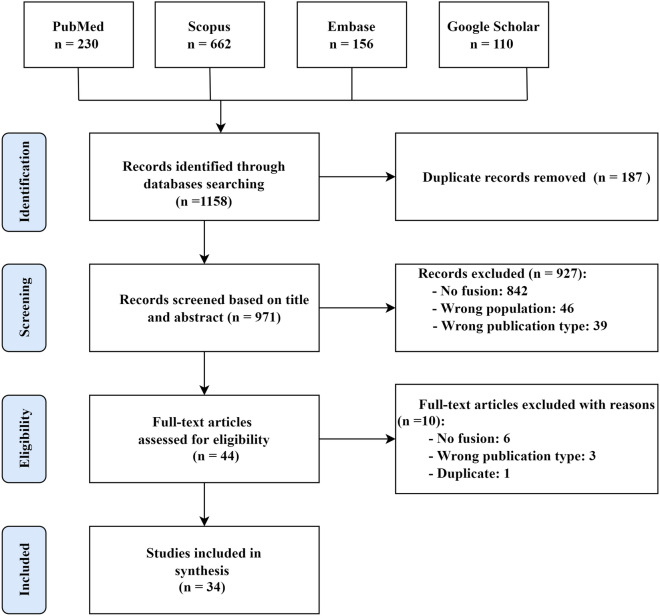
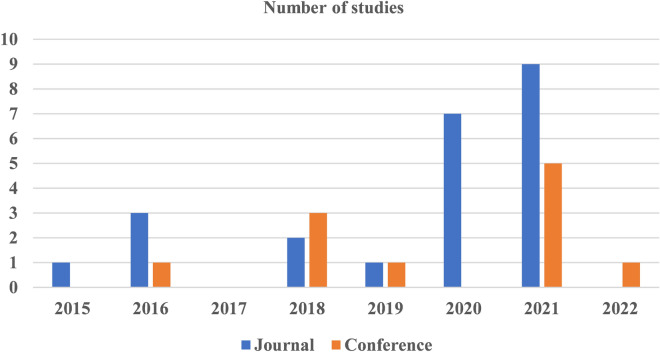
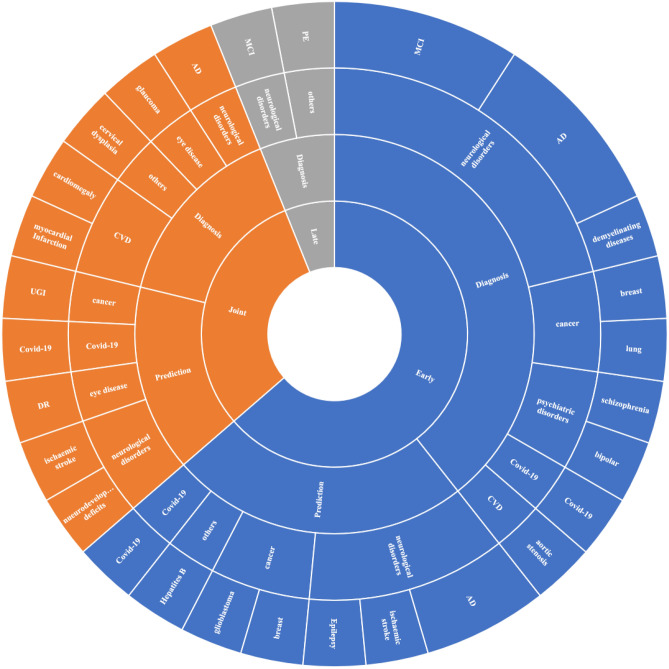
Healthcare data are inherently multimodal, including electronic health records (EHR), medical images, and multi-omics data. Combining these multimodal data sources contributes to a better understanding of human health and provides optimal personalized healthcare. The most important question when using multimodal data is how to fuse them—a field of growing interest among researchers. Advances in artificial intelligence (AI) technologies, particularly machine learning (ML), enable the fusion of these different data modalities to provide multimodal insights. To this end, in this scoping review, we focus on synthesizing and analyzing the literature that uses AI techniques to fuse multimodal medical data for different clinical applications. More specifically, we focus on studies that only fused EHR with medical imaging data to develop various AI methods for clinical applications. We present a comprehensive analysis of the various fusion strategies, the diseases and clinical outcomes for which multimodal fusion was used, the ML algorithms used to perform multimodal fusion for each clinical application, and the available multimodal medical datasets. We followed the PRISMA-ScR (Preferred Reporting Items for Systematic Reviews and Meta-Analyses Extension for Scoping Reviews) guidelines. We searched Embase, PubMed, Scopus, and Google Scholar to retrieve relevant studies. After pre-processing and screening, we extracted data from 34 studies that fulfilled the inclusion criteria. We found that studies fusing imaging data with EHR are increasing and doubling from 2020 to 2021. In our analysis, a typical workflow was observed: feeding raw data, fusing different data modalities by applying conventional machine learning (ML) or deep learning (DL) algorithms, and finally, evaluating the multimodal fusion through clinical outcome predictions. Specifically, early fusion was the most used technique in most applications for multimodal learning (22 out of 34 studies). We found that multimodality fusion models outperformed traditional single-modality models for the same task. Disease diagnosis and prediction were the most common clinical outcomes (reported in 20 and 10 studies, respectively) from a clinical outcome perspective. Neurological disorders were the dominant category (16 studies). From an AI perspective, conventional ML models were the most used (19 studies), followed by DL models (16 studies). Multimodal data used in the included studies were mostly from private repositories (21 studies). Through this scoping review, we offer new insights for researchers interested in knowing the current state of knowledge within this research field.
Overview
The claims and statistics of this paper haven’t been checked yet.
Free: it reads the open-access text and checks the first 5 claims that cite a source we can check. Create a free account to check every claim.
Integrity signals
Registry
Cites
Statistics
Figures
Verification
Claims the paper makes
The claims and statistics of this paper haven’t been checked yet.
Free: it reads the open-access text and checks the first 5 claims that cite a source we can check. Create a free account to check every claim.
Claims other papers make about this one
Each is checked against this paper’s own text: does it say what the citing paper says it does?
The source backs part of the claim, not all of it — or backs it for a different population, condition or comparison.
In the citing paper
“AI in healthcare typically uses electronic health records to identify patients at risk for chronic diseases such as heart disease and diabetes [24,25].”
From Edge AI for Early Detection of Chronic Diseases and the Spread of Infectious Diseases: Opportunities, Challenges, and Future Directions (2023) · cites this paper as [24]
Experimental — accuracy not yet measuredThe source backs part of the claim, not all of it — or backs it for a different population, condition or comparison.
In the citing paper
“AI algorithms can efficiently analyze data and uncover hidden patterns and correlations that indicate potential diseases [24].”
From Edge AI for Early Detection of Chronic Diseases and the Spread of Infectious Diseases: Opportunities, Challenges, and Future Directions (2023) · cites this paper as [24]
Experimental — accuracy not yet measured
Self-check
Percentages, sums and reported differences re-computed from the paper’s own numbers.
The self-check needs the paper’s full text.
Citations
Cites
PRISMA Extension for Scoping Reviews (PRISMA-ScR): Checklist and Explanation
Tricco, A. C., Lillie, E., Zarin, W., O'Brien, K. K., Colquhoun, H., Levac, D., Moher, D., Peters, M. D. J., Horsley, T., Weeks, L., et al. (2018) · Annals of Internal Medicine · doi:10.7326/m18-0850 · Cited by 43,565
Scoping studies: towards a methodological framework
Arksey, H., & O'Malley, L. (2005) · International Journal of Social Research Methodology · doi:10.1080/1364557032000119616 · Cited by 36,742
Rayyan-a web and mobile app for systematic reviews.
Ouzzani, M., Hammady, H., Fedorowicz, Z., & Elmagarmid, A. (2016) · Systematic Reviews · doi:10.1186/s13643-016-0384-4 · Cited by 26,092
A typology of reviews: an analysis of 14 review types and associated methodologies
Grant, M. J., & Booth, A. (2009) · Health Information & Libraries Journal · doi:10.1111/j.1471-1842.2009.00848.x · Cited by 10,817
Federated learning: Challenges, methods, and future directions
Li, T., Sahu, A. K., Talwalkar, A., & Smith, V. (2020) · IEEE Signal Processing Magazine · doi:10.1109/msp.2020.2975749 · Cited by 6,210
Predicting the future - big data, machine learning, and clinical medicine
Obermeyer, Z., & Emanuel, E. J. (2016) · New England Journal of Medicine · doi:10.1056/nejmp1606181 · Cited by 3,652
MIMIC-CXR, a de-identified publicly available database of chest radiographs with free-text reports
Johnson, A. E. W., Pollard, T. J., Berkowitz, S. J., Greenbaum, N. R., Lungren, M. P., Deng, C.-Y., Mark, R. G., & Horng, S. (2019) · Scientific Data · doi:10.1038/s41597-019-0322-0 · Cited by 1,816
The Inevitable Application of Big Data to Health Care
Murdoch, T. B., & Detsky, A. S. (2013) · JAMA · doi:10.1001/jama.2013.393 · Cited by 1,664
The Alzheimer's Disease Neuroimaging Initiative
Mueller, S. G., Weiner, M. W., Thal, L. J., Petersen, R. C., Jack, C., Jagust, W., Trojanowski, J. Q., Toga, A. W., & Beckett, L. (2005) · Neuroimaging Clinics of North America · doi:10.1016/j.nic.2005.09.008 · Cited by 1,525
Jonas, J. B., Aung, T., Bourne, R. R., Bron, A. M., Ritch, R., & Panda-Jonas, S. (2017) · The Lancet · doi:10.1016/s0140-6736(17)31469-1 · Cited by 1,322
Research works printed but not linked: 2
- Alistair, J. et al. Mimic-iv (version 0.4). PhysioNet 10.13026/a3wn-hq05 (2020). · DOI
- Goodfellow I Bengio Y Courville A Deep Learning 2016 MIT press
Cited by
Items 101–200 of 251
Denissen, S., Laethem, D. V., Baijot, J., Costers, L., Descamps, A., Remoortel, A. V., Merhaegen-Wieleman, A. V., D'hooghe, M. B., D’haeseleer, M., Smeets, D., et al. (2025) · Journal of Medical Internet Research · doi:10.2196/53503 · Cited by 8
“Moreover, electronic health records drive artificial intelligence research [1], while artificial intelligence, in turn, further stimulates storing records digitally [2], closing a positive feedback loop.”
Artificial Intelligence in Bronchopulmonary Dysplasia: A Review of the Literature
Jha, T., Suhail, S., Northcote, J., & Moreira, A. G. (2025) · Information · doi:10.3390/info16040262 · Cited by 6
“Building upon Mohsen et al.’s, 2022 demonstration of multimodal data integration, future research should pursue comprehensive, multidimensional approaches to predictive modeling [60].”
Ali, H., Qureshi, R., & Shah, Z. (2023) · JMIR Medical Informatics · doi:10.2196/47445 · Cited by 5
Self-citationDigital Twin Technology In Radiology
Aghamiri, S. S., Amin, R., Isavand, P., Vahdati, S., Zeinoddini, A., Kitamura, F., Moy, L. P., & Kline, T. L. (2025) · Journal of Imaging Informatics in Medicine · doi:10.1007/s10278-025-01597-1 · Cited by 10
“Medicine is inherently multi-modal, with data modalities spanning EHRs, medical imaging, omics, and more [121].”
Remedios, L. W., Liu, H., Remedios, S. W., Zuo, L., Saunders, A. M., Bao, S., Huo, Y., Powers, A. C., Virostko, J. M., & Landman, B. A. (2025) · Journal of medical imaging · doi:10.1117/1.jmi.12.2.024008 · Cited by 9
Erem, M., Mercan, O., Yildirim, S., Selçuk, E., & Unyilmaz, C. (2025) · Frontiers in Pediatrics · doi:10.3389/fped.2025.1694035 · Cited by 6
“In recent years, an increasing number of studies have demonstrated that especially visual data (imaging, motion analysis) and multimodal AI systems offer significant advantages in diagnostic accuracy, clinical prediction, and patient monitoring compared to text-based systems (22–24).”
Artificial Intelligence in Intelligent Healthcare Systems–Opportunities and Challenges
Petreska, A., & Ristevski, B. (2024) · Lecture notes in networks and systems · doi:10.1007/978-3-031-60840-7_17 · Cited by 6
Issa, I. A., Youssef, O., & Issa, T. (2025) · World Journal of Gastroenterology · doi:10.3748/wjg.v31.i38.110999 · Cited by 6
“These models have achieved impressive AUCs of 0.90 with clinical data alone and 0.94 when combining clinical and endoscopic data, demonstrating their utility in improving patient selection and biopsy guidance in real-world settings[50].”
InfluentialSharma, A. (2023) · Nanomedicine & Nanotechnology Open Access · doi:10.23880/nnoa-16000232 · Cited by 4
Benefits of Artificial Intelligence in Urology to Bridge Healthcare Gaps in Developing Countries
Pasha, A. A., Hajiebrahimi, N., Amirchaghmaghy, M., Zaboli, H., Ramezani, S., & Alipour, A. (2025) · InfoScience Trends · doi:10.61186/ist.202502.01.02 · Cited by 4
Developing Advanced AI Models with Fusion Data
Yasmin, F., Hasan, M., & Xue, Y. (2025) · Springer eBooks · doi:10.1007/978-3-031-94386-7_14 · Cited by 5
Ali, H., Shah, Z., Alam, T., Wijayatunga, P. D. C., & Elyan, E. (2024) · Frontiers in Radiology · doi:10.3389/fradi.2023.1349830 · Cited by 4
Self-citationRice, J., Ó'Briain, E., Kilkenny, C. J., Hogan, R. E., McIntyre, T. V., Kavanagh, D. O., Neary, P. C., O’Riordan, J. M., & Sahebally, S. M. (2025) · Journal of surgical education · doi:10.1016/j.jsurg.2025.103676 · Cited by 3
A review on recent advancements of ChatGPT and datafication in healthcare applications
Jagatheesaperumal, S. K., Pandiyarajan, A., Prabadevi, B., Deepa, N., Barreto, A. G., & de Albuquerque, V. H. C. (2025) · Computers in Biology and Medicine · doi:10.1016/j.compbiomed.2025.110885 · Cited by 6
Islam, M. S., Jamal, A. T., & Alkhathlan, A. (2025) · Diagnostics · doi:10.3390/diagnostics16010107 · Cited by 5
Wang, J., Xun, J.-J., & Zhao, F.-F. (2026) · Frontiers in Public Health · doi:10.3389/fpubh.2025.1724546 · Cited by 3
“The inherently individualized nature of immunotherapy—including tumor heterogeneity, immune microenvironment variation, and host immune status—adds challenges to standardized assessment (88).”
Ibam, E. O., & Oluwagbemi, J. B. (2026) · Journal of Computing Theories and Applications · doi:10.62411/jcta.14944 · Cited by 5
“…as multimodal deep learning models are often too heavy for deployment on wearable or edge devices; and (iii) Domain shift and interpretability, where models trained on public datasets fail to generalize to local populations, and their decision processes remain opaque to clinicians [14] – [16].”
Saraboji, K., Gopalakrishnan, K., Sood, D., Kaur, A., Shivaram, S., Helgeson, S. A., Arunachalam, S. P., & Mitra, D. (2026) · AI in Medicine · doi:10.3390/aimed1020016 · Cited by 4
“Evidence from real-world implementations highlights the consequences of fragmented governance [69].”
CLIMD: A Curriculum Learning Framework for Imbalanced Multimodal Diagnosis
Han, K., Lyu, C., Ma, L., Qian, C., Ma, S., Pang, Z., Chen, J., & Liu, Z. (2025) · Lecture notes in computer science · doi:10.1007/978-3-032-05182-0_7 · Cited by 8
Integrating Radiomics with Deep Learning Enhances Multiple Sclerosis Lesion Delineation
Alsahanova, N., Bartenev, P., Sharaev, M., Ljubisavljević, M., Almansoori, T. M., & Statsenko, Y. A. (2026) · Studies in computational intelligence · doi:10.1007/978-3-032-13977-1_4 · Cited by 6
MORETTI, R., Meffe, G., Annunziata, S., & Capotosti, A. (2023) · The Quarterly Journal of Nuclear Medicine and Molecular Imaging · doi:10.23736/s1824-4785.23.03537-9 · Cited by 6
Edwards, L. A., Yang, C. J., Sharma, S., Chen, Z.-H., Gorantla, L., Joshi, S. A., Longhi, N. J., Worku, N. W., Yang, J. S., Pietro, B. M. D., et al. (2024) · Cardio-Oncology · doi:10.1186/s40959-024-00268-4 · Cited by 8
“Multimodal machine learning is a rapidly evolving field, and the optimal data fusion strategy is unknown [28].”
BackgroundLópez-Miranda, E., Tolosa, P., Perelló-Martorell, M. A., Sánchez‐Lorenzo, L., Hinojo, C., Servitja, S., Penabad, S. R., Olier, C., Guerrero, J. A., García‐Vicente, S., et al. (2025) · ESMO Real World Data and Digital Oncology · doi:10.1016/j.esmorw.2024.100107 · Cited by 4
Integrated multimodal artificial intelligence framework for healthcare applications
Akkapeddi, S. R. K. (2023) · World Journal of Advanced Engineering Technology and Sciences · doi:10.30574/wjaets.2023.9.1.0111 · Cited by 3
Optimizing the power of AI for fracture detection: from blind spots to breakthroughs
Behzad, S., Eibschutz, L. S., Lu, M. Y., & Gholamrezanezhad, A. (2025) · Skeletal Radiology · doi:10.1007/s00256-025-04951-0 · Cited by 2
“It also plays a key role in risk stratification, enabling timely interventions and personalized care for patients [139, 140].”
Unsupervised Transformer Learning for Rapid and High-Quality MRI Data Acquisition
Sui, Y., Afacan, O., Jaimes, C. E., Gholipour, A., & Warfield, S. K. (2025) · Health Data Science · doi:10.34133/hds.0340 · Cited by 5
“MRI serves as a crucial source of health data that facilitates healthcare management and disease treatment [ 16 – 21 ].”
Jiang, H., Xie, K., Chen, X., Ning, Y., Yu, Q., Lv, F., Liu, R., Zhou, Y., Xia, S., & Peng, J. (2025) · Scientific Reports · doi:10.1038/s41598-025-15166-7 · Cited by 2
“In the field of prognostic modeling, some studies have employed feature-level fusion strategies 39–41 .”
Wang, C., Shi, H., Du, X., Peng, Y., Xiao, M., Zhao, Q., & Huang, H. (2025) · Risk Management and Healthcare Policy · doi:10.2147/rmhp.s538389 · Cited by 3
“34 Methodologically speaking, our research has certain advantages.”
Dou, Z., Lu, C., Shen, X., Gu, C., Shen, Y., Xu, W. L., Qin, S., Zhu, J., Xu, C., & Li, J. (2025) · BMC Cancer · doi:10.1186/s12885-025-14889-0 · Cited by 5
“Decision-level fusion, on the other hand, combines predictions from different models, offering flexibility and reducing overfitting risk, though it may lead to a loss of feature interactions [36].”
Joyson, J. J., & Yadalam, P. K. (2026) · Journal of Oral Biology and Craniofacial Research · doi:10.1016/j.jobcr.2025.12.013 · Cited by 2
Zhu, P.-F., Zhang, X., Mao, Y., Zhou, P., Lin, J.-J., Shi, L., Cui, X., & He, Y. (2026) · BMC Cancer · doi:10.1186/s12885-025-15153-1 · Cited by 2
“This demonstrates the great Early fusion is one of the most commonly used techniques in many multimodal learning applications [40].”
EXR: An Interactive Immersive EHR Visualization in Extended Reality
Marteau, B. L., Tan, S. Q. Y., Li, J., Hornback, A. M., Zhong, Y., Wang, S., Lowson, C., Woloff, J., Pahys, J. M., Hwang, S. W., et al. (2025) · IEEE International Conference on Intelligent Reality (ICIR) · doi:10.1109/icir68135.2025.11361561 · Cited by 2
“This approach does not reflect real-world clinical workflows, where clinicians must consider imaging data in conjunction with a patient’s longitudinal health record [18, 19].”
Tsai, A. (2026) · Pediatric Radiology · doi:10.1007/s00247-026-06553-x · Cited by 3
Cross-Domain AI Fusion: Integrating Smart Grid Environmental Signals with Diabetes Risk Prediction
Alif, H. A., Mashrafi, M. J., Wahiduzzaman, M., Noor, A., Selim, S., & Shahriar, M. A. (2025) · International Conference on Sustainable Computing and Smart Systems (ICSCSS) · doi:10.1109/icscss64956.2025.11500630 · Cited by 2
“[20],[21] The relationship between environmental exposures and the development of chronic disease has been extensively documented in the epidemiological literature.”
Shen, S., Qi, W., Liu, X., Zeng, J., Li, S., Peng, G., Li, P., Wang, J., Lü, X., & Cao, S. (2026) · Artificial Intelligence in Medicine · doi:10.1016/j.artmed.2026.103474 · Cited by 5
Brain Hemorrhage Detection Using Improved AlexNet with Inception-v4
Khan, S., Ali, H., & Shah, Z. (2023) · International Conference on Artificial Intelligence, Blockchain, and Internet of Things (AIBThings) · doi:10.1109/aibthings58340.2023.10292461 · Cited by 2
“The AI research community is exploring and developing advanced AI models for disease diagnosing and prognosis [2]–[5].”
BackgroundSelf-citationApplication of AI in Addressing Challenges of Primary Healthcare in Hong Kong
Li, L. W., & Ma, C. (2025) · Quality of life in Asia · doi:10.1007/978-981-96-0817-1_36 · Cited by 3
Bhatia, J., Vishveshwara, R. M., Kureshi, F. M. N., Parmar, R. A., Ghosh, A. K., & Upreti, S. (2025) · Smart innovation, systems and technologies · doi:10.1007/978-981-96-2182-8_11 · Cited by 5
AI-Driven Integration and Workflow Optimization in Modern Healthcare Facilities
Usharani, S., Manju Bala, P., Devi, A., Rajkumar, K., & Saravanan, D. (2025) · Advances in computational intelligence and robotics book series · doi:10.4018/979-8-3373-2787-7.ch009 · Cited by 2
Benani, A., Ohayon, S., Laleye, F., Bauvin, P., Messas, E., Bodard, S., & Tannier, X. (2025) · medRxiv · doi:10.1101/2025.03.12.25322656 · Cited by 15
Quantum Neural Network Tuning and Performance Evaluation for a Breast Cancer DatasetPreprint
Lee, S. J. (., Durant, T. J. S., Dudgeon, S. N., Nelson, B., Young, H. P., Horn, G., & Schulz, W. L. (2025) · medRxiv · doi:10.1101/2025.10.03.25336905 · Cited by 2
“Optimization Level [0, 1, 3] In Qiskit, the optimization level ranges from 0 to 3.”
InfluentialMachine Intelligence in Pancreatic Cancer
Yee, N. S., Ma, F., & Georgakopoulos‐Soares, I. (2023) · Springer eBooks · doi:10.1007/978-3-030-80962-1_317-1 · Cited by 1
Genomic Data Fusion using Paillier Cryptosystem
Shobha, P., & Nalini, N. (2024) · Journal of Current Science and Technology · doi:10.59796/jcst.v14n3.2024.57 · Cited by 1
“The articles demonstrate that data fusion of wearable sensor data is a promising approach for human activity recognition, with the potential to improve accuracy and enable new applications in various fields (Albahri et al., 2023; Jemili, 2023; Mohsen et al., 2022).”
BackgroundAn Overview of Artificial Intelligence in Primary Care and Administrative Medicine
Morelli, V. (2025) · Primary Care Clinics in Office Practice · doi:10.1016/j.pop.2025.07.008 · Cited by 2
Artificial Intelligence and Machine Learning Approaches in Radiology for Medical Imaging Diagnostics
Gomase, V. S., & Ghatule, A. P. (2025) · Recent Advances in Electrical & Electronic Engineering (Formerly Recent Patents on Electrical & Electronic Engineering) · doi:10.2174/0123520965407792250811093550 · Cited by 1
Ramadan, Z. M., Mouazen, S. M., Khan, S. S., Khan, S., & Farag, N. S. (2025) · Precision and Future Medicine · doi:10.23838/pfm.2025.00177 · Cited by 5
Machine Intelligence in Pancreatic Cancer
Yee, N. S., Ma, F., & Georgakopoulos‐Soares, I. (2025) · Springer eBooks · doi:10.1007/978-3-032-00773-5_317 · Cited by 1
Fhatonah, N., Rustandi, T., Abdelmohsen, U. R., Rasydy, L. O. A., Ma'sum, M., Elghanam, Y., Pashar, I., Nordin, Mahal, A., & Riski, A. (2025) · Frontiers in Pharmacology · doi:10.3389/fphar.2025.1694322 · Cited by 1
Electronic Health Records (EHRs) Implementation
Sharma, S., Verma, A., Sharma, A., Singh, S., & Begum, S. S. (2025) · BENTHAM SCIENCE PUBLISHERS eBooks · doi:10.2174/9798898811563125010008 · Cited by 2
Multimodal AI System for Alzheimer’s Disease Patient Care
Vejendla, S., Pahlevani, M., & Hsu, S. (2025) · International Conference on Artificial Intelligence, Blockchain, and Internet of Things (AIBThings) · doi:10.1109/aibthings66987.2025.11296177 · Cited by 1
“To overcome these limitations, recent research has shifted toward integrating Artificial Intelligence (AI) systems that combine DL with optimization algorithms, secure data handling, and multimodal data fusion [11].”
Ye, D., Liu, K., Luo, C., & Hu, N. (2025) · Sensors · doi:10.3390/s26010146 · Cited by 5
“Unsupervised learning algorithms are efficient in identifying the patterns and anomalies in a dataset [73].”
Giesa, N., Dell’Orco, A., Scheel, M., Finke, C., Balzer, F., Spies, C. D., & Sekutowicz, M. (2025) · Scientific Reports · doi:10.1038/s41598-025-31693-9 · Cited by 1
“To handle different data modalities, we deployed two fusion strategies 13 .”
An Explainable Deep Learning Framework for Brain Tumor Detection Using MRI Images
Ullah, A., Akhtar, N., Hameed, S., Sajid, H. U., Noreen, H., & Hasnain, M. (2026) · VFAST Transactions on Software Engineering · doi:10.21015/vtse.v14i1.2335 · Cited by 2
Federated Learning in Healthcare: A Survey of Privacy-Preserving Medical AI Solutions
Ritu, Koli, S., Yamsani, N., & Dumka, A. (2026) · International Conference on Advancing Sustainable Solutions through Technologies (ICASST) · doi:10.1109/icasst68917.2026.11484507 · Cited by 1
“In the Electronic Health Record (EHR) space, FL has allowed AI-based predictive models to be constructed from the data at several healthcare organisations[19].”
Alizadehasl, A., Davani, D. N., Jebelli, S. F. H., Zonooz, Y. A., Bahramnejad, A., Bastami, E. A., Aliabadi, A. Y., Amani‐Beni, R., Darouei, B., Ghaffari, A., et al. (2026) · Heliyon · doi:10.1016/j.heliyon.2026.e45386 · Cited by 1
A Revolution in Healthcare: AI-powered Cancer Imaging
Kumar, G., Verma, S., Malviya, R., Paliwal, S., & Narayan, C. V. (2024) · Current Cancer Therapy Reviews · doi:10.2174/0115733947304178240804182938 · Cited by 1
Mohsen, F., Shah, U., Islam, A., Shah, Z., & Belhouari, S. B. (2024) · IEEE International Workshop on Multimedia Signal Processing (MMSP) · doi:10.1109/mmsp61759.2024.10743640 · Cited by 1
“Then, to harness the complementary strengths of both retinal and sinogram images, we explored two multimodal fusion strategies: early fusion [28] and image concatenation.”
BackgroundSelf-citationA Survey on Exploring Multimodal Fusion in Healthcare: Challenges and Solutions
AL-Mosawi, R. H., & Al-Shammari, A. (2024) · Journal of Al-Qadisiyah for Computer Science and Mathematics · doi:10.29304/jqcsm.2024.16.41810 · Cited by 3
Modal-Centric Insights Into Multimodal Federated Learning for Smart Healthcare: A Survey
Wang, D., Liu, W., Gao, L., Qu, Y., Zhang, H., & Shi, J. (2025) · Lecture notes in computer science · doi:10.1007/978-981-96-1548-3_10 · Cited by 1
Durusoy, O. (2025) · Technium Social Sciences Journal · doi:10.47577/tssj.v73i1.13044 · Cited by 1
Ambroise, C. (2024) · theses.fr (ABES) · doi:10.70675/d2529d35z93e6z4d60zb2c5z752d5f0edda3 · Cited by 2
Basu, M., Howdeshell, K. L., Rasmussen, S. A., Rychlik, K. A., Knudsen, T. B., Shuey, D. L., & Slikker, W. (2023) · Birth Defects Research · doi:10.1002/bdr2.2186
“However, it was evident that the use of AI/ML was most readily demonstrated for data mining and diagnostic imaging (Anklam et al., 2022; Mohsen et al., 2022).”
MethodParikh, V., Tariq, A., Patel, B. N., & Banerjee, I. (2024) · PubMed Central · Cited by 3
Lewis, A. A., Khandwala, Y. S., Hernandez‐Boussard, T., & Brooks, J. D. (2024) · medRxiv · doi:10.1101/2024.07.31.24311297
Intraoperative Multi-Sensor Tissue Differentiation in (Uro-)Oncology - A Short Review *
Veil, C., & Sawodny, O. (2024) · Annual International Conference of the IEEE Engineering in Medicine and Biology Society (EMBC) · doi:10.1109/embc53108.2024.10782728
IMPACTO AMBIENTAL DO USO DA INTELIGÊNCIA ARTIFICIAL NA SAÚDE
Ribeiro, R. D., Gomes, A., Gomes, D., Gomes, G., de Souza, E. V., Sousa, R. D. C. V., Gomes, V., & Gomes, L. H. (2025) · International Seven Journal of Multidisciplinary · doi:10.56238/isevmjv4n1-007
Giesa, N., Dell’Orco, A., Scheel, M., Finke, C., Balzer, F., Spies, C., & Sekutowicz, M. (2025) · medRxiv · doi:10.1101/2025.02.20.25322564
Huang, S., Liang, X., Hua, L., Zhou, J., Wang, J., Xu, G., Wu, S., Hong, J., Li, Y., & Dong, H. (2025) · SSRN Electronic Journal · doi:10.2139/ssrn.5209471
Medical Physics: Imaging and Radiation Therapy
Swadi, H. K., Ragi, Z. A., Abbas, R. Q., Hassouni, H. F., & Kazim, H. H. (2025) · Bright Sky Publications eBooks · doi:10.62906/bs.book.311
The fusion application of mathematical models and intelligent computing in data mining
Song, D. (2025) · International Conference on High Performance Computing and Communication Engineering (HPCCE) · doi:10.1117/12.3059612
“However, with the increasing complexity and volume of data, traditional data mining techniques are cumbersome, inaccurate and lack generality, and thus cannot meet the urgent needs of modern society for efficient and accurate data analysis in the intelligence era [2].”
Comprehensive Analysis of Techniques and Approaches in Medical Image Fusion
M, H. T., & Sai Madhavi, D. (2025) · International Conference on Distributed Computing and Electrical Circuits and Electronics (ICDCECE) · doi:10.1109/icdcece65353.2025.11034962
“A 2023 survey revealed that 68% of radiologists struggle to interpret fused images from black-box models like GANs [14]. b) Root Cause: Limited integration with hospital PACS/RIS systems and regulatory hurdles for FDA/CE certification [8].”
Sodikin, M. I., & Utami, E. (2025) · sudo Jurnal Teknik Informatika · doi:10.56211/sudo.v4i2.819 · Cited by 1
Future Directions and Innovations in AI and Imaging
Weerarathna, I. N., Arachchige, M. H. J., Jallah, A. J., Kareem, M. A., & Mulugeta, K. M. (2025) · Advances in computational intelligence and robotics book series · doi:10.4018/979-8-3373-0903-3.ch008
Jin, W. (2025) · Highlights in Business Economics and Management · doi:10.54097/acagt923
Sharma, N., & Sharma, S. (2025) · International Conference on Intelligent Computing and Knowledge Extraction (ICICKE) · doi:10.1109/icicke65317.2025.11136436 · Cited by 1
“[11 ] In essence, Mohsen (2022) use AI-based methods and combine data with electronic health records to increase the accuracy of diagnosis and analysis.”
Zhao, F., Huang, X., Li, J., He, J., Liu, J., Chen, G., & Zhang, Z. (2025) · Frontiers in Oncology · doi:10.3389/fonc.2025.1685737
The Impact of Artificial Intelligence on Contemporary Hospital Systems
Rajeswari, D., Amala, K. J., & Venkatachalam, A. (2025) · Advances in computational intelligence and robotics book series · doi:10.4018/979-8-3373-2787-7.ch001
COPD Scope: Smart Clinical Pathways for Respiratory Illness Diagnosis and Management
Lakshmipriya, B., Jayalakshmy, S., Ajagbe, S. A., Ogie, P. I., Awotunde, J. B., & Adigun, M. O. (2025) · Annals of Data Science · doi:10.1007/s40745-025-00628-6
Can, E. (2025) · Springer eBooks · doi:10.1007/978-3-032-05705-1_19
Using Relative Risk Rankings to Understand Information Differences in Multimodal Prediction ModelsPreprint
Kim, C., Yoon, W., Lee, H., Lee, J.-O., Afshar, M., Kang, J., & Miller, T. A. (2025) · medRxiv · doi:10.1101/2025.10.30.25339162
“Consequently, CXRs and radiology reports have been integrated with structured EHR data to predict patient outcomes using machine learning and deep learning approaches [23, 24].”
Leveraging Artificial Intelligence to Enhance the Umrah Journey
Omran, M. (2025) · International Journal of Scientific Research in Science and Technology · doi:10.32628/ijsrst25126299
Yi, L., Wang, J., Li, X., He, L., & Liu, L. (2025) · Research Square · doi:10.21203/rs.3.rs-7981034/v1
Deep Multimodal Fusion for Breast Cancer Classification: Taxonomy, Datasets and Open Challenges
Dholi, P. R., & Patil, V. H. (2025) · EPJ Web of Conferences · doi:10.1051/epjconf/202534101027
Multimorbidity measurement strategies for predicting hospital visits
Neves, B. D., Moreira, J. M., Gonçalves, S., Cerejo, J., Mota, I., Silva, N. A., Leite, F., & Silva, M. J. (2025) · BMC Health Services Research · doi:10.1186/s12913-025-13817-z
Rauf, S., & Maqsood, N. (2025) · JCR Journal of Clinical Rheumatology · doi:10.1097/rhu.0000000000002308
AI at the Frontline: Enhancing Early Diagnosis and Risk Prediction Across Clinical Pathways
Verma, M., Gupta, S., & Yadav, M. (2025) · Advances in computational intelligence and robotics book series · doi:10.4018/979-8-3373-3196-6.ch001
Artificial Intelligence in Diagnosis
Cox, E. (2026) · Biomedical visualization · doi:10.1007/978-3-032-06520-9_4
Leveraging AI and ITRS in Drug Discovery for Inflammatory and Cardiovascular Diseases
Swathi, N. L., Vineesh, A., Sadhankar, A., Muzzamil, M., Arun, A. K., Karpakavalli, M., Maity, D., Wilfy, A., Bosco, J. A. M., & Pilkhwal, G. S. (2026) · Advances in computational intelligence and robotics book series · doi:10.4018/979-8-3373-5258-9.ch006
Qiu, L. (2026) · New perspectives in organizational communication · doi:10.1007/978-3-032-14713-4_2
Hammad, M. A. (2026) · Springer eBooks · doi:10.1007/978-3-032-02963-8_12
AI in Magnetic Resonance Imaging
Stogiannos, N., Leandrou, S., & Bougias, H. (2026) · Springer eBooks · doi:10.1007/978-3-032-05080-9_7
Jacob, L., Thomas, K. T., Samuel, L. C., & Thomas, S. S. (2026) · Elsevier eBooks · doi:10.1016/b978-0-443-27528-9.00010-3 · Cited by 1
MediSmart: An Integrated AI Framework for Hospital Management and Patient Safety
Suryawanshi, G., Banchhor, S., Shrivastav, M. S., Patil, S., Takale, D. G., Gedam, S., Sontakke, P., & Tagalpallewar, S. (2026) · ITM Web of Conferences · doi:10.1051/itmconf/20268101029
AI-Powered Multimodal Assistant for Medical Board Meetings
Karthick, J., Subithra, S. S., Suruthilaya, S., & Eswari, A. (2025) · International Conference on Smart Structures and Systems (ICSSS) · doi:10.1109/icsss66939.2025.11346322 · Cited by 1
Predicting High-Risk Multiple Myeloma Based on Multiparametric MRI Radiomics and Deep Learning
张, 清. (2026) · Advances in Clinical Medicine · doi:10.12677/acm.2026.161321
Reshanjana, R. M. U., Asanka, D., & Rajapaksha, A. D. (2025) · International Conference on Information Technology Research (ICITR) · doi:10.1109/icitr69413.2025.11353655
“In ML and DL, data fusion techniques and feature engineering techniques allows to occupied the storage efficiency and flexibility with less effective classification tasks to address the resource requirement for the model [29], [30], [31].”
Zhan, G. (2026) · American Journal of Clinical and Experimental Medicine · doi:10.11648/j.ajcem.20261401.11
Aravinda, C. V., Raja, J. E., & Alasmari, S. (2026) · Scientific Reports · doi:10.1038/s41598-026-35951-2 · Cited by 3
“Mohsen et al. 34 proposed a method for integrating electronic health records with medical imaging using attention-gated networks.”
Near-instantaneous Cardiovascular Event Prediction Using Multimodal Deep Learning
Al-Hasooni, M., Abdzaid, A., Hadi, N., & Fakhruldeen, H. (2026) · Electronics ETF · doi:10.53314/els2630003a
Robust Multimodal Sensor Fusion Using Variational Autoencoder
Kodati, P., Chiplunkar, R., & Huang, B. (2026) · IEEE Transactions on Instrumentation and Measurement · doi:10.1109/tim.2026.3667342
“2 shows an example of multimodal data in the medical domain, where information from diverse modalities / views can be fused to describe a specific scenario [24].”
Metadata
- Authors
- Mohsen, F., Ali, H., El Hajj, N., & Shah, Z.
- Affiliations
- Hamad bin Khalifa University (QA)
- Corresponding author
- Shah, Zubair
- Venue
- Scientific Reports
- Published
- 2022-10-26
- Volume
- 12
- Issue
- 1
- Pages
- 17981-17981
- ISSN
- 2045-2322 (ISSN-L)
- PMC
- PMC9605975
- OpenAlex
- W4307539314
- Semantic Scholar
- 4f3c2c93d5e12a4d96e4bdcaf5ae6f393a808d17
- Cited by
- 250
- References
- 68
- Citations by year
- 2026: 75 · 2025: 101 · 2024: 49 · 2023: 23 · 2022: 2
- FWCI
- 14.40
- Type
- journal article
- Language
- en
- Open access
- gold
- doi.org
- Licence
- cc-by
- creativecommons.org/licenses/by/4.0 (tdm)
- creativecommons.org/licenses/by/4.0 (vor)
- Locations
- Scientific Reports (publishedVersion, cc-by)
- PubMed Central (publishedVersion, cc-by)
- PubMed (publishedVersion)
- arXiv (Cornell University) (submittedVersion)
- DOAJ (DOAJ: Directory of Open Access Journals) (submittedVersion, cc-by-sa)
- Figshare (submittedVersion, cc-by)
- arXiv (Cornell University) (cc-by)
- Funders
- Qatar National Library
- Topics
- Physical Sciences › Computer Science › Artificial Intelligence › Machine Learning in Healthcare
- Health Sciences › Medicine › Health Informatics › Artificial Intelligence in Healthcare and Education
- Physical Sciences › Computer Science › Computer Vision and Pattern Recognition › Multimodal Machine Learning Applications
- Keywords
- multimodal fusion, electronic health records, diagnostic imaging, multimodal learning, feature-level fusion, disease diagnosis, clinical outcome prediction, neurological disorders, deep learning, machine learning
- MeSH terms
- Machine Learning, Algorithms, Artificial Intelligence, Diagnostic Imaging, Humans, Electronic Health Records
About these checks
Registry, retraction, Cites and statistics results are computed, not judged, with one exception: a printed reference that no index lists is read once by a model before it counts as a citation error. Claims are extracted by a model and kept only when their quote appears verbatim in the text; each cited source is then checked, with a model’s help, for whether it says what the claim relies on. Those verdicts can be wrong — read the claim’s quote and the cited source before relying on one.
Statistics and arithmetic are recomputed, not judged.
Confidence bands are shown only for fields calibrated on our annotated test set. None is calibrated yet, so no band is shown.
What counts as a claim ›How we measure confidence ›How we check this ›
Are you an author, or do you see a problem with this page? Request a review
Data sources
Bibliographic data: Semantic Scholar, OpenAlex, Crossref.
Contains information from the Semantic Scholar Academic Graph Datasets, made available under the ODC Attribution License (ODC-BY 1.0).
Semantic Scholar’s data is described in: Kinney, R., et al. (2023). The Semantic Scholar Open Data Platform. arXiv:2301.10140.
