

Artificial intelligence-based methods for fusion of electronic health records and imaging data
Open accessThe DOI matches its Crossref record; 72 of the 72 references it cites were found in a registry or an index.
Abstract
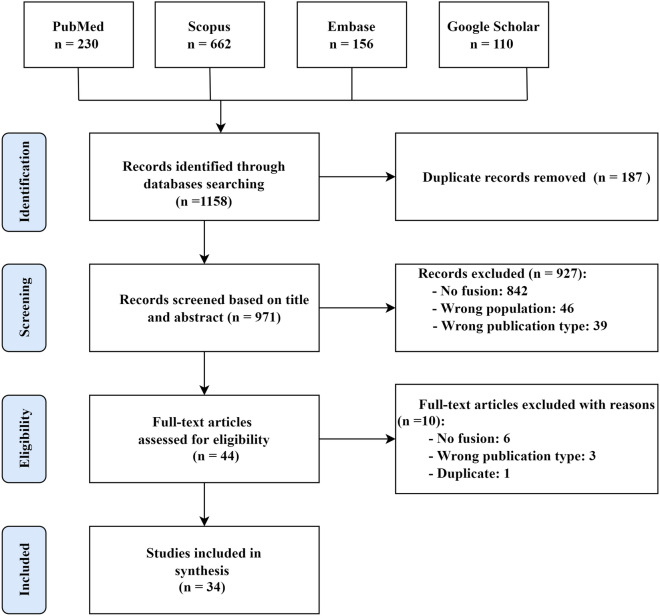
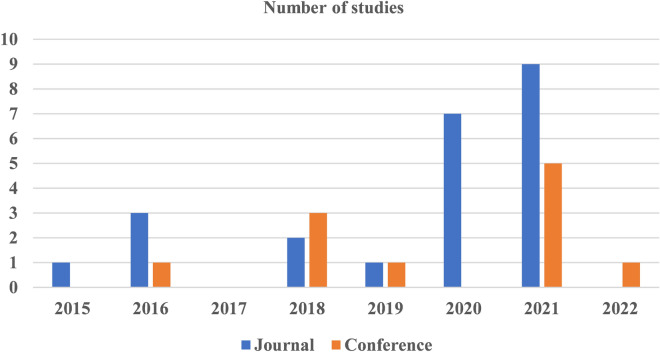
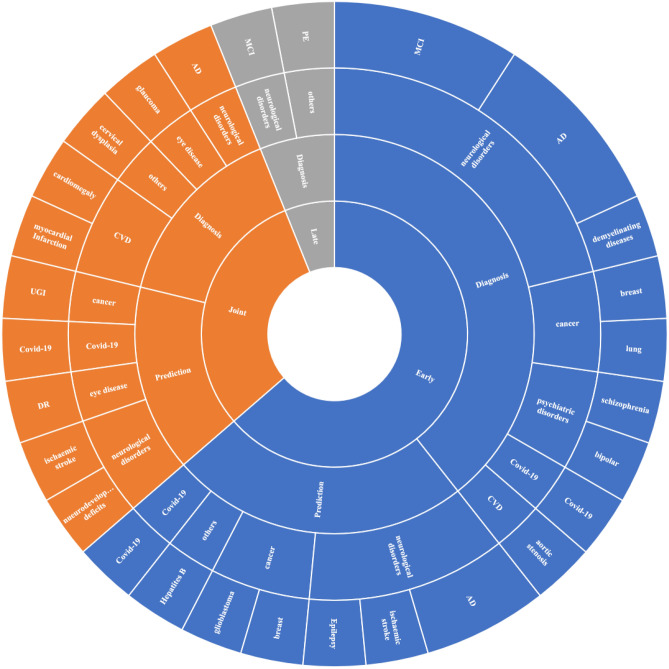
Healthcare data are inherently multimodal, including electronic health records (EHR), medical images, and multi-omics data. Combining these multimodal data sources contributes to a better understanding of human health and provides optimal personalized healthcare. The most important question when using multimodal data is how to fuse them—a field of growing interest among researchers. Advances in artificial intelligence (AI) technologies, particularly machine learning (ML), enable the fusion of these different data modalities to provide multimodal insights. To this end, in this scoping review, we focus on synthesizing and analyzing the literature that uses AI techniques to fuse multimodal medical data for different clinical applications. More specifically, we focus on studies that only fused EHR with medical imaging data to develop various AI methods for clinical applications. We present a comprehensive analysis of the various fusion strategies, the diseases and clinical outcomes for which multimodal fusion was used, the ML algorithms used to perform multimodal fusion for each clinical application, and the available multimodal medical datasets. We followed the PRISMA-ScR (Preferred Reporting Items for Systematic Reviews and Meta-Analyses Extension for Scoping Reviews) guidelines. We searched Embase, PubMed, Scopus, and Google Scholar to retrieve relevant studies. After pre-processing and screening, we extracted data from 34 studies that fulfilled the inclusion criteria. We found that studies fusing imaging data with EHR are increasing and doubling from 2020 to 2021. In our analysis, a typical workflow was observed: feeding raw data, fusing different data modalities by applying conventional machine learning (ML) or deep learning (DL) algorithms, and finally, evaluating the multimodal fusion through clinical outcome predictions. Specifically, early fusion was the most used technique in most applications for multimodal learning (22 out of 34 studies). We found that multimodality fusion models outperformed traditional single-modality models for the same task. Disease diagnosis and prediction were the most common clinical outcomes (reported in 20 and 10 studies, respectively) from a clinical outcome perspective. Neurological disorders were the dominant category (16 studies). From an AI perspective, conventional ML models were the most used (19 studies), followed by DL models (16 studies). Multimodal data used in the included studies were mostly from private repositories (21 studies). Through this scoping review, we offer new insights for researchers interested in knowing the current state of knowledge within this research field.
Overview
The claims and statistics of this paper haven’t been checked yet.
Free: it reads the open-access text and checks the first 5 claims that cite a source we can check. Create a free account to check every claim.
Integrity signals
Registry
Cites
Statistics
Figures
Verification
Claims the paper makes
The claims and statistics of this paper haven’t been checked yet.
Free: it reads the open-access text and checks the first 5 claims that cite a source we can check. Create a free account to check every claim.
Claims other papers make about this one
Each is checked against this paper’s own text: does it say what the citing paper says it does?
The source backs part of the claim, not all of it — or backs it for a different population, condition or comparison.
In the citing paper
“AI in healthcare typically uses electronic health records to identify patients at risk for chronic diseases such as heart disease and diabetes [24,25].”
From Edge AI for Early Detection of Chronic Diseases and the Spread of Infectious Diseases: Opportunities, Challenges, and Future Directions (2023) · cites this paper as [24]
Experimental — accuracy not yet measuredThe source backs part of the claim, not all of it — or backs it for a different population, condition or comparison.
In the citing paper
“AI algorithms can efficiently analyze data and uncover hidden patterns and correlations that indicate potential diseases [24].”
From Edge AI for Early Detection of Chronic Diseases and the Spread of Infectious Diseases: Opportunities, Challenges, and Future Directions (2023) · cites this paper as [24]
Experimental — accuracy not yet measured
Self-check
Percentages, sums and reported differences re-computed from the paper’s own numbers.
The self-check needs the paper’s full text.
Citations
Cites
PRISMA Extension for Scoping Reviews (PRISMA-ScR): Checklist and Explanation
Tricco, A. C., Lillie, E., Zarin, W., O'Brien, K. K., Colquhoun, H., Levac, D., Moher, D., Peters, M. D. J., Horsley, T., Weeks, L., et al. (2018) · Annals of Internal Medicine · doi:10.7326/m18-0850 · Cited by 43,565
Scoping studies: towards a methodological framework
Arksey, H., & O'Malley, L. (2005) · International Journal of Social Research Methodology · doi:10.1080/1364557032000119616 · Cited by 36,742
Rayyan-a web and mobile app for systematic reviews.
Ouzzani, M., Hammady, H., Fedorowicz, Z., & Elmagarmid, A. (2016) · Systematic Reviews · doi:10.1186/s13643-016-0384-4 · Cited by 26,092
A typology of reviews: an analysis of 14 review types and associated methodologies
Grant, M. J., & Booth, A. (2009) · Health Information & Libraries Journal · doi:10.1111/j.1471-1842.2009.00848.x · Cited by 10,817
Federated learning: Challenges, methods, and future directions
Li, T., Sahu, A. K., Talwalkar, A., & Smith, V. (2020) · IEEE Signal Processing Magazine · doi:10.1109/msp.2020.2975749 · Cited by 6,210
Predicting the future - big data, machine learning, and clinical medicine
Obermeyer, Z., & Emanuel, E. J. (2016) · New England Journal of Medicine · doi:10.1056/nejmp1606181 · Cited by 3,652
MIMIC-CXR, a de-identified publicly available database of chest radiographs with free-text reports
Johnson, A. E. W., Pollard, T. J., Berkowitz, S. J., Greenbaum, N. R., Lungren, M. P., Deng, C.-Y., Mark, R. G., & Horng, S. (2019) · Scientific Data · doi:10.1038/s41597-019-0322-0 · Cited by 1,816
The Inevitable Application of Big Data to Health Care
Murdoch, T. B., & Detsky, A. S. (2013) · JAMA · doi:10.1001/jama.2013.393 · Cited by 1,664
The Alzheimer's Disease Neuroimaging Initiative
Mueller, S. G., Weiner, M. W., Thal, L. J., Petersen, R. C., Jack, C., Jagust, W., Trojanowski, J. Q., Toga, A. W., & Beckett, L. (2005) · Neuroimaging Clinics of North America · doi:10.1016/j.nic.2005.09.008 · Cited by 1,525
Jonas, J. B., Aung, T., Bourne, R. R., Bron, A. M., Ritch, R., & Panda-Jonas, S. (2017) · The Lancet · doi:10.1016/s0140-6736(17)31469-1 · Cited by 1,322
Research works printed but not linked: 2
- Alistair, J. et al. Mimic-iv (version 0.4). PhysioNet 10.13026/a3wn-hq05 (2020). · DOI
- Goodfellow I Bengio Y Courville A Deep Learning 2016 MIT press
Cited by
The Role of AI in Hospitals and Clinics: Transforming Healthcare in the 21st Century
Maleki Varnosfaderani, S., & Forouzanfar, M. (2024) · Bioengineering · doi:10.3390/bioengineering11040337 · Cited by 931
“As an example, a scoping review focused on AI techniques for fusing multimodal medical data, particularly EHR with medical imaging, to develop AI methods for various clinical applications [110].”
BackgroundFahim, Y. A., Hasani, I. W., Kabba, S., & Ragab, W. M. (2025) · European Journal of Medical Research · doi:10.1186/s40001-025-03196-w · Cited by 329
“Nonetheless, several challenges hinder the seamless integration of AI into EHR systems.”
The shaky foundations of large language models and foundation models for electronic health records
Wornow, M., Xu, Y., Thapa, R., Patel, B., Steinberg, E., Fleming, S., Pfeffer, M. A., Fries, J., & Shah, N. H. (2023) · npj Digital Medicine · doi:10.1038/s41746-023-00879-8 · Cited by 324
A scoping review of artificial intelligence-based methods for diabetes risk prediction
Mohsen, F., Al-Absi, H. R. H., Yousri, N. A., El Hajj, N., & Shah, Z. (2023) · npj Digital Medicine · doi:10.1038/s41746-023-00933-5 · Cited by 125
Self-citationChen, X., Xie, H., Tao, X., Wang, F. L., Leng, M., & Lei, B. (2024) · Artificial Intelligence Review · doi:10.1007/s10462-024-10712-7 · Cited by 180
Badidi, E. (2023) · Future Internet · doi:10.3390/fi15110370 · Cited by 113
“AI algorithms can efficiently analyze data and uncover hidden patterns and correlations that indicate potential diseases [24].”
Wang, W., Liang, H., Zhang, Z., Xu, C., Wei, D., Li, W., Ye, Q., Zhang, L., Liu, J., & Lei, D. (2024) · EClinicalMedicine · doi:10.1016/j.eclinm.2023.102385 · Cited by 122
“44 However, the early fusion approach does not necessarily constitute the best practice.”
BackgroundTeoh, J. R., Dong, J., Zuo, X., Lai, K. W., Hasikin, K. B., & Wu, X. (2024) · PeerJ Computer Science · doi:10.7717/peerj-cs.2298 · Cited by 143
“This technique leverages features within different data sources to refine estimates and predictions ( Mohsen et al., 2022 ).”
Artificial Intelligence Advancements in Oncology: A Review of Current Trends and Future Directions
Huhulea, E. N., Huang, L., Eng, S., Sumawi, B., Huang, A., Aifuwa, E., Hirani, R., Tiwari, R. K., & Etienne, M. (2025) · Biomedicines · doi:10.3390/biomedicines13040951 · Cited by 74
“Multimodal AI models that combine EHR and imaging data generally outperform single modality models in disease diagnosis and prediction [37].”
A systematic review of quantum machine learning for digital health
Gupta, R. S., Wood, C. E., Engstrom, T., Pole, J. D., & Shrapnel, S. (2025) · npj Digital Medicine · doi:10.1038/s41746-025-01597-z · Cited by 142
From CNNs to Transformers in Multimodal Human Action Recognition: A Survey
Shaikh, M. B., Chai, D., Islam, S. M. S., & Akhtar, N. (2024) · ACM Transactions on Multimedia Computing Communications and Applications · doi:10.1145/3664815 · Cited by 88
“It is evident from the existing literature that owing to the diversity of data, the research direction of MHAR has its own unique challenges and opportunities when compared to conventional action recognition tasks [80].”
Yao, W., Yin, K., Cheung, W. K., Liu, J., & Qin, J. (2024) · Proceedings of the AAAI Conference on Artificial Intelligence · doi:10.1609/aaai.v38i15.29578 · Cited by 171
Quantum-Inspired Sensitive Data Measurement and Secure Transmission in 5G-Enabled Healthcare Systems
Lv, X., Rani, S., Manimurugan, S., Słowik, A., & Feng, Y. (2024) · Tsinghua Science & Technology · doi:10.26599/tst.2024.9010122 · Cited by 62
Artificial Intelligence-Based Methods for Precision Cardiovascular Medicine
Mohsen, F., Al-Saadi, B., Abdi, N., Khan, S., & Shah, Z. (2023) · Journal of Personalized Medicine · doi:10.3390/jpm13081268 · Cited by 74
“AI methods, such as deep learning (DL) models and machine learning (ML), enable the integration of complex multimodal biomedical datasets to generate multimodal insights to facilitate precision medicine [9].”
MethodSelf-citationMultimodal risk prediction with physiological signals, medical images and clinical notes
Wang, Y., Yin, C., & Zhang, P. (2024) · Heliyon · doi:10.1016/j.heliyon.2024.e26772 · Cited by 66
“Based on the feature vector extracted from the former steps, inspired by Kline et al. [19] and following the definition of [32], we employ three fusion strategies to fuse the event time series feature, the CXR feature and the radiology note feature to generate prediction.”
MethodBiswas, A., Kumari, A., Gaikwad, D. S., & Pandey, D. K. (2023) · OMICS A Journal of Integrative Biology · doi:10.1089/omi.2023.0197 · Cited by 68
“By analyzing these features, AI algorithms can provide insights into tumor characteristics, disease staging, and treatment response prediction (Mohsen et al., 2022).”
Multimodal Machine Learning for Stroke Prognosis and Diagnosis: A Systematic Review
Shurrab, S., Guerra-Manzanares, A., Magid, A., Piechowski‐Jóźwiak, B., Atashzar, S. F., & Shamout, F. E. (2024) · IEEE Journal of Biomedical and Health Informatics · doi:10.1109/jbhi.2024.3448238 · Cited by 58
“Existingliteraturereviews focusontheuseofElectronicHealthRecords(EHR),medical imagingandomicsdata[27],[28],[29],multimodalmedical imaging,[30],[31],structuredandfree-textEHRdata[32], andsmarthealthcaresystemsdata[33]foravarietyofclinical predictiontasks.”
An Overview of Artificial Intelligence-Based Techniques for PEMFC System Diagnosis
Sharma, P., Cirrincione, M., Mohammadi, A., Cirrincione, G., & Kumar, R. (2024) · IEEE Access · doi:10.1109/access.2024.3493620 · Cited by 50
How can quantum computing be applied in clinical trial design and optimization?
Doğa, H., Bose, A., Sahin, M. E., Bettencourt‐Silva, J. H., Pham, A., Kim, E., Andress, A., Saxena, S., Parida, L., Robertus, J. L., et al. (2024) · Trends in Pharmacological Sciences · doi:10.1016/j.tips.2024.08.005 · Cited by 64
“Fusion strategies have been proposed as a solution to ingest and train machine learning models for multi-model dataset, depending on the stage or methods of the data fusion, it is called early fusion or late fusion or joint fusion [43,83].”
Pitfalls in Interpretive Applications of Artificial Intelligence in Radiology
Behzad, S., Tabatabaei, S. M. H., Lu, M. Y., Eibschutz, L. S., & Gholamrezanezhad, A. (2024) · American Journal of Roentgenology · doi:10.2214/ajr.24.31493 · Cited by 38
The challenges of using machine learning models in psychiatric research and clinical practice
Ostojic, D., Lalousis, P. A., Donohoe, G. J., & Morris, D. W. (2024) · European Neuropsychopharmacology · doi:10.1016/j.euroneuro.2024.08.005 · Cited by 51
“The advantages of using multimodal datasets are that each data type provides a different insight into a disorder and together they have the potential to provide a more complete and comprehensive understanding of the patient ’ s condition (Mohsen et al., 2022).”
BackgroundArtificial Intelligence for Neuroimaging in Pediatric Cancer
da Rocha, J. L. D., Lai, J., Pandey, P., Myat, P. S. M., Loschinskey, Z., Bag, A. K., & Sitaram, R. (2025) · Cancers · doi:10.3390/cancers17040622 · Cited by 43
“AI algorithms contribute significantly to noise reduction, enhancing SNRs and subsequently improving the accuracy of downstream analyses [66].”
How quantum computing can enhance biomarker discovery
Flöther, F. F., Blankenberg, D. J., Demidik, M., Jansen, K., Krishnakumar, R., Krishnakumar, R., Laanait, N., Parida, L., Saab, C. Y., & Utro, F. (2025) · Patterns · doi:10.1016/j.patter.2025.101236 · Cited by 62
“The construction of such multimodal datasets may itself also benefit from AI techniques [43, 44].”
Niu, W., Yan, J., Hao, M., Zhang, Y., Li, T., Liu, C., Li, Q., Liu, Z., Su, Y., Peng, B., et al. (2025) · npj Precision Oncology · doi:10.1038/s41698-025-00884-y · Cited by 44
Artificial Intelligence in Dermatology: A Review of Methods, Clinical Applications, and Perspectives
Zbrzezny, A. M., & Krzywicki, T. (2025) · Applied Sciences · doi:10.3390/app15147856 · Cited by 52
Chauhan, A. S., Singh, R., Priyadarshi, N., Twala, B., Suthar, S., & Swami, S. (2024) · Discover Artificial Intelligence · doi:10.1007/s44163-024-00161-0 · Cited by 37
“…or biological data, AI can help find the most effective treatments for each patient, leading to more accurate ratings and better patient results [137]As AI becomes more integrated into healthcare, AI-generated results will likely significantly affect the future of individual care and tightly…”
RetractedAmador, K., Pinel, N., Winder, A. J., Fiehler, J., Wilms, M., & Forkert, N. D. (2024) · Medical Image Analysis · doi:10.1016/j.media.2024.103381 · Cited by 28
A Comprehensive Review of Multimodal Large Language Models for Medical Imaging and Omics Data
Vavekanand, R. (2026) · Archives of Computational Methods in Engineering · doi:10.1007/s11831-026-10504-y · Cited by 34
“…the classification of cancer subtypes, precision [11] and the authors’ synthesis of recurring issues in the literature, such as data diversity and explainability constraints. provide a holistic view of health and disease, with applications ranging from cancer prognosis to precision medicine [4, 5].”
DF-DM: A foundational process model for multimodal data fusion in the artificial intelligence eraPreprint
Restrepo, D. S., Wu, C., Vásquez-Venegas, C., Nakayama, L. F., Celi, L. A., & López, D. M. (2024) · Research Square · doi:10.21203/rs.3.rs-4277992/v1 · Cited by 39
Comprehensive Review of Multimodal Medical Data Analysis: Open Issues and Future Research Directions
Shetty, S., Ananthanarayana, V. S., & Mahale, A. R. (2022) · Acta Informatica Pragensia · doi:10.18267/j.aip.202 · Cited by 29
Advancing Clinical Practice: The Potential of Multimodal Technology in Modern Medicine
Artsi, Y., Sorin, V., Glicksberg, B. S., Nadkarni, G. N., & Klang, E. (2024) · Journal of Clinical Medicine · doi:10.3390/jcm13206246 · Cited by 28
“A different study by Mohsen et al. examined the integration of AI techniques to combine EHRs with medical imaging data [40].”
Multimodal deep learning for liver cancer applications: a scoping review
Siam, A., Alsaify, A. R., Mohammad, B., Biswas, M. R., Ali, H., & Shah, Z. (2023) · Frontiers in Artificial Intelligence · doi:10.3389/frai.2023.1247195 · Cited by 22
Self-citationBouanani, N. E., Laamrani, A., Hajji, H., Bourriz, M., Bourzeix, F., Abdelali, H. A., El-Battay, A., Amazirh, A., & Chehbouni, A. (2025) · Remote Sensing · doi:10.3390/rs17091597 · Cited by 27
Cai, W., Wu, X. M., Guo, K., Chen, Y., Shi, Y., & Lin, X. (2024) · Journal of Inflammation Research · doi:10.2147/jir.s484485 · Cited by 20
Li, T. Z., Still, J. M., Xu, K., Lee, H. H., Cai, L. Y., Krishnan, A. R., Gao, R., Khan, M. S., Antic, S., Kammer, M. N., et al. (2023) · Lecture notes in computer science · doi:10.1007/978-3-031-43895-0_61 · Cited by 33
González, R., Saha, A., Campbell, C. J. V., Nejat, P., Lokker, C., & Norgan, A. P. (2023) · Journal of Pathology Informatics · doi:10.1016/j.jpi.2023.100347 · Cited by 28
Teles, A. S., de Moura, I. R., Silva, F., Roberts, A., & Stahl, D. R. (2025) · Information Fusion · doi:10.1016/j.inffus.2025.102981 · Cited by 27
Biases in Artificial Intelligence Application in Pain Medicine
Jumreornvong, O., Perez, A., Malave, B., Fatimah, M., Kia, A., & Nwaneshiudu, C. A. (2025) · Journal of Pain Research · doi:10.2147/jpr.s495934 · Cited by 25
Cao, F., Yang, Y., Guo, C. X., Zhang, H., Yu, Q., & Guo, J. (2025) · Annals of Medicine · doi:10.1080/07853890.2025.2484665 · Cited by 27
“In diagnosing AD, multimodal AI can integrate skin images and clinical symptoms, as well as genomic and microbiome data, to predict disease progression and develop personalized treatment plans [34].”
Li, Z., Qin, Y., Liao, X., Wang, E., Cai, R., Pan, Y., Wang, D., & Lin, Y. (2025) · European Journal of Radiology · doi:10.1016/j.ejrad.2025.112173 · Cited by 21
Integrating deep learning and radiomics for preoperative glioma grading using multi-center MRI data
Shi, Y. P., Ming, J., Chen, H., Sun, Y. H., & Jiang, C. (2025) · Scientific Reports · doi:10.1038/s41598-025-20711-5 · Cited by 23
“Mohsen et al. 31 explored the use of artificial intelligence to try to combine electronic health records and imaging data.”
A cross-modal clinical prediction system for intensive care unit patient outcome
Sun, M., Yang, X., Niu, J., Gu, Y., Wang, C., & Zhang, W. (2024) · Knowledge-Based Systems · doi:10.1016/j.knosys.2023.111160 · Cited by 18
Revolutionizing nursing education and care: The role of artificial intelligence in nursing
Ghane, G., Ghiyasvandian, S., Chekeni, A. M., & Karimi, R. (2024) · Nurse author & editor · doi:10.1111/nae2.12057 · Cited by 24
Huang, L., Xu, L., Wang, X., Zhang, G., Gao, X., Niu, L., & Wen, L. (2025) · Academic Radiology · doi:10.1016/j.acra.2025.04.029 · Cited by 19
Machine learning and IoT in healthcare: Recent advancements, challenges & future direction
Zonayed, M., Tasnim, R., Jhara, S. S., Mimona, M. A., Hussein, M. R., Mobarak, M. H., & Salma, U. (2025) · Advances in Biomarker Sciences and Technology · doi:10.1016/j.abst.2025.08.006 · Cited by 47
Gorade, V., Mittal, S., & Singhal, R. (2023) · Computers in Biology and Medicine · doi:10.1016/j.compbiomed.2023.107569 · Cited by 20
Etemadifar, M., Norouzi, M., Alaei, S., Karimi, R., & Salari, M. (2024) · Multiple Sclerosis and Related Disorders · doi:10.1016/j.msard.2024.105682 · Cited by 20
Multimodal fusion network for ICU patient outcome prediction
Wang, C., Yang, X., Sun, M., Gu, Y., Niu, J., & Zhang, W. (2024) · Neural Networks · doi:10.1016/j.neunet.2024.106672 · Cited by 16
Qiu, L., Alhaskawi, A., & Moqbel, S. A. A. (2026) · Frontiers in Pharmacology · doi:10.3389/fphar.2025.1697192 · Cited by 37
Multimodal Wearable Biosensing Meets Multidomain AI: A Pathway to Decentralized Healthcare
Liu, C., Fan, H., Kim, M., Zhou, T., Yang, P., Zhao, L., Wang, Y., Che, Z., Liu, C., Li, B., et al. (2026) · Advanced Science · doi:10.1002/advs.202522900 · Cited by 32
“In healthcare, such models can improve understanding of health trajectories [ 32, 61 ], personalize treatments [ 62, 63 ], and unlock more sophisticated applications [ 64, 65 ].”
Applying AI to Safely and Effectively Scale Care to Address Chronic MSK Conditions
Areias, A. C., Janela, D., Moulder, R. G., Jr., Molinos, M., Bento, V., Moreira, C., Yanamadala, V., Correia, F. D., & Costa, F. M. T. A. (2024) · Journal of Clinical Medicine · doi:10.3390/jcm13154366 · Cited by 21
“The primary strength of the current study lies in its novelty, as it directly evaluates the scalability of MSK care that is supported by an AI-based system, using a large and diverse sample from a real-world context.”
BackgroundOh, M., Kim, H.-S., Jung, Y. M., Lee, H., Lee, S.-B., & Lee, S. M. (2025) · Journal of Medical Internet Research · doi:10.2196/58021 · Cited by 18
“With the rapid expansion and increasing diversity of medical data, these limitations have become more pronounced [10].”
Deivayanai, V. C., Swaminaathan, P., Vickram, A. S., Saravanan, A., Bibi, S., Aggarwal, N., Kumar, V., Alhadrami, A. H., Mohammedsaleh, Z. M., Altalhi, R., et al. (2025) · International Journal of Surgery · doi:10.1097/js9.0000000000002481 · Cited by 23
Mitochondrial and ER stress crosstalk in TBI: mechanistic insights and therapeutic opportunities
Wenzhe, L., Boyang, X., Yuchao, G., Bimcle, R., & Yue, Y. (2025) · Frontiers in Cellular Neuroscience · doi:10.3389/fncel.2025.1697060 · Cited by 19
Retson, T., & Eghtedari, M. (2023) · Diagnostics · doi:10.3390/diagnostics13132133 · Cited by 24
“The concept of software that integrates clinical information is rapidly gaining traction in other fields of radiology, with studies that integrated imaging and medical records doubling between 2020 and 2021 [25].”
BackgroundGan, Y., Hu, Q., Shen, Q., Peng, L., Qian, Q., Zhuo, M., Xue, E., & Chen, Z. (2024) · Annals of Surgical Oncology · doi:10.1245/s10434-024-16697-5 · Cited by 15
“35 However, some studies have reported better performance of late versus early fusion.”
Nemane, S. G., Sarad, V. M., Tulaskar, D. P., Marode, T. P., Bhangdiya, V. K., Agrawal, L., Avthankar, A., Kondylakis, H., Kulkarni, M. B., Bhaiyya, M. L., et al. (2026) · Archives of Computational Methods in Engineering · doi:10.1007/s11831-026-10629-0 · Cited by 16
“All this information will make it possible for doctors to make quicker and wiser decisions, diagnose diseases more quickly, and come up with more appropriate treatment programs suitable for a particular patient [9–12].”
Multimodal artificial intelligence models for radiology
Tariq, A., Banerjee, I., Trivedi, H., & Gichoya, J. W. (2025) · BJR|Artificial Intelligence · doi:10.1093/bjrai/ubae017 · Cited by 22
Advancing Rheumatology Care Through Machine Learning
Hügle, T. (2024) · Pharmaceutical Medicine · doi:10.1007/s40290-024-00515-0 · Cited by 13
Deployment and validation of the CLL treatment infection model adjoined to an EHR system
Agius, R., Riis-Jensen, A. C., Wimmer, B., da Cunha‐Bang, C., Murray, D. D., Poulsen, C. B., Bertelsen, M. B., Schwartz, B., Lundgren, J. D., Langberg, H., et al. (2024) · npj Digital Medicine · doi:10.1038/s41746-024-01132-6 · Cited by 14
The AI revolution: how multimodal intelligence will reshape the oncology ecosystem
Dellamonica, D., Ruau, D., Griffiths, B., Rossi, G., Li, B. T., Razavi, P., Maio, T. D., Gonzalez, T., Remorino, A., Reis-Filho, J. S., et al. (2025) · npj Artificial Intelligence · doi:10.1038/s44387-025-00044-4 · Cited by 17
Hou, G., Dong, B.-Q., Yu, B., Dai, J.-Y., Lin, X., & Cheng, Z. (2025) · Frontiers in Medicine · doi:10.3389/fmed.2025.1633416 · Cited by 16
Multimodal Data Fusion Integrating Text and Medical Imaging Data in Electronic Health Records
Rele, M., Julian, A., Patil, D., & Udaya Krishnan, M. (2024) · Information systems engineering and management · doi:10.1007/978-3-031-69197-3_27 · Cited by 15
Tuly, S. R., Ranjbari, S., Murat, E. A., & Arslanturk, S. (2025) · Computers in Biology and Medicine · doi:10.1016/j.compbiomed.2025.110108 · Cited by 14
Kim, M.-W., Kang, D., Kim, M. S., Choe, J. C., Lee, S. H., Ahn, J. H., Oh, J., Choi, J. H., Lee, H. C., Cha, K. S., et al. (2024) · Journal of the American Medical Informatics Association · doi:10.1093/jamia/ocae114 · Cited by 15
“35,36 Global explanations using RIAS We summarize the global contributions of the top 10 most important features for each task in Figure 3A-C and visualize the global explanations of the top 5 most important features for each task in Figure 4.”
Liu, Z., Jia, J., Bai, F., Ding, Y., Han, L., & Bai, G. (2024) · Heliyon · doi:10.1016/j.heliyon.2024.e28769 · Cited by 11
“Additionally, the inclusion of multimodal data, allowing for information extraction from different types, may also contribute, enabling a more comprehensive and holistic understanding of the biological information of lesions [23].”
BackgroundGunashekar, D. D., Bielak, L., Oerther, B., Benndorf, M., Nedelcu, A., Hickey, S., Zamboglou, C., Grosu, A., & Bock, M. (2024) · Radiation Oncology · doi:10.1186/s13014-024-02471-0 · Cited by 10
“The outputs of the individual CNNs are then fused and the final prediction is obtained via mean aggregation or by majority voting [26, 27].”
MethodDeep Learning in Biomedical Image and Signal Processing: A Survey
Omarov, B. S. (2025) · Computers, materials & continua/Computers, materials & continua (Print) · doi:10.32604/cmc.2025.064799 · Cited by 26
Sun, J.-R., Sun, X.-N., Lu, B.-J., & Deng, B. (2025) · World Journal of Gastroenterology · doi:10.3748/wjg.v31.i46.111176 · Cited by 14
“Studies also show that combining imaging with clinical or molecular data improves predictions more than using a single type of data alone[17].”
Amador, K., Gutierrez, A., Winder, A. J., Fiehler, J., Wilms, M., & Forkert, N. D. (2023) · Journal of Biomedical Informatics · doi:10.1016/j.jbi.2023.104567 · Cited by 13
Cucumber diseases diagnosis based on multi-class SVM and electronic medical record
Xu, C. C., & Zhang, L. (2023) · Neural Computing and Applications · doi:10.1007/s00521-023-09337-8 · Cited by 9
Zero-Shot Large Language Models for Long Clinical Text Summarization with Temporal ReasoningPreprint
Kruse, M., Hu, S., Derby, N., Wu, Y., Stonbraker, S., Yao, B., Wang, D., Goldberg, E., & Gao, Y. (2025) · medRxiv · doi:10.1101/2025.07.21.25331947 · Cited by 19
Enhancing heart failure diagnosis through multi-modal data integration and deep learning
Liu, Y., Li, D., Zhao, J., & Liang, Y. (2023) · Multimedia Tools and Applications · doi:10.1007/s11042-023-17716-5 · Cited by 9
New possibilities of artificial intelligence in medicine: a narrative review
Litvin, A., Стома, И. О., Михайловна, Ш. Т., Rumovskaya, S. B., & Kyovalev, A. A. (2024) · Health and Ecology Issues · doi:10.51523/2708-6011.2024-21-1-01 · Cited by 12
Liu, Z., Yin, Z., Mi, Z., Guo, B., & Zheng, Z. (2025) · Mathematics · doi:10.3390/math13081218 · Cited by 10
Application of artificial intelligence in oral health management: challenges and opportunities
Li, H., Chen, S., Chang, B., Wang, X., He, Y., Xu, B., Sun, G., Yang, C., Li, G., Li, S., et al. (2026) · Frontiers in Medicine · doi:10.3389/fmed.2026.1700529 · Cited by 16
Nainamalai, V., Qair, H. A., Pelanis, E., Jenssen, H. B., Fretland, Å. A., Edwin, B., Elle, O. J., & Balasingham, I. (2024) · European Journal of Radiology Open · doi:10.1016/j.ejro.2024.100582 · Cited by 10
“The secondary utilization and analysis of healthcare data using AI-based algorithms avail a wide variety of benefits [10,11].”
An ML-Based Solution in the Transformation towards a Sustainable Smart City
Rojek, I., Mikołajewski, D., Dorożyński, J., Dostatni, E., & Mreła, A. (2024) · Applied Sciences · doi:10.3390/app14188288 · Cited by 11
Artificial intelligence‐driven change redefining radiology through interdisciplinary innovation
Huang, R., Meng, X., Zhang, X., Luo, Z., Cao, L., Feng, Q., Ma, G., Dong, D., & Wang, Y. (2025) · Interdisciplinary medicine · doi:10.1002/inmd.20240063 · Cited by 13
Improving CNN predictive accuracy in COVID-19 health analytics
Kim, T., Srinivasulu, A., Chinthaginjala, R., Dhakshayani, J., Zhao, X., Rab, S. O., & Tera, S. P. (2025) · Scientific Reports · doi:10.1038/s41598-025-15218-y · Cited by 10
“Mohsen et al. 37 advocated integrating imaging data with electronic health records (EHRs) to improve prognostic accuracy and provide comprehensive clinical insights into COVID-19.”
Integrating non-linear radon transformation for diabetic retinopathy grading
Mohsen, F., Belhaouari, S. B., & Shah, Z. (2025) · Scientific Reports · doi:10.1038/s41598-025-14944-7 · Cited by 7
“Combining multiple imaging modalities can provide complementary information, leading to improved diagnostic performance multimodal deep learning models integrate data from different sources to enhance feature representation and capture complex patterns 24 .”
Self-citationMohammad, S. I., Azzam, E. R., Vasudevan, A., Ismail, S. M., Ayaz, H., & Prasad, K. (2025) · Frontiers in Human Neuroscience · doi:10.3389/fnhum.2025.1669431 · Cited by 9
“This modification process requires a developmental and testing phase that typically lasts six to twelve months (Mohsen et al., 2022).”
A Representation Fusion Framework for Decoupling Diagnostic Information in Multimodal Learning
Tonekaboni, S., Friedman, S. F., Zhang, X., Maddah, M., & Uhler, C. (2025) · npj Digital Medicine · doi:10.1038/s41746-025-02144-6 · Cited by 17
Deng, W., Zhang, L., Yue, J.-R., & Huang, X.-L. (2026) · Frontiers in Public Health · doi:10.3389/fpubh.2025.1691682 · Cited by 11
“AI techniques, particularly ML and DL, are well-suited to fusing such heterogeneous datasets (127).”
InfluentialA comparative evaluation of handling missing data points and modalities in electronic health records
Bhandari, A., & Tyagi, S. (2026) · International Journal of Medical Informatics · doi:10.1016/j.ijmedinf.2026.106302 · Cited by 11
Zhang, W., Zhao, X., Meng, L., Lü, L., Guo, J., Cheng, M., Tian, H., Ren, N., Yin, J., & Zhang, X. (2025) · Academic Radiology · doi:10.1016/j.acra.2025.05.068 · Cited by 8
Xu, C., Zhao, L., Wen, H.-J., & Zhang, L.-X. (2024) · Applied Soft Computing · doi:10.1016/j.asoc.2024.112423 · Cited by 7
Xu, Z., Scharp, D., Hobensack, M., Ye, J., Zou, J., Ding, S., Shang, J., & Topaz, M. (2024) · Journal of the American Medical Informatics Association · doi:10.1093/jamia/ocae278 · Cited by 8
Liu, Z., Deng, Z., Li, S., Liu, J. H., Qin, X., Xiao, Z., & Wang, Q. (2025) · Biomedical Signal Processing and Control · doi:10.1016/j.bspc.2025.107623 · Cited by 9
Early Prediction of Chronic Diseases Through Multimodal Data Fusion in Machine Learning: A Survey
Sunil, D. M., & Joshi, P. V. (2025) · International Conference on Intelligent Sustainable Systems (ICISS) · doi:10.1109/iciss63372.2025.11076438 · Cited by 9
“They are still developing AI models that can combine multimodal data sources to derive better insights and personalized health care [5].”
SERS Meets Artificial Intelligence: A New Frontier in Cancer Diagnosis and Prognosis
Huda, N. U., Bari, R. Z. A., Javed, M., Kiani, M. N., & Jin, Y. (2026) · Analytical Chemistry · doi:10.1021/acs.analchem.6c00874 · Cited by 7
Retracted: Data Extraction and Integration from Unstructured Electronic Health Records
Bansal, A., Saraswat, B. K., Sharma, B., Nayan, S., & Kathuria, K. (2023) · International Conference on Technological Advancements in Computational Sciences (ICTACS) · doi:10.1109/ictacs59847.2023.10390009 · Cited by 6
“However, notwithstanding these demanding situations, the capability benefits of integrating unstructured EHRs into scientific exercise are significant [15].”
BackgroundRetractedMulti-Modal Data Fusion Based Cardiac Disease Prediction using Late Fusion and 2D CNN Architectures
Patel, K. K., Kanodia, A., Kumar, B., & Gupta, R. K. (2024) · International Conference on Signal Processing and Integrated Networks (SPIN) · doi:10.1109/spin60856.2024.10512195 · Cited by 8
Zhang, Z., Li, D., Zhao, J., Ma, H., Wang, F., & Hao, Q. (2025) · Alexandria Engineering Journal · doi:10.1016/j.aej.2025.04.066 · Cited by 7
Multimodal Approach for Lung Disease Classification: Fusing Chest X-Ray Images and Clinical Texts
Truong, T.-D., & Do, T. (2025) · SN Computer Science · doi:10.1007/s42979-025-04138-3 · Cited by 7
“Multimodal fusion techniques can be categorized into early fusion, late fusion, and joint fusion [27, 38].”
Huang, S., Liang, X., Hua, L., Zhou, J., Wang, J., Xu, G., Wu, S., Hong, J., Li, Y., & Dong, H. (2025) · Academic Radiology · doi:10.1016/j.acra.2025.07.035 · Cited by 8
A Survey of Large-Scale Deep Learning Models in Medicine and Healthcare
Chen, Z., Liu, R., Huang, S., Guo, Y., & Ren, Y. (2025) · Computer Modeling in Engineering & Sciences · doi:10.32604/cmes.2025.067809 · Cited by 11
Ahmed, Y. K., & Naji, A. N. A. (2025) · Network Modeling Analysis in Health Informatics and Bioinformatics · doi:10.1007/s13721-025-00641-y · Cited by 11
“Human inter - pretation, regardless of expertise, encounters difficulties with nuanced, nonlinear relationships inherent in imaging data, electronic health records (EHRs), genomic sequences, and physiological signals (Mohsen et al. 2022; Chen and Friis 2024 ).”
Rogue AI: Cautionary Cases in Neuroradiology and What We Can Learn From Them
Young, A., Tan, K., Tariq, F., Jin, M. X., & Bluestone, A. Y. (2024) · Cureus · doi:10.7759/cureus.56317 · Cited by 7
Jan, N., Minallah, N., Sher, M., Wasim, M., Khan, S., Al‐Rasheed, A., & Ali, H. (2024) · Engineering Reports · doi:10.1002/eng2.13031 · Cited by 12
“The merger of models can help overcome the limitations of individual algorithms and enhance the overall predictive power [50, 51].”
Self-citation
Metadata
- Authors
- Mohsen, F., Ali, H., El Hajj, N., & Shah, Z.
- Affiliations
- Hamad bin Khalifa University (QA)
- Corresponding author
- Shah, Zubair
- Venue
- Scientific Reports
- Published
- 2022-10-26
- Volume
- 12
- Issue
- 1
- Pages
- 17981-17981
- ISSN
- 2045-2322 (ISSN-L)
- PMC
- PMC9605975
- OpenAlex
- W4307539314
- Semantic Scholar
- 4f3c2c93d5e12a4d96e4bdcaf5ae6f393a808d17
- Cited by
- 250
- References
- 68
- Citations by year
- 2026: 75 · 2025: 101 · 2024: 49 · 2023: 23 · 2022: 2
- FWCI
- 14.40
- Type
- journal article
- Language
- en
- Open access
- gold
- doi.org
- Licence
- cc-by
- creativecommons.org/licenses/by/4.0 (tdm)
- creativecommons.org/licenses/by/4.0 (vor)
- Locations
- Scientific Reports (publishedVersion, cc-by)
- PubMed Central (publishedVersion, cc-by)
- PubMed (publishedVersion)
- arXiv (Cornell University) (submittedVersion)
- DOAJ (DOAJ: Directory of Open Access Journals) (submittedVersion, cc-by-sa)
- Figshare (submittedVersion, cc-by)
- arXiv (Cornell University) (cc-by)
- Funders
- Qatar National Library
- Topics
- Physical Sciences › Computer Science › Artificial Intelligence › Machine Learning in Healthcare
- Health Sciences › Medicine › Health Informatics › Artificial Intelligence in Healthcare and Education
- Physical Sciences › Computer Science › Computer Vision and Pattern Recognition › Multimodal Machine Learning Applications
- Keywords
- multimodal fusion, electronic health records, diagnostic imaging, multimodal learning, feature-level fusion, disease diagnosis, clinical outcome prediction, neurological disorders, deep learning, machine learning
- MeSH terms
- Machine Learning, Algorithms, Artificial Intelligence, Diagnostic Imaging, Humans, Electronic Health Records
About these checks
Registry, retraction, Cites and statistics results are computed, not judged, with one exception: a printed reference that no index lists is read once by a model before it counts as a citation error. Claims are extracted by a model and kept only when their quote appears verbatim in the text; each cited source is then checked, with a model’s help, for whether it says what the claim relies on. Those verdicts can be wrong — read the claim’s quote and the cited source before relying on one.
Statistics and arithmetic are recomputed, not judged.
Confidence bands are shown only for fields calibrated on our annotated test set. None is calibrated yet, so no band is shown.
What counts as a claim ›How we measure confidence ›How we check this ›
Are you an author, or do you see a problem with this page? Request a review
Data sources
Bibliographic data: Semantic Scholar, OpenAlex, Crossref.
Contains information from the Semantic Scholar Academic Graph Datasets, made available under the ODC Attribution License (ODC-BY 1.0).
Semantic Scholar’s data is described in: Kinney, R., et al. (2023). The Semantic Scholar Open Data Platform. arXiv:2301.10140.
