

The DOI matches its Crossref record; 1 of the 1 references it cites were found in a registry or an index.
LC–MS/MS, GC–MS and molecular docking analysis for phytochemical fingerprint and bioactivity of Beta vulgaris L.
Abstract
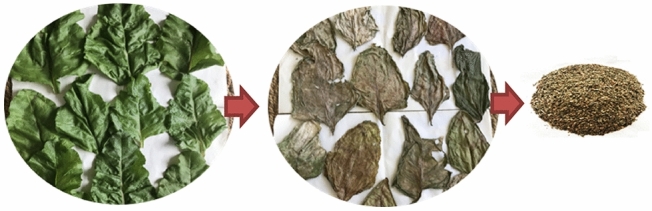
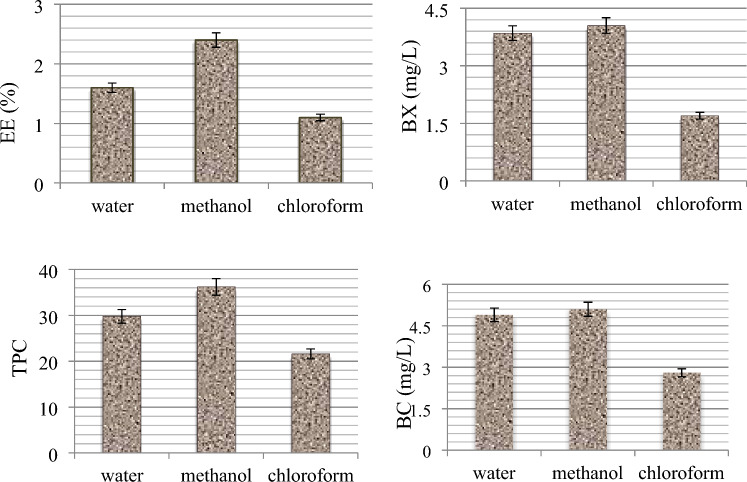
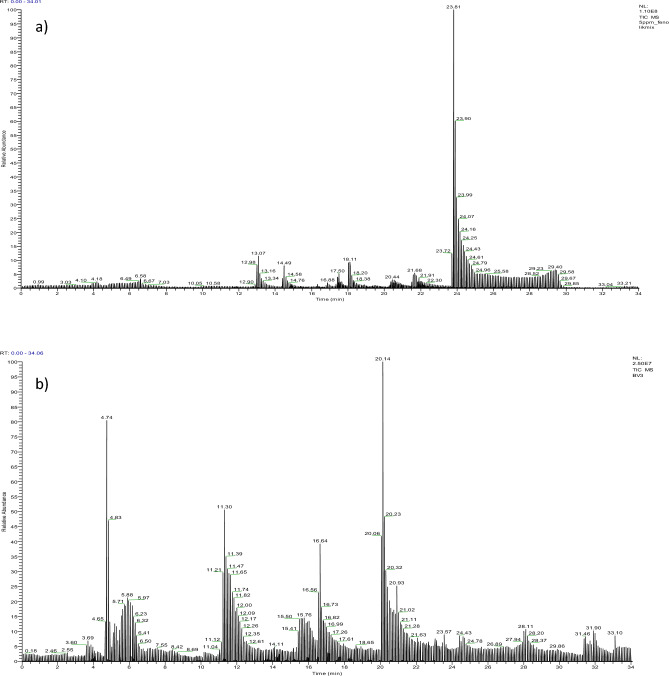
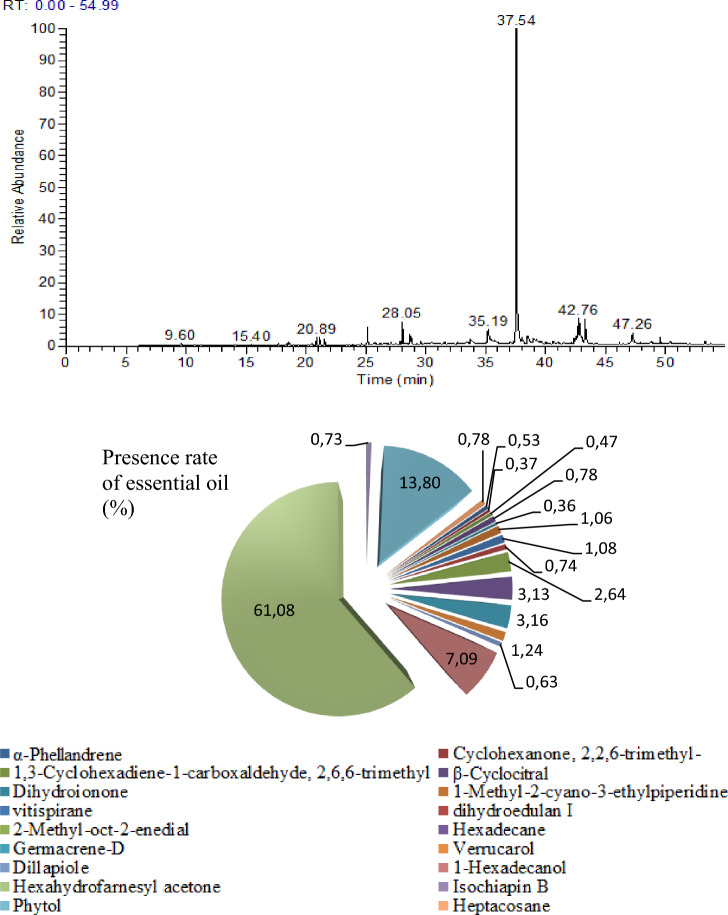
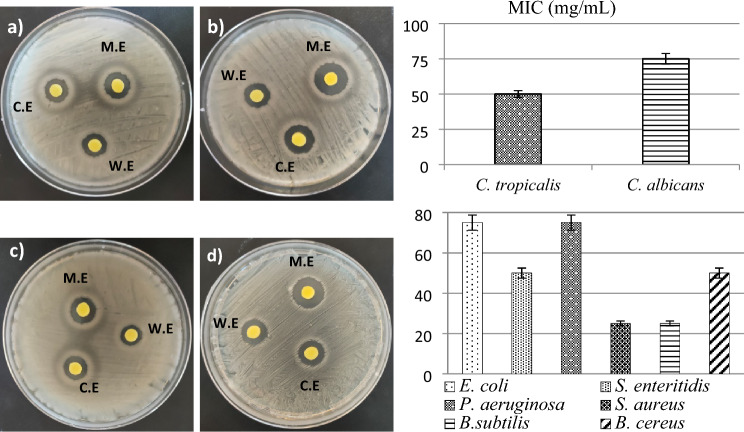
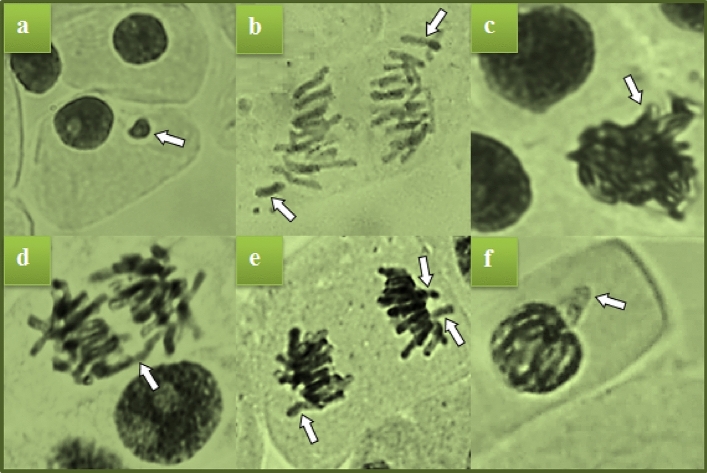
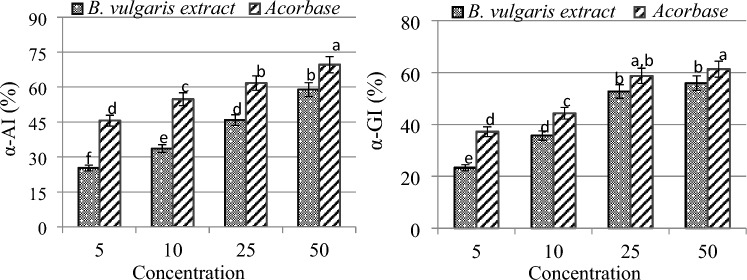
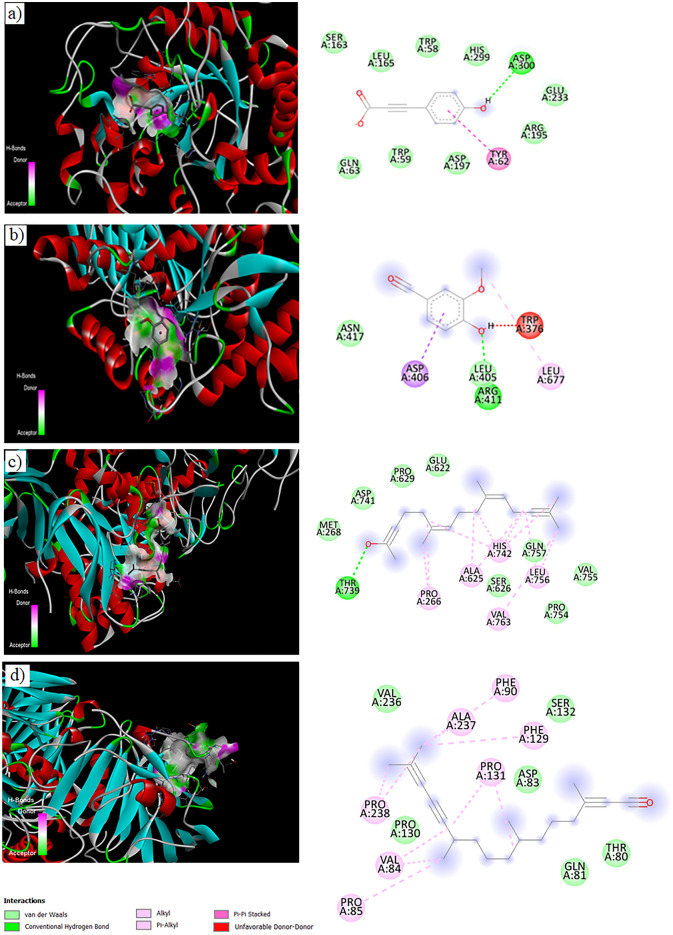
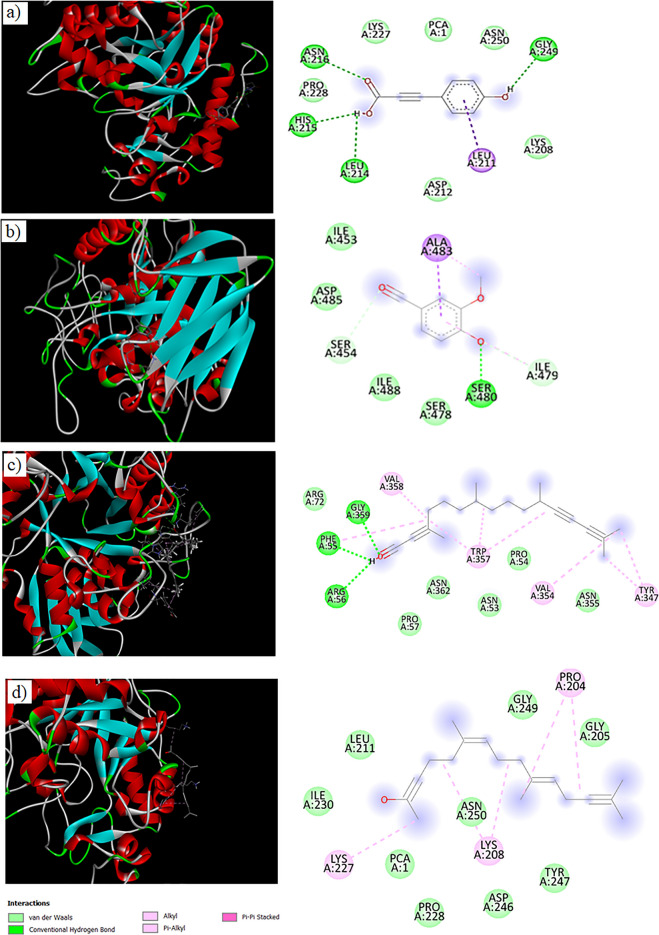
The plants that we consume in our daily diet and use as a risk preventer against many diseases have many biological and pharmacological activities. In this study, the phytochemical fingerprint and biological activities of Beta vulgaris L. leaf extract, which are widely consumed in the Black Sea region, were investigated. The leaf parts of the plant were dried in an oven at 35 °C and then ground into powder. The main constituents in B. vulgaris were identified by LC–MS/MS and GC–MS analyses. Phenolic content, betaxanthin and betacyanin levels were investigated in the extracts obtained using three different solvents. The biological activity of the extract was investigated by anti-microbial, anti-mutagenic, anti-proliferative and anti-diabetic activity tests. Anti-diabetic activity was investigated by in vitro enzyme inhibition and in-silico molecular docking was performed to confirm this activity. In the LC–MS analysis of B. vulgaris extract, a major proportion of p_coumaric acid, vannilin, protecatechuic aldehyde and sesamol were detected, while the major essential oils determined by GC–MS analysis were hexahydrofarnesyl acetone and phytol. Among the solvents used, the highest extraction efficiency of 2.4% was obtained in methanol extraction, and 36.2 mg of GAE/g phenolic substance, 5.1 mg/L betacyanin and 4.05 mg/L betaxanthin were determined in the methanol extract. Beta vulgaris , which exhibited broad-spectrum anti-microbial activity by forming a zone of inhibition against all tested bacteria, exhibited anti-mutagenic activity in the range of 35.9–61.8% against various chromosomal abnormalities. Beta vulgaris extract, which did not exhibit mutagenic, sub-lethal or lethal effects, exhibited anti-proliferative activity by reducing proliferation in Allium root tip cells by 21.7%. 50 mg/mL B. vulgaris extract caused 58.9% and 55.9% inhibition of α-amylase and α-glucosidase activity, respectively. The interactions of coumaric acid, vanniline, hexahydrofarnesyl acetone and phytol, which are major compounds in phytochemical content, with α-amylase and α-glucosidase were investigated by in silico molecular docking and interactions between molecules via various amino acids were determined. Binding energies between the tested compounds and α-amylase were obtained in the range of − 4.3 kcal/mol and − 6.1 kcal/mol, while for α-glucosidase it was obtained in the range of − 3.7 kcal/mol and − 5.7 kcal/mol. The biological activities of B. vulgaris are closely related to the active compounds it contains, and therefore studies investigating the phytochemical contents of plants are very important. Safe and non-toxic plant extracts can help reduce the risk of various diseases, such as diabetes, and serve as an alternative or complement to current pharmaceutical practices.
Overview
The claims and statistics of this paper haven’t been checked yet.
Run the check — free, no account needed. It reads the open-access text and checks the sources it cites.
Integrity signals
Registry
Cites
Statistics
Figures
Verification
Claims the paper makes
The claims and statistics of this paper haven’t been checked yet.
Run the check — free, no account needed. It reads the open-access text and checks the sources it cites.
Claims other papers make about this one
Each is checked against this paper’s own text: does it say what the citing paper says it does?
In the citing paper
“Phenolic compounds and flavonoids are very valuable molecules in terms of antioxidant properties. These metabolites, which contain at least one hydroxyl group in their structures, have many different biological effects such as antioxidant, anticancer, antibacterial, cardioprotective, antiinflammatory, antiviral, antifungal20,33.”
From Synergistic and antagonistic contributions of main components to the bioactivity profile of Anethum graveolens extract (2025) · cites this paper as [20]
Self-check
Percentages, sums and reported differences re-computed from the paper’s own numbers.
The self-check needs the paper’s full text.
Citations
Cites
Biological Activities of Essential Oils: From Plant Chemoecology to Traditional Healing Systems
Sharifi-Rad, J., Sureda, A., Tenore, G., Daglia, M., Sharifi-Rad, M., Valussi, M., Tundis, R., Sharifi-Rad, M., Loizzo, M., Ademiluyi, A., et al. (2017) · Molecules · doi:10.3390/molecules22010070 · Cited by 889
Research works printed but not linked: 68
- Gill, M. S., Saleem, H. & Ahemad, N. Plant extracts and their secondary metabolites as modulators of kinases. Curr. Top. Med. Chem. 20(12), 1093–1104 (2020). · DOI
- Saleem, H. et al. Nutritional and medicinal plants as potential sources of enzyme inhibitors toward the bioactive functional foods: An updated review. Crit. Rev. Food Sci. Nutr. 31, 1–24 (2023). · DOI
- Saleem, H. et al. Investigation into the biological properties, secondary metabolites composition, and toxicity of aerial and root parts of Capparis spinosa L.: An important medicinal food plant. Food Chem. Toxicol. 155, 112404 (2021). · DOI
- Saleem, H., Usman, A., Mahomoodally, M. F. & Ahemad, N. Bougainvillea glabra (choisy): A comprehensive review on botany, traditional uses, phytochemistry, pharmacology and toxicity. J. Ethnopharmacol. 266, 113356 (2021). · DOI
- Nwozo, O. S., Effiong, E. M., Aja, P. M. & Awuchi, C. G. Antioxidant, phytochemical, and therapeutic properties of medicinal plants: A review. Int. J. Food Prop. 26(1), 359–388 (2023). · DOI
- Pammi, S. S., Suresh, B. & Giri, A. Antioxidant potential of medicinal plants. JCSB 26(1), 13–26 (2023).
- Pagare, S., Bhatia, M., Tripathi, N., Pagare, S. & Bansal, Y. K. Secondary metabolites of plants and their role: Overview. Curr. Trends Biotechnol. Pharm. 9(3), 293–304 (2015).
- Olumese, F. E. & Oboh, H. A. Antioxidant and antioxidant capacity of raw and processed Nigerian Beetroot (Beta vulgaris). NJBAS 24(1), 35–40 (2016).
- Hilou, A., Nacoulma, O. & Guiguemde, T. In vivo antimalarial activities of extracts from Amaranthus spinosus L. and Boerhaavia erecta L. in mice. J. Ethnopharmacol. 103, 236–240 (2006). · DOI
- Madadi, E. et al. Therapeutic application of betalains: A review. Plants 9(9), 1219 (2020). · DOI
- Hui, H., Tang, G. & Go, V. L. Hypoglycemic herbs and their action mechanisms. Chin. Med. 4(1), 11 (2009). · DOI
- Nikan, M. & Manayi, A. Beta vulgaris L. In Nonvitamin and nonmineral nutritional supplements (eds Seyed, N. & Ana, S.) 153–158 (Academic Press, 2018).
- Akgeyik, A. U., Yalçın, E. & Çavuşoğlu, K. Determination of phytochemical content-related antimicrobial activity of Ornithogalum umbellatum L. extract. Gaziosmanpasa J. Sci. Res. 10(3), 188–200 (2021).
- Bakir Çilesizoğlu, N., Yalçin, E., Çavuşoğlu, K. & Sipahi Kuloğlu, S. Qualitative and quantitative phytochemical screening of Nerium oleander L. extracts associated with toxicity profile. Sci. Rep. 12, 21421 (2022). · DOI
- Stintzing, F. C., Schieber, A. & Carle, R. Evaluation of colour properties and chemical quality parameters of cactus juices. Eur. Food Res. Technol. 216(4), 303–311 (2003). · DOI
- Akman, T. C. et al. LC-ESI-MS/MS chemical characterization, antioxidant and antidiabetic properties of propolis extracted with organic solvents from Eastern Anatolia Region. Chem. Biodivers. 20, 202201189 (2023). · DOI
- Kayir, Ö., Doğan, H., Alver, E. & Bilici, İ. Quantification of phenolic component by LC-HESI-MS/MS and evaluation of antioxidant activities of Crocus Ancyrensis extracts obtained with different solvents. Chem. Biodivers. 20, 202201186 (2023). · DOI
- Doğan, H., Kayir, Ö., Alver, E. & Bilici, I. Chemical composition of essential oils from Crocus ancyrensis (Herbert) Maw Spreading In Çorum (Türkiye) Region. IJSM 10(2), 314–323 (2023).
- Efe, E., Yalcin, E. & Cavusoglu, K. Antimutagenic and multi-biological activities of Smilax excelsa L. fruit extract. Cumhuriyet Sci. J. 40(2), 440–446 (2019). · DOI
- Yalçın, E. & Çavuşoğlu, K. Toxicity assessment of potassium bromate and the remedial role of grape seed extract. Sci. Rep. 12, 20529 (2022). · DOI
- Çavuşoğlu, K. & Yalçin, E. Spectral shift supported epichlorohydrin toxicity and the protective role of sage. Environ. Sci. Pollut. Res. 30(1), 1374–1385 (2023). · DOI
- Aydın, D., Yalçın, E. & Çavuşoğlu, K. Metal chelating and anti radical activity of Salvia ofcinalis in the ameliorative effects against uranium toxicity. Sci. Rep. 12, 15845 (2022). · DOI
- Nickavar, B., Abolhasani, L. & Izadpanah, H. α-Amylase inhibitory activities of six Salvia species. Iran J. Pharma. Res. 7(4), 297–303 (2008).
- Fang, L., Cao, J., Duan, L., Tang, Y. & Zhao, Y. Protein tyrosine phosphatase 1B (PTP1B) and α-glocosidase inhibitory activities of Schisandra chinensis (Turcz.) Baill. J. Funct. Foods. 9, 264–270 (2014). · DOI
- Ramasubbu, N., Paloth, V., Luo, Y., Brayer, G. D. & Levine, M. J. Structure of human salivary α-amylase at 1.6 a resolution: Implications for its role in the oral cavity. Acta Crystallogr. D. 52(3), 435–446 (1996). · DOI
- Roig-Zamboni, V. et al. Structure of human lysosomal acid α-glucosidase—A guide for the treatment of Pompe disease. Nat. Commun. 8(1), 1–10 (2017). · DOI
- Gawlik-Dziki, U. et al. Leaves of white beetroot as a new source of antioxidant and anti-inflammatory compounds. Plants 9(8), 944 (2020). · DOI
- Hajihosseini, S. & Setorki, M. The antioxidant activity of Beta vulgaris leaf extract in improving scopolamine-induced spatial memory disorders in rats. AJP 7(5), 417 (2017).
- Lasta, H. F. B. et al. Pressurized liquid extraction applied for the recovery of phenolic compounds from beetroot waste. Biocatal. Agric. Biotechnol. 21, 101353 (2019). · DOI
- Ghasemzadeh, A., Jaafar, H. Z., Bukhori, M. F. M., Rahmat, M. H. & Rahmat, A. Assessment and comparison of phytochemical constituents and biological activities of bitter bean (Parkia speciosa Hassk.) collected from different locations in Malaysia. Chem. Cent. J. 12, 1–9 (2018). · DOI
- Durhan, B., Yalçın, E., Çavuşoğlu, K. & Acar, A. Molecular docking assisted biological functions and phytochemical screening of Amaranthus lividus L. extract. Sci. Rep. 12(1), 4308 (2022). · DOI · Paper page
- Bakkali, F., Averbeck, S., Averbeck, D. & Idaomar, M. Biological effects of essential oils—A review. Food Chem. Toxicol. 46, 446–475 (2008). · DOI · Paper page
- Onanuga, A. O. & Okpala, E. O. Chemical compositions and antioxidant activity of volatile oils from Morinda citrifolia and Beta vulgaris leaves from Nigeria. Biol. Med. Natural Prod. Chem. 11(2), 161–167 (2022). · DOI
- Breijyeh, Z., Jubeh, B. & Karaman, R. Resistance of gram-negative bacteria to current antibacterial agents and approaches to resolve it. Molecules 25(6), 1340 (2020). · DOI · Paper page
- Walker, L. A., Gow, N. A. & Munro, C. A. Elevated chitin content reduces the susceptibility of Candida species to caspofungin. Antimicrob. Agents Chemother. 57, 146–154 (2013). · DOI · Paper page
- Lou, Z. et al. p-coumaric acid kills bacteria through dual damage mechanisms. Food Cont. 25(2), 550–554 (2012). · DOI · Paper page
- Fitzgerald, D. J. et al. Mode of antimicrobial action of vanillin against Escherichia coli, Lactobacillus plantarum and Listeria innocua. J. Appl. Microbiol. 97(1), 104–113 (2004). · DOI
- Balogun, O. S., Ajayi, O. S. & Adeleke, A. J. Hexahydrofarnesyl acetone-rich extractives from Hildegardia barteri. J. Herbs Spices Med. Plants. 23(4), 393–400 (2017). · DOI
- Ahmadi, S., Soleimanian-Zad, S. & Zaeim, D. Antibacterial and antifungal activity of the aqueous and methanolic extracts and essential oils of red beets Beta vulgaris leaves. Zahedan J. Res. Med. Sci. 22(3), 83725 (2020). · DOI
- Srivastava, P., Marker, S., Pandey, P. & Tiwari, D. K. Mutagenic effects of sodium azide on the growth and yield characteristics in wheat (Triticum aestivum L. em. Thell.). Asian J. Plant Sci. 10(3), 190–201 (2011). · DOI
- Akgeyik, A. U., Yalçın, E. & Çavuşoğlu, K. Phytochemical fingerprint and biological activity of raw and heat-treated Ornithogalum umbellatum. Sci. Rep. 13(1), 13733 (2023). · DOI
- Yalçın, E. & Çavuşoğlu, K. Spectroscopic contribution to glyphosate toxicity profile and the remedial effects of Momordica charantia. Sci. Rep. 12, 20020 (2022). · DOI
- Yirmibeş, F., Yalçın, E. & Çavuşoğlu, K. Protective role of green tea against paraquat toxicity in Allium cepa L.: Physiological, cytogenetic, biochemical, and anatomical assessment. Environ. Sci. Pollut. Res. 29(16), 23794–23805 (2022). · DOI
- Onur, M., Yalçın, E., Çavuşoğlu, K. & Acar, A. Elucidating the toxicity mechanism of AFM2 and the protective role of quercetin in albino mice. Sci. Rep. 13(1), 1237 (2023). · DOI
- Kurt, D., Yalçin, E. & Çavuşoğlu, K. GC–MS and HPLC supported phytochemical analysis of watercress and the protective role against paraben toxicity. Environ. Sci. Pollut. Res. 30(3), 6033–6046 (2023). · DOI
- Üstündağ, Ü. et al. Effect of Melissa officinalis L. leaf extract on manganese-induced cyto-genotoxicity on Allium cepa L. Sci. Rep. 13(1), 22110 (2023). · DOI
- Himtaş, D., Yalçin, E., Çavuşoğlu, K. & Acar, A. In-vivo and in-silico studies to identify toxicity mechanisms of permethrin with the toxicity-reducing role of ginger. Environ. Sci. Pollut. Res. 31(6), 9272–9287 (2024). · DOI · Paper page
- Yılmaz, H. et al. DNA fragmentation, chromosomal aberrations, and multi-toxic effects induced by nickel and the modulation of Ni-induced damage by pomegranate seed extract in Allium cepa L. Environ. Sci. Pollut. Res. 30(51), 110826–110840 (2023). · DOI
- Gündüz, A., Yalçın, E. & Çavuşoğlu, K. Combined toxic effects of aflatoxin B2 and the protective role of resveratrol in Swiss albino mice. Sci. Rep. 11(1), 18081 (2021). · DOI
- Shahinozzaman, M. et al. A comprehensive review of its chemistry, bioavailability, and pharmacological properties. Fitoterapia 147, 104775 (2020). · DOI
- Li, M. et al. Phytochemistry, bioaccessibility, and bioactivities of sesame seeds: An overview. Food Rev. Int. 40(1), 309-335 (2024). · DOI
- Arya, N. & Kaur, A. Essential oils anticancer properties: A review. Acad. Int. Multidisip. Res. J. 11(11), 918–924 (2022).
- Al-Tameemi, K. & Nassour, R. Betalainss structure, existence and biological importance. J. Chem. Pharm. Sci. 14(3), 37–44 (2021).
- Klewicka, E. Fermented beetroot juice as a factor limiting chemical mutations induced by MNNG in Salmonella typhimurium TA98 and TA100 Strains. Biotechnology 48, 229–233 (2010). · DOI
- Marc, J., Mulner-Lorillon, O. & Bellé, R. Glyphosate-based pesticides affect cell cycle regulation. Biol. Cell. 96(3), 245–249 (2004). · DOI
- Sherin, D. R., Manojkumar, T. K., Prakash, R. C. & Sobha, V. N. Molecular docking and dynamics simulation study of telomerase inhibitors as potential anti-cancer agents. Biol. Med. Chem. 46, 2898–2905 (2021).
- Romero, S. A. et al. Anticancer effects of root and beet leaf extracts (Beta vulgaris L.) in cervical cancer cells (HeLa). Phytother. Res. 35(11), 6191–6203 (2021). · DOI
- Chan, C. H., Ngoh, G. C. & Yusoff, R. A brief review on anti-diabetic plants: Global distribution, active ingredients, extraction techniques and acting mechanisms. Pharmacogn. Rev. 6, 22–28 (2012). · DOI
- Tran, N., Pham, B. & Le, L. Bioactive compounds in anti-diabetic plants: From herbal medicine to modern drug discovery. Biology 9(9), 252 (2020). · DOI · Paper page
- Sulaimon, L. A. et al. In vitro antidiabetic potentials, antioxidant activities and phytochemical profile of african black pepper (Piper guineense). Clin. Phytosci. 6(1), 1–13 (2020). · DOI
- Şen, A. et al. Chemical composition, antiradical, and enzyme inhibitory potential of essential oil obtained from aerial part of Centaurea pterocaula Trautv. J. Essent. Oil Res. 33(1), 44–52 (2021). · DOI
- Akshatha, J. V., SantoshKumar, H. S., Prakash, H. S. & Nalini, M. S. In silico docking studies of α-amylase inhibitors from the anti-diabetic plant Leucas ciliata Benth. and an endophyte, Streptomyces longisporoflavus. 3 Biotech. 11, 1–16 (2021). · DOI
- Çakir, F. et al. Deep neural network and molecular docking supported toxicity profile of prometryn. Chemosphere 340, 139962 (2023). · DOI
- Kurt, D. et al. Genotoxic effects and molecular docking of 1, 4-dioxane: Combined protective effects of trans-resveratrol. Environ. Sci. Pollut. Res. 28(39), 54922–54935 (2021). · DOI
- Macar, O. et al. Molecular docking and spectral shift supported toxicity profile of metaldehyde mollucide and the toxicity-reducing effects of bitter melon extract. Pestic. Biochem. Physiol. 187, 105201 (2022). · DOI
- Güç, İ, Yalçin, E., Çavuşoğlu, K. & Acar, A. Toxicity mechanisms of aflatoxin M1 assisted with molecular docking and the toxicity-limiting role of trans-resveratrol. Sci. Rep. 12(1), 14471 (2022). · DOI
- Seven, B., Kültiğin, Çavuşoğlu, Yalçin, E. & Acar, A. Investigation of cypermethrin toxicity in Swiss albino mice with physiological, genetic and biochemical approaches. Sci. Rep. 12(1), 11439 (2022). · DOI
- Kuloğlu, S. S., Yalçin, E., Çavuşoğlu, K. & Acar, A. Dose-dependent toxicity profile and genotoxicity mechanism of lithium carbonate. Sci. Rep. 12(1), 13504 (2022). · DOI
Cited by
Kesti Usta, S., Yalçın, E., & Çavuşoğlu, K. (2025) · Scientific Reports · doi:10.1038/s41598-025-07297-8 · Cited by 10
Self-citation
Metadata
- Authors
- Üst, Ö., Yalçin, E., Çavuşoğlu, K., & Özkan, B.
- Venue
- Scientific Reports
- Published
- 2024-03-29
- Volume
- 14
- Issue
- 1
- ISSN
- 2045-2322
- PMC
- PMC10980731
- Cited by
- 32
- References
- 1
- Language
- en
About these checks
Registry, retraction, Cites and statistics results are computed, not judged, with one exception: a printed reference that no index lists is read once by a model before it counts as a citation error. Claims are extracted by a model and kept only when their quote appears verbatim in the text; each cited source is then checked, with a model’s help, for whether it says what the claim relies on. Those verdicts can be wrong — read the claim’s quote and the cited source before relying on one.
Statistics and arithmetic are recomputed, not judged.
Confidence bands are shown only for fields calibrated on our annotated test set. None is calibrated yet, so no band is shown.
What counts as a claim ›How we measure confidence ›How we check this ›
Are you an author, or do you see a problem with this page? Request a review
Data sources
Bibliographic data: Semantic Scholar, OpenAlex, Crossref.
Contains information from the Semantic Scholar Academic Graph Datasets, made available under the ODC Attribution License (ODC-BY 1.0).
Semantic Scholar’s data is described in: Kinney, R., et al. (2023). The Semantic Scholar Open Data Platform. arXiv:2301.10140.
