

Association between attention-deficit/hyperactivity disorders and intestinal disorders: A systematic review and Meta-analysis
Open accessThe DOI matches its Crossref record; 61 of the 61 references it cites were found in a registry or an index; 20 of the 37 sources its claims cite were checked for support.
Abstract
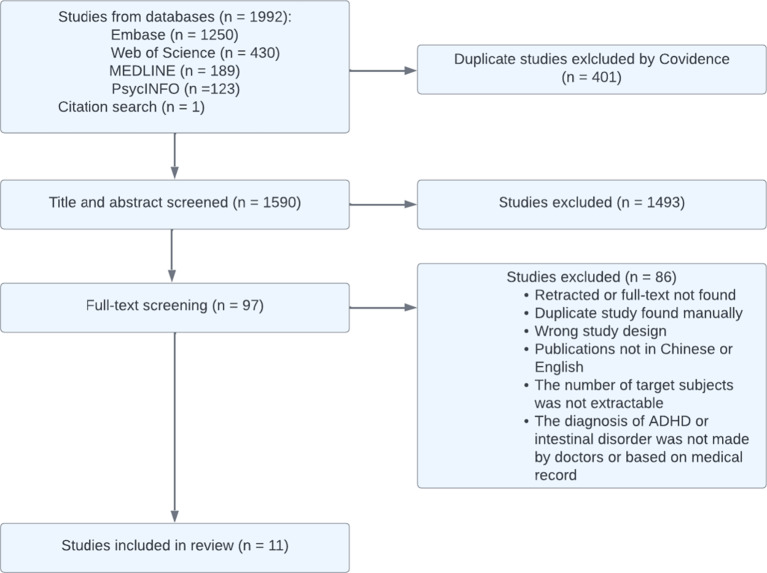
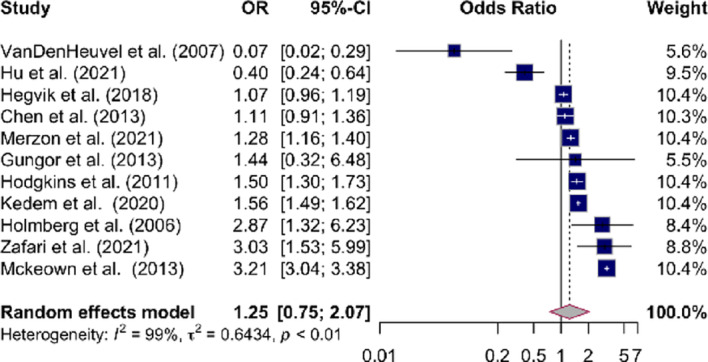
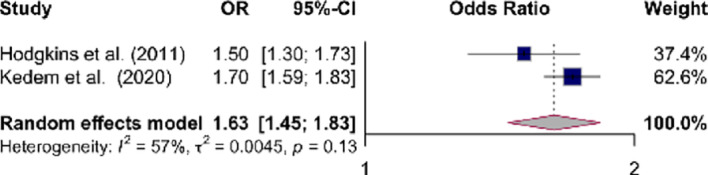
Patients with attention-deficit hyperactivity disorder (ADHD) reported significantly more constipation and flatulence than healthy controls. An altered gut microbiome can be associated with gastrointestinal symptoms. However, comprehensive information about associated risk of intestinal disorders and ADHD remains limited. A systematic review of the literature was therefore conducted to investigate the association between ADHD and different types of intestinal disorders. A total of 11 studies with 3,851,163 unique individuals, including 175 806 individuals with ADHD and 3 675 357 individuals without ADHD were included. The pooled OR of intestinal disorders for individuals with ADHD was 1.25 (95%CI, 0.75–2.07). A significant positive association was found between ADHD and irritable bowel syndrome (IBS) (OR 1.63 [95% CI 1.45–1.83]). Studies conducted in Eastern Mediterranean Region yielded a summary OR estimate that was higher than summary OR estimates in studies conducted in Region of the Americas, European Region and Western Pacific Region (3.03 [1.53–5.99] vs. 2.20 [1.05–4.63], 1.04 [0.44–2.41], 0.68 [0.25–1.87]), with p value 0.053, indicating a trend towards significance. High heterogeneity was observed. Our study supports association between ADHD and increased risk of IBS. Our study suggests an altered gut microbiome is the potential link that bridges gap between ADHD and intestinal disorder.
Overview
CoChat Summary
TL;DR
This systematic review and meta-analysis of 11 studies (3,851,163 individuals) found no significant pooled association between ADHD and all intestinal disorders (OR 1.25, 95% CI 0.75–2.07), but a significant positive association with IBS (OR 1.63, 95% CI 1.45–1.83). The authors suggest an altered gut microbiome may link ADHD and intestinal disorders, though heterogeneity was high.
Key findings
- Across 11 studies including 175,806 individuals with ADHD and 3,675,357 without ADHD, the pooled OR for all intestinal disorders was 1.25 (95% CI 0.75–2.07), with heterogeneity I² = 99% (P < 0.01).
- A significant positive association was found between ADHD and irritable bowel syndrome (IBS): OR 1.63 (95% CI 1.45–1.83) (I² = 57%, Tau² = 0.0045, p = 0.13). No association was found for IBD subtype (Crohn’s disease and ulcerative colitis), celiac disease, or constipation.
- In WHO-region subgroup analysis, Eastern Mediterranean Region had a higher summary OR (3.03 [1.53–5.99]) than the Americas (2.20 [1.05–4.63]), European Region (1.04 [0.44–2.41]), and Western Pacific Region (0.68 [0.25–1.87]), with p = 0.053, indicating a trend toward significance.
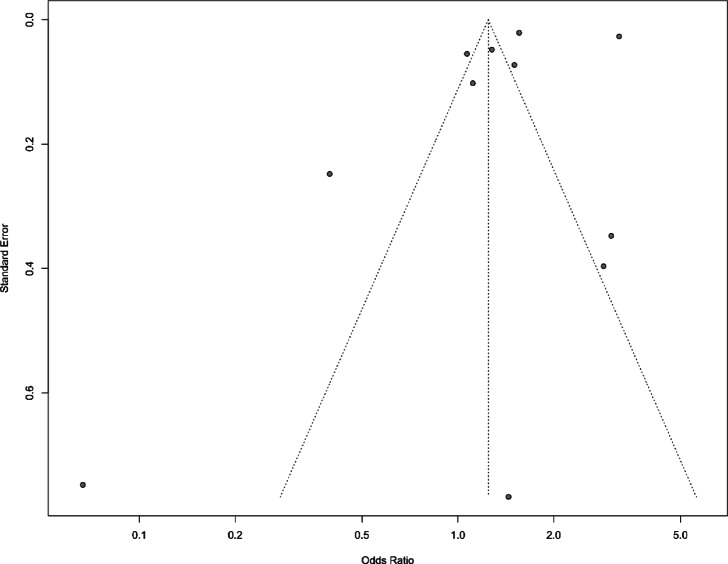
- Leave-one-out sensitivity analysis excluding Van den Heuvel et al. yielded a statistically significant positive association between ADHD and intestinal disorders (OR 1.47 [95% CI 1.00–2.16]). Egger’s test did not indicate strong publication bias (p = 0.38); 10 studies were rated good quality and 1 moderate quality.
Methods
- Systematic review and meta-analysis reported per PRISMA and registered in PROSPERO (CRD42023486812); databases EMBASE, Medline, Web of Science, and APA PsycINFO were searched from inception to 16 November 2023, with grey literature via Google Scholar and reference lists.
- Included control, nested case-control, cohort, and cross-sectional studies with professionally diagnosed ADHD, reported intestinal disorder counts, and OR/RR/HR with 95% CIs or computable count data; excluded reviews, commentaries, editorials, conference abstracts/theses, and studies lacking clear clinical definitions.
- Random-effects meta-analysis was used; primary outcome was OR of intestinal disorders in ADHD versus non-ADHD, secondary outcome was OR for specific intestinal disorders. Heterogeneity was assessed with I² and Cochran Q, with univariate meta-regression and subgroup analyses by age group, study type, study design, WHO region, number of subjects, and ADHD diagnostic criteria; leave-one-out sensitivity analysis and Egger’s test were also performed using R packages ‘meta’ and ‘metafor’.
Limitations
- The paper states: nearly half of studies were from Asia, limiting generalizability; heterogeneity was high due to differences in study design, population, and diagnostic criteria; only 11 studies were included; some subgroup analyses had small numbers; the WHO regional difference may reflect small sample size; and 9 of 11 studies were retrospective, prone to recall bias and incomplete data collection.
- Evident from the text: the overall pooled estimate had very high heterogeneity (I² = 99%), and the included observational designs cannot establish causality between ADHD and intestinal disorders.
Model-written summary. Check it against the paper before relying on it.
Integrity signals
Registry
Cites
Statistics
Figures
Verification
Claims the paper makes
19 Valid · 0 Not valid · 10 Not checked · 34 Own results and interpretations
Every source the paper cites for this claim was checked and supports it.
In the paper
“Microorganisms influence the brain through their ability to produce and modify metabolic, immunological and neurochemical factors in the gut that ultimately impact on the central nervous system59.”
§ Association between attention-deficit/hyperactivity disorders and intestinal disorders: A systematic review and Meta-analysis > Discussion
What the sources say
- Supportedcites [59] Erny, D. et al. Host microbiota constantly control maturation and function of microglia in the CNS. Nat. Neurosci. 18 (7), 965–977 (2015). 26030851 PMC5528863 source
The Discussion describes gut bacterial metabolites that may affect CNS function and microbiota-driven changes in cytokines that affect microglia. The Introduction also links intestinal microbiota to endocrine development and brain neurochemical mediators. These passages support the claim’s broad description of metabolic, immunological and neurochemical gut-to-brain influences. (LLM, conf=0.86)
plainstates a cause- Asserted: passes — The authors put it forward as true.
- Checkable: passes — It can be checked against evidence.
- Load-bearing: unclear — It is unclear whether the paper’s conclusions depend on it.
- Based: passes — The paper gives a reason why it holds.
- Supported
Every source the paper cites for this claim was checked and supports it.
In the paper
“ADHD has been associated with increased risk for intestinal disorders21.”
§ Association between attention-deficit/hyperactivity disorders and intestinal disorders: A systematic review and Meta-analysis > Discussion
What the sources say
- Supportedcites [21] Ming, X. et al. A gut feeling: a hypothesis of the role of the Microbiome in attention-deficit/hyperactivity disorders. Child. Neurol. Open. 5, 2329048X18786799 (2018). 30023407 PMC6047248 source
The Discussion reports increased rates of serious stomach or bowel problems in people with ADHD and cites studies finding constipation and fecal incontinence more likely in children with ADHD. The paper’s own findings, summarized in the Conclusion, also show a modest increase in gastrointestinal symptoms among children with ADHD. These support the claimed association, without establishing causation. (LLM, conf=0.90)
plainstates an association- Asserted: passes — The authors put it forward as true.
- Checkable: passes — It can be checked against evidence.
- Load-bearing: passes — The paper’s conclusions depend on it.
- Based: passes — The paper gives a reason why it holds.
- Supported
Every source the paper cites for this claim was checked and supports it.
In the paper
“Patients with attention-deficit hyperactivity disorder (ADHD) reported significantly more constipation and flatulence than healthy controls.”
- Also stated in: § Introduction · plain
“Children with ADHD reported significantly more constipation and flatulence symptoms than the healthy controls21.”
§ Association between attention-deficit/hyperactivity disorders and intestinal disorders: A systematic review and Meta-analysis > Abstract
What the sources say
- Supportedcites [21] Ming, X. et al. A gut feeling: a hypothesis of the role of the Microbiome in attention-deficit/hyperactivity disorders. Child. Neurol. Open. 5, 2329048X18786799 (2018). 30023407 PMC6047248 source
The ‘Prevalence of Gastrointestinal Symptoms in ADHD’ section states that children with ADHD had significantly higher constipation and flatulence scores than healthy controls. Table 3 reports P = .024 for constipation and P = .019 for flatulence. (LLM, conf=0.95)
plainstates an association- Asserted: passes — The authors put it forward as true.
- Checkable: passes — It can be checked against evidence.
- Load-bearing: unclear — It is unclear whether the paper’s conclusions depend on it.
- Based: passes — The paper gives a reason why it holds.
- Also stated in: § Introduction · plain
Every source the paper cites for this claim was checked and supports it.
In the paper
“In turn, brain activity also impacts the gut microbiota composition60.”
§ Association between attention-deficit/hyperactivity disorders and intestinal disorders: A systematic review and Meta-analysis > Discussion
What the sources say
- Supportedcites [60] Kuwahara, A. et al. Microbiota-gut-brain axis: enteroendocrine cells and the enteric nervous system form an interface between the microbiota and the central nervous system. Biomed. Res. 41 (5), 199–216 (2020). 33071256 source
The section “Microbiota-gut-brain axis: Communication between the CNS and ENS” (p. 13) states that the CNS modulates intestinal motility patterns, which can change gut microbiota composition. It explicitly concludes that the brain can influence the gut microbiota through changes in motility, secretion and intestinal permeability. (LLM, conf=0.93)
plainstates a cause- Asserted: passes — The authors put it forward as true.
- Checkable: passes — It can be checked against evidence.
- Load-bearing: unclear — It is unclear whether the paper’s conclusions depend on it.
- Based: passes — The paper gives a reason why it holds.
- Supported
The cited sources support only part of this claim — read each source’s verdict below.
In the paper
“Differences in ADHD prevalence in different geographical regions40 may be due to differences in study methodologies, including sample size, response rate, information sources from parents or teachers, cultural factors and clinical diagnosis criteria of ADHD.”
§ Association between attention-deficit/hyperactivity disorders and intestinal disorders: A systematic review and Meta-analysis > Discussion
What the sources say
- Partly supportedcites [40] Salari, N. et al. The global prevalence of ADHD in children and adolescents: a systematic review and meta-analysis. Ital. J. Pediatr. 49 (1), 48 (2023). 37081447 PMC10120242 sourceExperimental — accuracy not yet measured
The Background and Discussion (page unavailable) support variation in ADHD prevalence across studies and identify diagnostic criteria as one reason estimates differ. The paper also reports prevalence estimates from different regions, but the cited passages do not attribute those differences to response rates, parent-versus-teacher information sources, or cultural factors; sample sizes are reported without being identified as a cause. (LLM, conf=0.86)
hedgedstates a possible cause- Asserted: passes — The authors put it forward as true.
- Checkable: passes — It can be checked against evidence.
- Load-bearing: unclear — It is unclear whether the paper’s conclusions depend on it.
- Based: passes — The paper gives a reason why it holds.
- Partly supported
19 more claims · 2 with their cited sources checked
Create a free account to see all 63 claims and to verify the 3 references still open.
- Probably not a substantial claim. 27
- It may state two separate claims as one. 20
Citations
Cites
Host microbiota constantly control maturation and function of microglia in the CNS
Erny, D., Hrabě de Angelis, A. L., Jaitin, D., Wieghofer, P., Staszewski, O., David, E., Keren-Shaul, H., Mahlakoiv, T., Jakobshagen, K., Buch, T., et al. (2015) · Nature Neuroscience · doi:10.1038/nn.4030 · Cited by 3,569 · cited 1×
“Microorganisms influence the brain through their ability to produce and modify metabolic, immunological and neurochemical factors in the gut that ultimately impact on the central nervous system 59 .”
The role of short-chain fatty acids in microbiota–gut–brain communication
Dalile, B., Van Oudenhove, L., Vervliet, B., & Verbeke, K. (2019) · Nature Reviews Gastroenterology & Hepatology · doi:10.1038/s41575-019-0157-3 · Cited by 3,357 · cited 1×
“The gut microbiota influences gut barrier and produce neurotransmitters, amino acids and microbial metabolites 61 .”
Microbiota in health and diseases
Hou, K., Wu, Z.-X., Chen, X.-Y., Wang, J.-Q., Zhang, D., Xiao, C., Zhu, D., Koya, J. B., Wei, L., Li, J., et al. (2022) · Signal Transduction and Targeted Therapy · doi:10.1038/s41392-022-00974-4 · Cited by 3,171 · cited 1×
“Dysbiosis, in contrast, is the imbalanced state of gut microbial communities that can lead to dysregulation of bodily functions and various diseases 19 .”
Self-citationADHD Working Group of the Psychiatric Genomics Consortium (PGC), Demontis, D., Early Lifecourse & Genetic Epidemiology (EAGLE) Consortium, 23andMe Research Team, Walters, R. K., Martin, J., Mattheisen, M., Als, T. D., Agerbo, E., Baldursson, G., et al. (2019) · Nature Genetics · doi:10.1038/s41588-018-0269-7 · Cited by 2,203 · cited 1×
“There is evidence of strong genetic component of common variants in the polygenic architecture of ADHD with 22% of Single Nucleotide Polymorphism (SNP)-based heritability 47 .”
The gut microbiota–brain axis in behaviour and brain disorders
Morais, L. H., Schreiber, H. L., & Mazmanian, S. K. (2021) · Nature Reviews Microbiology · doi:10.1038/s41579-020-00460-0 · Cited by 2,149 · cited 1×
“Gut-brain axis 17 refers to the network of connections involving multiple biological systems that allows bidirectional communication between gut bacteria and the brain.”
Inflammatory bowel disease: Etiology and pathogenesis
Fiocchi, C. (1998) · Gastroenterology · doi:10.1016/s0016-5085(98)70381-6 · Cited by 2,059 · cited 3×
“Figure 2 showed the overall risk estimates of association between ADHD and all types of intestinal disorders reported in the included studies, including IBS, IBD subtype, celiac disease, constipation, dyspepsia, recurrent abdominal pain, Shigellosis, peptic ulcer, and fecal incontinence.”
The gut microbiome in neurological disorders
Cryan, J. F., O'Riordan, K. J., Sandhu, K., Peterson, V., & Dinan, T. G. (2020) · The Lancet Neurology · doi:10.1016/s1474-4422(19)30356-4 · Cited by 1,336
Song, P., Zha, M., Yang, Q., Zhang, Y., Li, X., & Rudan, I. (2021) · Journal of Global Health · doi:10.7189/jogh.11.04009 · Cited by 896
Attention-deficit hyperactivity disorder
Posner, J., Polanczyk, G. V., & Sonuga-Barke, E. (2020) · The Lancet · doi:10.1016/s0140-6736(19)33004-1 · Cited by 835
The global prevalence of ADHD in children and adolescents: a systematic review and meta-analysis
Salari, N., Ghasemi, H., Abdoli, N., Rahmani, A., Shiri, M. H., Hashemian, A. H., Akbari, H., & Mohammadi, M. (2023) · Italian Journal of Pediatrics · doi:10.1186/s13052-023-01456-1 · Cited by 670
Functional gastrointestinal disorders: advances in understanding and management
Black, C. J., Drossman, D. A., Talley, N. J., Ruddy, J., & Ford, A. C. (2020) · The Lancet · doi:10.1016/s0140-6736(20)32115-2 · Cited by 605 · cited 1×
“Functional intestinal disorder is a spectrum of chronic gastrointestinal disorders characterized by symptoms or signs of abdominal pain, bloating, distention and bowel habit abnormalities, including irritable bowel syndrome (IBS) 14 .”
Irritable bowel syndrome: Pathogenesis, diagnosis, treatment, and evidence-based medicine
Saha, L. (2014) · World Journal of Gastroenterology · doi:10.3748/wjg.v20.i22.6759 · Cited by 500 · cited 1×
“It has been postulated that IBS pathogenesis involves altered or overgrowth of gut microbiome, hypersensitivity to food, post infection reactivity or inflammation, and altered intestinal motility 42 .”
The epidemiology of attention‐deficit/hyperactivity disorder (ADHD): A public health view
Rowland, A. S., Lesesne, C. A., & Abramowitz, A. J. (2002) · Mental Retardation and Developmental Disabilities Research Reviews · doi:10.1002/mrdd.10036 · Cited by 495 · cited 1×
“These factors contribute to its classification as a significant public health concern 12 .”
Ayano, G., Demelash, S., Gizachew, Y., Tsegay, L., & Alati, R. (2023) · Journal of Affective Disorders · doi:10.1016/j.jad.2023.07.071 · Cited by 460
Microbes and the gut‐brain axis
Bercik, P., Collins, S. M., & Verdu, E. F. (2012) · Neurogastroenterology & Motility · doi:10.1111/j.1365-2982.2012.01906.x · Cited by 417 · cited 1×
“Gut microbiome is recognized as a key player in the pathogenesis of ADHD in gut-brain axis 54,55 , where the neural, endocrine and immunological pathways are involved this communication interplay 56 .”
The microbiota-gut-brain axis: neurobehavioral correlates, health and sociality
Montiel-Castro, A. J., González-Cervantes, R. M., Bravo-Ruiseco, G., & Pacheco-López, G. (2013) · Frontiers in Integrative Neuroscience · doi:10.3389/fnint.2013.00070 · Cited by 413 · cited 1×
“Gut microbiome is recognized as a key player in the pathogenesis of ADHD in gut-brain axis 54,55 , where the neural, endocrine and immunological pathways are involved this communication interplay 56 .”
The Healthy Microbiome—What Is the Definition of a Healthy Gut Microbiome?
Shanahan, F., Ghosh, T. S., & O’Toole, P. W. (2021) · Gastroenterology · doi:10.1053/j.gastro.2020.09.057 · Cited by 383 · cited 1×
“The healthy gut microbiome refers to the collection of bacteria, viruses, bacteriophages, protozoa and fungi residing in the human gut that confer health benefits 18 .”
Childhood Psychiatric Disorders as Risk Factor for Subsequent Substance Abuse: A Meta-Analysis.
Groenman, A. P., Janssen, T. W. P., & Oosterlaan, J. (2017) · Journal of the American Academy of Child & Adolescent Psychiatry · doi:10.1016/j.jaac.2017.05.004 · Cited by 335
Role of the microbiota in inflammatory bowel diseases
Nagalingam, N. A., & Lynch, S. V. (2012) · Inflammatory Bowel Diseases · doi:10.1002/ibd.21866 · Cited by 315 · cited 1×
“Gut dysbiosis in Crohn’s disease and ulcerative colitis is characterized by reduced abundance of the phylum Firmicutes and increase in the phylum Proteobacteria 64 .”
Attention deficit hyperactivity disorder and comorbidity: a review of literature
Gnanavel, S., Sharma, P., Kaushal, P., & Hussain, S. (2019) · World Journal of Clinical Cases · doi:10.12998/wjcc.v7.i17.2420 · Cited by 296
Celiac disease: From pathophysiology to treatment
Parzanese, I., Qehajaj, D., Patrinicola, F., Aralica, M., Chiriva-Internati, M., Stifter, S., Elli, L., & Grizzi, F. (2017) · World Journal of Gastrointestinal Pathophysiology · doi:10.4291/wjgp.v8.i2.27 · Cited by 253 · cited 1×
“Insufficient evidence exists regarding the etiology of other inflammatory intestinal disorders including inflammatory bowel disease (IBD) 15 and celiac disease 16 .”
Update on Environmental Risk Factors for Attention-Deficit/Hyperactivity Disorder
Froehlich, T. E., Anixt, J. S., Loe, I. M., Chirdkiatgumchai, V., Kuan, L., & Gilman, R. C. (2011) · Current Psychiatry Reports · doi:10.1007/s11920-011-0221-3 · Cited by 236
Adult ADHD and Comorbid Somatic Disease: A Systematic Literature Review
Instanes, J. T., Klungsøyr, K., Halmøy, A., Fasmer, O. B., & Haavik, J. (2018) · Journal of Attention Disorders · doi:10.1177/1087054716669589 · Cited by 232 · cited 1×
“obesity, sleep disorder and asthma 11 .”
Hall, N. Y., Le, L. K., Majmudar, I. K., & Mihalopoulos, C. (2021) · Drug and Alcohol Dependence · doi:10.1016/j.drugalcdep.2021.108651 · Cited by 165 · cited 1×
“These quality assessment threshold scores have been used in past reviews 24 .”
Role of Oxidative Stress and Neuroinflammation in Attention-Deficit/Hyperactivity Disorder
Corona, J. C. (2020) · Antioxidants · doi:10.3390/antiox9111039 · Cited by 163 · cited 1×
“ADHD has been associated with an increased oxidative stress and neuroinflammation 49 .”
Leonard, M. M., Valitutti, F., Karathia, H., Pujolassos, M., Kenyon, V., Fanelli, B., Troisi, J., Subramanian, P., Camhi, S., Colucci, A., et al. (2021) · Proceedings of the National Academy of Sciences · doi:10.1073/pnas.2020322118 · Cited by 162
Association of Constipation and Fecal Incontinence With Attention-Deficit/Hyperactivity Disorder
McKeown, C., Hisle-Gorman, E., Eide, M., Gorman, G. H., & Nylund, C. M. (2013) · Pediatrics · doi:10.1542/peds.2013-1580 · Cited by 134
KUWAHARA, A., MATSUDA, K., KUWAHARA, Y., ASANO, S., INUI, T., & MARUNAKA, Y. (2020) · Biomedical Research · doi:10.2220/biomedres.41.199 · Cited by 112 · cited 2×
“In turn, brain activity also impacts the gut microbiota composition 60 .”
Chen, M.-H., Su, T.-P., Chen, Y.-S., Hsu, J.-W., Huang, K.-L., Chang, W.-H., Chen, T.-J., & Bai, Y.-M. (2017) · Journal of Attention Disorders · doi:10.1177/1087054712474686 · Cited by 111 · cited 1×
“The included studies for data analysis 25–35 were case control studies, cohort or cross-sectional studies.”
Social and Economic Costs of Attention-Deficit/Hyperactivity Disorder Across the Lifespan
Sciberras, E., Streatfeild, J., Ceccato, T., Pezzullo, L., Scott, J. G., Middeldorp, C. M., Hutchins, P., Paterson, R. S., Bellgrove, M. A., & Coghill, D. (2020) · Journal of Attention Disorders · doi:10.1177/1087054720961828 · Cited by 95
Alteration of the Gut Microbiome in Inflammatory Bowel Disease
Andoh, A., & Nishida, A. (2023) · Digestion · doi:10.1159/000525925 · Cited by 88
Hegvik, T.-A., Instanes, J. T., Haavik, J., Klungsøyr, K., & Engeland, A. (2018) · European Child & Adolescent Psychiatry · doi:10.1007/s00787-017-1056-1 · Cited by 79
Gut microbiota signature in treatment-naïve attention-deficit/hyperactivity disorder
Richarte, V., Sánchez-Mora, C., Corrales, M., Fadeuilhe, C., Vilar-Ribó, L., Arribas, L., Garcia, E., Rosales-Ortiz, S. K., Arias-Vasquez, A., Soler-Artigas, M., et al. (2021) · Translational Psychiatry · doi:10.1038/s41398-021-01504-6 · Cited by 75 · cited 1×
“Alterations in gut microbiome in ADHD were reported in previous studies, with ADHD group showing higher level of Dialister and Megamonas and lower abundance of Anaerotaenia and Gracilibacter at the genus level 57 , and Bacteroides species correlating with levels of hyperactivity and impulsivity 58 .”
Hodgkins, P., Montejano, L., Sasané, R., & Huse, D. (2011) · The Primary Care Companion For CNS Disorders · doi:10.4088/pcc.10m01030 · Cited by 72
Gut microbiome and attention deficit/hyperactivity disorder: a systematic review
Gkougka, D., Mitropoulos, K., Tzanakaki, G., Panagouli, E., Psaltopoulou, T., Thomaidis, L., Tsolia, M., Sergentanis, T. N., & Tsitsika, A. (2022) · Pediatric Research · doi:10.1038/s41390-022-02027-6 · Cited by 69 · cited 1×
“Alterations in gut microbiome in ADHD were reported in previous studies, with ADHD group showing higher level of Dialister and Megamonas and lower abundance of Anaerotaenia and Gracilibacter at the genus level 57 , and Bacteroides species correlating with levels of hyperactivity and impulsivity 58 .”
Ming, X., Chen, N., Ray, C., Brewer, G., Kornitzer, J., & Steer, R. A. (2018) · Child Neurology Open · doi:10.1177/2329048x18786799 · Cited by 64
Attentional Dysfunction in Children with Encopresis
JOHNSTON, B. D., & WRIGHT, J. A. (1993) · Journal of Developmental & Behavioral Pediatrics · doi:10.1097/00004703-199312010-00004 · Cited by 62 · cited 1×
“Some studies reported a higher rate of encopresis 37 , stomach bloating and cramps 38 in children of ADHD compared with those without ADHD.”
Holmskov, M., Storebø, O. J., Moreira-Maia, C. R., Ramstad, E., Magnusson, F. L., Krogh, H. B., Groth, C., Gillies, D., Zwi, M., Skoog, M., et al. (2017) · PLOS ONE · doi:10.1371/journal.pone.0178187 · Cited by 58 · cited 1×
“On the other hand, methylphenidate, the first line treatment for ADHD, increases the risks of abdominal pain in ADHD patients 45 .”
Health complaints in children with attention-deficit/hyperactivity disorder
Holmberg, K., & Hjern, A. (2006) · Acta Paediatrica · doi:10.1080/08035250600717121 · Cited by 44
Kedem, S., Yust-Katz, S., Carter, D., Levi, Z., Kedem, R., Dickstein, A., Daher, S., & Katz, L. H. (2020) · World Journal of Gastroenterology · doi:10.3748/wjg.v26.i42.6626 · Cited by 44
Yang, L. L., Stiernborg, M., Skott, E., Xu, J., Wu, Y., Landberg, R., Arefin, S., Kublickiene, K., Millischer, V., Nilsson, I. A. K., et al. (2023) · Nutrients · doi:10.3390/nu15051293 · Cited by 42
Self-citationAmini-Salehi, E., Hassanipour, S., Keivanlou, M.-H., Shahdkar, M., Orang Goorabzarmakhi, M., Vakilpour, A., Joukar, F., Hashemi, M., Sattari, N., Javid, M., et al. (2024) · Nutrition Reviews · doi:10.1093/nutrit/nuad086 · Cited by 42 · cited 1×
“…and prebiotics may alleviate the medical condition in specific disorders, for example reduction of C-reactive protein 50 , low-density lipoprotein (LDL) 51 , alanine aminotransferase and aspartate aminotransferase 52 and insulin resistance 53 among non-alcoholic fatty liver disease (NAFLD).”
Garas, P., & Balazs, J. (2020) · Frontiers in Psychiatry · doi:10.3389/fpsyt.2020.557909 · Cited by 41
Farouki, K. E., Lagarde, E., Orriols, L., Bouvard, M. P., Contrand, B., & Galéra, C. (2014) · PLoS ONE · doi:10.1371/journal.pone.0115002 · Cited by 39
A comparison of North American versus non-North American ADHD study populations
Buitelaar, J. K., Barton, J., Danckaerts, M., Friedrichs, E., Gillberg, C., Hazell, P. L., Hellemans, H., Johnson, M., Kalverdijk, L. J., Masi, G., et al. (2006) · European Child & Adolescent Psychiatry · doi:10.1007/s00787-005-0523-2 · Cited by 38 · cited 1×
“Similar ADHD patient populations from North American and non-North America were identified with the same diagnostic assessment, yielding a uniform disease prevalence with the use of standardized diagnostic criteria 41 .”
Frequency of Celiac Disease in Attention‐deficit/Hyperactivity Disorder
Güngör, S., Celiloğlu, Ö. S., Özcan, Ö. Ö., Raif, S. G., & Selimoğlu, M. A. (2013) · Journal of Pediatric Gastroenterology and Nutrition · doi:10.1097/mpg.0b013e318272b7bc · Cited by 38
The association between ADHD and physical health: a co-twin control study
Pan, P.-Y., & Bölte, S. (2020) · Scientific Reports · doi:10.1038/s41598-020-78627-1 · Cited by 37 · cited 1×
“Other study showed no difference of gastrointestinal problems in ADHD and non-ADHD twins 39 .”
Mahapatro, A., Bawna, F., Kumar, V., Daryagasht, A. A., Gupta, S., Raghuma, N., Moghdam, S. S., Kolla, A., Mahapatra, S. S., Sattari, N., et al. (2023) · Clinical Nutrition ESPEN · doi:10.1016/j.clnesp.2023.07.087 · Cited by 37 · cited 1×
“…of probiotics, synbiotics and prebiotics may alleviate the medical condition in specific disorders, for example reduction of C-reactive protein 50 , low-density lipoprotein (LDL) 51 , alanine aminotransferase and aspartate aminotransferase 52 and insulin resistance 53 among non-alcoholic…”
Naghipour, A., Amini-Salehi, E., Orang Gorabzarmakhi, M., Shahdkar, M., Fouladi, B., Alipourfard, I., & Sanat, Z. M. (2023) · Systematic Reviews · doi:10.1186/s13643-023-02299-x · Cited by 37 · cited 2×
“Gut microbial therapy by administration of probiotics, synbiotics and prebiotics may alleviate the medical condition in specific disorders, for example reduction of C-reactive protein 50 , low-density lipoprotein (LDL) 51 , alanine aminotransferase and aspartate aminotransferase 52 and insulin resistance 53 among non-…”
Vakilpour, A., Amini‐Salehi, E., Moghadam, A. S., Keivanlou, M., Letafatkar, N., Habibi, A., Hashemi, M., Eslami, N., Zare, R., Norouzi, N., et al. (2024) · Nutrition and Diabetes · doi:10.1038/s41387-024-00281-7 · Cited by 35 · cited 1×
“…and prebiotics may alleviate the medical condition in specific disorders, for example reduction of C-reactive protein 50 , low-density lipoprotein (LDL) 51 , alanine aminotransferase and aspartate aminotransferase 52 and insulin resistance 53 among non-alcoholic fatty liver disease (NAFLD).”
Phan, J., Nair, D., Jain, S., Montagne, T., Flores, D. V., Nguyen, A., Dietsche, S., Gombar, S., & Cotter, P. (2021) · mSystems · doi:10.1128/msystems.01215-21 · Cited by 33
Spiegel, T., & Pollak, Y. (2019) · Frontiers in Psychology · doi:10.3389/fpsyg.2019.01043 · Cited by 23
Liang, S.-C., Sun, C.-K., Chang, C.-H., Cheng, Y.-S., Tzang, R.-F., Chiu, H.-J., Wang, M. Y., Cheng, Y.-C., & Hung, K.-C. (2024) · BJPsych Open · doi:10.1192/bjo.2023.645 · Cited by 20 · cited 1×
“Higher therapeutic efficacy was associated with the usage of probiotics as an adjunct to methylphenidate in the treatment of ADHD 63 .”
Merzon, E., Gutbir, Y., Vinker, S., Cohen, A. G., Horwitz, D., Ashkenazi, S., & Sadaka, Y. (2020) · Journal of Attention Disorders · doi:10.1177/1087054720940392 · Cited by 20
Physical Signs and Symptoms in Preschool-Age Hyperactive and Normal Children
KAPLAN, B. J., McNICOL, J., CONTE, R. A., & MOGHADAM, H. K. (1987) · Journal of Developmental & Behavioral Pediatrics · doi:10.1097/00004703-198712000-00001 · Cited by 18
Attention-Deficit/Hyperactivity Disorder Symptoms and Later E-Cigarette and Tobacco Use in US Youths
McCabe, S. E., Pasman, E., Wilens, T. E., Boyd, C. J., Veliz, P. T., McCabe, V. V., Chen, B., Dickinson, K., & Evans‐Polce, R. J. (2025) · JAMA Network Open · doi:10.1001/jamanetworkopen.2024.58834 · Cited by 16
Jennum, P., Sørensen, A. V., Baandrup, L., Ibsen, M., Ibsen, R., & Kjellberg, J. (2025) · Journal of Psychiatric Research · doi:10.1016/j.jpsychires.2025.01.016 · Cited by 15
Somatic and psychiatric co‐morbidity in children with attention deficit hyperactivity disorder
Van Den Heuvel, E., Starreveld, J. S., De Ru, M., Krauwer, V, & Versteegh, F. G. A. (2007) · Acta Paediatrica · doi:10.1111/j.1651-2227.2006.00145.x · Cited by 14
Kurokawa, S., Nomura, K., Miyaho, K., Sanada, K., Iwamoto, C., Naraoka, M., Yoneda, S., Tomizawa, Y., Sawae, Y., Iwanaga, R., et al. (2021) · Autism Research · doi:10.1002/aur.2549 · Cited by 13 · cited 1×
“Gastrointestinal symptoms were independently associated with aberrant behaviour checklist in patients with autism spectrum disorder (ASD) and ADHD 44 .”
Hu, J., Lee, C., Lin, T.-C., Chung, C., Chen, C., Chang, P.-K., Hsiao, C.-W., Sun, C., Tzeng, N., & Chien, W. (2021) · Frontiers in Psychiatry · doi:10.3389/fpsyt.2021.537137 · Cited by 12
Zhao, M., Meng, Y., Cao, B., Tong, J., Liu, X., Yan, H., Yang, H., Han, H., Liang, X., & Chen, H. (2023) · Frontiers in Microbiology · doi:10.3389/fmicb.2023.1055804 · Cited by 10
Research works printed but not linked: 1
- Lacy, B. E. et al. Bowel Disorders Gastroenterol.; 150 (6):1393–1407. (2016). e5.
Cited by
Rodrigues, B., Miranda, I. M., & de Oliveira, S. C. (2026) · Microorganisms · doi:10.3390/microorganisms14061301 · Cited by 5
“However, findings have been inconsistent across studies, and recent systematic reviews highlight several limitations, including the poor control of confounding factors (e.g., diet, medication, or age) [17], small sample sizes [18,19], and heterogeneous methodologies [17].”
Öksüzoğlu, M. E., & Okumuş, H. G. (2025) · BMC Psychiatry · doi:10.1186/s12888-025-07638-x · Cited by 2
Orell, G., Barazanji, N., Fernell, E., Gillberg, C., Lindberg, G., & Walter, S. (2026) · Scandinavian Journal of Gastroenterology · doi:10.1080/00365521.2026.2661968 · Cited by 1
WITHDRAWNPreprint
(2025) · PsyArXiv (OSF Preprints) · doi:10.31234/osf.io/dyxuf_v2
MCAS and Histamine H₃ Receptors in Treatment-Resistant ADHD and Anxiety: A Patient-Led HypothesisPreprint
Zlotnikov, A. (2025) · PsyArXiv (OSF Preprints) · doi:10.31234/osf.io/dyxuf_v3
Metadata
- Authors
- Ng, R. W. Y., Chen, Z., Yang, L., Wong, O. W. H., Leung, A. S. Y., Tsui, K. W., Kwok, N. M. W., Tang, L. H. Y., Cheung, P. M. H., Chan, P. K. S., & Ip, M.
- Affiliations
- Chinese University of Hong Kong (HK)
- Hospital Authority (HK)
- Corresponding author
- Ip, Margaret
- ORCID
- Venue
- Scientific Reports
- Published
- 2025-06-02
- Volume
- 15
- Issue
- 1
- Pages
- 19278-19278
- ISSN
- 2045-2322 (ISSN-L)
- PMC
- PMC12130308
- OpenAlex
- W4410964441
- Cited by
- 13
- References
- 60
- Citations by year
- 2026: 9 · 2025: 4
- FWCI
- 1.96
- Type
- journal article
- Language
- en
- Open access
- gold
- doi.org
- Licence
- cc-by
- creativecommons.org/licenses/by/4.0 (tdm)
- creativecommons.org/licenses/by/4.0 (vor)
- Locations
- Scientific Reports (publishedVersion, cc-by)
- PubMed Central (publishedVersion, cc-by)
- PubMed (publishedVersion)
- DOAJ (DOAJ: Directory of Open Access Journals) (submittedVersion, cc-by-sa)
- Funders
- Hong Kong Special Administrative Region, China (CUHK 24115121)
- Topics
- Health Sciences › Medicine › Gastroenterology › Gastrointestinal motility and disorders
- Health Sciences › Medicine › Psychiatry and Mental health › Attention Deficit Hyperactivity Disorder
- Life Sciences › Biochemistry, Genetics and Molecular Biology › Molecular Biology › Gut microbiota and health
- Keywords
- attention deficit hyperactivity disorder, irritable bowel syndrome, intestinal disorders, constipation, flatulence, gut microbiota, gastrointestinal symptoms, Eastern Mediterranean Region
- MeSH terms
- Gastrointestinal Microbiome, Attention Deficit Disorder with Hyperactivity, Humans, Intestinal Diseases, Risk Factors, Irritable Bowel Syndrome
About these checks
Registry, retraction, Cites and statistics results are computed, not judged, with one exception: a printed reference that no index lists is read once by a model before it counts as a citation error. Claims are extracted by a model and kept only when their quote appears verbatim in the text; each cited source is then checked, with a model’s help, for whether it says what the claim relies on. Those verdicts can be wrong — read the claim’s quote and the cited source before relying on one.
The claim verdicts this report counts are experimental: their accuracy is not yet measured.
A language model drew the claims from the paper on 2026-10-04, under version 3 of the claim definition (model deepseek-v4.1-flash, prompt extract-v3).
A second model labelled each claim on 2026-10-04 (model jev-1.13-20260917, definition revision gold-guideline-v0.2).
Cited sources are checked with a language model’s help (gpt-6-sol).
Statistics and arithmetic are recomputed, not judged.
Confidence bands are shown only for fields calibrated on our annotated test set. None is calibrated yet, so no band is shown.
What counts as a claim ›How we measure confidence ›How we check this ›
Are you an author, or do you see a problem with this page? Request a review
Data sources
Bibliographic data: Semantic Scholar, OpenAlex, Crossref.
Contains information from the Semantic Scholar Academic Graph Datasets, made available under the ODC Attribution License (ODC-BY 1.0).
Semantic Scholar’s data is described in: Kinney, R., et al. (2023). The Semantic Scholar Open Data Platform. arXiv:2301.10140.
