

Integrated multi omics and machine learning reveal mitochondrial immunometabolic networks in sepsis associated encephalopathy
Open accessThe DOI matches its Crossref record; 71 of the 71 references it cites were found in a registry or an index.
Abstract
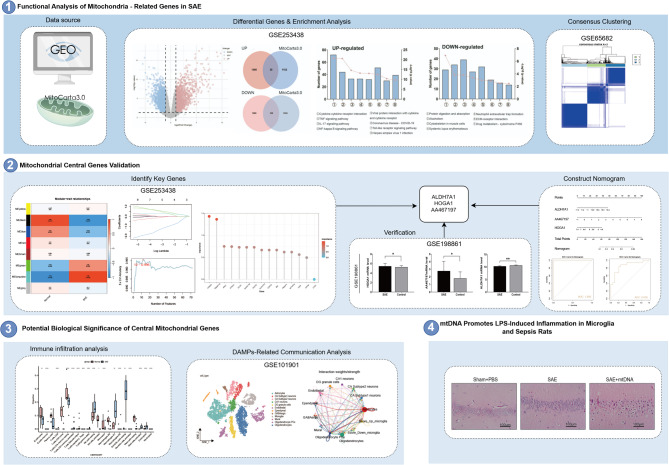
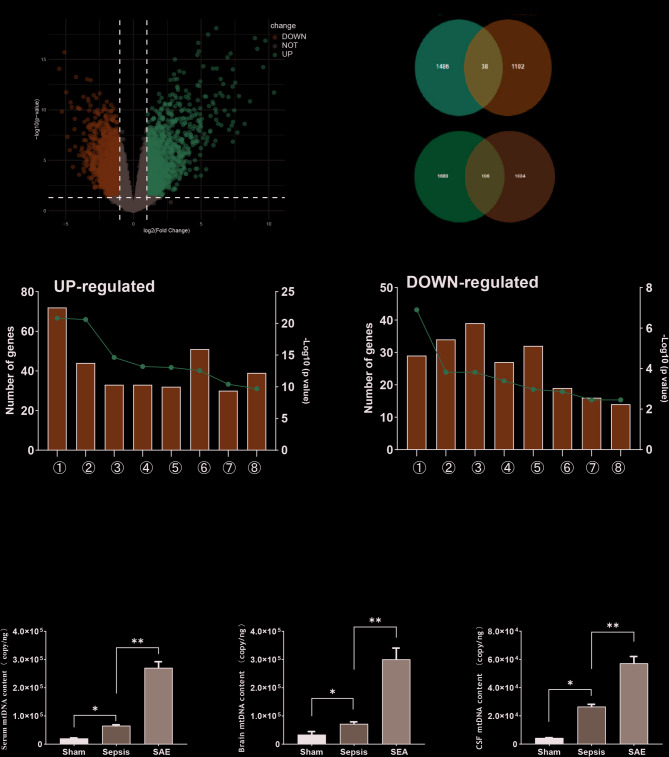
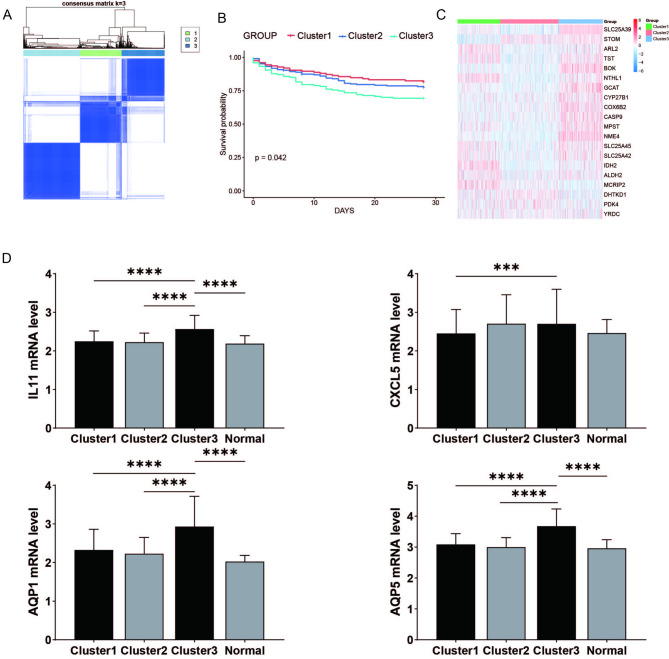
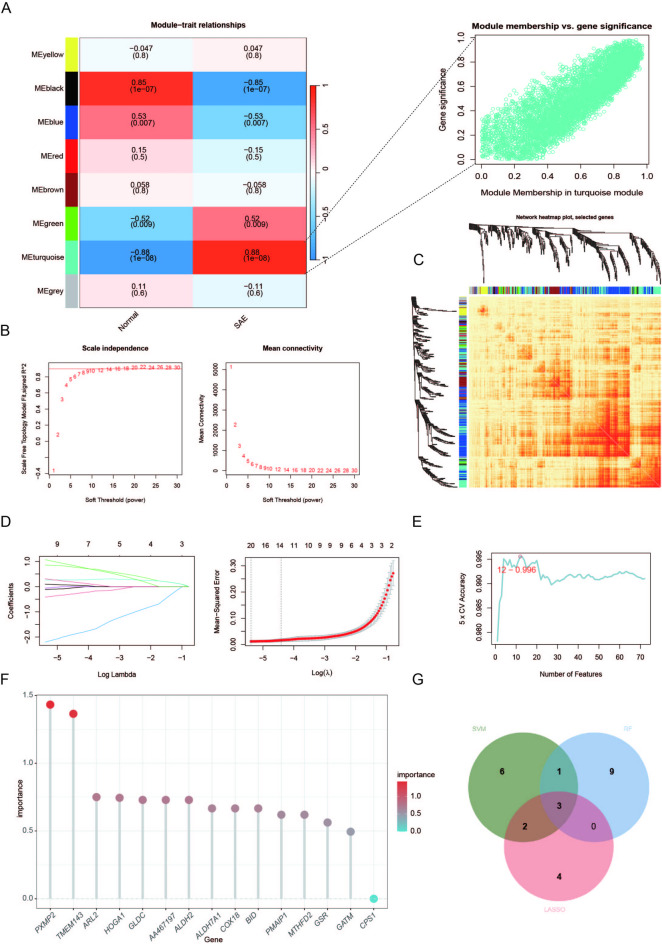
Sepsis-associated encephalopathy (SAE) is a major complication in intensive care units, characterized by diffuse brain dysfunction due to systemic inflammation. Despite advances in critical care medicine, SAE remains a key factor in poor patient outcomes, with its pathogenesis closely related to mitochondrial damage and the release of mitochondrial DNA (mtDNA). In this study, we integrated multiple transcriptomic and single-cell sequencing datasets to comprehensively analyze mitochondrial-associated differentially expressed genes (MitoDEGs) in SAE brain tissues. Using machine learning algorithms, we identified three core biomarkers (ALDH7A1, HOGA1, and AA467197). Functional enrichment analysis showed that the upregulated genes in SAE were mainly involved in immune and inflammatory responses, while the downregulated genes were associated with mitochondrial metabolism and vascular functions. Based on MitoDEGs, clinical subtype analysis shows that changes in mitochondrial function can effectively distinguish three sepsis subtypes (Cluster 1-3). Among these, Cluster 3 had worse prognosis due to enhanced mitochondrial function and activated inflammatory pathways. Immune microenvironment analysis revealed that MitoDEGs were closely associated with damage-associated molecular patterns (DAMPs) signaling and the expression of mitochondrial respiratory chain complexes. Experimental validation showed that exogenous mtDNA significantly increased the levels of inflammatory cytokines (TNF-α, IL-1β, and IL-6), thereby aggravating brain tissue pathological damage.
Overview
The claims and statistics of this paper haven’t been checked yet.
Free: it reads the open-access text and checks the first 5 claims that cite a source we can check. Create a free account to check every claim.
Integrity signals
Registry
Cites
Statistics
Figures
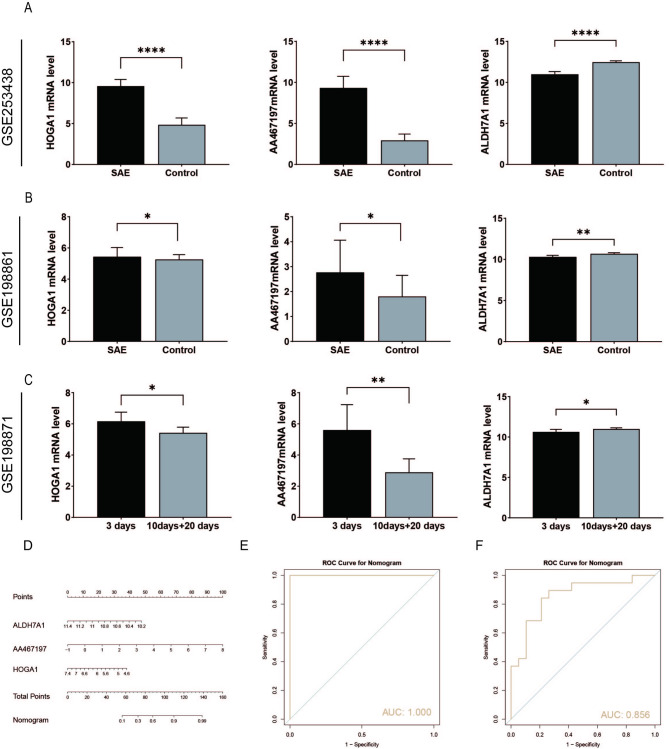
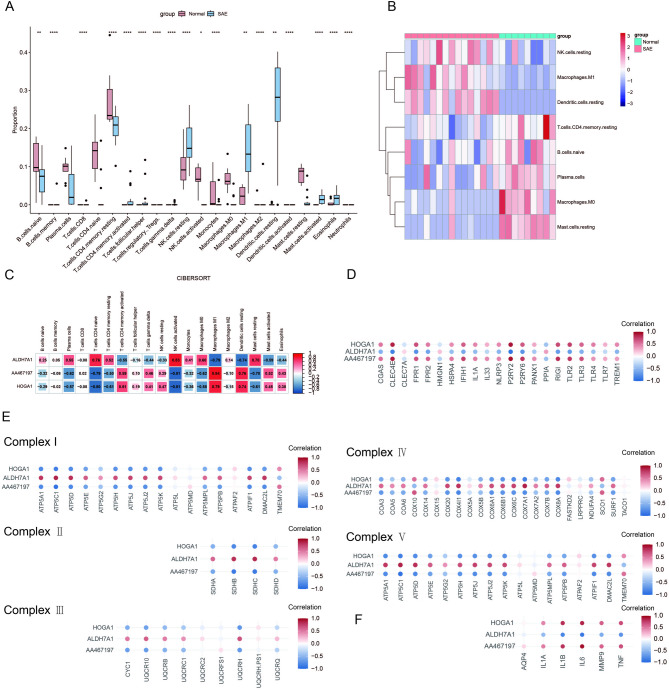
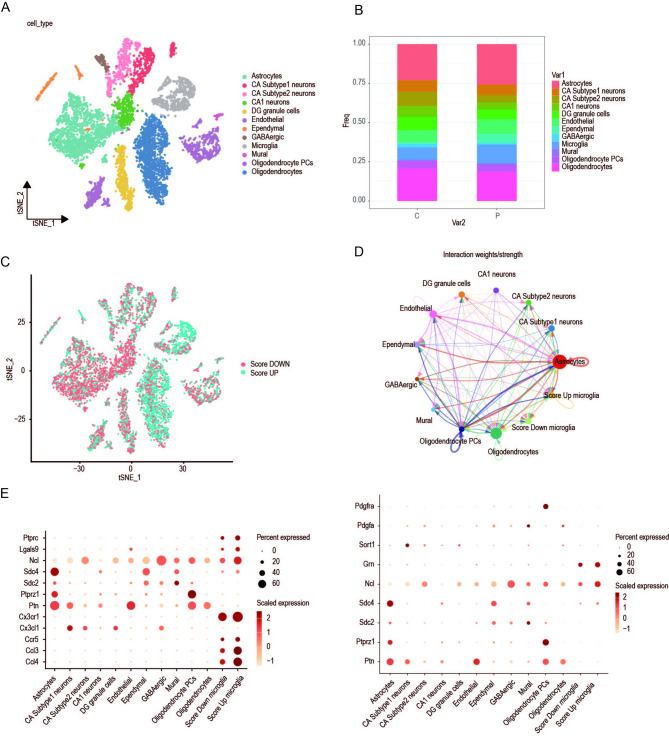
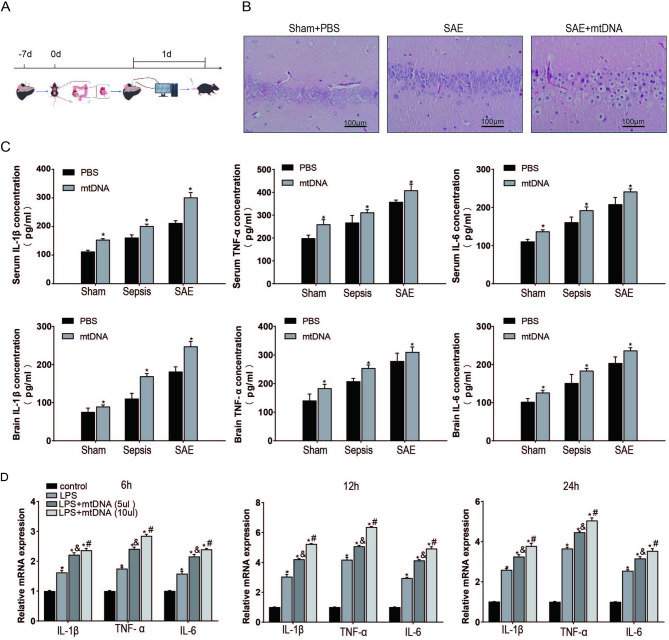
Verification
Claims the paper makes
The claims and statistics of this paper haven’t been checked yet.
Free: it reads the open-access text and checks the first 5 claims that cite a source we can check. Create a free account to check every claim.
Claims other papers make about this one
Each is checked against this paper’s own text: does it say what the citing paper says it does?
The cited source doesn’t support the claim as written.
In the citing paper
“Second, therapeutic timing represents a critical disconnect—preclinical studies universally administer interventions prophylactically or within hours of insult, whereas clinical SAE is typically recognized after established pathology, potentially beyond the window for mechanism-based intervention.”
From Research Advances in the Pathogenesis of Sepsis-Associated Encephalopathy (2026) · cites this paper as [3]
Checked by a reasoning model — may be wrong.
Experimental — accuracy not yet measuredThe source backs part of the claim, not all of it — or backs it for a different population, condition or comparison.
In the citing paper
“These circulating factors cross the BBB or enter the CNS via pathways like the vagus nerve, activating microglia and astrocytes and forming a self-amplifying neuroinflammation cycle [3].”
From Research Advances in the Pathogenesis of Sepsis-Associated Encephalopathy (2026) · cites this paper as [3]
Experimental — accuracy not yet measuredThe source backs part of the claim, not all of it — or backs it for a different population, condition or comparison.
In the citing paper
“LPS injection produces rapid, transient neuroinflammation, whereas CLP induces polymicrobial sepsis with more sustained CNS pathology [3,75].”
From Research Advances in the Pathogenesis of Sepsis-Associated Encephalopathy (2026) · cites this paper as [3]
Experimental — accuracy not yet measuredThe cited source says what the claim attributes to it.
In the citing paper
“Recognition of PAMPs/DAMPs triggers innate immunity, leading to a cascade release of pro-inflammatory mediators such as IL-1β, IL-6, TNF-α.”
From Research Advances in the Pathogenesis of Sepsis-Associated Encephalopathy (2026) · cites this paper as [3]
5 more claims about this paper
Create a free account to see every claim other papers make about this one.
Self-check
Percentages, sums and reported differences re-computed from the paper’s own numbers.
The self-check needs the paper’s full text.
Citations
Cites
Breiman, L. (2001) · Machine Learning · doi:10.1023/a:1010933404324 · Cited by 133,538
Moderated estimation of fold change and dispersion for RNA-seq data with DESeq2
Love, M. I., Huber, W., & Anders, S. (2014) · Genome Biology · doi:10.1186/s13059-014-0550-8 · Cited by 95,106 · cited 2×
“Using the R package “DESeq2“ 26 differentially expressed genes (DEGs) between the SAE and HC groups in the GSE253438 dataset were analyzed.”
limma powers differential expression analyses for RNA-sequencing and microarray studies
Ritchie, M. E., Phipson, B., Wu, D., Hu, Y., Law, C. W., Shi, W., & Smyth, G. K. (2015) · Nucleic Acids Research · doi:10.1093/nar/gkv007 · Cited by 40,458
KEGG: Kyoto Encyclopedia of Genes and Genomes
Kanehisa, M. (2000) · Nucleic Acids Research · doi:10.1093/nar/28.1.27 · Cited by 37,077
KEGG: Kyoto Encyclopedia of Genes and Genomes
Ogata, H., Goto, S., Sato, K., Fujibuchi, W., Bono, H., & Kanehisa, M. (1999) · Nucleic Acids Research · doi:10.1093/nar/27.1.29 · Cited by 31,232
The third international consensus definitions for sepsis and septic shock (Sepsis-3).
Singer, M., Deutschman, C. S., Seymour, C. W., Shankar-Hari, M., Annane, D., Bauer, M., Bellomo, R., Bernard, G. R., Chiche, J.-D., Coopersmith, C. M., et al. (2016) · JAMA · doi:10.1001/jama.2016.0287 · Cited by 28,250
WGCNA: an R package for weighted correlation network analysis
Langfelder, P., & Horvath, S. (2008) · BMC Bioinformatics · doi:10.1186/1471-2105-9-559 · Cited by 27,252
pROC: an open-source package for R and S+ to analyze and compare ROC curves
Robin, X., Turck, N., Hainard, A., Tiberti, N., Lisacek, F., Sanchez, J.-C., & Müller, M. (2011) · BMC Bioinformatics · doi:10.1186/1471-2105-12-77 · Cited by 13,697 · cited 1×
“To evaluate the diagnostic efficacy of the candidate biomarkers, the areas under the receiver operating characteristic (ROC) curve and precision-recall (PR) curve (AUC) were calculated using the “pROC” 39 and “PRROC” 40 packages.”
Wickham, H. (2016) · Use R! · doi:10.1007/978-3-319-24277-4_9 · Cited by 12,516
clusterProfiler 4.0: A universal enrichment tool for interpreting omics data
(2021) · doi:10.1016/j.xinn.2021.100141 · Cited by 12,455
NCBI GEO: archive for functional genomics data sets—update
Barrett, T., Wilhite, S. E., Ledoux, P., Evangelista, C., Kim, I. F., Tomashevsky, M., Marshall, K. A., Phillippy, K. H., Sherman, P. M., Holko, M., et al. (2012) · Nucleic Acids Research · doi:10.1093/nar/gks1193 · Cited by 10,418 · cited 1×
“The RNA - sequencing datasets used in this study were sourced from the Gene Expression Omnibus (GEO) database (https://www.ncbi.nlm.nih.gov/geo) 19 .”
Complex heatmaps reveal patterns and correlations in multidimensional genomic data
Gu, Z., Eils, R., & Schlesner, M. (2016) · Bioinformatics · doi:10.1093/bioinformatics/btw313 · Cited by 10,034
Building Predictive Models in R Using the caret Package
Kuhn, M. (2008) · Journal of Statistical Software · doi:10.18637/jss.v028.i05 · Cited by 8,863
Inference and analysis of cell-cell communication using CellChat
Jin, S., Guerrero-Juarez, C. F., Zhang, L., Chang, I., Ramos, R., Kuan, C.-H., Myung, P., Plikus, M. V., & Nie, Q. (2021) · Nature Communications · doi:10.1038/s41467-021-21246-9 · Cited by 8,409
ConsensusClusterPlus: a class discovery tool with confidence assessments and item tracking
Wilkerson, M. D., & Hayes, D. N. (2010) · Bioinformatics · doi:10.1093/bioinformatics/btq170 · Cited by 5,669
Dictionary learning for integrative, multimodal and scalable single-cell analysis
Hao, Y., Stuart, T., Kowalski, M. H., Choudhary, S., Hoffman, P., Hartman, A., Srivastava, A., Molla, G., Madad, S., Fernandez-Granda, C., et al. (2024) · Nature Biotechnology · doi:10.1038/s41587-023-01767-y · Cited by 5,631 · cited 1×
“Quality control and analysis were performed using the “Seurat” R package 24 .”
Circulating mitochondrial DAMPs cause inflammatory responses to injury
Zhang, Q., Raoof, M., Chen, Y., Sumi, Y., Sursal, T., Junger, W., Brohi, K., Itagaki, K., & Hauser, C. J. (2010) · Nature · doi:10.1038/nature08780 · Cited by 3,812
Inflammasomes: mechanism of action, role in disease, and therapeutics
Guo, H., Callaway, J. B., & Ting, J. P.-Y. (2015) · Nature Medicine · doi:10.1038/nm.3893 · Cited by 3,340
Rath, S., Sharma, R., Gupta, R., Ast, T., Chan, C., Durham, T. J., Goodman, R. P., Grabarek, Z., Haas, M. E., Hung, W. H. W., et al. (2021) · Nucleic Acids Research · doi:10.1093/nar/gkaa1011 · Cited by 1,888
CellChat for systematic analysis of cell–cell communication from single-cell transcriptomics
Jin, S., Plikus, M. V., & Nie, Q. (2025) · Nature Protocols · doi:10.1038/s41596-024-01045-4 · Cited by 1,448
Hu, C., Li, T., Xu, Y., Zhang, X., Li, F., Bai, J., Chen, J., Jiang, W., Yang, K., Ou, Q., et al. (2023) · Nucleic Acids Research · doi:10.1093/nar/gkac947 · Cited by 1,261
Gray, M. W. (2012) · Cold Spring Harbor Perspectives in Biology · doi:10.1101/cshperspect.a011403 · Cited by 639 · cited 1×
“During sepsis, excessive mitochondrial reactive oxygen species (ROS) production 6 reduces mitochondrial membrane potential and compromises membrane integrity, leading to the release of mtDNA into the circulation 8 .”
rms: Regression Modeling Strategies
Harrell Jr, F. E. (2009) · CRAN: Contributed Packages · doi:10.32614/cran.package.rms · Cited by 458
Stress-hyperglycemia, insulin and immunomodulation in sepsis
Marik, P. E., & Raghavan, M. (2004) · Intensive Care Medicine · doi:10.1007/s00134-004-2167-y · Cited by 419
Meyer, D., Dimitriadou, E., Hornik, K., Weingessel, A., & Leisch, F. (1999) · CRAN: Contributed Packages · doi:10.32614/cran.package.e1071 · Cited by 310
Adaptive immunity and atherosclerosis
Andersson, J., Libby, P., & Hansson, G. K. (2010) · Clinical Immunology · doi:10.1016/j.clim.2009.07.002 · Cited by 293
Reprogramming of basic metabolic pathways in microbial sepsis: therapeutic targets at last?
Van Wyngene, L., Vandewalle, J., & Libert, C. (2018) · EMBO Molecular Medicine · doi:10.15252/emmm.201708712 · Cited by 263
Area under Precision-Recall Curves for Weighted and Unweighted Data
Keilwagen, J., Grosse, I., & Grau, J. (2014) · PLoS ONE · doi:10.1371/journal.pone.0092209 · Cited by 227
Heparanase Induces Endothelial Cell Migration via Protein Kinase B/Akt Activation
Gingis-Velitski, S., Zetser, A., Flugelman, M. Y., Vlodavsky, I., & Ilan, N. (2004) · Journal of Biological Chemistry · doi:10.1074/jbc.m400554200 · Cited by 220
Xu, X.-E., Liu, L., Wang, Y.-C., Wang, C.-T., Zheng, Q., Liu, Q.-X., Li, Z.-F., Bai, X.-J., & Liu, X.-H. (2019) · Brain, Behavior, and Immunity · doi:10.1016/j.bbi.2019.05.038 · Cited by 211
Self-citationHaileselassie, B., Joshi, A. U., Minhas, P. S., Mukherjee, R., Andreasson, K. I., & Mochly-Rosen, D. (2020) · Journal of Neuroinflammation · doi:10.1186/s12974-019-1689-8 · Cited by 203
Single cell molecular alterations reveal target cells and pathways of concussive brain injury
Arneson, D., Zhang, G., Ying, Z., Zhuang, Y., Byun, H. R., Ahn, I. S., Gomez-Pinilla, F., & Yang, X. (2018) · Nature Communications · doi:10.1038/s41467-018-06222-0 · Cited by 193
Long-term Cognitive and Functional Impairments After Critical Illness
Rengel, K. F., Hayhurst, C. J., Pandharipande, P. P., & Hughes, C. G. (2019) · Anesthesia & Analgesia · doi:10.1213/ane.0000000000004066 · Cited by 189
Timmermans, K., Kox, M., Vaneker, M., van den Berg, M., John, A., van Laarhoven, A., van der Hoeven, H., Scheffer, G. J., & Pickkers, P. (2016) · Intensive Care Medicine · doi:10.1007/s00134-015-4205-3 · Cited by 184
Mitochondrial Function in Sepsis
Arulkumaran, N., Deutschman, C. S., Pinsky, M. R., Zuckerbraun, B., Schumacker, P. T., Gomez, H., Gomez, A., Murray, P., & Kellum, J. A. (2016) · Shock · doi:10.1097/shk.0000000000000463 · Cited by 184
Blood mitochondrial DNA copy number: What are we counting?
Picard, M. (2021) · Mitochondrion · doi:10.1016/j.mito.2021.06.010 · Cited by 181
Astrocytes contribute to the brain-metastatic specificity of melanoma cells by producing heparanase.
Marchetti, D., Li, J., & Shen, R. (2000) · PubMed · Cited by 167
Chung, H.-Y., Wickel, J., Hahn, N., Mein, N., Schwarzbrunn, M., Koch, P., Ceanga, M., Haselmann, H., Baade-Büttner, C., von Stackelberg, N., et al. (2023) · Science Advances · doi:10.1126/sciadv.abq7806 · Cited by 156
Neuro-oxidative-nitrosative stress in sepsis
Berg, R. M., Møller, K., & Bailey, D. M. (2011) · Journal of Cerebral Blood Flow & Metabolism · doi:10.1038/jcbfm.2011.48 · Cited by 152
Ding, H., Li, Y., Chen, S., Wen, Y., Zhang, S., Luo, E., Li, X., Zhong, W., & Zeng, H. (2022) · CNS Neuroscience & Therapeutics · doi:10.1111/cns.13765 · Cited by 126
Zhang, L., Wang, X., Ai, Y., Guo, Q.-L., Huang, L., Liu, Z., & Yao, B. (2012) · PubMed · Cited by 120
Taccone, F. S., Su, F., De Deyne, C., Abdellhai, A., Pierrakos, C., He, X., Donadello, K., Dewitte, O., Vincent, J.-L., & De Backer, D. (2014) · Critical Care Medicine · doi:10.1097/ccm.0b013e3182a641b8 · Cited by 120
Liu, L., Xie, K., Chen, H., Dong, X., Li, Y., Yu, Y., Wang, G., & Yu, Y. (2014) · Brain Research · doi:10.1016/j.brainres.2014.09.030 · Cited by 114
Wu, J., Zhang, M., Hao, S., Jia, M., Ji, M., Qiu, L., Sun, X., Yang, J., & Li, K. (2014) · Molecular Neurobiology · doi:10.1007/s12035-014-8918-z · Cited by 108
Pattern Recognition Receptor-Dependent Mechanisms of Acute Lung Injury
Xiang, M., & Fan, J. (2010) · Molecular Medicine · doi:10.2119/molmed.2009.00097 · Cited by 105
Sepsis-Associated Encephalopathy: A Magnetic Resonance Imaging and Spectroscopy Study
Bozza, F. A., Garteiser, P., Oliveira, M. F., Doblas, S., Cranford, R., Saunders, D., Jones, I., Towner, R. A., & Castro-Faria-Neto, H. C. (2010) · Journal of Cerebral Blood Flow & Metabolism · doi:10.1038/jcbfm.2009.215 · Cited by 99
Schwalm, M. T., Pasquali, M., Miguel, S. P., dos Santos, J. P. A., Vuolo, F., Comim, C. M., Petronilho, F., Quevedo, J., Gelain, D. P., Moreira, J. C. F., et al. (2014) · Molecular Neurobiology · doi:10.1007/s12035-013-8526-3 · Cited by 92
Sjövall, F., Morota, S., Persson, J., Hansson, M. J., & Elmér, E. (2013) · Critical Care · doi:10.1186/cc12831 · Cited by 91
Circulating cell-free mitochondrial DNA levels in Parkinson’s disease are influenced by treatment
Lowes, H., Pyle, A., Santibanez-Koref, M., & Hudson, G. (2020) · Molecular Neurodegeneration · doi:10.1186/s13024-020-00362-y · Cited by 91
ALDH7A1 protects against ferroptosis by generating membrane NADH and regulating FSP1
Yang, J., Morris, A. J., Kamizaki, K., Chen, J., Stark, J., Oldham, W. M., Nakamura, T., Mishima, E., Loscalzo, J., Minami, Y., et al. (2025) · Cell · doi:10.1016/j.cell.2025.03.019 · Cited by 63
Circulating Mitochondrial DNA as Predictor of Mortality in Critically Ill Patients
Harrington, J. S., Huh, J. W., Schenck, E. J., Nakahira, K., Siempos, I. Ι., & Choi, A. M. K. (2019) · CHEST Journal · doi:10.1016/j.chest.2019.07.014 · Cited by 61
Sepsis-associated encephalopathy
Helbing, D.-L., Böhm, L., & Witte, O. W. (2018) · Canadian Medical Association Journal · doi:10.1503/cmaj.180454 · Cited by 58
Yang, J., Hsu, J., Park, S., Lee, S. Y., Li, J., Bai, M., Alves, C. M. M. M., Tseng, W., Michelet, X., Ho, I., et al. (2019) · Nature Communications · doi:10.1038/s41467-019-11932-0 · Cited by 57
Proteogenomic insights into the biology and treatment of pancreatic ductal adenocarcinoma
Tong, Y., Sun, M., Chen, L., Wang, Y., Yan, L., Li, L., Zhang, X., Cai, Y., Qie, J., Pang, Y., et al. (2022) · Journal of Hematology & Oncology · doi:10.1186/s13045-022-01384-3 · Cited by 57
Goldim, M. P. D. S., Danielski, L. G., Rodrigues, J. F., Joaquim, L. D. S., Garbossa, L., de Oliveira, A. N., Metzker, K. L. L., Giustina, A. D., Cardoso, T., Barichello, T., et al. (2018) · Microvascular Research · doi:10.1016/j.mvr.2018.12.001 · Cited by 52
Heparan Sulfate Proteoglycans as Relays of Neuroinflammation
O’Callaghan, P., Zhang, X., & Li, J. (2018) · Journal of Histochemistry & Cytochemistry · doi:10.1369/0022155417742147 · Cited by 48
Alterations in the brain electrical activity in a rat model of sepsis-associated encephalopathy
Kafa, İ. M., Bakırcı, S., Uysal, M., & Kurt, M. A. (2010) · Brain Research · doi:10.1016/j.brainres.2010.07.049 · Cited by 40
Ware, S. A., Desai, N., Lopez, M. A., Leach, D., Zhang, Y., Giordano, L., Nouraie, M. S., Picard, M. A., & Kaufman, B. A. (2020) · Journal of Biological Chemistry · doi:10.1074/jbc.ra120.015237 · Cited by 34
Clark, M. L., Simeonov, K. P., Mowel, W. K., Michieletto, M. F., Joannas, L. D., Wright, J. M., Erickson, I., Johnson, L. R., Krishnan, R., de la Fuente‐Núñez, C., et al. (2025) · Immunity · doi:10.1016/j.immuni.2025.06.006 · Cited by 33
Role of Myeloid Cell-Specific TLR9 in Mitochondrial DNA-Induced Lung Inflammation in Mice
Dimasuay, K. G., Berg, B., Schaunaman, N., & Chu, H. W. (2023) · International Journal of Molecular Sciences · doi:10.3390/ijms24020939 · Cited by 31
The current state in the evaluation and treatment of ARDS and SIRS
Schroeder, J. E., Weiss, Y., & Mosheiff, R. (2009) · Injury · doi:10.1016/j.injury.2009.10.041 · Cited by 30
Comparative analysis of single-cell pathway scoring methods and a novel approach
Wang, R. H., & Thakar, J. (2024) · NAR Genomics and Bioinformatics · doi:10.1093/nargab/lqae124 · Cited by 28
Yu, H., Lin, J., Yuan, J., Sun, X., Wang, C., & Bai, B. (2024) · Frontiers in Immunology · doi:10.3389/fimmu.2024.1367602 · Cited by 24
van der Slikke, E. C., Star, B. S., Quinten, V. M., ter Maaten, J. C., Ligtenberg, J. J. M., van Meurs, M., Gansevoort, R. T., Bakker, S. J. L., Chao, M., Henning, R. H., et al. (2021) · Free Radical Biology and Medicine · doi:10.1016/j.freeradbiomed.2021.12.305 · Cited by 22
Genome-wide transcription profiling in neutrophils in acute respiratory distress syndrome
Juss, J. K., Herre, J., Begg, M., Bradley, G., Lennon, M. G., Amour, A., House, D., Hessel, E. M., Summers, C., Condliffe, A. M., et al. (2015) · The Lancet · doi:10.1016/s0140-6736(15)60370-1 · Cited by 21
Cui, Y., Liu, J., Song, Y., Chen, C., Shen, Y., & Xie, K. (2025) · CNS Neuroscience & Therapeutics · doi:10.1111/cns.70305 · Cited by 18 · cited 1×
“Autophagy clearance impairment (disruption of Parkin-dependent/ non-dependent pathways) and the release of pro-apoptotic proteins, in concert with calcium overload, activate the caspase cascade, ultimately leading to neuronal programmed death 53–55 .”
Restricting lysine normalizes toxic catabolites associated with ALDH7A1 deficiency in cells and mice
Johal, A. S., Al-Shekaili, H. H., Abedrabbo, M., Kehinde, A. Z., Towriss, M., Koe, J. C., Hewton, K. G., Thomson, S. B., Ciernia, A. V., Leavitt, B. R., et al. (2024) · Cell Reports · doi:10.1016/j.celrep.2024.115069 · Cited by 13
AA467197 controls the hyperactivation of the NLRP3 inflammasome during infection
Liu, Q., Li, W., Qian, Y., Wang, C., & Xia, P. (2023) · The Innovation Life · doi:10.59717/j.xinn-life.2023.100012 · Cited by 10
Lu, S., Portela, I. D. J., Martino, N., Ramos, R. B., Salinero, A. E., Smith, R. M., Zuloaga, K. L., & Adam, A. P. (2024) · Neuroscience · doi:10.1016/j.neuroscience.2024.07.041 · Cited by 8
Kim, M., Park, K. W., Ahn, Y., Lim, E. B., Kwak, S. H., Randy, A., Song, N. J., Park, K. S., Nho, C. W., & Cho, Y. S. (2022) · Frontiers in Genetics · doi:10.3389/fgene.2022.951025 · Cited by 3
HOGA1 Suppresses Renal Cell Carcinoma Growth via Inhibiting the Wnt/β‐Catenin Signalling Pathway
Wang, C., Liu, Y., Tan, Y. X., Xu, F., Wang, M., Tang, Y., Nie, G., Chi, X., Xu, Z., Xu, Y., et al. (2025) · Journal of Cellular and Molecular Medicine · doi:10.1111/jcmm.70490 · Cited by 3
Research works printed but not linked: 1
- Carlson, M. org.Hs.eg.db. Bioconductor https://doi.org/10.18129/B9 (2017). BIOC.ORG.HS.EG.DB. · doi:10.18129/b9
Cited by
Kim, M., Khin, P. P., Jung, H., Chae, C. W., Jeon, B. H., & Kim, C. (2026) · International Journal of Molecular Sciences · doi:10.3390/ijms27135918 · Cited by 4
Huang, M., Qian, W., Lin, D., Zeng, Y., Zhou, Y., Zhang, S., 罗雅玲, Li, Z., & Du, X. (2026) · Frontiers in Medicine · doi:10.3389/fmed.2026.1821690 · Cited by 3
Research Advances in the Pathogenesis of Sepsis-Associated Encephalopathy
Tan, H., Su, W., & Niu, Z. (2026) · International Journal of Molecular Sciences · doi:10.3390/ijms27125390 · Cited by 1
Ardehali, S. H. (2026) · Journal of Cellular & Molecular Anesthesia · doi:10.5812/jcma-173870 · Cited by 1
张, 静. (2026) · Advances in Clinical Medicine · doi:10.12677/acm.2026.162425
Metadata
- Authors
- Zhang, Z., Qiu, X., Zeng, X., Liu, X., Lu, J., Xu, C., Huang, J., Zhao, C., & Zhan, Y.
- Affiliations
- Nanchang University (CN)
- Ganzhou People's Hospital (CN)
- Corresponding author
- Zhan, Yian
- Venue
- Scientific Reports
- Published
- 2025-09-29
- Volume
- 15
- Issue
- 1
- Pages
- 33572-33572
- ISSN
- 2045-2322 (ISSN-L)
- PMC
- PMC12480024
- OpenAlex
- W4414601930
- Cited by
- 6
- References
- 71
- Citations by year
- 2026: 6
- FWCI
- 4.13
- Type
- journal article
- Language
- en
- Open access
- gold
- doi.org
- Licence
- cc-by-nc-nd
- creativecommons.org/licenses/by-nc-nd/4.0 (tdm)
- creativecommons.org/licenses/by-nc-nd/4.0 (vor)
- Locations
- Scientific Reports (publishedVersion, cc-by-nc-nd)
- Europe PMC (PubMed Central) (publishedVersion, cc-by-nc-nd)
- PubMed (publishedVersion)
- PubMed Central (publishedVersion, cc-by-nc-nd)
- DOAJ (DOAJ: Directory of Open Access Journals) (submittedVersion, cc-by-sa)
- Funders
- National Natural Science Foundation of China (82060345)
- Topics
- Health Sciences › Medicine › Critical Care and Intensive Care Medicine › Sepsis Diagnosis and Treatment
- Life Sciences › Biochemistry, Genetics and Molecular Biology › Molecular Biology › Mitochondrial Function and Pathology
- Life Sciences › Biochemistry, Genetics and Molecular Biology › Molecular Biology › Bioinformatics and Genomic Networks
- Keywords
- sepsis-associated encephalopathy, mitochondrial dysfunction, mitochondrial DNA release, differentially expressed genes, brain transcriptome, sepsis subtypes, prognostic factors, ALDH7A1, damage-associated molecular patterns, respiratory chain complexes, inflammatory cytokines, TNF-α, IL-1β, interleukin-6, brain microenvironment
- MeSH terms
- Machine Learning, Multiomics, Brain, DNA, Mitochondrial, Humans, Mitochondria, Biomarkers, Cytokines, Sepsis, Gene Expression Profiling, Transcriptome, Sepsis-Associated Encephalopathy
About these checks
Registry, retraction, Cites and statistics results are computed, not judged, with one exception: a printed reference that no index lists is read once by a model before it counts as a citation error. Claims are extracted by a model and kept only when their quote appears verbatim in the text; each cited source is then checked, with a model’s help, for whether it says what the claim relies on. Those verdicts can be wrong — read the claim’s quote and the cited source before relying on one.
Statistics and arithmetic are recomputed, not judged.
Confidence bands are shown only for fields calibrated on our annotated test set. None is calibrated yet, so no band is shown.
What counts as a claim ›How we measure confidence ›How we check this ›
Are you an author, or do you see a problem with this page? Request a review
Data sources
Bibliographic data: Semantic Scholar, OpenAlex, Crossref.
Contains information from the Semantic Scholar Academic Graph Datasets, made available under the ODC Attribution License (ODC-BY 1.0).
Semantic Scholar’s data is described in: Kinney, R., et al. (2023). The Semantic Scholar Open Data Platform. arXiv:2301.10140.
