

The DOI matches its Crossref record; 2 of the 2 references it cites were found in a registry or an index.
Advances and prospects of cell-penetrating peptides in tumor immunotherapy
Overview
The claims and statistics of this paper haven’t been checked yet.
Run the check — free, no account needed. It reads the open-access text and checks the sources it cites.
Integrity signals
Registry
Cites
Statistics
Figures
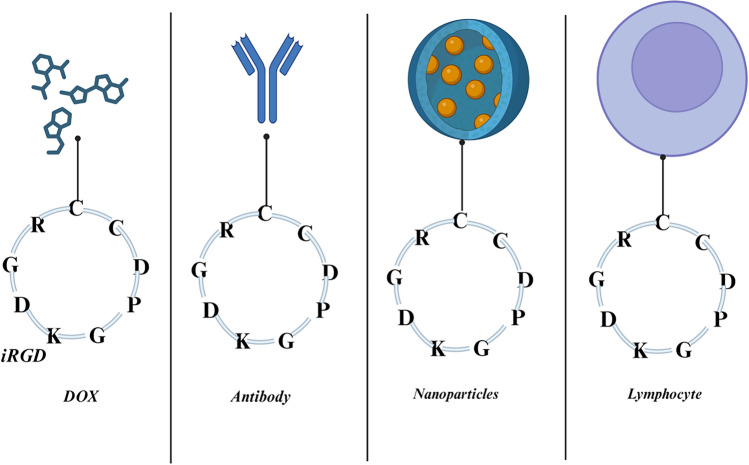
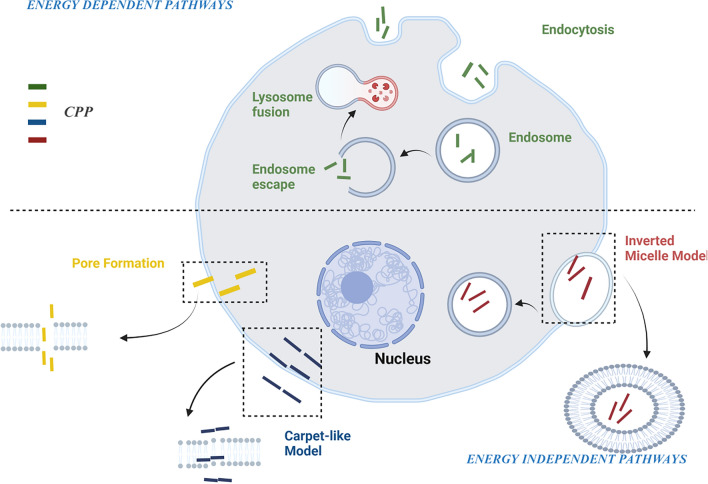
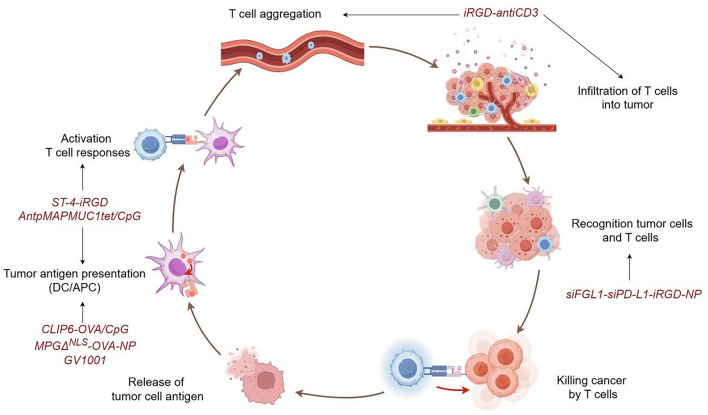
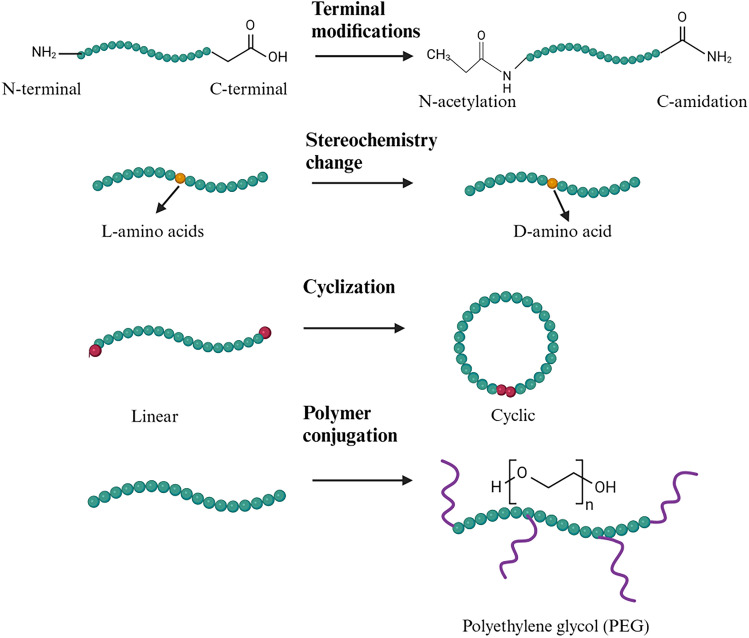
Verification
Claims the paper makes
The claims and statistics of this paper haven’t been checked yet.
Run the check — free, no account needed. It reads the open-access text and checks the sources it cites.
Claims other papers make about this one
Each is checked against this paper’s own text: does it say what the citing paper says it does?
In the citing paper
“Likewise, tumor-penetrating peptides (e.g., iRGD/CendR pathway) have been broadly used as penetration-promoting modules in peptide-drug conjugates and nanocarriers; when combined with cleavable linkers (e.g., reducible/disulfide or enzyme-responsive motifs), they can improve intratumoral dispersion while helping limit off-target exposure [89].”
From Overcoming tumor microenvironment barriers: transformable and bioinspired nanomedicine strategies for deep tumor penetration (2026) · cites this paper as [89]
Self-check
Percentages, sums and reported differences re-computed from the paper’s own numbers.
The self-check needs the paper’s full text.
Citations
Cites
Endosomal escape pathways for delivery of biologicals
Varkouhi, A. K., Scholte, M., Storm, G., & Haisma, H. J. (2011) · Journal of Controlled Release · doi:10.1016/j.jconrel.2010.11.004 · Cited by 1,561
Kim, H., Seo, E.-H., Lee, S.-H., & Kim, B.-J. (2016) · International Journal of Molecular Sciences · doi:10.3390/ijms17122054 · Cited by 48
Research works printed but not linked: 101
- Papaioannou, N. E. et al. Harnessing the immune system to improve cancer therapy. Ann. Transl. Med. 4(14), 261–261 (2016). · DOI
- Cha, J.-H. et al. New approaches on cancer immunotherapy. Cold Spring Harbor Perspect. Med. 10(8), a036863 (2020). · DOI
- Galon, J. & Bruni, D. Approaches to treat immune hot, altered and cold tumours with combination immunotherapies. Nat. Rev. Drug Discovery 18(3), 197–218 (2019). · DOI
- Frankel, A.D. and Pabo, C.O. Cellular uptake of the tat protein from human immunodeficiency virus. Cell55(6), 1189–1193 (1988). · DOI
- Bottens, R. A. & Yamada, T. Cell-penetrating peptides (CPPs) as therapeutic and diagnostic agents for cancer. Cancers 14(22), 5546 (2022). · DOI
- Sun, Z. et al. Cell-penetrating peptide-based delivery of macromolecular drugs: development, strategies, and progress. Biomedicines 11(7), 1971 (2023). · DOI
- Tripathi, P.P., et al., Cell penetrating peptides in preclinical and clinical cancer diagnosis and therapy. Oncotarget 9(98), 37252–37267 (2018). · DOI
- Jankovic, J. et al. Injectable daxibotulinumtoxina in cervical dystonia: A phase 2 dose-escalation multicenter study. Mov. Disord. Clin. Pract. 5(3), 273–282 (2018). · DOI
- Meyer-Losic, F. et al. DTS-108, a novel peptidic prodrug of SN38: In vivo efficacy and toxicokinetic studies. Clin. Cancer Res. 14(7), 2145–2153 (2008). · DOI
- Lingasamy, P. et al. Bi-specific tenascin-C and fibronectin targeted peptide for solid tumor delivery. Biomaterials 219, 119373 (2019). · DOI
- Ding, N., et al. iRGD synergizes with PD-1 knockout immunotherapy by enhancing lymphocyte infiltration in gastric cancer. Nat. Commun. 10(1) 2019. · DOI
- Hasannejad-Asl, B. et al. Cell penetrating peptide: A potent delivery system in vaccine development. Front. Pharmacol. 13, 1072685 (2022). · DOI · Paper page
- Xie, J. et al. Cell-penetrating peptides in diagnosis and treatment of human diseases: From preclinical research to clinical application. Front. Pharmacol. 11, 697 (2020). · DOI
- Yin, H. et al., iRGD as a tumor-penetrating peptide for cancer therapy. Molecular Medicine Reports 15(5),2925–2930 (2017). · DOI
- Tian, Y. et al. A doxorubicin delivery platform using engineered natural membrane vesicle exosomes for targeted tumor therapy. Biomaterials 35(7), 2383–2390 (2014). · DOI
- Lingasamy, P., Laarmann, A.-H. & Teesalu, T. Tumor penetrating peptide-functionalized tenascin-C antibody for glioblastoma targeting. Curr. Cancer Drug Targets 21(1), 70–79 (2021). · DOI
- Liu, C. et al. iRGD-mediated core-shell nanoparticles loading carmustine and O6-benzylguanine for glioma therapy. J. Drug Target. 25(3), 235–246 (2016). · DOI
- Ponnappan, N. & Chugh, A. Cell-penetrating and cargo-delivery ability of a spider toxin-derived peptide in mammalian cells. Eur. J. Pharm. Biopharm. 114, 145–153 (2017). · DOI
- Taylor, B. N. et al. Noncationic peptides obtained from azurin preferentially enter cancer cells. Cancer Res. 69(2), 537–546 (2009). · DOI
- Yamada, T., Das Gupta, T. K. & Beattie, C. W. p28, an anionic cell-penetrating peptide, increases the activity of wild type and mutated p53 without altering its conformation. Mol. Pharm. 10(9), 3375–3383 (2013). · DOI
- Silva, S. et al. A second life for MAP, a model amphipathic peptide. Int. J. Mol. Sci. 23(15), 8322 (2022). · DOI
- Lingasamy, P. et al. PL1 peptide engages acidic surfaces on tumor-associated fibronectin and tenascin isoforms to trigger cellular uptake. Pharmaceutics 13(12), 1998 (2021). · DOI
- Taylor, B.N., et al., Noncationic Peptides Obtained From Azurin Preferentially Enter Cancer Cells. Cancer Research. 69(2), 537–546 (2009). · DOI
- Dietz, G.P.H., Cell-Penetrating Peptide Technology to Deliver Chaperones and Associated Factors in Diseases an Basic Research. Current Pharmaceutical Biotechnology 11(2), 167–174 (2010). · DOI
- Burlina, F. et al. Quantification of the cellular uptake of cell-penetrating peptides by MALDI-TOF mass spectrometry. Angew. Chem. Int. Ed. 44(27), 4244–4247 (2005). · DOI
- Futaki, S. & Nakase, I. Cell-surface interactions on arginine-rich cell-penetrating peptides allow for multiplex modes of internalization. Acc. Chem. Res. 50(10), 2449–2456 (2017). · DOI
- Madani, F. et al. Mechanisms of cellular uptake of cell-penetrating peptides. J. Biophys. 2011, 1–10 (2011). · DOI
- Erazo-Oliveras, A. et al. Improving the endosomal escape of cell-penetrating peptides and their cargos: Strategies and challenges. Pharmaceuticals 5(11), 1177–1209 (2012). · DOI
- El-Sayed, A., Futaki, S. & Harashima, H. Delivery of macromolecules using arginine-rich cell-penetrating peptides: Ways to overcome endosomal entrapment. AAPS J. 11(1), 13–22 (2009). · DOI
- El-Andaloussi, S. et al. Induction of splice correction by cell-penetrating peptide nucleic acids. J. Gene Med. 8(10), 1262–1273 (2006). · DOI
- cationic cell penetrating peptides as source ther deliv 2015 apr 6 4 491 507.pdf. · DOI
- Veldhoen, S. et al. Cellular delivery of small interfering RNA by a non-covalently attached cell-penetrating peptide: quantitative analysis of uptake and biological effect. Nucleic Acids Res. 34(22), 6561–6573 (2006). · DOI
- Fretz, M. M. et al. Temperature-, concentration- and cholesterol-dependent translocation of L- and D-octa-arginine across the plasma and nuclear membrane of CD34+ leukaemia cells. Biochem. J. 403(2), 335–342 (2007). · DOI
- Lulla, R. R. et al. Phase I trial of p28 (NSC745104), a non-HDM2-mediated peptide inhibitor of p53 ubiquitination in pediatric patients with recurrent or progressive central nervous system tumors: A pediatric brain tumor consortium study. Neuro-Oncology 18(9), 1319–1325 (2016). · DOI
- Freeman-Keller, M. & Weber, J. S. Anti-programmed death receptor 1 immunotherapy in melanoma: Rationale, evidence and clinical potential. Ther. Adv. Med. Oncol. 7(1), 12–21 (2014). · DOI
- Nixon, B. G. & Li, M. O. Satb1: Restraining PD1 and T Cell Exhaustion. Immunity 46(1), 3–5 (2017). · DOI
- Wang, J. et al. Fibrinogen-like protein 1 is a major immune inhibitory ligand of LAG-3. Cell 176(1–2), 334-347.e12 (2019). · DOI
- Wan, W.-J. et al. Coadministration of iRGD peptide with ROS-sensitive nanoparticles co-delivering siFGL1 and siPD-L1 enhanced tumor immunotherapy. Acta Biomater. 136, 473–484 (2021). · DOI
- Zhang, M. et al. Recombinant cell-penetrating trichosanthin synergizes anti-PD-1 therapy in colorectal tumor. Int. J. Biol. Sci. 19(6), 1698–1712 (2023). · DOI
- Zhou, S. et al. Bifunctional iRGD-anti-CD3 enhances antitumor potency of T cells by facilitating tumor infiltration and T-cell activation. J. ImmunoTher. Cancer 9(5), e001925 (2021). · DOI
- Zhu, M. et al. Combination therapy with iRGD-antiCD3 and PD-1 blockade enhances antitumor potency of cord blood-Derived T Cells. OncoTargets Ther. 14, 835–844 (2021). · DOI
- Zhang, W. et al. A bispecific peptide-polymer conjugate bridging target-effector cells to enhance immunotherapy. Adv. Healthc. Mater. 12(18), 2202977 (2023). · DOI
- Yang, D. S. et al. A redox-triggered bispecific supramolecular nanomedicine based on peptide self-assembly for high-efficacy and low-toxic cancer therapy. Adv. Funct. Mater. 30(4), 1904969 (2019). · DOI
- Dal Corso, A. et al. A non-internalizing antibody-drug conjugate based on an anthracycline payload displays potent therapeutic activity in vivo. J. Control. Release 264, 211–218 (2017). · DOI · Paper page
- Munn, D.H., et al., Inhibition of T cell proliferation by macrophage tryptophan catabolism. J. Experimental Medicine. 189(9), 1363–1372 (1999). · DOI
- Li, G. et al. Dual-blockade immune checkpoint for breast cancer treatment based on a tumor-penetrating peptide assembling nanoparticle. ACS Appl. Mater. Interfaces 11(43), 39513–39524 (2019). · DOI
- Chen, Y. et al. Prodrug-like, PEGylated protein toxin trichosanthin for reversal of chemoresistance. Mol. Pharm. 14(5), 1429–1438 (2017). · DOI
- Met, Ö. et al. Principles of adoptive T cell therapy in cancer. Semin. Immunopathol. 41(1), 49–58 (2018). · DOI
- Dong, Y. et al. iRGD-modified memory-like NK cells exhibit potent responses to hepatocellular carcinoma. J. Transl. Med. 21(1), 205 (2023). · DOI
- Cogdill, A. P. et al. Targeting the MAGE A3 antigen in pancreatic cancer. Surgery 152(3), S13–S18 (2012). · DOI
- Derouazi, M. et al. Novel cell-penetrating peptide-based vaccine induces robust CD4+ and CD8+ T cell-mediated antitumor immunity. Cancer Res. 75(15), 3020–3031 (2015). · DOI
- Lim, S., Koo, J.-H. & Choi, J.-M. Use of cell-penetrating peptides in dendritic cell-based vaccination. Immune Netw. 16(1), 33 (2016). · DOI
- Pouniotis, D. et al. Vaccine delivery by penetratin: Mechanism of antigen presentation by dendritic cells. Immunol. Res. 64(4), 887–900 (2016). · DOI
- Backlund, C.M., et al., Cell-penetrating peptides enhance peptide vaccine accumulation and persistence in lymph nodes to drive immunogenicity. Proceedings of the National Academy of Sciences of the United States of America. 119(32) (2022). · DOI · Paper page
- Fu, X. et al. Staphylococcal enterotoxin C2 mutant drives T lymphocyte activation through PI3K/mTOR and NF-ĸB signaling pathways. Toxicol. Appl. Pharmacol. 333, 51–59 (2017). · DOI
- Song, Y. et al. An iRGD peptide fused superantigen mutant induced tumor-targeting and T lymphocyte infiltrating in cancer immunotherapy. Int. J. Pharm. 586, 119498 (2020). · DOI
- Wu, H. et al. Cell-penetrating peptide enhanced antigen presentation for cancer immunotherapy. Bioconjugate Chem. 30(8), 2115–2126 (2019). · DOI
- Pouniotis, D. S. et al. Whole protein and defined CD8+ and CD4+ peptides linked to penetratin targets both MHC class I and II antigen presentation pathways. Immunol. Cell Biol. 89(8), 904–913 (2011). · DOI
- Brooks, N. et al. Immunogenicity of a tripartite cell penetrating peptide containing a MUC1 variable number of tandem repeat (VNTR) and a T helper epitope. Molecules 23(9), 2233 (2018). · DOI
- Jiang, J. Cell-penetrating peptide-mediated nanovaccine delivery. Curr. Drug Targets 22(8), 896–912 (2021). · DOI
- Liu, X. et al. A cell-penetrating peptide-assisted nanovaccine promotes antigen cross-presentation and anti-tumor immune response. Biomater. Sci. 7(12), 5516–5527 (2019). · DOI
- Tang, J. et al. A novel self-assembled nanoparticle vaccine with HIV-1 Tat49-57/HPV16 E749–57 fusion peptide and GM-CSF DNA elicits potent and prolonged CD8+ T cell-dependent anti-tumor immunity in mice. Vaccine 30(6), 1071–1082 (2012). · DOI
- Staff, C. et al. Telomerase (GV1001) vaccination together with gemcitabine in advanced pancreatic cancer patients. Int. J. Oncol. 45(3), 1293–1303 (2014). · DOI
- Lee, S.-A. et al. Heat shock protein-mediated cell penetration and cytosolic delivery of macromolecules by a telomerase-derived peptide vaccine. Biomaterials 34(30), 7495–7505 (2013). · DOI
- Yang, J. et al. Cell-penetrating Peptides: Efficient vectors for vaccine delivery. Curr. Drug Deliv. 16(5), 430–443 (2019). · DOI
- Zhou, M. et al. The role of cell-penetrating peptides in potential anti-cancer therapy. Clin. Transl. Med. 12(5), e822 (2022). · DOI
- Wang, K. et al. Cell penetrating peptide-based redox-sensitive vaccine delivery system for subcutaneous vaccination. Mol. Pharm. 15(3), 975–984 (2018). · DOI
- Zhang, T. T. et al. LAH4 enhances CD8+ T cell immunity of protein/peptide-based vaccines. Vaccine 30(4), 784–793 (2012). · DOI
- Saleh, T. et al. MPG-based nanoparticle: An efficient delivery system for enhancing the potency of DNA vaccine expressing HPV16E7. Vaccine 33(28), 3164–3170 (2015). · DOI
- Granadillo, M. et al. LALF32-51-E7 therapeutic vaccine induces antitumor immunity against human papillomavirus type 16 E7-expressing murine tumor metastases in the lungs. Clin. Exp. Metastasis 34(3–4), 241–249 (2017). · DOI
- Fisher, P. B. Is mda-7/IL-24 a “Magic Bullet” for Cancer?. Cancer Res. 65(22), 10128–10138 (2005). · DOI
- Menezes, M. E. et al. MDA-7/IL-24: Multifunctional Cancer Killing Cytokine. In Anticancer Genes (ed. Grimm, S.) 127–153 (Springer London, London, 2014). · DOI
- Singh, A. P. et al. IL-24 inhibits lung cancer cell migration and invasion by disrupting the SDF-1/CXCR4 signaling axis. Plos One 10(3), e0122439 (2015). · DOI
- Yang, J. et al. Modification of IL-24 by tumor penetrating peptide iRGD enhanced its antitumor efficacy against non-small cell lung cancer. Int. Immunopharmacol. 70, 125–134 (2019). · DOI
- Dharanipragada, R., New modalities in conformationally constrained peptides for potency, selectivity and cell permeation. Future Medicinal Chemistry. 5(7), 831–849 (2013). · DOI
- Koppelhus, U., et al., Improved cellular activity of antisense peptide nucleic acids by conjugation to a cationic peptide-lipid (CatLip) domain. Bioconjugate Chemistry. 19(8), 1526–1534 (2008). · DOI
- Shi, N.-Q. et al. A survey on “Trojan Horse” peptides: Opportunities, issues and controlled entry to “Troy”. J. Control. Release 194, 53–70 (2014). · DOI
- Derakhshankhah, H. & Jafari, S. Cell penetrating peptides: A concise review with emphasis on biomedical applications. Biomed. Pharmacother. 108, 1090–1096 (2018). · DOI
- Zakeri-Milani, P., et al., Cytotoxicity and Immunogenicity Evaluation of Synthetic Cell-penetrating Peptides for Methotrexate Delivery. Iran J Pharm Res. 20(3), 506–515 (2021).
- Palm, C. et al. Peptide degradation is a critical determinant for cell-penetrating peptide uptake. Biochim. Biophys. Acta 1768(7), 1769–1776 (2007). · DOI
- Ruoslahti, E. Tumor penetrating peptides for improved drug delivery. Adv. Drug Deliv. Rev. 110–111, 3–12 (2017). · DOI
- Gustafson, H. H. et al. Nanoparticle uptake: The phagocyte problem. Nano Today 10(4), 487–510 (2015). · DOI
- Patel, A., K. Cholkar, and A.K. Mitra, Recent developments in protein and peptide parenteral delivery approaches. Therapeutic delivery. 5(3), 337–65 (2014). · DOI
- Di, L. Strategic approaches to optimizing peptide ADME properties. AAPS J. 17(1), 134–143 (2014). · DOI · Paper page
- Lee, J. S. & Tung, C.-H. Lipo-oligoarginines as effective delivery vectors to promote cellular uptake. Mol. BioSyst. 6(10), 2049 (2010). · DOI
- Lu, J. et al. D- and unnatural amino acid substituted antimicrobial peptides with improved proteolytic resistance and their proteolytic degradation characteristics. Front. Microbiol. 11, 563030 (2020). · DOI
- Nischan, N. et al. Stabilization of peptides for intracellular applications by phosphoramidate-linked polyethylene glycol chains. Angew. Chem. Int. Ed. 52(45), 11920–11924 (2013). · DOI
- the polyethyleneglycol dilemma adva source biol pharm bull so 2013 36 6 892 9.pdf. · DOI
- Kumar, S. et al. PEGylation and cell-penetrating peptides: Glimpse into the past and prospects in the future. Curr. Topics Med. Chem. 20(5), 337–348 (2020). · DOI
- Qian, Z. et al. Intracellular delivery of peptidyl ligands by reversible cyclization: Discovery of a PDZ domain inhibitor that rescues CFTR activity. Angew. Chem. Int. Ed. 54(20), 5874–5878 (2015). · DOI
- Qian, Z. et al. Discovery and mechanism of highly efficient cyclic cell-penetrating peptides. Biochem. 55(18), 2601–2612 (2016). · DOI
- Lättig-Tünnemann, G. et al. Backbone rigidity and static presentation of guanidinium groups increases cellular uptake of arginine-rich cell-penetrating peptides. Nat. Commun. 2(1), 453 (2011). · DOI
- Guarracino, D. A. et al. Macrocyclic control in helix mimetics. Chem. Rev. 119(17), 9915–9949 (2019). · DOI
- Nieberler, M. et al. Exploring the role of RGD-recognizing integrins in cancer. Cancers 9(12), 116 (2017). · DOI
- Zhu, L. et al. Research progress of radiolabeled asn-gly-arg (NGR) peptides for imaging and therapy. Mol. Imaging 19, 1536012120934957 (2020). · DOI
- Säälik, P. et al. Peptide-guided nanoparticles for glioblastoma targeting. J. Control. Release 308, 109–118 (2019). · DOI
- de Jong, H., Bonger, K. M. & Löwik, D. W. P. M. Activatable cell-penetrating peptides: 15 years of research. RSC Chem. Biol. 1(4), 192–203 (2020). · DOI
- Schach, D. K. et al. Reversible activation of a cell-penetrating peptide in a membrane environment. J. Am. Chem. Soc. 137(38), 12199–12202 (2015). · DOI
- Futaki, S., et al., Stearylated arginine-rich peptides: A new class of transfection systems. Bioconjugate Chemistry. 12(6), 1005–1011 (2001). · DOI
- Pham, W. et al. Enhancing membrane permeability by fatty acylation of oligoarginine peptides. ChemBioChem 5(8), 1148–1151 (2004). · DOI
- Lingasamy, P. et al. Tumor-penetrating peptide for systemic targeting of tenascin-C. Sci. Rep. 10(1), 5809 (2020). · DOI
Cited by
Sorted by citations
Sheng, J., Yuan, W., Zhang, M., Chen, Z., Qi, Y., Zhao, Y., & Zhang, S. (2026) · Journal of Nanobiotechnology · doi:10.1186/s12951-026-04028-7 · Cited by 35
Metadata
- Authors
- Yang, D., Liu, B., & Sha, H.
- Venue
- Scientific Reports
- Published
- 2025-01-27
- Volume
- 15
- Issue
- 1
- ISSN
- 2045-2322
- PMC
- PMC11772771
- Cited by
- 31
- References
- 2
- Language
- en
About these checks
Registry, retraction, Cites and statistics results are computed, not judged, with one exception: a printed reference that no index lists is read once by a model before it counts as a citation error. Claims are extracted by a model and kept only when their quote appears verbatim in the text; each cited source is then checked, with a model’s help, for whether it says what the claim relies on. Those verdicts can be wrong — read the claim’s quote and the cited source before relying on one.
Statistics and arithmetic are recomputed, not judged.
Confidence bands are shown only for fields calibrated on our annotated test set. None is calibrated yet, so no band is shown.
What counts as a claim ›How we measure confidence ›How we check this ›
Are you an author, or do you see a problem with this page? Request a review
