

Impact of remote patient monitoring on clinical outcomes: an updated meta-analysis of randomized controlled trials
Open accessThe DOI matches its Crossref record; 55 of the 55 references it cites were found in a registry or an index.
Abstract
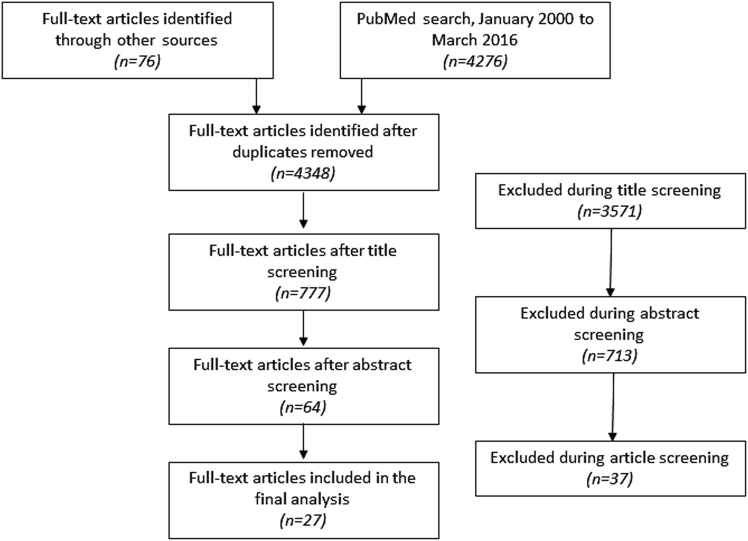
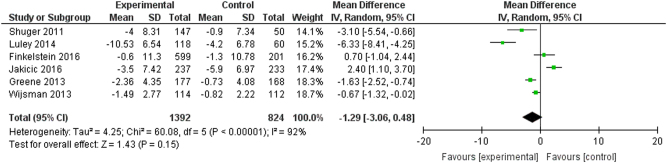
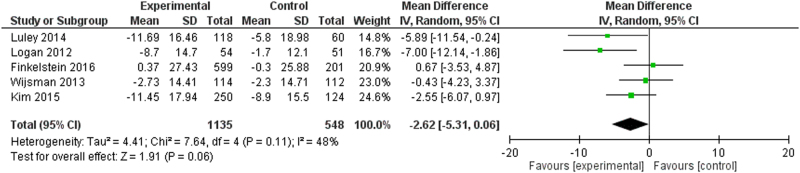
Despite growing interest in remote patient monitoring, limited evidence exists to substantiate claims of its ability to improve outcomes. Our aim was to evaluate randomized controlled trials (RCTs) that assess the effects of using wearable biosensors (e.g. activity trackers) for remote patient monitoring on clinical outcomes. We expanded upon prior reviews by assessing effectiveness across indications and presenting quantitative summary data. We searched for articles from January 2000 to October 2016 in PubMed, reviewed 4,348 titles, selected 777 for abstract review, and 64 for full text review. A total of 27 RCTs from 13 different countries focused on a range of clinical outcomes and were retained for final analysis; of these, we identified 16 high-quality studies. We estimated a difference-in-differences random effects meta-analysis on select outcomes. We weighted the studies by sample size and used 95% confidence intervals (CI) around point estimates. Difference-in-difference point estimation revealed no statistically significant impact of remote patient monitoring on any of six reported clinical outcomes, including body mass index (−0.73; 95% CI: −1.84, 0.38), weight (−1.29; −3.06, 0.48), waist circumference (−2.41; −5.16, 0.34), body fat percentage (0.11; −1.56, 1.34), systolic blood pressure (−2.62; −5.31, 0.06), and diastolic blood pressure (−0.99; −2.73, 0.74). Studies were highly heterogeneous in their design, device type, and outcomes. Interventions based on health behavior models and personalized coaching were most successful. We found substantial gaps in the evidence base that should be considered before implementation of remote patient monitoring in the clinical setting.
Overview
The claims and statistics of this paper haven’t been checked yet.
Free: it reads the open-access text and checks the first 5 claims that cite a source we can check. Create a free account to check every claim.
Integrity signals
Registry
Cites
Statistics
Figures




Verification
Claims the paper makes
The claims and statistics of this paper haven’t been checked yet.
Free: it reads the open-access text and checks the first 5 claims that cite a source we can check. Create a free account to check every claim.
Claims other papers make about this one
Each is checked against this paper’s own text: does it say what the citing paper says it does?
The cited source doesn’t support the claim as written.
In the citing paper
“Over recent years, GP practices have been encouraged to utilise digital health technology as extensive research has demonstrated the value of mobile health (mHealth) solutions in primary care and in the management of chronic conditions [11].”
From A prospective observational real world feasibility study assessing the role of app-based remote patient monitoring in reducing primary care clinician workload during the COVID pandemic (2021) · cites this paper as [11]
Checked by a reasoning model — may be wrong.
Experimental — accuracy not yet measuredThe source backs part of the claim, not all of it — or backs it for a different population, condition or comparison.
In the citing paper
“Several randomized controlled trials have demonstrated that RPM-HTN can be effective and cost-effective in managing hypertension, enhancing BP control, and mitigating cardiovascular disease events.7–12”
From Program cost and return on investment analysis of remote patient monitoring for hypertension management in the cardiology department of a large healthcare system (2026) · cites this paper as [9]
Experimental — accuracy not yet measuredThe source backs part of the claim, not all of it — or backs it for a different population, condition or comparison.
In the citing paper
“This offers the promise of marked reduction of cost, less requirement for healthcare workforce, avoidance of nosocomial infections and medical errors that occur in medical facilities, along with the comfort, convenience and emotional support of being with family members 48 .”
From Multimodal biomedical AI (2022) · cites this paper as [48]
Experimental — accuracy not yet measuredThe source backs part of the claim, not all of it — or backs it for a different population, condition or comparison.
In the citing paper
“Recent progress with biosensors, continuous monitoring and analytics raises the possibility of simulating the hospital setting in a person's home.”
From Multimodal biomedical AI (2022) · cites this paper as [48]
Experimental — accuracy not yet measuredThe cited source says what the claim attributes to it.
In the citing paper
“Randomized clinical trials of RPM showed mixed results overall, but some targeted use cases showed promise.5”
From Trends in Remote Patient Monitoring Use in Traditional Medicare (2022) · cites this paper as [5]
1 more claim about this paper
Create a free account to see every claim other papers make about this one.
Self-check
Percentages, sums and reported differences re-computed from the paper’s own numbers.
The self-check needs the paper’s full text.
Citations
Cites
The theory of planned behavior
Ajzen, I. (1991) · Organizational Behavior and Human Decision Processes · doi:10.1016/0749-5978(91)90020-t · Cited by 134,657
Quantifying heterogeneity in a meta‐analysis
Higgins, J. P. T., & Thompson, S. G. (2002) · Statistics in Medicine · doi:10.1002/sim.1186 · Cited by 36,763 · cited 2×
“We also assessed for heterogeneity using the I(2) statistic and calculated the 95% confidence intervals using the standard methods described by Higgins et al.(51) We did not perform tests for funnel plot asymmetry to examine publication bias given that this type of analysis is not recommended for meta-analyses with fe…”
MethodInterrater reliability: The kappa statistic
McHugh, M. L. (2012) · Biochemia Medica · doi:10.11613/bm.2012.031 · Cited by 19,877 · cited 1×
“85.(49) For studies identified in the second review process, a second independent review was performed.”
BackgroundOlder Adults' Reasons for Using Technology while Aging in Place
Peek, S. T. M., Luijkx, K. G., Rijnaard, M. D., Nieboer, M. E., van der Voort, C. S., Aarts, S., van Hoof, J., Vrijhoef, H. J. M., & Wouters, E. J. M. (2016) · Gerontology · doi:10.1159/000430949 · Cited by 19,690
Assessing the quality of reports of randomized clinical trials: Is blinding necessary?
Jadad, A. R., Moore, R. A., Carroll, D., Jenkinson, C., Reynolds, D. J. M., Gavaghan, D. J., & McQuay, H. J. (1996) · Controlled Clinical Trials · doi:10.1016/0197-2456(95)00134-4 · Cited by 17,582
Zhang, Q., Wang, C., Zheng, M., Li, Y., Li, J., Zhang, L., Shang, X., & Yan, C. (2015) · Cerebrovascular Diseases · doi:10.1159/000369778 · Cited by 11,533
In search of how people change: Applications to addictive behaviors.
Prochaska, J. O., DiClemente, C. C., & Norcross, J. C. (1992) · American Psychologist · doi:10.1037/0003-066x.47.9.1102 · Cited by 8,596
Sterne, J. A. C., Sutton, A. J., Ioannidis, J. P. A., Terrin, N., Jones, D. R., Lau, J., Carpenter, J., Rucker, G., Harbord, R. M., Schmid, C. H., et al. (2011) · BMJ · doi:10.1136/bmj.d4002 · Cited by 7,709
Dong, Y., Hao, L., Shi, Z., Wang, G., Zhang, Z., & Han, C. (2013) · Urologia Internationalis · doi:10.1159/000351405 · Cited by 4,540
The Health Belief Model and Preventive Health Behavior
Rosenstock, I. M. (1974) · Health Education Monographs · doi:10.1177/109019817400200405 · Cited by 3,643
Cited by
Items 101–200 of 280
Shah, S. S., Safa, A., Johal, K., Obika, D., & Valentine, S. (2021) · BMC Family Practice · doi:10.1186/s12875-021-01594-7 · Cited by 21
“Over recent years, GP practices have been encouraged to utilise digital health technology as extensive research has demonstrated the value of mobile health (mHealth) solutions in primary care and in the management of chronic conditions [11].”
BackgroundSmith, W., Colbert, B., Namouz, T., Caven, D., Ewing, J. A., & Albano, A. W. (2024) · Healthcare · doi:10.3390/healthcare12161583 · Cited by 24
“However, verifying the efficacy of RPM for long-term blood pressure control requires further study [10–12].”
BackgroundNabi, A. U., Snoussi, T., & Abdalkareem, Z. A. (2023) · Babylonian Journal of Internet of Things · doi:10.58496/bjiot/2023/004 · Cited by 24
“For instance, a study conducted by Smith et al. Revealed a significant 30% reduction in hospital readmission rates by implementing remote monitoring systems enabled by IoT for managing chronic diseases[15].”
BackgroundUsability of a Wrist-Worn Smartwatch in a Direct-to-Participant Randomized Pragmatic Clinical Trial
Galarnyk, M., Quer, G., McLaughlin, K., Ariniello, L. M., & Steinhubl, S. R. (2019) · Digital Biomarkers · doi:10.1159/000504838 · Cited by 22
Internet of Medical Things – The Future of Healthcare
Wal, P., Wal, A., Verma, N., Karunakakaran, R., & Kapoor, A. (2022) · The Open Public Health Journal · doi:10.2174/18749445-v15-e221215-2022-142 · Cited by 23
Automation in Hospitals and Health Care
Ugajin, A. (2023) · Springer handbooks · doi:10.1007/978-3-030-96729-1_56 · Cited by 28
Effect of Remote and Virtual Technology on Home Dialysis
Lew, S. Q., Manani, S. M., Ronco, C., Rosner, M. H., & Sloand, J. A. (2024) · Clinical Journal of the American Society of Nephrology · doi:10.2215/cjn.0000000000000405 · Cited by 22
Beaney, T. E., Clarke, J., Alboksmaty, A., Flott, K., Fowler, A., Benger, J. R., Aylin, P. P., Elkin, S., Neves, A. L., & Darzi, A. W. (2022) · Emergency Medicine Journal · doi:10.1136/emermed-2022-212378 · Cited by 21
Raimi, A. M. A., Chong, M. C., Tang, L. Y., Chua, Y. P., & Ajeel, L. Y. A. (2022) · CIN Computers Informatics Nursing · doi:10.1097/cin.0000000000000927 · Cited by 22
“Randomization is difficult in educational studies; since this study took place in a group environment that included schoolchildren in classrooms, the samples could not be individually monitored by the researcher.(26) This study design would also assess the differences between the pre-test results”
Chaudhary, U., Ali, M. F., Kumar, A., Sharma, A., & Jayakody, D. N. K. (2025) · IEEE Access · doi:10.1109/access.2025.3578344 · Cited by 30
Eiselt, A.-K., Kirkendall, S., Xiong, E., Langner, D., & Goldfarb, M. B. (2026) · Frontiers in Digital Health · doi:10.3389/fdgth.2025.1713334 · Cited by 21
de Jong, A. J., Shahid, N., Zuidgeest, M. G. P., Santa‐Ana‐Téllez, Y., Hogervorst, M. A., Goettsch, W., Traore, H., de Boer, A., & Gardarsdóttir, H. (2023) · Value in Health · doi:10.1016/j.jval.2023.11.006 · Cited by 19
Kothare, P. A., Jadhav, P. R., Gupta, P. K., Harrelson, J. C., & Dickmann, L. J. (2018) · Clinical Pharmacology & Therapeutics · doi:10.1002/cpt.1100 · Cited by 20
“40 However, the authors noted that the studies were vastly heterogeneous in their design, device type, and outcomes.”
BackgroundAcharya, M., Ali, M. M., BOGULSKI, C. A., Pandit, A. A., Mahashabde, R. V., Eswaran, H., & Hayes, C. J. (2023) · Journal of General Internal Medicine · doi:10.1007/s11606-023-08511-x · Cited by 20
“23 To this end, we conducted a cohort study among older adults with hypertension to estimate the relationships between RPM use and all-cause mortality, hospitalizations, emergency department (ED), and outpatient visits.”
MethodKuo, S., Aledia, A. S., O’Connell, R., Rudkin, S., Dangodara, A. A., & Amin, A. (2022) · JAMIA Open · doi:10.1093/jamiaopen/ooac060 · Cited by 19
“12 Asian, n (%) 16 (21) 24 (16) Black, n (%) 2 (3) 0 (0) White, n (%) 42 (56) 85 (57) Not available/other, n (%) 15 (20) 41 (27) Ethnicity .”
Grains of Sand to Clinical Pearls: Realizing the Potential of Wearable Data
Seneviratne, M. G., Connolly, S. B., Martin, S. S., & Parakh, K. (2022) · The American Journal of Medicine · doi:10.1016/j.amjmed.2022.10.006 · Cited by 17
Clinical Outcomes of Passive Sensors in Remote Monitoring: A Systematic Review
Rama, E., Zuberi, S. J., Aly, M., Askari, A., & Iqbal, F. M. (2025) · Sensors · doi:10.3390/s25113285 · Cited by 20
“Initial reports suggested limited clinical impact of wearable devices on individuals in the community with chronic diseases [5], but a recent analysis of digital sensor alerting systems in remote monitoring supported their use, having found a reduction in hospitalisation and in all-cause mortality…”
Villa-Gallón, J. E., Valencia-Bernal, J. A., & Garcés-Gómez, Y. A. (2024) · Publications · doi:10.3390/publications12030027 · Cited by 20
“Based on the study’s fi ndings, the following conclusions can be drawn: The bibliometric review conducted in this study reveals a growing trend in the adoption”
Design for stress, fatigue, and workload management
Nuamah, J. K., & Mehta, R. K. (2020) · Elsevier eBooks · doi:10.1016/b978-0-12-816427-3.00011-7 · Cited by 24
Wearable Technologies for Pediatric Patients with Surgical Infections—More than Counting Steps?
Mack, I., Juchler, N., Rey, S., Hirsch, S., Hölz, B., Eckstein, J., & Bielicki, J. A. (2022) · Biosensors · doi:10.3390/bios12080634 · Cited by 16
“This is especially relevant for children, who benefit most from noninvasive measurements; however, continuous (remote) patient monitoring with wearables has mainly been studied in adult patients [13].”
BackgroundTelemedicine and home monitoring for COPD – a narrative review of recent literature
Poberezhets, V., & Kasteleyn, M. J. (2023) · Current Opinion in Pulmonary Medicine · doi:10.1097/mcp.0000000000000969 · Cited by 15
“rapid response, which may decrease acute care utilization, hospital admissions and readmissions [3].”
BackgroundDesign, implementation, and impact of a cirrhosis-specific remote patient monitoring program
Penrice, D. D., Hara, K. S., Chara, B. S., Kezer, C. A., Schmidt, K. A., Kassmeyer, B. A., Lennon, R. J., Rosedahl, J. K., Roellinger, D. L., Rattan, P., et al. (2024) · Hepatology Communications · doi:10.1097/hc9.0000000000000498 · Cited by 17
Sinnige, A., Spruijt, S., Saes, M., van der Wees, P. J., Hoogeboom, T. J., & Teijink, J. A. W. (2021) · Physical Therapy · doi:10.1093/ptj/pzab249 · Cited by 15
“32 However, remote patient monitoring specifically for patients with intermittent claudication is not available yet in the Netherlands.”
Internet-Based Unobtrusive Tele-Monitoring System for Sleep and Respiration
Choi, A., Noh, S., & Shin, H. (2020) · IEEE Access · doi:10.1109/access.2020.2989336 · Cited by 16
“Remote patient monitoring (RPM) based on Internet-ofThings (IoT) devices is an evolving and growing area of healthcare innovation [2]–[7].”
BackgroundInfluentialA systematic review on wearable-enabled remote health monitoring
Ribeiro, R., Martins, R., Pereira, H., Crista, V., Souza, J., Almeida, R., Martinho, D., Conceição, L., Freitas, A., & Marreiros, G. (2026) · Digital Health · doi:10.1177/20552076261428387 · Cited by 16
“19,20 This review addresses this gap by synthesizing recent evidence (2020 – 2025) with a speci fi c focus on the effectiveness of continuous monitoring via wearables.”
Biosymbiotic platform for chronic long-range monitoring of biosignals in limited resource settings
Stuart, T., Farley, M., Amato, J. C. S., Thien, R., Hanna, J., Bhatia, A., Clausen, D. M., & Gutruf, P. (2023) · Proceedings of the National Academy of Sciences · doi:10.1073/pnas.2307952120 · Cited by 14
Beaney, T. E., Clarke, J., Alboksmaty, A., Flott, K., Fowler, A., Benger, J. R., Aylin, P. P., Elkin, S., Darzi, A. W., & Neves, A. L. (2023) · Emergency Medicine Journal · doi:10.1136/emermed-2022-212377 · Cited by 13
Developing and scaling remote patient monitoring capacity in ambulatory practice
Singh, N., Lawrence, K., Andreadis, K., Twan, C., & Mann, D. M. (2024) · NEJM Catalyst · doi:10.1056/cat.23.0417 · Cited by 13
Remote monitoring for long-term physical health conditions: an evidence and gap map
de Bell, S., Zhelev, Z., Shaw, N., Bethel, A. C., Anderson, R., & Coon, J. T. (2023) · Health and Social Care Delivery Research · doi:10.3310/bvcf6192 · Cited by 14
Electronic-Textile 12-Lead Equivalent Diagnostic Electrocardiogram Based on the EASI Lead Placement
Teferra, M. N., Hobbs, D., Clark, R. A., & Reynolds, K. J. (2022) · IEEE Sensors Journal · doi:10.1109/jsen.2022.3146454 · Cited by 12
Nashat, H., Habibi, H., Heng, E. L., Nicholson, C., Gledhill, J. R., Obika, B. D., Yassaee, A., Markides, V., McCleery, P., & Gatzoulis, M. Α. (2022) · International Journal of Cardiology · doi:10.1016/j.ijcard.2022.05.002 · Cited by 15
Elkefi, S. (2023) · Ergonomics · doi:10.1080/00140139.2023.2270780 · Cited by 12
“Studies also suggest that digital health programs that include health behaviour models and personalised coaching have the greatest success (Noah et al. 2018).”
Michaud, T. L., Siahpush, M., Estabrooks, P. A., Schwab, R. J., LeVan, T. D., Grimm, B. L., Ramos, A. K., Johansson, P. L., Scoggins, D., & Su, D. (2019) · Telemedicine Journal and e-Health · doi:10.1089/tmj.2019.0030 · Cited by 13
Poncette, A.-S., Meske, C., Mosch, L. K., & Balzer, F. (2019) · Lecture notes in computer science · doi:10.1007/978-3-030-22649-7_43 · Cited by 14
Vilendrer, S. M., Lessios, A. S., Artandi, M. K., Barman, L., Cannon, K., Garvert, D. W., Halket, D., Holdsworth, L. M., Singer, S. J., Vaughan, L., et al. (2022) · BMC Family Practice · doi:10.1186/s12875-022-01734-7 · Cited by 11
Digital Health: A New Frontier
Barracca, A., Ledda, S., Mancosu, G., Pintore, G., Quintaliani, G., Ronco, C., & KASHANI, K. B. (2023) · Journal of Translational Critical Care Medicine · doi:10.4103/jtccm-d-22-00018 · Cited by 14
Haemmerli, M., Ammann, R. A., Roessler, J., Koenig, C., & Brack, E. K. (2022) · Scientific Data · doi:10.1038/s41597-022-01182-z · Cited by 11
Harris, S., Paynter, K., Guinn, M., Fox, J., Moore, N. H., Maddox, T. M., & Lyons, P. G. (2024) · BMC Health Services Research · doi:10.1186/s12913-023-10496-6 · Cited by 11
Next Generation Smart Built Environments: The Fusion of Empathy, Privacy and Ethics
Gračanin, D., Lasisi, R. O., Azab, M., & Eltoweissy, M. (2019) · IEEE International Conference on Trust, Privacy and Security in Intelligent Systems and Applications (TPS-ISA) · doi:10.1109/tps-isa48467.2019.00041 · Cited by 11
Petito, L. C., Anthony, L., Peprah, Y. A., Lee, J. Y., Li, J., Sato, H., & Persell, S. D. (2023) · JAMIA Open · doi:10.1093/jamiaopen/ooac111 · Cited by 10
Byrne, T., Murray, N., McDonnell‐Naughton, M., & Rowan, N. J. (2023) · Frontiers in Public Health · doi:10.3389/fpubh.2023.1203937 · Cited by 12
“Noah et al. (12) reported that remote patient monitoring has many positive outcomes; however, caution must be taken by clinicians using remote patient monitoring and further research is required.”
BackgroundThe NCSBN 2019 Environmental Scan: 40th Anniversary Edition
(2019) · Journal of Nursing Regulation · doi:10.1016/s2155-8256(18)30177-7 · Cited by 9
Gunn, R., Watkins, S. L., Boston, D., Rosales, A. G., Massimino, S., Navale, S. M., Fitzpatrick, S. L., Dickerson, J. F., Gold, R. B., Lee, G., et al. (2024) · JMIR Formative Research · doi:10.2196/55732 · Cited by 11
“Despite these promising potential benefits, little has been reported on how best to implement RPM programs in primary care settings and what elements of RPM effectively engage patients and clinic staff [12].”
BackgroundAyyaswami, V., Subramanian, J., Nickerson, J., Erban, S. B., Rosano, N., McManus, D. D., Gerber, B. S., & Faro, J. M. (2024) · JMIR Formative Research · doi:10.2196/56962 · Cited by 9
“Notably, a meta-analysis of remote patient monitoring (RPM) showed that successful RPM PA interventions for weight loss specifically incorporated tailored health coaching or other behavior change models [18].”
BackgroundUnit, A. T. I.-P. C.-1. C., Buonaguro, F. M., Botti, G., Ascierto, P. A., Pignata, S., Ionna, F., Delrio, P., Petrillo, A., Cavalcanti, E., Bonito, M. D., et al. (2020) · Infectious Agents and Cancer · doi:10.1186/s13027-020-00330-7 · Cited by 9
Encantado, J., Palmeira, A. L., Silva, C. C., Sniehotta, F. F., Stubbs, R. J., Gouveia, M. J., Teixeira, P. J., Heitmann, B. L., & Marques, M. M. (2022) · Digital Health · doi:10.1177/20552076221129089 · Cited by 9
Lee, J. H., Park, Y. R., Kweon, S., Kim, S. G., Ji, W., & Choi, C. (2018) · JMIR mhealth and uhealth · doi:10.2196/12048 · Cited by 10
“Due to progress in high-speed data transmission capabilities and the ability to wirelessly connect to external devices, several telemonitoring techniques have been developed in various fields [12-14].”
Schuuring, M. J., Kauw, D., & Bouma, B. J. (2020) · European Heart Journal - Digital Health · doi:10.1093/ehjdh/ztaa007 · Cited by 9
“can also improve personalized coaching, which is one of the most effective remote care interventions.(6) However, video consulting can be a technical challenge for both healthcare providers and patients and it can be more time consuming than a telephone call.”
BackgroundA maturity model framework for integrated virtual care
Sinn, C. J., Pasat, Z., Klea, L., Hogeveen, S. E., Holditch, C., Beltzner, C. A., & Costa, A. P. (2022) · Journal of Integrated Care · doi:10.1108/jica-02-2022-0015 · Cited by 12
Biofunctional interfaces for cell culture in microfluidic devices
Shakeri, A., Rahmani, S., Imani, S. M., Osborne, M., Yousefi, H., & Didar, T. F. (2019) · Elsevier eBooks · doi:10.1016/b978-0-08-102420-1.00033-9 · Cited by 9
Dudley, N., Miller, J., Breslin, M. L., Chapman, S. A., & Spetz, J. (2020) · Medical Care Research and Review · doi:10.1177/1077558720960902 · Cited by 9
Remote Patient Monitoring: A Promising Digital Health Frontier
Gandy, K. L., Schmaderer, M. S., Szema, A. M., March, C., Topping, M., Song, A. V., García‐Ojeda, M. E., Durazo, A., Domen, J., & Barach, P. R. (2021) · International Conference on Information and Digital Technologies (IDT) · doi:10.1109/idt52577.2021.9497599 · Cited by 12
An Internet of Things based COPD managing system: Its development, challenges and first experiences
Zhou, L., Du, C., Bai, C., & Song, Y. (2019) · Clinical eHealth · doi:10.1016/j.ceh.2019.05.001 · Cited by 8
Schuuring, M. J., Man, J. P., & Chamuleau, S. A. J. (2023) · JACC Advances · doi:10.1016/j.jacadv.2023.100545 · Cited by 10
The New Frontier of Ageing: Innovations and Insights in Gerontology
Tohit, N. F. M., & Haque, M. (2024) · Advances in Human Biology · doi:10.4103/aihb.aihb_110_24 · Cited by 8
Heredia, N. I., Fernández, M. E., Garza, E. R., Pittman, J., Velasco-Huerta, F., Judd, T. L., Hunyadi, J. V., Diese, E. L., Rogith, D., Perkison, W. B., et al. (2025) · BMC Health Services Research · doi:10.1186/s12913-025-12253-3 · Cited by 7
“RPM interventions for BP control and CVD prevention, like SMBP, have gained traction in healthcare to improve health outcomes [5, 9, 10].”
Gakhar, H., Bhati, S., & Pawaria, S. (2025) · Musculoskeletal Care · doi:10.1002/msc.70168 · Cited by 7
Digesting New Developments in Biosensors
Bhatt, A. S. (2018) · New England Journal of Medicine · doi:10.1056/nejmcibr1806952 · Cited by 7
Statistical probability prediction model for E-Learning and realtime proctoring using IoT devices
Alotaibi, R., Khan, N. A., & Akhtar, M. M. (2025) · Journal of King Saud University - Science · doi:10.25259/jksus_700_2025 · Cited by 16
Sükei, E., de León-Martínez, S., Olmos, P. M., & Artés-Rodríguez, A. (2023) · Internet Interventions · doi:10.1016/j.invent.2023.100657 · Cited by 8
Gudenkauf, L. M., Li, X., Hoogland, A. I., Oswald, L. B., lmanirad, I., Permuth, J. B., Small, B. J., Jim, H., Rodriguez, Y., Bryant, C. A., et al. (2024) · Supportive Care in Cancer · doi:10.1007/s00520-024-08395-5 · Cited by 8
“Personalized health coaching further enhances interpretation and actionability of health data monitoring [27].”
Eid, N. M. S., Al-ofi, E. A., Enani, S. M., Mosli, R. H., Saqr, R. R., Qutah, K. M., & Eid, S. M. (2024) · Obesities · doi:10.3390/obesities4040037 · Cited by 7
“The literature has also revealed that monitoring physical activity and diet significantly improves weight loss and metabolic risks [3,4] and enhances patients’ motivation.”
Krishna, C., Kumar, D., & Kushwaha, D. S. (2024) · The Journal of Supercomputing · doi:10.1007/s11227-024-06751-0 · Cited by 6
Obika, B. D., Dolezova, N., Ponzo, S., Valentine, S., Shah, S. S., Gledhill, J. R., Plans, D., Nicholson, C., Walters, C., Stephen, L., et al. (2021) · JAMIA Open · doi:10.1093/jamiaopen/ooab053 · Cited by 6
“The use of digital RPM via a smartphone application to triage patients for cardiac surgery remains largely a new avenue of practice, due to general barriers to the adoption of new technologies within nationalized healthcare systems and a need for strong evidence in support of their efficacy.(7,8) As such, further expl…”
MethodOn the intersection of molecular bioelectronics and biosensors: 20 Years of C3B
Aggas, J. R., Walther, B. K., Abasi, S., Kotanen, C. N., Karunwi, O., Wilson, A. M., & Guiseppi‐Elie, A. (2020) · Biosensors and Bioelectronics · doi:10.1016/j.bios.2020.112889 · Cited by 7
Sang, B., Wen, H., Junek, G. V., Neveu, W. A., Francesco, L. D., Romberg, J., & Ayazi, F. (2025) · Scientific Reports · doi:10.1038/s41598-025-93011-7 · Cited by 6
Mahboubian, A., Kasteleyn, M. J., Bašić, E., Chavannes, N. H., & Aardoom, J. J. (2025) · Journal of Medical Internet Research · doi:10.2196/67666 · Cited by 6
“Some studies suggest that RPM aids in early exacerbation detection, reduces exacerbation frequency, and lowers hospitalization rates, while others find little significant evidence [16,60,61].”
Pires, E., Cheng, C., Silva, S. L. F. D. C., de Gois, S. R. F. D. S. M., Sabbadini, F. S., & Gonçalves, A. A. (2022) · Studies in health technology and informatics · doi:10.3233/shti210932 · Cited by 5
“This connectivity offers excellent opportunities to use mobile technology for improving healthcare services [2,3].”
BackgroundRozanski, G., & Putrino, D. F. (2022) · Clinical Biomechanics · doi:10.1016/j.clinbiomech.2022.105755 · Cited by 5
Successful implementation of round-the-clock care in a virtual ward during the COVID-19 pandemic
Wells, E., Taylor, J. L., Wilkes, M., & Prosser‐Snelling, E. (2022) · British Journal of Nursing · doi:10.12968/bjon.2022.31.20.1040 · Cited by 6
Smart Virtual Care Centers in the Context of Performance and Privacy
Gračanin, D., Knapp, R. B., Martin, T. L., & Parker, S. (2019) · International Conference on Telecommunications (ConTEL) · doi:10.1109/contel.2019.8848553 · Cited by 6
“Interventions based on health behavior models and personalized coaching appear to be most successful [6].”
BackgroundHou, C., Zhang, J., & Wang, J. (2021) · Microprocessors and Microsystems · doi:10.1016/j.micpro.2021.103878 · Cited by 5
RetractedRemote Patient Monitoring System
Tan, L. T., Shahrizal, R. S. M., Nadzri, M. N. M., Yahya, N., & Hisham, S. B. (2022) · IEEE International Symposium in Robotics and Manufacturing Automation (ROMA) · doi:10.1109/roma55875.2022.9915658 · Cited by 7
“The longitudinal data collected from the patients may provide important insight on their health and how well the patients respond to prescribed medications or treatment planning [5].”
BackgroundThe Relationship between Monetary Incentives, Social Status, and Physical Activity
Gonzalez, N. I. V., Kee, J., Palma, M. A., & Pruitt, J. R. (2022) · Journal of Behavioral and Experimental Economics · doi:10.1016/j.socec.2023.102155 · Cited by 6
Digital Medicine and Ethics: Rooting for Evidence
Vayena, E., & Ienca, M. (2018) · The American Journal of Bioethics · doi:10.1080/15265161.2018.1498955 · Cited by 5
Kim, K. K., McGrath, S., & Lindeman, D. (2025) · arXiv (Cornell University) · doi:10.48550/arxiv.2508.19378 · Cited by 7
“19 Another meta-analysis found more pronounced reductions, with an average SBP reduction of 7.07 mmHg and DBP reduction of 3.11 mmHg across 18 studies.”
InfluentialStructure function in photoplethysmographic signal dynamics for physiological assessment
de Pedro-Carracedo, J., Fuentes-Jiménez, D., Cabrera-Umpiérrez, M. F., & Gonzalez-Marcos, A. P. (2025) · Scientific Reports · doi:10.1038/s41598-025-97573-4 · Cited by 5
Limited validity of an AI-powered app for dietary assessment in females with obesity
Serra, M., Alceste, D., Jucker, N., Haupt, L., Elben, S., Müller, S., Hulshof, P. J. M., Meijer, H. A. J., Thalheimer, A., Steinert, R. E., et al. (2026) · npj Digital Medicine · doi:10.1038/s41746-026-02536-2 · Cited by 4
Almohammadi, A. A. (2026) · The Journal of Association of Chest Physicians · doi:10.4103/jacp.jacp_3_26 · Cited by 4
Survey on patient-provider communication in healthcare systems: an operational perspective
Liu, Z., Ansari, S., Debo, L. G., & Iravani, S. M. R. (2024) · IISE Transactions on Healthcare Systems Engineering · doi:10.1080/24725579.2024.2415100 · Cited by 5
“Research has shown that the use of RPM can improve patients’ health outcomes (Noah et al., 2018) and readmission rate (Emani, 2017).”
Gastroenterologists Without Borders: Using Virtual Care to Reach Beyond the Clinic Walls
Dorn, S. D. (2019) · Gastroenterology · doi:10.1053/j.gastro.2019.03.068 · Cited by 4
BandPass: A Bluetooth-Enabled Remote Monitoring Device for Sarcopenia
Mohieldin, S., Minor, C. M., Petersen, C. L., Batsis, J. A., & Halter, R. J. (2021) · IEEE International Conference on Communications workshops · doi:10.1109/iccworkshops50388.2021.9473520 · Cited by 5
“As the value of clinician monitoring in providing patient feedback is predominantly dependent on in-person sessions [15], conducting therapy in the home-based setting may impact treatment or outcomes [16].”
BackgroundTransforming ophthalmology in the digital century—new care models with added value for patients
Faes, L., Maloca, P. M., Hatz, K. B., Wolfensberger, T. J., Munk, M. R., Sim, D. A., Bachmann, L. M., & Schmid, M. (2022) · Eye · doi:10.1038/s41433-022-02313-x · Cited by 6
“Approaches to greater patient-centricity and more decentralized care can be observed in chronic diseases such as bronchial asthma, chronic obstructive pulmonary disease, heart failure and diabetes mellitus (summarized in [5]).”
BackgroundLyles, C. R., Khoong, E. C., Stern, R. J., Abtahi, N., Sharma, A. E., Pletcher, M. J., Xia, F., Garcia, F., Shah, N. D., Tieu, L., et al. (2025) · Contemporary Clinical Trials · doi:10.1016/j.cct.2025.107879 · Cited by 3
Hachem, G., Slim, J. R., Imam, B., Nawaz, U. H., Razzaq, M. S., Touny, M., Hafsa, F., Argariya, M., Maharaj, S. P., Mueen, S., et al. (2025) · Cureus · doi:10.7759/cureus.98162 · Cited by 3
“While sophisticated integrated systems remain in development, the fundamental technology for remote physiological monitoring and automated environmental control exists and has been successfully implemented in related therapeutic contexts [53].”
Digital Health Interventions for Chronic Disease Management in Primary Care: A Comprehensive Review
Almohammadi, A. A., Azuny, M. W., Alqayidi, M. H., & Azouni, D. W. (2026) · Journal of Public Health and Primary Care · doi:10.4103/jphpc.jphpc_38_25 · Cited by 4
A framework for longitudinal health AI agents
Lin, G., Jiang, R., Elhadad, N., & Xu, X. (2026) · Nature Health · doi:10.1038/s44360-026-00141-x · Cited by 9
“Accountability 29,41,68,69 Monitor progress over time, acknowledging partial gains, recalibration and non-linear outcomes instead of only completed tasks.”
Clinical Use of Opioids for Chronic Pain
Brose, W. G., Datta, D., & Kromelow, J. (2020) · Springer eBooks · doi:10.1007/978-3-030-39982-5_21 · Cited by 3
Managing health with remote patient monitoring
Sensmeier, J. E. (2021) · Nursing Management · doi:10.1097/01.numa.0000795604.69169.51 · Cited by 4
Impact of Digital Health upon the Surgical Patient Experience
Evans, H. L., & Scalea, J. R. (2023) · Surgical Clinics of North America · doi:10.1016/j.suc.2022.11.006 · Cited by 3
Sulieman, L. M., Ashworth, D., Wright, A. T., Cole, C., White, J., Findley, N., Riels, G., Riels, M., Stegall, C. J., Moran, R., et al. (2023) · Telemedicine Journal and e-Health · doi:10.1089/tmj.2023.0073 · Cited by 3
Vemulavada, S., Karthikvatsan, S., Babu, A., Kadalmani, B., Devi, T. R., Sasipraba, T., Manikkam, R., Parthasarathy, K., & Balaji, V. H. (2024) · Springer eBooks · doi:10.1007/978-981-97-1777-4_9 · Cited by 8
IoT‐Based Health Monitoring System for Speech‐Impaired People Using Assistive Wearable Accelerometer
Banerjee, I., & Madhumathy, P. (2022) · Wiley eBooks · doi:10.1002/9781119769293.ch7 · Cited by 6
The Promise of Mobile Health in Managing Atrial Fibrillation
Ruff, C. T. (2020) · Journal of the American College of Cardiology · doi:10.1016/j.jacc.2020.02.039 · Cited by 3
Editorial: Digital Solutions in Cardiology
Schuuring, M. J., Mischie, A. N., & Caiani, E. G. (2022) · Frontiers in Cardiovascular Medicine · doi:10.3389/fcvm.2022.873991 · Cited by 3
Advancements and Challenges in Artificial Intelligence Applications in Healthcare Delivery SystemsPreprint
Aftab, M., Nadeem, A., Zhang, C., Dong, Z., Jiang, Y., & Liu, K. (2024) · Preprints.org · doi:10.20944/preprints202407.0938.v1 · Cited by 5
Perinatal Outcomes Among Patients Using OB Teleflex, A Hybrid Prenatal Telemedicine Program
Lekshmi, D., Nader, S., Roberts-Barry, J., Lind, L. E. B., Charles, A. S., Werner, E. F., & Ramos, S. Z. (2025) · Journal of Obstetrics and Gynaecology Canada · doi:10.1016/j.jogc.2025.102911 · Cited by 2
Mehta, S. J., Teel, J., Okorie, E., Reitz, C., Purcell, A., Snider, C. K., Clark, K., Kersting, R. C., Glanz, K., Putt, M., et al. (2025) · JAMA Network Open · doi:10.1001/jamanetworkopen.2025.29825 · Cited by 3
Telehealth for Integrated Cardiovascular and Diabetes Management: A Scoping Review
Estêvão, M. D., Fernandes, M. T., Sousa‐Coelho, A. L. D., Espírito‐Santo, M., & Nascimento, T. (2025) · Journal of Diabetes Research · doi:10.1155/jdr/1093671 · Cited by 3
“…remote consultations to include AI-powered decision support systems, applicable to biosensors for continuous monitoring, mobile software applications (apps) for self-management of chronic diseases, and digital platforms that integrate patient data across di ff erent specialties [37, 40, 41].”
Karottki, N. F. L. C., Thomsen, T. H., Jennum, P., Bibi, S., Sharifi, M., Coskun, Ö., & Biering‐Sørensen, B. (2025) · Frontiers in Neurology · doi:10.3389/fneur.2025.1618348 · Cited by 2
Metadata
- Authors
- Noah, B., Keller, M. S., Mosadeghi, S., Stein, L., Johl, S., Delshad, S., Tashjian, V. C., Lew, D., Kwan, J. T., Jusufagic, A., & Spiegel, B. M. R.
- Affiliations
- Cedars-Sinai Medical Center (US)
- University of Arizona (US)
- Corresponding author
- Spiegel, Brennan M. R.
- ORCID
- Venue
- npj Digital Medicine
- Published
- 2018-01-15
- Volume
- 1
- Issue
- 1
- Pages
- 20172-20172
- ISSN
- 2398-6352 (ISSN-L)
- PMC
- PMC6550143
- OpenAlex
- W2771061271
- Cited by
- 273
- References
- 55
- Citations by year
- 2026: 30 · 2025: 30 · 2024: 37 · 2023: 32 · 2022: 34 · 2021: 30 · 2020: 37 · 2019: 23 · 2018: 19
- FWCI
- 3.80
- Type
- journal article
- Language
- en
- Update notices
- correction (2018-04-09)
- Open access
- hybrid
- doi.org
- Licence
- cc-by
- creativecommons.org/licenses/by/4.0 (tdm)
- creativecommons.org/licenses/by/4.0 (vor)
- Locations
- npj Digital Medicine (publishedVersion, cc-by)
- Europe PMC (PubMed Central) (publishedVersion, cc-by)
- PubMed Central (publishedVersion, cc-by)
- PubMed (publishedVersion)
- DOAJ (DOAJ: Directory of Open Access Journals) (submittedVersion)
- eScholarship (California Digital Library) (submittedVersion, cc-by)
- eScholarship (California Digital Library) (submittedVersion, cc-by-nc-nd)
- Topics
- Health Sciences › Health Professions › General Health Professions › Mobile Health and mHealth Applications
- Health Sciences › Medicine › Public Health, Environmental and Occupational Health › Telemedicine and Telehealth Implementation
- Physical Sciences › Engineering › Biomedical Engineering › Non-Invasive Vital Sign Monitoring
- Keywords
- remote patient monitoring, wearable biosensors, wearable activity trackers, clinical outcomes, body mass index, waist circumference, body fat percentage, blood pressure, weight loss, personalized coaching, health behavior models, evidence gaps
About these checks
Registry, retraction, Cites and statistics results are computed, not judged, with one exception: a printed reference that no index lists is read once by a model before it counts as a citation error. Claims are extracted by a model and kept only when their quote appears verbatim in the text; each cited source is then checked, with a model’s help, for whether it says what the claim relies on. Those verdicts can be wrong — read the claim’s quote and the cited source before relying on one.
Statistics and arithmetic are recomputed, not judged.
Confidence bands are shown only for fields calibrated on our annotated test set. None is calibrated yet, so no band is shown.
What counts as a claim ›How we measure confidence ›How we check this ›
Are you an author, or do you see a problem with this page? Request a review
Data sources
Bibliographic data: Semantic Scholar, OpenAlex, Crossref.
Contains information from the Semantic Scholar Academic Graph Datasets, made available under the ODC Attribution License (ODC-BY 1.0).
Semantic Scholar’s data is described in: Kinney, R., et al. (2023). The Semantic Scholar Open Data Platform. arXiv:2301.10140.
