

Impact of remote patient monitoring on clinical outcomes: an updated meta-analysis of randomized controlled trials
Open accessThe DOI matches its Crossref record; 55 of the 55 references it cites were found in a registry or an index.
Abstract
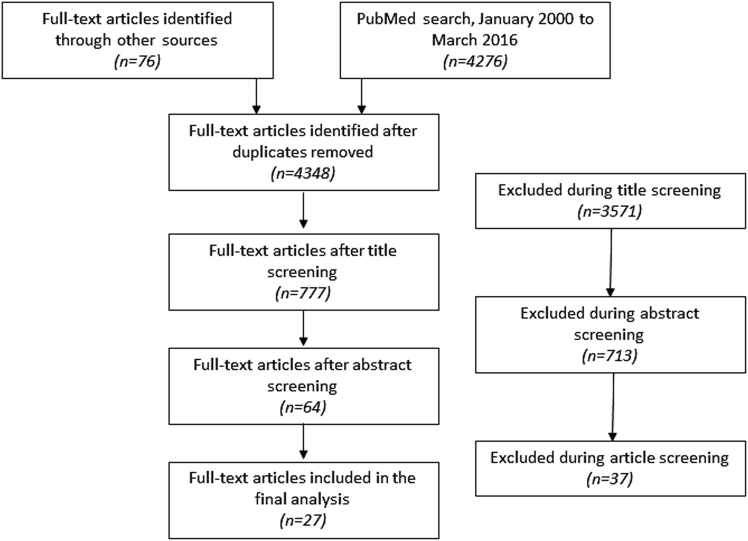
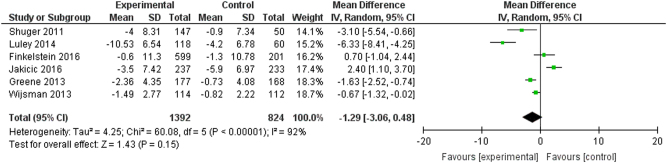
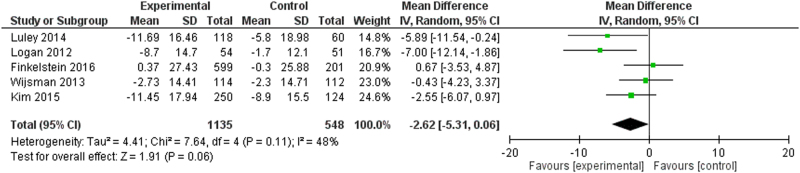
Despite growing interest in remote patient monitoring, limited evidence exists to substantiate claims of its ability to improve outcomes. Our aim was to evaluate randomized controlled trials (RCTs) that assess the effects of using wearable biosensors (e.g. activity trackers) for remote patient monitoring on clinical outcomes. We expanded upon prior reviews by assessing effectiveness across indications and presenting quantitative summary data. We searched for articles from January 2000 to October 2016 in PubMed, reviewed 4,348 titles, selected 777 for abstract review, and 64 for full text review. A total of 27 RCTs from 13 different countries focused on a range of clinical outcomes and were retained for final analysis; of these, we identified 16 high-quality studies. We estimated a difference-in-differences random effects meta-analysis on select outcomes. We weighted the studies by sample size and used 95% confidence intervals (CI) around point estimates. Difference-in-difference point estimation revealed no statistically significant impact of remote patient monitoring on any of six reported clinical outcomes, including body mass index (−0.73; 95% CI: −1.84, 0.38), weight (−1.29; −3.06, 0.48), waist circumference (−2.41; −5.16, 0.34), body fat percentage (0.11; −1.56, 1.34), systolic blood pressure (−2.62; −5.31, 0.06), and diastolic blood pressure (−0.99; −2.73, 0.74). Studies were highly heterogeneous in their design, device type, and outcomes. Interventions based on health behavior models and personalized coaching were most successful. We found substantial gaps in the evidence base that should be considered before implementation of remote patient monitoring in the clinical setting.
Overview
The claims and statistics of this paper haven’t been checked yet.
Free: it reads the open-access text and checks the first 5 claims that cite a source we can check. Create a free account to check every claim.
Integrity signals
Registry
Cites
Statistics
Figures




Verification
Claims the paper makes
The claims and statistics of this paper haven’t been checked yet.
Free: it reads the open-access text and checks the first 5 claims that cite a source we can check. Create a free account to check every claim.
Claims other papers make about this one
Each is checked against this paper’s own text: does it say what the citing paper says it does?
The cited source doesn’t support the claim as written.
In the citing paper
“Over recent years, GP practices have been encouraged to utilise digital health technology as extensive research has demonstrated the value of mobile health (mHealth) solutions in primary care and in the management of chronic conditions [11].”
From A prospective observational real world feasibility study assessing the role of app-based remote patient monitoring in reducing primary care clinician workload during the COVID pandemic (2021) · cites this paper as [11]
Checked by a reasoning model — may be wrong.
Experimental — accuracy not yet measuredThe source backs part of the claim, not all of it — or backs it for a different population, condition or comparison.
In the citing paper
“Several randomized controlled trials have demonstrated that RPM-HTN can be effective and cost-effective in managing hypertension, enhancing BP control, and mitigating cardiovascular disease events.7–12”
From Program cost and return on investment analysis of remote patient monitoring for hypertension management in the cardiology department of a large healthcare system (2026) · cites this paper as [9]
Experimental — accuracy not yet measuredThe source backs part of the claim, not all of it — or backs it for a different population, condition or comparison.
In the citing paper
“This offers the promise of marked reduction of cost, less requirement for healthcare workforce, avoidance of nosocomial infections and medical errors that occur in medical facilities, along with the comfort, convenience and emotional support of being with family members 48 .”
From Multimodal biomedical AI (2022) · cites this paper as [48]
Experimental — accuracy not yet measuredThe source backs part of the claim, not all of it — or backs it for a different population, condition or comparison.
In the citing paper
“Recent progress with biosensors, continuous monitoring and analytics raises the possibility of simulating the hospital setting in a person's home.”
From Multimodal biomedical AI (2022) · cites this paper as [48]
Experimental — accuracy not yet measuredThe cited source says what the claim attributes to it.
In the citing paper
“Randomized clinical trials of RPM showed mixed results overall, but some targeted use cases showed promise.5”
From Trends in Remote Patient Monitoring Use in Traditional Medicare (2022) · cites this paper as [5]
1 more claim about this paper
Create a free account to see every claim other papers make about this one.
Self-check
Percentages, sums and reported differences re-computed from the paper’s own numbers.
The self-check needs the paper’s full text.
Citations
Cites
The theory of planned behavior
Ajzen, I. (1991) · Organizational Behavior and Human Decision Processes · doi:10.1016/0749-5978(91)90020-t · Cited by 134,657
Quantifying heterogeneity in a meta‐analysis
Higgins, J. P. T., & Thompson, S. G. (2002) · Statistics in Medicine · doi:10.1002/sim.1186 · Cited by 36,763 · cited 2×
“We also assessed for heterogeneity using the I(2) statistic and calculated the 95% confidence intervals using the standard methods described by Higgins et al.(51) We did not perform tests for funnel plot asymmetry to examine publication bias given that this type of analysis is not recommended for meta-analyses with fe…”
MethodInterrater reliability: The kappa statistic
McHugh, M. L. (2012) · Biochemia Medica · doi:10.11613/bm.2012.031 · Cited by 19,877 · cited 1×
“85.(49) For studies identified in the second review process, a second independent review was performed.”
BackgroundOlder Adults' Reasons for Using Technology while Aging in Place
Peek, S. T. M., Luijkx, K. G., Rijnaard, M. D., Nieboer, M. E., van der Voort, C. S., Aarts, S., van Hoof, J., Vrijhoef, H. J. M., & Wouters, E. J. M. (2016) · Gerontology · doi:10.1159/000430949 · Cited by 19,690
Assessing the quality of reports of randomized clinical trials: Is blinding necessary?
Jadad, A. R., Moore, R. A., Carroll, D., Jenkinson, C., Reynolds, D. J. M., Gavaghan, D. J., & McQuay, H. J. (1996) · Controlled Clinical Trials · doi:10.1016/0197-2456(95)00134-4 · Cited by 17,582
Zhang, Q., Wang, C., Zheng, M., Li, Y., Li, J., Zhang, L., Shang, X., & Yan, C. (2015) · Cerebrovascular Diseases · doi:10.1159/000369778 · Cited by 11,533
In search of how people change: Applications to addictive behaviors.
Prochaska, J. O., DiClemente, C. C., & Norcross, J. C. (1992) · American Psychologist · doi:10.1037/0003-066x.47.9.1102 · Cited by 8,596
Sterne, J. A. C., Sutton, A. J., Ioannidis, J. P. A., Terrin, N., Jones, D. R., Lau, J., Carpenter, J., Rucker, G., Harbord, R. M., Schmid, C. H., et al. (2011) · BMJ · doi:10.1136/bmj.d4002 · Cited by 7,709
Dong, Y., Hao, L., Shi, Z., Wang, G., Zhang, Z., & Han, C. (2013) · Urologia Internationalis · doi:10.1159/000351405 · Cited by 4,540
The Health Belief Model and Preventive Health Behavior
Rosenstock, I. M. (1974) · Health Education Monographs · doi:10.1177/109019817400200405 · Cited by 3,643
Cited by
Zhou, B., Perel, P., Mensah, G. A., & Ezzati, M. (2021) · Nature Reviews Cardiology · doi:10.1038/s41569-021-00559-8 · Cited by 1,521
Acosta, J. N., Falcone, G. J., Rajpurkar, P., & Topol, E. J. (2022) · Nature Medicine · doi:10.1038/s41591-022-01981-2 · Cited by 1,365
Hakkarainen, J., Kuhlmann, G., Koene, E. F. M., Santaren, D., Meier, S., Krol, M., van Stratum, B., Ialongo, I., Chevallier, F., Tamminen, J., et al. (2016) · Pakistan Journal of Medical & Cardiological Review · doi:10.5281//zenodo · Cited by 1,154
Healthcare blockchain system using smart contracts for secure automated remote patient monitoring
Griggs, K. N., Ossipova, O., Kohlios, C. P., Baccarini, A. N., Howson, E. A., & Hayajneh, T. (2018) · Journal of Medical Systems · doi:10.1007/s10916-018-0982-x · Cited by 926
Digital technology, tele-medicine and artificial intelligence in ophthalmology: A global perspective
Li, J.-P. O., Liu, H., Ting, D. S. J., Jeon, S., Chan, R. V. P., Kim, J. E., Sim, D. A., Thomas, P. B. M., Lin, H., Chen, Y., et al. (2021) · Progress in Retinal and Eye Research · doi:10.1016/j.preteyeres.2020.100900 · Cited by 626
“…practiced to monitor acute and chronic diseases such as body temperature to assess an upper respiratory infection, blood pressure for hypertension (Noah et al., 2018), peak-flow lung capacities for chronic obstructive pulmonary disease (Kaptein et al., 2014) and asthma (Gibson et al., 2003;…”
BackgroundAccuracy of Fitbit Devices: Systematic Review and Narrative Syntheses of Quantitative Data
Feehan, L. M., Geldman, J., Sayre, E. C., Park, C., Ezzat, A. M., Yoo, J. Y., Hamilton, C. B., & Li, L. C. (2018) · JMIR mHealth and uHealth · doi:10.2196/10527 · Cited by 616
“Although designed as a consumer product to help motivate individuals to be physically active, Fitbit devices are becoming increasingly popular as measurement tools in physical activity and health promotion research and are also commonly used to inform patient–health professional interactions [3-7].”
BackgroundSim, I. (2019) · New England Journal of Medicine · doi:10.1056/nejmra1806949 · Cited by 491
The emerging clinical role of wearables: Factors for successful implementation in healthcare
Smuck, M., Odonkor, C. A., Wilt, J. K., Schmidt, N., & Swiernik, M. A. (2021) · npj Digital Medicine · doi:10.1038/s41746-021-00418-3 · Cited by 393
Therapies for rare diseases: therapeutic modalities, progress and challenges ahead
Tambuyzer, E., Vandendriessche, B., Austin, C. P., Brooks, P. J., Larsson, K., Miller Needleman, K. I., Valentine, J., Davies, K., Groft, S. C., Preti, R., et al. (2020) · Nature Reviews Drug Discovery · doi:10.1038/s41573-019-0049-9 · Cited by 357
Opportunities and challenges in the collection and analysis of digital phenotyping data
Onnela, J.-P. (2021) · Neuropsychopharmacology · doi:10.1038/s41386-020-0771-3 · Cited by 319
“A recent RPM meta-analysis identi fi ed 27 randomized controlled trials (RCTs) that focused on a range of clinical outcomes [17].”
Timmons, A. C., Duong, J. B., Simo Fiallo, N., Lee, T., Vo, H. P. Q., Ahle, M. W., Comer, J. S., Brewer, L. C., Frazier, S. L., & Chaspari, T. (2023) · Perspectives on Psychological Science · doi:10.1177/17456916221134490 · Cited by 263
“automated and assistive technologies (Davenport & Kalakota, 2019; Noah et al., 2018; Queirós et al., 2018; Warren et al., 2018).”
Current progress of photoplethysmography and SPO2 for health monitoring
Tamura, T. (2019) · Biomedical Engineering Letters · doi:10.1007/s13534-019-00097-w · Cited by 247
“In particular, the detection and management of the most common type of arrhythmia— AF—enables prevention of strokes, management of symptoms, and reduction in the rate of hospitalization [152, 153].”
BackgroundLoncar-Turukalo, T., Zdravevski, E., Machado da Silva, J., Chouvarda, I., & Trajkovik, V. (2019) · Journal of Medical Internet Research · doi:10.2196/14017 · Cited by 240
“Reshaping the health care critically depends on research work devoted to the design and evaluation of care pathways, provision of optimized feedback, and eventually providing evidence on long-and short-term cost-effectiveness of CH solutions [1,88].”
(2019) · doi:10.2196/13166 · Cited by 222
Diabetic retinopathy and diabetic macular oedema pathways and management: UK Consensus Working Group
Amoaku, W. M., Ghanchi, F., Bailey, C., Banerjee, S., Banerjee, S., Downey, L., Gale, R., Hamilton, R., Khunti, K., Posner, E., et al. (2020) · Eye · doi:10.1038/s41433-020-0961-6 · Cited by 216
Tan, S. Y., Sumner, J., Wang, Y., & Wenjun Yip, A. (2024) · npj Digital Medicine · doi:10.1038/s41746-024-01182-w · Cited by 178
“For instance, a meta-analysis conducted by Noah et al. 17 synthe-sised 27 randomised controlled trials (RCTs) on wearable biosensors but found limited clinical impacts compared to usual care.”
The Use of Digital Health in the Detection and Management of COVID-19
Alwashmi, M. (2020) · International Journal of Environmental Research and Public Health · doi:10.3390/ijerph17082906 · Cited by 159
“An extensive body of literature exists regarding the use of DH in the remote monitoring of chronic diseases [33,34].”
BackgroundFactors influencing the effectiveness of remote patient monitoring interventions: a realist review
Thomas, E. E., Taylor, M. L., Banbury, A., Snoswell, C. L., Haydon, H. M., Gallegos Rejas, V. M., Smith, A. C., & Caffery, L. J. (2021) · BMJ Open · doi:10.1136/bmjopen-2021-051844 · Cited by 156
Wearable Digital Health Technologies for Monitoring in Cardiovascular Medicine
Spatz, E. S., Ginsburg, G. S., Rumsfeld, J. S., & Turakhia, M. P. (2024) · New England Journal of Medicine · doi:10.1056/nejmra2301903 · Cited by 184
Recent patient health monitoring platforms incorporating internet of things-enabled smart devices
Kang, M., Park, E., Cho, B. H., & Lee, K.-S. (2018) · International Neurourology Journal · doi:10.5213/inj.1836144.072 · Cited by 143
“…regarding the correlation of glucose levels in tears with blood glucose levels, many attempts have been made to develop glucose sensors for tears due to the potential tremendous advantages of being noninvasive and continuous, making them an appealing potential alternative to blood tests [15,20].”
BackgroundReinertsen, E., & Clifford, G. D. (2018) · Physiological Measurement · doi:10.1088/1361-6579/aabf64 · Cited by 136
“…random effects meta-analysis of RCTs of remote patient monitoring did not find statistically significant impacts on any of six outcomes including body mass index, weight, waist circumference, body fat percentage, systolic blood pressure, and diastolic blood pressure (Noah et al 2017).”
BackgroundRemote Patient Monitoring Program for Hospital Discharged COVID-19 Patients
Gordon, W. J., Henderson, D., DeSharone, A., Fisher, H. N., Judge, J., Levine, D. M., MacLean, L., Sousa, D., Su, M. Y., & Boxer, R. (2020) · Applied Clinical Informatics · doi:10.1055/s-0040-1721039 · Cited by 127
Mobile Health Advances in Physical Activity, Fitness, and Atrial Fibrillation
McConnell, M. V., Turakhia, M. P., Harrington, R. A., King, A. C., & Ashley, E. A. (2018) · Journal of the American College of Cardiology · doi:10.1016/j.jacc.2018.04.030 · Cited by 124
“The 2018 inaugural issue of Digital Medicine recently reviewed 27 RCTs of remote patient monitoring, with close to half in cardiovascular disease, finding mixed results for clinical outcomes (63).”
BackgroundHarnessing consumer smartphone and wearable sensors for clinical cancer research
Low, C. A. (2020) · npj Digital Medicine · doi:10.1038/s41746-020-00351-x · Cited by 120
Franklin, D., Tzavelis, A., Lee, J. Y., Chung, H. U., Trueb, J. T., Arafa, H., Kwak, S. S., Huang, I. A., Liu, Y., Rathod, M., et al. (2023) · Nature Biomedical Engineering · doi:10.1038/s41551-023-01098-y · Cited by 153
Alboksmaty, A., Beaney, T. E., Elkin, S., Clarke, J., Darzi, A. W., Aylin, P. P., & Neves, A. L. (2022) · The Lancet Digital Health · doi:10.1016/s2589-7500(21)00276-4 · Cited by 117
Quantifying the use of connected digital products in clinical research
Marra, C., Chen, J. L., Coravos, A., & Stern, A. D. (2020) · npj Digital Medicine · doi:10.1038/s41746-020-0259-x · Cited by 92
Remote symptom monitoring integrated into electronic health records: A systematic review
Gandrup, J., Ali, S. M., McBeth, J., van der Veer, S. N., & Dixon, W. G. (2020) · Journal of the American Medical Informatics Association · doi:10.1093/jamia/ocaa177 · Cited by 102
“17 They found that, while some remote monitoring interventions proved promising in changing clinical outcomes, there are still large gaps in the evidence base.”
Empowering the digital therapeutic relationship: virtual clinics for digital health interventions
Torous, J., & Hsin, H. (2018) · npj Digital Medicine · doi:10.1038/s41746-018-0028-2 · Cited by 88
WBAN: Driving e-healthcare Beyond Telemedicine to Remote Health Monitoring
Pramanik, P. K. D., Nayyar, A., & Pareek, G. (2019) · Elsevier eBooks · doi:10.1016/b978-0-12-816948-3.00007-6 · Cited by 116
AlShorman, O., AlShorman, B., Al-khassaweneh, M., & Alkahtani, F. (2020) · Indonesian Journal of Electrical Engineering and Computer Science · doi:10.11591/ijeecs.v20.i1.pp414-422 · Cited by 84
“In the IoMT era, remote healthcare monitoring (RHM) represents the future of the healthcare industry.”
BackgroundInfluentialEconomic Evaluations of Remote Patient Monitoring for Chronic Disease: A Systematic Review
De Guzman, K. R., Snoswell, C. L., Taylor, M. L., Gray, L. C., & Caffery, L. J. (2022) · Value in Health · doi:10.1016/j.jval.2021.12.001 · Cited by 83
Mizuno, A., Changolkar, S., & Patel, M. S. (2021) · Annual Review of Medicine · doi:10.1146/annurev-med-050919-031534 · Cited by 78
Analyzing Patient Trajectories With Artificial Intelligence
Allam, A., Feuerriegel, S., Rebhan, M., & Krauthammer, M. (2021) · Journal of Medical Internet Research · doi:10.2196/29812 · Cited by 77
“Wearables collect granular sensor measurements of various neurophysiological body functions over time [4-6].”
BackgroundWearable Sensors to Monitor, Enable Feedback, and Measure Outcomes of Activity and Practice
Dobkin, B. H., & Martinez, C. A. (2018) · Current Neurology and Neuroscience Reports · doi:10.1007/s11910-018-0896-5 · Cited by 94
Wearable technologies to measure clinical outcomes in multiple sclerosis: A scoping review
Alexander, S., Peryer, G., Gray, E., Barkhof, F., & Chataway, J. (2020) · Multiple Sclerosis Journal · doi:10.1177/1352458520946005 · Cited by 80
A review of emerging trends in telemedicine: Healthcare delivery transformations
Adeghe, E. P., Okolo, C. A., & Ojeyinka, O. T. (2024) · International Journal of Life Science Research Archive · doi:10.53771/ijlsra.2024.6.1.0040 · Cited by 94
“Patients with chronic diseases, such as hypertension, diabetes, and chronic obstructive pulmonary disease (COPD), can benefit from remote monitoring, allowing healthcare providers to assess their status without the need for frequent in-person visits (Noah et al., 2014).”
BackgroundKim, J.-W., Ryu, B., Cho, S., Heo, E., Kim, Y., Lee, J., Jung, S. Y., & Yoo, S. (2019) · JMIR mHealth and uHealth · doi:10.2196/12070 · Cited by 67
dos Santos, C. C., Lucena, G. N., Pinto, G. C., Jafelicci, M., & Marques, R. F. C. (2020) · Medical Devices & Sensors · doi:10.1002/mds3.10130 · Cited by 73
Houlding, E., Mate, K. K. V., Engler, K., Ortiz-Paredes, D., Pomey, M.-P., Cox, J., Hijal, T., & Lebouché, B. (2021) · JMIR mhealth and uhealth · doi:10.2196/24743 · Cited by 61
Saba, T., Rehman, A. U., Latif, R., Fati, S. M., Raza, M., & Sharif, M. I. (2021) · IEEE Access · doi:10.1109/access.2021.3091081 · Cited by 61
The Need for Artificial Intelligence in Digital Therapeutics
Palanica, A., Docktor, M., Lieberman, M., & Fossat, Y. (2020) · Digital Biomarkers · doi:10.1159/000506861 · Cited by 70
Salehi, S., Olyaeemanesh, A., Mobinizadeh, M., Nasli‐Esfahani, E., & Riazi, H. (2020) · Journal of Diabetes & Metabolic Disorders · doi:10.1007/s40200-019-00482-3 · Cited by 68
“With RPM technologies the allocated resources are used with high productivity [10–13], which significantly increases people’s quality of life [13].”
MethodWearables and the internet of things: considerations for the life and health insurance industry
Spender, A., Bullen, C., Altmann-Richer, L., Cripps, J., Duffy, R., Falkous, C., Farrell, M., Horn, T., Wigzell, J., & Yeap, W. (2019) · British Actuarial Journal · doi:10.1017/s1357321719000072 · Cited by 85
Adoption mechanism of telemedicine in underdeveloped country
Zhang, X., & Zaman, B. U. (2019) · Health Informatics Journal · doi:10.1177/1460458219868353 · Cited by 65
The Next Frontier of Remote Patient Monitoring: Hospital at Home
Whitehead, D. C., & Conley, J. J. (2023) · Journal of Medical Internet Research · doi:10.2196/42335 · Cited by 70
“…monitoring (RPM) has shown promise in aiding safe, effective, and more efficient chronic care management and represents a significant yet relatively unexplored opportunity for HaH to increase patient eligibility, improve patient safety, achieve operational efficiencies, and decrease costs [6,7].”
Hirsch, M. C., Ronicke, S., Krusche, M., & Wagner, A. D. (2020) · Annals of the Rheumatic Diseases · doi:10.1136/annrheumdis-2020-217125 · Cited by 56
“22 Remote patient monitoring with sensors 23 is in use.”
Patel, P. R., Green, M. M., Tram, J. T., Wang, E., Murphy, M., Abd-Elsayed, A. A., & Chakravarthy, K. V. (2024) · Journal of Pain Research · doi:10.2147/jpr.s494238 · Cited by 67
Kang, M., & Hwang, Y. C. (2022) · Sustainability · doi:10.3390/su141912492 · Cited by 77
“The most effective digital health systems, per a prior study, include health behavior models and customized coaching [10].”
BackgroundConnected Health Technology for Cardiovascular Disease Prevention and Management
Wongvibulsin, S., Martin, S. S., Steinhubl, S. R., & Muse, E. D. (2019) · Current Treatment Options in Cardiovascular Medicine · doi:10.1007/s11936-019-0729-0 · Cited by 63
An Infrastructure Framework for Remote Patient Monitoring Interventions and Research
Claggett, J. L., Petter, S., Joshi, A. M., Ponzio, T. A., & Kirkendall, E. S. (2024) · Journal of Medical Internet Research · doi:10.2196/51234 · Cited by 76
“One study finds that RPM interventions do not impact patient health factors, such as weight, body fat percentage, and blood pressure [8], and other related studies raise concerns about the limited evidence that RPM interventions can indeed adequately scale to meaningfully improve patient outcomes…”
BackgroundTrends in Remote Patient Monitoring Use in Traditional Medicare
Tang, M., Nakamoto, C. H., Stern, A. D., & Mehrotra, A. (2022) · JAMA Internal Medicine · doi:10.1001/jamainternmed.2022.3043 · Cited by 48
Wearables research for continuous monitoring of patient outcomes: A scoping review
Lodewyk, K., Wiebe, M., Dennett, L., Larsson, J., Greenshaw, A. J., & Hayward, J. (2025) · PLOS Digital Health · doi:10.1371/journal.pdig.0000860 · Cited by 57
“Our findings on minimally published RCTs on this topic do however align with a 2018 meta-analysis reporting a lack of high-quality data on effectiveness for RHM and wearables [95].”
Iqbal, F. M., Lam, K., Joshi, M., Khan, S., Ashrafian, H., & Darzi, A. (2021) · npj Digital Medicine · doi:10.1038/s41746-020-00378-0 · Cited by 46
Coffey, J. D., Christopherson, L. A., Williams, R. D., Gathje, S. R., Bell, S. J., Pahl, D. F., Manka, L., Blegen, R. N., Maniaci, M. J., Ommen, S. R., et al. (2022) · Frontiers in Digital Health · doi:10.3389/fdgth.2022.1052408 · Cited by 44
Remote Patient Monitoring in Heart Failure: Factors for Clinical Efficacy
Bhatia, A., & Maddox, T. M. (2020) · International Journal of Heart Failure · doi:10.36628/ijhf.2020.0023 · Cited by 58
Koole, M. A. C., Kauw, D., Winter, M. M., Dohmen, D., Tulevski, I. I., de Haan, R. J., Somsen, G. A., Schijven, M. P., Robbers‐Visser, D., Mulder, B. J. M., et al. (2018) · Netherlands Heart Journal · doi:10.1007/s12471-018-1201-6 · Cited by 47
Polhemus, A. M., Novák, J. M., Ferrão, J. C., Simblett, S. K., Radaelli, M., Locatelli, P., Matcham, F., Kerz, M., Weyer, J., Burke, P., et al. (2020) · JMIR mhealth and uhealth · doi:10.2196/16043 · Cited by 47
“In such cases, program designers are challenged to select devices from hundreds of options [9] in a marketplace where validation is sparse [1,7,8], product turnover is high [10], and relative benefits between device options are often unclear.”
BackgroundTang, M., Mehrotra, A., & Stern, A. D. (2022) · Health Affairs · doi:10.1377/hlthaff.2021.02026 · Cited by 40
Bauer, J., Hoq, M. N., Mulcahy, J., Tofail, S. A. M., Gulshan, F., Silien, C., Podbielska, H., & Akbar, M. M. (2020) · The EPMA Journal · doi:10.1007/s13167-020-00199-x · Cited by 42
Tarricone, R., Cucciniello, M., Armeni, P., Petracca, F., Desouza, K. C., Hall, L. K., & Keefe, D. M. K. (2019) · JMIR mhealth and uhealth · doi:10.2196/13584 · Cited by 39
“Although the potential benefits of mHealth seem particularly compelling for managing chronic conditions, where the overall efficacy largely depends on patient compliance that frequently occurs outside of the formal health care system, prolonged, regular, and intensive use still represents a major challenge [4].”
Castelyn, G., Laranjo, L., Schreier, G., & Gallego, B. (2021) · International Journal of Medical Informatics · doi:10.1016/j.ijmedinf.2021.104620 · Cited by 50
Schuuring, M. J., Treskes, R. W., Castiello, T., Jensen, M. T., Casado-Arroyo, R., Neubeck, L., Lyon, A. R., Keser, N., Rucinski, M., Marketou, M. E., et al. (2024) · European Heart Journal - Digital Health · doi:10.1093/ehjdh/ztae064 · Cited by 43
Future of Personalized Cardiovascular Medicine
Califf, R. M. (2018) · Journal of the American College of Cardiology · doi:10.1016/j.jacc.2018.09.079 · Cited by 40
Rens, N. E., Gandhi, N., Mak, J., Paul, J., Bent, D., Liu, S., Savage, D. M., Nielsen-Bowles, H., Triggs, D., Ata, G., et al. (2021) · PLoS ONE · doi:10.1371/journal.pone.0247834 · Cited by 39
Assessing the safety of home oximetry for COVID-19: a multisite retrospective observational study
Clarke, J., Flott, K., Crespo, R. F., Ashrafian, H., Fontana, G., Benger, J. R., Darzi, A. W., & Elkin, S. (2021) · BMJ Open · doi:10.1136/bmjopen-2021-049235 · Cited by 37
“4 9 These pathways were often initiated quickly in an”
Prasse, T., Yap, N., Sivakanthan, S., Pan, J., Ogunlade, J. I., Bredow, J., Eysel, P., Ellenbogen, R. G., & Hofstetter, C. P. (2023) · Journal of Neurosurgery Spine · doi:10.3171/2023.2.spine23136 · Cited by 41
The impact of short-term incentives on physical activity in a UK behavioural incentives programme
Hajat, C., Hasan, A., Subel, S., & Noach, A. (2019) · npj Digital Medicine · doi:10.1038/s41746-019-0164-3 · Cited by 37
The Challenges of Telemedicine in Rheumatology
Song, Y., Bernard, L., Jørgensen, C., Dusfour, G., & Pers, Y. (2021) · Frontiers in Medicine · doi:10.3389/fmed.2021.746219 · Cited by 40
“Simply monitoring collected data remotely does not generally lead to clinical improvement (16).”
BackgroundCan activity monitors predict outcomes in patients with heart failure? A systematic review
Tan, M. K. H., Wong, J. K. L., Bakrania, K., Abdullahi, Y. S., Harling, L., Casula, R., Rowlands, A. V., Athanasiou, T., & Jarral, O. A. (2018) · European Heart Journal - Quality of Care and Clinical Outcomes · doi:10.1093/ehjqcco/qcy038 · Cited by 34
“Remote monitoring, without the input of nurses or doctors, has already been shown to have significant benefit in patients’ clinical outcomes.(70) Given the tangible nature of the information provided by actigraphs, the information could empower them to engage in desirable activities solely due to awareness their perso…”
BackgroundAndrews, J. A., Craven, M. P., Jamnadas-Khoda, J., Lang, A. R., Morriss, R. K., & Hollis, C. P. (2020) · Journal of Medical Internet Research · doi:10.2196/17414 · Cited by 30
“Some studies have challenged these findings, suggesting little or no evidence of an effect of RMT on key outcomes [12,13].”
Hsiehchen, D., Muquith, M., Haque, W. Z., Espinoza, M., Yopp, A. C., & Beg, M. S. (2021) · JCO Oncology Practice · doi:10.1200/op.21.00092 · Cited by 32
“273 Time to therapy initiation, median (IQR), days 17 (12-28) 15 (10-21) 18 (12-28) 15 (10-21) .”
Blount, M. A., Douglas, M. D., Li, C., Walston, D. T., Nelms, P. L., Hughes, C. L., Gaglioti, A. H., & Mack, D. H. (2023) · Journal of Primary Care & Community Health · doi:10.1177/21501319231184789 · Cited by 31
Lawrence, K. S., Singh, N. P., Jonassen, Z., Groom, L. L., Arias, V. A., Mandal, S., Schoenthaler, A., Mann, D., Nov, O., & Dove, G. (2023) · JMIR Human Factors · doi:10.2196/45166 · Cited by 37
“…of mobile health care (mHealth) is referred to as remote patient monitoring (RPM), defined as “the use of a non-invasive, wearable device that automatically transmits data to a web portal or mobile app for patient self-monitoring and health provider assessment and clinical decision-making” [1].”
Tang, M., Nakamoto, C. H., Stern, A. D., Zubizarreta, J. R., Marcondes, F. O., Uscher-Pines, L., Schwamm, L. H., & Mehrotra, A. (2023) · Annals of Internal Medicine · doi:10.7326/m23-1182 · Cited by 30
“Although many studies have shown improvements in disease control and reductions in acute care use, a similar number have shown no effect (11 – 18).”
BackgroundMethodResultInfluentialEvers, L. J. W., Peeters, J. M., Bloem, B. R., & Meinders, M. J. (2023) · Frontiers in Neurology · doi:10.3389/fneur.2023.1150634 · Cited by 32
Andino, J. J., Eyrich, N. W., & Boxer, R. J. (2023) · mHealth · doi:10.21037/mhealth-23-15 · Cited by 35
“In 2018, a meta-analysis of RPM RCTs found that is evidence supporting improved outcomes for patients with select conditions, including obstructive pulmonary disease, Parkinson’s disease, hypertension, and low back pain (68).”
BackgroundWearable-based mobility monitoring: the long road ahead
Fasano, A. A., & Mancini, M. (2020) · The Lancet Neurology · doi:10.1016/s1474-4422(20)30033-8 · Cited by 30
Future and Development Direction of Digital Healthcare
Kim, H., Kwon, I. H., & Cha, W. C. (2021) · Healthcare Informatics Research · doi:10.4258/hir.2021.27.2.95 · Cited by 38
“Several studies have highlighted the advantages of remote monitoring; however, extensive changes are necessary in the monitoring methods for fullscale implementation of services [25].”
BackgroundSang, B., Wen, H., Junek, G. V., Neveu, W. A., Francesco, L. D., & Ayazi, F. (2024) · Biosensors · doi:10.3390/bios14030118 · Cited by 31
Wang, B., Zheng, Y., Han, X., Kong, L., Xiao, G., Xiao, Z., & Chen, S. (2025) · npj Digital Medicine · doi:10.1038/s41746-025-01715-x · Cited by 61
“Users gain tools for proactive health management, while clinicians can remotely monitor patient health and provide timely interventions 137 .”
Breteler, M. J. M., Janssen, J. H., Spiering, W., Kalkman, C. J., van Solinge, W. W., & Dohmen, D. (2019) · JMIR Formative Research · doi:10.2196/11489 · Cited by 31
“Studies have demonstrated that physical activity interventions delivered via internet may result in small increases in activity [2-4].”
BackgroundMobile Health: making the leap to research and clinics
Ku, J. P., & Sim, I. (2021) · npj Digital Medicine · doi:10.1038/s41746-021-00454-z · Cited by 36
“Despite the growing body of literature on consumer-oriented mHealth devices, there is a paucity of strong evidence for their bene fi t 9 .”
BackgroundRakers, M. M., van Os, H. J. A., Recourt, K., Mosis, G., Chavannes, N. H., & Struijs, J. N. (2022) · Health Policy and Technology · doi:10.1016/j.hlpt.2022.100718 · Cited by 36
Home monitoring as a useful extension of modern tele-ophthalmology
Faes, L., Bachmann, L. M., & Sim, D. A. (2020) · Eye · doi:10.1038/s41433-020-0964-3 · Cited by 31
Nilanon, T., Nocera, L. P., Martin, A. S., Kolatkar, A. R., May, M., Hasnain, Z., Ueno, N. T., Yennurajalingam, S., Alexander, A., Mejia, A., et al. (2020) · JCO Clinical Cancer Informatics · doi:10.1200/cci.20.00023 · Cited by 32
Lifestyle Medicine for Obesity in the Era of Highly Effective Anti-Obesity Treatment
Sannidhi, D., Abeles, R., Andrew, W., Bonnet, J. P., Vitale, K., Niranjan, V., Gulati, M., Pauly, K., Moran, R., Alexander, L., et al. (2025) · Nutrients · doi:10.3390/nu17142382 · Cited by 29
“RPM may help patients stay accountable as they measure progress toward and the achievement of weight loss goals, but more evidence is needed [300].”
Introducing a Remote Patient Monitoring Usability Impact Model to Overcome Challenges
Baumann, S., Stone, R., & Abdelall, E. S. (2024) · Sensors · doi:10.3390/s24123977 · Cited by 28
“These devices capture a variety of patient’s physiological parameters, such as sleep quality, respiratory rate, or heart rate, to provide insights into potential health conditions, such as sleep apnea or hypertension [30,31].”
BackgroundThe Promise of Remote Patient Monitoring: Lessons Learned During the COVID-19 Surge in New York City
Casale, P. N., Vyavahare, M., Coyne, S., Kronish, I. M., Greenwald, P. W., Ye, S., Deland, E. L., & Fleischut, P. M. (2021) · American Journal of Medical Quality · doi:10.1097/01.jmq.0000741968.61211.2b · Cited by 25
Nagase, F. N. I., Stafinski, T., Avdagovska, M., Stickland, M. K., Etruw, E., & Menon, D. (2022) · BMC Health Services Research · doi:10.1186/s12913-022-07938-y · Cited by 29
Opipari‐Arrigan, L., Dykes, D. M. H., Saeed, S. A., Thakkar, S., Burns, L., Chini, B. A., McPhail, G. L., Eslick, I. S., Margolis, P. A., & Kaplan, H. C. (2020) · JMIR mhealth and uhealth · doi:10.2196/11968 · Cited by 26
“Yet, there are countless other examples of mHealth technologies that fail to improve self-management behaviors or clinical outcomes [9,10,16-21].”
BackgroundMobile and Connected Health Technologies for Older Adults Aging in Place
Wang, J. (2018) · Journal of Gerontological Nursing · doi:10.3928/00989134-20180509-01 · Cited by 24
“A recent systematic review and meta-analysis showed that only remote monitoring technologies that had personalized coaching and were based on health behavior models were most eff ective in improving patient outcomes (Noah et al., 2018).”
BackgroundDigital health & low-value care
O’Reilly-Jacob, M., Mohr, P. E., Ellen, M., Petersen, C. C., Sarkisian, C. A., Attipoe, S., & Rich, E. C. (2021) · Healthcare · doi:10.1016/j.hjdsi.2021.100533 · Cited by 23
Radhakrishnan, K., Kim, M. T., Burgermaster, M., Brown, R. A., Xie, B., Bray, M. S., & Fournier, C. A. (2020) · Nursing Outlook · doi:10.1016/j.outlook.2020.03.007 · Cited by 26
Moriyama, M., Kazawa, K., Jahan, Y., Ikeda, M., Mizukawa, M., Fukuoka, Y., Harada, K., & Rahman, M. M. (2021) · Journal of Primary Care & Community Health · doi:10.1177/21501327211030817 · Cited by 26
Passive Remote Monitoring and Aging in Place: A Scoping Review
Read, E. A., Woolsey, C. A., Donelle, L., Weeks, L. E., & Chinho, N. (2022) · Canadian Journal on Aging / La Revue canadienne du vieillissement · doi:10.1017/s0714980822000198 · Cited by 85
“strategies need to be considered against the research challenges of participant recruitment, the short lifespan of technologies, limited insight regarding data collection, data ownership, and privacy concerns regarding commercial technology devices/systems (Liu et al., 2016; Noah et al., 2018; Schulz et al., 2015).”
BackgroundResultInfluentialKim, K. K., McGrath, S., Solorza, J. L., & Lindeman, D. A. (2023) · Applied Clinical Informatics · doi:10.1055/a-2096-0326 · Cited by 27
Patient and Staff Experience of Remote Patient Monitoring—What to Measure and How: Systematic Review
Pannunzio, V., Ornelas, H. C. M., Gurung, P., van Kooten, R. T., Snelders, D., van Os, H. J. A., Wouters, M. W. J. M., Tollenaar, R. A. �. �., Atsma, D. E., & Kleinsmann, M. S. (2024) · Journal of Medical Internet Research · doi:10.2196/48463 · Cited by 28
“Partly due to a rapid expansion during the COVID-19 pandemic [2-5], the RPM domain has by now expanded to reach a broad range of medical specialties, sensing technologies, and clinical contexts [1,6,7].”
Alwashmi, M. F., FitzPatrick, B., Davis, E., Farrell, J., Gamble, J., & Hawboldt, J. (2020) · Therapeutic Advances in Respiratory Disease · doi:10.1177/1753466620951044 · Cited by 28
The Use of Digital Health in the Detection and Management of COVID-19 (Preprint)Preprint
Alwashmi, M. F. (2020) · doi:10.2196/preprints.19103 · Cited by 23
Metadata
- Authors
- Noah, B., Keller, M. S., Mosadeghi, S., Stein, L., Johl, S., Delshad, S., Tashjian, V. C., Lew, D., Kwan, J. T., Jusufagic, A., & Spiegel, B. M. R.
- Affiliations
- Cedars-Sinai Medical Center (US)
- University of Arizona (US)
- Corresponding author
- Spiegel, Brennan M. R.
- ORCID
- Venue
- npj Digital Medicine
- Published
- 2018-01-15
- Volume
- 1
- Issue
- 1
- Pages
- 20172-20172
- ISSN
- 2398-6352 (ISSN-L)
- PMC
- PMC6550143
- OpenAlex
- W2771061271
- Cited by
- 273
- References
- 55
- Citations by year
- 2026: 30 · 2025: 30 · 2024: 37 · 2023: 32 · 2022: 34 · 2021: 30 · 2020: 37 · 2019: 23 · 2018: 19
- FWCI
- 3.80
- Type
- journal article
- Language
- en
- Update notices
- correction (2018-04-09)
- Open access
- hybrid
- doi.org
- Licence
- cc-by
- creativecommons.org/licenses/by/4.0 (tdm)
- creativecommons.org/licenses/by/4.0 (vor)
- Locations
- npj Digital Medicine (publishedVersion, cc-by)
- Europe PMC (PubMed Central) (publishedVersion, cc-by)
- PubMed Central (publishedVersion, cc-by)
- PubMed (publishedVersion)
- DOAJ (DOAJ: Directory of Open Access Journals) (submittedVersion)
- eScholarship (California Digital Library) (submittedVersion, cc-by)
- eScholarship (California Digital Library) (submittedVersion, cc-by-nc-nd)
- Topics
- Health Sciences › Health Professions › General Health Professions › Mobile Health and mHealth Applications
- Health Sciences › Medicine › Public Health, Environmental and Occupational Health › Telemedicine and Telehealth Implementation
- Physical Sciences › Engineering › Biomedical Engineering › Non-Invasive Vital Sign Monitoring
- Keywords
- remote patient monitoring, wearable biosensors, wearable activity trackers, clinical outcomes, body mass index, waist circumference, body fat percentage, blood pressure, weight loss, personalized coaching, health behavior models, evidence gaps
About these checks
Registry, retraction, Cites and statistics results are computed, not judged, with one exception: a printed reference that no index lists is read once by a model before it counts as a citation error. Claims are extracted by a model and kept only when their quote appears verbatim in the text; each cited source is then checked, with a model’s help, for whether it says what the claim relies on. Those verdicts can be wrong — read the claim’s quote and the cited source before relying on one.
Statistics and arithmetic are recomputed, not judged.
Confidence bands are shown only for fields calibrated on our annotated test set. None is calibrated yet, so no band is shown.
What counts as a claim ›How we measure confidence ›How we check this ›
Are you an author, or do you see a problem with this page? Request a review
Data sources
Bibliographic data: Semantic Scholar, OpenAlex, Crossref.
Contains information from the Semantic Scholar Academic Graph Datasets, made available under the ODC Attribution License (ODC-BY 1.0).
Semantic Scholar’s data is described in: Kinney, R., et al. (2023). The Semantic Scholar Open Data Platform. arXiv:2301.10140.
