

Digital biomarkers for Alzheimer’s disease: the mobile/wearable devices opportunity
Open accessThe DOI matches its Crossref record; 101 of the 101 references it cites were found in a registry or an index.
Abstract
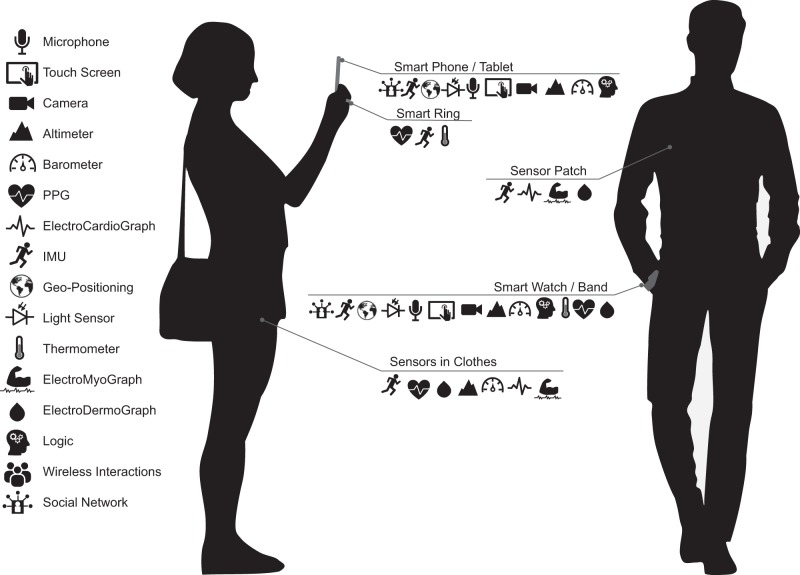
Alzheimer’s Disease (AD) represents a major and rapidly growing burden to the healthcare ecosystem. A growing body of evidence indicates that cognitive, behavioral, sensory, and motor changes may precede clinical manifestations of AD by several years. Existing tests designed to diagnose neurodegenerative diseases, while well-validated, are often less effective in detecting deviations from normal cognitive decline trajectory in the earliest stages of the disease. In the quest for gold standards for AD assessment, there is a growing interest in the identification of readily accessible digital biomarkers, which harness advances in consumer grade mobile and wearable technologies. Topics examined include a review of existing early clinical manifestations of AD and a path to the respective sensor and mobile/wearable device usage to acquire domain-centric data towards objective, high frequency and passive digital phenotyping.
Overview
The claims and statistics of this paper haven’t been checked yet.
Free: it reads the open-access text and checks the first 5 claims that cite a source we can check. Create a free account to check every claim.
Integrity signals
Registry
Cites
Statistics
Figures
Verification
Claims the paper makes
The claims and statistics of this paper haven’t been checked yet.
Free: it reads the open-access text and checks the first 5 claims that cite a source we can check. Create a free account to check every claim.
Claims other papers make about this one
Each is checked against this paper’s own text: does it say what the citing paper says it does?
The source backs part of the claim, not all of it — or backs it for a different population, condition or comparison.
In the citing paper
“Complementary digital biomarkers derived from handwriting, speech, and environmental sensors further enable longitudinal tracking of cognitive decline (Kourtis et al., 2019).”
From Multimodal neuroimaging and AI integration in cognitive disorders: advances, challenges, and future directions for precision medicine (2026) · cites this paper as Kourtis et al., 2019
Experimental — accuracy not yet measuredThe source backs part of the claim, not all of it — or backs it for a different population, condition or comparison.
In the citing paper
“early detection of neurodegenerative disorders such as Alzheimer’s disease (AD), in which key indices of preclinical stages are cognitive, motor and sensory changes that occur 10 or 15 years prior to its effective diagnosis43,44.”
From Sex and gender differences and biases in artificial intelligence for biomedicine and healthcare (2020) · cites this paper as [44]
Experimental — accuracy not yet measuredThe source backs part of the claim, not all of it — or backs it for a different population, condition or comparison.
In the citing paper
“Monitoring these biomarkers’ fluctuations is essential in the early detection and treatment of mental health disorders [3,32].”
From Predicting Depression From Smartphone Behavioral Markers Using Machine Learning Methods, Hyperparameter Optimization, and Feature Importance Analysis: Exploratory Study (2021) · cites this paper as [32]
Experimental — accuracy not yet measuredThe check wasn’t confident either way, so it gives no verdict — never disputed.
In the citing paper
“While classification tasks are common in automated speech analysis in neurodegenerative research, several studies have employed regression models to predict continuous cognitive outcomes (e.g., MMSE)97,98 or to explore relationships with imaging and biomarker measures.99–101”
From Review of Artificial Intelligence for Clinical Use in Alzheimer's Disease and Related Dementias (2026) · cites this paper as [98]
Experimental — accuracy not yet measured
Self-check
Percentages, sums and reported differences re-computed from the paper’s own numbers.
The self-check needs the paper’s full text.
Citations
Cites
A compendium of neuropsychological tests: administration, norms, and commentary
(1991) · Choice Reviews Online · doi:10.5860/choice.29-2400 · Cited by 6,120
Thayer, J. F., Åhs, F., Fredrikson, M., Sollers, J. J., & Wager, T. D. (2012) · Neuroscience & Biobehavioral Reviews · doi:10.1016/j.neubiorev.2011.11.009 · Cited by 3,224
Executive functions and self-regulation
Hofmann, W., Schmeichel, B. J., & Baddeley, A. D. (2012) · Trends in Cognitive Sciences · doi:10.1016/j.tics.2012.01.006 · Cited by 1,965
Thayer, J. F., Hansen, A. L., Saus-Rose, E., & Johnsen, B. H. (2009) · Annals of Behavioral Medicine · doi:10.1007/s12160-009-9101-z · Cited by 1,872
Inferring friendship network structure by using mobile phone data
Eagle, N., Pentland, A. (., & Lazer, D. (2009) · Proceedings of the National Academy of Sciences · doi:10.1073/pnas.0900282106 · Cited by 1,856
Elhai, J. D., Dvorak, R. D., Levine, J. C., & Hall, B. J. (2017) · Journal of Affective Disorders · doi:10.1016/j.jad.2016.08.030 · Cited by 1,689
The Rise of Consumer Health Wearables: Promises and Barriers
Piwek, L., Ellis, D. A., Andrews, S., & Joinson, A. (2016) · PLOS Medicine · doi:10.1371/journal.pmed.1001953 · Cited by 1,235
Attention and executive deficits in Alzheimer's disease: A critical review
Perry, R. J. (1999) · Brain · doi:10.1093/brain/122.3.383 · Cited by 1,180
Muro-de-la-Herran, A., Garcia-Zapirain, B., & Mendez-Zorrilla, A. (2014) · Sensors · doi:10.3390/s140203362 · Cited by 1,172
The spectrum of behavioral changes in Alzheimer's disease
Mega, M. S., Cummings, J. L., Fiorello, T., & Gornbein, J. (1996) · Neurology · doi:10.1212/wnl.46.1.130 · Cited by 1,115
Research works printed but not linked: 1
- Vitiello, M. V. & Borson, S. Sleep disturbances in patients with Alzheimer’s disease. Mol. Diag Ther. 15, 777–796 (2001).
Cited by
Items 201–300 of 475
Blake, M., Brown, D. C., Chen, C., Al-Hammadi, N. J., Casanova, R., Zhu, Y., & Babulal, G. M. (2025) · Scientific Data · doi:10.1038/s41597-025-05554-z · Cited by 13
“In contrast, digital markers can provide more frequent, time-series data and may more precisely capture health-related aspects of daily changes in single-domain measures such as heart rate or multi-domain activities such as driving 13 .”
Gramkow, M. H., Gleerup, H. S., Simonsen, A. H., Waldemar, G., & Frederiksen, K. S. (2026) · Journal of the Neurological Sciences · doi:10.1016/j.jns.2026.125734 · Cited by 10
Digital biomarkers for brain health: passive and continuous assessment from wearable sensors
Matias, I., Haas, M., Daza, E. J., Kliegel, M., & Wac, K. (2026) · npj Digital Medicine · doi:10.1038/s41746-026-02340-y · Cited by 9
“Sleep fragmentation and related parameters correlate with cognitive performance, Alzheimer ’ s disease (AD), and affect 9 – 11 ; heart rate and activity patterns relate to cognitive and affective states 9,12 ; and exposure to air pollutants and weather variations in fl uences cognition and affect 13…”
Technology-based Neurocognitive Assessment of the Elderly: a Mini Review
Sahoo, S., & Grover, S. (2022) · Consortium Psychiatricum · doi:10.17816/cp155 · Cited by 10
“…to the internet connectivity, (3) increasing sensitivity and plurality of onboard sensors, (4) near accurate monitoring of physical and cognitive symptoms/abilities, and (5) extremely low burden on the healthcare system, as large segments of the population are increasingly using these devices [9].”
BackgroundBayat, S., Roe, C. M., Schindler, S. E., Murphy, S. A., Doherty, J. M., Johnson, A. M., Walker, A. I. B., Ances, B. M., Morris, J. C., & Babulal, G. M. (2023) · Journal of Alzheimer s Disease · doi:10.3233/jad-221268 · Cited by 11
“At the same time, increasing evidence suggests that the preclinical stage of AD may have a subtle functional signature that is reflected in changes in everyday behavior [11].”
Robin, J., Xu, M., Kaufman, L. D., Simpson, W. S., McCaughey, S. M., Tatton, N. A., Wolfus, C., & Ward, M. E. (2023) · Cognitive and Behavioral Neurology · doi:10.1097/wnn.0000000000000356 · Cited by 10
“…provides new possibilities for clinical research, allowing assessment at higher frequency, with lower patient burden, without requiring in-person visits or lengthy clinical testing, which is of particular importance due to the debilitating nature of FTD (Coravos et al, 2019; Kourtis et al, 2019).”
BackgroundBiomarkers in precision medicine
Lan, L. Y.-L., Kumar, W. M., Liu, L., Roberts, A. K., Chen, S., & Snyder, M. P. (2024) · Elsevier eBooks · doi:10.1016/b978-0-443-15380-8.00003-5 · Cited by 13
Digital Biomarkers in Psychiatric Research: Data Protection Qualifications in a Complex Ecosystem
Parziale, A., & Mascalzoni, D. (2022) · Frontiers in Psychiatry · doi:10.3389/fpsyt.2022.873392 · Cited by 9
mhealthtools: A Modular R Package for Extracting Features from Mobile and Wearable Sensor Data
Snyder, P., Tummalacherla, M., Perumal, T. M., & Omberg, L. (2020) · The Journal of Open Source Software · doi:10.21105/joss.02106 · Cited by 9
“…inexpensive remote monitoring methods outside of the clinic to aid in the early detection and real-time assessment of Alzheimer’s disease (Kourtis, Regele, Wright, & Jones, 2019), Parkinson’s disease (Monje, Foffani, Obeso, & Sánchez-Ferro, 2019), mood disorders (Jacobson, Weingarden, &…”
MethodSemi-supervised Learning for Identifying the Likelihood of Agitation in People with DementiaPreprint
Rezvani, R., Kouchaki, S., Nilforooshan, R., Sharp, D. J., & Barnaghi, P. M. (2021) · arXiv (Cornell University) · doi:10.48550/arxiv.2105.10398 · Cited by 13
“There are also research studies on possible opportunities for utilising the sensors and imaging technologies in detecting neurological diseases such as dementia which is cost-effective [4].”
BackgroundThe New Frontier of Ageing: Innovations and Insights in Gerontology
Tohit, N. F. M., & Haque, M. (2024) · Advances in Human Biology · doi:10.4103/aihb.aihb_110_24 · Cited by 8
Xu, L., Chen, K., Mueller, K. D., Liss, J., & Berisha, V. (2024) · Journal of Alzheimer s Disease · doi:10.1177/13872877241300149 · Cited by 12
“19,20 Among them, speech analysis has received particular attention.”
Strengthening Africa’s brain health and economic resilience
Rizig, M., McLaughlin, C., Narayan, V. A., Salama, M., Udeh‐Momoh, C. T., Rwafa, C., Gichu, M., Ojagbemi, A., Guerchet, M., Bitanihirwe, B. K. Y., et al. (2025) · Nature Medicine · doi:10.1038/s41591-025-03863-9 · Cited by 13
“By integrating behavioral nudges and personalized interventions, these technologies can promote healthier lifestyles, strengthen cognitive resilience and reduce dementia risks on a broad scale 87 .”
Pereira, M., Leite, C., Campos, C., & Coelho, T. (2025) · Journal of Alzheimer s Disease · doi:10.1177/13872877251371236 · Cited by 9
“More speci fi cally, the heart rate (HR) and HRV were collected through ECG with 3 electrodes placed on the trunk (positive electrode on the right clavicle; negative electrode on the left iliac crest; ground electrode on the clavicle left).”
InfluentialAdvances and Challenges in Wearable Sensors for Health Monitoring
Brazaca, L. C., Lozano, A. M., Mayol, B., Scheidt, D. T., Fazio, D. D., Kim, E., Maroli, G., Rosati, G., Ates, H. C., Wang, H., et al. (2026) · ACS Applied Materials & Interfaces · doi:10.1021/acsami.6c04520 · Cited by 13
Smartwatch-derived Acoustic Markers for Deficits in Cognitively Relevant Everyday Functioning
Yamada, Y., Shinakwa, K., Kobayashi, M., Nemoto, M., Ota, M., Nemoto, K., & Arai, T. (2023) · IEEE International Conference on Digital Health (ICDH) · doi:10.1109/icdh60066.2023.00015 · Cited by 12
SHADE-AD: An LLM-Based Framework for Synthesizing Activity Data of Alzheimer’s Patients
Fu, H., Chen, H., Lin, S., & Xing, G. (2025) · ACM Conference on Embedded Networked Sensor Systems (SenSys) · doi:10.1145/3715014.3722062 · Cited by 13
Digital Phenotyping - A Case for Cognitive Functions and Dementia?
Montag, C., & Elhai, J. D. (2020) · Digital Psychology · doi:10.24989/dp.v1i1.1810 · Cited by 8
Visualising the knowledge structure and evolution of wearable device research
Wang, C., & Qi, H. (2021) · Journal of Medical Engineering & Technology · doi:10.1080/03091902.2021.1891314 · Cited by 9
“Pulse and Heart Rate Monitoring Cardiovascular disease wrist [20] Blood pressure monitoring Cardiovascular disease Wrists, fingers, chest [75–77] Electrocardiogram monitoring Cardiovascular disease Chest, upper arms [45,78] Fall detection Parkinson, epilepsy Wrists, waist, chest, feet, legs [21,26,29,35,37] Breath mon…”
BackgroundDang, M., Liu, B., Chen, Y., & Zhang, Z. (2026) · Psychoradiology · doi:10.1093/psyrad/kkag007 · Cited by 10
Holmqvist, S. L., Kaplan, M., Chaturvedi, R., Shou, H., & Giovannetti, T. (2025) · JMIR Human Factors · doi:10.2196/69952 · Cited by 10
“With the prevalence of Alzheimer disease (AD) and AD and related dementias (ADRD) increasing alongside the aging population and the availability of new treatments, there is a need to quantify risk and detect cognitive decline at the earliest stage [1].”
LumiCare: A Context-Aware Mobile System for Alzheimer’s Patients Integrating AI Agents and 6G
Dall’Ora, N., Felli, L., Aldegheri, S., Vicino, N., & Giuliano, R. (2025) · Electronics · doi:10.3390/electronics14173516 · Cited by 9
Autonomic function effects on postoperative sleep disorder: a prospective cohort study
Fang, Y., Zhang, Y., Wang, G., Guan, J., Wang, H., Shao, M., Zeng, L., Jiang, Z., & Deng, Z. (2025) · International Journal of Surgery · doi:10.1097/js9.0000000000002630 · Cited by 7
Haq, M. Z. U., Zhao, X., Apori, S. O., Singh, B., & Tian, F. (2025) · International Journal of Molecular Sciences · doi:10.3390/ijms26199282 · Cited by 9
“The potential of home polysomnographic monitoring makes sense to look for early symptoms in order to treat these conditions before their clinical symptoms appear [145].”
Multi-modal data analysis for early detection of alzheimer’s disease and related dementias
Wang, L., Glass, J. R., Kourtis, L. C., & Au, R. (2025) · The Journal of Prevention of Alzheimer s Disease · doi:10.1016/j.tjpad.2025.100399 · Cited by 10
Self-citationMancioppi, G., Fiorini, L., Rovini, E., Zeghari, R., Gros, A., Manera, V., Roberr, P., & Cavallo, F. (2022) · Annual International Conference of the IEEE Engineering in Medicine and Biology Society (EMBC) · doi:10.1109/embc48229.2022.9871345 · Cited by 7
“tion aids classic diagnostic tools [4], [5], standardizing the assessment procedure and lightening the physician from the burden of cumbersome testing sessions.”
BackgroundDesRuisseaux, L. A., Mora, M. G., & Suchy, Y. (2024) · The Clinical Neuropsychologist · doi:10.1080/13854046.2024.2354953 · Cited by 7
“…measures also allow for the collection of higher resolution data (e.g. response times, keystroke data, etc.) that could be used as digital biomarkers that offer additional insights into central nervous system integrity and cognitive functioning (Alfalahi et al., 2022; Kourtis et al., 2019).”
Ford, C. T., Galler, J. A., He, Y., Young, C., Simpson, B. G. K., Wu, C., Pfaffenroth, J., Wah, E. S., Arnold, S. E., Dodge, H. H., et al. (2024) · The Journals of Gerontology Series A · doi:10.1093/gerona/glae250 · Cited by 8
Tang, D., Hu, J., Liu, H., Li, Z., Shi, Q., Zhao, G., Gao, B., Lou, J., Yao, C., & Xu, F. (2020) · RSC Advances · doi:10.1039/d0ra07321k · Cited by 8
Wang, Y., Chen, T., Wang, C., Ogihara, A., Ma, X., Huang, S., Zhou, S., Li, S., Liu, J., & Li, K. (2023) · Brain Sciences · doi:10.3390/brainsci13020244 · Cited by 9
“In order to shorten the screening time to MCI due to AD and improve the convenience of the inspection methods, research has focused on digital biomarkers captured by digital devices during specific tasks designed to alert to MCI due to AD [20,21].”
MethodAn Automated Digital Biomarker of Mobility
Tian, H., Yamada, Y., Rogers, J. L., Shinakwa, K., Nemoto, M., Nemoto, K., & Arai, T. (2023) · IEEE International Conference on Digital Health (ICDH) · doi:10.1109/icdh60066.2023.00022 · Cited by 8
Li, A., Xue, C., Wu, R., Wu, W. D., Zhao, J., & Qiang, Y. (2024) · International Journal of Human-Computer Interaction · doi:10.1080/10447318.2024.2327179 · Cited by 8
“…devices incorporate embedded sensors such as photoplethysmography (PPG), electrodermal activity (EDA), electroencephalogram (EEG), accelerometers, gyroscopes, and temperature sensors to monitor health status, arousal, stress, physical activity, location, and other factors (Kourtis et al., 2019).”
Diagnostic performance of light reflex pupillometry in Alzheimer's disease
Gramkow, M. H., Clemmensen, F. K., Sjælland, N. S., Waldemar, G., Hasselbalch, S. G., & Frederiksen, K. S. (2024) · Alzheimer s & Dementia Diagnosis Assessment & Disease Monitoring · doi:10.1002/dad2.12628 · Cited by 14
Artificial Intelligence Based Memory Stash Alzheimer’s Aid
Sheri, B., Kumari, P., Siddiqui, I. F., & Noman, H. (2020) · International Conference on Information Science and Communication Technology (ICISCT) · doi:10.1109/icisct49550.2020.9080030 · Cited by 7
“Mobile technology and AI can be used to overcome these difficulties [5].”
BackgroundReview of Artificial Intelligence for Clinical Use in Alzheimer's Disease and Related Dementias
Breithaupt, A. G., Tang, A., Paolillo, E. W., Bibars, M., Johnson, E. C. B., Saloner, R., Possin, K. L., Windon, C. C., Hill-Jarrett, T. G., Giorgio, J., et al. (2026) · Seminars in Neurology · doi:10.1055/a-2744-9871 · Cited by 6
“These, combined with the diagnostic as well as interactive capabilities of LLMs, could represent a shift toward AI as a collaborative partner that augments clinician capabilities rather than replacing clinical judgment”
Ohm, D. T., Rhodes, E., Bahena, A., Capp, N., Lowe, M., Sabatini, P., Trotman, W., Olm, C. A., Phillips, J., Prabhakaran, K., et al. (2023) · Frontiers in Neurology · doi:10.3389/fneur.2023.1245886 · Cited by 6
Multi-Query Cross-Modal Attention Fusion for Cognitive Impairment Recognition
Zhao, M., Gao, H., Qi, X., Yin, H., Song, Y., Bai, Y., Li, J., Zhao, L., & Liu, C. (2025) · IEEE Transactions on Neural Systems and Rehabilitation Engineering · doi:10.1109/tnsre.2025.3583110 · Cited by 10
“In contrast, wearable devices offer a non-invasive, real-time solution by continuously capturing electroencephalography (EEG), electrocardiography (ECG), and video signals, enabling comprehensive analysis of cognitive state dynamics [10], [11].”
Speech analysis for detecting depression in older adults: a systematic review
Martínez‐Nicolás, I., Criado, D., León, F. G., Martínez-Sánchez, F., & Meilán, J. J. G. (2025) · Frontiers in Psychology · doi:10.3389/fpsyg.2025.1715538 · Cited by 9
“Automatic speech analysis has been shown to be an objective measure (Kourtis et al., 2019), stable over time (Cohen et al., 2012), and highly correlated with the severity of symptoms of different disorders (Zhang et al., 2020) such as Alzheimer’s disease (Martínez-Nicolás et al., 2021), Parkinson’s…”
Me in the Wild: An Exploratory Study Using Smartphones to Detect the Onset of Depression
Asare, K. O., Visuri, A., Vega, J., & Ferreira, D. (2022) · Lecture notes of the Institute for Computer Sciences, Social Informatics and Telecommunications Engineering · doi:10.1007/978-3-031-06368-8_9 · Cited by 6
“For example, in Alzheimer’s disease, there is evidence that cognitive, sensory and motor changes occur 10-15 years before their effective diagnosis by a professional with traditional neuropsychological tests [43].”
BackgroundEarly Alzheimer Detection Through Speech Analysis and Vision Transformer Approach
Pranav, G., Varsha, K., & Gayathri, K. (2023) · Communications in computer and information science · doi:10.1007/978-3-031-33231-9_19 · Cited by 7
Deep learning for multisource medical information processing
Gezimati, M., & Singh, G. K. (2024) · Elsevier eBooks · doi:10.1016/b978-0-44-313233-9.00009-6 · Cited by 9
Future perspectives on the clinics of Alzheimer's disease
Mishra, P. K., Singh, K. K., Ghosh, S., & Sinha, J. K. (2024) · Elsevier eBooks · doi:10.1016/b978-0-443-15540-6.00001-x · Cited by 8
Eye-tracking in Mixed Reality for Diagnosis of Neurodegenerative Diseases
Danioł, M., Hemmerling, D., Sikora, J., Jemioło, P., Wodziński, M., & Wójcik-Pędziwiatr, M. (2024) · Annual International Conference of the IEEE Engineering in Medicine and Biology Society (EMBC) · doi:10.1109/embc53108.2024.10782100 · Cited by 6
“Traditional methods of eye movement monitoring face several challenges, including the requirement for costly equipment, specialized software, and difficulties in adapting them for use in a hospital environment [3], [10].”
Kumpik, D. P., Santos‐Rodríguez, R., Selwood, J., Coulthard, E. J., Twomey, N., Craddock, I. J., & Ben‐Shlomo, Y. (2022) · BMJ Open · doi:10.1136/bmjopen-2022-065033 · Cited by 7
Erickson, C. M., Wexler, A., & Largent, E. A. (2023) · Informatics for Health and Social Care · doi:10.1080/17538157.2023.2294203 · Cited by 6
“14 For example, there are apps for digital cognitive assessments which adapt traditional cognitive tests for administration through a smartphone without the presence of a - clinician.”
BackgroundInfluentialIntroduction to drug discovery
Ashenden, S. K. (2021) · Elsevier eBooks · doi:10.1016/b978-0-12-820045-2.00002-7 · Cited by 7
New Perspectives in Nonintrusive Sleep Monitoring for Neurodegenerative Diseases—A Narrative Review
Masi, G., Amprimo, G., Priano, L., & Ferraris, C. (2023) · Electronics · doi:10.3390/electronics12051098 · Cited by 6
Hampel, H. J., & Vergallo, A. (2020) · The Journal of Prevention of Alzheimer s Disease · doi:10.14283/jpad.2020.39 · Cited by 6
“For instance, globally accessible quantitative and scalable measures (predictive analytics), of subtle lifestyle changes can provide predictive biomarkers of reduced cognitive and psycho-behavioral performance, even in community-based and at-home settings (17, 19).”
BackgroundChen, Y., Verbert, K., Gerling, K., Abeele, M.-E. V., & Abeele, V. V. (2025) · ACM International Conference on Intelligent User Interfaces (IUI) · doi:10.1145/3708359.3712139 · Cited by 7
“Research has shown that digital biomarkers can assist in the diagnosis of various diseases, such as Multiple Sclerosis [26], Major Depression [85][64], Alzheimer’s Disease [58], and Parkinson’s Disease [88][111].”
A Digital Health Platform for Remote and Multimodal Monitoring in Neurodegenerative Diseases
VEVERA, A. V., Ianculescu, M., & Alexandru, A. (2025) · Future Internet · doi:10.3390/fi17120571 · Cited by 6
“Using data from sleep metrics, daily activity patterns, and digital cognitive tasks led to superior predictive accuracy in monitoring AD and mild cognitive impairment compared to using unimodal approaches [17].”
Katsuhisa, M., Teshirogi, S., Yamamoto, S., Oyama, A., Ito, Y., Ikegawa, Y., Okawara, M., Nakajima, T., Nakatani, Y., Bando, H., et al. (2026) · Geriatrics and gerontology international/Geriatrics & gerontology international · doi:10.1111/ggi.70439 · Cited by 5
“Recently, digital technologies have offered novel approaches for cognitive assessment and the prediction of a future risk of dementia [17, 18].”
Nguyen, Q.-T., Le, L., Tran, X.-T., Do, T., & Lin, C. (2024) · ACM International Joint Conference on Pervasive and Ubiquitous Computing (UbiComp) · doi:10.1145/3675094.3678998 · Cited by 12
“However, the advancements in Clinical Decision Support Systems (CDSS) using Artificial Intelligence (AI) (AI-based CDSS) pave a promising path for both healthcare professionals and individuals to early detect and slow down the progression properly, improving Quality of Life (QoL) [2, 3].”
Hilberger, H., Buchgraber-Schnalzer, B., Huber, S., Weitlaner, T., Bödenler, M., Abaci, A., Bruinsma, J., Diaz-Ponce, A. M., Guazzarini, A. G., Lehtisalo, J., et al. (2025) · JMIR Aging · doi:10.2196/66660 · Cited by 6
“Other research projects have shown that digital interventions can be effective and feasible for older adults, but this depends on several factors such as digital literacy, usability of the technology, and the design of the study with regard to human support (hybrid intervention) [7-9].”
Katsuhisa, M., Oyama, A., Ito, Y., Sugihara, N., Teshirogi, S., Yamamoto, S., Ikegawa, Y., Nakajima, T., Nakatani, Y., Yamamoto, E., et al. (2024) · Dementia and Geriatric Cognitive Disorders · doi:10.1159/000541235 · Cited by 6
“Various novel modalities, including speech and language processing [7], touch screen-based assessment [8], facial recognition [9], and eye-tracking technology [10, 11], have been proposed [12].”
Neuropsychiatric Aspects of Alzheimer Dementia
Nowrangi, M. A. (2020) · Psychiatric Clinics of North America · doi:10.1016/j.psc.2020.02.012 · Cited by 7
Digital Technologies in Dementia Care
Coelho, T. (2021) · Advances in psychology, mental health, and behavioral studies (APMHBS) book series · doi:10.4018/978-1-7998-8634-1.ch006 · Cited by 5
Personalized Healthcare for Dementia
Lee, S., Cho, E., & Kwak, H. (2021) · Healthcare · doi:10.3390/healthcare9020128 · Cited by 7
Montag, C., Dagum, P., Hall, B. J., & Elhai, J. D. (2022) · Molecular Psychology Brain Behavior and Society · doi:10.12688/molpsychol.17401.1 · Cited by 6
“This said, we believe that not only in the molecular study of psychological phenotypes such as personality or cognition, the introduction of digital footprints could be of merit, but also in the molecular study of neurodegenerative disorders (Kourtis et al ., 2019; Montag & Elhai, 2020).”
BackgroundDesign of a Smart Handwriting Tool for Early Detection of Alzheimer's Disease
Bazarbekov, I., Ipalakova, M., Daineko, Y. A., Mukhanov, S. B., Медеуовна, Б. М., Zholdassova, Z., Turgunova, A., & Kapyshev, G. (2025) · International Conference on Artificial Intelligence, Computer, Data Sciences and Applications (ACDSA) · doi:10.1109/acdsa65407.2025.11166606 · Cited by 4
“As the global population ages, the prevalence of AD is expected to rise, highlighting an urgent need for early and accurate diagnostic methods to better manage and potentially alter the disease trajectory [1].”
Benge, J. F., Ali, A., Chandna, N., Rana, N., Mis, R. E., González, D. A., Kiselica, A. M., Scullin, M. K., & Hilsabeck, R. C. (2024) · Alzheimer s & Dementia Diagnosis Assessment & Disease Monitoring · doi:10.1002/dad2.70022 · Cited by 4
“24 For example, individuals in the current study were rated as being more dependent for remem-beringpasswordsthanrememberingday-to-dayappointments/events.”
Digital Tools for People Without an Alzheimer Disease or Dementia Diagnosis: Scoping Review
de Rijke, T. J., Engelsma, T., Ng, C. H., Kaijser, K. K. M., Nap, H. H., Smets, E. M. A., & Visser, L. N. C. (2025) · Journal of Medical Internet Research · doi:10.2196/64862 · Cited by 8
“However, the implementation and adoption of digital tools for people without an AD or dementia diagnosis is challenging [19,22,23].”
Chowdhury, S., Alanazi, A. M., & Attar, E. T. (2025) · Frontiers in Systems Neuroscience · doi:10.3389/fnsys.2025.1611293 · Cited by 6
Wang, Y., Song, M., Pang, Z., Liu, B., Yao, D., Li, M., Xie, Z., Bian, Y., Hu, H., & Lai, Y. (2025) · JMIR Formative Research · doi:10.2196/77686 · Cited by 4
“As an easily scalable, noninvasive complement, a smartphone can provide readily attainable digital biomarkers of health intervention, such as diabetes and Alzheimer disease [58,59].”
Halabi, R., Mulsant, B. H., Tolend, M., Blumberger, D. M., DeShaw, A., Hintze, A., Gonzalez‐Torres, C., Husain, M. I., Kim, H. K., O’Donovan, C., et al. (2026) · npj Mental Health Research · doi:10.1038/s44184-026-00195-5 · Cited by 8
“Digital biomarkers have been introduced into several fi elds of medicine to enhance diagnosis 1 – 9 , monitor disease progression 2,3,6,7,10 – 15 , and personalize treatment plans 16 – 18 , ultimately improving patient outcomes.”
Kim, S., Kim, M.-J., Kim, J.-S., Jang, J., Choi, W., Lee, H., Song, J.-H., & Hoe, H. (2026) · Alzheimer s Research & Therapy · doi:10.1186/s13195-026-02013-8 · Cited by 6
“Readily accessible digital phenotypes derived from consumer-grade mobile and wearable devices may be able to detect subtle preclinical changes longitudinally and at scale [12].”
InfluentialA Wearable Device for Assistance of Alzheimer’s disease with Computer Aided Diagnosis
Sarita, Choudhury, T., Mukherjee, S., Dutta, C., Sharma, A., & Sar, A. (2024) · EAI Endorsed Transactions on Pervasive Health and Technology · doi:10.4108/eetpht.10.5483 · Cited by 4
“The research paper explores various advancements in this field, focusing on developing highly accurate and versatile wearables that integrate sensors and data analysis algorithms [12].”
BackgroundRole of Artificial Intelligence in Cognitive Assessment and Early Detection of Alzheimer's Disease
Panwar, D., Sharma, P., Sharma, S., Goyal, M., & Goyal, K. (2024) · Advances in medical technologies and clinical practice book series · doi:10.4018/979-8-3693-3605-2.ch013 · Cited by 6
Bayer, T. A., Liu, Y., Vishnepolskiy, I., Baez, D., Sanders, L., Williams, R., Sanders, J., Serpico, A., & Gravenstein, S. (2024) · BMC Digital Health · doi:10.1186/s44247-024-00123-7 · Cited by 5
Padovani, A., Caratozzolo, S., Galli, A., Crosani, L., Zampini, S., Cosseddu, M., Turrone, R., Zancanaro, A., Gumina, B., Chilovi, B. V., et al. (2024) · Neurological Sciences · doi:10.1007/s10072-024-07775-3 · Cited by 6
A Novel Explainability Approach for Technology-Driven Translational Research on Brain Aging
Turnbull, A. G., Kaplan, R. M., Adeli, E., & Lin, F. V. (2022) · Journal of Alzheimer s Disease · doi:10.3233/jad-220441 · Cited by 5
Cognitive therapy for brain diseases using artificial intelligence models
Olaniyan, O. T., Adetunji, C. O., Dare, A., Adeyomoye, O., Adeniyi, M. J., & Enoch, A. (2022) · Elsevier eBooks · doi:10.1016/b978-0-323-90277-9.00013-4 · Cited by 4
Pham, T. T. T., Rodríguez-Déniz, H., & Pham, T. D. (2019) · International Conference on Bioinformatics and Biomedical Technology (ICBBT) · doi:10.1145/3340074.3340096 · Cited by 4
“However, the conversion of sensor-based data streams into digital biomarkers is complex and no methodological standards have yet evolved to guide this process [2].”
BackgroundMeasuring Cognitive Status from Speech in a Smart Home Environment
Fraser, K., & Komeili, M. (2021) · IEEE Instrumentation & Measurement Magazine · doi:10.1109/mim.2021.9513645 · Cited by 5
Horvath, A. A., Berente, D. B., Vértes, B., Farkas, D., Csukly, G., Werber, T., Zsuffa, J. A., Kiss, M., & Kamondi, A. (2022) · Scientific Reports · doi:10.1038/s41598-022-21445-4 · Cited by 5
Kim, S.-W., Park, H., Jung, H., Park, S.-A., & Lim, K. (2023) · INQUIRY The Journal of Health Care Organization Provision and Financing · doi:10.1177/00469580231169416 · Cited by 8
Multi-omics integration in disease research
Ceballos, M. W. G., Sy, F., Akbar, A., & Taofiq, A. (2025) · Progress in brain research · doi:10.1016/bs.pbr.2025.08.012 · Cited by 5
Ardle, R. M., Poole, M., Horrocks, S., King‐Robson, J., Schott, J. M., Sharp, D., Harrison, M., & Robinson, L. A. (2025) · JMIR Aging · doi:10.2196/74307 · Cited by 3
“…dementia risk detection tools, as they are unobtrusive, objective, usually passive, may reduce health care burden by being conducted remotely, and are speculated to detect dementia risk in “real time” as they continuously monitor changes in physiology and behavior [4,10,22,23,26,46].”
Parhizi, B., Kolady, R., Vogel, M. T., Singh, R. K., Bekena, S., Chokkalingam, R., Zhu, Y., & Babulal, G. M. (2025) · Journal of Alzheimer s Disease Reports · doi:10.1177/25424823251407543 · Cited by 3
“13 A critical aspect of these complex behavioral and cognitive changes is re fl ected in spatial navigation and driving abilities.”
Advancing digital inclusion and cognitive monitoring for older adults
Li, Q., & Liu, J. (2026) · Asian Journal of Psychiatry · doi:10.1016/j.ajp.2026.104839 · Cited by 4
Alvarez-Ambrosio, M., Chausa, P., Moreno-Blanco, D., Roca‐Ventura, A., García, I. O., Cattaneo, G., González, P. S., Sánchez, J. S., & Gómez, E. J. (2026) · Frontiers in Digital Health · doi:10.3389/fdgth.2026.1710891 · Cited by 5
Digitale Medizin in der neurologischen Forschung – zwischen Hype und Evidenz
Masanneck, L., Pawlitzki, M., & Meuth, S. G. (2023) · Der Nervenarzt · doi:10.1007/s00115-023-01581-6 · Cited by 3
Blood-based therapies to combat neurodegenerative diseases
Jy, L., Lim, M. C. X., Koh, R. Y., Tsen, M. T., & Chye, S. M. (2024) · Metabolic Brain Disease · doi:10.1007/s11011-024-01368-x · Cited by 3
“In contrast, this treatment modality was introduced to AD a little Hence, future clinical trial endpoints for preventive intervention may include functional (PET/MRI) imaging, novel biomarker signatures other than Aβ or tau (Cacabelos 2020), or digital biomarkers (Kourtis et al. 2019).”
Fu, H., Chen, H., & Xing, G. (2024) · ACM/IEEE International Conference on Information Processing in Sensor Networks (IPSN) · doi:10.1109/ipsn61024.2024.00029 · Cited by 3
“6millionaffectedindividualsin 2010andadoublingrateevery20years[3],theneedforADpatient datasetsismorecriticalthanever.”
Ko, H. J., Kim, J. S., Kim, W., Yun, B. H., Park, S., Kim, D. H., Kwon, U. J., Lim, S. K., Kim, B. R., Lee, J. H., et al. (2025) · Scientific Reports · doi:10.1038/s41598-025-14130-9 · Cited by 4
Chaturvedi, R. R., Angrisani, M., Troxel, W., Jain, M., Gutsche, T., Ortega, E., Boch, A., Liang, C., Sima, S., Mezlini, A. M., et al. (2025) · PNAS Nexus · doi:10.1093/pnasnexus/pgaf295 · Cited by 3
“…aging population, precision health offers an important opportunity to support older adult health and well-being (e.g. PGHD-based detection of depression (75), cognitive decline and dementia (76, 77), and falls (78)), but systematically improving their research participation must be a priority.”
Kohli, M., Moore, D. J., & Moore, R. C. (2020) · AIDS · doi:10.1097/qad.0000000000002726 · Cited by 3
“Moreover, there are limited integrated platforms that have been developed and well validated that incorporate passive data collection methods with active features to provide cohesive data on activities of daily living and patterns of behavior [74].”
BackgroundEngineering Large Wearable Sensor Data towards Digital Measures
Zhang, H., Ruan, G., Giesting, R., Miller, L., Patel, N., Ji, J., Yang, Y. L., & Yang, J. (2023) · IEEE International Conference on Big Data Analytics (ICBDA) · doi:10.1109/icbda57405.2023.10104923 · Cited by 5
“Digital biomarkers, the objective, quantifiable physiological, and behavioral type of biomarker, offer unique insights into patient health through the continuous and passive collection of data using wearable sensors and remote technology [4], [5], [11].”
BackgroundBachman, S. L., Blankenship, J. M., Busa, M. A., Serviente, C. F., Lyden, K. A., & Clay, I. (2023) · Journal of Alzheimer s Disease · doi:10.3233/jad-230152 · Cited by 3
“Although there is evidence supporting AD-related changes in real-world measures of gait, physical activity, and life-space mobility, the majority of evidence supporting the value of such measures comes from cross-sectional studies in laboratory or clinic settings [60].”
Contributing factors to Alzheimer’s Disease and biomarker identification techniques
Skolariki, K., Exarchos, T., & Vlamos, P. (2020) · South-East Europe Design Automation, Computer Engineering, Computer Networks and Social Media Conference (SEEDA-CECNSM) · doi:10.1109/seeda-cecnsm49515.2020.9221838 · Cited by 3
“Active data collection occurs when the user has to perform a task in order to collect metrics that were previously correlated with the disease [54].”
BackgroundLateralization of Autonomic Output in Response to Limb-Specific Threat
Kryklywy, J. H., Lu, A., Roberts, K. H., Rowan, M., & Todd, R. M. (2022) · eNeuro · doi:10.1523/eneuro.0011-22.2022 · Cited by 3
“…uses of asymmetric electrodermal signaling, including monitoring health and wellness (Carreiro et al., 2015b; Greene et al., 2016; Ghandeharioun et al., 2017; Arza et al., 2019; Kourtis et al., 2019), or the cognitive states during which they manifest (Picard et al., 2016; Mohr et al., 2017).”
BackgroundTung, J. Y., Gower, S., Ooteghem, K. V., Nouredanesh, M., & Gage, W. H. (2021) · Elsevier eBooks · doi:10.1016/b978-0-12-818914-6.00008-9 · Cited by 2
Postural Sway Characteristics Distinguish Types of Dementia
Fujita, K., Sugimoto, T., Noma, H., Kuroda, Y., Matsumoto, N., Uchida, K., Yokoyama, Y., Kishino, Y., & Sakurai, T. (2025) · Journal of the American Medical Directors Association · doi:10.1016/j.jamda.2025.105497 · Cited by 2
Iodice, F., Cuffaro, L., Romoli, M., Bianchini, E., Sparaco, M., Arighi, A., Cerami, C., Salemme, S., Reale, G., Orologio, I., et al. (2025) · Neurological Sciences · doi:10.1007/s10072-025-08428-9 · Cited by 2
“Indeed, the analysis of the patterns of smartphone keyboard typing and language features evaluation has shown encouraging results in detecting individuals with cognitive impairment [29 , 30 ].”
Mancioppi, G., Rovini, E., Fiorini, L., Zeghari, R., Gros, A., Manera, V., Robert, P. H., & Cavallo, F. (2025) · Journal of Medical Internet Research · doi:10.2196/64255 · Cited by 2
“The recent widespread availability of digital devices plays a central role in providing the opportunity to introduce new digital biomarkers [2,3].”
Wei, M., Li, J., You, T., Yu, Y., Lu, J., Liang, S., Jin, Z., Han, Q., Zuo, C., Ye, J., et al. (2025) · Alzheimer s Research & Therapy · doi:10.1186/s13195-025-01884-7 · Cited by 2
Suleman, M. U., Mursaleen, M., Khalil, U., Khan, S. A., Saboor, A., Hussnain, M. A., Zahir, M., Khan, U. A., Rehman, D. U., & Tabassum, S. N. (2025) · Annals of Medicine and Surgery · doi:10.1097/ms9.0000000000004505 · Cited by 2
“Artificial intelligence diagnostic tools [e.g., machine learning (ML) algorithms applied to imaging, biomarkers, genetics, and digital data] promise to augment clinicians by detecting subtle patterns and biomarkers of AD [ 15–17 ] .”
Toward Detecting Postpartum Depression Using Passive Mobile Sensing: Exploratory Analysis
Tang, J., Gu, X., Taya, A., Sezaki, K., & Nishiyama, Y. (2025) · ACM International Joint Conference on Pervasive and Ubiquitous Computing (UbiComp) · doi:10.1145/3714394.3754405 · Cited by 2
“PMS has emerged as a powerful alternative for mental health assessment, leveraging digital biomarkers—quantifiable physiological and behavioral measures passively collected from digital devices—to infer mental well-being [5, 13, 25].”
Bazarbekov, I., Almisreb, A. A., Ipalakova, M., Медеуовна, Б. М., & Daineko, Y. A. (2026) · Sensors · doi:10.3390/s26010298 · Cited by 4
“Kourtis et al. highlighted the opportunity of using mobile and wearable devices for https://doi.org/10.3390/s26010298 digital biomarkers [18].”
InfluentialUllah, R., Akbar, S., Nawaz, R., Ali, Z., Singh, V. K., & Bukhari, S. A. C. (2026) · Journal of dementia and Alzheimer's disease · doi:10.3390/jdad3020018 · Cited by 4
Wiechmann, D., Günes, A. R., Kerz, E., Qiao, Y., Köhne, M., & Sprick, U. (2026) · Journal of Alzheimer s Disease · doi:10.1177/13872877261456294 · Cited by 2
“42,43 Within this evolving landscape, connected speech — long recognized as a sensitive marker, as evidenced by neurodegenerative pathology manifesting as subtle, multi-dimensional disruptions in information density and lexico-syntactic complexity across diverse conditions 44,45 — has gained…”
Metadata
- Authors
- Kourtis, L. C., Regele, O. B., Wright, J. M., & Jones, G. B.
- Affiliations
- Tufts University (US)
- Eli Lilly (United States) (US)
- Corresponding author
- Kourtis, Lampros C.
- Jones, Graham B.
- Venue
- npj Digital Medicine
- Published
- 2019-02-21
- Volume
- 2
- Issue
- 1
- ISSN
- 2398-6352 (ISSN-L)
- PMC
- PMC6526279
- OpenAlex
- W2917347002
- Cited by
- 476
- References
- 99
- Citations by year
- 2026: 75 · 2025: 105 · 2024: 71 · 2023: 60 · 2022: 60 · 2021: 57 · 2020: 35 · 2019: 12
- FWCI
- 32.59
- Type
- journal article
- Language
- en
- Open access
- gold
- doi.org
- Licence
- cc-by
- creativecommons.org/licenses/by/4.0 (tdm)
- creativecommons.org/licenses/by/4.0 (vor)
- Locations
- npj Digital Medicine (publishedVersion, cc-by)
- PubMed Central (publishedVersion, cc-by)
- PubMed (publishedVersion)
- DOAJ (DOAJ: Directory of Open Access Journals) (submittedVersion)
- Funders
- National Institutes of Health (UL1TR002544)
- National Center for Advancing Translational Sciences (NIH UL1)
- Topics
- Health Sciences › Medicine › Psychiatry and Mental health › Dementia and Cognitive Impairment Research
- Physical Sciences › Computer Science › Computer Vision and Pattern Recognition › Context-Aware Activity Recognition Systems
- Health Sciences › Health Professions › General Health Professions › Mobile Health and mHealth Applications
- Keywords
- Alzheimer's disease, digital biomarkers, mobile devices, wearable sensors, digital phenotyping, early detection, cognitive decline, neurodegenerative diseases, passive sensing
About these checks
Registry, retraction, Cites and statistics results are computed, not judged, with one exception: a printed reference that no index lists is read once by a model before it counts as a citation error. Claims are extracted by a model and kept only when their quote appears verbatim in the text; each cited source is then checked, with a model’s help, for whether it says what the claim relies on. Those verdicts can be wrong — read the claim’s quote and the cited source before relying on one.
Statistics and arithmetic are recomputed, not judged.
Confidence bands are shown only for fields calibrated on our annotated test set. None is calibrated yet, so no band is shown.
What counts as a claim ›How we measure confidence ›How we check this ›
Are you an author, or do you see a problem with this page? Request a review
Data sources
Bibliographic data: Semantic Scholar, OpenAlex, Crossref.
Contains information from the Semantic Scholar Academic Graph Datasets, made available under the ODC Attribution License (ODC-BY 1.0).
Semantic Scholar’s data is described in: Kinney, R., et al. (2023). The Semantic Scholar Open Data Platform. arXiv:2301.10140.
